
Bulgaria
Bulgaria, where soul-stirring mountains meet golden beaches, offers an enchanting blend of rich history, vibrant culture, and breathtaking nature – an Eastern European gem waiting to be explored.
Overview
Bulgaria is a hidden gem in Eastern Europe where dramatic mountain landscapes meet sunny Black Sea coasts. Here, you can experience everything from Sofia's impressive Alexander Nevsky Cathedral to Plovdiv's charming old town, one of Europe's oldest. Nature beckons with the Seven Rila Lakes and the UNESCO-protected Rila Monastery, while unique monuments like Buzludzha tell the story of the country's history. With delicious dishes such as banitsa and shopska salad, a welcoming population, and pleasant travel times in spring and fall, Bulgaria offers an authentic destination filled with contrasts and memorable experiences.
Official language
Bulgarian
Government
Parliamentary republic
Best time to visit
May-June and September-October
Nature
Bulgaria boasts a stunning array of landscapes, from towering, snow-capped mountains to soft, sun-kissed beaches. The Rila Mountains, with their majestic Seven Rila Lakes, offer some of the country's most iconic natural scenery—crystal-clear glacial lakes surrounded by lush meadows and dramatic cliffs. The Pirin and Balkan ranges are perfect for hiking in the summer and skiing in the winter. To the east, the Black Sea coast features golden sandy beaches, rocky formations, and cozy coves, ideal for relaxation or water sports. National parks like Central Balkan and Pirin are home to rare species and rich plant life, while rivers and lakes invite kayaking and fishing. For nature lovers, Bulgaria is a true paradise where mountain hiking, beach life, and exploration of untouched landscapes can all be combined in one trip. The ideal visiting seasons are spring and autumn, when temperatures are mild and the crowds are fewer.
Travel to Bulgaria
Traveling to Bulgaria is an experience that combines adventure, culture, and relaxation. The country is easily accessible via international airports in Sofia, Varna, and Burgas, with an infrastructure that makes exploring both coasts and mountains seamless. Spring (May-June) and autumn (September-October) are ideal travel times, featuring mild weather and fewer tourists. Travelers can start their journey in Sofia with its historical sights, continue to Plovdiv's old town, and then embark on hikes in the Rila Mountains. The Black Sea coast offers beach resorts, charming fishing villages, and lively summer festivals. Bulgaria is also a budget-friendly destination, providing great value for accommodation, food, and activities. The combination of authentic experiences, friendly locals, and diverse landscapes makes it a perfect choice for culture seekers, nature lovers, and beachgoers alike.
Culture
Bulgaria's culture is a vibrant mosaic of traditions, music, dance, and culinary experiences. The country has a strong folklore music tradition characterized by distinctive rhythms and colorful folk costumes still worn during festivals and holidays. Cities like Sofia and Plovdiv blend modern art scenes with historical theaters and charming artisan shops. Culinary delights are central to the culture—dishes like crispy banitsa filled with cheese, fresh shopska salad, spicy kavarma, and cooling tarator are local favorites. Bulgarian winemaking has roots dating back to antiquity, with local wines proudly served alongside meals. Religious traditions, particularly Orthodox Christianity, influence architecture and holidays, showcasing beautifully decorated churches and monasteries as cultural landmarks. Hospitality is deeply rooted, and visitors often find themselves welcomed with open arms and tables laden with local specialties.
History
Bulgaria's history spans thousands of years, marked by both grandeur and transformation. The land was home to Thracian civilizations, whose legacy still resonates in archaeological discoveries. Later, the area became part of the Roman Empire and then the Byzantine Empire, before the rise of the Bulgarian Empire in the Middle Ages as a powerful state in the region. The Ottoman Empire ruled for nearly five centuries, leaving significant imprints on architecture, culture, and cuisine. In the 20th century, Bulgaria experienced periods of monarchy, communist rule, and a transition to a democratic parliamentary republic. Monuments like Buzludzha stand as testaments to its more recent political history, while monasteries and churches narrate the spiritual roots of the land.
Top attractions
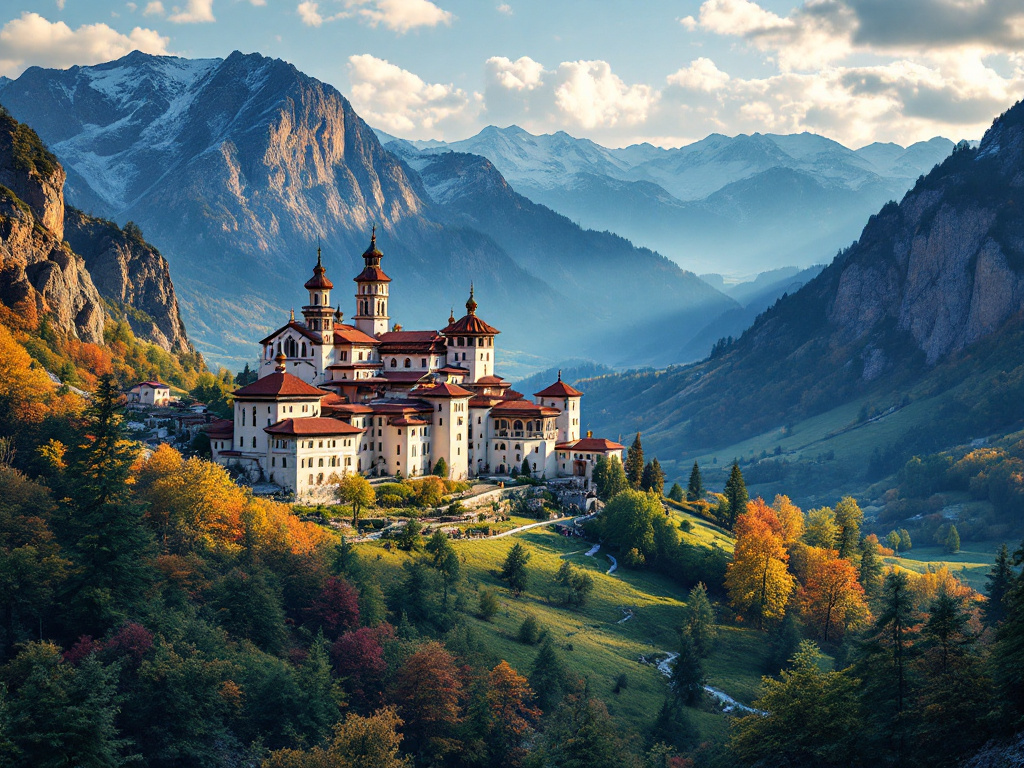
Rila Monastery
Bulgaria's most famous monastery, founded in the 10th century and renowned for its frescoes and tranquil mountain location.
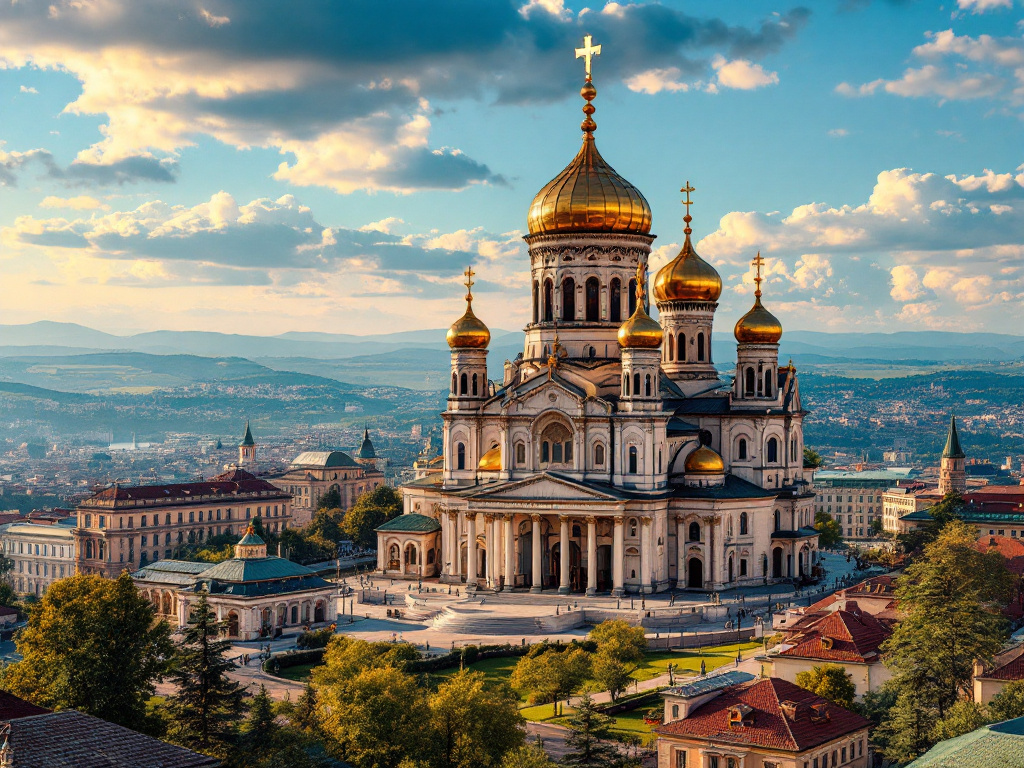
Alexander Nevsky Cathedral
A monumental cathedral in the heart of Sofia, known for its golden domes and impressive interior.
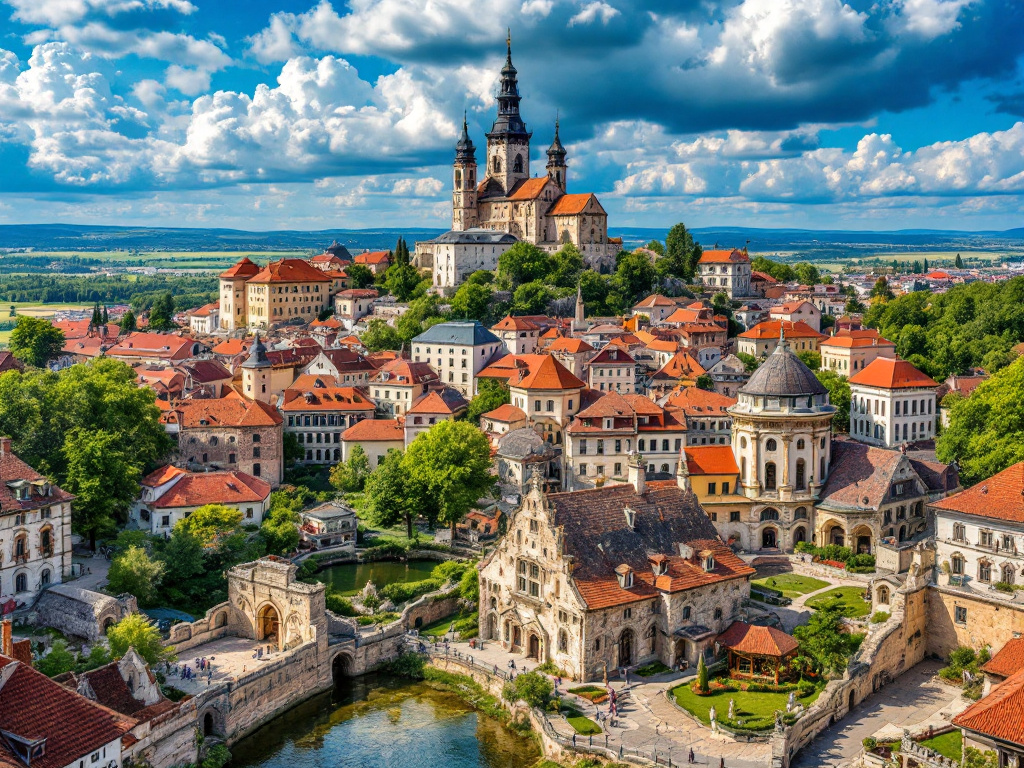
Old Plovdiv
Charming historical area with Roman ruins, renaissance houses, and vibrant cultural heritage.
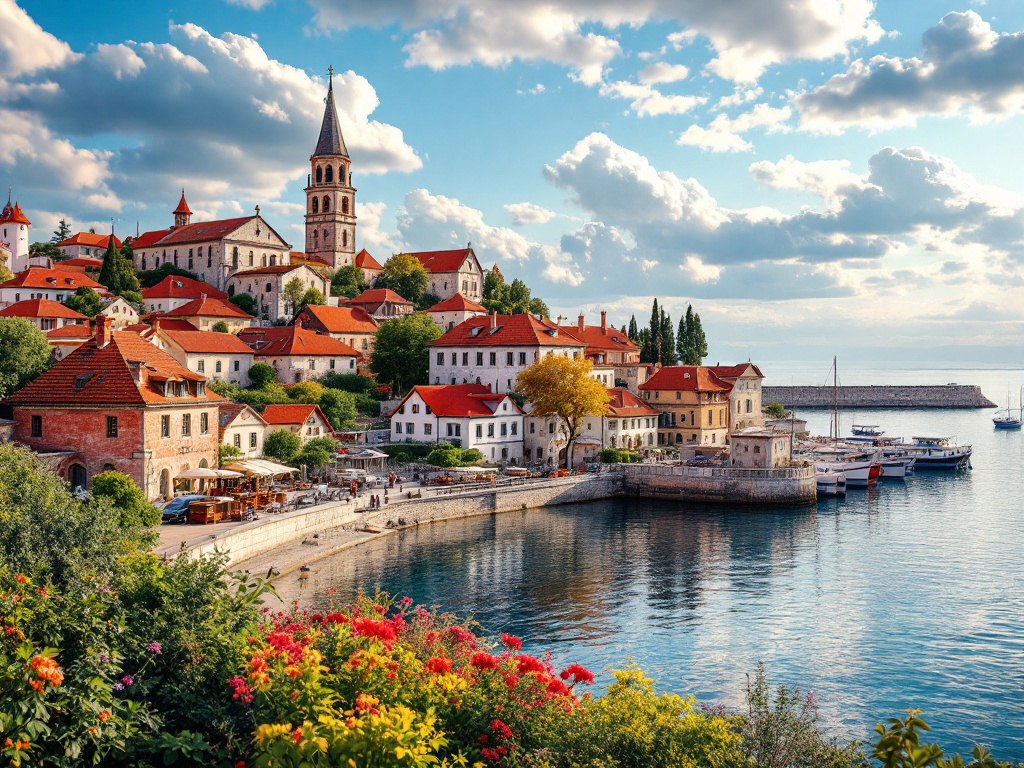
Old Nessebar
A historic peninsula with churches, wooden houses, and beautiful views of the Black Sea.
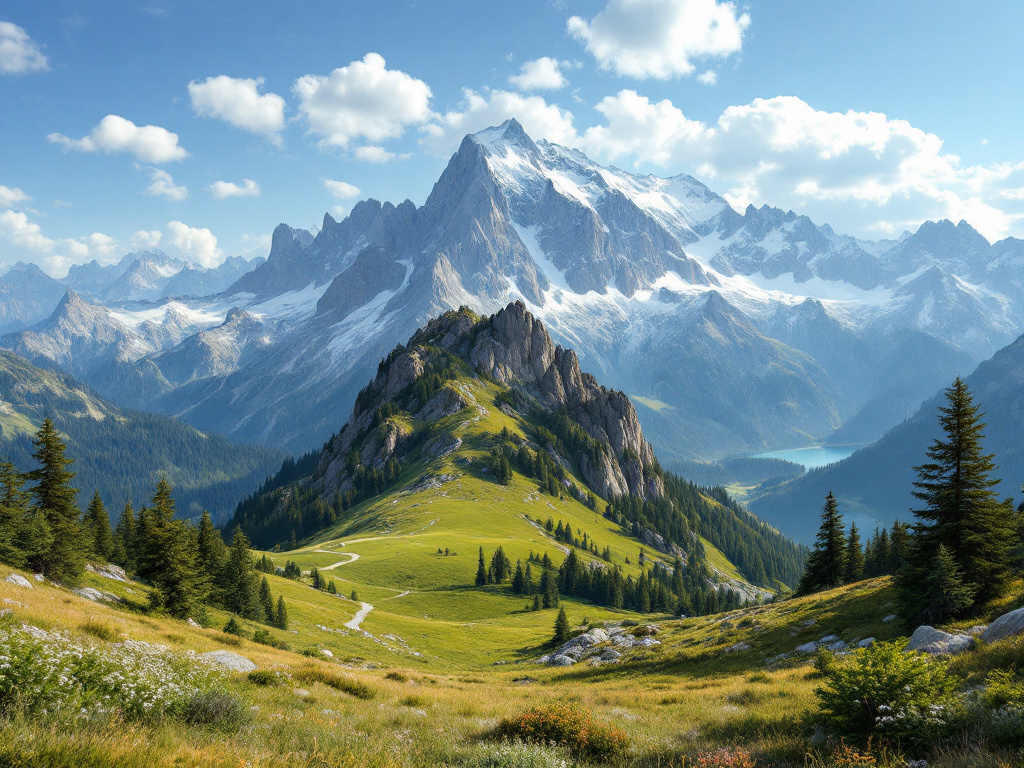
Pirin National Park
Majestic mountain national park known for its alpine landscapes and crystal-clear lakes.
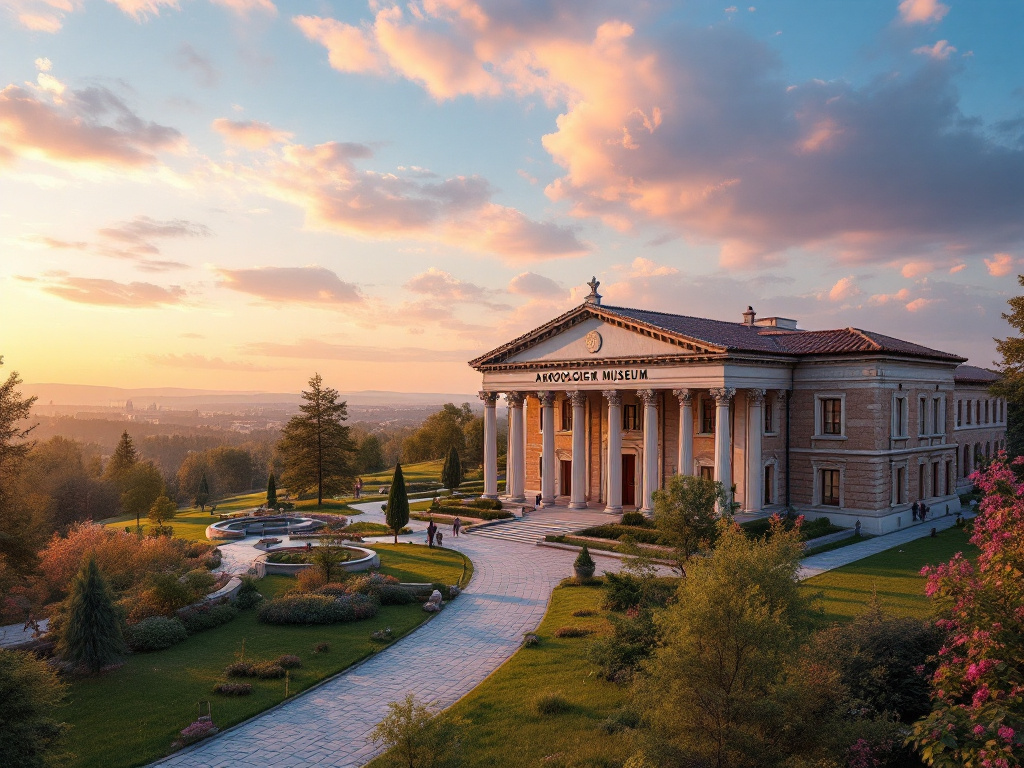
Varna Archaeological Museum
One of Bulgaria's most important museums with exceptional archaeological finds from ancient times.
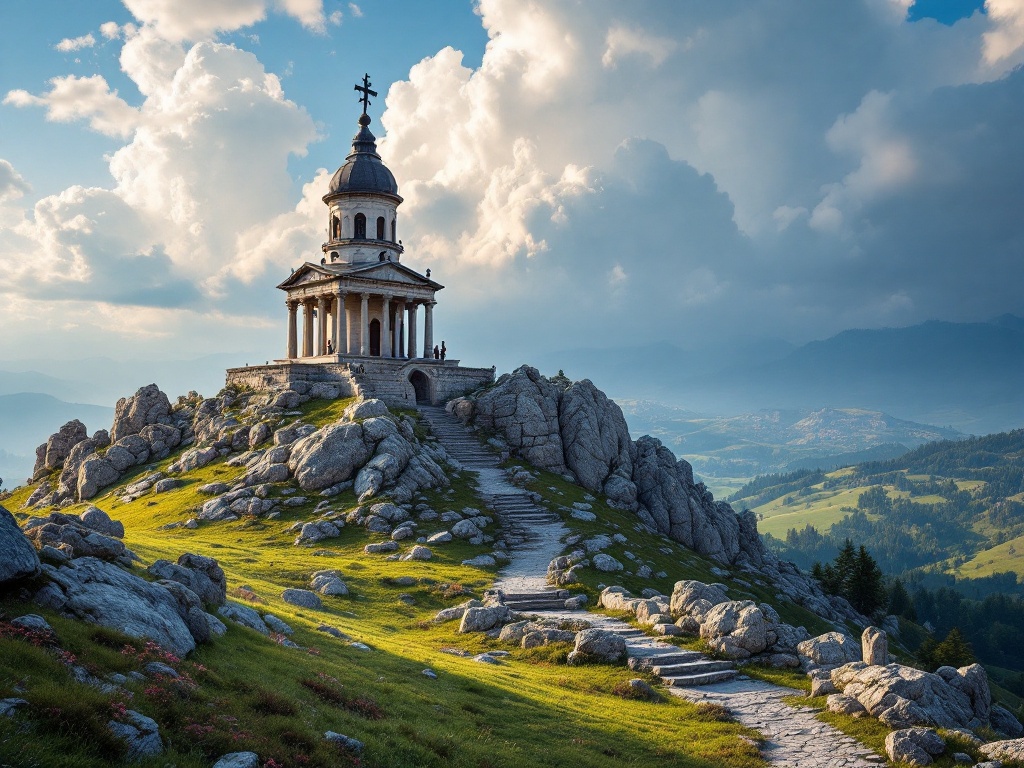
Shipka Freedom Monument
Impressive monument at Shipka Pass commemorating the fight for independence.
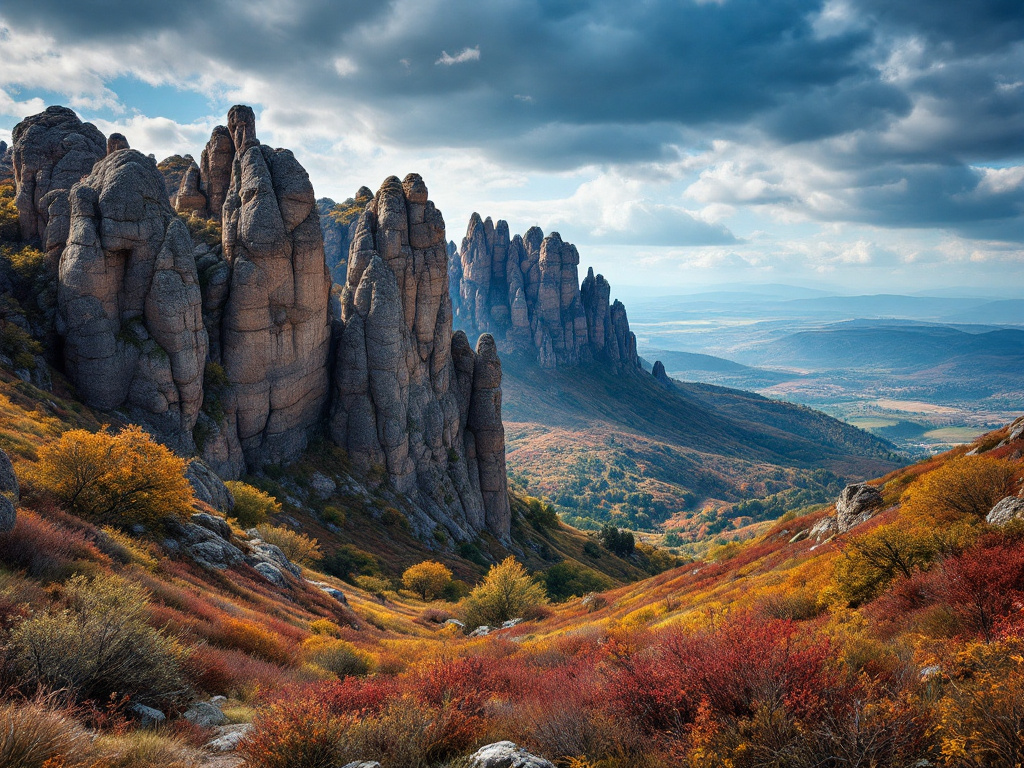
Belogradchik Rocks
Spectacular red rock formations shaped by nature over millions of years.
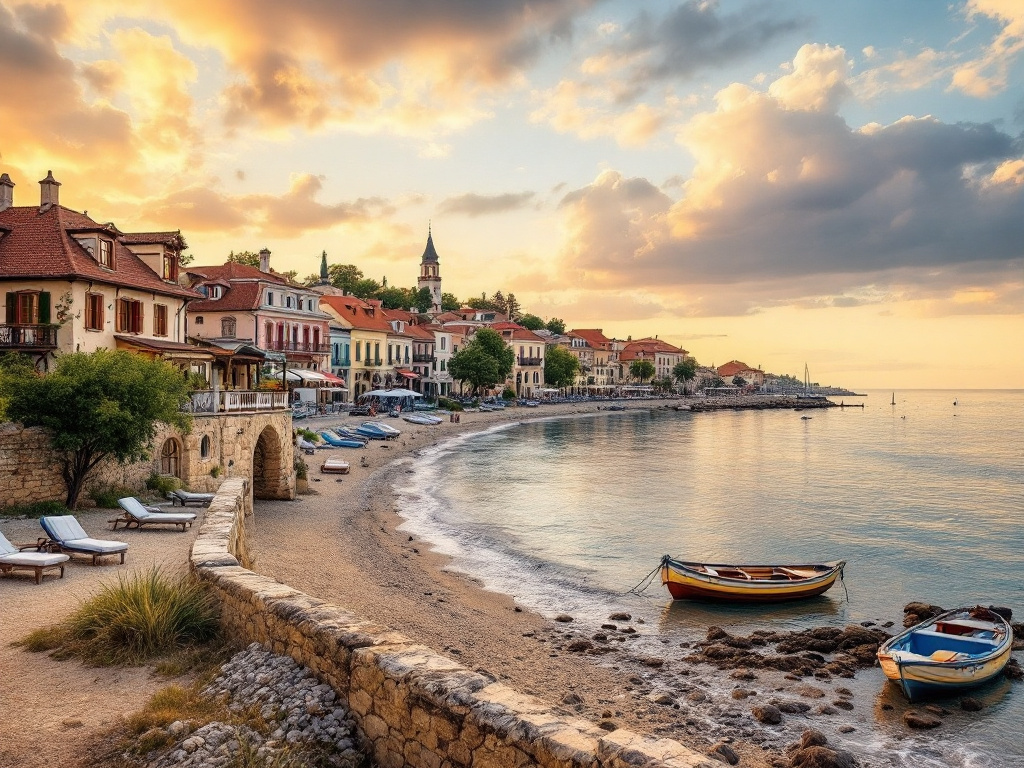
Old Sozopol
Charming old coastal town known for its relaxed atmosphere and beautiful beaches.
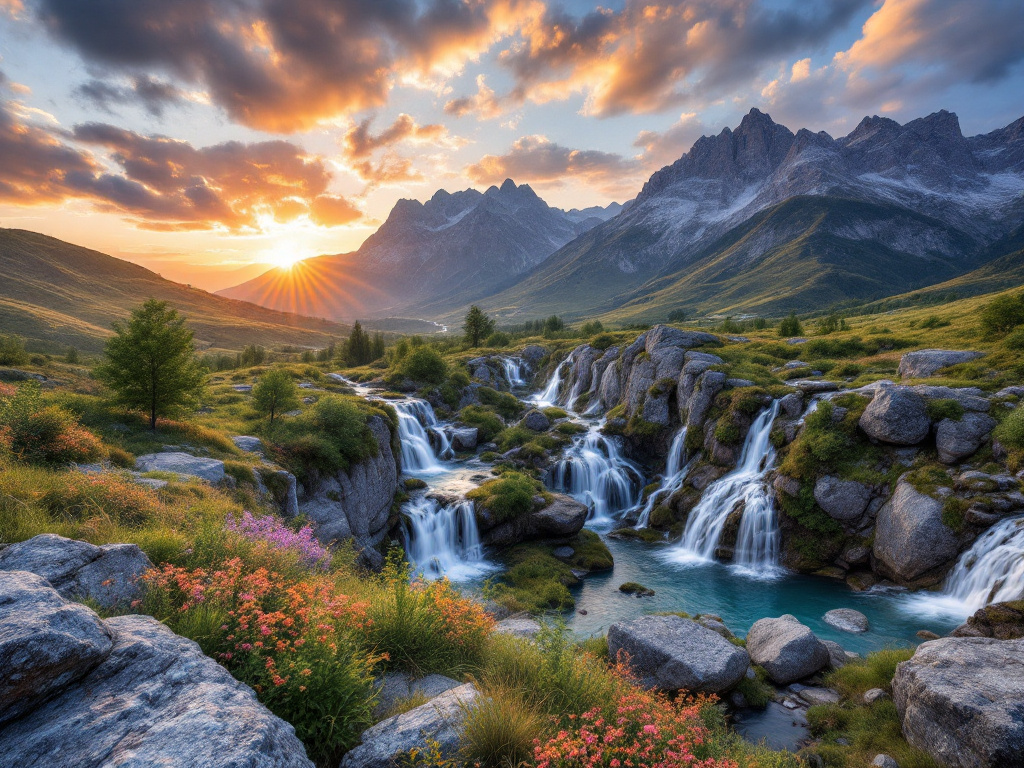
Thracian Tomb in Kazanlak
Famous Thracian tomb with well-preserved frescoes, visited through an exact replica.
Famous cuisine
Culinary overview
Bulgarian cuisine is a harmonious blend of Balkan, Mediterranean, and Middle Eastern flavors. Fresh vegetables, aromatic spices, and homemade dairy products play a central role. Meals are often social events where several dishes are shared at the table. The country's climate provides perfect conditions for growing tomatoes, peppers, and cucumbers, which are often included in classic dishes. Bulgaria is also known for its yogurt, said to be among the healthiest in the world, and for its wine production, which dates back to ancient times.
Must-try dishes
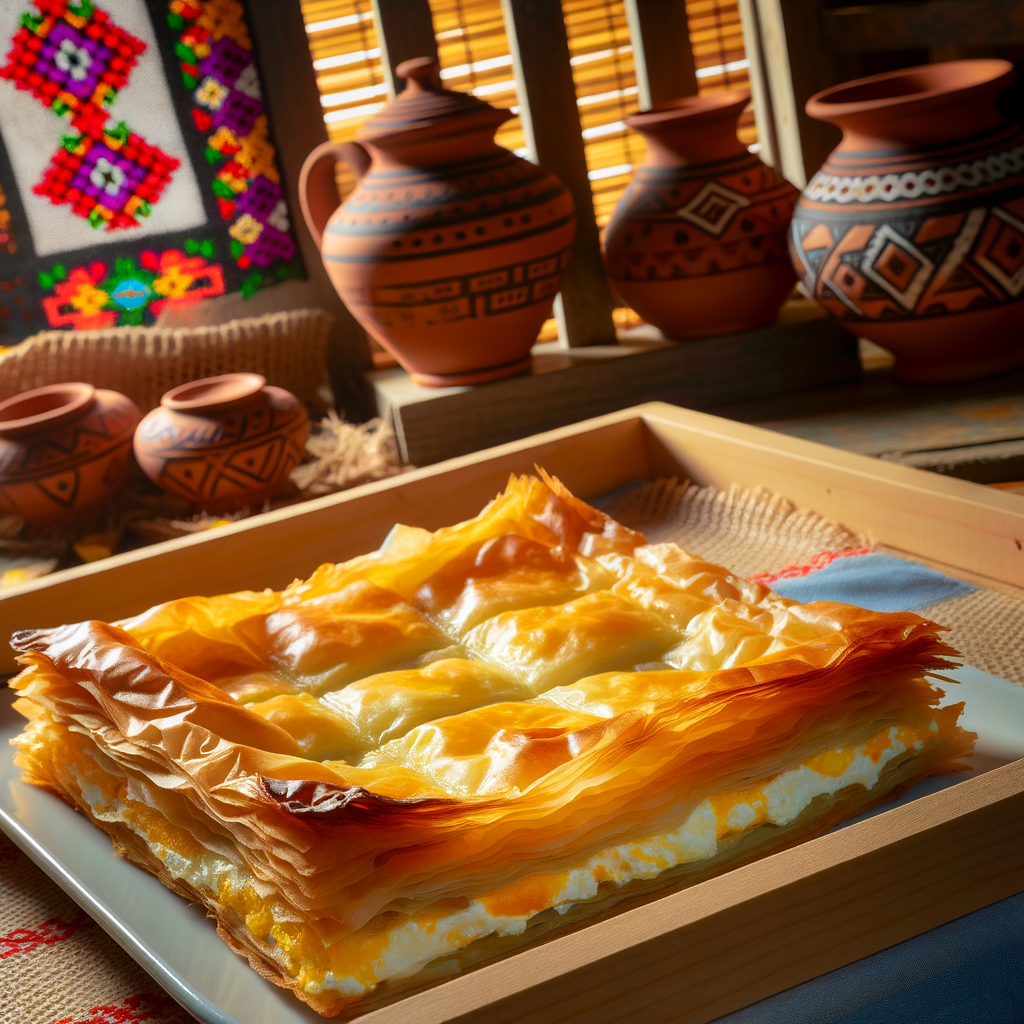
Banitsa
A traditional Bulgarian pie made of filo pastry filled with a mixture of eggs, yogurt, and white cheese. It is often eaten for breakfast along with ayran or tea.
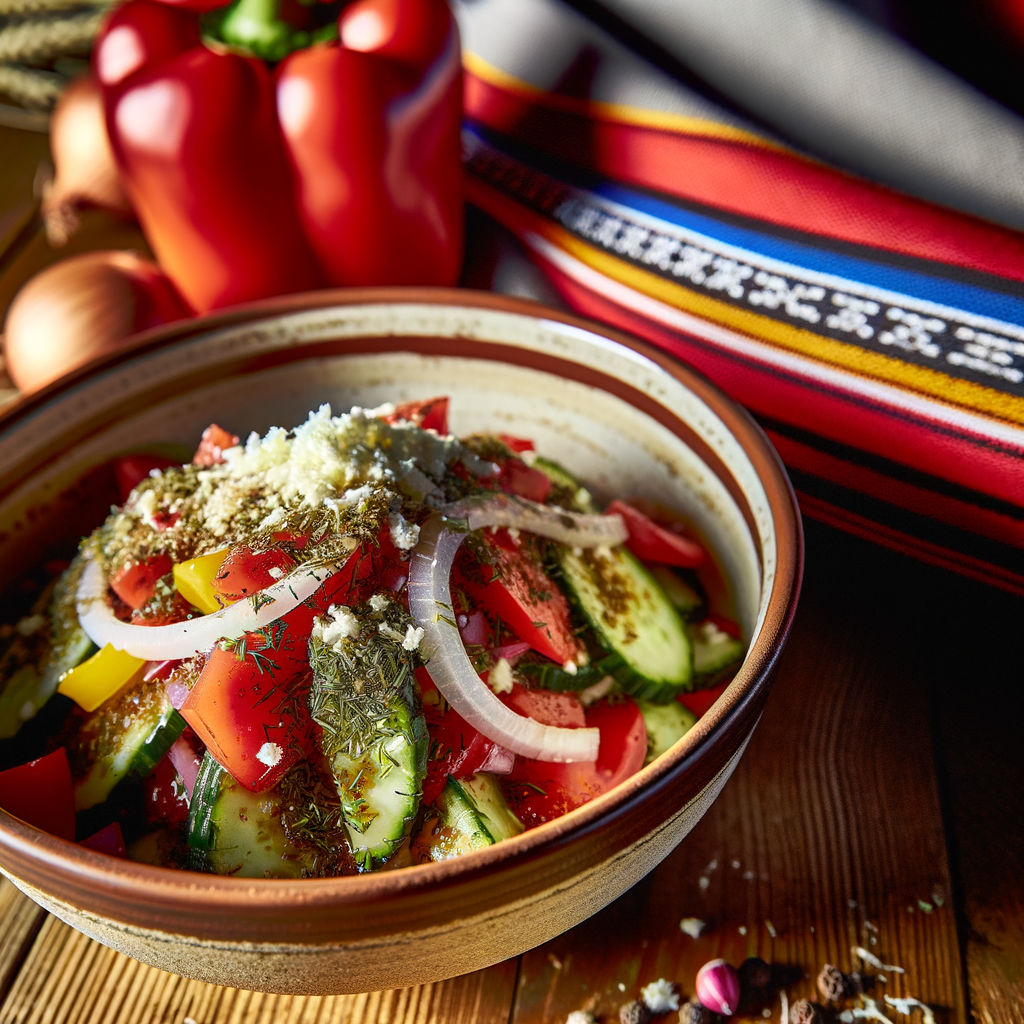
Shopska salad
A fresh salad consisting of tomatoes, cucumbers, onions, peppers, and grated sirene cheese. It is often served as an appetizer and is a symbol of Bulgarian food culture.
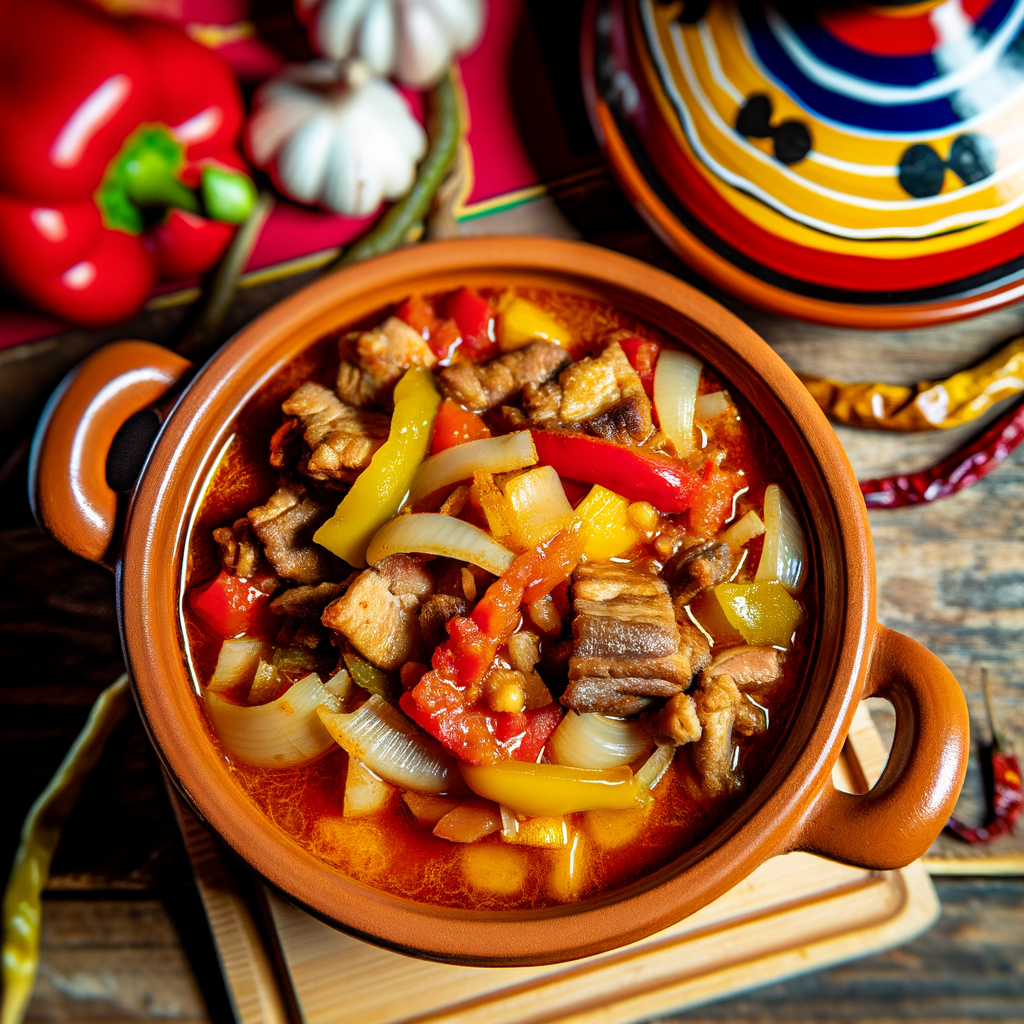
Kavarma
A slowly cooked stew with pork or chicken, onions, peppers, tomatoes, and spices. Typically served in a clay pot to preserve the flavor.
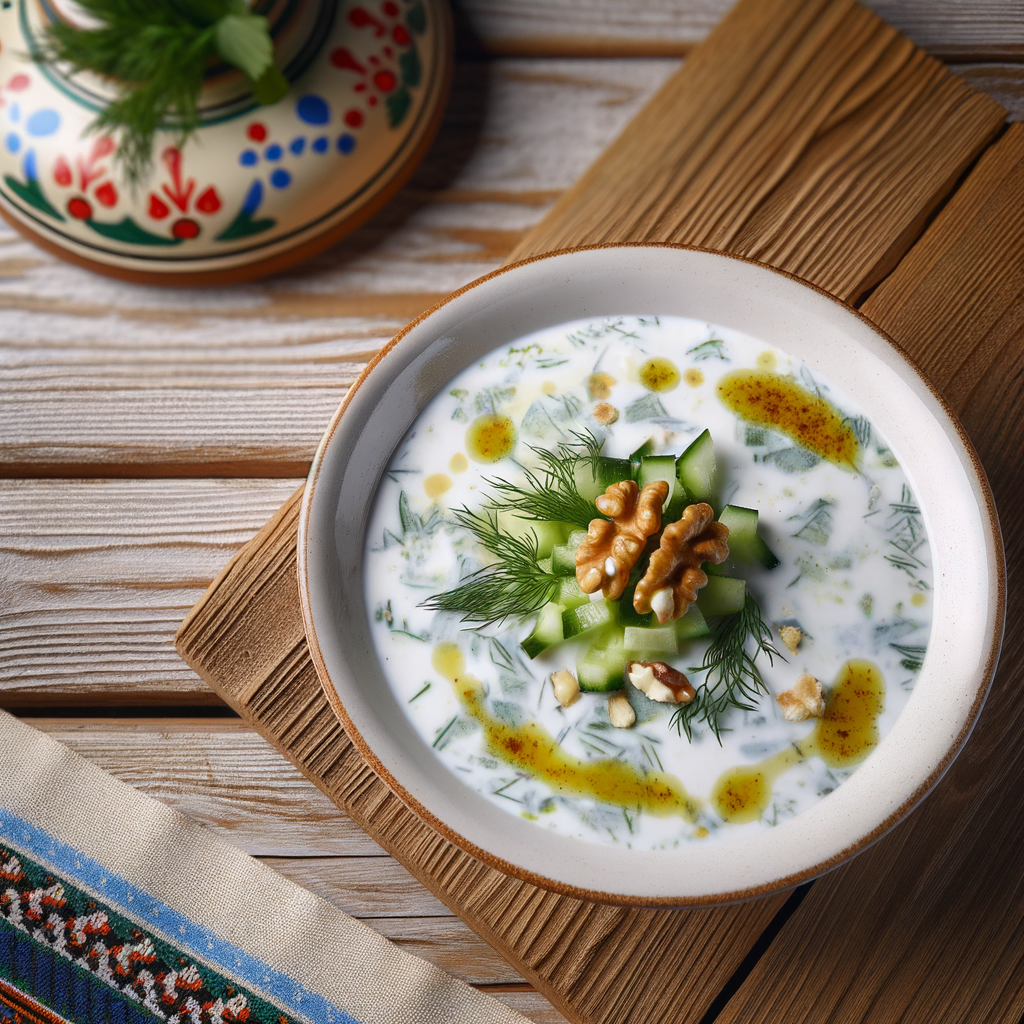
Tarator
A cold soup made of yogurt, cucumber, garlic, dill, and walnuts. Perfect as a refreshment on hot summer days.
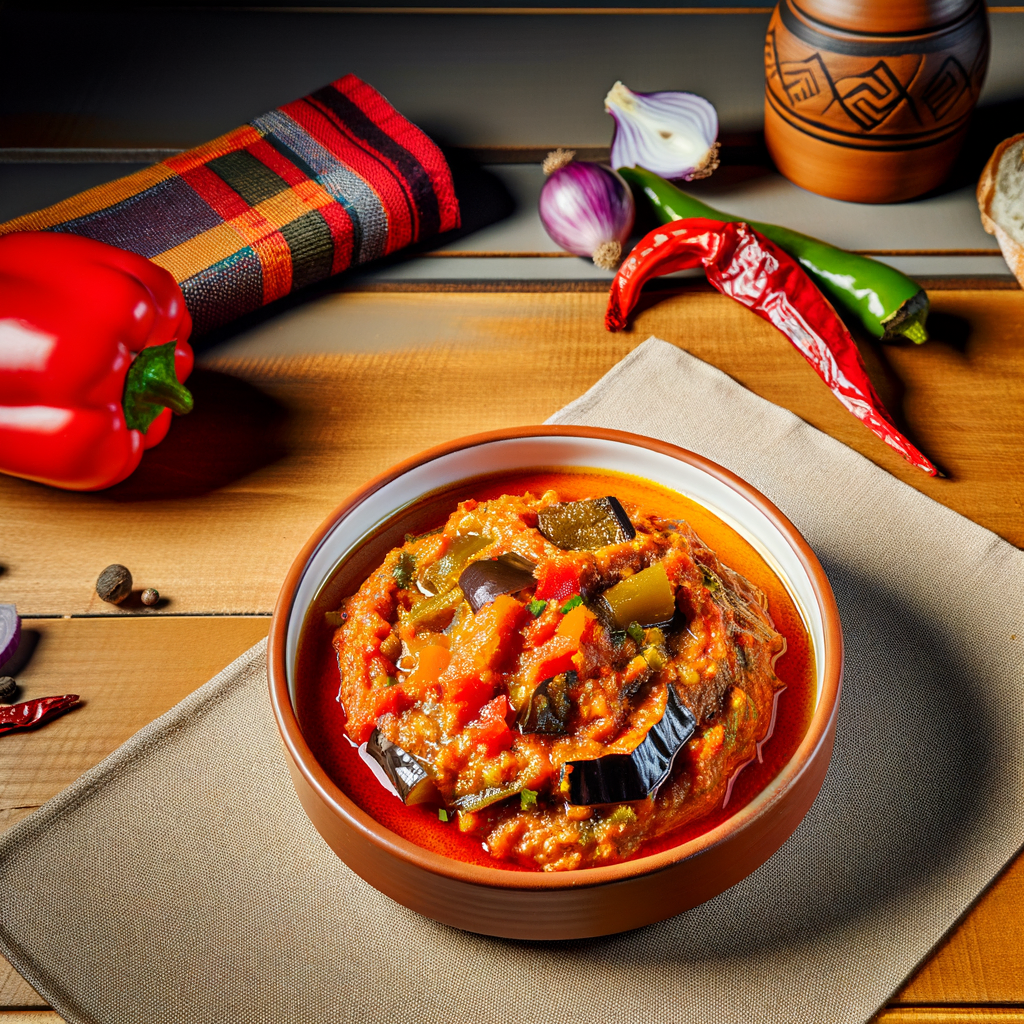
Lyutenitsa
A spicy vegetable purée made of peppers, tomatoes, and eggplant, often used as a side dish for meat dishes or as a spread on bread.
Restaurant information
Tipping
In Bulgaria, it is customary to tip 5-10% at restaurants if the service has been good. At cafes and bars, it is common to round up to the nearest whole lev.
Travel information
Currency
Bulgarisk lev (лв)
Language
Bulgarian
Best time to visit
May-June and September-October
Major cities
Sofia and other major cities
More countries in Europe
Discover more destinations in this region