
Burundi
Burundi, 'East Africa's heart', captivates with its majestic mountains, tranquil lakes, and vibrant traditions, while the country carries an indomitable spirit shaped by its complex history.
Overview
Burundi, known as the 'Heart of East Africa,' is a hidden paradise for travelers seeking authentic experiences far from the crowds. Here, dramatic mountains, lush rainforests, and tranquil beaches along Lake Tanganyika converge to create an unforgettable backdrop. The capital city, Gitega, offers cultural treasures like the Gishora Drum Museum, where traditional drum dances bring history to life. Whether embarking on a safari in Rusizi National Park, hiking in the verdant Kibira National Park, or marveling at the stunning Karera Waterfalls, Burundi harmoniously blends natural beauty with a rich cultural heritage and an inviting local community. Discover all that this enchanting destination has to offer – adventure awaits!
Official language
Kirundi
Government
Presidential republic
Best time to visit
June-August and December-February
Nature
Burundi is a treasure trove for adventure seekers, showcasing breathtaking landscapes that range from dramatic mountain ranges to serene lakeshores. The lush Kibira National Park, cloaked in mist and home to rare bird species and iconic chimpanzees, offers the perfect setting for hiking and wildlife exploration. To the west lies Lake Tanganyika, one of the world's oldest and deepest lakes, boasting crystal-clear waters and vibrant underwater life. In Rusizi National Park, visitors can catch a glimpse of hippos, crocodiles, and a myriad of bird species thriving in their natural habitat. The Karera Waterfalls present a stunning natural spectacle, cascading over multiple levels amidst verdant vegetation. With a diverse topography, from green valleys to high plateaus, Burundi is a place where untouched nature prevails, providing a serene escape for those seeking tranquility away from urban chaos, all while soaking in a unique biodiversity rare even in Africa. The best times to visit are from June to August and December to February when the weather is dry and perfect for mountain hikes and relaxing at the lakesides.
Travel to Burundi
Traveling to Burundi provides an opportunity to experience an authentic slice of Africa, untouched by mass tourism. The country's unique blend of nature, culture, and history awaits exploration. The ideal time to visit is from June to August and December to February when the climate is pleasant for both trekking in the mountains and unwinding on the shores of Lake Tanganyika. Adventurous travelers can delve into the national parks of Kibira and Rusizi, witness the awe-inspiring Karera Waterfalls, or immerse themselves in local customs in Gitega. Food enthusiasts will love traditional dishes, while culture lovers can enjoy unique drum dance performances. Although the infrastructure may pose challenges, those who venture here will be rewarded with genuine discoveries and the chance to connect closely with both nature and the local populace.
Culture
The culture of Burundi is deeply rooted in traditions, music, and dance, with the drum serving as a central symbol of the nation's identity. The renowned Gishora drum performers epitomize national pride, and their vibrant drum dances are a living testament of storytelling passed down through generations. Handicrafts such as basket weaving, wood carving, and colorful textiles are prevalent, reflecting both creativity and practicality. The Burundian cuisine is a vital aspect of its culture, featuring dishes like ibiharage (fried beans), isombe (cassava leaves), and grilled goat meat, often enjoyed in communal settings. While Kirundi is the most widely spoken language, French and English are also used, especially in urban areas. Religion plays a significant role, blending Christianity with traditional beliefs, and celebrations are lively, marked by music and dance that bind communities together. Renowned for their hospitality, the Burundian people greet visitors with warm smiles and open arms, making interactions both enriching and memorable.
History
Burundi's history is both rich and complex, shaped by the Hutu, Tutsi, and Twa peoples who inhabited the region for centuries. In the late 1800s, Burundi became part of German East Africa, and after World War I, it came under Belgian colonial rule. Although Burundi gained independence in 1962, the following decades were marred by political tensions and conflicts among ethnic groups. Despite this turbulent past, Burundi has preserved strong traditions and a cultural identity that continues to flourish. Today, the country is focused on fostering peace, stability, and economic development while gradually becoming more accessible to tourism, inviting travelers to discover its enduring spirit and vibrant heritage.
Top attractions
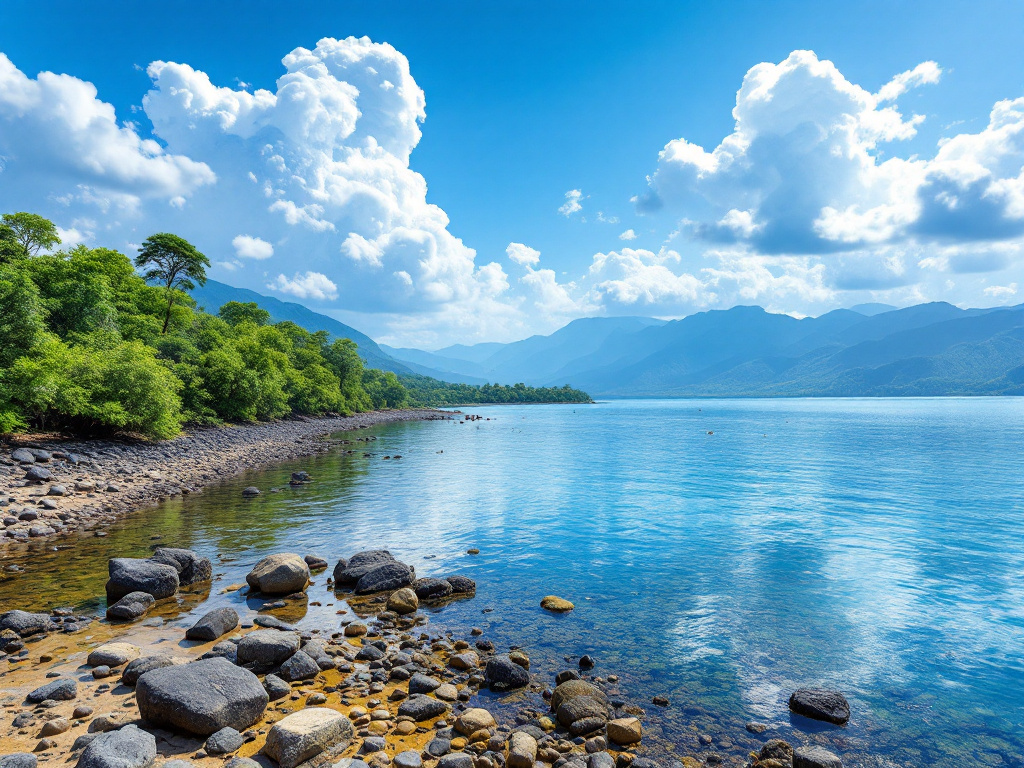
Lake Tanganyika
Lake Tanganyika is a natural landmark in Burundi offering beaches, fishing, and serene views over Africa's great rift valley.
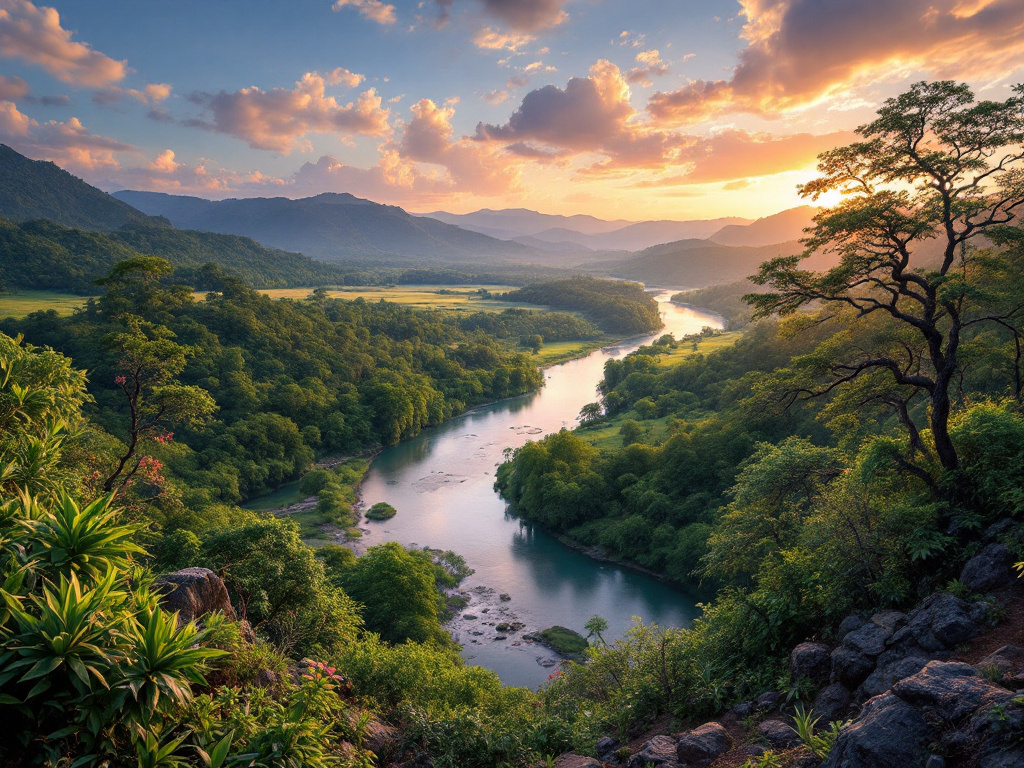
Rusizi National Park
Rusizi National Park protects wetlands along the Rusizi River and is known for its rich birdlife and hippos.
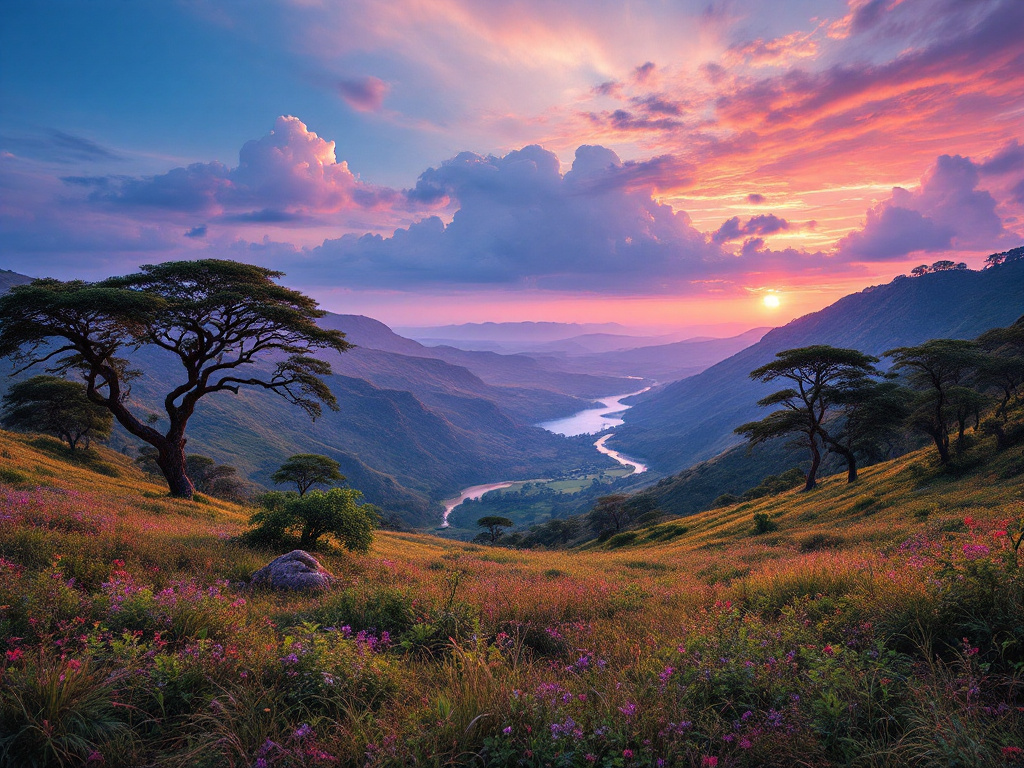
Kibira National Park
Kibira National Park is a lush montane rainforest and important water source, rich in wildlife and with a cool climate.
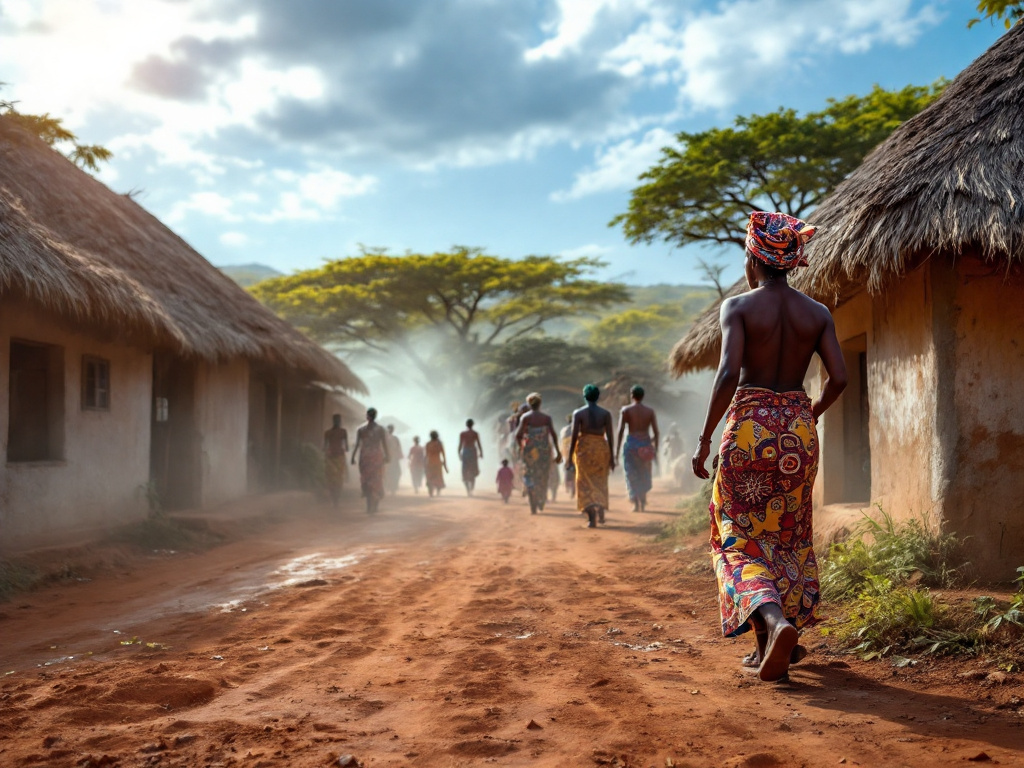
Gishora Drumming Site
Gishora Drumming Site is a historical center for Burundi's royal drumming tradition and a cultural highlight.
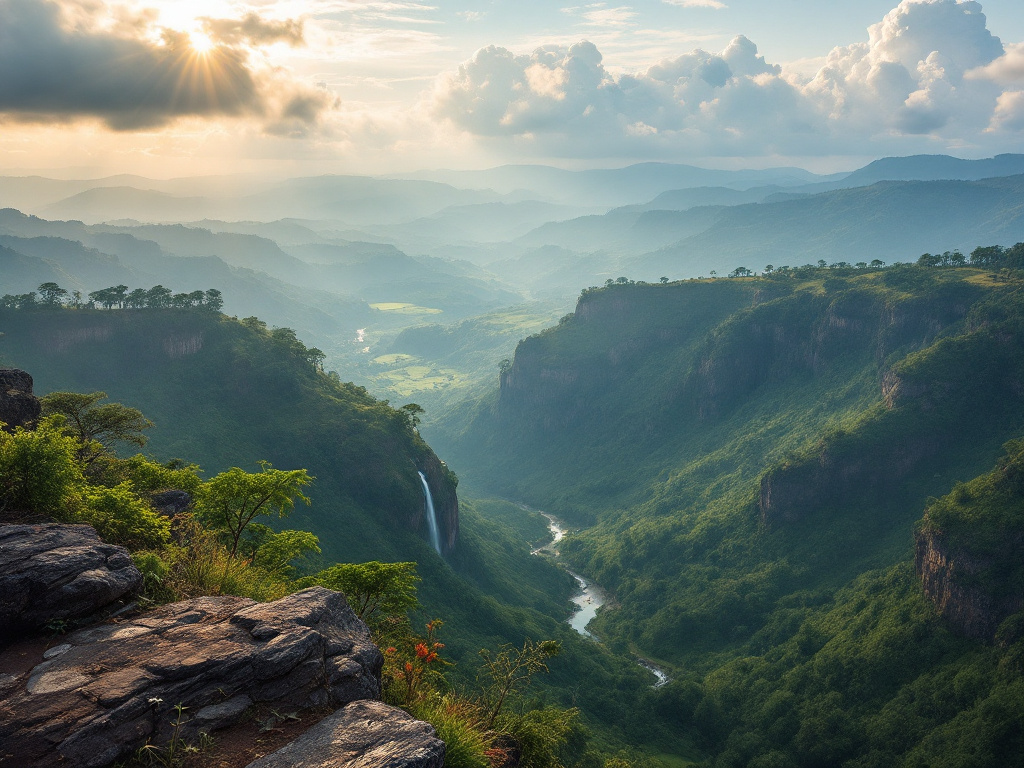
Karera Waterfalls
Karera Waterfalls is one of Burundi's most photographed natural areas with dramatic falls and lush nature.
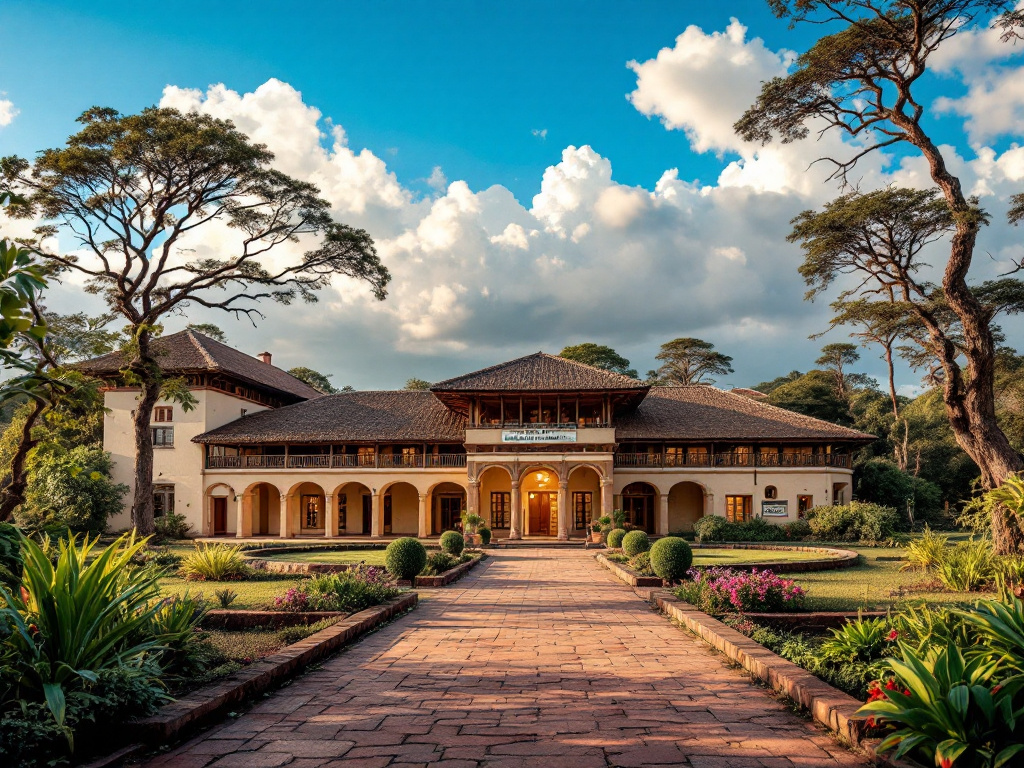
Gitega National Museum
Gitega National Museum provides insight into Burundi's history, culture, and traditional lifestyle.
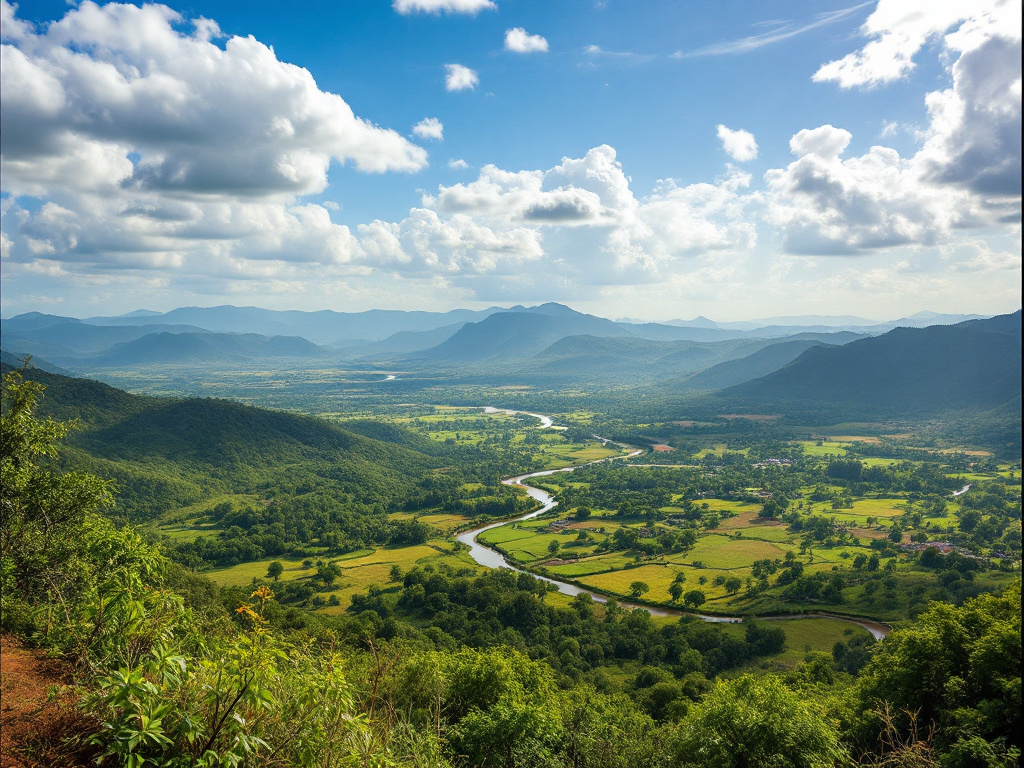
Source of the Nile at Rutovu
Rutovu is considered one of the sources of the Nile and is an important historical and geographical point.
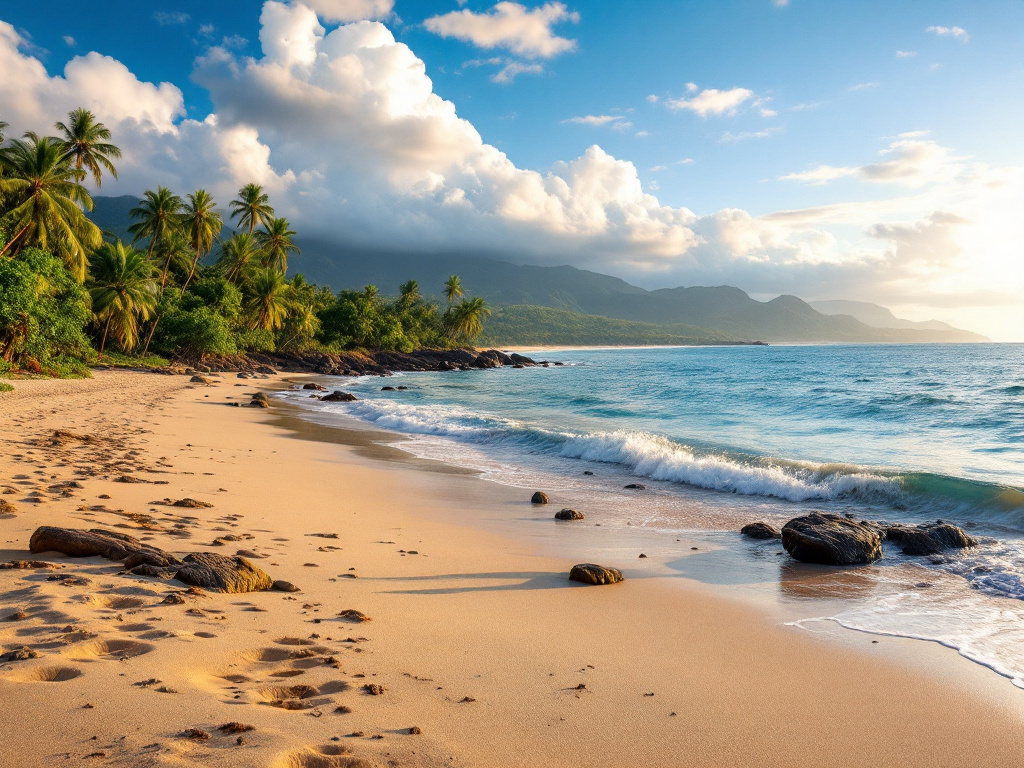
Rumonge Beach
Rumonge Beach offers a relaxed experience by Lake Tanganyika with local culture and calm waters.
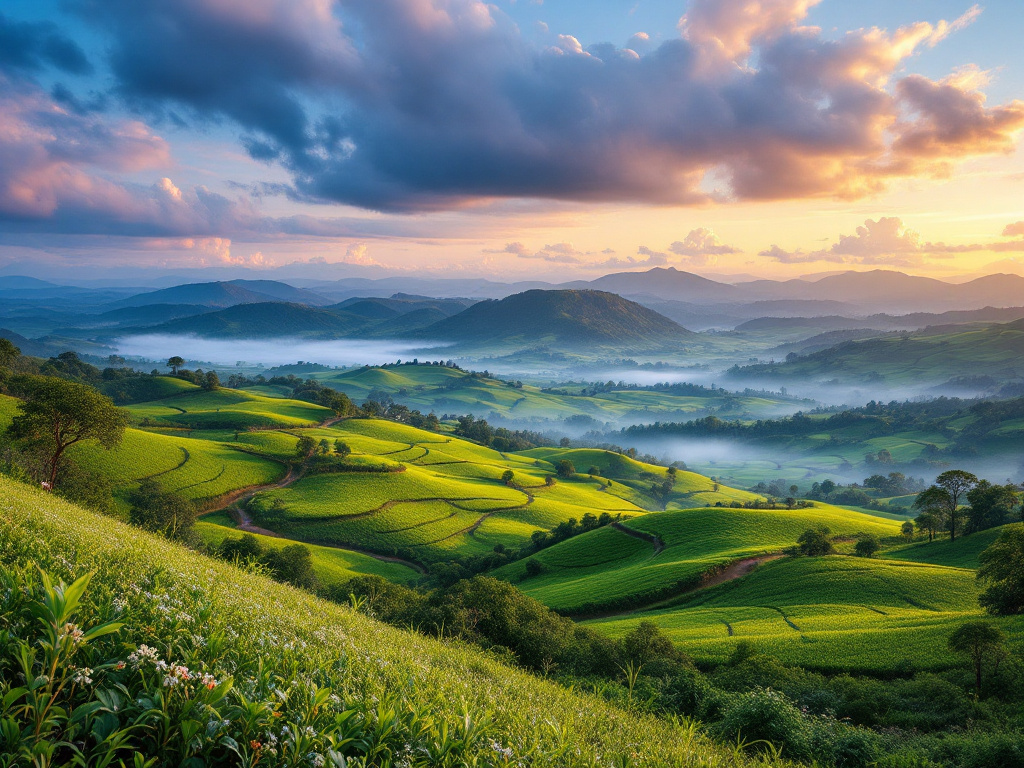
Teza Tea Plantation
Teza Tea Plantation offers beautiful landscapes and insight into Burundi's tea production.
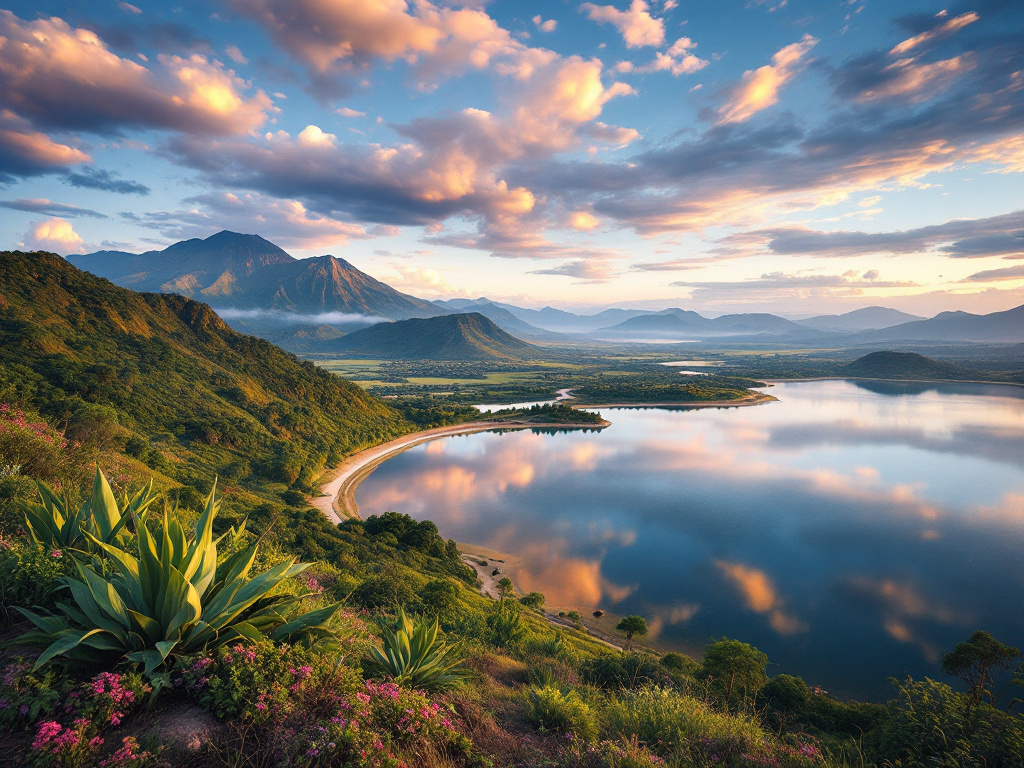
Rwegura Reservoir
Rwegura Reservoir is located in the northern highlands and offers peaceful views and fresh air.
Famous cuisine
Culinary overview
Burundian cuisine is deeply rooted in the country's agricultural traditions and features simple yet flavorful dishes based on local ingredients such as beans, maize, cassava, sweet potatoes, and fresh fish from Lake Tanganyika. Meals are often vegetarian, but meat like goat and chicken is served on special occasions. The flavors are mild, but spices like chili and peanuts are used to add depth. The food culture is social, and meals are often shared communally, reflecting the strong sense of community in Burundi.
Must-try dishes
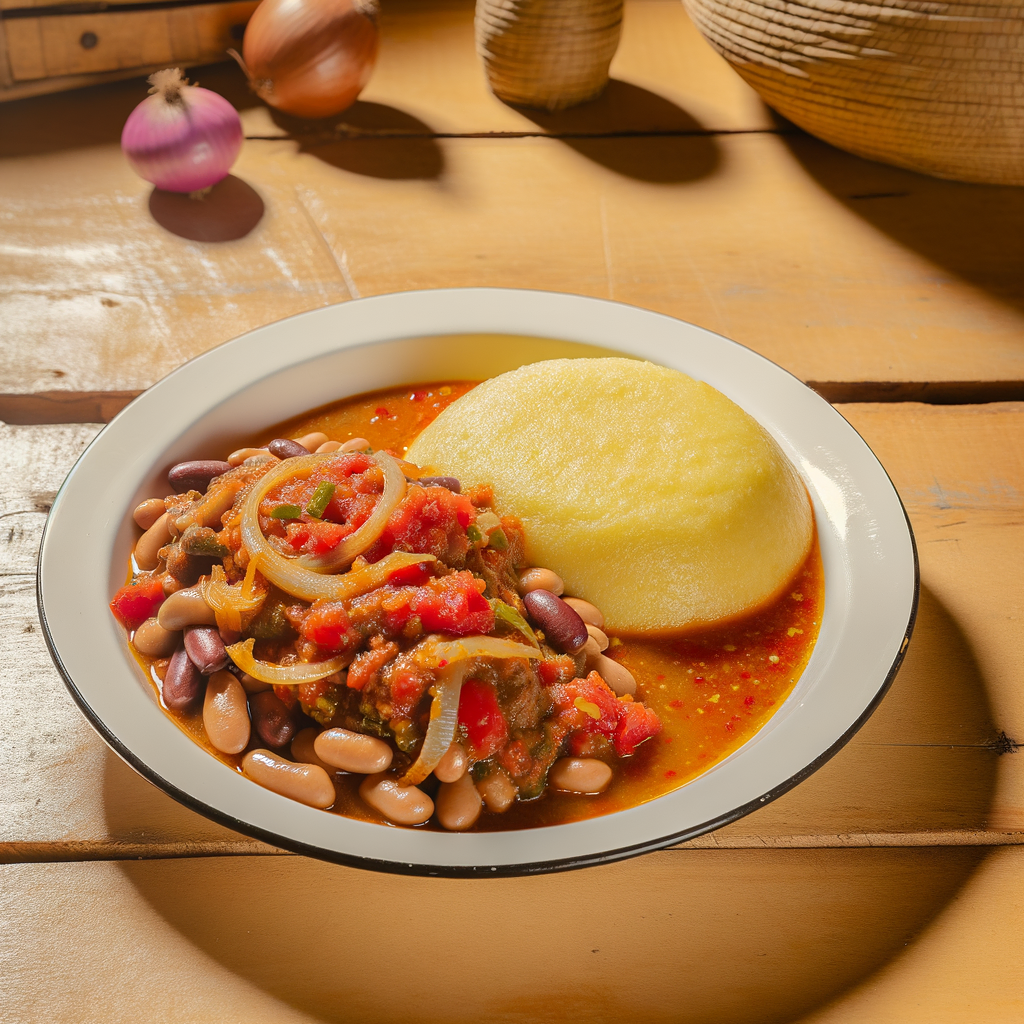
Ibiharage
Fried beans cooked with onions, tomatoes, and spices. Often served with maize porridge (ugali) and is one of the most common everyday dishes in Burundi.
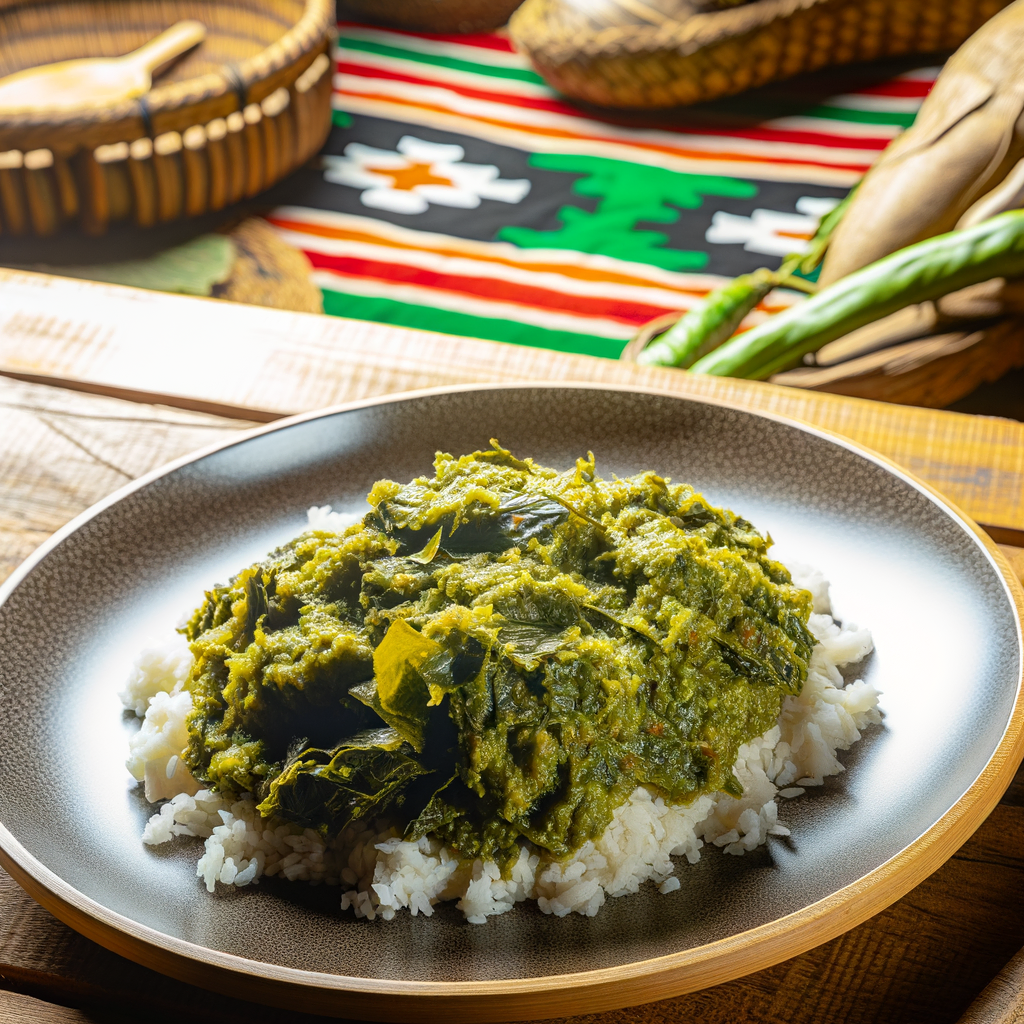
Isombe
A creamy dish made from boiled cassava leaves, often mixed with peanut sauce. It is typically served with rice or maize porridge.
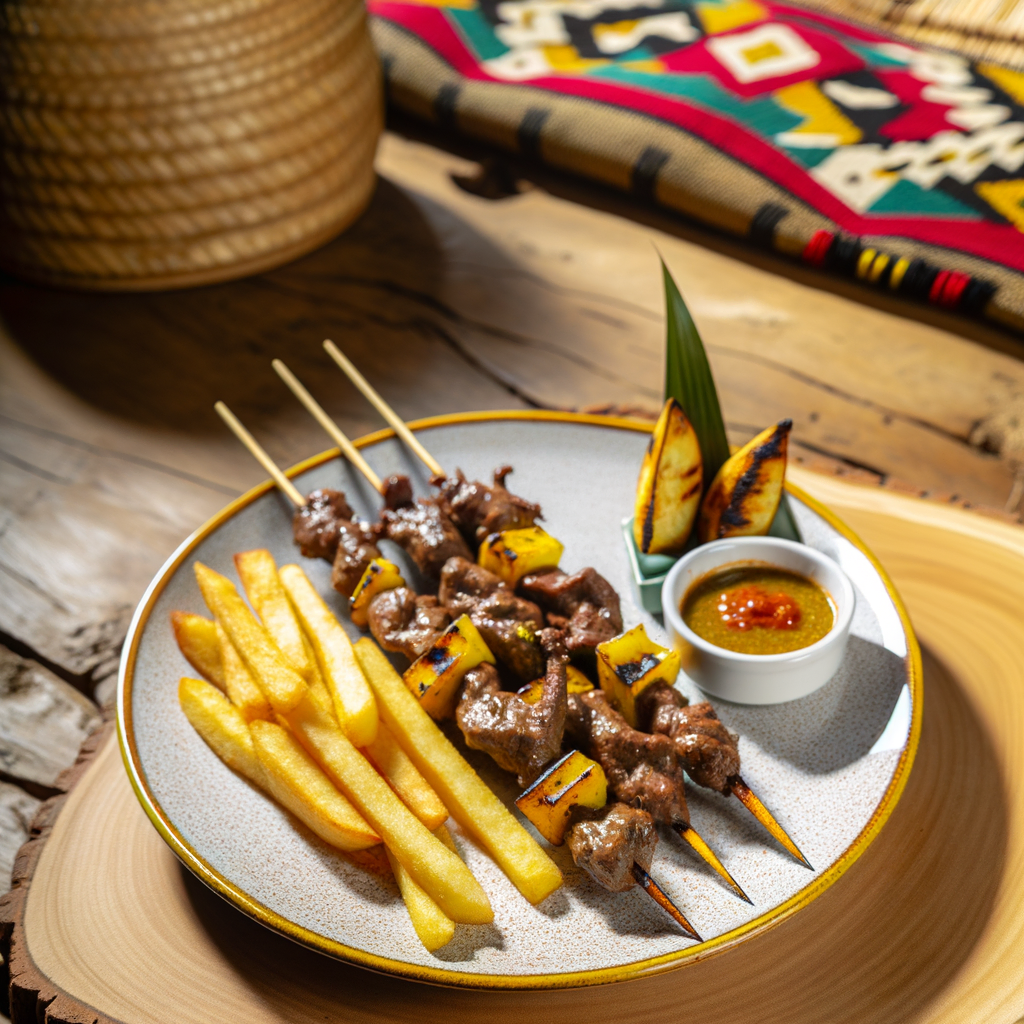
Brochettes
Grilled skewers with marinated goat meat or beef, often served with fried bananas or French fries. A popular street food and bar snack.

Mukeke
A fresh fish from Lake Tanganyika, grilled or fried, and served with lemon and vegetables. Known for its delicate flavor.
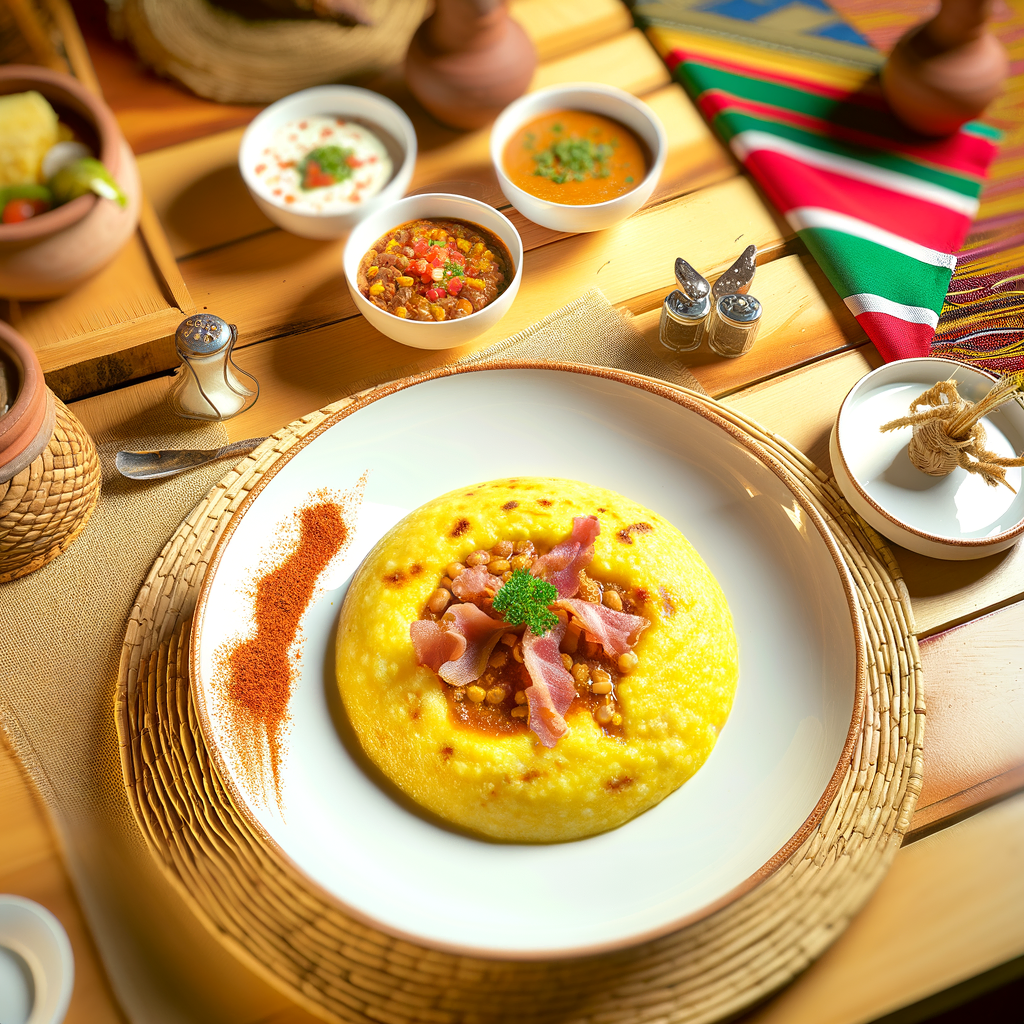
Ubugali
A firm maize porridge that serves as a basis for many meals. It is used to scoop up sauces and beans and is eaten with the hands.
Restaurant information
Tipping
Tipping is not a fixed part of the culture in Burundi, but it is appreciated to round up or give 5-10% at restaurants, especially in tourist areas.
Travel information
Currency
Burundisk franc (FBu)
Language
Kirundi
Best time to visit
June-August and December-February
Major cities
Gitega and other major cities
More countries in Africa
Discover more destinations in this region