
Bolivia
Bolivia, a land of stunning contrasts, offers everything from majestic Andes mountains and vast salt flats to the lush Amazon rainforest, all infused with rich cultural heritage and vibrant traditions.
Overview
Bolivia is a land of extreme contrasts and unforgettable experiences – from the snow-capped peaks of the Andes to the lush Amazon rainforest and the world's largest salt flat, Salar de Uyuni. Travelers can explore La Paz, the highest capital city in the world, with its vibrant markets, historical mining towns like Potosí, and pre-Columbian ruins at Tiwanaku. With a unique blend of Spanish, Quechua, and Aymara cultures, stunning national parks, and delectable dishes such as salteñas, Bolivia is a paradise for adventurers and cultural enthusiasts alike.
Official language
Spanish
Government
Presidential democracy
Best time to visit
May-October (dry season)
Nature
Bolivia showcases some of the planet's most breathtaking and diverse landscapes. In the west, the majestic Andes Mountains rise with snow-capped peaks, deep valleys, and high plateaus, offering endless vistas and adventure opportunities. The Salar de Uyuni, the world's largest salt flat, sprawls under the clear sky like a white mirror, creating surreal views, especially during the rainy season when the surface reflects the heavens above. Moving to the north and east, the lush Amazon rainforest teems with vibrant wildlife, colorful birds, and exotic plants, best witnessed in Madidi National Park, one of the most biodiverse regions on Earth. The Eduardo Avaroa Reserve in the southwest is a spectacle of geysers, hot springs, flamingos, and striking lagoons in hues of turquoise, red, and green. From the deep blue waters of Lake Titicaca to the arid highland deserts, Bolivia is a land that continually delights and astonishes nature lovers.
Travel to Bolivia
Journeying to Bolivia is an adventure into a land that feels both authentic and undiscovered. The country offers a plethora of experiences, from trekking in the Andes and biking down the famed 'Death Road' to sailing on Lake Titicaca and embarking on jeep excursions across Salar de Uyuni. La Paz serves as the ideal launching point with its unique valley setting surrounded by mountains and a cable car system that provides stunning views. National parks like Madidi and Eduardo Avaroa present everything from rainforest safaris to geyser fields and colorful lagoons. The best time to visit is from May to October, when the weather is dry and clear, perfect for exploring both highland and lowland adventures. Bolivia is also a budget-friendly destination, allowing travelers to immerse themselves in its wonders without breaking the bank, while the warmth and hospitality of its people make the journey all the more memorable.
Culture
Bolivia's cultural tapestry is a vivid mosaic woven from the traditions, languages, and art forms of its indigenous people and Spanish colonial history. The Quechua and Aymara communities have preserved their languages, traditional attire, and rituals, which are evident in daily life across villages and cities. Colorful markets overflow with handwoven textiles, pottery, and silver jewelry, while music and dance play a central role in vibrant celebrations like the UNESCO-listed Oruro Carnival. The Jesuit missions in Chiquitos are famous for their baroque churches and unique musical heritage, blending classical European music with local rhythms. The Bolivian cuisine is a feast for the senses, featuring dishes like salteñas (filled pastries), anticuchos (grilled beef hearts), and silpancho. In La Paz, a modern city with cable cars, art galleries, and cozy cafes lies alongside traditional healers and witch markets, reflecting a proud culture steeped in history yet open to new experiences.
History
Bolivia's history is marked by the rise of great civilizations, the wealth of the colonial era, and the struggle for independence. Long before the Spanish conquest, the Tiwanaku culture thrived in the region, known for its impressive stone structures and advanced agricultural techniques. Later, it became part of the Inca Empire, before Spanish colonizers exploited the land’s vast silver resources, particularly in Potosí, which emerged as one of the richest cities in the world. The colonial period brought both prosperity and oppression, culminating in Bolivia's independence in 1825. Since then, the country has navigated political upheavals, territorial losses, and social transformations, yet it has maintained a strong national identity, with indigenous traditions remaining central to its culture.
Top attractions
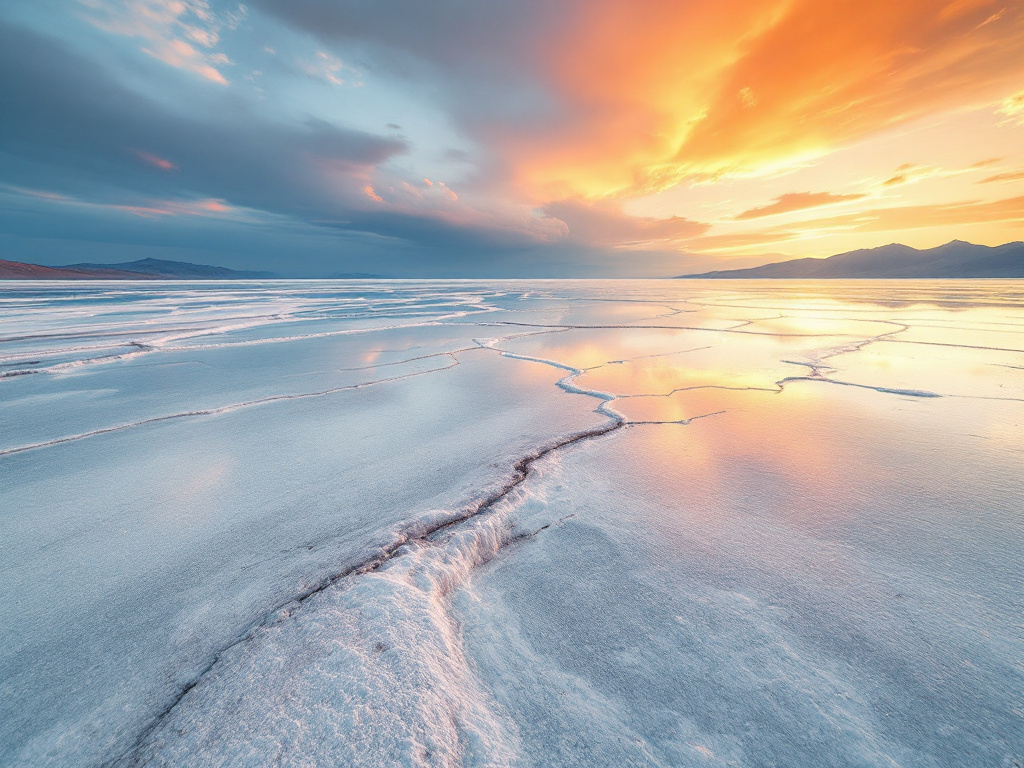
Salar de Uyuni
A massive, white salt flat stretching towards the horizon, creating surreal landscapes, especially known for its reflections in the rainy season.
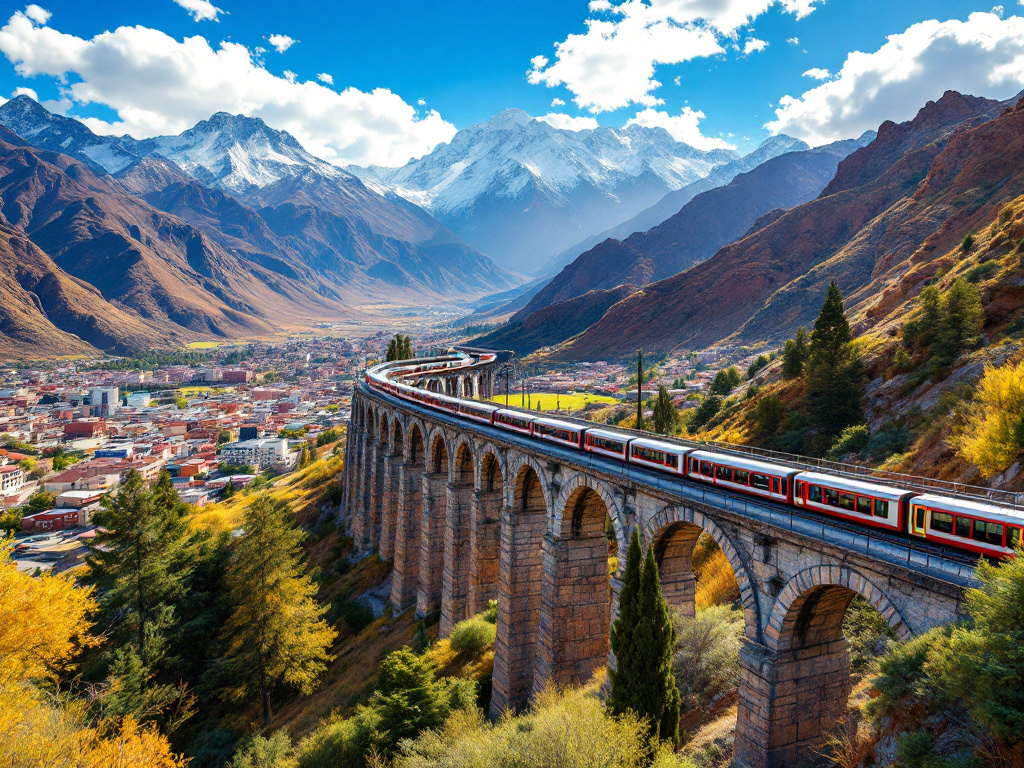
La Paz Cable Car System
A modern cable car network connecting La Paz with El Alto and offering spectacular views over the city and the Andes Mountains.
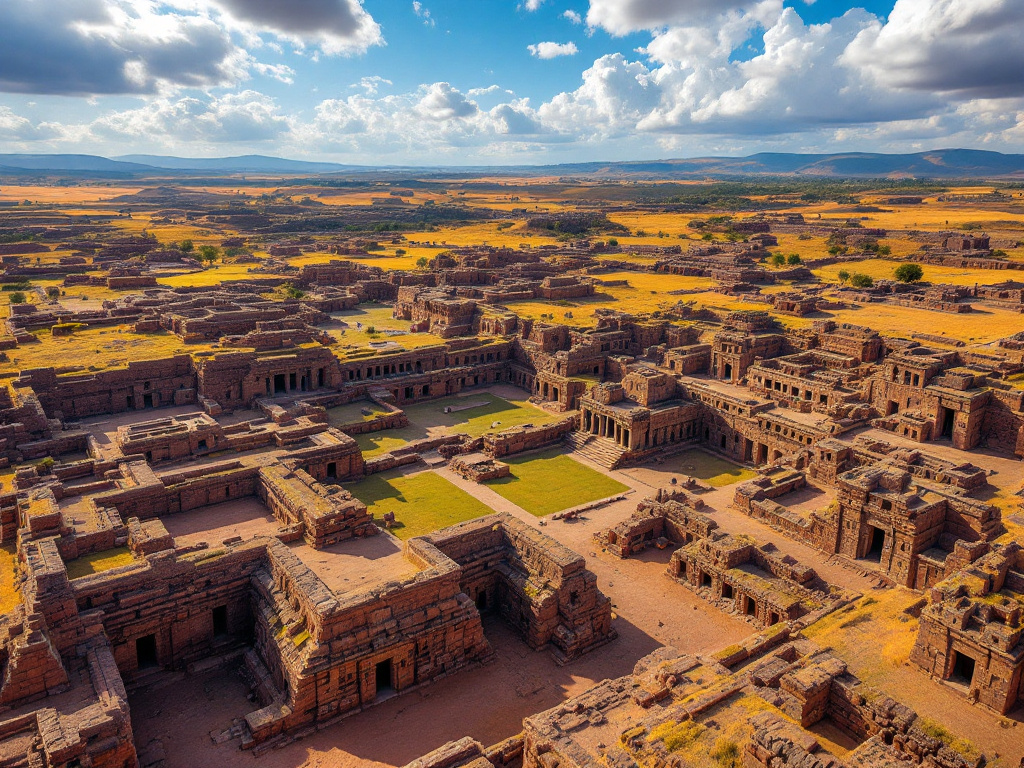
Tiwanaku Ruins
A UNESCO World Heritage site with impressive ruins from one of the earliest civilizations in the Andes.
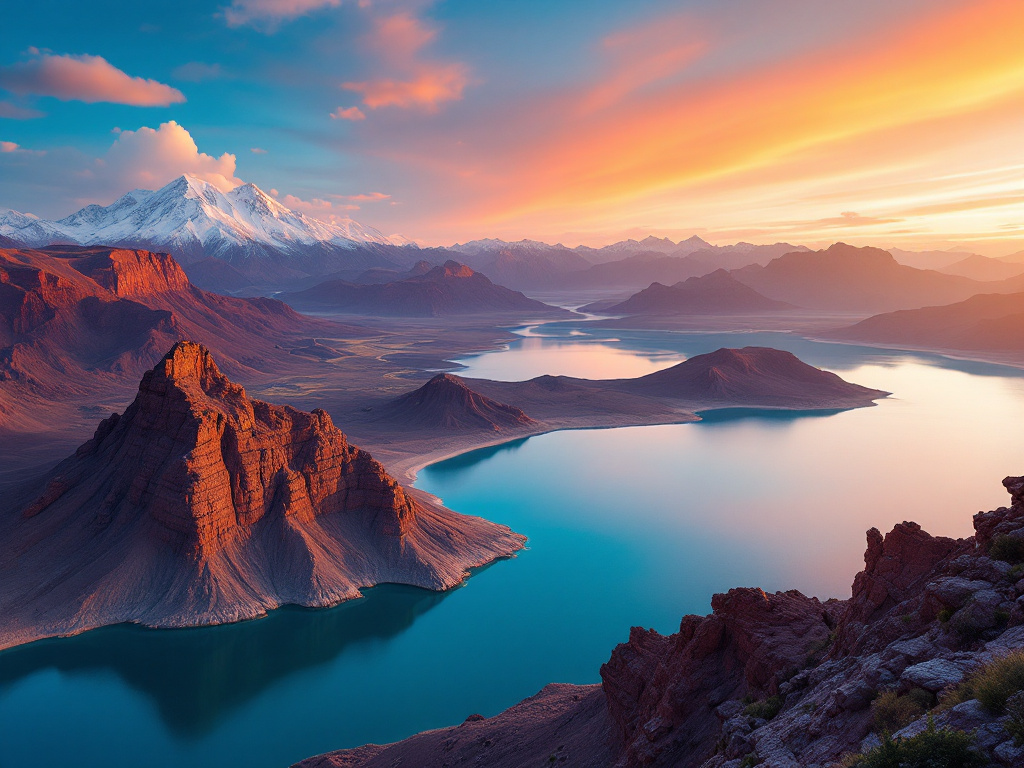
Lake Titicaca at Copacabana
The world's highest navigable lake, surrounded by mountains and rich in mythology and vibrant Andean culture.
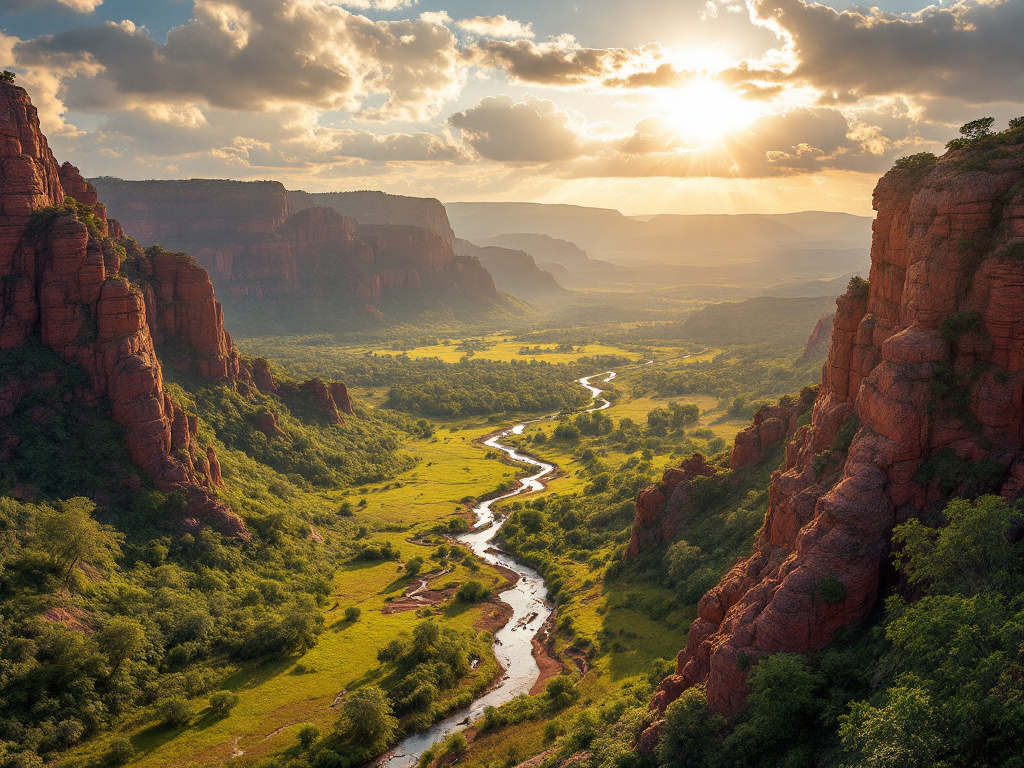
Madidi National Park
One of the most biodiverse national parks in the world with rainforest, rivers, and rich wildlife.
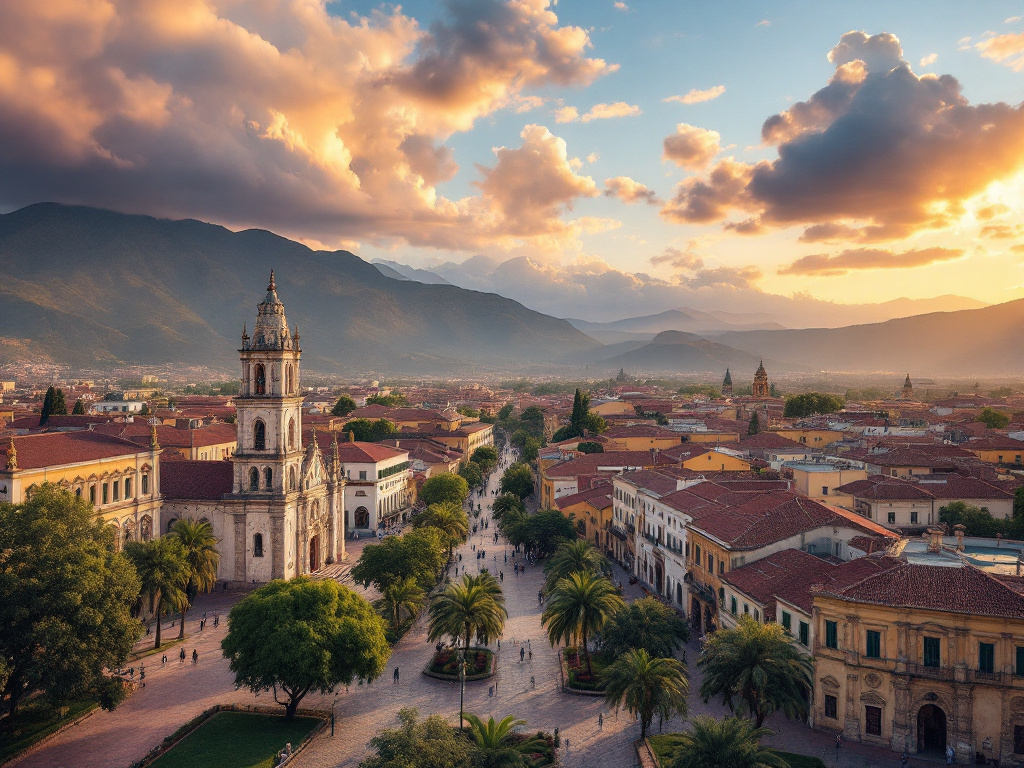
Historic Center of Sucre
A well-preserved colonial center with quiet squares, historic buildings, and a relaxed atmosphere.
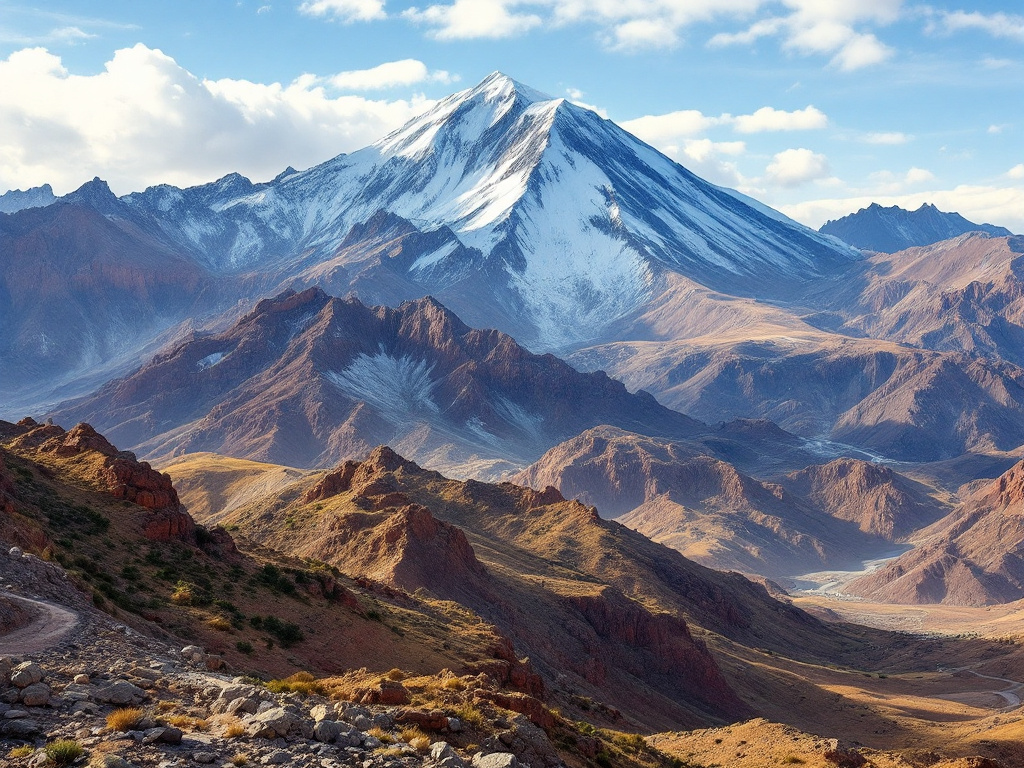
Cerro Rico in Potosí
A historic mountain that was once one of the richest sources of silver in the world and played a central role in colonial economic history.
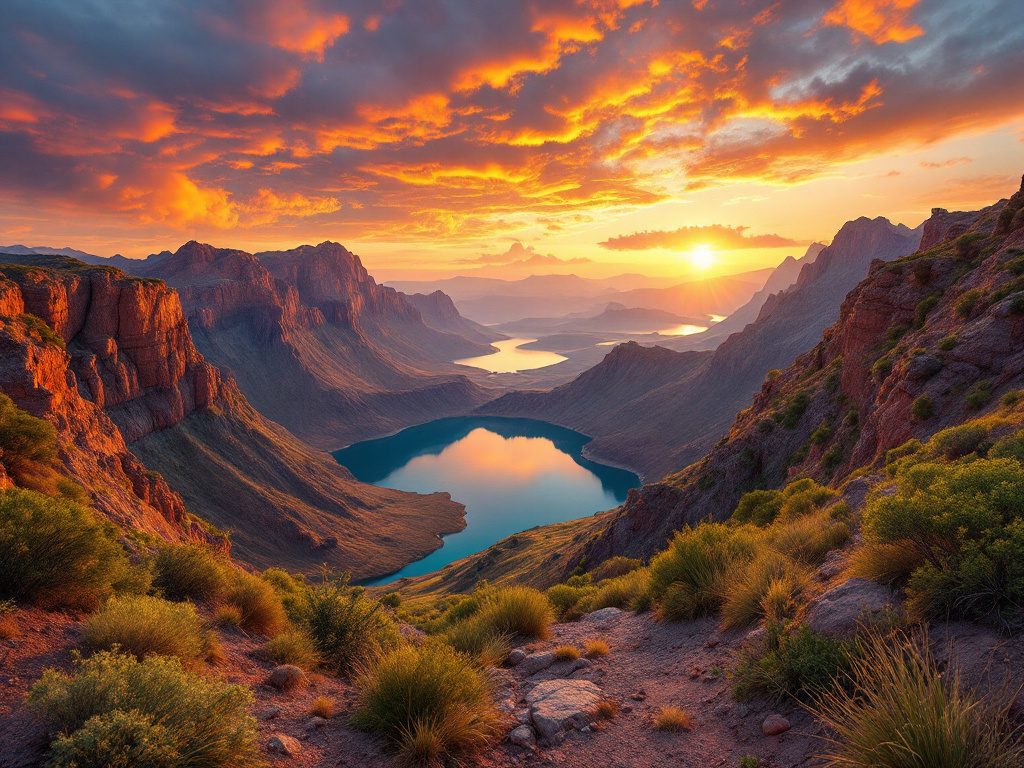
Eduardo Avaroa National Reserve
A dramatic highland reserve with colorful lagoons, volcanoes, and unique wildlife.
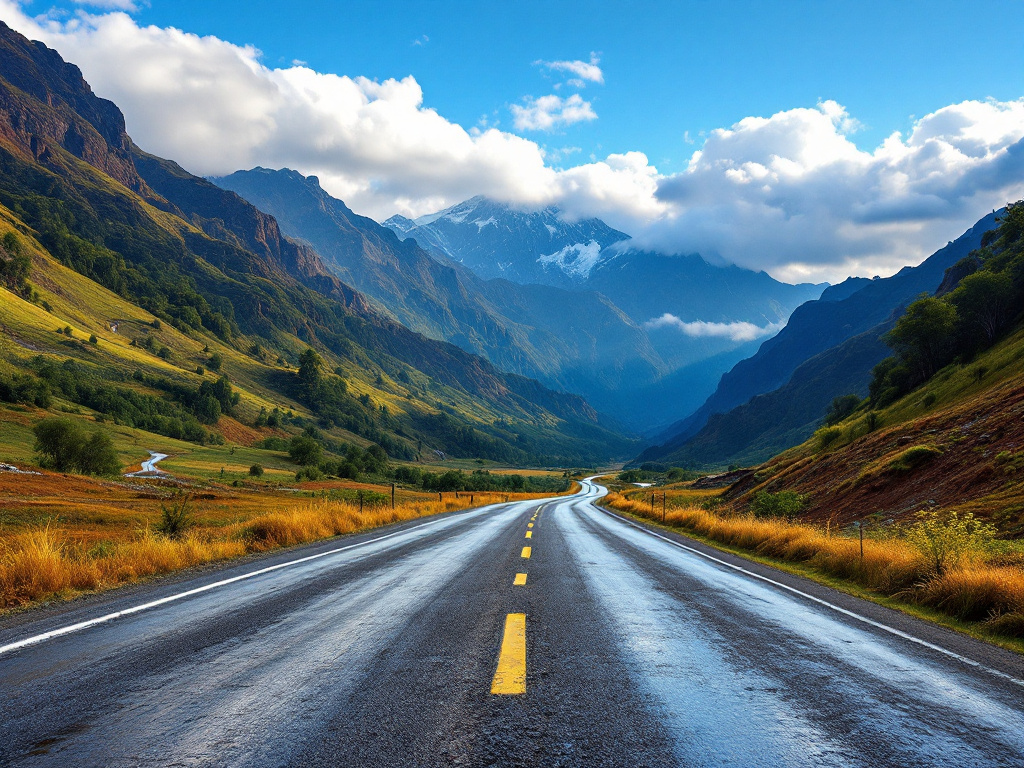
Death Road in Yungas
A famous and notorious mountain road known for extreme biking and dramatic views.
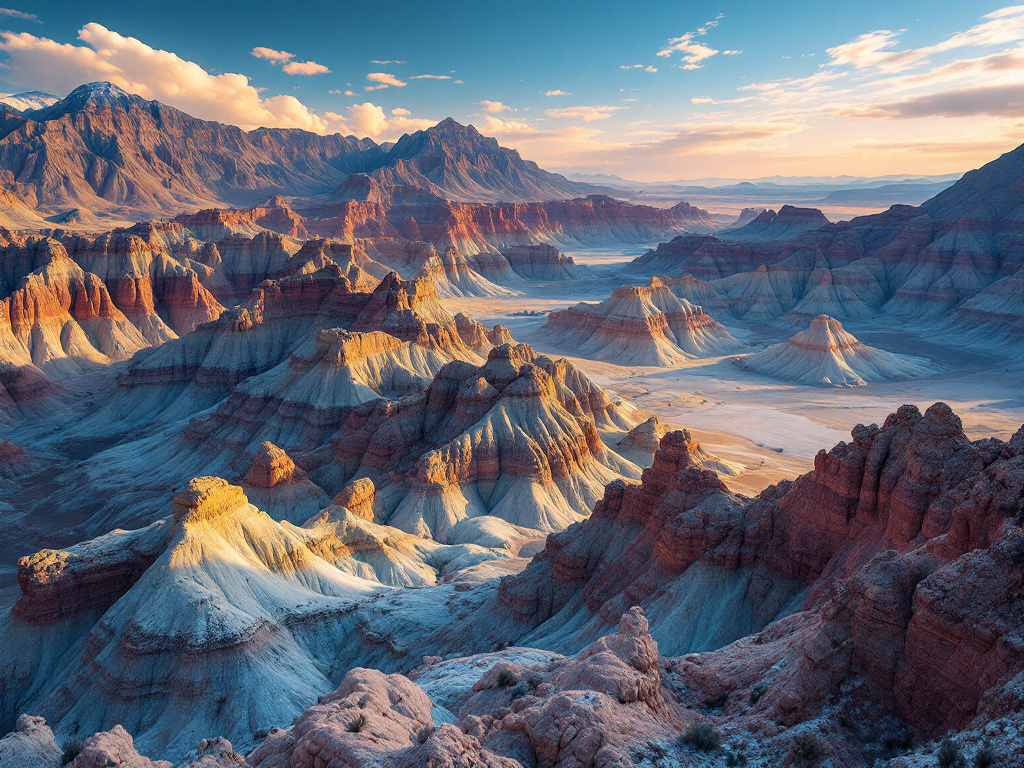
Valley of the Moon
A unique landscape of eroded rock formations that resemble a moon landscape just outside La Paz.
Famous cuisine
Culinary overview
Bolivian cuisine is a flavorful mix of indigenous traditions from the Aymara and Quechua peoples combined with Spanish colonial influences. The country's varied geography – from the Andes mountains to the Amazon – is reflected in the ingredients, which range from quinoa and potatoes to tropical fruits and freshly caught fish. Street food is a central part of the food culture, where small stalls serve everything from stuffed empanada-like salteñas to grilled meat skewers. Meals are often hearty and filling, and soups play an important role, especially in the highlands. Bolivia offers authentic flavor experiences, with each region having its own specialties.
Must-try dishes
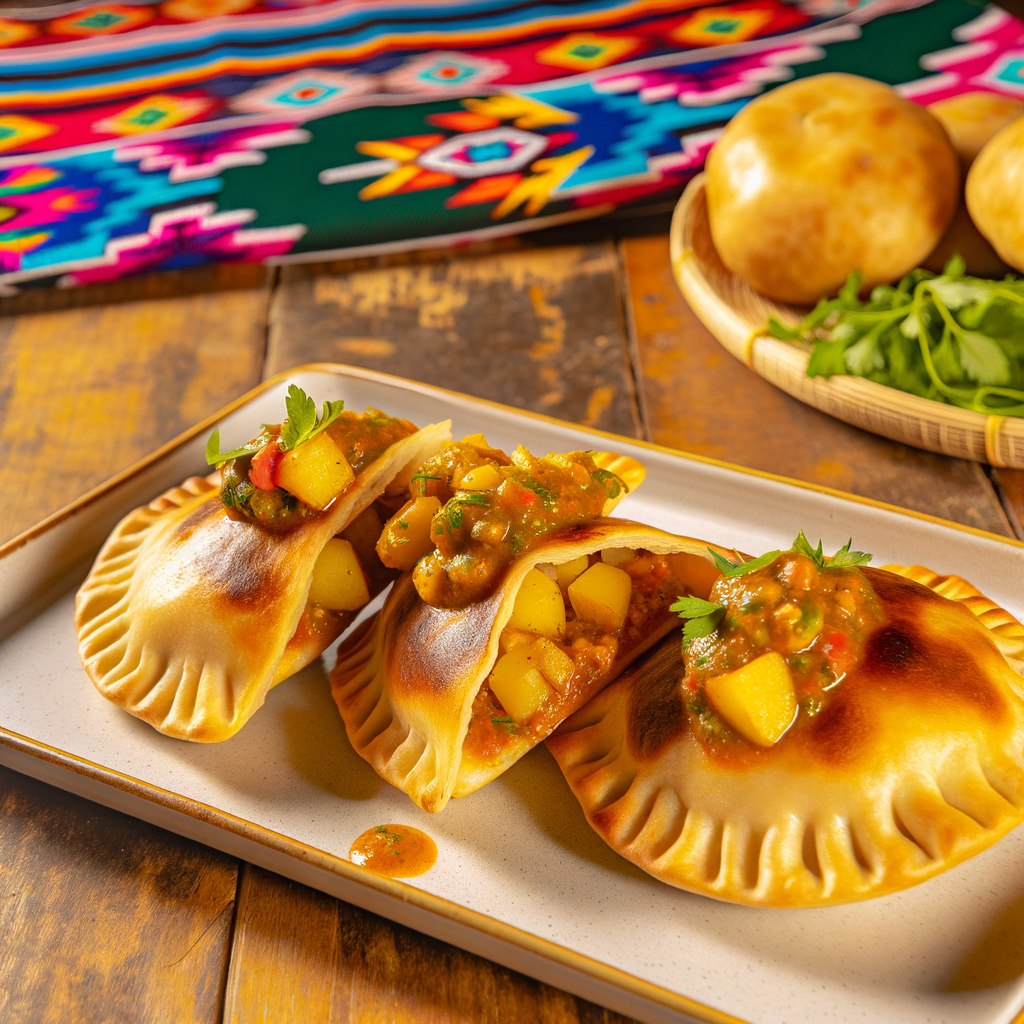
Salteñas
A baked pastry filled with a juicy mixture of meat (often beef or chicken), potatoes, vegetables, and a slightly sweet, spicy sauce. Typically served as a breakfast or mid-morning snack.
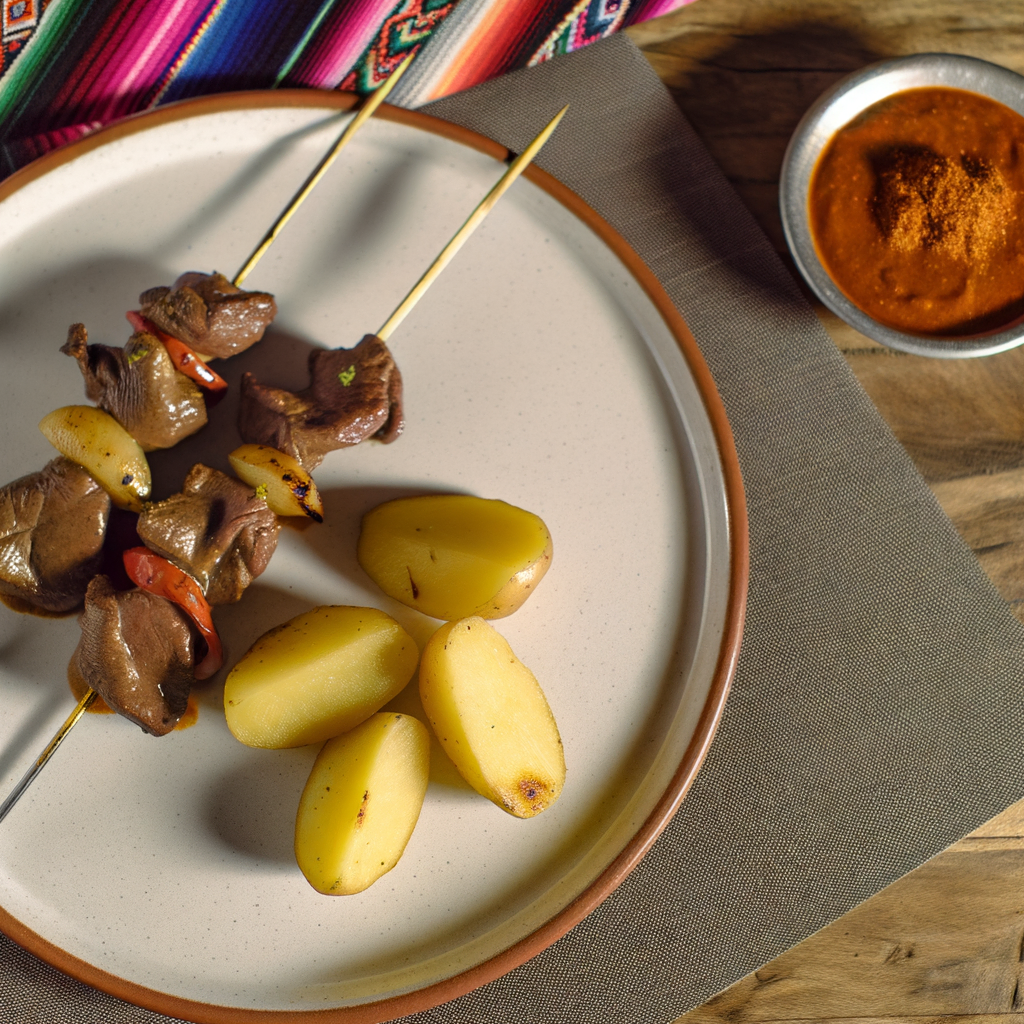
Anticuchos
Grilled beef hearts on skewers, marinated in a spicy sauce and served with boiled potatoes and a hot pepper sauce, llajwa. A popular evening snack on the street.
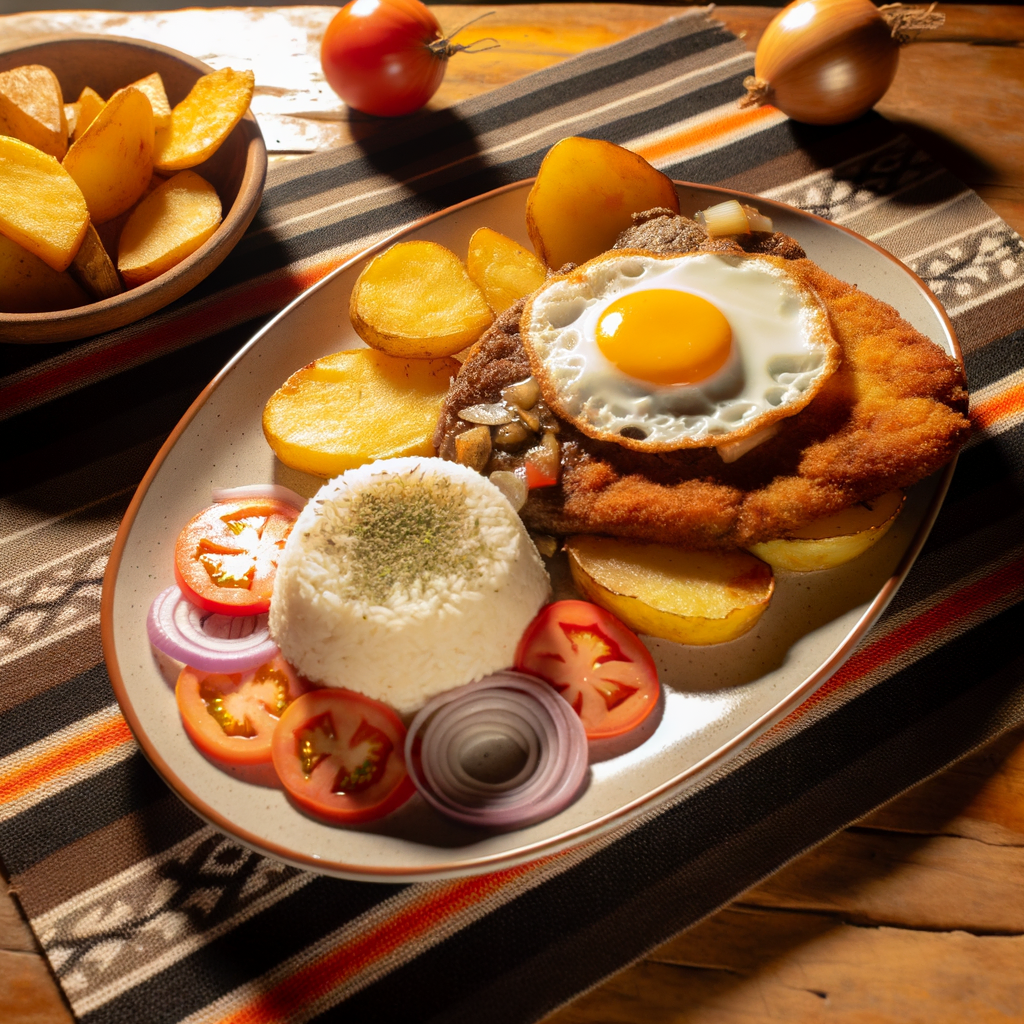
Silpancho
A large breaded steak served over rice and potatoes, topped with a fried egg and fresh vegetables. A filling dish from the Cochabamba region.
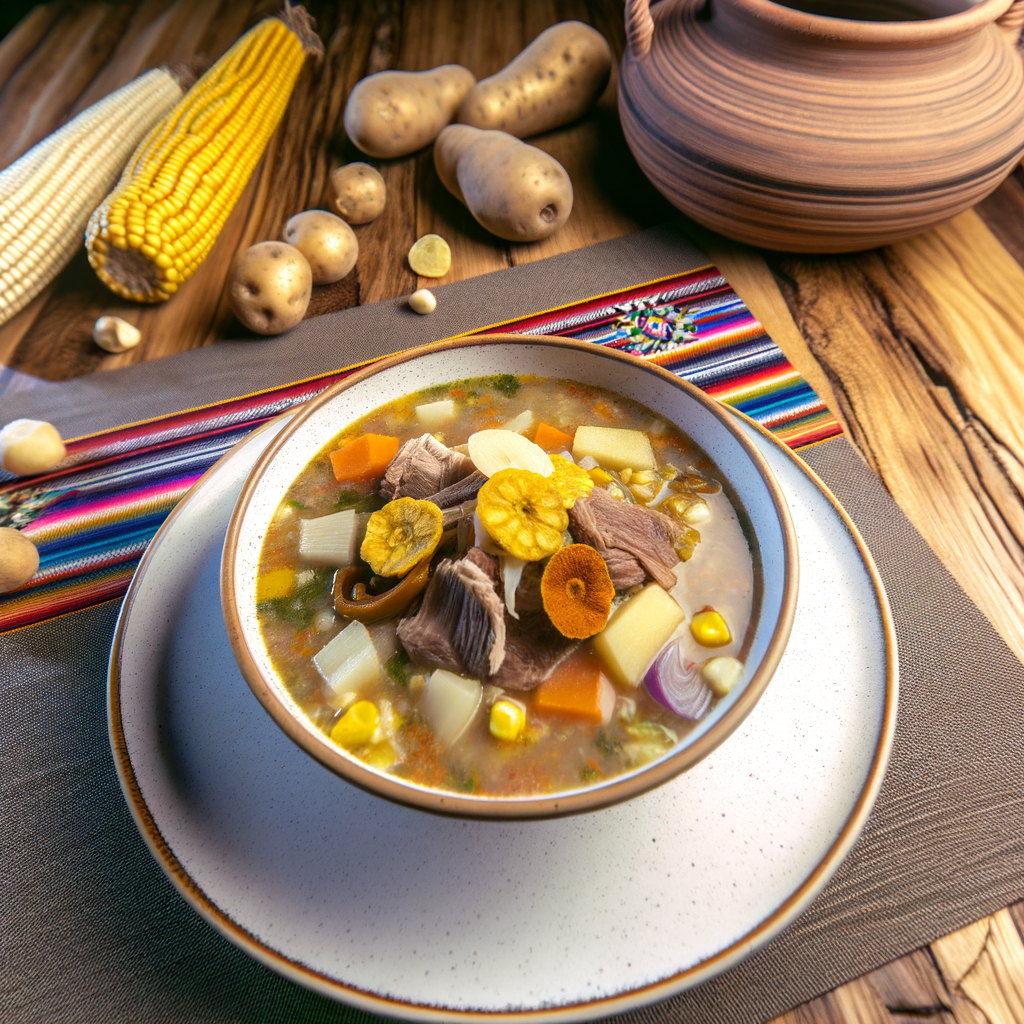
Chairo
A traditional soup from La Paz made with dried lamb, potatoes, corn, vegetables, and chuño (freeze-dried potatoes), which gives a unique flavor and texture.
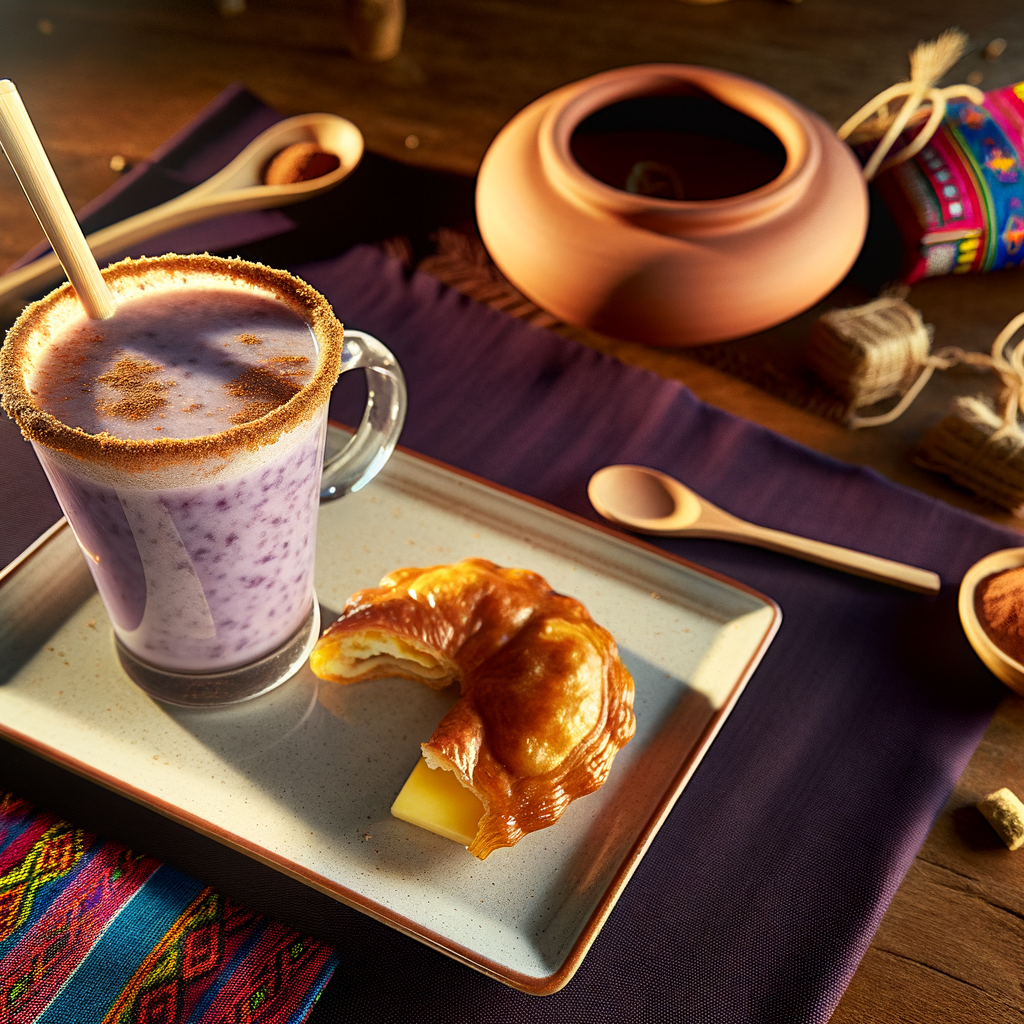
Api con Pastel
A sweet, warm drink made from purple corn, spiced with cinnamon and cloves, served with a crispy, deep-fried cheese pastry. Popular for breakfast.
Restaurant information
Tipping
Tipping is not mandatory in Bolivia, but appreciated. In restaurants, it is common to give about 5-10% of the bill if the service has been good. In markets and street food stalls, tipping is generally not expected.
Travel information
Currency
Boliviano (Bs)
Language
Spanish
Best time to visit
May-October (dry season)
Major cities
Sucre (officiel), La Paz (regeringssæde) and other major cities
More countries in South America
Discover more destinations in this region