
Bhutan
Bhutan, the mystical kingdom in the Himalayas, merges ancient Buddhist traditions with gentle modernity, offering breathtaking landscapes and a peaceful journey into a timeless culture.
Overview
Bhutan, the last great kingdom in the Himalayas, is a magical destination where ancient Buddhist traditions gracefully meet gentle modernization. Here, you will find dramatic landscapes, lush valleys, and iconic sights such as Paro Taktsang – the mesmerizing Tiger's Nest Monastery, which clings to a cliff. Experience the architectural grandeur of Punakha Dzong, enjoy panoramic views from Dochula Pass, and immerse yourself in the authentic atmosphere of the Thimphu Weekend Market. Bhutan is a country that measures its success in Gross National Happiness, inviting you to dive deep into a peaceful, timeless culture surrounded by breathtaking nature, making each moment an enriching experience for the mind and soul.
Official language
Dzongkha
Government
Constitutional monarchy
Best time to visit
March-May and September-November
Nature
Bhutan's landscapes are a true gem of the Himalayas, where snow-capped peaks, deep valleys, and pristine forests create a scene that feels plucked from a dream. Renowned for its stringent environmental protection and sustainable tourism practices, the natural beauty remains untouched. From the majestic views at Dochula Pass, adorned with 108 chortens standing like white pearls against the mountainous backdrop, to the lush valleys of Bumthang bursting with wildflowers in spring, Bhutan is a paradise for nature lovers. The rivers meandering through the landscape bring life to rice fields and quaint villages, while the forests shelter rare species such as the golden langur and the black crane. Trekking routes like the Druk Path Trek guide you through diverse terrains that range from alpine meadows to subtropical forests, allowing you to experience the country's rich biodiversity. Nature in Bhutan is not just beautiful; it is an integral part of the nation's identity and spiritual life. The best seasons to explore this breathtaking environment are spring (March to May) and autumn (September to November), when the weather offers ideal conditions for trekking and outdoor adventures.
Travel to Bhutan
Traveling to Bhutan is stepping into another era where tranquility, nature, and culture merge into an unforgettable experience. All visitors are required to travel through authorized tour operators, ensuring sustainable tourism and an authentic experience. The best times to visit are in spring (March to May) when the rhododendrons bloom, and in autumn (September to November) when the skies are clear and ideal for trekking. Highlights include the hike to Paro Taktsang, exploring Punakha Dzong, panoramic journeys through Dochula Pass, and spiritual experiences in Bumthang Valley. Festivals like the Thimphu Tshechu provide unique insights into the vibrant traditions of the country. With its combination of stunning nature, deep spirituality, and warm hospitality, Bhutan offers a rare opportunity to explore a land that values happiness over wealth.
Culture
Bhutan's culture is deeply rooted in Buddhism, which permeates every aspect of life, from architecture to daily routines. The dzongs, impressive fortress-monasteries, serve both as administrative centers and spiritual gathering places, showcasing centuries of artistic tradition in their intricate decorations. Festivals like Tshechu are vibrant events where masked dances narrate ancient legends, bringing entire communities together in celebration and prayer. The Thimphu Weekend Market is a lively showcase of the country's crafts, textiles, and local delicacies, where the spirit of Bhutanese hospitality is palpably felt. Gastronomy is an experience in itself, featuring dishes such as Ema Datshi, a spicy cheese and chili dish, steamed momos, and the iconic red rice cultivated in the highlands. The Bhutanese cherish their traditions while being open to gentle modernization, creating a unique balance between past and present. The country's focus on Gross National Happiness over mere economic growth reflects a profound respect for quality of life, community, and nature.
History
Bhutan's history is characterized by isolation, independence, and a strong Buddhist heritage. The country was unified in the 17th century by Shabdrung Ngawang Namgyal, who established the dzong system and laid the foundation for national identity. For centuries, Bhutan remained closed off from the outside world, preserving its culture and traditions in their purest form. It wasn't until the mid-20th century that Bhutan gradually began to open up, always prioritizing the protection of its heritage. The transition to a constitutional monarchy in 2008 marked a new era where democracy and tradition coexist harmoniously. The story of Bhutan is one of a people consciously choosing to maintain their values in a modern world, weaving a rich tapestry of resilience and cultural pride.
Top attractions
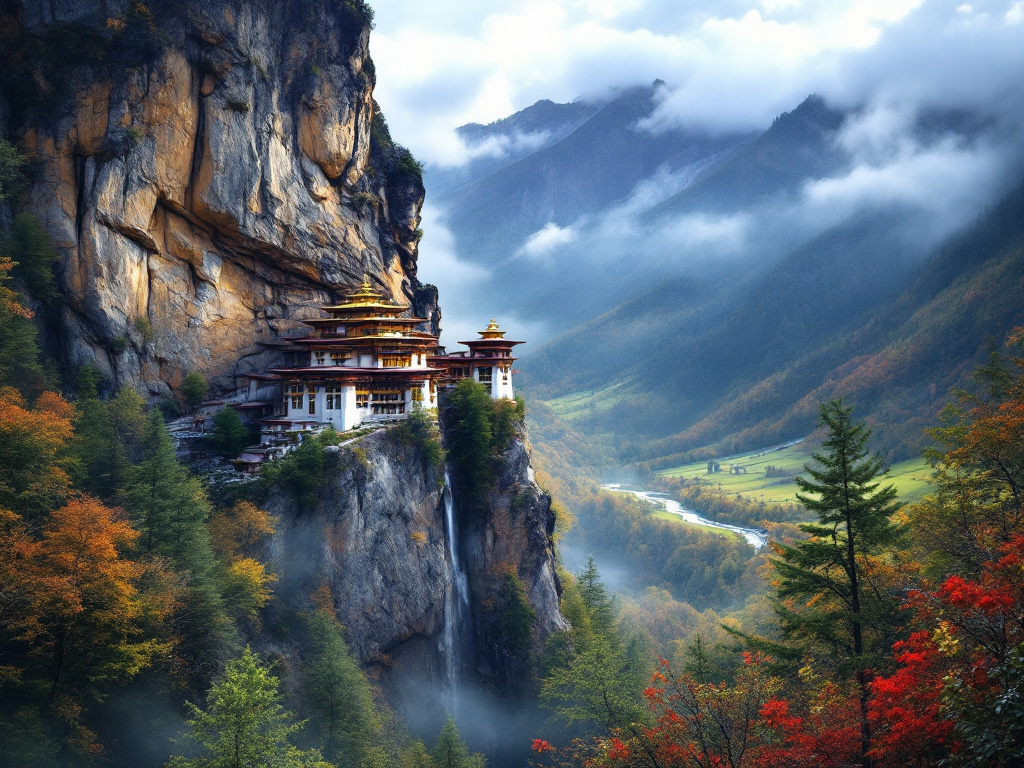
Tiger's Nest
Bhutan's most famous monastery, dramatically located on a cliff and a symbol of the country's spiritual heritage.
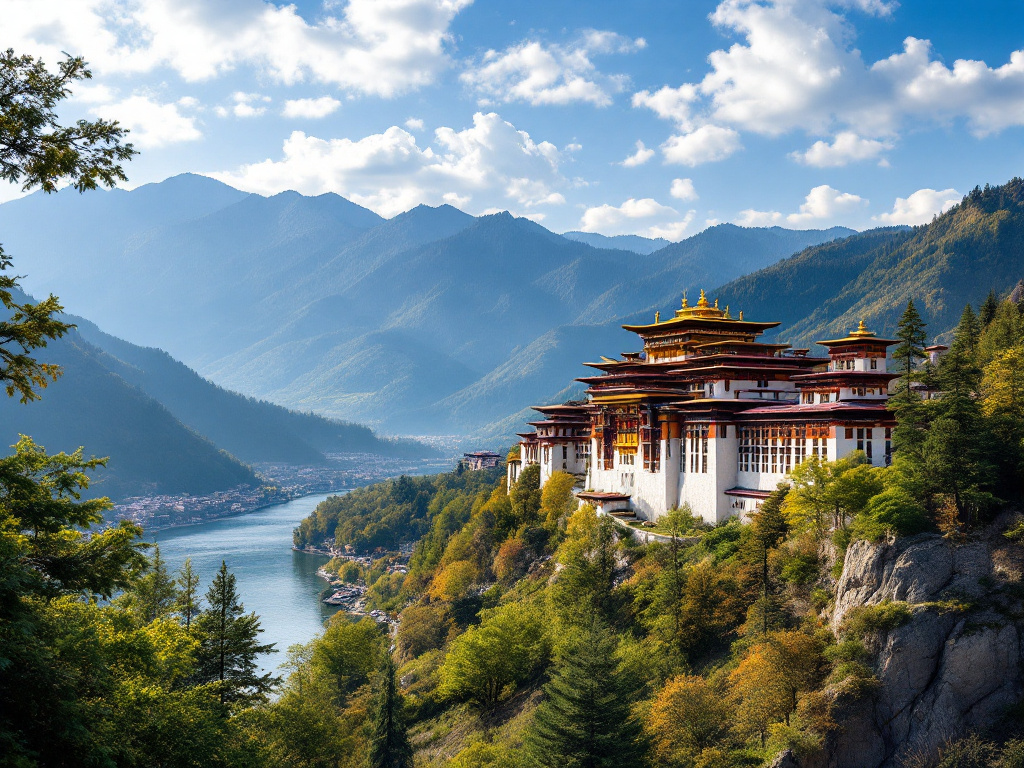
Punakha Dzong
One of Bhutan's most impressive dzongs, known for its architecture and historical significance.
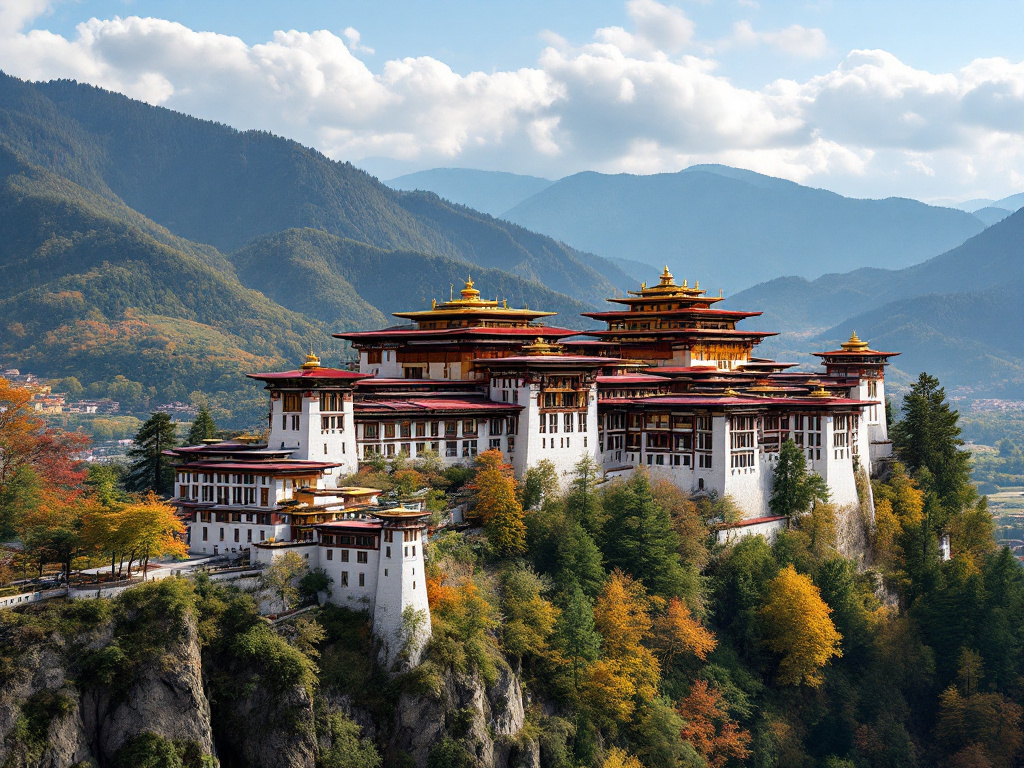
Tashichho Dzong
A central landmark in Thimphu that combines religious and political function.
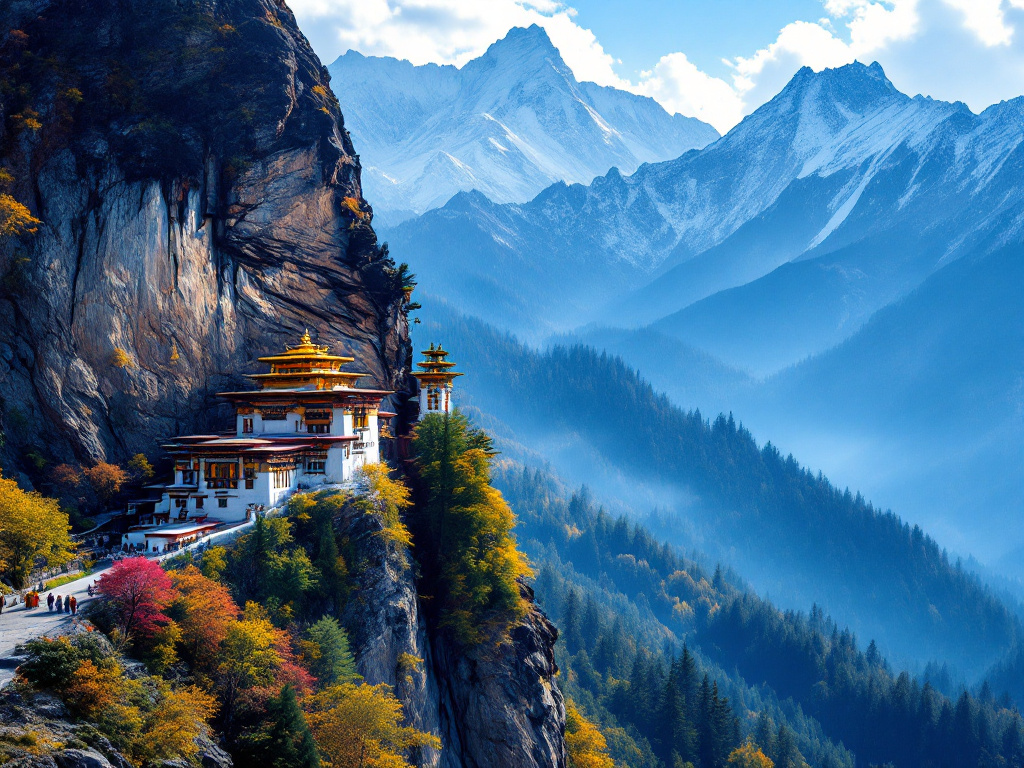
Dochula Pass
A spectacular mountain pass known for its stupas and panoramic views.
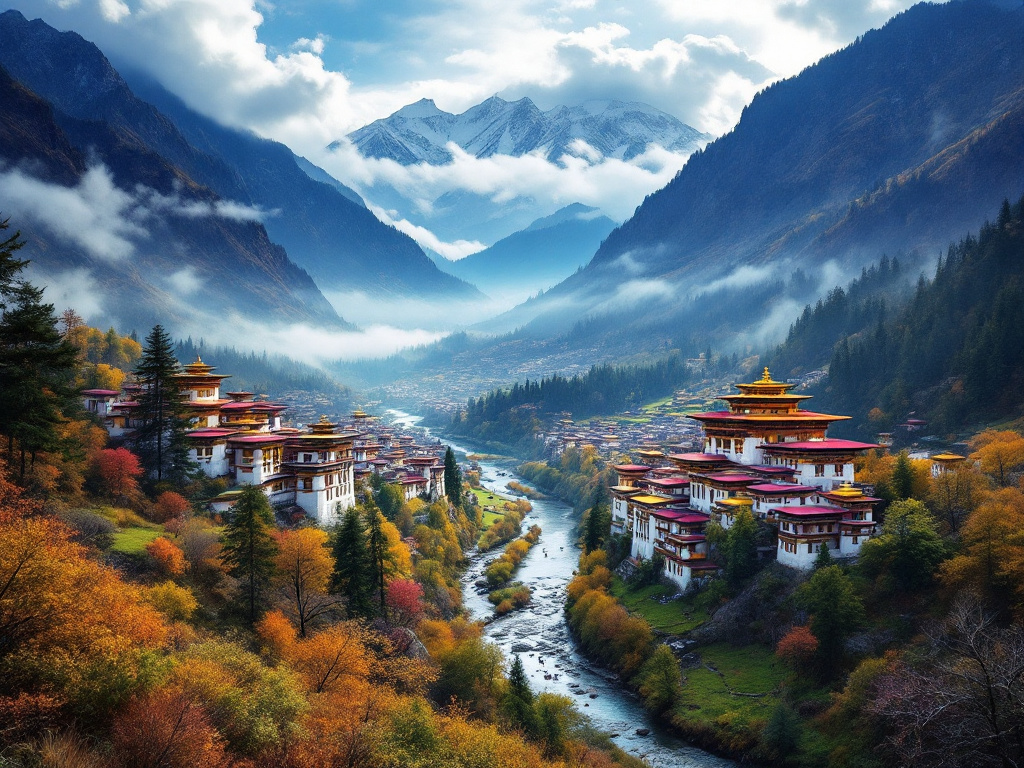
Bumthang Valley
A peaceful valley known as Bhutan's spiritual heart with many ancient monasteries.
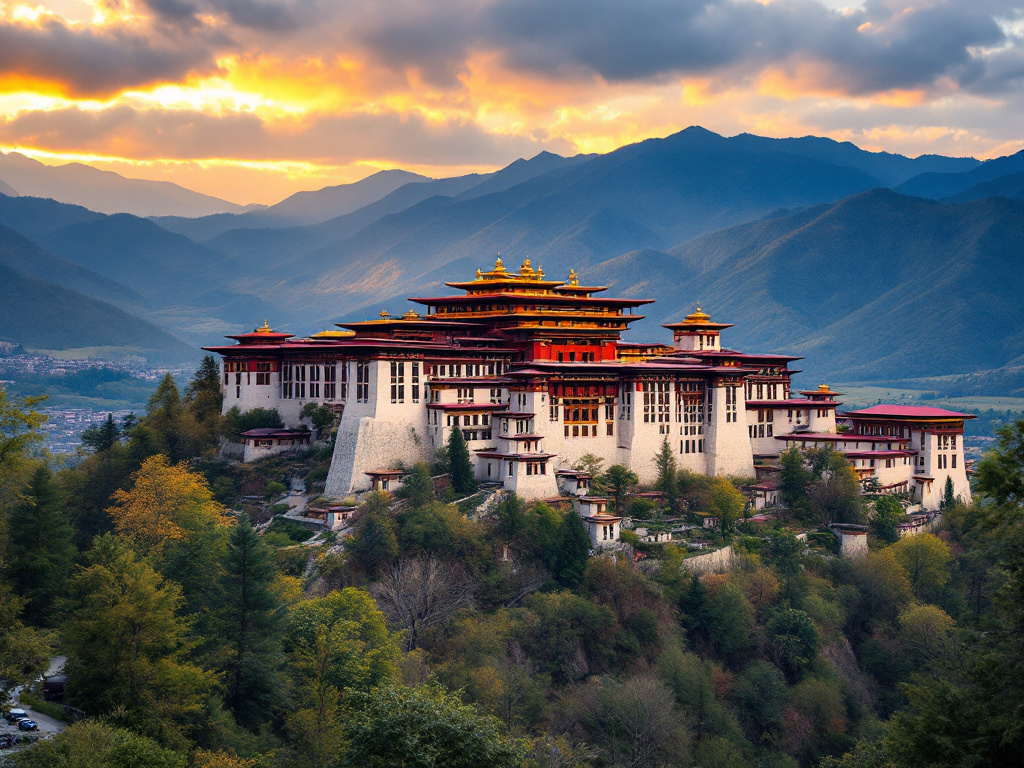
Paro Dzong
A well-preserved dzong that serves as a religious and administrative center in Paro.
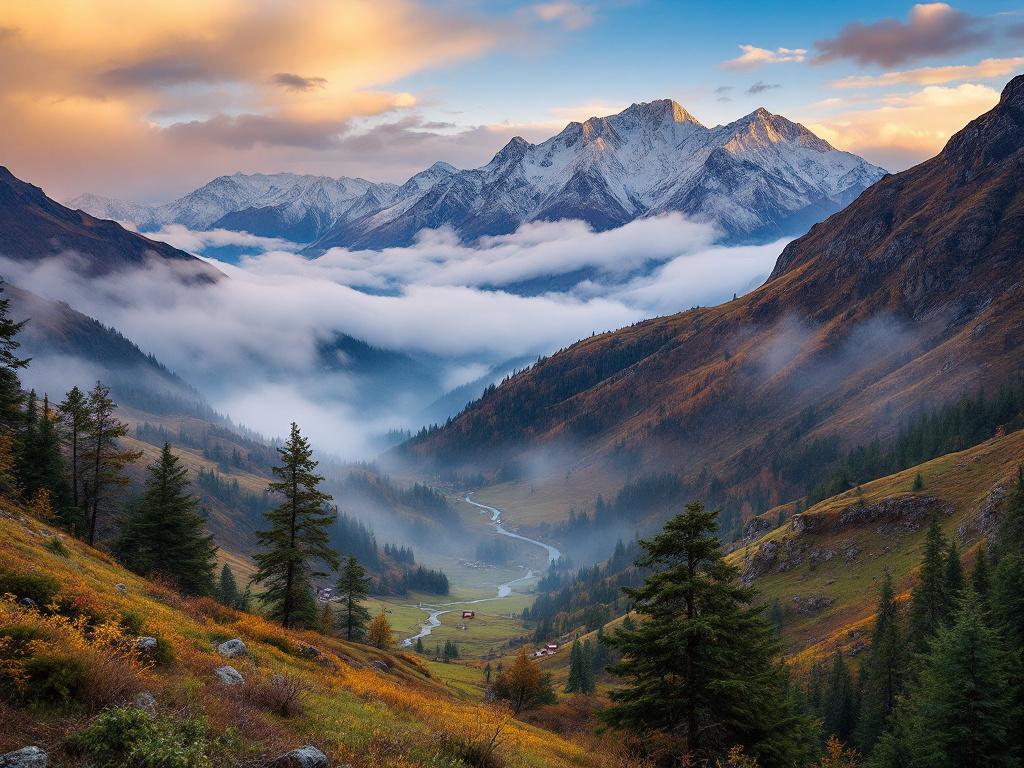
Phobjikha Valley
A wide valley known for its wildlife and serene atmosphere.
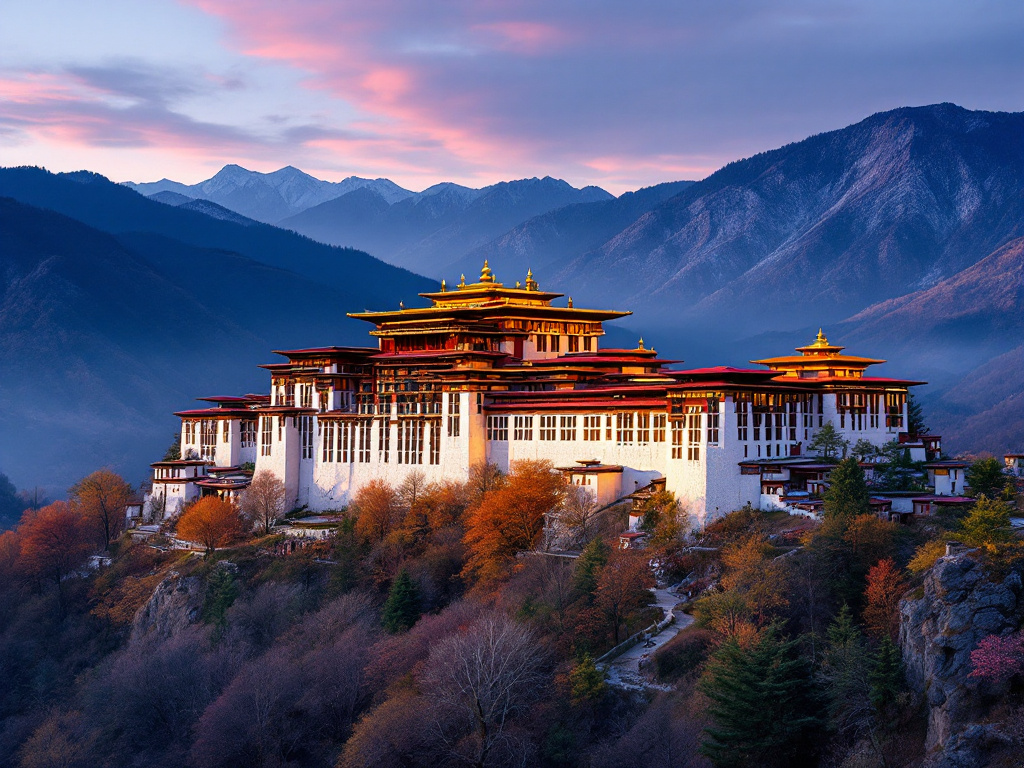
Trongsa Dzong
A massive dzong that controls the east-west route through Bhutan.
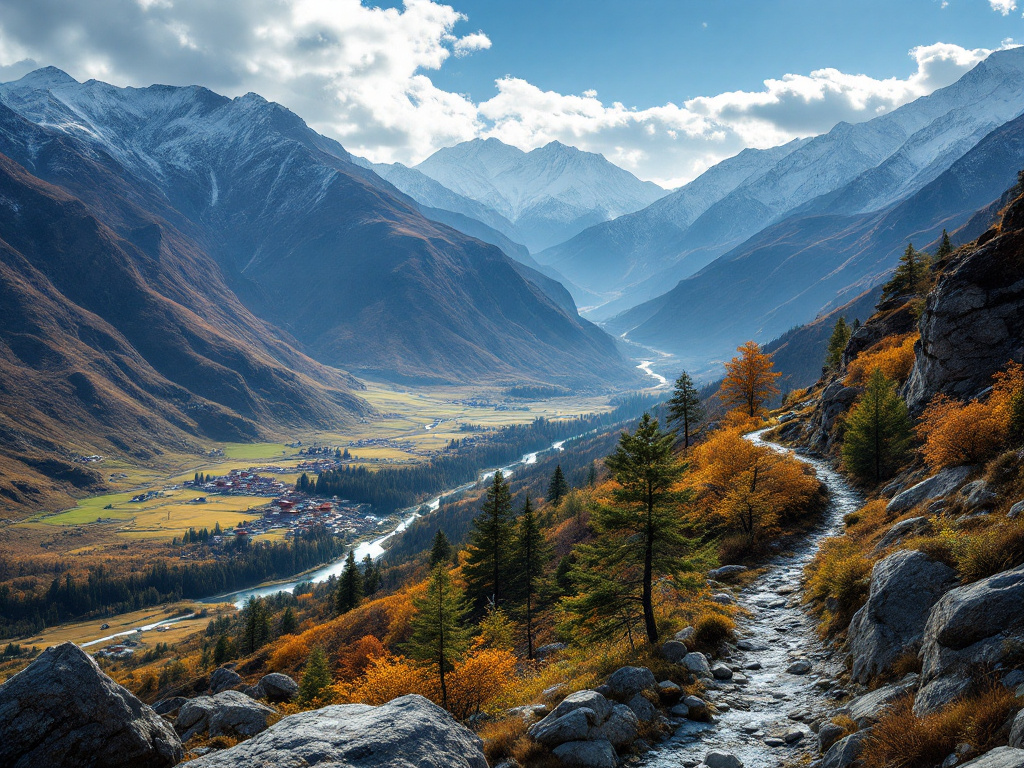
Chele La Pass
The highest road pass in Bhutan with breathtaking views.
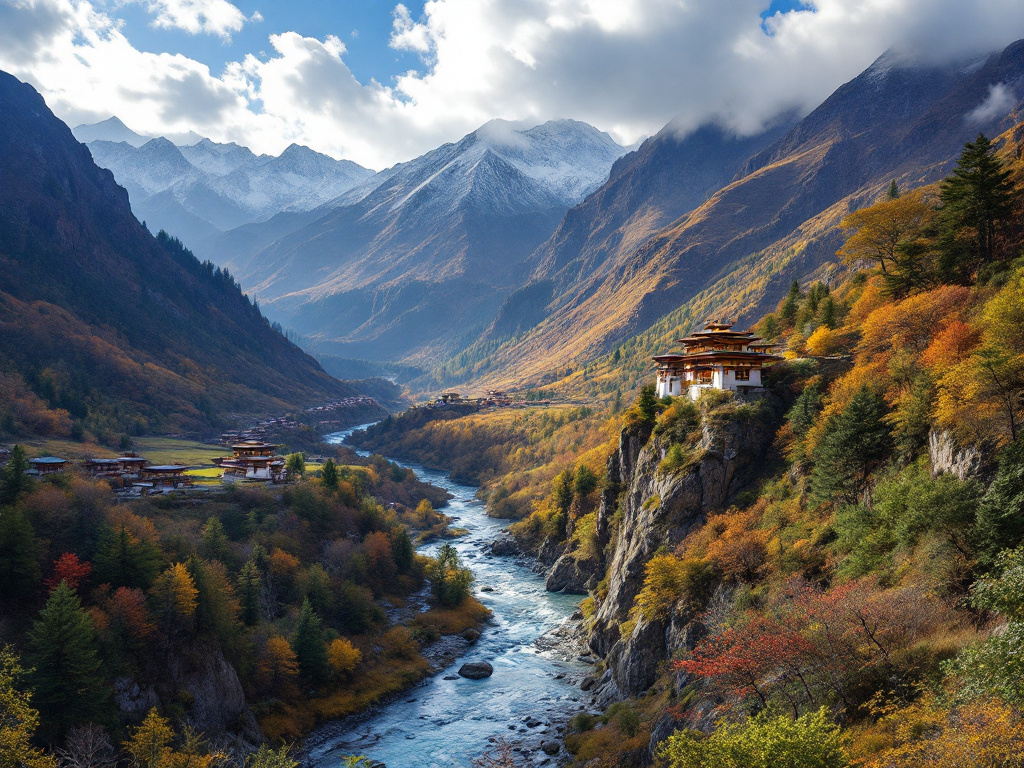
Jigme Dorji National Park
One of Bhutan's largest national parks with raw nature and high mountains.
Famous cuisine
Culinary overview
Bhutan's food culture is deeply rooted in the country's geography and Buddhist traditions. The food is often spiced with chili, which is considered a vegetable rather than a spice. Many dishes are vegetarian or based on local ingredients such as yak meat, fresh cheese, and the characteristic red rice. Meals are often served with a combination of rice, vegetables, and strong sauces, and guests are always welcomed with warm drinks like butter tea. The Bhutanese food scene is simple but full of flavor and authenticity, reflecting the country's focus on sustainability and local production.
Must-try dishes
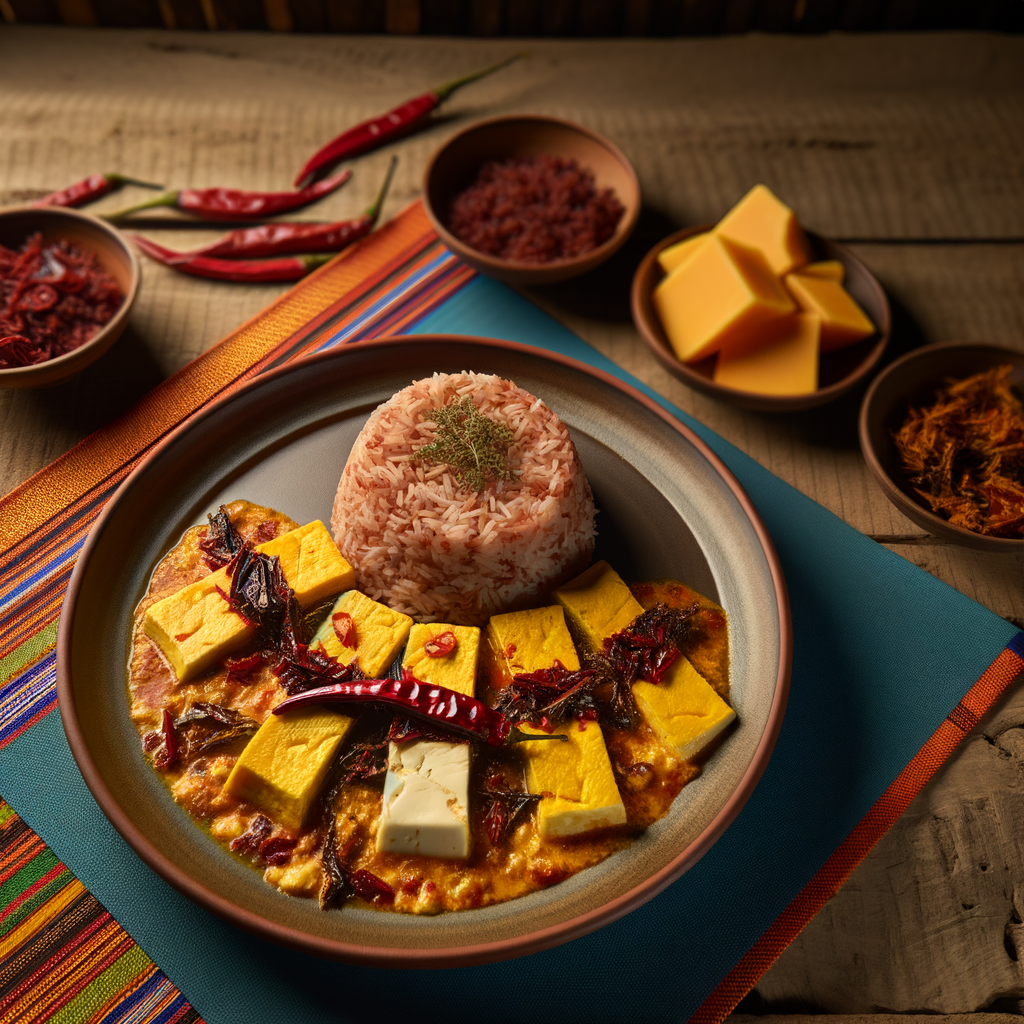
Ema Datshi
Bhutan's national dish, a spicy stew made of chili and cheese, often served with red rice. The dish is warming and intense in flavor.
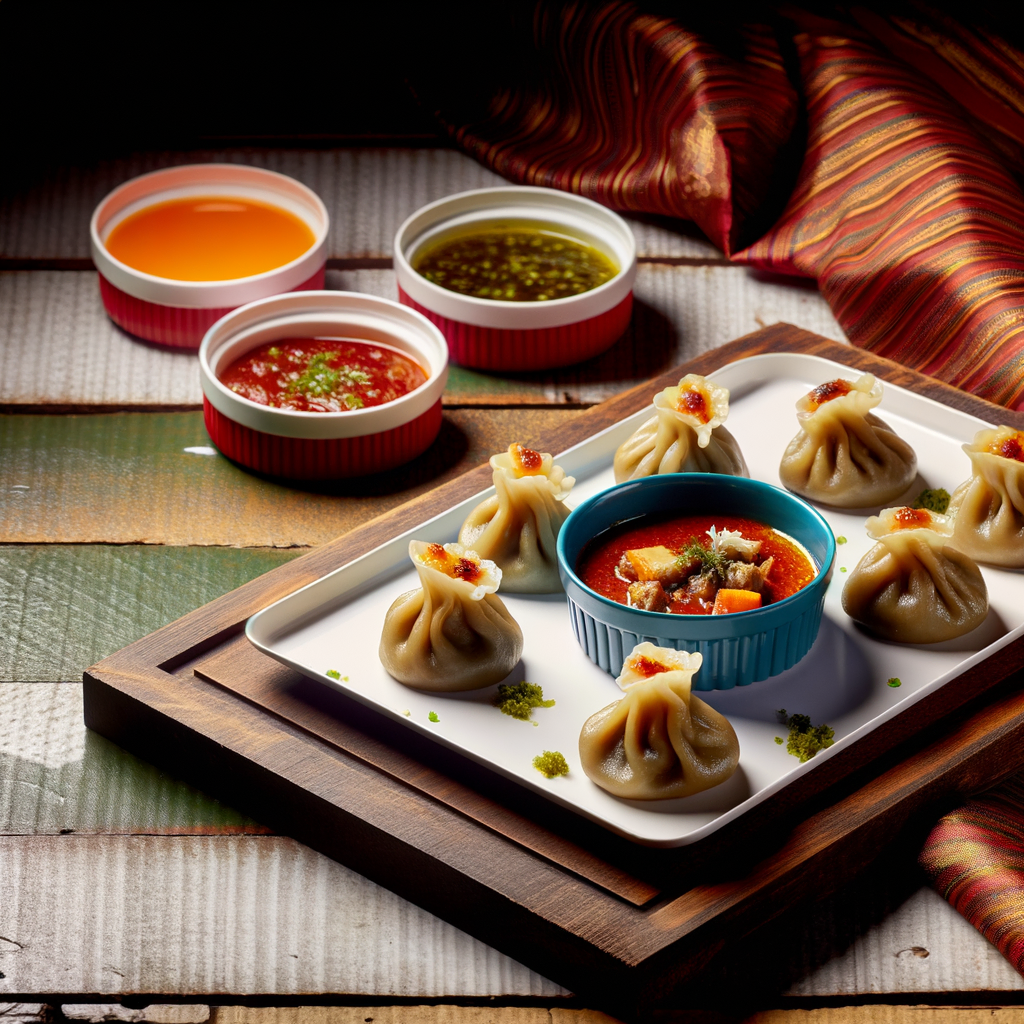
Momos
Steamed or fried dumplings filled with vegetables, meat, or cheese. Often served with a spicy tomato sauce.
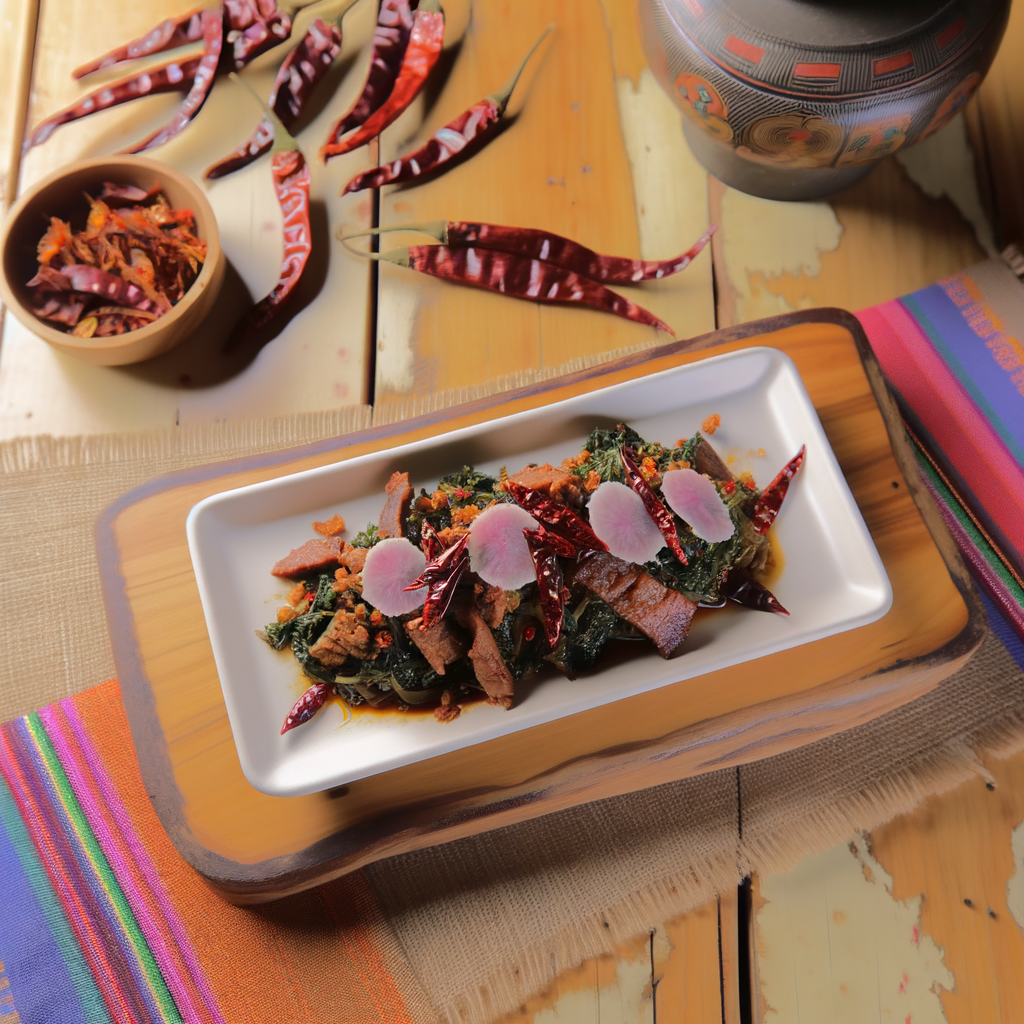
Phaksha Paa
A spicy dish with pork and dried chilies, often added with radish or spinach for extra flavor and texture.
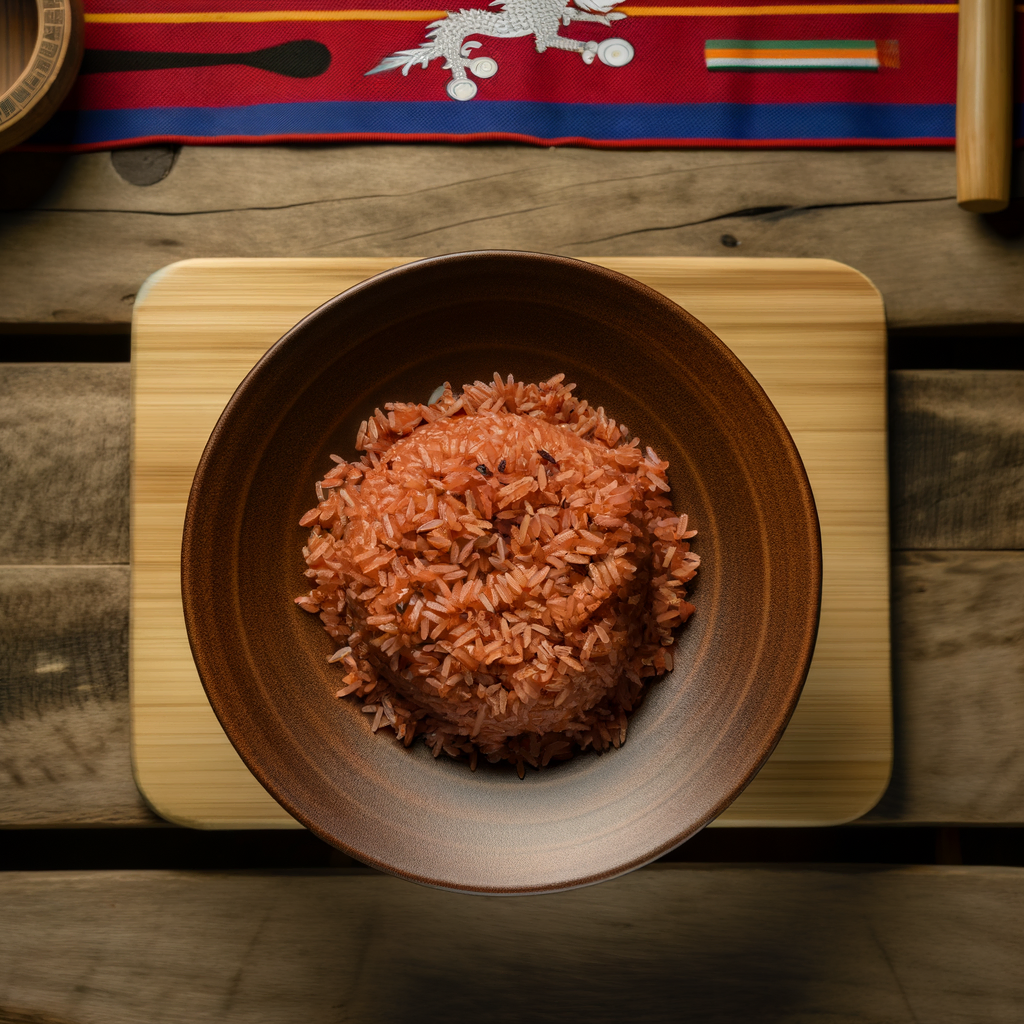
Bhutanese red rice
A local rice variety with a nutty flavor and slightly chewy texture, grown in the highlands and often served with nearly every meal.
.webp)
Suja (butter tea)
A traditional tea made from black tea, yak butter, and salt, resulting in a rich and creamy drink, perfect for cold mountain days.
Restaurant information
Tipping
Tipping is not a fixed part of Bhutanese culture, but it is appreciated in the tourism sector. In restaurants, you can give around 5-10% of the bill if the service has been good.
Travel information
Currency
Ngultrum (Nu.)
Language
Dzongkha
Best time to visit
March-May and September-November
Major cities
Thimphu and other major cities
More countries in Asia
Discover more destinations in this region