
Botswana
Experience Botswana, Africa's sapphire gem, where breathtaking wildlife scenes meet the serene beauty of the Okavango Delta and Chobe National Park.
Overview
Experience Botswana – Africa's hidden sapphire, where unspoiled wilderness, rich wildlife, and deep cultural heritage come together for an unforgettable travel experience. From the UNESCO-listed Okavango Delta, alive with elephants, lions, and rare birds, to Chobe National Park, home to the largest elephant population on Earth, the country is a paradise for safari enthusiasts. Explore the endless horizons of the Makgadikgadi Pan, the diverse landscapes of Moremi Game Reserve, and the spiritual Tsodilo Hills adorned with over 4,500 prehistoric rock paintings. Botswana offers authentic experiences, modern comforts in Gaborone, and a cuisine filled with local specialties.
Official language
English
Government
Parliamentary republic
Best time to visit
May to October
Nature
Botswana boasts some of the most spectacular and well-preserved natural landscapes in Africa. The Okavango Delta, one of the world's largest inland deltas, is a unique ecosystem where rivers fan out into the Kalahari Desert, creating a lush paradise teeming with wildlife. Here, visitors have the chance to see everything from elephants and hippos to rare bird species in their natural habitats. Chobe National Park is renowned for its enormous elephant herds that gather along the riverbanks, while the Moremi Game Reserve offers one of the most diverse safari experiences globally, featuring savanna, forest, and wetlands. The Makgadikgadi Pan, remnants of an ancient lake, stretches out as a surreal landscape of salt and sand, where thousands of flamingos gather during the rainy season. With expansive vistas, dramatic sunsets, and a tranquility found only in areas with minimal human impact, Botswana embodies a model of low-impact tourism that ensures fewer visitors but delivers more exclusive and authentic experiences. The best time to visit is from May to October, when the dry climate makes wildlife spotting easier around water sources.
Travel to Botswana
Traveling to Botswana is stepping into one of the world's most exclusive safari realms. The country is known for its low-impact tourism policies, ensuring fewer tourists and more intimate, authentic experiences. The best time to visit is from May to October, when the dry climate facilitates wildlife spotting at watering holes. Safari adventures in Okavango Delta or Chobe National Park are highlights, but adventurous travelers should also experience the surreal landscapes of Makgadikgadi Pan and the varied environments of Moremi Game Reserve. Culture enthusiasts won’t want to miss the must-see Tsodilo Hills. With good flight connections to Gaborone and Maun and a wide range of lodges from luxury to budget, Botswana is accessible for both seasoned safari travelers and first-time visitors seeking a unique and memorable journey.
Culture
The culture of Botswana is deeply rooted in tradition, community, and respect for nature. The Setswana people, making up the majority of the population, have a rich oral storytelling tradition, where tales, songs, and dances pass down wisdom and values from generation to generation. Tsodilo Hills stands out as one of the country's most significant cultural sites, a sacred area housing over 4,500 rock paintings that reflect human life in the region over thousands of years. Botswana's cuisine features dishes like seswaa (slow-cooked beef), vetkoek (fried bread), pap (maize porridge), and morogo (wild spinach) often enjoyed in communal settings. Celebrations and ceremonies, such as weddings and harvest festivals, are vibrant events filled with music and dance. Modern influences can be seen in Botswana's growing arts scene, particularly in the capital city of Gaborone, where galleries, markets, and music festivals flourish. This blend of strong traditions and contemporary evolution makes the culture vibrant and diverse.
History
Botswana's history merges ancient roots with modern success. Archaeological findings in Tsodilo Hills indicate human activity in the area for over 100,000 years. Over the centuries, various Bantu-speaking groups, particularly the Setswana tribes, established chiefdoms in the region. The 19th century saw the area influenced by Boer and British colonial interests, culminating in Bechuanaland becoming a British protectorate in 1885. Botswana achieved peaceful independence in 1966, evolving into one of Africa’s most stable democracies. The country has effectively balanced economic growth, particularly through its diamond industry, with the preservation of its natural heritage.
Top attractions
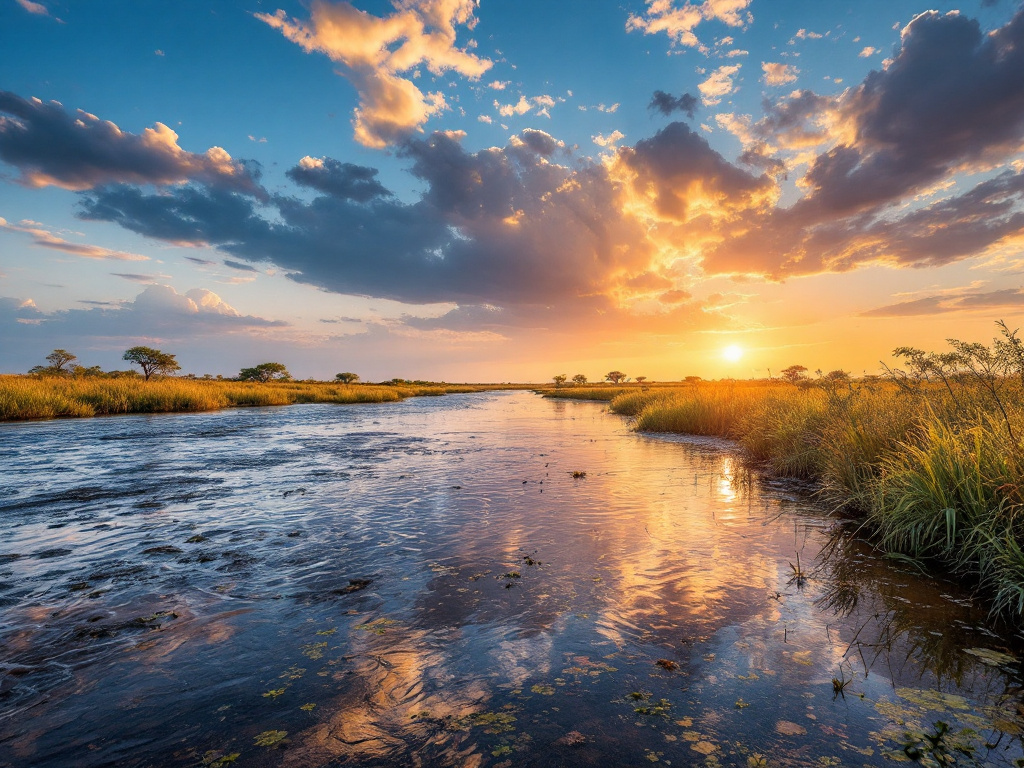
Okavango Delta
A unique inland delta where the Okavango River creates a lush wetland teeming with wildlife, waterways, and world-class safari experiences.
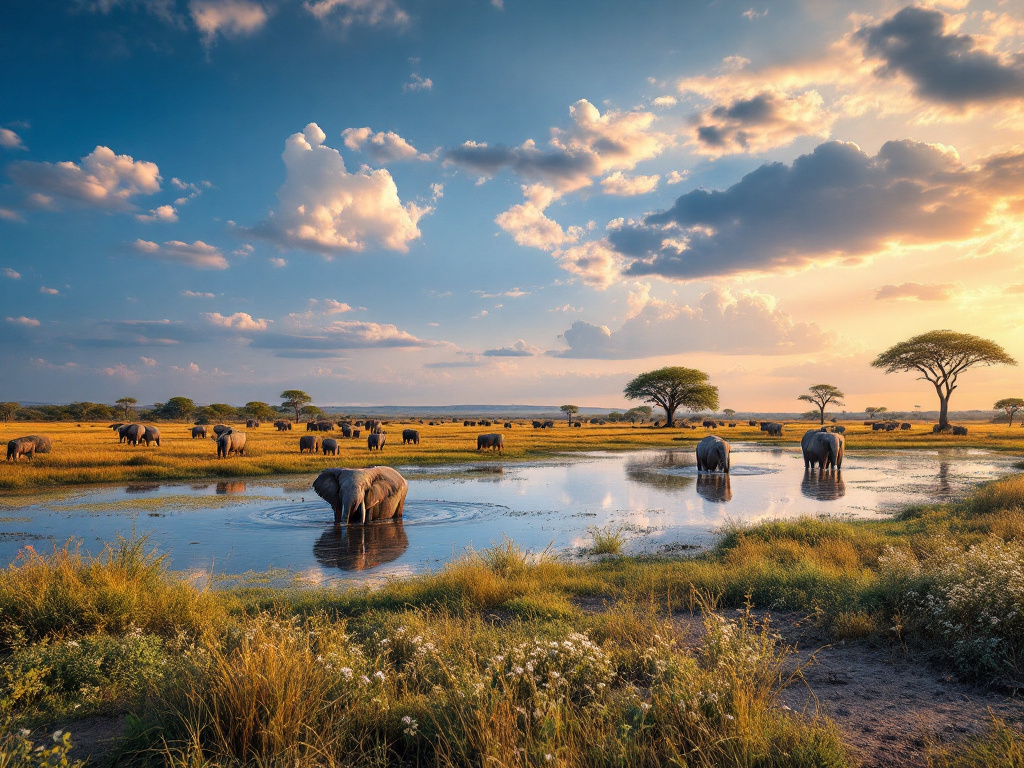
Chobe National Park
One of Africa's most well-known safari areas with massive elephant herds, river landscapes, and rich wildlife.
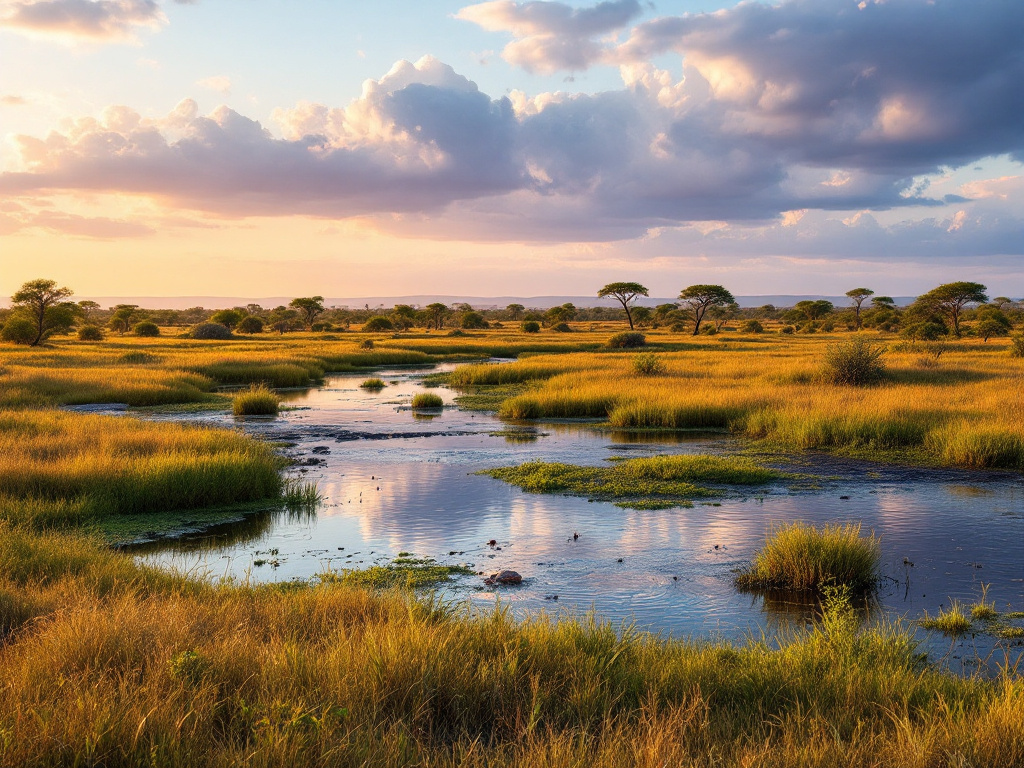
Moremi Game Reserve
A protected area in the Okavango region known for varied landscapes and excellent safari opportunities.

Makgadikgadi Salt Pans
A surreal landscape of vast salt flats that create one of Botswana's most unique nature experiences.
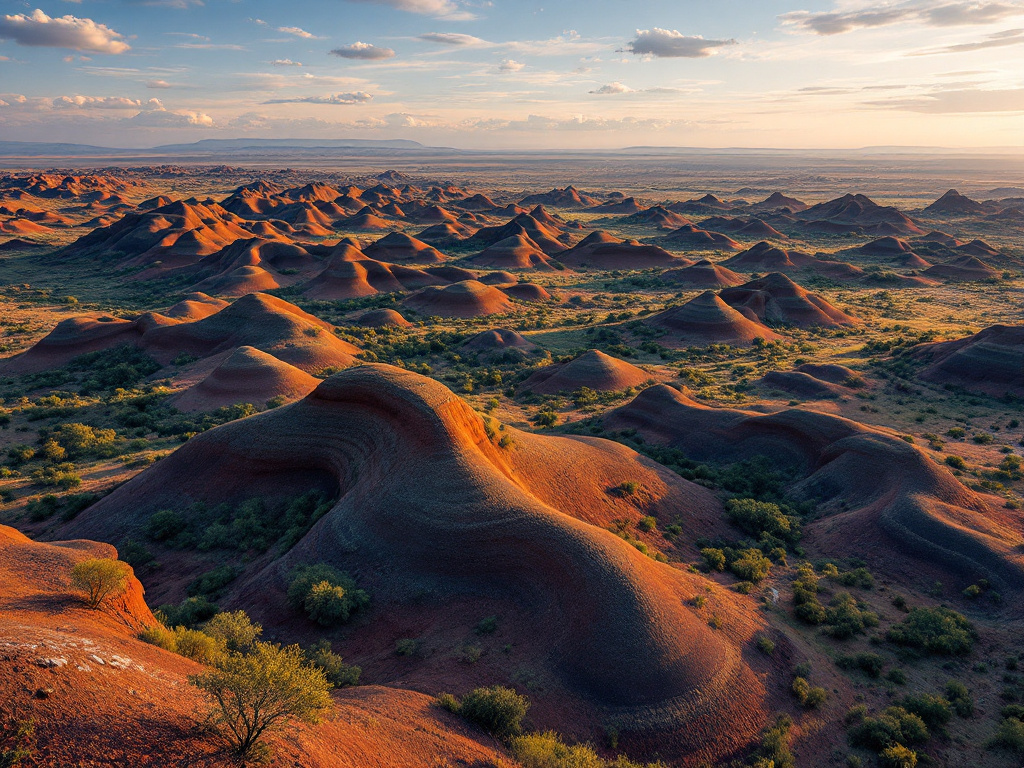
Tsodilo Hills
A UNESCO World Heritage site with thousands of prehistoric rock paintings and great cultural importance.
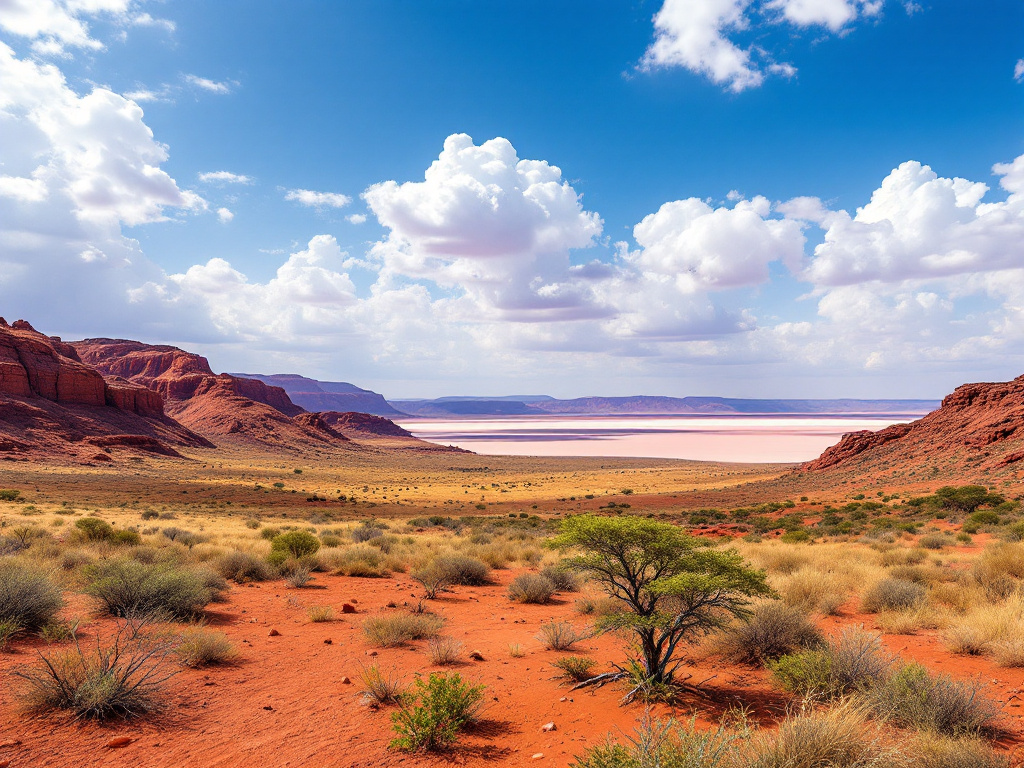
Nxai Pan National Park
A remote national park featuring dramatic plains, famous baobab trees, and seasonal wildlife.
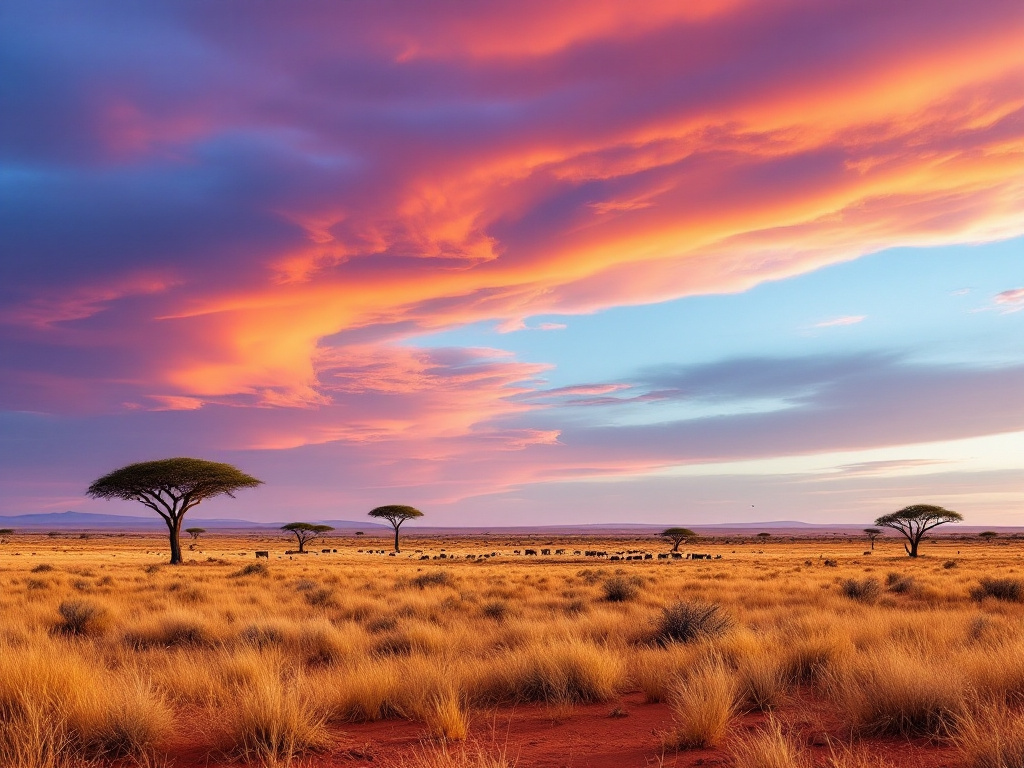
Central Kalahari Game Reserve
A vast and wild reserve offering a raw experience of the beauty and isolation of the Kalahari Desert.
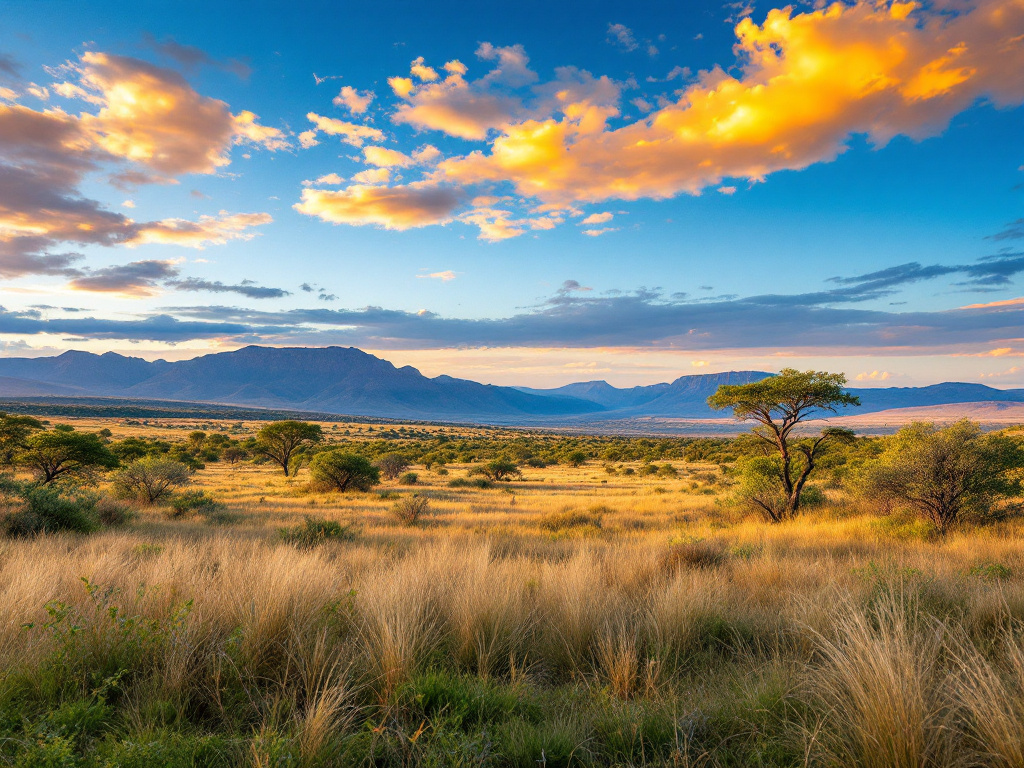
Gaborone Game Reserve
An urban nature reserve, ideal for a short safari experience close to Botswana's capital.
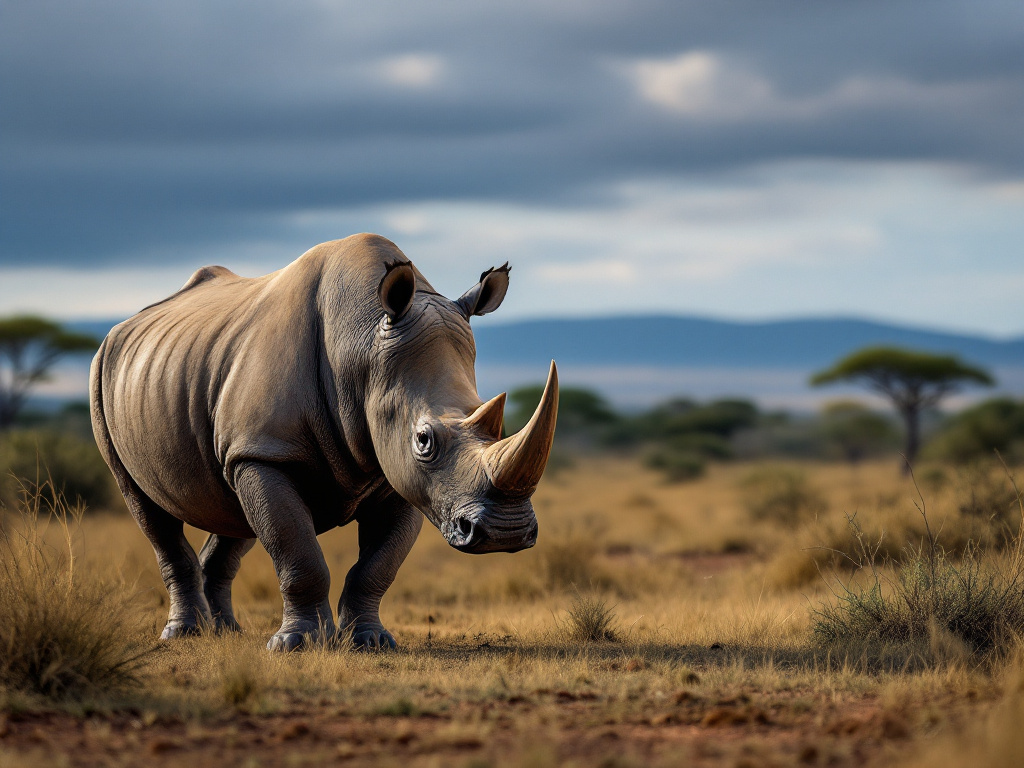
Khama Rhino Sanctuary
An important sanctuary dedicated to protecting endangered rhinos in a safe environment.
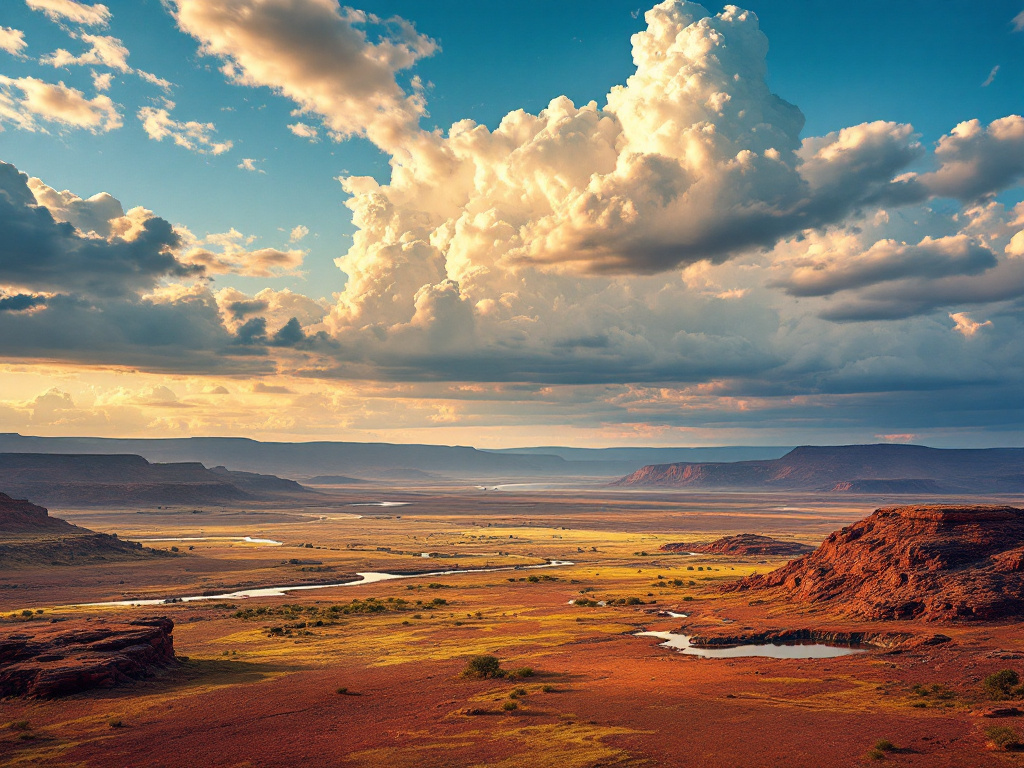
Tuli Block
A scenic region along the Limpopo River featuring dramatic cliffs, wildlife, and peaceful safari experiences.
Famous cuisine
Culinary overview
Botswana's cuisine is an authentic reflection of the country's culture and natural resources. The food is often simple but flavorful, focusing on local ingredients such as beef, maize meal, wild vegetables, and freshly caught fish. Traditional dishes are often served at festive occasions and in village communities, where the meal is a social event. Street vendors and markets offer quick snacks like vetkoek, while restaurants in cities provide both local and international dishes. Safari lodges often serve gourmet versions of classic Botswana meals, offering visitors a unique tasting experience amidst nature.
Must-try dishes
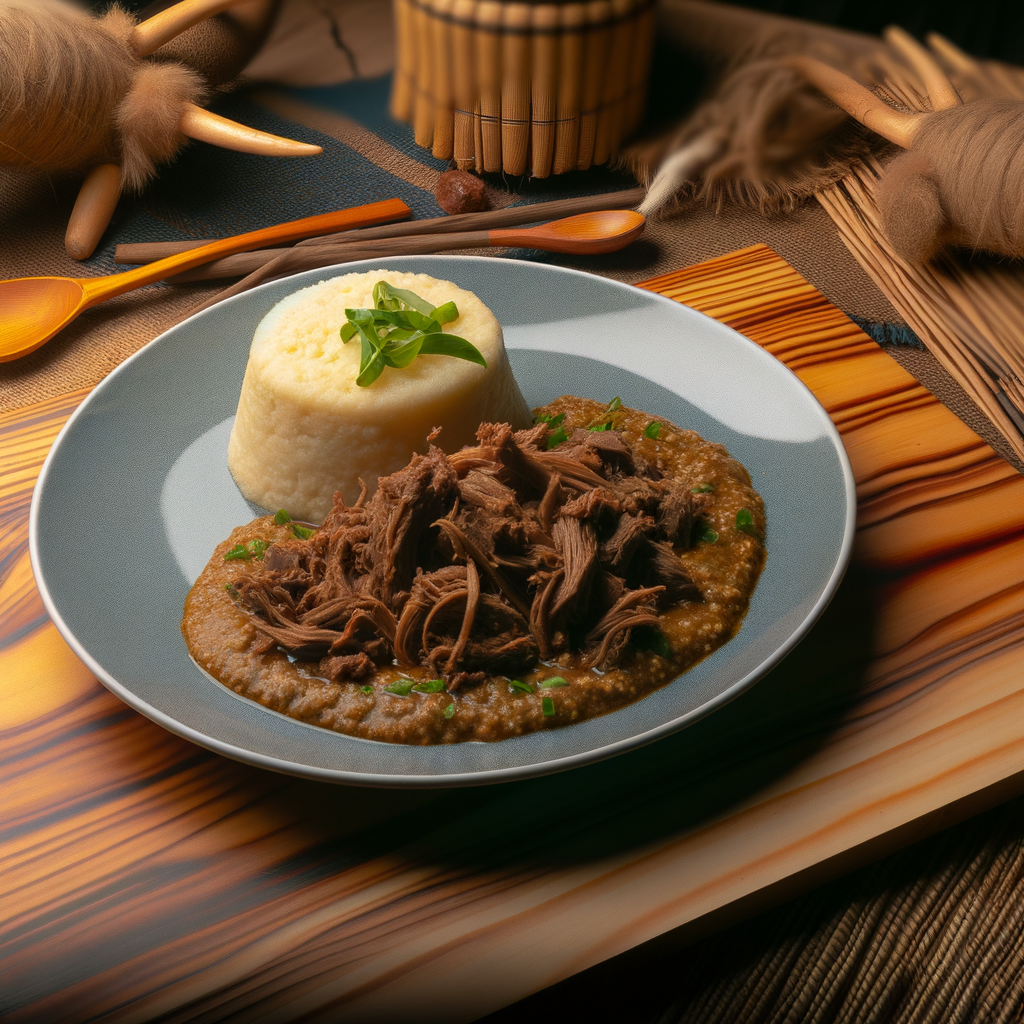
Seswaa
A national dish made from slowly cooked beef, shredded and served with pap (maize porridge). The flavor is simple yet intense, and the dish is often part of festive meals.
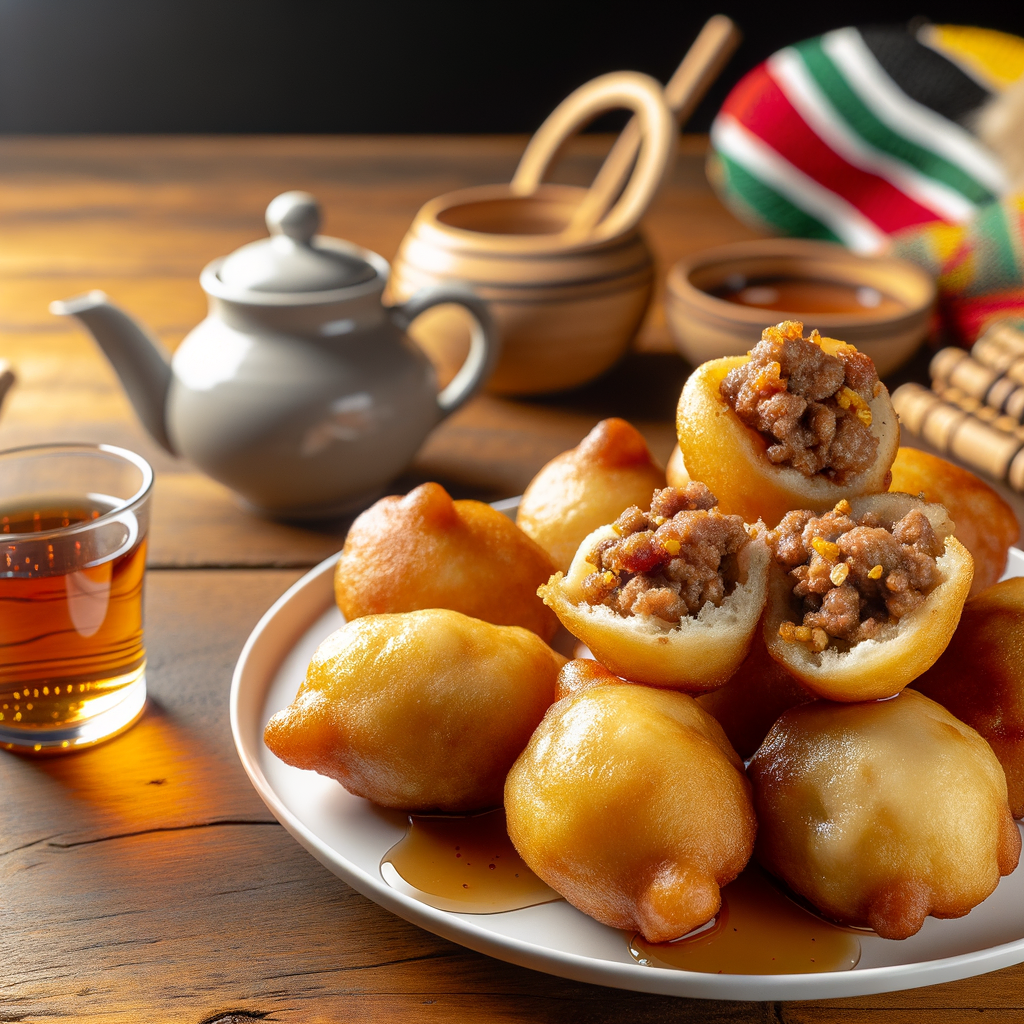
Vetkoek
Fried dough ball, crispy on the outside and soft on the inside, often filled with minced meat or served with syrup as a snack.
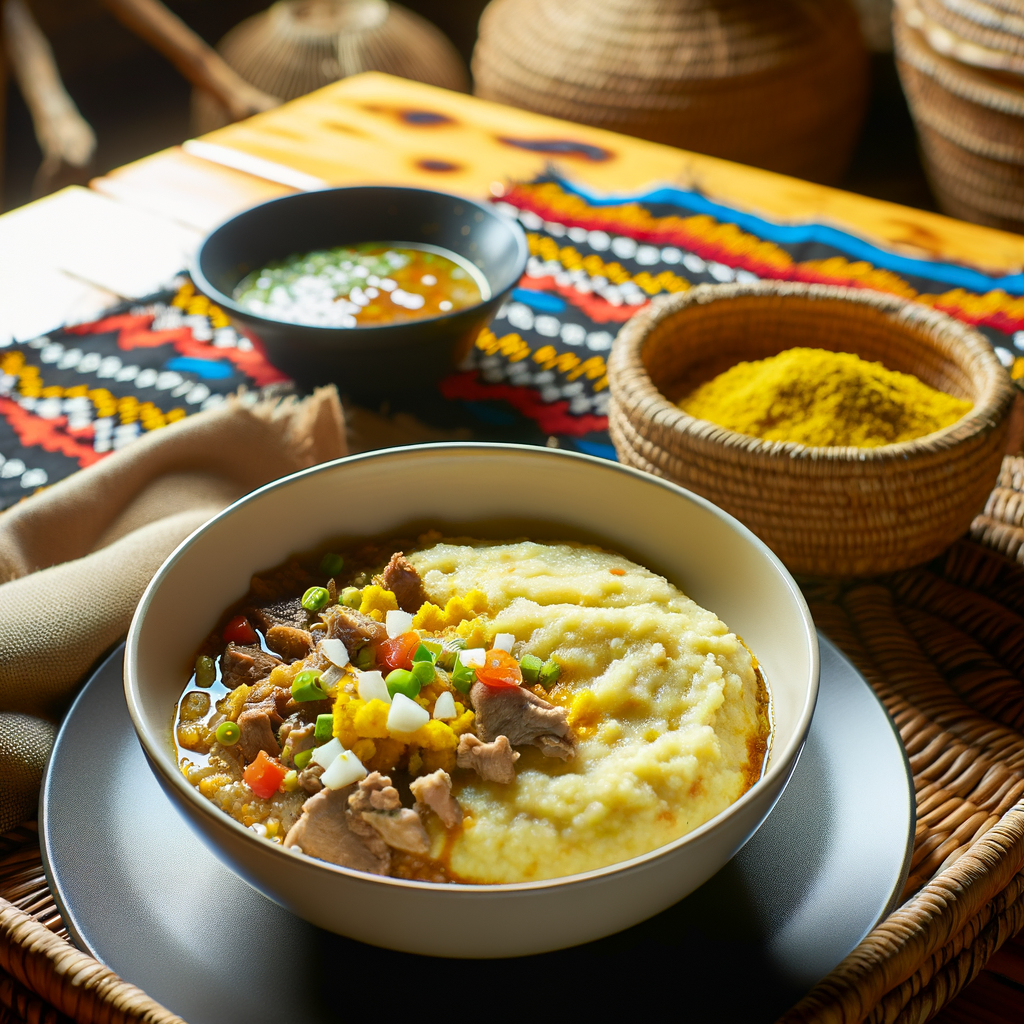
Pap
A solid maize porridge that serves as a staple for many meals. It is often served with meat dishes or vegetable stews.
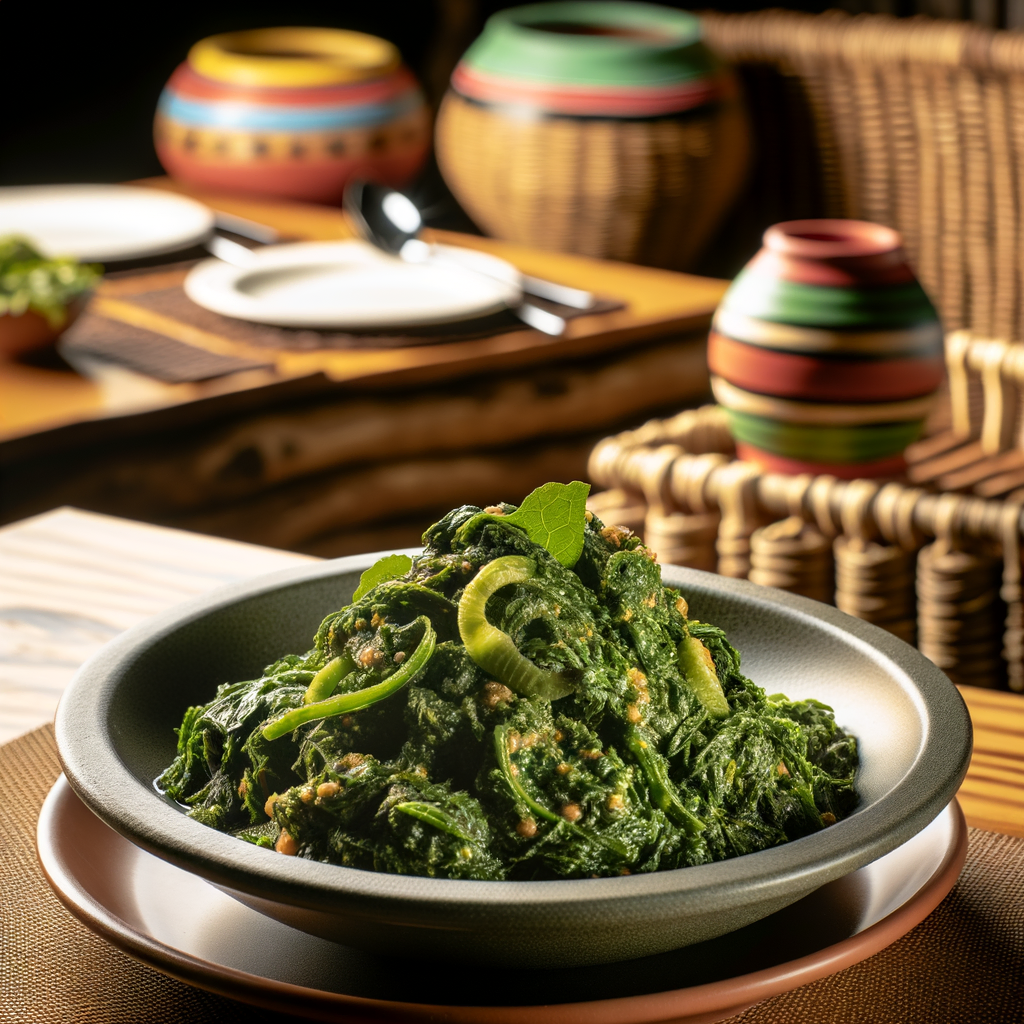
Morogo
Wild spinach-like leaves, cooked and seasoned, often served as a side dish to meat dishes. Rich in vitamins and an important part of the traditional diet.
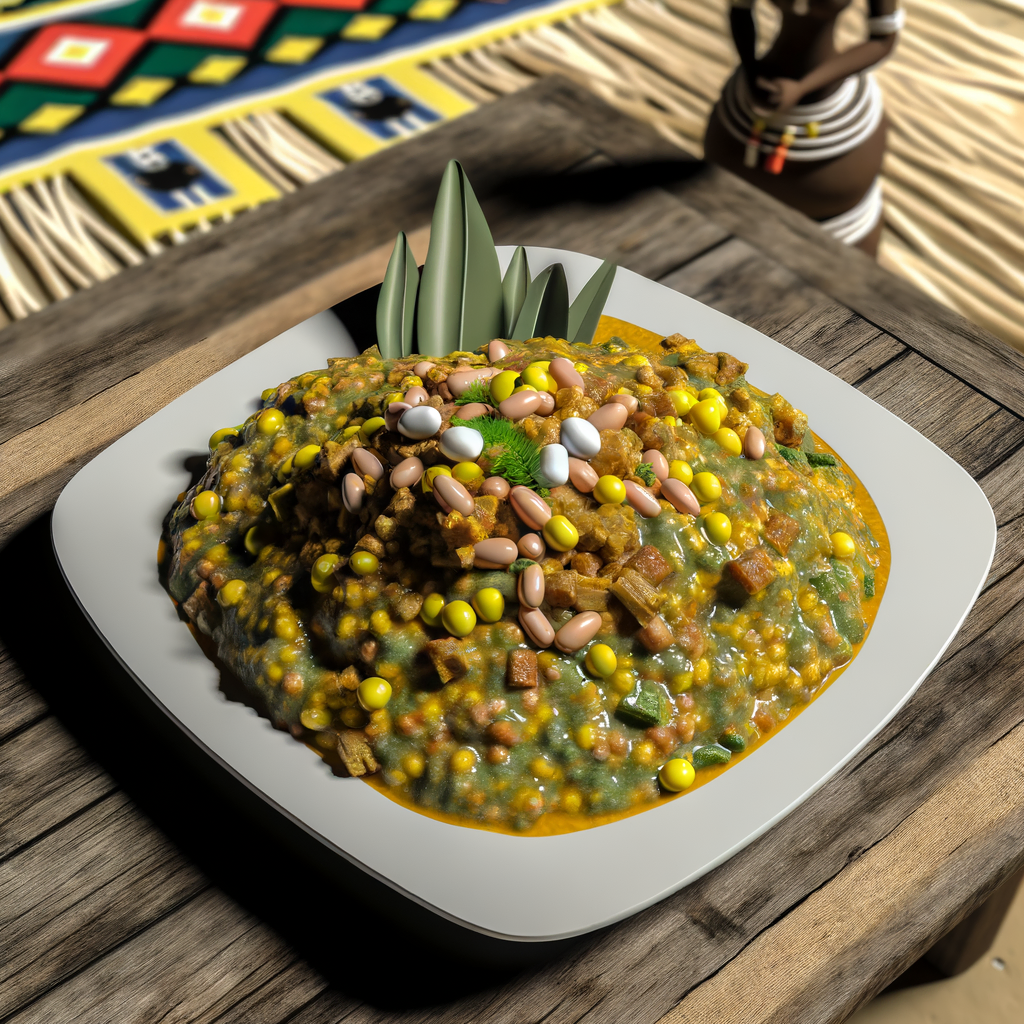
Dikgobe
A mixture of maize, beans, and peas, cooked together into a nutritious dish, often served on special occasions.
Restaurant information
Tipping
Tipping is not mandatory in Botswana, but appreciated. At restaurants, 10% of the bill is common if service is not already included.
Travel information
Currency
Botswansk pula (P)
Language
English
Best time to visit
May to October
Major cities
Gaborone and other major cities
More countries in Africa
Discover more destinations in this region