
Belarus
Belarus, a hidden gem in Eastern Europe, enchants with its lush forests, historic castles, and warm hospitality, offering a mix of tradition and modern charm.
Overview
Belarus, located in the heart of Eastern Europe, is a hidden gem brimming with history, culture, and unspoiled nature. From the majestic UNESCO-listed castle complexes of Mir and Nesvizh to the legendary Brest Fortress and the vibrant arts and café scene in Minsk, the country offers experiences for every traveler. Nature dazzles with Belovezhskaya Pushcha National Park, one of Europe's last primeval forests and home to the rare European bison. With a welcoming population, authentic dishes like draniki and machanka, and relaxed visa regulations, Belarus is a destination that uniquely combines adventure, culture, and nature.
Official language
Hviderussisk and Russian
Government
Presidential diktatur
Best time to visit
May to September
Nature
Belarus is a paradise for nature lovers, with its expansive forests, shimmering lakes, and tranquil rivers. The most iconic natural area is Belovezhskaya Pushcha National Park, one of the last primeval forests in Europe, where visitors can witness the impressive European bison in their natural habitat. The park is also home to an array of wildlife, including wolves, moose, and rare bird species. Beyond the primeval forest, Belarus offers picturesque landscapes with rolling fields, blooming meadows, and unspoiled wetlands, creating ideal conditions for hiking, biking, and birdwatching. The country's numerous lakes, such as the Braslav Lakes, are perfect for kayaking, fishing, and relaxing in scenic surroundings. In spring and summer, Belarus transforms into a green paradise, while autumn paints the forests in warm colors. Winter brings snowy landscapes, inviting opportunities for cross-country skiing and cozy village visits. The beauty of Belarus’s nature is not just stunning but remarkably untouched, making it an ideal destination for those seeking tranquility and authenticity.
Travel to Belarus
Traveling to Belarus has become easier with relaxed visa regulations, allowing many nationalities to visit without extensive bureaucracy. The best time to visit is between May and September when the weather is mild and perfect for exploring both cities and the great outdoors. Flights to Minsk are available from several major European cities, and the country features a well-developed train and bus network connecting major cities and attractions. Travelers can enjoy everything from Minsk's modern urban life to the historical castles of Mir and Nesvizh, as well as embark on adventures in Belovezhskaya Pushcha. Accommodation options range from comfortable hotels to charming rural guesthouses. Belarus remains relatively undiscovered by mass tourism, meaning fewer crowds and a more authentic experience. The combination of culture, history, and nature makes it an ideal choice for travelers seeking something different in Europe.
Culture
Belarusian culture is a harmonious blend of Slavic traditions, European influences, and a strong national identity. Music and dance are central to the culture, with folk music often accompanied by traditional instruments like the cimbalom and flute. The country's architecture reflects Gothic, Baroque, and Soviet styles, prominently showcased in cities such as Minsk, Grodno, and Vitebsk. Belarus is renowned for its colorful festivals, celebrating everything from harvests to historical events, often featuring folk costumes, songs, and dances. The cuisine offers hearty, flavorful dishes like draniki (potato pancakes) and machanka (a rich meat sauce), showcasing the country's rural roots. The art scene in Minsk is vibrant, with galleries, theaters, and street art that display both modern and classic expressions. Crafts like embroidery and wood carving are cherished traditions, and hospitality is a vital part of the national culture—visitors are often welcomed with open arms and a well-set table.
History
Belarus’ history is marked by shifting borders and cultural influences from neighboring countries. The region was once part of the Grand Duchy of Lithuania and later the Polish-Lithuanian Commonwealth, a period that brought both prosperity and cultural flourishing. In the 20th century, Belarus suffered significantly during both World Wars, particularly in World War II, where the Brest Fortress became a symbol of resistance. After the war, Belarus was incorporated into the Soviet Union until it gained independence in 1991. This complex history has left a rich architectural and cultural heritage, from medieval castles to Soviet monuments, telling tales of both triumphs and tragedies. Today, the remnants of these periods can still be seen and felt throughout the country.
Top attractions
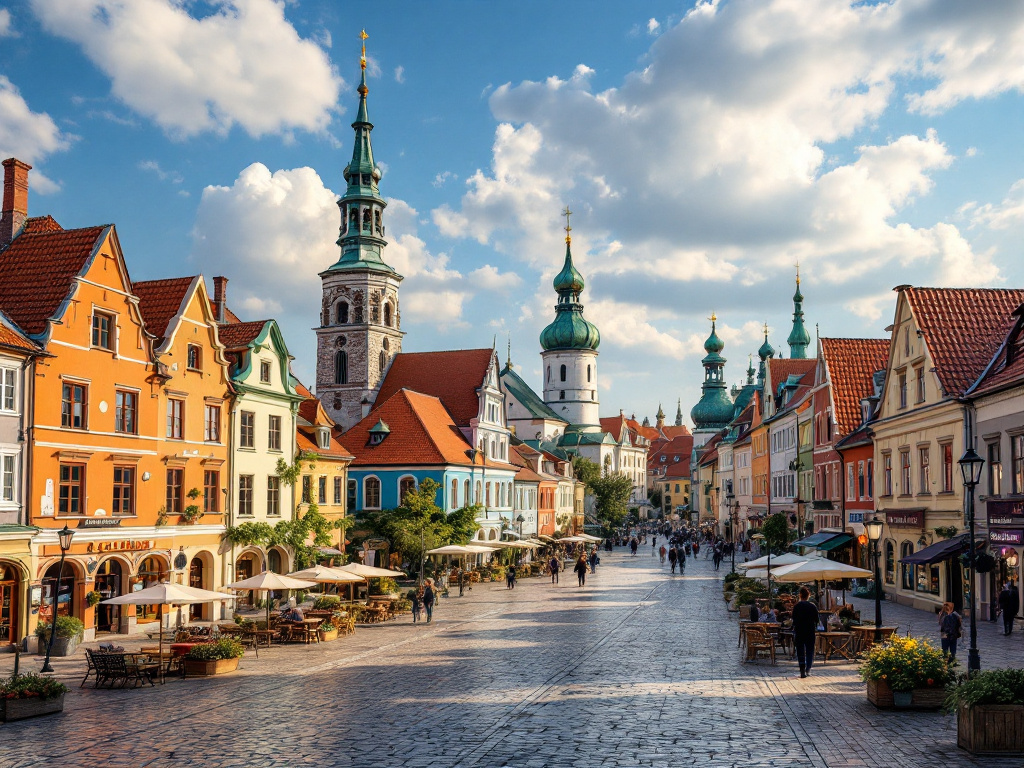
Minsk Old Town
A charming historic area in Minsk with restored buildings, churches, and cozy cafés.
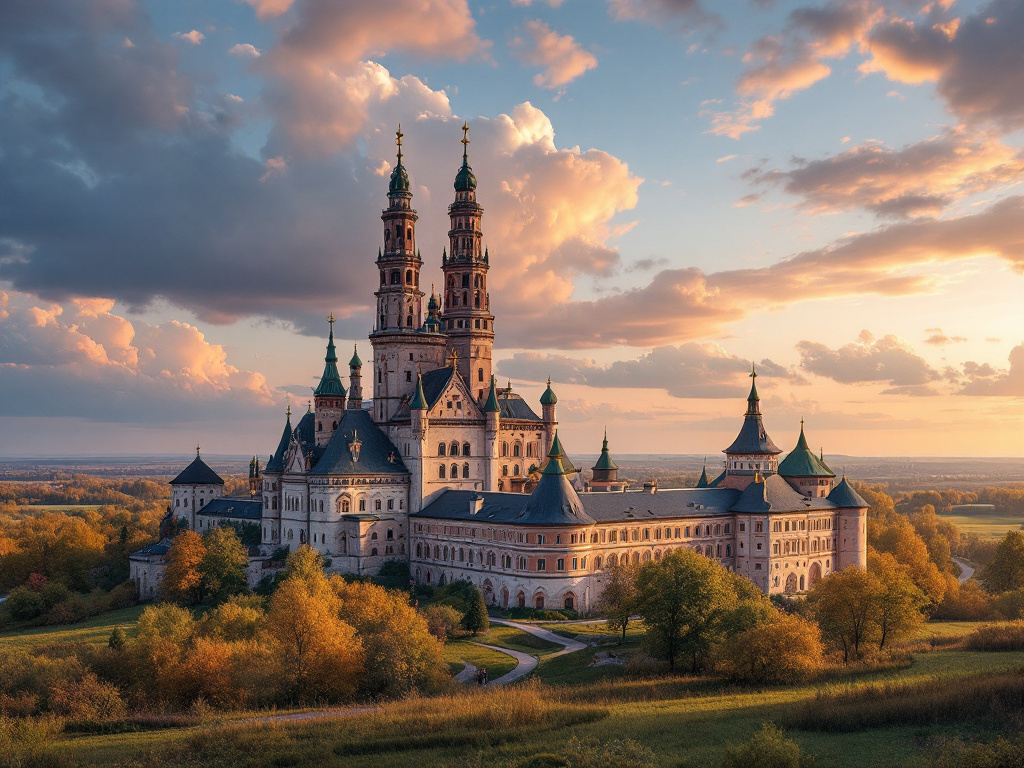
Mir Castle
An impressive medieval castle and UNESCO World Heritage site, known for its architecture and dramatic history.
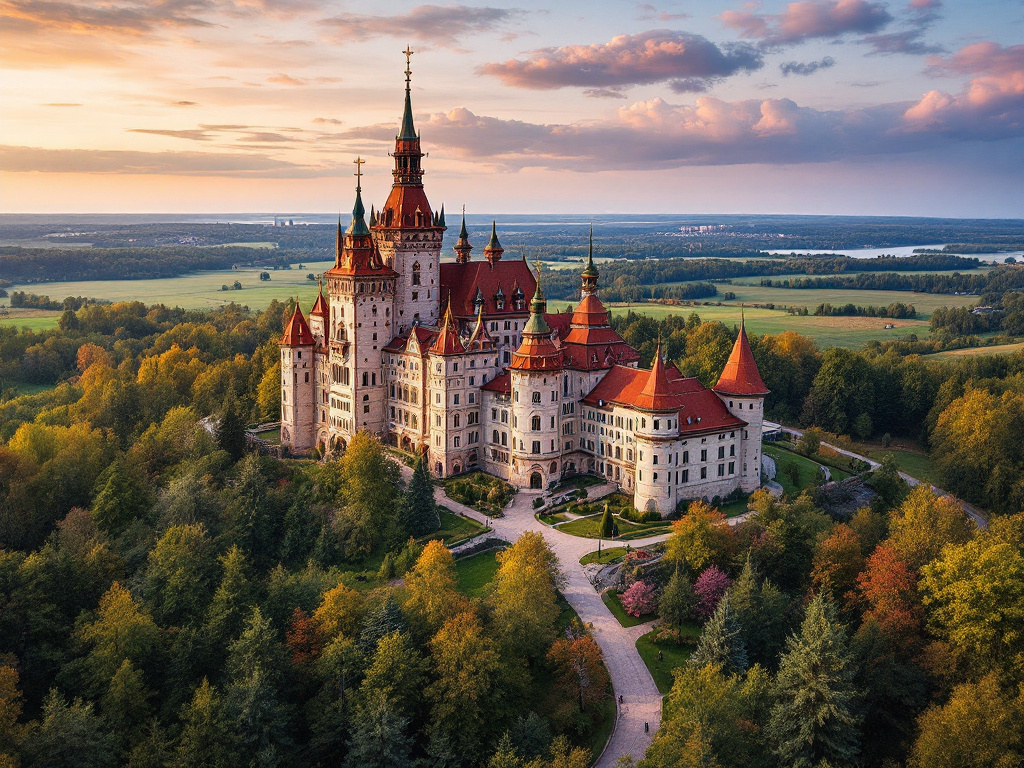
Nesvizh Castle
A lavish palace complex surrounded by parks and lakes, known for its noble history.
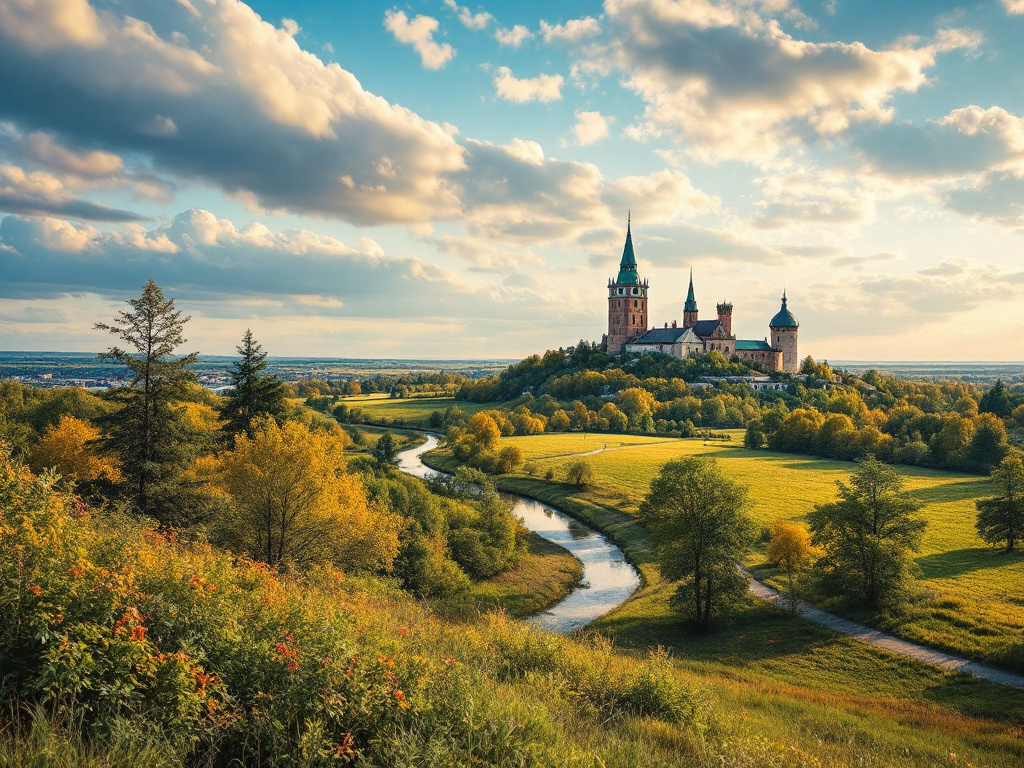
Brest Fortress
An important national memorial marking the defense of Brest during World War II.
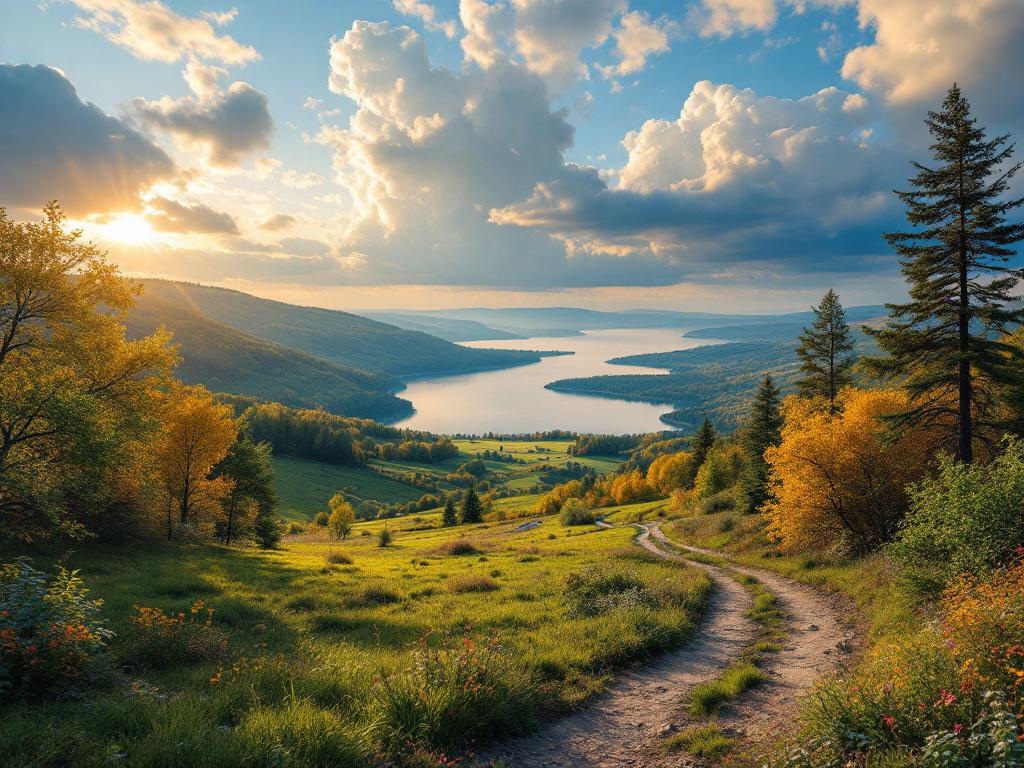
Belovezha Primeval Forest
One of the last primeval forests in Europe with rich wildlife and ancient trees.
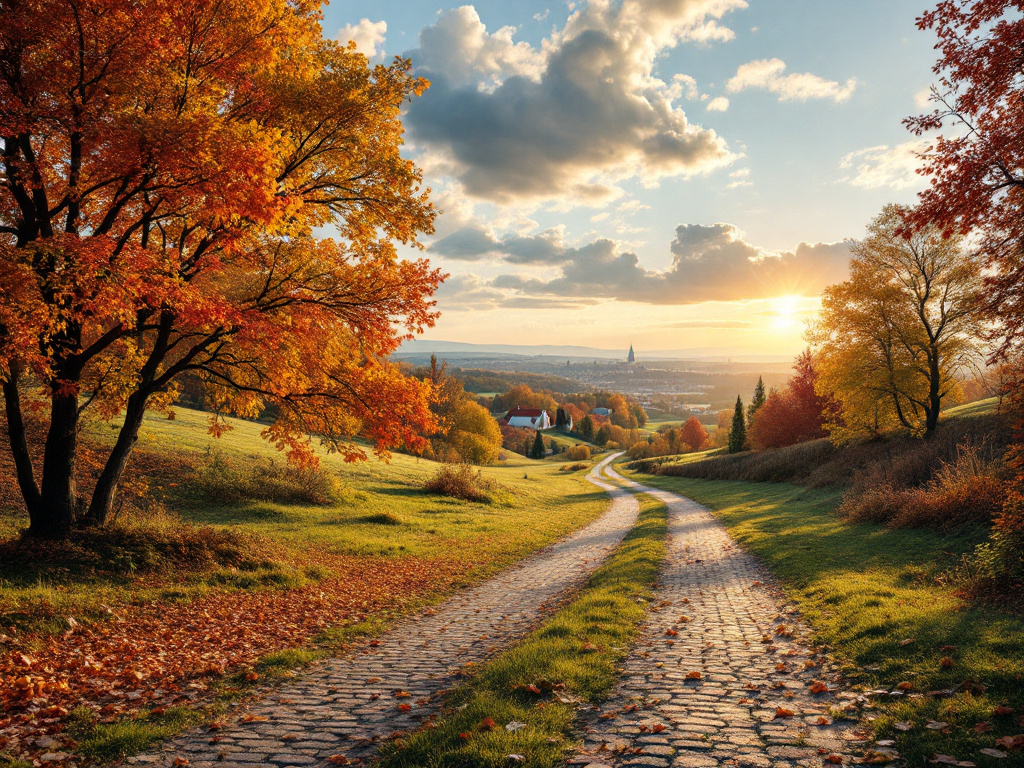
Trinity Hill
A charming neighborhood in Minsk known for its cultural institutions and historical atmosphere.
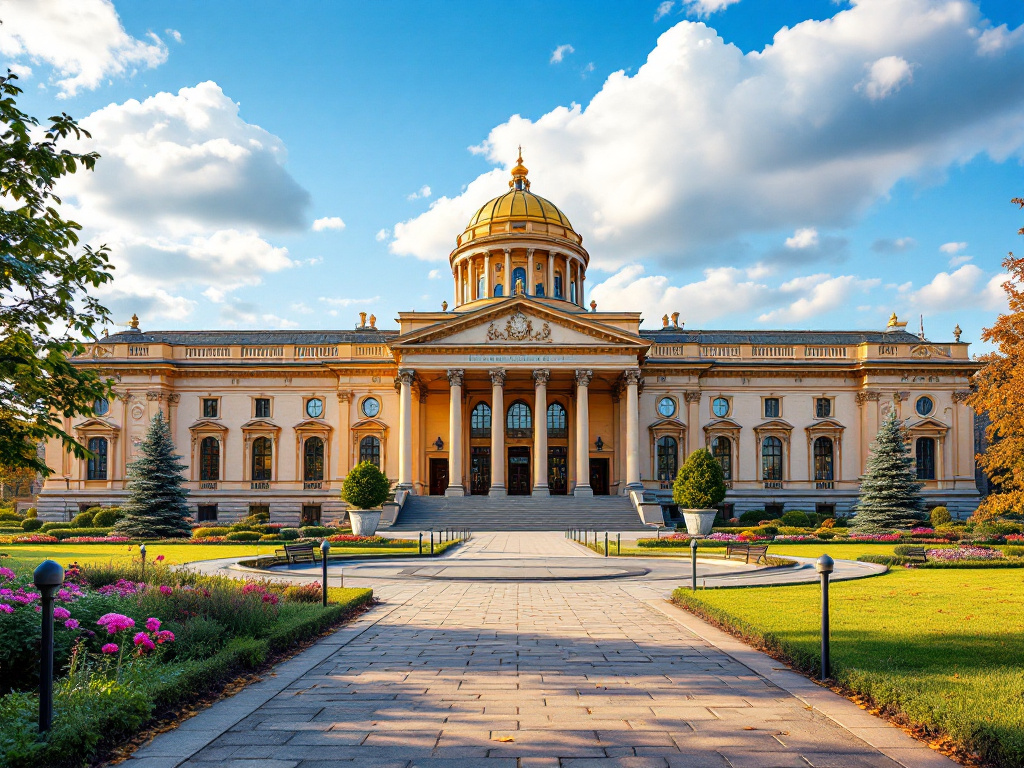
National Art Museum of Minsk
The country's leading art museum with extensive collections from the Middle Ages to the present.
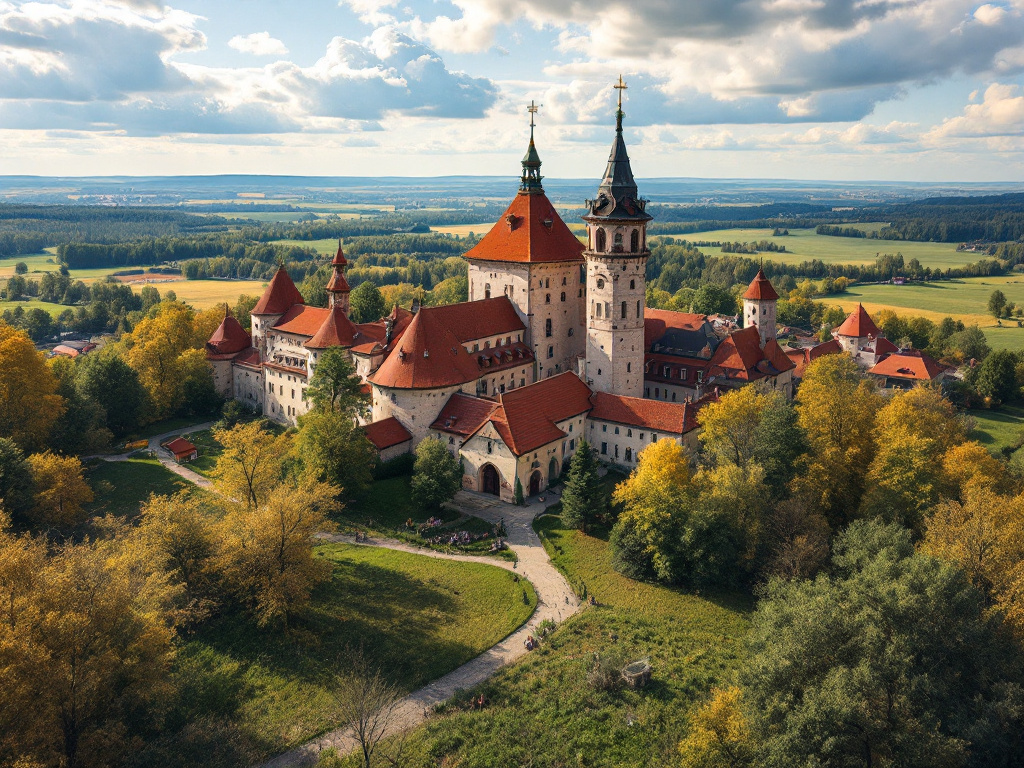
Kamenets Tower
A well-preserved defensive tower from the 1200s and a symbol of the town's history.
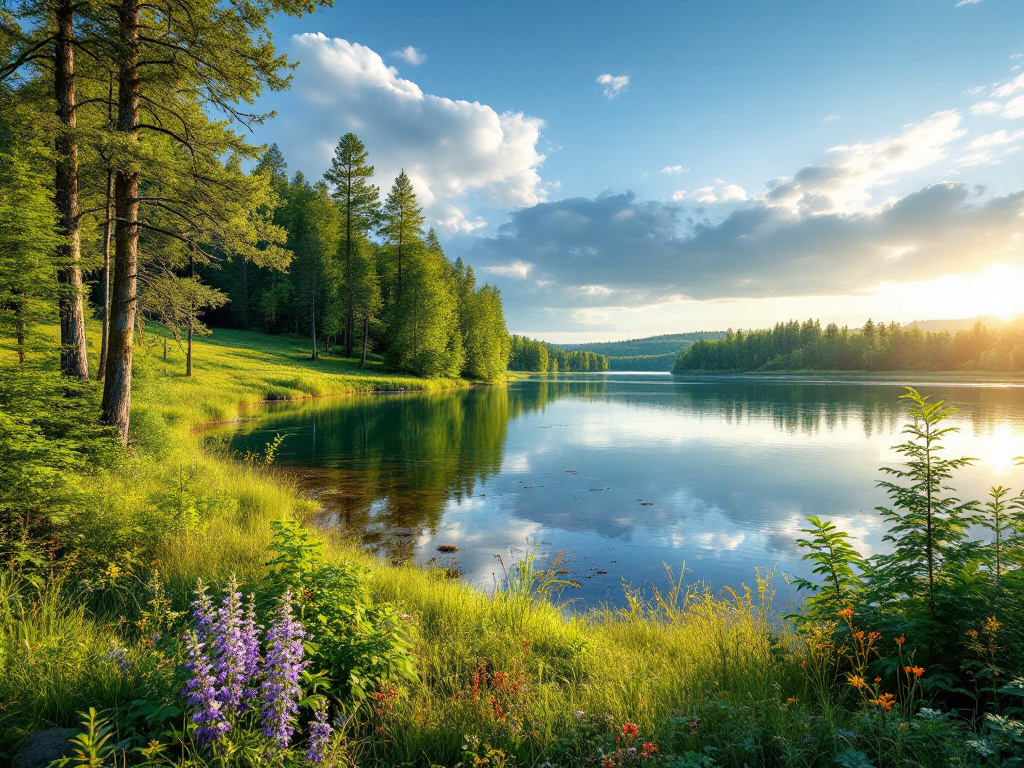
Braslav Lakes National Park
A scenic area with numerous lakes and opportunities for relaxation and outdoor activities.
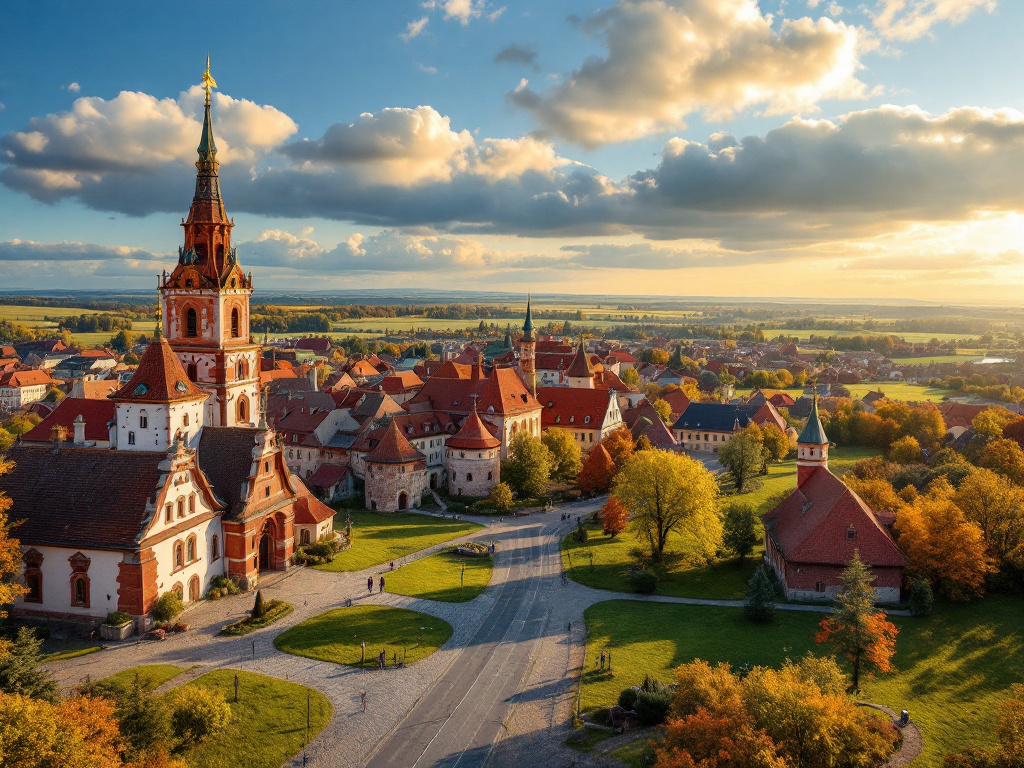
Grodno Old Town
A historic center with a unique blend of Belarusian and Central European architecture.
Famous cuisine
Culinary overview
Belarusian cuisine is deeply rooted in the country’s agricultural heritage and combines simple yet flavorful ingredients like potatoes, cabbage, mushrooms, and meat. The dishes are often hearty and adapted to the cool climate, with soups, stews, and pastries playing a central role. Many recipes have been passed down through generations, and traditional meals are often accompanied by freshly baked bread and pickled vegetables. The country’s cuisine bears influences from Slavic, Baltic, and Central European traditions, resulting in a unique flavor profile.
Must-try dishes
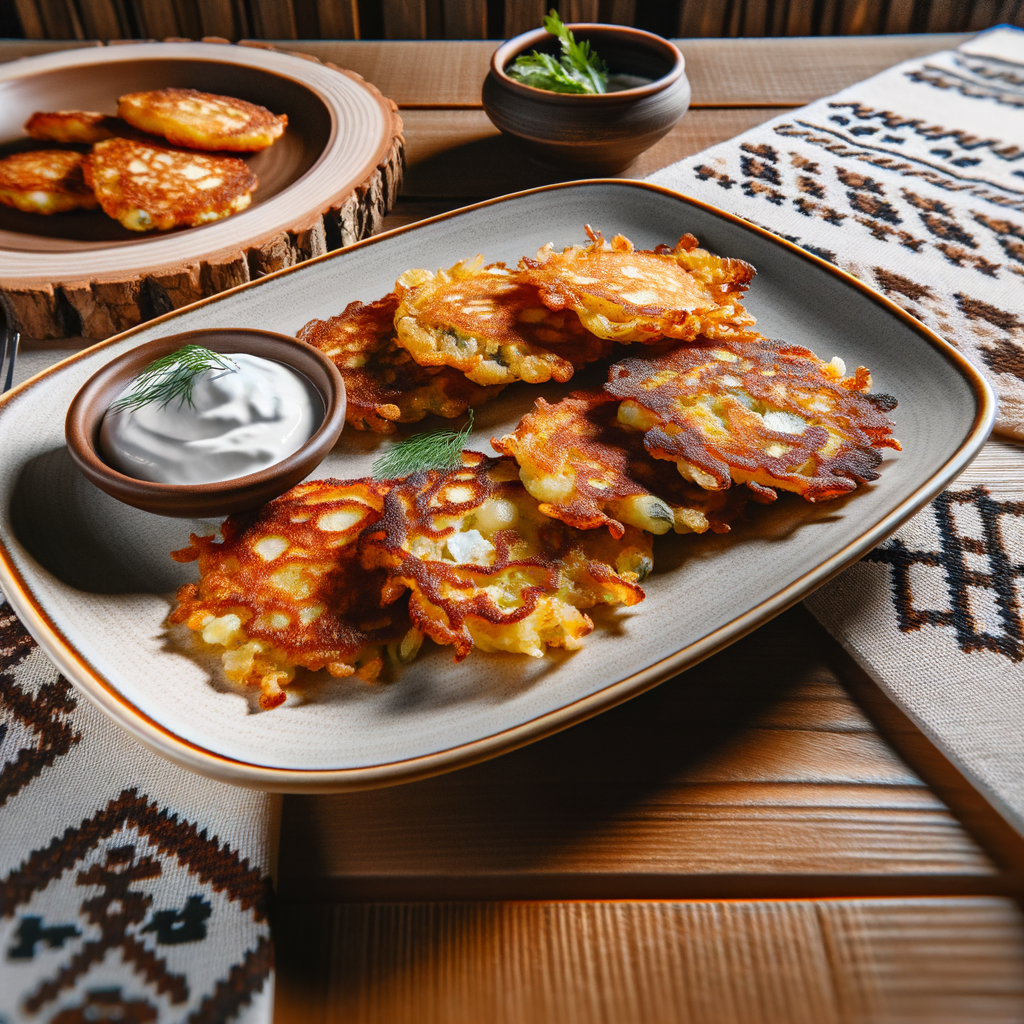
Draniki
Potato pancakes made from grated potatoes, onions, and eggs, fried until crispy. Often served with sour cream and is one of Belarus's most iconic dishes.
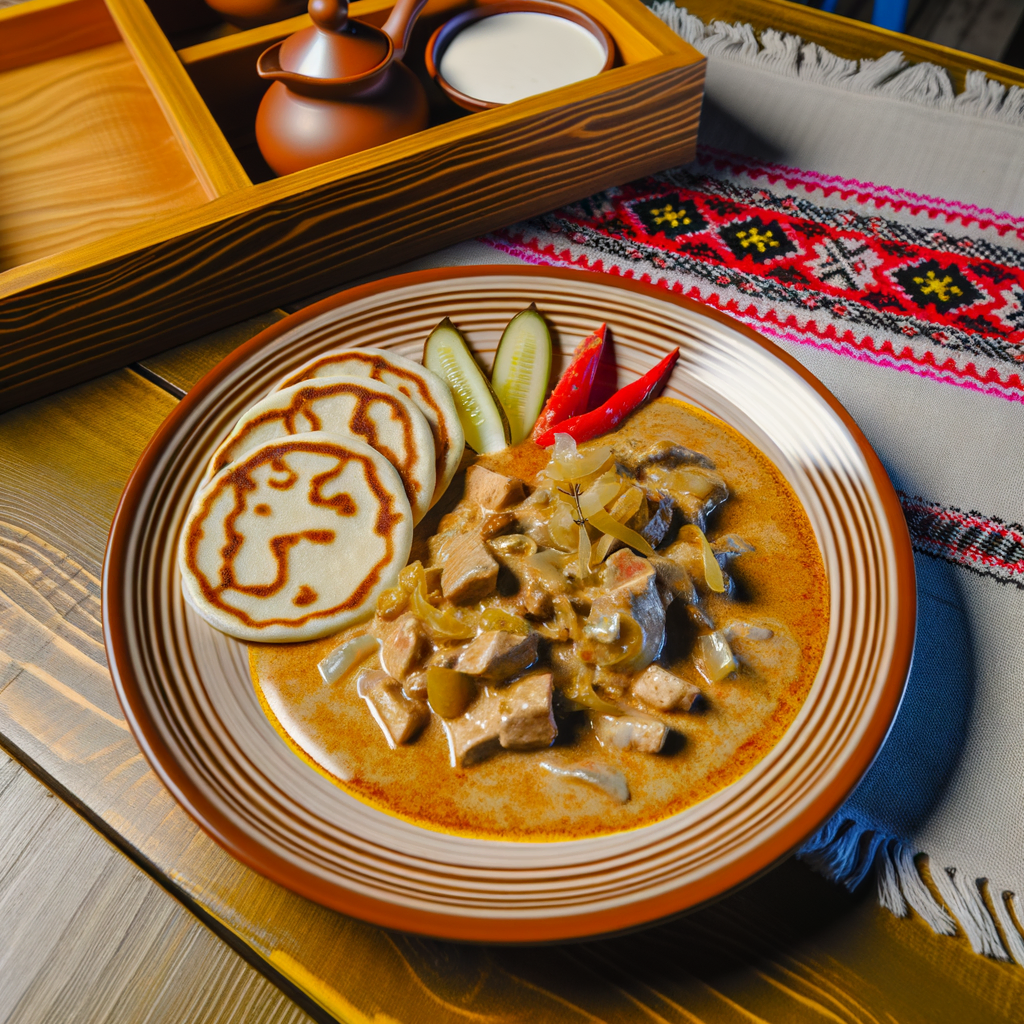
Machanka
A thick, creamy meat sauce made from pork, cream, and onions, traditionally served with pancakes for dipping.
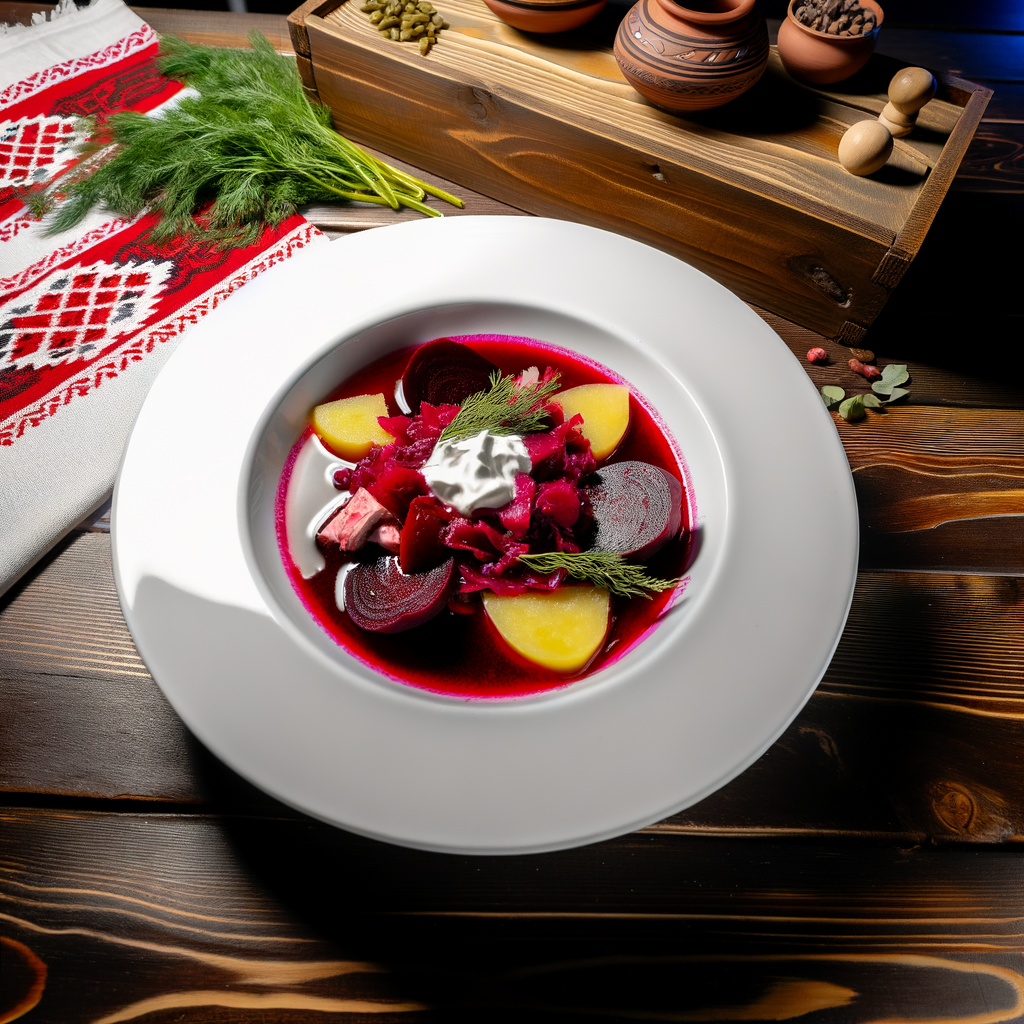
Borscht
A beetroot soup with a deep, sweet flavor, often enriched with cabbage, potatoes, and meat. Served hot with a dollop of sour cream.
.webp)
Cold Beet Soup (Kholodnik)
A refreshing summer soup made from beets, kefir, fresh herbs, and boiled eggs. Served cold and perfect for hot days.
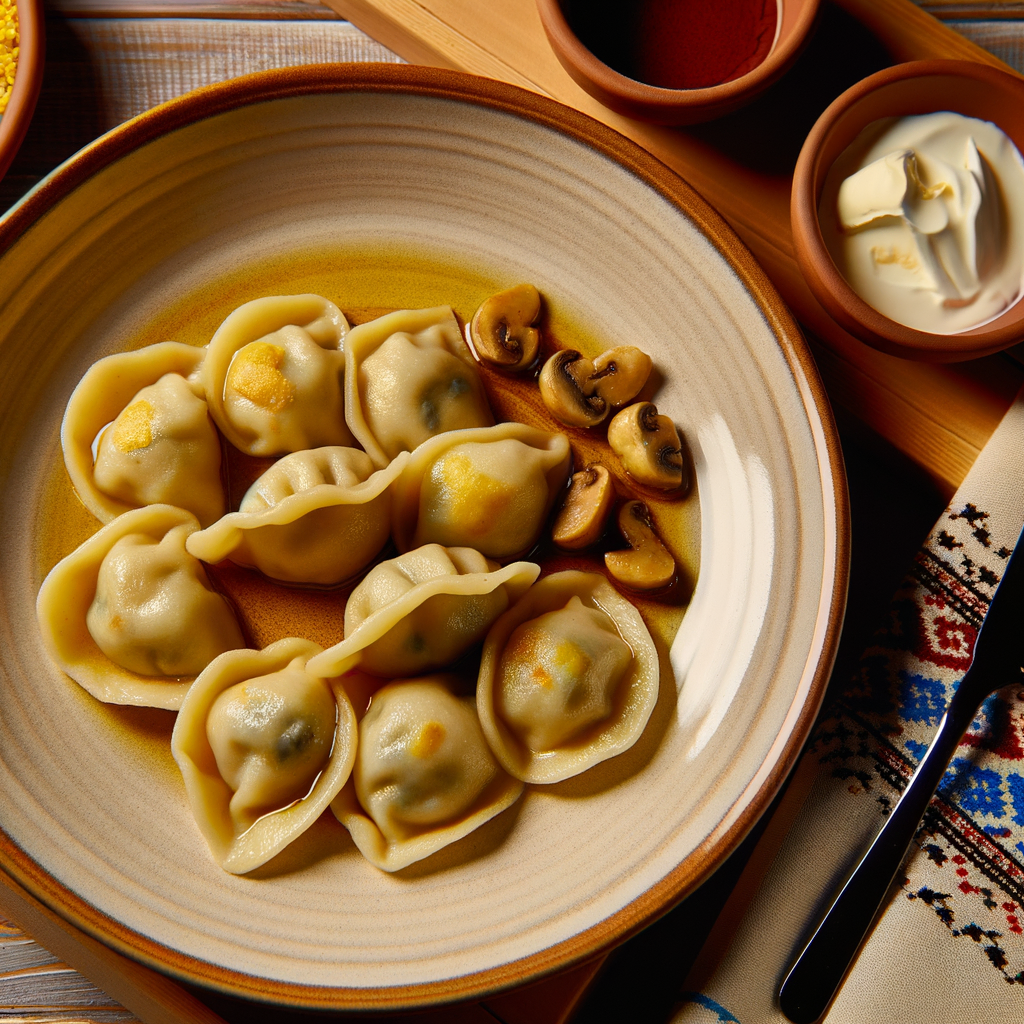
Kolduny
Potato or dough-based dumplings filled with meat or mushrooms, often served with butter or sour cream.
Restaurant information
Tipping
Tipping is not mandatory in Belarus, but it is common to round up or give 5-10% at restaurants if the service has been good.
Travel information
Currency
Hviderussisk rubel (BYN)
Language
Hviderussisk and Russian
Best time to visit
May to September
Major cities
Minsk and other major cities
More countries in Europe
Discover more destinations in this region