Democratic Republic of Congo
Adventure awaits in the Democratic Republic of Congo, a land of wild rainforests, roaring rivers, and glowing volcanoes, where resilience and natural beauty shine through a complex history.
Overview
Discover the Democratic Republic of Congo – one of Africa's most untainted and adventurous destinations. Here, you are greeted by mighty rainforests, roaring rivers, and dramatic volcanoes like Nyiragongo, known for its glowing lava lake. Stand face to face with rare mountain gorillas in the UNESCO-designated Virunga National Park, while the captivating Congo River invites you to partake in unforgettable boat journeys. From the vibrant music scene in Kinshasa to the wild biodiversity of Salonga National Park, the DRC is a paradise for daring travelers seeking authentic experiences, untamed nature, and a culture defined by strength and hospitality.
Official language
French
Government
republic
Best time to visit
May to September (dry season)
Nature
The Democratic Republic of Congo is a true natural wonder, boasting some of the world's most breathtaking and untouched ecosystems. Enormous tropical rainforests stretch across millions of hectares, home to a remarkable biodiversity that captivates any nature lover. In Virunga National Park, you can encounter majestic mountain gorillas in their natural habitat, while Kahuzi-Biega National Park offers rare sightings of eastern lowland gorillas amidst lush, verdant forests. The stunning Nyiragongo volcano, with its active lava lake, illuminates the night sky with a mesmerizing glow. The Congo River, the second longest in Africa, meanders through the country, providing opportunities for adventurous cruises and interaction with local communities along its banks. From the roaring cascades of Boyoma Falls to the open savannahs of Garamba National Park filled with elephants and giraffes, the DRC is a paradise for lovers of the great outdoors, photographers, and adventurers looking for raw and vibrant landscapes. The ideal time to visit is from May to September, during the dry season, when trekking and wildlife observation conditions are optimal.
Travel to Democratic Republic of Congo
Traveling to the Democratic Republic of Congo is an experience for the adventurous traveler seeking something truly unique. The best time to visit is from May to September, when the dry season offers optimal conditions for trekking, wildlife observation, and cultural interactions. Fly into Kinshasa, where you can immerse yourself in the city's vibrant music and culinary scene before venturing into the wild regions of the country. Explore Virunga National Park to see mountain gorillas or hike to the breathtaking Nyiragongo volcano's crater lake for an unforgettable adventure. Sail on the Congo River, discover the beauty of Boyoma Falls, or embark on a safari in Garamba National Park among herds of elephants and giraffes. Planning your journey, potentially with local guides, is essential, but the rewards are authentic encounters, magnificent landscapes, and memories to last a lifetime. The DRC is not for mass tourism – it is a destination for those daring enough to venture beyond the ordinary.
Culture
The culture of the Democratic Republic of Congo is as diverse as its landscapes, with over 200 ethnic groups contributing to a rich tapestry of languages and traditions. French, Lingala, Kikongo, Swahili, and Tshiluba are just a few of the languages that bring the local culture to life. Kinshasa, the capital, pulses with a lively music scene known for Rumba Congolaise, which has inspired rhythms far beyond Africa's borders. Dance and music are integral to daily life, with the streets alive with energy and creativity. The Congolese cuisine promises authentic experiences, featuring dishes such as fufu, pondu (cassava leaves), moambe chicken, and saka-saka, often complemented by local sauces and spices. Handicrafts, including wood carving, beading, and vibrant textiles, reflect both tradition and modernity. Despite a complex history marked by challenges, hospitality and community are core values, with visitors often greeted by warm smiles and open arms. Festivals, markets, and ceremonies offer unique insights into the nation's soul and resilience.
History
The Democratic Republic of Congo has a deeply complex and dramatic history, rooted in thousands of years of various kingdoms and tribes, including the Kingdom of Kongo. In the late 19th century, the country was brutally colonized by Belgium under King Leopold II, leading to widespread exploitation and suffering among its people. Following independence in 1960, the nation faced political instability, conflicts, and periods of dictatorship, particularly under the rule of Mobutu Sese Seko. Despite these trials, the DRC has retained a strong cultural identity and a rich heritage, evident in its art, music, and traditions. Today, the DRC is focused on rebuilding and developing its society while safeguarding its unique natural resources, reflecting a resilient spirit that continues to thrive amid adversity.
Top attractions
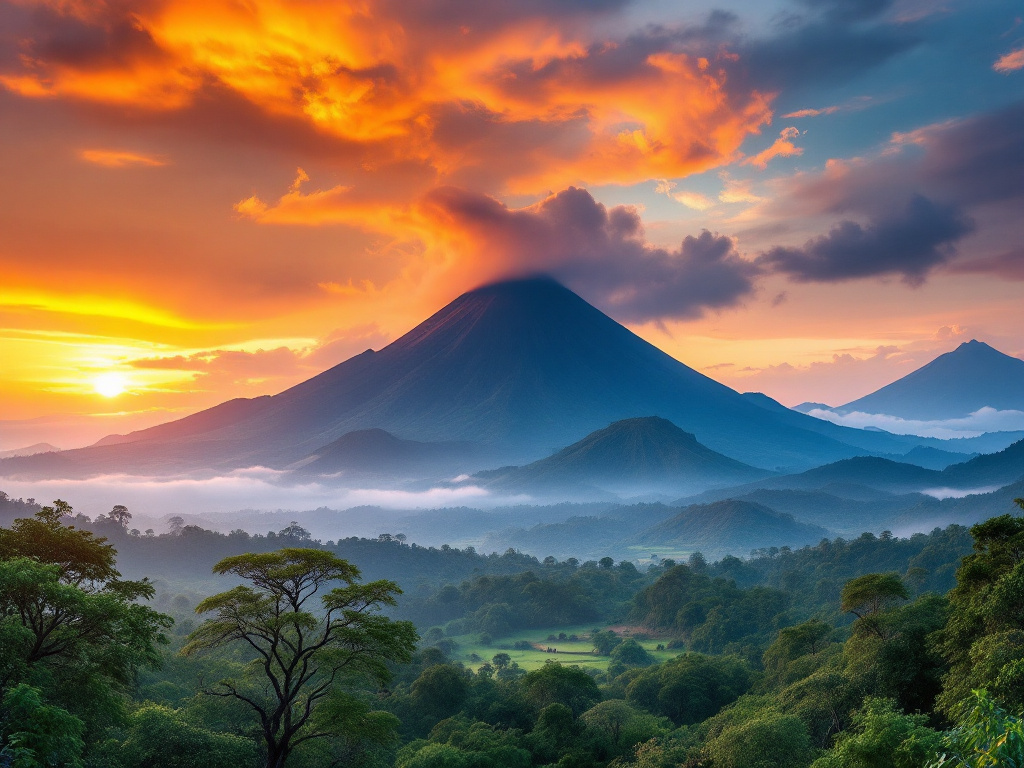
Virunga National Park
Africa's oldest national park, known for its endangered mountain gorillas, dramatic volcanic landscapes, and unique wildlife.
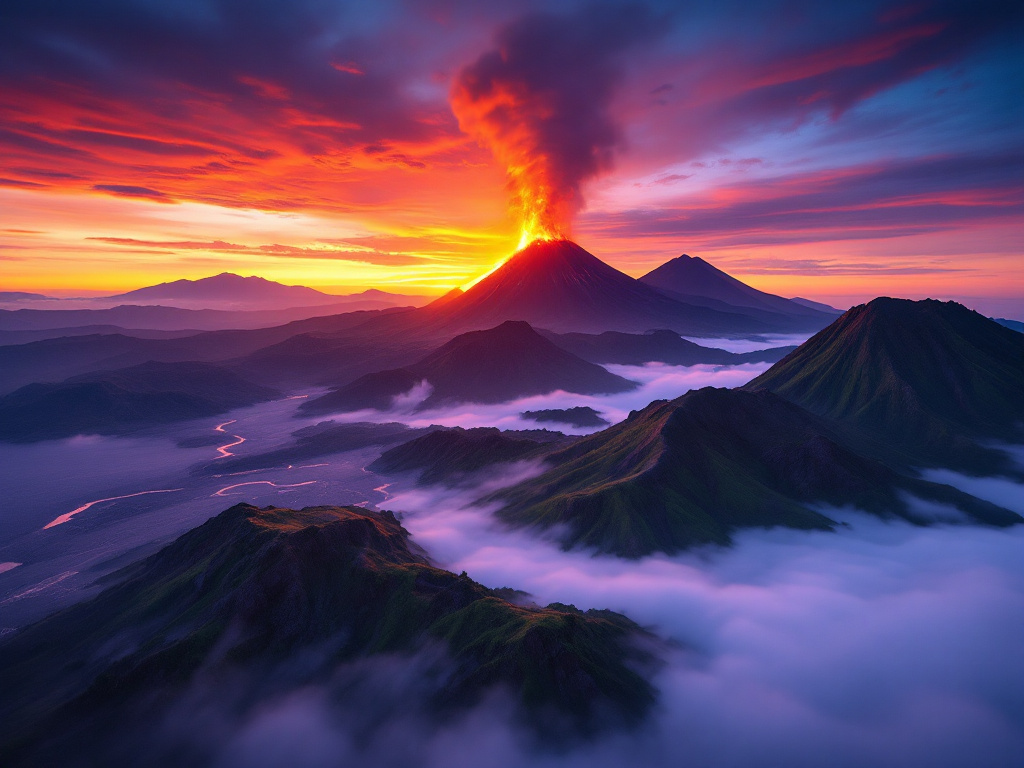
Nyiragongo Volcano
An active stratovolcano with an impressive lava lake, which can be experienced on guided hikes with overnight stays.
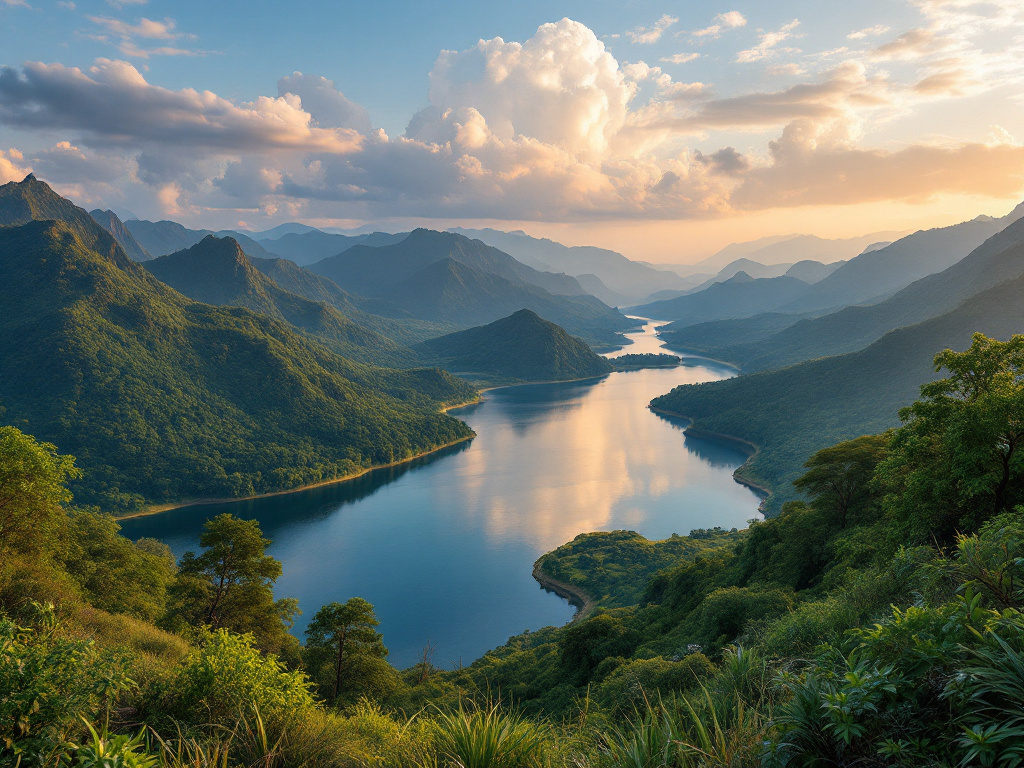
Lake Kivu
One of Africa's great lakes known for its peaceful atmosphere, beautiful surroundings, and recreational activities.
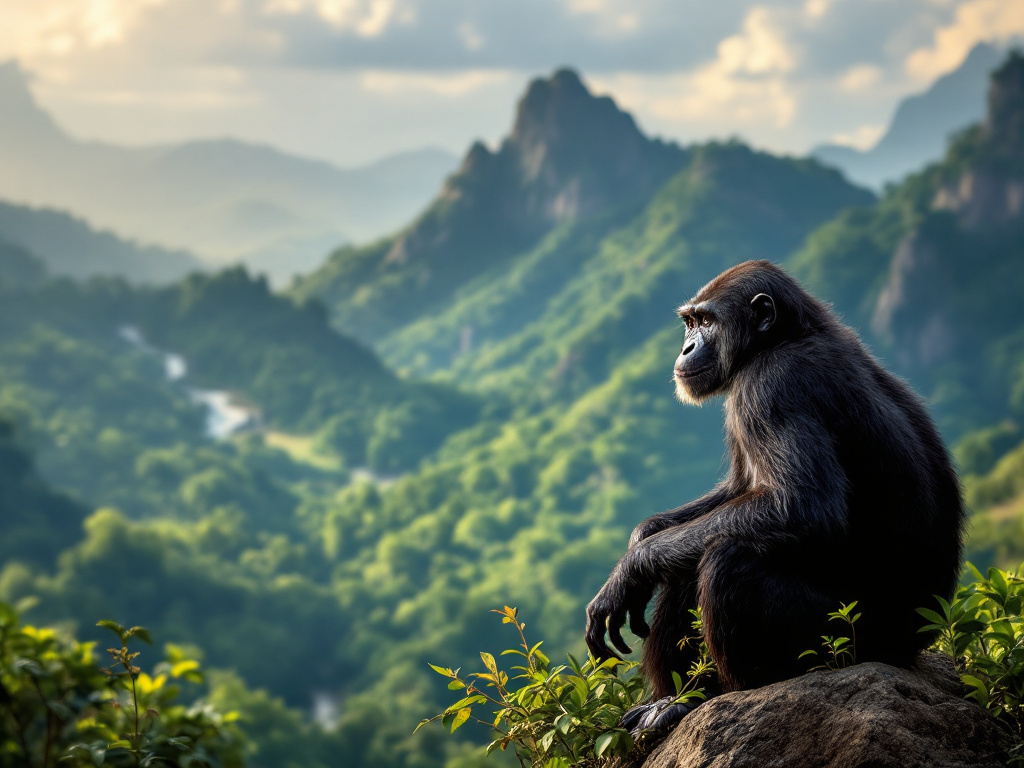
Lola ya Bonobo Sanctuary
A well-known sanctuary dedicated to the rescue and rehabilitation of bonobos near Kinshasa.
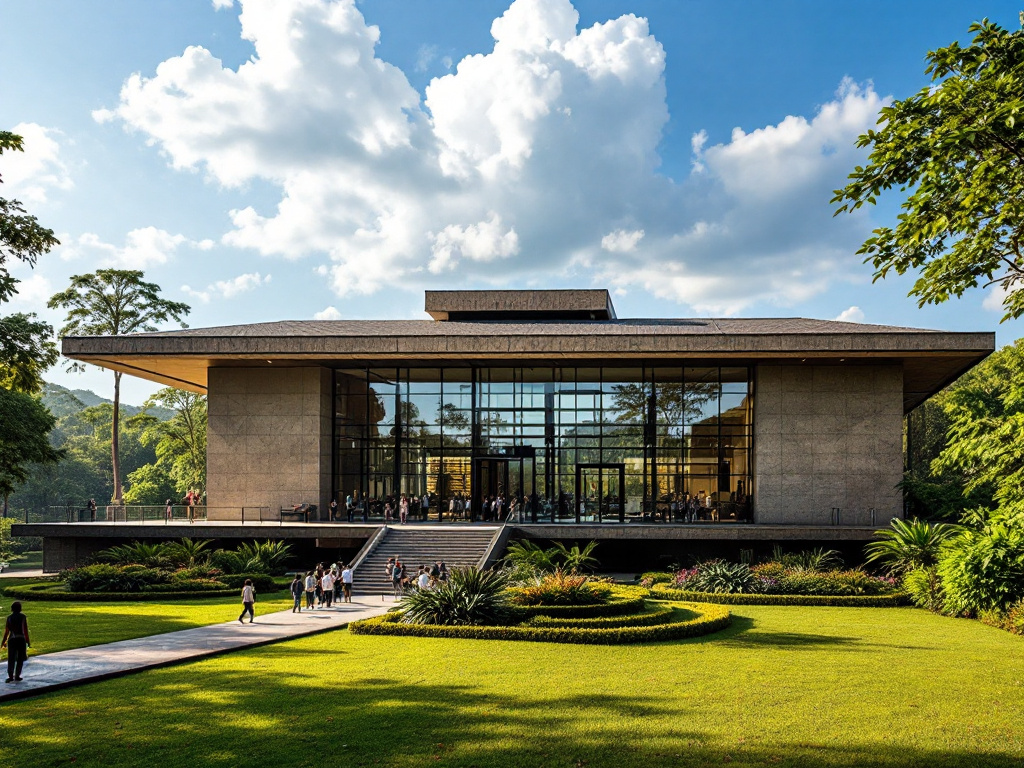
National Museum of Kinshasa
A modern museum that showcases the country's rich cultural and historical heritage.
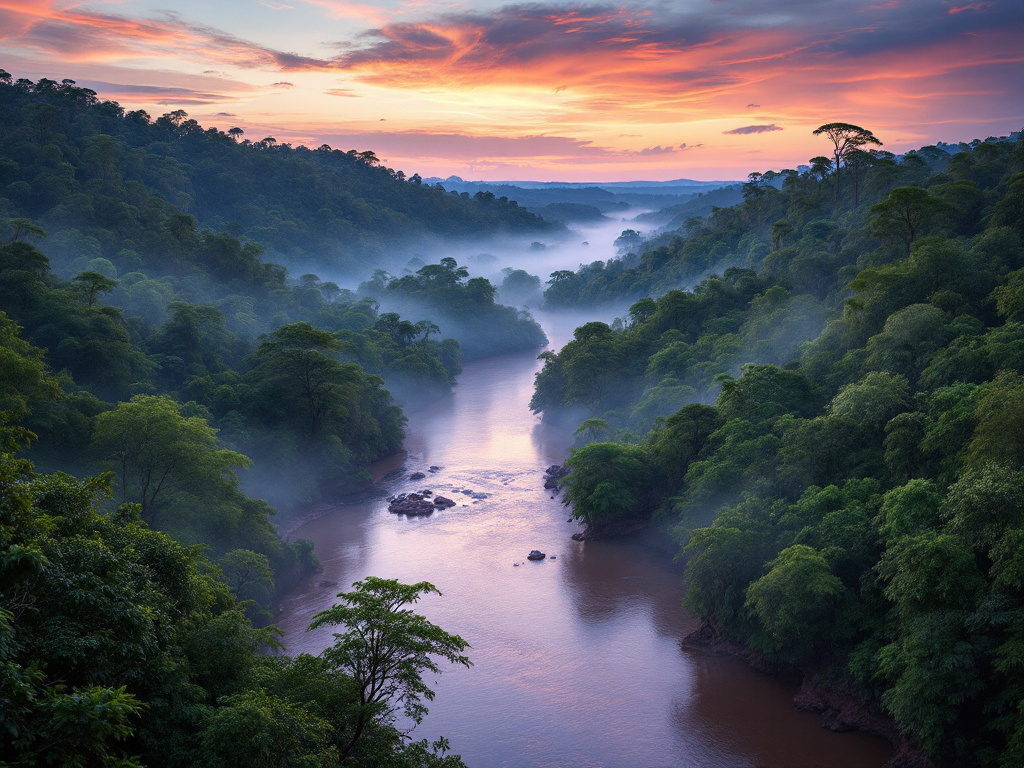
Boyoma Falls
A spectacular series of waterfalls along the Congo River near Kisangani.
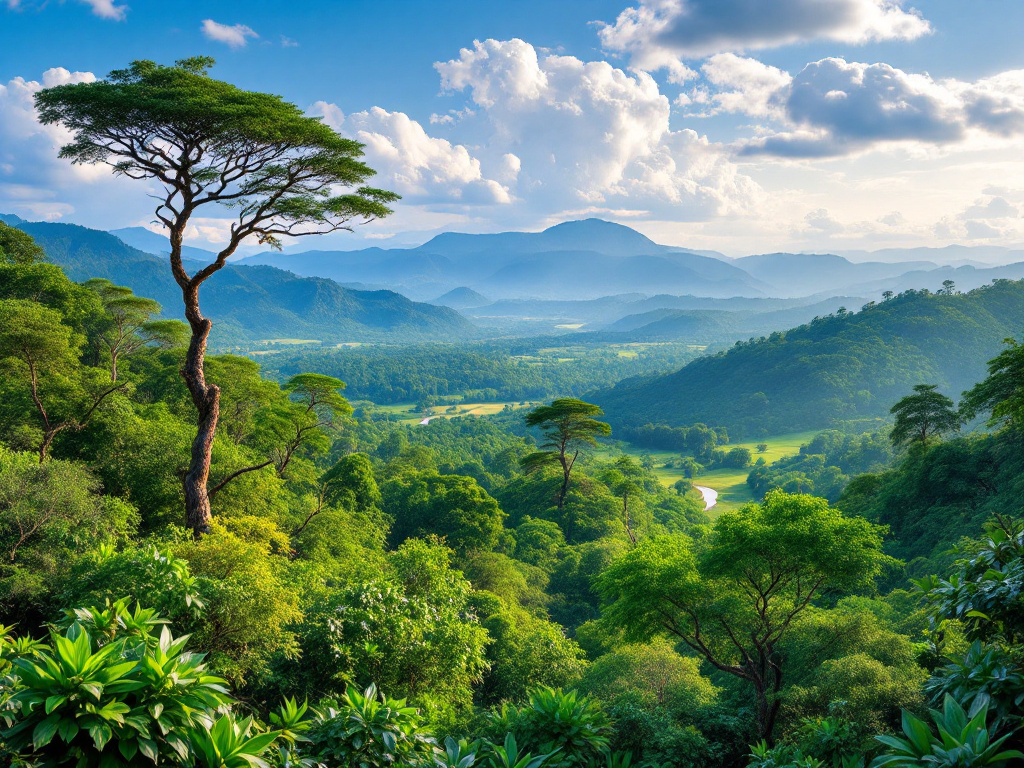
Salonga National Park
Africa's largest tropical rainforest national park and an important biodiversity area.
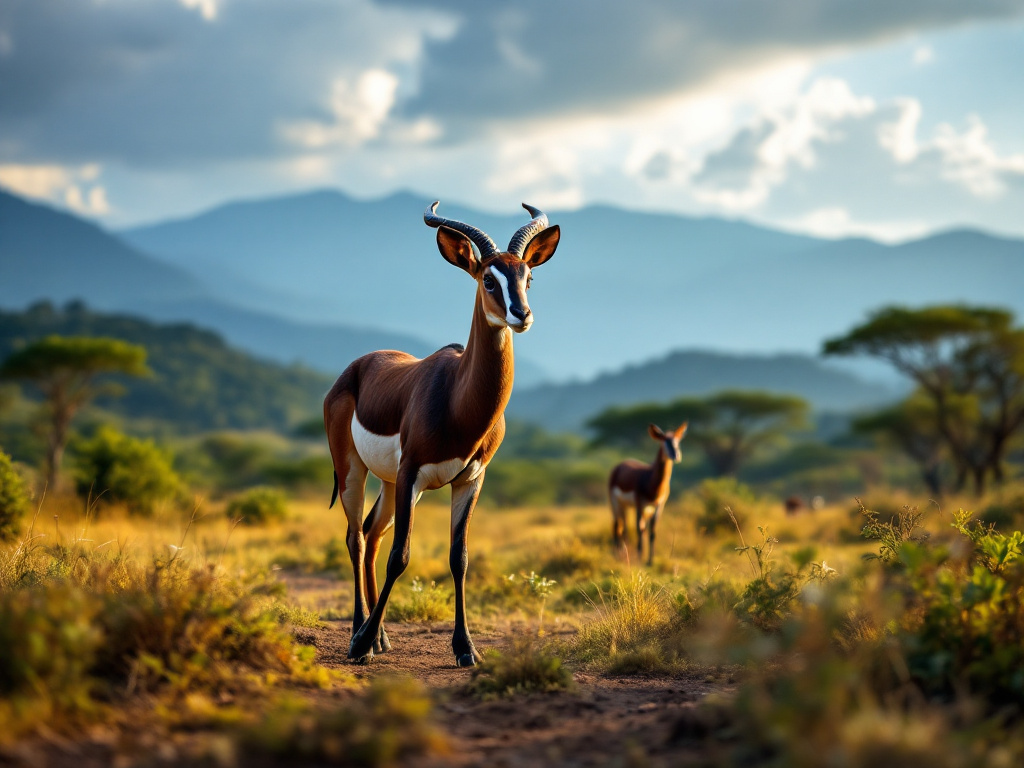
Okapi Wildlife Reserve
A world heritage site dedicated to the protection of the rare okapi.
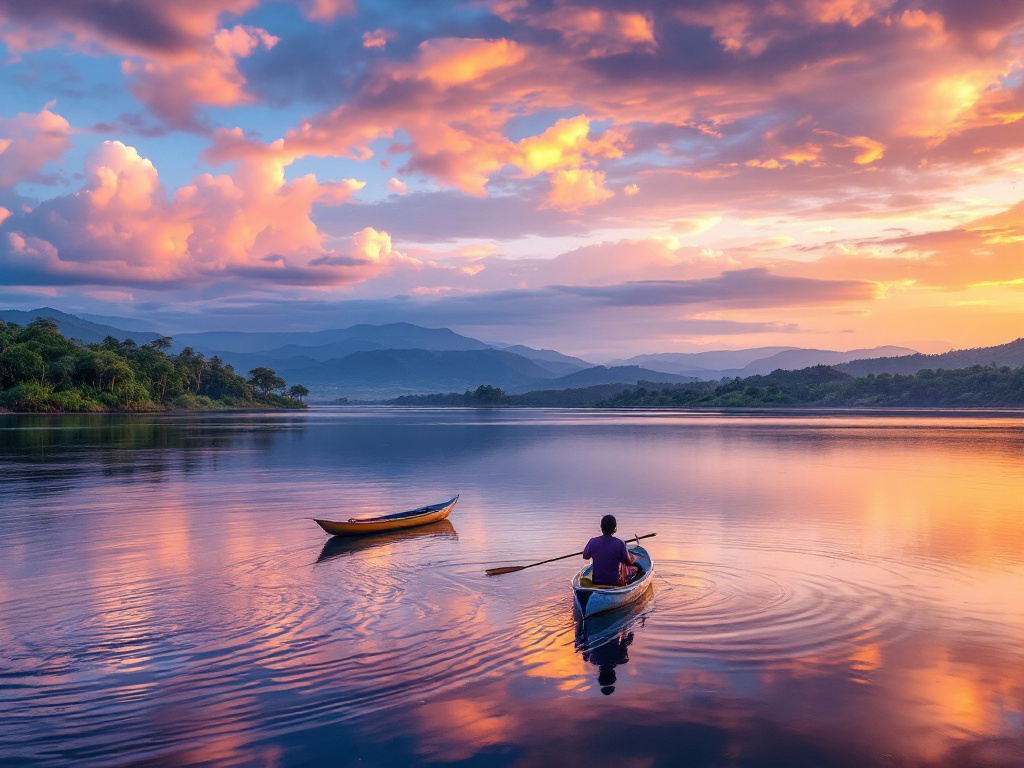
Idjwi Island
A peaceful island in Lake Kivu known for communities and scenic surroundings.
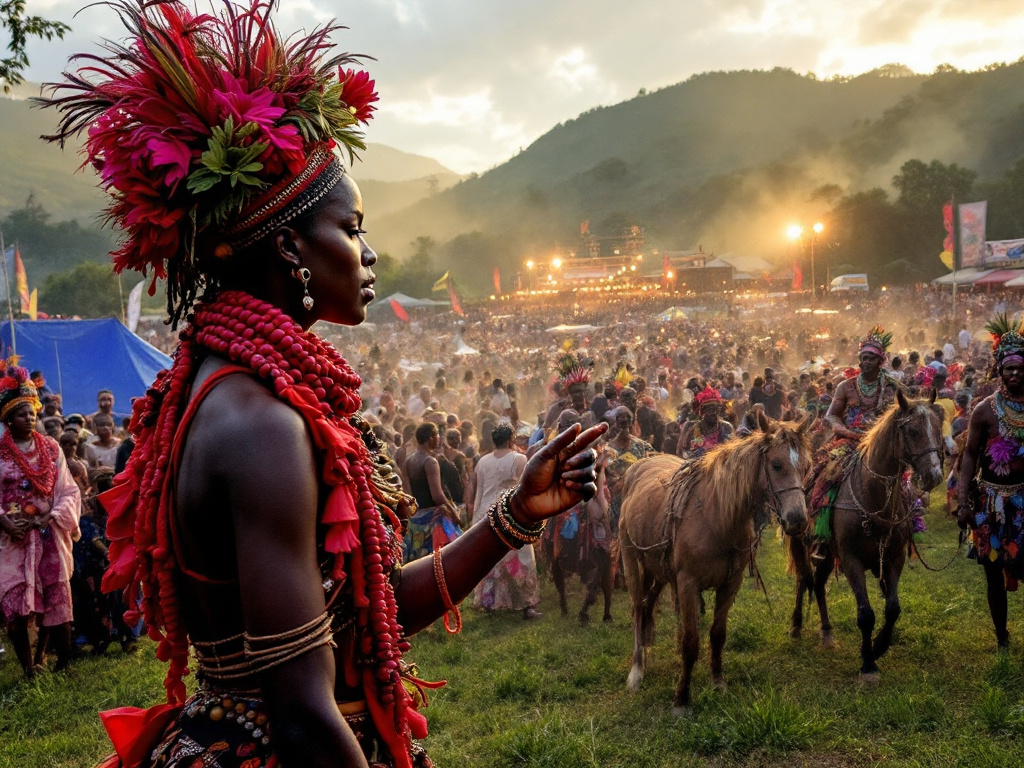
Tshibati Folk Festival
A lively cultural festival that celebrates local traditions, music, and dance.
Famous cuisine
Culinary overview
Congolese cuisine is a rich blend of local ingredients, traditional cooking methods, and influences from both Central Africa and colonial times. Basic ingredients like cassava, corn, rice, and plantains form the foundation for many dishes, often accompanied by vegetables, fish, or meat. The flavor profile is hearty, with the use of peanut sauce, palm oil, and spices. Street food is prevalent in the cities, while rural areas offer authentic homemade meals. Meals are often shared communally, reflecting the strong social culture of the country.
Must-try dishes
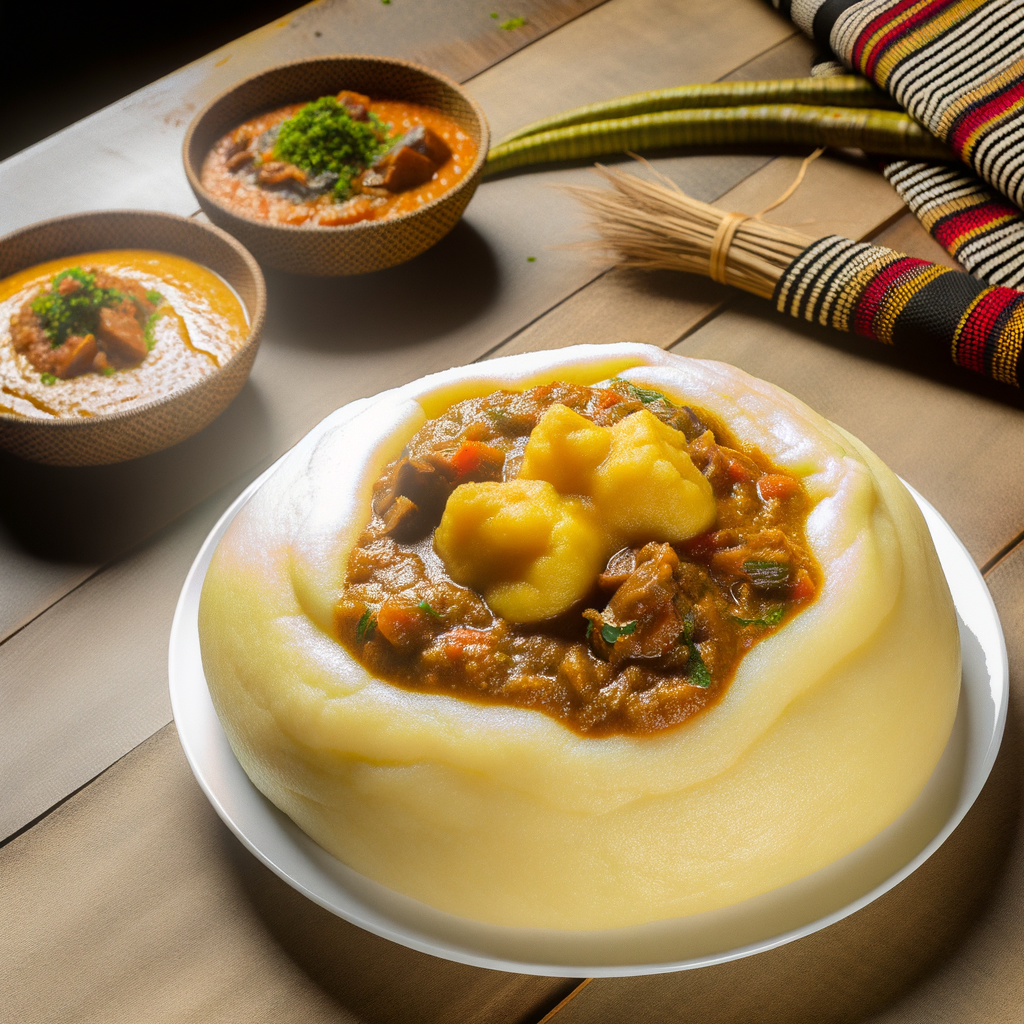
Fufu
A stiff dough made from cassava or cornmeal, served as a side to stews and sauces. Fufu is a staple in Congolese food culture and is eaten by hand.
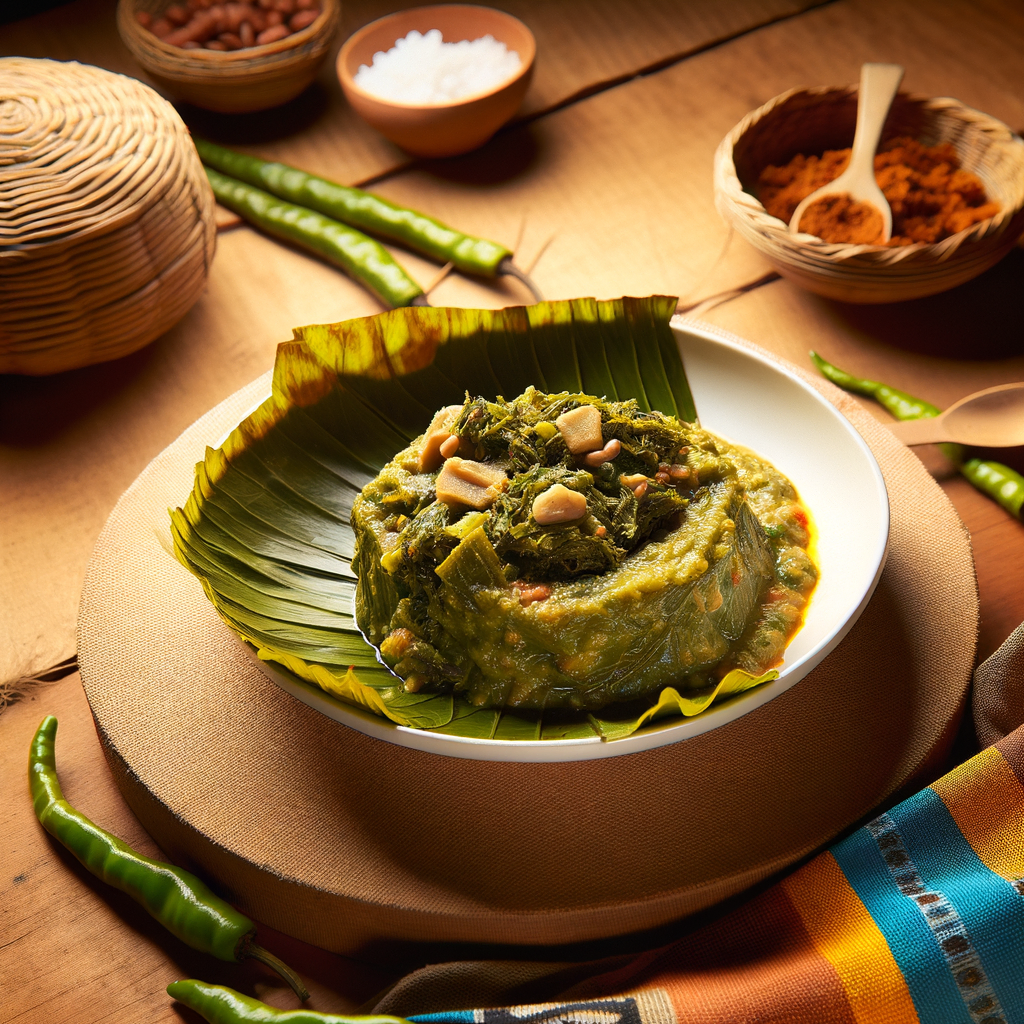
Pondu
A dish made from cooked cassava leaves, often accompanied by peanut sauce or palm oil. Pondu is one of the most popular vegetable dishes in the country.
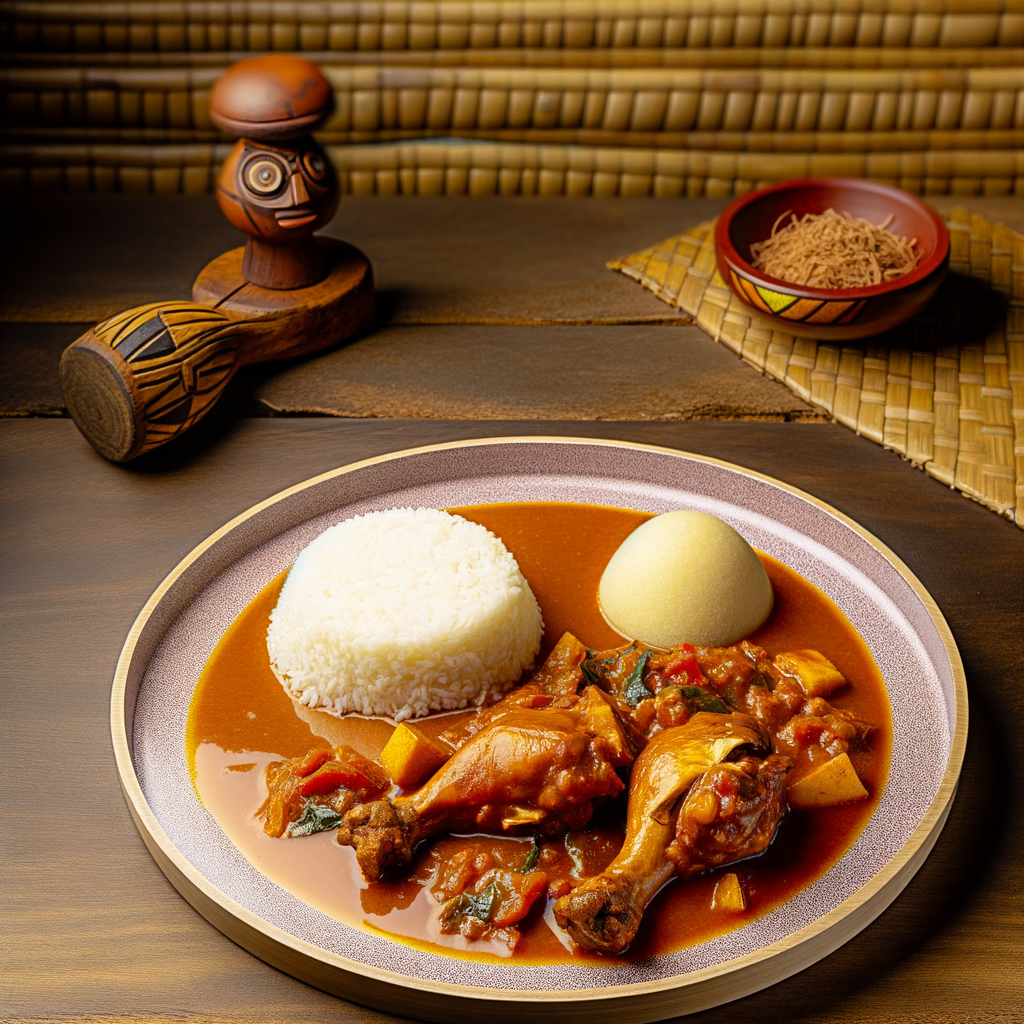
Moambe chicken
Chicken prepared in a rich sauce made from palm fruit, often served with rice or fufu. This dish is known as Congo's national dish.
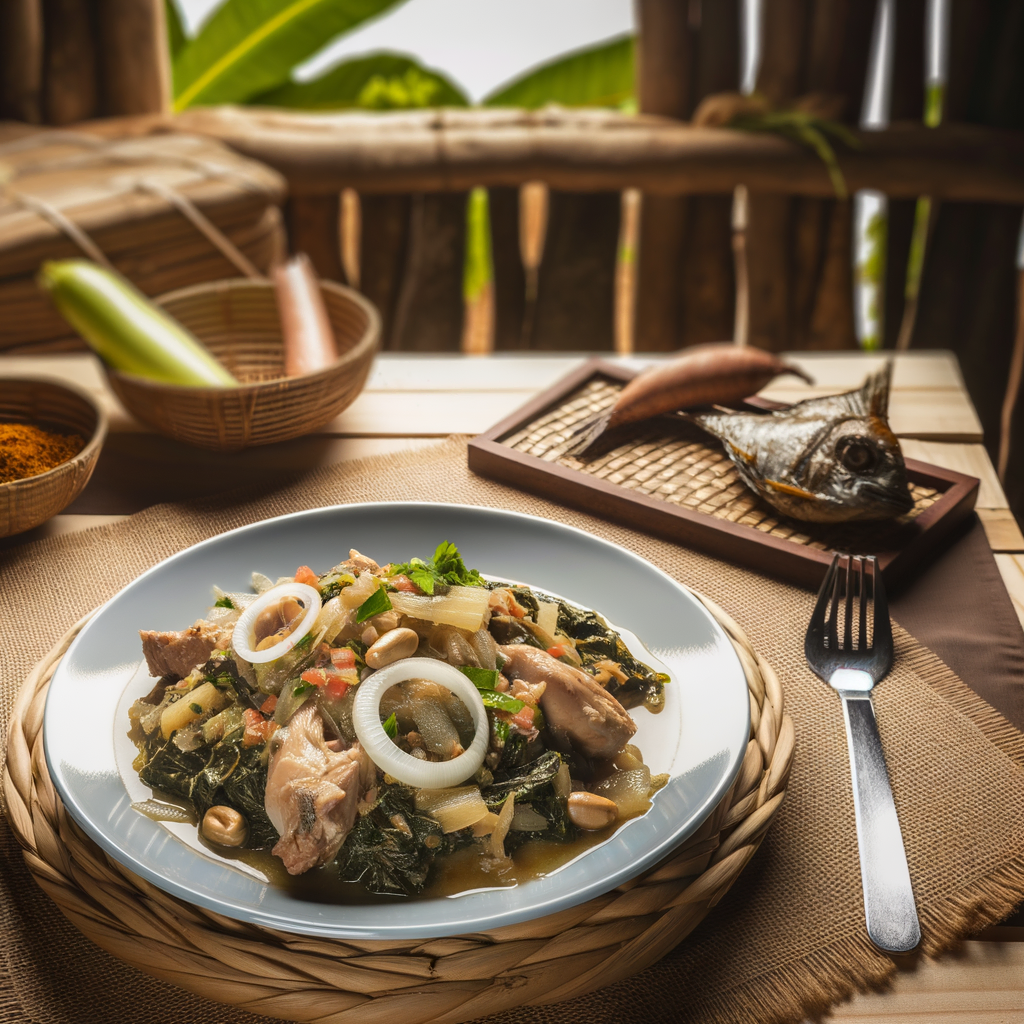
Saka-saka
A dish of chopped cassava leaves cooked with peanuts, onions, and spices, served with fish or meat.
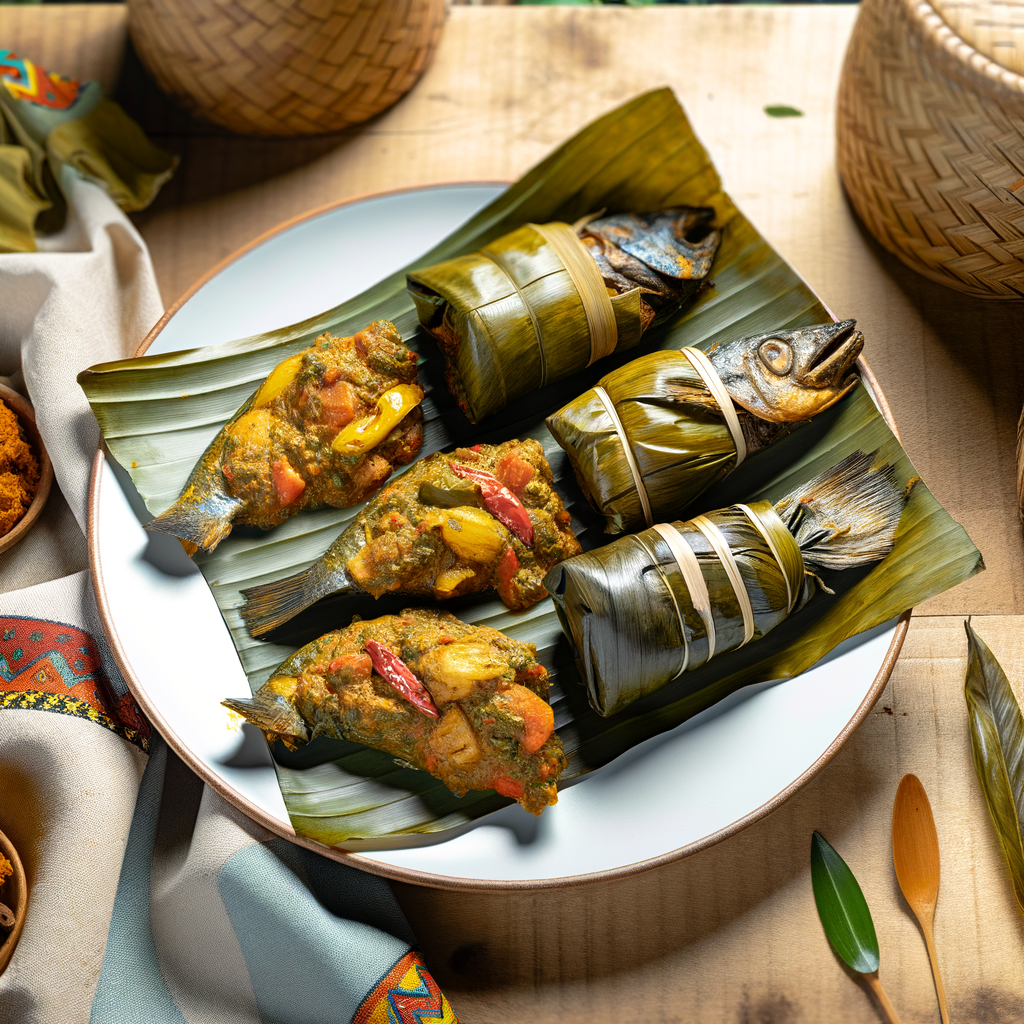
Liboke de Poisson
Fish marinated with spices and vegetables, wrapped in banana leaves and steamed or grilled, resulting in an aromatic and juicy flavor.
Restaurant information
Tipping
Tipping is not always expected in DR Congo, but it is appreciated in tourist areas and at restaurants. Rounding up the bill or giving 5-10% is appropriate if the service has been good.
Travel information
Currency
Congolesisk franc (CDF)
Language
French
Best time to visit
May to September (dry season)
Major cities
Kinshasa and other major cities
More countries in Africa
Discover more destinations in this region