
Central African Republic
The Central African Republic, a land of breathtaking natural beauty and rare wildlife, once renowned for its forest elephants, gorillas, and vibrant butterflies, now stands resilient amidst political challenges.
Overview
The Central African Republic is a hidden gem in the heart of Africa where pristine nature and rare wildlife converge in remarkable harmony. From the dense rainforests of Dzanga-Sangha National Park to the cascading Boali Waterfalls and the UNESCO-protected Manovo-Gounda St. Floris National Park, unforgettable experiences await adventurers and nature photographers. Here, you can spot everything from forest elephants and gorillas to black rhinoceroses and leopards—a true treasure trove of biodiversity. Bangui offers vibrant markets, local culinary delights, and an authentic African atmosphere, making it a compelling destination for those seeking adventure and cultural immersion.
Official language
Sango and French
Government
republic
Best time to visit
November to March
Nature
The Central African Republic boasts some of Africa's most untouched landscapes filled with extraordinary biodiversity. Dzanga-Sangha National Park is a true haven for nature lovers, providing opportunities to encounter forest elephants, western lowland gorillas, and a plethora of bird species in their natural habitats. The lush rainforests are alive with rare plants and vibrant butterflies, making every step an adventure. The mighty Boali waterfalls are breathtaking, especially during the rainy season when nature displays its full force. UNESCO-listed Manovo-Gounda St. Floris National Park protects some of Africa's most endangered species, including black rhinoceroses, lions, and leopards. In the Chinko reserve, where savannah meets rainforest, visitors can experience a rich wildlife spectacle in a nearly pristine environment. This natural beauty is not only stunning but also crucial for the preservation of global ecosystems, offering a rare glimpse into Africa as it once was—wild, raw, and authentic. The best time to visit is from November to March when the weather is dry and pleasant.
Travel to Central African Republic
Traveling to the Central African Republic is an experience tailored for the most adventurous souls. The country grants access to some of Africa's most spectacular and unspoiled natural areas, such as Dzanga-Sangha National Park and Manovo-Gounda St. Floris National Park. It is crucial to be aware of the political situation and travel with experienced guides, ensuring you have the necessary permits. The best time to visit is between November and March when the climate is most enjoyable. For those who rise to the challenge, an opportunity awaits to encounter rare wildlife, stunning landscapes, and a culture that is both welcoming and authentic. Bangui's lively markets and local gastronomy provide a taste of the vibrant culture, while the nation’s reserves promise unforgettable safari experiences. This is a journey that demands preparation but rewards you with experiences you won't find anywhere else in the world.
Culture
The culture of the Central African Republic is a captivating blend of traditional African customs and French colonial heritage. In the capital, Bangui, colorful markets burst with life as vendors sell fresh fruits, spices, artisanal crafts, and textiles adorned with vibrant patterns. Music and dance are central to social life and are often accompanied by drums and traditional instruments, creating an electrifying rhythm. Cuisine plays an important role in cultural identity, featuring local dishes like cassava, fufu, hearty meat stews, and grilled fish that reflect both indigenous ingredients and historical influences. While Sango is the most spoken language, French is used in administration and education, fostering a bilingual culture. Traditional ceremonies, storytelling, and craftsmanship remain vibrant, especially in rural areas where age-old customs are preserved. This cultural richness provides visitors with profound insights into a society that, despite challenges, maintains its identity and pride.
History
The history of the Central African Republic is marked by a rich cultural heritage and political challenges. For centuries, the region has been home to various ethnic groups with their own traditions and governance. In the 19th century, the country became part of the French colony known as Ubangi-Shari, and it gained independence in 1960 as the Central African Republic. Since independence, the nation has experienced periods of political instability, coups, and conflicts, particularly since 2012, which have impacted security. Nevertheless, the country has retained its cultural and natural wealth, serving as a testament to its resilience and the commitment to preserving both traditions and nature.
Top attractions
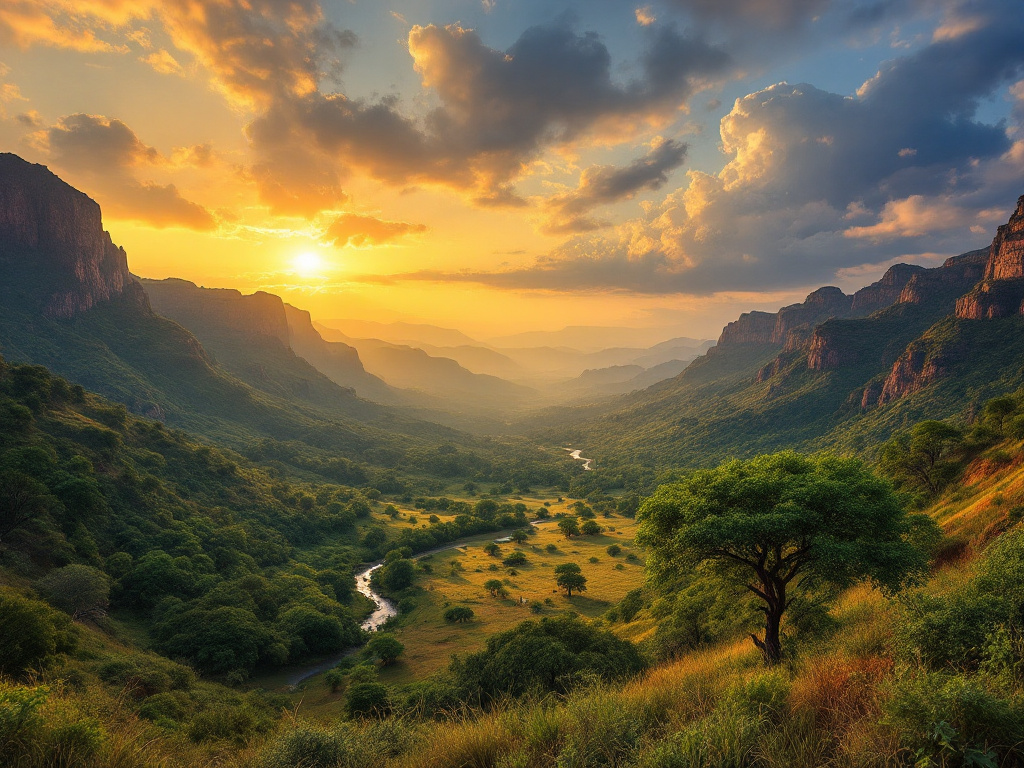
Dzanga-Sangha National Park
One of the country's most famous national parks known for dense rainforest and rare animal species.
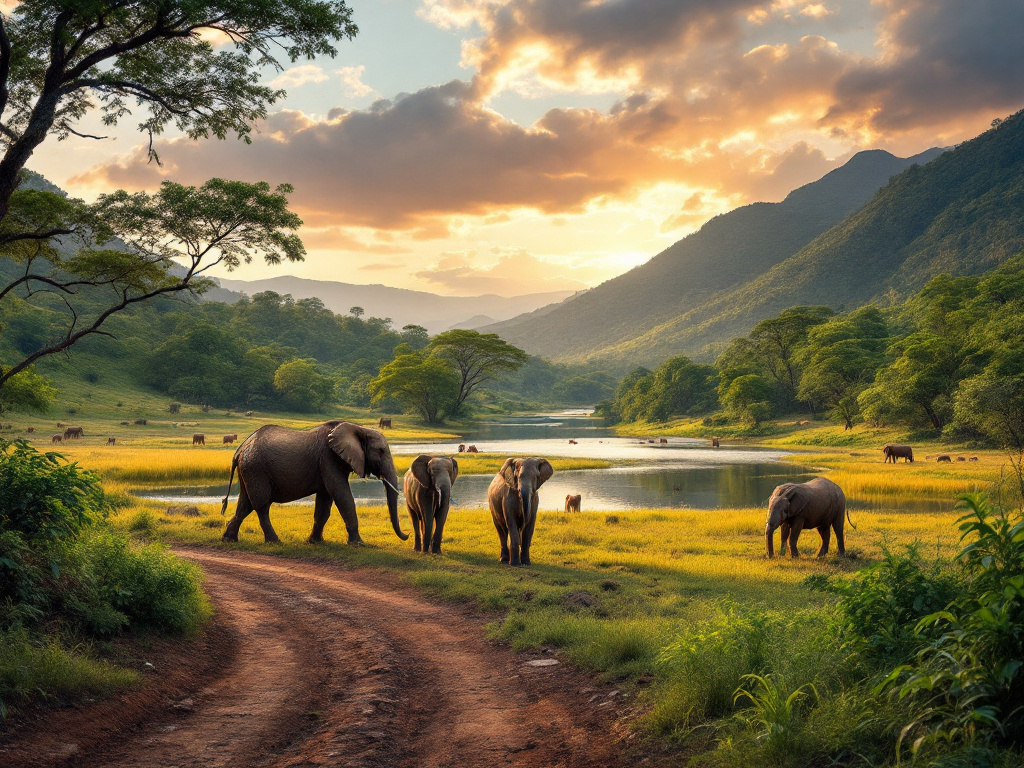
Dzanga Bai
A natural clearing in the rainforest where elephants and other animals gather.
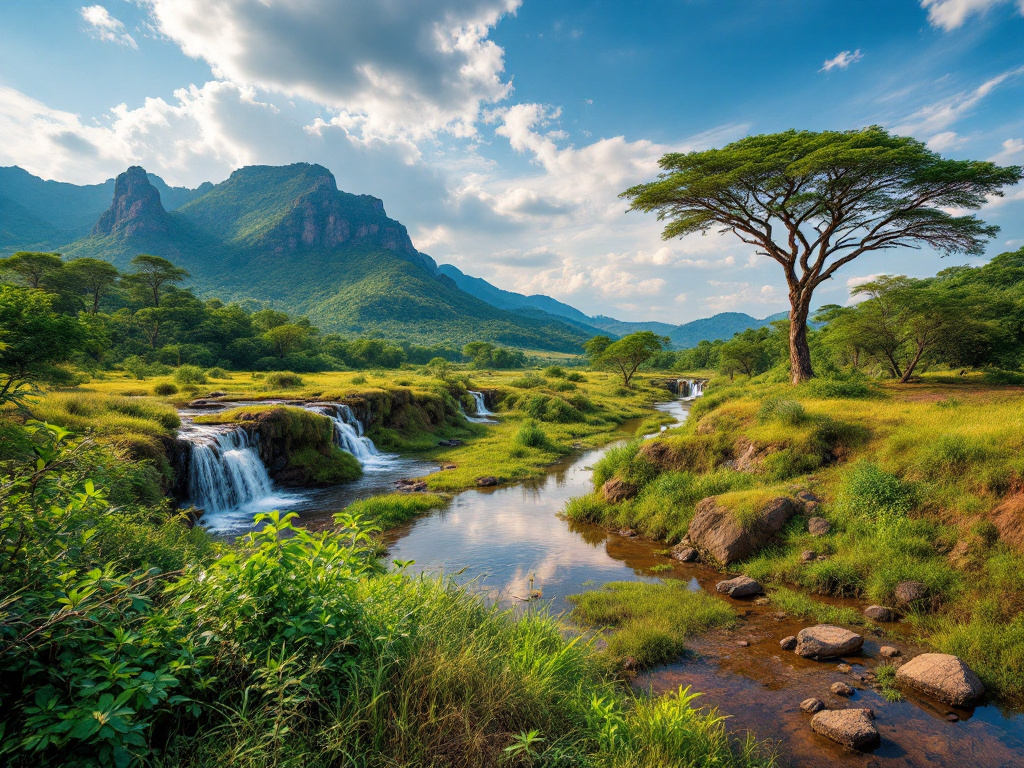
Boali Falls
Impressive waterfall on the Mbali River and a popular excursion destination.
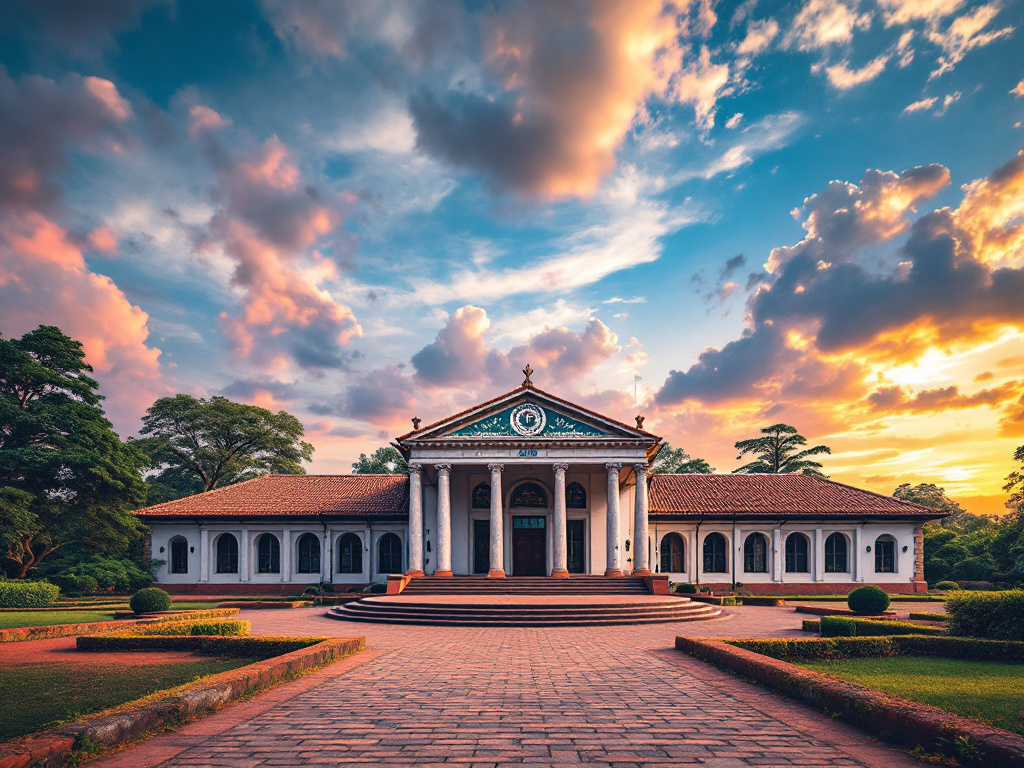
Bangui National Museum
Museum showcasing the country's culture and history through artifacts.
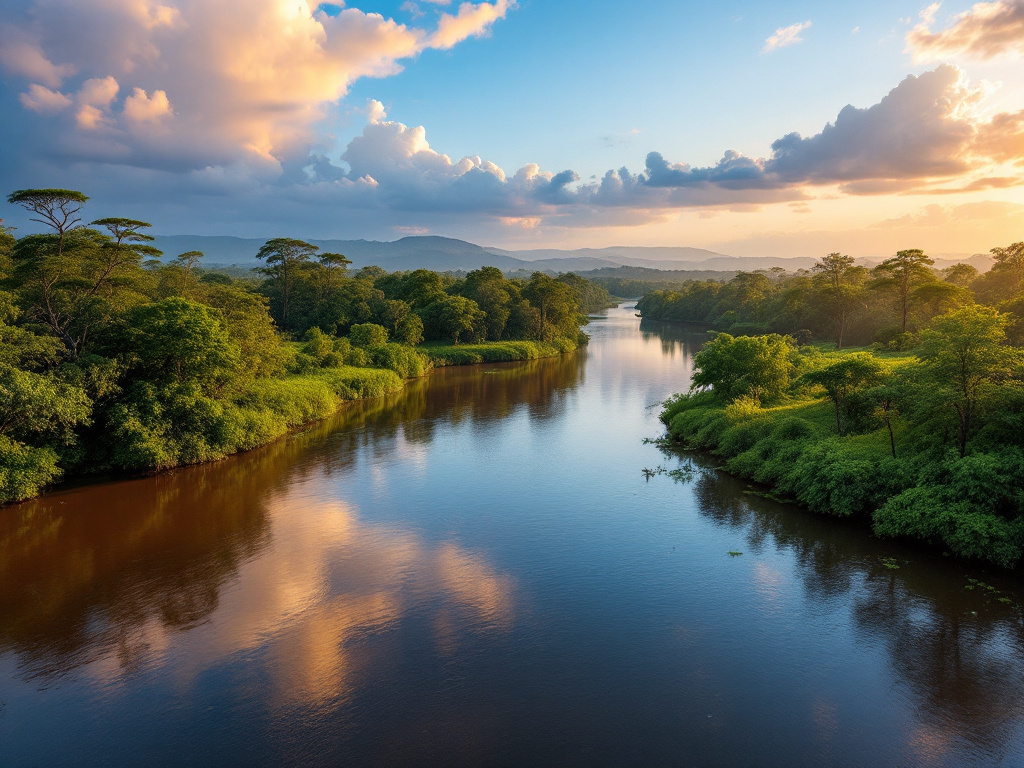
Ubangi River
One of the largest rivers in the region and lifeline for Bangui.

Kembé Falls
Beautiful and less visited waterfalls in the eastern part of the country.
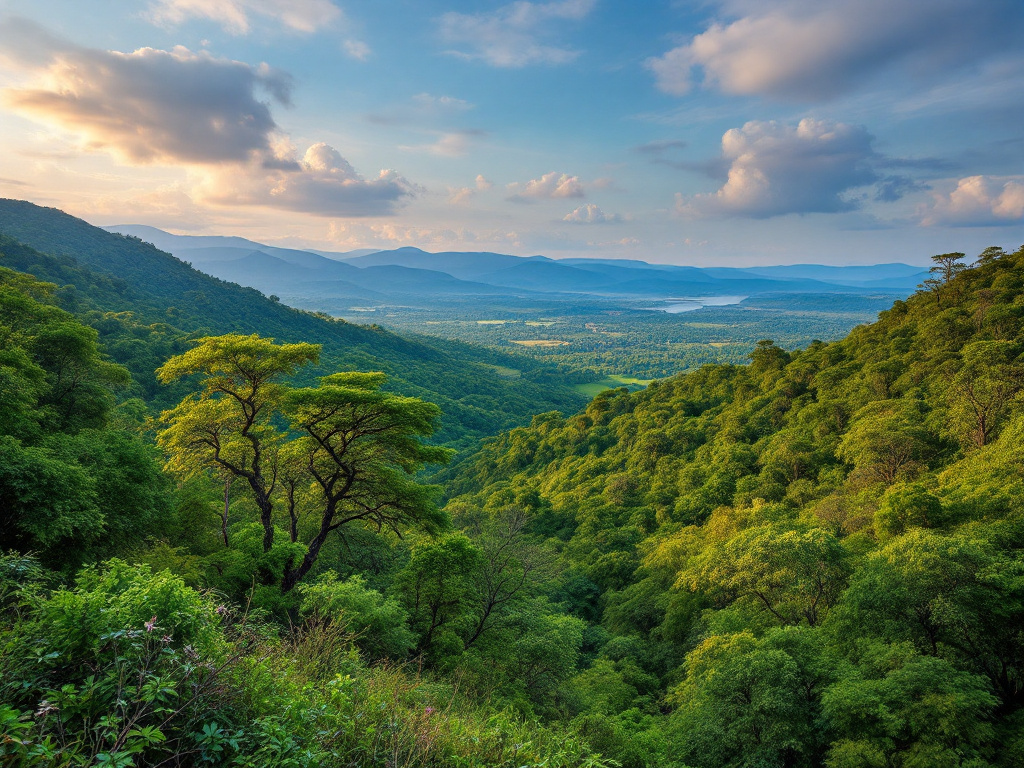
Manovo-Gounda St. Floris National Park
Large and wild national park known for biodiversity and savanna.
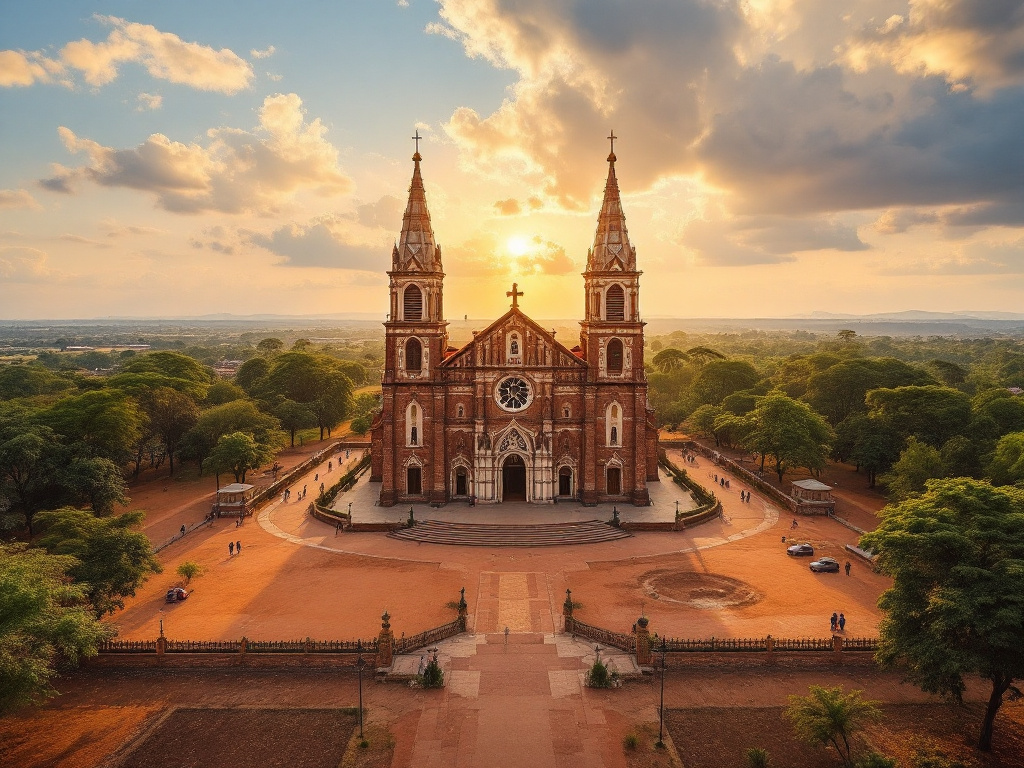
Cathedral of the Immaculate Conception
The main Catholic cathedral in the country located in Bangui.
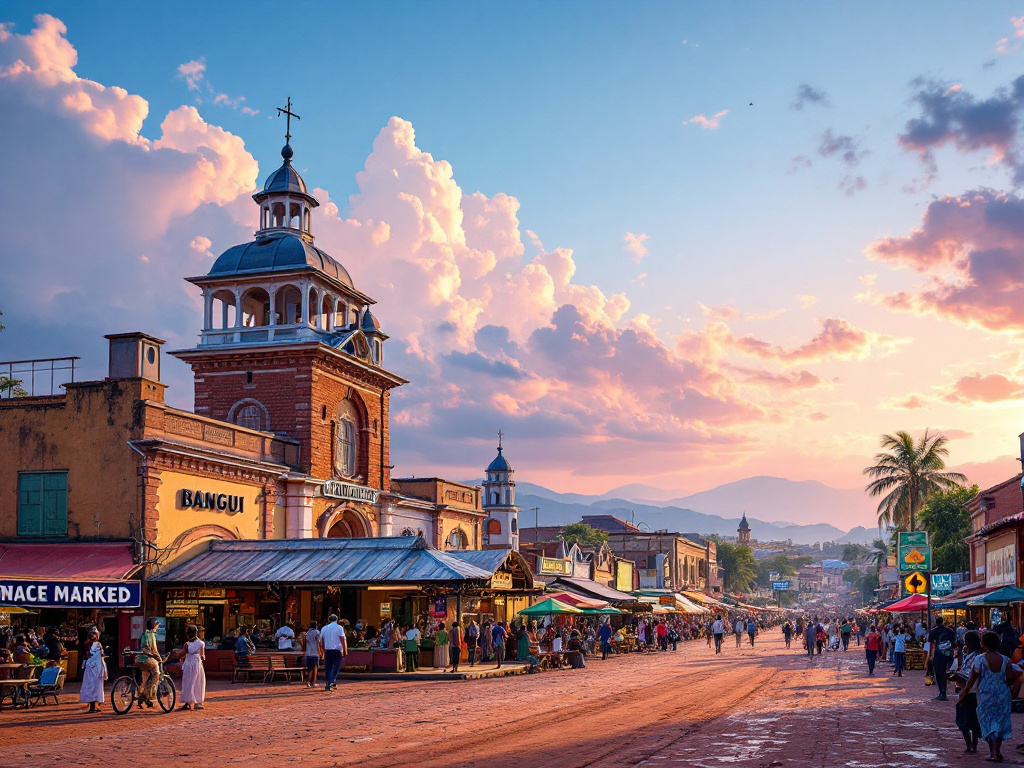
Bangui Central Market
A lively market that provides insight into daily life in Bangui.
Famous cuisine
Culinary overview
Central African cuisine is characterized by a combination of local ingredients, traditional cooking methods, and influences from both Sub-Saharan Africa and French colonial times. Cassava, corn, and peanuts are staple foods, while fish and meat are often prepared over an open fire. The dishes are often seasoned but not excessively spicy, and served with starchy side dishes such as fufu or rice. Cooking is closely related to social events, and meals are often shared communally. Markets offer everything from fresh fruits and vegetables to dried fish and local snacks.
Must-try dishes
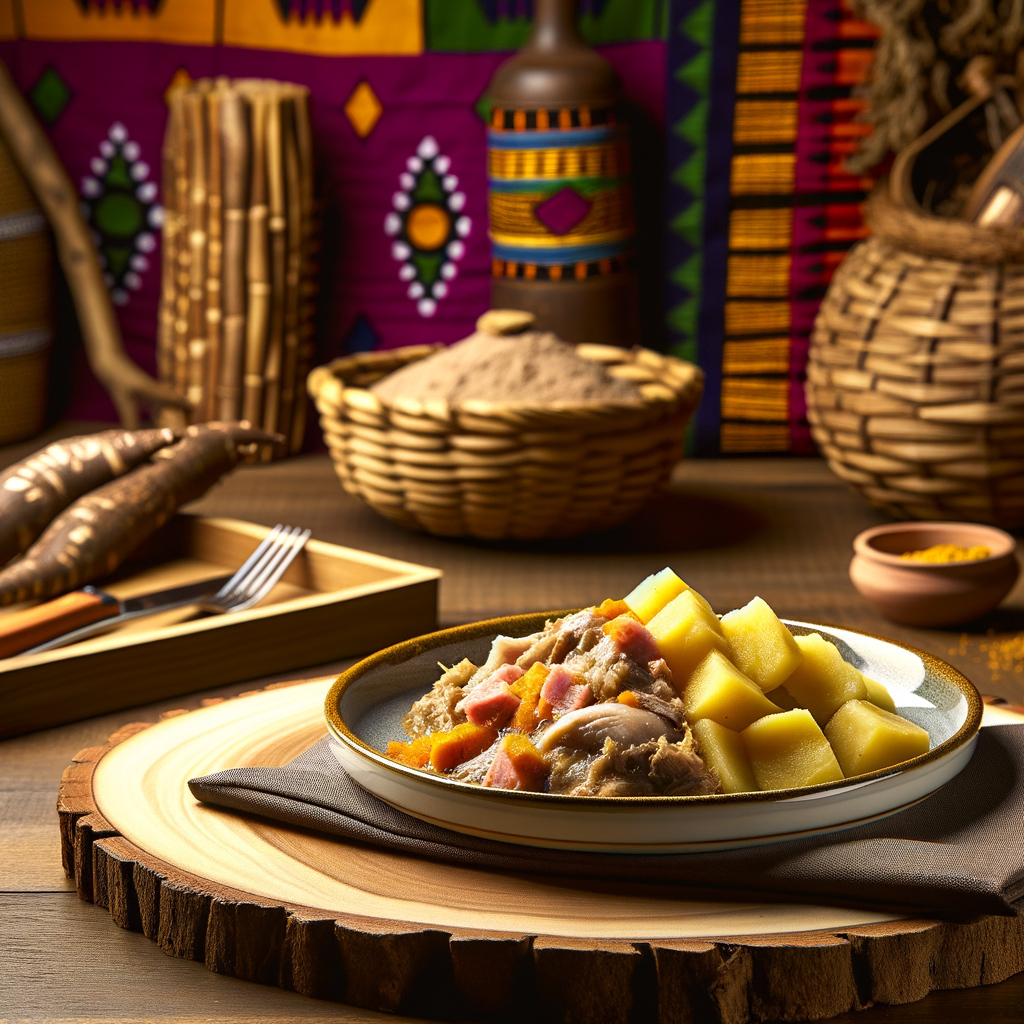
Cassava
Cassava is a root vegetable that is one of the most important staple foods in the country. It can be boiled, fried, or fermented and is often used to make a thick paste that is served as a side dish to meat and fish dishes.
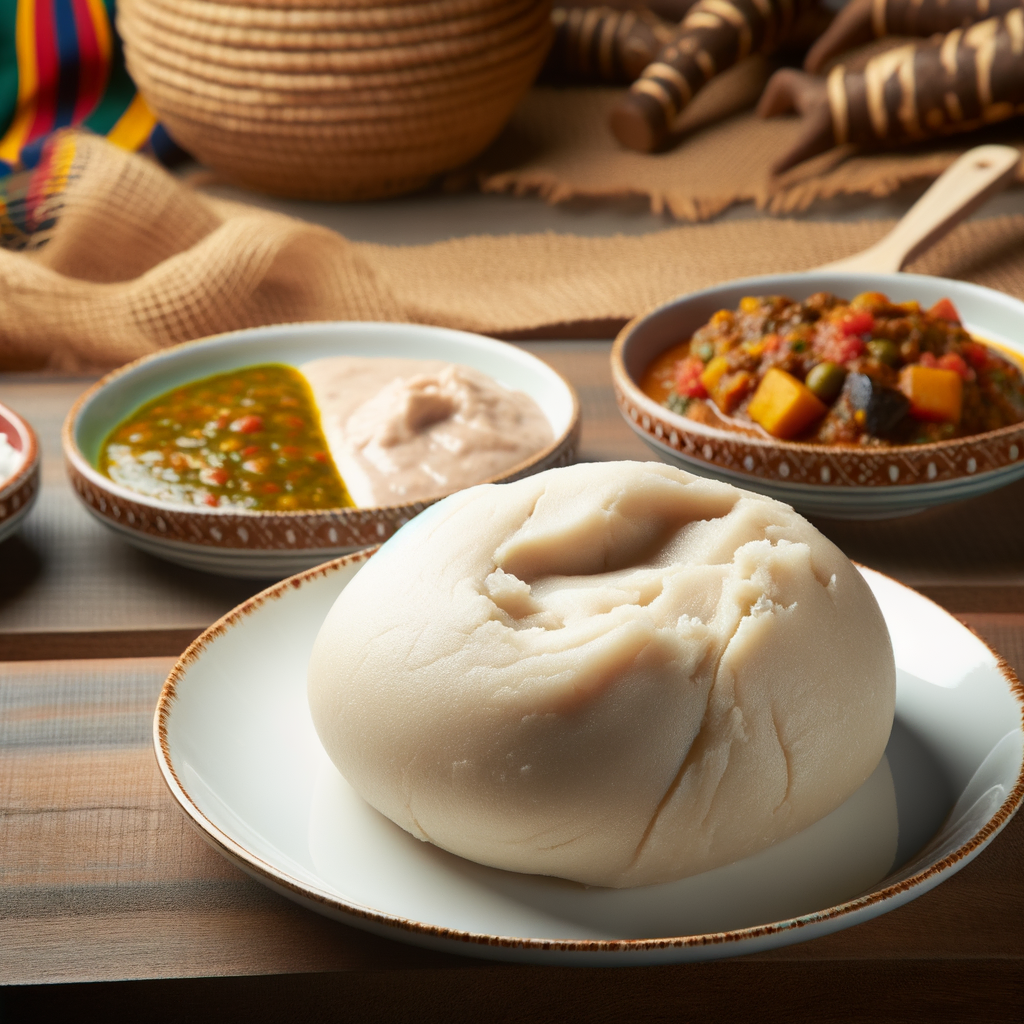
Fufu
Fufu is a soft, dough-like mass made from boiled and mashed cassava or yams. It is used to scoop up sauces and stews and is traditionally eaten with hands.
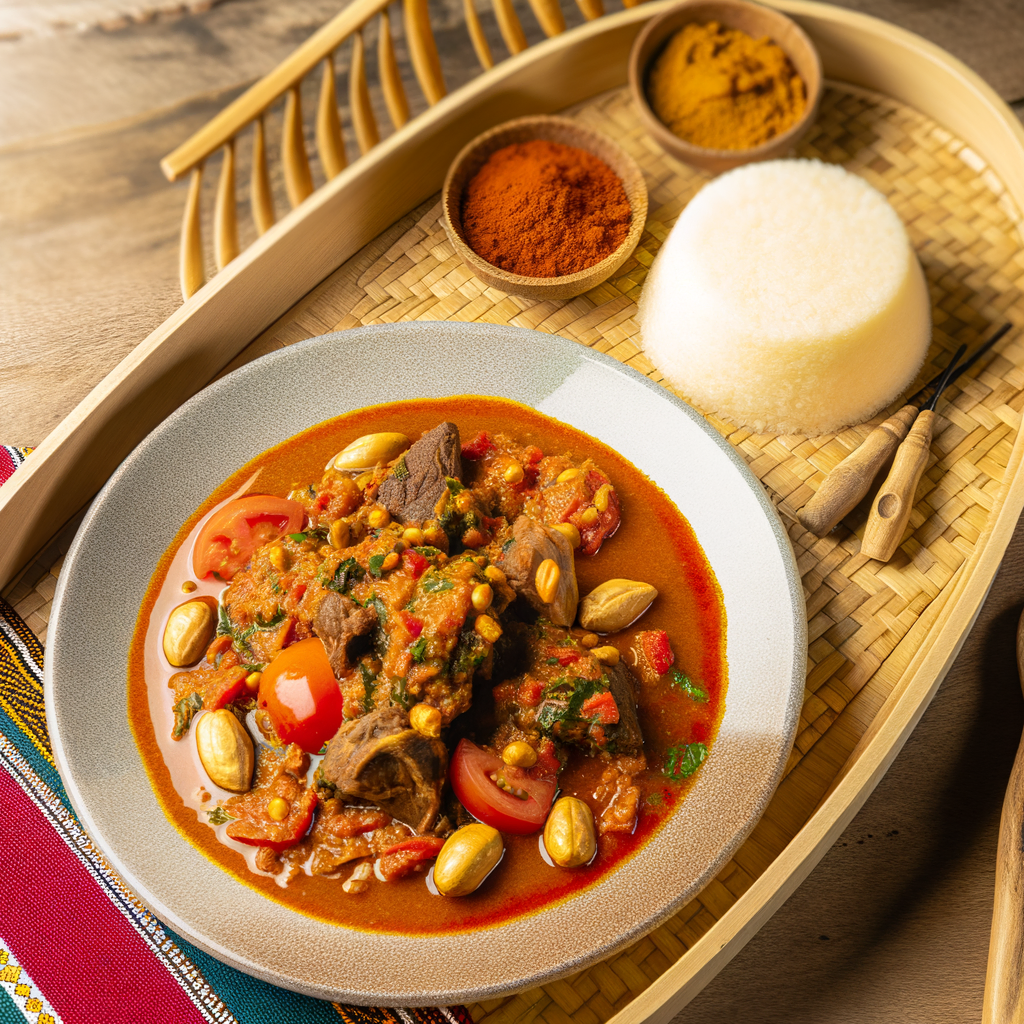
Meat Stews
Slow-cooked stews with beef, goat, or chicken, often prepared with peanuts, tomatoes, and local spices. Typically served with rice or fufu.
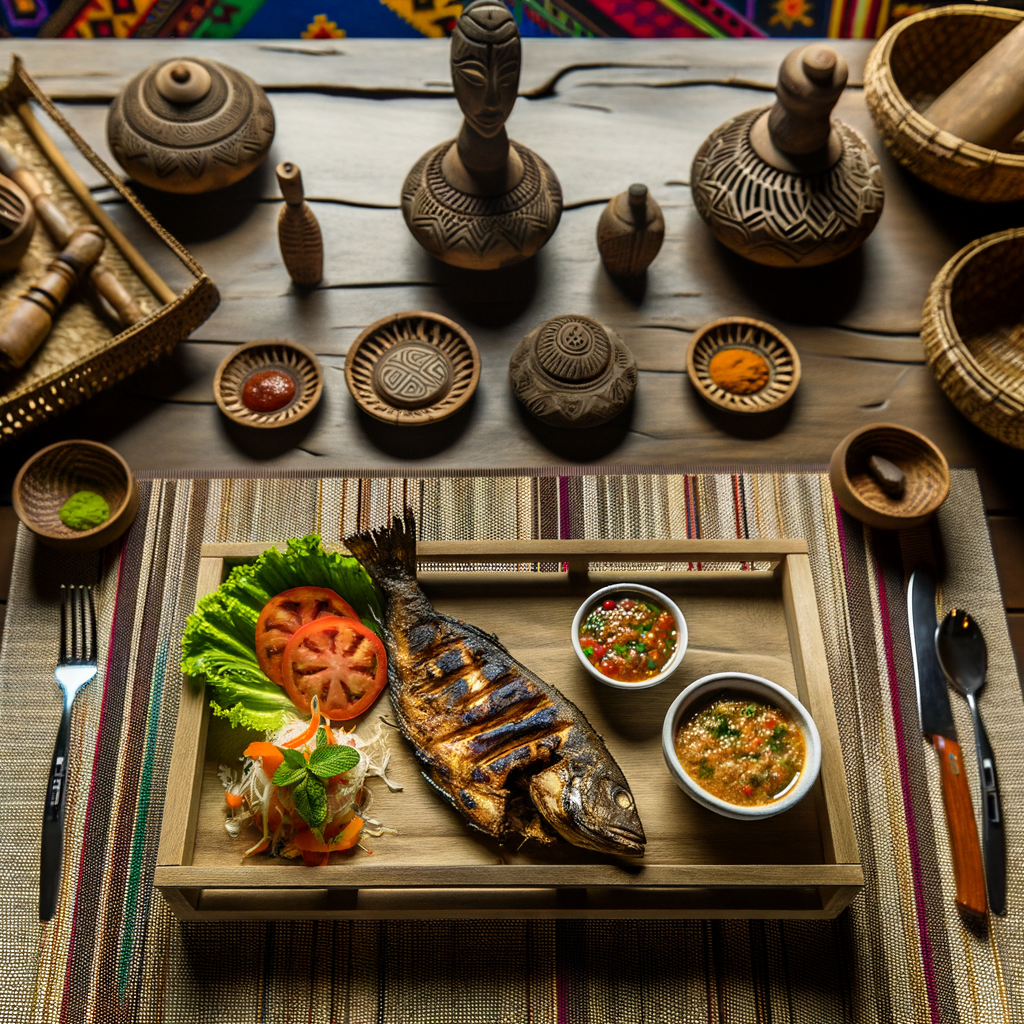
Grilled Fish
Freshly caught fish from the rivers, grilled over charcoal and served with spicy sauces and vegetables. A popular dish both in urban areas and the countryside.
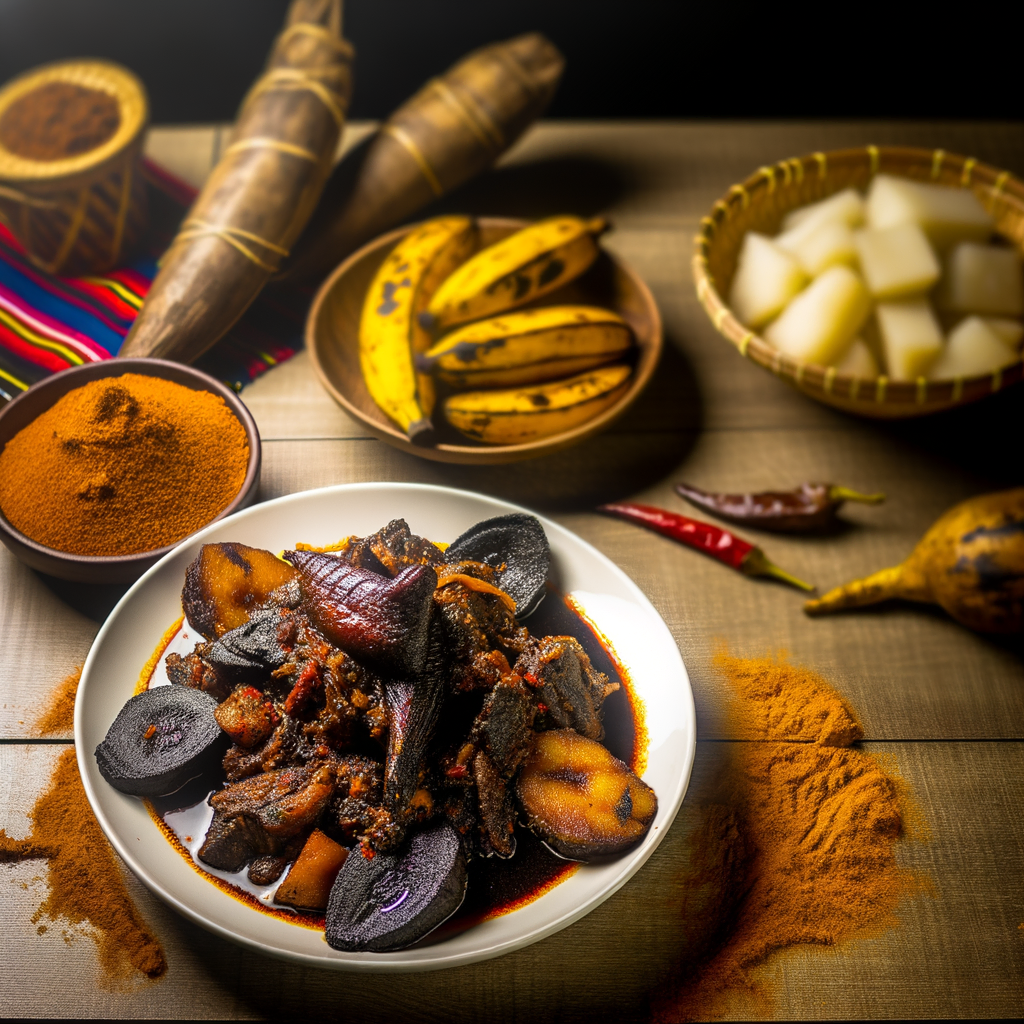
Mbongo Tchobi
A dark, spicy fish dish prepared with black spice sauce, often served with plantain or cassava. The dish is known for its deep, smoky flavor.
Restaurant information
Tipping
Tipping is not mandatory in the Central African Republic, but it is appreciated, especially in restaurants and hotels. Rounding up the bill or 5-10% is appropriate if the service has been good.
Travel information
Currency
Centralafrikansk CFA-franc (FCFA)
Language
Sango and French
Best time to visit
November to March
Major cities
Bangui and other major cities
More countries in Africa
Discover more destinations in this region