
Ivory Coast
Ivory Coast, a tropical gem in West Africa, shines with golden beaches, lush palm forests, and a vibrant culture that unites modern progress with timeless traditions.
Overview
Côte d'Ivoire, also known as Ivory Coast, is a tropical gem in West Africa where golden beaches, lush rainforests, and vibrant city life converge. From the impressive Basilica of Yamoussoukro—the world's largest—to UNESCO-listed national parks like Taï and Comoé, the country presents a unique blend of nature, culture, and history. Explore the colonial charm of Grand-Bassam, savor local delicacies like attiéké and kedjenou, and feel the rhythm of Abidjan's nightlife. With a pleasant climate from November to March, Côte d'Ivoire is an ideal destination for adventure, relaxation, and cultural experiences.
Official language
French
Government
Presidential repræsentativt democracy
Best time to visit
November to March
Nature
Côte d'Ivoire is a true paradise for nature lovers, showcasing a remarkable variety of landscapes. To the south, you'll find miles of golden sandy beaches and lush palm forests meeting the waves of the Atlantic Ocean. Inland lies the UNESCO-listed Taï National Park, one of West Africa's last primary rainforests, where rare species like the pygmy hippopotamus, forest elephants, and chimpanzees thrive in an untouched ecosystem. In the north spreads Comoé National Park, featuring savannahs, rivers, and a vibrant wildlife, including majestic elephants, lions, and antelopes. The climate ranges from a tropical coastal climate to a drier savannah climate, providing opportunities to experience both lush jungles and open plains. The Bandama and Comoé rivers carve through the landscape, creating life-sustaining oases for both people and wildlife. Côte d'Ivoire is a place where nature feels wild and authentic, making it ideal for hiking, going on safari, or simply enjoying a sunset over the sea.
Travel to Ivory Coast
Traveling to Côte d'Ivoire is stepping into a land where contrasts create an unforgettable experience. From November to March, the climate is dry and pleasant, perfect for exploring both coastline and inland attractions. Fly into Abidjan, the country's economic hub, where modern hotels, bustling markets, and a vibrant nightlife await. From there, embark on day trips to Grand-Bassam to explore its colonial architecture and laid-back beaches, or head north to the national parks for safaris and nature hikes. Yamoussoukro's giant basilica awaits to impress, while the coastline offers sun, sea, and freshly caught fish. As Côte d'Ivoire remains relatively unknown to mass tourism, you will enjoy an authentic travel experience enriched by the warmth of its people and a culture that is both proud and welcoming.
Culture
Côte d'Ivoire is a cultural melting pot, home to over 60 ethnic groups that contribute to a rich mosaic of traditions, music, and art. The official language is French, but local dialects and languages are commonly spoken in daily life. Music plays a central role in Ivorian culture, with popular genres like coupé-décalé and zouglou often accompanied by energetic dances. In Abidjan, the artistic scene flourishes with galleries, theaters, and vibrant markets that showcase crafts such as wood carving, batik, and bead jewelry, all testaments to skilled traditional craftsmanship. The gastronomy offers an experience in itself, featuring dishes like attiéké (fermented cassava), kedjenou (slow-cooked chicken with vegetables), and aloko (fried plantains) that provide an authentic insight into the flavors of the country. Festivities and ceremonies, often accompanied by drums and dance, mark everything from harvests to religious holidays, reflecting a culture that cherishes community and tradition.
History
Côte d'Ivoire has a rich history that stretches from ancient African kingdoms to its modern state. Before colonization, the region was home to powerful empires such as the Kingdom of Gyaaman and the Kingdom of Baoulé, known for their trade and craftsmanship. In the late 19th century, the country became a French colony, remaining under French control until gaining independence in 1960 under President Félix Houphouët-Boigny. Following decades of economic growth, political challenges arose, including periods of unrest; however, the country has since focused on rebuilding stability and development. This history is reflected in its architecture, from colonial buildings in Grand-Bassam to modern monuments in Yamoussoukro, offering a visual journey through time.
Top attractions
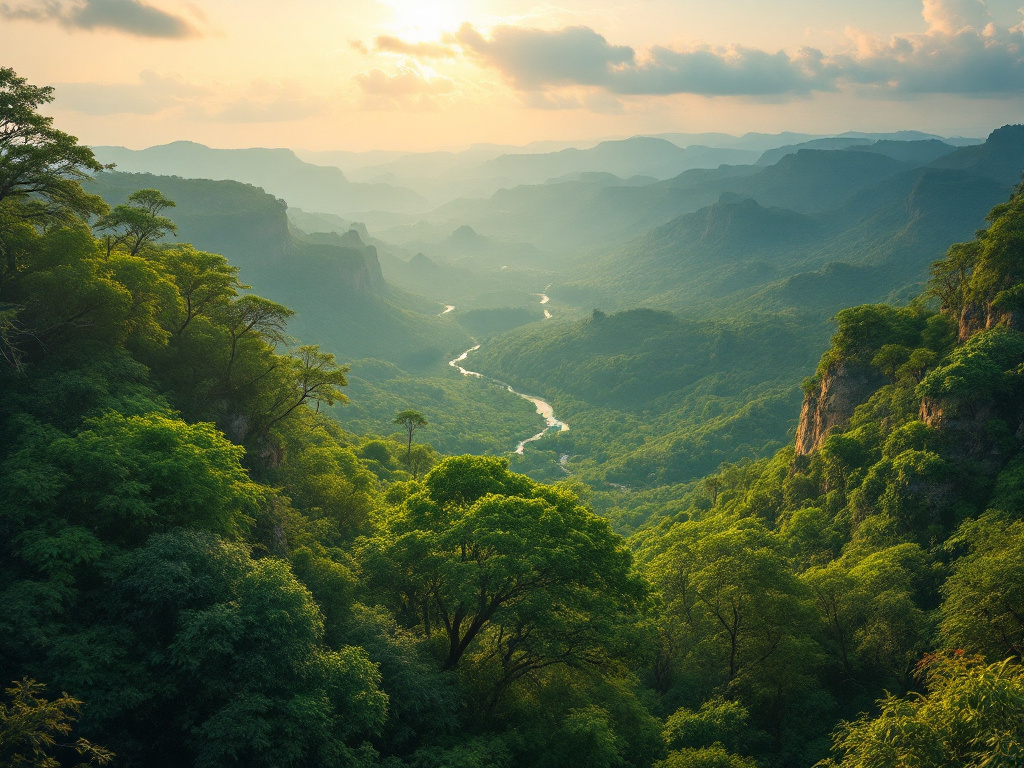
Taï National Park
One of the last intact rainforests in West Africa with exceptional biodiversity.
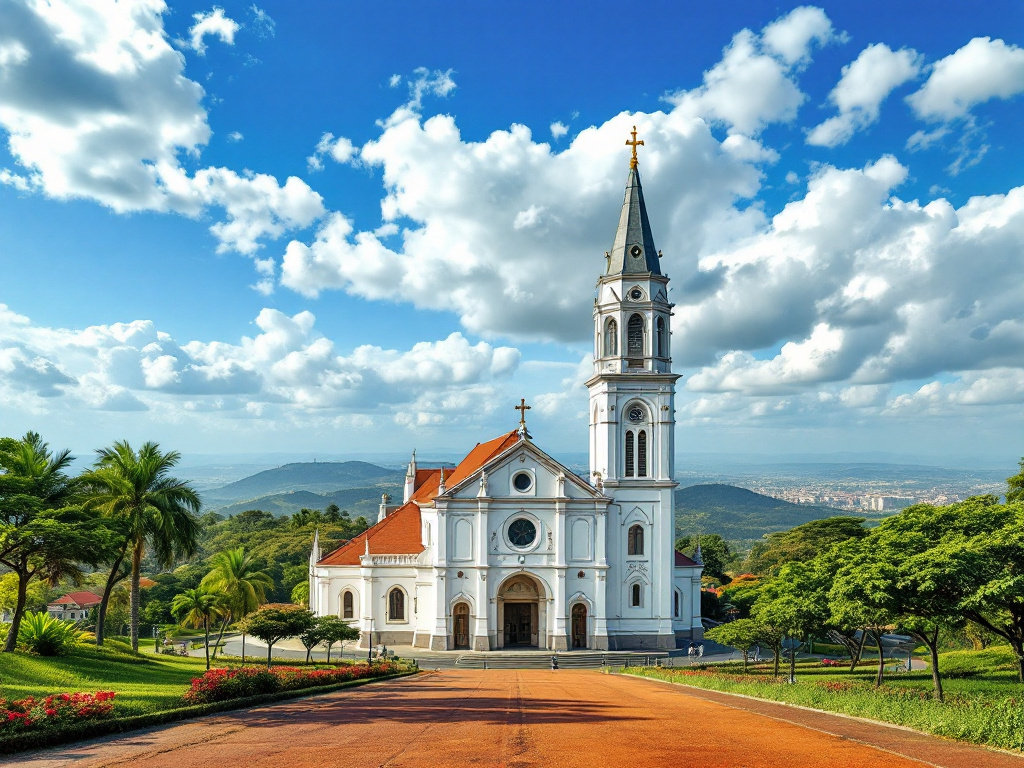
Basilica of Our Lady of Peace
A monumental basilica inspired by St. Peter's Basilica in Rome, located in the political capital of the country.
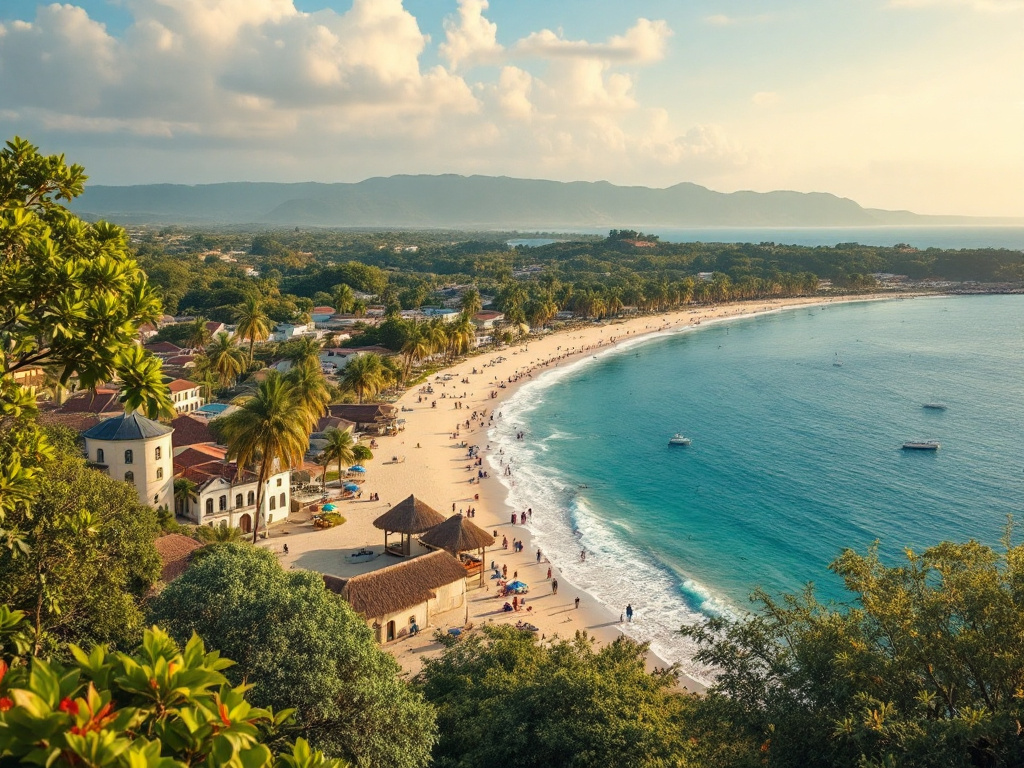
Grand-Bassam Historic Town
A charming coastal town with well-preserved colonial history and vibrant beaches.
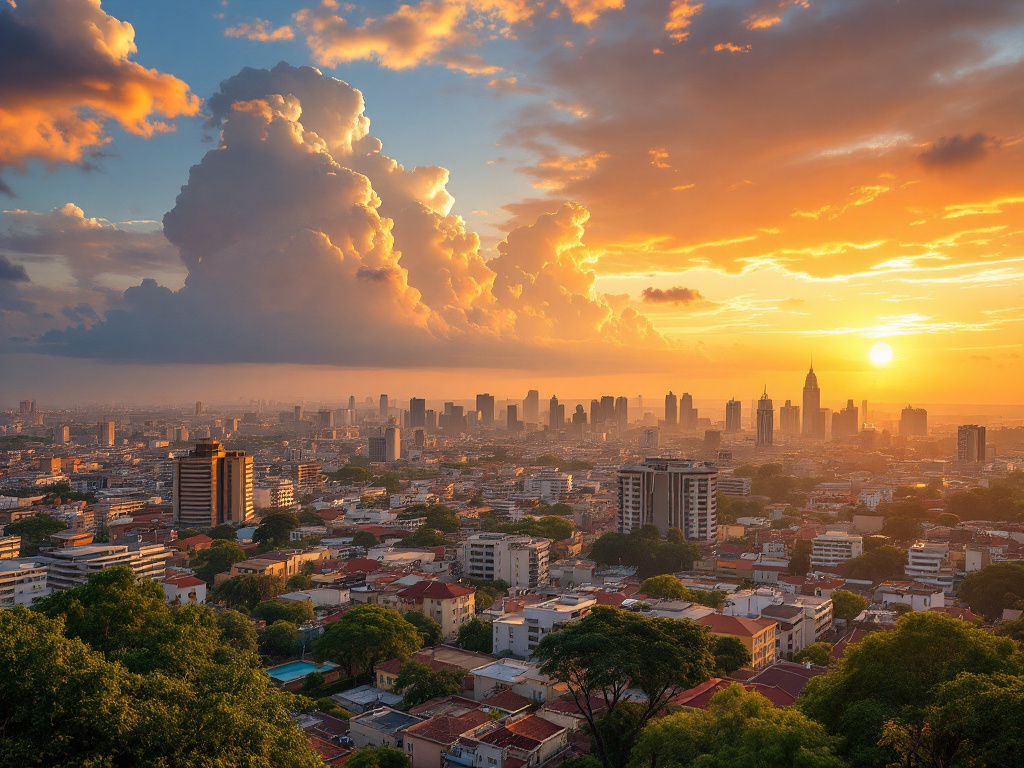
Le Plateau
Abidjan's modern center with a skyline, businesses, and cultural attractions.
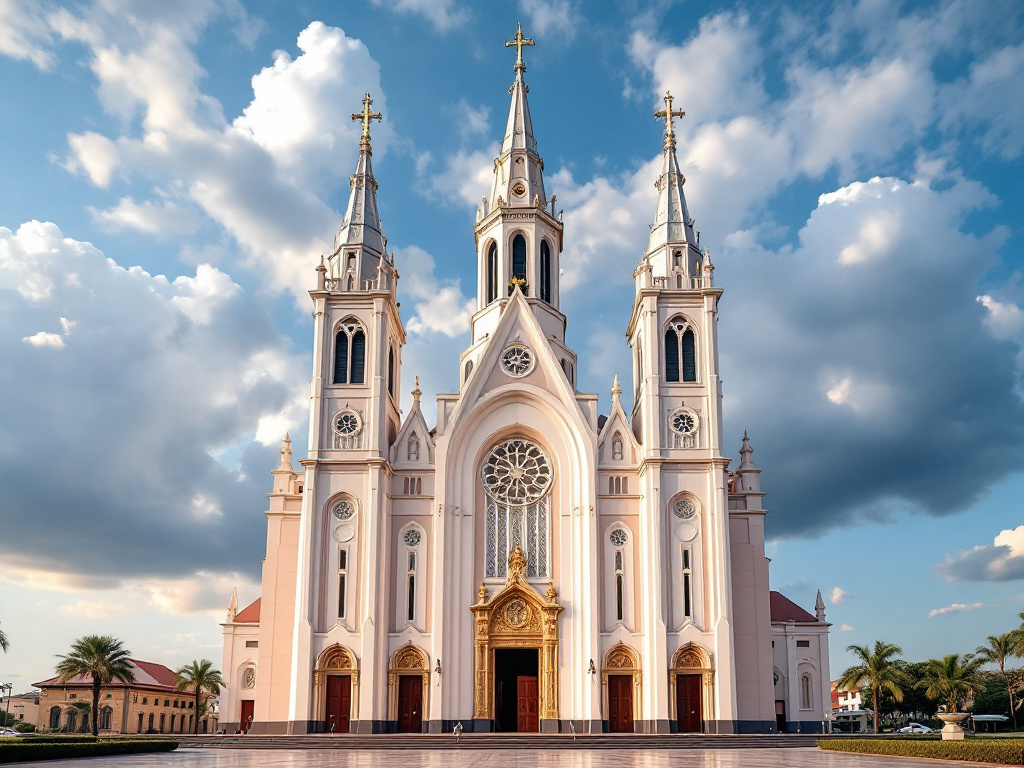
St. Paul's Cathedral
A prominent modern cathedral and one of Abidjan's most important landmarks.
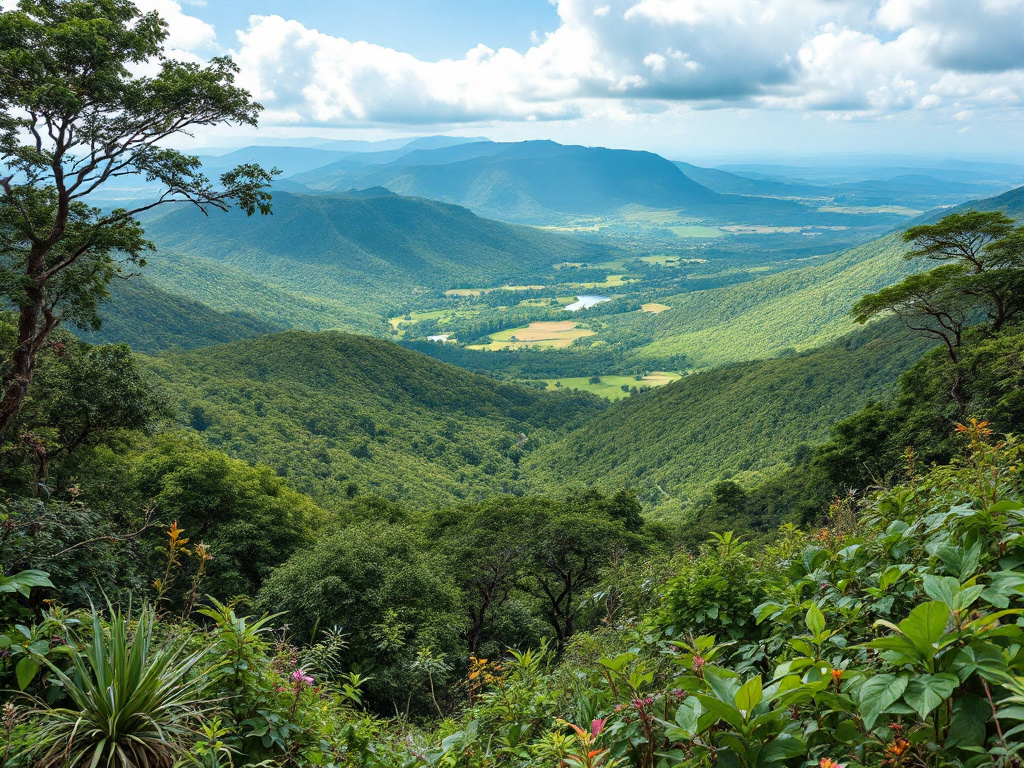
Mont Nimba Nature Reserve
A protected mountain area with rare flora and fauna.
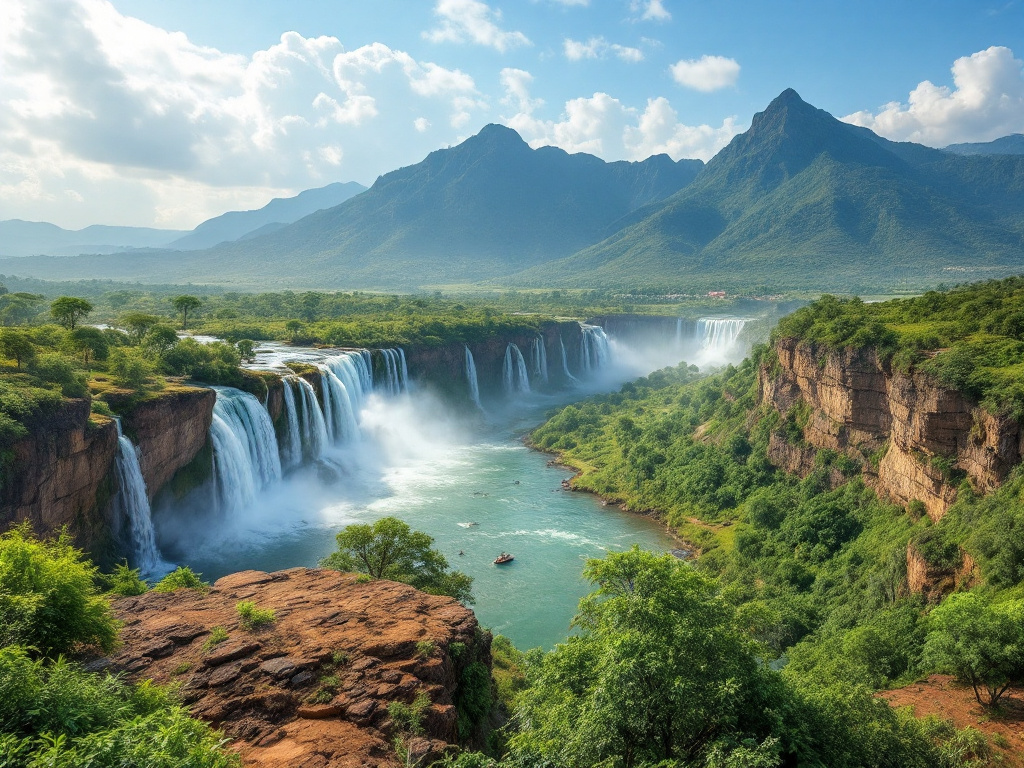
Waterfalls of Man
Beautiful waterfalls surrounded by lush mountain scenery near the town of Man.
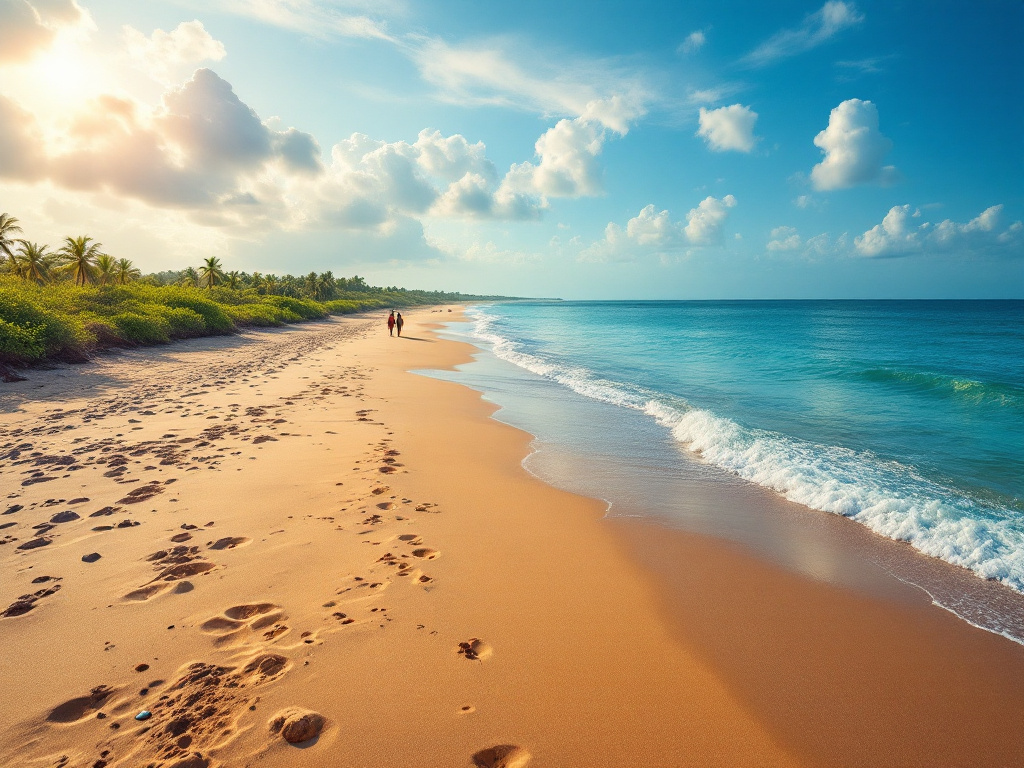
Assinie Beach
One of the country's most popular beach destinations for both locals and tourists.
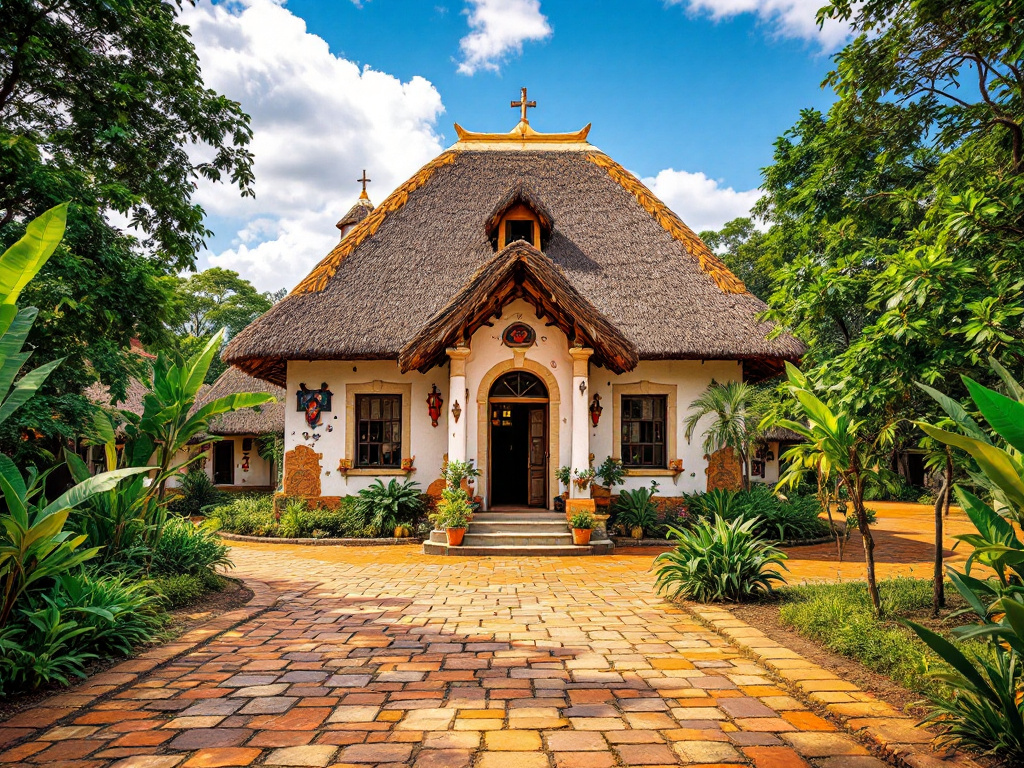
National Costume Museum
A museum that showcases the many traditional costumes and cultures of the country.
Famous cuisine
Culinary overview
Ivorian cuisine is a colorful blend of local ingredients, traditional recipes, and influences from across West Africa. Meals often revolve around starchy staples such as cassava, plantain, and rice, combined with flavorful sauces and fresh vegetables. Fish and seafood are prevalent along the coast, while chicken, beef, and goat are popular in the interior. Street stalls serve quick, tasty snacks, while restaurants offer everything from rustic stews to refined gourmet experiences. Food is often enjoyed communally, reflecting the country's strong social traditions.
Must-try dishes
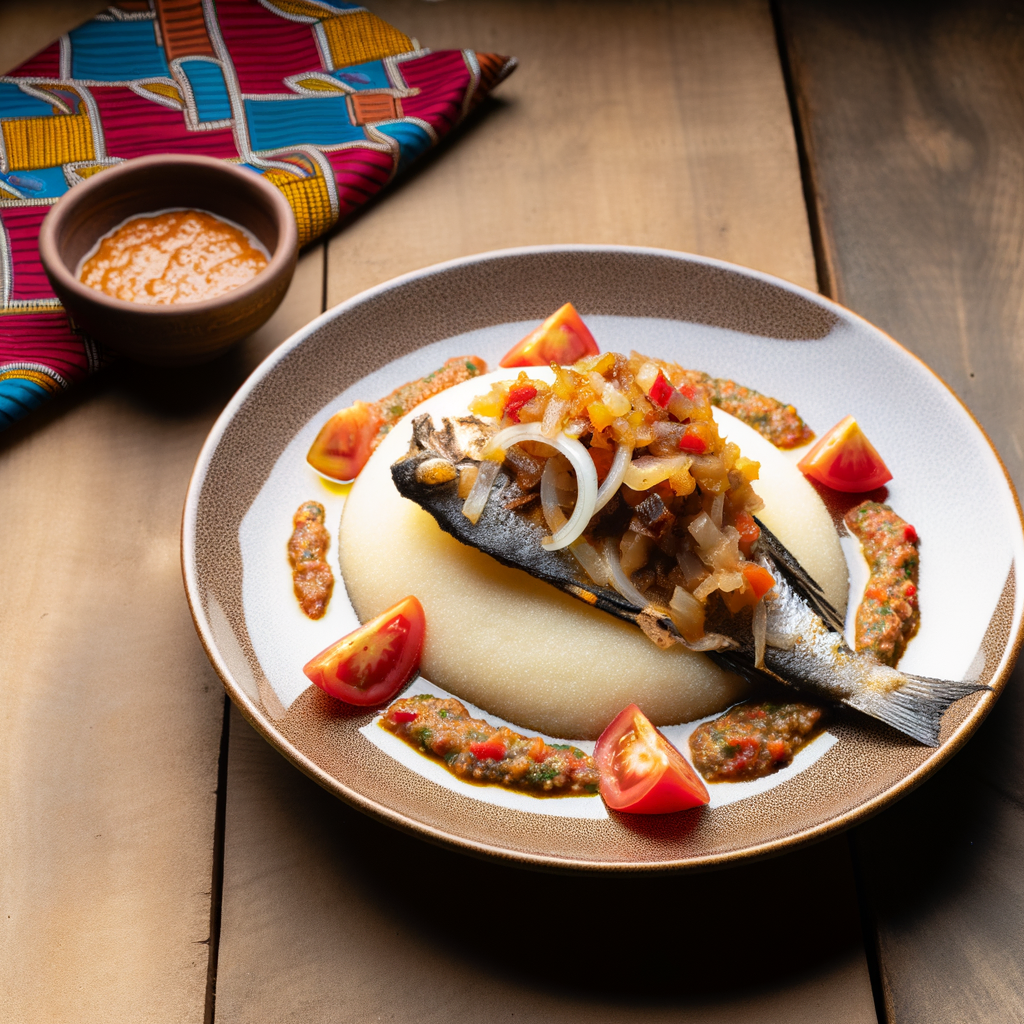
Attiéké
A fermented cassava dish that resembles couscous in texture, often served with grilled fish, onions, tomatoes, and a spicy sauce.
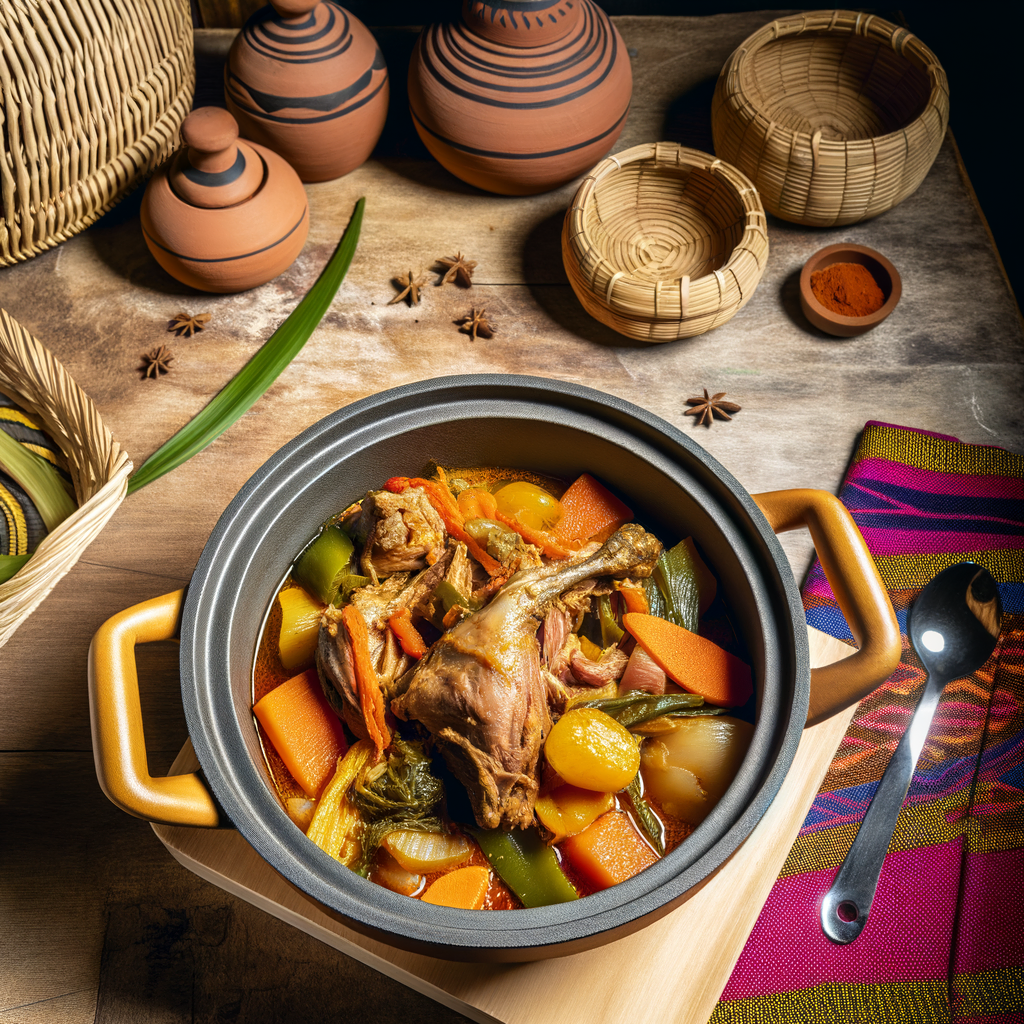
Kedjenou
Slow-cooked chicken or meat prepared in a closed pot with vegetables and spices, resulting in an intense and aromatic flavor.
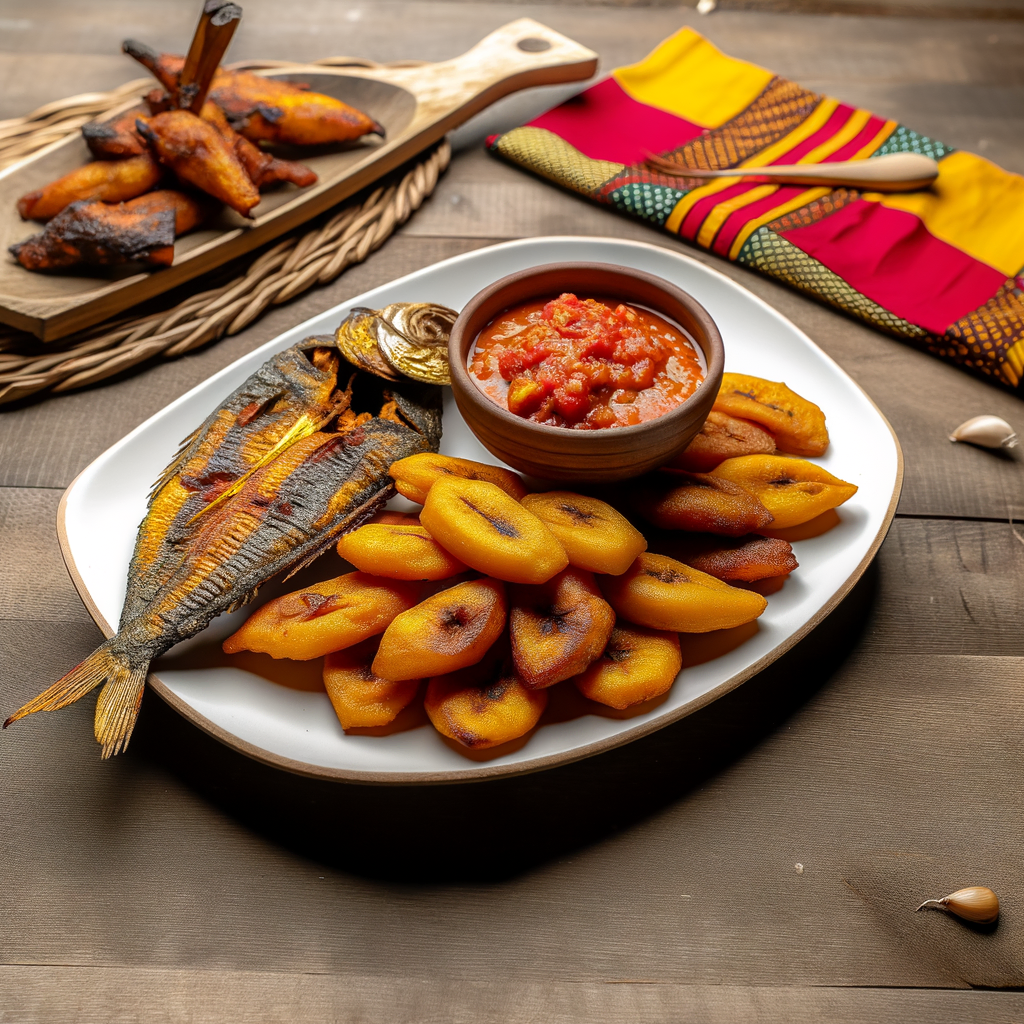
Aloko
Fried ripe plantains, often served as a snack or side dish, accompanied by spicy tomato sauce or grilled fish.
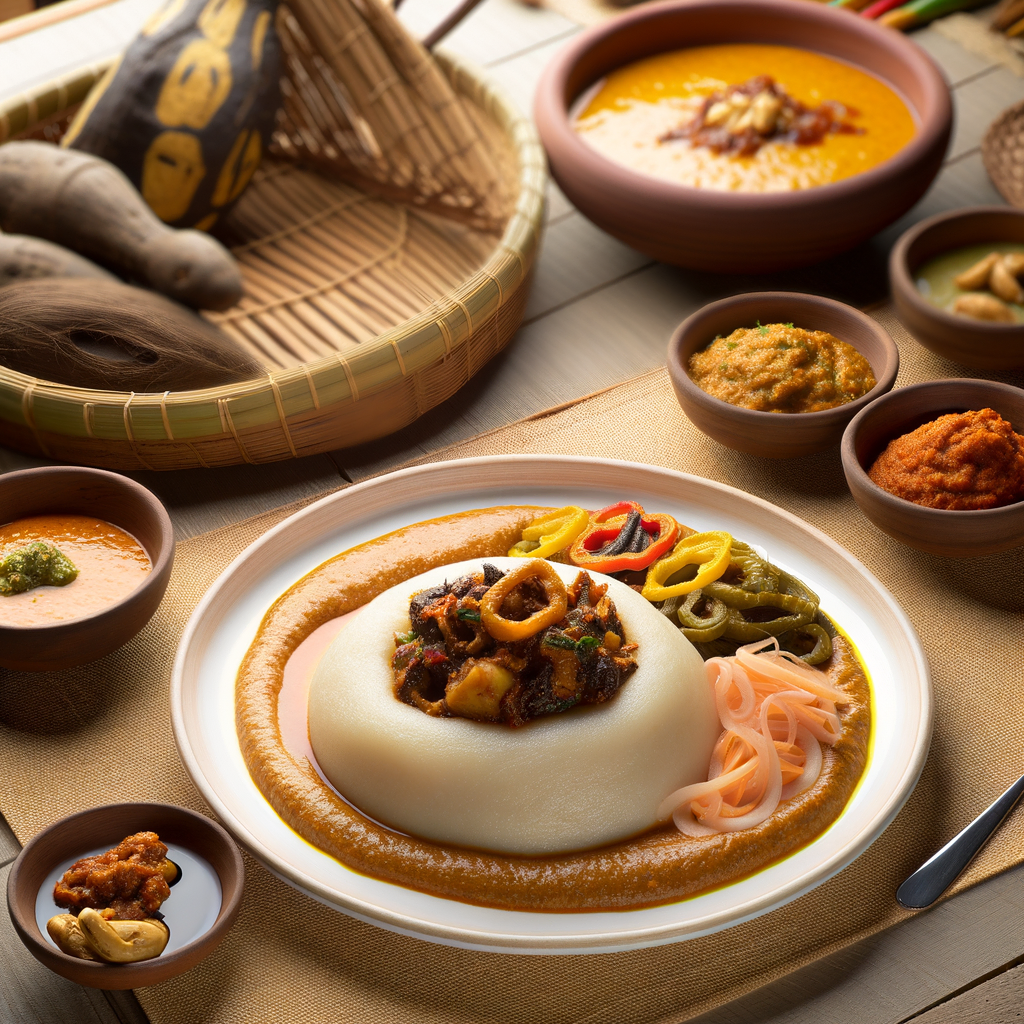
Fufu
A soft, stretchy dough made from cassava, yam, or plantain, served with various sauces like peanut sauce or palm sauce.
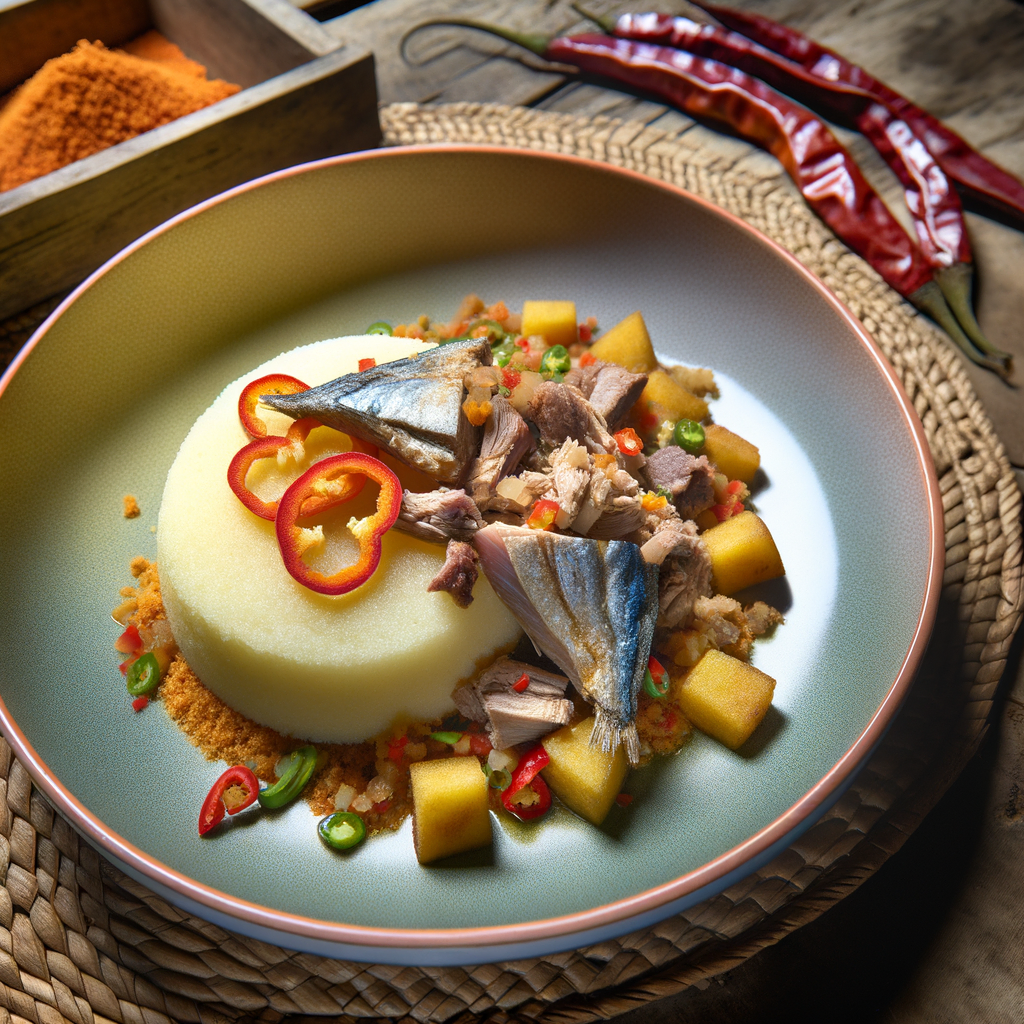
Garba
A popular street dish consisting of attiéké and fried tuna, often seasoned with chili and onions – a quick and filling meal.
Restaurant information
Tipping
Tipping is not mandatory, but appreciated. At restaurants, you can round up or give 5-10% if the service has been good. In local food stalls, tipping is not expected.
Travel information
Currency
Vestafrikansk CFA-franc (XOF)
Language
French
Best time to visit
November to March
Major cities
Yamoussoukro and other major cities
More countries in Africa
Discover more destinations in this region