
Chile
Chile, a land of breathtaking contrasts, stretches from the dry Atacama Desert to Patagonia's icy fjords, offering unparalleled natural beauty and vibrant culture everywhere.
Overview
Chile is a land of dramatic contrasts and unforgettable experiences, offering everything from the world's driest desert, the Atacama, to the breathtaking glaciers and fjords of Patagonia. The lively capital city Santiago is a hub of culture and history, while the colorful streets of Valparaíso, the enigmatic Easter Island, and the iconic Andes Mountains beckon travelers seeking adventure and enlightenment. With UNESCO World Heritage sites, award-winning wine regions, and a culinary scene filled with authentic flavors, Chile invites exploration and discovery. Whether you are captivated by nature's grandeur or enchanted by rich traditions, this destination promises to leave a lasting impression.
Official language
Spanish
Government
Presidential democracy
Best time to visit
September-November and March-May
Nature
Chile boasts some of the most diverse landscapes on the planet, ranging from the arid Atacama Desert in the north, known as the driest place on Earth, to the stunning glaciers and fjords of Patagonia in the south. The majestic Andes mountains offer not only breathtaking views but also a playground for adventurers. With over 4,000 kilometers of coastline, you can explore rugged cliffs, hidden beaches, and vibrant marine life. Easter Island, located in the Pacific Ocean, features volcanic formations and lush plains that attract curious travelers. Spring (September to November) and autumn (March to May) are the ideal times to experience Chile's natural beauty, where mild weather enhances the allure of both urban and outdoor settings, making it a paradise for hikers, photographers, and nature lovers alike.
Travel to Chile
Traveling to Chile is an adventure through diverse climates and stunning landscapes. The capital city, Santiago, serves as an accessible hub with international flights connecting you to destinations across the country. The best times to visit are during spring (September to November) and autumn (March to May), when the weather is mild and ideal for both urban experiences and outdoor activities. Adventurers can hike in Torres del Paine National Park, explore the lunar landscapes of Atacama, or immerse themselves in the mystique of Easter Island. Wine lovers can indulge in tours through lush vineyards, while culture enthusiasts can soak in Valparaíso's vibrant arts scene and the unique architecture of Chiloé. With a well-developed infrastructure, welcoming locals, and a plethora of experiences awaiting, Chile stands as an ideal destination for solo travelers and groups alike.
Culture
Chile's culture is a vibrant tapestry woven from indigenous traditions, Spanish colonial influences, and contemporary creativity. In the bustling capital, Santiago, you can dive into a dynamic urban life filled with museums, art galleries, and live music. Valparaíso captivates with its colorful houses, steep streets, and rich street art. The unique culture of the Rapa Nui people on Easter Island, highlighted by the iconic moai statues, provides a glimpse into a fascinating history. Additionally, Chiloé is famous for its wooden churches, folklore, and maritime traditions. Chilean cuisine reflects its cultural heritage, featuring delightful dishes like empanadas, cazuela, and fresh seafood. Celebrations like cueca music and dance during national holidays reveal the warmth and hospitality intrinsic to Chilean daily life.
History
Chile's history is a compelling narrative that spans from its indigenous civilizations, such as the Mapuche, to its colonization by the Spanish in the 16th century. Securing independence in 1818, under leaders like Bernardo O'Higgins, marked the beginning of a new era for the nation. Throughout the 19th and 20th centuries, Chile experienced phases of economic development and political turmoil, including the military coup of 1973 and the subsequent dictatorship of Augusto Pinochet. The return to democracy in 1990 signified a hopeful transition, fostering stability and growth. Historical architecture, monuments, and museums across the country narrate stories of both triumphs and challenges, making Chile a living history book for visitors.
Top attractions
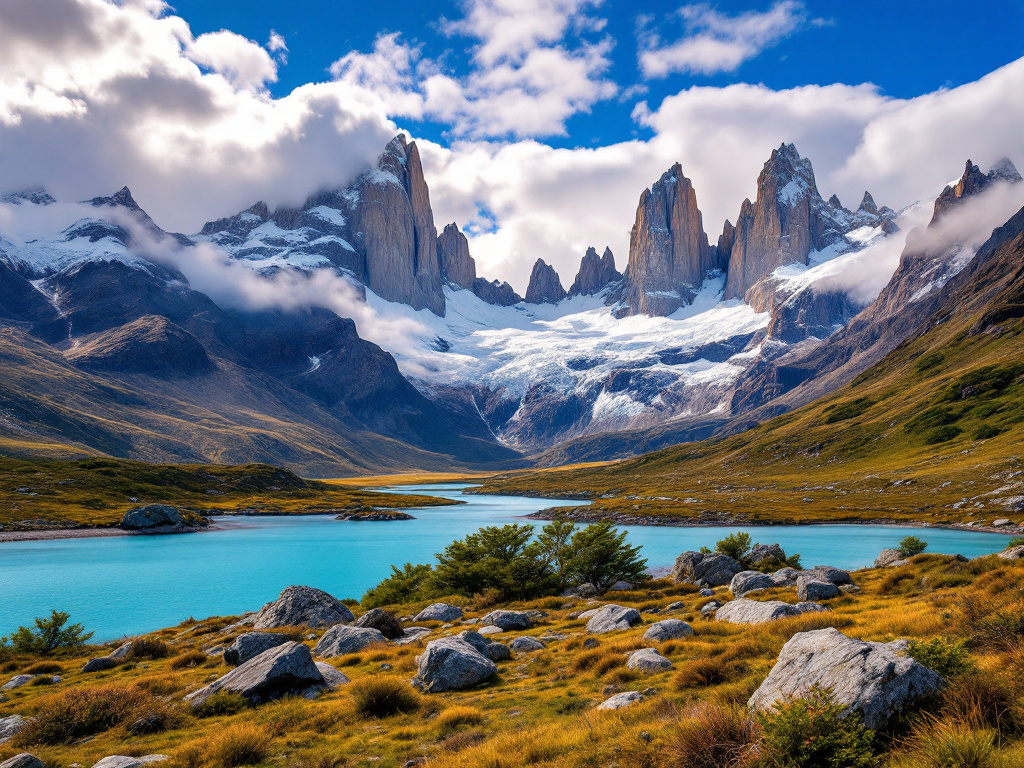
Torres del Paine National Park
One of South America's most spectacular natural areas with dramatic mountains, glaciers, and lakes in Chilean Patagonia.
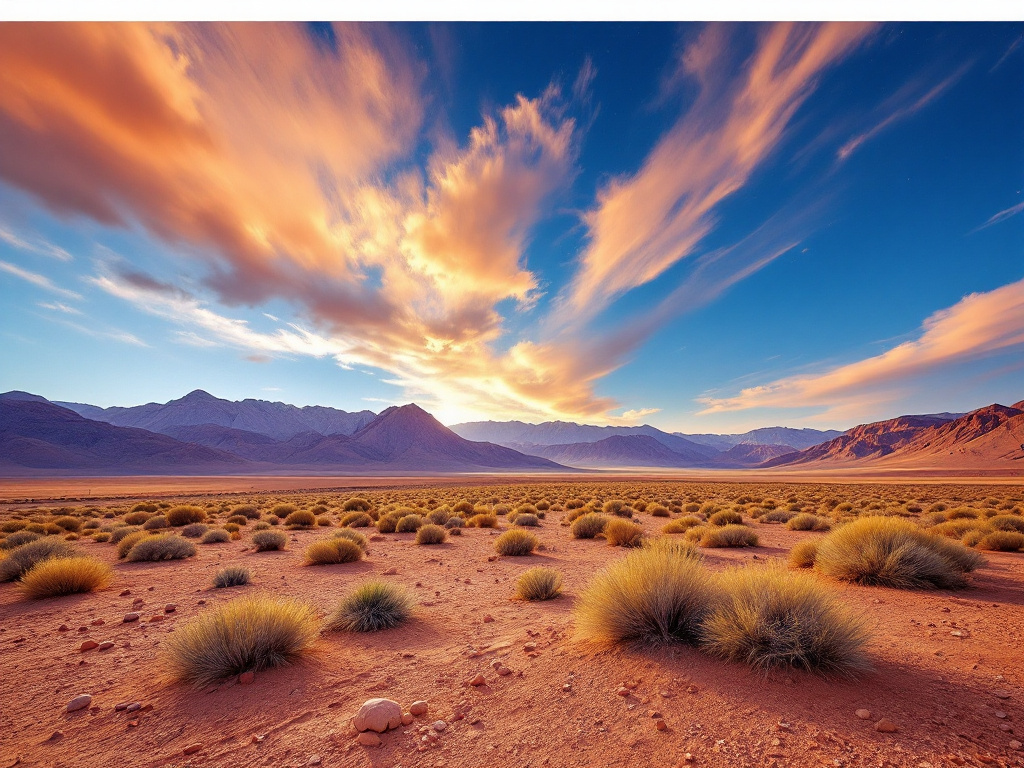
San Pedro de Atacama and the Atacama Desert
The world's driest desert offers surreal landscapes, geothermal fields, and some of the best conditions for stargazing.
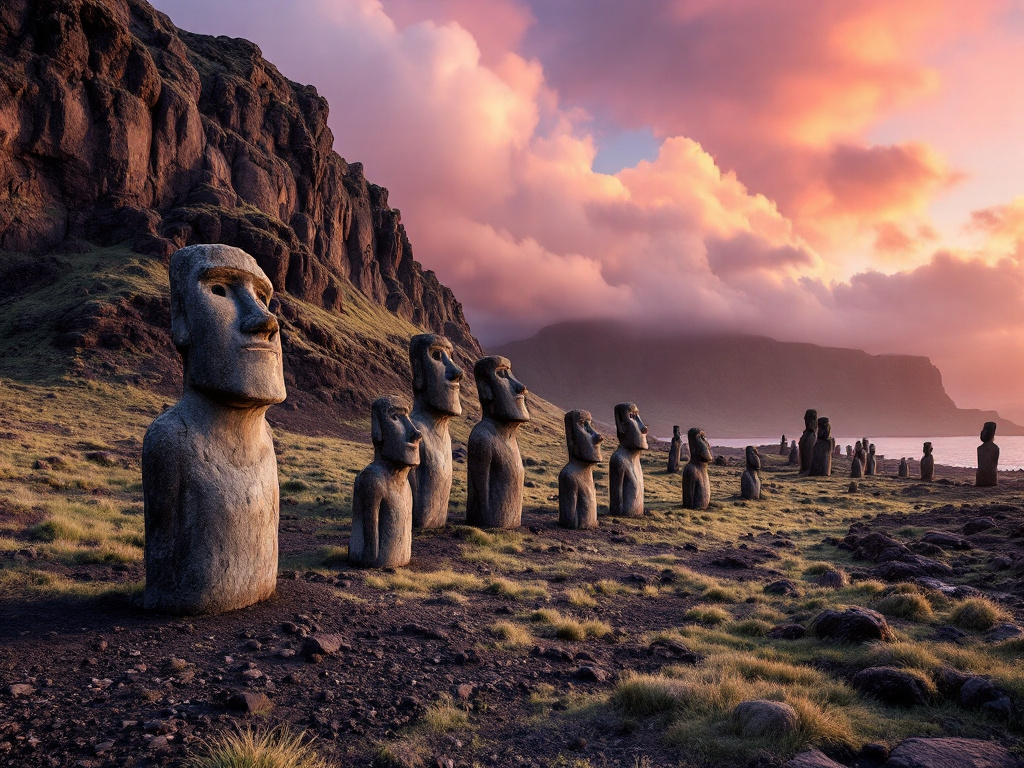
Easter Island (Rapa Nui)
One of the most isolated islands in the world, famous for its mysterious moai statues and vibrant Polynesian culture.
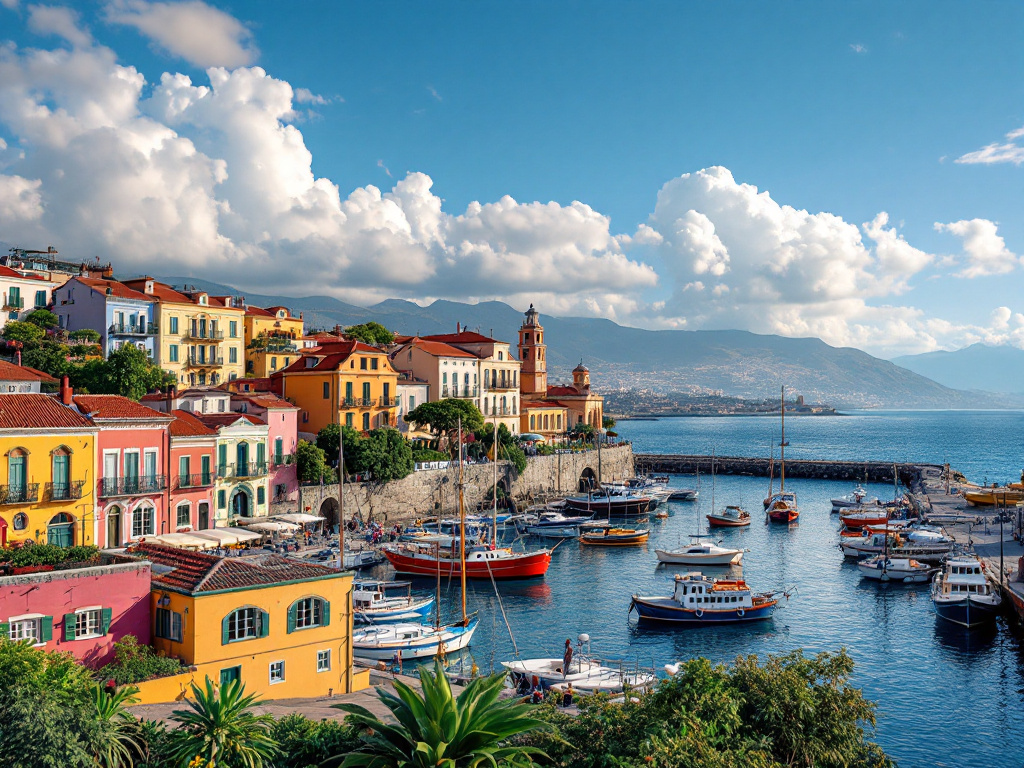
Historical Port of Valparaíso
A lively port city known for its colorful houses, artistic atmosphere, and steep streets overlooking the Pacific Ocean.
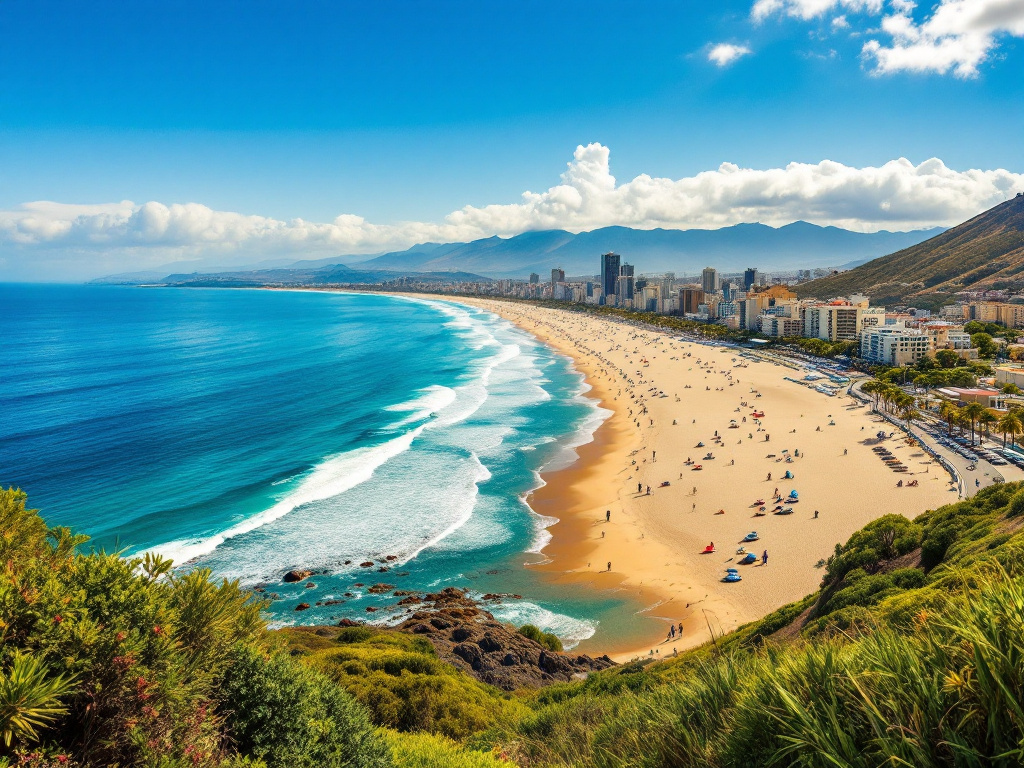
Viña del Mar and the Beaches
A popular coastal city known as Chile's garden city with beaches, parks, and a relaxed holiday atmosphere.
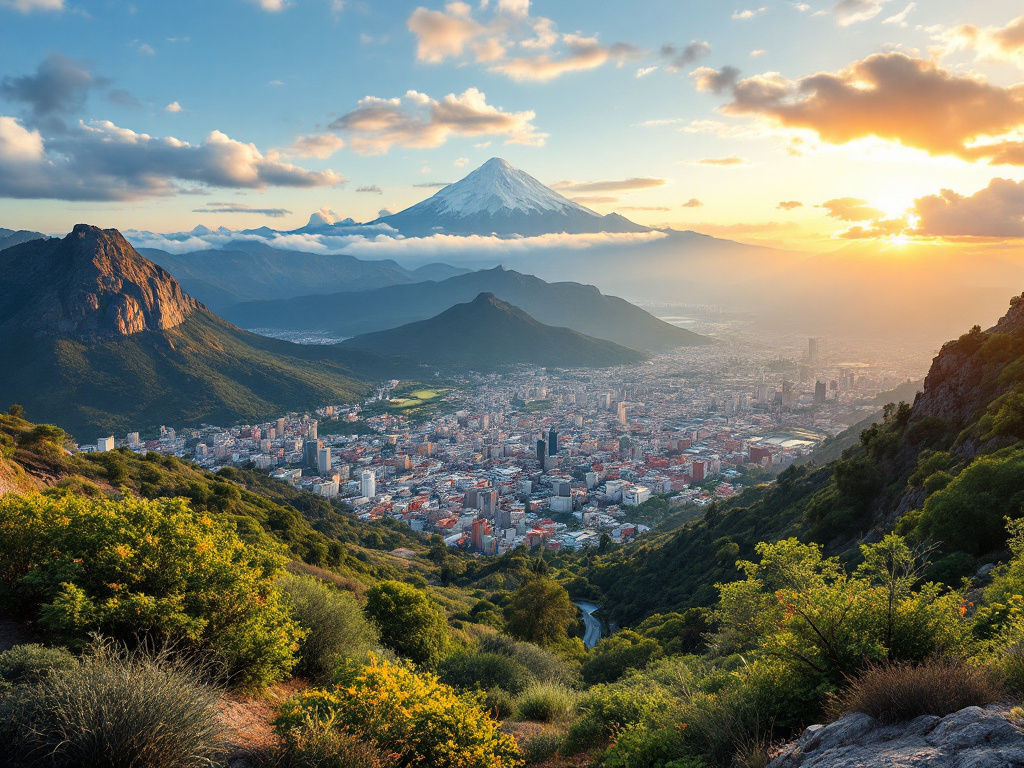
Cerro San Cristóbal
A green oasis in the middle of Santiago with a cable car and stunning views of the city and the Andes Mountains.
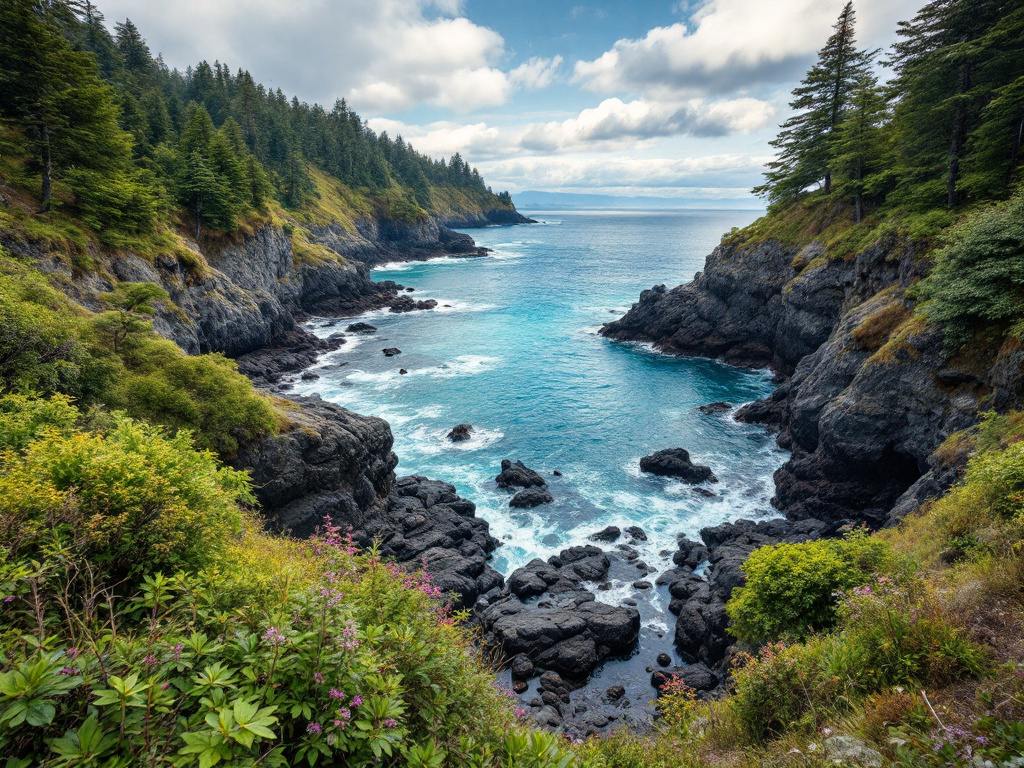
Chiloé National Park
A lush national park on Chiloé Island with rainforest, coastal landscapes, and rich wildlife.
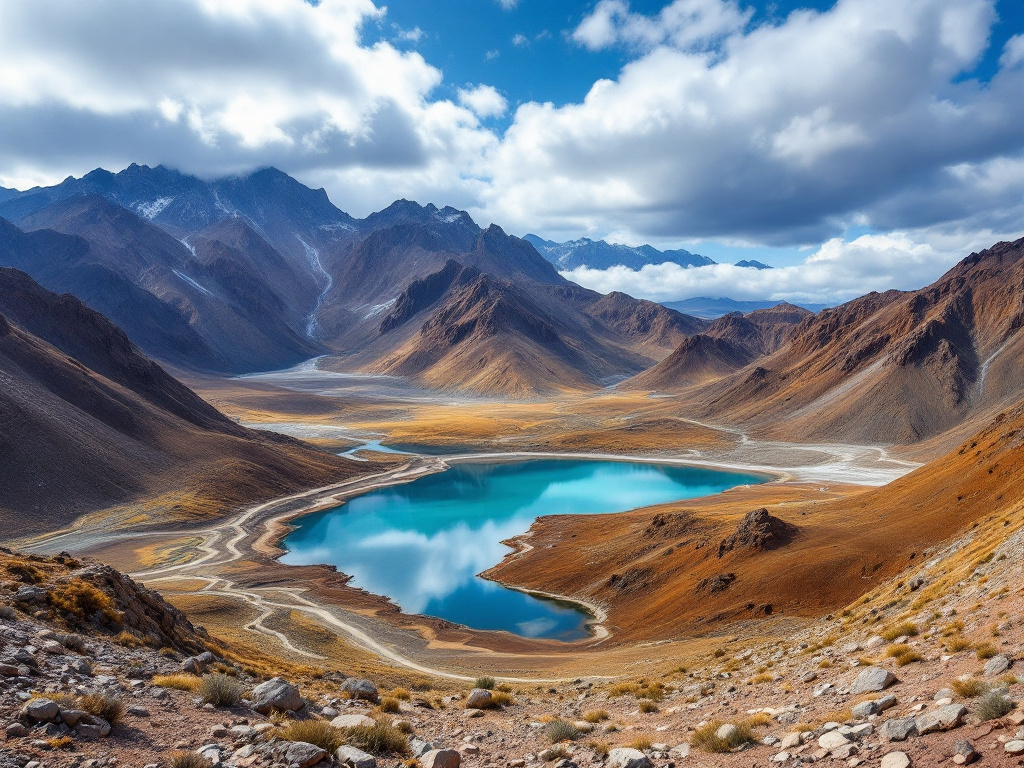
Lauca National Park
A majestic highland park near the border with Bolivia featuring volcanoes, lakes, and unique wildlife at high altitude.
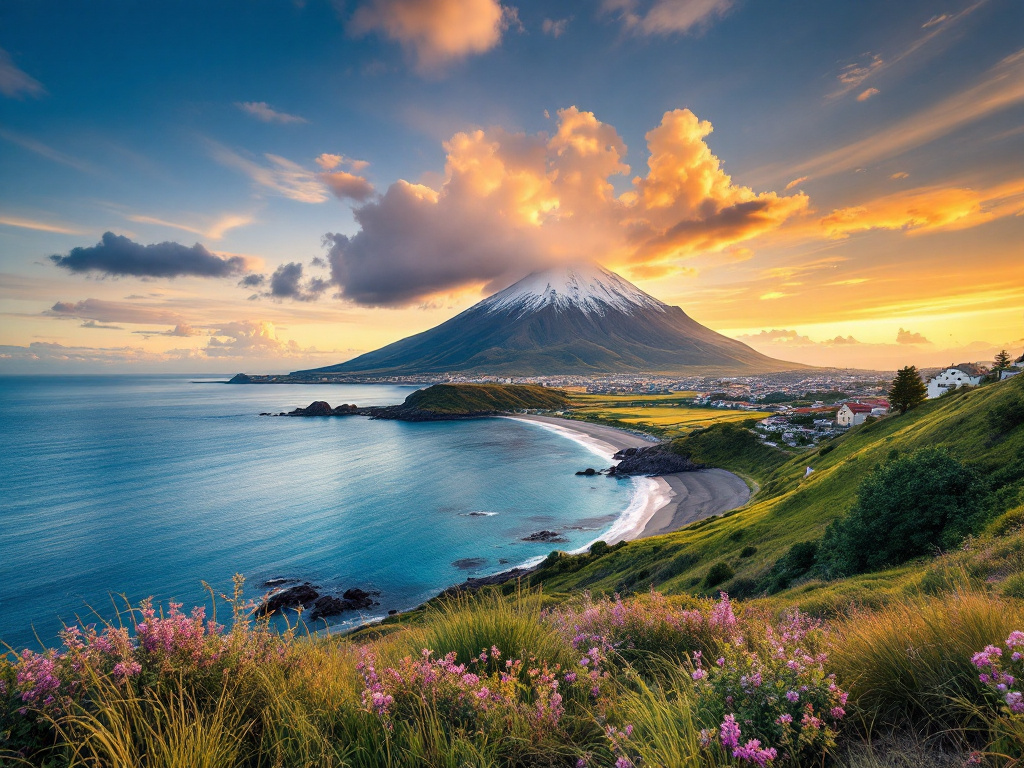
Puerto Varas and the Lakes
A picturesque area in southern Chile with large lakes, volcanoes, and a relaxed atmosphere.
Famous cuisine
Culinary overview
Chilean cuisine is a flavorful blend of indigenous traditions and European influence, especially from Spain. The country's long coastline provides access to fresh fish and seafood, while the fertile valleys produce high-quality wine, fruits, and vegetables. From the rustic dishes in the south to the spicy flavors in the north, the food reflects Chile's geographical diversity. Street food such as empanadas is widespread, while the wine regions offer world-class gastronomic experiences.
Must-try dishes
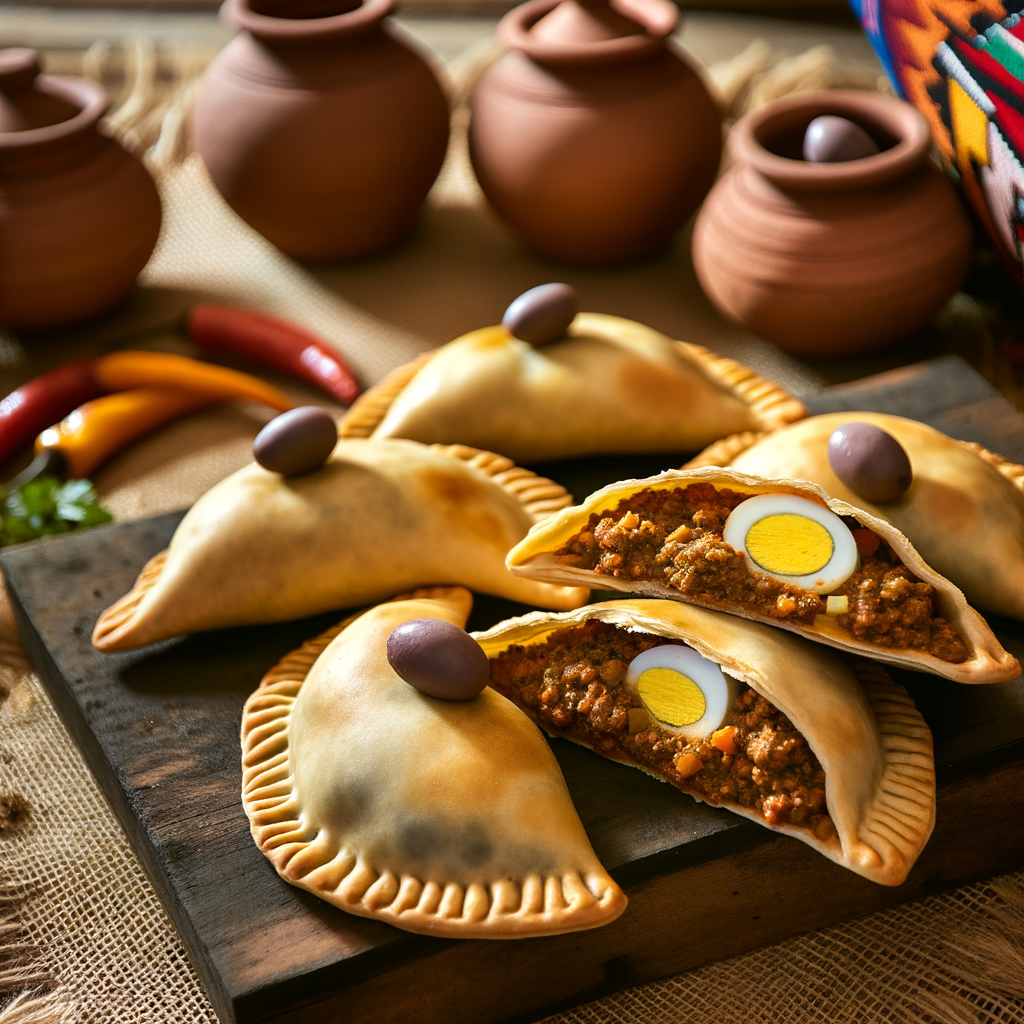
Empanadas
Stuffed dough pockets, often baked or deep-fried, with fillings such as beef, onions, olives, and hard-boiled egg. Often served at festive occasions and as street food.
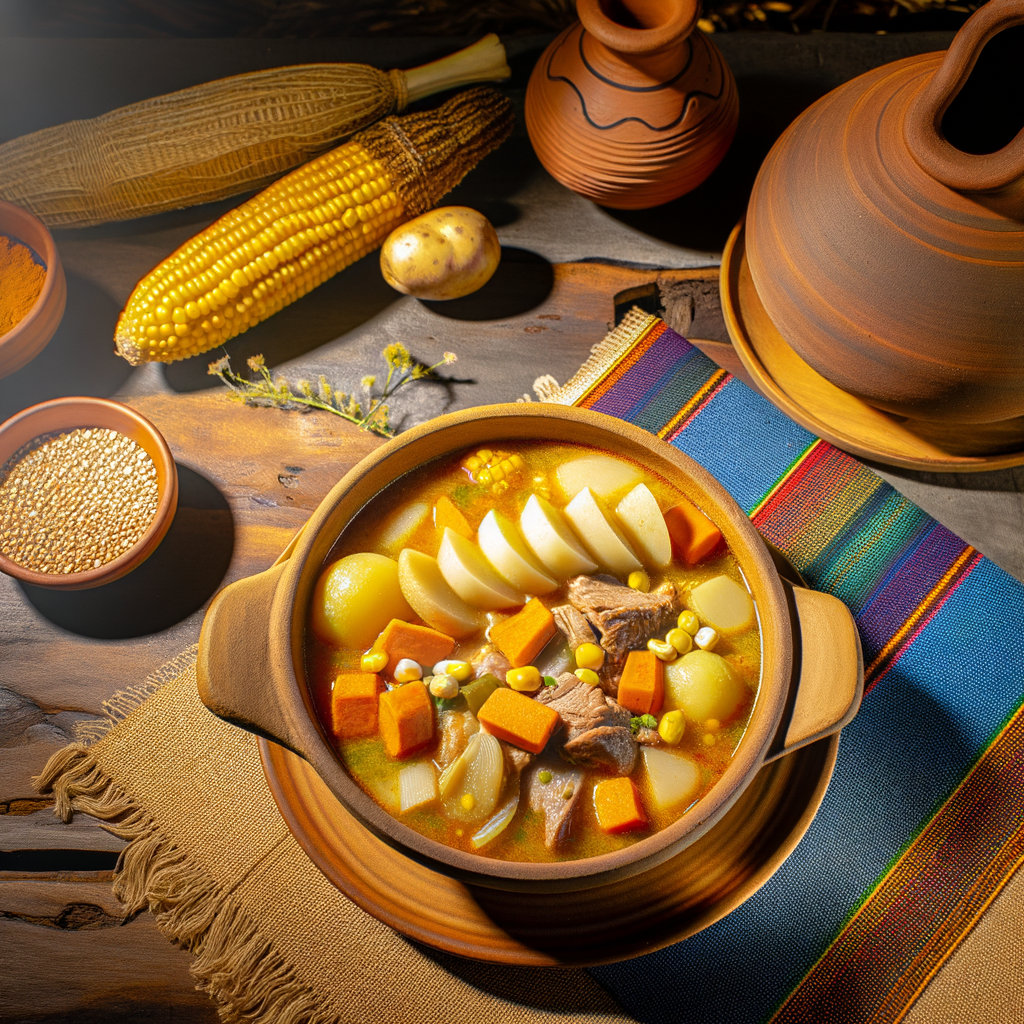
Cazuela
A warming soup with large pieces of meat (often chicken or beef), potatoes, corn, pumpkin, and other vegetables. A classic Chilean comfort food.
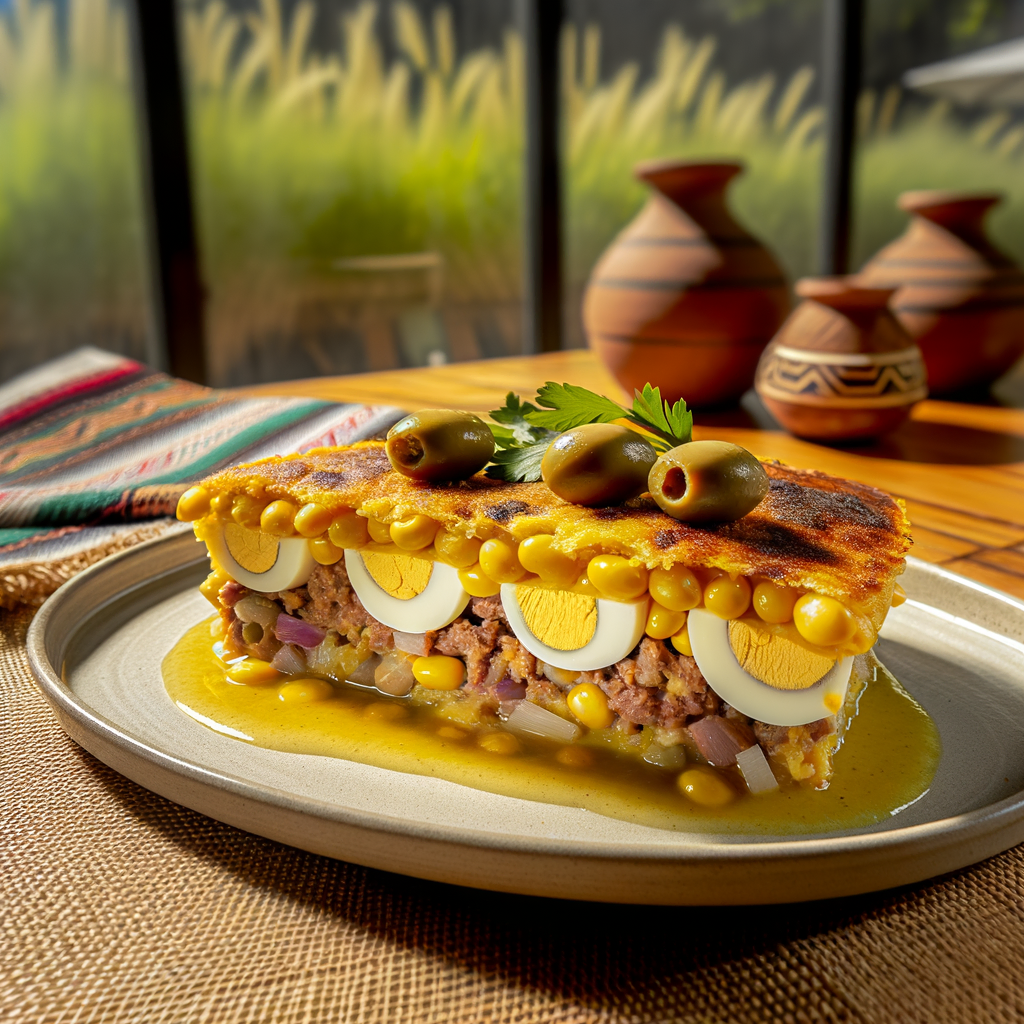
Pastel de Choclo
An oven-baked dish with layers of minced meat, onions, olives, and hard-boiled egg, topped with a sweet corn mash. A popular summer dish with roots in traditional cuisine.
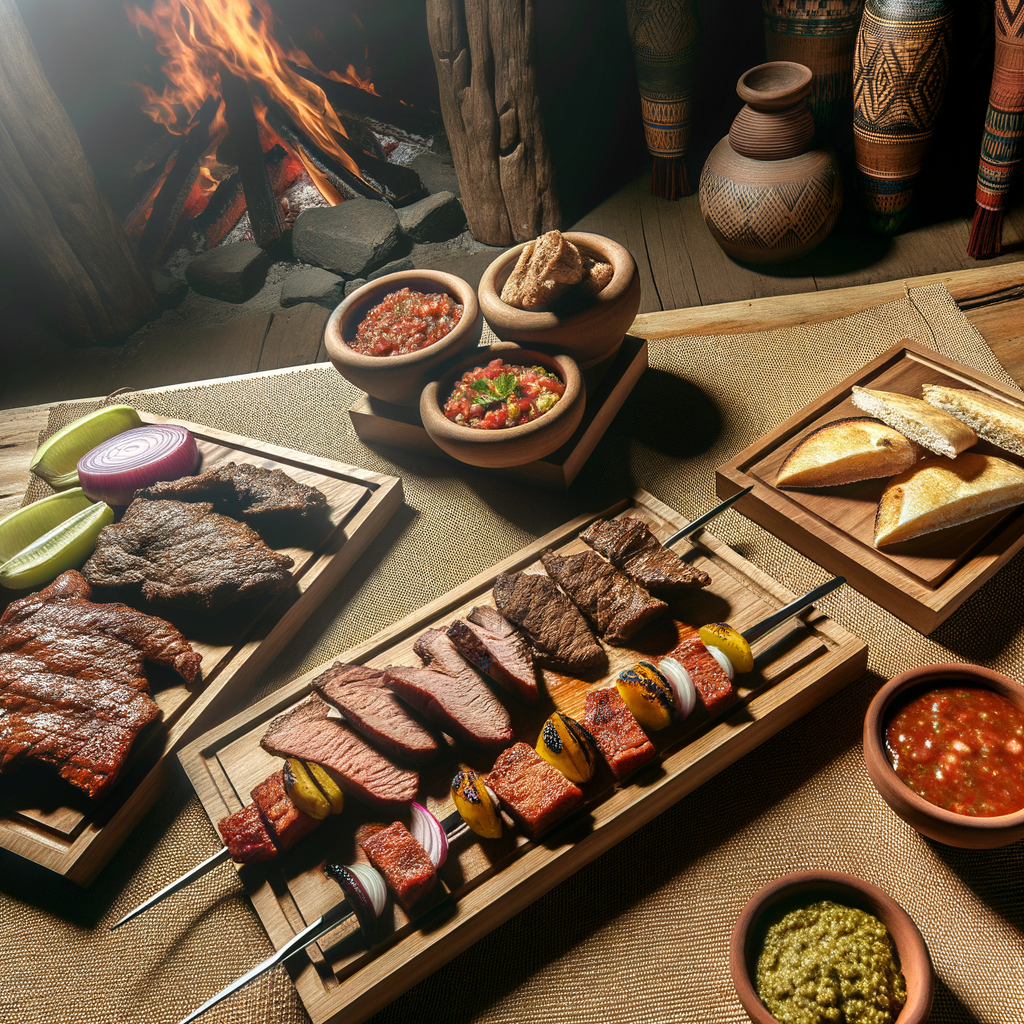
Asado
Chilean grill tradition where various types of meat are grilled over an open fire, often accompanied by pebre (a spicy salsa) and freshly baked bread.
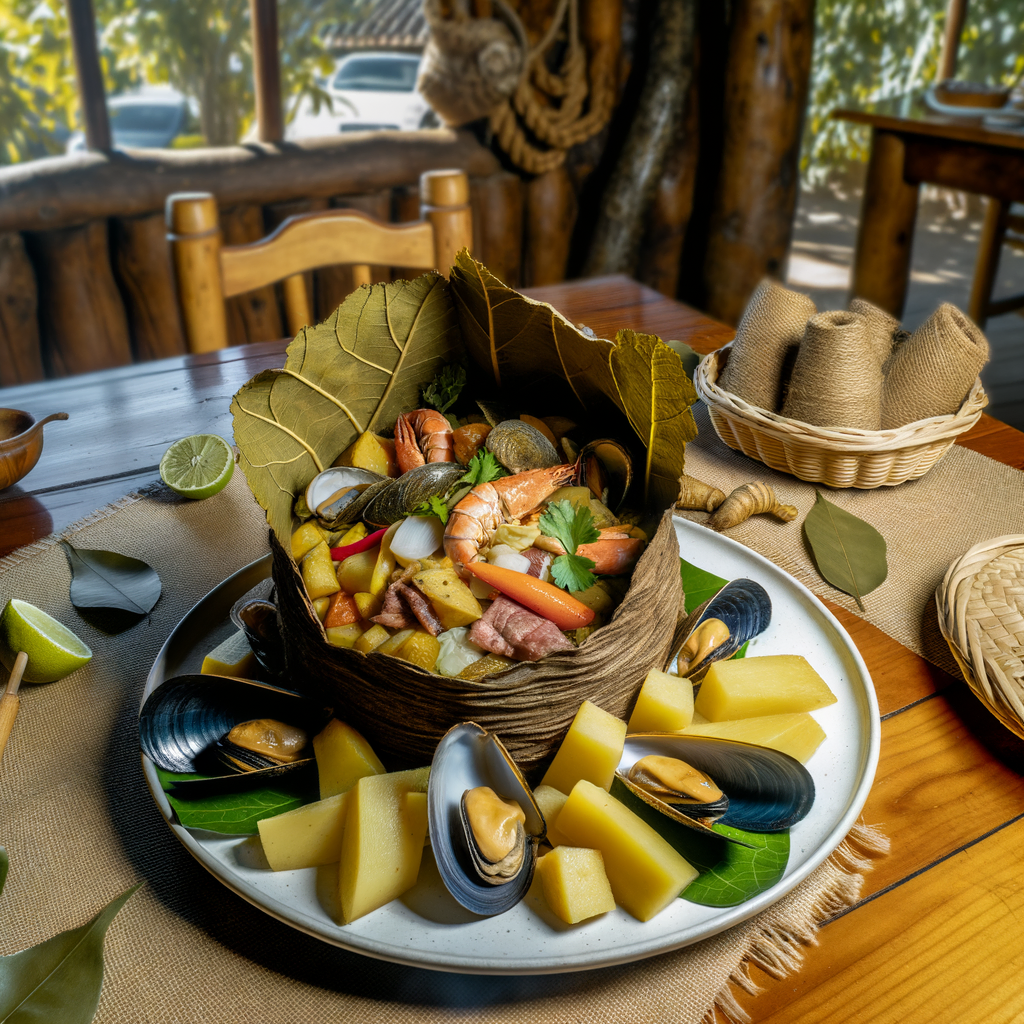
Curanto
A traditional dish from Chiloé, where seafood, meat, potatoes, and vegetables are prepared in an earth oven covered with leaves. A social and festive dining experience.
Restaurant information
Tipping
In Chile, tipping is not mandatory, but it is customary to give around 10% of the bill at restaurants if the service has been good. In cafes and bars, rounding up is common.
Travel information
Currency
Chilensk peso (CLP)
Language
Spanish
Best time to visit
September-November and March-May
Major cities
Santiago and other major cities
More countries in South America
Discover more destinations in this region