Overview
Cameroon, situated in the heart of West Africa, captivates with its exceptional diversity in both nature and culture. Adventure awaits as you hike the majestic Mount Cameroon, relax on the golden beaches of Kribi and Limbe, or embark on a safari in Waza National Park amidst elephants, lions, and rare birds. The country also protects UNESCO-listed rainforests like Dja Faunal Reserve, home to gorillas and chimpanzees. With over 250 ethnic groups, two official languages, and a rich culinary tradition, Cameroon promises an authentic and unforgettable experience for adventurous travelers ready to explore its wonders.
Official language
French and English
Government
Enhedsstat med Presidential styre
Best time to visit
November to February
Nature
Cameroon is a stunning mosaic of landscapes, from the pristine beaches bordered by palm trees along the coastline to the cool heights of its mountains and the wide-open savannas. The breathtaking Mount Cameroon, the highest peak in West Africa, rises dramatically over the Atlantic coast, drawing hikers from around the globe. In the north, Waza National Park presents one of Africa's most impressive safari experiences, where elephants, giraffes, lions, and a plethora of bird species roam freely. To the southeast, the Dja Faunal Reserve, a UNESCO World Heritage site, boasts dense, untouched rainforest teeming with rare primates like gorillas and chimpanzees, as well as over 1,500 plant species. The coastal areas near Kribi and Limbe offer golden sandy beaches and turquoise waters, while Limbe's Botanical Garden showcases the country's rich flora. With volcanic lakes, cascading waterfalls, and mangrove forests, Cameroon is truly a paradise for nature lovers, photographers, and adventurers, particularly from November to February when the weather is dry and pleasant, perfect for outdoor activities.
Travel to Cameroon
Traveling to Cameroon is a journey into the heart of Africa, where authentic experiences await at every turn. The country is accessible via international airports in Yaoundé and Douala, with domestic travel options including flights, buses, or car rentals. The best time to visit is from November to February, when the climate is dry and comfortable, ideal for safaris, hiking, and beach escapades. Visitors can enjoy relaxation on the stunning beaches of Kribi while balancing it with adventures on Mount Cameroon or observing wildlife in Waza National Park. For culture enthusiasts, cities like Yaoundé and Douala offer lively markets, museums, and vibrant festivals. Cameroon's hospitality makes it easy to feel welcome, and the relative stability in many regions makes it an attractive destination for both seasoned and first-time travelers. With its unique blend of nature, culture, and history, Cameroon is a destination that promises memories to last a lifetime.
Culture
The culture of Cameroon is a vibrant kaleidoscope of traditions, languages, and artistic expressions. Home to over 250 ethnic groups, it stands as one of the most culturally diverse nations in Africa. The two official languages, French and English, reflect the country's colonial history, but local languages and dialects remain integral to daily life. Music and dance are central to the culture—experience the infectious rhythms of makossa and bikutsi, alongside traditional drumming ceremonies. Handicrafts like masks, wood carvings, and colorful textiles narrate tales of ancestors and myths. In cities like Yaoundé and Douala, modern lifestyles blend seamlessly with traditional markets, where one can find everything from fresh fruit to handcrafted jewelry. The culinary scene is as varied as its people, with signature dishes like Ndolé, Poulet DG, Koki, and Eru that provide insight into the country's soul. Festivals and celebrations are marked by vibrant parades, music, and dance, offering visitors a deep dive into Cameroon's warm hospitality.
History
Cameroon's history is shaped by both intricate African kingdoms and European colonization. Long before the arrival of Europeans, the region was home to powerful trade empires and complex societies. The Portuguese were the first Europeans to arrive in the 15th century, followed by German colonial rule in the late 1800s. After World War I, the country was divided between France and Britain, setting the stage for the bilingual society we see today. In 1960, the French territory gained independence as the Republic of Cameroon, followed by the British southern region's unification a year later. This melding created a unique national identity where African traditions intertwine with European heritage, contributing to the diverse cultural fabric of the country.
Top attractions
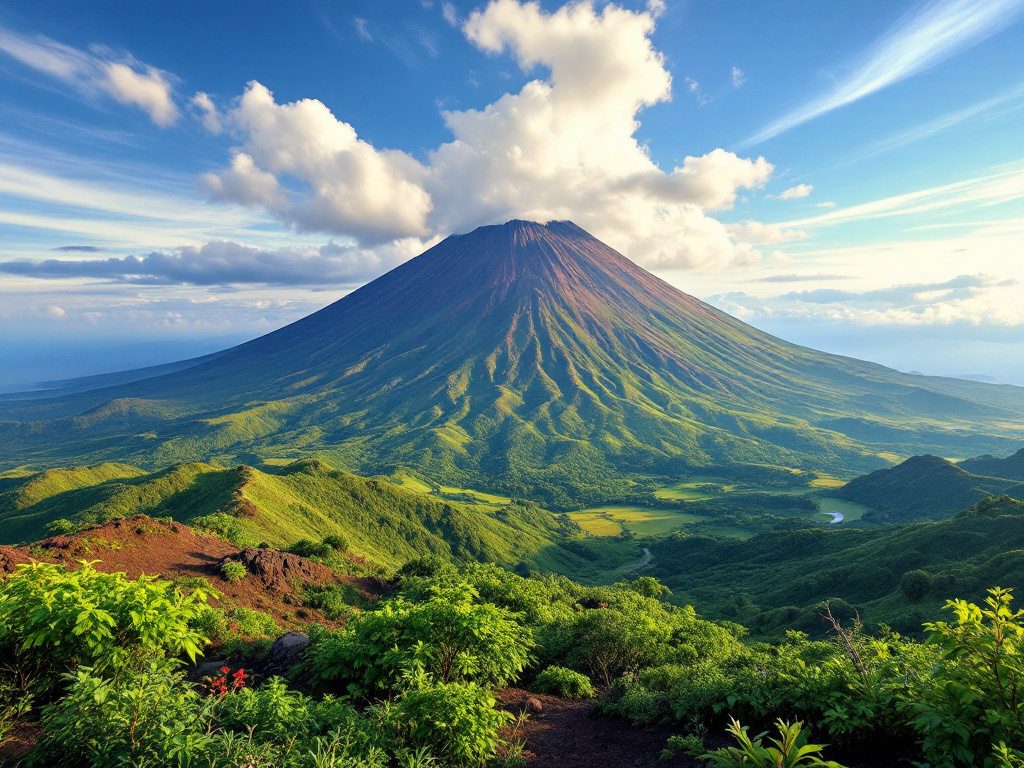
Mount Cameroon
Mount Cameroon is a majestic and active volcanic mountain that offers challenging hikes and some of the most impressive landscapes in Cameroon.
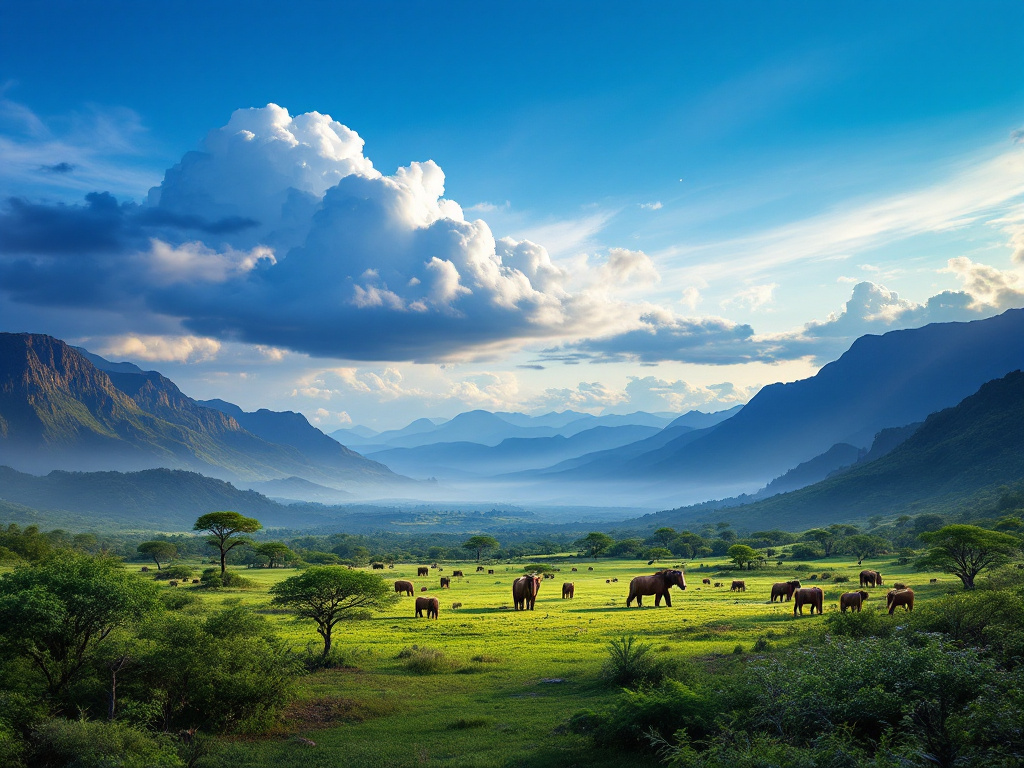
Waza National Park
Waza National Park is Cameroon’s most well-known safari area with rich wildlife and open savannas.
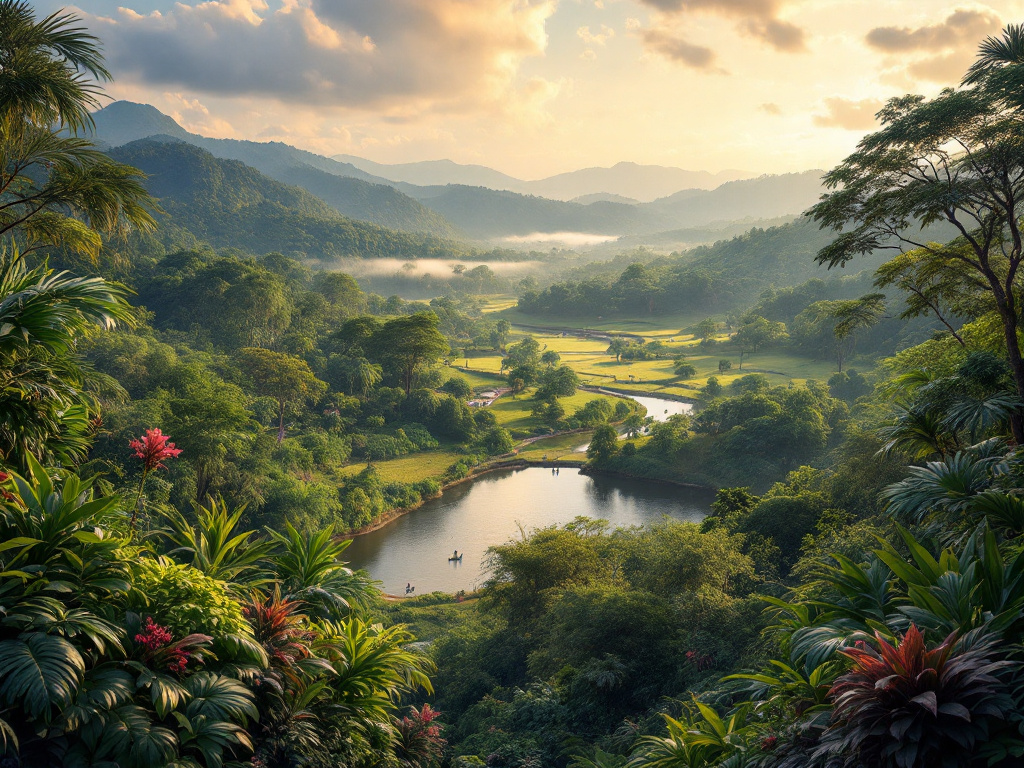
Limbe Botanical Garden
A peaceful botanical garden in Limbe with a wide variety of tropical plants and old trees.
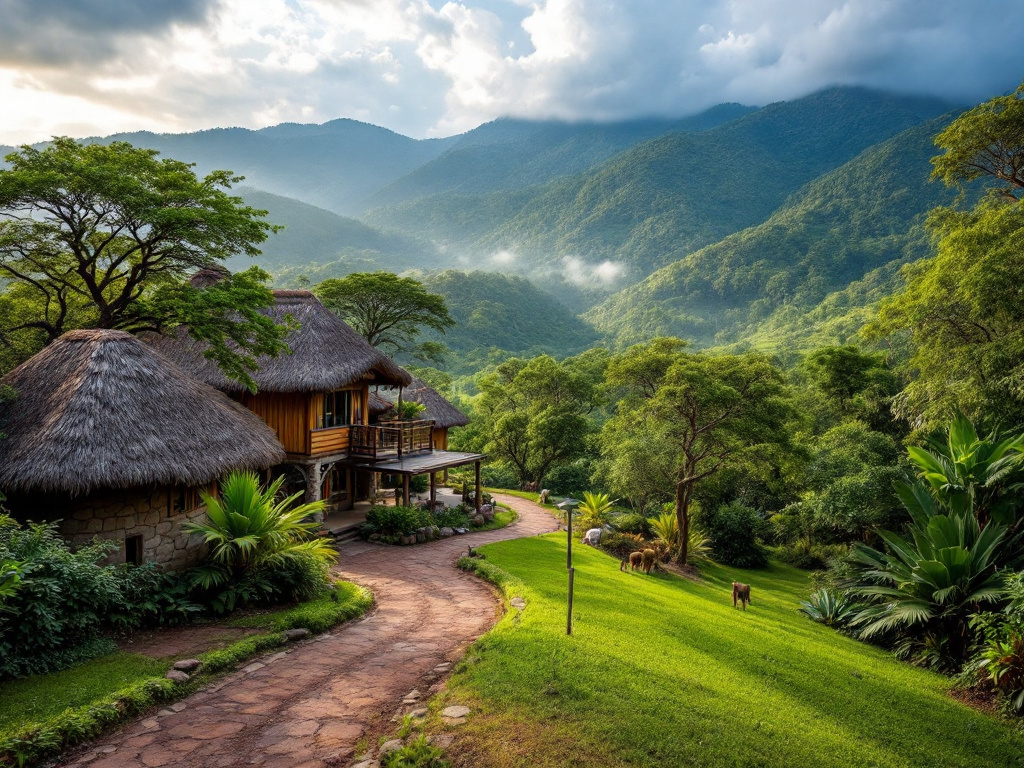
Limbe Wildlife Centre
A conservation center dedicated to the rehabilitation of wild animals and education on nature protection.
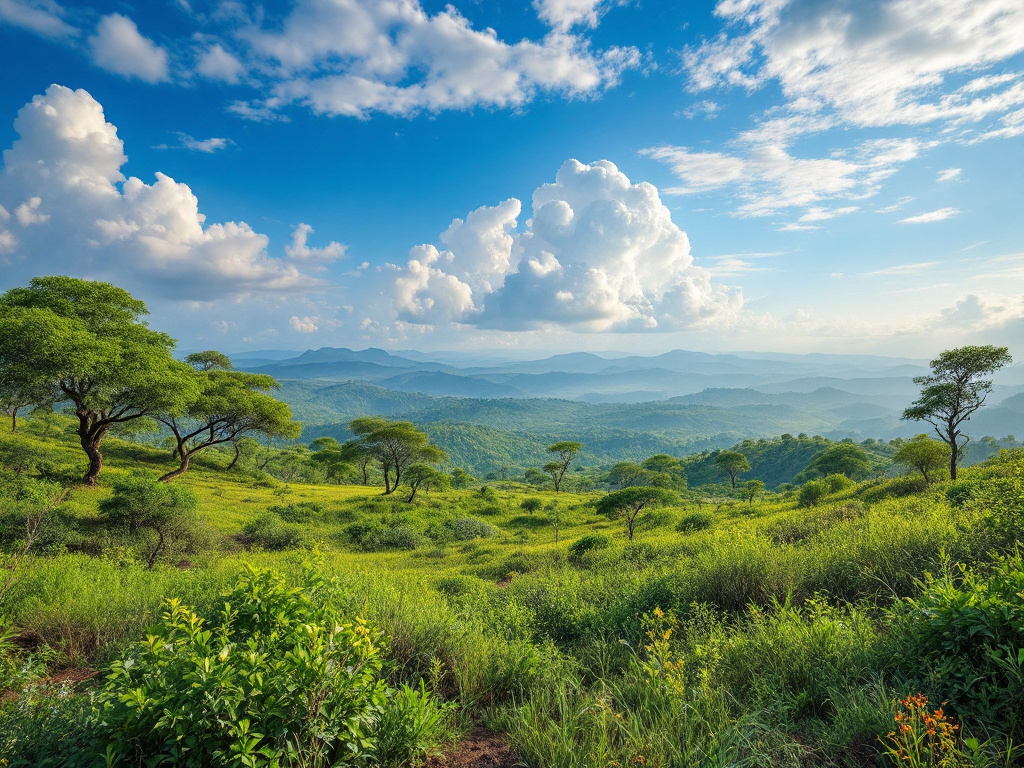
Korup National Park
Korup National Park is known for its enormous biodiversity and dense, untouched rainforest.
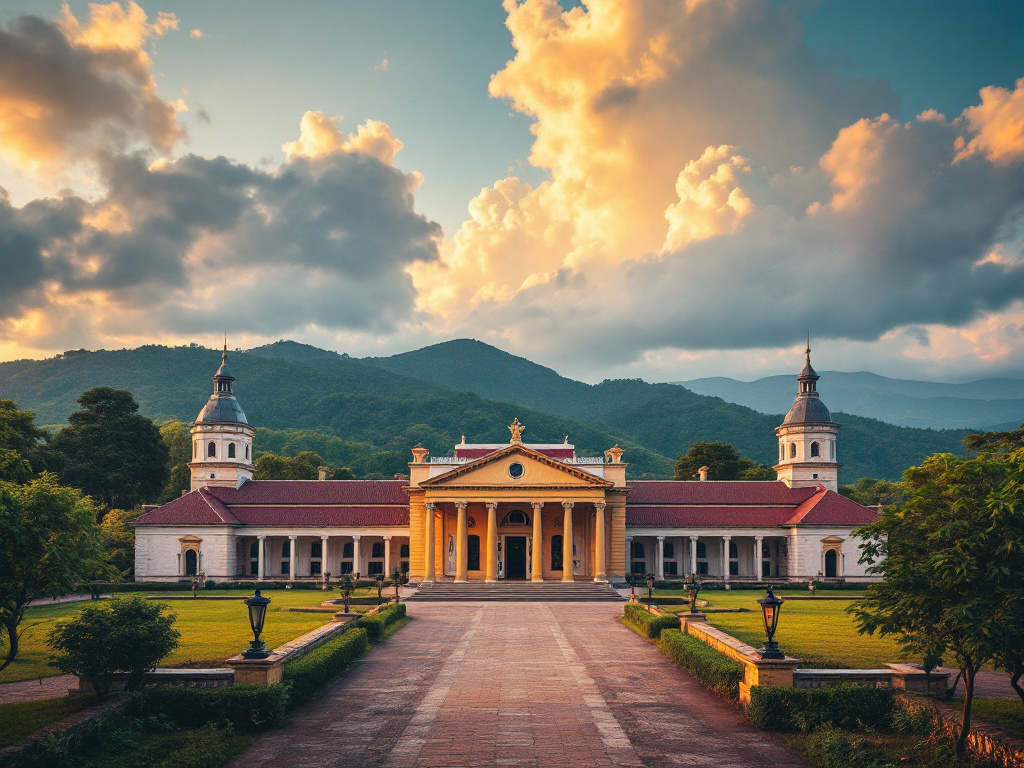
National Museum of Yaoundé
The National Museum provides insight into Cameroon’s history, culture, and royal traditions.
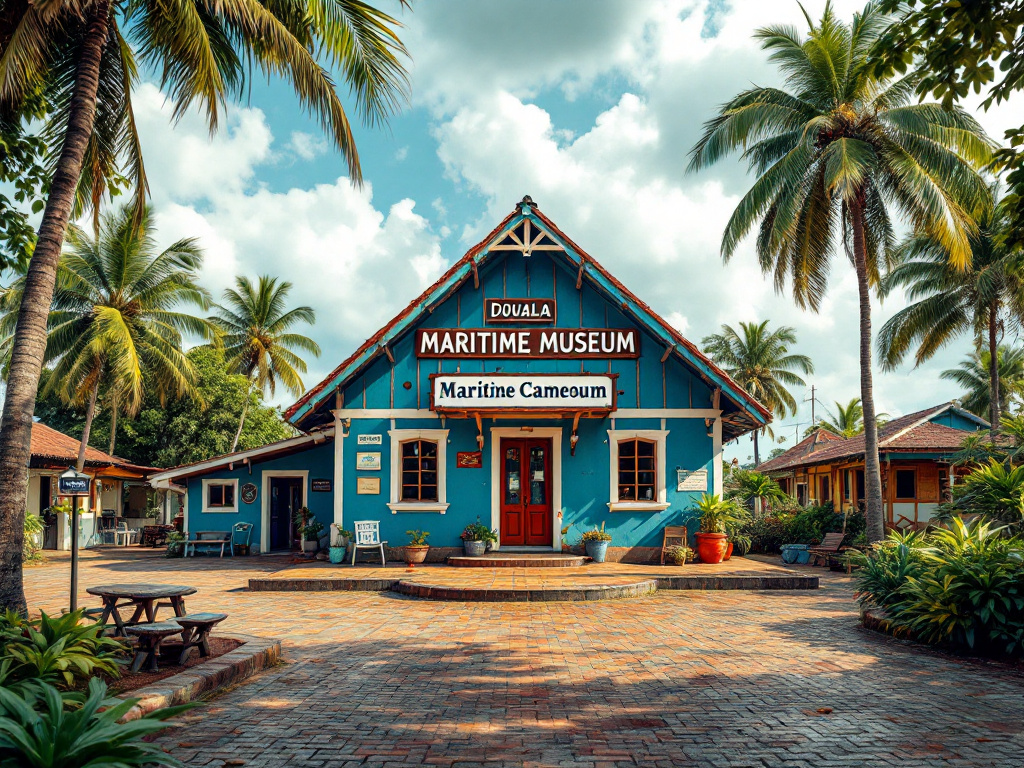
Douala Maritime Museum
A small museum that tells the story of Cameroon’s maritime trade and coastal life.
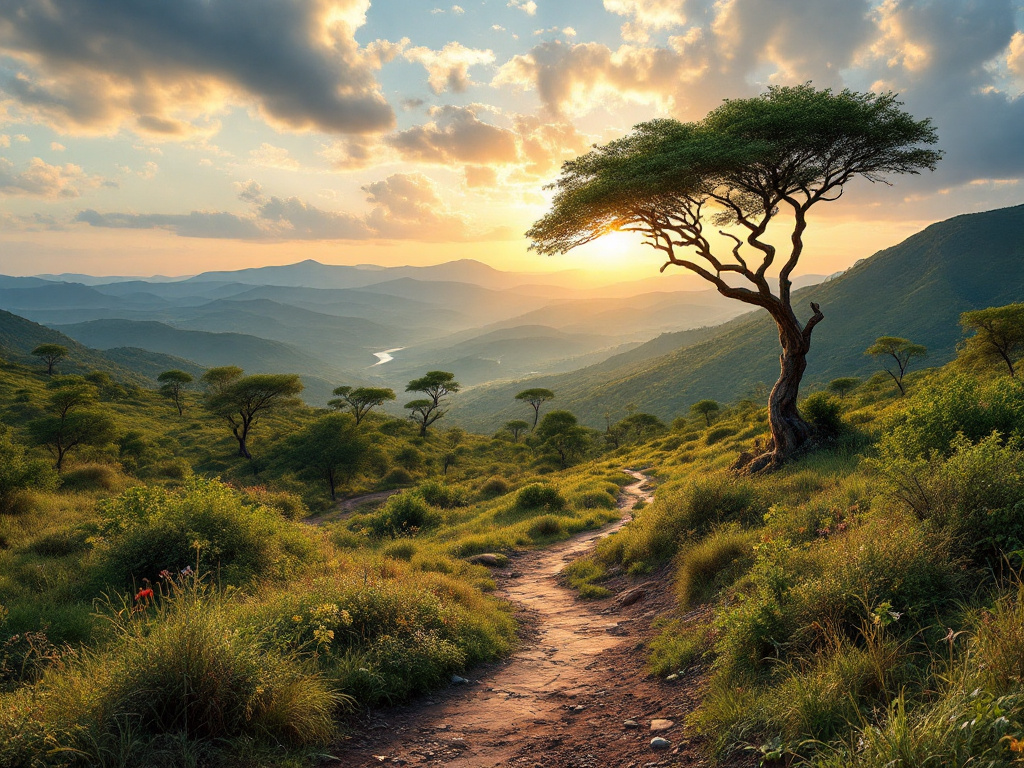
Lobéké National Park
Lobéké National Park is one of the most untouched natural areas in Central Africa with rare wildlife.
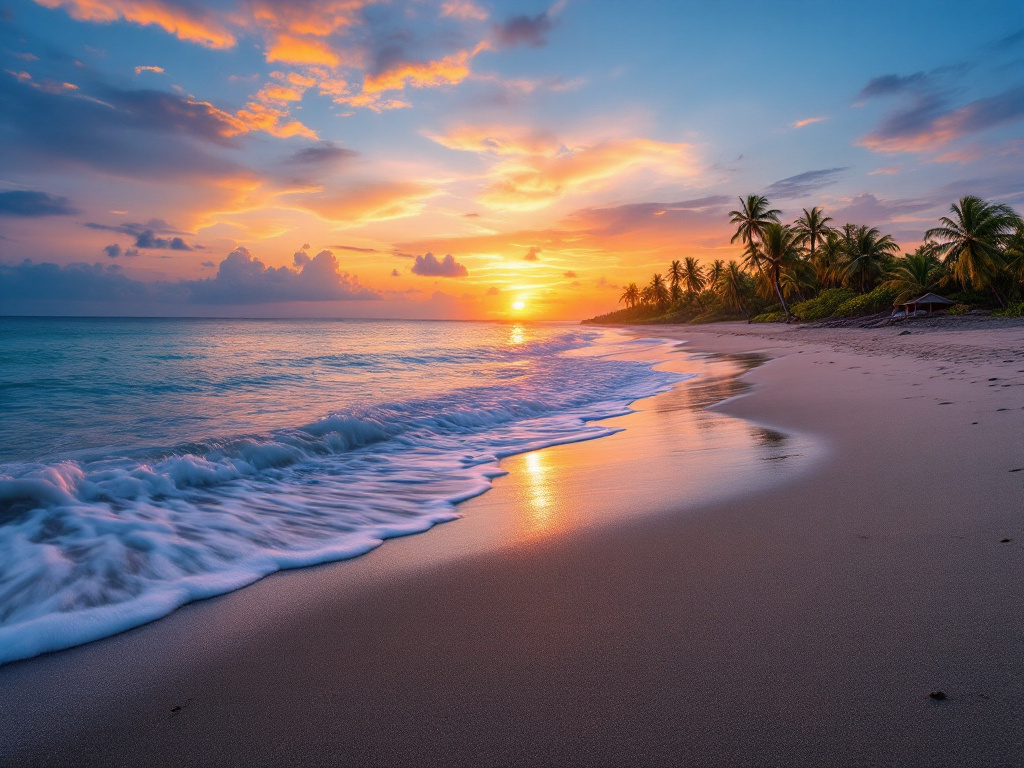
Kribi Beach
Kribi Beach is known for its calm sea, beautiful sand, and relaxing atmosphere.
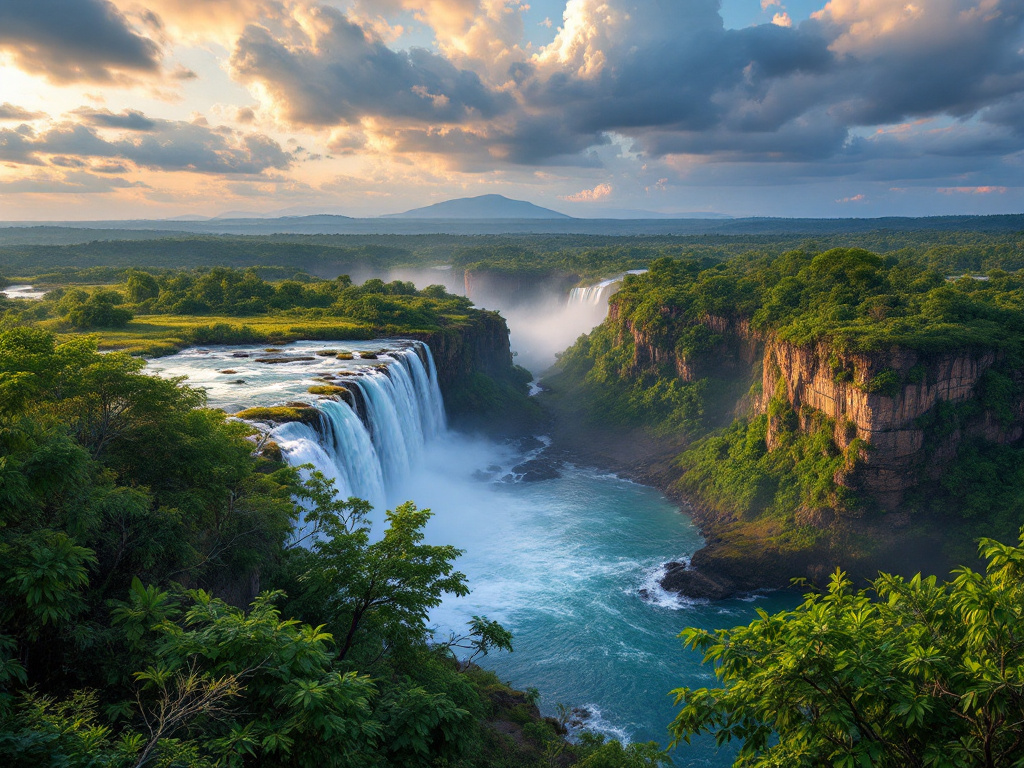
Lobé Waterfalls
The Lobé Waterfalls are an iconic natural phenomenon where the Lobé River flows directly into the Atlantic Ocean.
Famous cuisine
Culinary overview
Cameroon's cuisine is a colorful blend of West African, French, and local traditions. The country's great ethnic diversity is reflected in the food, which varies from region to region. The coastal areas offer fresh fish and seafood, while the inland is known for spicy stews, root vegetables, and leafy greens. Meals are often accompanied by plantain, cassava, or rice, with spices like ginger, garlic, and chili used liberally. Street food is popular and provides an authentic insight into the local food culture, where small grills serve skewers, fried bananas, and freshly squeezed juice.
Must-try dishes
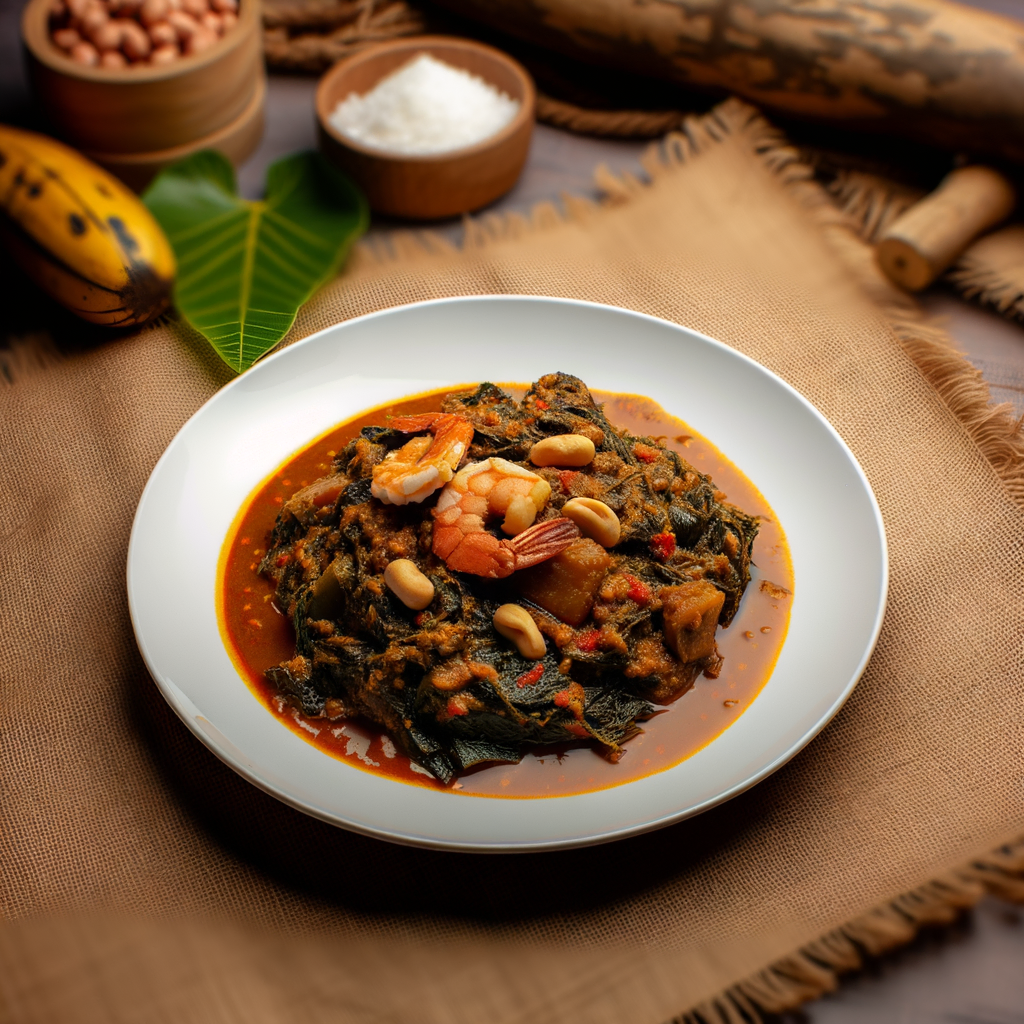
Ndolé
One of Cameroon's national dishes made from bitter leaves (ndolé leaves), peanuts, meat or shrimp, often served with plantain or cassava. The flavor is rich and full-bodied with a slight bitterness from the leaves.
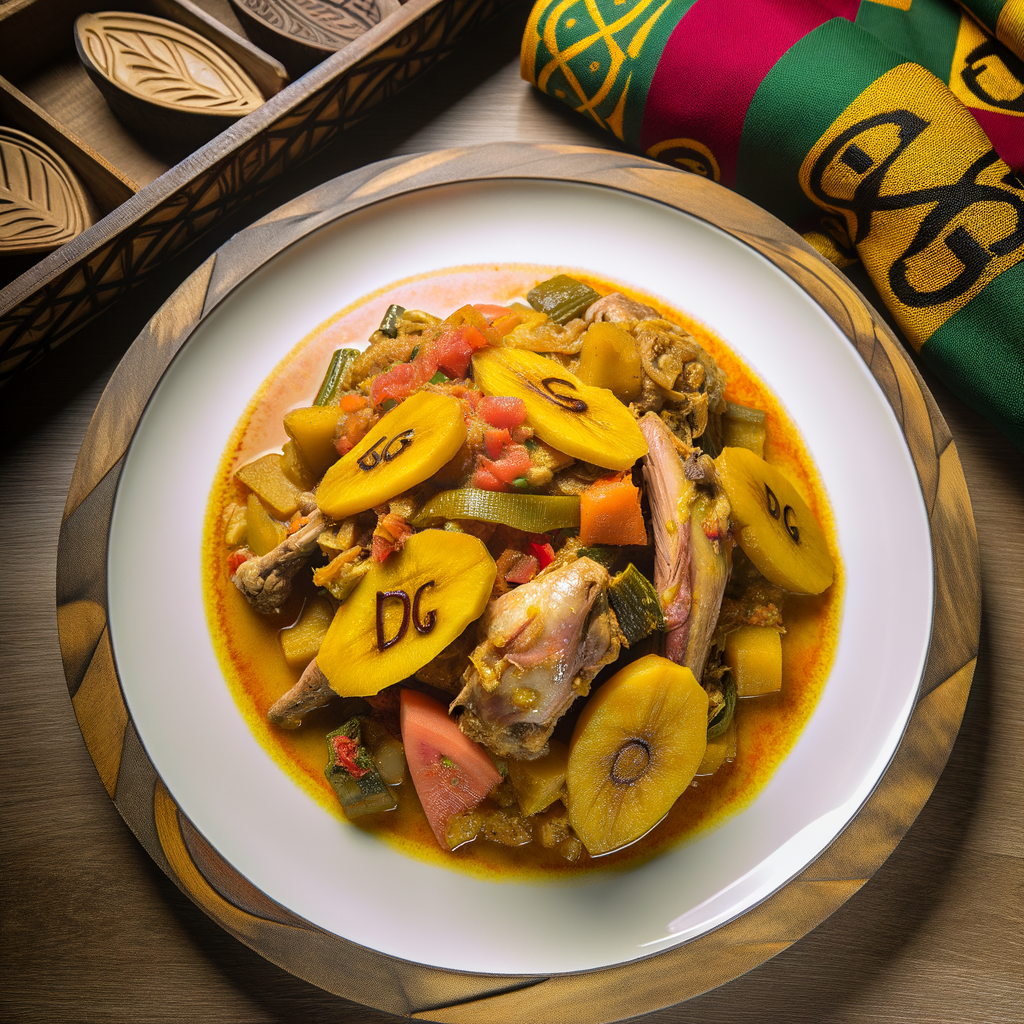
Poulet DG
A popular dish consisting of chicken fried with ripe plantains, vegetables, and spices. The name 'DG' stands for 'Directeur Général', as the dish was originally associated with the upper class.
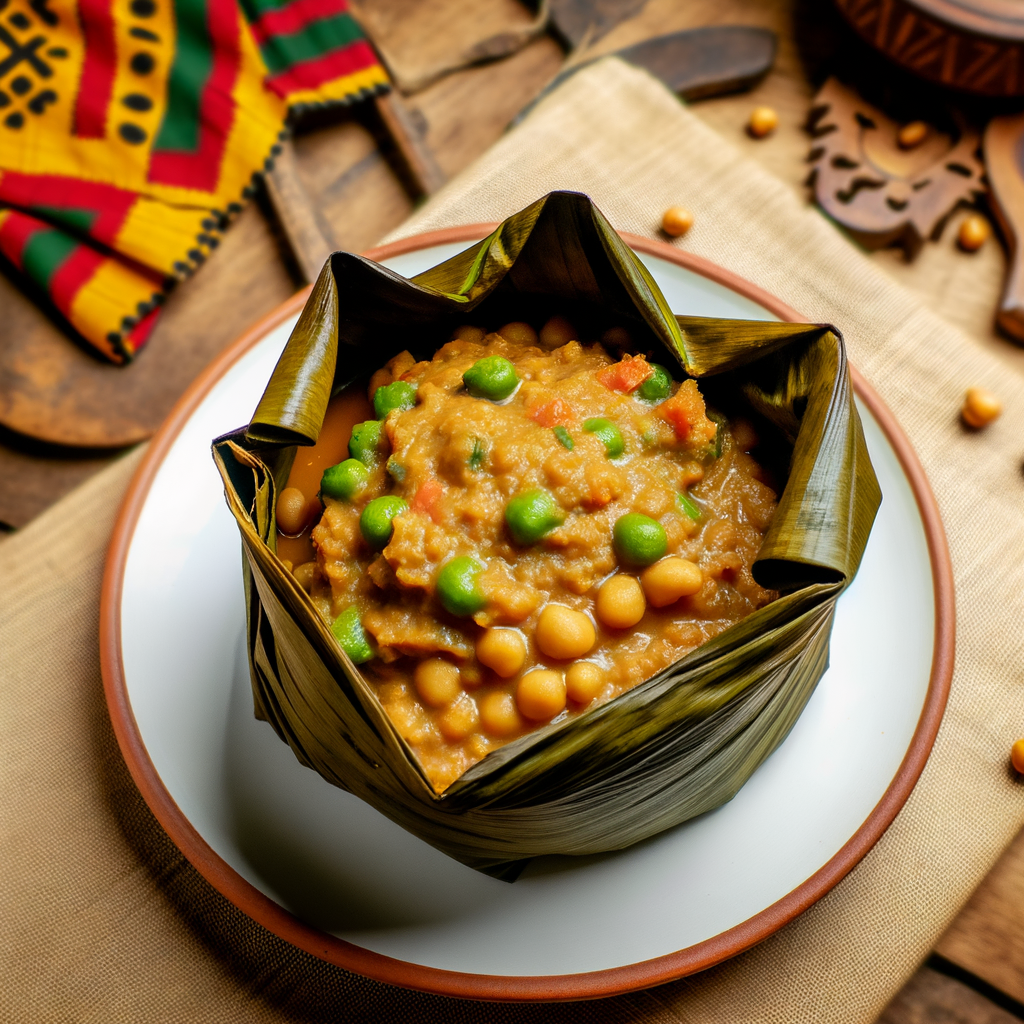
Koki
A traditional dish made from blended cowpeas (a type of bean) mixed with palm oil and spices, steamed in banana leaves. Often served on festive occasions.
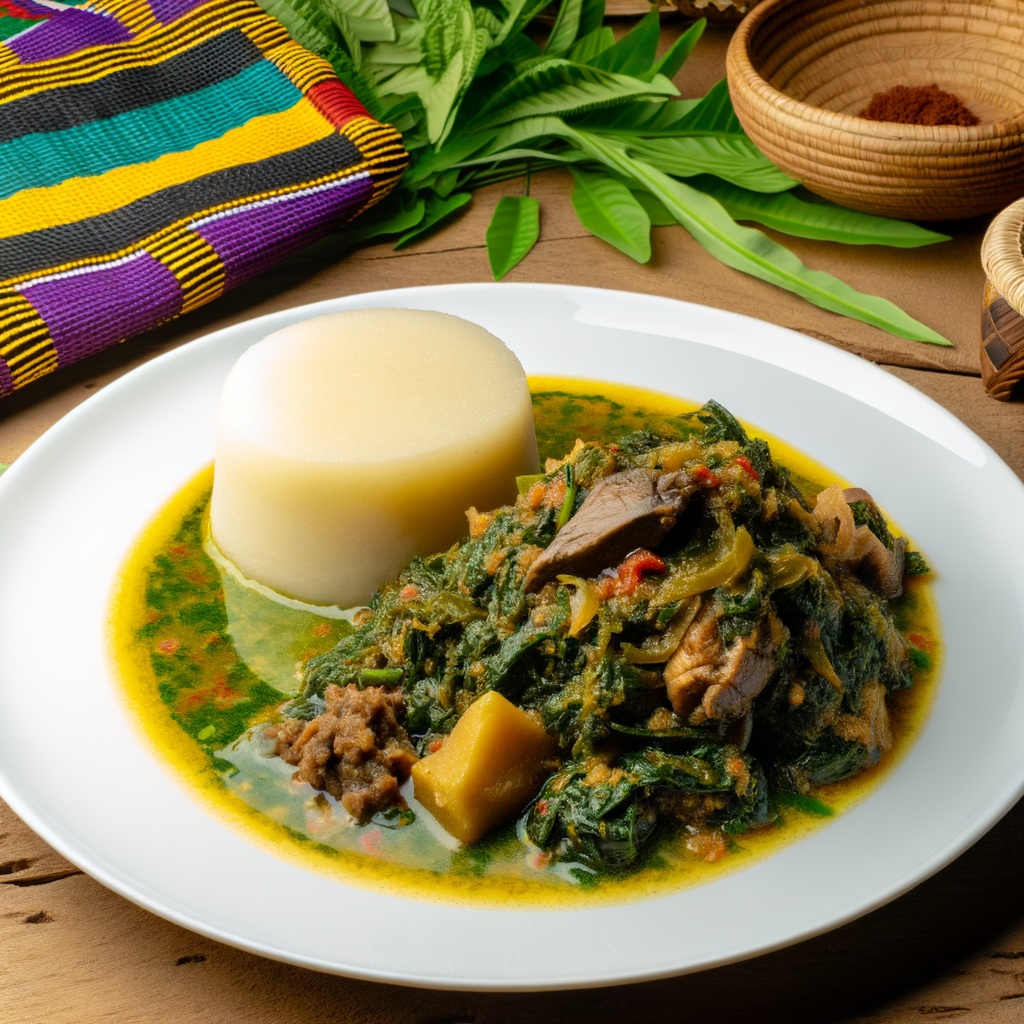
Eru
A green leafy dish made from eru leaves and waterleaf, cooked with meat, fish, and spices. Served with cassava or fufu and particularly popular in the southwest region.
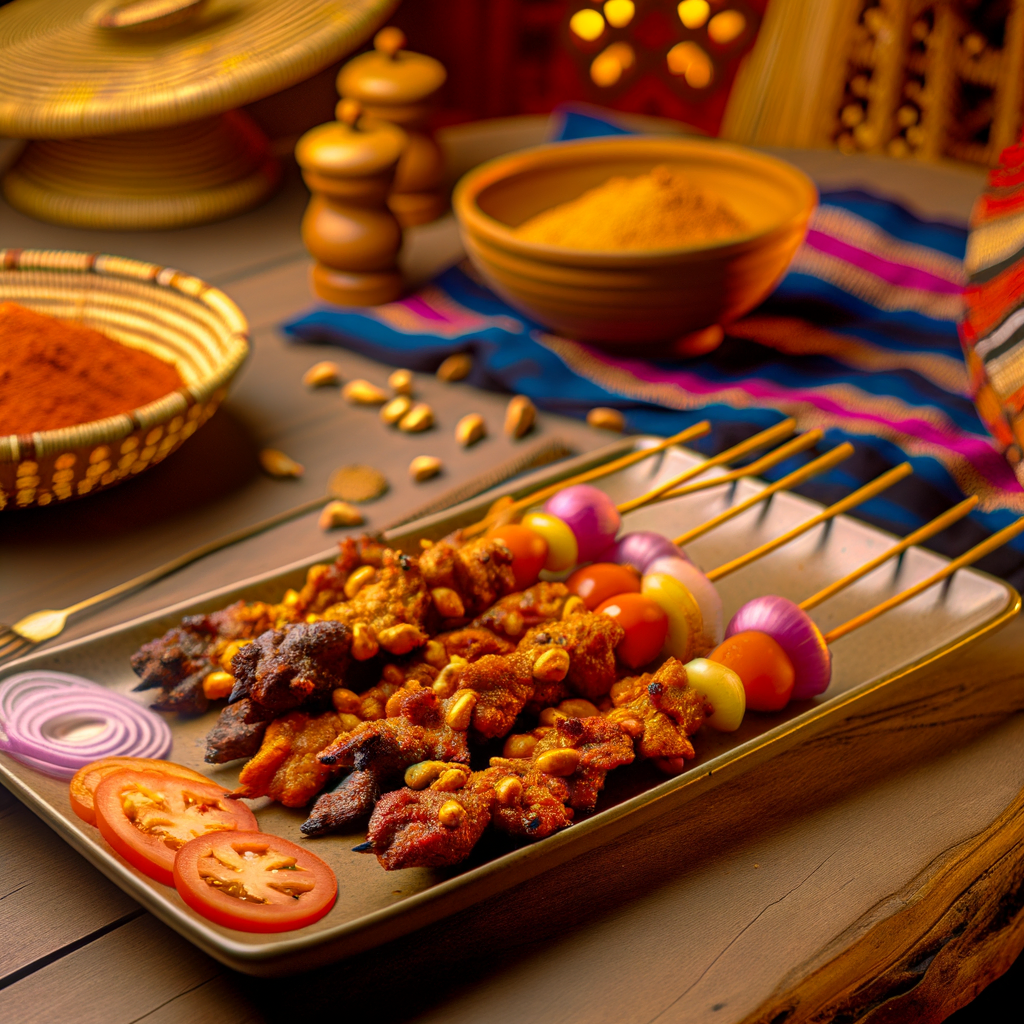
Suya
Spicy skewers of beef or chicken, marinated in peanut and chili powder. Often sold as street food and served with onions and tomatoes.
Restaurant information
Tipping
Tipping is not mandatory in Cameroon, but appreciated. In restaurants, it's common to round up or give about 5-10% of the bill if the service has been good.
Travel information
Currency
Centralafrikansk CFA-franc (FCFA)
Language
French and English
Best time to visit
November to February
Major cities
Yaoundé and other major cities
More countries in Africa
Discover more destinations in this region