
Colombia
Colombia, a land of vivid contrasts, offers soaring Andes mountains, lush Amazon jungles, pristine Caribbean coasts, and rich cultural treasures – South America's charm at its very finest.
Overview
Colombia is a land of vibrant contrasts, where the snow-capped peaks of the Andes meet the lush jungles of the Amazon, and the pristine beaches of the Caribbean blend seamlessly with colorful colonial towns. Discover the historical charm of Cartagena's UNESCO-listed fortress, trek through the tropical paradise of Tayrona National Park, or uncover the mysteries of the Lost City (Ciudad Perdida). The cultural heritage thrives in the colonial streets of Santa Cruz de Mompox, among the ancient sculptures of San Agustín, and within the tunnels of Tierradentro. Coffee lovers will adore the UNESCO-recognized Coffee Cultural Landscape, boasting green mountains and traditional villages that narrate the story of Colombia's proud coffee production. With captivating nature and a warm, inviting culture, Colombia promises an unforgettable adventure for every traveler.
Official language
Spanish
Government
Presidential repræsentativt democracy
Best time to visit
December to March and July to August
Nature
Colombia is a vibrant mosaic of landscapes that range from the towering heights of the Andes Mountains to the lush expanse of the Amazon rainforest. In Tayrona National Park, experience the breathtaking collision of rainforest and turquoise sea, while Los Katíos National Park invites you to encounter rare species and birds found nowhere else. The Amazon region is a treasure trove of biodiversity, with rivers winding through dense jungles, resonating with the calls of exotic birds. For divers, the Malpelo Reserve, far out in the Pacific, ranks among the world's top spots for shark diving and marine adventures. The UNESCO-recognized Coffee Cultural Landscape presents rolling green hills where coffee plants flourish in the fertile climate. From the high paramo areas with unique flora to Caribbean coral reefs and tranquil bays, Colombia's nature is both diverse and pristine, making it a paradise for nature lovers and adventurers alike. The best time to explore this natural wonderland is between December and March or July and August, when the weather is most favorable for outdoor activities.
Travel to Colombia
Traveling to Colombia is an invitation to immerse yourself in a country where each region offers unique experiences. Fly into Bogotá to explore the capital's museums, markets, and historic neighborhoods, or head to Cartagena for romantic sunsets over the Caribbean Sea. Adventurers can trek to the Lost City through verdant jungles or enjoy the stunning beaches and trails in Tayrona National Park. Divers should not miss Malpelo Reserve, while birdwatchers will find paradise in Los Katíos. The coffee region provides a serene escape among rolling hills and delightful coffee tours. The best months to visit are from December to March and July to August, when the climate is ideal for exploring both urban and natural wonders. With a well-developed network of domestic flights and buses, it’s easy to combine city life, nature, and coastal relaxation in one journey. The warmth of Colombia's people and its rich culture ensure that every visit is memorable.
Culture
Colombia's culture is a vibrant blend of indigenous traditions, Spanish colonial heritage, and African rhythms. In cities like Cartagena and Santa Cruz de Mompox, beautiful colonial buildings tell tales of a rich history, while Medellín pulses with modern art, music, and innovation. Colombia is famous for its lively festivals, such as the Barranquilla Carnival, where dance, costumes, and music fill the streets. The coffee culture is deeply woven into daily life, with visitors invited to experience it firsthand at small farms throughout the coffee region. Colombian cuisine is as diverse as its landscapes, featuring iconic dishes like arepas, bandeja paisa, and the hearty ajiaco soup. The music scene spans cumbia and vallenato to contemporary reggaeton, and dance is an integral part of life everywhere you go. Friendly hospitality welcomes travelers, ensuring that visitors quickly feel at home amidst Colombia’s dynamic culture.
History
Colombia's history is shaped by both grandeur and challenges. Before the arrival of the Spanish, the land was home to advanced civilizations such as the Tayrona and Muisca peoples, who left impressive architectural and artistic legacies. The colonial era introduced Spanish architecture, religion, and trade, elements that still influence many cities today. In Cartagena, massive fortifications stand as a testament to the struggles against pirates and foreign foes. Archaeological sites like San Agustín and Tierradentro reveal prehistoric sculptures and tombs that offer insights into ancient beliefs. Colombia's more recent history has been marked by political upheaval, but in recent years, the country has experienced a cultural and economic renaissance, opening the doors to tourism and inviting the world to explore its rich heritage.
Top attractions
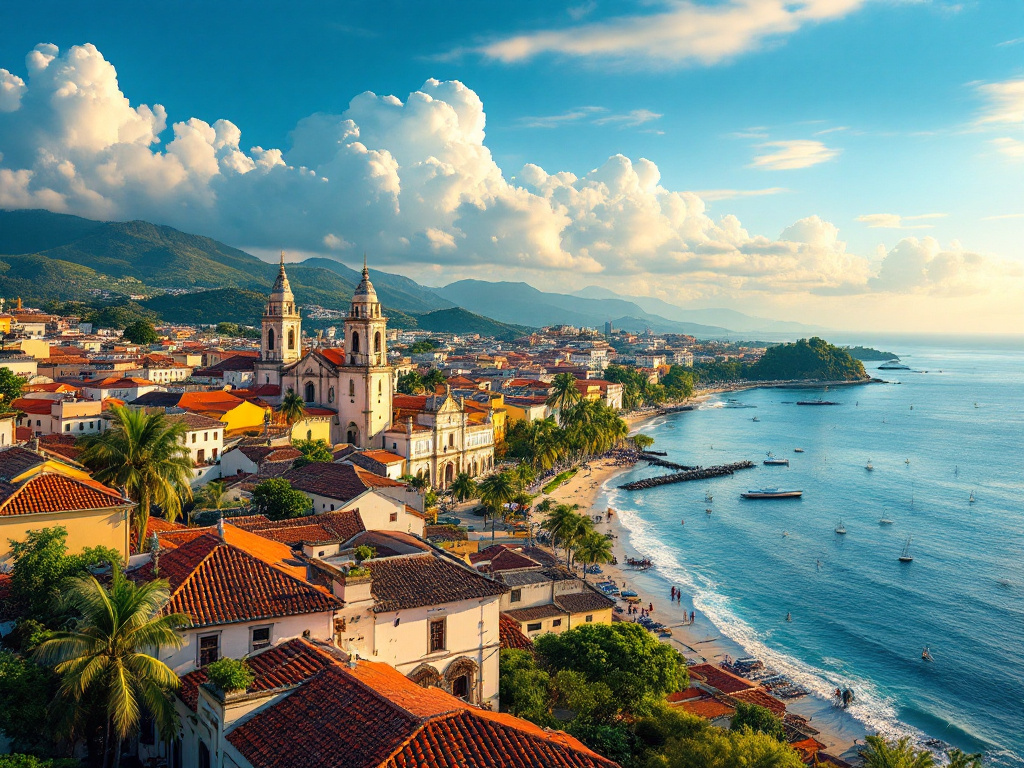
Cartagena's old town
A well-preserved colonial district with city walls, colorful houses, and lively squares along the Caribbean coast.
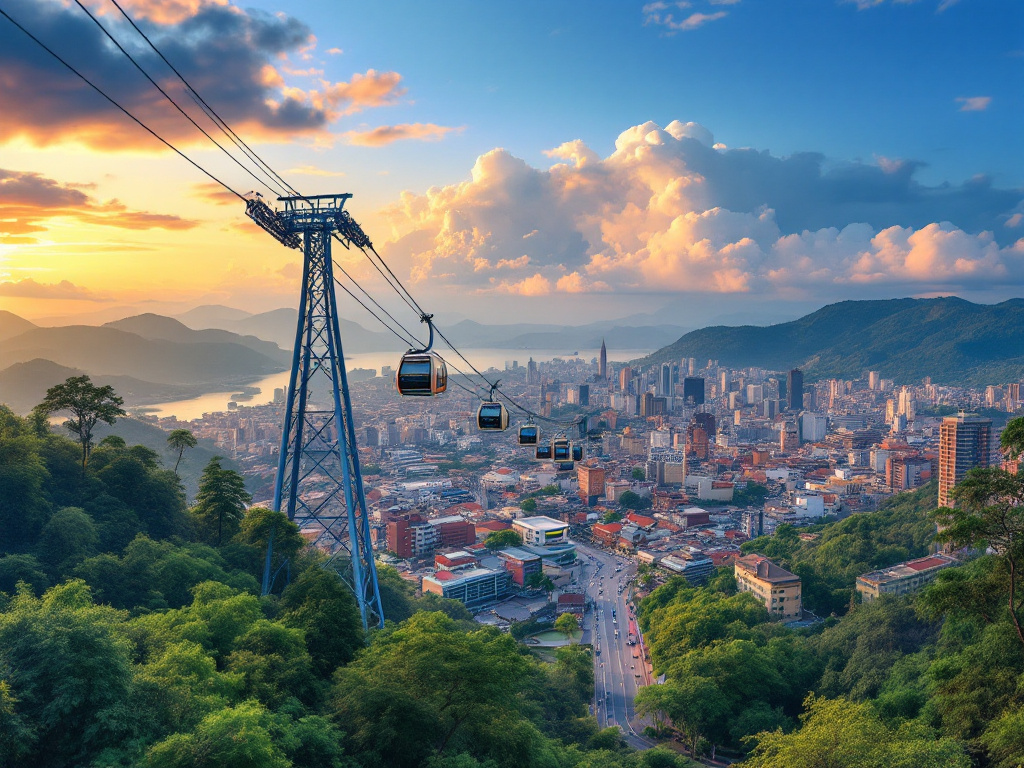
Medellín Metrocable
An innovative cable car system that connects hillside neighborhoods with downtown Medellín and offers impressive views.
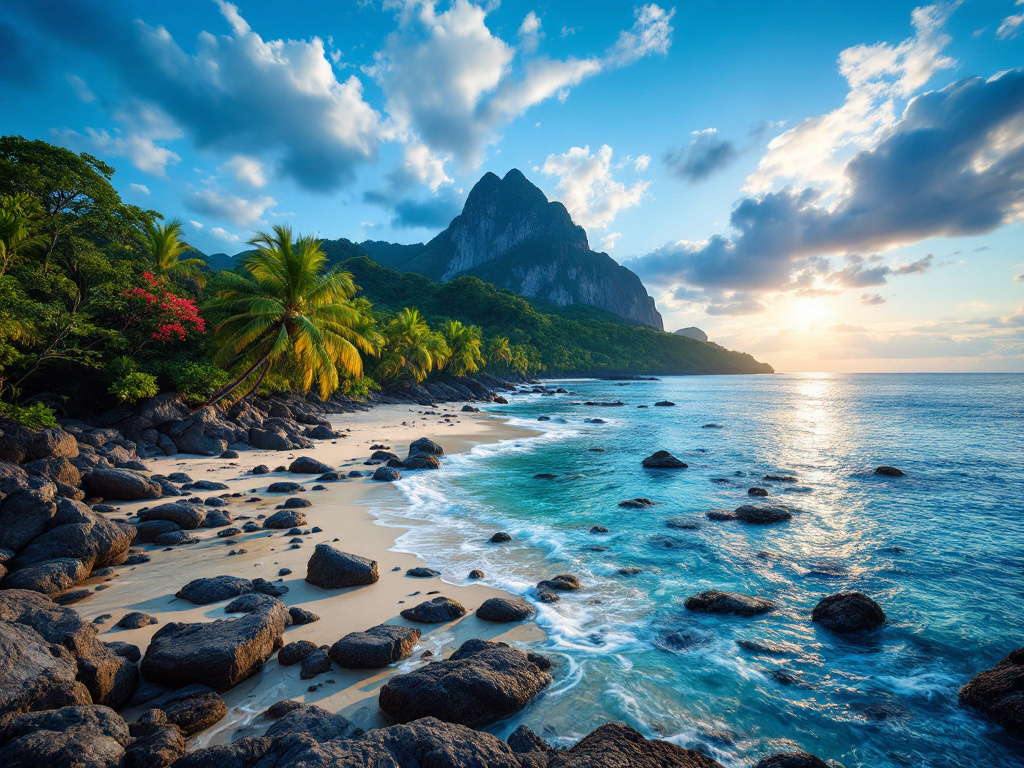
Tayrona National Park
A spectacular national park where rainforest meets Caribbean beaches with rich wildlife.
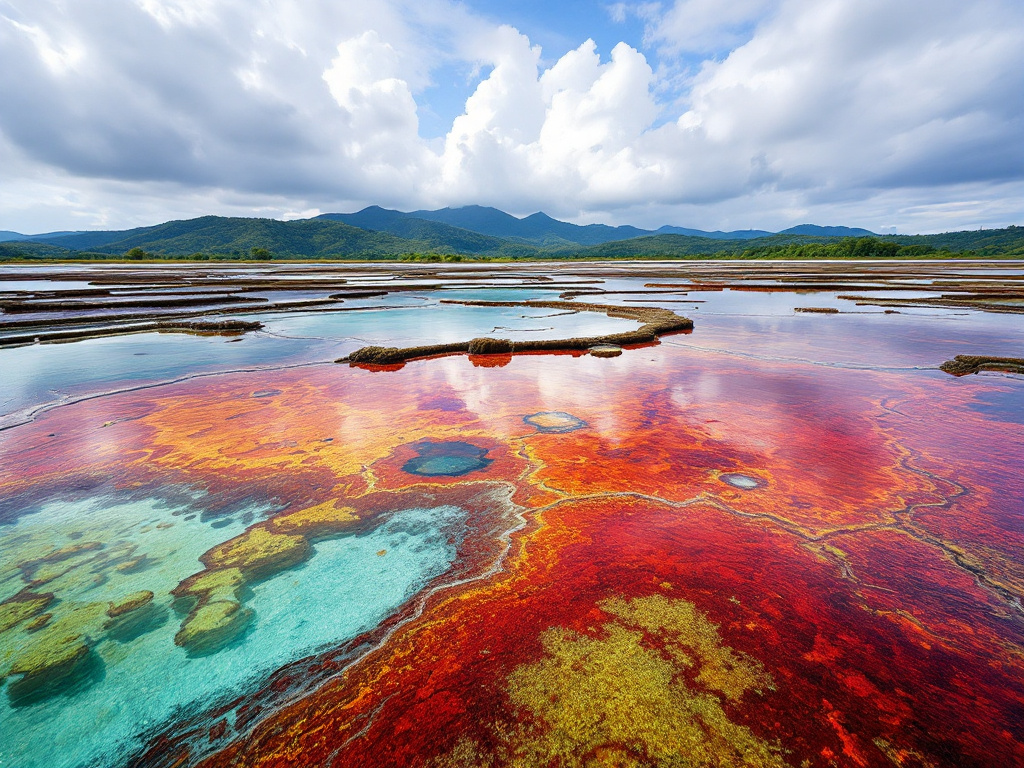
Caño Cristales
The world's most colorful river, famous for its red, yellow, and green plants submerged in water.
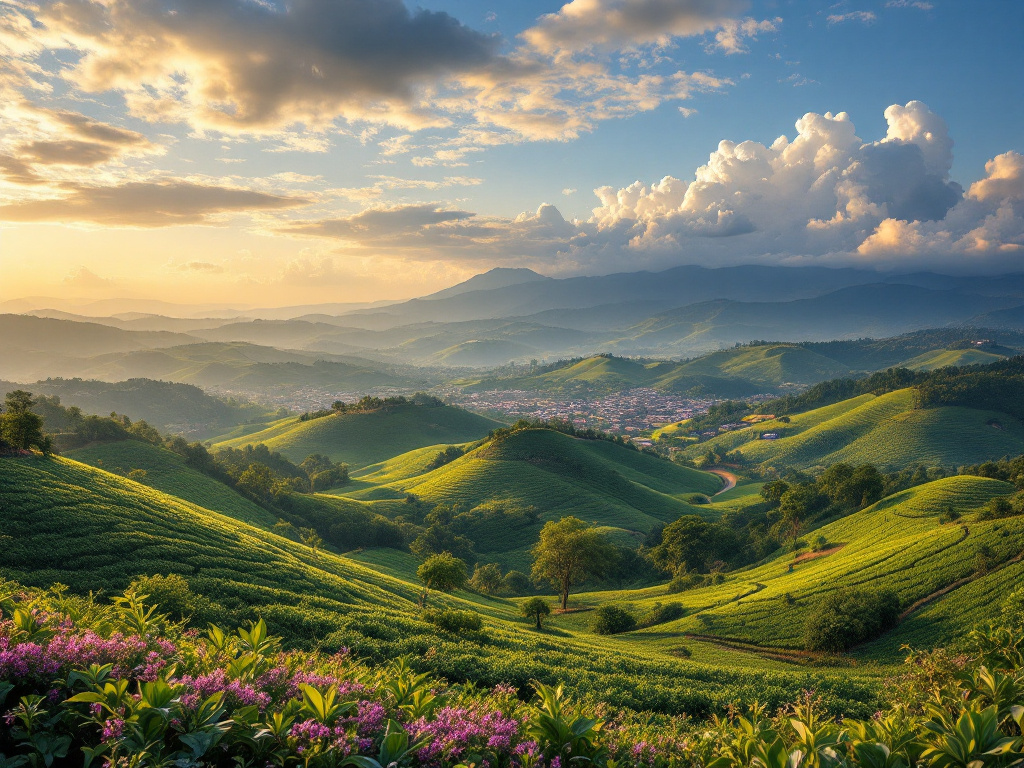
Salento and the coffee region
A charming area known for coffee production, green hills, and tall wax palms.
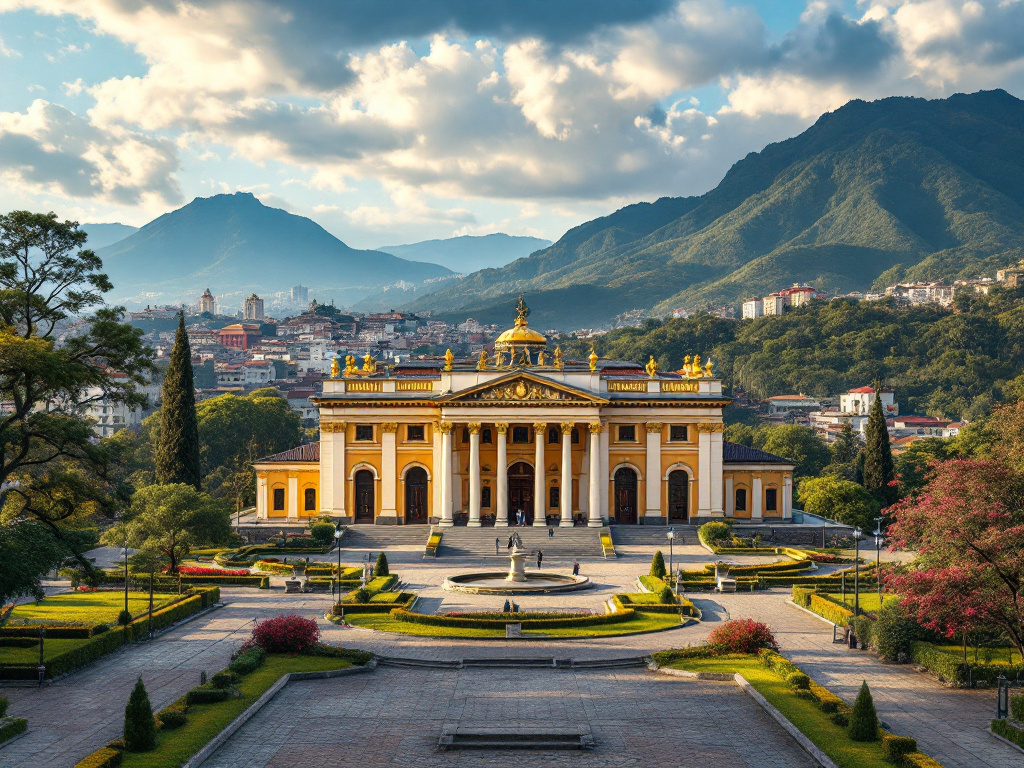
Gold Museum in Bogotá
One of the world's most important museums for pre-Columbian gold and Colombian cultural history.

Piedra del Peñol
A massive granite rock with stairs to the top and a spectacular view over lakes and islands.
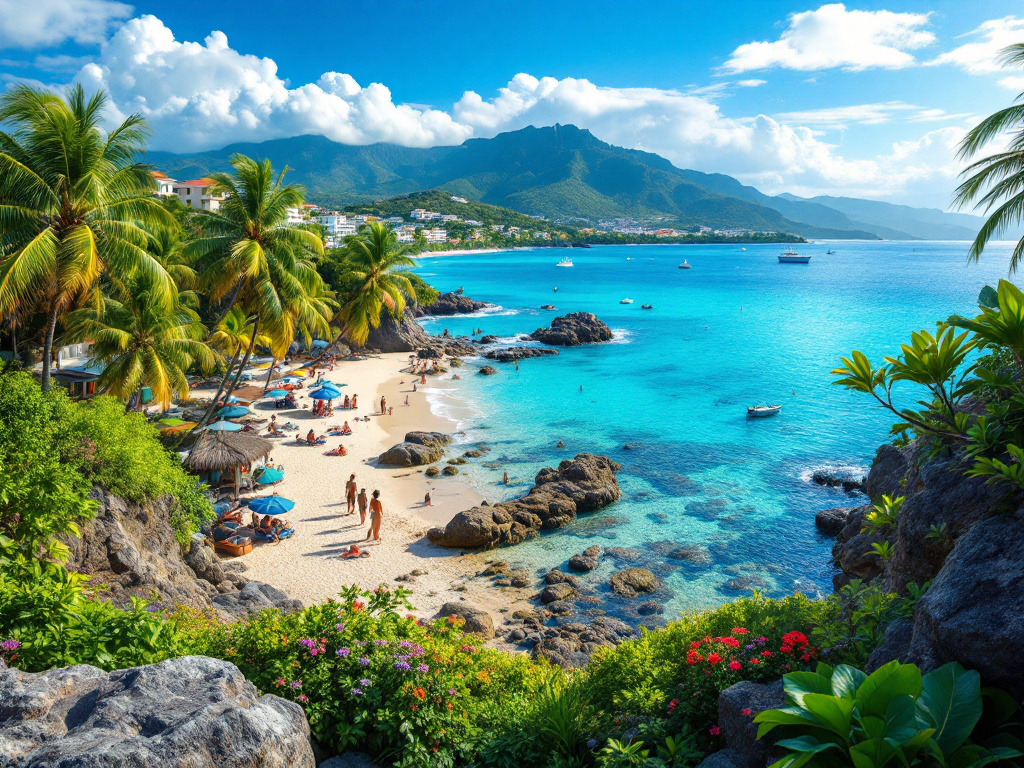
San Andrés Island
A popular Caribbean island known for its crystal-clear water in multiple shades of blue.
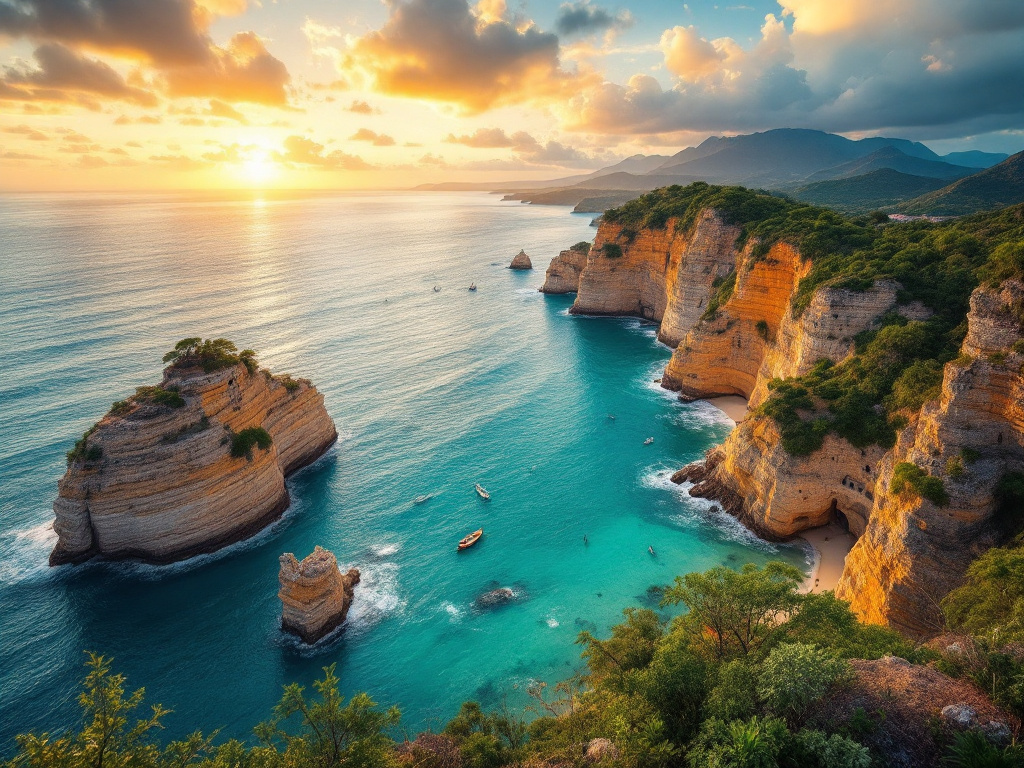
Rosario Islands
A beautiful archipelago near Cartagena with clear lagoons, coral reefs, and relaxing beaches.
Famous cuisine
Culinary overview
Colombia's cuisine is a colorful blend of indigenous traditions, Spanish colonial influences, and African flavor nuances. The country's geography—from the Caribbean coast to the Andes Mountains and the Amazon—provides a tremendous variety of ingredients and dishes. In coastal areas, fresh fish and seafood dominate, while the highlands offer hearty soups and meat dishes. Street vendors serve everything from crispy empanadas to freshly squeezed juice from exotic fruits like lulo and passion fruit. Coffee is a national pride, and no trip to Colombia is complete without tasting the locally grown brew.
Must-try dishes
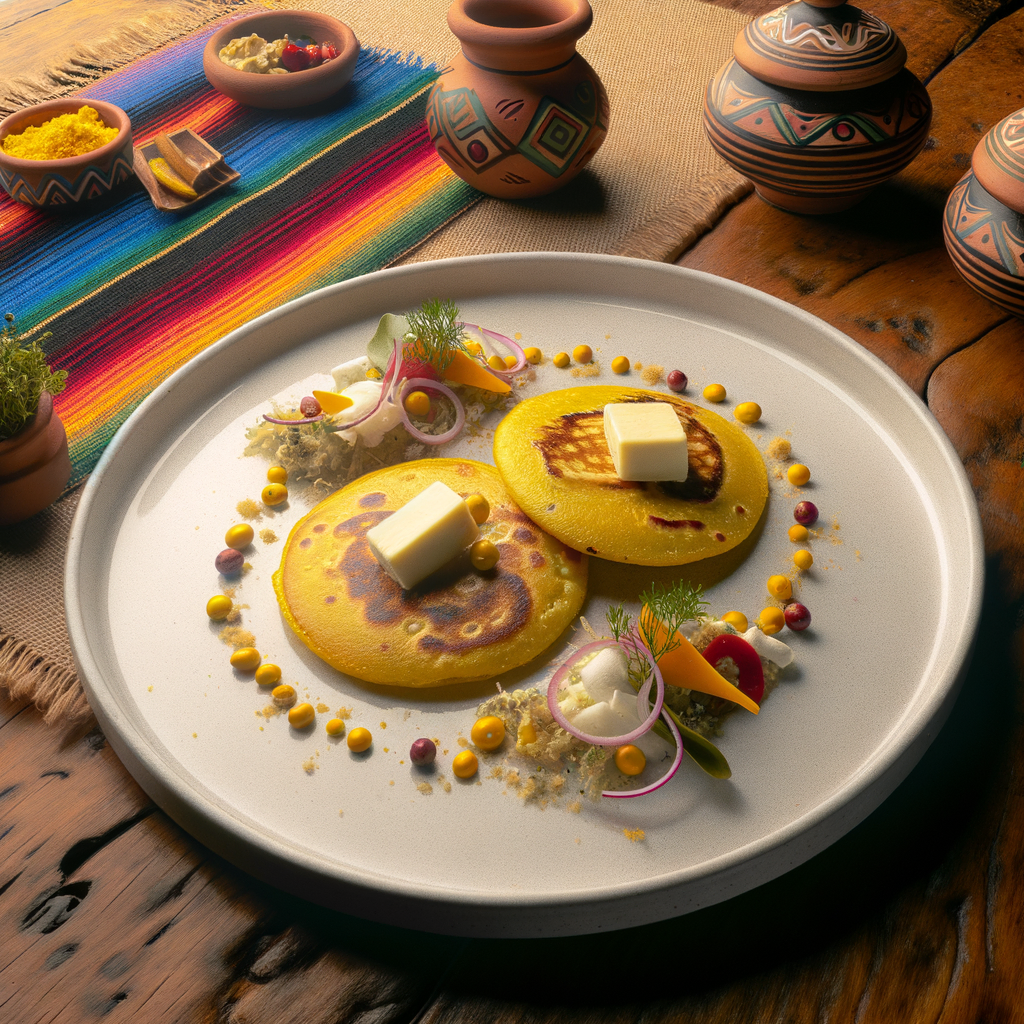
Arepas
Flat corn tortillas that come in many variations across the country. They can be filled with cheese, butter, or meat and are served both for breakfast and as a snack.
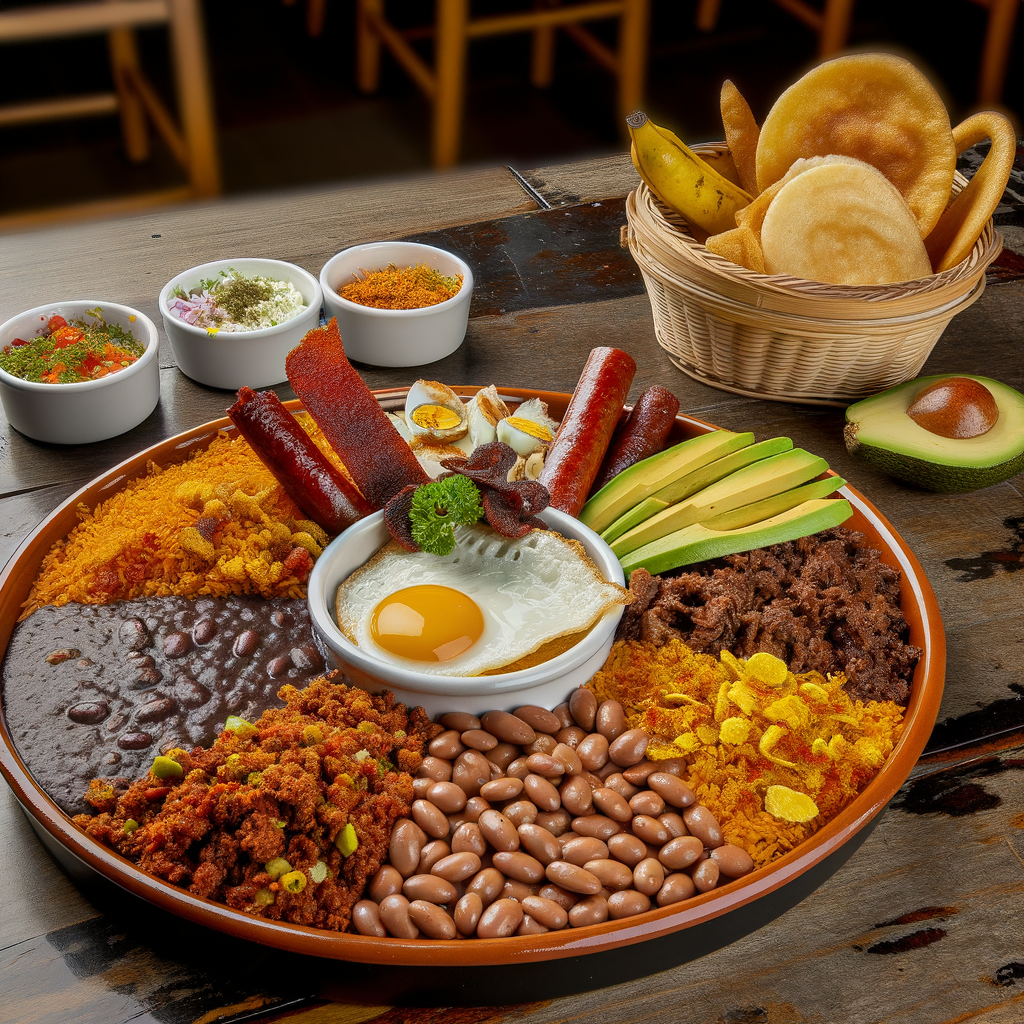
Bandeja Paisa
A lavish plate from the Antioquia region consisting of beans, rice, minced beef, chorizo, fried pork cracklings, fried egg, avocado, banana, and arepa.
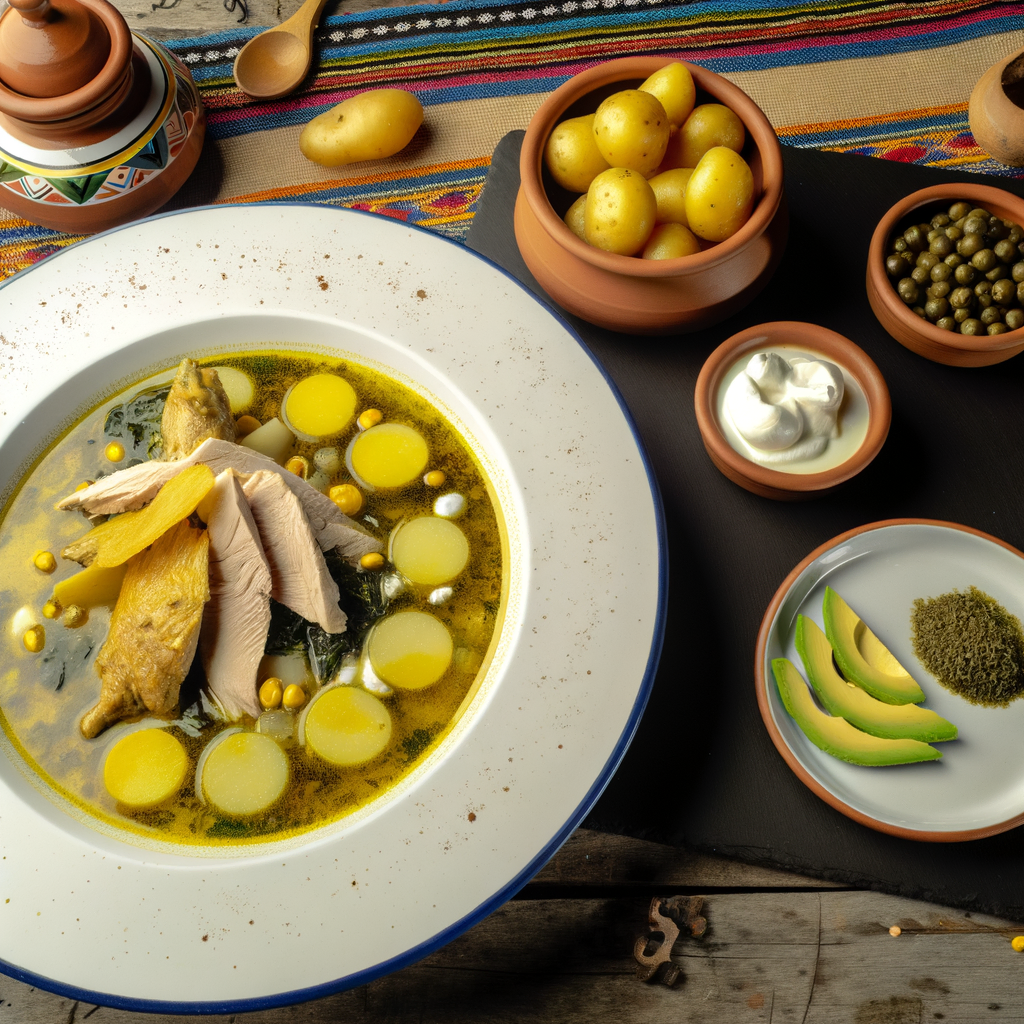
Ajiaco
A warming chicken soup from the Bogotá area with three types of potatoes, corn, guasca herbs, and served with capers, cream, and avocado.
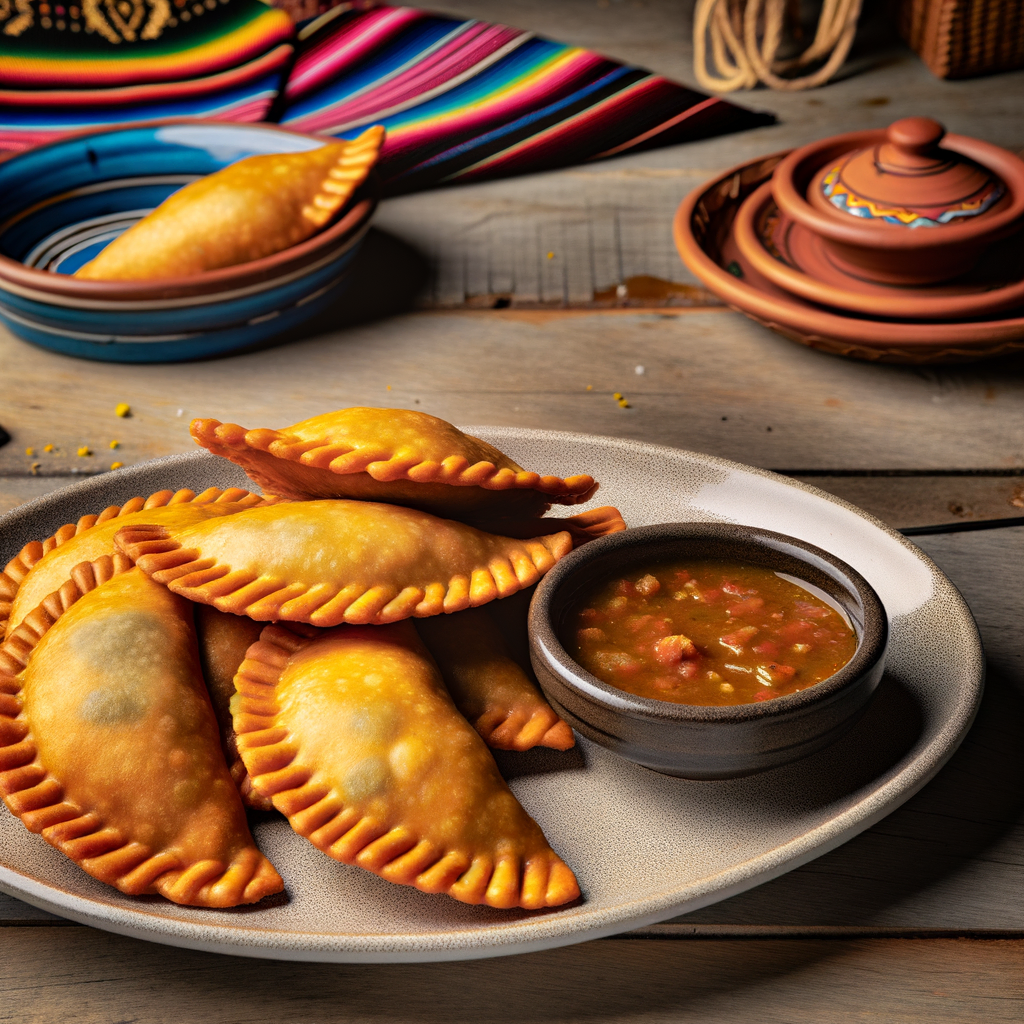
Empanadas
Crispy, deep-fried pastry pockets filled with meat, potatoes, or cheese, often served with ají sauce for dipping.
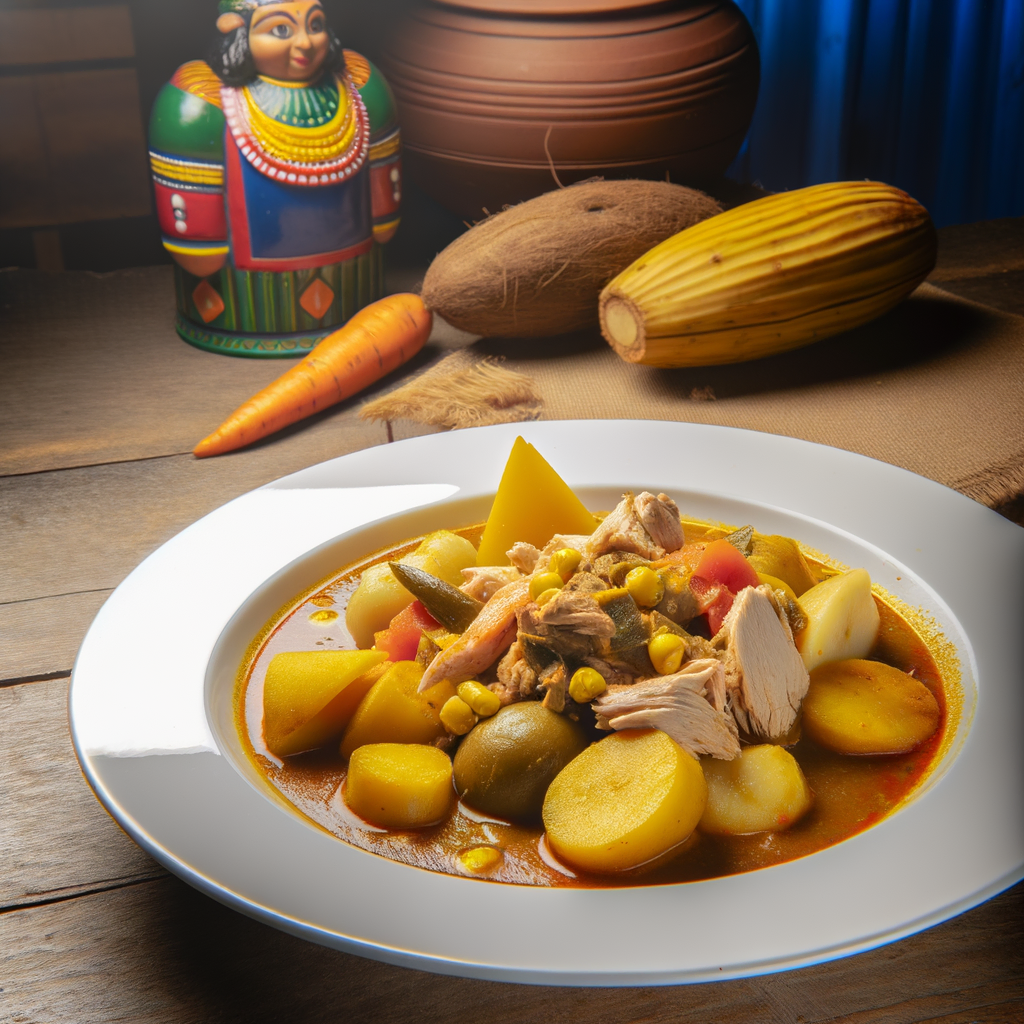
Sancocho
A traditional stew made with chicken, beef, or fish, cooked with yuca, corn, plantain, and potatoes—a dish that varies from region to region.
Restaurant information
Tipping
In Colombia, tips (propina) are often included in the bill as a suggestion of around 10%, but it is voluntary to pay. However, it is good practice to give a tip, especially if the service has been good.
Travel information
Currency
Colombiansk peso (COP)
Language
Spanish
Best time to visit
December to March and July to August
Major cities
Bogotá and other major cities
More countries in South America
Discover more destinations in this region