
Cyprus
Cyprus, the jewel of the Mediterranean, combines sun-kissed beaches, ancient treasures, and vibrant cultures, offering a timeless escape steeped in myths and history.
Overview
Cyprus, the jewel of the Mediterranean, offers an irresistible blend of golden beaches, crystal-clear waters, historic treasures, and vibrant culture. From the unique mix of modern city life and historical quarters in Nicosia to the UNESCO-protected ruins of Paphos and the charming waterfront of Larnaca, the island is a paradise for both culture aficionados and beach lovers. Discover the serenity of Kykkos Monastery, hike through the breathtaking Troodos Mountains, or unwind by the turquoise waters of Fig Tree Bay. With a mild climate, a warm-hearted populace, and a culinary landscape rich with halloumi, meze, and kleftiko, Cyprus is the perfect year-round getaway that promises relaxation and adventure.
Official language
Greek, Turkish
Government
Presidential republic
Best time to visit
April-June and September-October
Nature
Cyprus boasts an enchanting tapestry of landscapes that range from dramatic mountains to inviting coastlines. The majestic Troodos Mountains rise in the heart of the island, offering a network of hiking trails that wind through fragrant pine forests, past cascading waterfalls, and into charming mountain villages. Winter blankets these peaks in a rare layer of snow, providing a striking contrast to the sun-soaked beaches just an hour's drive away. The dazzling coastline features stunning bays like Fig Tree Bay, where shimmering turquoise waters meet soft, golden sands. Nature enthusiasts will be captivated by the Larnaca Salt Lake, which attracts thousands of flamingos during the winter months, and the untouched beauty of the Akamas Peninsula, which showcases wildflowers and secret lagoons. With a mild climate allowing for outdoor adventures year-round, from snorkeling in the crystal-clear Mediterranean to biking through olive groves, Cyprus invites you to explore its natural wonders at any time of the year.
Travel to Cyprus
Traveling to Cyprus is both easy and rewarding. The island is served by two international airports in Larnaca and Paphos, with direct flights connecting to numerous European cities, making it a convenient destination year-round. The best times to visit are during spring (April to June) and autumn (September to October), when the weather is pleasantly warm and nature is in full bloom. Cyprus offers a rare combination of relaxing beach life and rich cultural experiences all within a short distance. You can spend a sunny morning at the beach and explore mountainous regions by the afternoon. While public transportation is available, car rental is highly recommended to uncover hidden gems like quaint villages, secluded coves, and historical landmarks. With the euro as the currency, a friendly local community, and a wide range of accommodations from luxury resorts to charming boutique hotels, Cyprus is an excellent choice for families, couples, and solo travelers alike.
Culture
The culture of Cyprus is a vibrant mosaic woven from Greek, Turkish, and Middle Eastern influences, shaped by centuries of trade, conquest, and migration. In Nicosia, the island's capital, East meets West in a bustling city still marked by the famous green line, offering a lively blend of cafes, art galleries, and markets. Traditional villages nestled in the Troodos Mountains preserve age-old crafts like icon painting and weaving, while music and dance resonate in local festivals, celebrating the island's rich heritage. Cyprus’s culinary scene is a delight to the senses, featuring grilled souvlaki, fresh halloumi, and abundant meze plates that invite sharing among friends. Religion is woven into daily life, with the Greek Orthodox Church playing a central role, and monasteries like Kykkos standing as cultural and spiritual landmarks. Guests are welcomed with legendary Cypriot hospitality, often invited to partake in local traditions, savor homemade wine, or dance to the melodic tunes of the bouzouki.
History
The history of Cyprus is steeped in the mythology of the Mediterranean and its strategic significance throughout the ages. According to legend, the island is the birthplace of Aphrodite, and many locations still bear her name. Archaeological discoveries in Paphos reveal intricate mosaics, temples, and theaters from the Greek and Roman eras, while medieval castles and Venetian walls tell stories of the Crusaders and Venetians who once ruled here. Over the centuries, Cyprus has come under the dominion of Assyrians, Egyptians, Persians, Ottomans, and the British, creating a unique cultural blend. After gaining independence from Britain in 1960, political tensions led to the division of the island in 1974, a division that continues to define its modern narrative, making Cyprus a nation rich in stories that weave together its ancient roots and contemporary challenges.
Top attractions
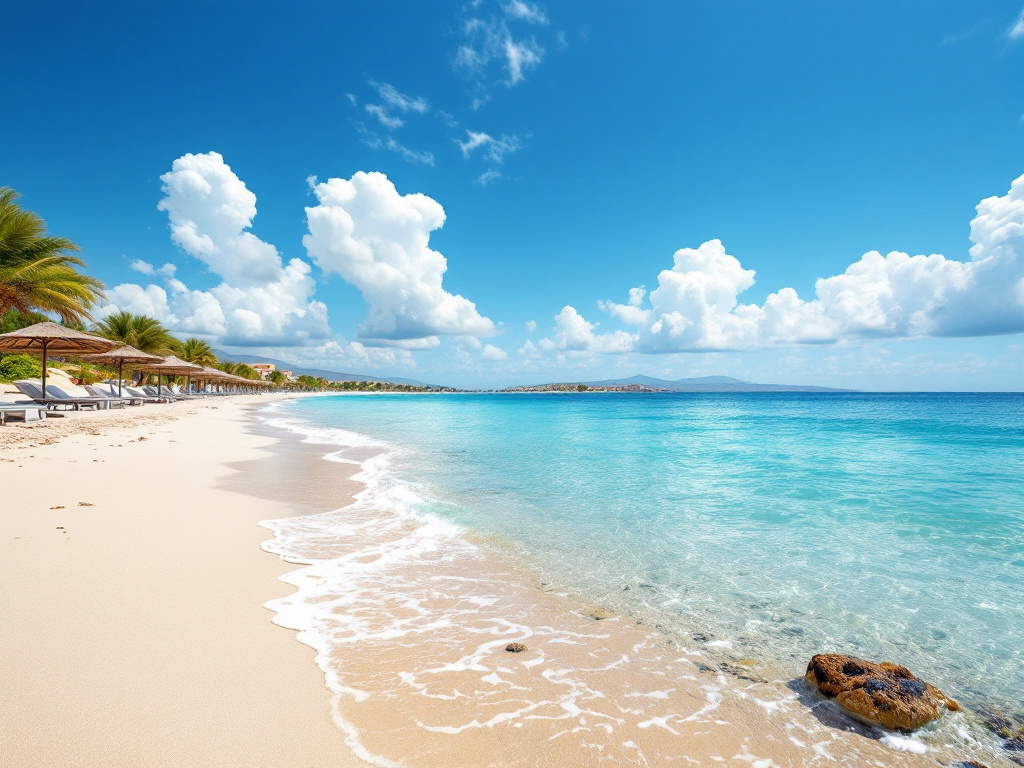
Nissi Beach
One of Cyprus' most famous sandy beaches with clear water and a lively atmosphere.

Troodos Mountains
A green mountain range with hiking trails, viewpoints, and cool temperatures.
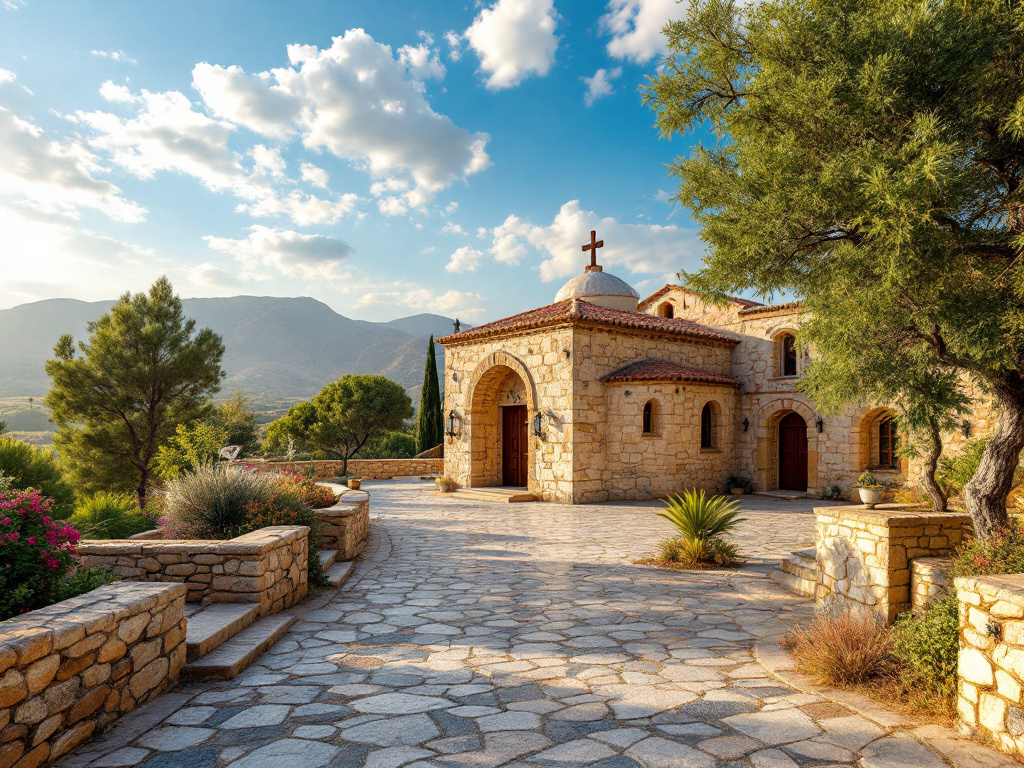
Kykkos Monastery
The most famous monastery in Cyprus with impressive religious art.
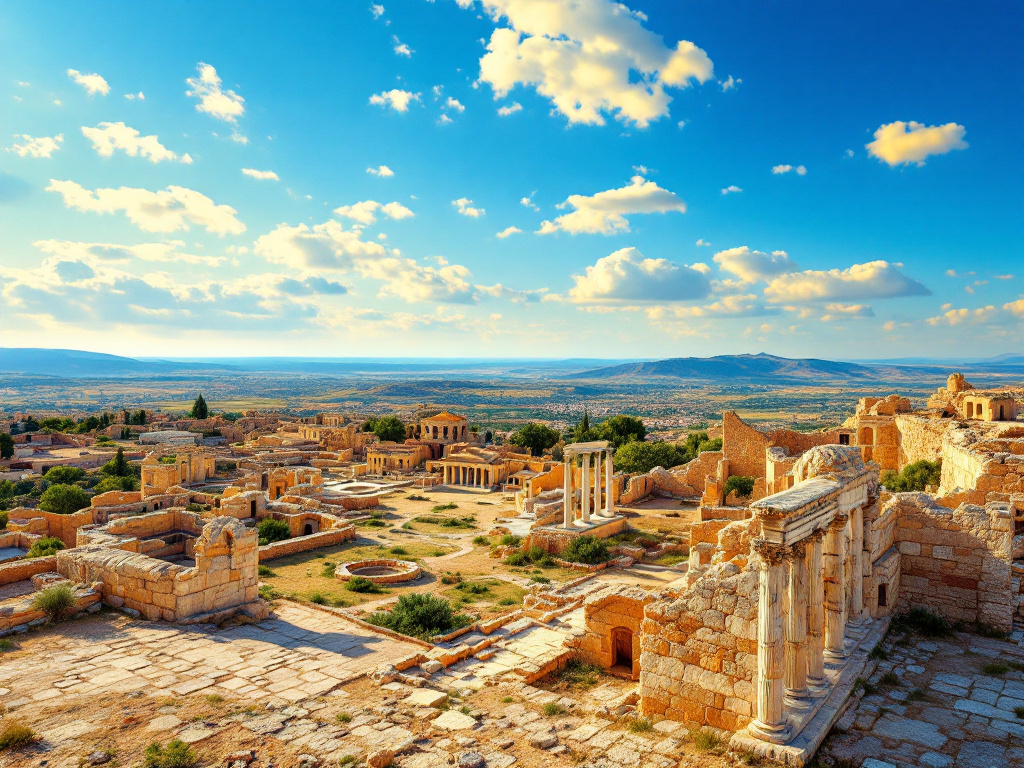
Paphos Archaeological Park
A comprehensive archaeological site with well-preserved mosaics and ruins.
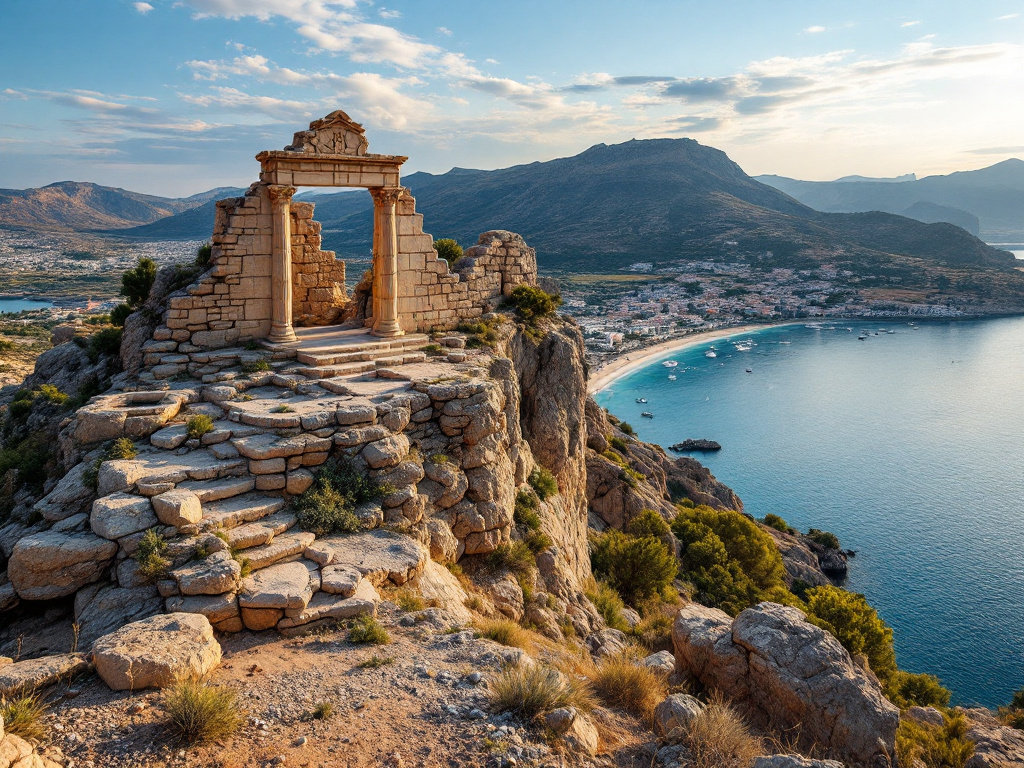
Tombs of the Kings
Impressive ancient tombs carved directly into the rock near Paphos.
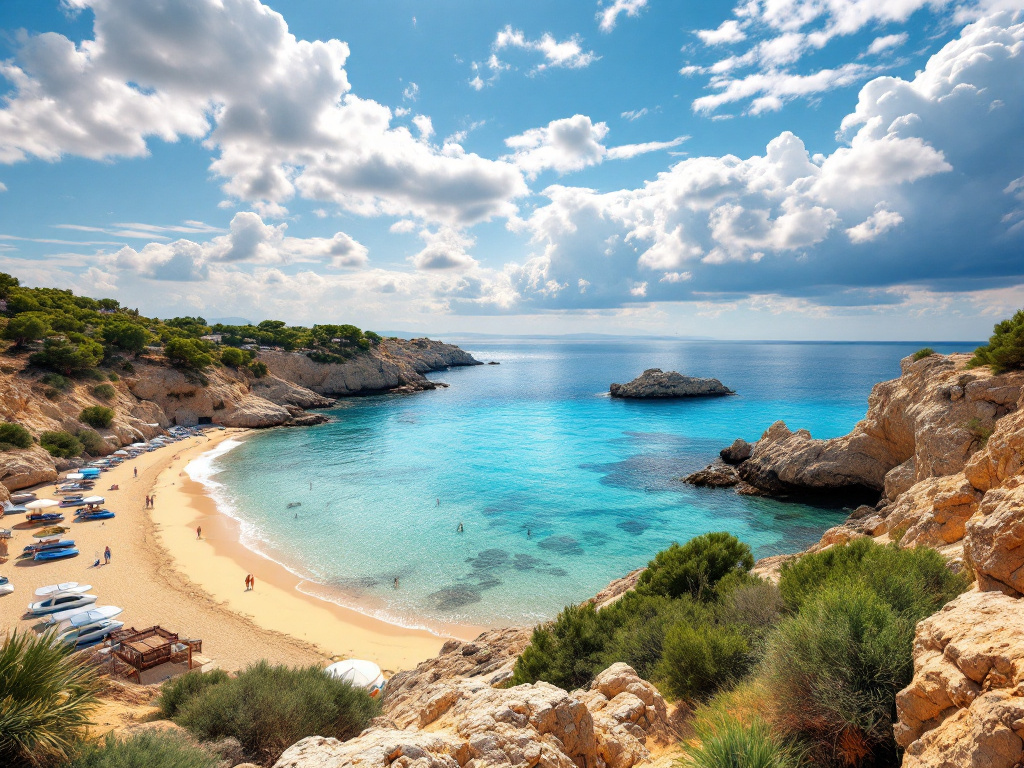
Fig Tree Bay
A peaceful and family-friendly beach in Protaras with fine sand.
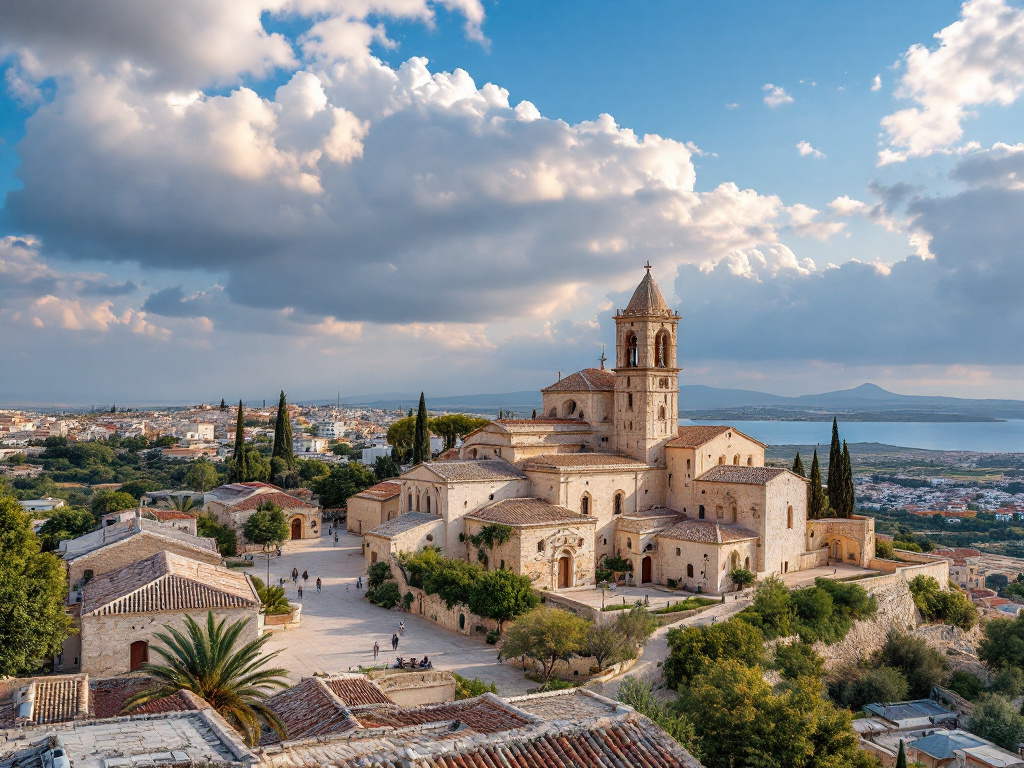
Ayia Napa Monastery
A historic monastery located in the heart of Ayia Napa.
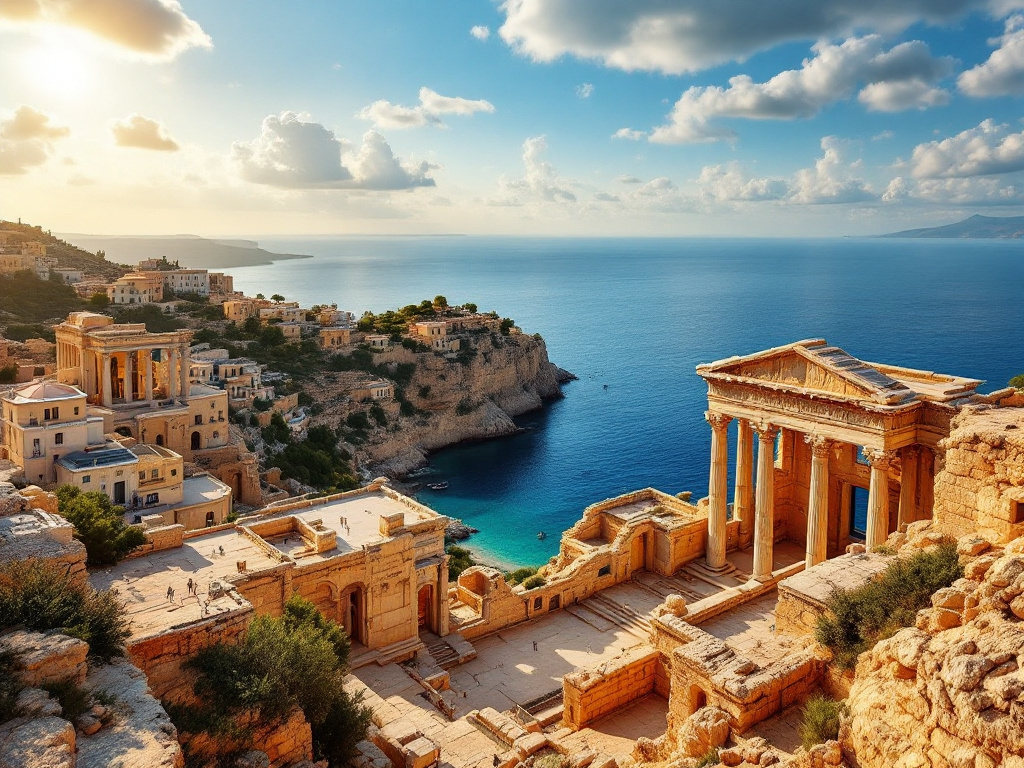
Kourion Ruins
Well-preserved ruins of an ancient city with spectacular views over the sea.
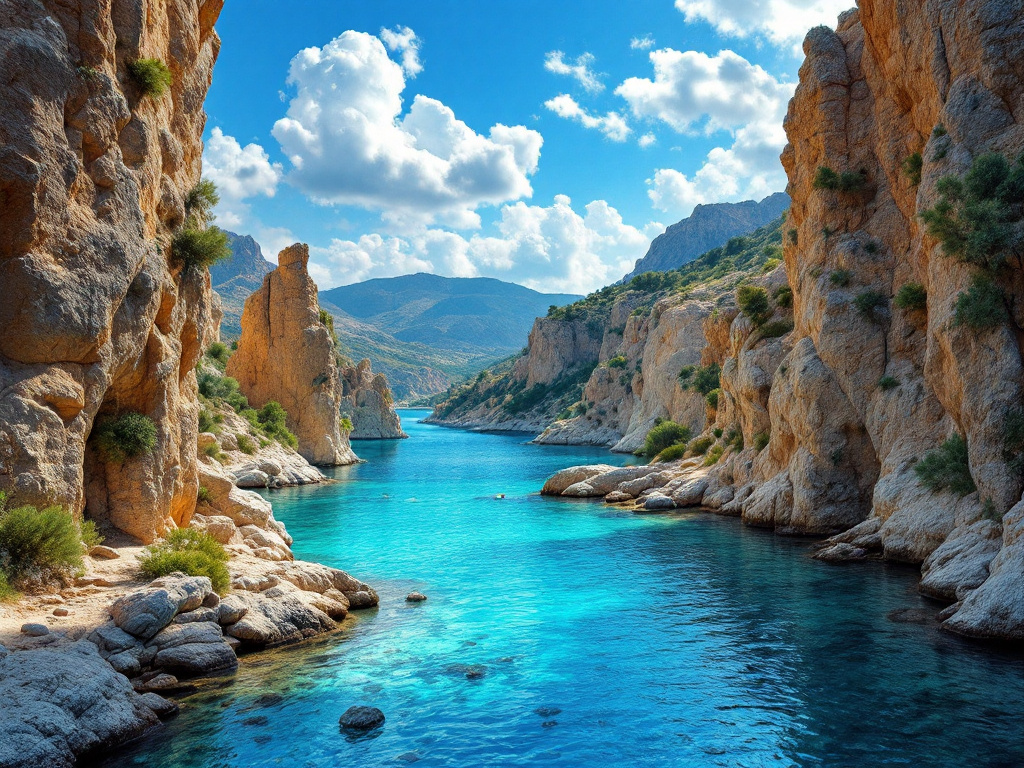
Aphrodite's Rock
According to mythology, the birthplace of the goddess Aphrodite, located by the coast.
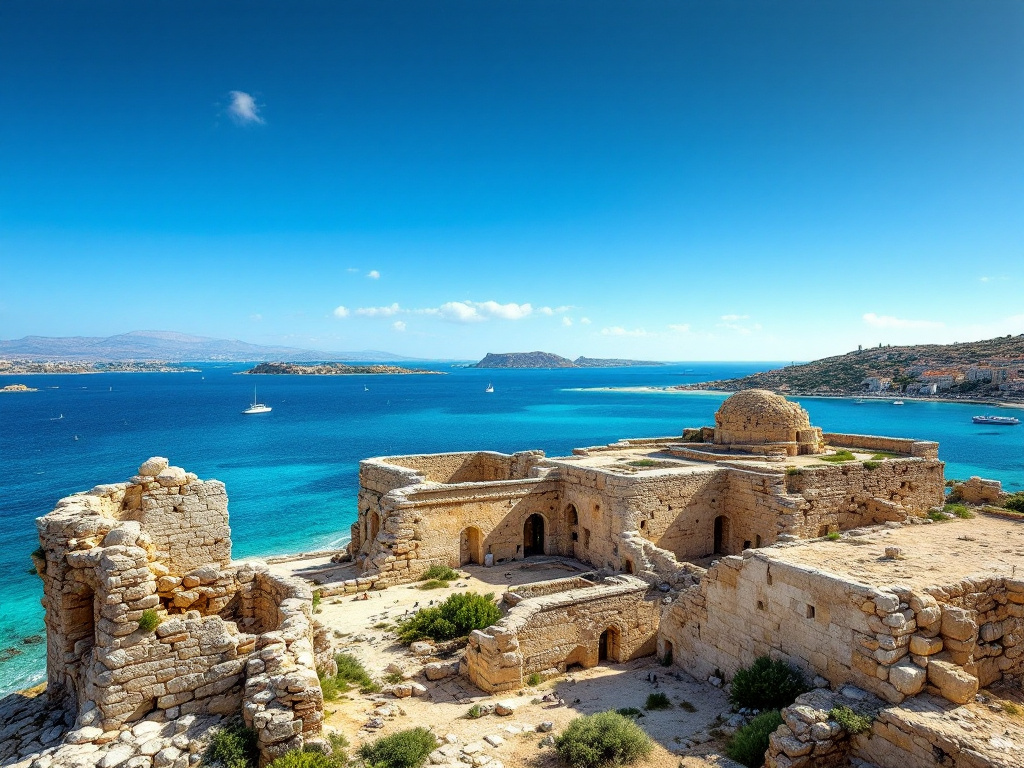
Salamis Ruins
The ruins of one of Cyprus' most important ancient cities near Famagusta.
Famous cuisine
Culinary overview
Cyprus cuisine is a flavorful blend of Greek, Turkish, and Middle Eastern influences, characterized by fresh ingredients, olive oil, herbs, and spices. Meals are often enjoyed in a social setting, with meze – a selection of small dishes – being a central experience. The island's location in the Mediterranean provides access to fresh fish and seafood, while the mountainous areas supply meat dishes and cheeses. Traditional recipes have been passed down through generations, and many dishes are slowly cooked to develop depth of flavor. Wine production in Cyprus is one of the oldest in the world, and local wines like Commandaria are a must to taste.
Must-try dishes
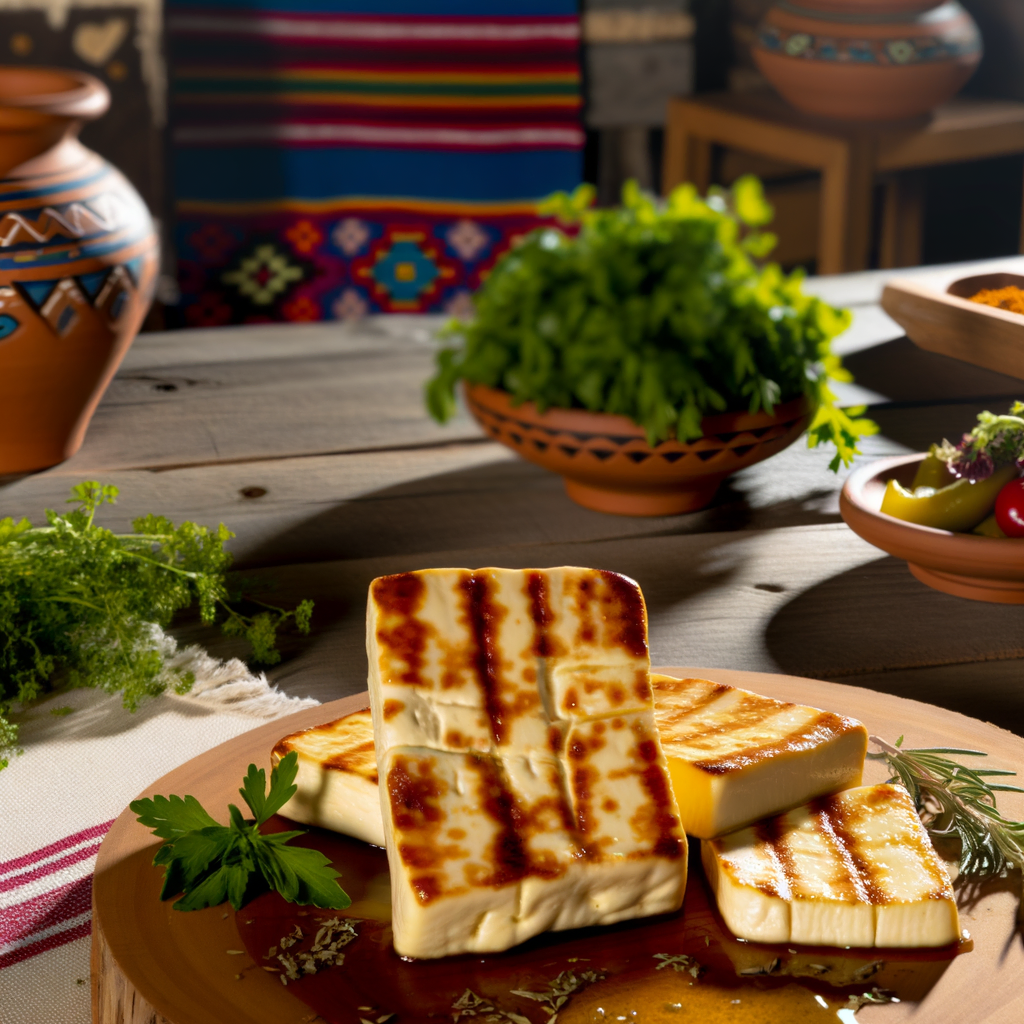
Halloumi
A semi-hard cheese made from sheep and goat milk, often grilled or fried, giving a crispy exterior and soft interior. Served as an appetizer or in salads.
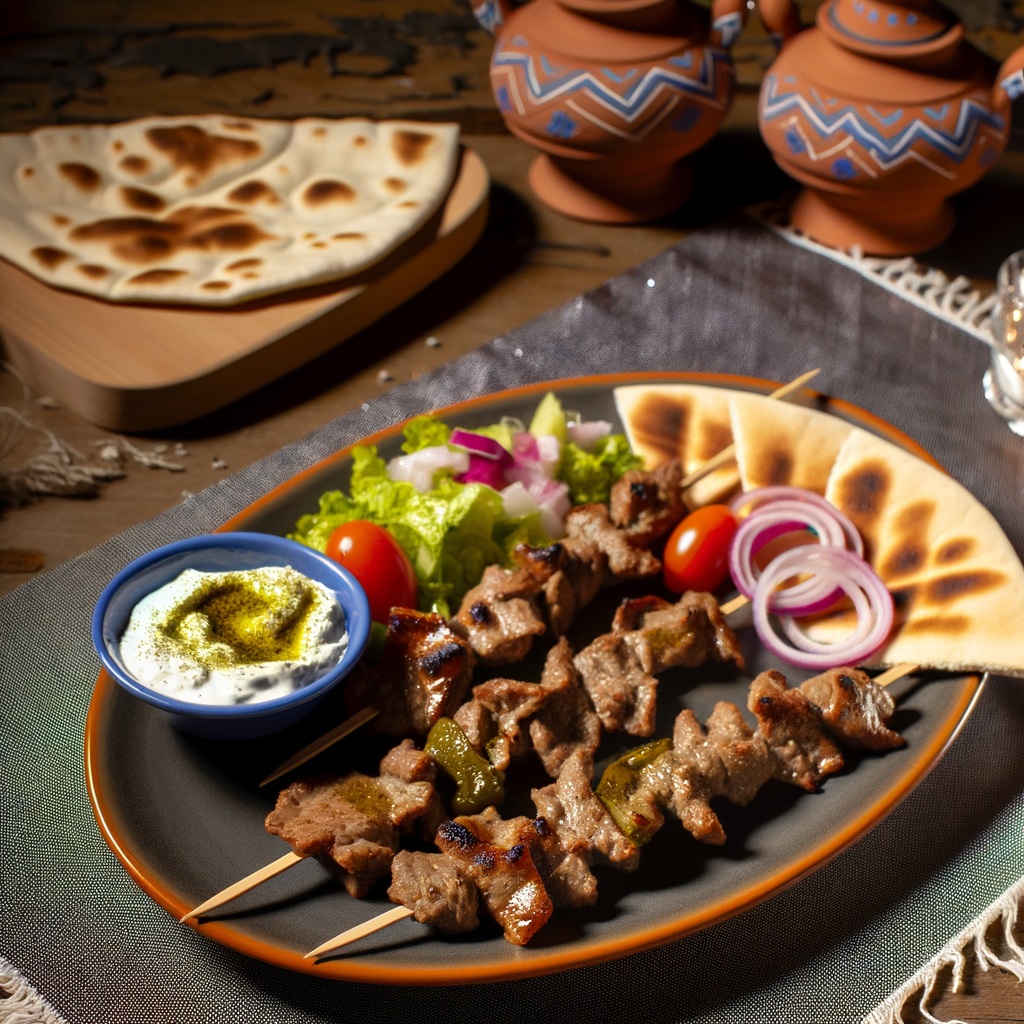
Souvlaki
Small pieces of marinated meat, typically pork or chicken, grilled on a skewer and served with pita bread, salad, and tzatziki.
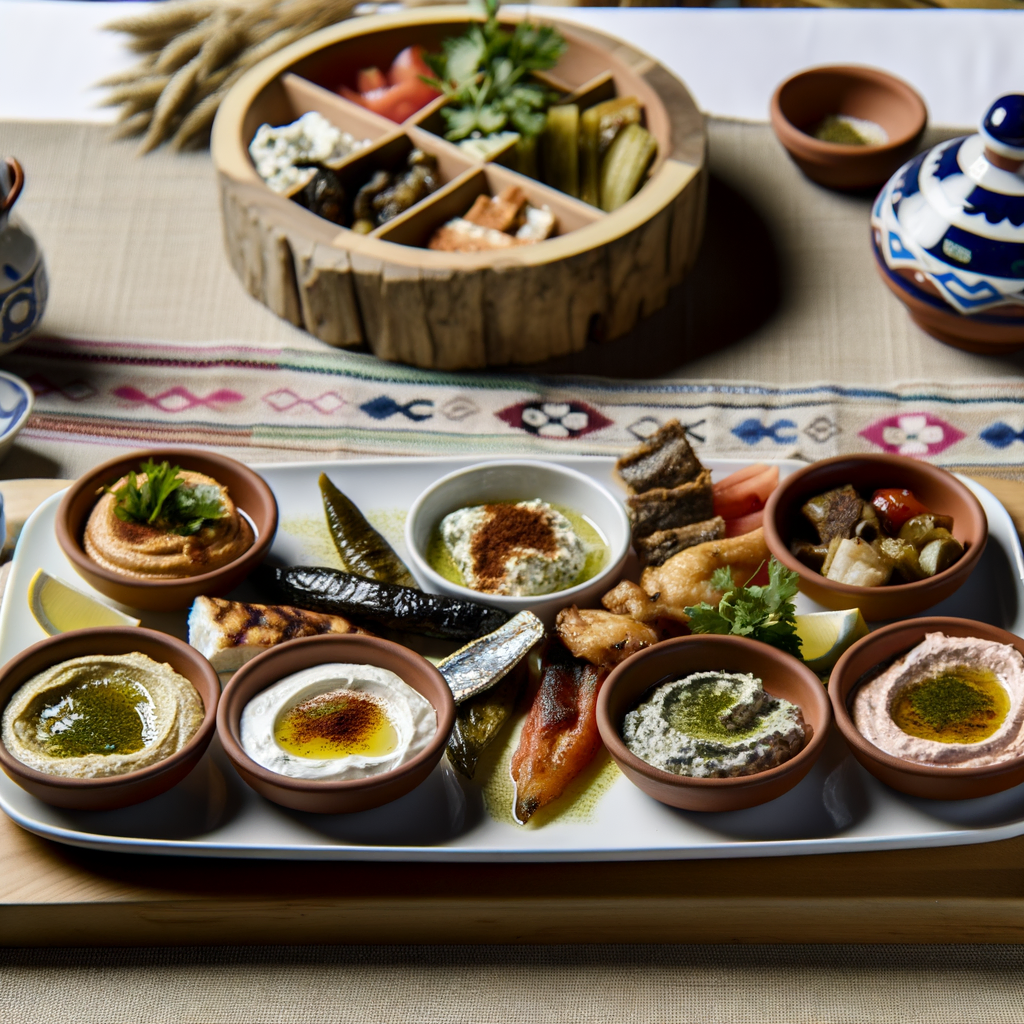
Meze
A selection of small dishes that can include everything from hummus and tzatziki to grilled fish, meat, and vegetables. A social dining experience that often lasts several hours.
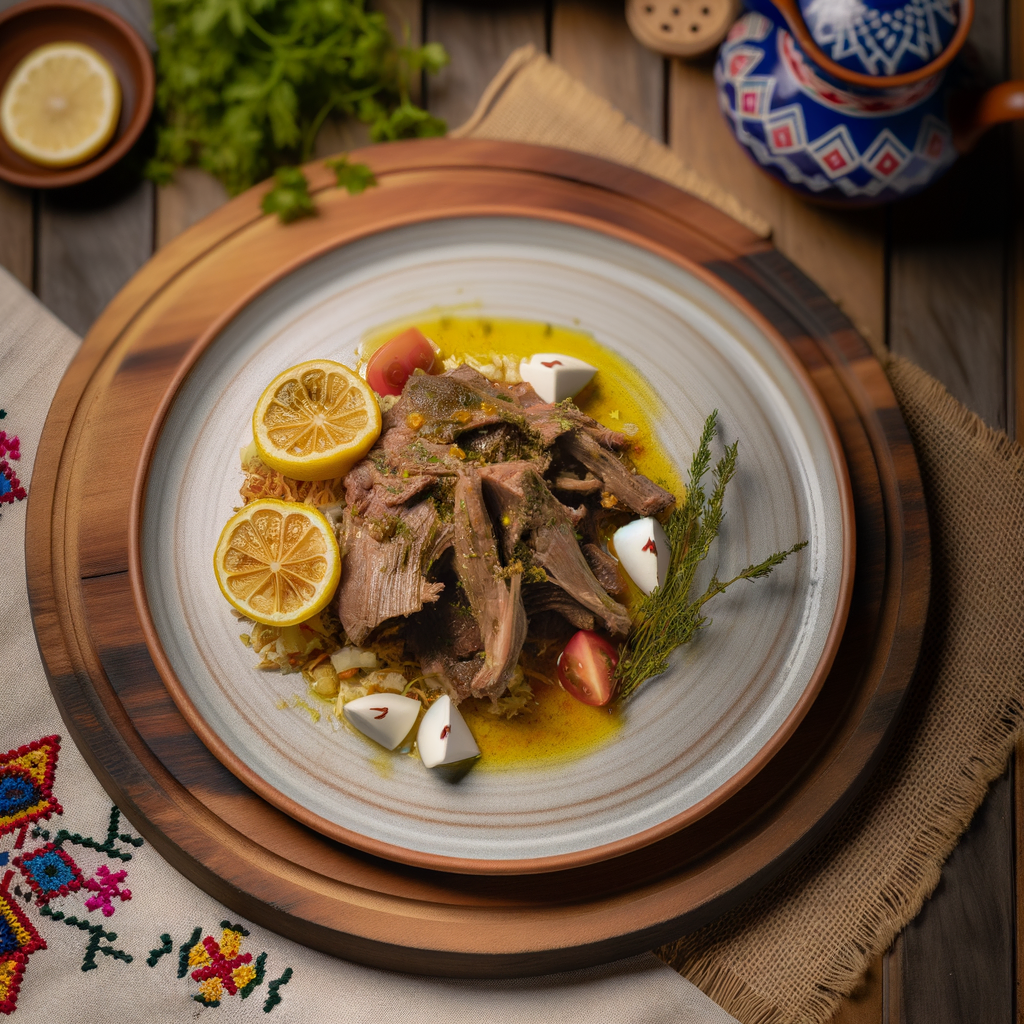
Kleftiko
Slowly cooked lamb, marinated in garlic and lemon, traditionally prepared in a clay oven to retain juiciness and flavor.
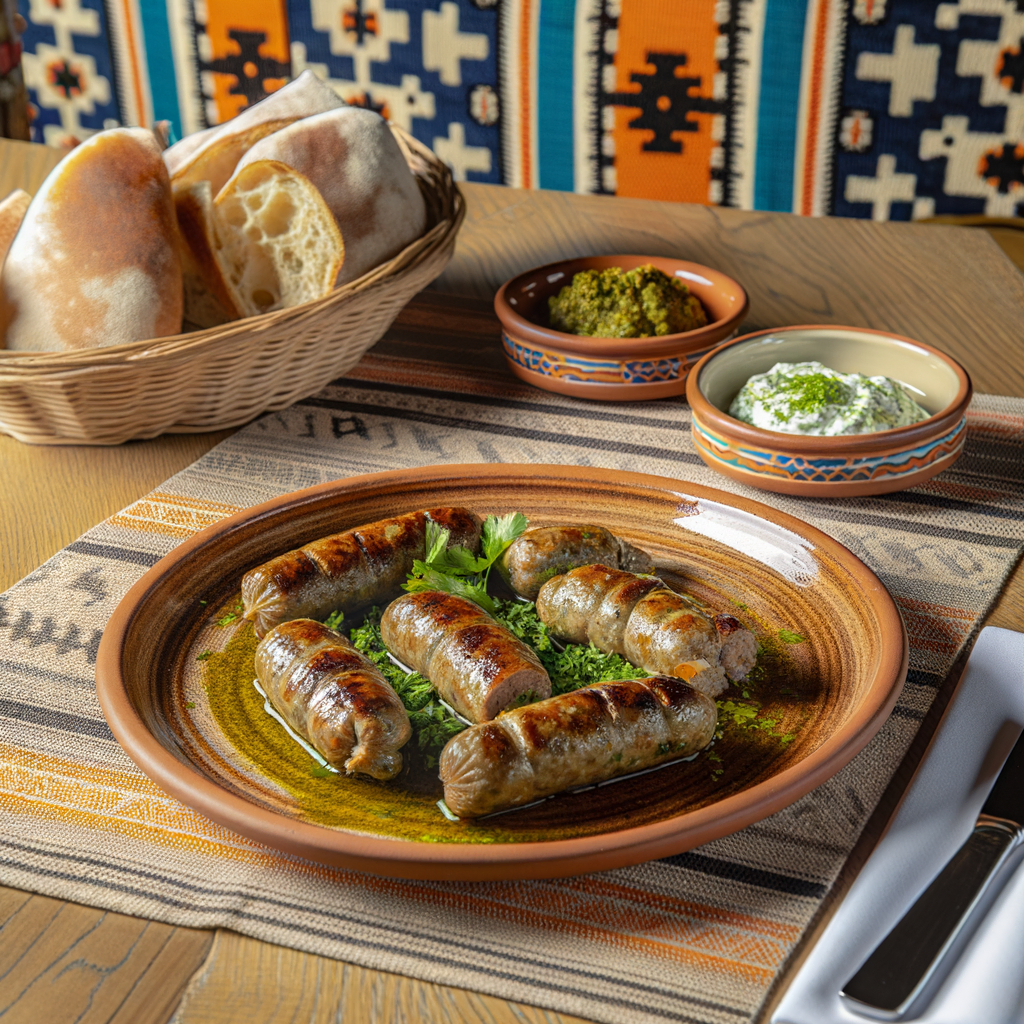
Sheftalia
Traditional Cypriot sausages made from minced pork or lamb mixed with onions, parsley, and spices, wrapped in caul fat and grilled.
Restaurant information
Tipping
In Cyprus, tipping is not mandatory, but it is appreciated to round up or leave about 5-10% of the bill, especially at table service restaurants.
Travel information
Currency
Euro (€)
Language
Greek, Turkish
Best time to visit
April-June and September-October
Major cities
Nicosia and other major cities
More countries in Europe
Discover more destinations in this region