
Czechia
Discover Czechia, a Central European gem where medieval charm meets modern delight – home to Prague's iconic skyline, rich history, and world-renowned Pilsner beer.
Overview
Discover Czechia – a Central European gem where medieval charm meets vibrant modern life. From Prague's UNESCO-listed Old Town, featuring the iconic Charles Bridge and the Astronomical Clock, to the fairy-tale town of Český Krumlov and the historical site of Kutná Hora, the country offers unforgettable experiences. Savor the world-renowned Pilsner Urquell in Plzeň, explore romantic castles in Lednice-Valtice, and indulge in authentic culinary delights like svíčková and trdelník. Czechia is a year-round destination with particularly enchanting experiences in the spring and fall.
Official language
Czech
Government
Parliamentary republic
Best time to visit
May-June and September-October
Nature
Czechia boasts a stunning landscape that elegantly weaves together gentle hills, deep forests, flowing rivers, and dramatic rock formations. In the south, the picturesque Lednice-Valtice cultural landscape captivates visitors with its majestic chateaux, lush parks, and romantic pavilions that seamlessly integrate with nature. To the north, Bohemian Switzerland reveals spectacular sandstone cliffs and natural arches, perfect for hiking and photography enthusiasts. The country's abundant rivers, like the Vltava and Elbe, meander through valleys and towns, providing idyllic vistas. In winter, regions such as the Krkonoše mountains transform into popular ski resorts, while summer invites delightful bike rides through the vineyards of Moravia. With nature easily accessible from bustling cities like Prague, Czechia is a treasure trove for nature lovers, offering experiences where culture and landscape intertwine beautifully.
Travel to Czechia
Traveling to Czechia feels like stepping into a living postcard, with every corner revealing a new story. Prague serves as a perfect starting point, blending history, culture, and ambiance. Day trips to UNESCO cities like Český Krumlov or Kutná Hora are easily accessible, and the compact country features an efficient transport system that simplifies exploration of both urban and natural wonders. Food and beer enthusiasts will find paradise, while history buffs can immerse themselves in castles, churches, and museums. Visiting in spring or fall allows travelers to avoid the largest crowds, enjoying mild weather and stunning landscapes. With affordable prices, a welcoming atmosphere, and safety, Czechia is an ideal choice for both short city breaks and longer exploratory journeys.
Culture
The culture of Czechia is deeply rooted in its rich history, shaped by both Slavic traditions and Central European influences. Prague stands as a cultural epicenter teeming with theaters, concert halls, and art galleries, where classical music, especially works by composers like Dvořák and Smetana, plays a vital role. The country is also famous for its beer culture, not just as a beverage but as a social tradition, with breweries and beer halls serving as popular meeting spots. Culinary delights abound with traditional dishes like svíčková, guláš, and sweet trdelník, often enjoyed alongside freshly brewed Pilsner. Folklore thrives in rural villages through dance, attire, and festivals, while modern art and design flourish in urban settings. This blend of the old and the new creates a lively, diverse, and authentically Czech cultural experience.
History
The history of Czechia spans millennia, beginning with Celtic settlements and evolving into the powerful Kingdom of Bohemia during the medieval period. Prague emerged as a significant political and cultural hub in the Holy Roman Empire, and the city’s well-preserved architecture serves as a testament to its glorious past. Later, the region became part of the Austro-Hungarian Empire before gaining independence as part of Czechoslovakia in 1918. After decades of communist rule, Czechia celebrated its full independence in 1993. The nation's history is marked by both flourishing cultural epochs and dramatic political upheavals, which have profoundly shaped its identity and heritage.
Top attractions
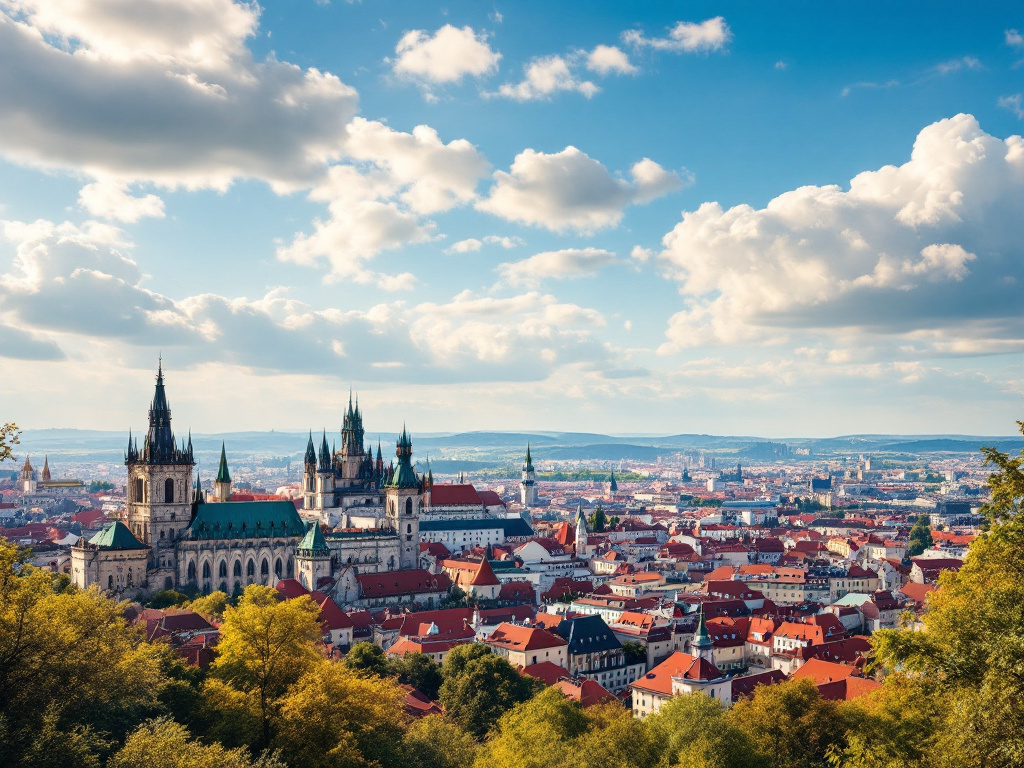
Prague Castle
The world's largest contiguous castle complex and a symbol of Czech state history with panoramic views over Prague.
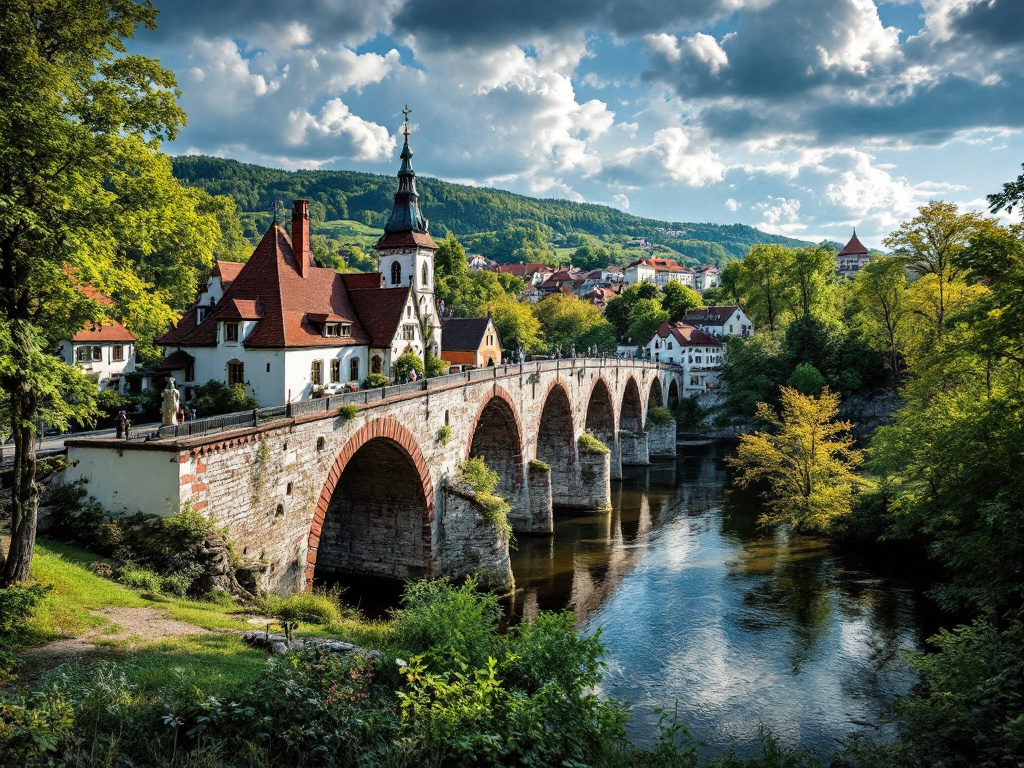
Charles Bridge
Historical stone bridge from the 14th century, known for its statues and romantic atmosphere.
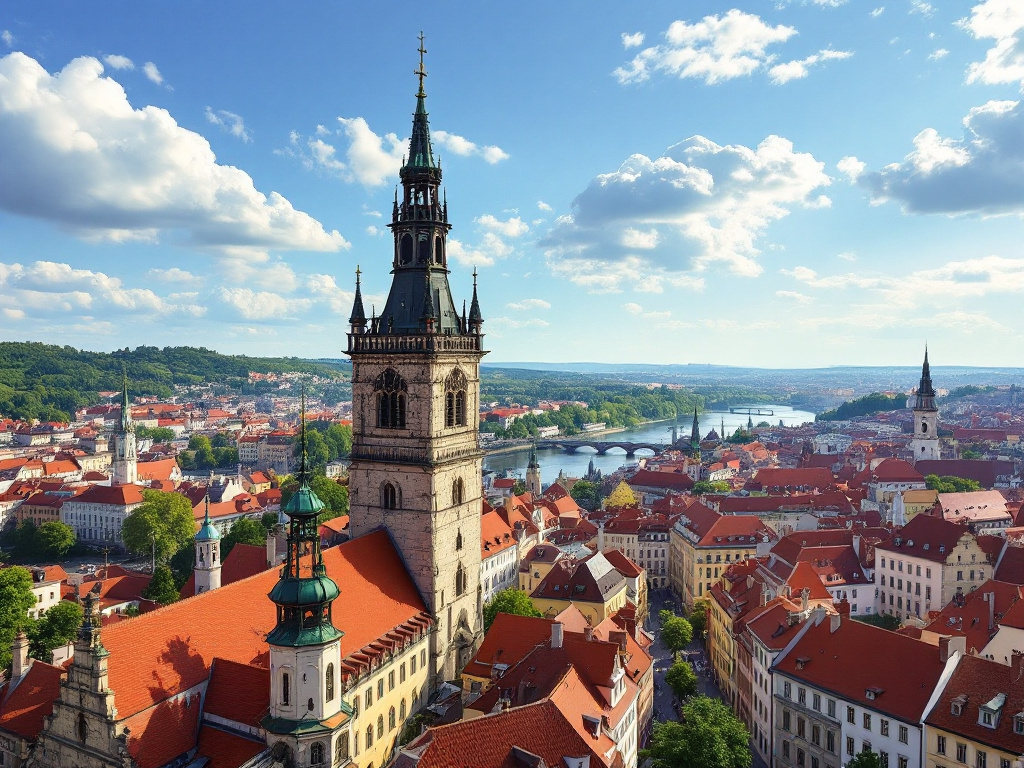
Old Town Square
The heart of Prague's historical center surrounded by iconic buildings and a lively atmosphere.
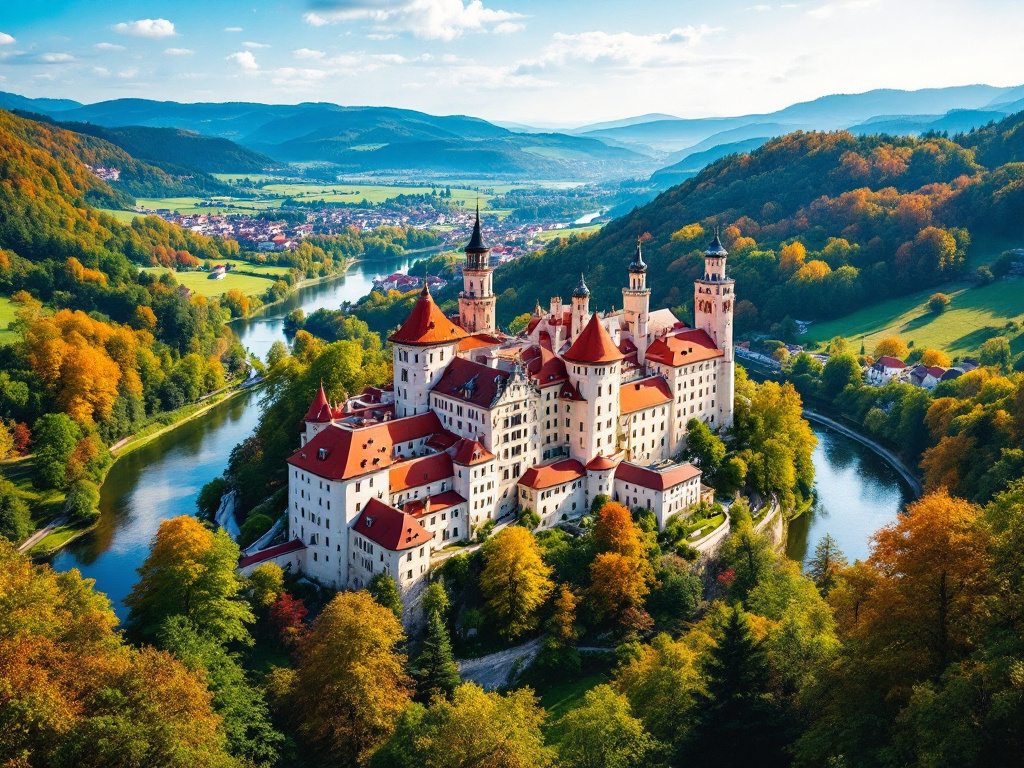
Český Krumlov Castle
Impressive castle complex over the Vltava River in one of the Czech Republic's most charming towns.
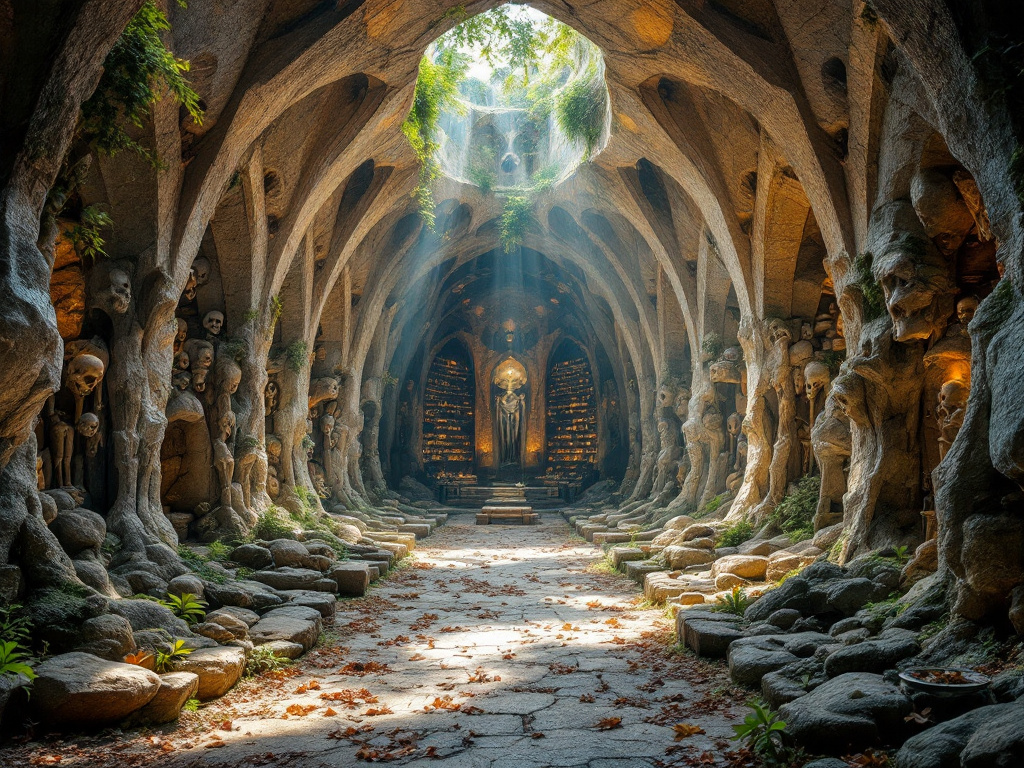
Sedlec Ossuary
Famous chapel decorated with human bones, known worldwide for its unique decoration.
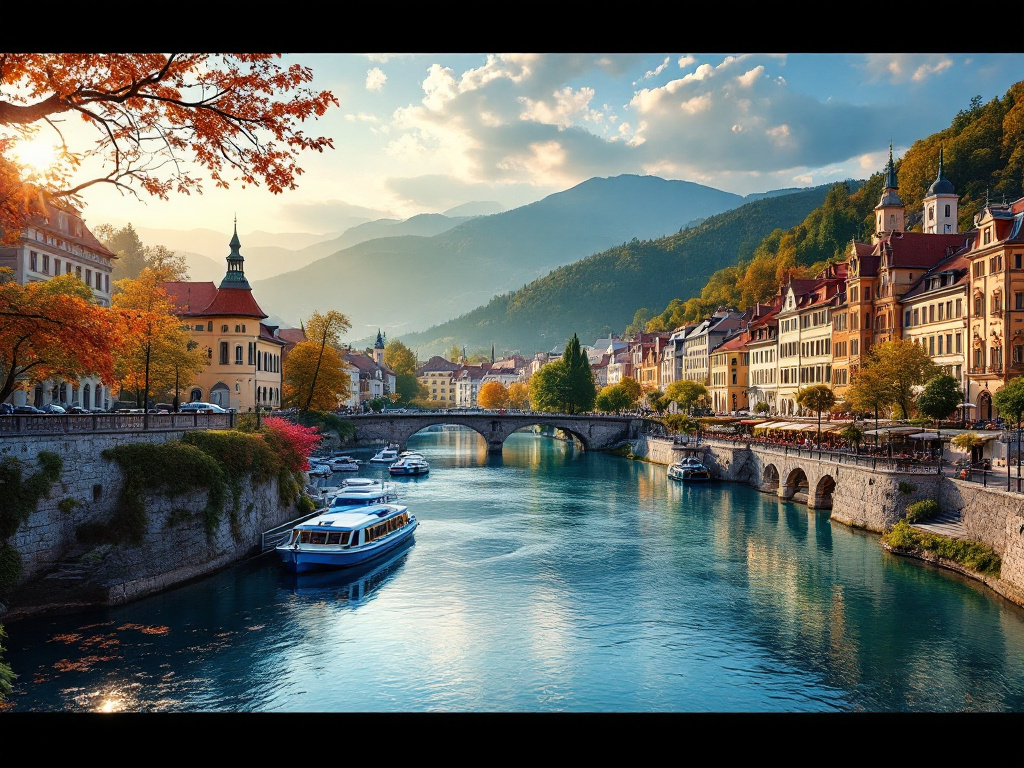
Karlovy Vary
Elegant spa town known for its thermal springs, beautiful architecture, and relaxed atmosphere.
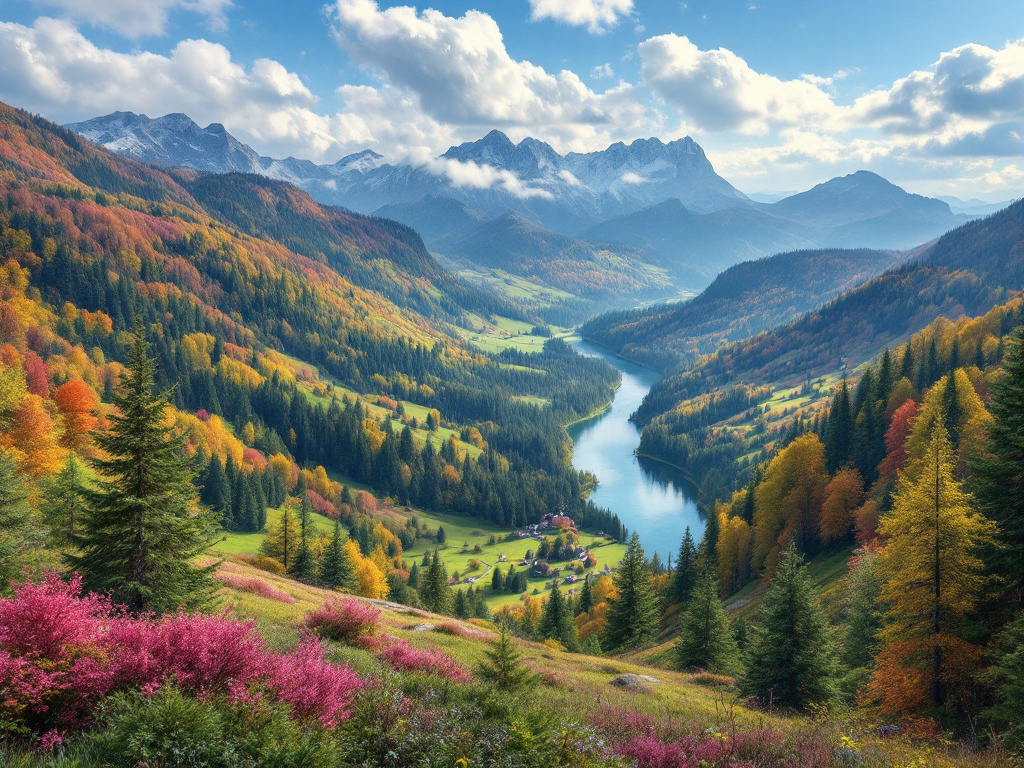
Šumava National Park
Large natural area along the borders with Germany and Austria featuring untouched nature and many outdoor opportunities.
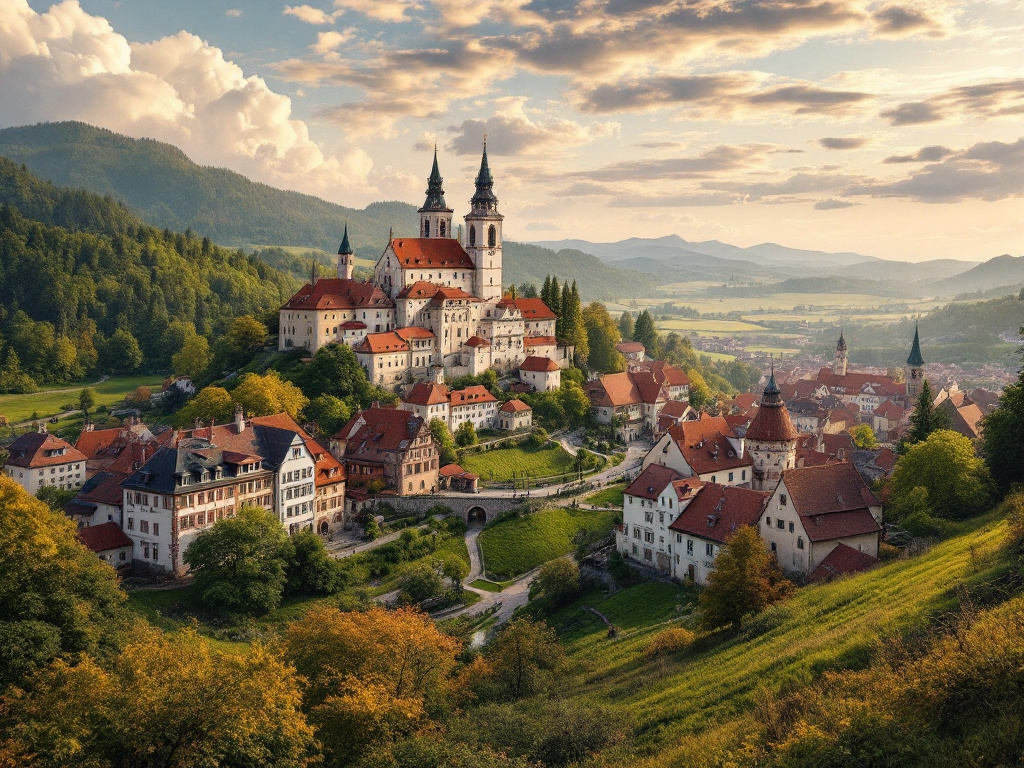
Old Town of Tábor
Well-preserved medieval town with a strong historical identity and charming center.
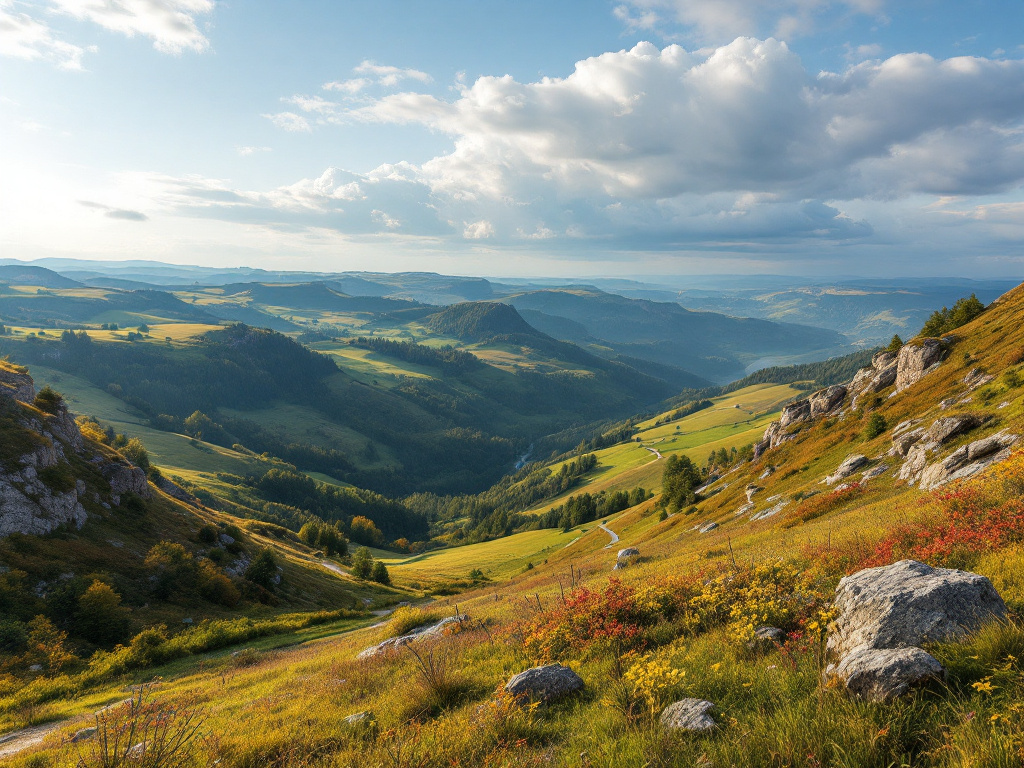
Macocha Gorge
Spectacular gorge in the Moravian Karst area with impressive depth and scenic views.
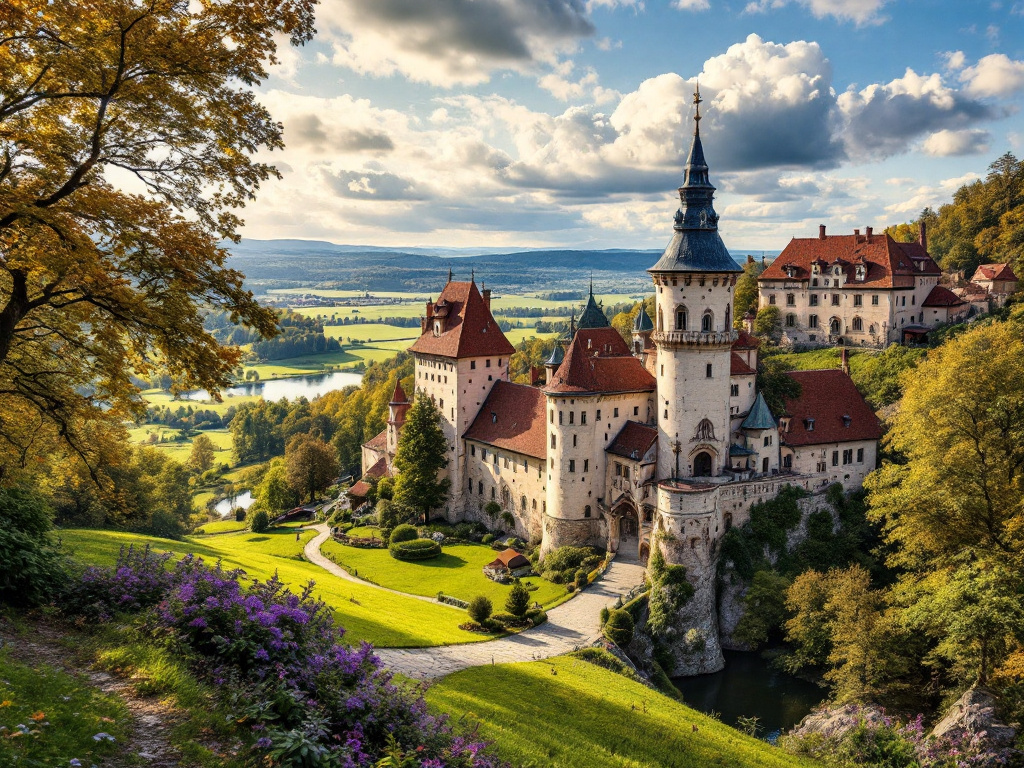
Špilberk Castle
Historical fortress on a hill in the center of Brno, which now serves as a museum and viewpoint.
Famous cuisine
Culinary overview
Czech cuisine is deeply rooted in the country's history and geography. Traditional Czech food is hearty, flavorful, and often based on meat, potatoes, and rich sauces. Beer plays a central role in meals, especially the world-famous pilsner from Plzeň. The country also offers sweet specialties like trdelník, which are popular among both locals and tourists. Regional differences can be experienced, with Moravia known for wine production, while Bohemia is a beer mecca. Meals are often social events, and hospitality is an important part of the dining experience.
Must-try dishes
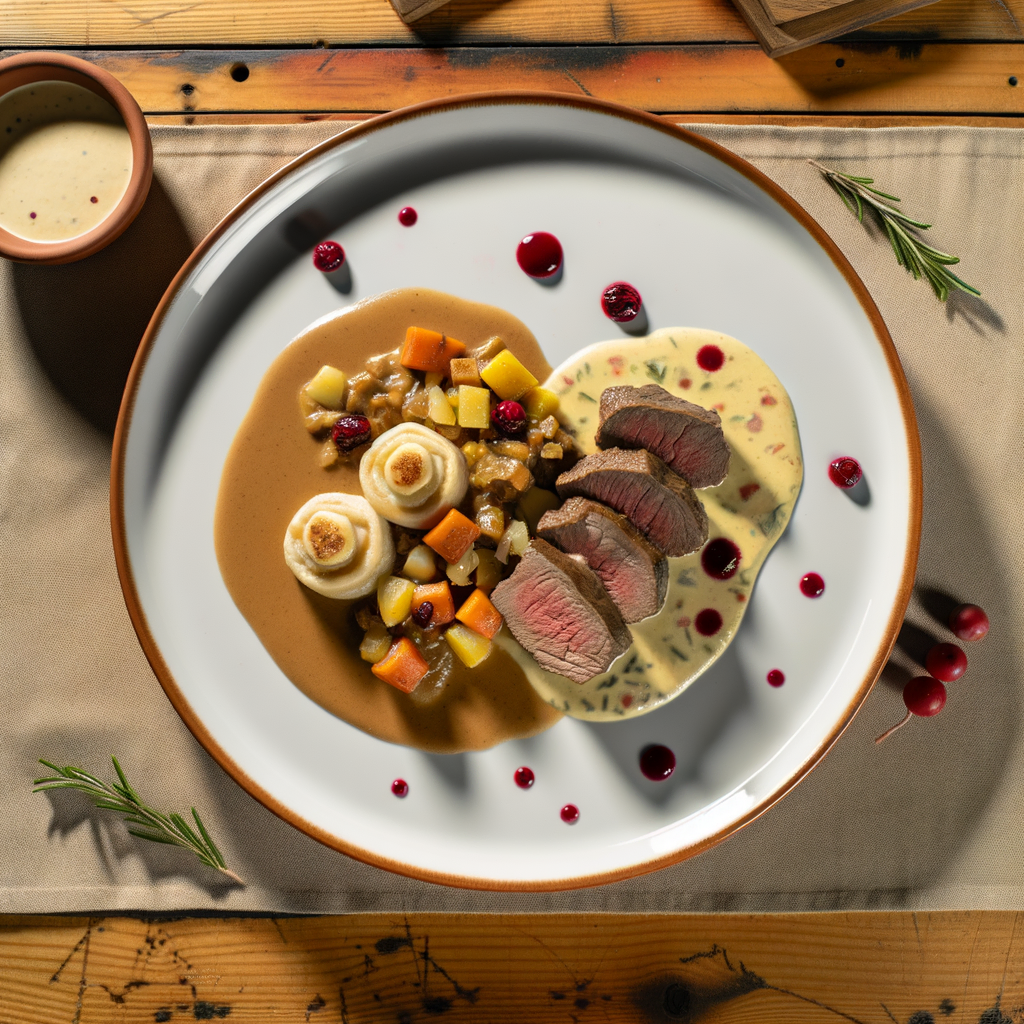
Svíčková na smetaně
A classic Czech dish consisting of beef tenderloin served with a creamy vegetable sauce, cream, cranberries, and bread dumplings. Often eaten on festive occasions.
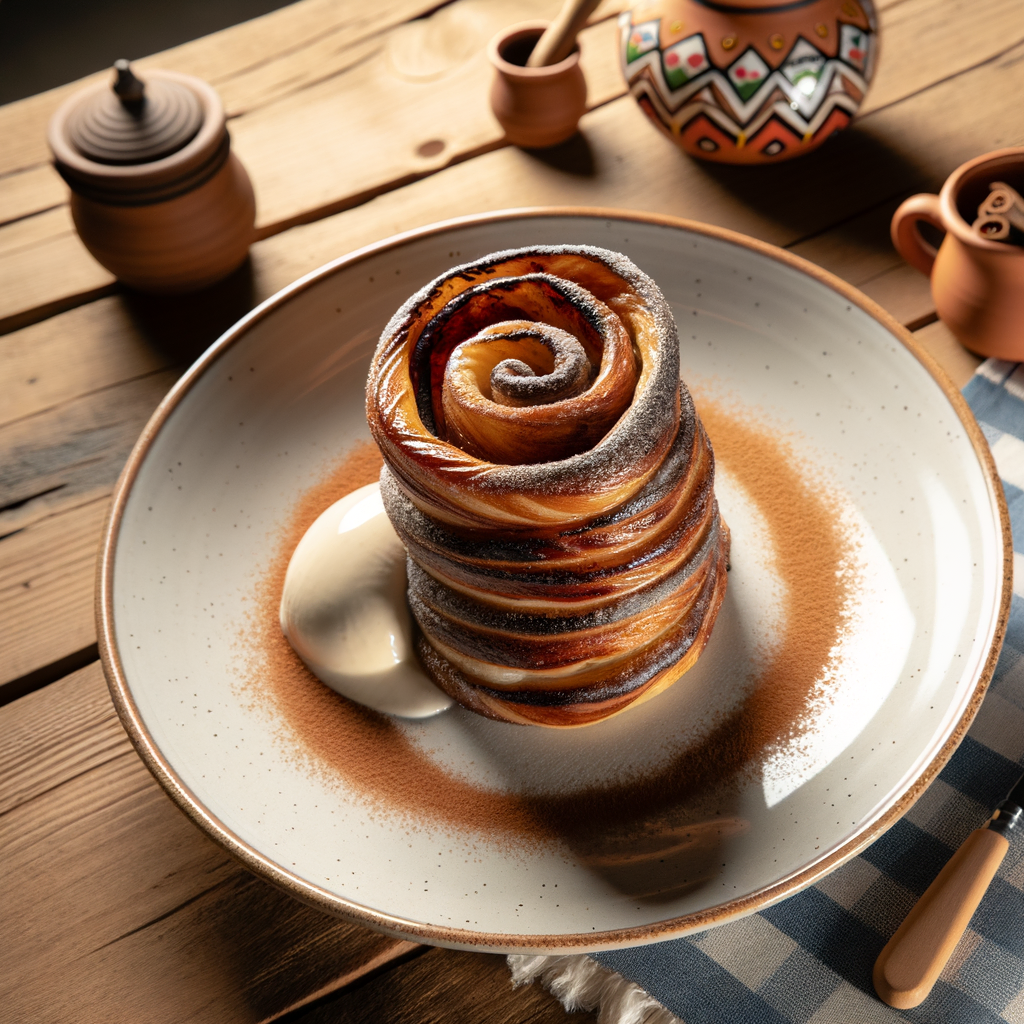
Trdelník
A sweet, spiral-shaped cake made from dough, grilled over an open flame, and rolled in sugar and cinnamon. Can be filled with ice cream or chocolate.
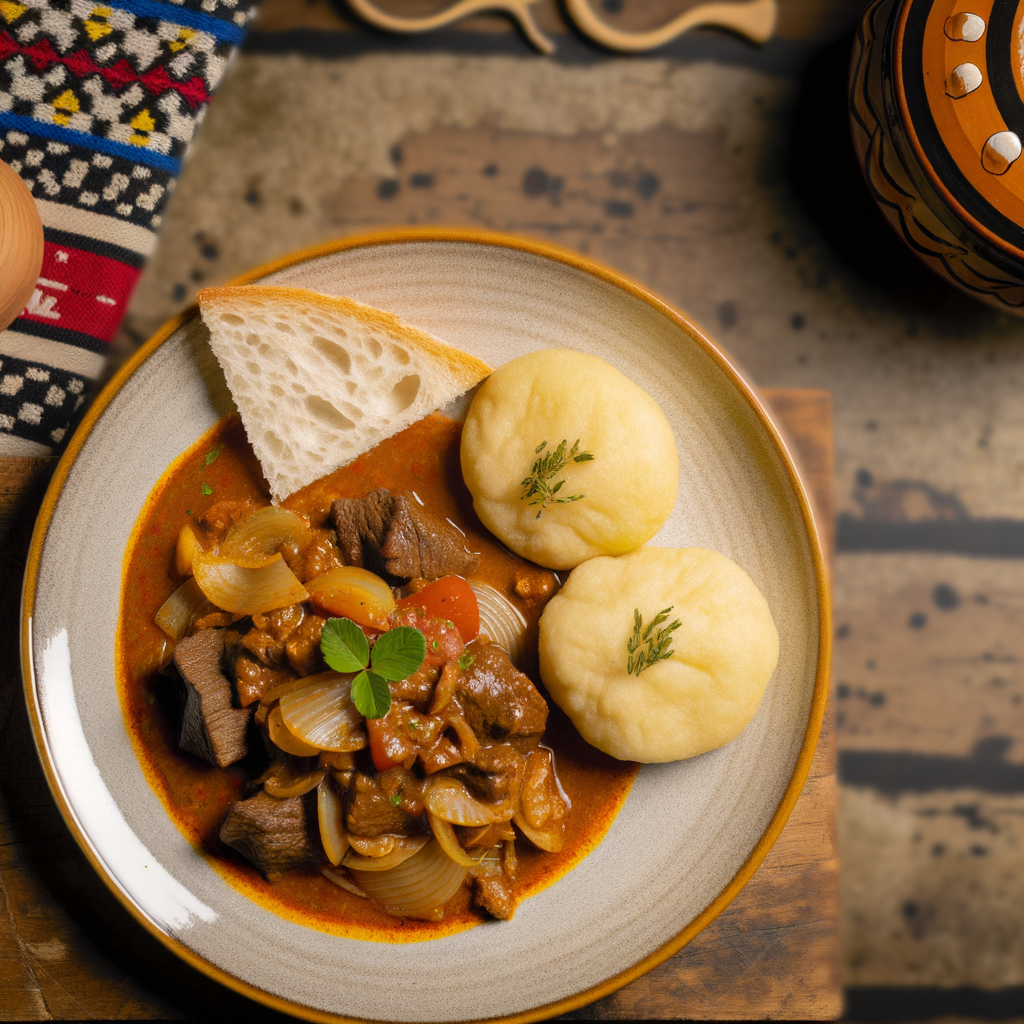
Tjekkisk Guláš
A hearty stew with beef, onions, paprika, and spices, served with bread or potato dumplings. Inspired by Hungarian gulyás, but with a Czech twist.
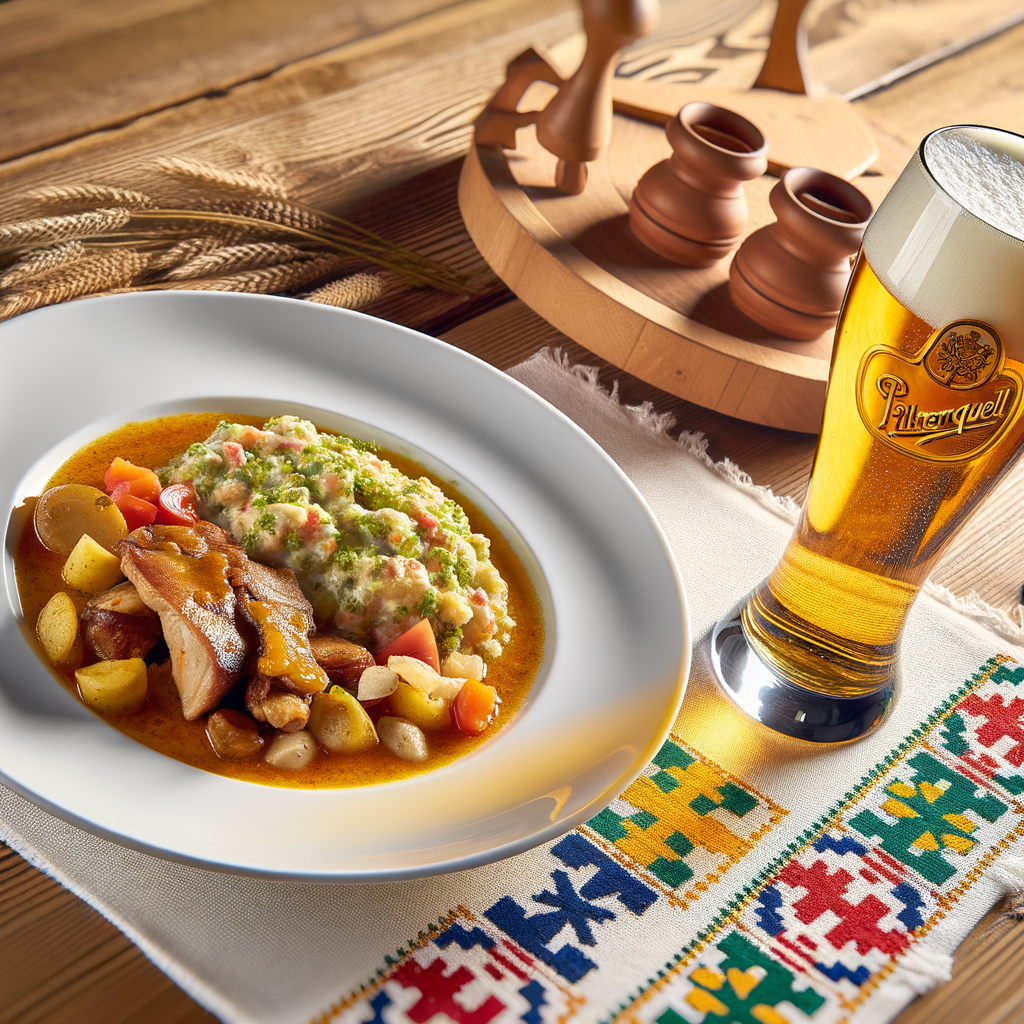
Pilsner Urquell Øl
The original pilsner beer, brewed in Plzeň since 1842. Known for its golden color, fresh hop flavor, and smooth foam.
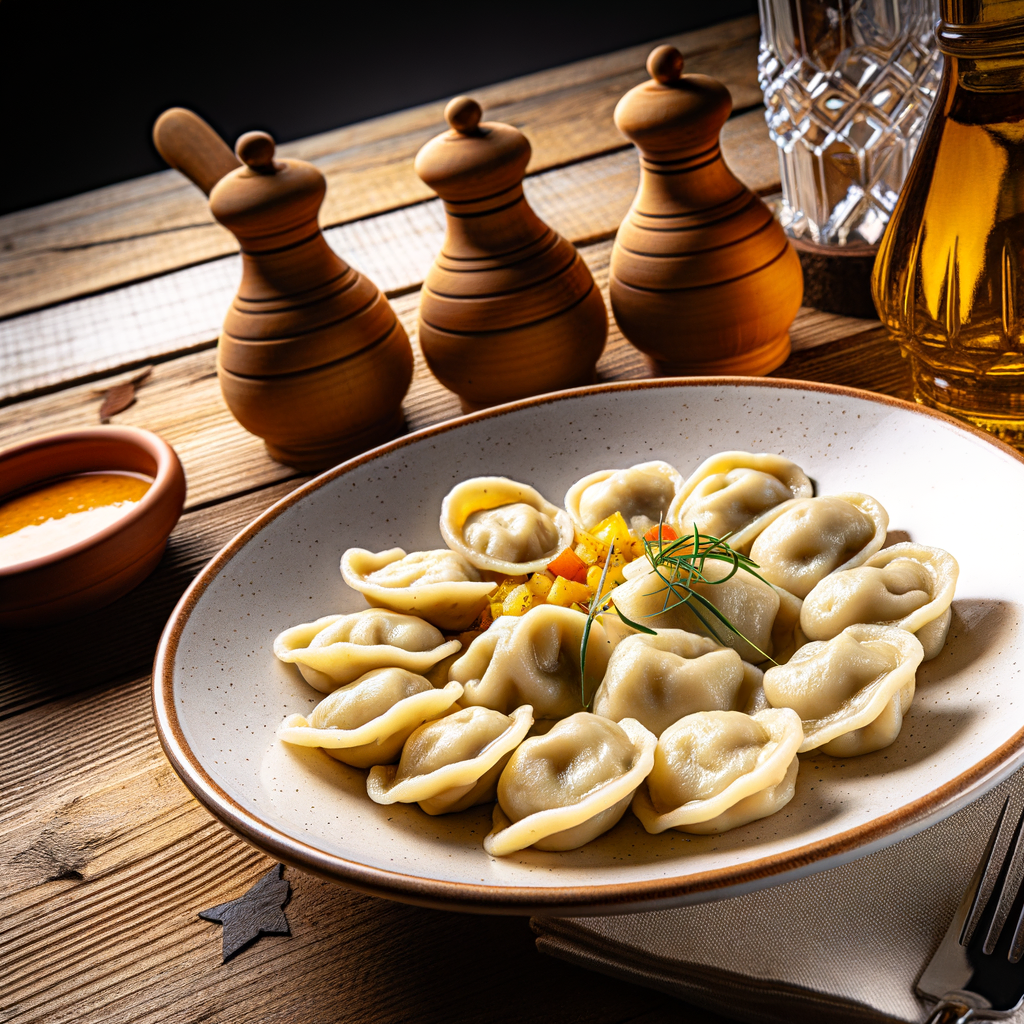
Knedlíky
Czech dumplings made from wheat or potato dough, cut into slices and served as a side to meat dishes and sauces.
Restaurant information
Tipping
In Czechia, it is common to give 5-10% in tips if you are satisfied with the service. Often, people round up the amount when paying.
Travel information
Currency
Tjekkisk koruna (CZK)
Language
Czech
Best time to visit
May-June and September-October
Major cities
Prag and other major cities
More countries in Europe
Discover more destinations in this region