
Germany
Germany, the heart of Central Europe, combines a rich history, cultural treasures, and breathtaking landscapes – from fairy-tale castles to vibrant cities and lush forests.
Overview
Germany, the heart of Central Europe, offers a captivating blend of history, culture, and natural beauty. Discover iconic landmarks like the Brandenburg Gate in Berlin, the fairytale Neuschwanstein Castle, and the majestic Cologne Cathedral. Experience UNESCO World Heritage sites such as Aachen Cathedral, a masterpiece of Carolingian architecture, and the stunning Bergpark Wilhelmshöhe with its spectacular water features and baroque gardens. The lush landscapes of the Black Forest and charming villages are just waiting to be explored. With historical reminders along the Berlin Wall and culinary delights such as bratwurst and pretzels, Germany presents a unique tapestry of grandeur and contemporary vibrancy.
Official language
German
Government
Federal republic
Best time to visit
May-September
Nature
Germany's landscapes are as diverse as its culture, offering breathtaking views and outdoor adventures for every nature enthusiast. In the south, the majestic Alps beckon with snow-capped peaks and crystal-clear lakes, ideal for hiking, skiing, and mountaineering. The enchanting Black Forest is a haven for explorers, featuring dense forests, sparkling streams, and charming half-timbered villages. Northerly, the sandy beaches and dunes along the North Sea and Baltic Sea provide tranquility and fresh sea air, with coastal towns and islands like Rügen inviting you to relax. The romantic rivers Rhine and Mosel wind through picturesque vineyards and steep cliffs, perfect for cycling and boat tours. National parks such as Saxon Switzerland boast dramatic rock formations and deep valleys, while the Bavarian Forest offers untouched wilderness. Each season transforms the scenery, from blooming meadows and lush forests in spring and summer to the warm hues of autumn. No matter the time of year, Germany's natural beauty invites exploration, relaxation, and a reconnection with the great outdoors.
Travel to Germany
Traveling to Germany is both easy and rewarding, with one of Europe’s most efficient transport systems connecting major cities like Berlin, Munich, Hamburg, and Cologne via high-speed trains. International airports make it accessible from around the globe. The best time to visit is from May to September, when the weather works harmoniously for city explorations and outdoor escapades. You can blend vibrant city breaks with scenic excursions, from museums and historical sites to wine routes and mountain hikes. Famous festivals such as Oktoberfest and Christmas markets draw visitors from all over the world, providing unforgettable experiences. Accommodation ranges from luxurious hotels to cozy guesthouses, and the culinary scene is an adventure in itself. With its central location in Europe, Germany serves as a perfect starting point for further travel, yet the country offers so much that you could easily spend an entire vacation discovering its many treasures.
Culture
German culture is a rich tapestry woven from traditions, art, and modern lifestyles. Home to world-renowned composers like Beethoven and Bach, the country pulsates with classical music, showcased in concert halls and festivals. Theater, opera, and contemporary art thrive in cities like Berlin, Munich, and Dresden, where creativity flourishes. Architecturally, Germany surprises with its blend of medieval timber-framed houses and cutting-edge modern designs. Culinary delights are abundant, featuring regional specialties like Bavaria's pretzels and weisswurst alongside Rhineland's sauerbraten. Beer culture is a proud pillar, highlighted by Oktoberfest, while wine regions like Mosel and Pfalz produce award-winning wines. Traditional markets, especially Christmas markets, create a magical ambiance filled with lights, music, and craftsmanship. The Germans’ attention to order and quality is evident in everything from train services to artisanal crafts, while an openness to innovation makes the nation a cultural powerhouse in Europe.
History
Germany's history is intricately linked to the evolution of Europe itself. From the Holy Roman Empire and medieval trading cities to the Reformation sparked by Martin Luther, Germany has significantly shaped world history. In the 19th century, the nation was unified under Bismarck, facing both formidable challenges and reconstruction in the 20th century, marked by the tragedies of World War I and II, and the division into East and West Germany during the Cold War. The Berlin Wall became a powerful symbol of this division until its fall in 1989, heralding reunification. Today, Germany stands as a strong democratic nation, cherishing its historical roots while embracing the future with optimism.
Top attractions
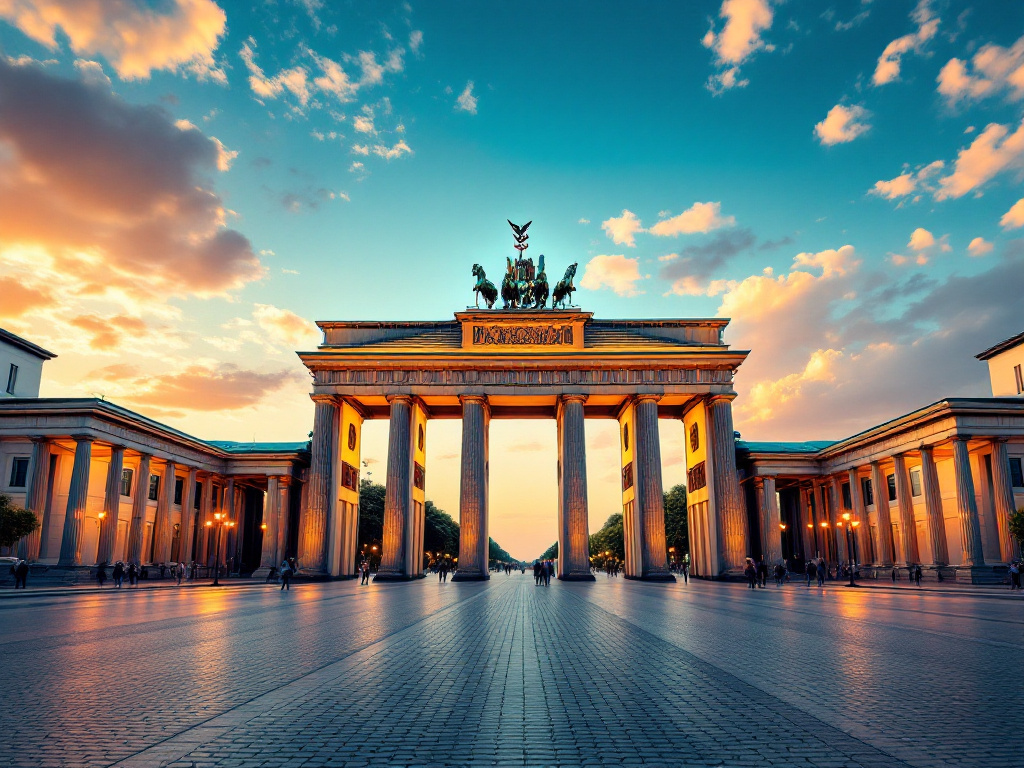
Brandenburg Gate
One of Germany's most famous landmarks and a strong symbol of the country's history and reunification.
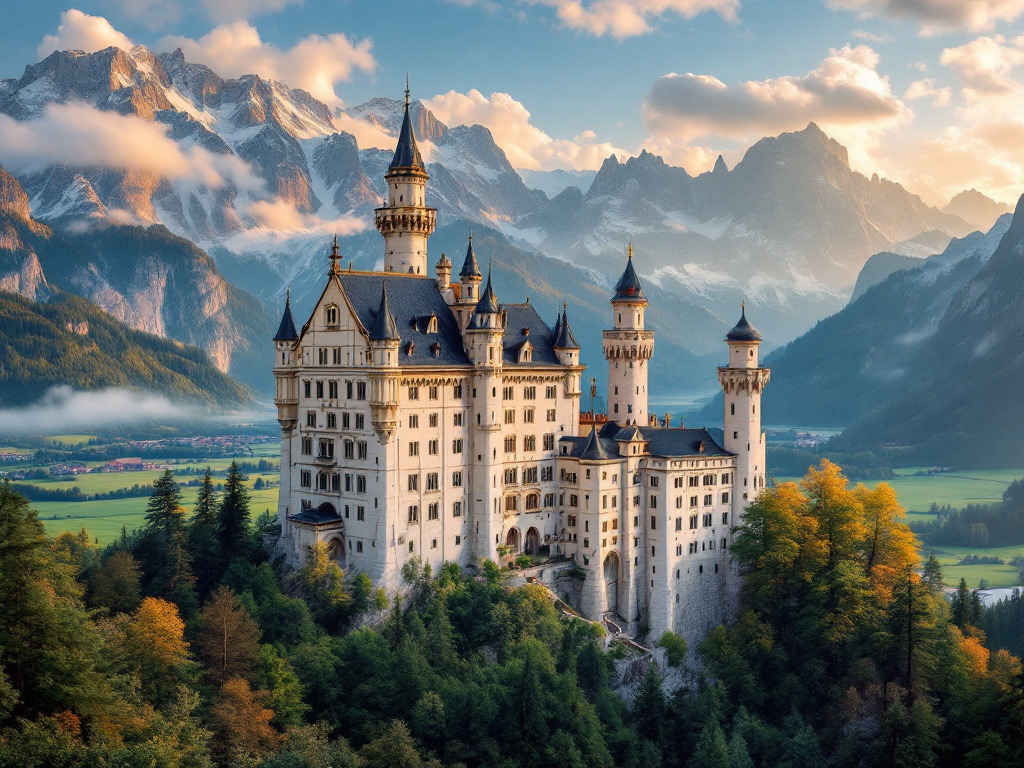
Neuschwanstein Castle
Famous royal castle built by Ludwig II, dramatically located in the Bavarian Alps.
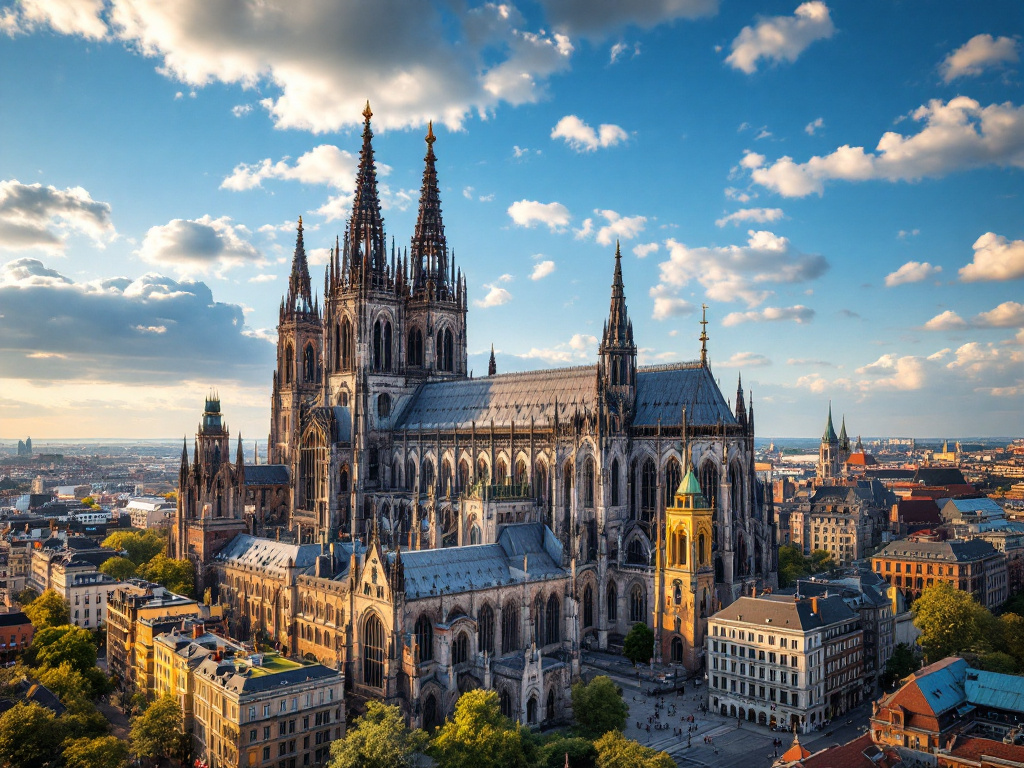
Cologne Cathedral
Imposing Gothic cathedral and one of Europe's most important religious buildings.
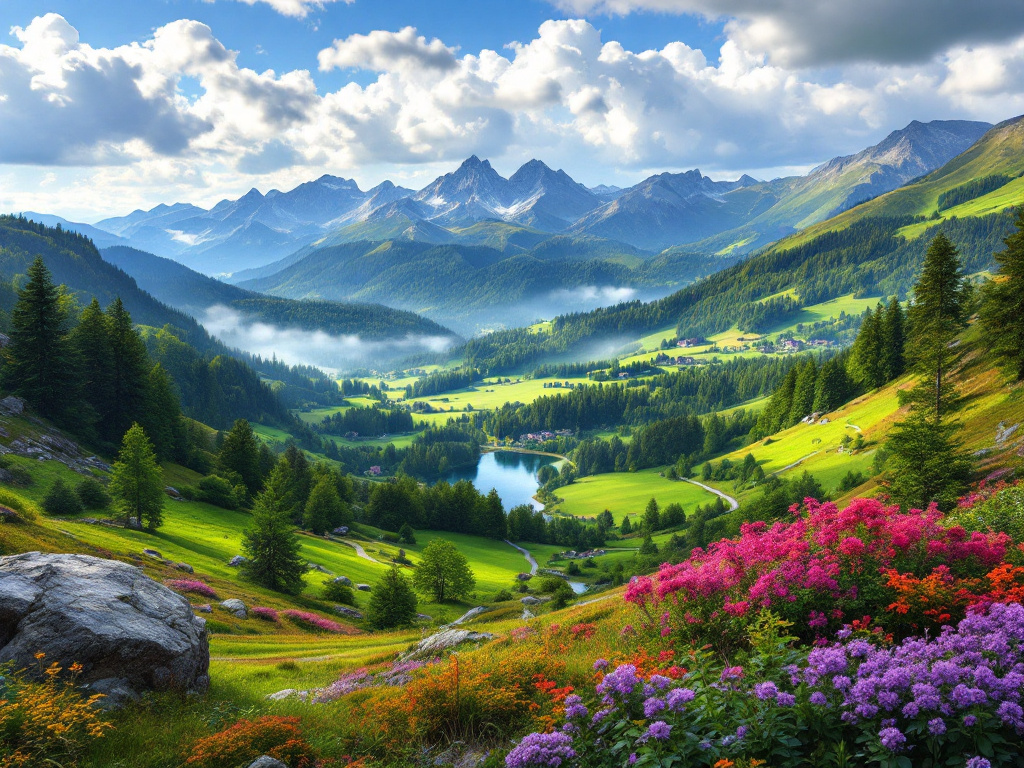
Black Forest National Park
Large protected nature area with forests, valleys, and rich outdoor opportunities.
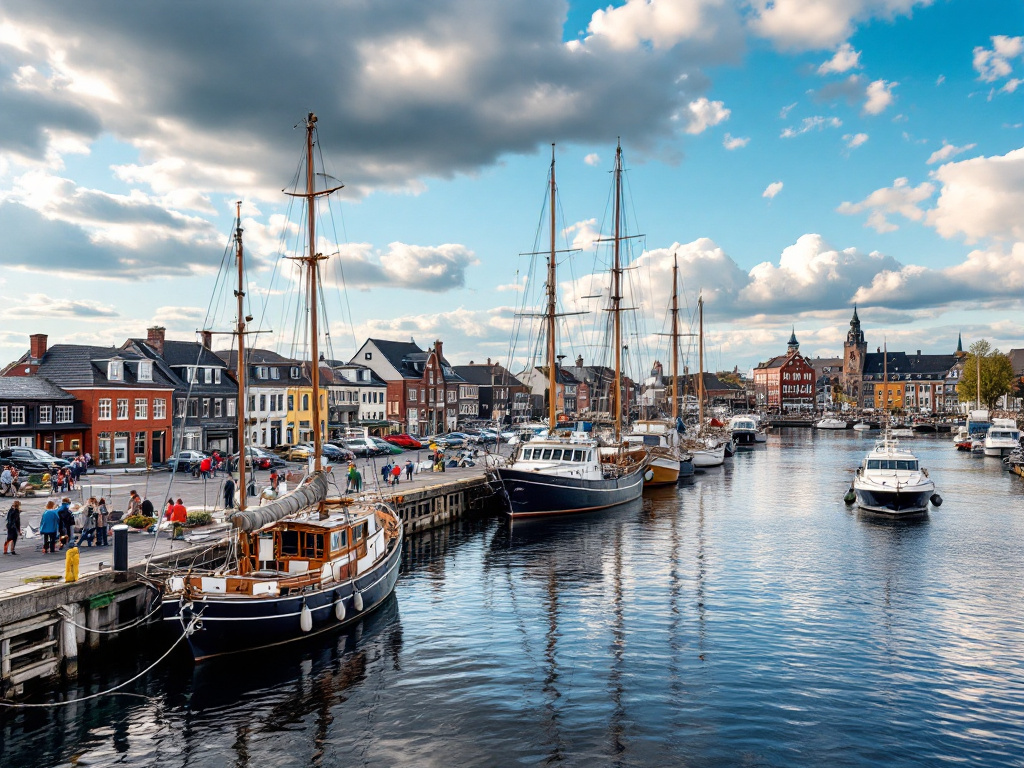
Hamburg Harbor
Vibrant harbor area with history, modern architecture, and maritime experiences.
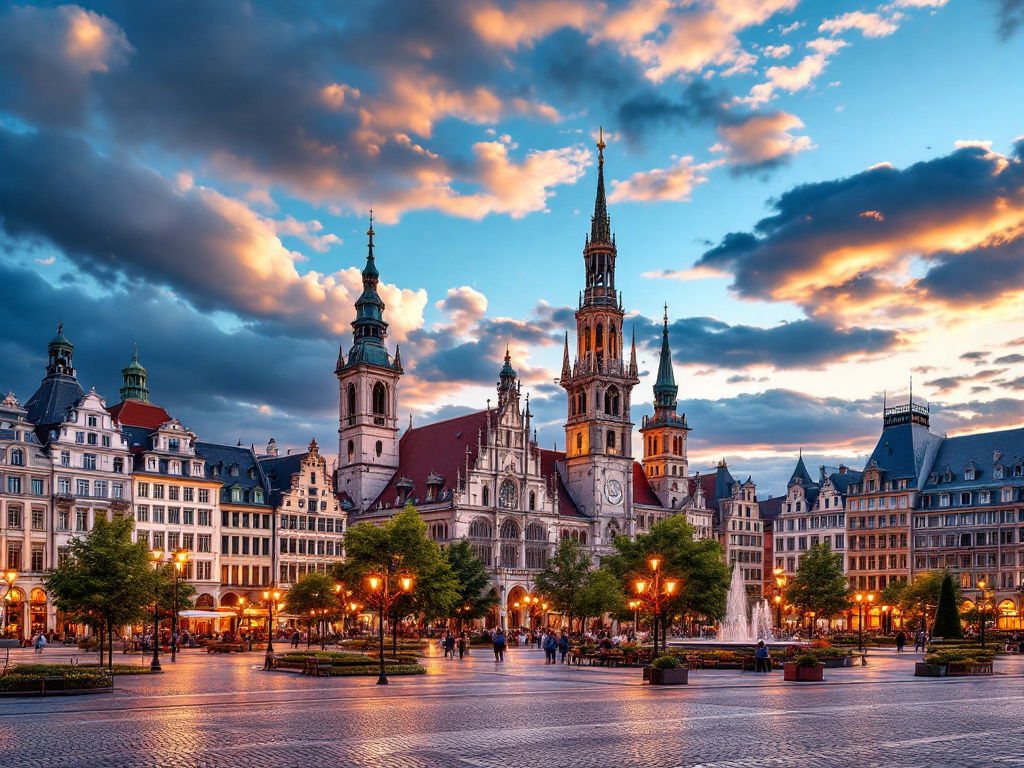
Marienplatz
Munich's central square surrounded by historic buildings and constant city life.
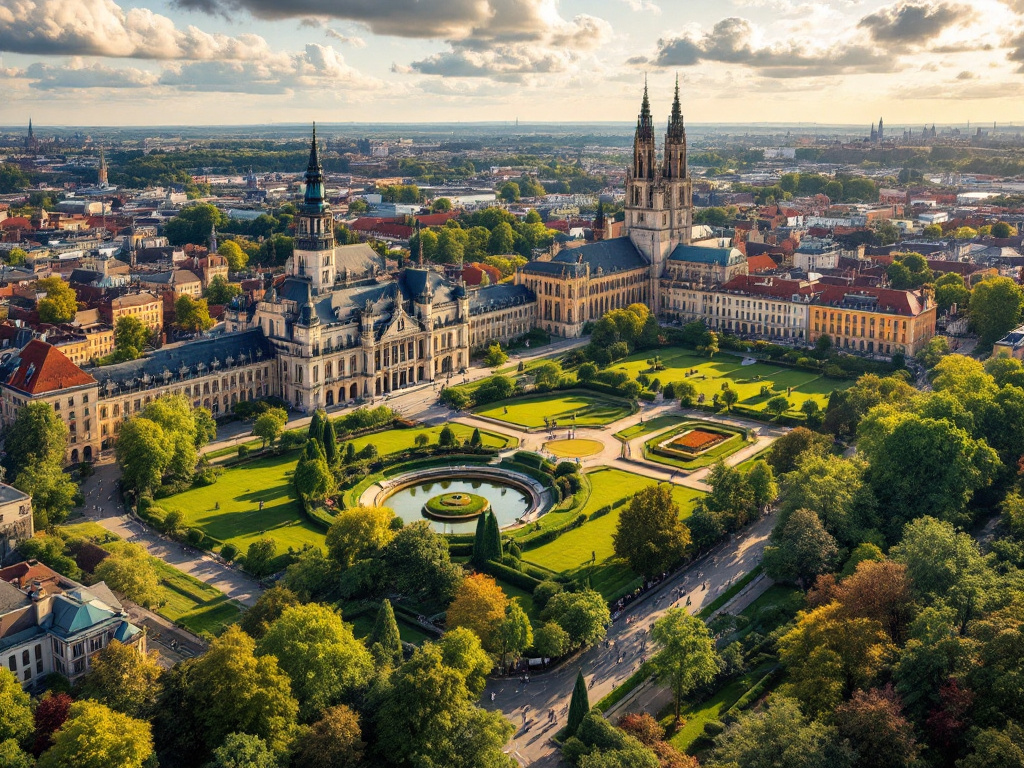
Zwinger in Dresden
Magnificent baroque complex with museums and courtyards in the heart of Dresden.
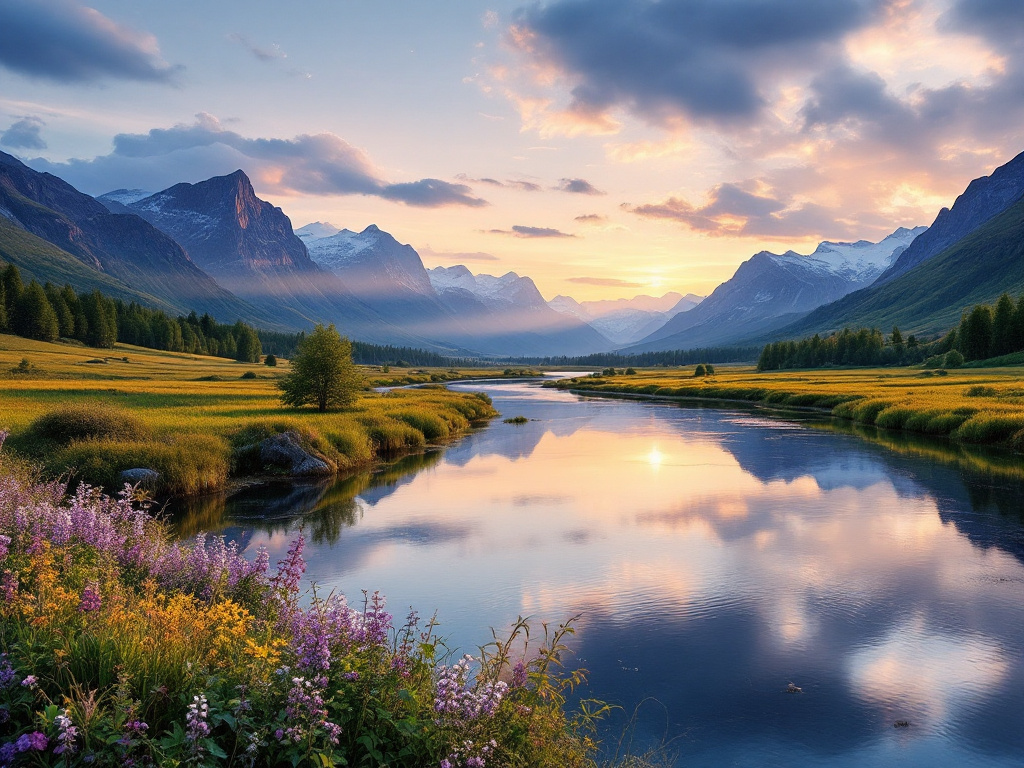
Rhine Valley
Picturesque valley along the Rhine known for wine, medieval castles, and romantic atmosphere.
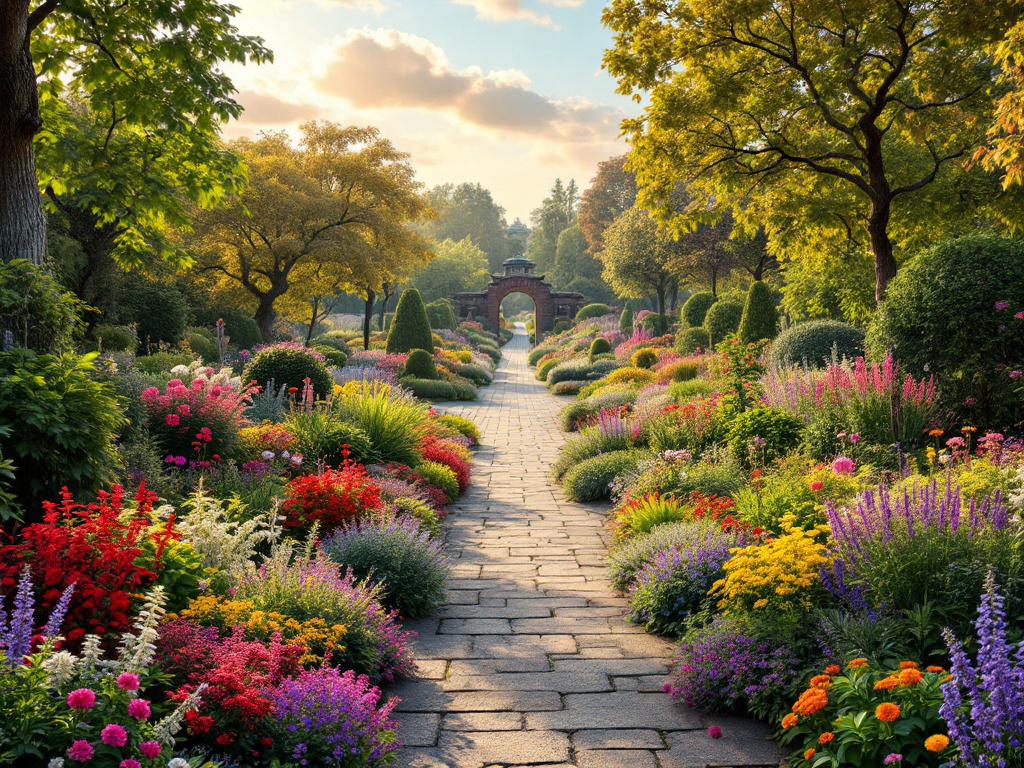
Gardens of the World
Large garden complex in Berlin with themed gardens from around the world.
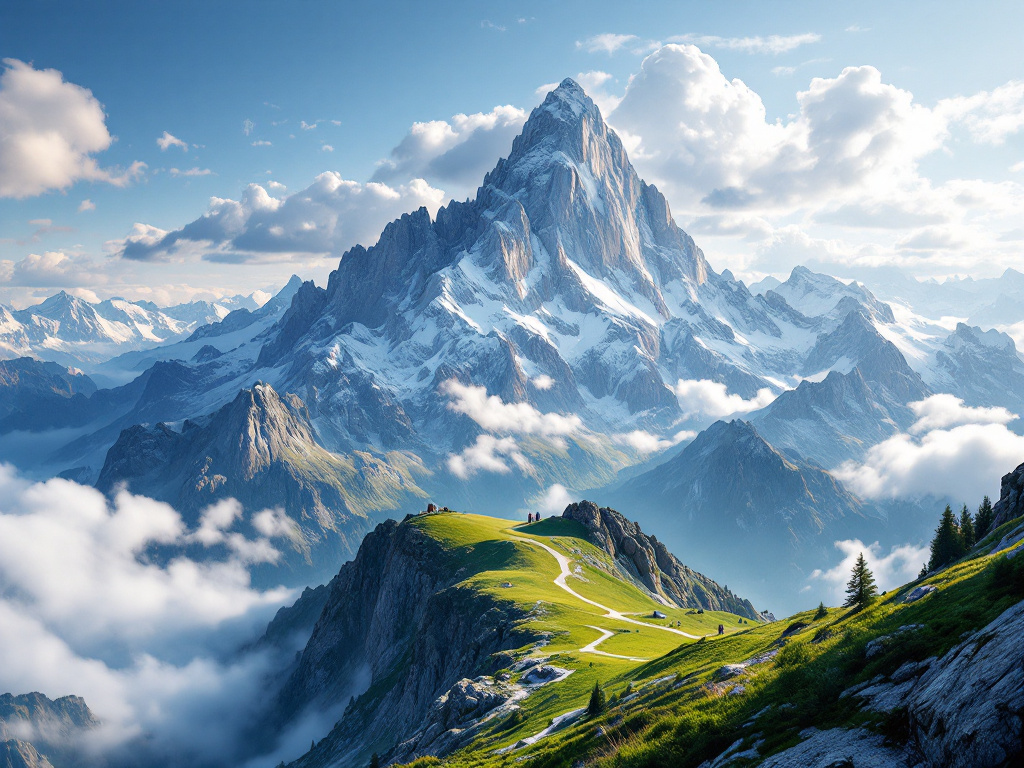
Zugspitze
Germany's highest point with spectacular views of the Alps.
Famous cuisine
Culinary overview
Germany's food culture is diverse and reflects the country's regional traditions. From the hearty dishes of Bavaria to the fish-based specialties of Northern Germany, the country offers a culinary journey through centuries of history. Sausages, bread, and beer are central elements, but cakes, pastries, and wine from regions such as Mosel and Rheingau also play an important role. Markets, beer festivals, and Christmas markets give visitors a chance to taste authentic dishes in cozy surroundings.
Must-try dishes
Bratwurst
A classic German sausage made from pork, beef, or veal, often seasoned with herbs and served with mustard and bread or sauerkraut.
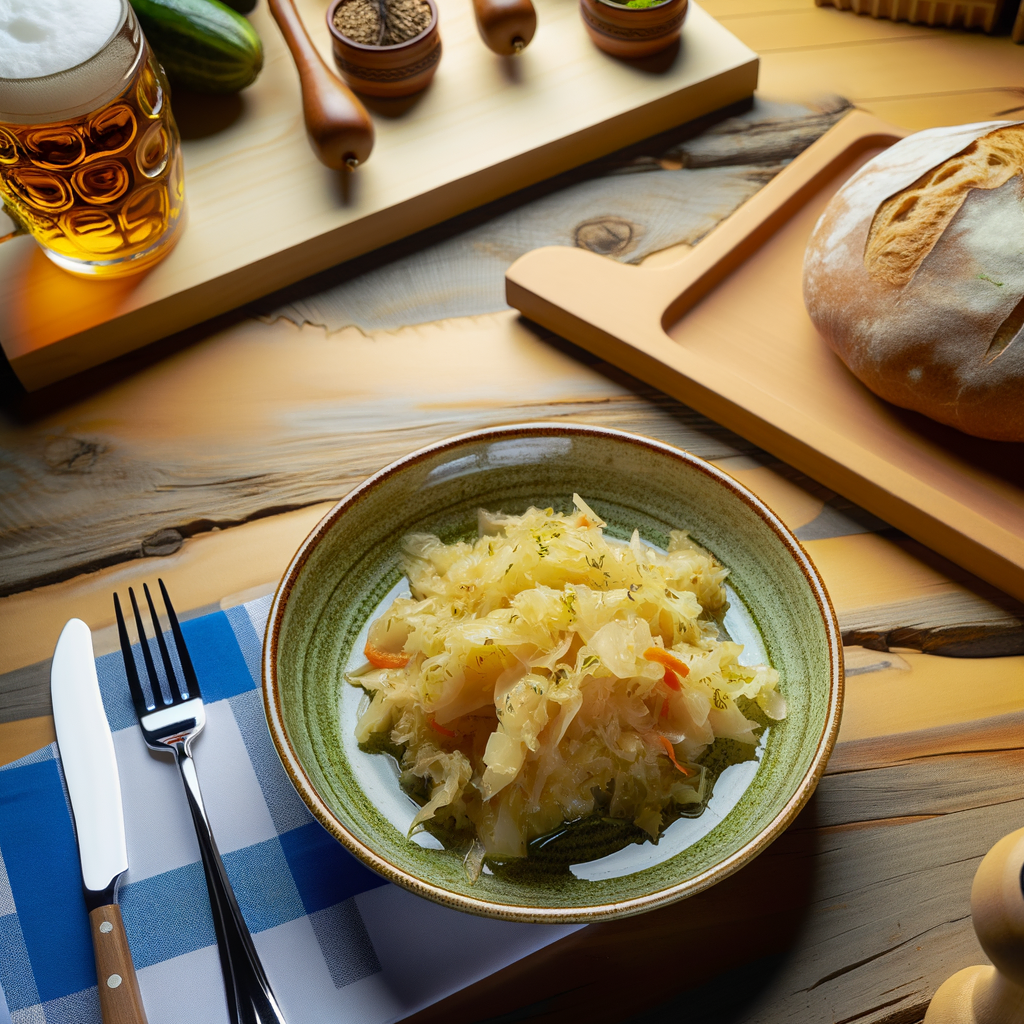
Sauerkraut
Fermented white cabbage with a sour taste, often served as a side dish to meat dishes and sausages.
.webp)
Brezel (Pretzel)
A salted, baked bread in a knot shape, popular as a snack or to accompany beer, especially in Bavaria.
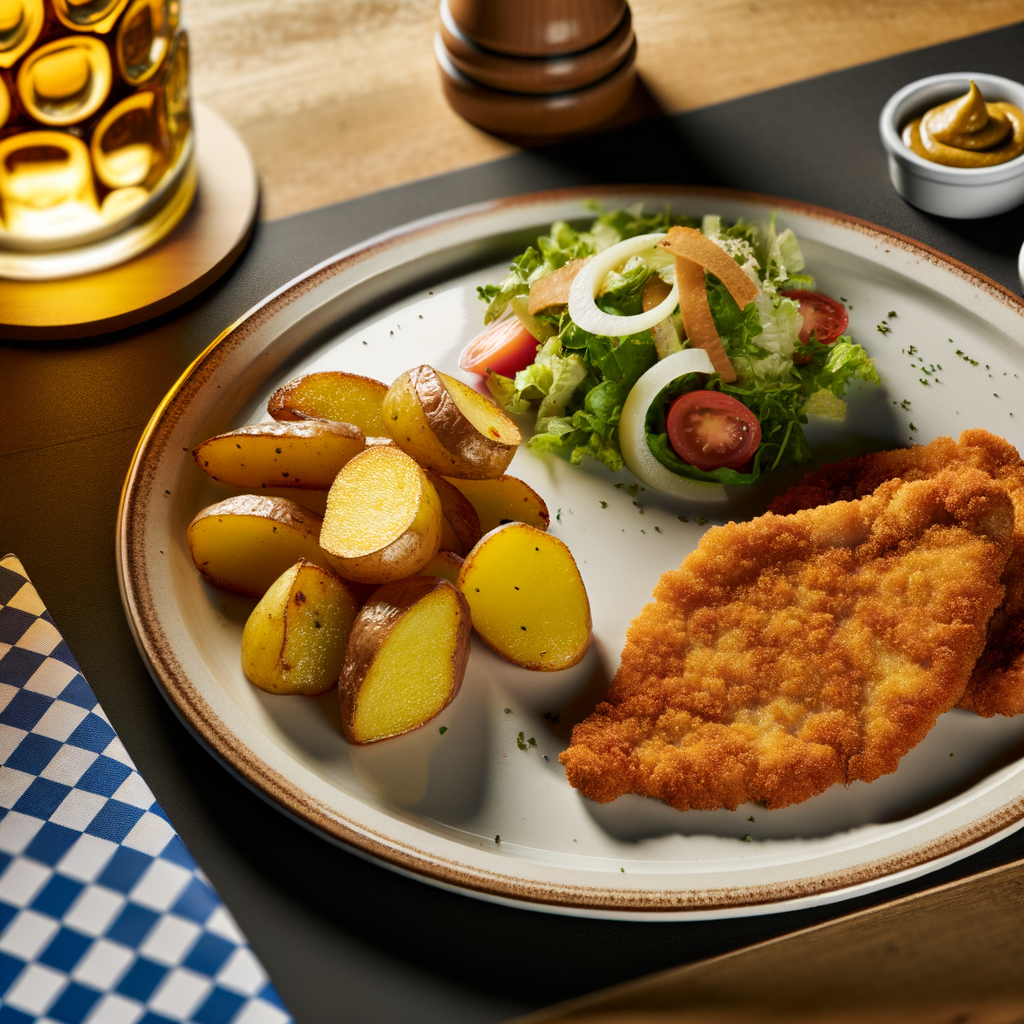
Schnitzel
Breaded and fried meat, typically pork or veal, served with potatoes or salad.
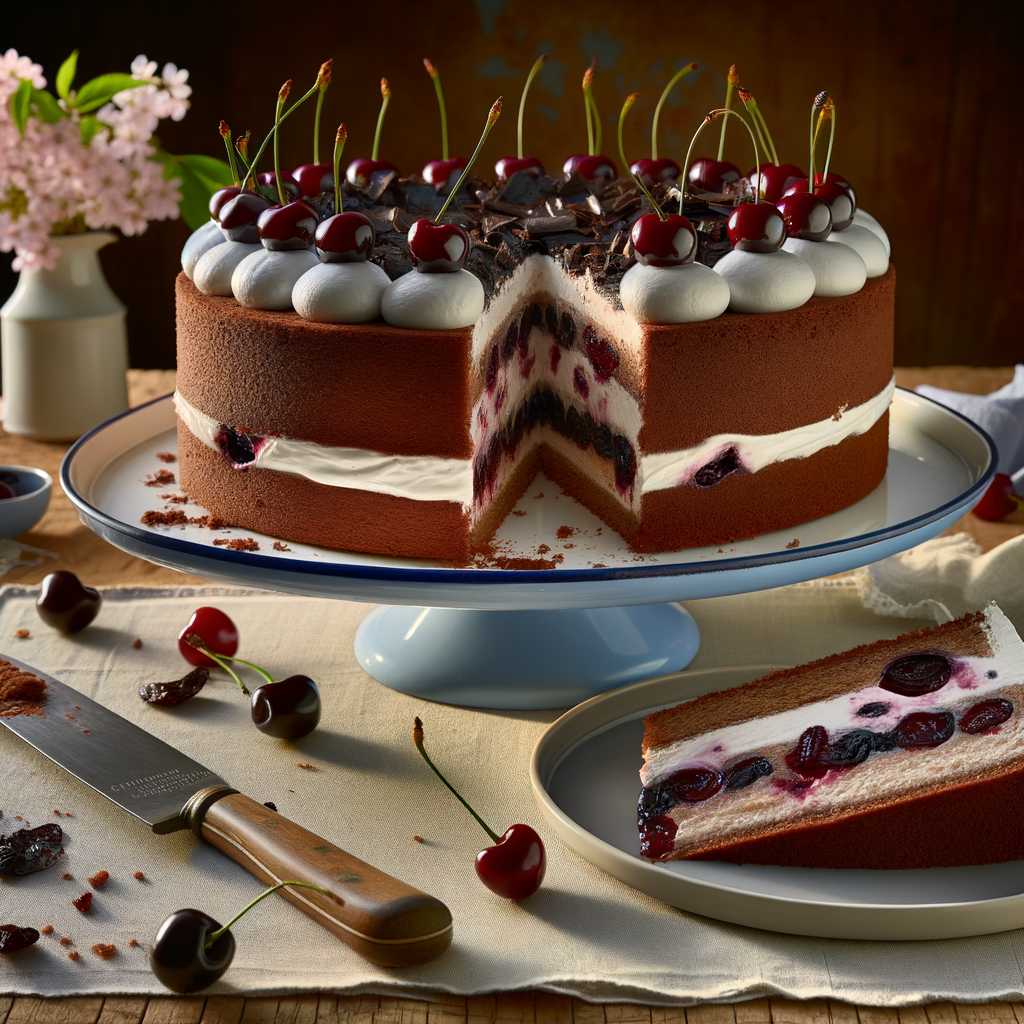
Schwarzwälder Kirschtorte
Layer cake with chocolate layers, whipped cream, cherries, and kirsch (cherry liqueur), a specialty from the Black Forest region.
Restaurant information
Tipping
In Germany, service is often included in the price, but it is common to round up to the nearest euro or give 5-10% in tips, depending on the level of service. Tips are given directly to the server at payment.
Travel information
Currency
Euro (€)
Language
German
Best time to visit
May-September
Major cities
Berlin and other major cities
More countries in Europe
Discover more destinations in this region