
Djibouti
Djibouti, where surreal landscapes meet rich marine life – explore salt lakes, volcanic plains, and dive with whale sharks in the Gulf of Tadjoura.
Overview
Djibouti is a hidden gem on the Horn of Africa, where surreal landscapes and rich marine life converge. Visit Lac Assal, Africa's lowest point surrounded by volcanic plains and dramatic gorges, or dive into the crystal-clear waters of Tadjoura Bay, teeming with colorful coral reefs and the opportunity to swim with whale sharks. From the lush forests of Day Forest National Park to the golden beaches of Arta Beach, Djibouti offers unforgettable nature experiences infused with a unique cultural heritage and delightful culinary adventures.
Official language
French and Arabic
Government
Presidential republic
Best time to visit
November to February
Nature
Djibouti's landscapes are both raw and captivating, offering a unique blend of desert, sea, and lush oases. Home to Lac Assal, the lowest point in Africa at 155 meters below sea level, and one of the saltiest lakes in the world, this surreal destination is framed by white salt crusts and volcanic formations. Explore volcanic plains and deep gorges that narrate a dramatic geological history, or wander through Day Forest National Park, a verdant oasis with green treetops and cool mountain trails. The stunning coastline along Tadjoura Bay is an underwater paradise, where colorful coral reefs and vibrant fish abound, as well as the chance to swim with majestic whale sharks during the winter months. The best time to visit is from November to February, when temperatures are milder and ideal for adventures that range from hiking in the mountains to relaxing on the golden sands of Arta Beach.
Travel to Djibouti
Traveling to Djibouti is an extraordinary experience for those seeking the unusual. Easily accessible via Djibouti International Airport, the country has connections to major cities in Africa, the Middle East, and Europe. The best time to explore Djibouti is from November to February, when the climate is pleasant for both water activities and trekking. Travelers can combine relaxation on Arta Beach with diving or snorkeling in Tadjoura Bay, where whale sharks frequently appear. Adventurous souls can explore the surreal salt flats of Lac Assal, hike in Day Forest National Park, or embark on a desert safari in Ali Sabieh. Djibouti City offers lively markets, cozy cafés, and insights into the nation’s multicultural essence. With its compact size, visitors can easily experience the stunning coast, rugged desert, and majestic mountain areas within just a few days, making Djibouti an ideal destination for a quick yet intense journey filled with contrasts.
Culture
The culture of Djibouti is a fascinating tapestry woven from French, Arabic, Somali, and Afar traditions, reflected in its languages, music, dance, and gastronomy. While French and Arabic are the official languages, Somali and Afar add to the rich linguistic diversity. The music is rhythmic and storytelling in nature, often accompanied by drums and string instruments during festive dances. Culinary delights await, featuring fresh seafood alongside spicy dishes from the desert – be sure to savor the freshly fried fish, aromatic goat soup known as fah-fah, crispy sambuusa filled with meat or vegetables, and the soft flatbread laxoox, often served with honey or a spiced sauce. The vibrant markets of Djibouti City are a cultural hub, where the aromas of cardamom coffee, incense, and freshly baked bread mingle. Hospitality is woven into the fabric of Djibouti's culture, with visitors often invited to share a meal or a cup of tea as a sign of friendship.
History
Strategically located at the entrance of the Red Sea, Djibouti has been an important trade hub for centuries. The region has been inhabited by Afar and Somali peoples for thousands of years, with its coastal towns serving as stops along trade routes between Africa, the Middle East, and Asia. In the late 19th century, Djibouti became a French colony known as French Somaliland, leaving a lasting influence on the language, infrastructure, and governance. Djibouti gained independence in 1977 and established itself as a presidential republic. Since then, it has maintained its role as a strategic center for international trade and military presence while preserving its unique cultural identity.
Top attractions
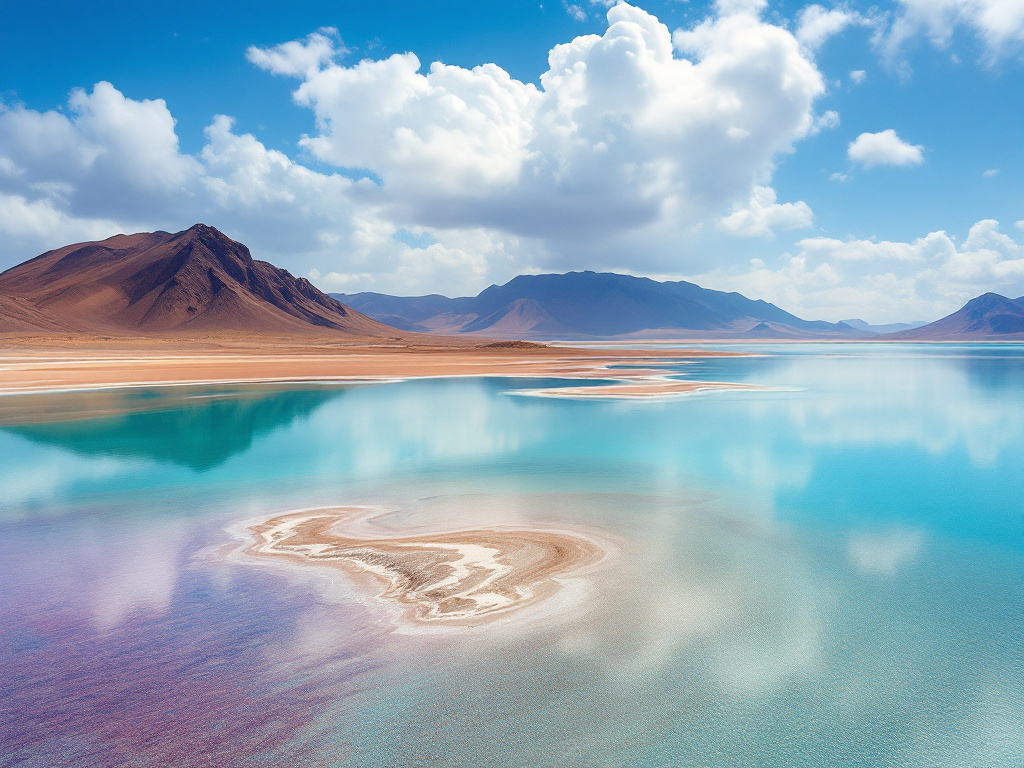
Lac Assal
Lac Assal is a spectacular saline lake surrounded by lava fields and known as Africa's lowest point.
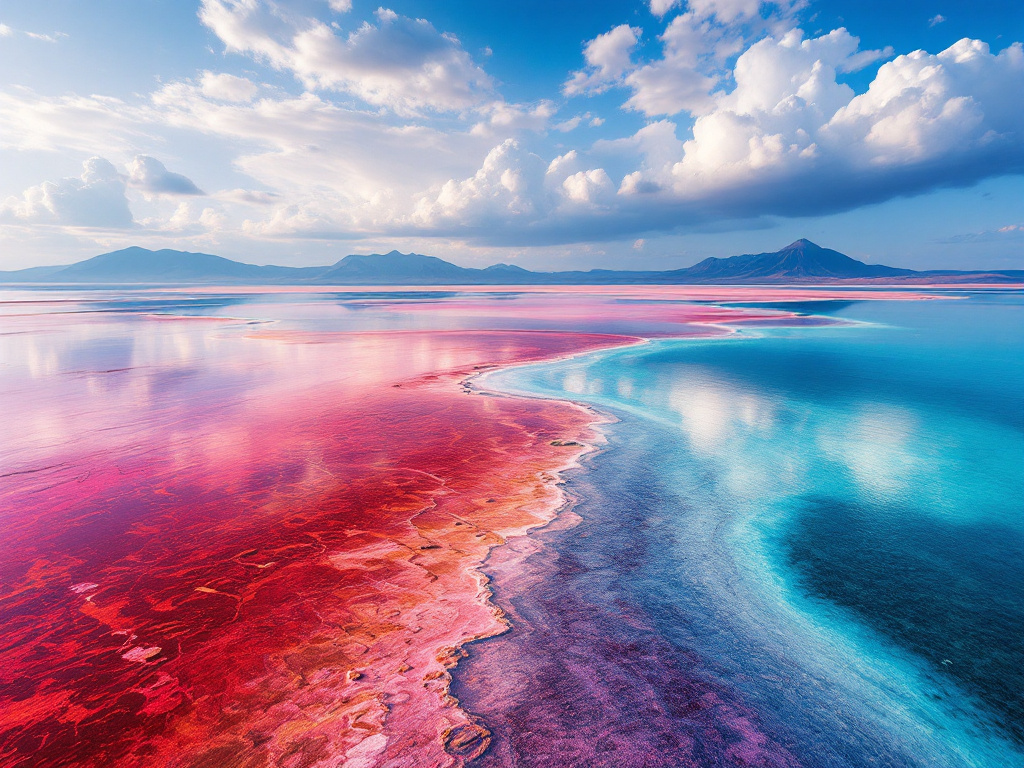
Lac Abbe
Lac Abbe is known for its unique limestone formations and surreal desert landscape.
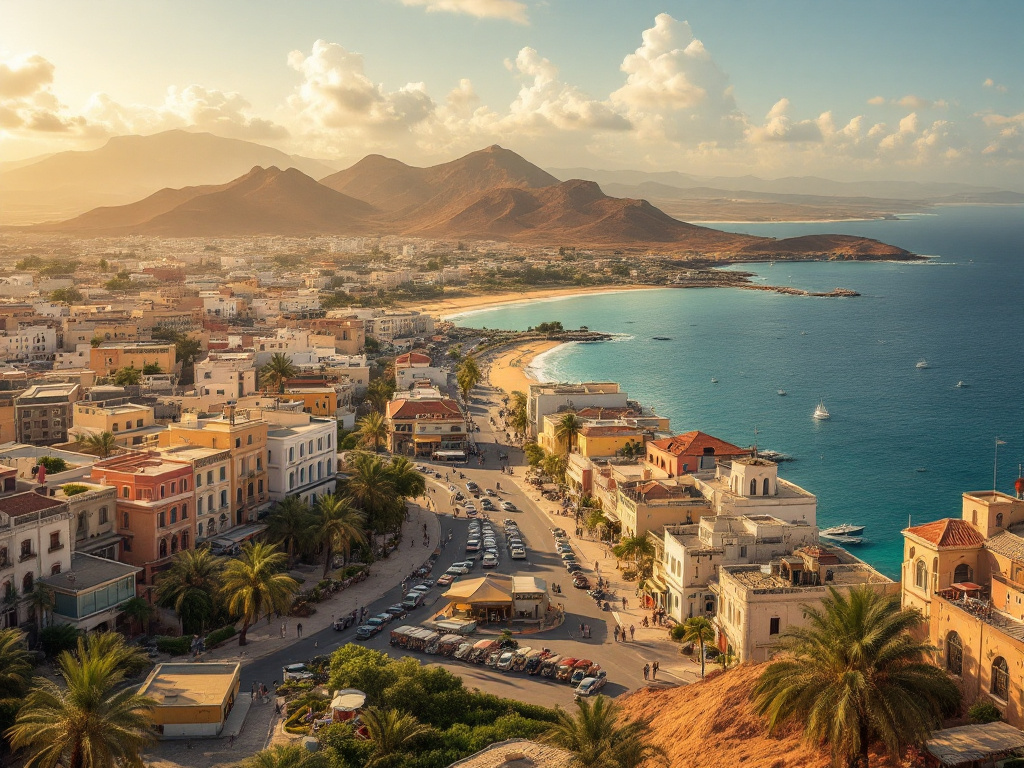
Djibouti City
Djibouti's capital combines African and Arab culture with a strategic location by the Red Sea.
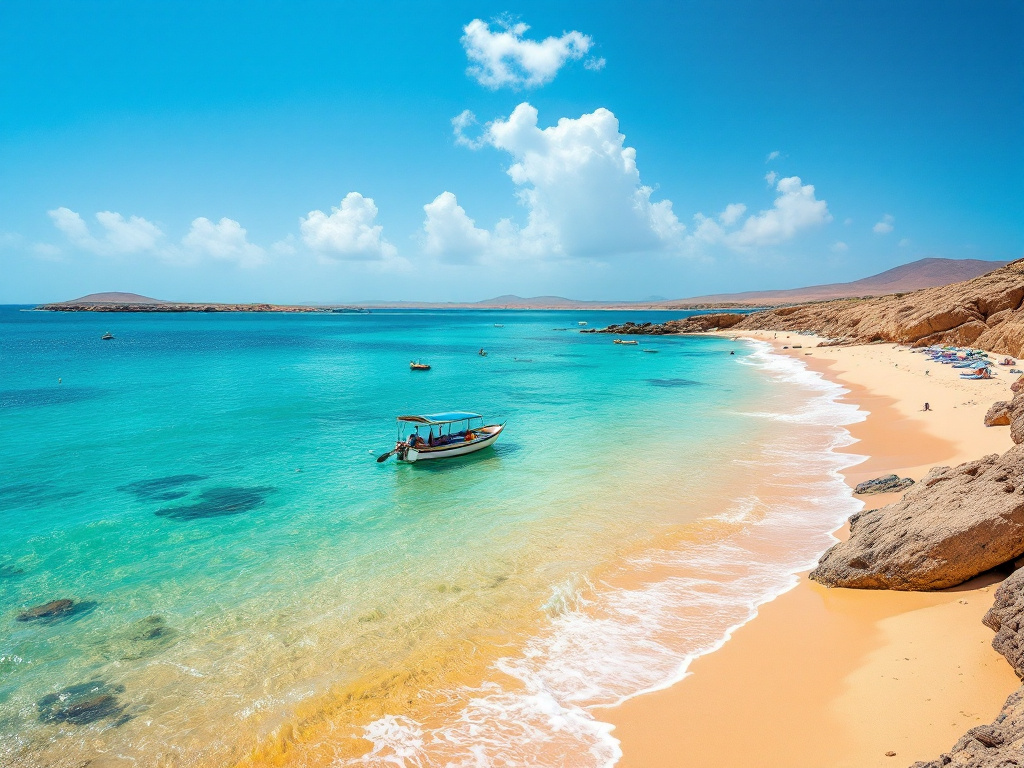
Moucha Island
Moucha Island is a popular excursion island known for its beaches and excellent snorkeling.

Day Forest National Park
Day Forest National Park protects one of the few forested areas in Djibouti and offers cooler temperatures.
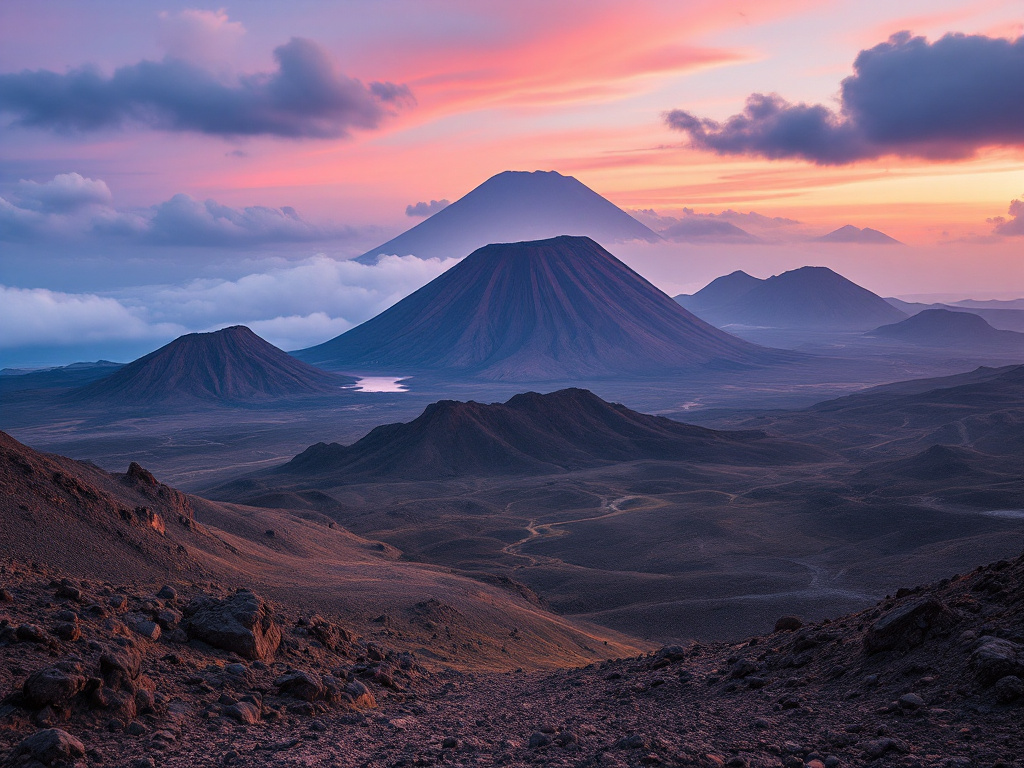
Ardoukoba Volcano
Ardoukoba Volcano offers a unique insight into the Earth's tectonic forces.
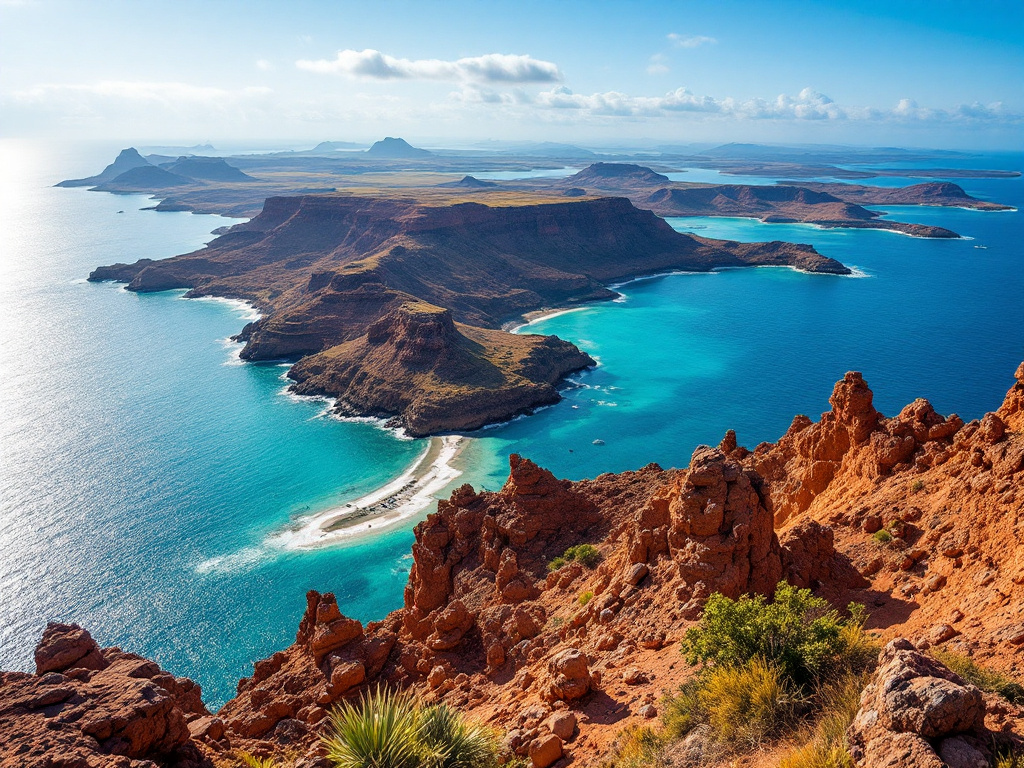
Gulf of Tadjoura
The Gulf of Tadjoura is known for its rich marine life and some of the world's best encounters with whale sharks.
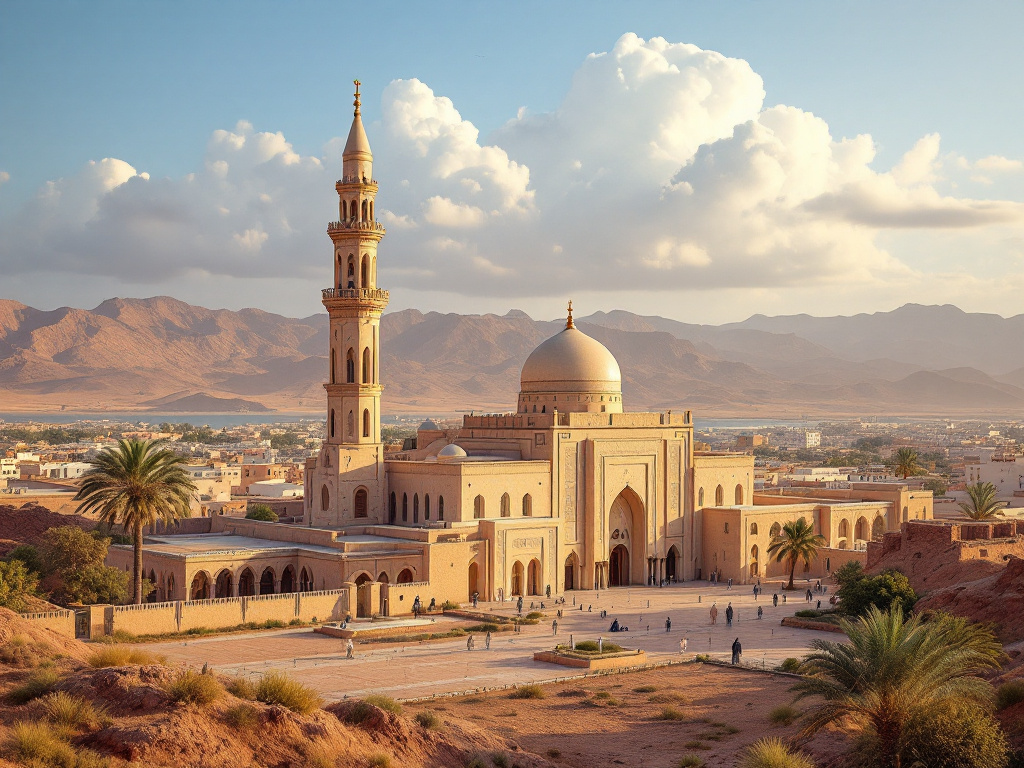
Hamoudi Mosque
Hamoudi Mosque is one of Djibouti's oldest and most important religious buildings.
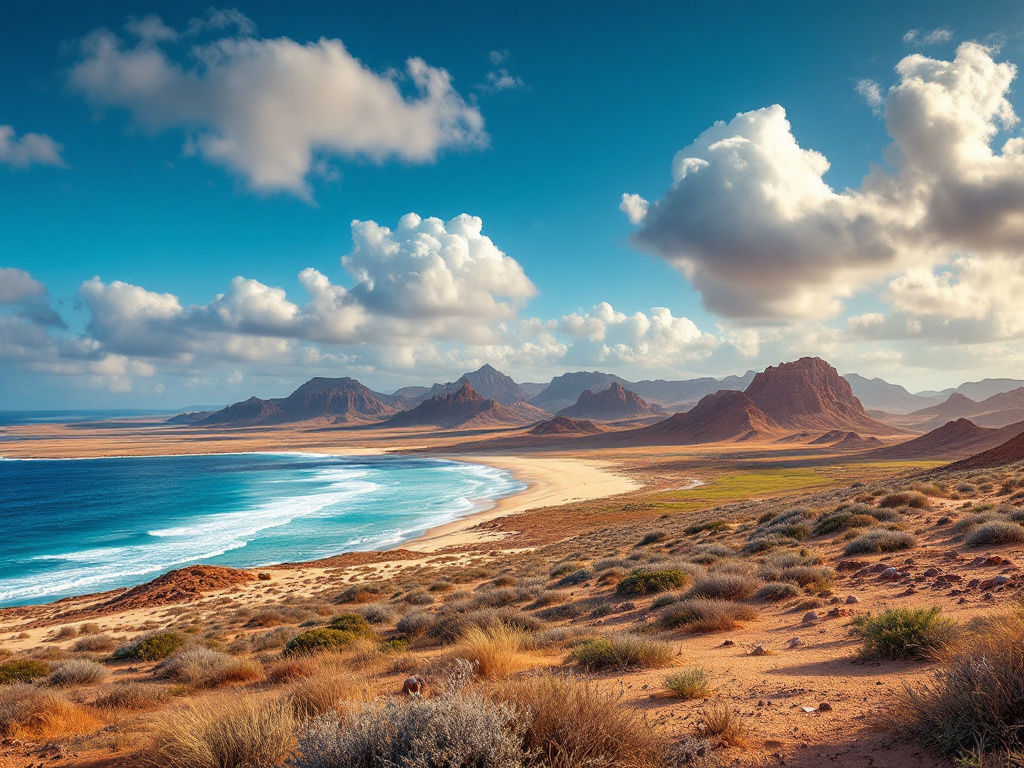
Goda Mountains
The Goda Mountains offer some of the coolest temperatures and most beautiful views in Djibouti.
Famous cuisine
Culinary overview
Djibouti's food culture is a fascinating blend of French, Arabic, Somali, and Afar traditions. The country's location by the Red Sea means that fresh fish and seafood play a central role, often prepared with aromatic spices like cardamom, cinnamon, and cumin. The streets are filled with the scent of freshly baked flatbread and spiced stews, while coffee and tea ceremonies are an important part of social life. Meals are often shared communally, and hospitality is a cornerstone of the dining experience.
Must-try dishes
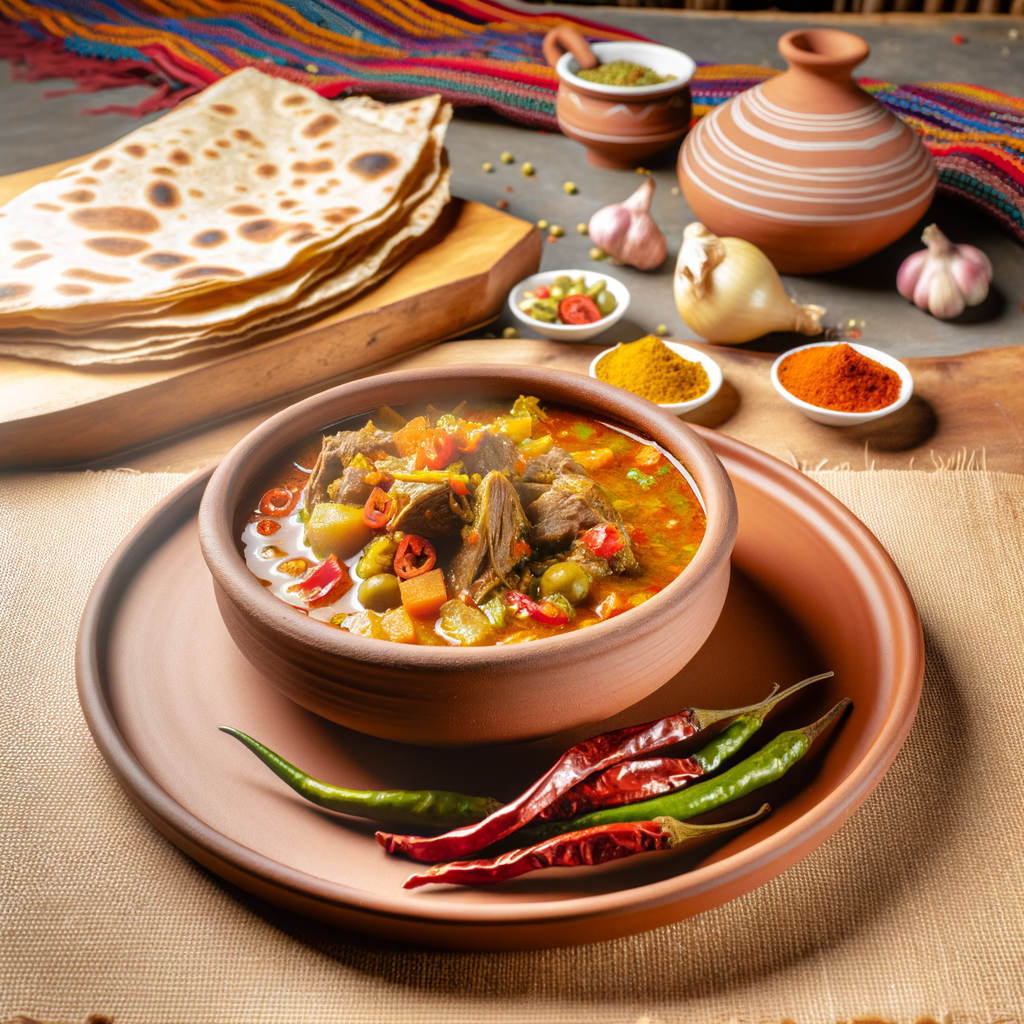
Fah-fah
A spiced goat soup prepared with vegetables, chili, and aromatic spices. Often served with flatbread for dipping in the soup.
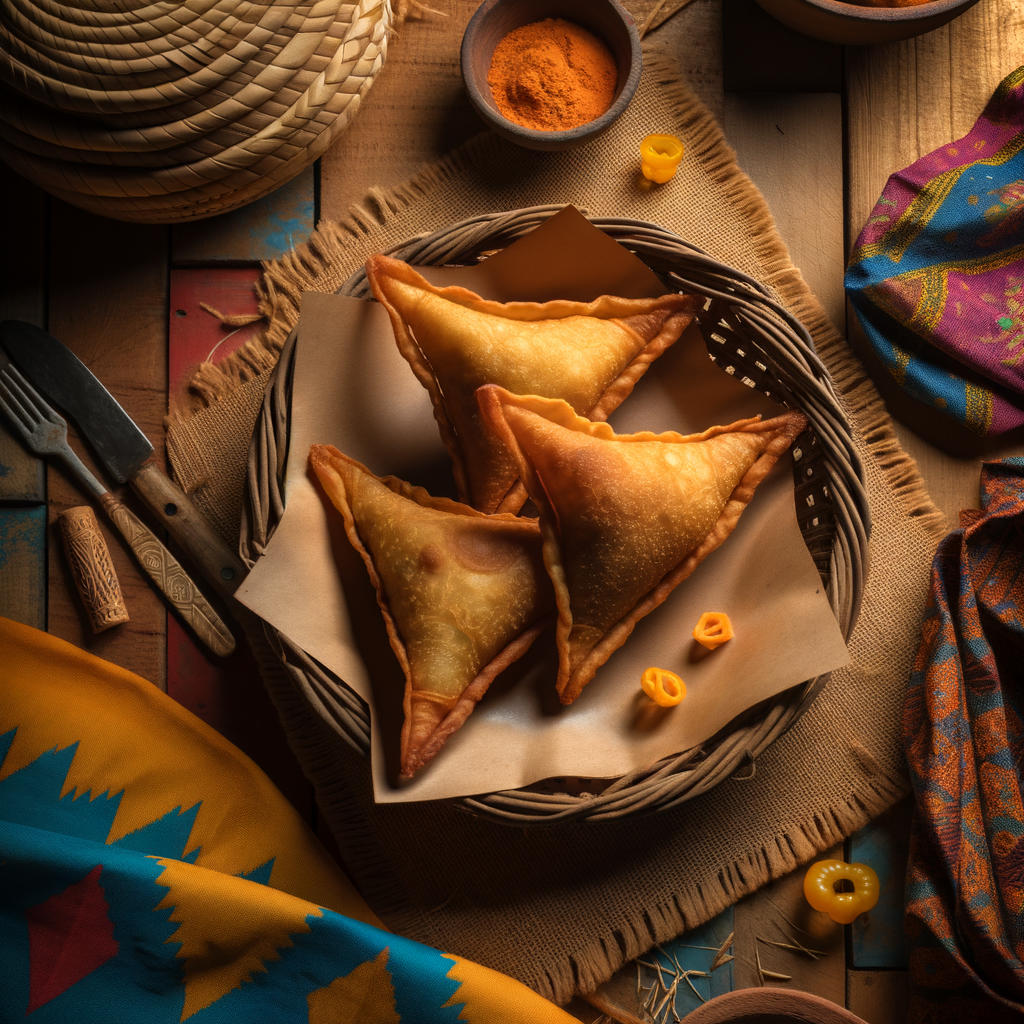
Sambuusa
Crispy triangular pastry filled with spiced meat or vegetables, deep-fried to perfection. Popular as a snack or appetizer.
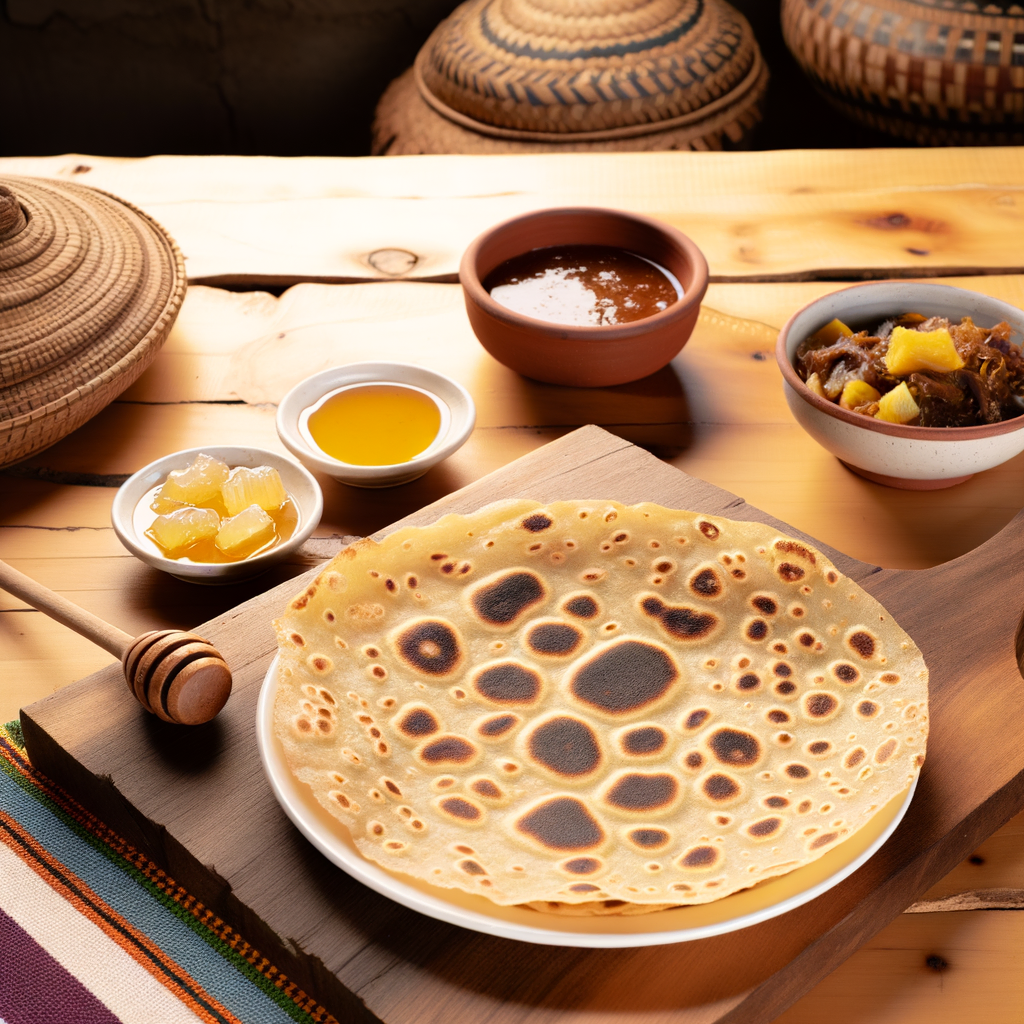
Laxoox
A traditional Somali-inspired flatbread with a slightly spongey texture, often eaten at breakfast with honey or alongside stews.
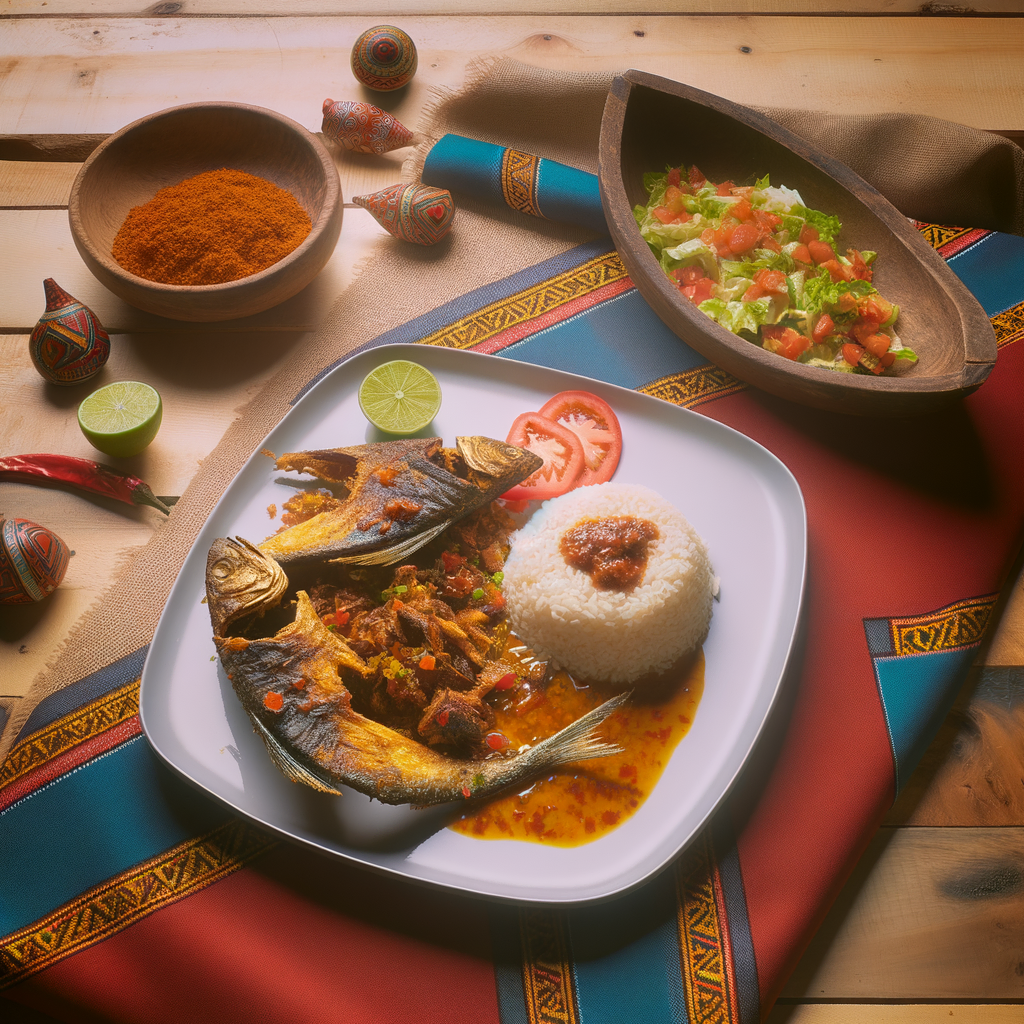
Friskstegt fisk
Locally caught fish, grilled or fried, served with rice or salad and a spicy sauce.
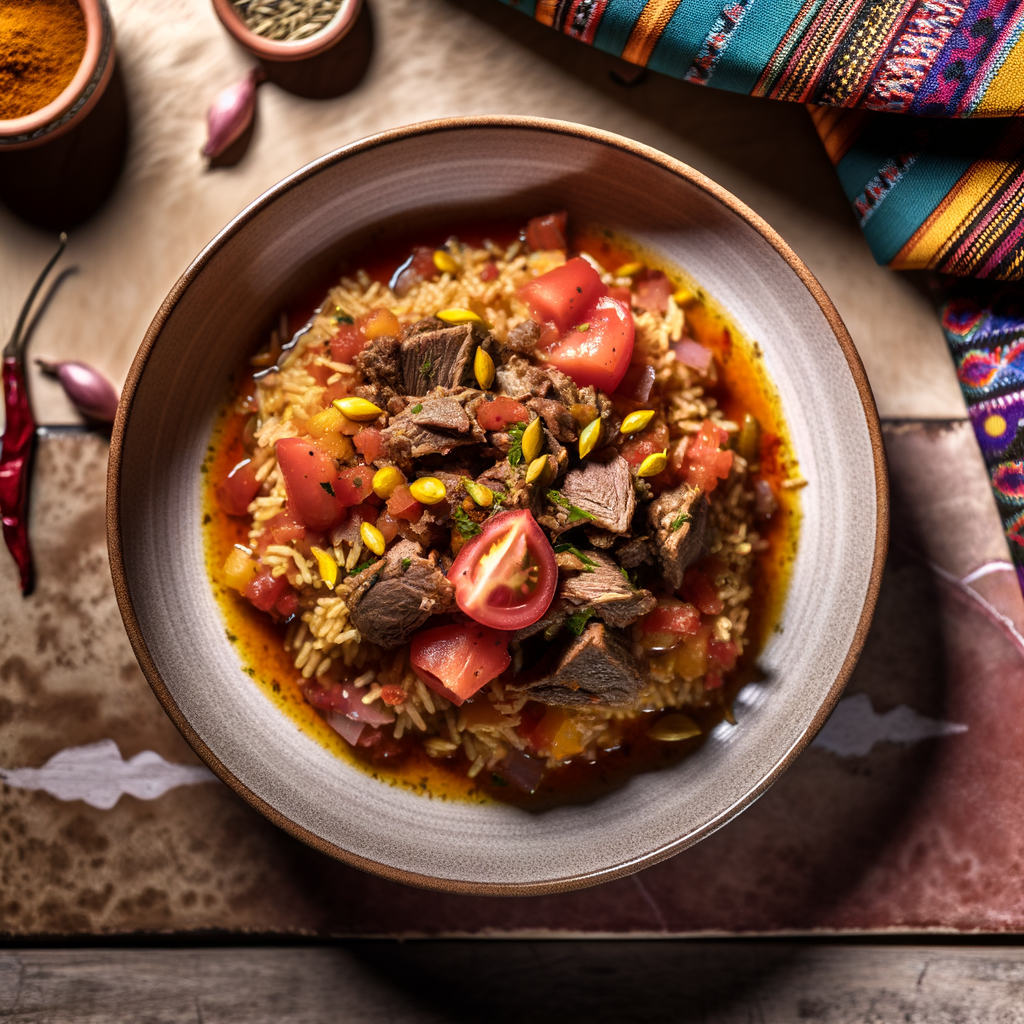
Skoudehkaris
An aromatic rice dish with meat (often lamb or beef), prepared with tomato, onion, and spices like cardamom and cumin.
Restaurant information
Tipping
Tipping is not a fixed part of the culture in Djibouti, but it is appreciated to round up or give around 5-10% at restaurants, especially if the service has been good.
Travel information
Currency
Djiboutisk franc (Fdj)
Language
French and Arabic
Best time to visit
November to February
Major cities
Djibouti By and other major cities
More countries in Africa
Discover more destinations in this region