
Algeria
Algeria, Africa's largest country, combines snow-capped mountains, Mediterranean coastlines, and ancient Roman wonders like Timgad and Djémila, offering a fascinating mix of history and natural beauty.
Overview
Discover the magic of Algeria, Africa's largest country, where majestic mountain ranges, sun-drenched Mediterranean beaches, and ancient Roman ruins combine to create a captivating journey. The vibrant capital of Algiers, with its UNESCO-protected Kasbah, invites exploration, while the archaeological sites of Timgad and Djémila whisper tales of a grand historical legacy. Here, the fusion of Arab, Berber, and French influences enriches both culture and cuisine, making Algeria an ideal destination for those seeking history, culture, and stunning natural beauty. Embrace the adventure that awaits and let Algeria open its treasures to you.
Official language
Arabic
Government
Presidential republic
Best time to visit
March-May and September-November
Nature
Algeria boasts a breathtaking array of landscapes, making it a haven for nature lovers and adventure seekers. To the north, the Mediterranean coastline entices with its golden beaches, rugged cliffs, and fertile plains perfect for vineyards and olive groves. Journeying inland, you will discover the Atlas Mountains, which feature snow-capped peaks in winter and lush valleys in spring, ideal for trekking and exploring. As you venture south, the majestic Sahara Desert unfolds, revealing endless dunes, dramatic sand sculptures, and oases that sustain life in this arid expanse. One of the world's most unique natural wonders, Tassili n'Ajjer, captivates visitors with its surreal sandstone formations and ancient rock paintings that hint at a once-thriving ecosystem. The Hoggar Mountains, in central Sahara, present volcanic landscapes and an otherworldly atmosphere that is ideal for those seeking untouched beauty. The best times to explore Algeria's diverse natural offerings are during spring (March to May) and autumn (September to November) when temperatures are moderate, enhancing outdoor activities.
Travel to Algeria
Traveling to Algeria offers a genuine experience of a country that remains relatively untouched by mass tourism, making it a true gem for explorative travelers. The ideal times to visit are in the spring (March to May) and autumn (September to November), as the weather is mild and pleasant for both city exploration and desert excursions. Flights to the capital, Algiers, provide convenient access to the coast, mountains, and desert. Visitors can engage in a range of activities, from hiking in the Atlas Mountains and discovering ancient Roman ruins to embarking on a camel safari in the Sahara or visiting the unique cities of the M'Zab Valley. Food enthusiasts will delight in sampling the rich flavors of Algerian cuisine, while cultural aficionados can dive into the vibrant markets, museums, and historical districts. Travelers should remain mindful of local customs and dress codes, especially in conservative areas, but will be met with warm hospitality and an enduring pride in Algeria's heritage.
Culture
Algeria's culture is a fascinating tapestry woven from Arab, Berber, and French influences, visible in its architecture, music, and cuisine. The capital city, Algiers, is home to the UNESCO-listed Kasbah, a labyrinth of narrow streets adorned with Ottoman palaces and bustling markets that pulse with life. The Berber heritage thrives in regions like the M'Zab Valley, where traditional desert towns reflect age-old architectural styles. Algerian music, ranging from the traditional chaâbi to the contemporary fusion sounds, fills the air, while crafts such as pottery, weaving, and jewelry-making remain vital aspects of daily life. The culinary scene is a delightful adventure featuring dishes like couscous, tajine, chakchouka, and merguez, each telling a story of a land rich in flavors and spices. Algerians are known for their hospitality, often inviting visitors to share in meals and enjoy a cup of tea, reinforcing the social bonds within this vibrant culture.
History
Algeria's history is deeply rooted in the legacies of some of the world's oldest civilizations. The region was home to the Berbers for millennia before becoming part of the Roman Empire, with impressive ruins still standing in Timgad, Djémila, and Tipasa that showcase its illustrious past. Following the Roman era, Arabic conquests introduced Islam and new cultural practices, leading to a rich blend of influences during Ottoman rule, which notably impacted architectural styles in urban areas. In the 19th century, Algeria fell under French colonial control, ushering in a wave of European culture and language but also igniting a protracted struggle for independence. This fight culminated in 1962, when Algeria finally achieved freedom after a brutal liberation war, an event that remains a cornerstone of national identity and pride today.
Top attractions
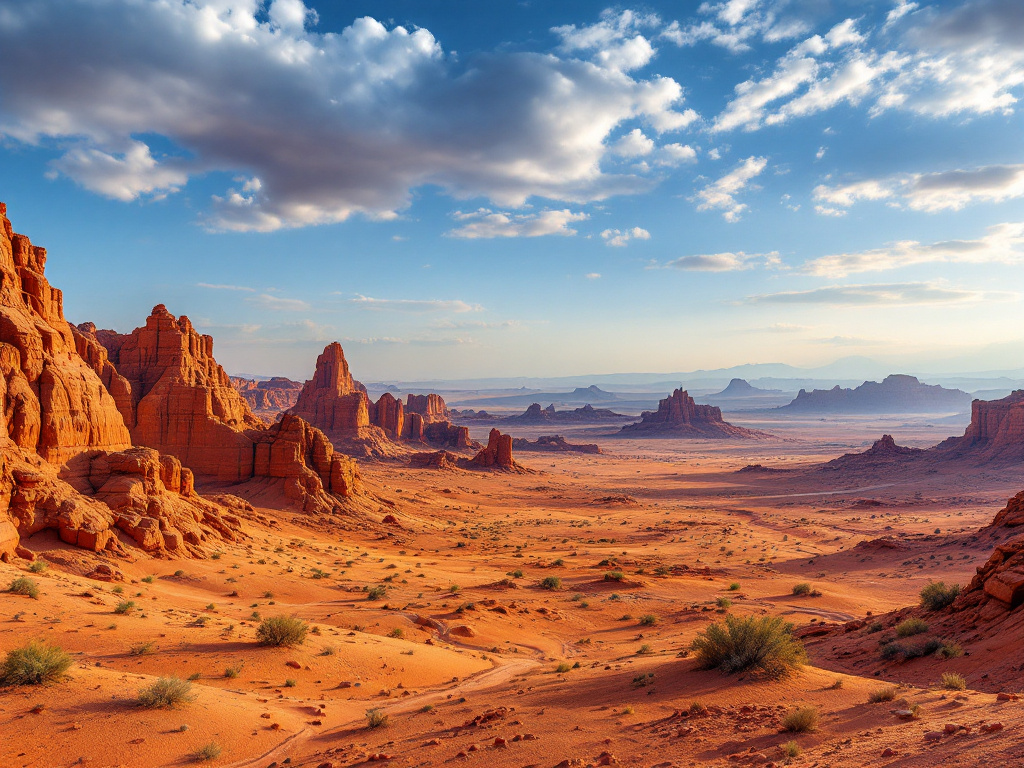
Tassili n'Ajjer
A spectacular desert plateau known for its unique rock art and dramatic landscape forms.
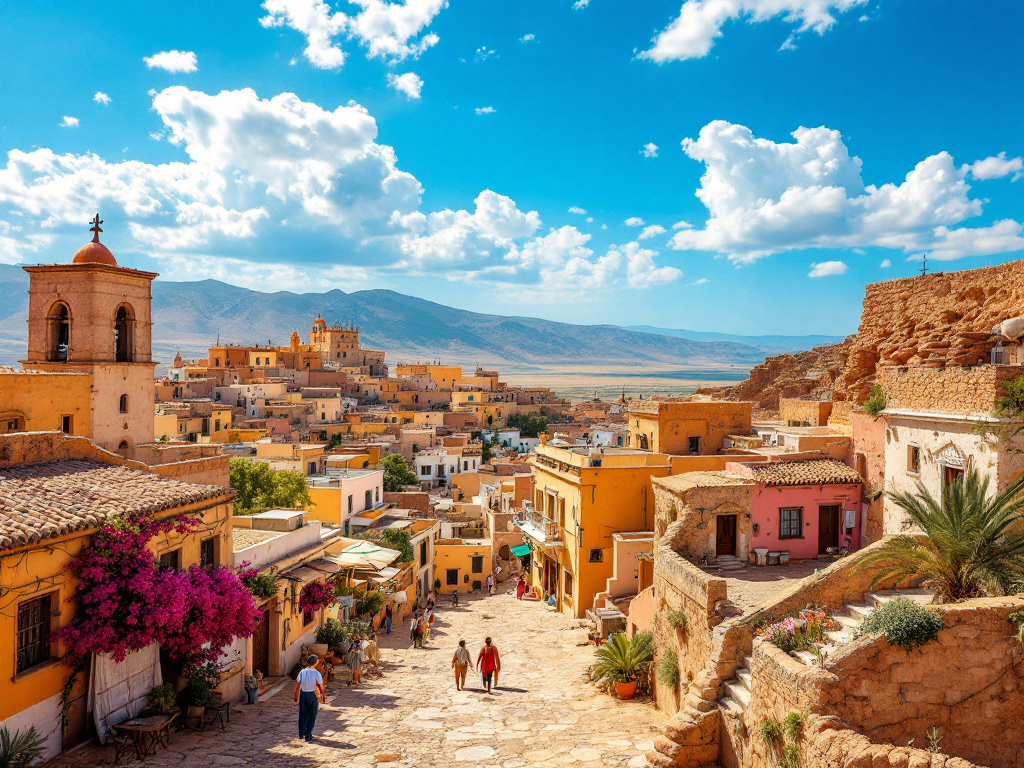
Kasbah of Algiers
The historical heart of Algiers with narrow streets, old houses, and rich cultural heritage.
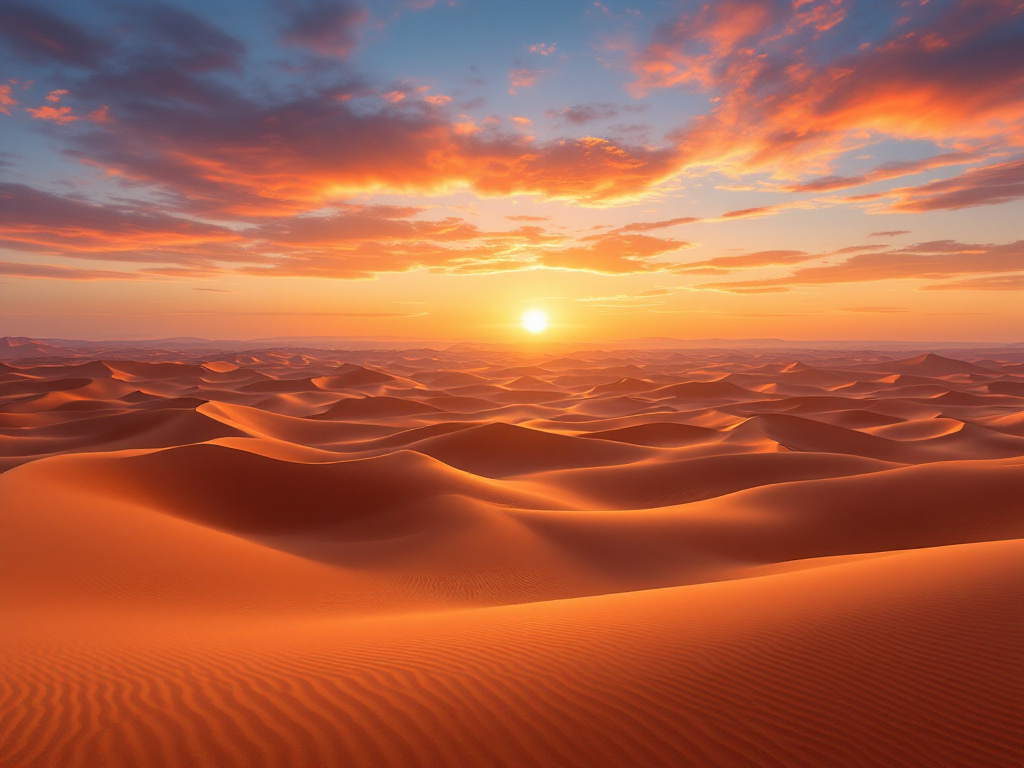
The Sahara Desert
The world's largest hot desert with iconic sand dunes and deep cultural significance.
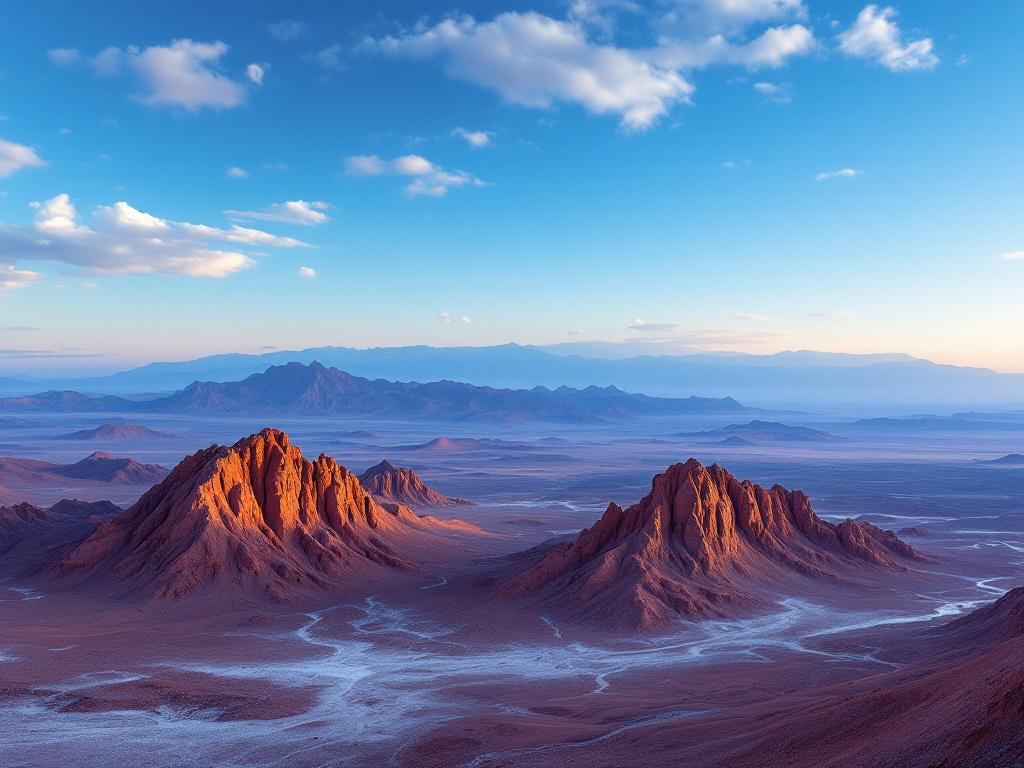
Hoggar Mountains
A dramatic mountain range in the Sahara with unique volcanic formations.
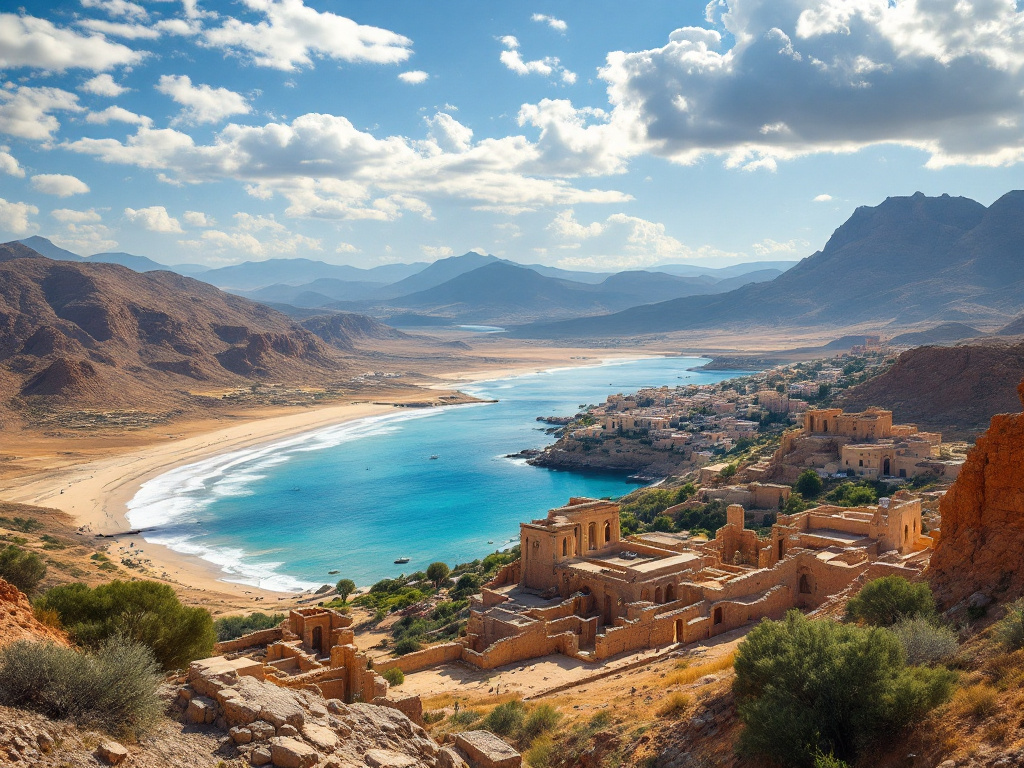
Tipasa
Well-preserved Roman ruins beautifully situated by the Mediterranean coast.
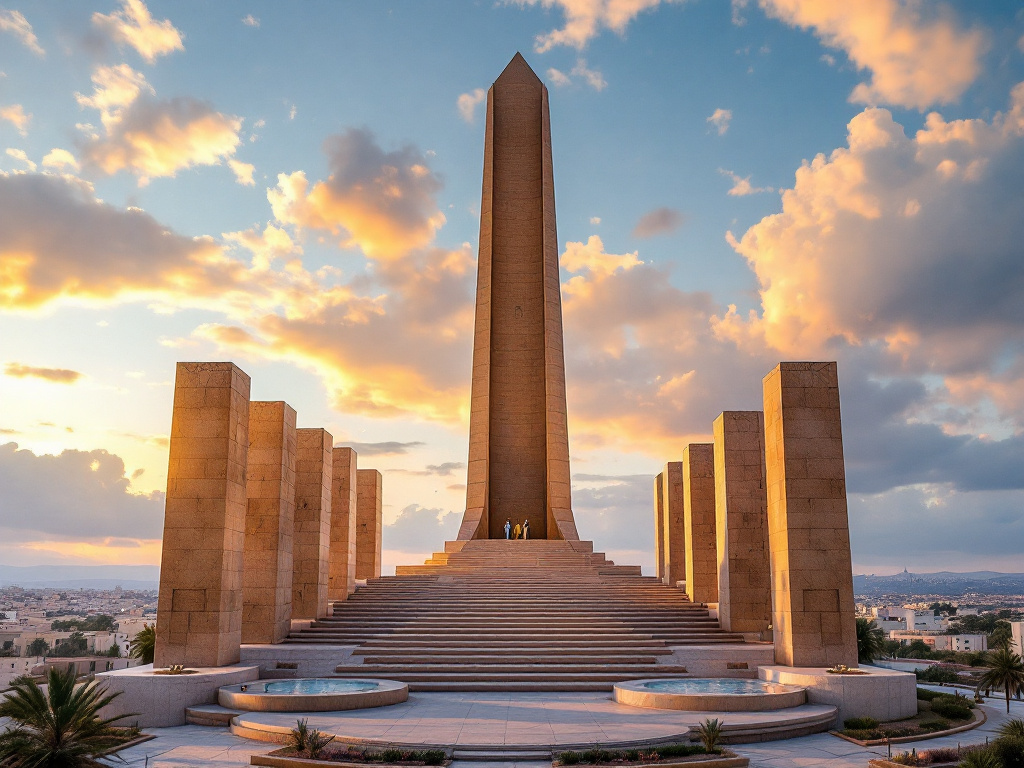
Martyrs' Monument
An impressive monument in memory of Algeria's struggle for independence.
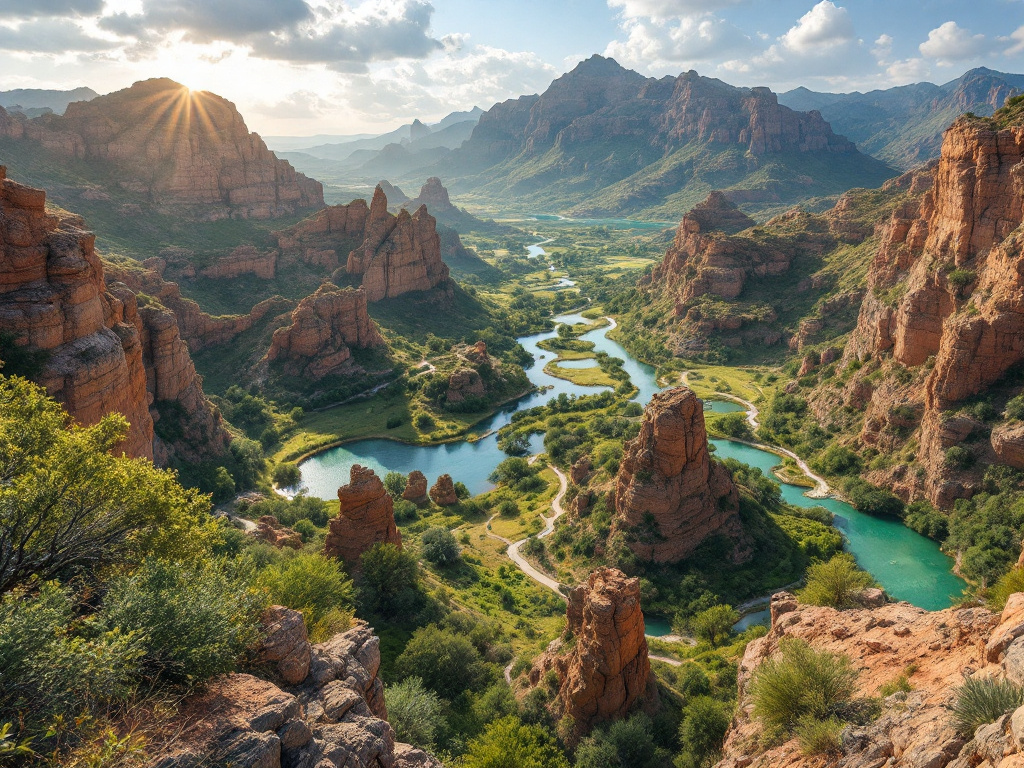
Djurdjura National Park
A green mountain area known for its biodiversity and beautiful views.
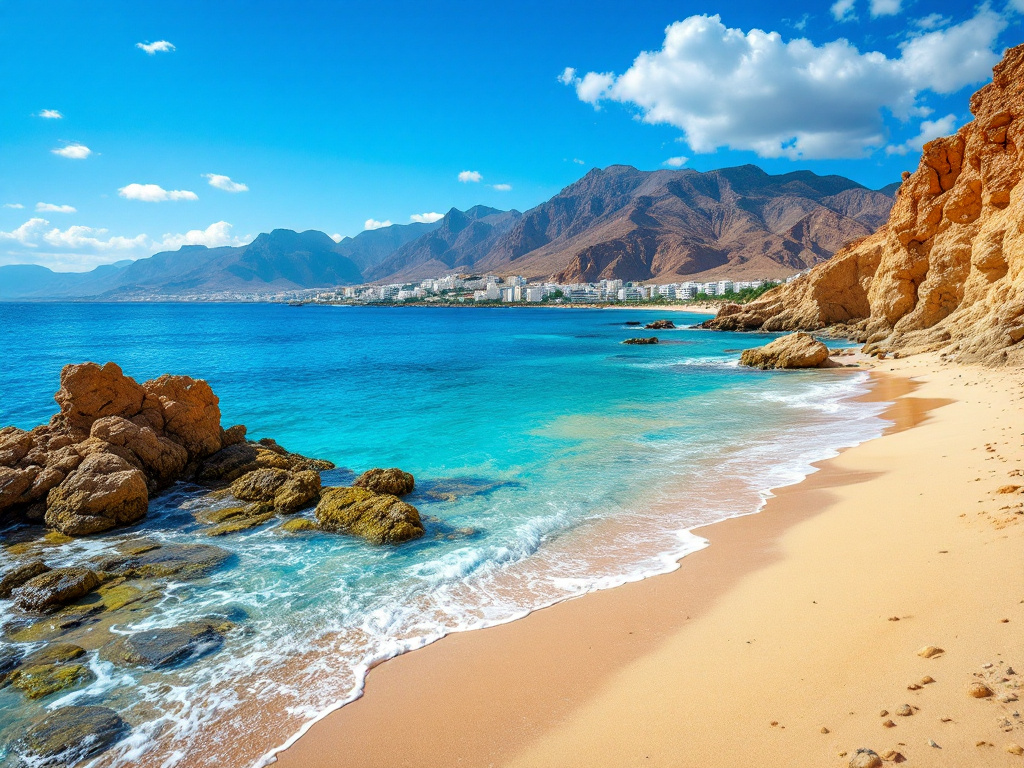
Beaches of Oran
Popular beaches with clear water along Oran's lively coast.
Bridges of Constantine
A dramatic city known for its spectacular bridges over deep gorges.
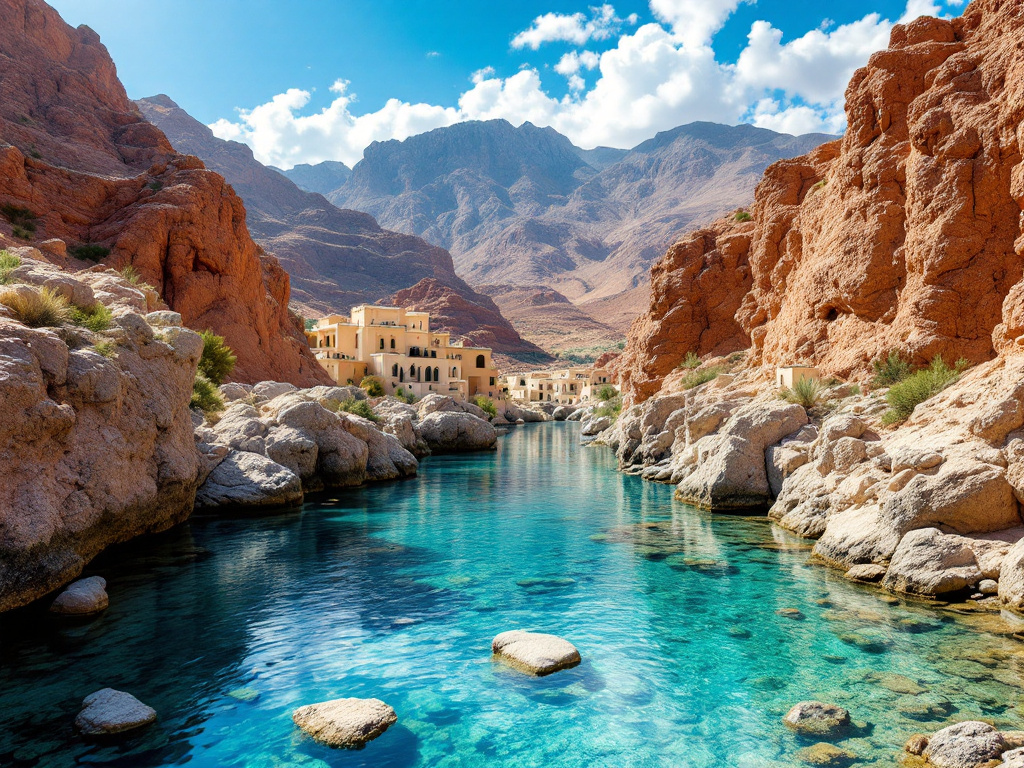
El Ounas Oasis
A peaceful oasis with palm groves and traditional mud buildings.
Famous cuisine
Culinary overview
The Algerian cuisine is a melting pot of Arabic, Berber, Ottoman, and French influences. The food is rich in spices such as cumin, coriander, and saffron, with couscous being the national dish, often served with vegetables, meat, or fish. In coastal areas, fish and seafood are popular, while desert regions offer more robust dishes with lamb and dates. Mint tea is a staple of hospitality, and meals are often social events where family and friends gather.
Must-try dishes
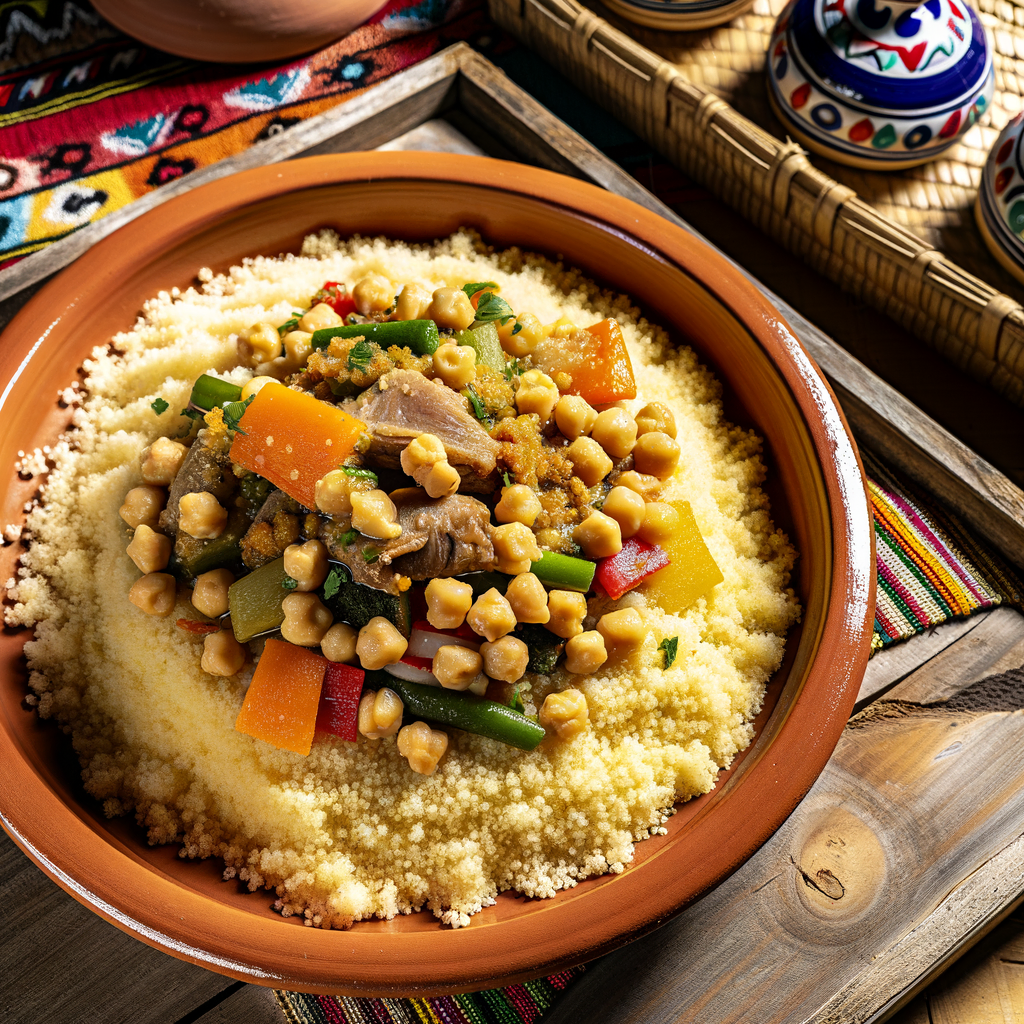
Couscous
The national dish of Algeria, made of steamed semolina served with vegetables, chickpeas, and often lamb, chicken, or fish. Traditionally served on Fridays as a communal meal.
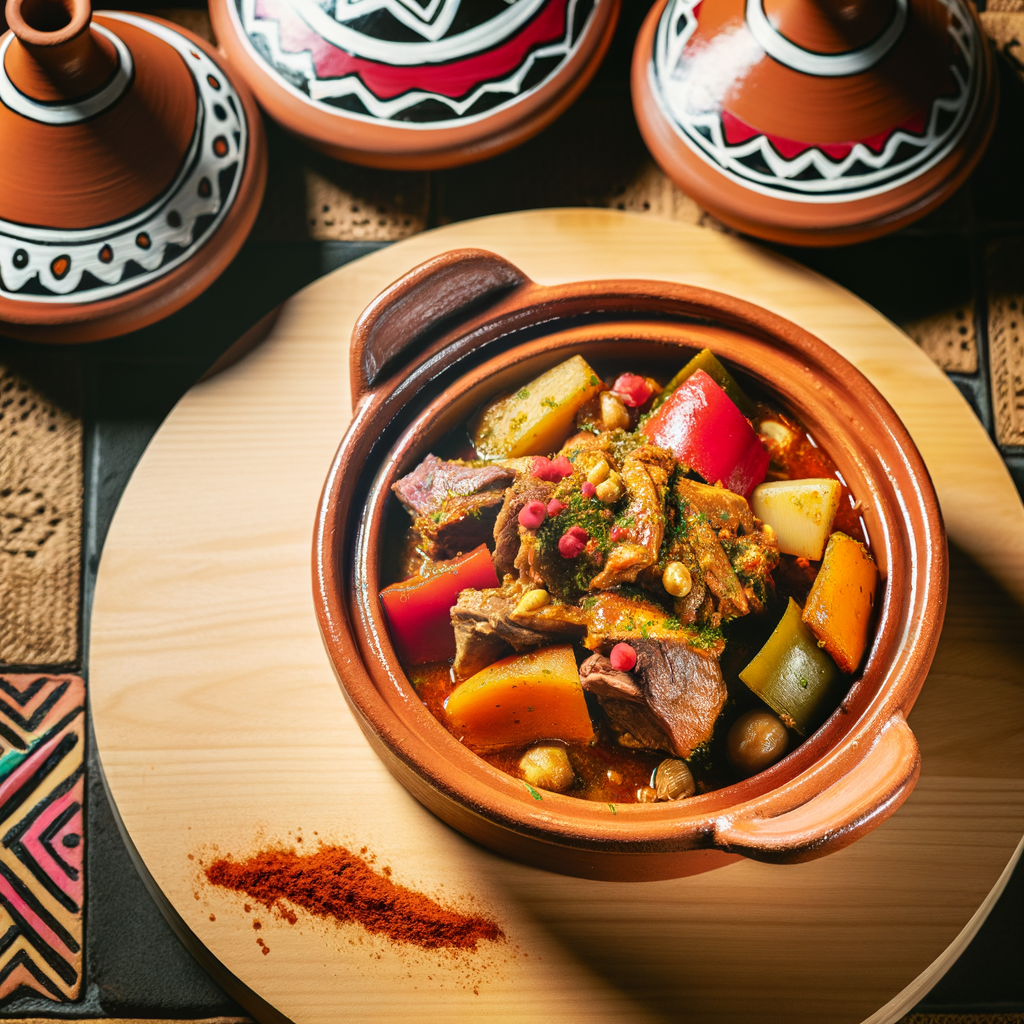
Tajine
A slow-braised dish cooked in a clay pot, often with lamb, chicken, vegetables, and spices such as cinnamon and saffron. Available in many regional variations.
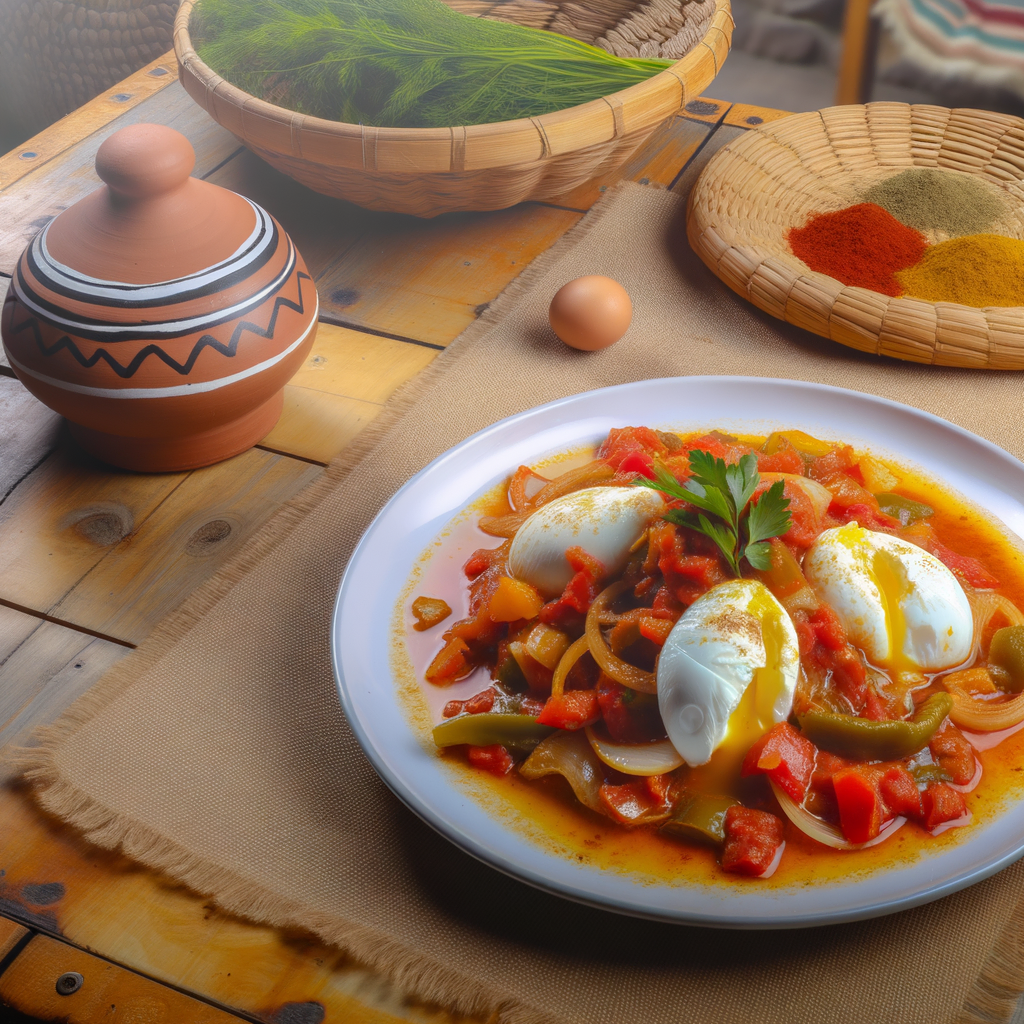
Chakchouka
A popular breakfast or lunch dish consisting of poached eggs in a sauce of tomatoes, bell peppers, onions, and spices. Often served with freshly baked bread.
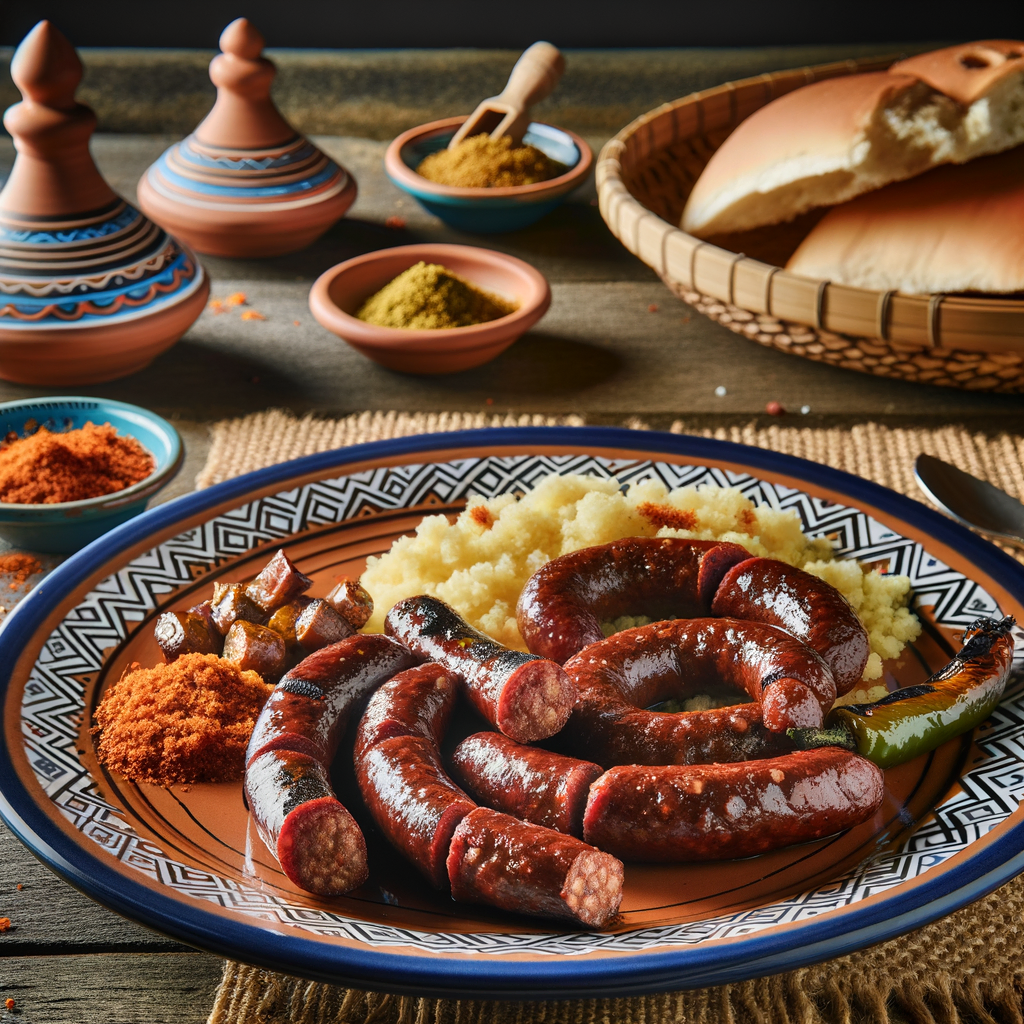
Merguez
Spicy lamb or beef sausage seasoned with North African spices such as harissa, cumin, and coriander. Grilled and often served with bread or couscous.
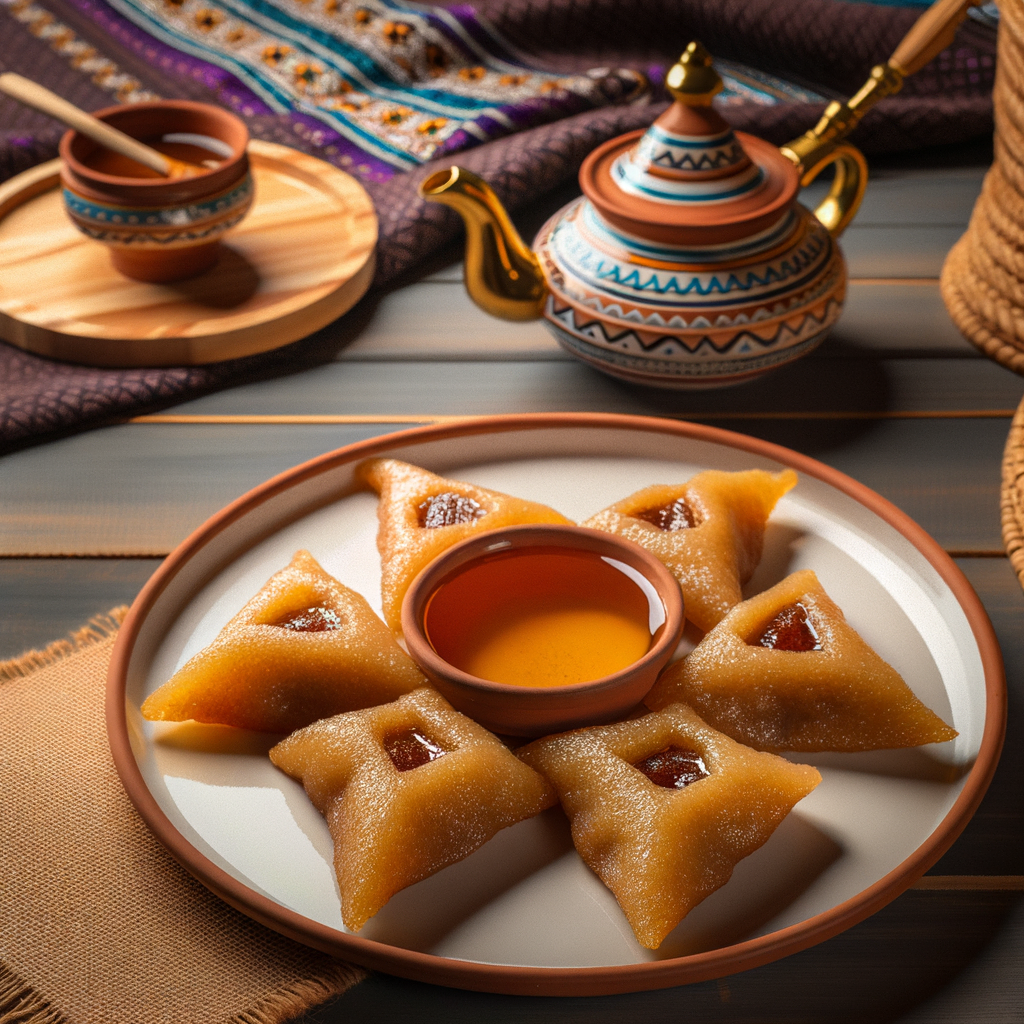
Makroud
A sweet dessert made from semolina dough filled with date paste, shaped into diamonds and deep-fried, then dipped in honey. A popular snack for tea.
Restaurant information
Tipping
Tipping is not mandatory in Algeria, but it is common to round up or leave 5-10% at restaurants, especially if the service has been good.
Travel information
Currency
Algerian dinar (DZD)
Language
Arabic
Best time to visit
March-May and September-November
Major cities
Alger and other major cities
More countries in Africa
Discover more destinations in this region