
Estonia
Estonia, where medieval charm meets modern innovation, is a Baltic gem with unique cultural roots, captivating landscapes, and a rich history shaped by both Nordic and Soviet influences.
Overview
Estonia is a Baltic jewel where medieval charm merges with modern innovation. With Tallinn's UNESCO-protected Old Town, the pristine nature of Lahemaa National Park, and idyllic islands like Saaremaa, the country offers a unique blend of history, culture, and outdoor experiences. Here, Nordic roots meet Soviet heritage, allowing visitors to enjoy everything from cobblestone streets and colorful merchant houses to fresh Baltic beaches. Estonia is easy to travel in, friendly, and full of authentic experiences — perfect for an unforgettable journey.
Official language
Estisk
Government
Parliamentary republic
Best time to visit
May-September
Nature
Estonia is a hidden gem in the Baltics, boasting a harmonious blend of forest, coast, and islands that invites both relaxation and adventure. Lahemaa National Park, the largest national park in the country, is a paradise for nature lovers with its dense pine forests, dramatic coastlines, and charming fishing villages. The Baltic Sea coastline offers long, peaceful beaches, with Pärnu known as the summer capital of Estonia, featuring soft sands and warm shallow waters. The island of Saaremaa entices visitors with its windmills, lighthouses, and unspoiled scenery, while smaller islands like Hiiumaa provide a tranquil escape from the hustle and bustle. Estonia's diverse landscapes also include vast wetlands and bogs, accessible via wooden trails, where you can spot rare bird species and experience an unparalleled sense of peace. The changing seasons — from blooming springs and warm summers to colorful autumn forests and frost-covered winters — make Estonia a year-round nature destination.
Travel to Estonia
Traveling to Estonia is both easy and rewarding. As a member of the EU, the country uses the euro, making it convenient for European travelers. Tallinn's international airport is located close to the city center, and ferry connections to Finland and Sweden make it simple to combine Estonia with other Nordic destinations. The best time to visit is from May to September when the weather is mild, and cities come alive with festivals, markets, and outdoor concerts. During summer, enjoy long, bright evenings, while spring and autumn offer fewer tourists and stunning natural colors. Public transportation is well-developed, and the compact size of the country allows you to experience both urban, coastal, and island adventures in just a few days. Estonia is ideal for travelers seeking authentic experiences, historical settings, and scenic adventures without the crowds.
Culture
The culture of Estonia is a fascinating blend of Nordic traditions, Baltic heritage, and Soviet history. Tallinn's Old Town serves as a living museum, with its gothic churches, medieval city walls, and cozy cafes, where you can feel the echoes of history. Music and dance play a central role in Estonian life, especially during the grand song and dance festivals that gather thousands of participants in colorful folk costumes. The Estonian cuisine is deeply rooted in local ingredients and the rhythm of the seasons; don't miss trying kama, a traditional mixture of grains, verivorst, a Christmas blood sausage, or freshly caught herring from the Baltic Sea. Estonia also boasts a strong literary tradition and a vibrant arts scene, particularly in Tartu, known for its creative atmosphere. Estonians take pride in their language and culture, welcoming visitors with a mix of reserved friendliness and genuine hospitality.
History
The history of Estonia is marked by shifting powers and cultural influences. From the Viking Age and the height of the Hanseatic League, when Tallinn was a vital trading hub, to centuries of rule under Danish, Swedish, German, and Russian dominance, the country has maintained a strong identity. In the 20th century, Estonia experienced both independence and Soviet occupation, finally regaining its freedom in 1991. This complex history is reflected in its architecture, from medieval castles to Soviet-era concrete buildings, and in the population's strong national consciousness. Estonia's ability to preserve its culture through times of oppression is a central part of the nation's soul.
Top attractions
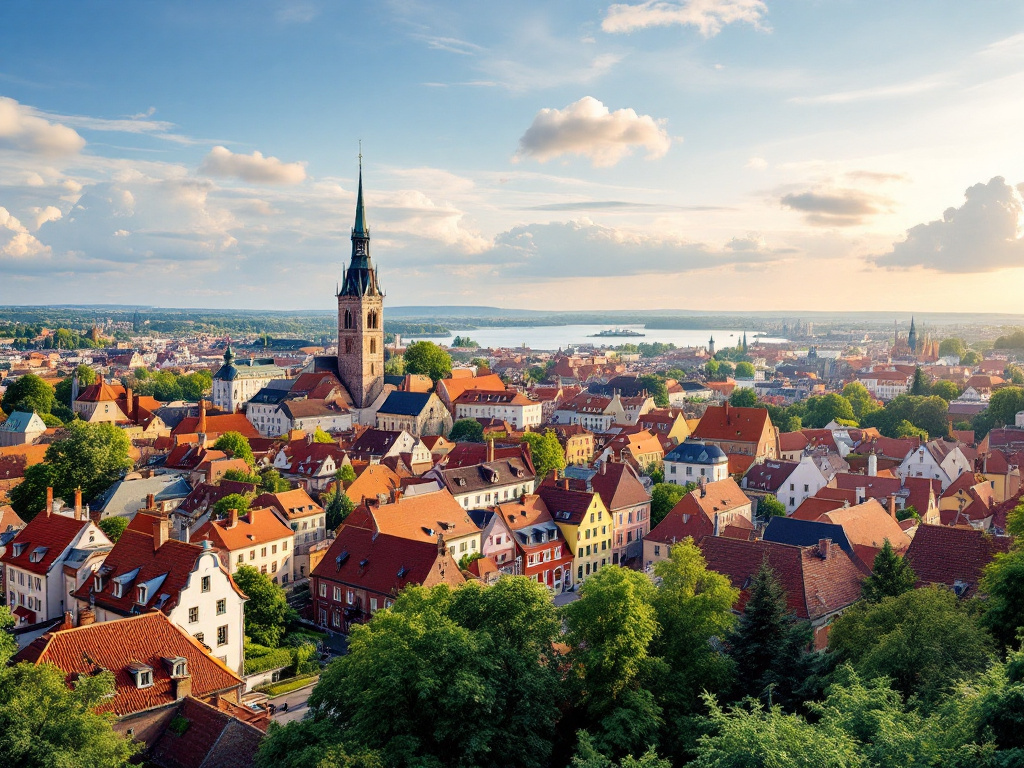
Tallinns gamle bydel
En velbevaret middelalderbydel med historiske bygninger, smalle gader og en livlig atmosfære.
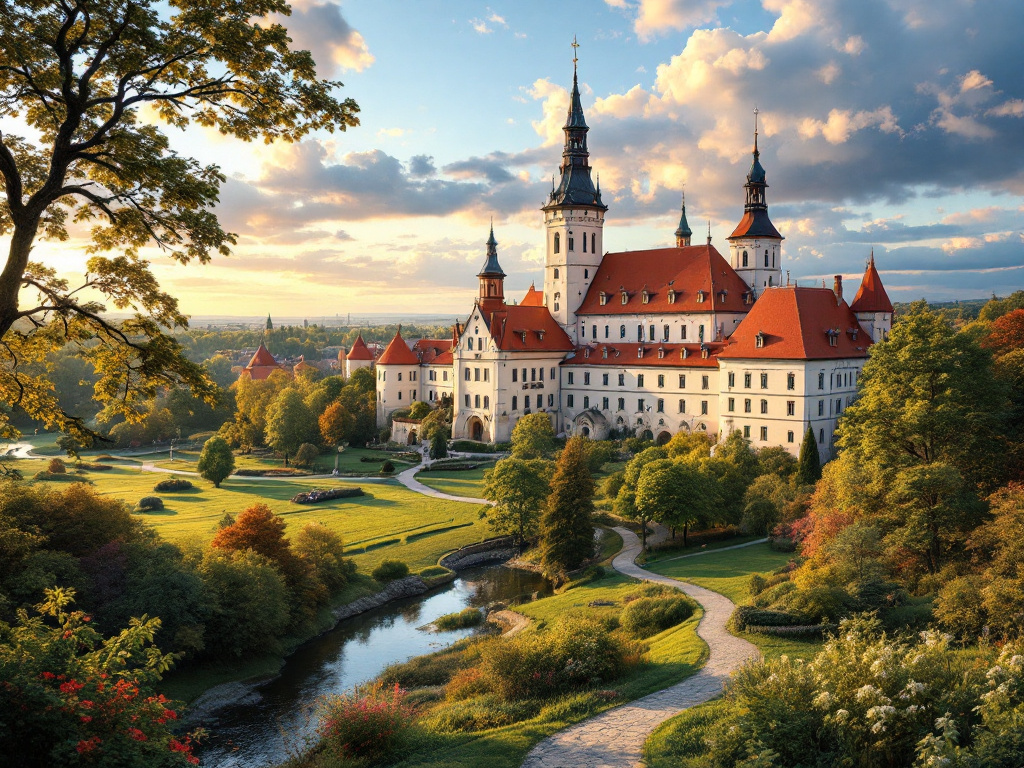
Toompea Slot
Et historisk slot på Toompea-højen, som i dag huser Estlands parlament.
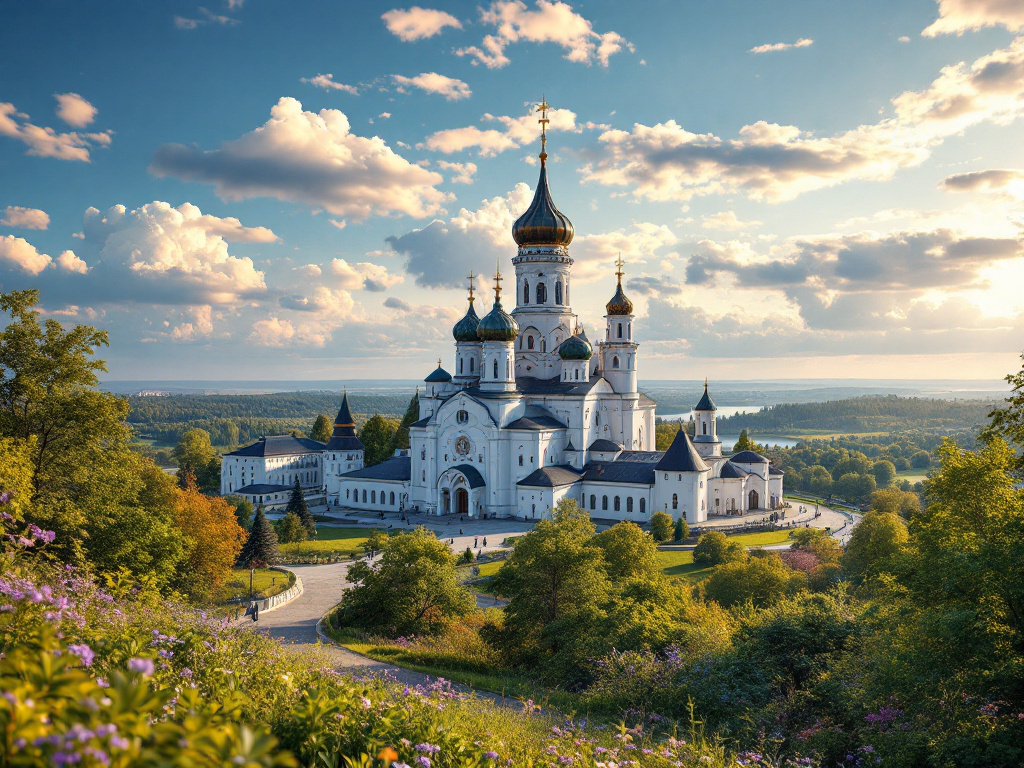
Alexander Nevsky-katedralen
En imponerende ortodoks katedral kendt for sin udsmykning og centrale placering.
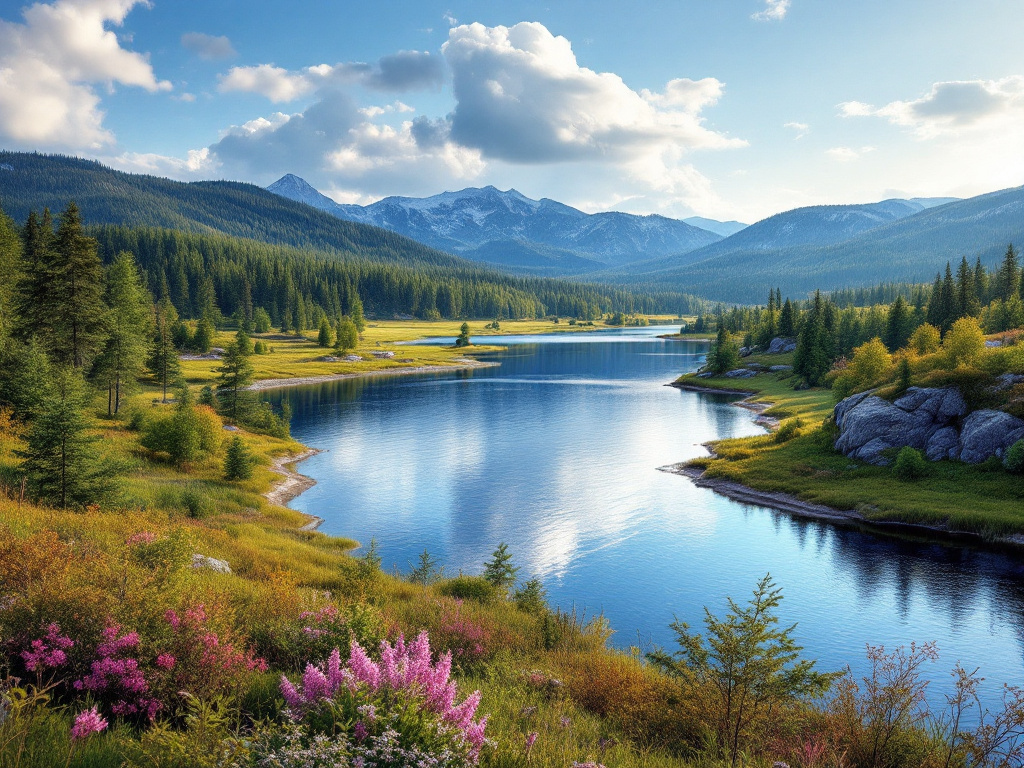
Lahemaa Nationalpark
Estlands største nationalpark med varieret natur og historiske herregårde.
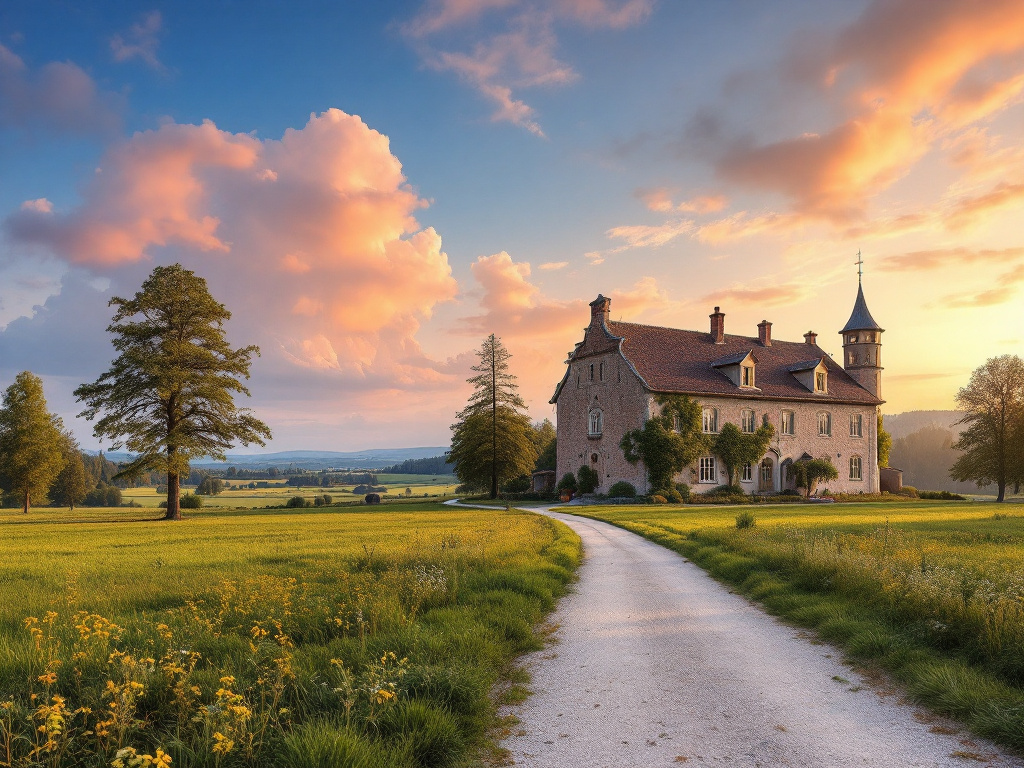
Palmse Herregård
En velbevaret herregård, der giver indblik i Estlands adelige historie.
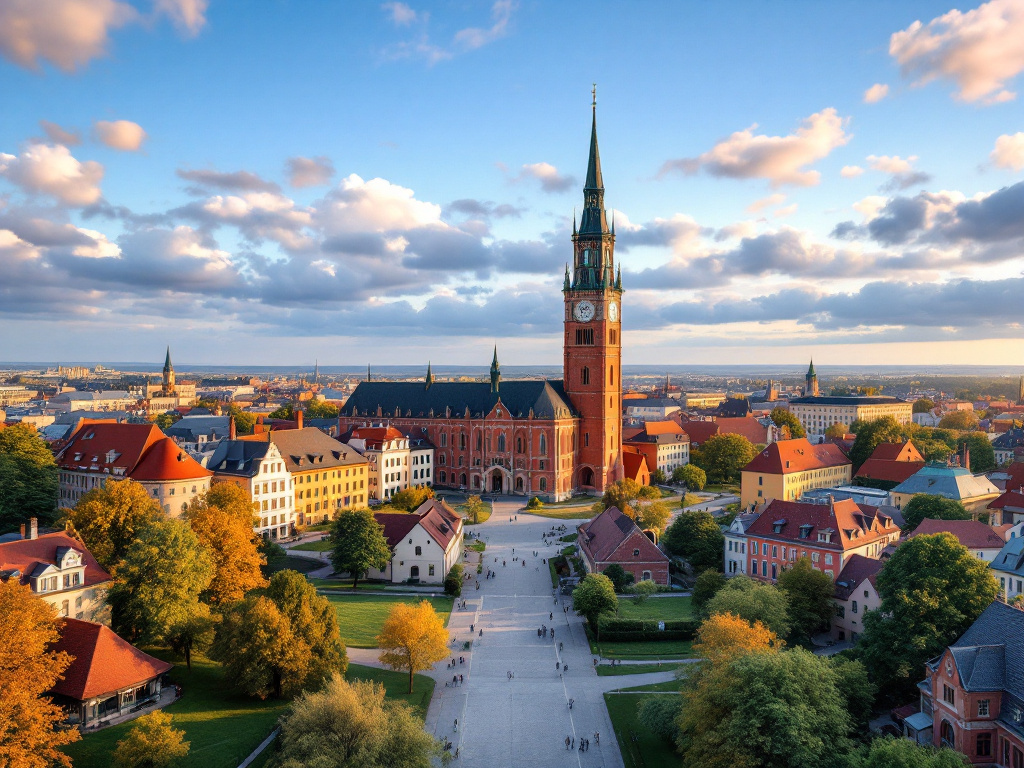
Tartu Universitet
Et af Nordeuropas ældste universiteter og centrum for estisk akademisk liv.
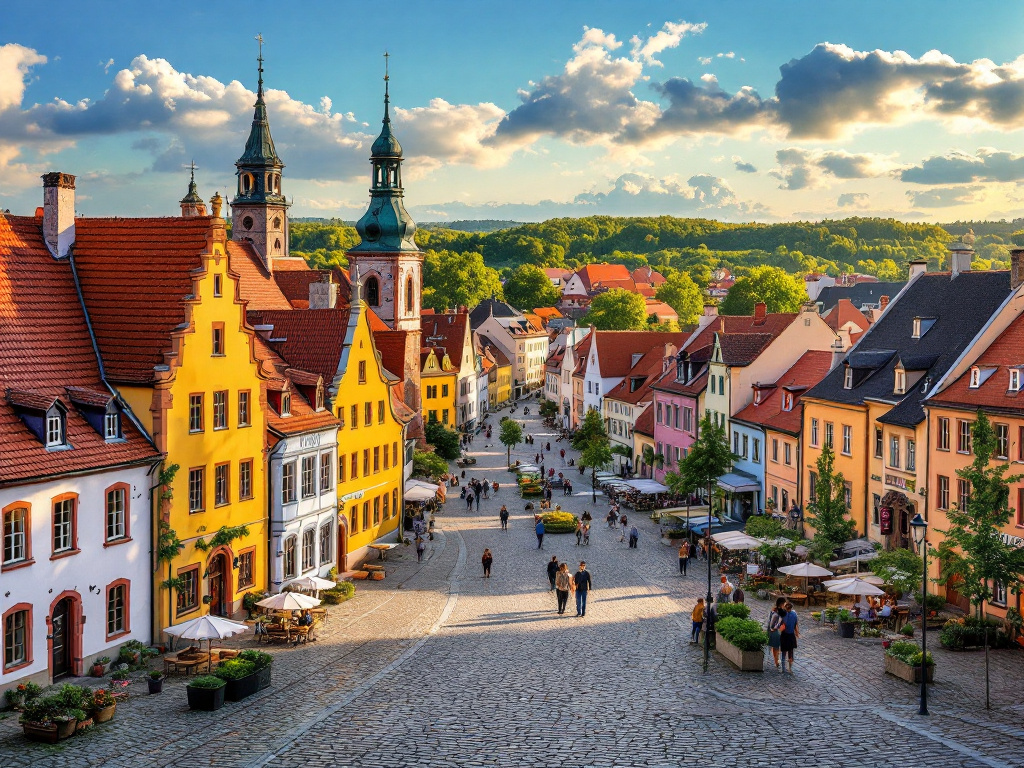
Tartu gamle bydel
Et charmerende centrum med kulturelt liv og historiske bygninger.
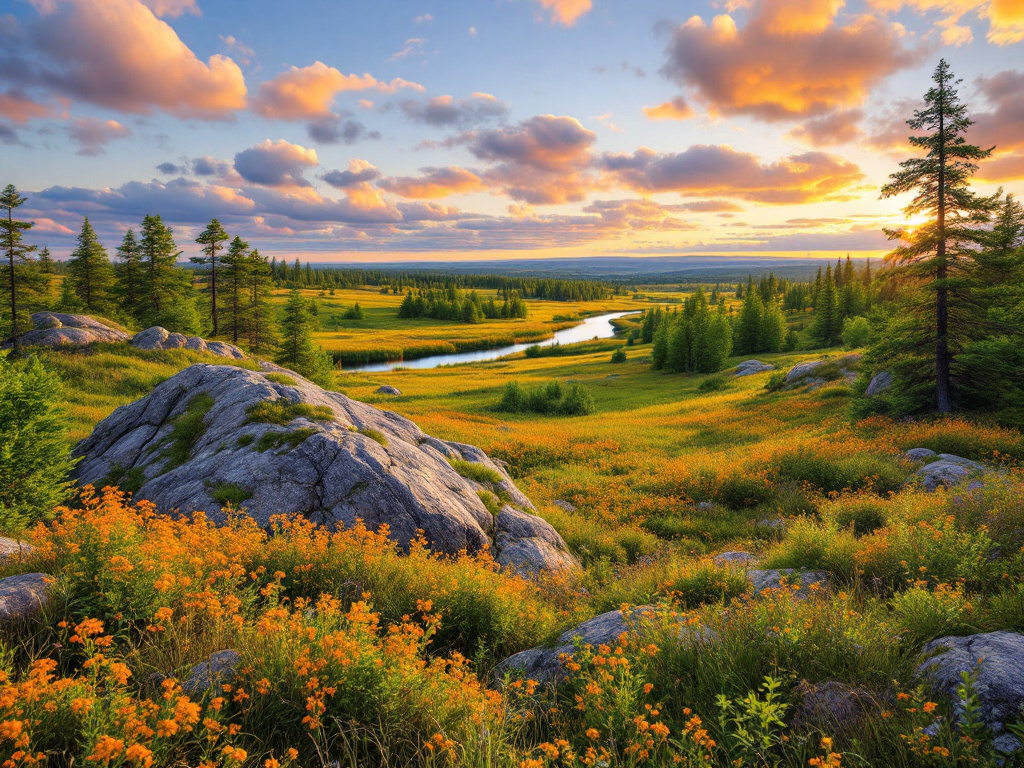
Soomaa Nationalpark
En unik nationalpark kendt for sine moser og sæsonbestemte oversvømmelser.
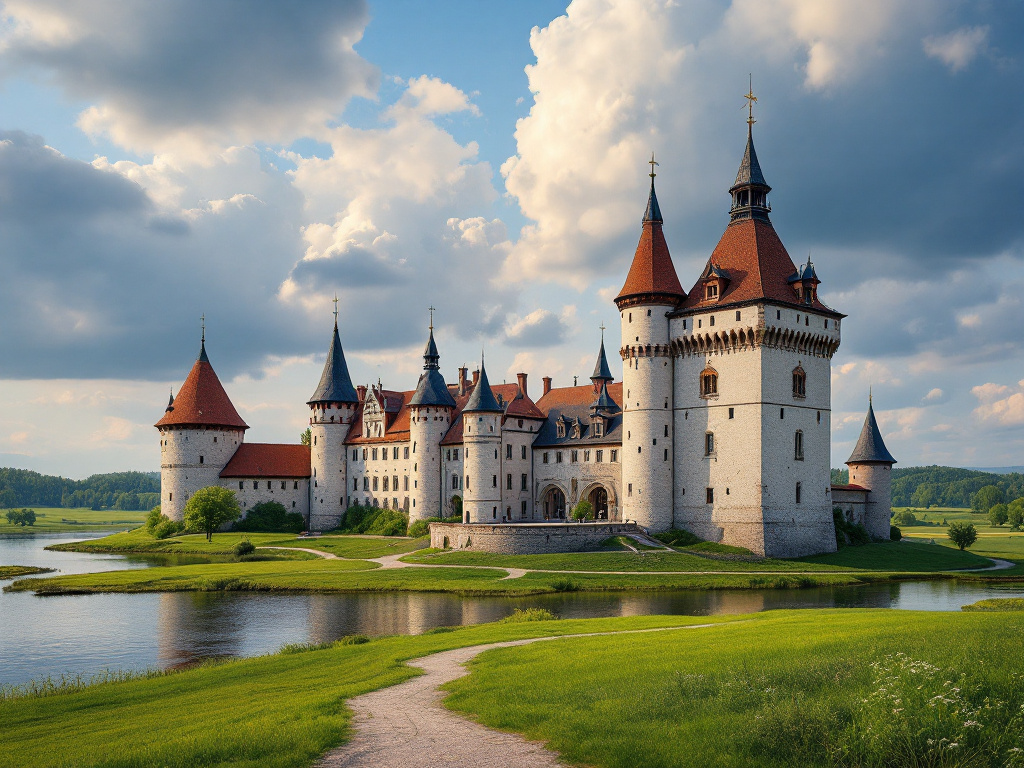
Saaremaa Slot
Den bedst bevarede middelalderborg i Baltikum, beliggende på Saaremaa.
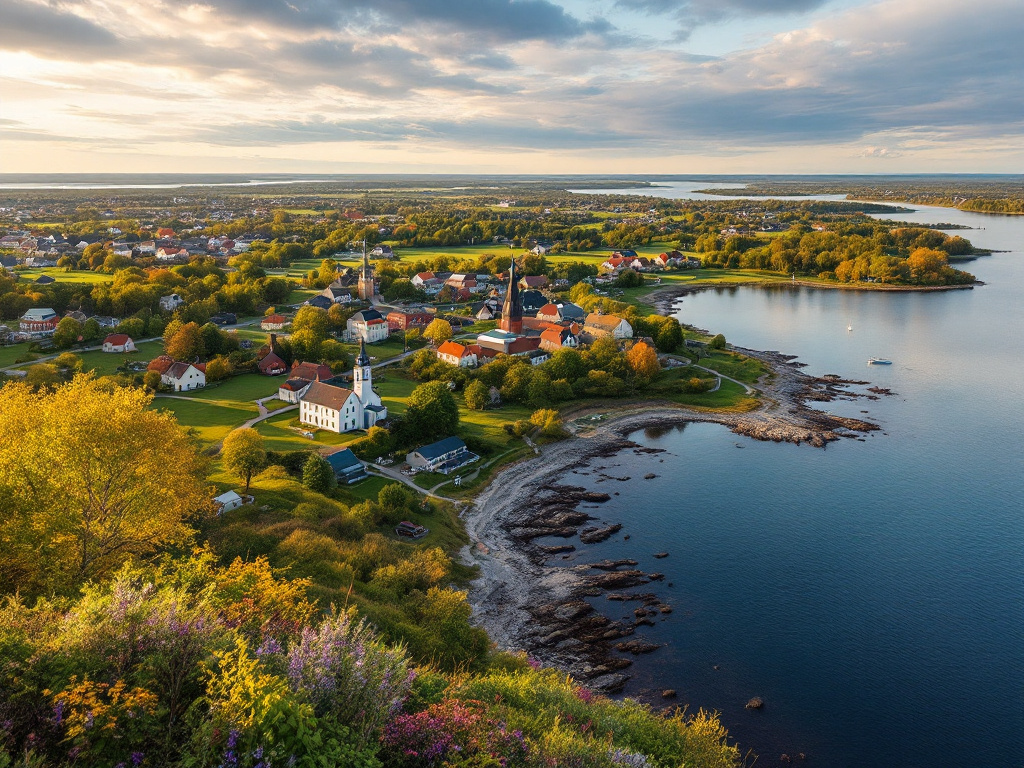
Kuressaare
En hyggelig øby kendt for spa, kultur og afslappet atmosfære.
Famous cuisine
Culinary overview
Estonian cuisine is a harmonious blend of Nordic, German, and Russian food traditions, influenced by seasonal ingredients and a strong connection to nature. Traditional dishes reflect the country's history and climate, where fish, rye bread, root vegetables, and dairy products play a central role. In summer, markets are filled with fresh berries and mushrooms, while winter offers hearty soups and meat dishes. Modern Estonian restaurants often combine classic recipes with innovative techniques, providing an exciting culinary experience for visitors.
Must-try dishes
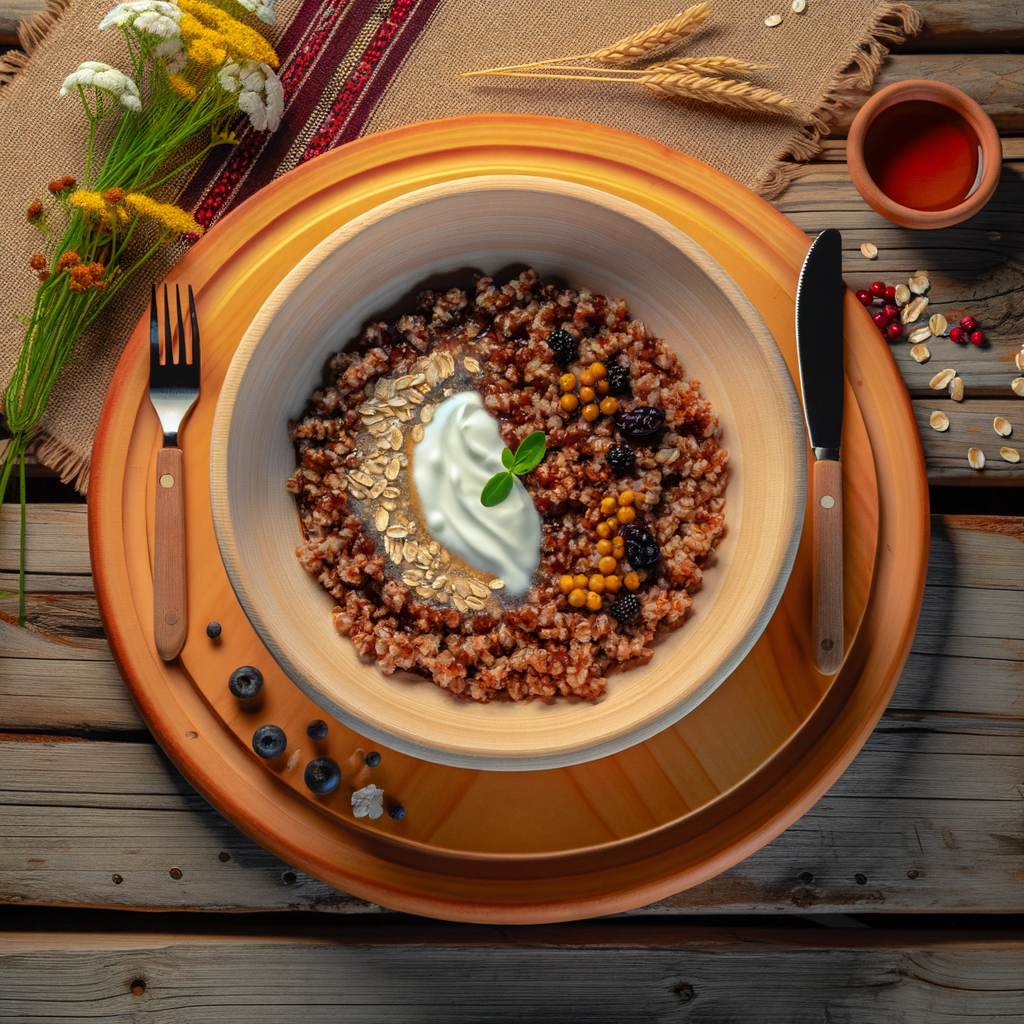
Kama
A traditional Estonian mixture of roasted barley, rye, oats, and pea flour, often served with kefir or yogurt. It is a nutritious dish that can be enjoyed as breakfast or dessert.
Verivorst
Estonian blood sausage, typically served at Christmas with sauerkraut and baked potatoes. It has a spicy flavor and is an important part of the country's winter traditions.
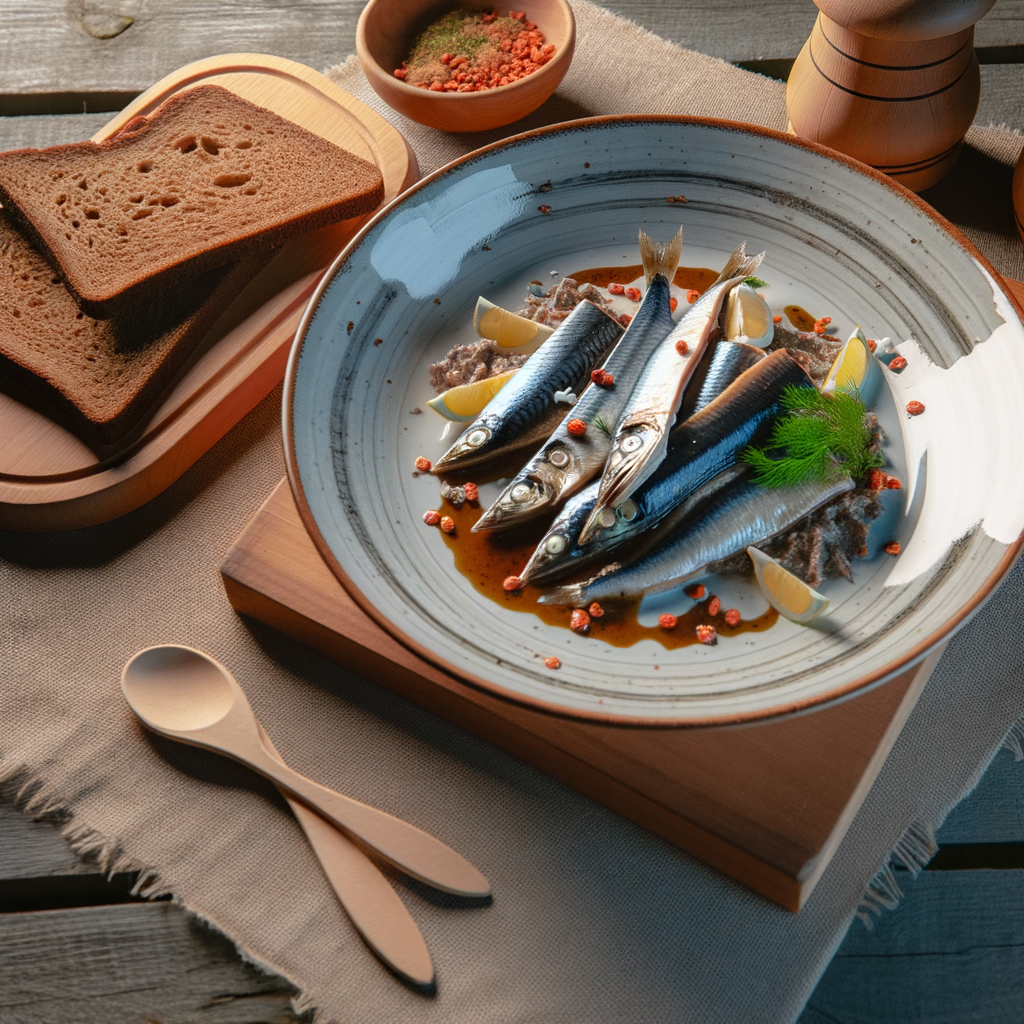
Räim
Freshly caught herring from the Baltic Sea, often marinated or smoked, and served with rye bread. A classic in Estonian cuisine, especially popular in summer.
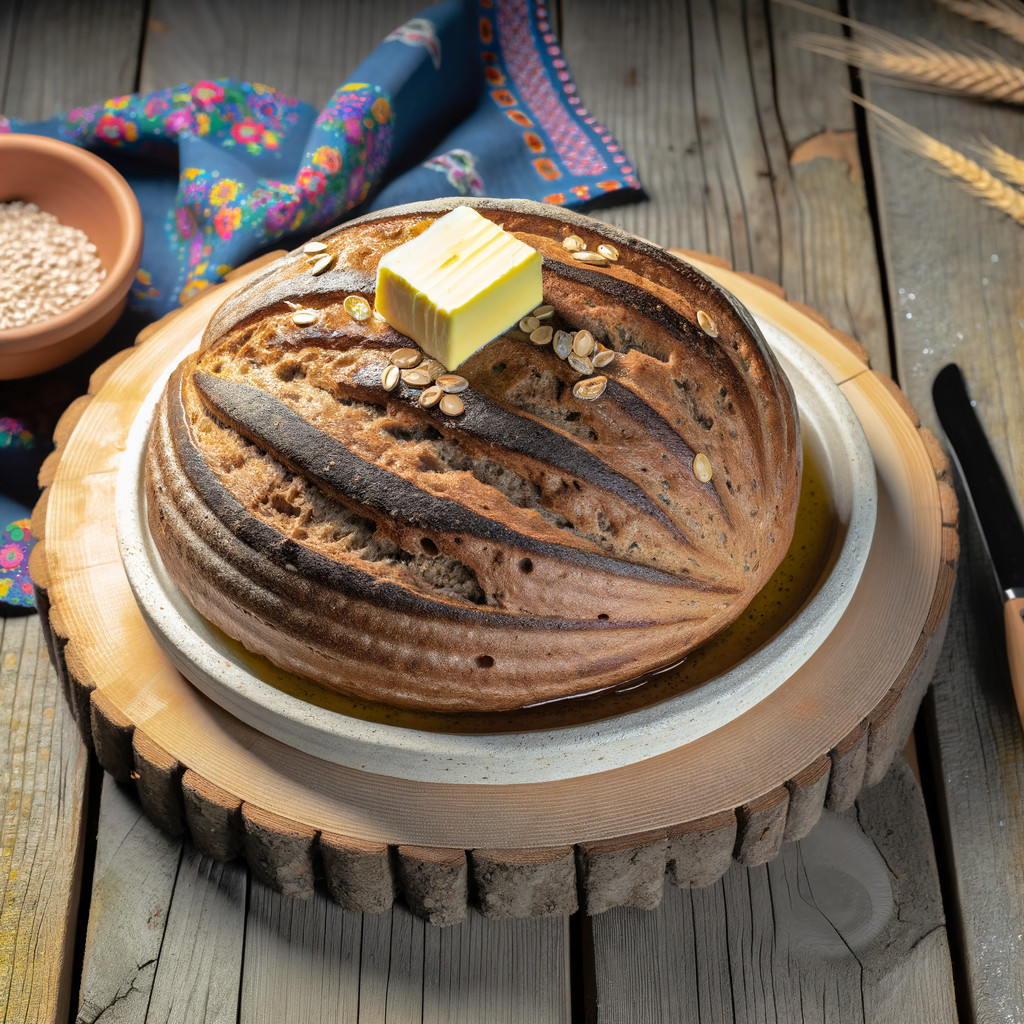
Karask
A traditional rye bread made with barley or rye flour, often sweetened with honey and served with butter. The bread has a dense and moist texture.
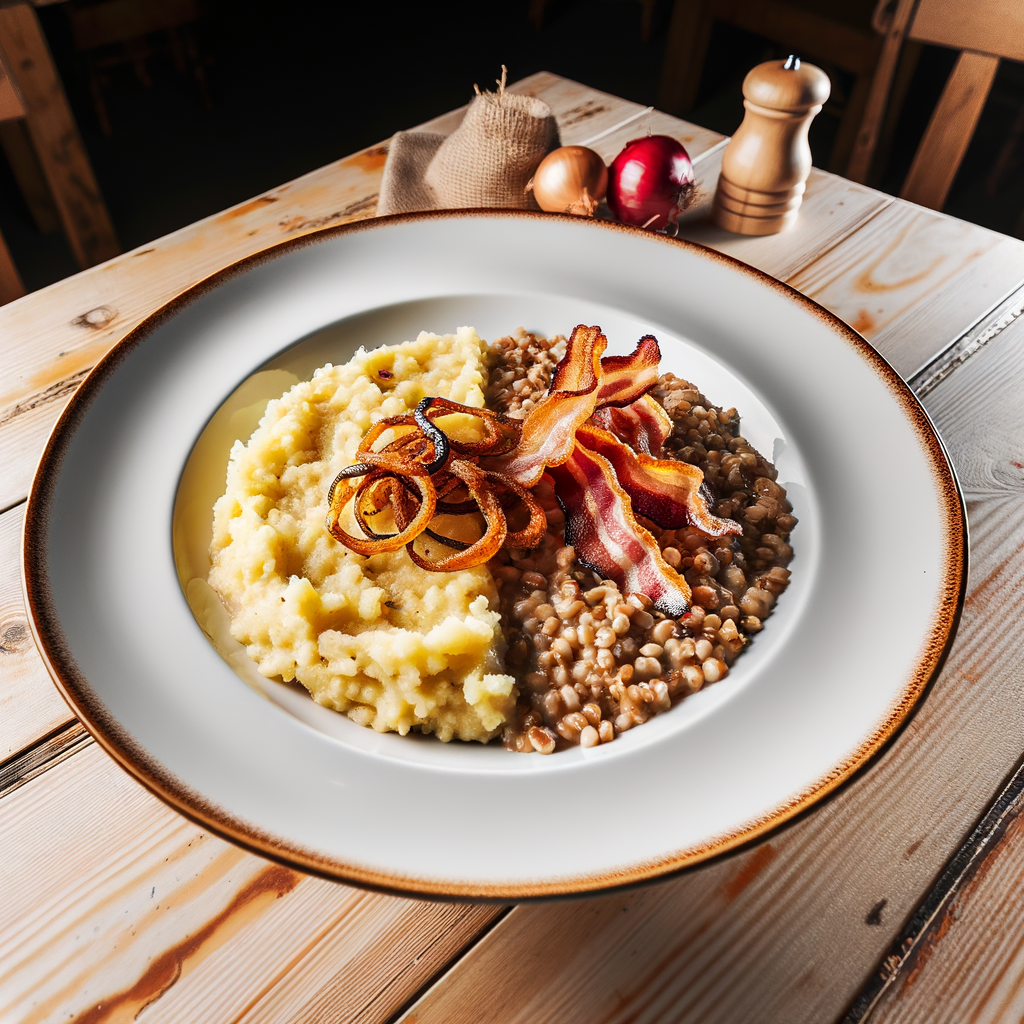
Mulgipuder
A hearty dish from southern Estonia consisting of mashed potatoes mixed with barley, served with fried bacon and onions.
Restaurant information
Tipping
Tipping is not mandatory in Estonia, but it is common to round up or give 5-10% for good service in restaurants.
Travel information
Currency
Euro (€)
Language
Estisk
Best time to visit
May-September
Major cities
Tallinn and other major cities
More countries in Europe
Discover more destinations in this region