
Egypt
Egypt, the land of ancient wonders and timeless tales, invites you to explore the majestic Nile, the iconic pyramids, and the vibrant culture rooted in history and hospitality.
Overview
Egypt is a magical rendezvous between ancient wonders and modern life. From the nurturing banks of the Nile to the iconic Pyramids of Giza and the enigmatic Sphinx, the country promises unforgettable experiences. Explore UNESCO World Heritage Sites like the Valley of the Kings, Abu Simbel, and Historic Cairo, with its colorful bazaars and stunning Islamic architecture. Discover the golden vastness of the desert, St. Catherine's highlands, and the unique natural phenomena of Wadi Al-Hitan. With a rich cultural heritage, welcoming locals, and a cuisine brimming with flavor, Egypt is a year-round destination that enchants all visitors—especially from October to April.
Official language
Arabic
Government
Presidential republic
Best time to visit
October to April
Nature
Egypt's nature is a captivating blend of lush river valleys, endless deserts, and dramatic mountain landscapes. The vibrant banks of the Nile serve as a lifeline for the country, where palm groves and fertile fields contrast starkly against the golden dunes of the Sahara Desert. The Sinai Peninsula features the majestic St. Catherine's Mountain range, home to steep cliffs and sacred sites that attract both pilgrims and hikers alike. The desert holds hidden oases, such as Siwa, where crystal-clear springs and date palms create a paradise amidst the harsh climate. The Wadi Al-Hitan, or Valley of the Whales, is a unique nature reserve showcasing fossils of prehistoric whales, shedding light on the area's geological history. Along the Red Sea coast, world-class coral reefs beckon divers and snorkelers, while the Mediterranean shores offer soft sandy beaches. The diverse and dramatic natural beauty of Egypt is a paradise for adventurers, nature lovers, and those seeking tranquility beneath the endless sky, best appreciated between October and April when the weather is mild and inviting.
Travel to Egypt
Traveling to Egypt is like stepping into a living museum where every corner tells a story. The country is easily accessible via international airports in Cairo, Luxor, Hurghada, and Sharm El-Sheikh, with a wide range of accommodations available, from luxury resorts to charming guesthouses. The ideal time to visit is between October and April, when the climate is mild and perfect for sightseeing. Travelers can blend cultural highlights such as the Pyramids of Giza, Abu Simbel, and the Egyptian Museum with relaxation on the beaches of the Red Sea or adventures in the desert. Nile cruises offer a unique chance to experience multiple historical sites in one journey. Egypt's hospitality, vibrant markets, and authentic culinary experiences make it a destination that appeals to history enthusiasts, nature lovers, and those seeking sunshine and warmth year-round.
Culture
Egypt's culture is a vibrant mosaic of traditions, religions, and art forms that have evolved over thousands of years. The heritage of Arabic culture intermingles with pharaonic, Coptic, and Islamic influences, creating a unique and rich identity. In Cairo, the historic bazaars buzz with life, where the scent of spices and the sounds of street vendors awaken the senses. Music and dance, from classical Arabic melodies to modern pop, play essential roles in daily life. The Egyptian cuisine presents a culinary journey of its own, with dishes such as koshari, ful medames, and molokhia reflecting both the nation's history and its renowned hospitality. Religion is ingrained in the culture, with mosques, churches, and monasteries standing testament to centuries of faith and tradition. Artisans craft exquisite papyrus paintings, ceramics, and jewelry, passing down ancient techniques through generations. Experiencing Egypt's culture is not just an observation; it is a living, breathing encounter with its people, making every visit memorable.
History
Egypt's history is among the world's most fascinating, with roots extending over 5,000 years. As home to one of the earliest civilizations, the country flourished along the Nile, where pharaohs constructed monumental structures like the Pyramids of Giza, the temples of Luxor and Karnak, and the tombs in the Valley of the Kings. Ancient Egypt became a hub of art, science, and religion, inspiring generations with its hieroglyphs and architectural marvels. Following the era of the pharaohs, the land saw the influence of Greek, Roman, and later Islamic dynasties that left their marks on its culture. In modern times, Egypt has played a pivotal role in the political and cultural landscape of the Middle East. The country's history weaves a rich tapestry of grandeur, conquests, and cultural exchange that continues to echo through its remarkable sites and stories today.
Top attractions
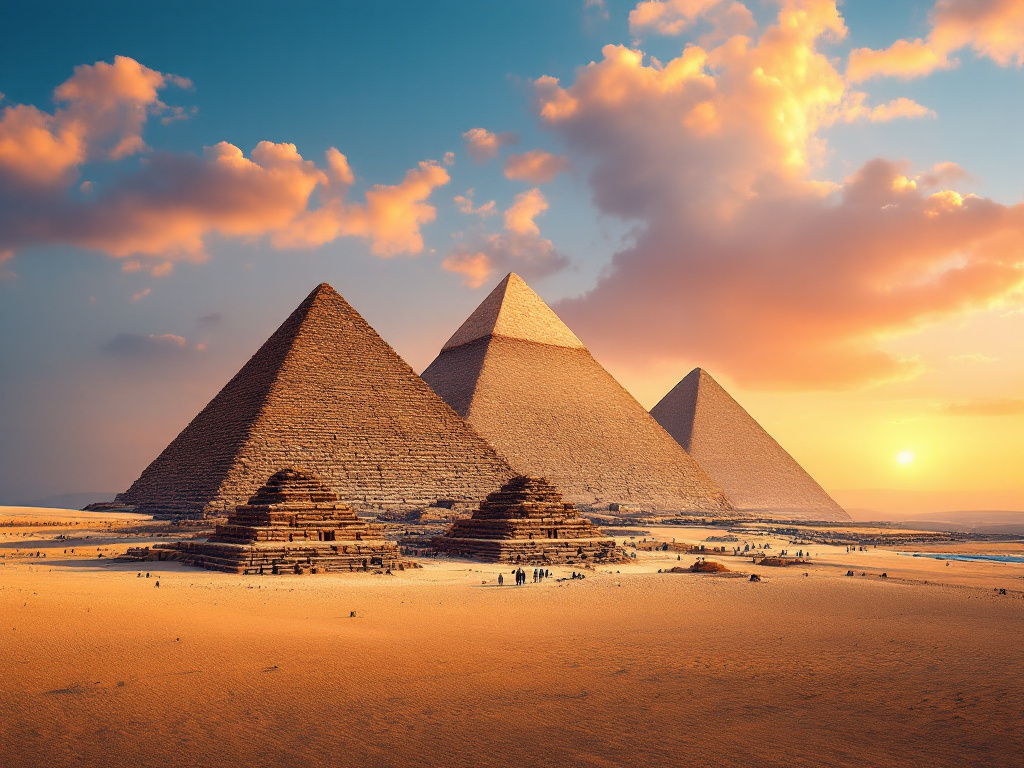
Pyramids of Giza
The world's most famous pyramids and one of the seven wonders of the ancient world, showcasing the power and engineering of the pharaohs.
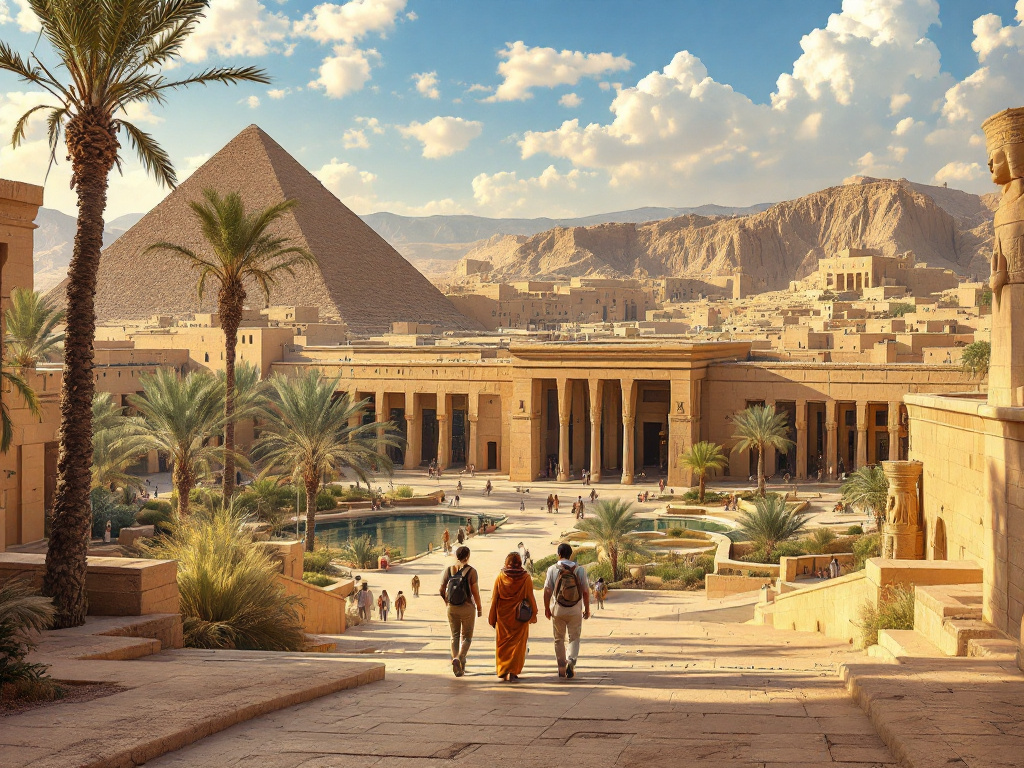
Egyptian Museum in Cairo
One of the world's most important museums for ancient Egyptian history with thousands of unique artifacts.
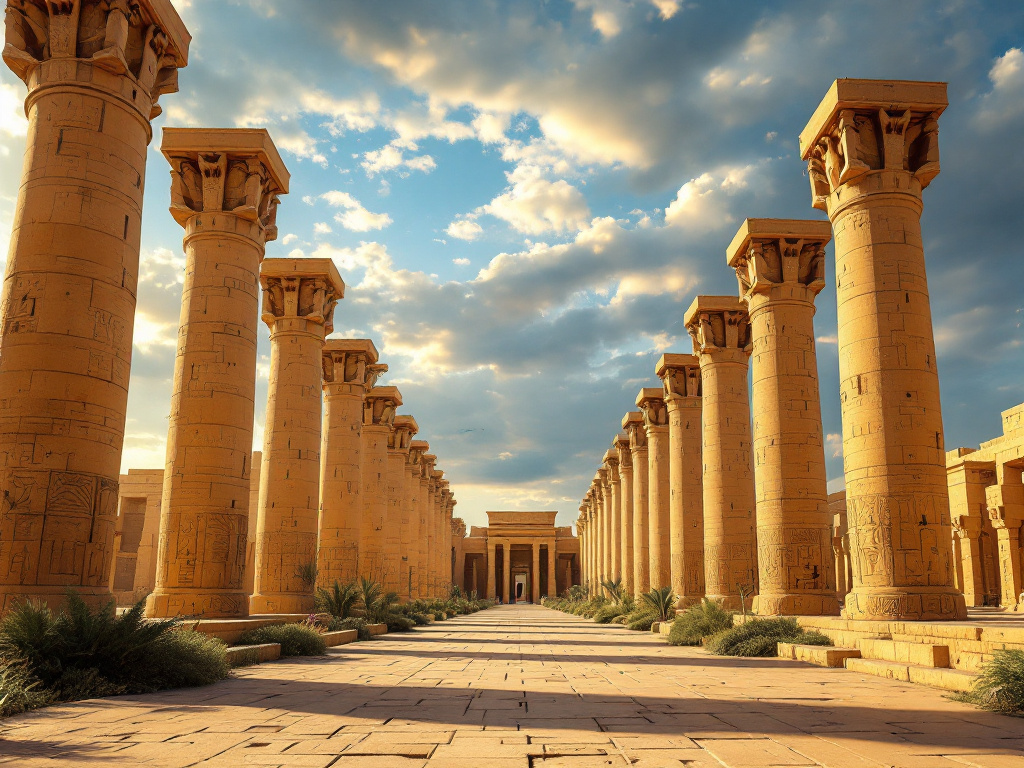
Karnak Temple
The world's largest religious building complex from ancient times, dedicated to the gods of Thebes.
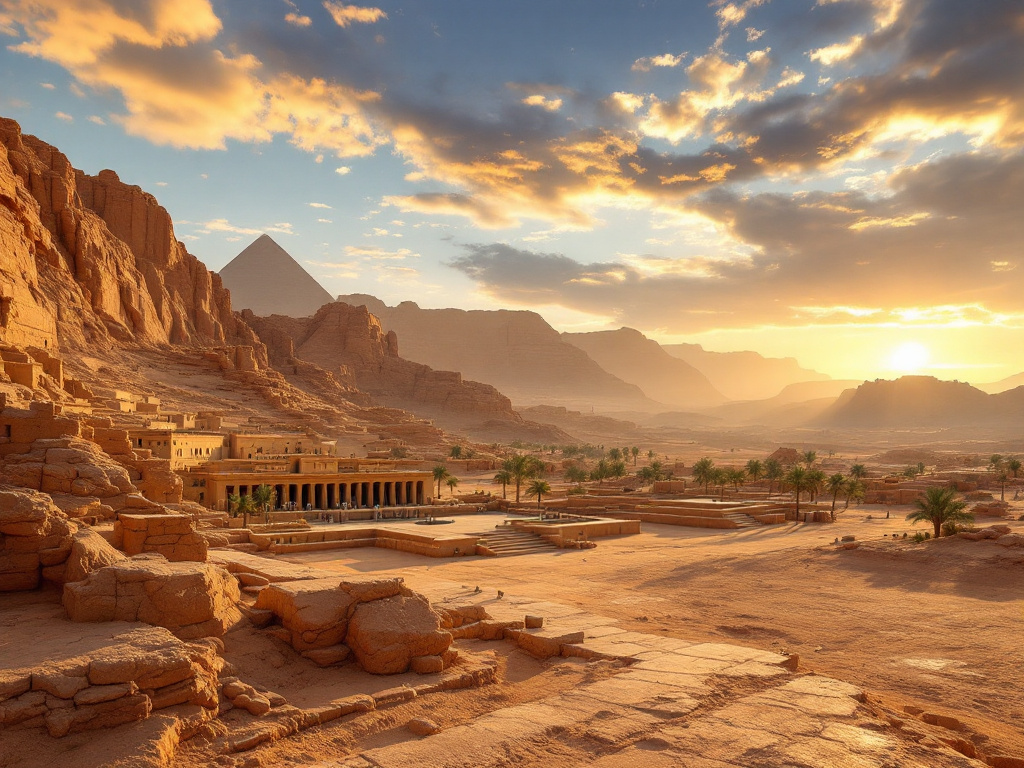
Valley of the Kings
Burial site for the pharaohs of the New Kingdom with richly decorated tombs.
Abu Simbel Temples
Monumental rock temples built by Ramses II, known for their precise solar alignment.
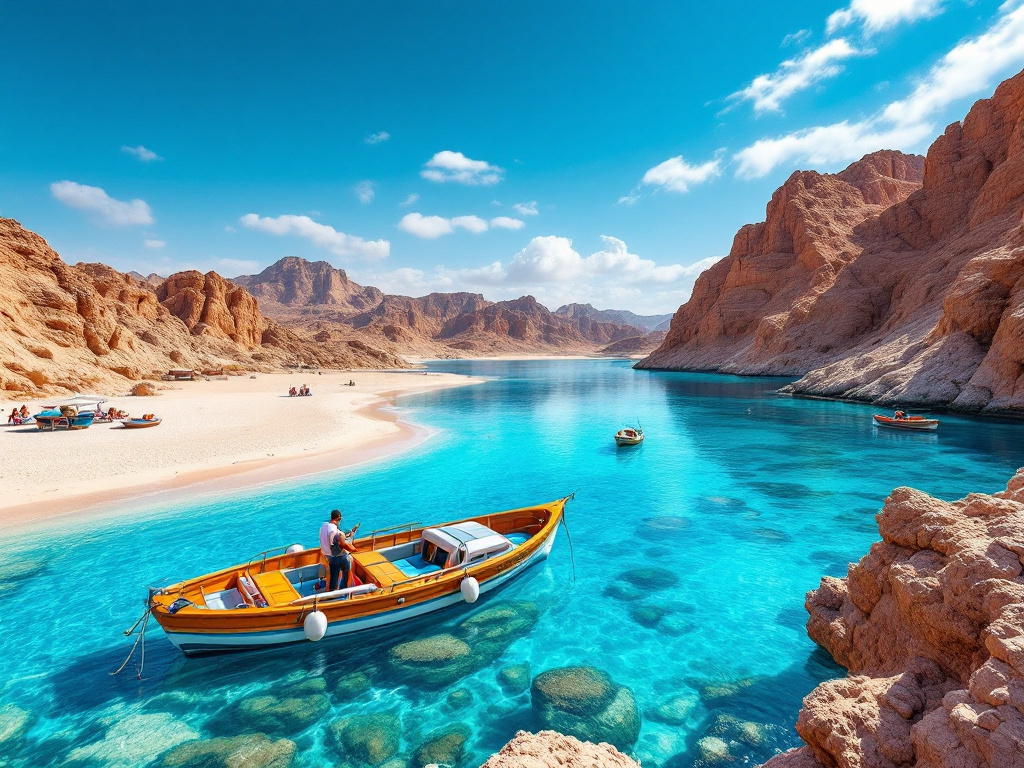
Ras Mohammed National Park
One of the best national parks in the Red Sea with spectacular coral reefs and marine life.

Library of Alexandria
A modern cultural center inspired by the ancient library, focusing on knowledge and art.
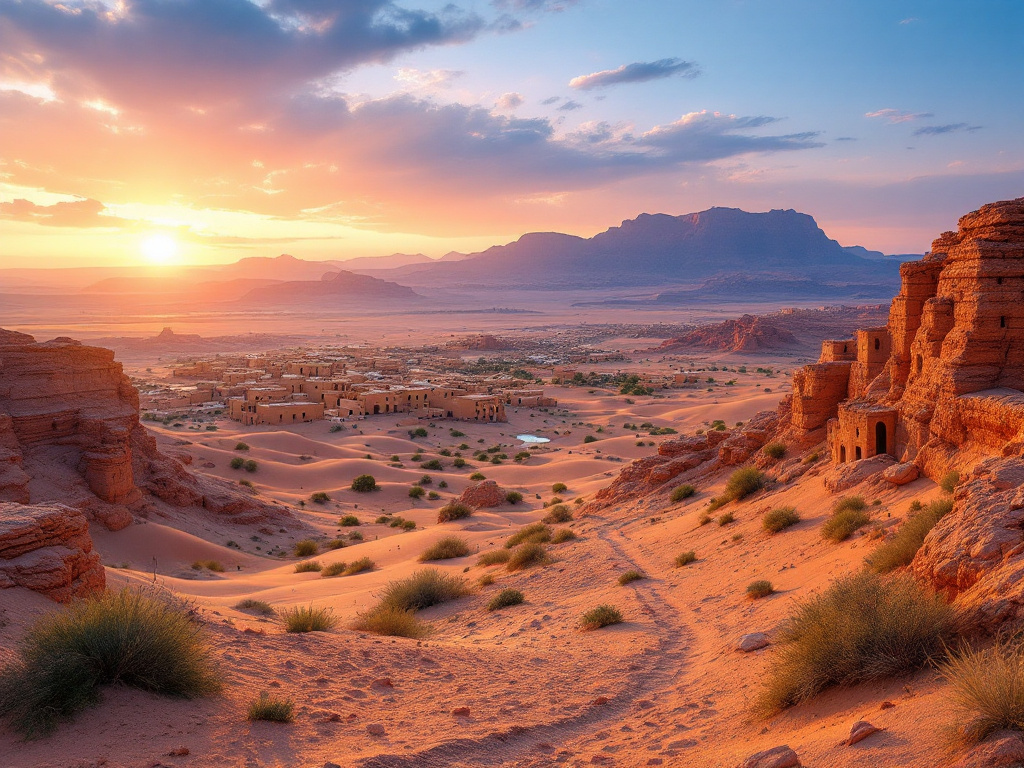
Siwa Oasis
A peaceful desert oasis known for nature, traditions, and relaxation away from the cities.

Felucca Sailing on the Nile
A peaceful boat trip on the Nile in traditional boats, ideal for experiencing the river's atmosphere.
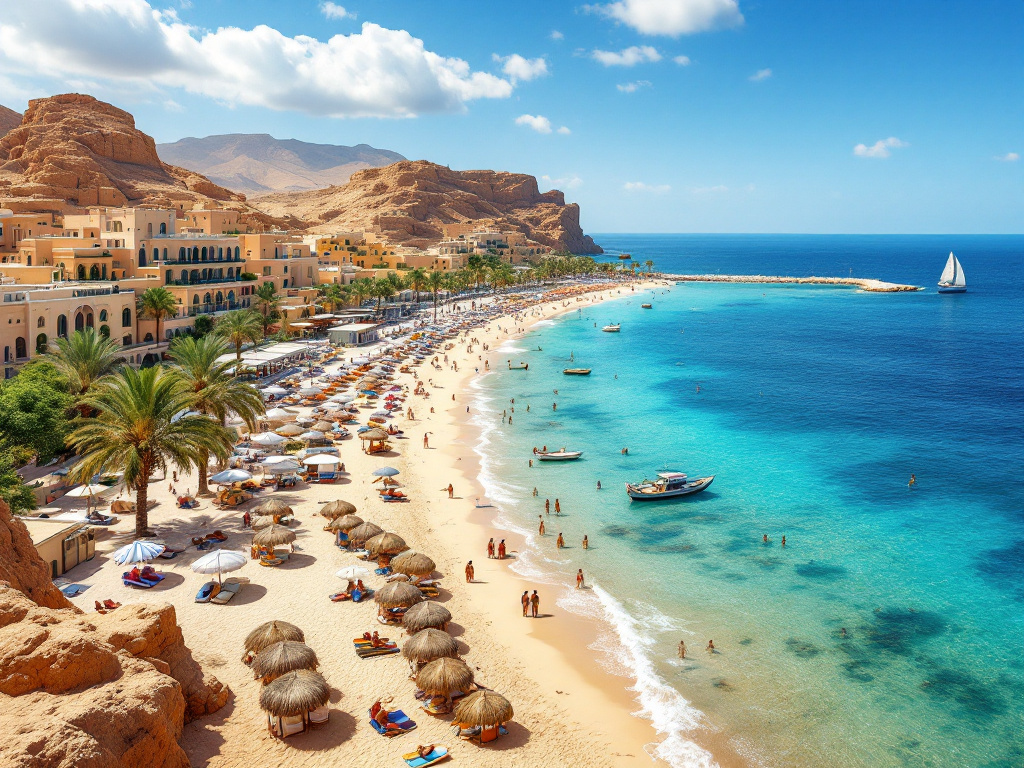
Naama Bay
A popular vacation area by the Red Sea with beaches, hotels, and vibrant city life.
Famous cuisine
Culinary overview
Egyptian cuisine is a rich blend of Middle Eastern, Mediterranean, and African flavors, shaped by millennia of cultural exchange along the Nile. Traditional dishes often consist of legumes, rice, spices, and fresh vegetables, and meals are enjoyed communally. Street food is a central part of the food culture, where you can taste everything from freshly baked baladi bread to spiced shawarma. Meals are often accompanied by mint tea or karkadé (hibiscus tea), and sweet desserts such as basbousa or konafa are popular on festive occasions.
Must-try dishes
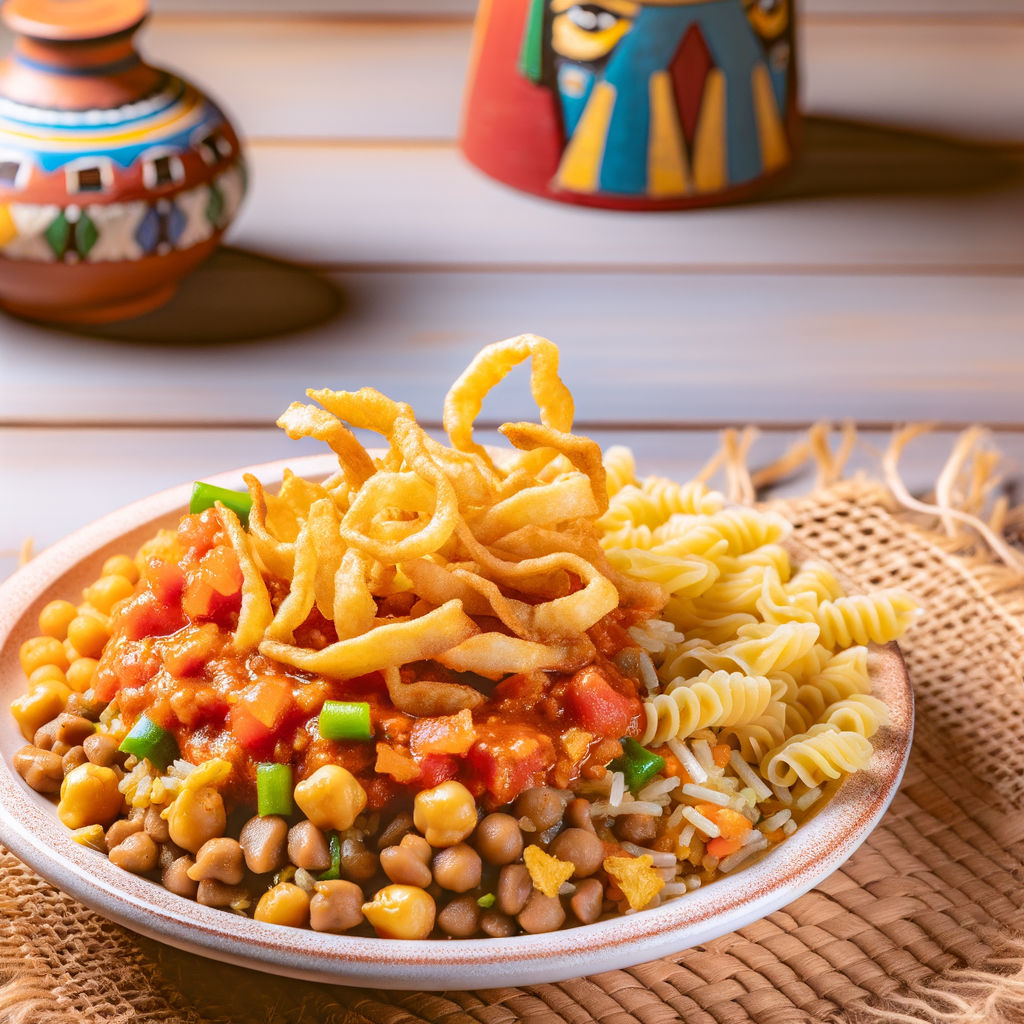
Koshari
Egypt's national dish, a filling mix of rice, lentils, pasta, chickpeas, and crispy onions, topped with spiced tomato sauce and garlic vinaigrette. A popular street food that reflects the country's diverse culinary heritage.
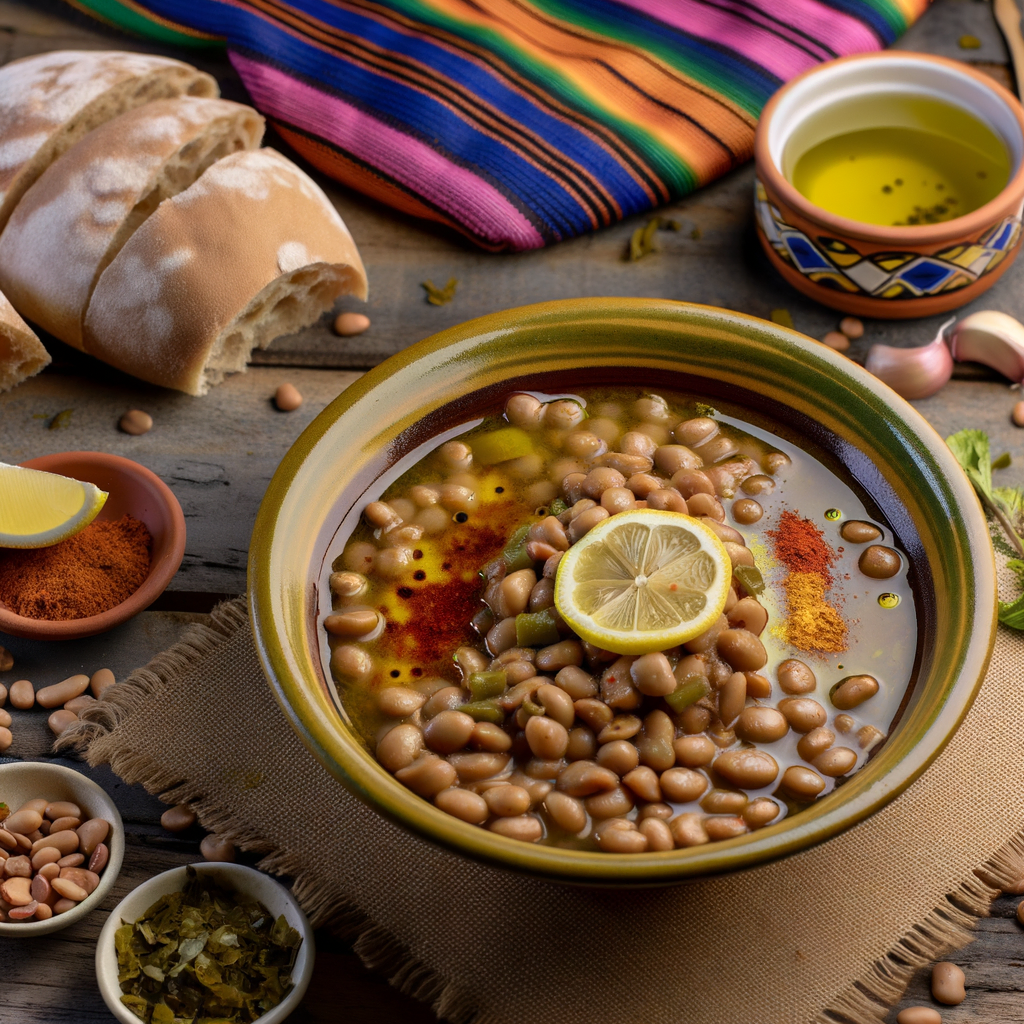
Ful Medames
A traditional breakfast dish made from slowly cooked fava beans, served with olive oil, lemon, garlic, and spices. Often eaten with freshly baked baladi bread.
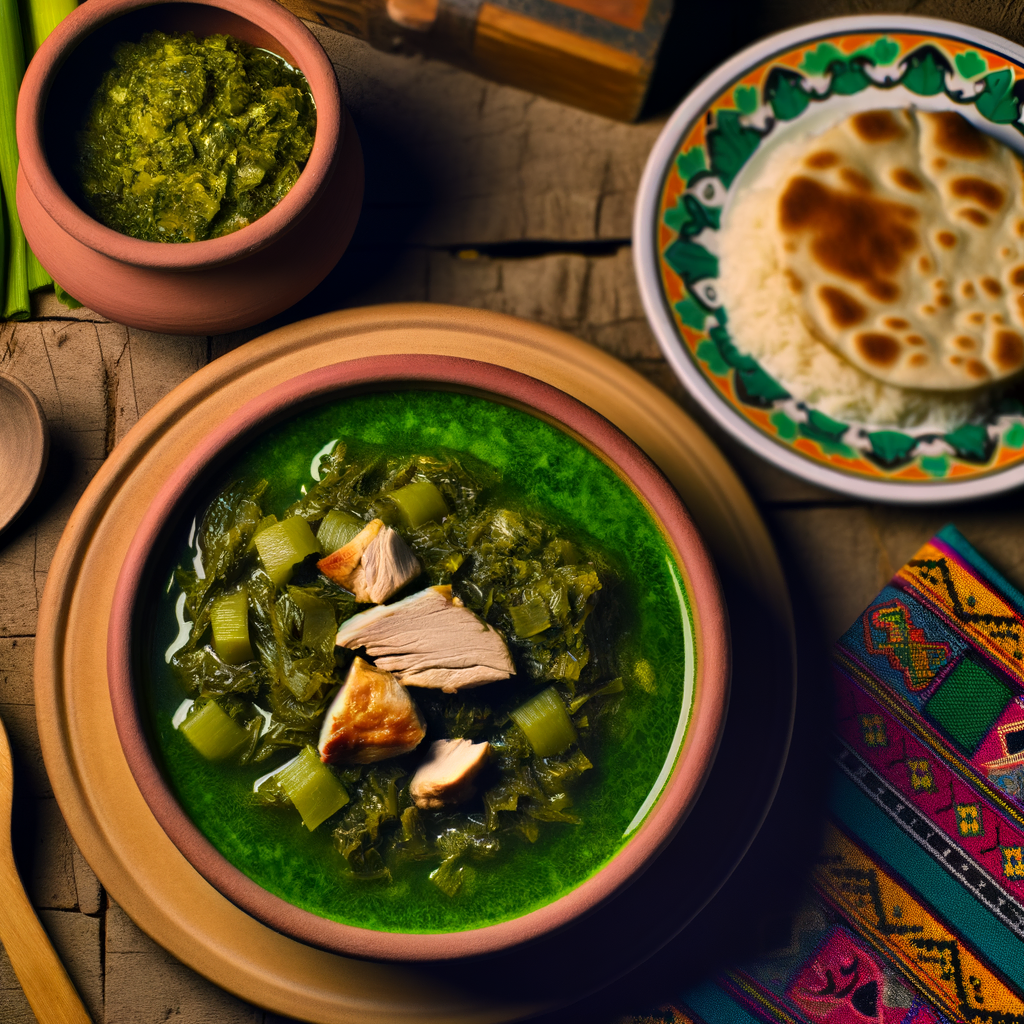
Molokhia
A green leafy soup made from jute plants, cooked with garlic and coriander, often served with chicken or rabbit and rice or bread.
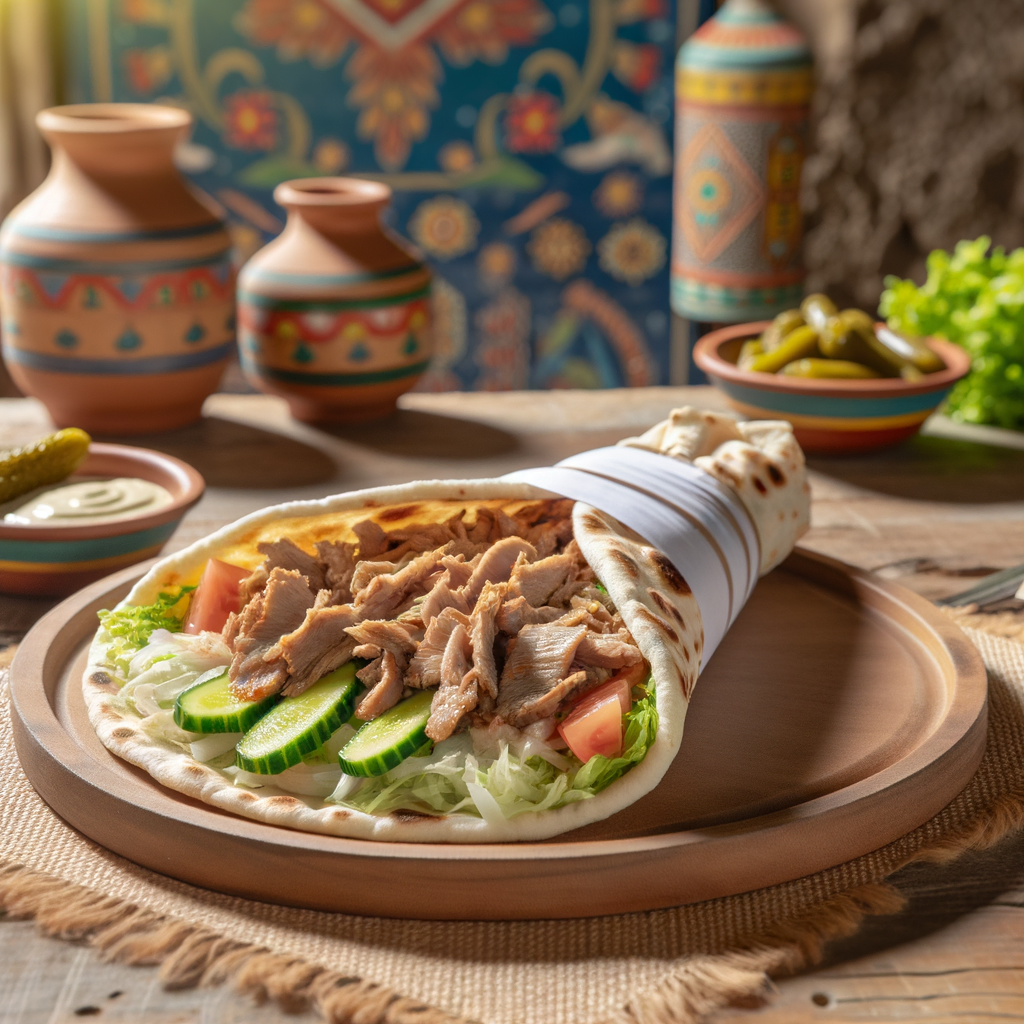
Shawarma
Marinated meat (often lamb or chicken) cooked on a vertical spit, sliced thinly and served in flatbread with tahini, vegetables, and pickles.
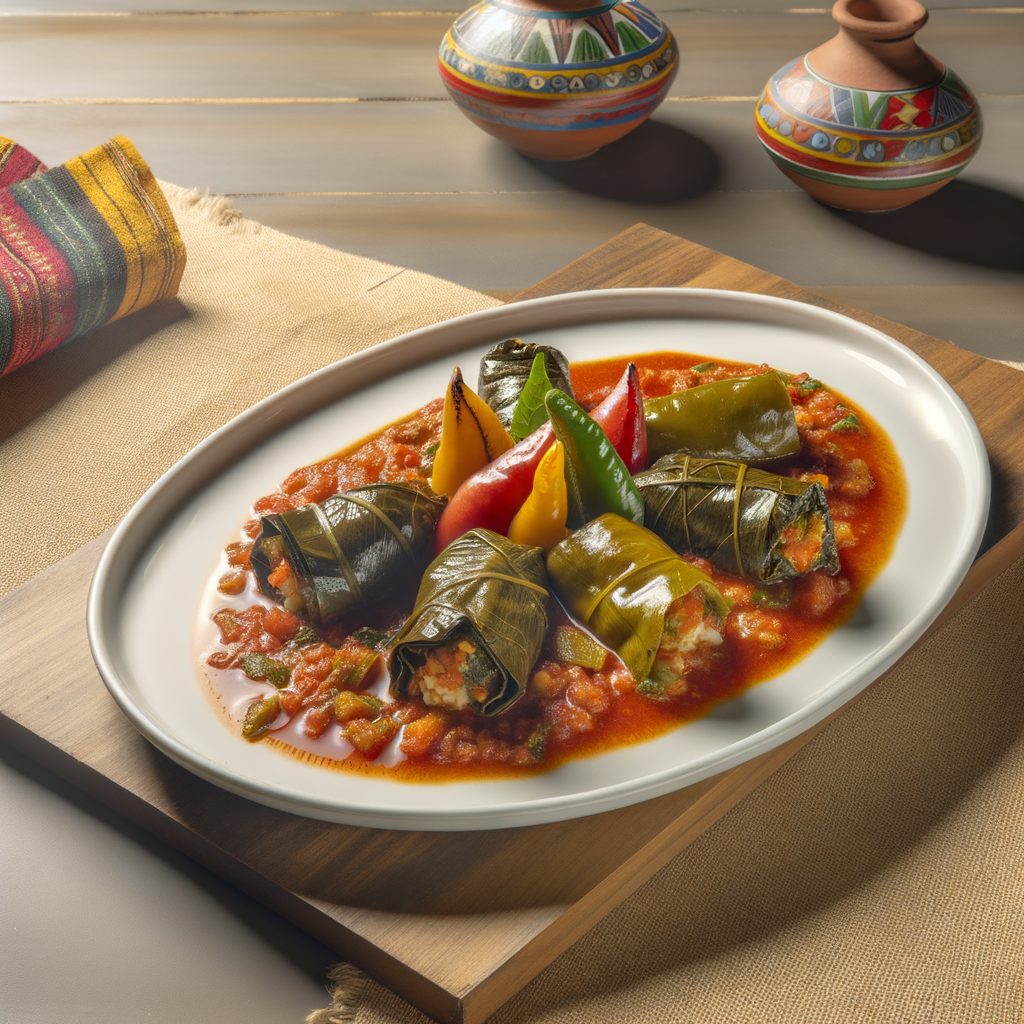
Mahshi
Vegetables such as zucchini, bell peppers, or grape leaves stuffed with a mixture of rice, herbs, and sometimes minced meat, cooked in tomato sauce.
Restaurant information
Tipping
In Egypt, it is common to give tips (baksheesh) of 10-15% at restaurants, although service charge is often included. Small amounts for waiters, guides, and drivers are also appreciated.
Travel information
Currency
Egyptian pund (EGP)
Language
Arabic
Best time to visit
October to April
Major cities
Kairo and other major cities
More countries in Africa
Discover more destinations in this region