
Ethiopia
Ethiopia, the cradle of civilization, captivates with its ancient history, breathtaking landscapes, vibrant cultures, and soulful traditions unmatched in Africa.
Overview
Ethiopia, often dubbed the cradle of civilization, is one of Africa’s most captivating destinations, where ancient wonders meet dramatic landscapes and vibrant cultures. Travelers can explore Lalibela’s iconic rock churches, trek in the majestic Simien Mountains among rare wildlife, and immerse themselves in the Omo Valley's unique ethnic diversity. From the impressive obelisks of Aksum to Harar's colorful Islamic heritage and Gondar's historic castles, Ethiopia offers a journey through time, nature, and tradition, seasoned with a rich culinary experience and unparalleled hospitality.
Official language
Amharisk
Government
Federal Parliamentary republic
Best time to visit
October to March
Nature
Ethiopia's landscapes reveal a breathtaking tapestry of diversity, from the jagged peaks of the Simien Mountains, home to rare species like the Ethiopian wolf and gelada baboon, to the lush valleys and arid savannahs of the Omo Valley, rich with wildlife. National parks offer some of the most spectacular trekking routes and awe-inspiring vistas, perfect for nature lovers seeking both adventure and tranquility. Lake Tana, Ethiopia's largest lake, is dotted with ancient monasteries on small islands, while the Konso cultural landscape showcases a harmonious blend of human ingenuity and nature. With a temperate climate in the highlands ideal for hiking and exploration, and the warmer lowlands revealing their own rugged charm, Ethiopia is a paradise for outdoor enthusiasts throughout the year, especially from October to March when conditions are dry and comfortable.
Travel to Ethiopia
Traveling to Ethiopia is an immersive experience into a realm of contrasts and authenticity. The best time to visit is from October to March, when the climate is dry and pleasant, perfect for city exploring and mountain trekking. Addis Ababa serves as a vibrant gateway with its museums, markets, and cultural experiences. From the capital, you can easily access Lalibela, the Simien Mountains, Lake Tana, and the Omo Valley. The journey promises everything from historic UNESCO sites to encounters with local tribes and breathtaking nature adventures. Ethiopia is ideal for adventurous travelers, culture enthusiasts, and those seeking a deeper insight into Africa's roots, as its unique blend of history, nature, and hospitality ensures an unforgettable experience.
Culture
Ethiopia's vibrant culture is a unique mosaic, deeply rooted in millennia of history and marked by extraordinary diversity. Home to over 80 ethnic groups, the country boasts a rich tapestry of languages, traditions, and attire. The Ethiopian Orthodox Church plays a crucial role in daily life, with colorful religious ceremonies like Timkat serving as spiritual and cultural highlights. In the historic city of Harar Jugol, one of the world’s oldest Islamic cities, visitors encounter narrow alleyways and bustling markets rich with a dynamic Muslim heritage. Music and dance are integral to community expression, featuring everything from rhythmic southern drums to the unique sound of the krar in the north. Ethiopian cuisine is a culinary delight, with injera serving as a base for communal dishes such as doro wat and kitfo. Hospitality is a defining value, epitomized in the traditional coffee ceremony, where beans are roasted and brewed in front of guests, symbolizing community and respect.
History
Ethiopia is one of the oldest nations in the world, with a history stretching back to ancient times. The kingdom of Aksum was a prominent civilization, recognized for its towering obelisks and role as an early center of Christianity. Lalibela's rock-hewn churches, crafted in the 12th century, reflect profound religious dedication, while Gondar, often referred to as Africa's Camelot, showcases 17th-century castles and churches. Harar has been a significant center of Islamic scholarship for centuries. Unlike many African nations, Ethiopia successfully resisted colonization, with the victory over Italy at the Battle of Adwa in 1896 symbolizing national pride and unity. This rich historical legacy is celebrated and preserved, making Ethiopia a remarkable place for history buffs.
Top attractions
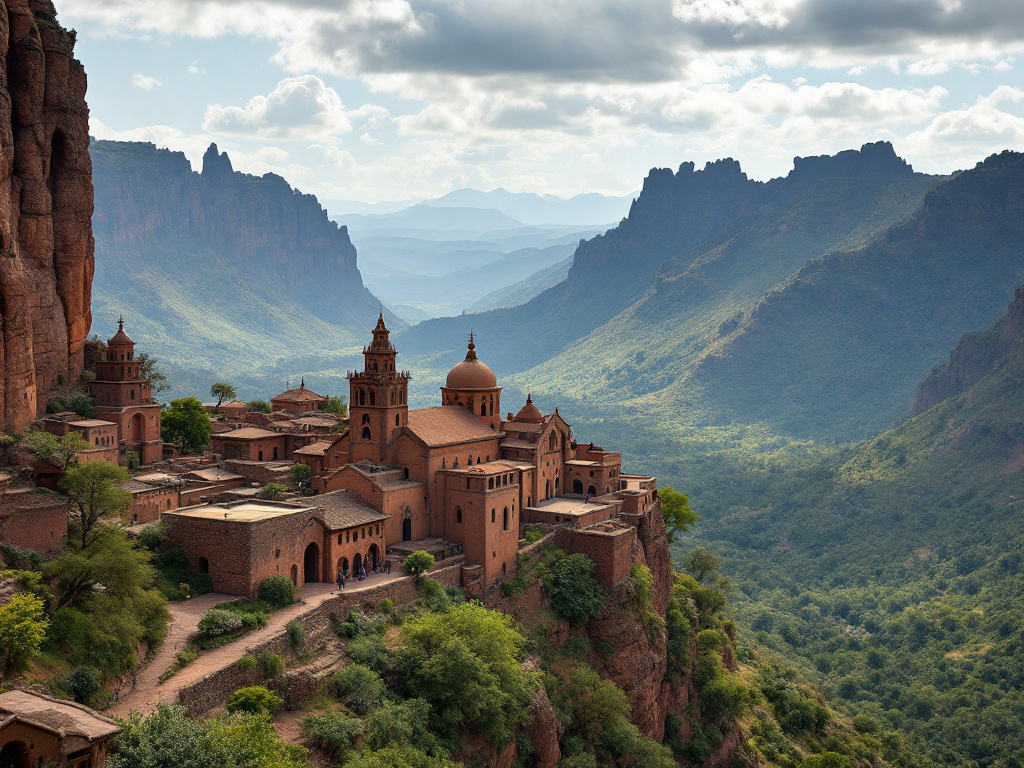
Rock-Hewn Churches of Lalibela
World-famous medieval churches carved directly into the rock and a major pilgrimage site in the Ethiopian Orthodox faith.

Simien Mountains National Park
A spectacular highland area with wild landscapes and unique wildlife, ideal for adventurous travelers.
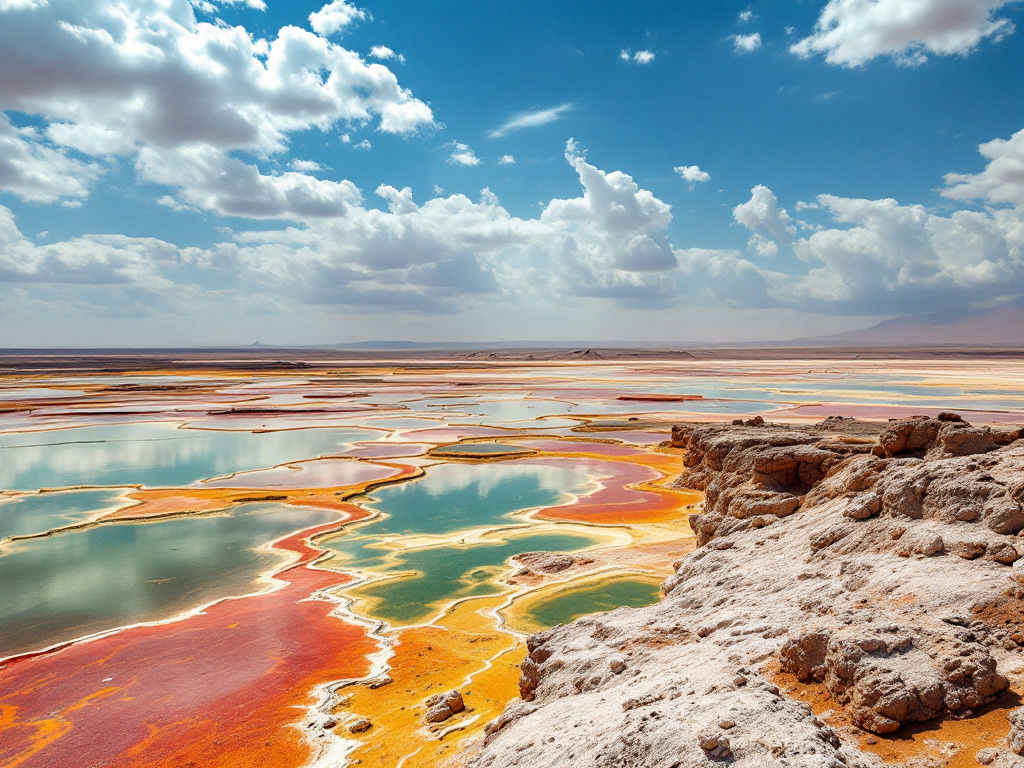
Danakil Depression
One of the hottest places on Earth with surreal colors, volcanoes, and salt deserts.

Blue Nile Falls
Impressive waterfall on the Blue Nile, known as Ethiopia's largest natural attraction.
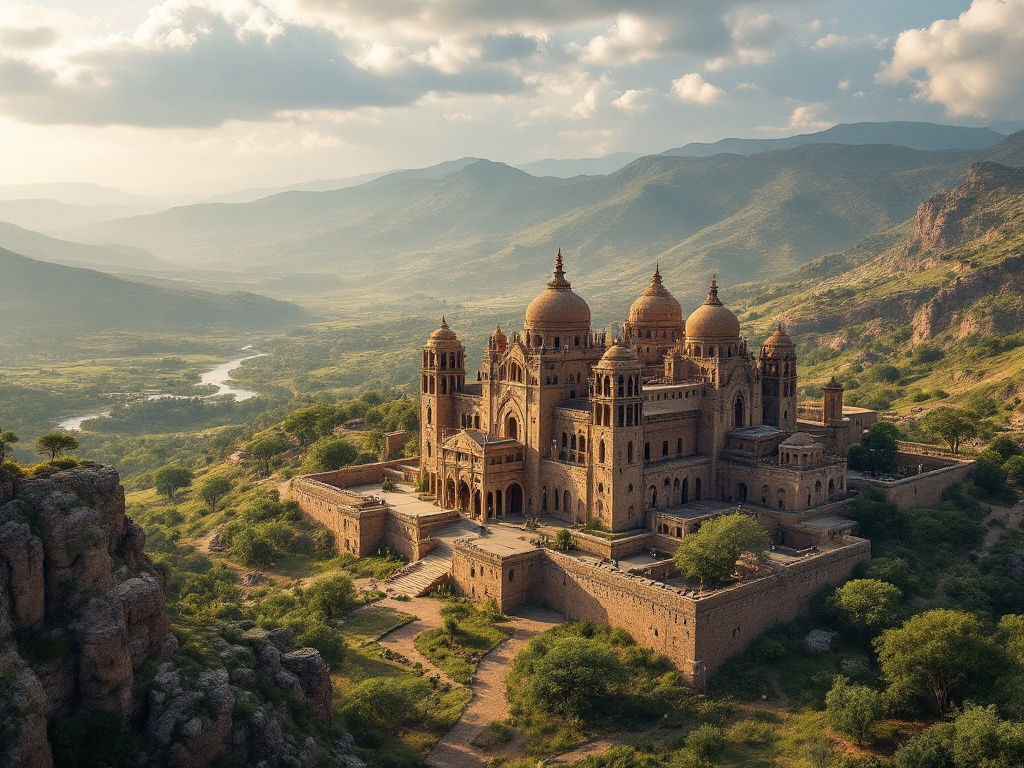
Aksum's Stelae
Monumental stelae from the ancient Aksumite kingdom, showcasing Ethiopia's early civilization.
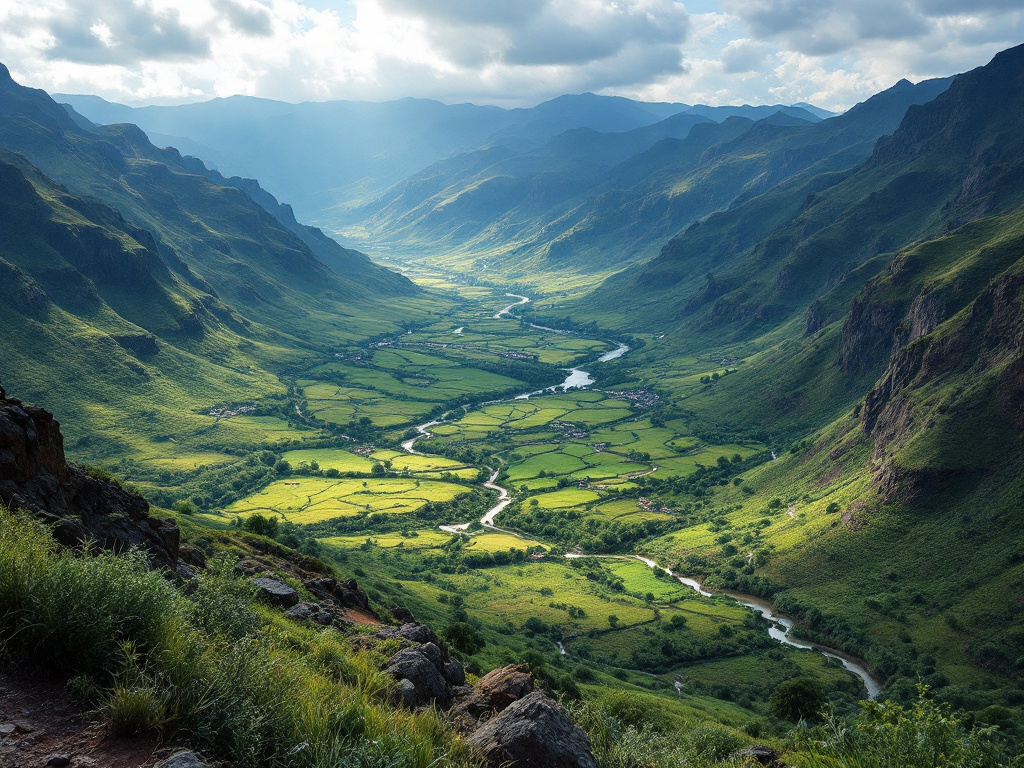
Omo Valley
A culturally rich region known for its diversity of ethnic groups and traditional lifestyles.
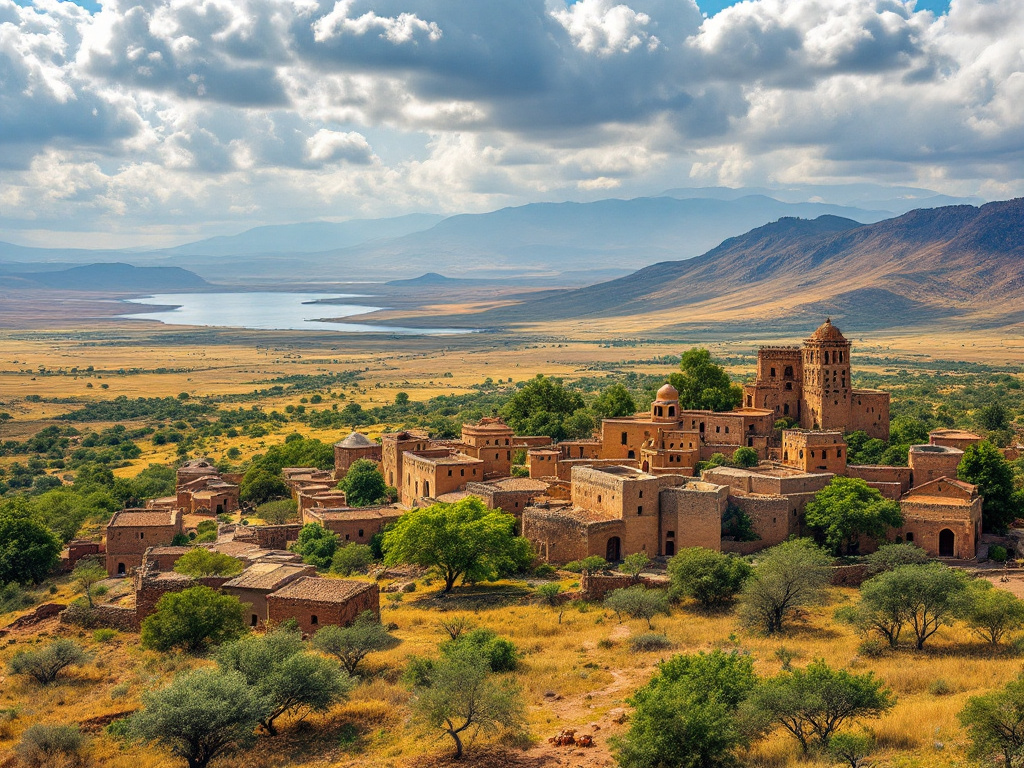
Monasteries of Lake Tana
Historical monasteries scattered on islands and peninsulas in Ethiopia's largest lake.
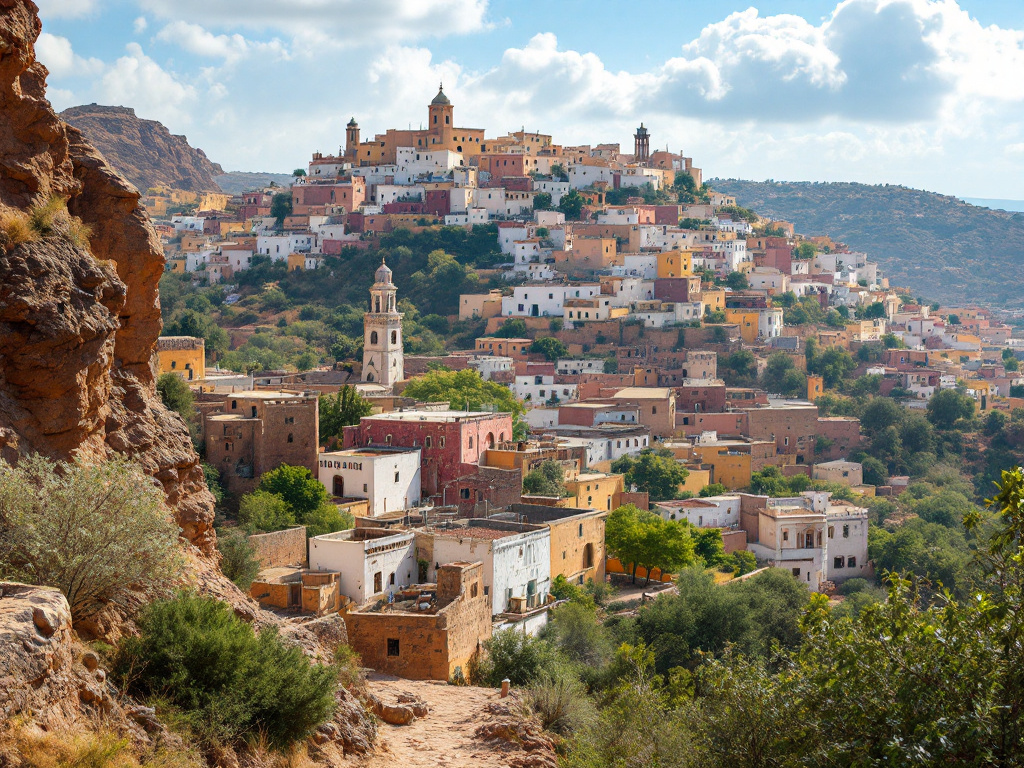
Harar Jugol
A historic walled city known as an important Islamic cultural center in Africa.

Bale Mountains National Park
A biodiversity hotspot with rare species and stunning highland landscapes.

Sof Omar Caves
An impressive cave system shaped by rivers through limestone, popular among adventure travelers.
Famous cuisine
Culinary overview
Ethiopian cuisine is deeply rooted in the country's history and culture, and meals are often social events where food is shared from large platters. The characteristic injera, a sour flatbread made from teff, serves as both a plate and utensils. The flavors are intense, with the use of the spice blend berbere and niter kibbeh (spiced butter). Vegetarian dishes are widespread, especially during fasting periods of the Ethiopian Orthodox Church. Coffee plays a central role, and the traditional coffee ceremony is an experience in itself.
Must-try dishes
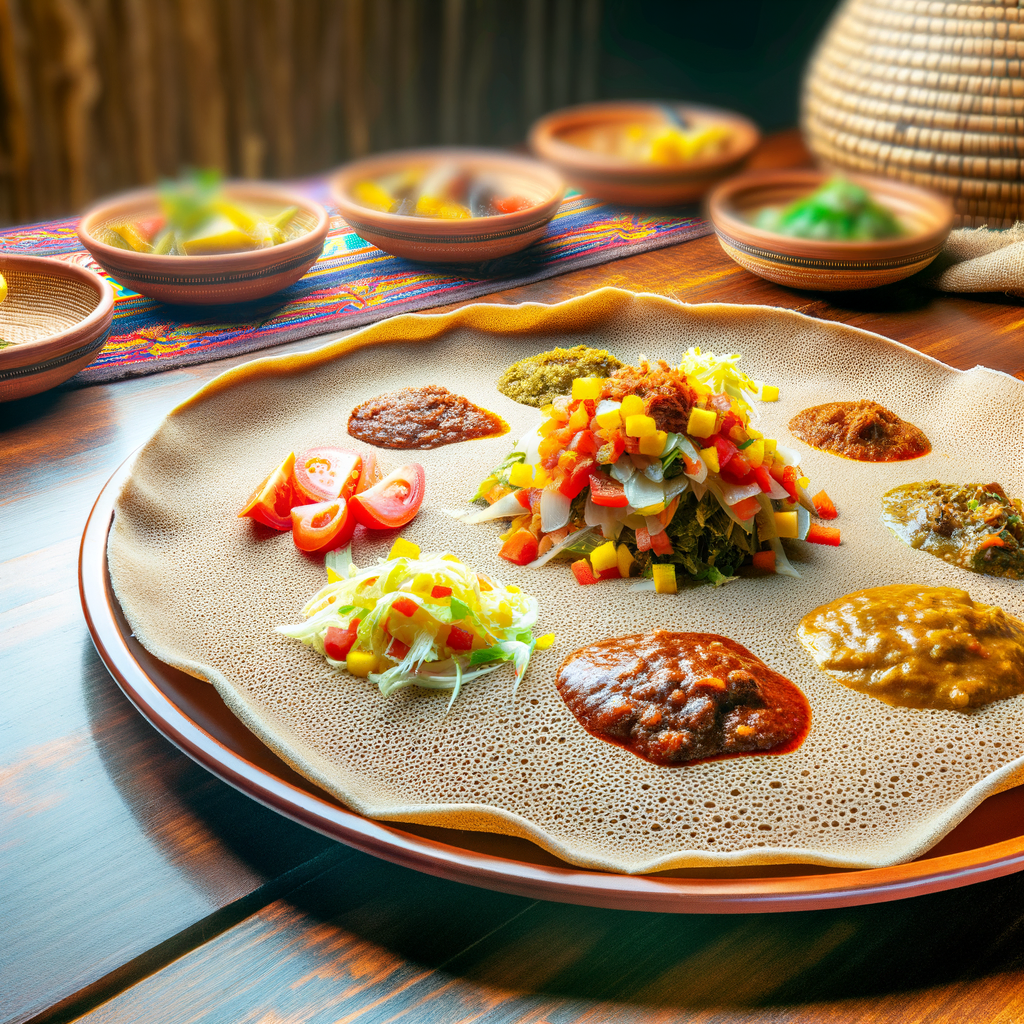
Injera
A large, sour flatbread made from teff flour that serves as both a plate and utensils. It is served with various stews and salads on top.

Doro Wat
A spicy chicken stew made with berbere spice, onions, and niter kibbeh, often served with hard-boiled eggs and injera.
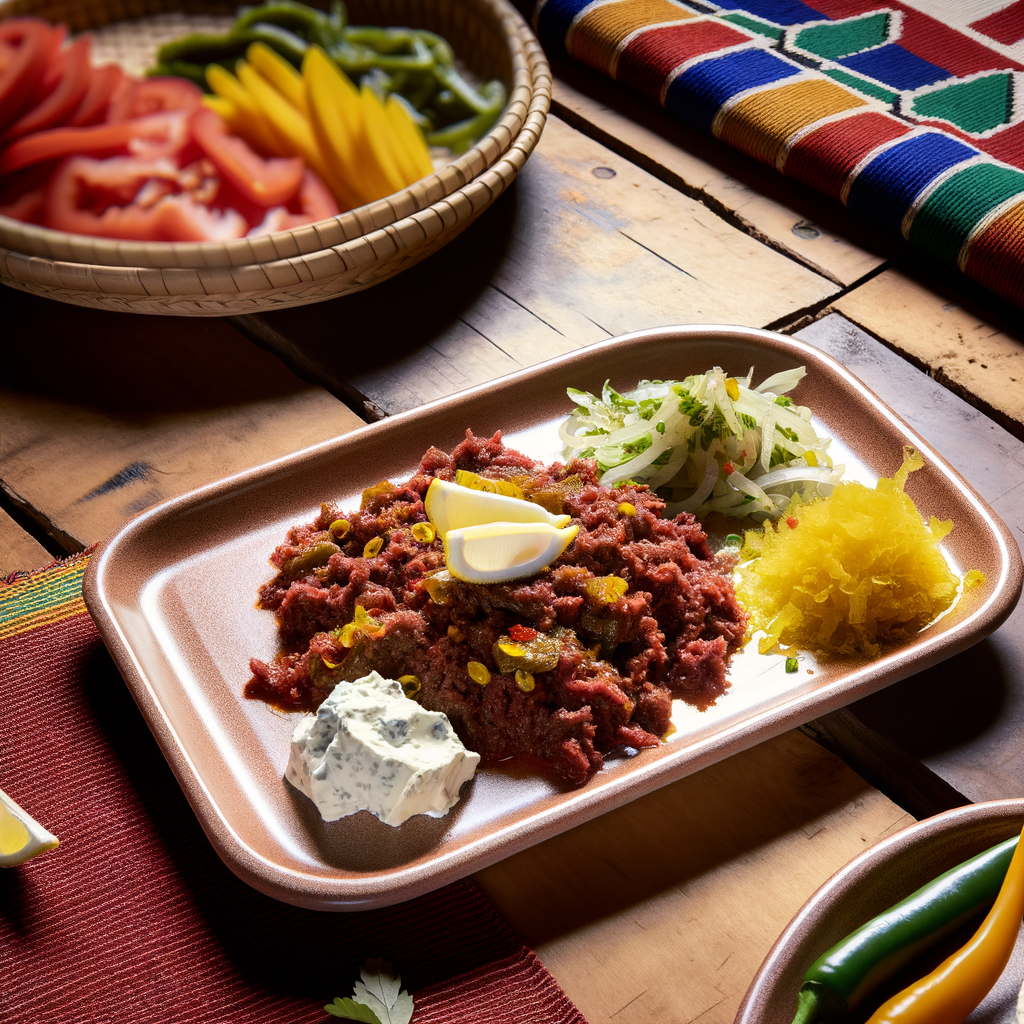
Kitfo
Minced beef served raw or lightly cooked, seasoned with mitmita and niter kibbeh, often accompanied by ayib (fresh cheese) and vegetables.

Shiro
A creamy stew made from ground chickpeas or lentils, spiced with berbere and often eaten during fasting periods.
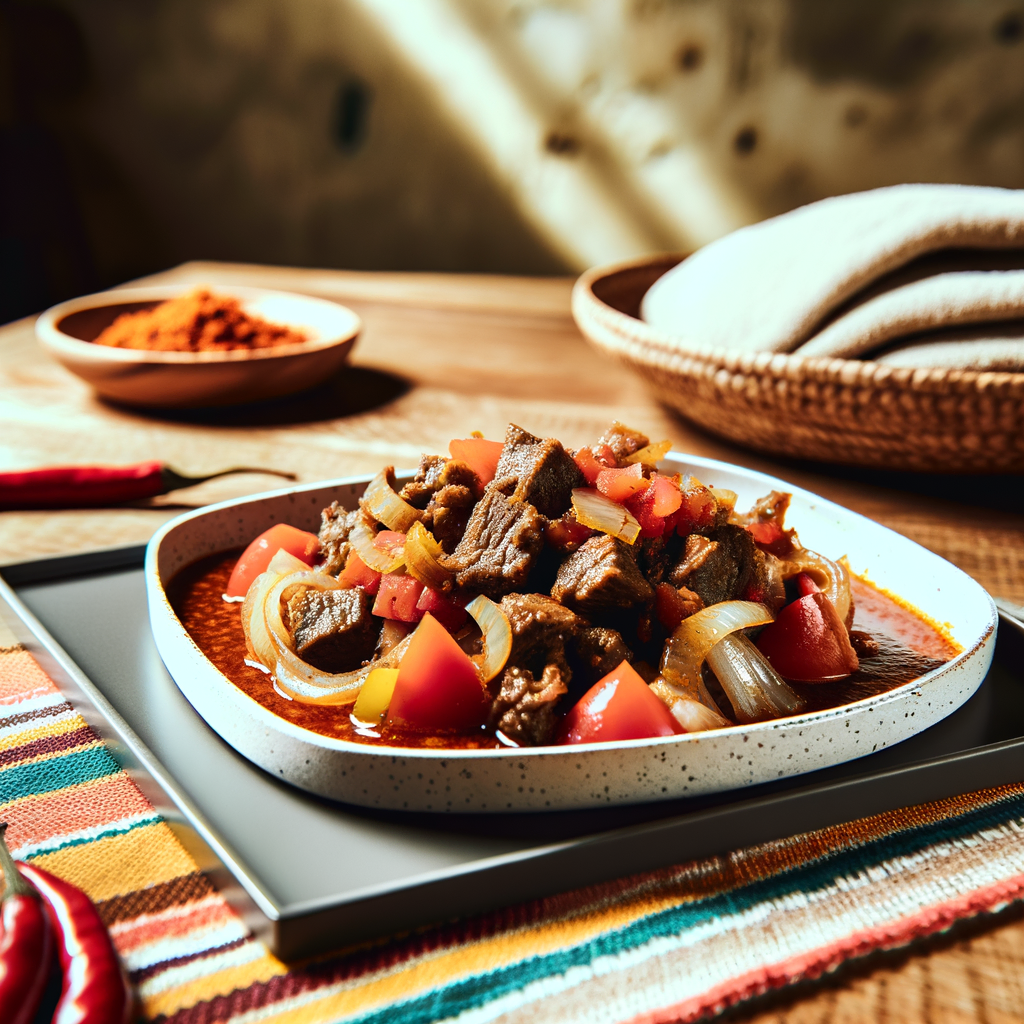
Tibs
Fried pieces of meat (often beef or lamb) with onions, tomatoes, and chili, served with injera or bread.
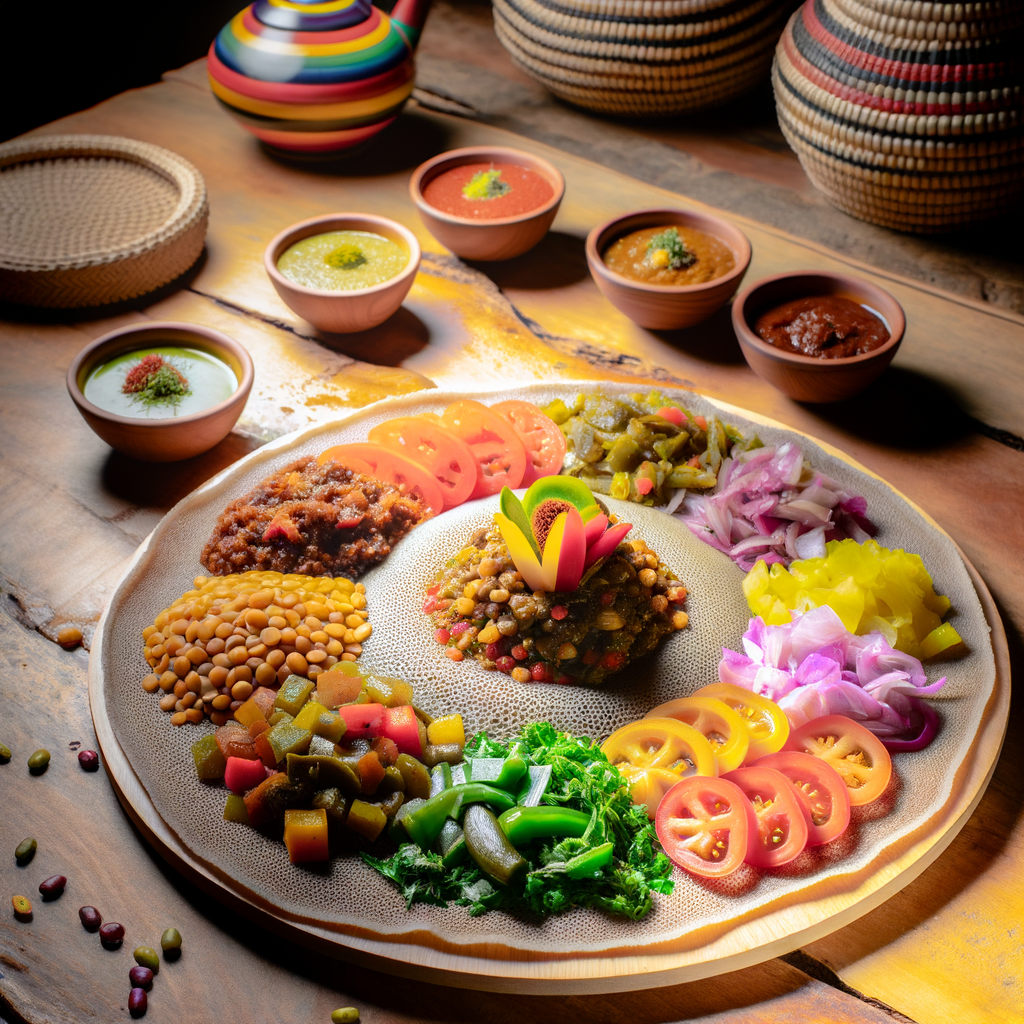
Beyaynetu
A colorful vegetarian platter with various lentil, bean, and vegetable dishes, served on injera – popular during religious fasting.
Restaurant information
Tipping
Tipping is not mandatory in Ethiopia but is appreciated. In restaurants, it is common to round up or give 5-10% of the bill if the service has been good.
Travel information
Currency
Etiopisk birr (ETB)
Language
Amharisk
Best time to visit
October to March
Major cities
Addis Ababa and other major cities
More countries in Africa
Discover more destinations in this region