
Gabon
Gabon, a hidden gem in West Africa, offers lush rainforests, unspoiled beaches, and rich wildlife, providing a paradisiacal escape in untouched landscapes.
Overview
Gabon, a hidden gem in West Africa, is an adventure lover’s dream. With over 11% of its territory designated as national parks, you’ll find everything from dense rainforests to white sandy beaches. Experience breathtaking wildlife encounters, including elephants and rare bird species, or visit Loango National Park, where hippos can be seen in the ocean. The capital, Libreville, blends contemporary urban life with traditional African charm, enticing visitors to indulge in exquisite local cuisine. Gabon remains an untouched destination, ideal for those seeking unique and authentic experiences in a pristine natural setting.
Official language
French
Government
Presidential republic
Best time to visit
May to September
Nature
Gabon is a true paradise for nature lovers, boasting an astonishing array of biodiversity. With over 11% of the country designated as national parks, you can explore everything from lush tropical rainforests to expansive savannas and pristine beaches. Loango National Park, famous for its unique combination of beach and wilderness, invites visitors to witness elephants and buffalo roaming the coastline and hippos swimming in the Atlantic Ocean. The stunning Ivindo National Park, home to magnificent waterfalls like Kongou and Djidji, provides adventures in untouched jungle. The best time to visit is between May and September when the climate is dry and perfect for safaris, trekking, and enjoying the beautiful coastline. Gabon's landscape remains largely unspoiled by mass tourism, offering travelers authentic encounters with wildlife and breathtaking scenery.
Travel to Gabon
Traveling to Gabon is like stepping into an unspoiled corner of Africa where nature reigns supreme. The best time to visit is from May to September, when the dry climate sets the stage for unforgettable safaris and beach relaxation. Fly into Libreville, where you can easily arrange excursions to magnificent national parks. Experience the wild beauty of Ivindo Falls or take a boat tour through Pongara’s mangroves. While Gabon has limited infrastructure, this means fewer crowds and more intimate wildlife encounters. Prepare for an adventure that promises unforgettable moments, spectacular landscapes, and a warm embrace from a culture deeply connected to the natural world.
Culture
Gabon’s culture is a vibrant tapestry woven from traditional African roots and French colonial influences. With over 40 ethnic groups, including the Fang, Myene, Nzebi, and Punu, each offers unique traditions, music, and dance that animate local celebrations. Traditional drumming and rhythm play a central role in ceremonies, frequently accompanied by colorful masks and costumes that bring the festivities to life. In urban areas like Libreville, a modern lifestyle flourishes alongside traditional ways, seen in the lively markets and art galleries showcasing local craftsmanship such as wood carving and weaving. Don't miss trying the delicious Gabonese cuisine, featuring dishes like Poulet Nyembwe, a chicken in palm nut sauce, grilled fish, and fufu. The religion in Gabon is a blend of Christianity and traditional animistic beliefs, with rituals such as the Bwiti ceremony reflecting the community's spiritual connection to nature.
History
Gabon’s history spans thousands of years, with traces of early human settlements evident in the prehistoric rock carvings at Lopé-Okanda. Portuguese explorers arrived in the 15th century, followed by French colonization in the 19th century. Gabon became a French colony in 1885 and later part of French Equatorial Africa. It gained independence in 1960, emerging as a presidential republic. Throughout its history, Gabon has experienced periods of political stability and challenges, yet it has preserved its rich cultural legacy and natural resources. The fusion of colonial influences and deep-rooted traditions continues to shape modern Gabon, where past and present coexist harmoniously.
Top attractions
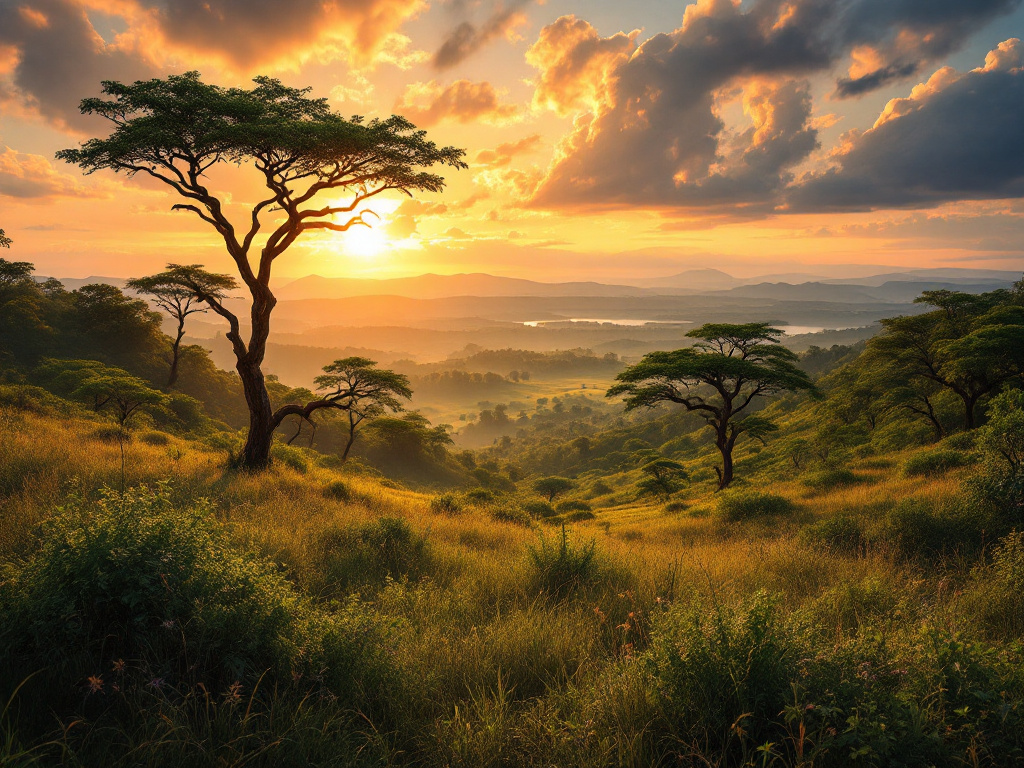
Lope National Park
One of Gabon's most famous national parks with a unique combination of rainforest and savanna as well as rich wildlife.
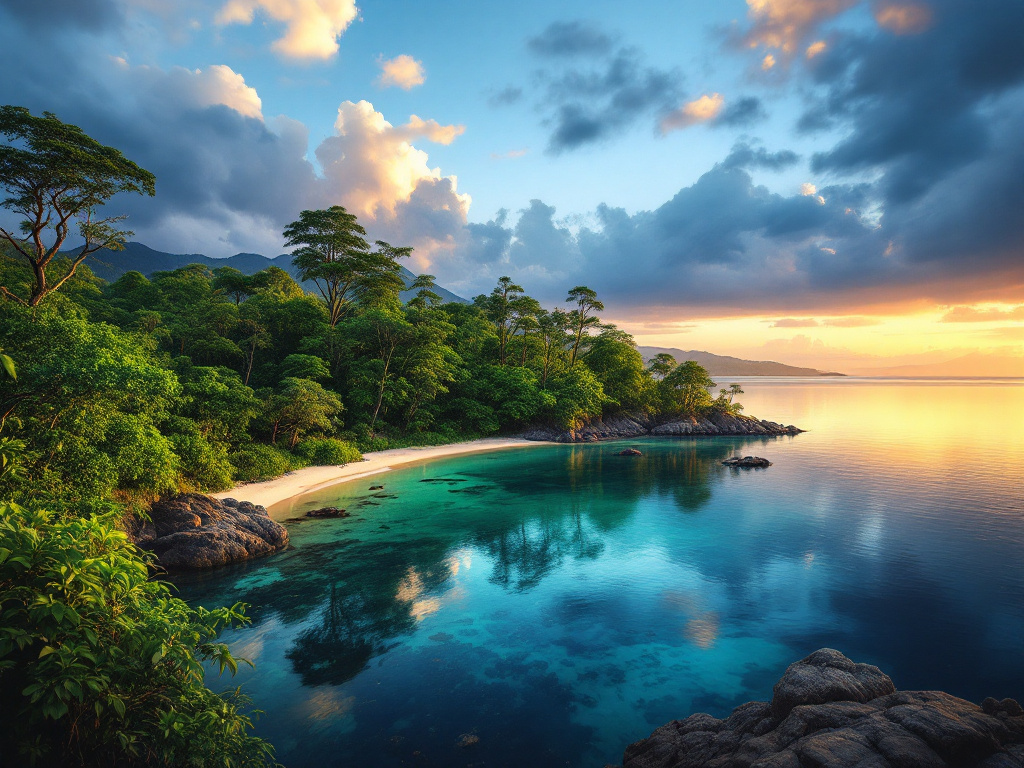
Pongara National Park
A beautiful coastal national park known for its beaches and nesting sea turtles.
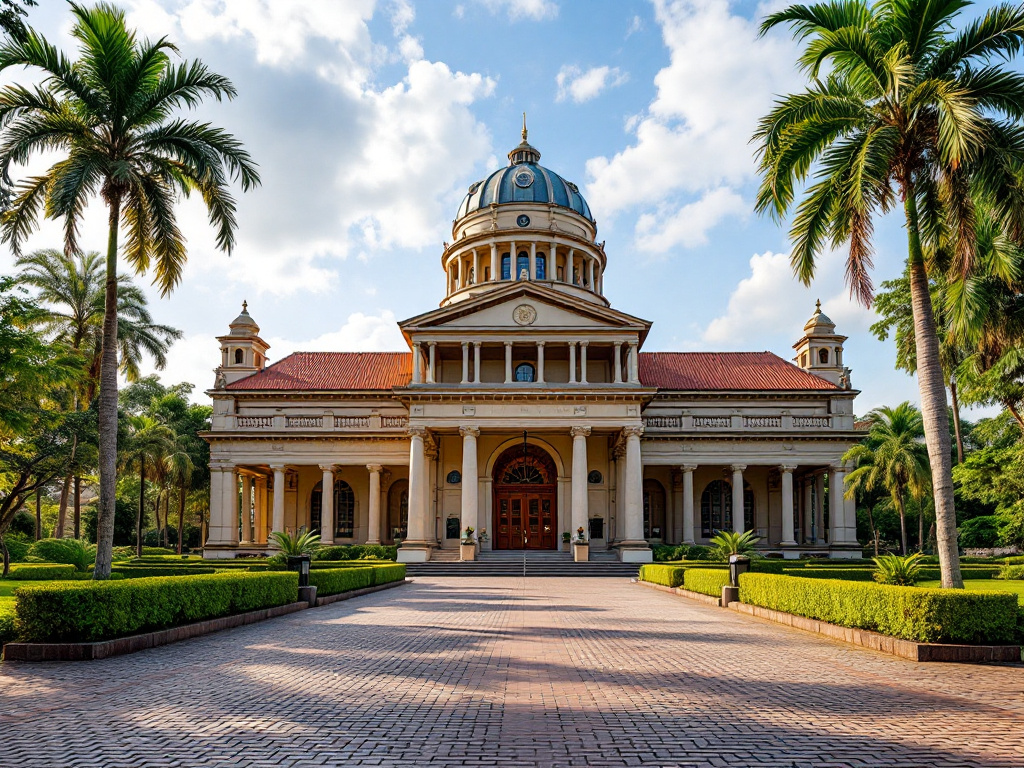
Libreville National Museum
A central museum that showcases Gabon's culture, history, and art.
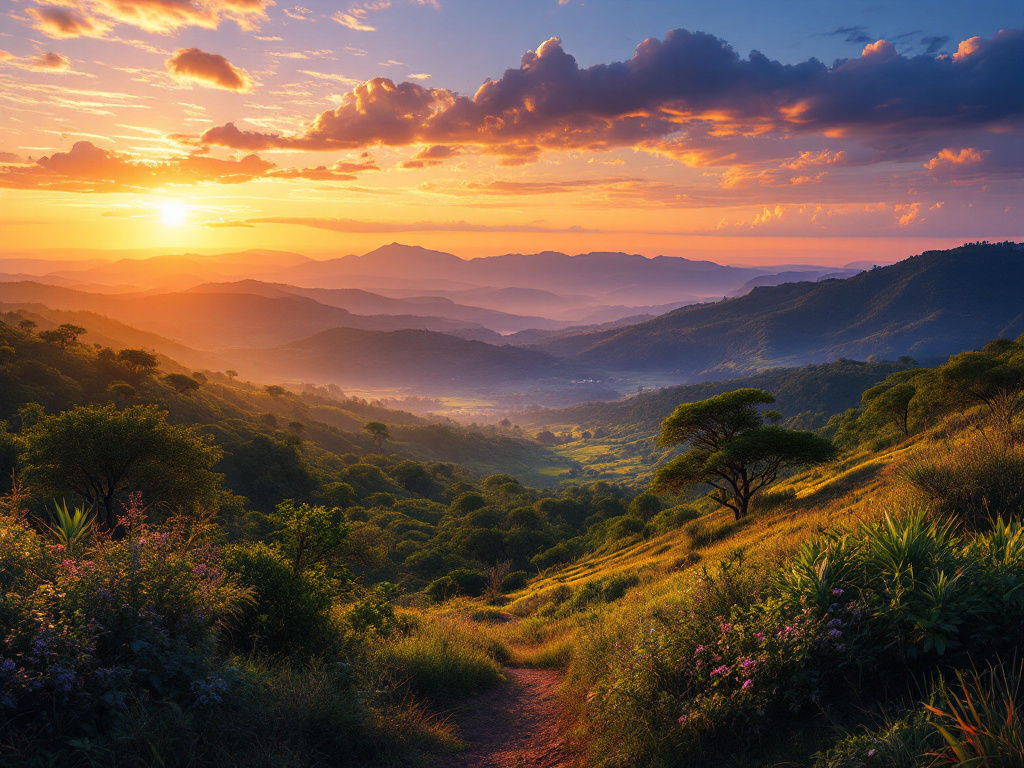
Akanda National Park
An important wetland near Libreville, ideal for birdwatching and nature experiences.
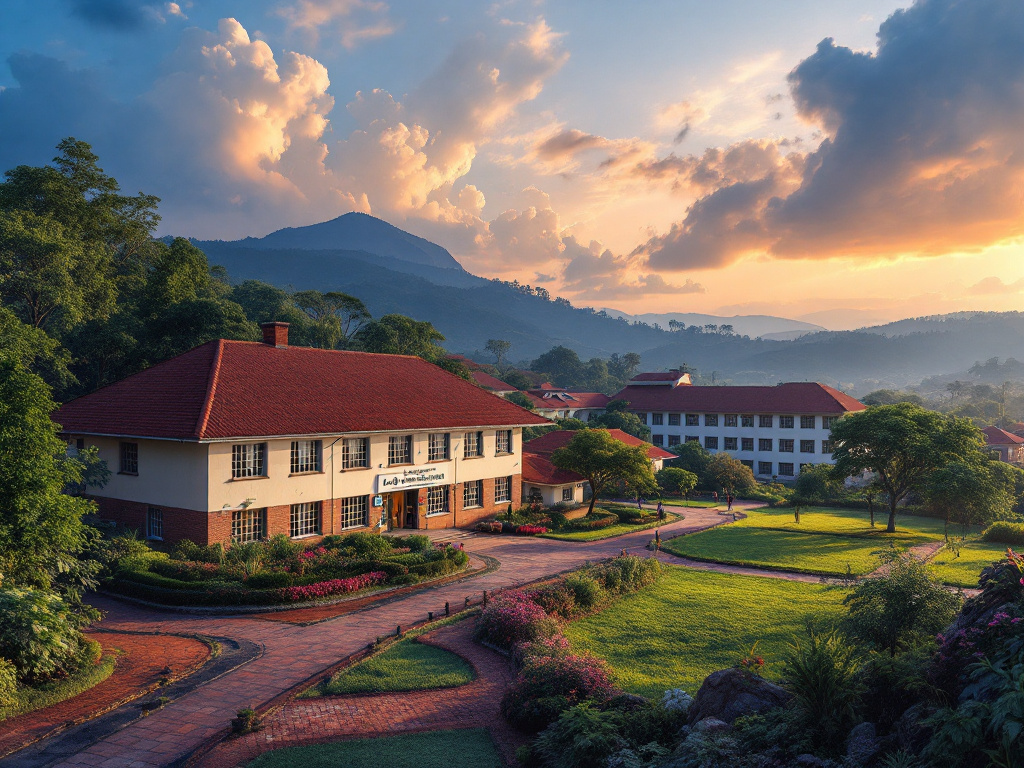
Albert Schweitzer Hospital
A historical hospital founded by Albert Schweitzer and an important cultural heritage site.
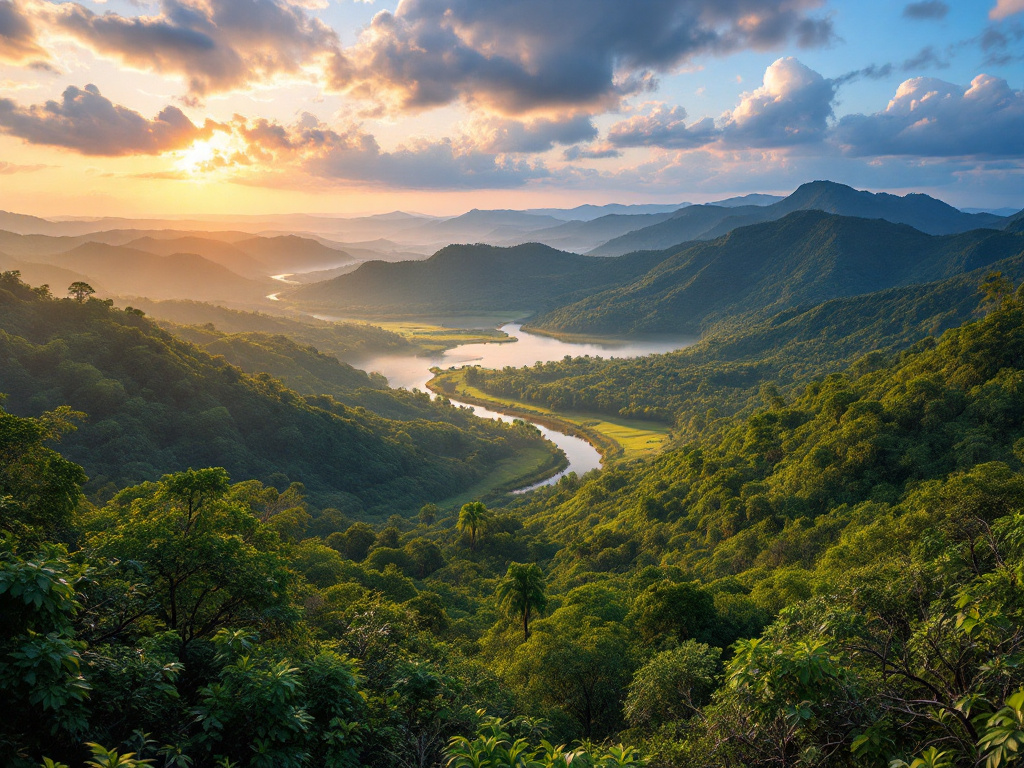
Ivindo National Park
A spectacular national park known for its powerful waterfalls and dense rainforest.
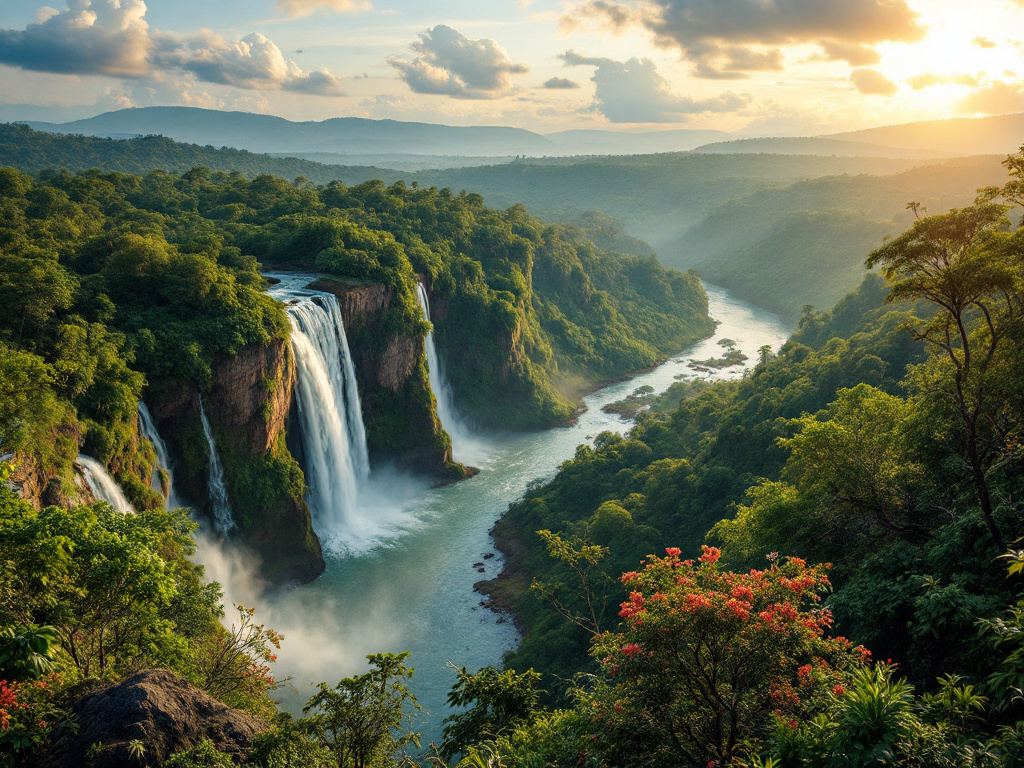
Ogooué River
Gabon’s largest river and a lifeline for the communities along its banks.
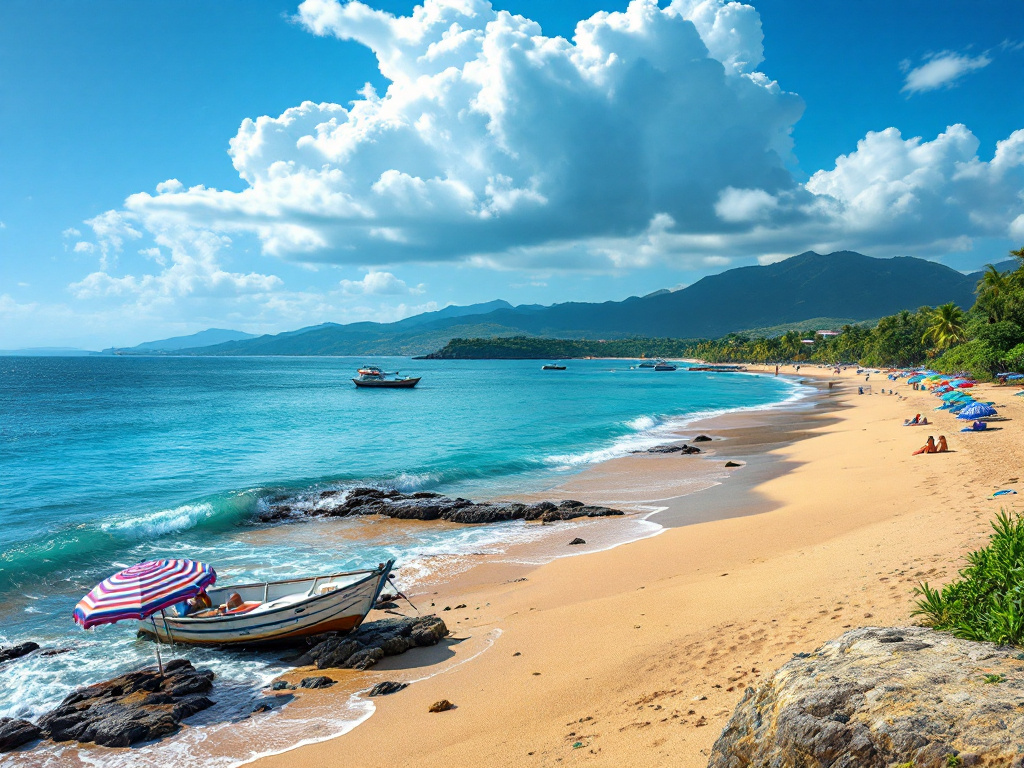
Port-Gentil Beach
A popular beach in Gabon's second largest city, ideal for relaxing by the sea.
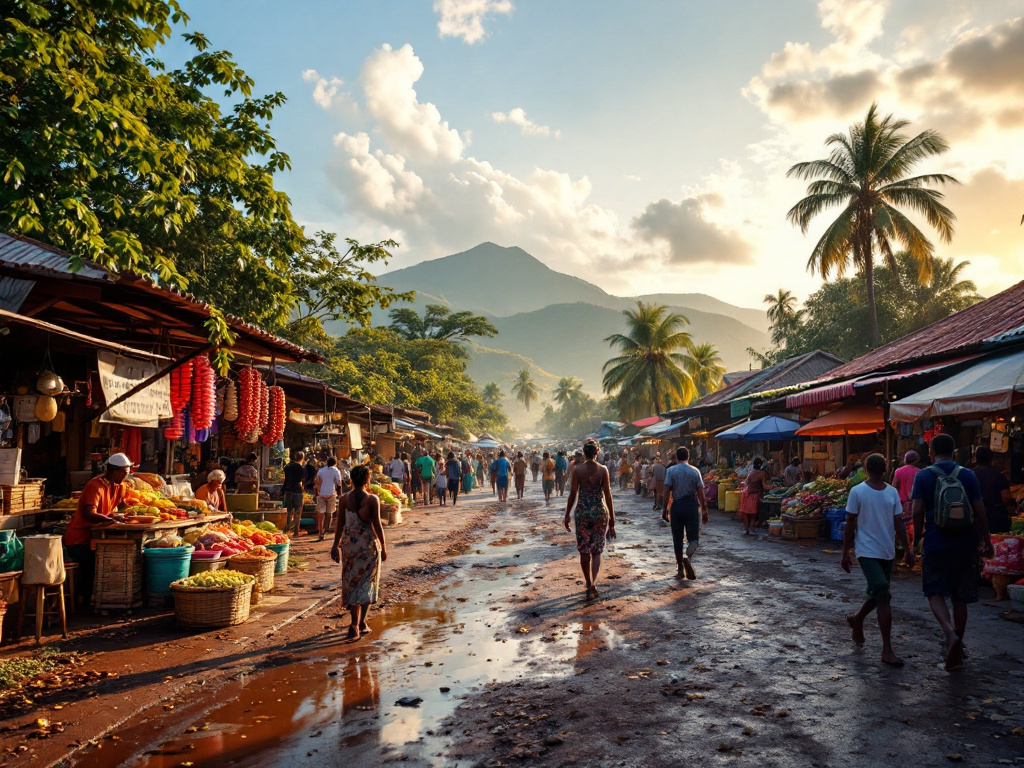
Marché du Mont-Bouët
Libreville’s largest market with a wide selection of local goods and food.
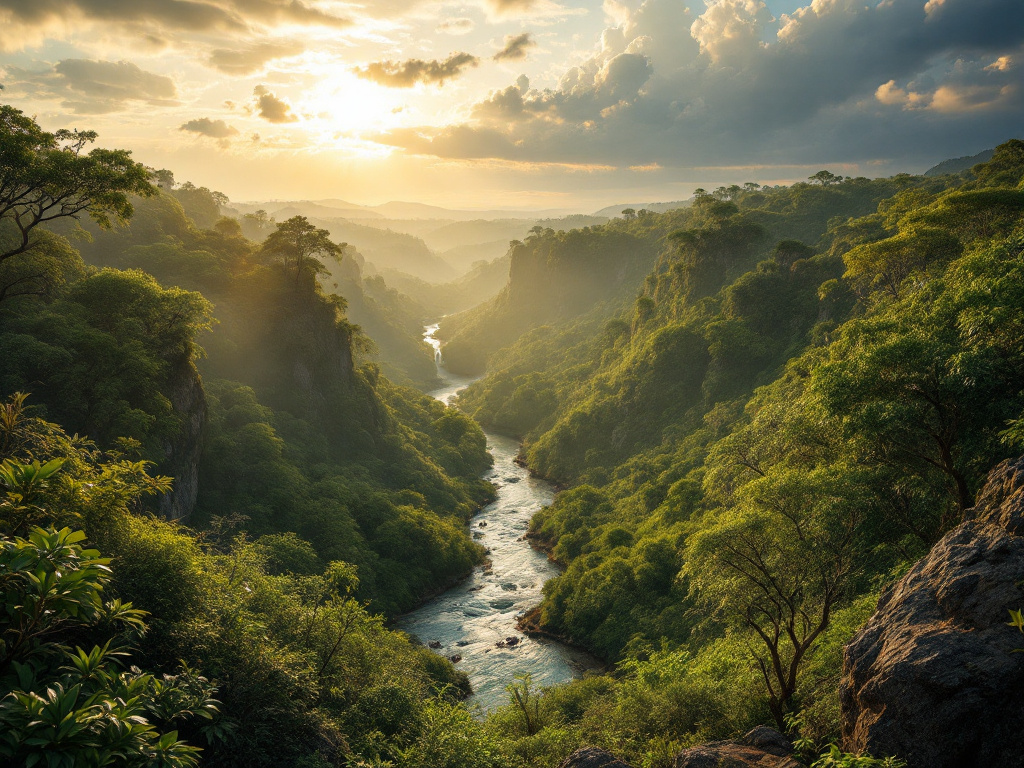
Mayumba National Park
A remote national park known for its wild beaches and marine mammals.
Famous cuisine
Culinary overview
Gabonese cuisine is a colorful blend of traditional African ingredients and French colonial influences. The country's coastal location provides access to fresh fish and seafood, while the rainforests contribute exotic fruits, nuts, and game. Meals are often based on starchy sides like fufu or plantain, accompanied by spicy sauces and stews. The food culture is social and community-oriented, where meals are shared with family and friends, and where taste, aroma, and colors play a central role.
Must-try dishes
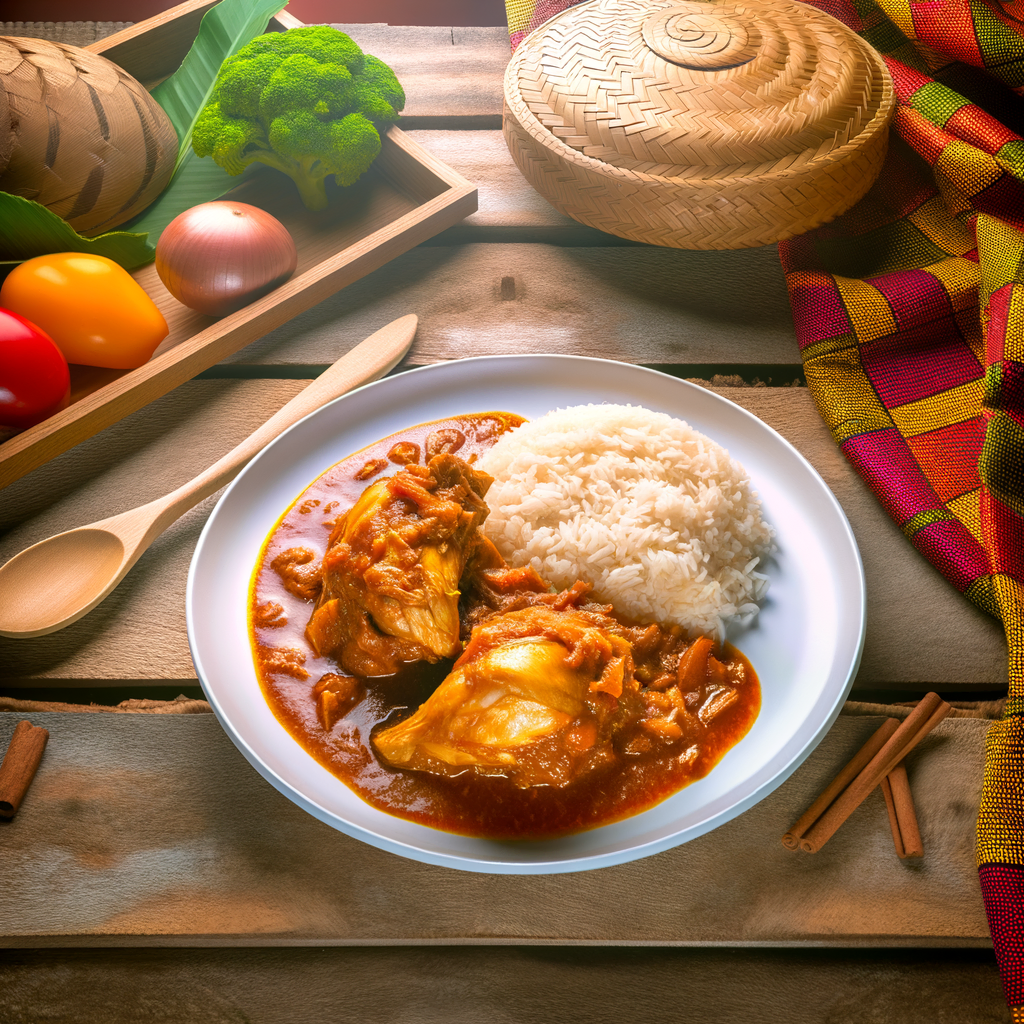
Poulet Nyembwe
The national dish of Gabon – chicken cooked in a rich palm nut oil sauce (nyembwe), often served with rice or fufu. The sauce has a deep, nutty flavor and is a must-try for any visitor.
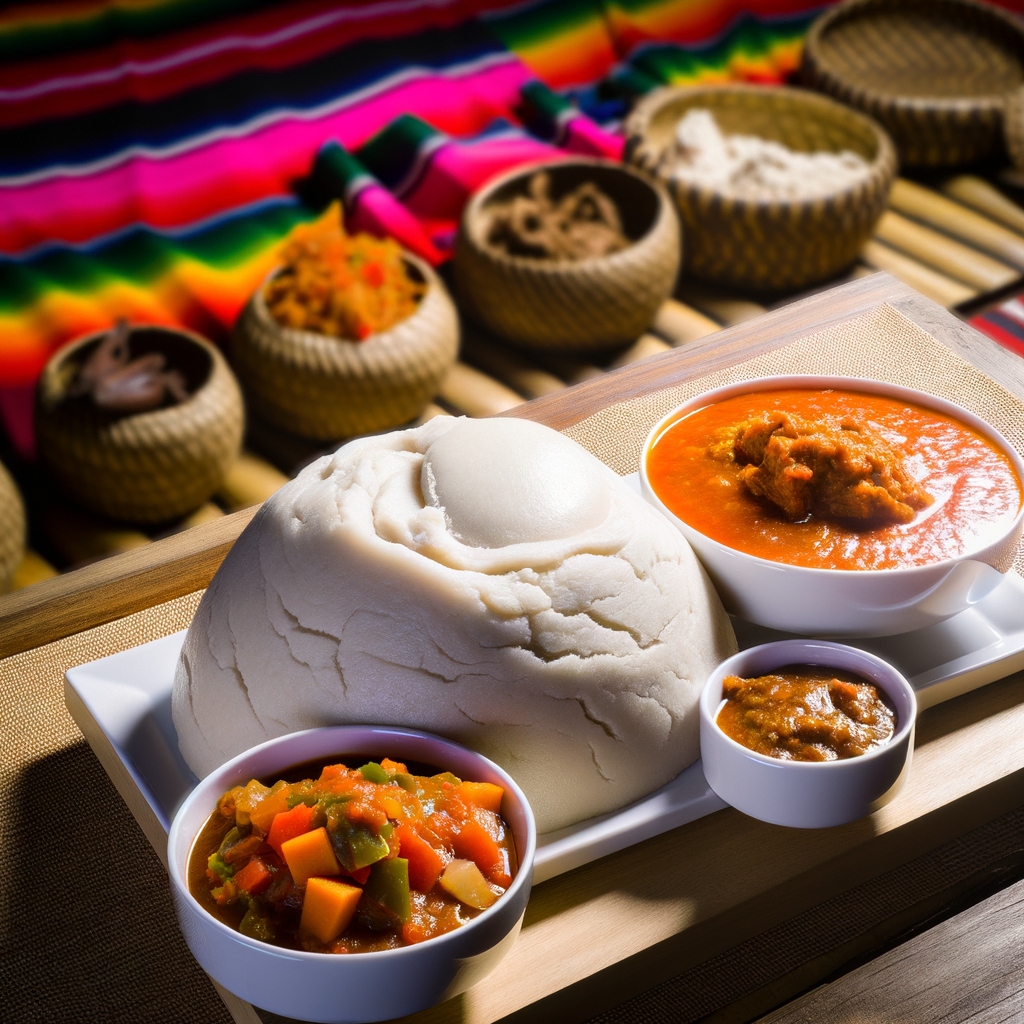
Fufu
A starchy dish made from cassava or yams, boiled and pounded into a smooth, elastic mass. Fufu is used to scoop up sauces and stews and is a staple in Gabonese food culture.
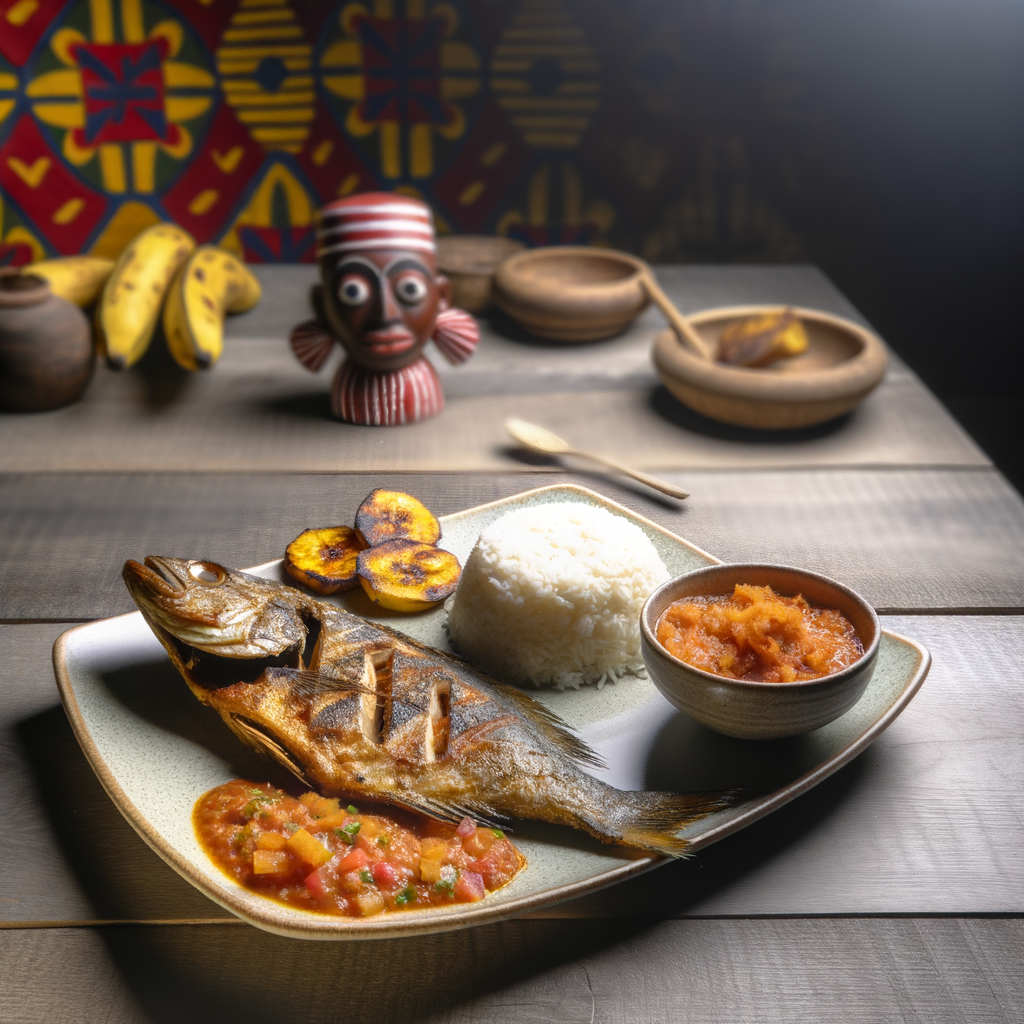
Grilled Fish
Freshly caught fish, often cooked over an open flame and seasoned with local herbs and spices. Typically served with plantain or rice and a spicy tomato sauce.
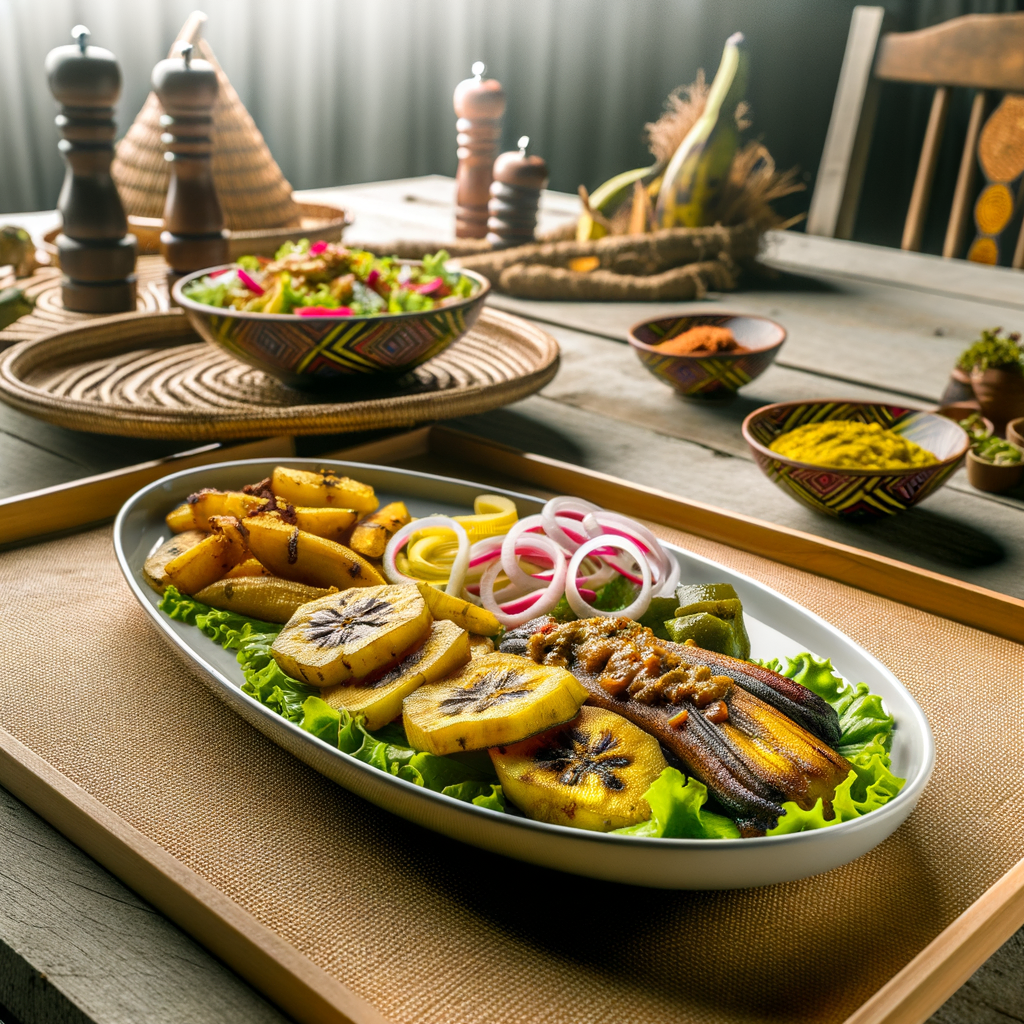
Plantain
Sweet or green cooking bananas, either fried, boiled, or baked. They are used both as a side dish and as a snack, and are an important culinary ingredient in Gabon.
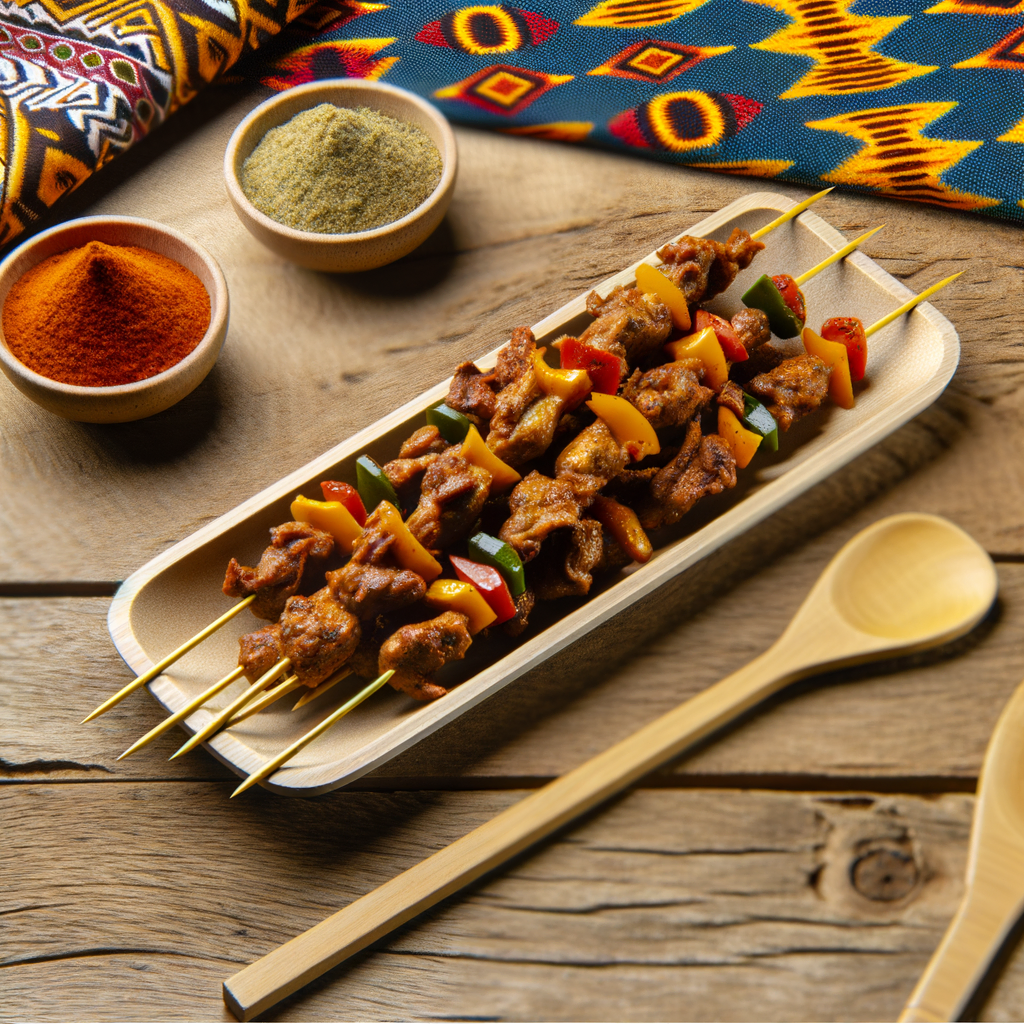
Brochettes
Small skewers of marinated meat, often beef or chicken, served with a spicy sauce. Popular as street food and in markets.
Restaurant information
Tipping
Tips are not obligatory in Gabon, but are appreciated. In restaurants, you can round up or give 5-10% of the bill if the service has been good. In markets and street kitchens, tips are usually not expected.
Travel information
Currency
Centralafrikansk CFA-franc (FCFA)
Language
French
Best time to visit
May to September
Major cities
Libreville and other major cities
More countries in Africa
Discover more destinations in this region