
Ghana
Ghana, the heart of West Africa, captivates with its golden beaches, rich history, vibrant cities, and warm hospitality – an unforgettable mix of culture and adventure.
Overview
Ghana, the heart of West Africa, is a colorful and welcoming destination where golden beaches meet lush rainforests, and a rich cultural heritage coexists with modern city life. In the capital city of Accra, vibrant markets, music, and art thrive, while historical sites like Cape Coast Castle and Elmina Castle narrate a significant—and painful—chapter of world history. From safari adventures in Mole National Park to the breathtaking canopy walkway in Kakum National Park and serene boat trips on Lake Volta, Ghana offers unforgettable experiences for both the adventurous spirit and the culture enthusiast. Discover a land that captivates the heart with its diverse landscapes and warm people.
Official language
English
Government
Presidential democracy
Best time to visit
November to March
Nature
Ghana's landscapes are a treasure trove for travelers seeking both diversity and authenticity. In the south, lush rainforests and golden sandy beaches beckon, where the Atlantic Ocean kisses palm-fringed shores. Kakum National Park is a highlight, featuring its famous canopy walkway that soars high above the treetops, offering breathtaking views of the rainforest's vibrant wildlife. Head north for safari adventures in Mole National Park, where elephants, antelopes, and a rich array of birdlife roam free in their natural habitats. Lake Volta, Africa's largest artificial lake, invites you to relax with scenic boat trips, while the country's numerous rivers and waterfalls create idyllic oases. With a climate ranging from tropical on the coast to savanna in the north, visitors can experience both verdant vegetation and open landscapes. Whether you're hiking, sailing, swimming, or wildlife spotting, Ghana's nature is as diverse as it is unspoiled, making it a year-round adventure destination.
Travel to Ghana
Traveling to Ghana is an immersion into a land where experiences range from relaxing beach days to deeply moving historical encounters. The best time to visit is from November to March when the weather is dry and pleasant, perfect for both safari in Mole National Park and hiking in Kakum National Park. Flights to Accra are available from many international airports, and from the capital, it's easy to explore the rest of the country by domestic flights, bus, or car. Travelers can blend cultural highlights such as Kumasi and Cape Coast with nature adventures at Lake Volta or the coastal beaches. Ghana's visa requirements are straightforward, and its reputation for safety and hospitality makes it an ideal choice for both first-time visitors to Africa and seasoned adventurers. With a mix of warm people, authentic experiences, and a rich cultural heritage, Ghana is a destination that leaves lasting memories.
Culture
Ghana's culture is a vibrant mosaic of traditions, music, dance, and art, shaped by over 100 ethnic groups. The Ashanti culture in Kumasi is particularly famed for its rich symbolism, colorful kente cloth, and traditional ceremonies that remain alive today. Music plays an integral role in daily life—from rhythmic drumming and highlife to contemporary Afrobeat—while dance serves as both a social and spiritual outlet. The bustling markets are filled with handcrafted goods, jewelry, and textiles, while Ghanaian cuisine tempts with dishes like jollof rice, fufu, banku, and spicy kelewele. The country is known for its legendary hospitality; visitors are often greeted with open arms and warm smiles. With English as the official language and local dialects such as Twi, Ewe, and Ga adding to the cultural richness, encounters with the locals are engaging and meaningful. Festivals like Homowo and Akwasidae are celebrated with colorful parades, drums, and dancing, offering a unique glimpse into Ghana's soul.
History
Ghana's history is woven with threads of pride and pain. Once home to powerful kingdoms like the Ashanti Empire, celebrated for its military prowess and complex political systems, the coastline bore the scars of European colonial fortifications. Today, sites like Cape Coast Castle and Elmina Castle stand as poignant reminders of the transatlantic slave trade, marking the journeys of millions who were forced across the sea. In the 20th century, Ghana emerged as the first country in sub-Saharan Africa to gain independence in 1957, led by Kwame Nkrumah, inspiring freedom movements across the continent. This rich history resonates through the nation's architecture, museums, and oral traditions, allowing visitors to connect with the stories of the past.
Top attractions
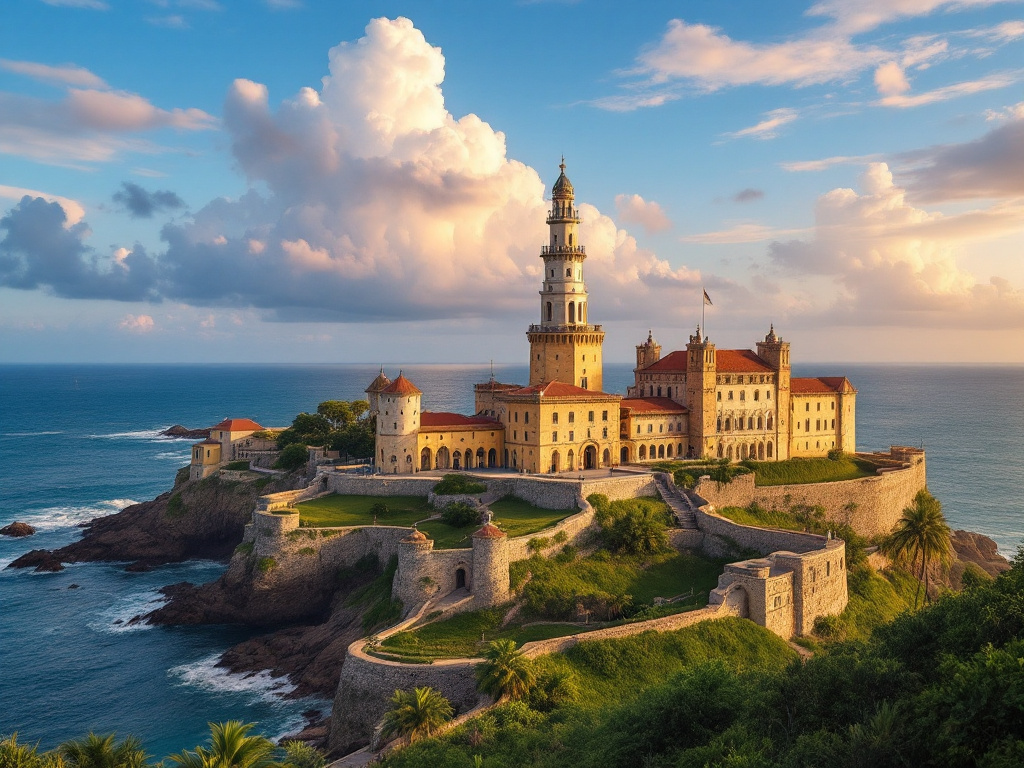
Cape Coast Castle
One of the most significant historical sites in West Africa, telling the story of the transatlantic slave trade.
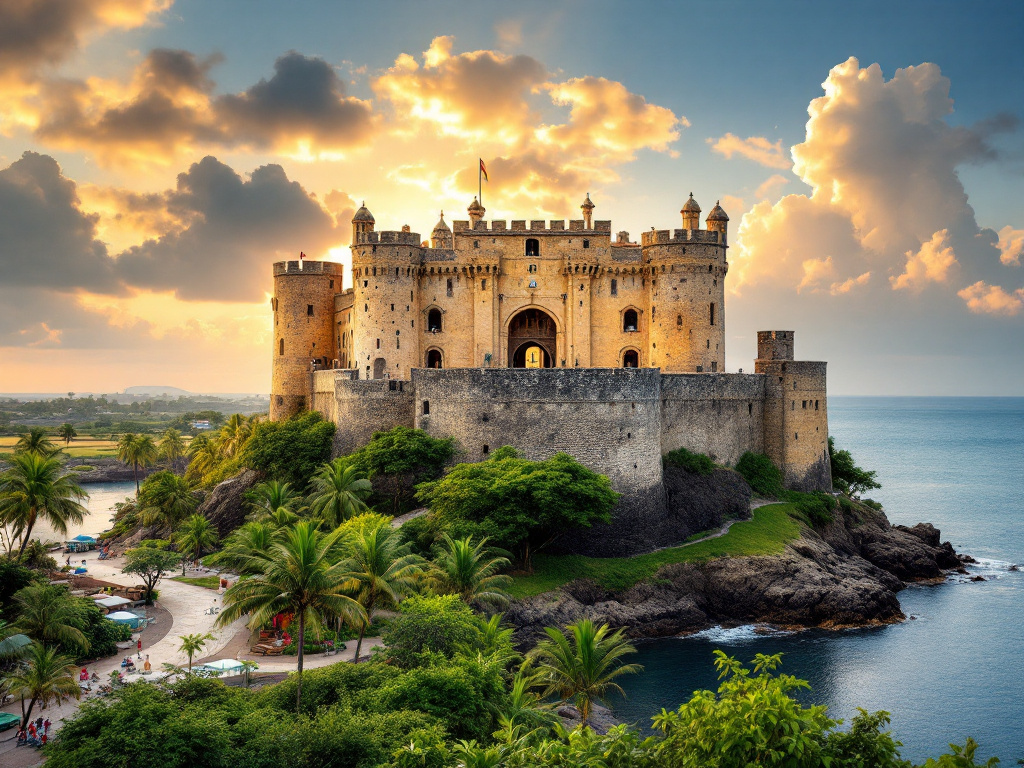
Elmina Castle
A large coastal fort with a central role in the region's colonial history.
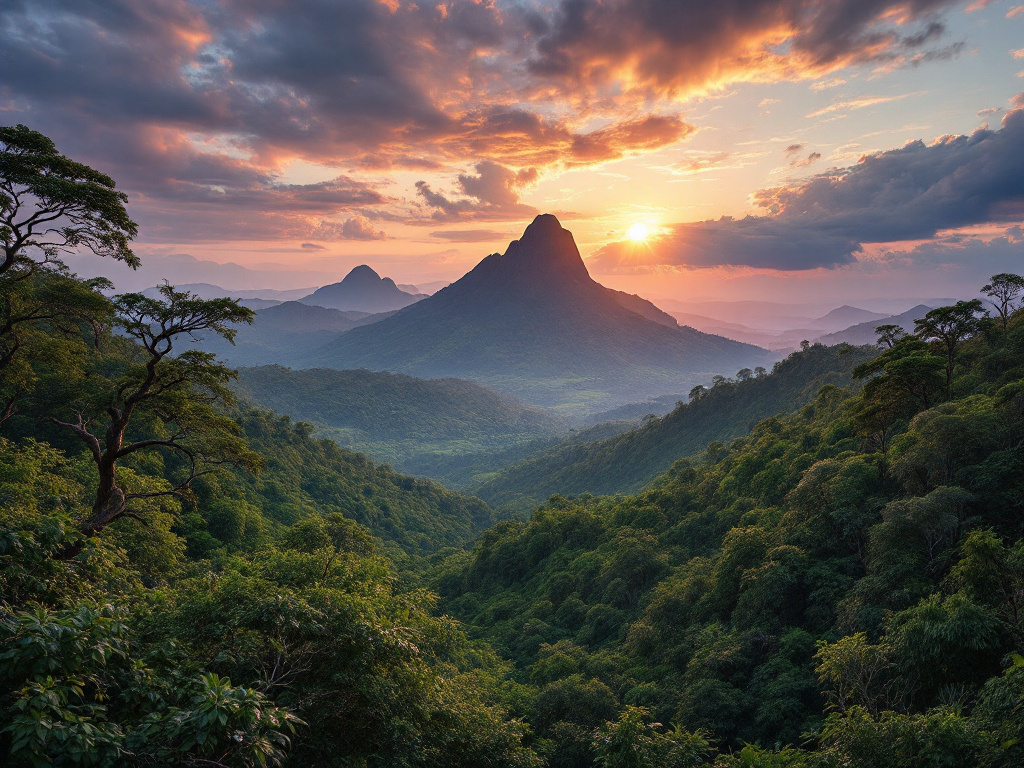
Kakum National Park
A lush rainforest known for its iconic suspension bridge high above the treetops.
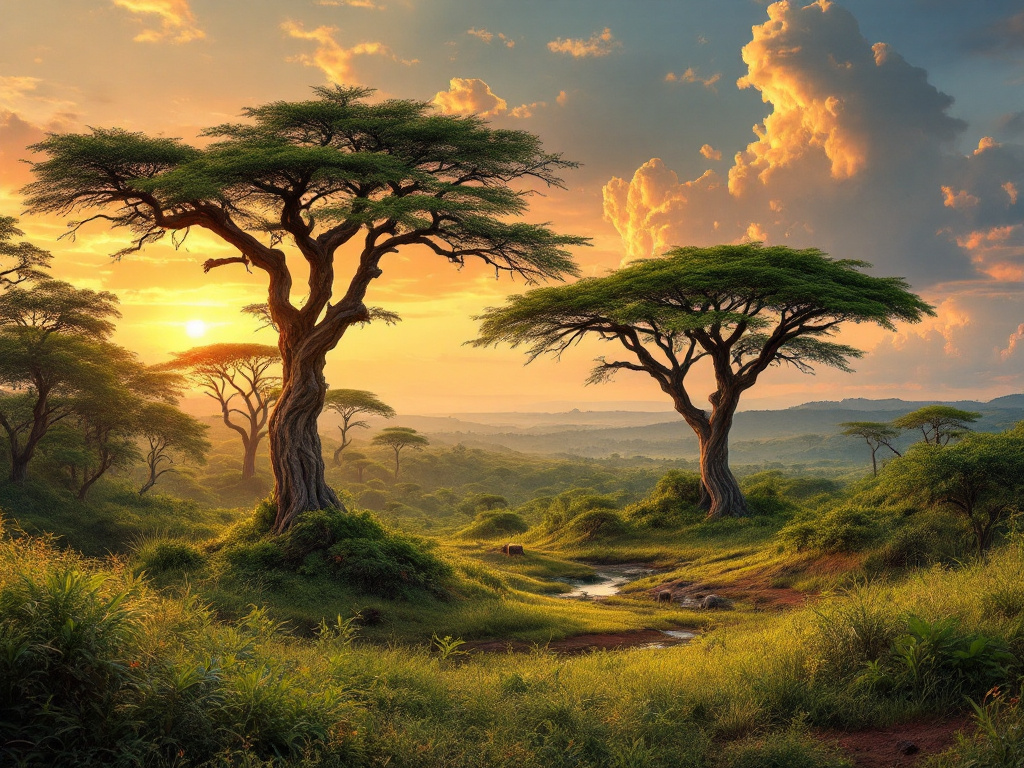
Mole National Park
Ghana's largest national park with an authentic safari atmosphere.
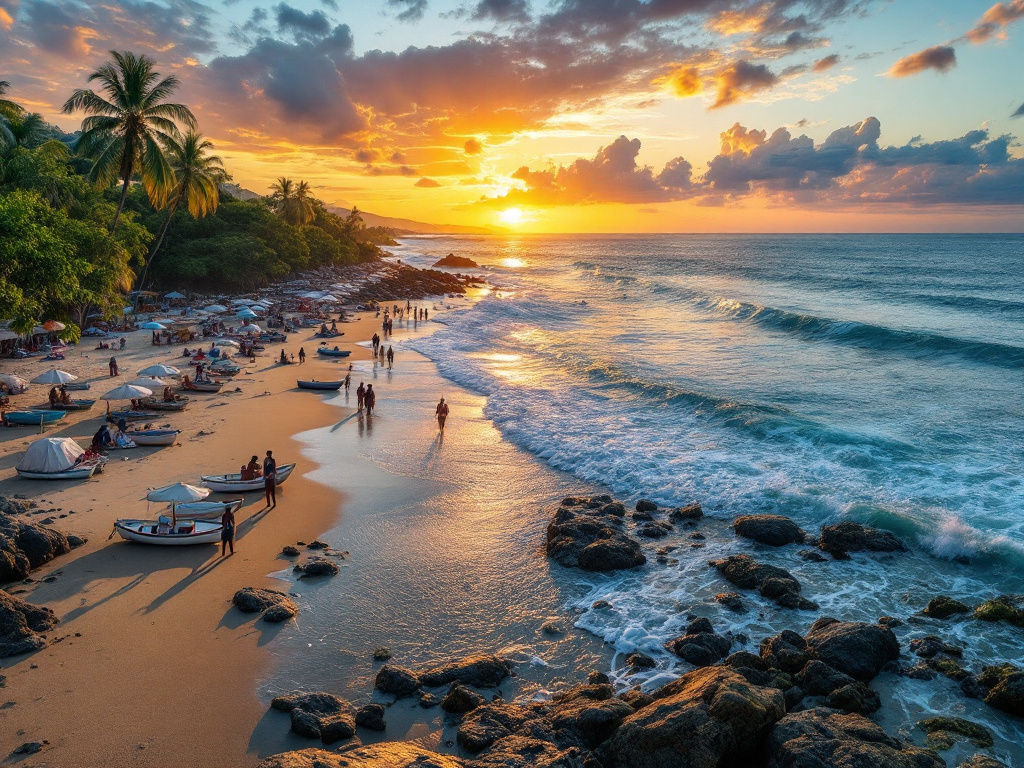
Labadi Beach
A popular beach in Accra with live music and a local vibe.
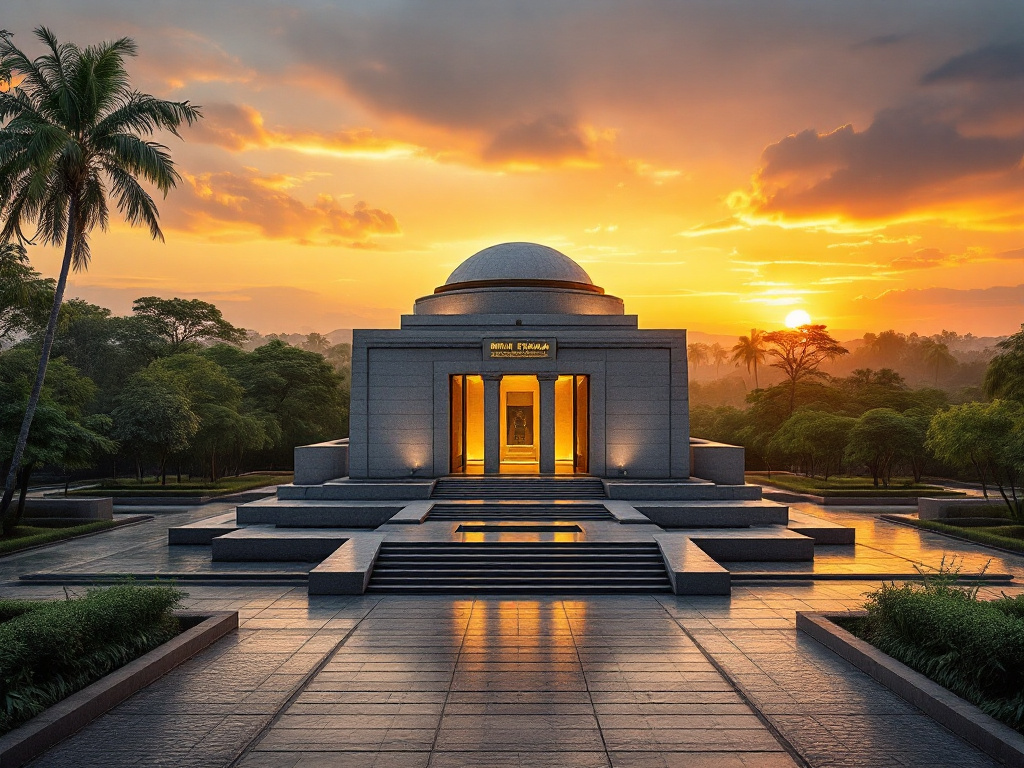
Kwame Nkrumah Mausoleum
A national monument dedicated to Ghana's first president.
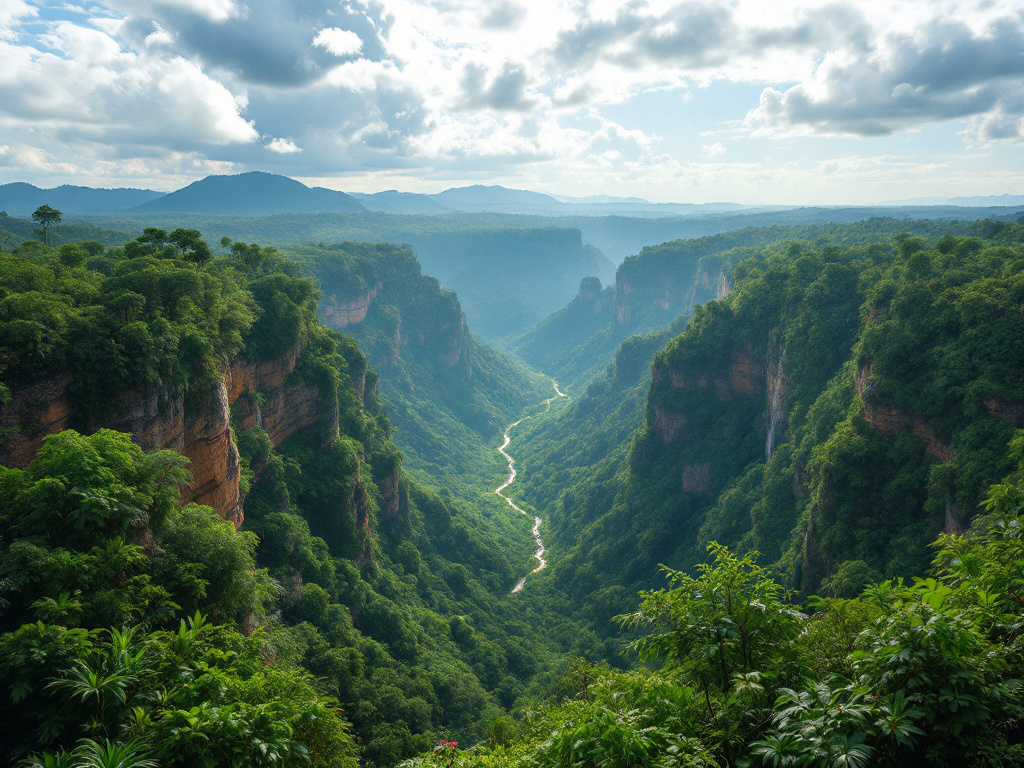
Wli Waterfall
An impressive waterfall surrounded by lush vegetation.
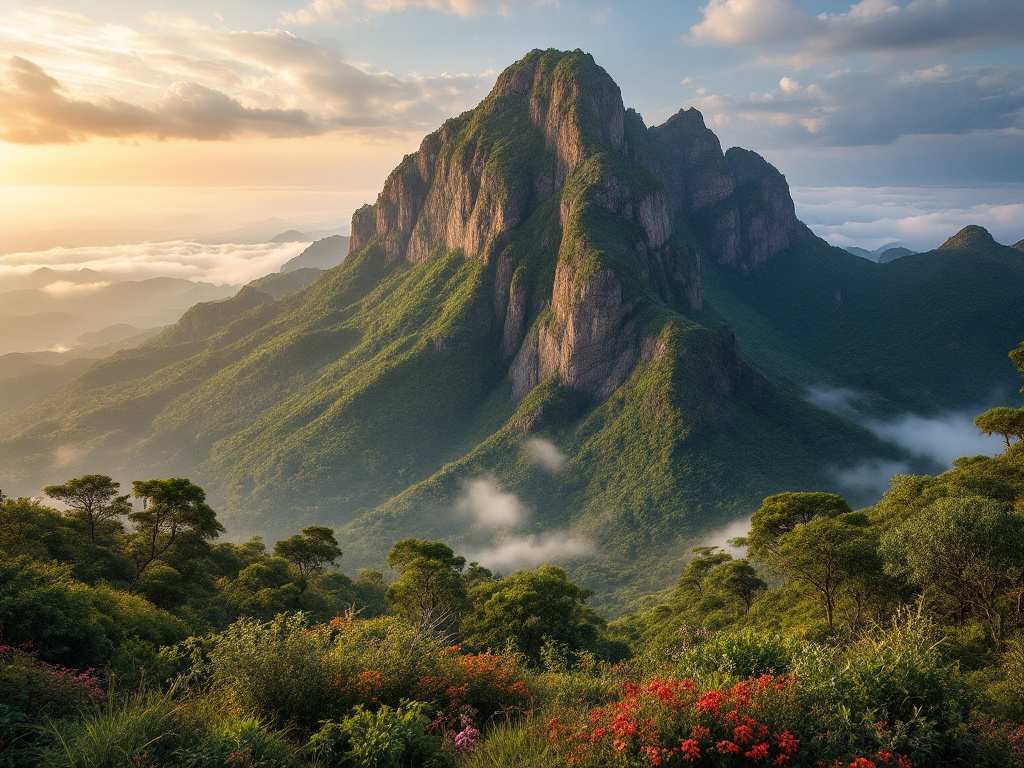
Mount Afadjato
The highest mountain in Ghana with challenging but rewarding hiking.
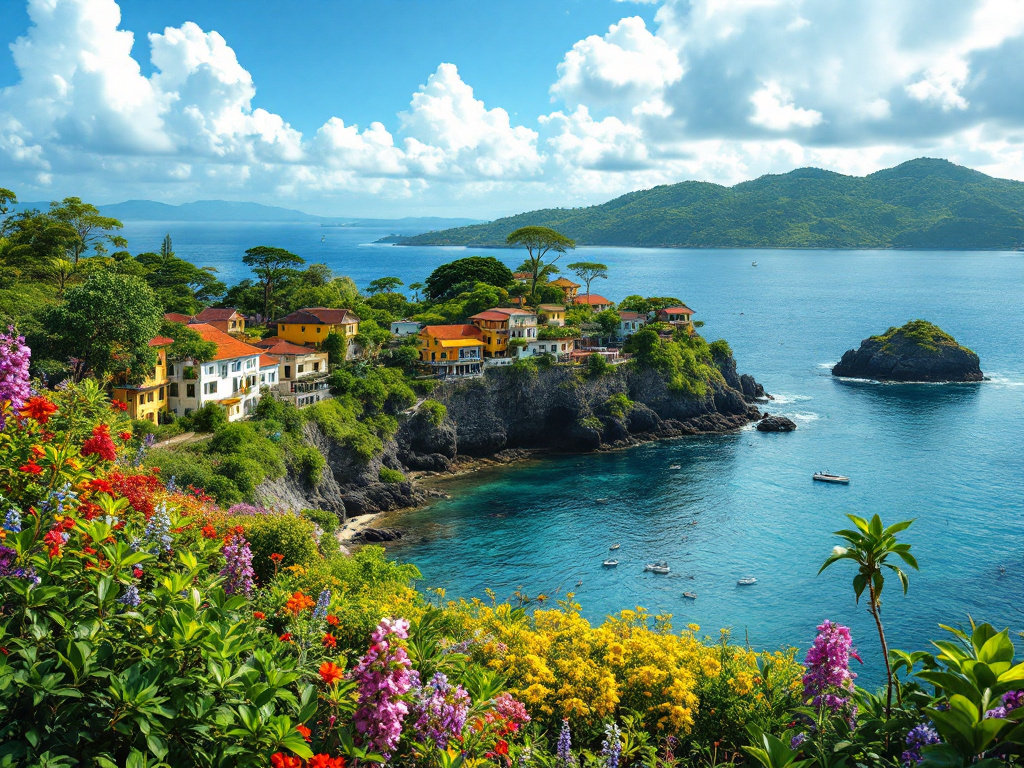
Lake Bosomtwe
A beautiful crater lake with cultural and spiritual significance.
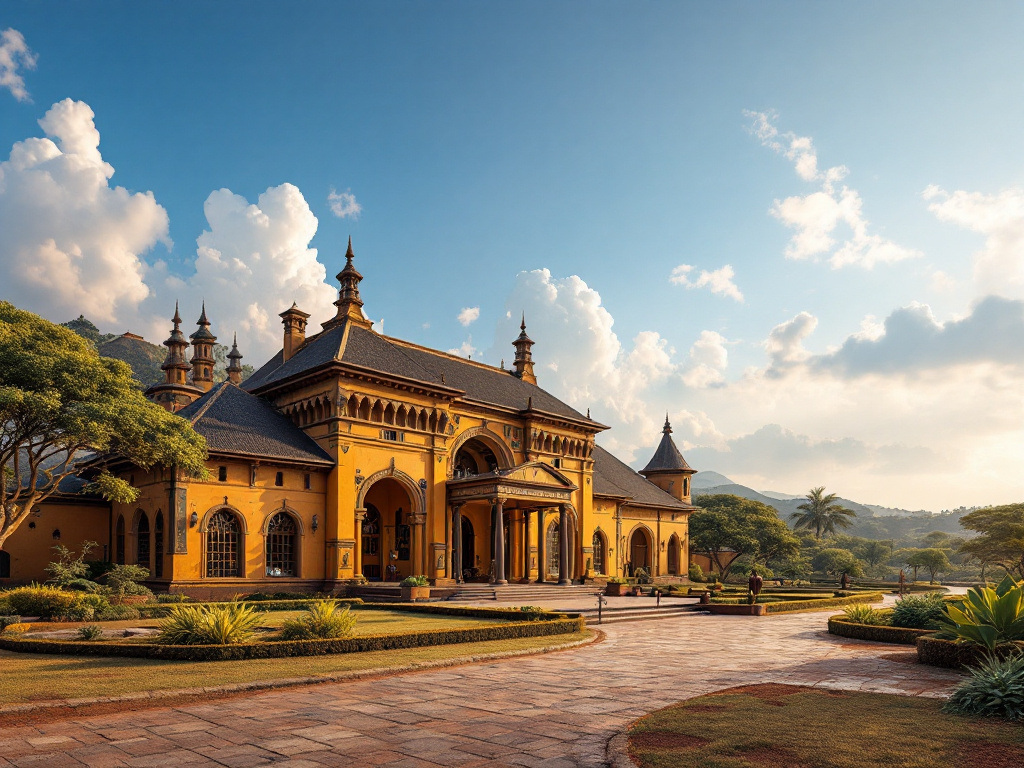
Manhyia Palace Museum
A museum that tells the story of the Ashanti people and their kings.
Famous cuisine
Culinary overview
Ghana's cuisine is a colorful blend of flavors that reflects the country's diverse ethnic groups and rich history. Dishes are often based on starchy staples like rice, corn, cassava, and plantain, combined with spicy sauces and soups. The flavor is intense and ranges from mildly spicy to very hot. Meals are often social events, and street vendors play a central role in the food culture, where you can taste everything from freshly grilled fish to sweet snacks. Traditional dishes are often eaten with the hands, especially when consuming fufu or banku, which provides an authentic experience.
Must-try dishes
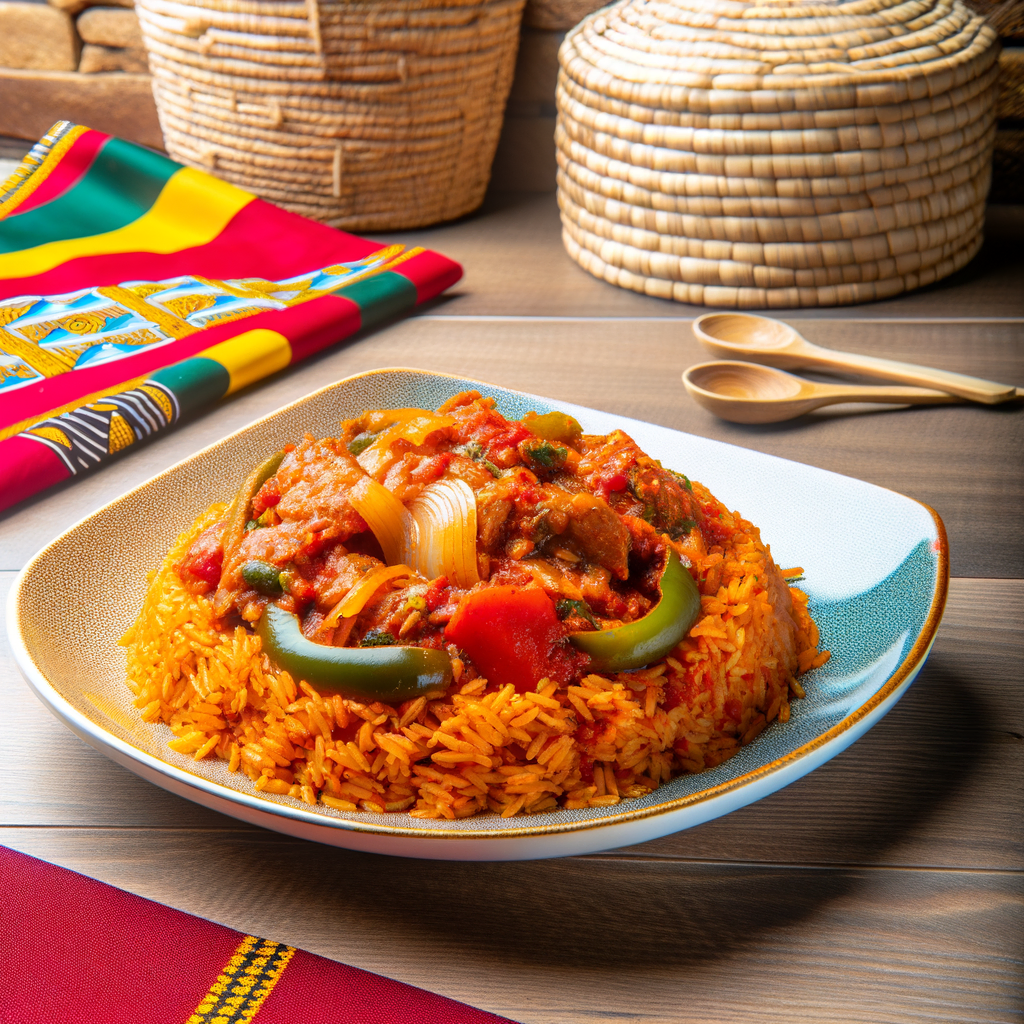
Jollof Rice
A popular West African dish made of rice cooked in a spicy tomato sauce with onions, bell peppers, and various spices. Often served with chicken, fish, or beef.
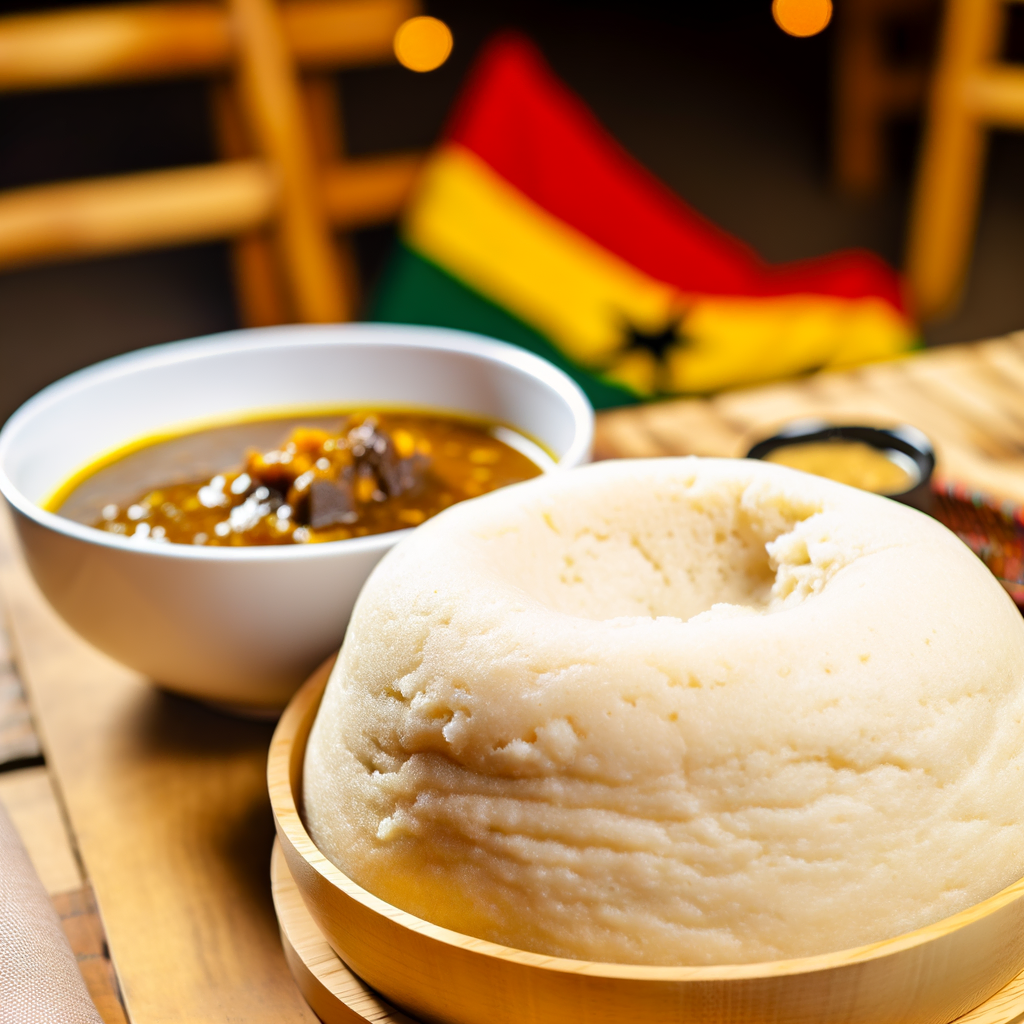
Fufu
A soft, elastic dough made from cassava, yam, or plantain, pounded to a smooth consistency. Traditionally served with soup or sauce, such as peanut soup or light soup.
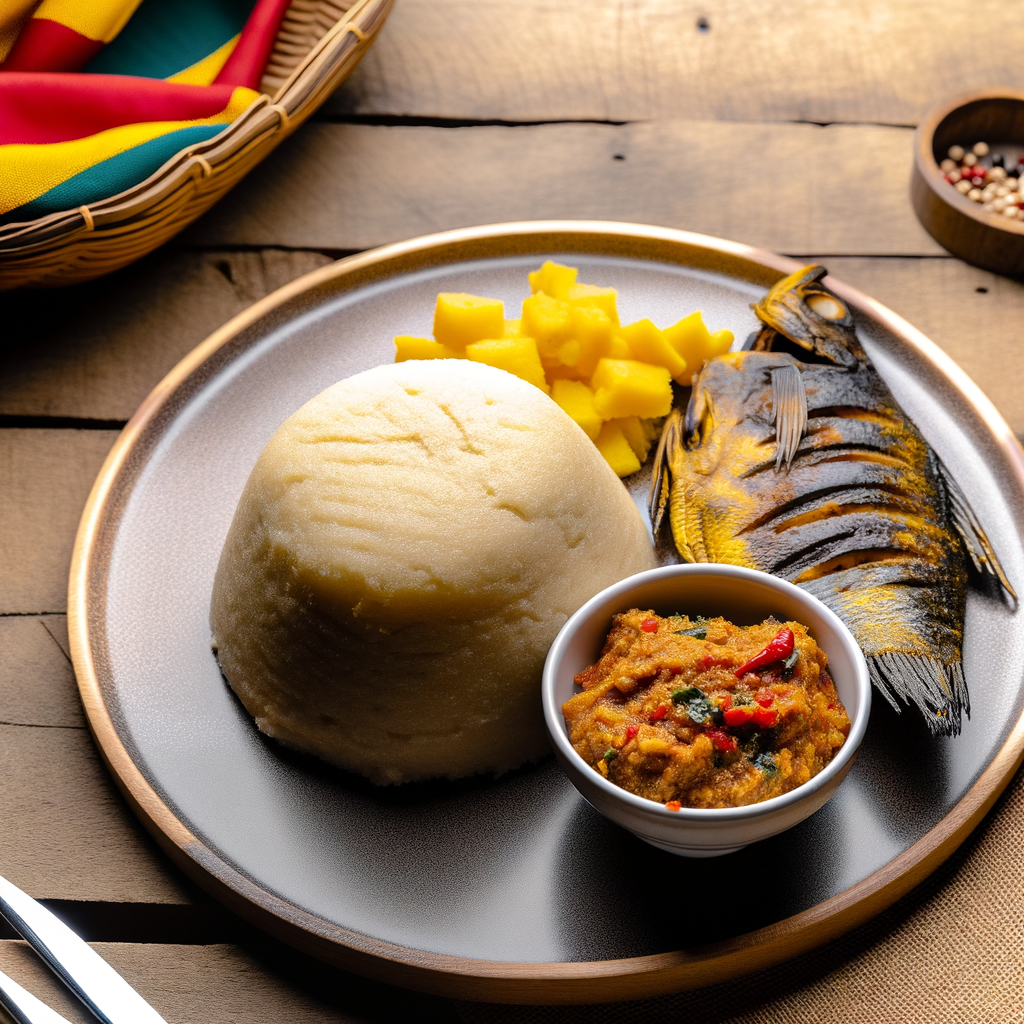
Banku
A fermented mixture of corn and cassava flour, cooked to a smooth dough. Often eaten with grilled fish and a spicy pepper sauce called shito.
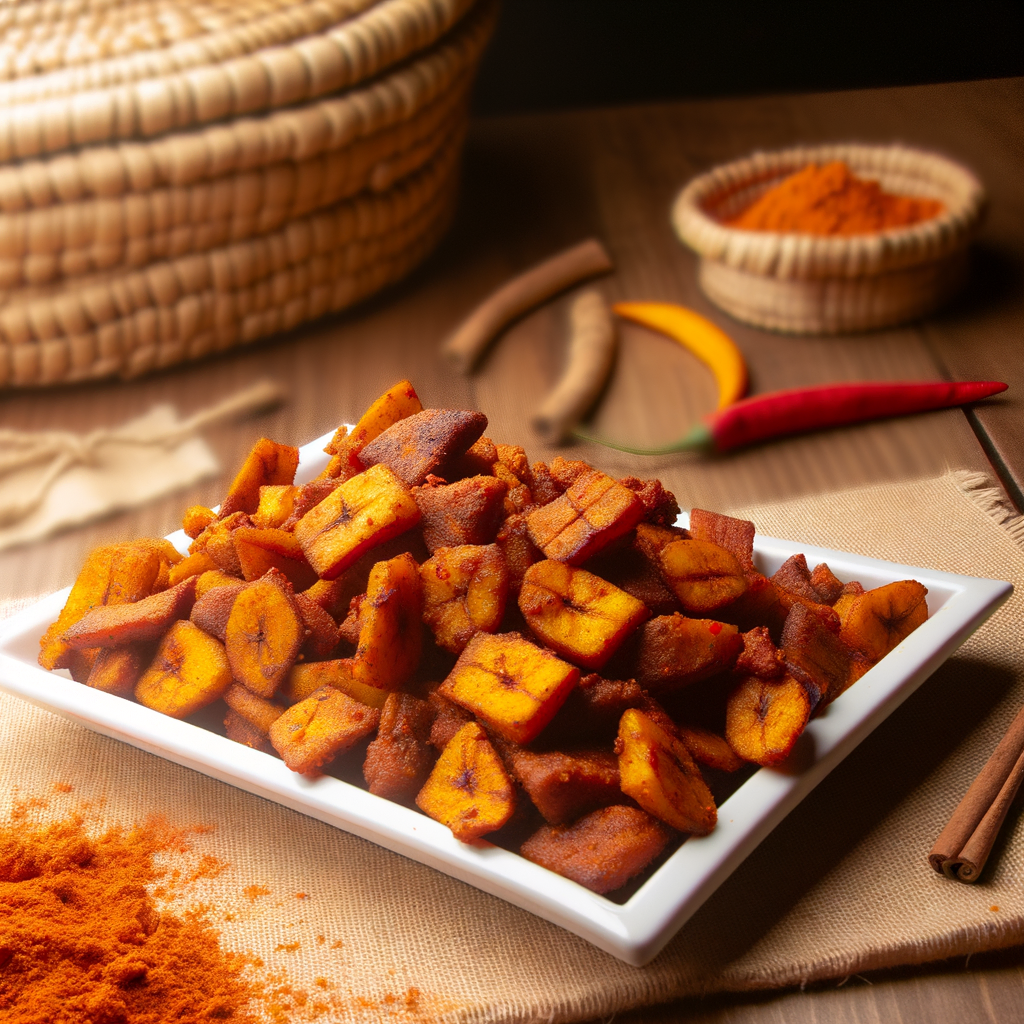
Kelewele
Spicy, fried plantain cut into cubes and marinated in a mixture of ginger, chili, and salt. A popular snack or side dish.
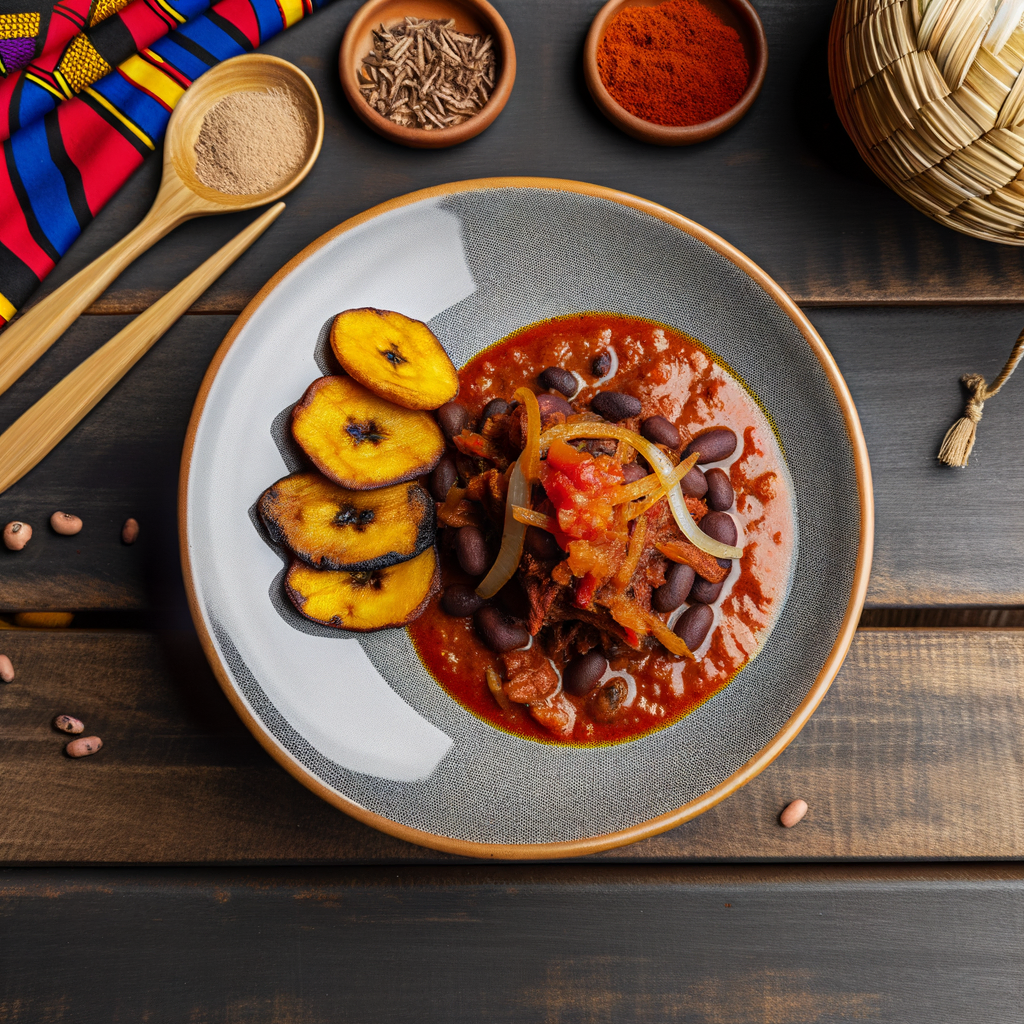
Red Red
A hearty dish made of black-eyed peas cooked in palm oil with onions and spices, often served with fried plantains.
Restaurant information
Tipping
Tipping is not always expected in Ghana, but it is appreciated. In restaurants, it is common to round up or give around 5-10% of the bill if the service has been good.
Travel information
Currency
Ghanesisk cedi (₵)
Language
English
Best time to visit
November to March
Major cities
Accra and other major cities
More countries in Africa
Discover more destinations in this region