
Greenland
Greenland, where raw nature reigns supreme, offers captivating ice-clad landscapes, a vibrant Inuit culture, and the clear Arctic light – an unforgettable adventure at the edge of the world.
Overview
Explore Greenland, an extraordinary destination where raw Arctic beauty meets a deeply-rooted Inuit culture. Here, you can witness majestic icebergs at Ilulissat Icefjord, stroll through colorful coastal towns like Nuuk and Qaqortoq, and discover UNESCO World Heritage sites such as Kujataa and Aasivissuit – Nipisat. From dramatic fjords to endless glaciers, Greenland promises exhilarating adventures in some of the world’s most unspoiled landscapes. Savor local specialties like muskox and reindeer while immersing yourself in the enchanting Arctic light – a journey to Greenland is a venture into the heart of the Arctic.
Official language
Grønlandsk
Government
Selvstyre under Kongeriget Danmark
Best time to visit
June-August
Nature
Greenland is a realm of breathtaking, untouched beauty, where colossal ice caps, deep fjords, and gigantic icebergs create a spectacular landscape. The Ilulissat Icefjord, recognized as a UNESCO World Heritage site, is a highlight where massive chunks of ice constantly calve into the sea, crafting a dynamic, ever-changing panorama. On the eastern coast, dramatic glaciers rise sharply from the ocean, while Diskobugten boasts an abundance of wildlife, including whales, seals, and seabirds. Visiting during summer, from June to August, allows you to bask in the midnight sun, illuminating the scenery with a golden glow that lasts all day. Winter unveils the magic of the Northern Lights dancing across snow-covered expanses. Here, nature reigns supreme, shaping everyday life and creating unforgettable experiences in one of the planet’s most remarkable settings.
Travel to Greenland
Traveling to Greenland feels like stepping into a different world, where nature reigns supreme. The ideal time to visit is during the summer months from June to August when the midnight sun offers long days perfect for exploring fjords, glaciers, and icebergs. Flights from Denmark typically land in Kangerlussuaq or Nuuk, where you can connect to domestic flights or boats to reach smaller towns and settlements. Popular experiences include boat tours among the icebergs in Diskobugten, hiking in UNESCO sites like Aasivissuit – Nipisat, and engaging with local cultures in small communities. Planning is essential due to limited infrastructure, but the rewards are unforgettable encounters with breathtaking nature and authentic connections with people living in harmony with the Arctic. Greenland is a destination for those seeking adventure, tranquility, and a deeper connection to the natural world.
Culture
Greenland's culture is a vibrant tapestry woven from ancient Inuit traditions and modern influences. The Inuit way of life is deeply connected to the land, with hunting and fishing remaining vital not just for sustenance but as a key part of identity. Traditional drum dances, storytelling, and crafts like tupilakker reveal a rich oral and artistic heritage. In cities like Nuuk, a burgeoning arts and music scene flourishes, where contemporary Greenlandic artists illuminate both their heritage and present-day experiences. The cuisine is an integral part of this culture, featuring dishes such as muskox, seal, whale, and reindeer, often prepared using time-honored methods passed down through generations. With Greenlandic and Danish languages coexisting, visitors are often welcomed with warm hospitality and invited to share meals and stories, embodying a unique blend shaped by isolation, harsh conditions, and a strong sense of community.
History
The history of Greenland stretches back thousands of years, beginning with the first Inuit settlements that adapted to the harsh Arctic environment. In medieval times, Norse settlers from Iceland and Norway arrived, leaving a lasting impact, particularly in the Kujataa area, which is now recognized as UNESCO World Heritage. After the Norse disappeared, Inuit culture continued to flourish until the 18th century when Greenland became a part of the Danish realm. The push for self-governance culminated in 1979 with home rule, and again in 2009 with increased autonomy, allowing for greater control over local affairs. This history reflects the convergence of cultures, adaptation to extreme conditions, and a persistent connection to nature.
Top attractions
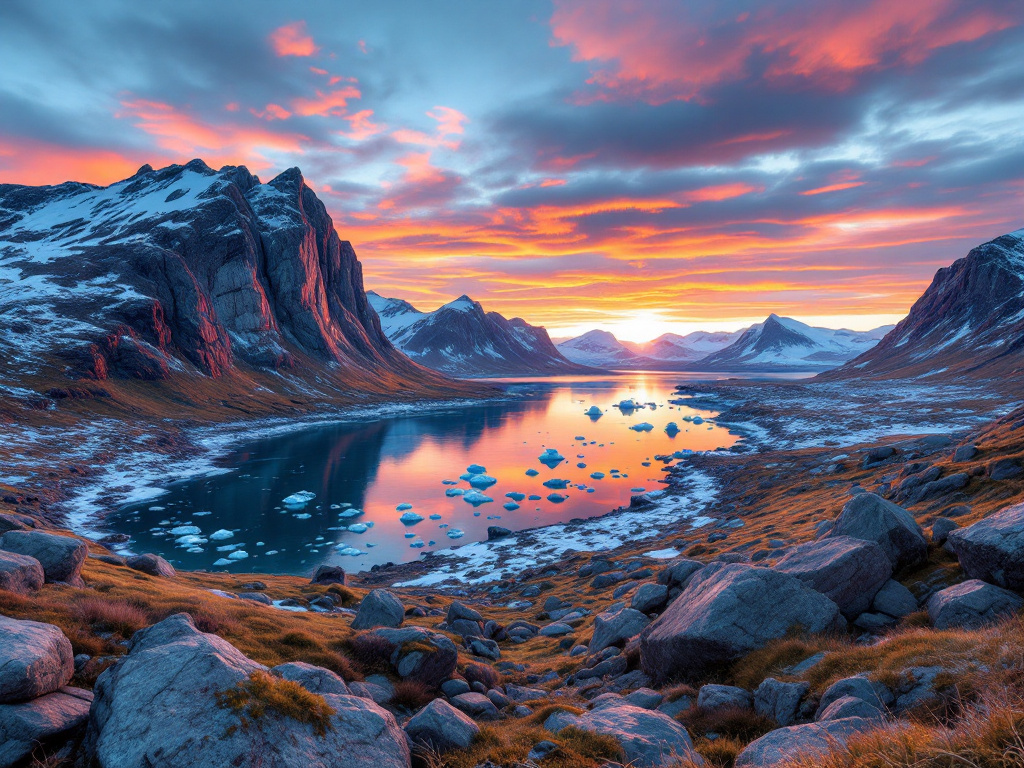
Ilulissat Isfjord
A spectacular icefjord filled with enormous icebergs from the Sermeq Kujalleq glacier and one of Greenland's most famous natural areas.
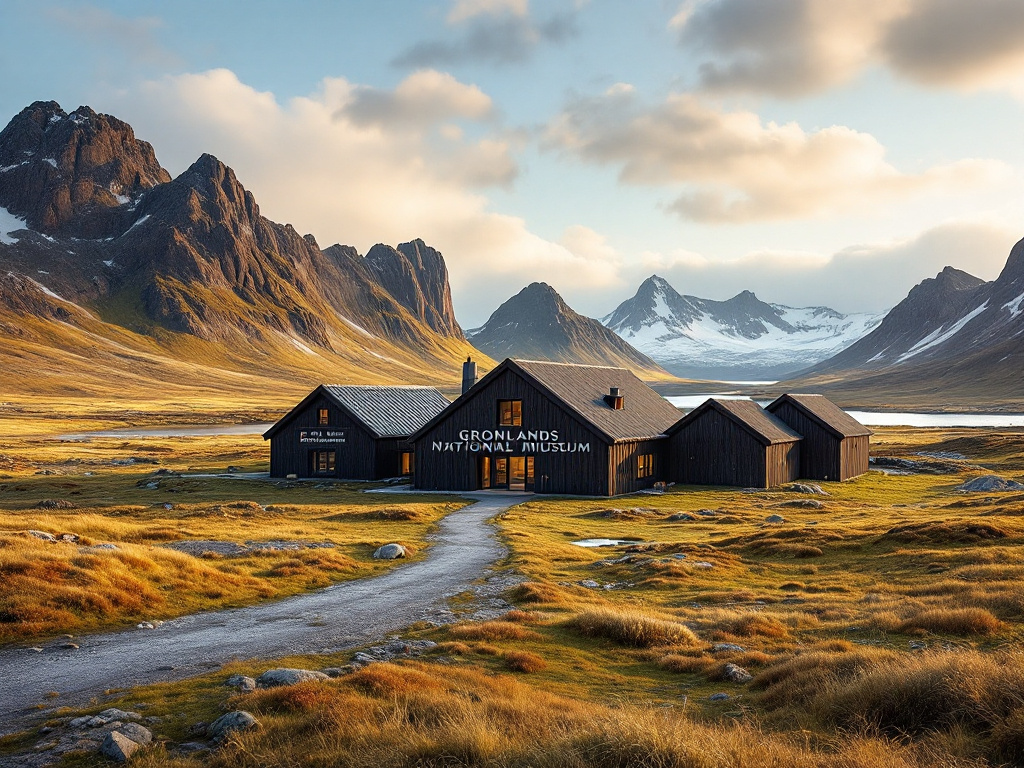
Greenland National Museum
The country's most important museum with unique archaeological finds and stories about the people of Greenland over 4,500 years.
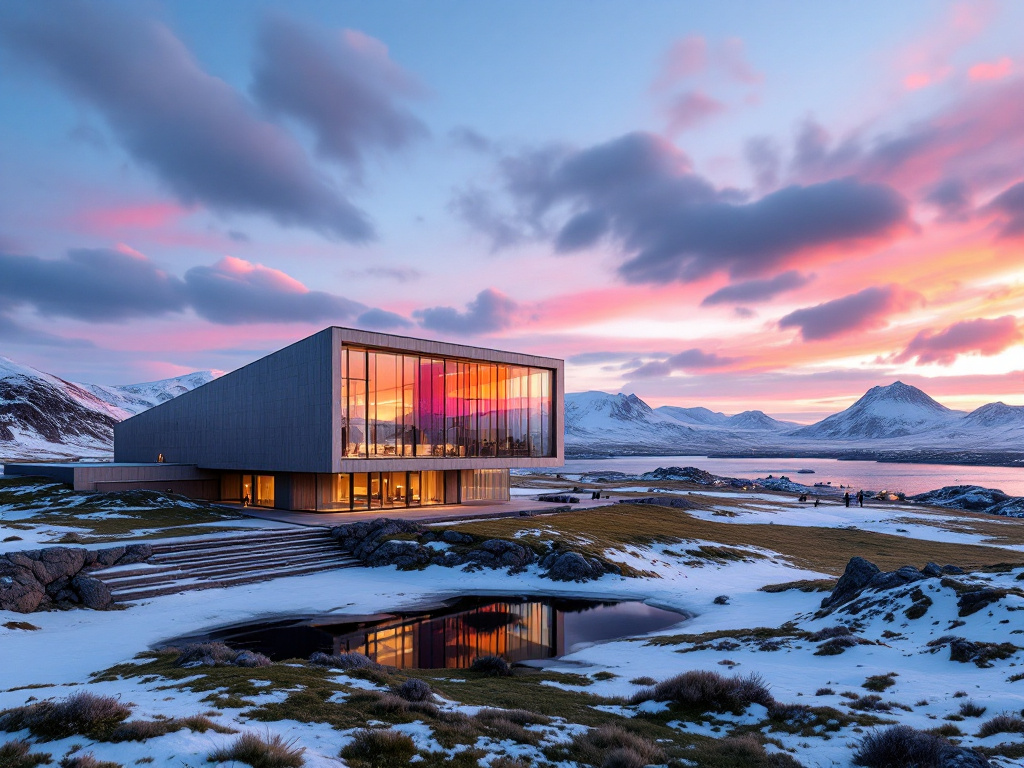
Katuaq Cultural House
A modern cultural house and architectural landmark in Nuuk with concerts, art, and local events.
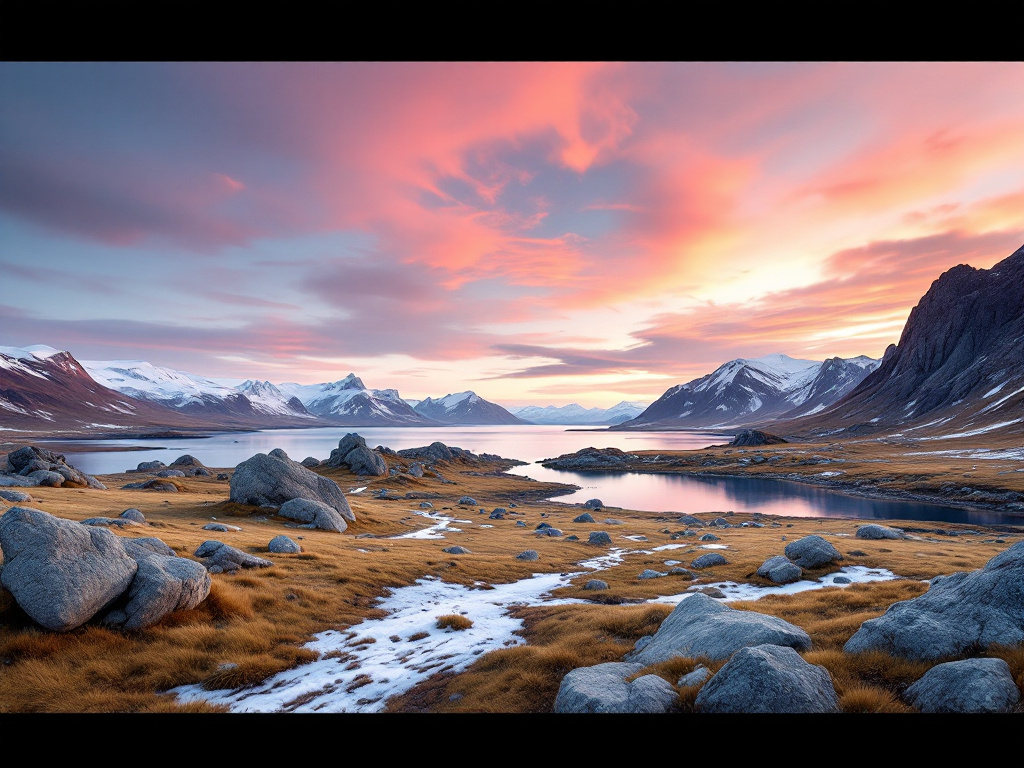
Sermermiut Settlement
An archaeological site with remains of Inuit settlements and a magnificent view over Ilulissat Icefjord.
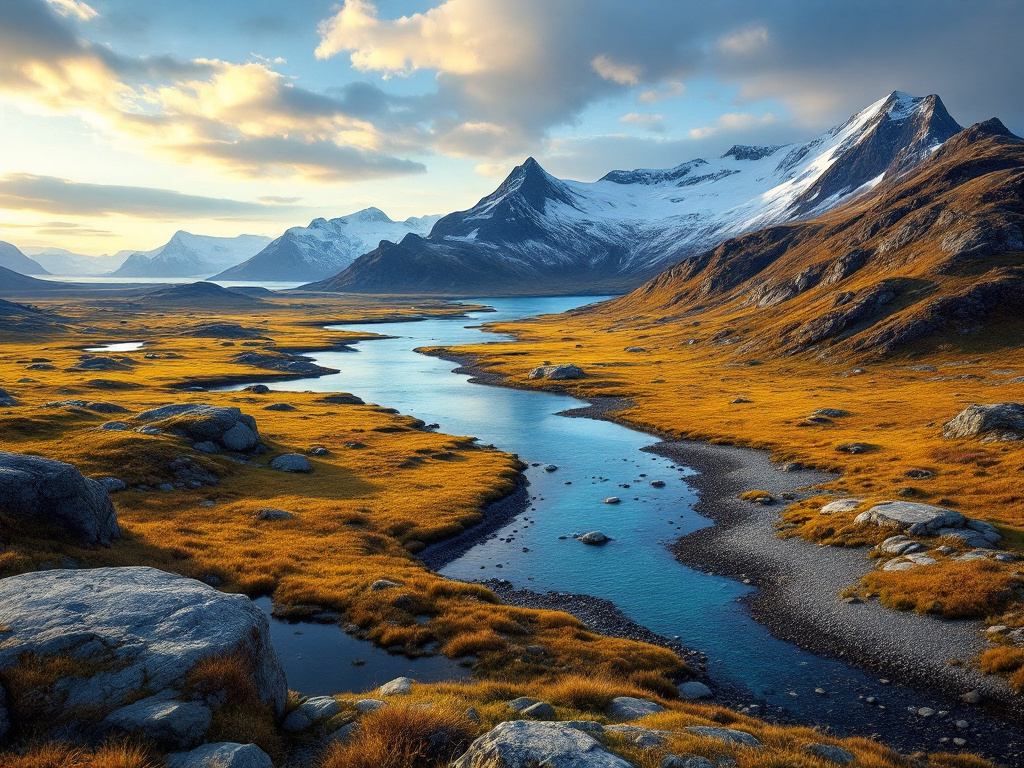
The Icecap at Kangerlussuaq
One of the few places in Greenland where you can easily reach the icecap and experience the enormous scale of the ice up close.
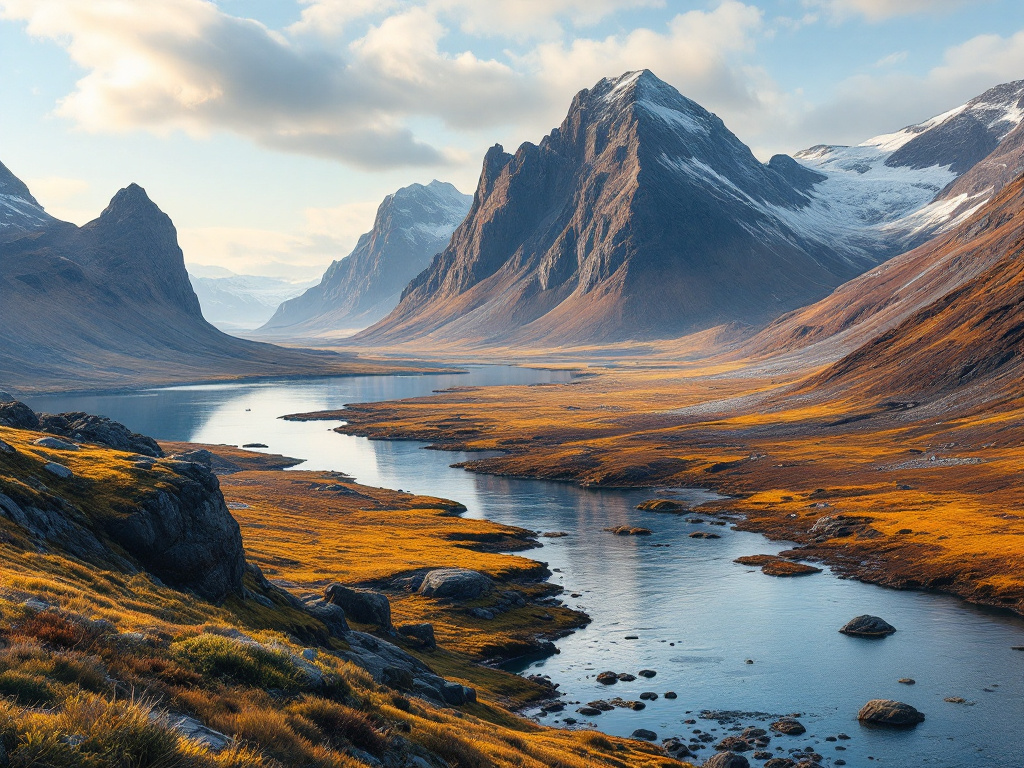
Sailing in Diskobugten
An unforgettable sailing trip among massive icebergs in one of Greenland's most beautiful bays.
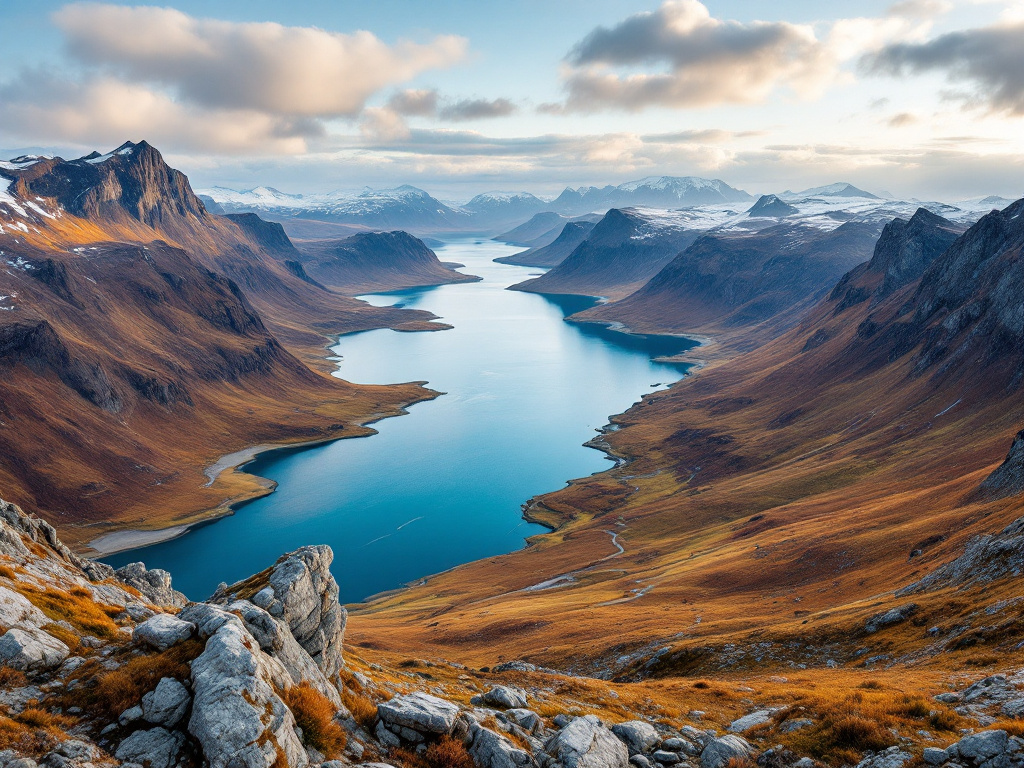
Tassinnguaq Viewpoint
A local viewpoint near Qaqortoq with panoramic views over fjords, the town, and the southern Greenlandic landscape.
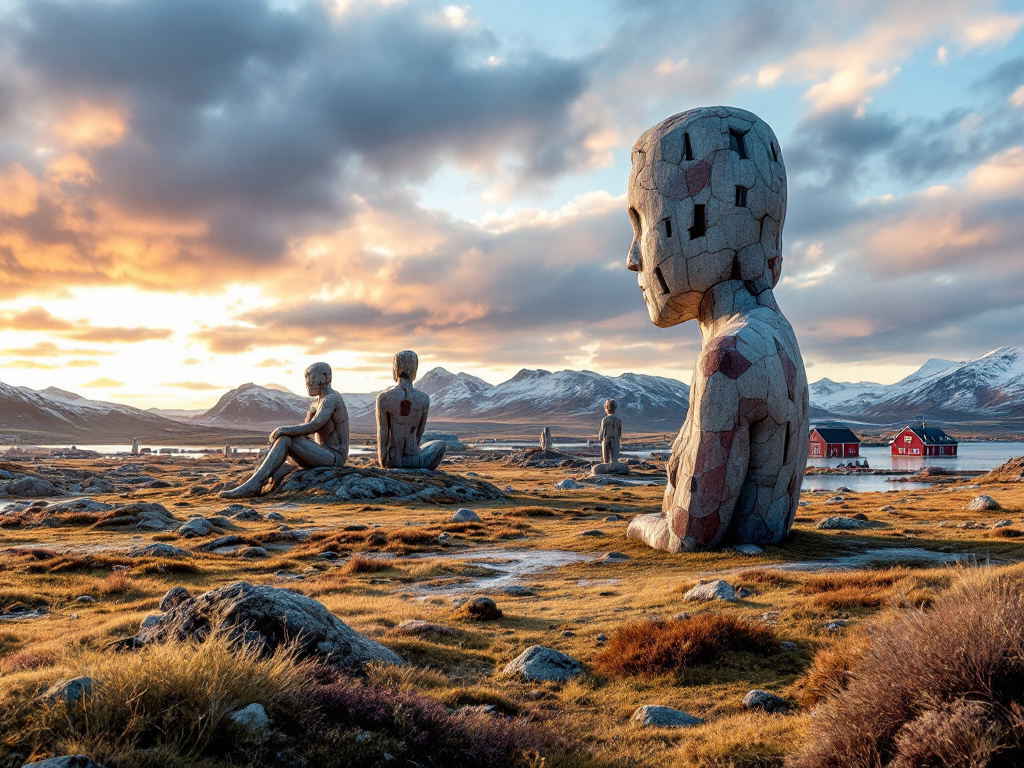
Stone and Man Project
A unique art project featuring carved stone sculptures integrated into the urban space of Qaqortoq.
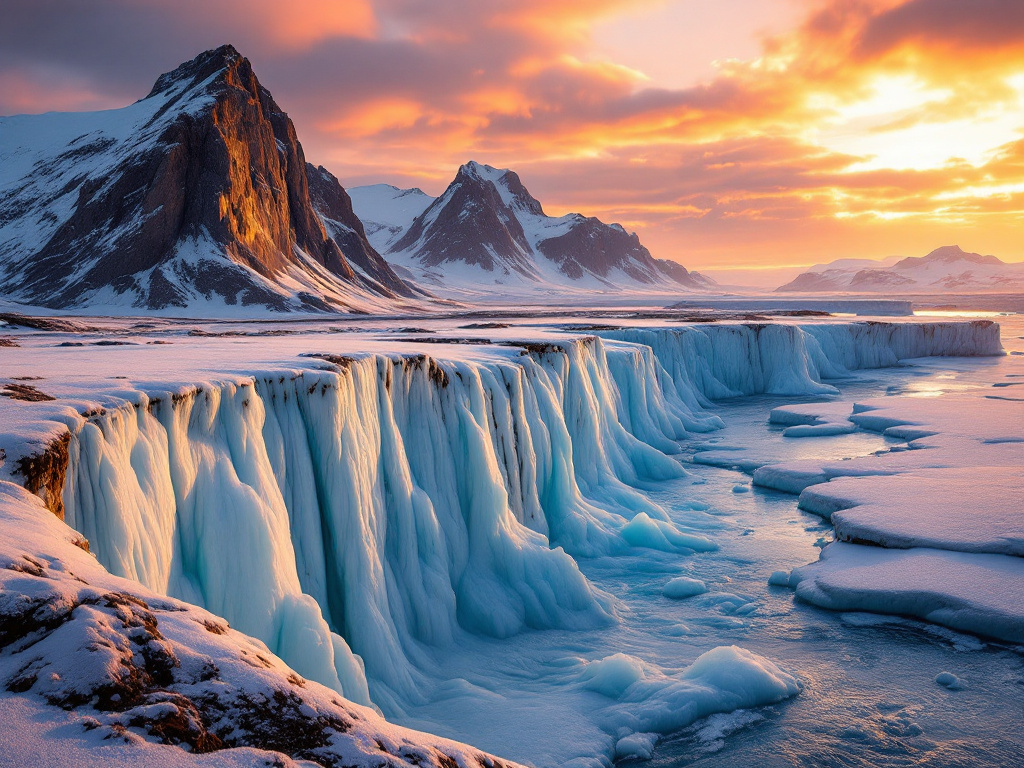
Dog Sledding in Tasiilaq
A classic Arctic experience where you glide through the winter landscape with a dog sled in East Greenland.
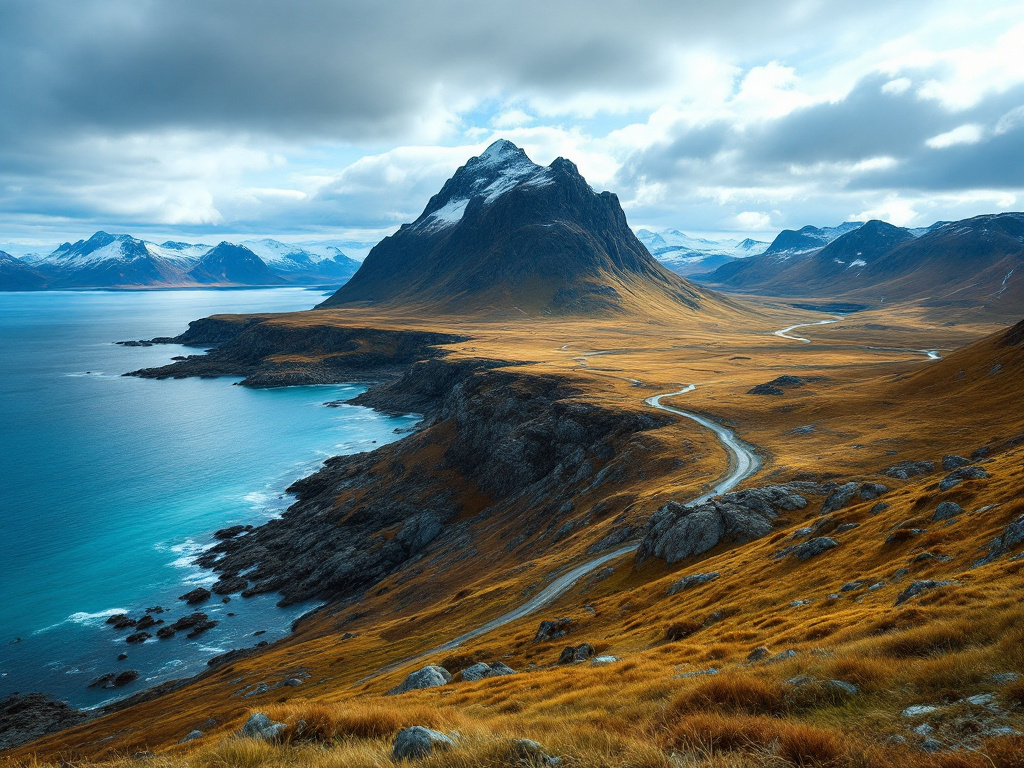
Cape Farewell
Greenland's southernmost point with raw and dramatic nature, known for its harsh climate and historical significance.
Famous cuisine
Culinary overview
Greenland's food culture is deeply rooted in the country's Arctic environment and Inuit traditions. The ingredients are often wild and fresh, sourced directly from the sea or tundra. Fish and seafood such as halibut, shrimp, and crab are central, while meat from muskox, reindeer, seal, and whale forms the cornerstone of many dishes. Traditional preservation methods such as drying and fermenting are still used, and meals reflect a close connection between nature and culture. In larger cities like Nuuk and Ilulissat, there are also modern restaurants that combine traditional ingredients with international techniques.
Must-try dishes
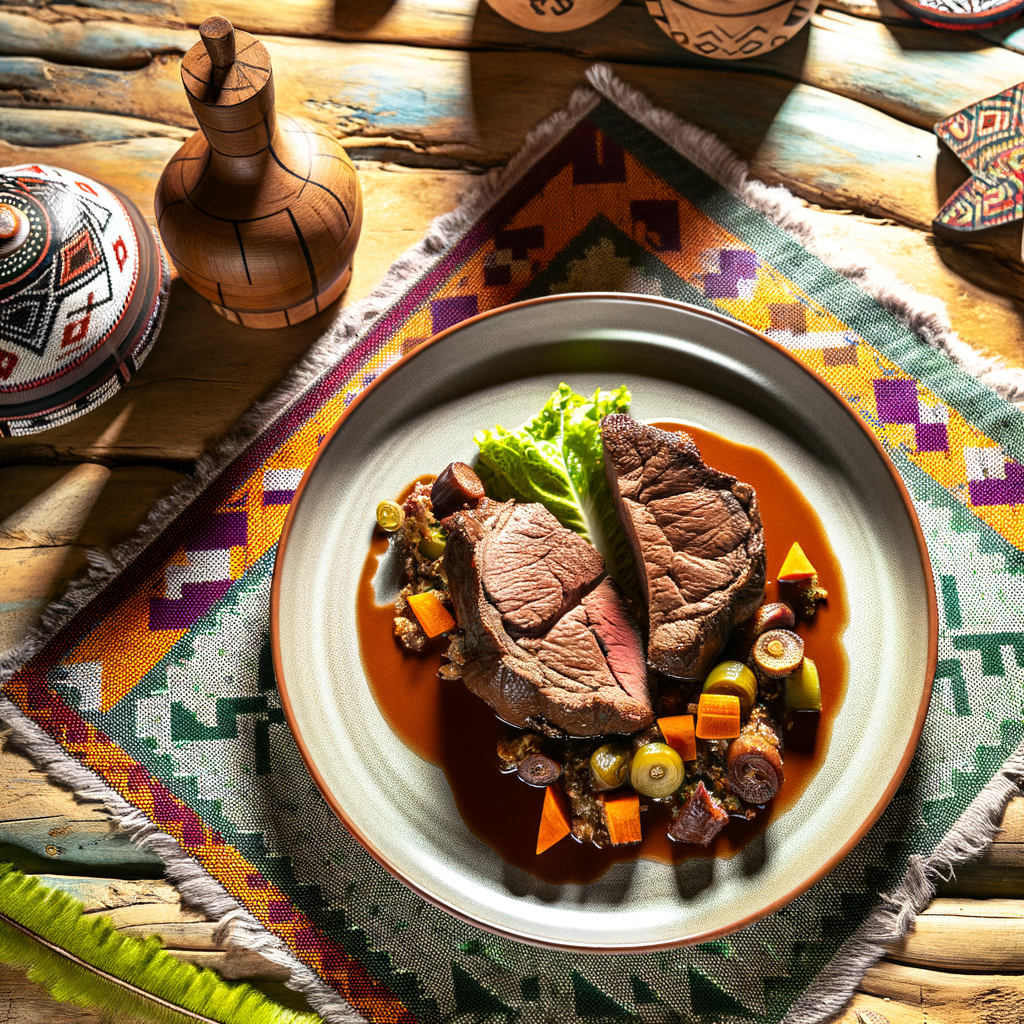
Muskox Meat
Tender and flavorful meat from muskox, often served as steak or stew. The flavor is rich and slightly sweet, and the meat is known for its low fat content.
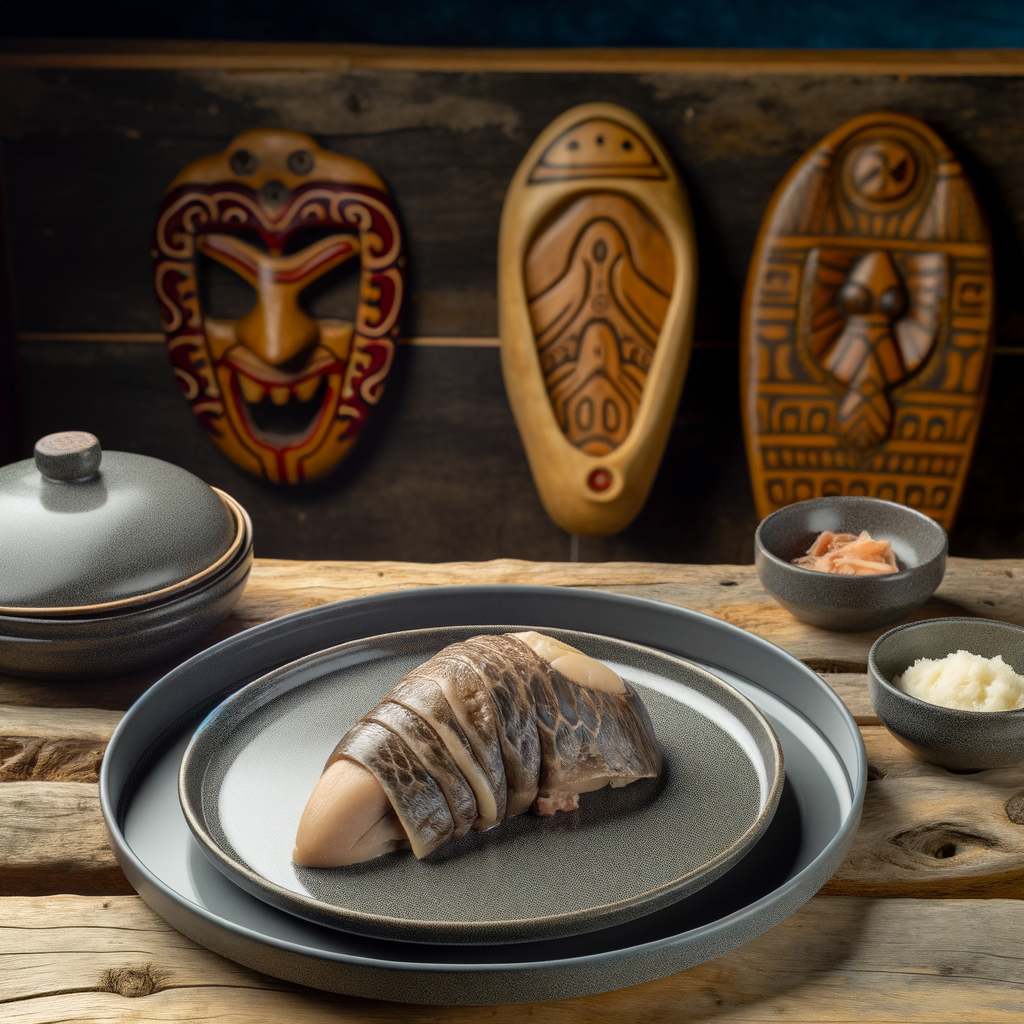
Mattak
Traditional Inuit delicacy consisting of whale skin with a layer of blubber. Eaten raw or lightly boiled and rich in Vitamin C.
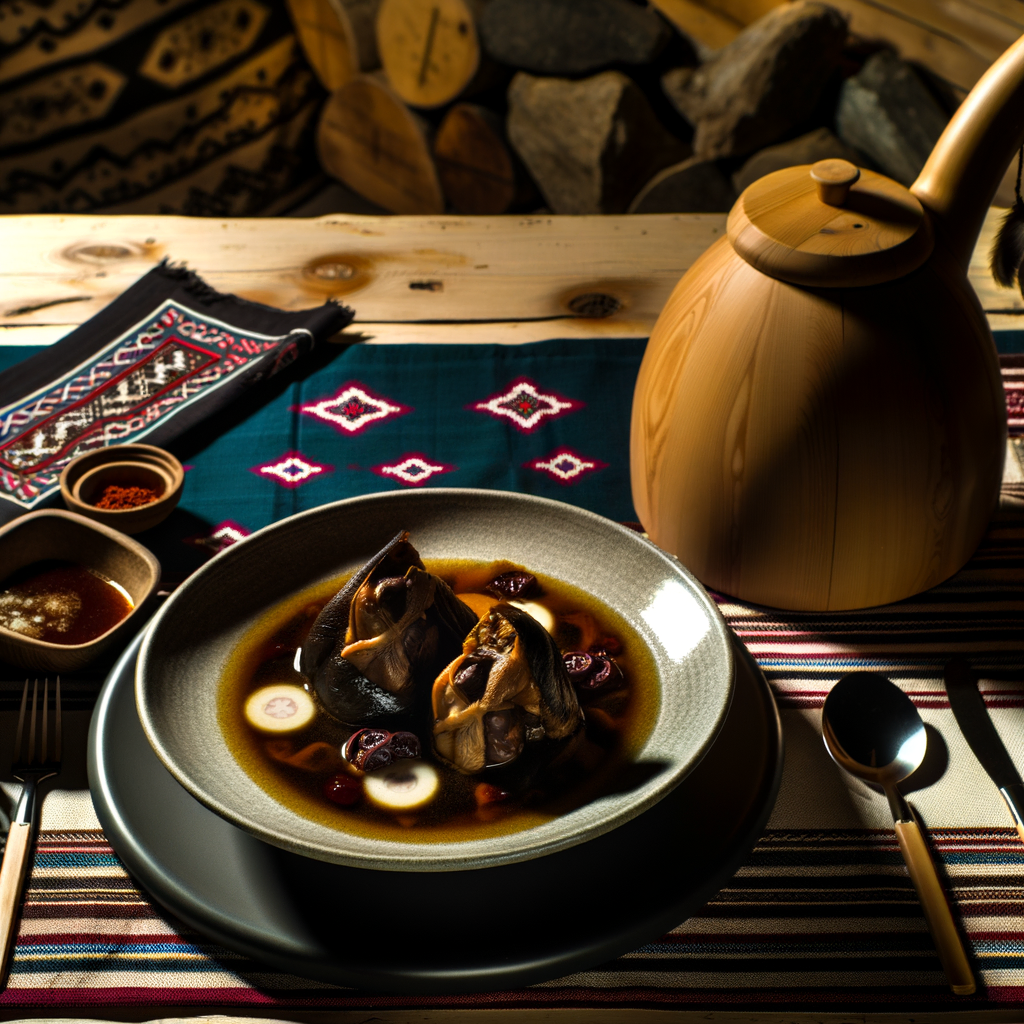
Seal
Seal meat is an important part of the traditional diet, often served as soup or fried. The flavor is strong and reminiscent of game.
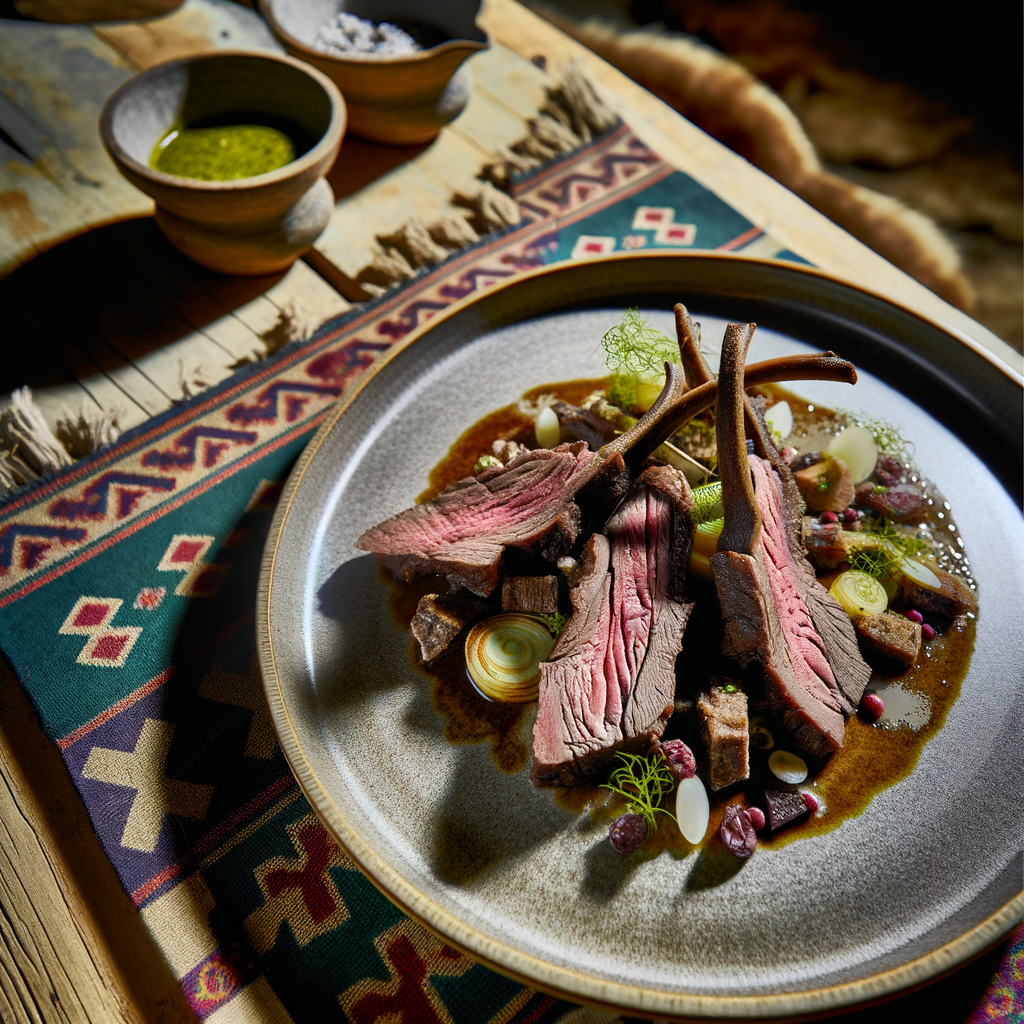
Reindeer
Lean and flavorful game meat, often grilled or used in stews. Reindeer live wild in Greenland's nature.
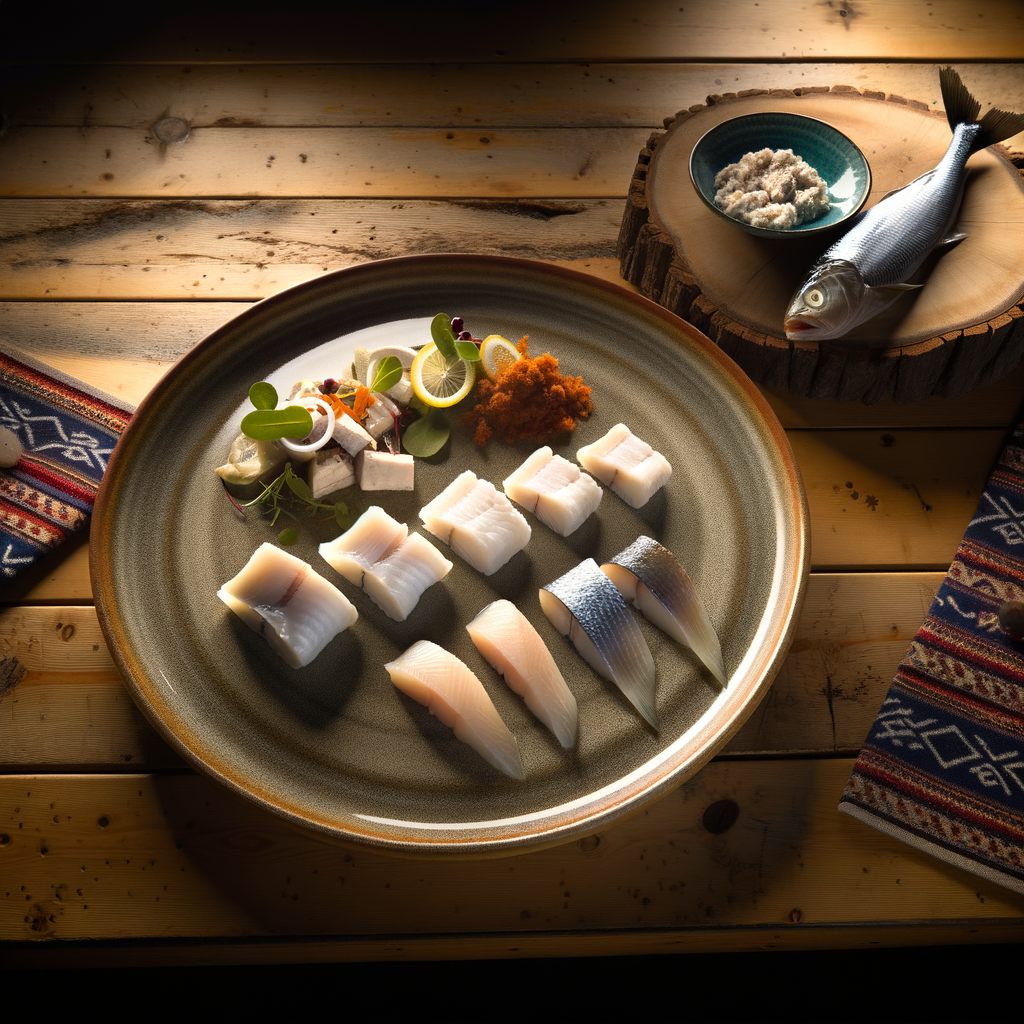
Halibut
A popular fish in Greenland, served both raw as sushi, smoked, or fried. The meat is white, firm, and mild in flavor.
Restaurant information
Tipping
Tipping is not a fixed part of the culture in Greenland, as service is usually included in the price. However, it is appreciated to round up or give a small amount if the service has been extraordinary.
Travel information
Currency
Danish krone (DKK)
Language
Grønlandsk
Best time to visit
June-August
Major cities
Nuuk and other major cities
More countries in Europe
Discover more destinations in this region