
Guinea-Bissau
Guinea-Bissau, a West African gem, offers vibrant cultures, lush mangrove forests, and the untouched Arquipélago dos Bijagós islands teeming with wildlife and tranquil beaches.
Overview
Guinea-Bissau is an undiscovered pearl of West Africa where unspoiled nature meets vibrant cultural heritage. From the tropical islands of the Arquipélago dos Bijagós – a UNESCO World Heritage Site – to the colorful streets of the capital, Bissau, the country offers authentic experiences. Here, you will find white sandy beaches, rare bird species, and even hippos at Orango Island National Park, alongside historical cities like Bolama. With its blend of Portuguese colonial history, bustling markets, and welcoming locals, Guinea-Bissau is the perfect destination for adventurous travelers, especially during the dry season from November to March.
Official language
Portuguese
Government
republic
Best time to visit
November to March (dry season)
Nature
Guinea-Bissau is a hidden gem in West Africa, renowned for its pristine natural landscapes that captivate adventurers and nature lovers alike. The country boasts lush mangrove forests, vibrant river deltas, and diverse wildlife, making it an ecological wonder. The Arquipélago dos Bijagós, an UNESCO World Heritage Site, comprises over 80 islands, many of which are uninhabited and blanketed in tropical vegetation. Here, you can spot rare bird species, sea turtles, and even unique saltwater hippos. Orango Island National Park stands out as a highlight for nature enthusiasts, home to chimpanzees, antelopes, and a rich mangrove ecosystem. The interior is adorned with green savannas, serene rivers, and the picturesque Saltinho Waterfall, creating an idyllic landscape perfect for exploration. The best time to visit is during the dry season from November to March, when the weather is sunny and ideal for both island hopping and adventures on the mainland.
Travel to Guinea-Bissau
Traveling to Guinea-Bissau is an adventure into the heart of authentic West Africa. Ideal for those seeking unspoiled destinations devoid of mass tourism, the best time to visit is during the dry season from November to March when the weather is pleasant and sunny. Flights primarily arrive in Bissau, the capital, from where you can explore the mainland and islands. Island hopping in the Arquipélago dos Bijagós offers unforgettable experiences, allowing you to sail between remote islands, snorkel in clear waters, and engage with local fishing communities. On the mainland, embark on a safari in Orango Island National Park, marvel at the cascading Saltinho Waterfall, or wander through the historic streets of Bolama. Culinary experiences abound, featuring fresh ingredients and traditional recipes, offering a taste of Guinea-Bissau. This destination is a must for adventurers, nature lovers, and cultural enthusiasts seeking something truly unique.
Culture
The culture of Guinea-Bissau is a vibrant tapestry woven from African traditions and Portuguese colonial influences. The nation is home to diverse ethnic groups, including the Balanta, Fula, and Bijagó, each contributing their unique customs, music, and dance. In Bissau, lively markets brim with crafts, textiles, and spices, while the historic districts showcase architectural remnants from colonial times. Music plays a crucial role in daily life, with the rhythms of gumbe and traditional drums accompanying festivals and ceremonies. On the Bijagós Islands, many communities preserve traditional matriarchal structures, offering visitors a glimpse into the important role of women in society. The local cuisine is a fundamental aspect of the culture, featuring dishes like Jollof rice, Caldo de Mancarra (peanut soup), and freshly grilled fish, often enjoyed with sweet palm wine. The warmth and hospitality of the people invite visitors to share meals and partake in local celebrations.
History
Guinea-Bissau's history is rich and multifaceted, characterized by cultural heritage and colonial impact. Prior to the Portuguese arrival in the 15th century, the region was home to various kingdoms and trading networks. The Portuguese established trading posts and later imposed colonial rule, significantly impacting local societies and economies, particularly through the slave trade. In the 20th century, a fierce opposition against colonial power began to brew, culminating in a prolonged liberation struggle led by Amílcar Cabral. This fight for independence was finally realized in 1973 and officially recognized in 1974. Although Guinea-Bissau has faced political challenges since then, the strong cultural identity and traditions of its people continue to foster a sense of community and resilience.
Top attractions
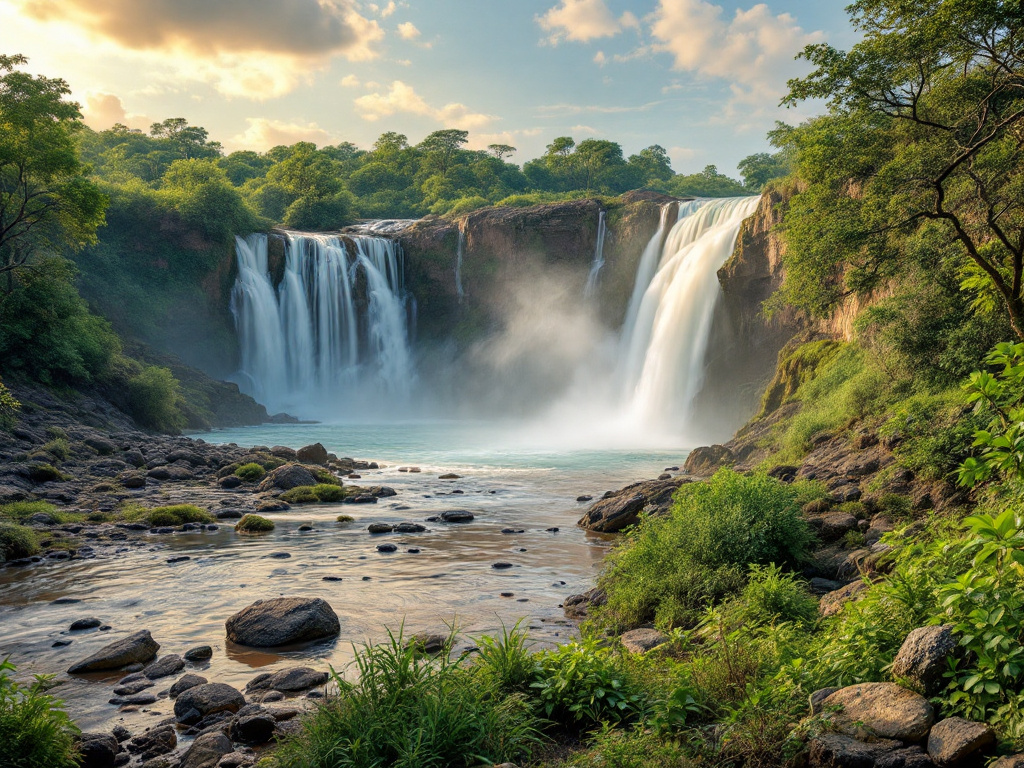
Bijagós Archipelago National Park
A unique archipelago known for its biodiversity, traditional culture, and tranquil beaches, ideal for adventurous travelers.
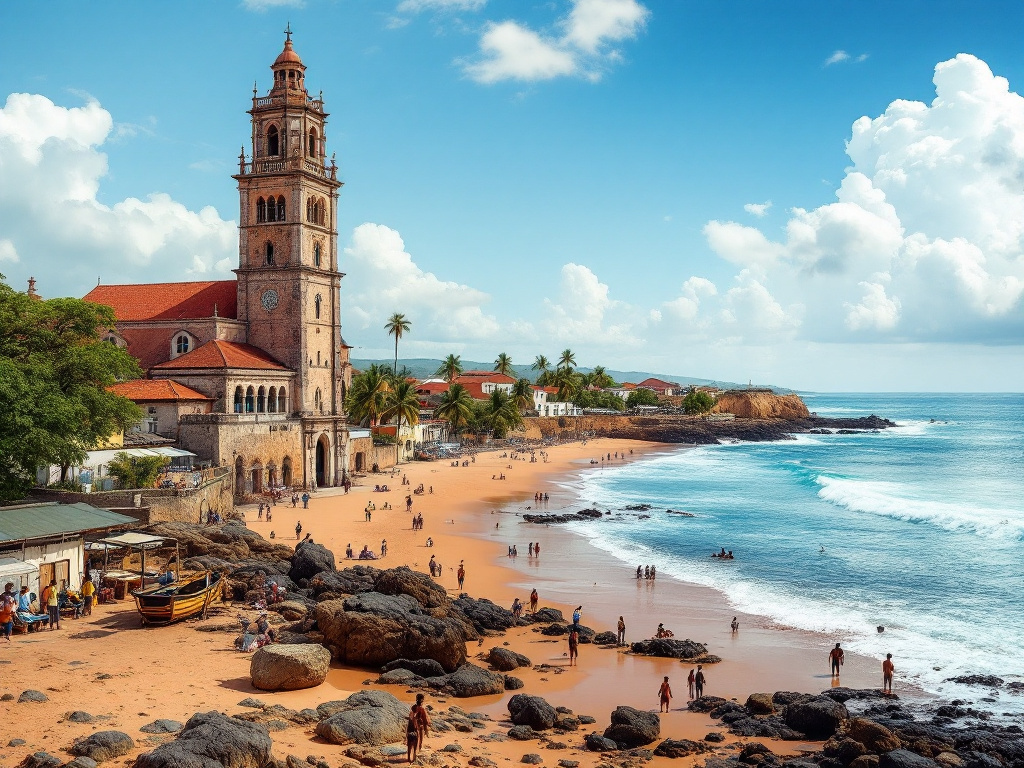
Bissau Velha
The historic part of the capital with traces from the Portuguese colonial era and a vibrant everyday life.

Orango National Park
A spectacular park known for its rare hippos and diverse ecosystems.
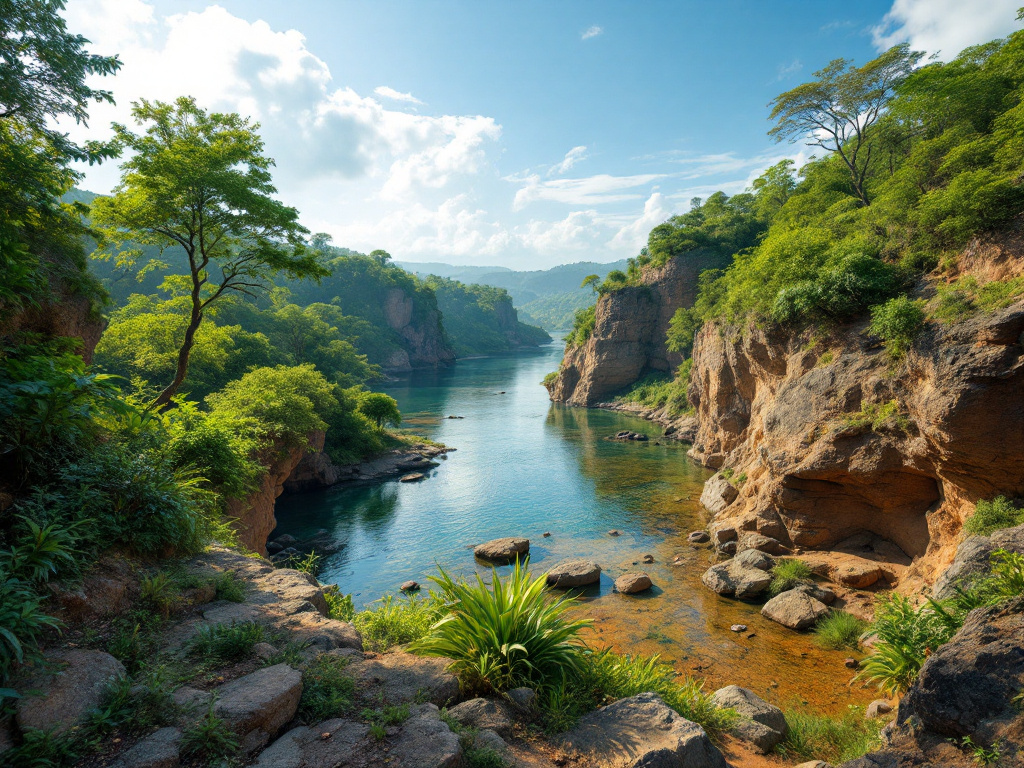
Rubane Island
A peaceful island perfect for beach life and total relaxation in the middle of the Bijagós archipelago.
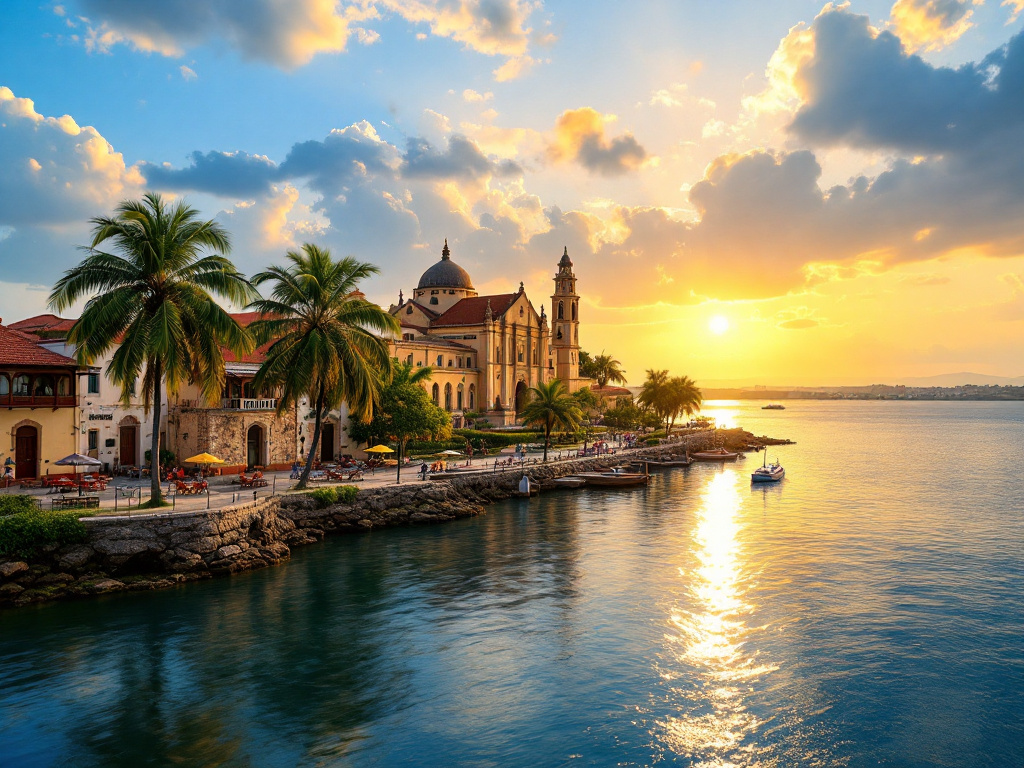
Praça dos Heróis
A central square dedicated to the country's heroes and important events.
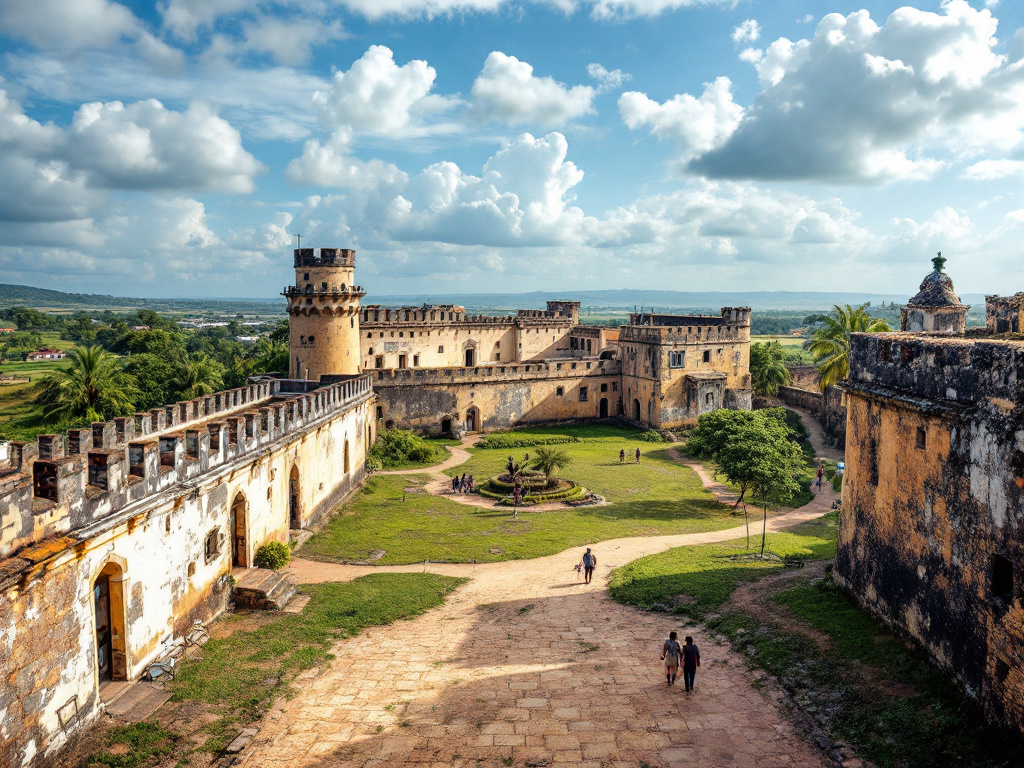
Fortaleza de Cacheu
A well-preserved Portuguese fort with a museum that tells about the region's complex history.
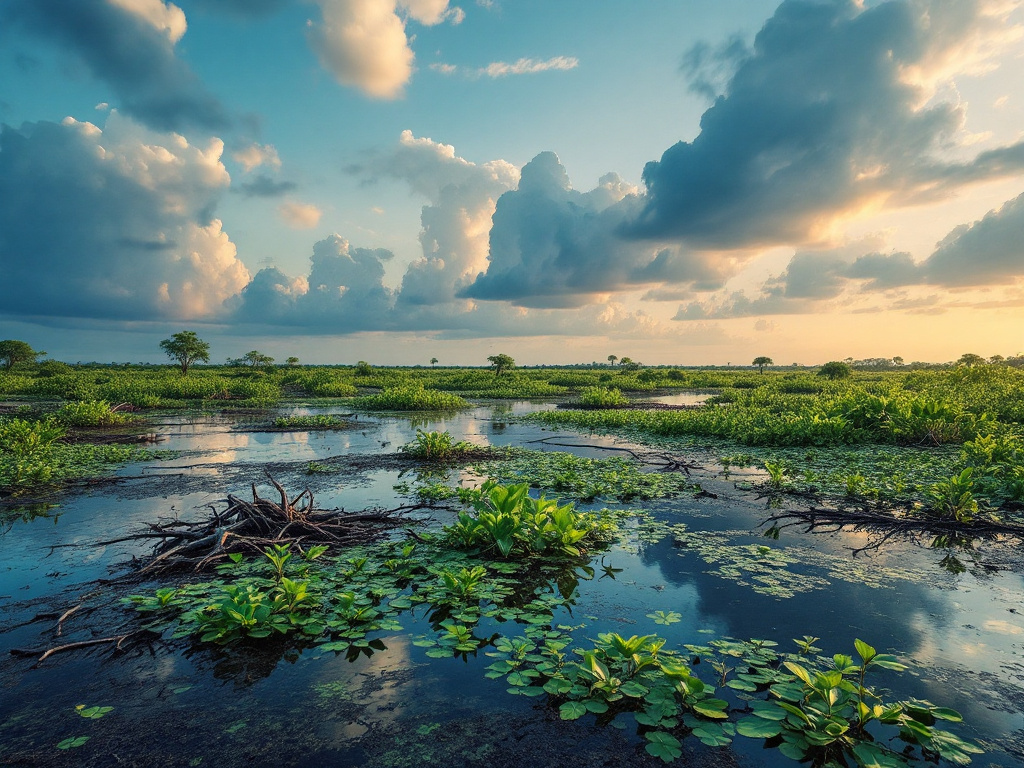
Cacheu Mangroves
A peaceful mangrove area ideal for nature lovers and bird enthusiasts.
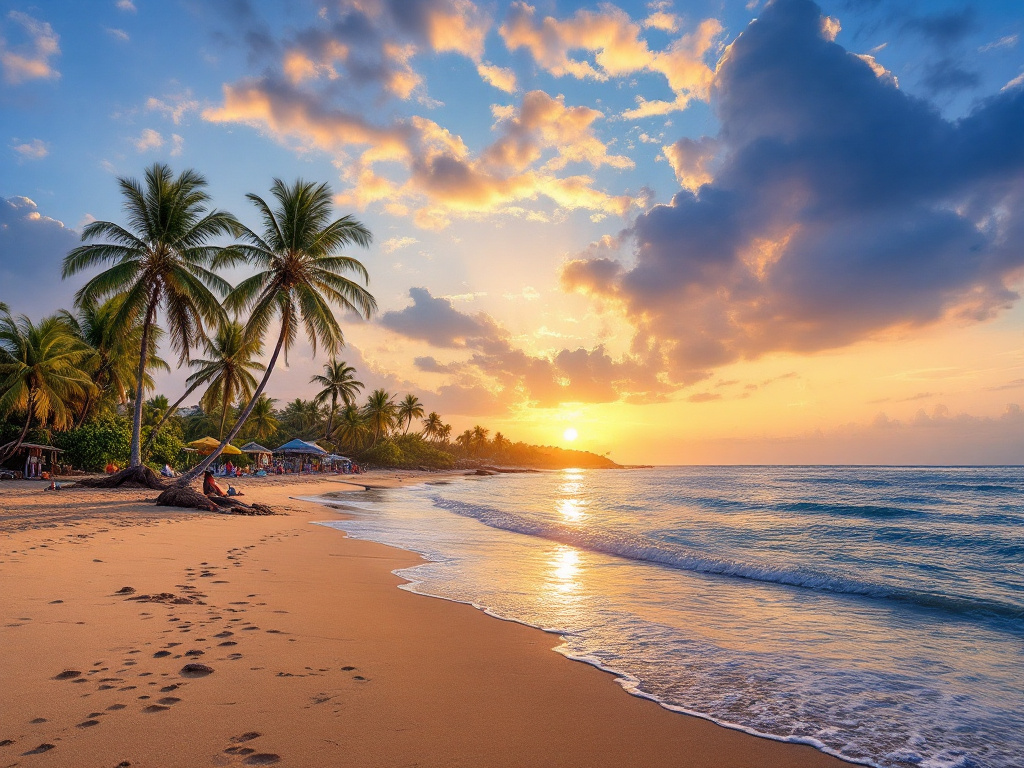
Bubaque Beach
A popular beach on Bubaque Island with a local vibe and relaxing atmosphere.
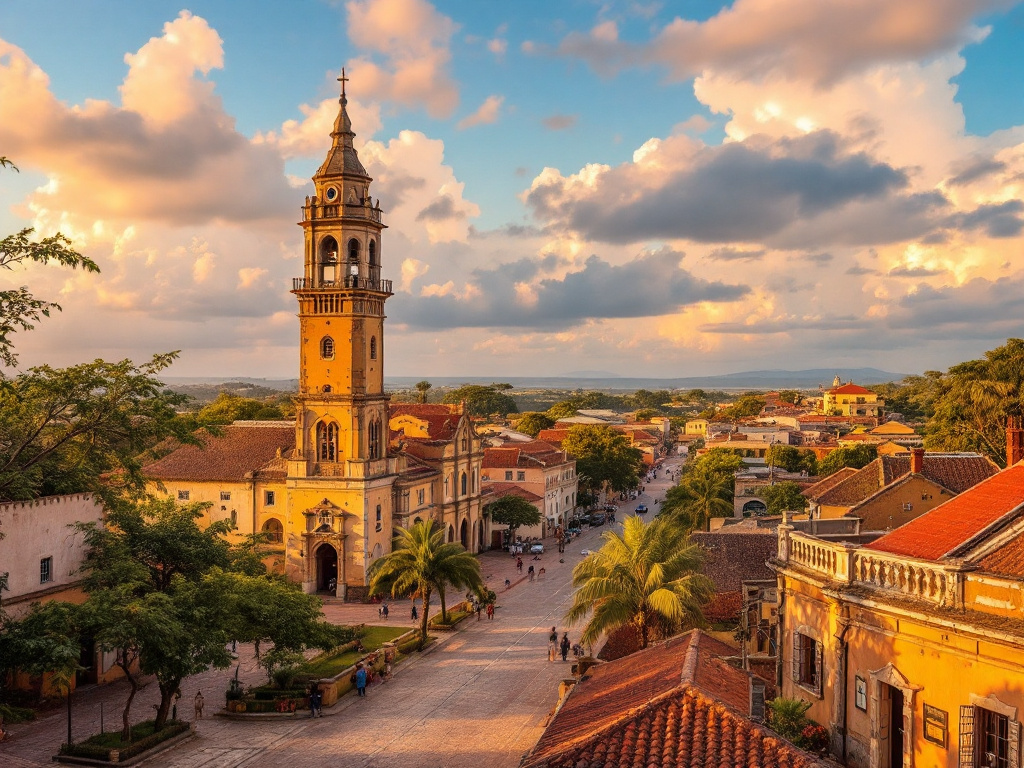
Bolama Colonial Town
A former capital with fascinating, partially abandoned colonial architecture.
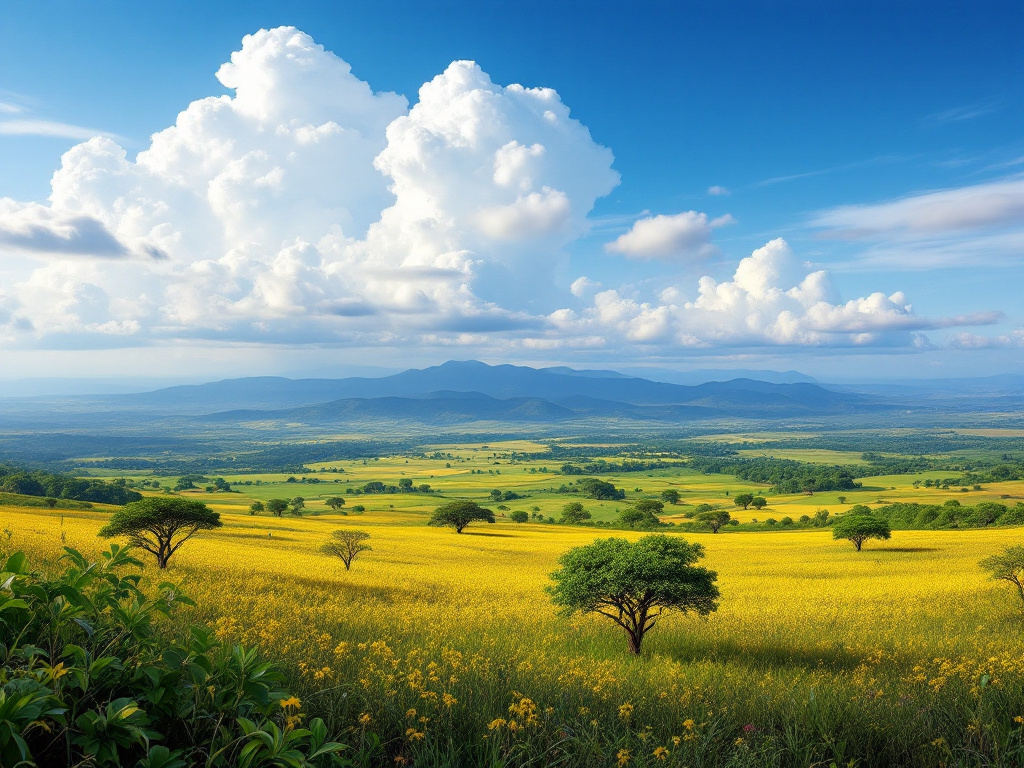
Gabú Savanna Area
An open savanna area in the eastern part of the country, known for its landscape and authentic village life.
Famous cuisine
Culinary overview
Guinea-Bissau cuisine is a flavorful blend of West African traditions and Portuguese influence. Fresh ingredients like fish, seafood, rice, peanuts, and tropical fruits play a central role. At the markets, you can find the scent of spices, grilled fish, and sweet palm wine, while small street kitchens serve authentic dishes to both locals and visitors. Meals are often social events where people share food from large platters, and hospitality is an important part of the food culture.
Must-try dishes
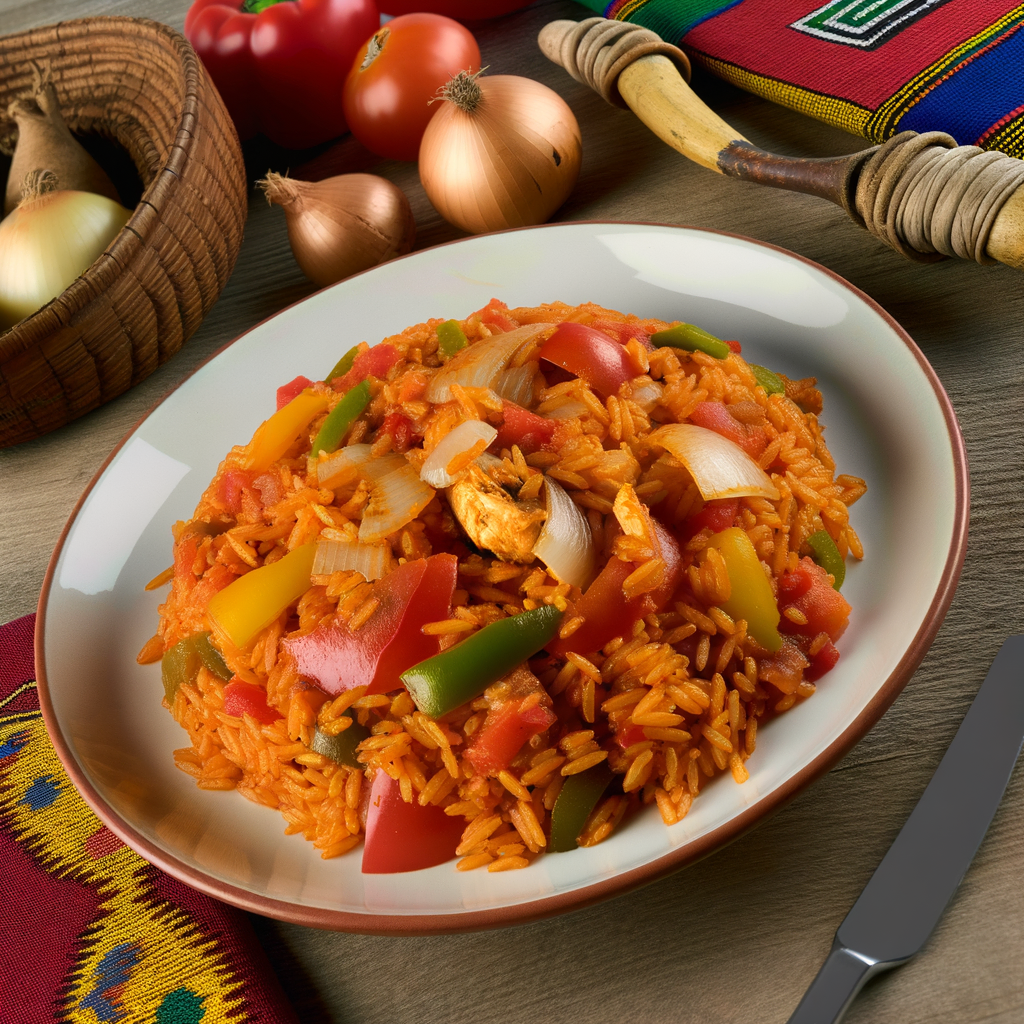
Jollof Rice
A colorful and spicy rice dish prepared with tomato, onion, bell pepper, and often chicken or fish. The dish is popular throughout West Africa and is often served at festive occasions.
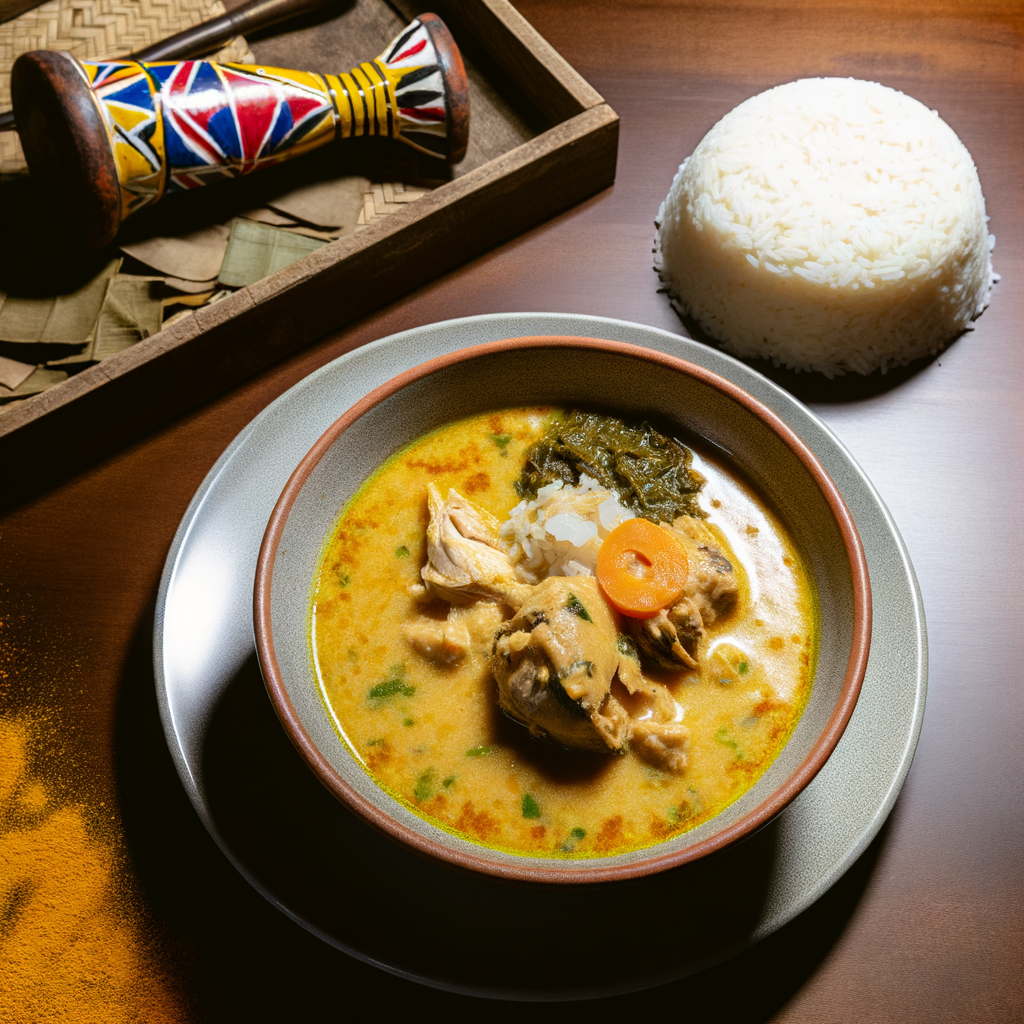
Caldo de Mancarra
A creamy peanut soup with chicken or fish, seasoned with local herbs and served with rice. The soup is both hearty and full of flavor.
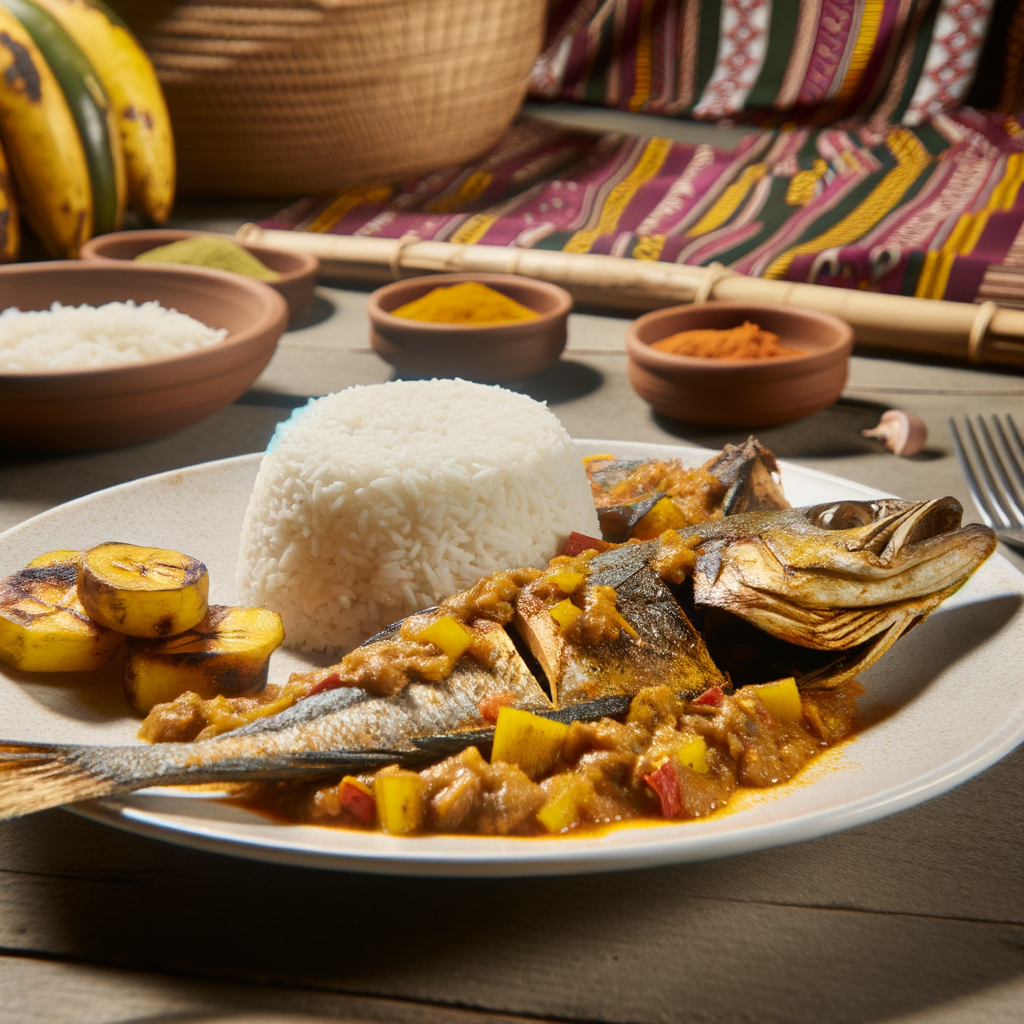
Grilled Fish
Freshly caught fish, often barracuda or snapper, marinated in spices and grilled over an open fire. Served with rice or fried bananas.
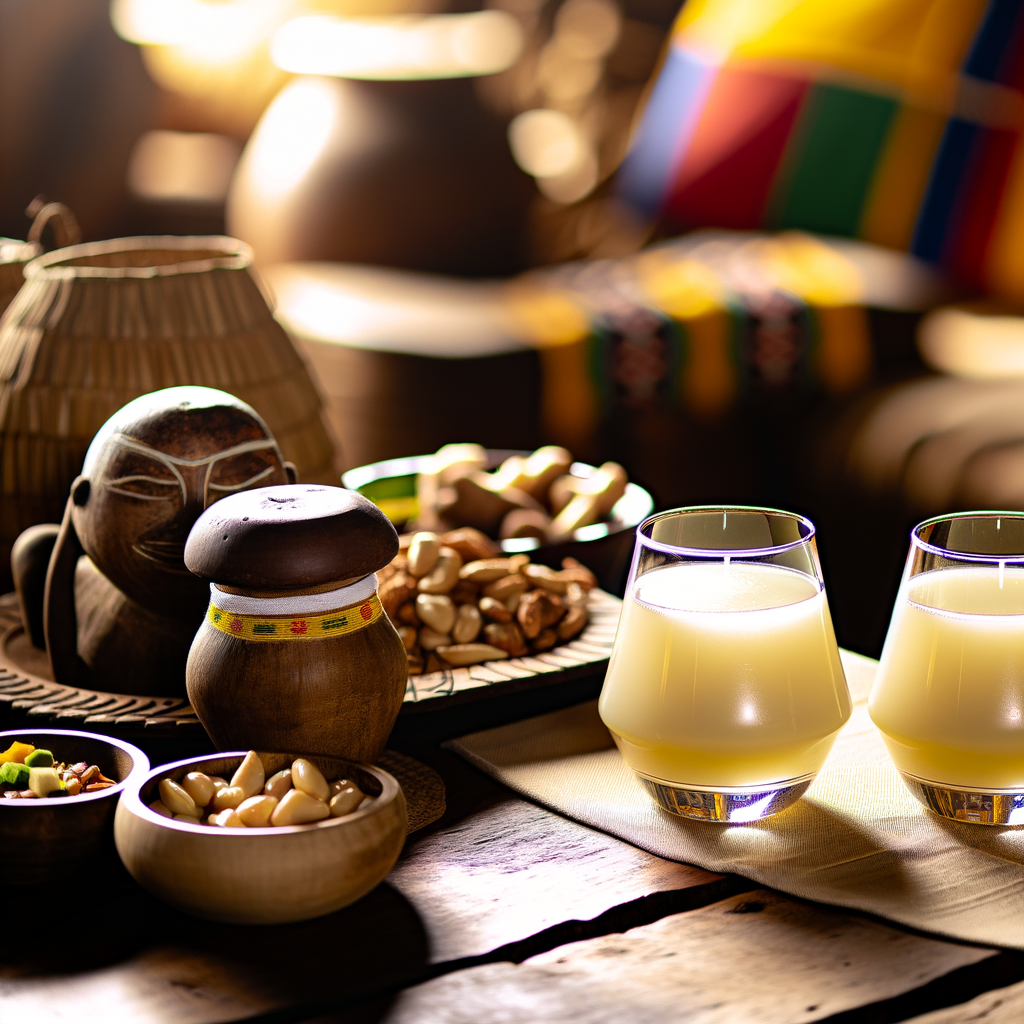
Palm Wine
A sweet, slightly fermented drink tapped directly from palm trees. It is often consumed fresh and is an important part of social gatherings.
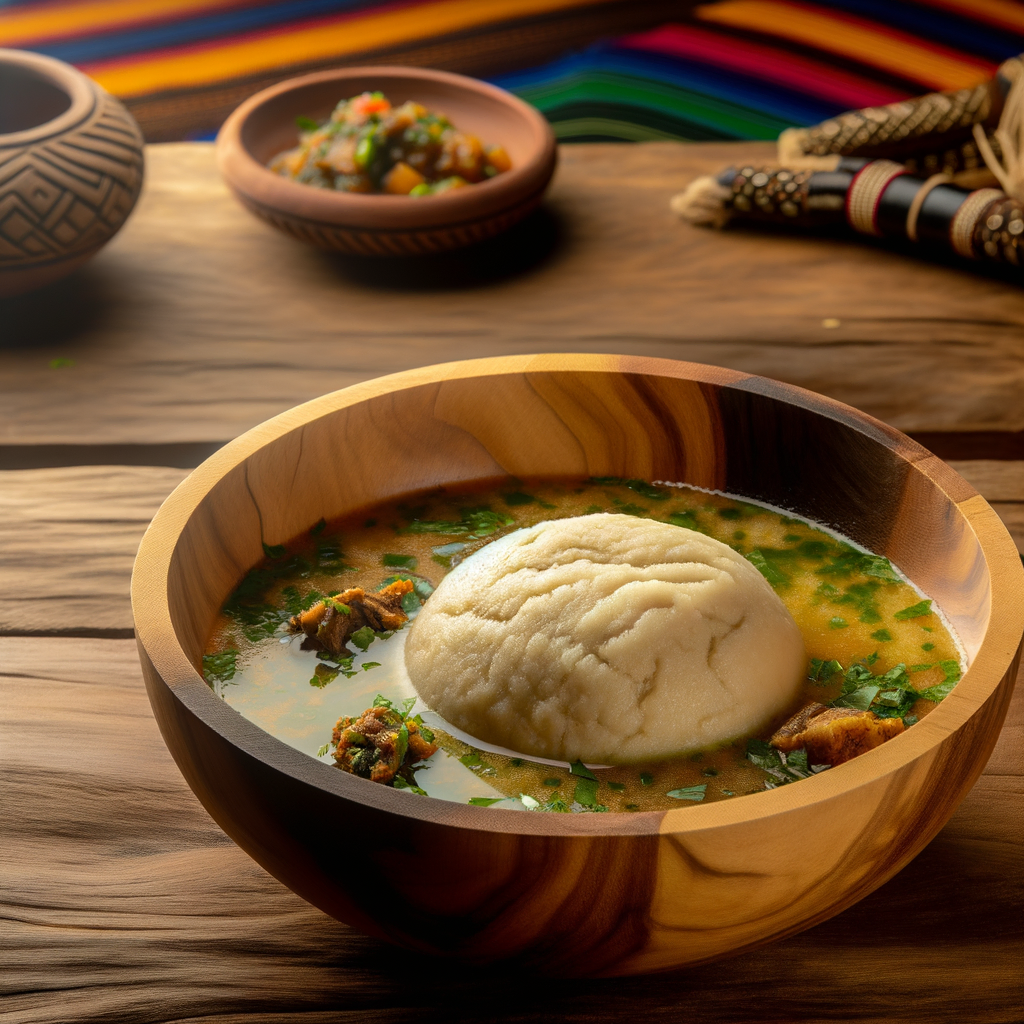
Fufu
A stiff, dough-like dish made from cassava or yams, served as an accompaniment to soups and stews. Traditionally eaten with hands.
Restaurant information
Tipping
Tipping is not a fixed part of the culture in Guinea-Bissau, but it is appreciated to round up or give 5-10% at restaurants, especially in tourist areas.
Travel information
Currency
Vestafrikansk CFA-franc (XOF)
Language
Portuguese
Best time to visit
November to March (dry season)
Major cities
Bissau and other major cities
More countries in Africa
Discover more destinations in this region