
Croatia
Croatia, where ancient walled towns meet the sapphire-blue Adriatic Sea, offers a perfect blend of history, culture, and breathtaking coastal beauty.
Overview
Croatia is a Mediterranean paradise where ancient city walls meet the sapphire-blue Adriatic Sea. Here, you can wander through Dubrovnik’s UNESCO-protected old town, explore the magnificent Diocletian's Palace in Split, and enjoy idyllic coastal towns like Hvar and Trogir. The country offers a unique blend of historical treasures, crystal-clear waters, charming islands, and culinary experiences featuring fresh fish, seafood, and local wines. From the enchanting cascades of Plitvice Lakes to the golden sands of Zlatni Rat beach, Croatia is a destination that harmonizes culture, nature, and relaxation.
Official language
Croatian
Government
Parliamentary republic
Best time to visit
May-September
Nature
Croatia's natural beauty is a true gem for travelers seeking both dramatic landscapes and serene environments. The country boasts a lengthy coastline along the Adriatic Sea, dotted with hundreds of islands, coves, and hidden beaches where turquoise waters meet white cliffs and lush pine forests. The Plitvice Lakes are one of Europe’s most spectacular natural wonders, featuring cascading waterfalls, emerald-green lakes, and vibrant vegetation that changes with the seasons. National parks such as Paklenica and Northern Velebit offer striking mountain landscapes, deep canyons, and unspoiled beech forests, ideal for hiking and climbing. The island of Brač is home to Zlatni Rat Beach, a natural wonder known for its ever-changing shape influenced by winds and tides. Whether sailing between islands, diving in crystal-clear waters, or trekking in the mountains, Croatia's nature provides unforgettable experiences, especially from May to September when the weather is warm and inviting.
Travel to Croatia
Traveling to Croatia is an experience that combines sun, sea, culture, and adventure. The country is easily accessible via international airports in Zagreb, Split, and Dubrovnik, as well as ferry connections to many of its beautiful islands. The best travel time is from May to September when the weather is warm and sunny, perfect for swimming and sailing in the Adriatic Sea. Travelers can mix relaxation on beaches like Zlatni Rat with cultural experiences in UNESCO-protected cities. Island hopping between Hvar, Korčula, and Vis provides a unique chance to experience vibrant harbors and peaceful coves. Nature enthusiasts can hike in national parks or explore the stunning Plitvice Lakes. Croatia also boasts a lively food scene, perfect for savoring local wines and traditional dishes. With its blend of hospitality, safety, and diverse experiences, Croatia appeals to both adventurous spirits and those seeking tranquility by the sea.
Culture
Croatia's culture is a captivating blend of Mediterranean traditions, Central European elegance, and rich historical layers from Romans, Venetians, and Ottomans. In cities like Dubrovnik and Split, one can feel the echoes of history in narrow streets, sunlit squares, and impressive architecture. Music and dance are at the heart of Croatian life, featuring everything from traditional dalmatian klapa singing to colorful folk dances. The culinary scene is a true paradise, with fresh fish, seafood, and iconic dishes like peka along the coast, while the inland regions boast specialties such as strukli and grilled meat. The wine and olive oil production is deeply embedded in local tradition, evident in markets brimming with fresh produce. Craftsmanship in embroidery, ceramics, and woodwork reflects proud artisan traditions, while festivals and holidays are celebrated with passion—from summer music festivals to religious processions. Croatia is a country where the past and present intertwine in a vibrant cultural heritage.
History
Croatia's history is rich and complex, shaped by various civilizations over millennia. The region has been inhabited since prehistoric times and became part of the Roman Empire, evident in monuments like Diocletian's Palace in Split. During the Middle Ages, city-states like Dubrovnik flourished under Venetian influence, earning a reputation for trade, diplomacy, and impressive fortifications. The country has also endured periods under Ottoman rule and the Habsburg monarchy, leaving distinct marks on its architecture and culture. After decades of being part of Yugoslavia, Croatia declared its independence in 1991, leading to a brief but intense conflict. Today, Croatia stands proudly as a member of the EU, preserving its rich cultural heritage as a central part of its identity, providing visitors with a glimpse into a storied past intertwined with modernity.
Top attractions
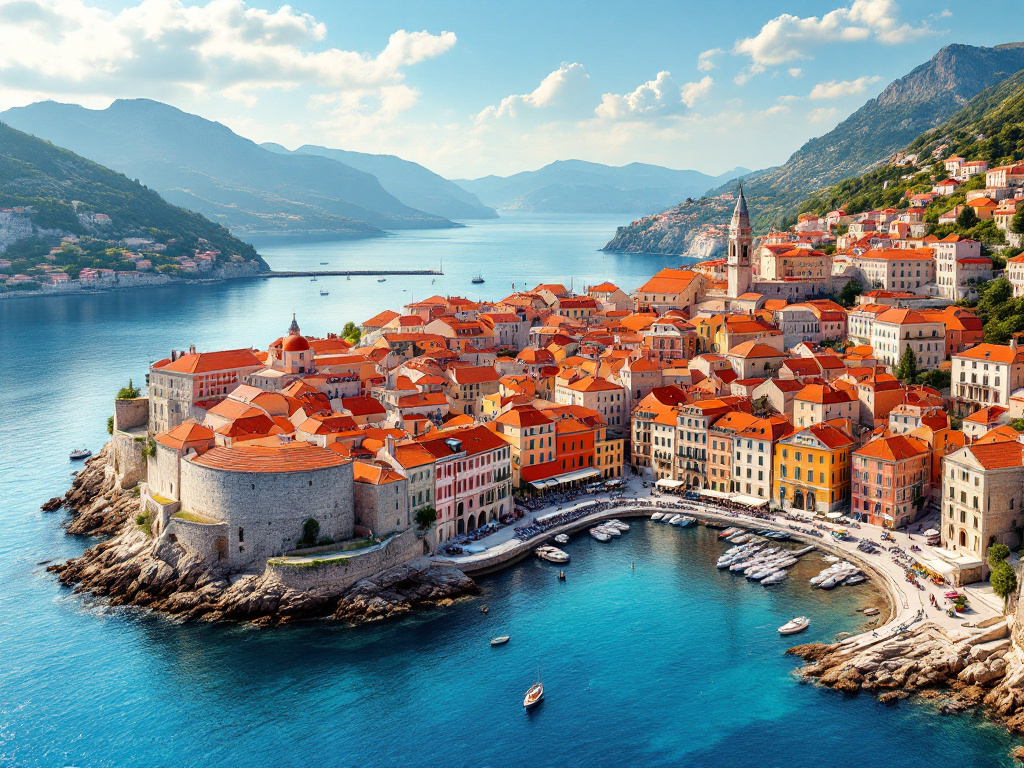
Dubrovnik Old Town
A well-preserved medieval town surrounded by impressive city walls and filled with history, narrow streets, and views over the crystal-clear sea.
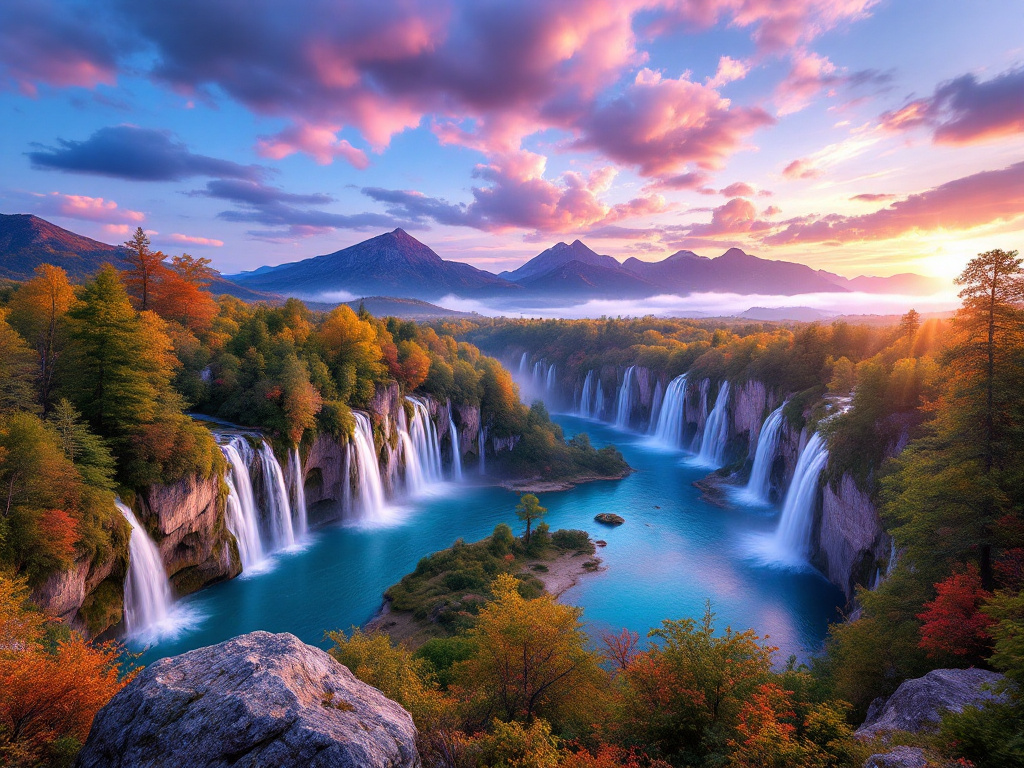
Plitvice Lakes National Park
An iconic national park with 16 interconnected lakes, linked by spectacular waterfalls and surrounded by dense forest.
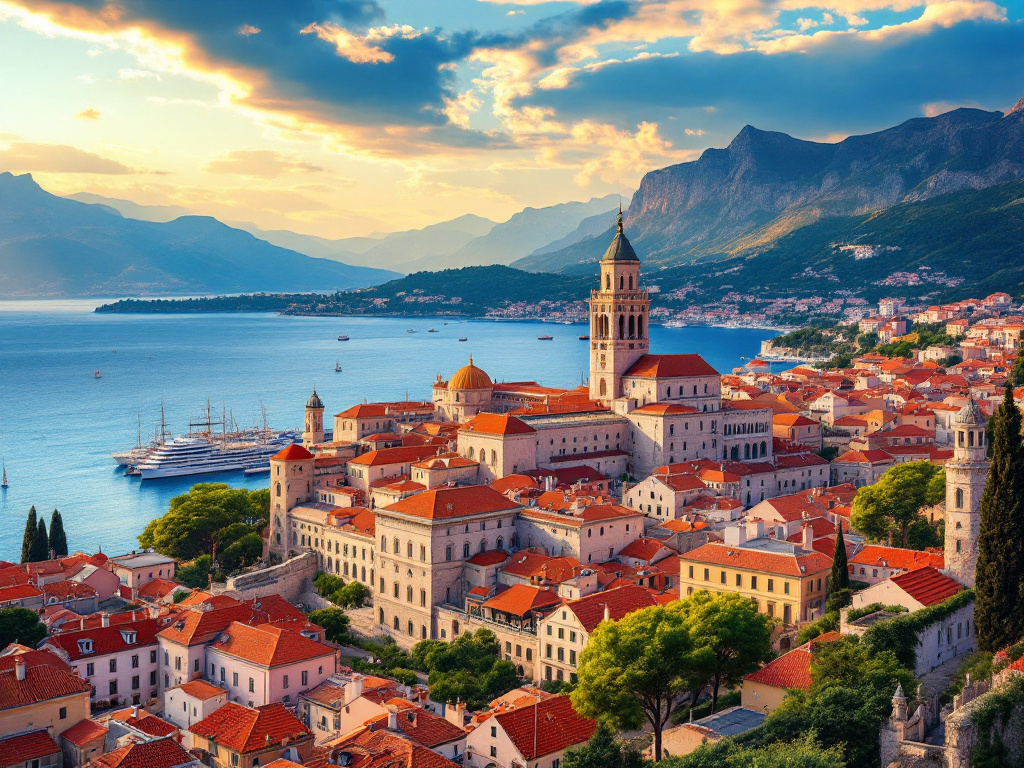
Diocletian's Palace
An enormous Roman palace complex that today serves as the heart of Split with residences, cafes, and historical monuments.
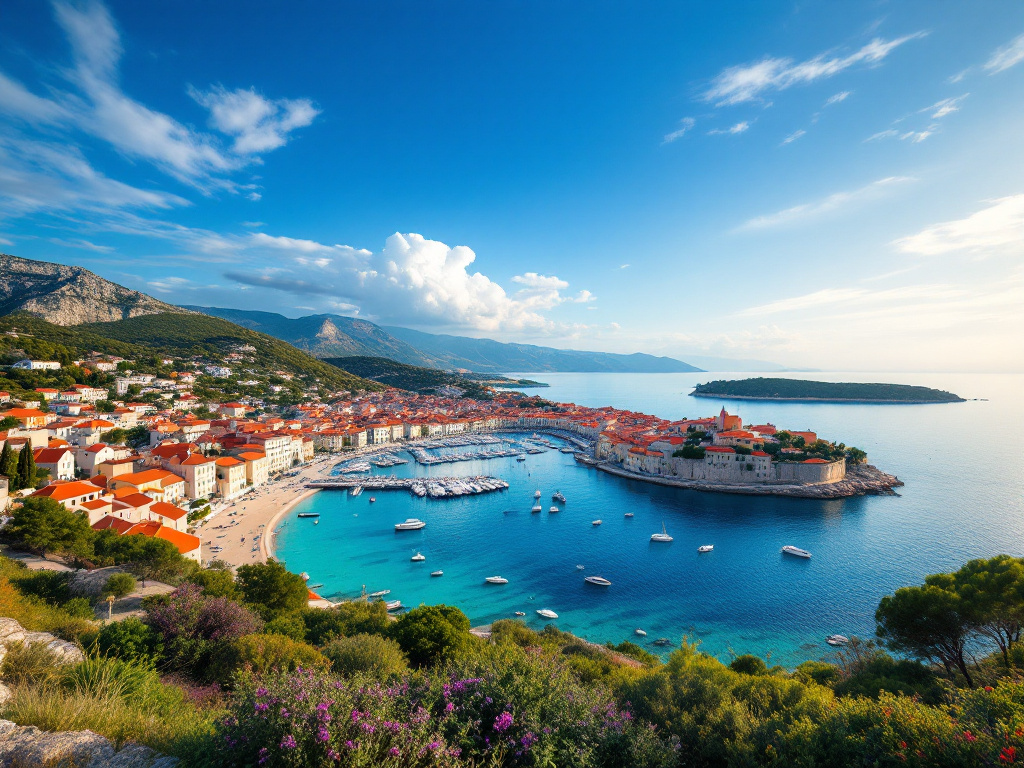
Hvar Island
A sunny and popular island known for its beaches, historic town, and vibrant atmosphere.
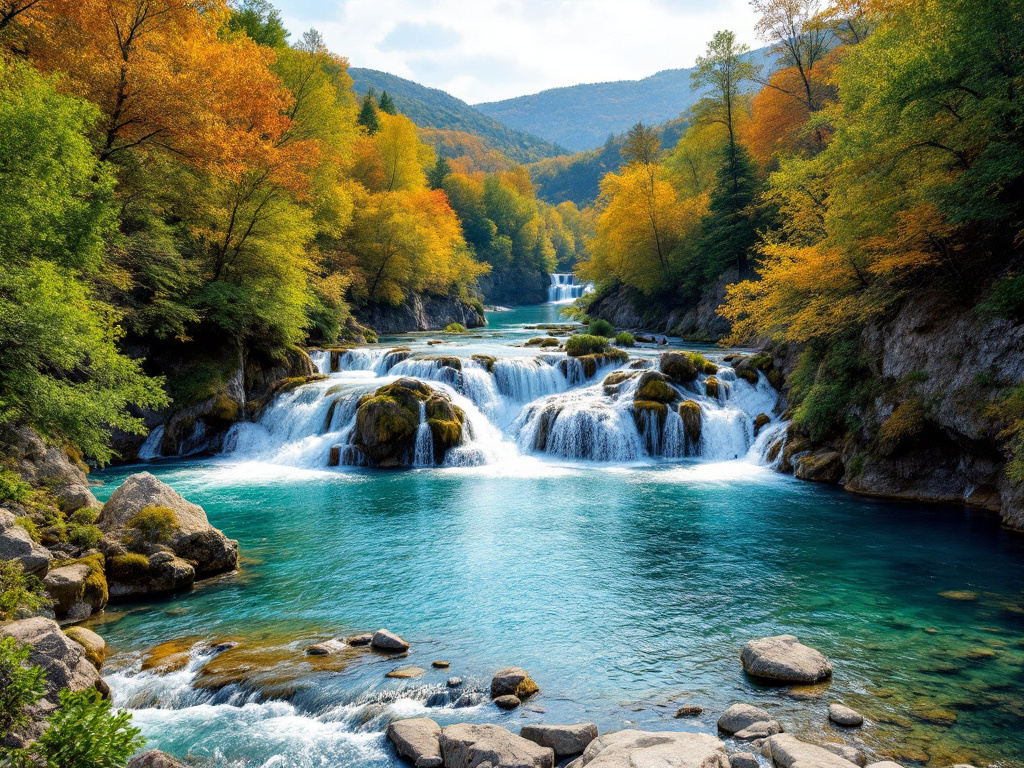
Krka National Park
A scenic national park with wide waterfalls, green surroundings, and easy walking paths.
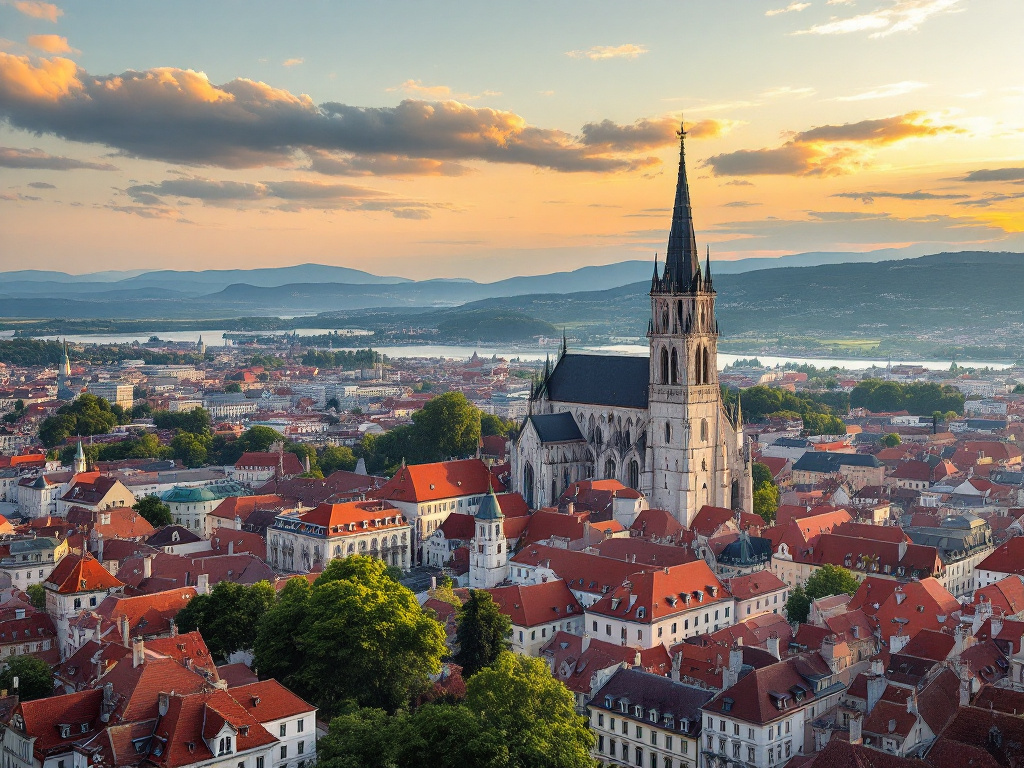
Zagreb Cathedral
An impressive Gothic cathedral and one of Zagreb's most recognizable landmarks.
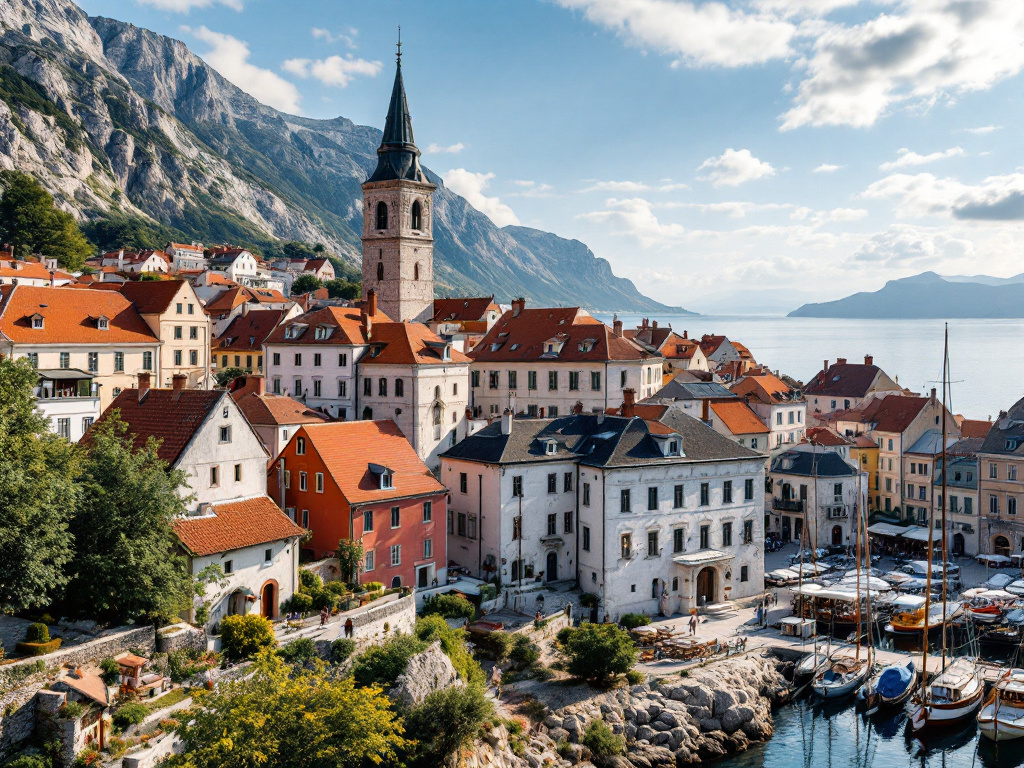
Rovinj Old Town
A romantic coastal town with narrow streets, an artistic atmosphere, and beautiful views over the sea.
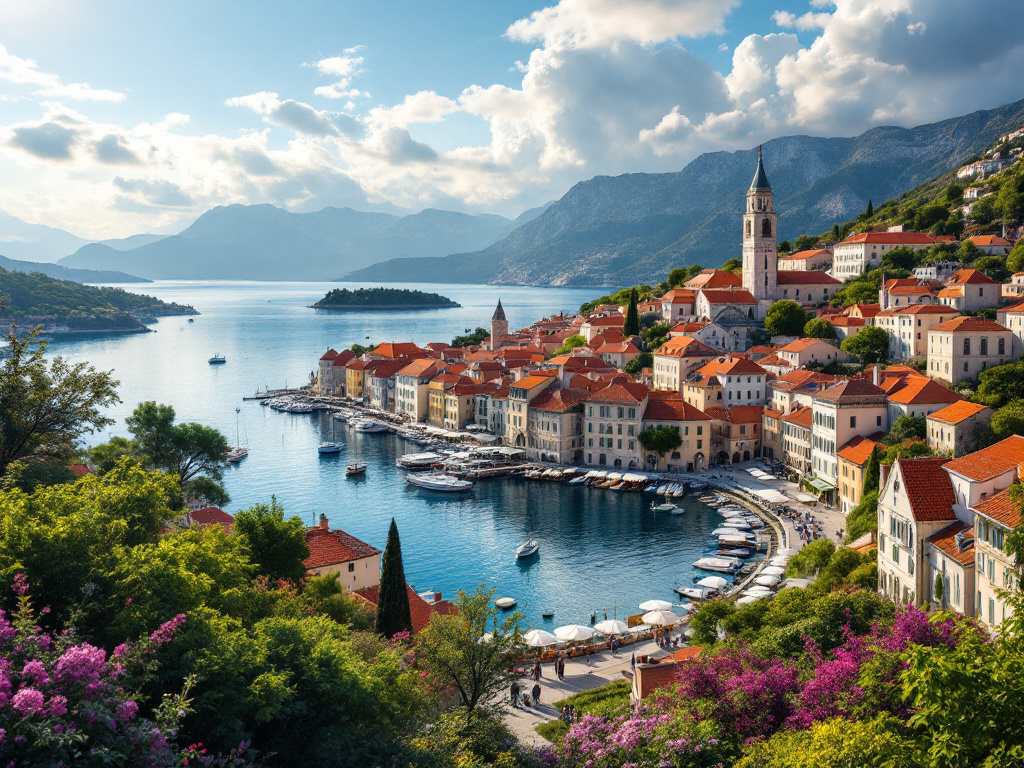
Korčula Old Town
A compact medieval town with stone walls and historical buildings on a beautiful island.
Famous cuisine
Culinary overview
Croatian food culture is a harmonious blend of Mediterranean inspiration from the coast and robust, meaty dishes from the inland. Along the Adriatic coast, freshly caught fish, seafood, olive oil, and fresh vegetables dominate, while the inland offers dishes influenced by Central Europe and the Balkans. Traditional cooking methods like 'peka' – slow cooking under an iron dome over coals – are still prevalent. The country is also known for its wines, particularly from Istria and Dalmatia, as well as high-quality olive oil.
Must-try dishes
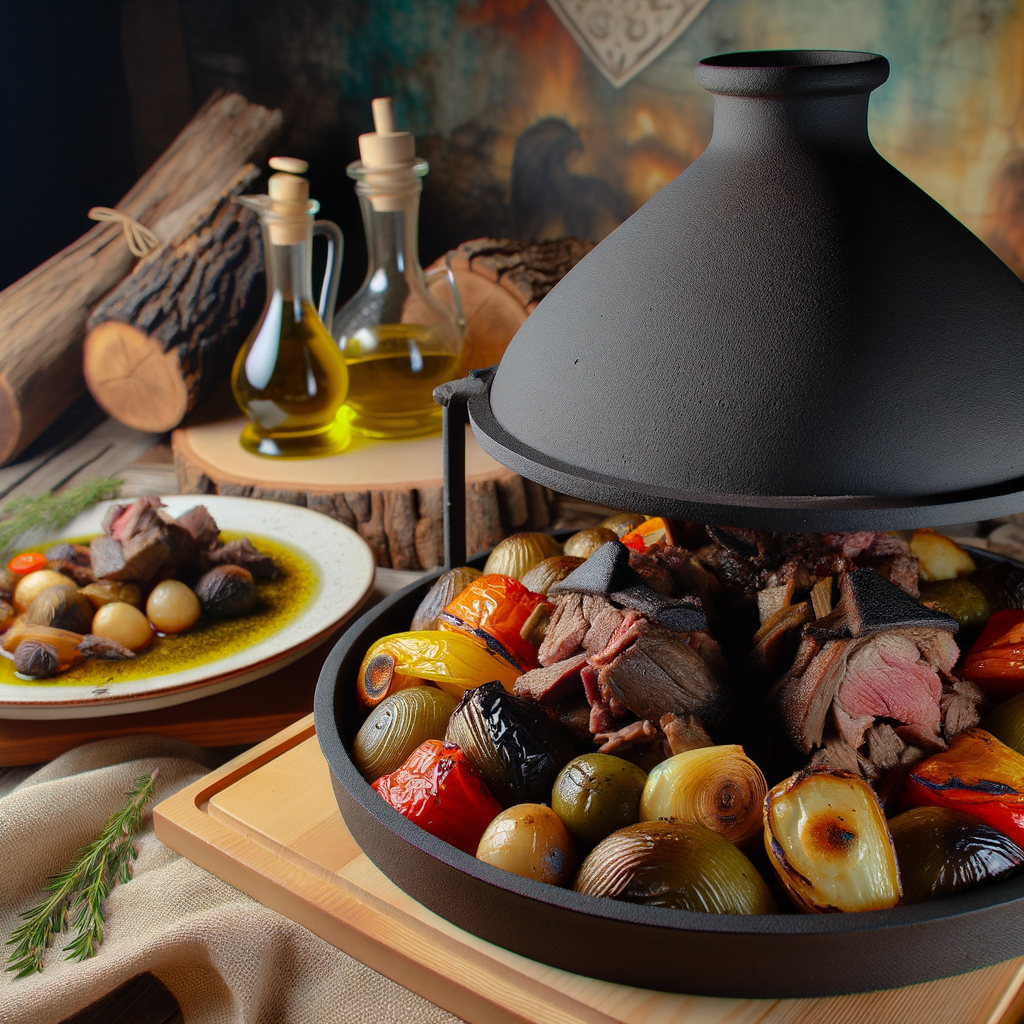
Peka
A traditional Croatian dish where meat (often lamb or beef) and vegetables are slowly cooked under an iron dome covered with coals. The result is tender meat and vegetables with a deep, smoky flavor.
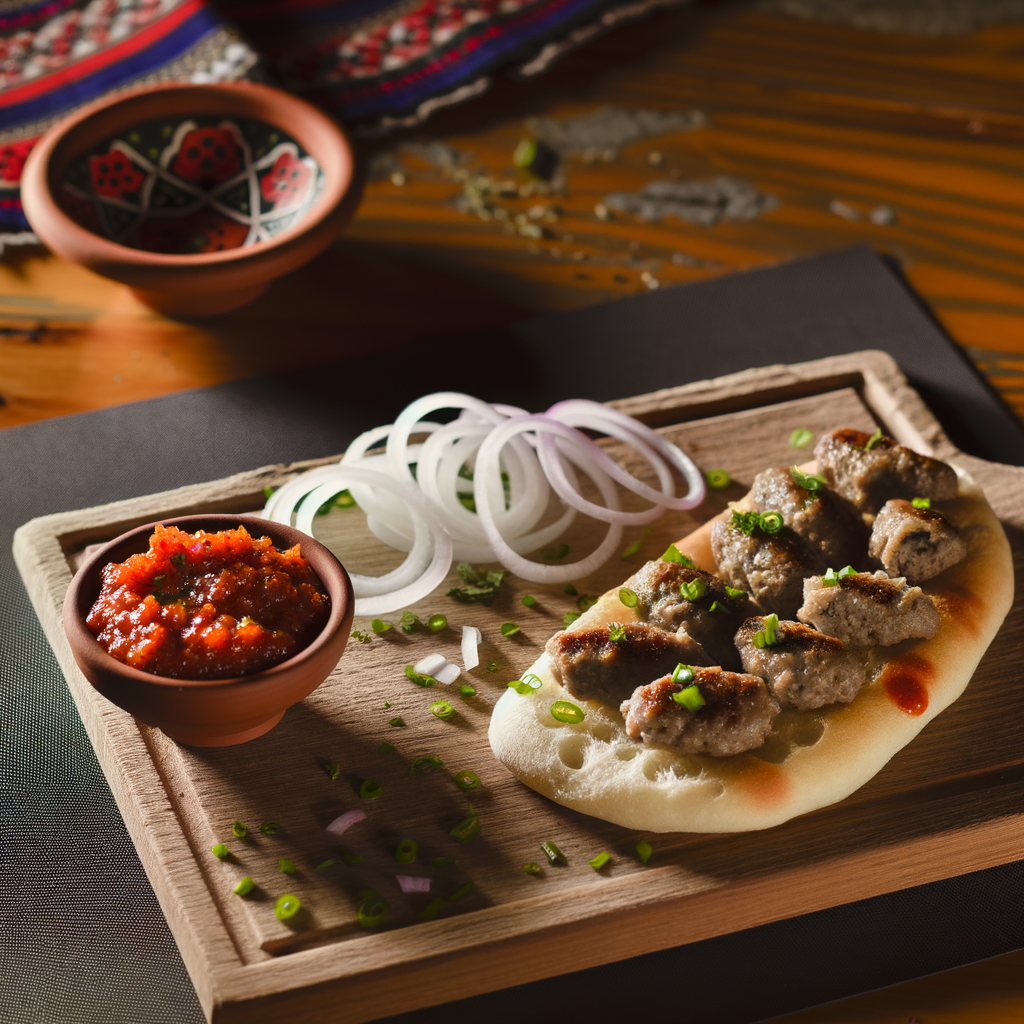
Ćevapi
Small, spicy minced meat rolls, often served with freshly baked lepinja bread, chopped onions, and ajvar (a roasted pepper puree). Popular both as street food and in restaurants.
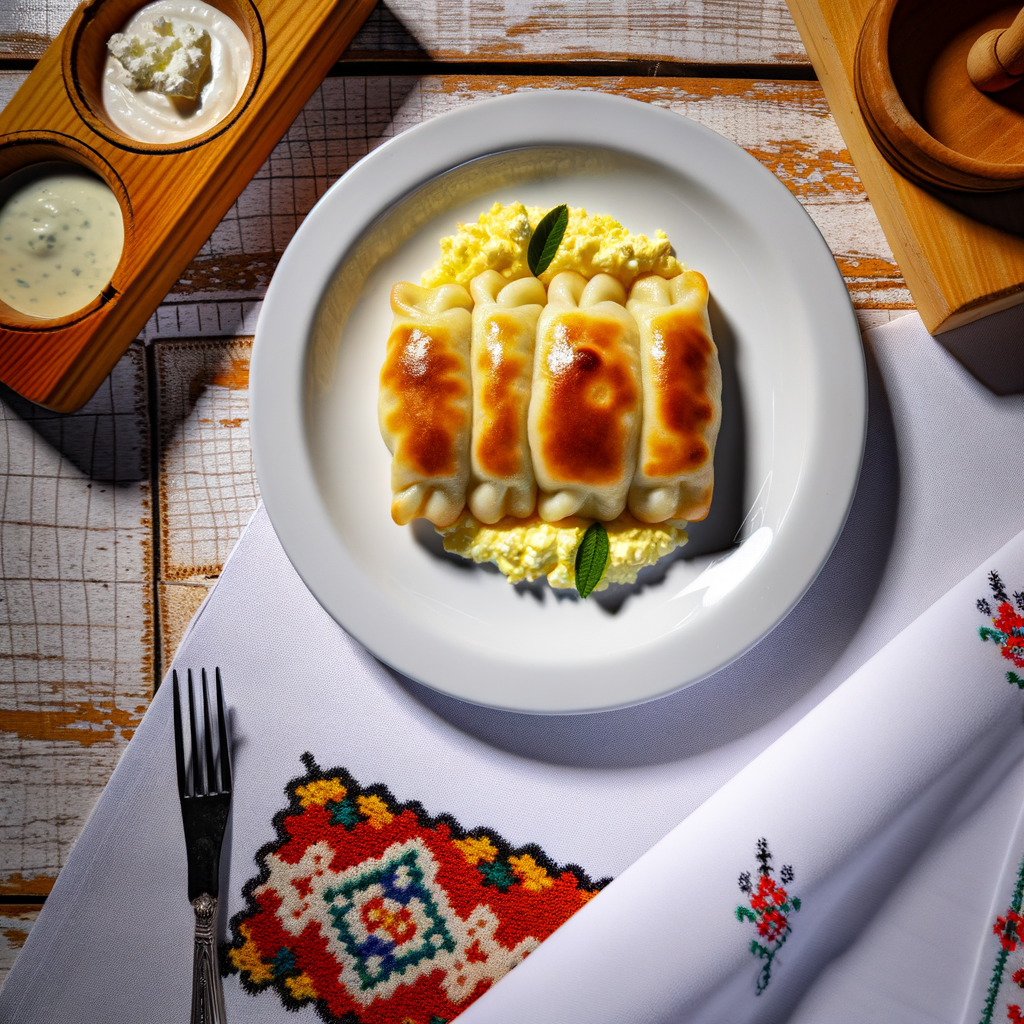
Strukli
A specialty from the Zagorje region, consisting of dough filled with fresh cheese and sour cream, which is either baked or boiled. Served both as an appetizer and dessert.
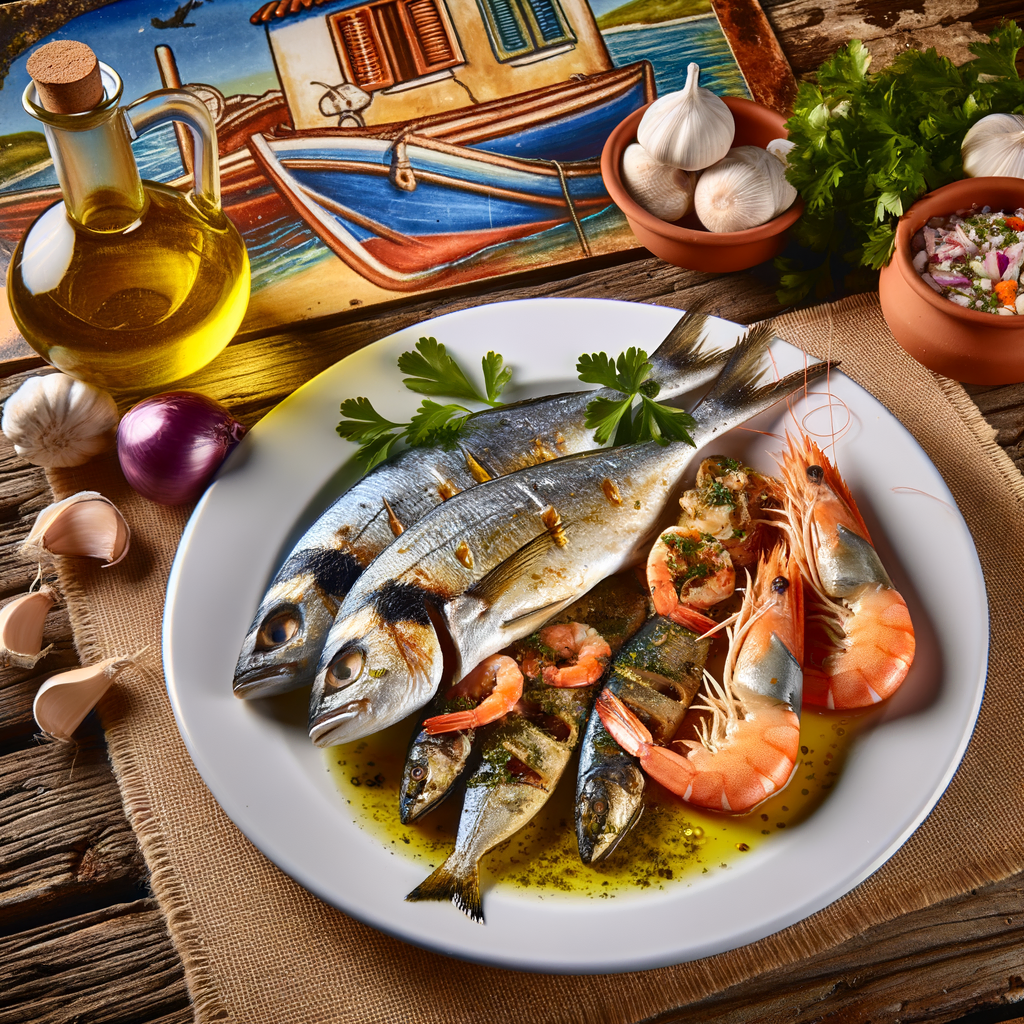
Fish and seafood from the Adriatic
Freshly caught fish such as sea bass, dorado, or sardines, often grilled and served with olive oil, garlic, and parsley. Seafood such as shrimp, mussels, and octopus are also popular.
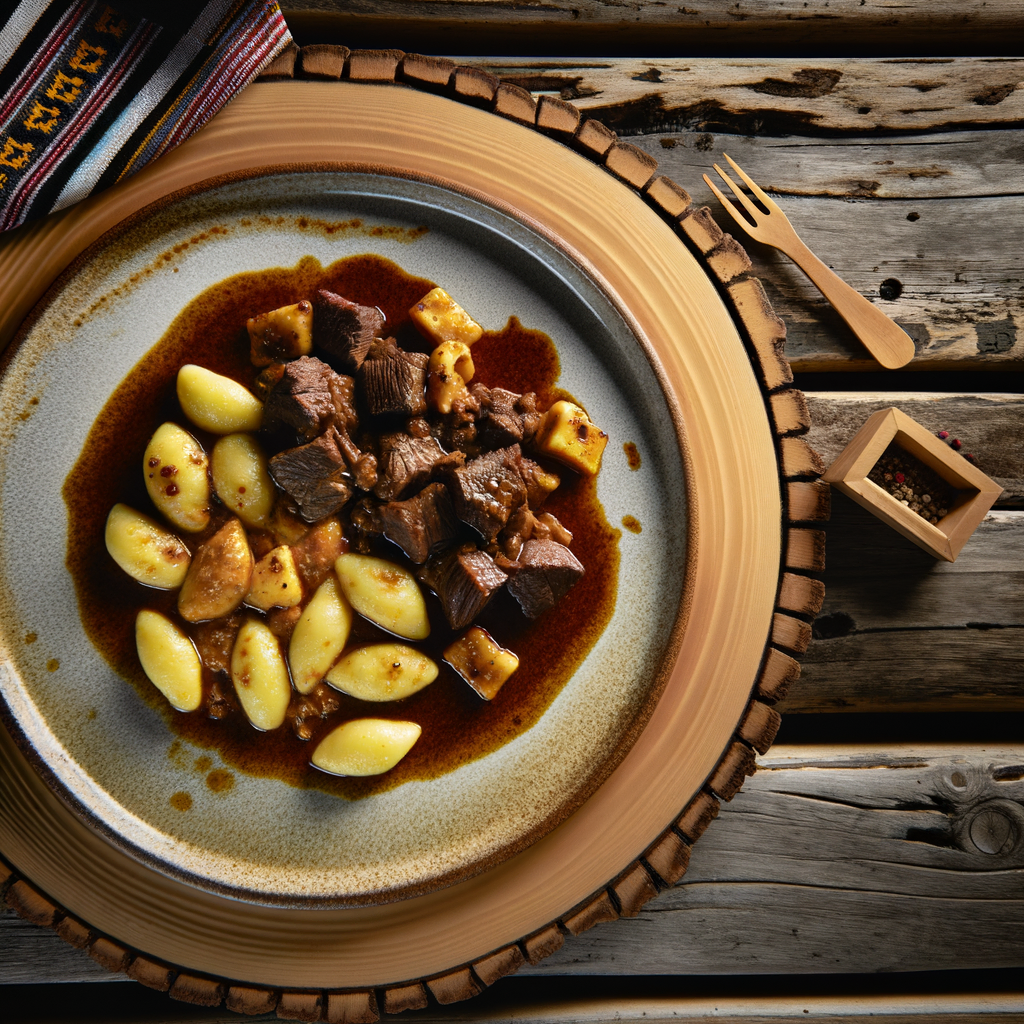
Pašticada
A Dalmatian classic featuring beef marinated in wine and spices, slowly braised and served with homemade gnocchi.
Restaurant information
Tipping
Tipping is not mandatory in Croatia, but it is common to round up or give 5-10% for good service. In cafés and bars, it is also common to simply round up to the nearest whole amount.
Travel information
Currency
Kuna (HRK)
Language
Croatian
Best time to visit
May-September
Major cities
Zagreb and other major cities
More countries in Europe
Discover more destinations in this region