
Hungary
Hungary: A land of timeless charm, where breathtaking architecture, soothing thermal baths, and vibrant traditions meet Budapest’s electric energy after dark.
Overview
Hungary is a hidden gem in the heart of Central Europe, where majestic cityscapes, historic castles, and breathtaking natural experiences collide. The capital, Budapest, enchants with its grand architecture alongside the Danube, iconic landmarks like the Parliament and Buda Castle, and the world-renowned thermal baths. With eight UNESCO World Heritage sites, from the medieval village of Hollókő to the stunning Aggtelek Caves, Hungary offers a sense of deeper connection to history. Indulge in authentic flavors such as gulyás and lángos while soaking in a hospitable culture that makes every visit memorable. This is a destination that combines the old and the new, ensuring an unforgettable adventure year-round.
Official language
Hungarian
Government
Parliamentary republic
Best time to visit
May-September
Nature
Hungary boasts a stunning array of landscapes that will captivate outdoor enthusiasts. The Hortobágy National Park, Europe’s largest continuous steppe area, is home to wild horses and rare bird species, offering a glimpse of traditional shepherd life. In the north, the Aggtelek caves unveil an underground world of breathtaking stalactites and stalagmites, recognized as a UNESCO World Heritage site. The famous Lake Balaton, often referred to as 'Hungary's Sea', features sandy beaches, picturesque villages, and rolling vineyards along its shores. The Fertő/Neusiedler Lake presents a unique cultural landscape rich in birdlife and cycling paths. With diverse terrains that range from gentle hills to rivers ideal for hiking and sailing, Hungary is a true paradise for nature lovers, particularly delightful during the warm months from May to September.
Travel to Hungary
Traveling to Hungary is both easy and rewarding, with Budapest serving as an excellent starting point. The city is well-connected with direct flights from numerous European destinations and efficient train and bus services to various regions. Accommodation ranges from luxurious hotels to charming guesthouses, and the compact city center is best explored on foot or by tram. Beyond the capital, immerse yourself in wine trails in Tokaj, beach holidays at Balaton, or hiking in national parks. The ideal travel period spans from May to September, offering pleasant weather, outdoor festivals, and vibrant markets. With its affable pricing, Hungary allows travelers to enjoy its rich culture, nature, and gastronomy without breaking the bank.
Culture
Hungarian culture is a vibrant tapestry woven from age-old traditions and contemporary creativity. Music is a cornerstone of this culture, with classical composers like Liszt and Bartók complementing the lively sound of folk music featuring the cimbalom. The culinary scene is rich and flavorful, showcasing iconic dishes such as gulyás and lángos, alongside sweet delights like dobostorte. Festivals celebrating food, wine, and music attract both locals and visitors, particularly in cities like Budapest, where the arts thrive in galleries and theaters. The traditional craftsmanship in rural villages, from pottery to embroidery, reflects a deep connection to heritage. Hungarian hospitality is palpable in every corner, making visitors feel welcomed in this cultural treasure trove.
History
Hungary's history is a captivating saga marked by kingdoms, empires, and cultural exchanges. Established in the year 1000 under King Stephen I, Hungary became a vital hub in Central Europe. The medieval era thrived with trade and artistic expression, although the nation faced Ottoman and later Habsburg domination. The 19th century heralded a national resurgence, leading Budapest to emerge as one of Europe’s grandest capitals. The tumultuous 20th century brought wars, communist rule, and the 1956 revolution. Following the fall of the Iron Curtain in 1989, Hungary transitioned into a democratic republic and joined the EU in 2004. This rich history is reflected in the architecture, monuments, and traditions that grace the nation.
Top attractions
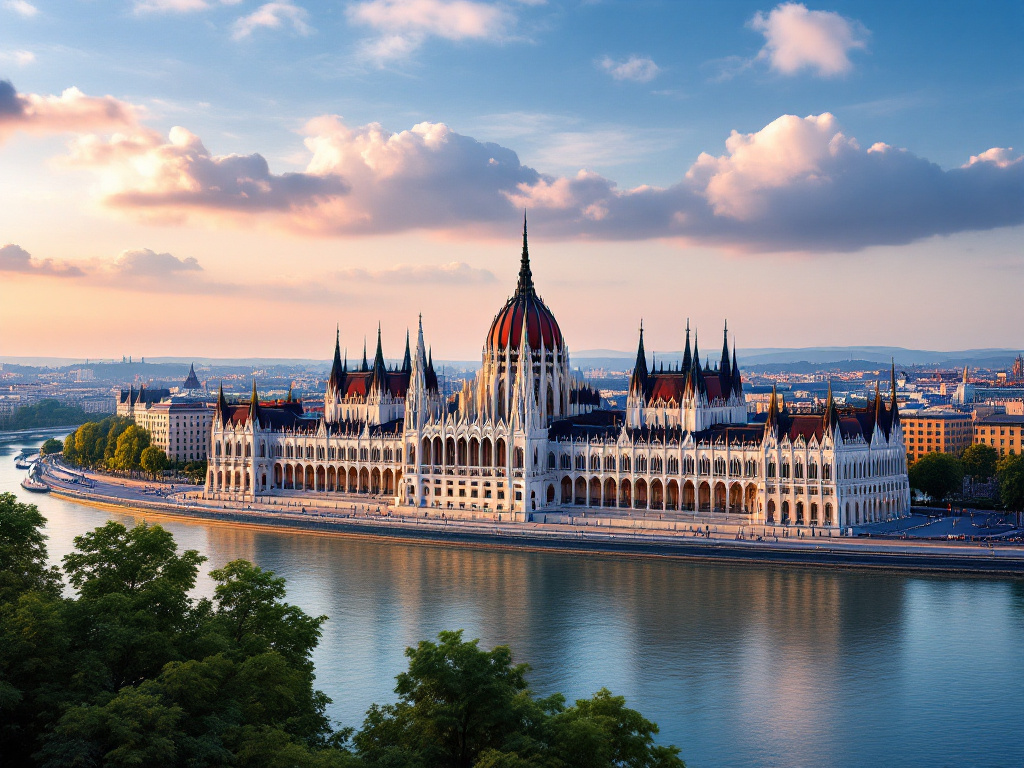
The Hungarian Parliament
One of Europe's largest and most impressive parliament buildings, located directly by the Danube in Budapest.
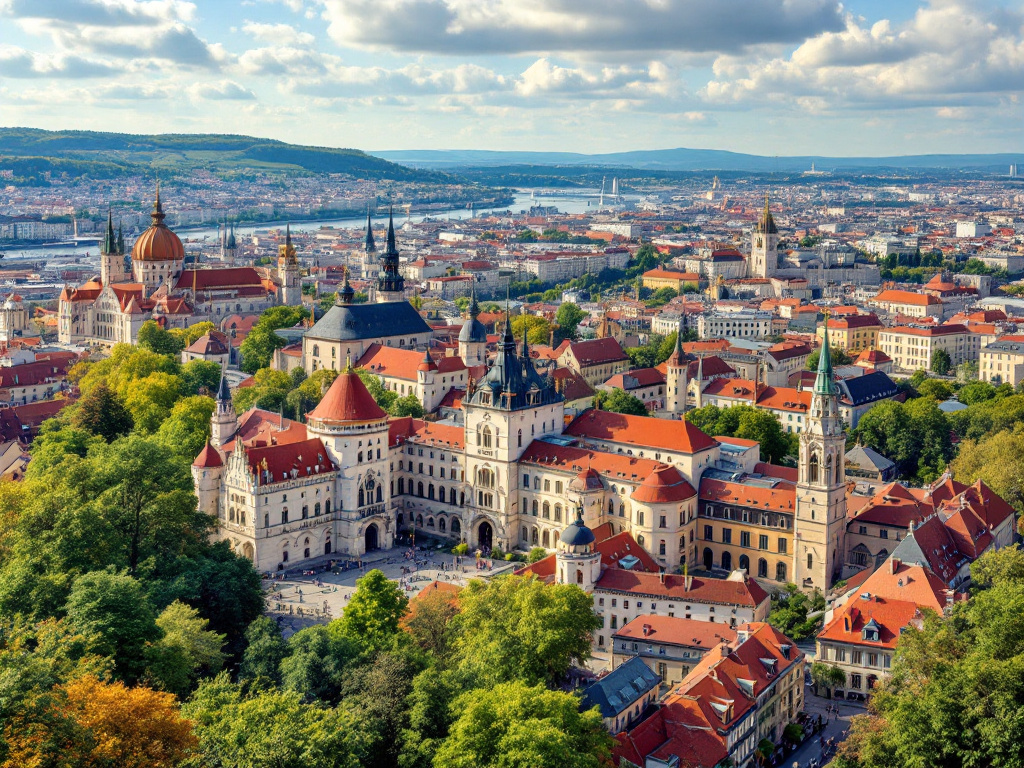
Buda Castle
Historical castle complex on Castle Hill with museums and unique views over Budapest.
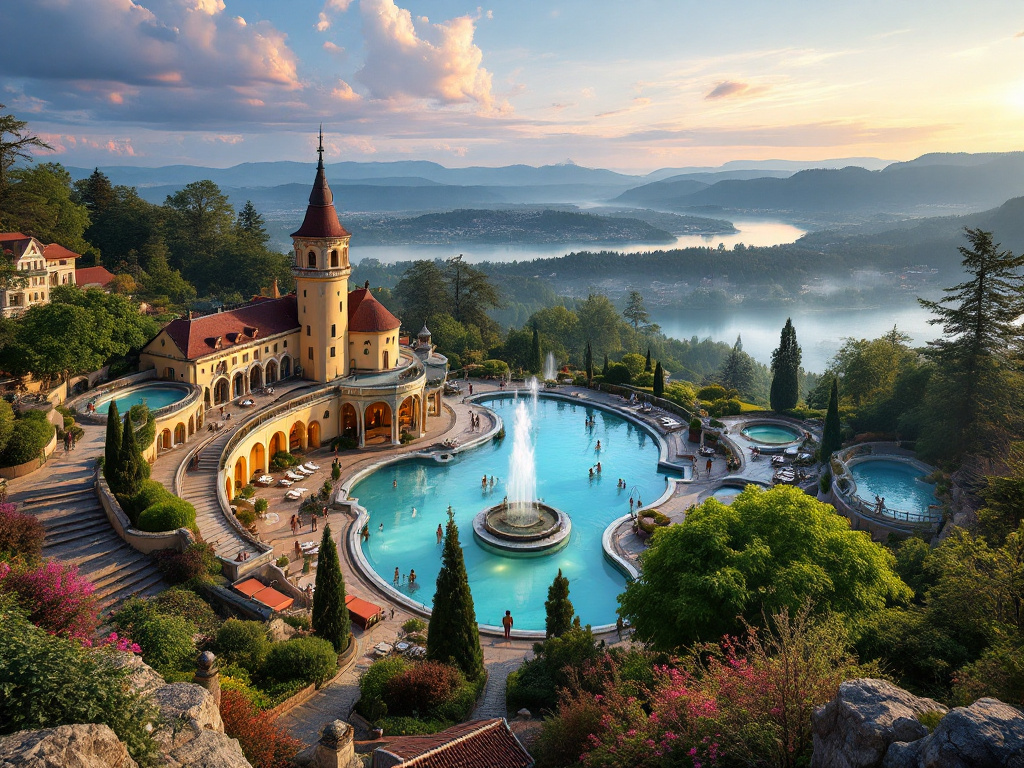
Széchenyi Thermal Bath
Europe's largest thermal bath complex, known for its warm pools and beautiful architecture.
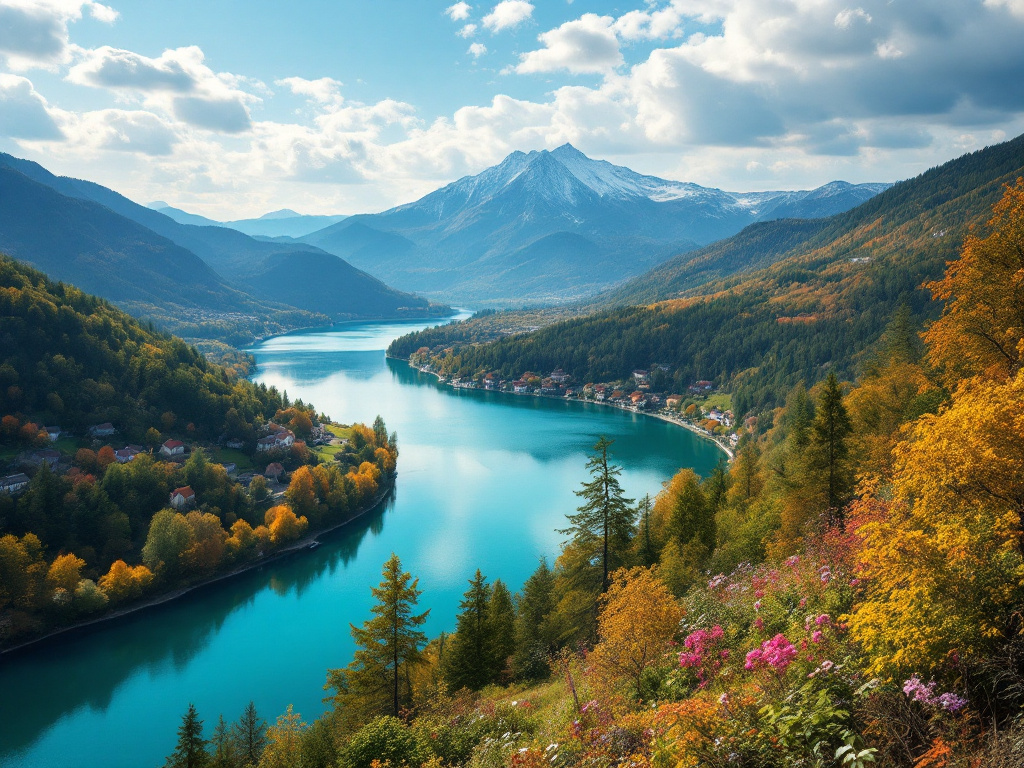
Lake Balaton
Central Europe's largest lake and a popular holiday destination with beaches, wine, and cozy towns.
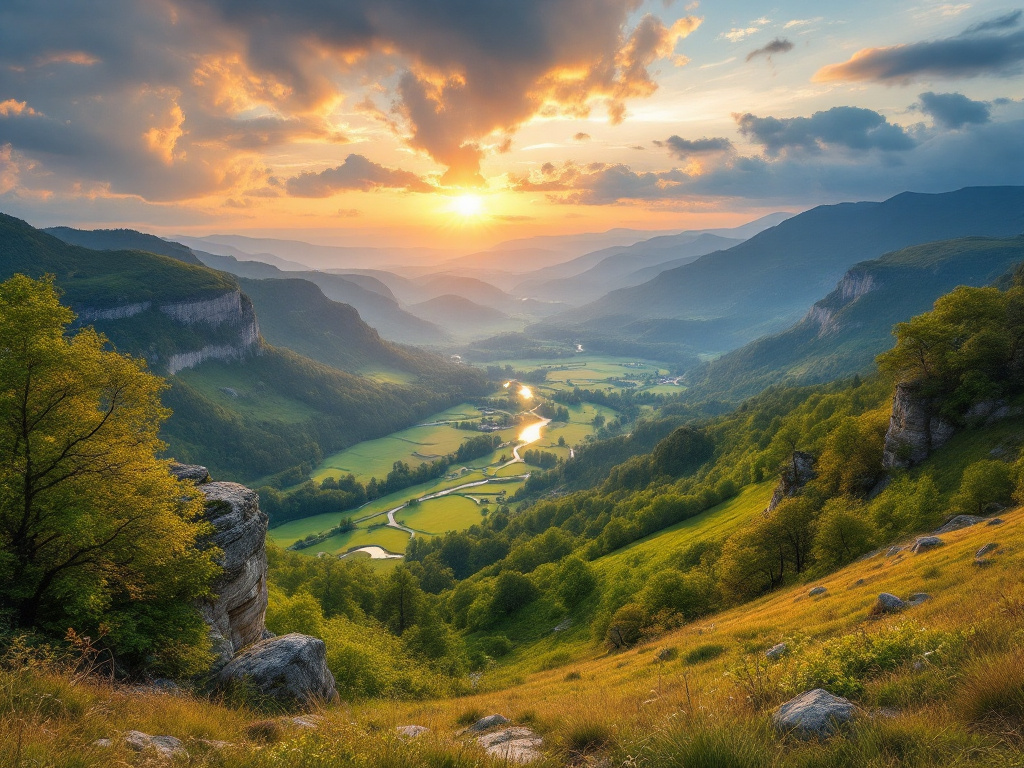
Hortobágy National Park
Hungary's oldest national park with open plains, wildlife, and cultural traditions.
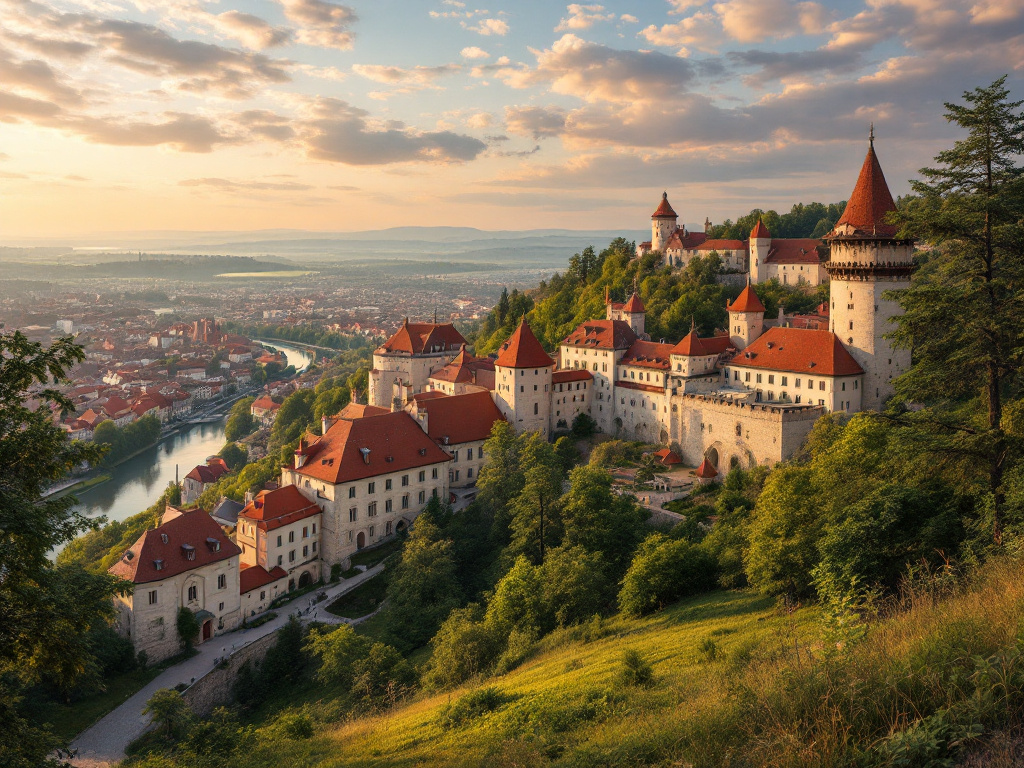
Eger Castle Ruin
Historical fortress known for its defense against the Ottomans and great views over Eger.
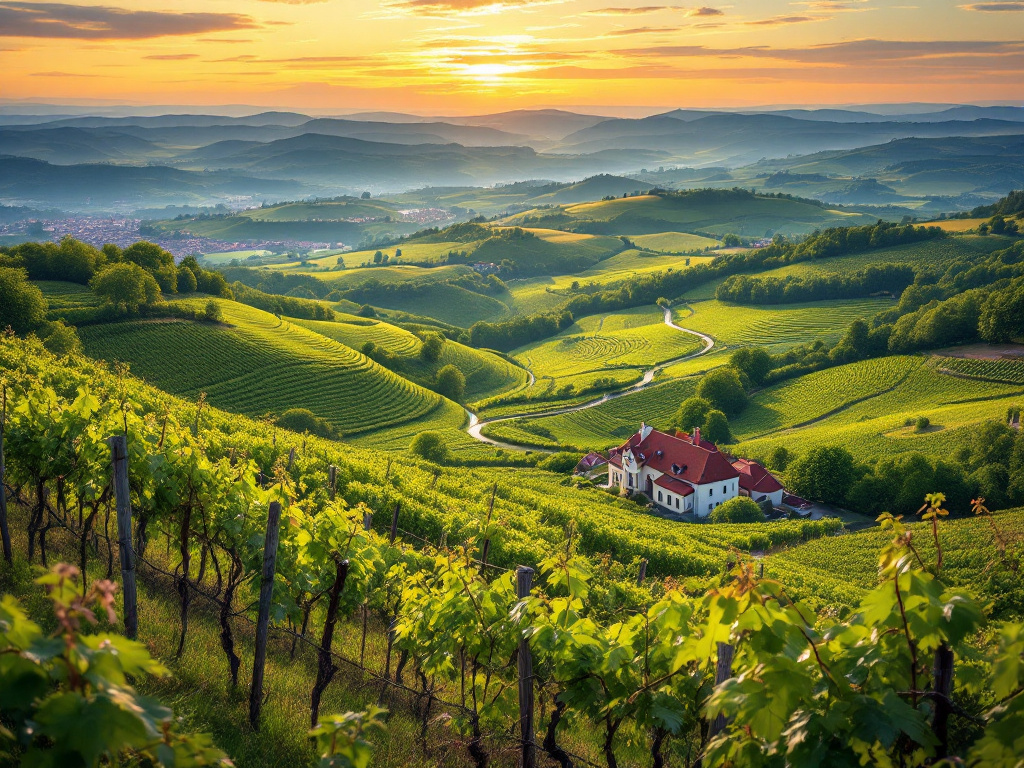
Tokaj Wine Region
World-renowned wine region famous for its sweet Tokaj Aszú wines and beautiful landscape.
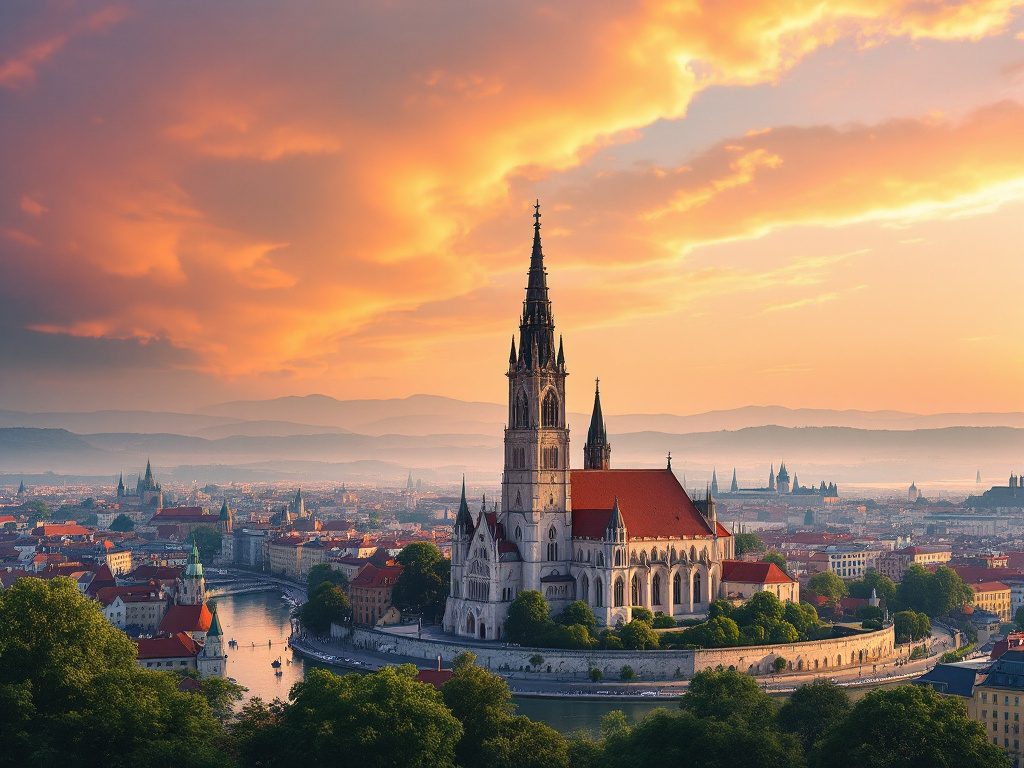
Pécs Cathedral
Impressive cathedral in Pécs with deep historical roots and beautiful architecture.
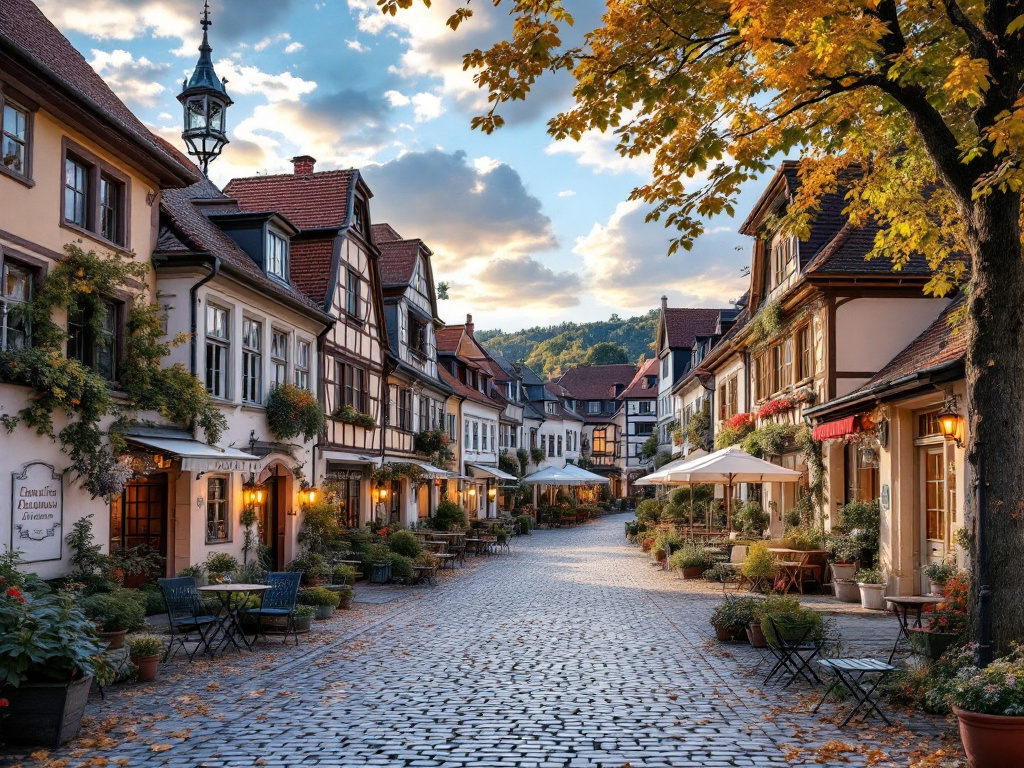
Szentendre Old Town
Charming artist town with colorful houses, cafes, and museums near Budapest.
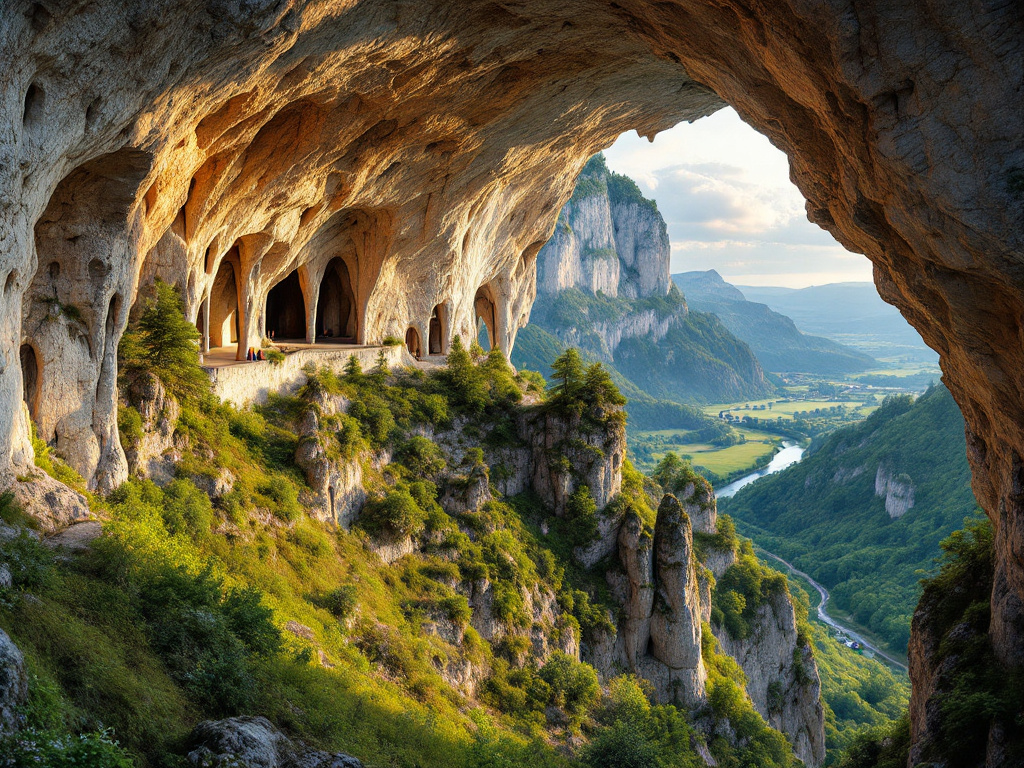
Aggtelek Caves
UNESCO-listed stalactite caves with impressive formations and guided tours.
Famous cuisine
Culinary overview
Hungarian cuisine is a rich blend of Central European flavors, spiced with paprika and characterized by hearty, tasty dishes. Traditional meals are often based on meat, root vegetables, and fresh vegetables, accompanied by bread or noodles. Soups play an important role, and the wine and dessert culture is deeply rooted in the country's history. From street food stalls serving crispy lángos to elegant restaurants with modern interpretations of classics, Hungary offers a culinary journey for every taste.
Must-try dishes
.webp)
Gulyás (Goulash)
A hearty soup made with beef, potatoes, carrots, and plenty of paprika. Often served with freshly baked bread and is a national dish in Hungary.
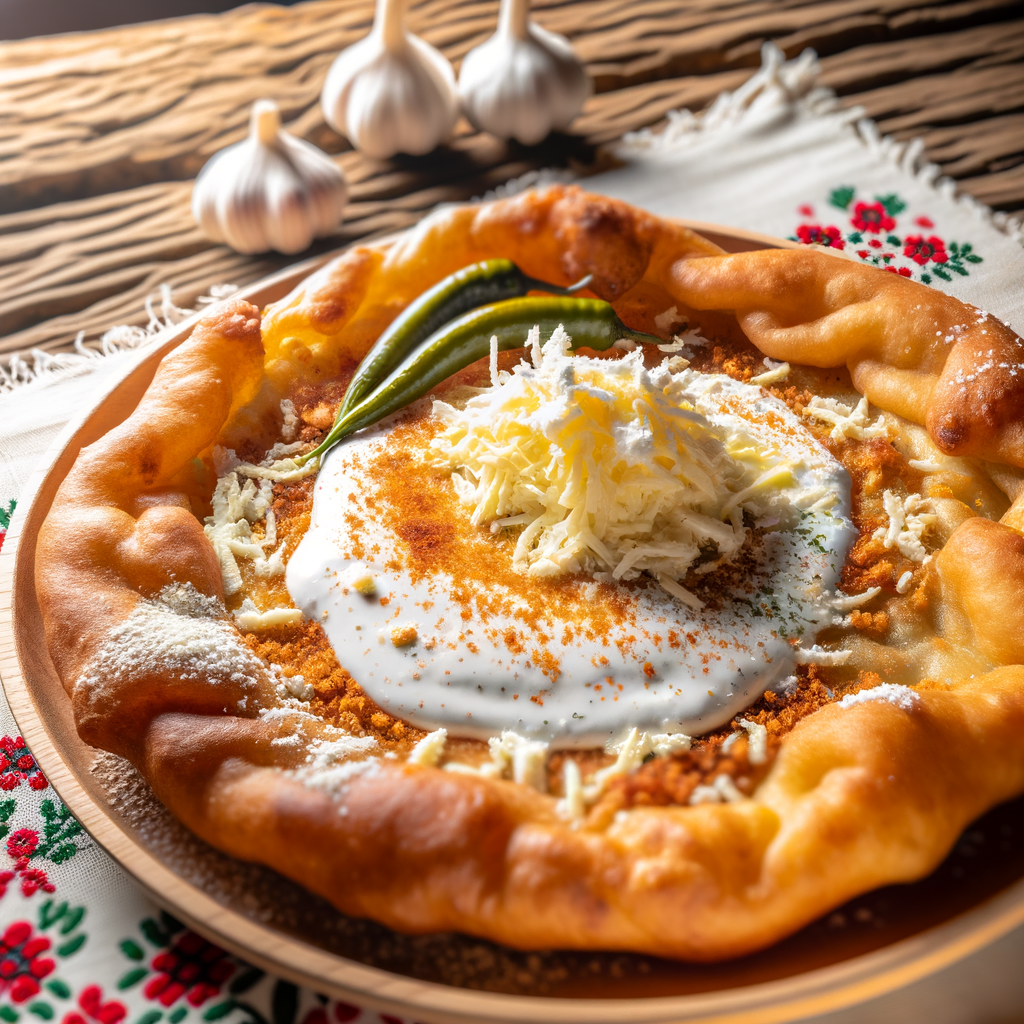
Lángos
Deep-fried dough topped with garlic, sour cream, and grated cheese. A popular street food, especially at markets and festivals.
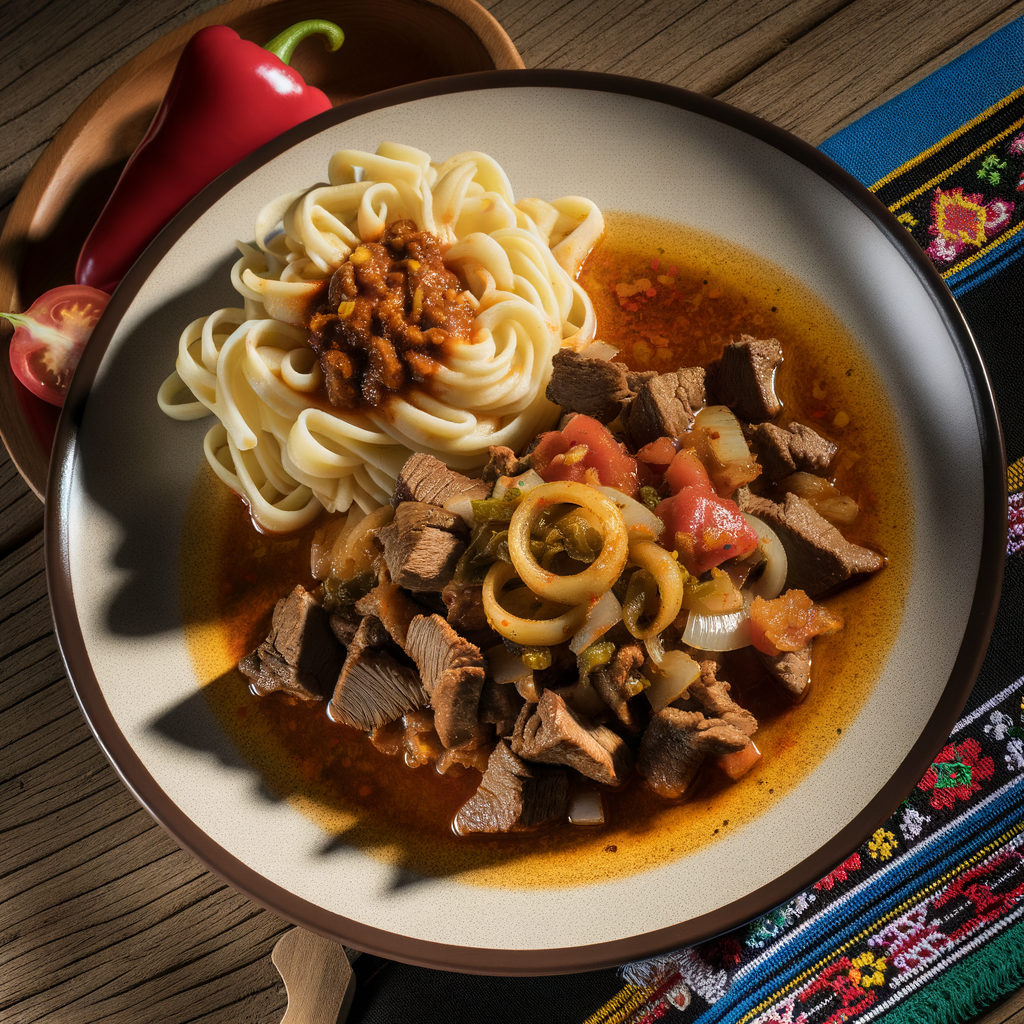
Pörkölt
A stew made with beef or pork, onions, paprika, and tomatoes, often served with galuska (Hungarian egg noodles).
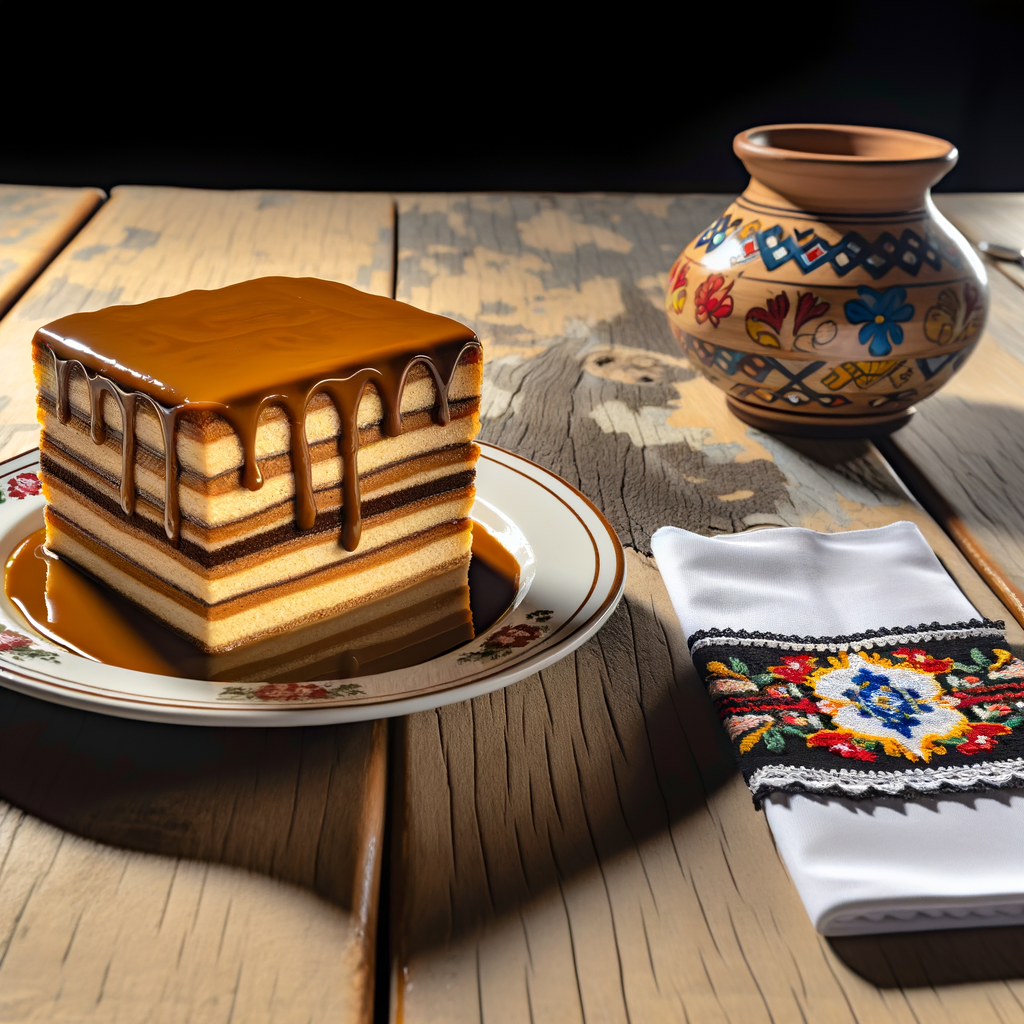
Dobostorte
A layer cake with alternating layers of sponge cake and chocolate cream, topped with a layer of caramel. Invented by Hungarian pastry chef József Dobos.
.webp)
Halászlé (Fish Soup)
A spicy fish soup made with freshwater fish from the Danube or Tisza, rich in paprika and often served with bread.
Restaurant information
Tipping
In Hungary, it is common to give 10-15% in tips at restaurants if tips are not already included in the bill. It is polite to give the tip directly to the waiter instead of leaving it on the table.
Travel information
Currency
Forint (Ft)
Language
Hungarian
Best time to visit
May-September
Major cities
Budapest and other major cities
More countries in Europe
Discover more destinations in this region