
Indonesia
Indonesia, a captivating archipelago with over 17,000 islands, offers breathtaking landscapes, vibrant cultures, and adventures ranging from ancient temples to pristine beaches.
Overview
Indonesia, the world's largest archipelago with over 17,000 islands, is a true paradise for travelers seeking a unique blend of natural beauty, cultural richness, and adventure. From Bali's golden beaches and spiritually significant rice fields to the awe-inspiring UNESCO World Heritage Sites of Borobudur and Prambanan, the country offers unforgettable experiences at every turn. Discover the remarkable Komodo National Park, home to the legendary Komodo dragon, dive into the crystal-clear waters of Raja Ampat, or conquer the breathtaking heights of Mount Bromo. With a diverse cultural heritage, exotic cuisine, and unparalleled biodiversity, Indonesia captivates and enchants every visitor.
Official language
Indonesian
Government
Presidential republic
Best time to visit
May to September (dry season)
Nature
Indonesia's nature is a spectacular tapestry of landscapes that includes tropical rainforests, active volcanoes, stunning coral reefs, and snow-capped mountains. Stretching across the equator, the country is home to some of the world's most unique wildlife, including orangutans, Sumatran rhinos, and tigers found in Sumatra's last remaining habitats. Papua's untouched Lorentz National Park showcases pristine rainforests and glaciers, while Bali enchants visitors with its lush rice terraces and dramatic coastlines. Komodo National Park offers unique ecosystems and is famous for the giant Komodo dragon, while the underwater paradise of Raja Ampat boasts the world's highest concentration of coral species. The best time to visit Indonesia is during the dry season, from May to September, when outdoor adventures like hiking up Mount Bromo or diving in Raja Ampat reach their peak enjoyment.
Travel to Indonesia
Traveling to Indonesia is a journey into a land of contrasts and adventure. The ideal time to visit is during the dry season from May to September when the weather is perfect for beach lounging, hiking, and diving. Most international flights land in Jakarta, Bali, and Surabaya, and domestic travel is convenient with flights, ferries, and trains connecting the islands. Travelers can mix relaxation on Bali's beaches with cultural exploration on Java, adventurous excursions in Komodo National Park, and diving in Raja Ampat. Hiking experiences on Mount Bromo or Rinjani guarantee breathtaking vistas, while Sumatra and Papua offer authentic encounters with nature and local cultures. Indonesia is also a food lover's paradise, with each region presenting unique flavors and culinary traditions. Whether you're looking for luxury resorts, backpacking adventures, or untouched paradise islands, Indonesia has something for every traveler.
Culture
Indonesia is a vibrant cultural mosaic, with over 300 ethnic groups and more than 700 languages spoken throughout the archipelago. The diverse culture is reflected in its rich traditions, from the majestic Hindu and Buddhist temples of Borobudur and Prambanan on Java to the unique Balinese Hindu culture, filled with colorful ceremonies, music, and art. The sounds of gamelan orchestras blend with modern pop, creating an ever-evolving music scene, while traditional crafts such as batik and wood carving thrive alongside contemporary design. The culinary landscape is equally varied, featuring beloved dishes like Nasi Goreng, Satay, Rendang, and Gado-Gado, which highlight the region's fresh ingredients and spices. Religion plays an important role, with Islam being the predominant faith, but Christianity, Hinduism, and Buddhism also have significant presence, making Indonesia a fascinating place to explore and experience daily life.
History
Indonesia's history is marked by a rich tapestry of trade, colonization, and cultural exchange. For millennia, the archipelago has been a vital hub for maritime trade routes, attracting merchants from India, China, the Middle East, and Europe, particularly for precious spices like nutmeg and cloves. Powerful kingdoms, such as Srivijaya and Majapahit thrived from the 7th century, spreading Hindu and Buddhist influences across the region. The arrival of European colonial powers in the 16th century reshaped the islands, leading to the establishment of the Dutch East Indies, which dominated until the Japanese occupation during World War II. Indonesia declared its independence in 1945 under Sukarno's leadership, forever altering its course. The echoes of this complex history resonate in the nation's diverse architecture, traditions, and cultural amalgamation that continue to shape Indonesian identity today.
Top attractions
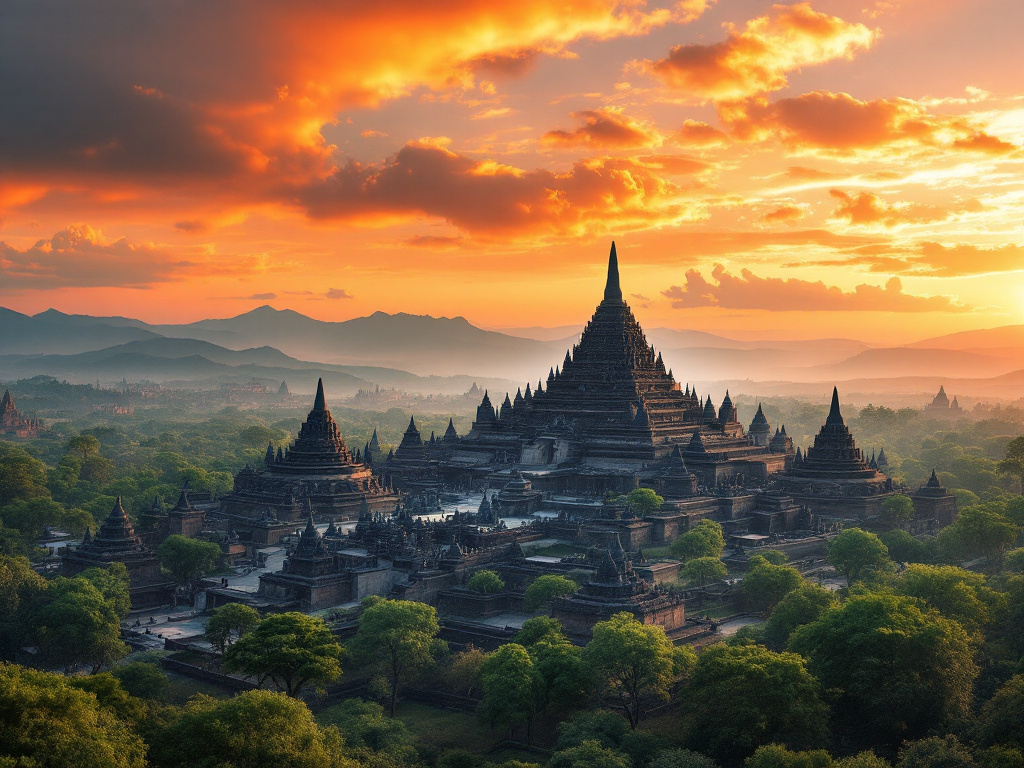
Borobudur Temple
A huge and intricately detailed 9th century Buddhist temple, one of Indonesia's most famous landmarks.
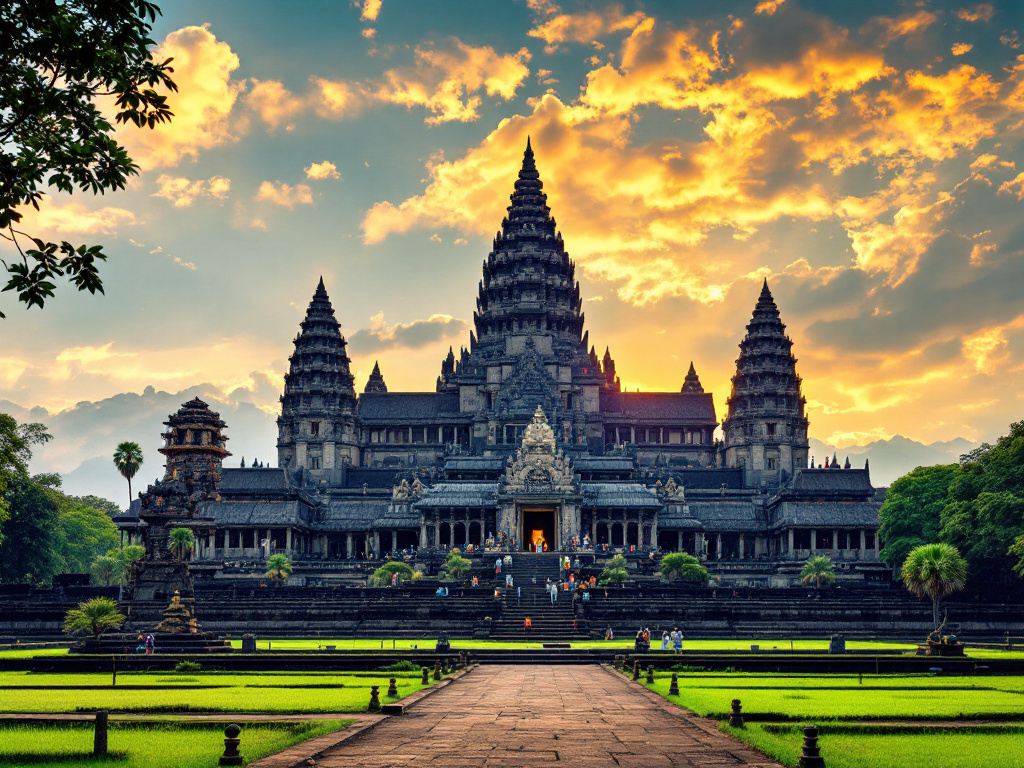
Prambanan Temple
A large Hindu temple complex dedicated to Shiva, known for its tall central structure and intricate carvings.
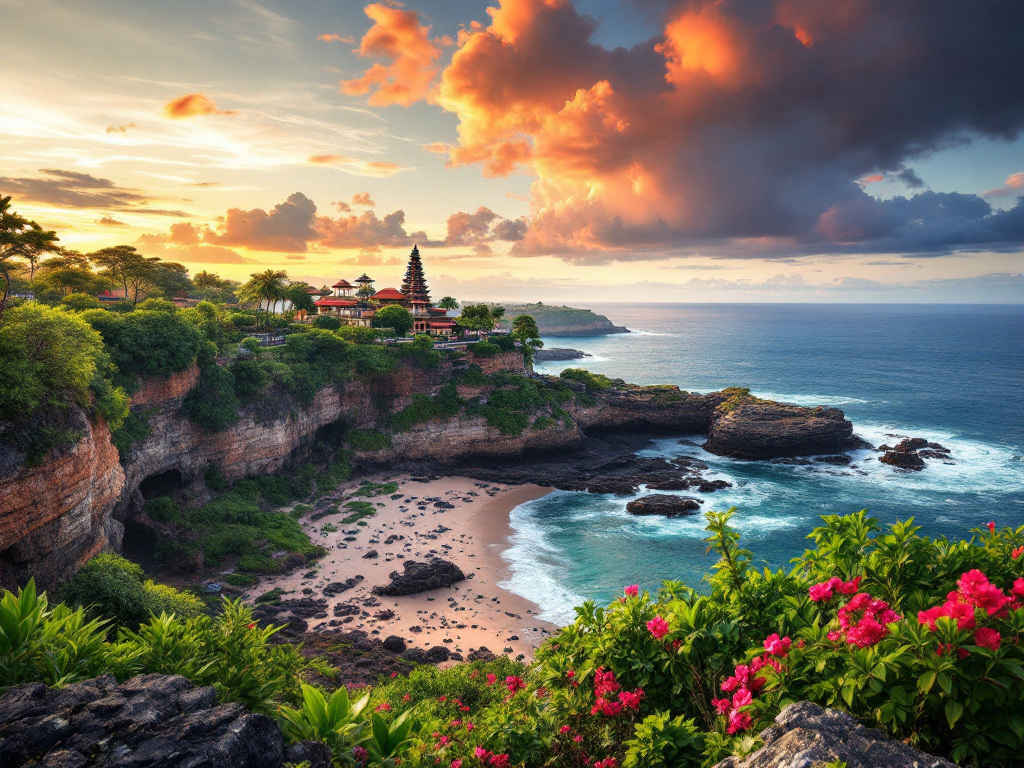
Tanah Lot
An iconic Balinese temple built on a rock formation surrounded by the sea.
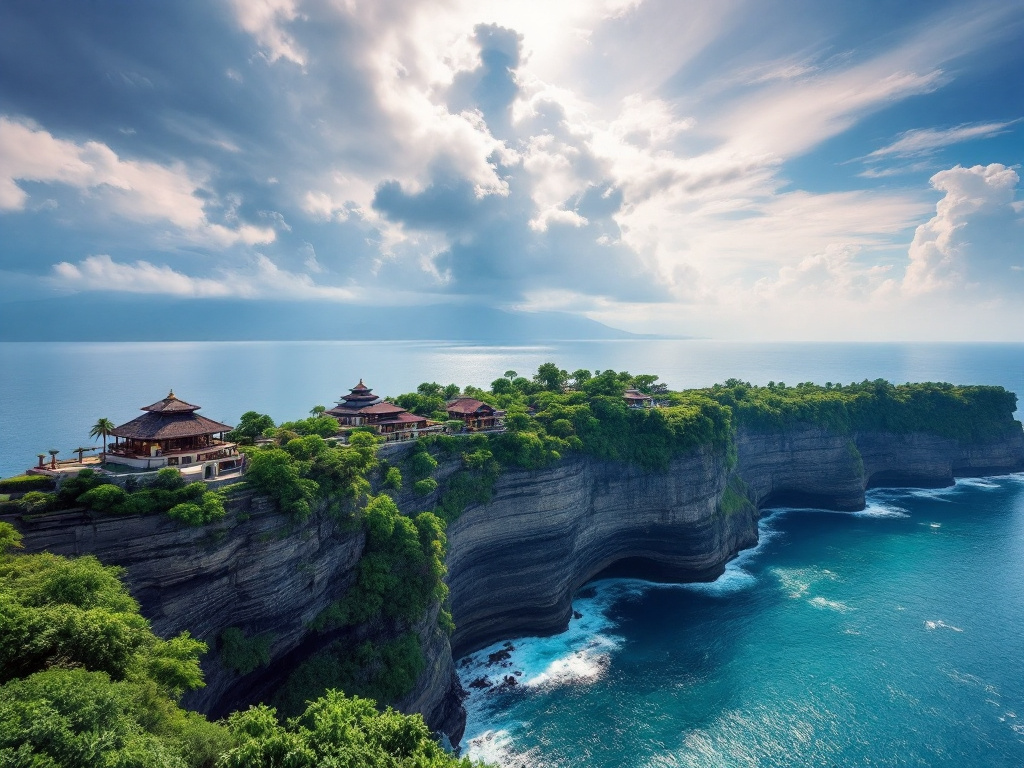
Uluwatu Temple
A dramatically situated temple overlooking the Indian Ocean, known for its sunsets and dance shows.

Komodo National Park
A unique national park with the world's largest lizards and rich marine life.
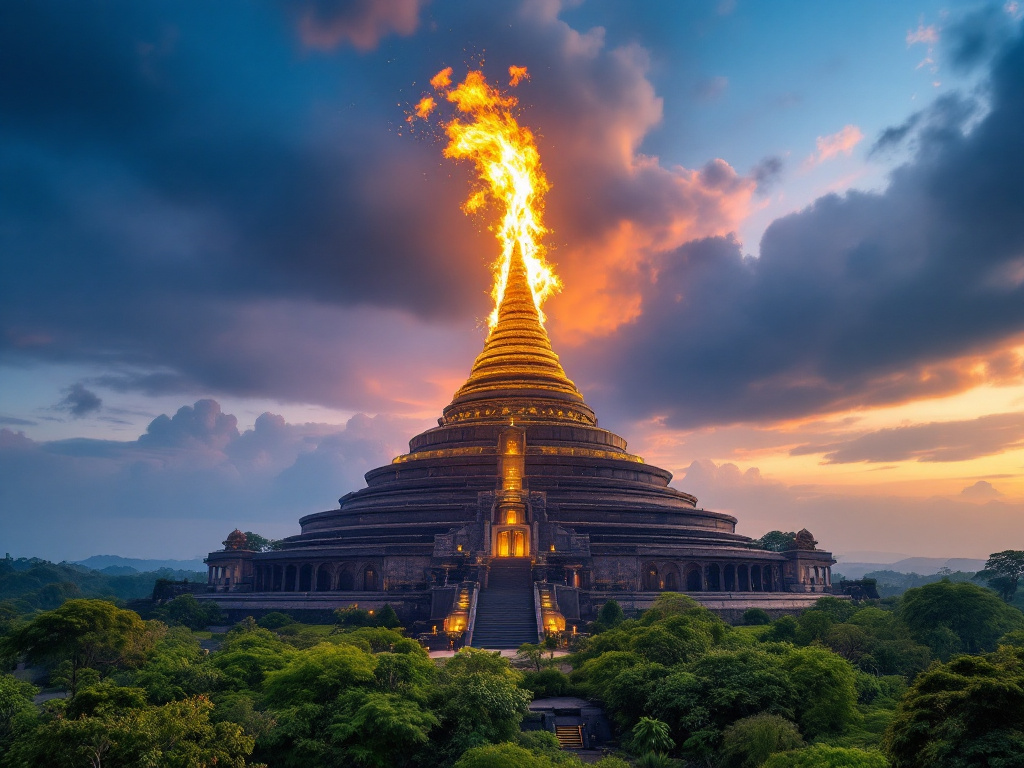
Monas National Monument
A symbol of Indonesia's independence with a gold-plated flame on top.

Bromo Tengger Semeru National Park
A dramatic volcanic landscape with some of Indonesia's most iconic views.

Ubud Monkey Forest
A green nature reserve in the heart of Ubud, known for its playful macaques.

Raja Ampat Archipelago
One of the world's most biodiverse marine areas with spectacular island landscapes.
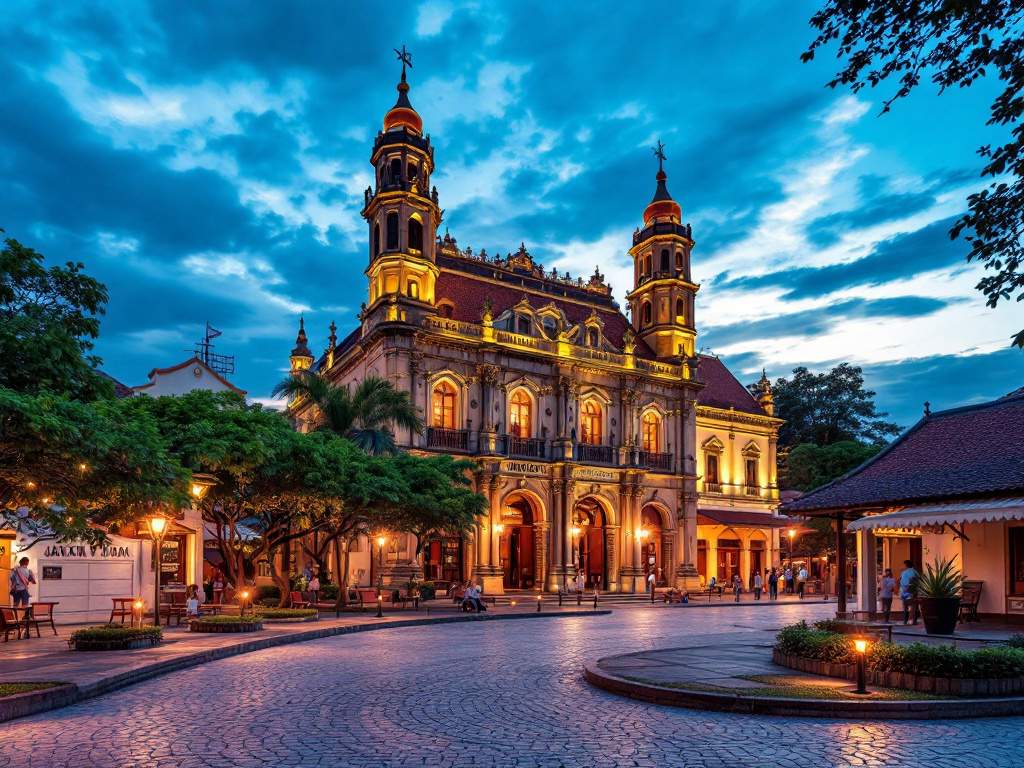
Jakarta Old Town
The historical center of Jakarta with museums, squares, and colonial buildings.
Famous cuisine
Culinary overview
Indonesian cuisine is a colorful fusion of flavors that reflects the country's diverse cultures and island traditions. From spicy Sumatra dishes to milder Balinese specialties, the food is characterized by fresh spices, coconut milk, chili, and aromatic herbs. Street food is a central part of the food culture, with markets overflowing with satay grills, fresh fruits, and steaming noodle soups. Rice is the staple food, often accompanied by vegetables, fish, or meat, and sambal (chili paste) is almost always on the table.
Must-try dishes
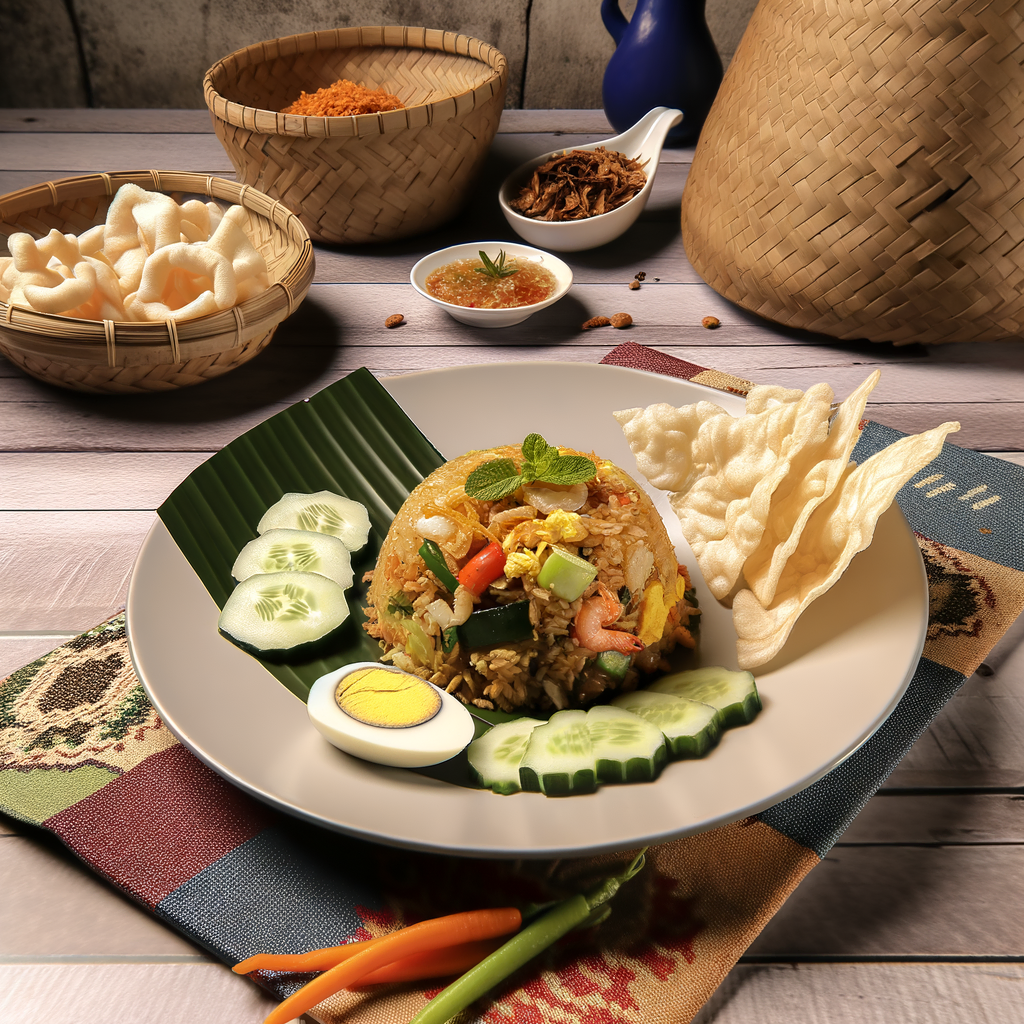
Nasi Goreng
Fried rice with sweet soy sauce, eggs, vegetables, and often chicken or shrimp. Typically served with crispy shrimp chips and fresh cucumber.
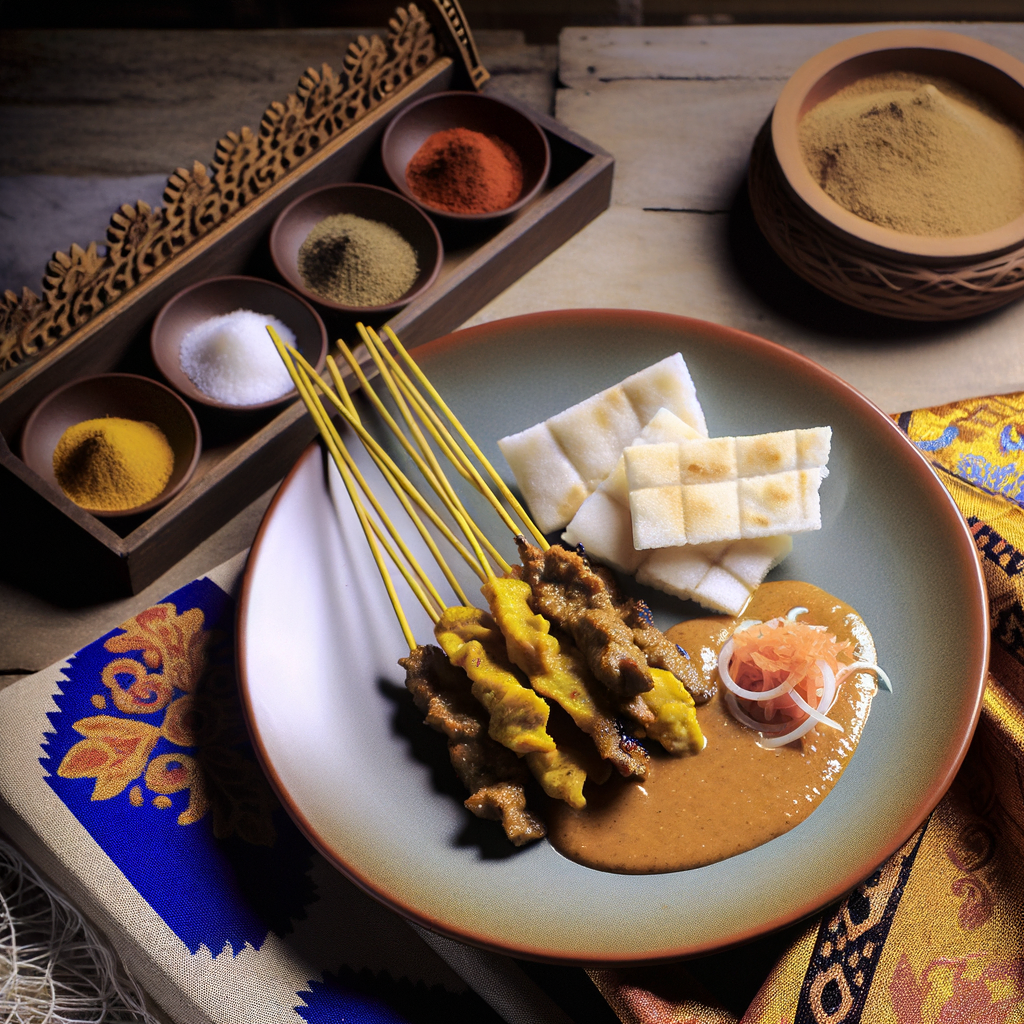
Satay
Grilled meat skewers, often of chicken or beef, served with a creamy peanut sauce and rice cakes (lontong).
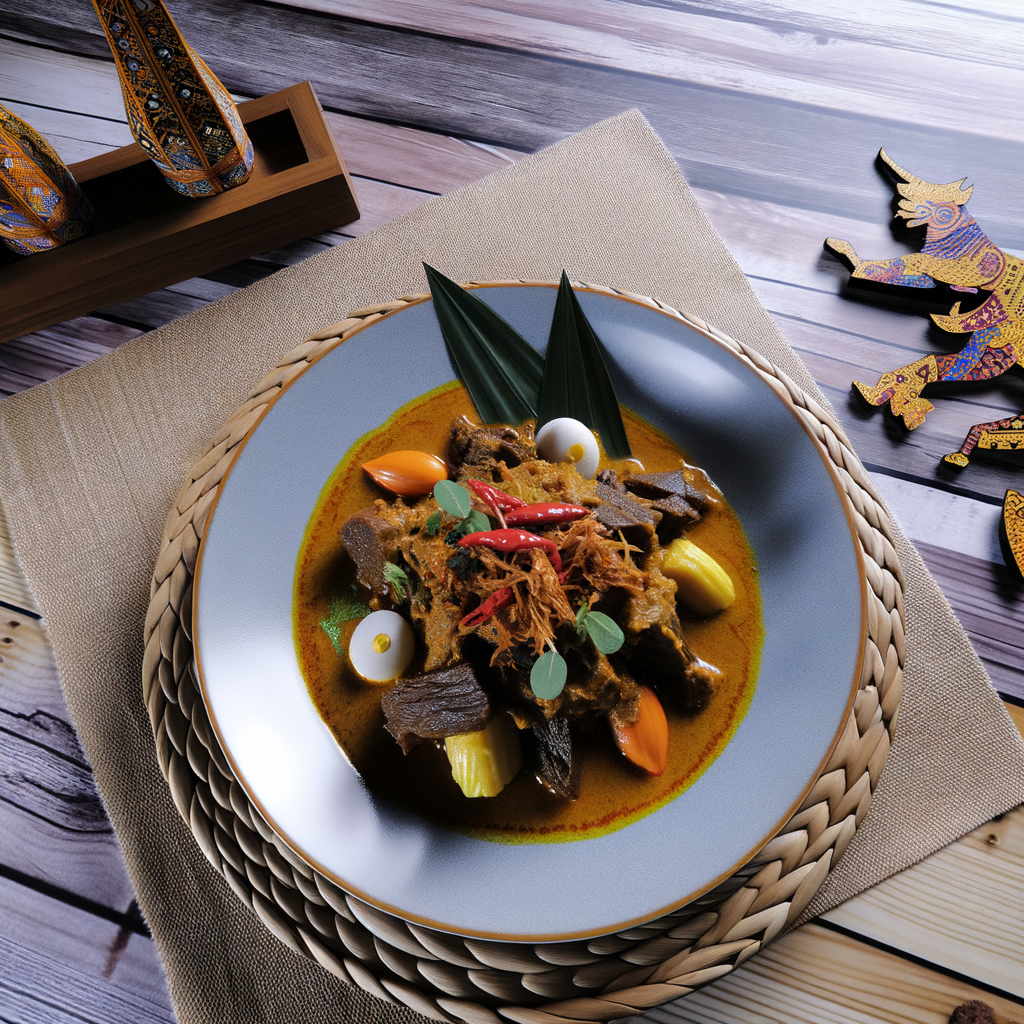
Rendang
Slow-cooked beef in coconut milk and spices, originally from the Minangkabau people of Sumatra. Known for its deep, complex flavor.
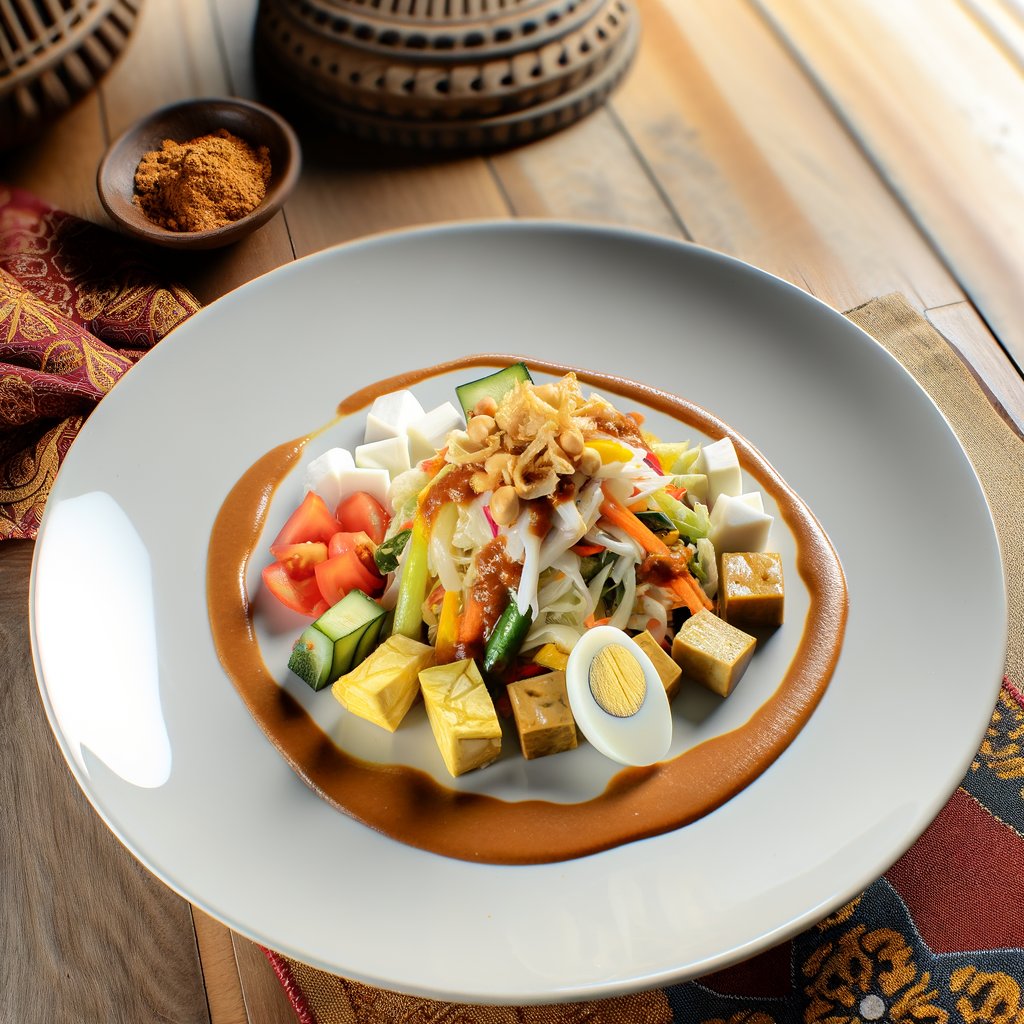
Gado-Gado
Salad of blanched vegetables, tofu, tempeh, and hard-boiled eggs, drizzled with a rich peanut sauce.
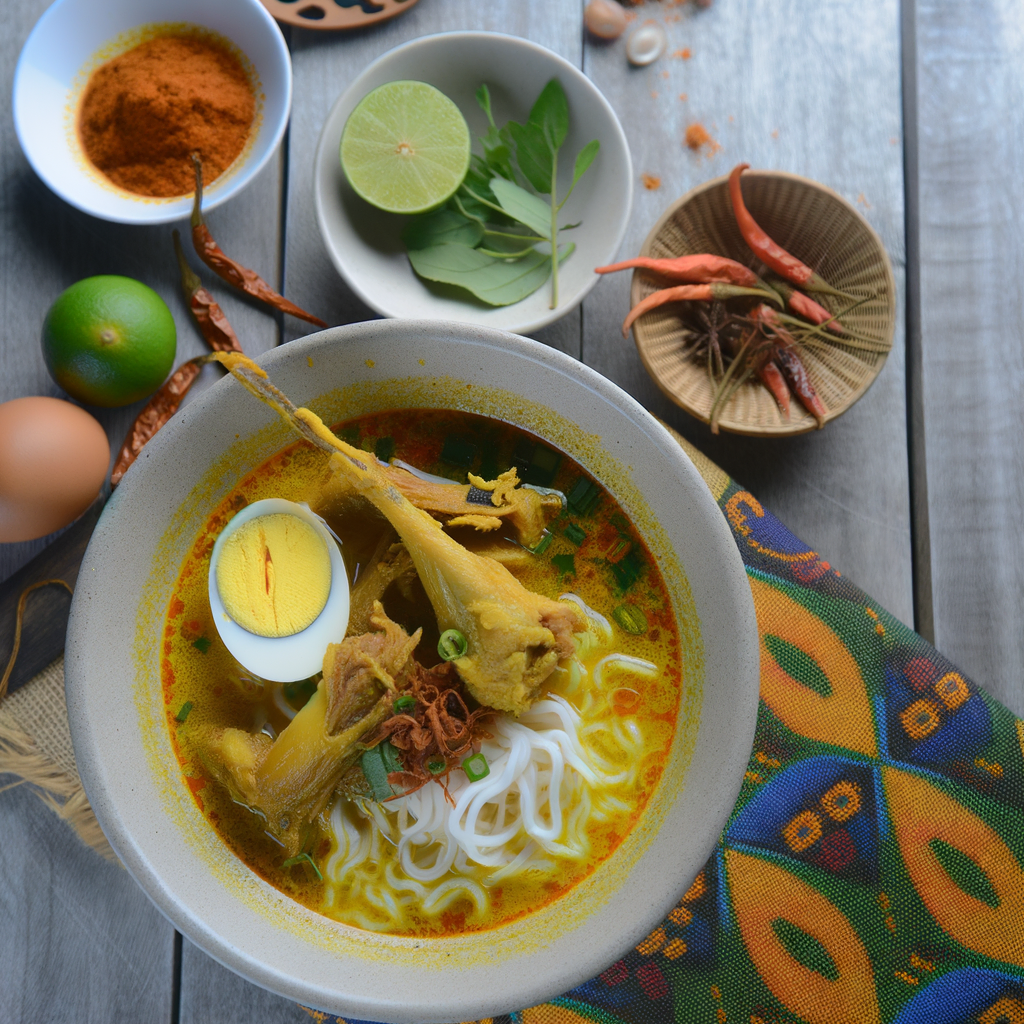
Soto Ayam
Spiced chicken soup with turmeric, rice noodles, boiled eggs, and fresh herbs. Often served with lime and sambal.
Restaurant information
Tipping
Tipping is not mandatory in Indonesia, but it is appreciated. In restaurants, rounding up or giving 5-10%, especially in tourist areas, is common. Many places already include a service charge on the bill.
Travel information
Currency
Indonesian Rupiah (Rp)
Language
Indonesian
Best time to visit
May to September (dry season)
Major cities
Jakarta and other major cities
More countries in Asia
Discover more destinations in this region