
Ireland
Ireland, the green emerald isle, enchants with its lush green landscapes, ancient castles, and warm, welcoming people – where every corner tells a story, and every pub buzzes with music and joy.
Overview
Ireland, known as 'The Emerald Isle', is a magical destination filled with dramatic coastal cliffs, lush green hills, and a cultural heritage that spans thousands of years. From the majestic Cliffs of Moher and the scenic Ring of Kerry to the vibrant streets of Dublin and its historic castles, the country offers unforgettable experiences for every traveler. Here, hospitality, music, and storytelling intertwine to create an atmosphere that makes anyone feel at home. Whether you seek nature, history, or culinary adventures, Ireland will enchant you with its beauty and warmth.
Official language
English and Irsk
Government
Parliamentary republic
Best time to visit
May to September
Nature
Ireland, famously known as 'The Emerald Isle', boasts breathtaking natural beauty that captivates nature enthusiasts. The landscape is a vivid tapestry of emerald fields, rolling hills, and dramatic coastlines, with the Atlantic Ocean's waves crashing against steep cliffs. The Cliffs of Moher rise majestically 214 meters above the sea, offering an unforgettable panoramic view, while the Ring of Kerry invites you to explore mountain passes, serene lakes, and charming villages. In the north, the Giant’s Causeway showcases its unique collection of hexagonal basalt columns formed by volcanic activity. The rugged beauty of Skellig Michael and the Aran Islands is home to an array of avian life. Ireland's diverse nature is a playground all year round—from the tranquil lakes like Lough Corrib to the wild, windswept shores of Connemara. Spring and summer bring vibrant blossoms, while autumn paints the landscape in warm hues. No matter the season, Ireland's outdoors beckons adventurers for hiking, cycling, and exploration.
Travel to Ireland
Traveling to Ireland feels like stepping into a living postcard. The country is easily accessible with direct flights to Dublin, Cork, and Shannon from many European cities. The ideal time to visit is from May to September, when the weather is mild, days are long, and nature is in full bloom. Experience the bustling vibe of Dublin combined with road trips through landscapes like the Ring of Kerry or Connemara. Public transport is convenient in cities, but for accessing quaint villages and hidden gems, renting a car is recommended. Accommodation ranges from cozy B&Bs to luxurious castle hotels. Known for its hospitality, Ireland welcomes you with smiles, music, and captivating stories, inviting both spontaneous adventures and planned itineraries.
Culture
Rich in tradition, Ireland's culture is deeply rooted in music, storytelling, and community spirit. Traditional Irish folk music fills the pubs, often accompanied by joyful dancing and communal singing. Tales of heroes, myths, and legends resonate across generations, with both English and Irish languages playing vital roles in the national identity. The Irish are renowned for their warm hospitality and sharp wit, making every encounter memorable. Culinary offerings include iconic dishes like Irish Stew, Boxty, and freshly baked Soda Bread, typically enjoyed alongside a pint of Guinness. Festivals, particularly St. Patrick's Day, burst forth with color, music, and parades, celebrating the vibrant culture. Arts and literature have deep roots, with celebrated figures like James Joyce and W.B. Yeats contributing to Ireland's legacy. Here, sports, especially hurling and Gaelic football, unite communities, showcasing a culture that's alive, authentic, and always eager to share its soul with visitors.
History
Ireland's history is ornate and multifaceted, shaped by mythical narratives and significant events. Ancient monuments like Brú na Bóinne bear witness to a civilization that thrived over 5,000 years ago. In the medieval period, impressive castles and monasteries, such as Skellig Michael, dominated the landscape, showcasing the spiritual and architectural grandeur of the time. The Viking arrival in the 9th century left a profound mark on cities like Dublin, while centuries of English rule created a complex tapestry of cultural exchange and conflict. The 20th century ushered in independence, marking the dawn of a modern nation that treasures its rich heritage while embracing contemporary progress.
Top attractions
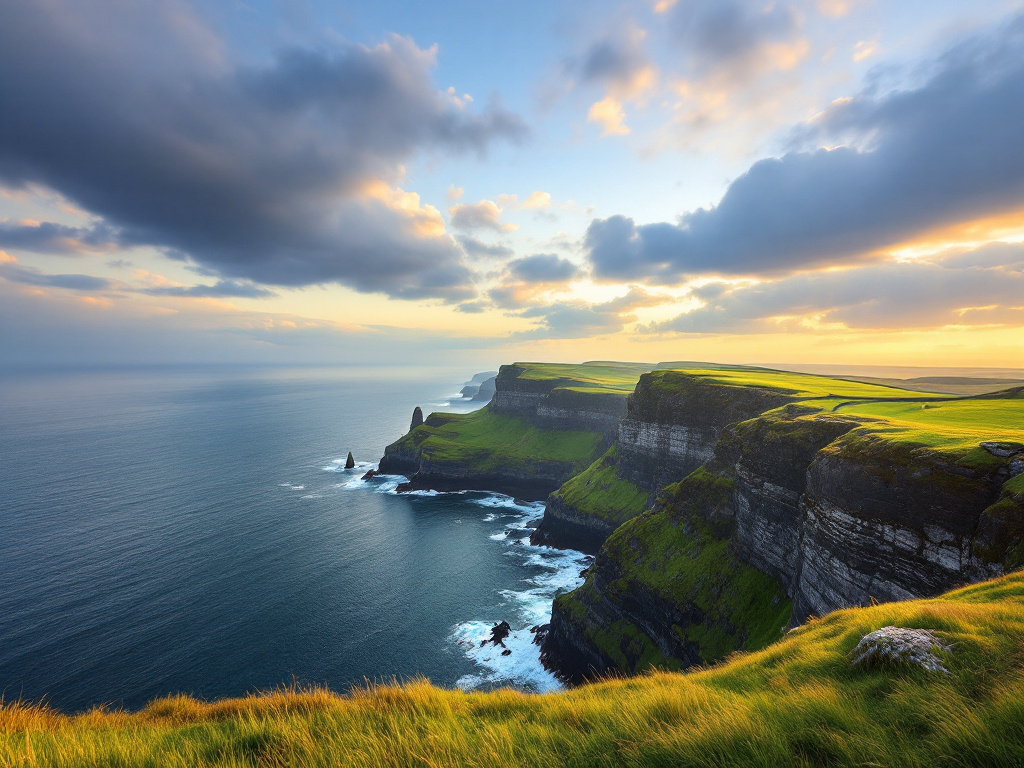
Cliffs of Moher
Ireland's most famous cliffs stretch dramatically along the west coast and offer spectacular views over the Atlantic Ocean.
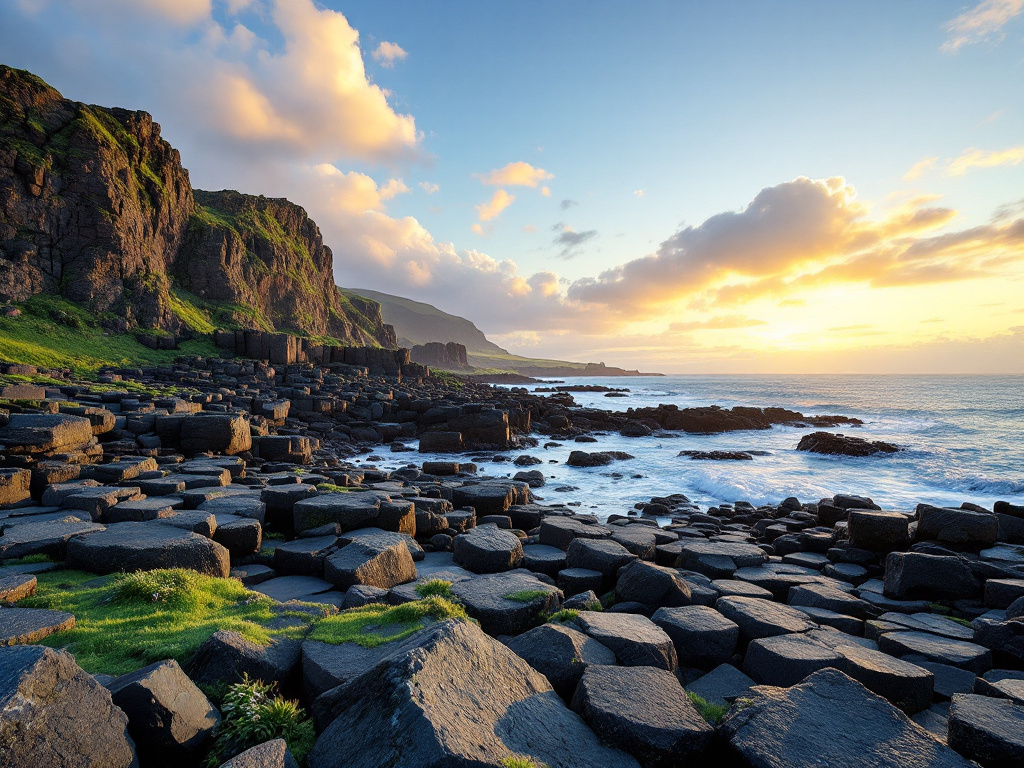
Giant’s Causeway
A unique natural attraction consisting of thousands of basalt columns formed by volcanic activity and Irish legends.
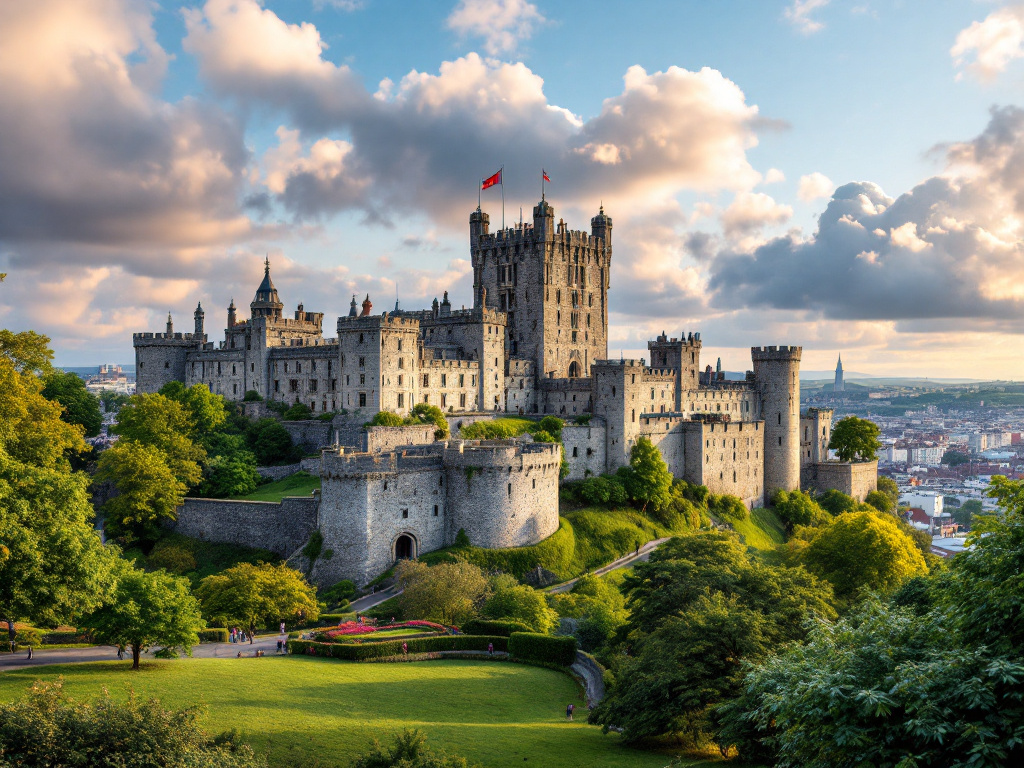
Dublin Castle
A central historical castle in Dublin with roots in the Viking era and an important role in Ireland's history.
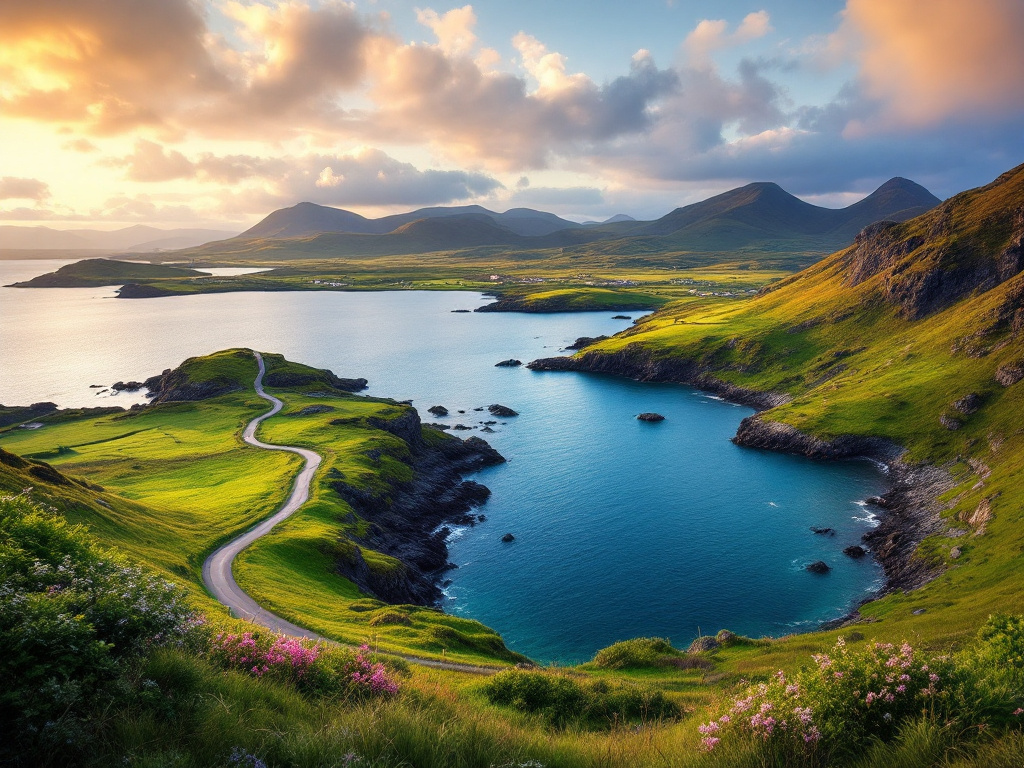
Ring of Kerry
A famous circular route through Kerry's most impressive landscapes featuring sea, mountains, and culture.
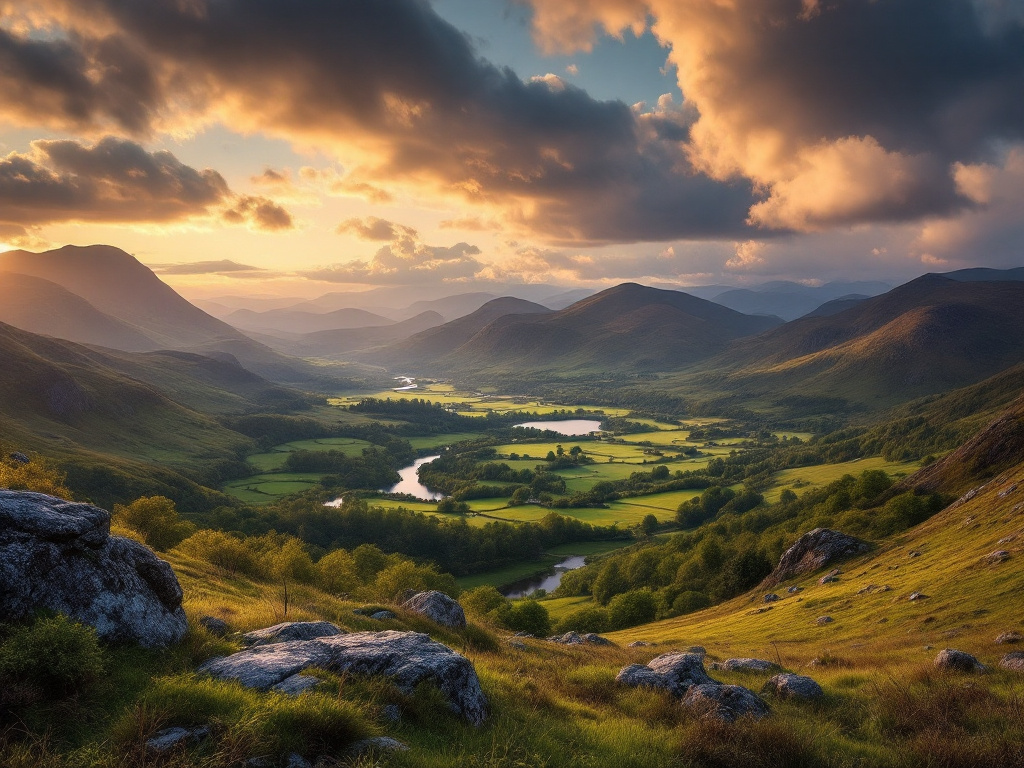
Killarney National Park
Ireland's oldest national park featuring lakes, forest, and mountains close to Killarney town.
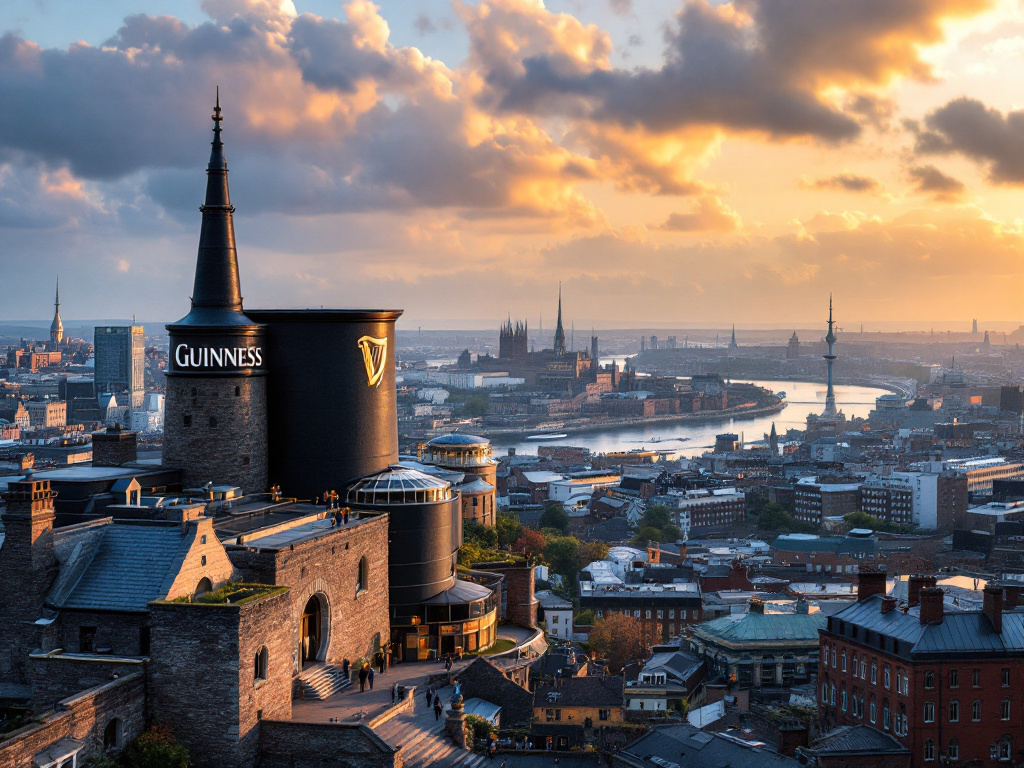
Guinness Storehouse
An interactive museum dedicated to Ireland's most famous beer with panoramic views over Dublin.
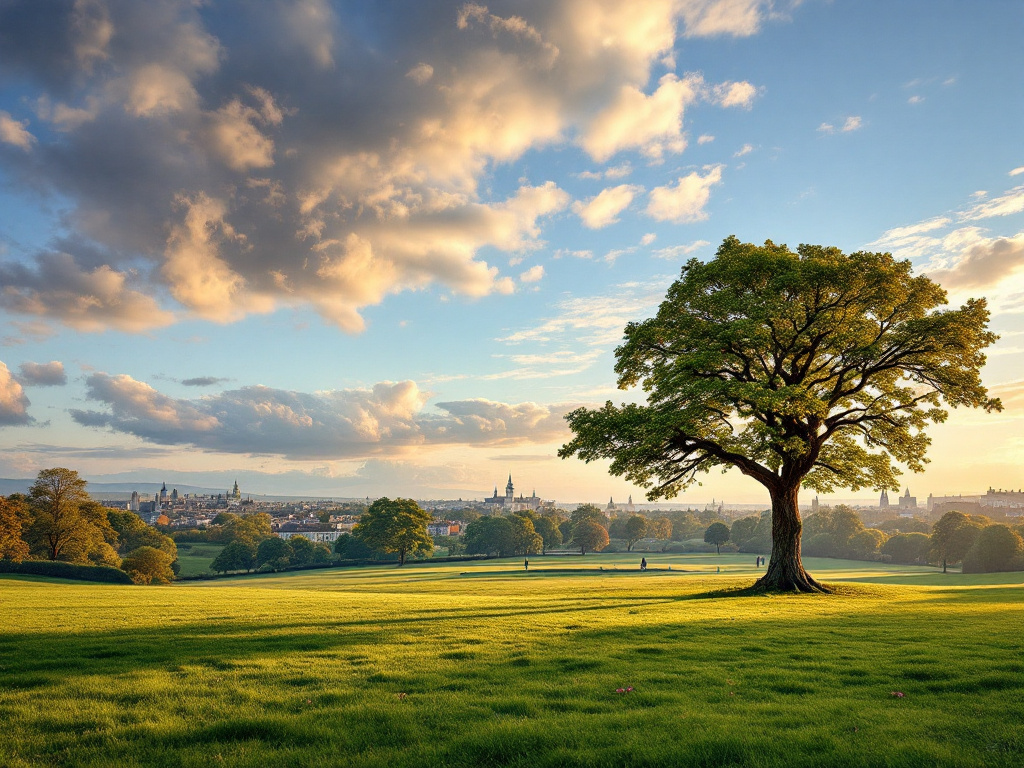
Phoenix Park
One of Europe's largest urban parks, known for its nature and free-roaming deer in the heart of Dublin.
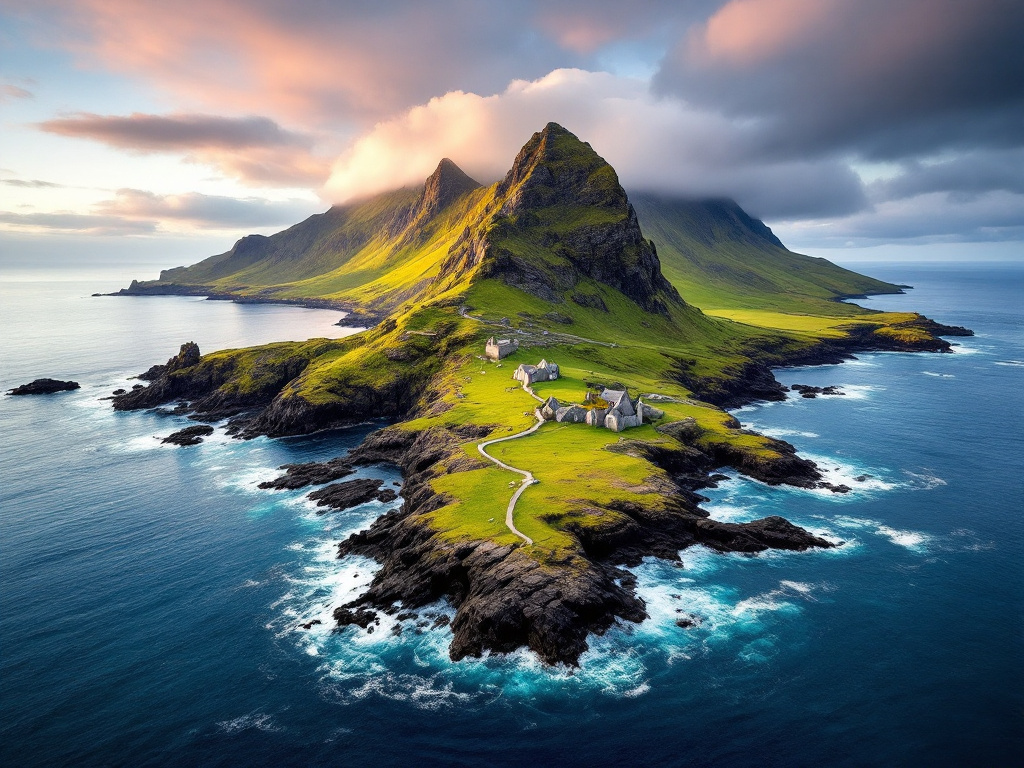
Skellig Michael
A dramatic island with a well-preserved monastery from the Middle Ages, located far out in the Atlantic Ocean.
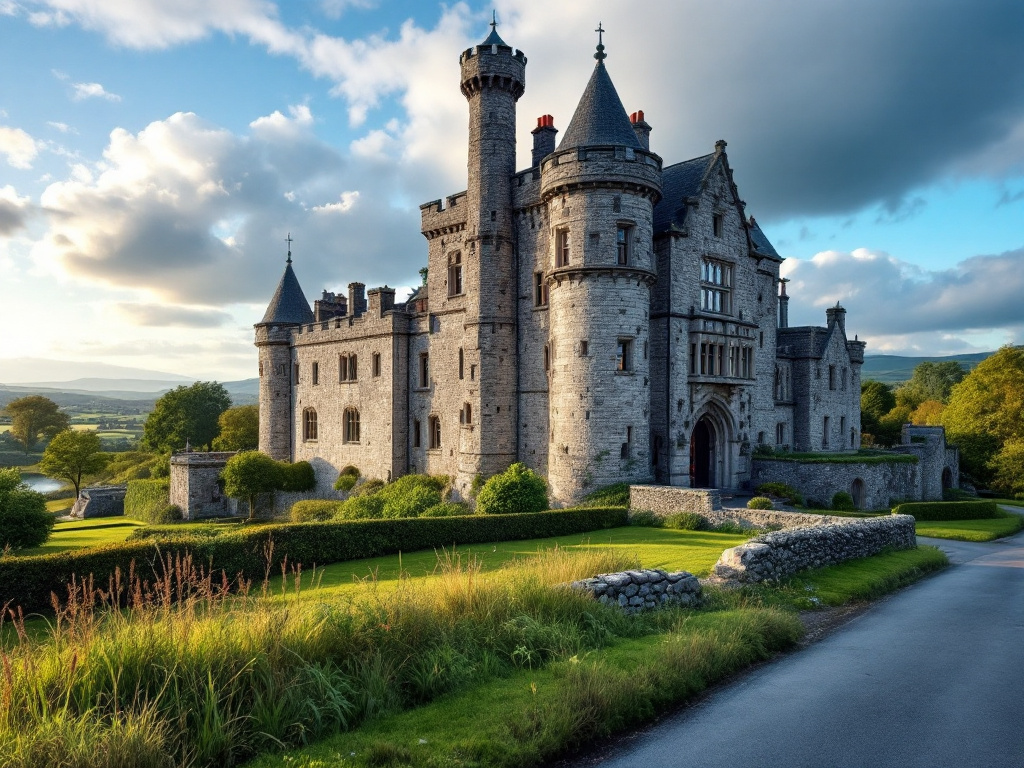
Bunratty Castle
An impressive Norman castle with an adjacent folk park offering insight into Irish life throughout the ages.
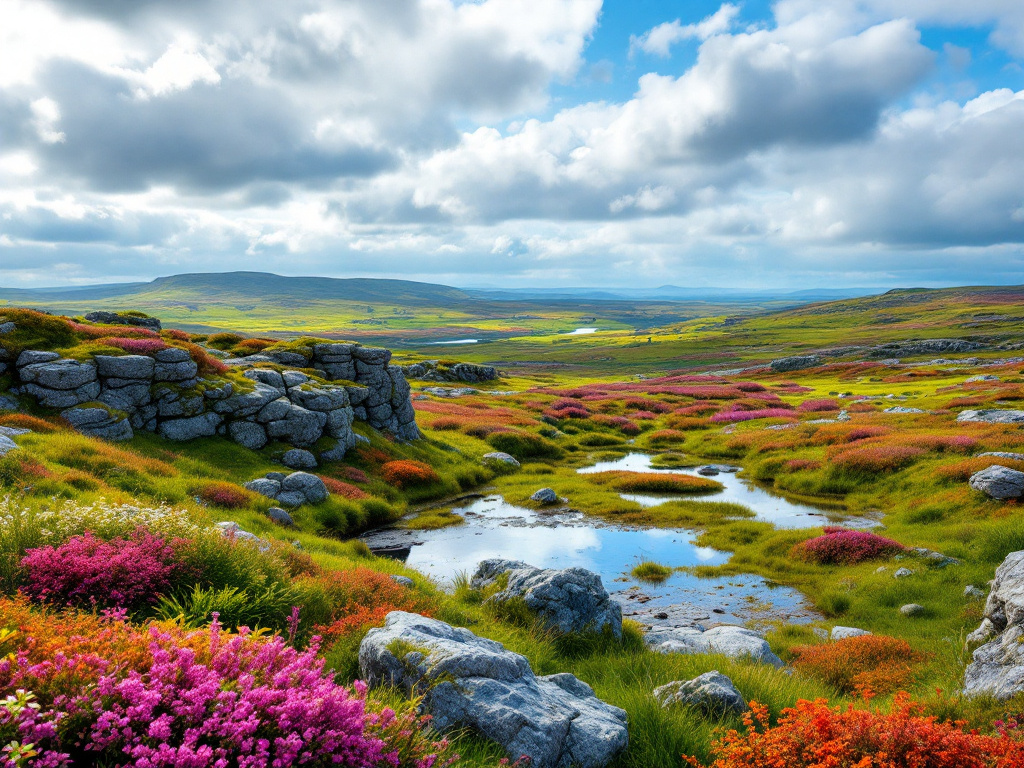
The Burren
A distinctive limestone landscape in the west of Ireland, famous for its nature and archaeology.
Famous cuisine
Culinary overview
Irish cuisine is deeply rooted in the country's agricultural traditions and coastal location. Fresh ingredients such as lamb, beef, fish, and seafood play a central role, and many dishes are developed to be nutritious and filling. Traditional pubs serve classic dishes accompanied by live music, while modern restaurants combine old recipes with innovative techniques. Ireland is also known for its craft beers, whiskey, and of course, Guinness, which is part of the national identity.
Must-try dishes
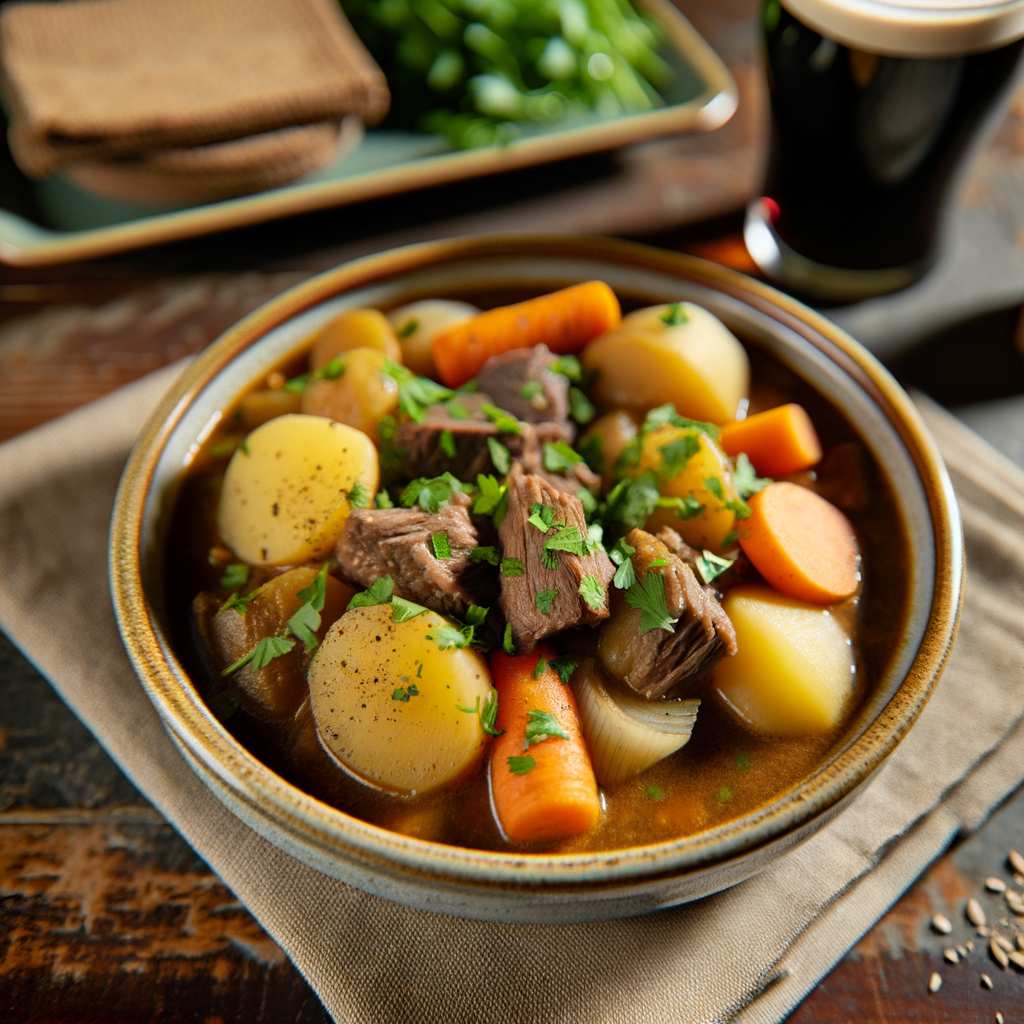
Irish Stew
A classic stew made with lamb or beef, potatoes, carrots, onions, and parsley. The dish simmers slowly to develop a deep, rich flavor.
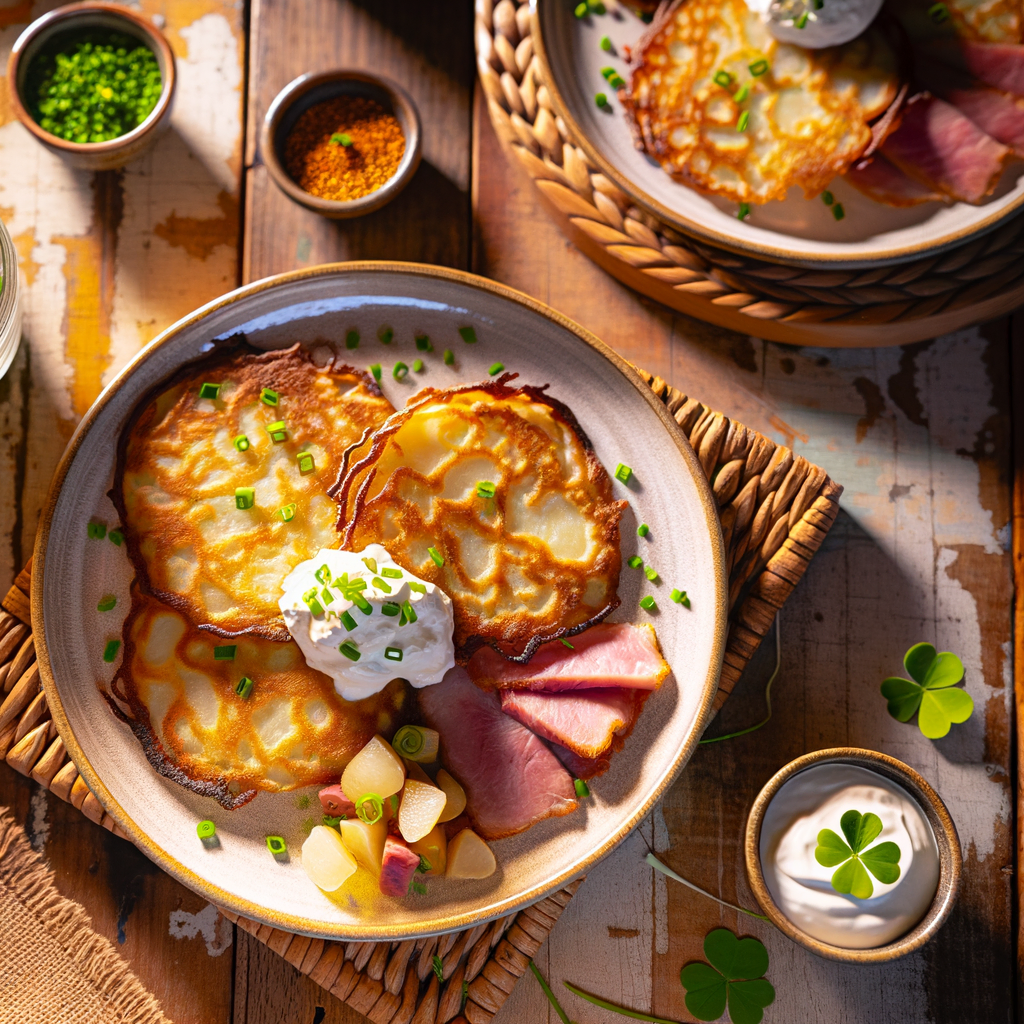
Boxty
A traditional Irish potato pancake that can be served as a side dish or filled with meat and vegetables. Known for its crispy exterior and soft interior.
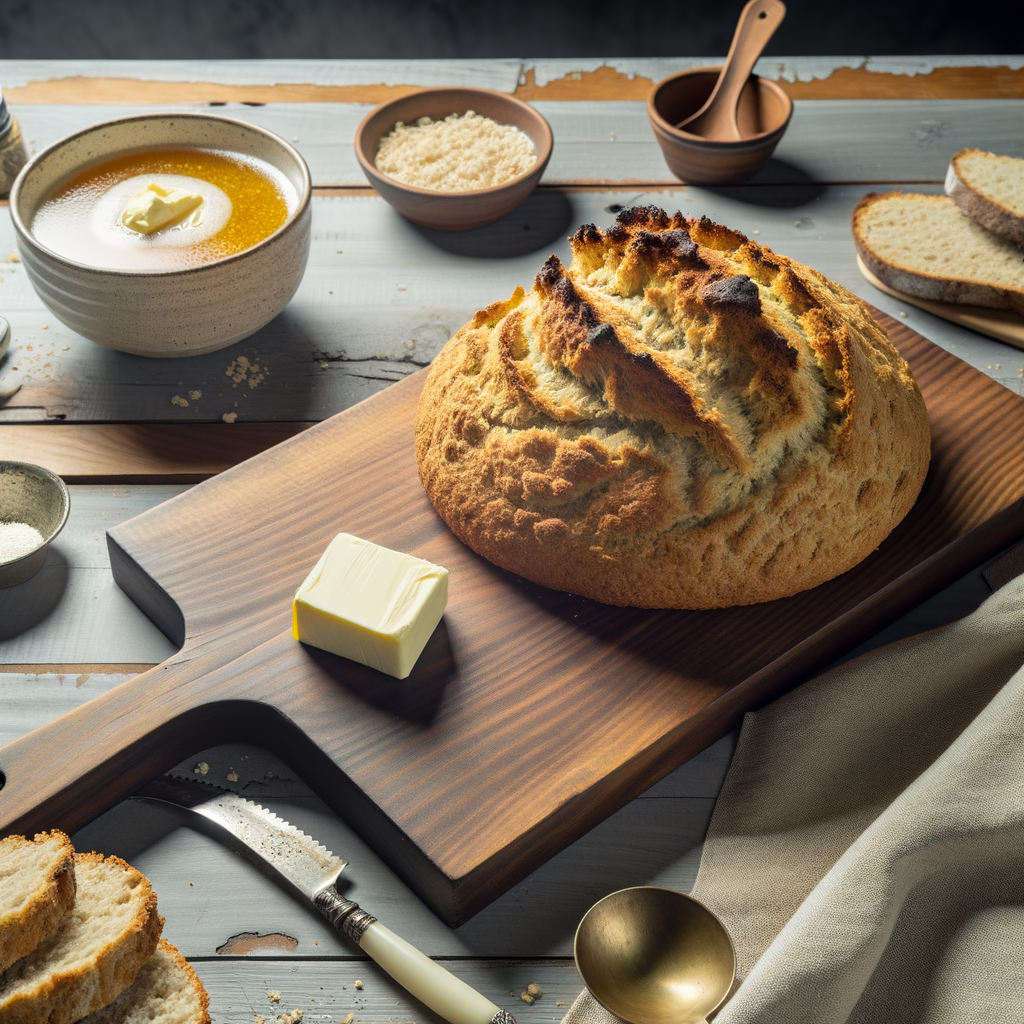
Soda Bread
A quick bread leavened with baking soda instead of yeast, often served with butter and soup. Has a dense yet soft crumb and a slightly tangy flavor.
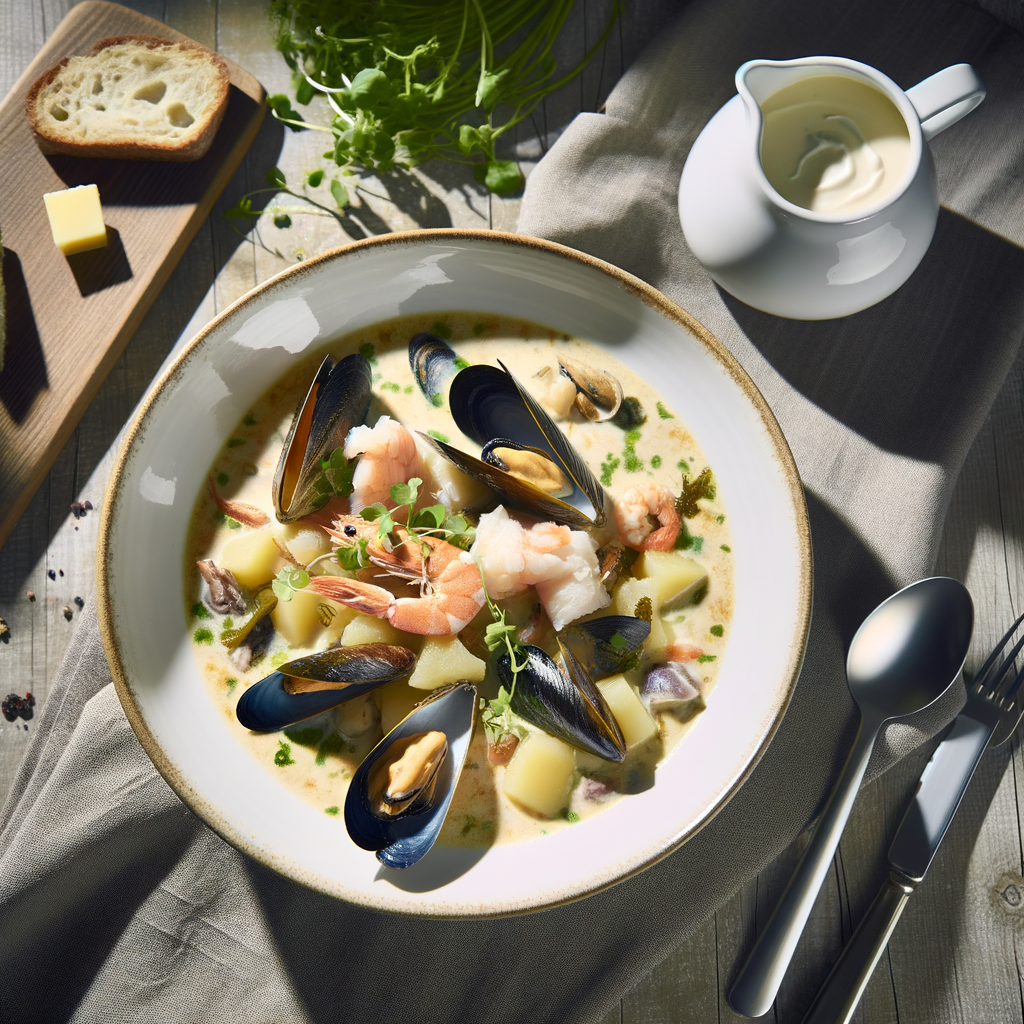
Seafood Chowder
A creamy soup filled with freshly caught fish, mussels, and shrimp, often added with potatoes and herbs. Perfect for the cool coastal days.
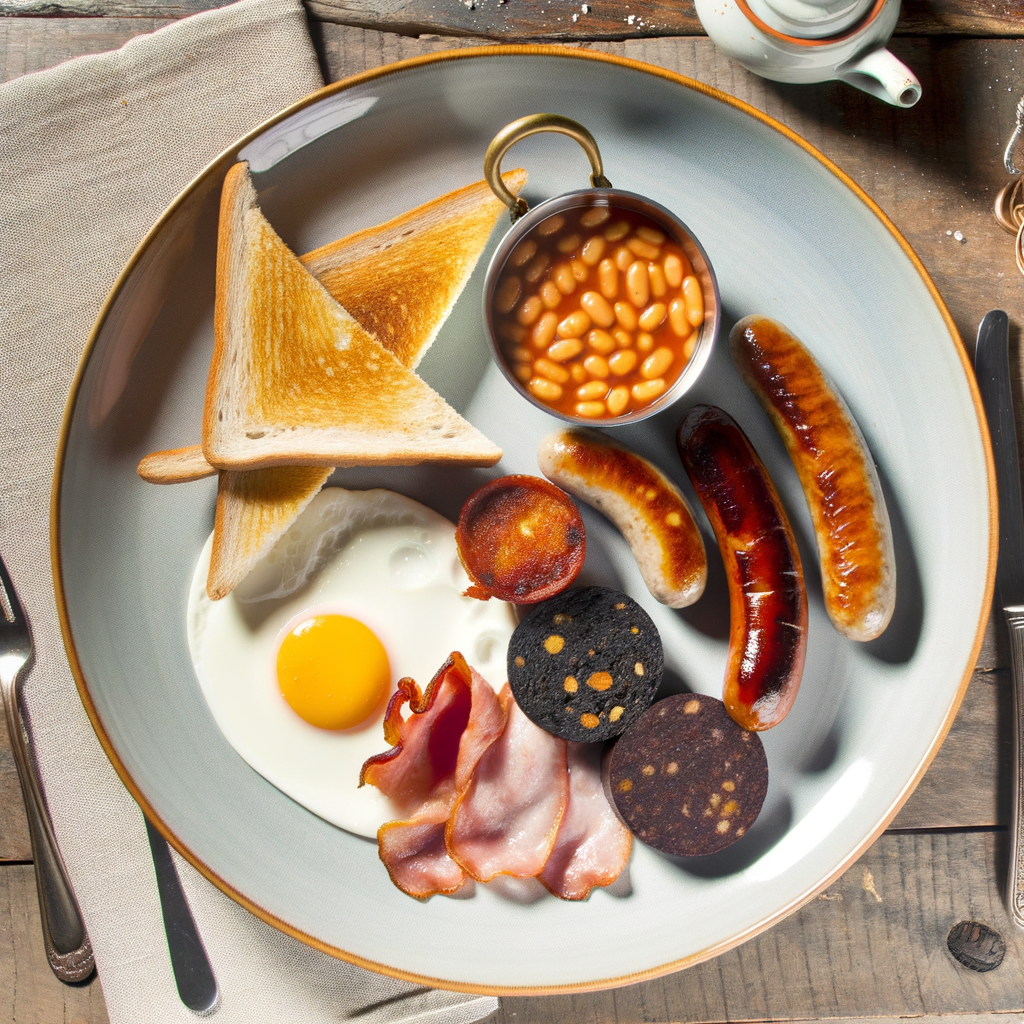
Full Irish Breakfast
A hearty breakfast consisting of bacon, sausages, eggs, baked beans, black pudding, white pudding, and toast or soda bread.
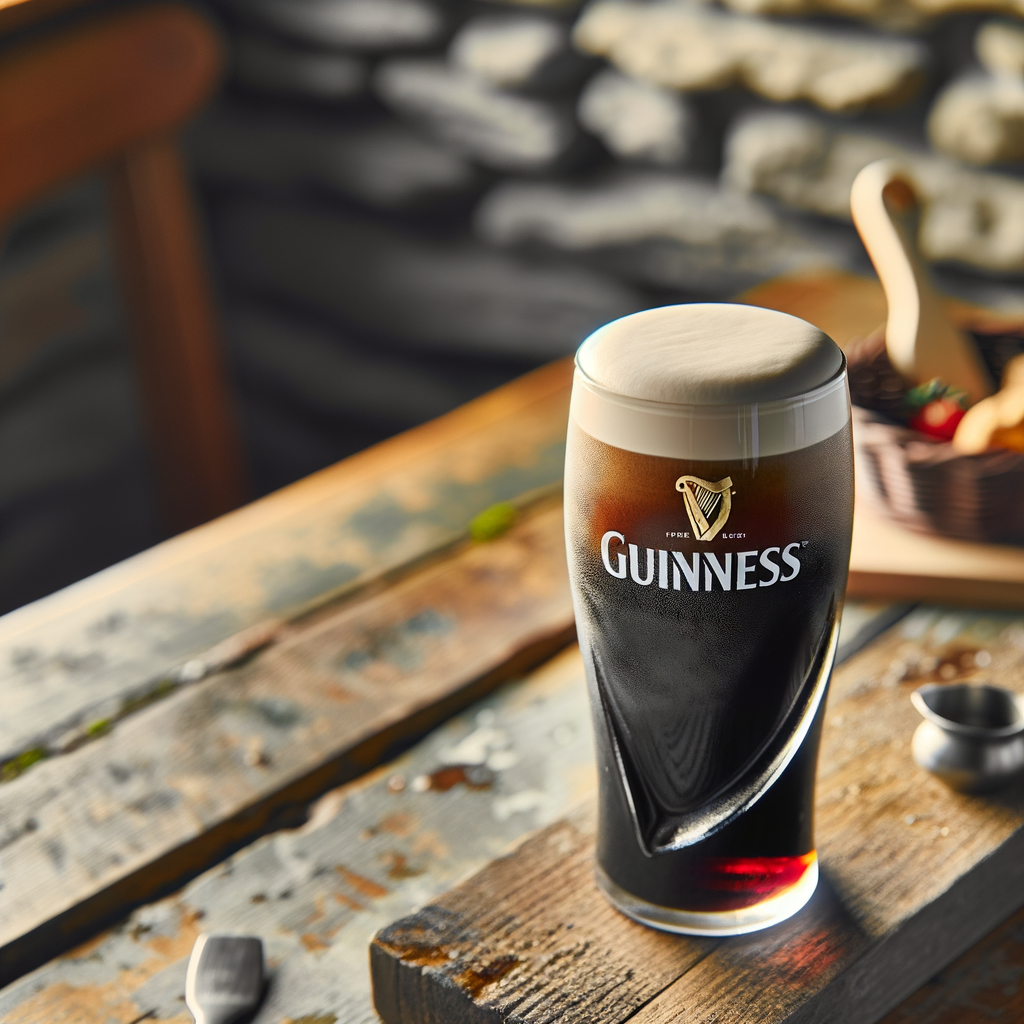
Guinness
The iconic Irish stout with a rich, creamy head and a deep, roasted flavor. Best enjoyed fresh from the tap at a local pub.
Restaurant information
Tipping
In Ireland, tips are not always included in the bill. It is common to give 10-15% at restaurants if you are satisfied with the service. At pubs, it is not necessary to tip for drinks, but you may round up as a gesture.
Travel information
Currency
Euro (€)
Language
English and Irsk
Best time to visit
May to September
Major cities
Dublin and other major cities
More countries in Europe
Discover more destinations in this region