
Iraq
Iraq, the cradle of civilizations, holds a rich cultural heritage and magnificent historical sites, yet remains marked by resilience amidst contemporary challenges.
Overview
Iraq, known as the cradle of civilization, invites you on a journey through humanity's earliest history. Discover iconic UNESCO sites such as Babylon, Ur, and Samarra, where architecture and culture have endured for millennia. From the lush marshlands in the south to the vital flow of the Tigris River through Baghdad, the country offers a unique blend of nature, history, and hospitality. Savor authentic dishes like masgouf and kebab while experiencing a cultural heritage that continues to thrive amid contemporary challenges. Iraq is a haven for travelers seeking the genuine, the historical, and the unforgettable.
Official language
Arabic
Government
Federal Parliamentary republic
Best time to visit
March to May and September to November
Nature
Iraq's nature is as diverse as its history, offering captivating landscapes that range from the lush marshlands of the south to the breathtaking mountains of Kurdistan in the north. The marshes, rich in biodiversity with their reed forests and waterways, create a tranquil ecosystem for birds and water buffalo, showcasing a culture that has thrived in harmony with water for millennia. The north boasts verdant valleys and cascading waterfalls, presenting a striking contrast to the arid plains of the central region. The Tigris and Euphrates rivers, two of the world's most renowned waterways, flow through Iraq, sustaining life and civilization for ages. The western deserts offer wide horizons and unpolluted starry skies, perfect for serene outdoor experiences. With temperatures varying from scorching summers to mild springs and autumns, the ideal times to explore these natural treasures are from March to May and September to November.
Travel to Iraq
Traveling to Iraq is a thrilling experience for the adventurous spirit eager to encounter authentic history and culture. The country boasts stunning landmarks like the ruins of Babylon, the Ziggurat of Ur, the Erbil Citadel, and the spiral minaret in Samarra. The Baghdad Museum houses invaluable artifacts spanning thousands of years. Embark on scenic excursions along the Tigris River for unique glimpses into daily life, and explore the southern marshes that blend nature and culture seamlessly. The best times to visit are spring and fall when the weather is mild. Travelers should remain aware of security situations and consider planning with local guides, but in return, they will be rewarded with a deeply authentic journey, where the grandeur of the past meets the resilience of the present.
Culture
Iraq's culture is a vibrant tapestry woven from countless traditions, languages, and religions shaped by millennia of history. Arabic and Kurdish are the predominant languages, yet the rich diversity of dialects and ethnic groups contributes to a colorful cultural landscape. Music and poetry are deeply rooted here, with genres ranging from classical maqam to contemporary Iraqi tunes. The Iraqi cuisine is a culinary adventure filled with dishes like masgouf, a grilled fish delicacy along the Tigris, succulent kebabs, and savory dolma. Handicrafts like carpet weaving, pottery, and jewelry reflect ancient traditions still cherished today. Religious and cultural festivals are celebrated with lively markets, music, and dance, embodying the core value of hospitality, where visitors are often welcomed warmly with tea and smiles. Baghdad, once a hub of learning and art, is home to enduring museums and galleries that narrate Iraq's rich heritage.
History
Iraq is home to some of the world's oldest civilizations, with Sumer, Akkad, Babylon, and Assyria flourishing in antiquity. Their legacy remains visible in the ruins of Ur, Eridu, Uruk, and Babylon, centers of writing, law, and advanced architecture. During the Islamic Golden Age, Baghdad emerged as an intellectual beacon under the Abbasid Caliphate, renowned for its contributions to science, philosophy, and the arts. The Mongol invasion in 1258 marked a dramatic turning point, yet the country continued to be a vital cultural crossroads. In modern times, Iraq has witnessed both prosperity and conflict, yet its historical sites stand as testimonies to an unmatched past, offering insights into the resilience of its people.
Top attractions
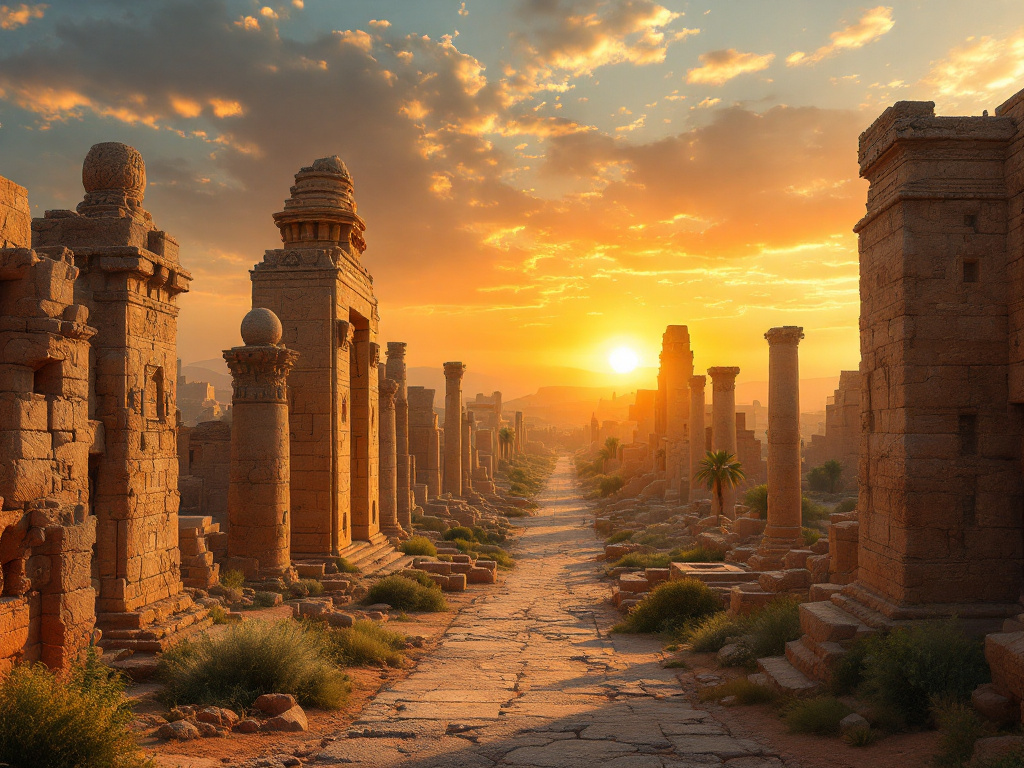
Ruins of Babylon
Babylon was one of the most famous cities of antiquity and contains impressive remains of temples, walls, and palaces from Mesopotamia's golden age.
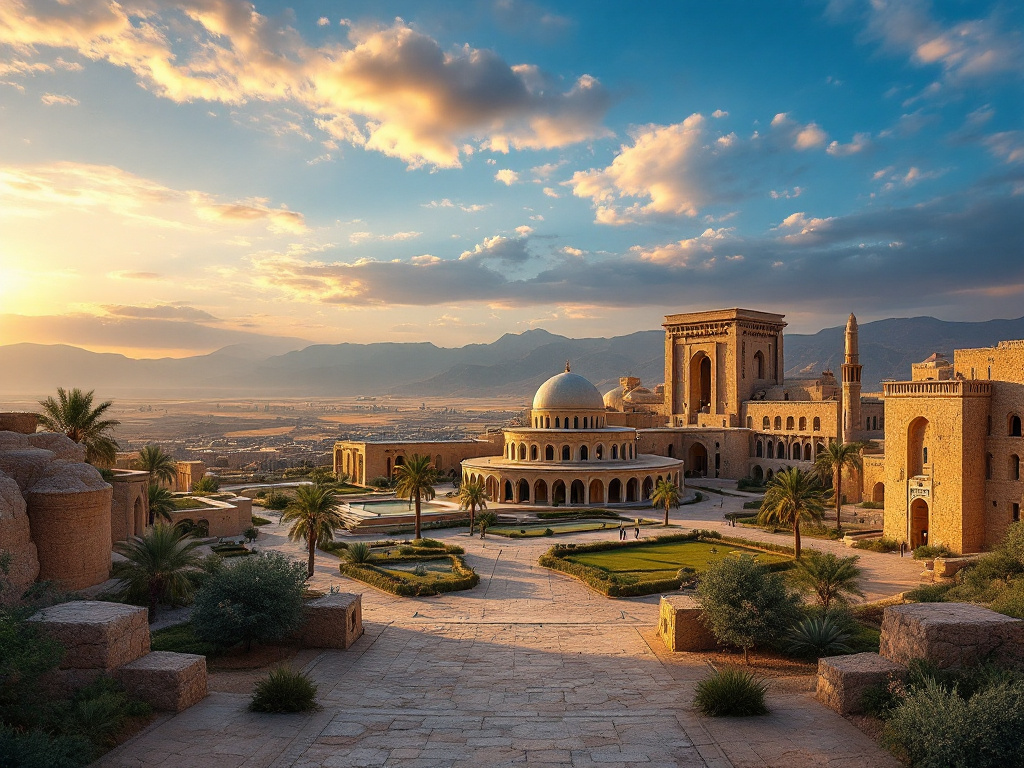
National Museum of Iraq
The National Museum of Iraq houses invaluable objects from some of the world's earliest civilizations and provides deep insight into the country's rich history.
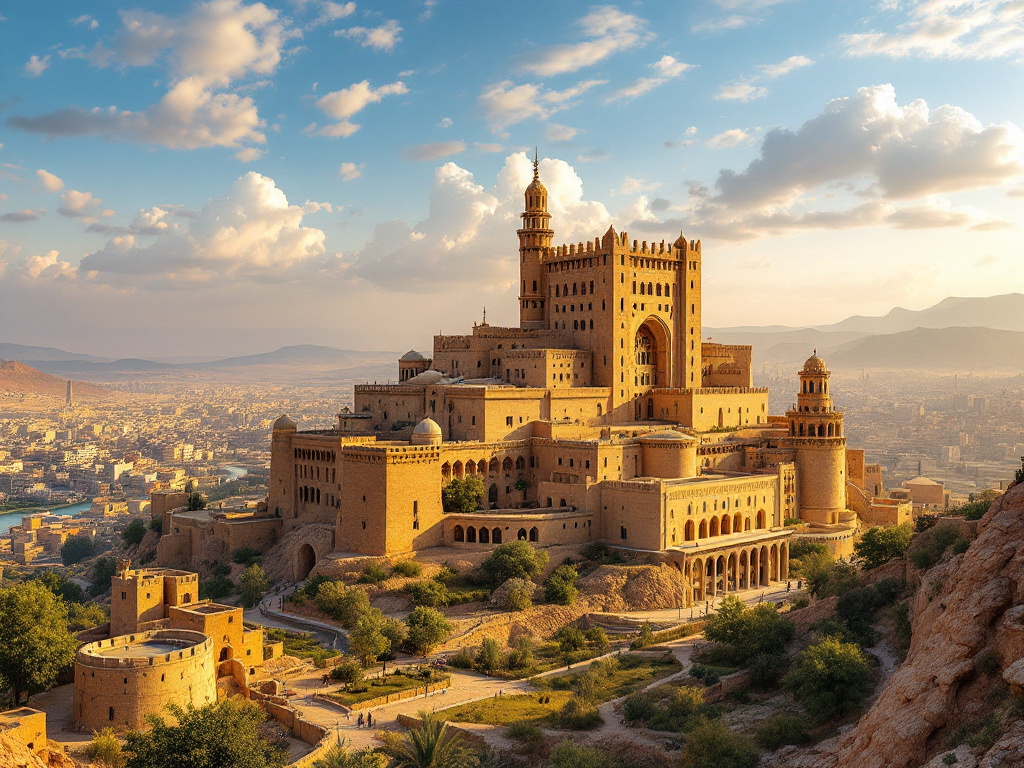
Erbil Citadel
The Erbil Citadel looms over the city and is a symbol of continuous settlement for thousands of years.
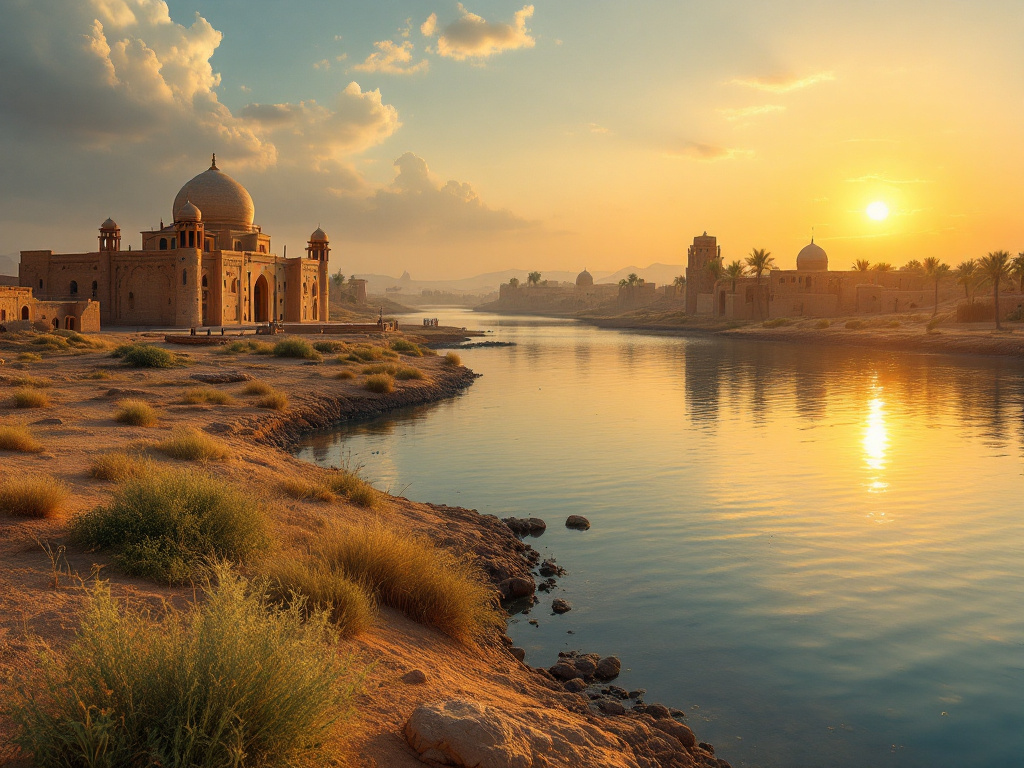
The Mesopotamian Marshes
The Mesopotamian Marshes are a unique ecosystem and home to the Marsh Arabs with ancient traditions.
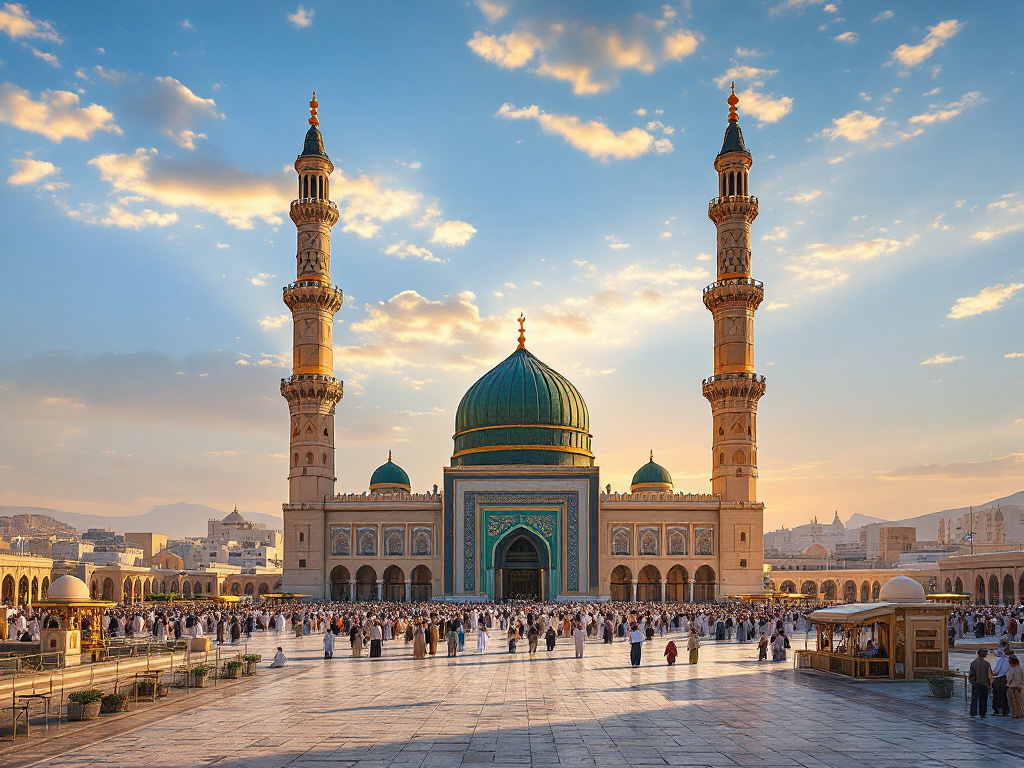
Imam Husayn's Shrine
Imam Husayn's Shrine is one of the most important pilgrimage sites in Shia Islam, attracting millions of visitors each year.
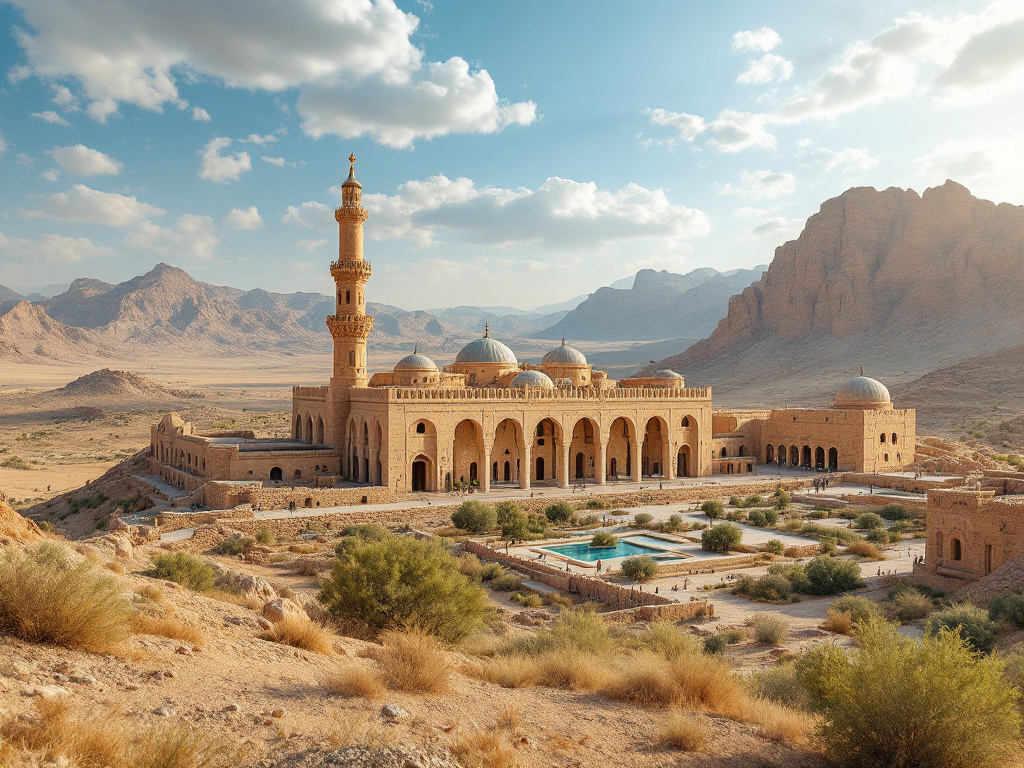
Nabi Yunus Mound
Nabi Yunus Mound is associated with the prophet Jonah and holds both religious and archaeological significance.
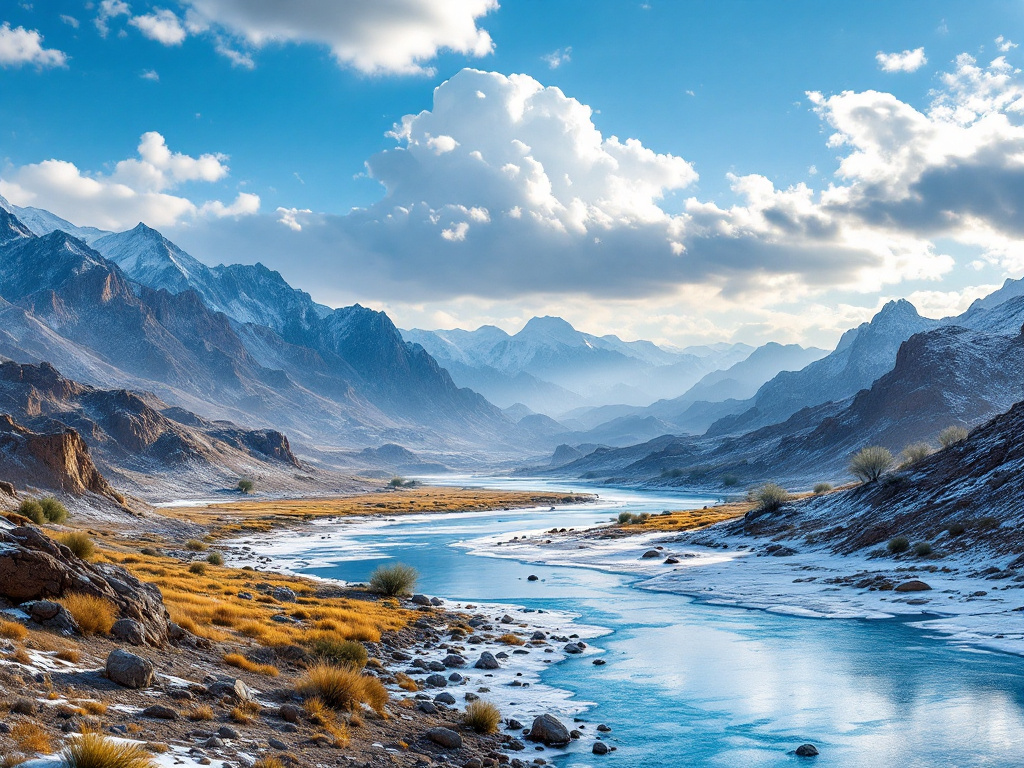
Dohuk Waterfall
Dohuk Waterfall is a popular natural area in the Kurdistan region, known for its cool and lush surroundings.
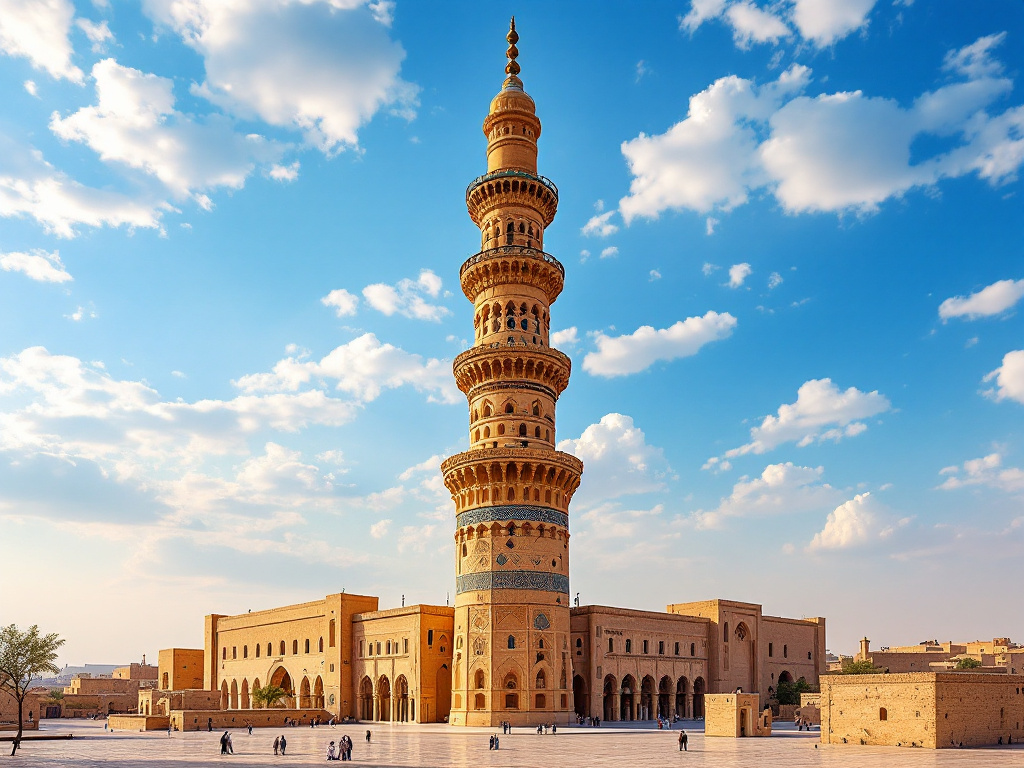
The Spiral Minaret of Samarra
The famous spiral minaret of Samarra is an iconic example of early Islamic architecture from the Abbasid period.
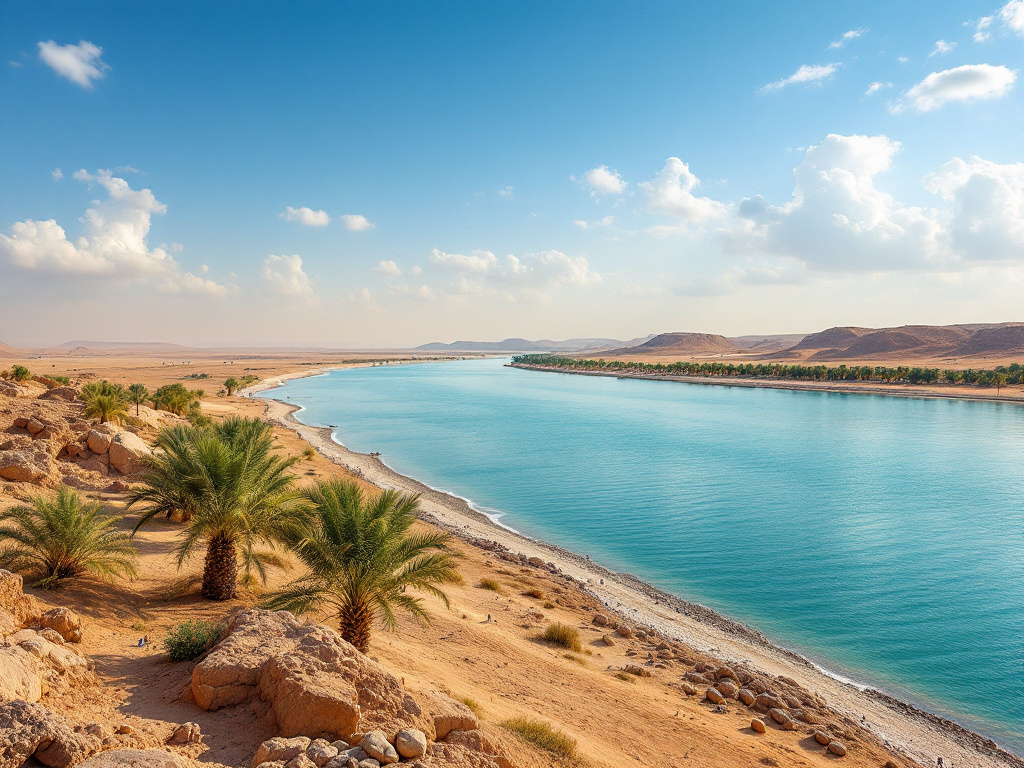
Shatt al-Arab Riverbank
The Shatt al-Arab river gives Basra a green and lively atmosphere and is a classic spot for relaxation and social activities.
Famous cuisine
Culinary overview
Iraqi cuisine is a rich blend of flavors and traditions that reflect the country's history as the cradle of civilizations. From ancient recipes of Mesopotamia to contemporary street food, Iraq offers a culinary journey through the millennia. Meals are often based on rice, lamb, beef, fish from the Tigris and Euphrates, as well as fresh vegetables and spices like cardamom, cinnamon, and cumin. Bread plays a central role, especially samoon and khubz, which are used to scoop up dishes. Families often gather around large meals, and hospitality is an important part of the food culture.
Must-try dishes
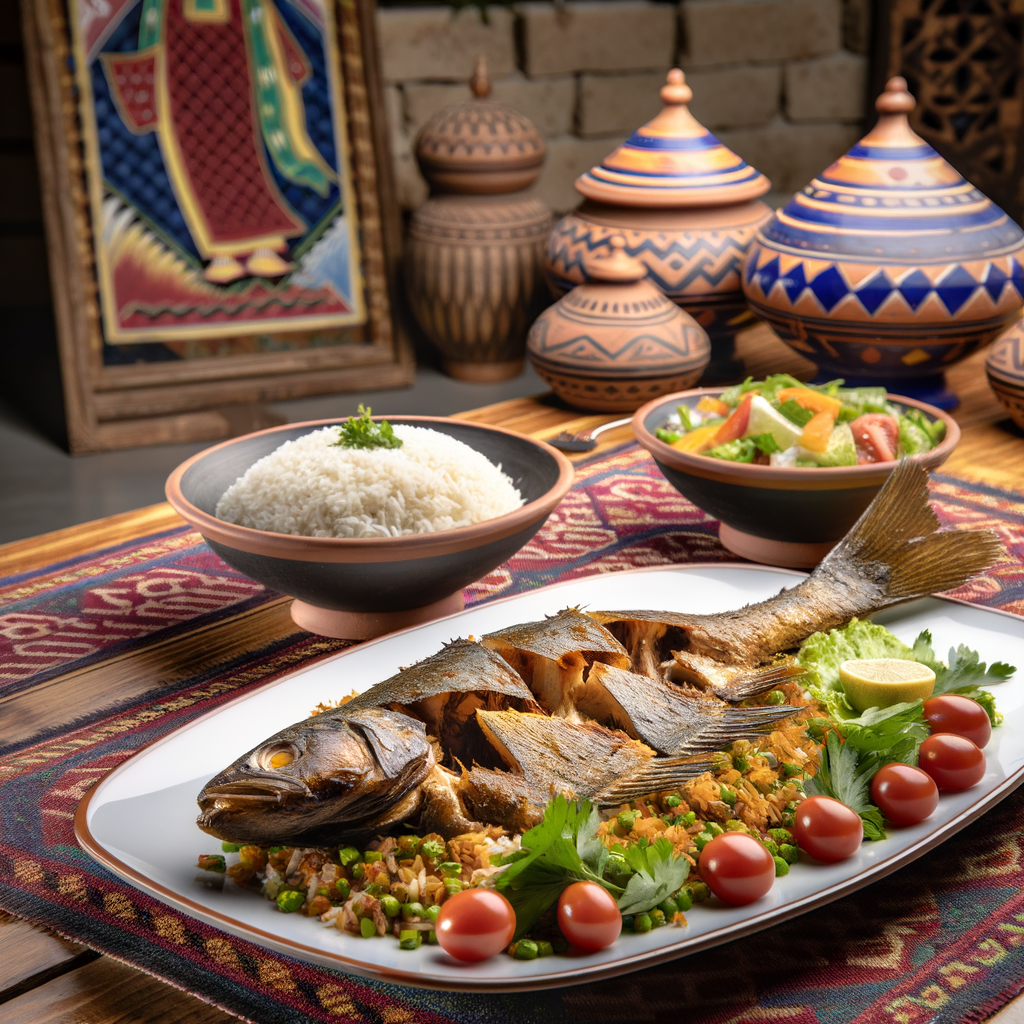
Masgouf
Iraq's national dish – fresh fish, typically carp, grilled slowly over an open flame and seasoned with tamarind, olive oil, and spices. Often served with rice and salad.
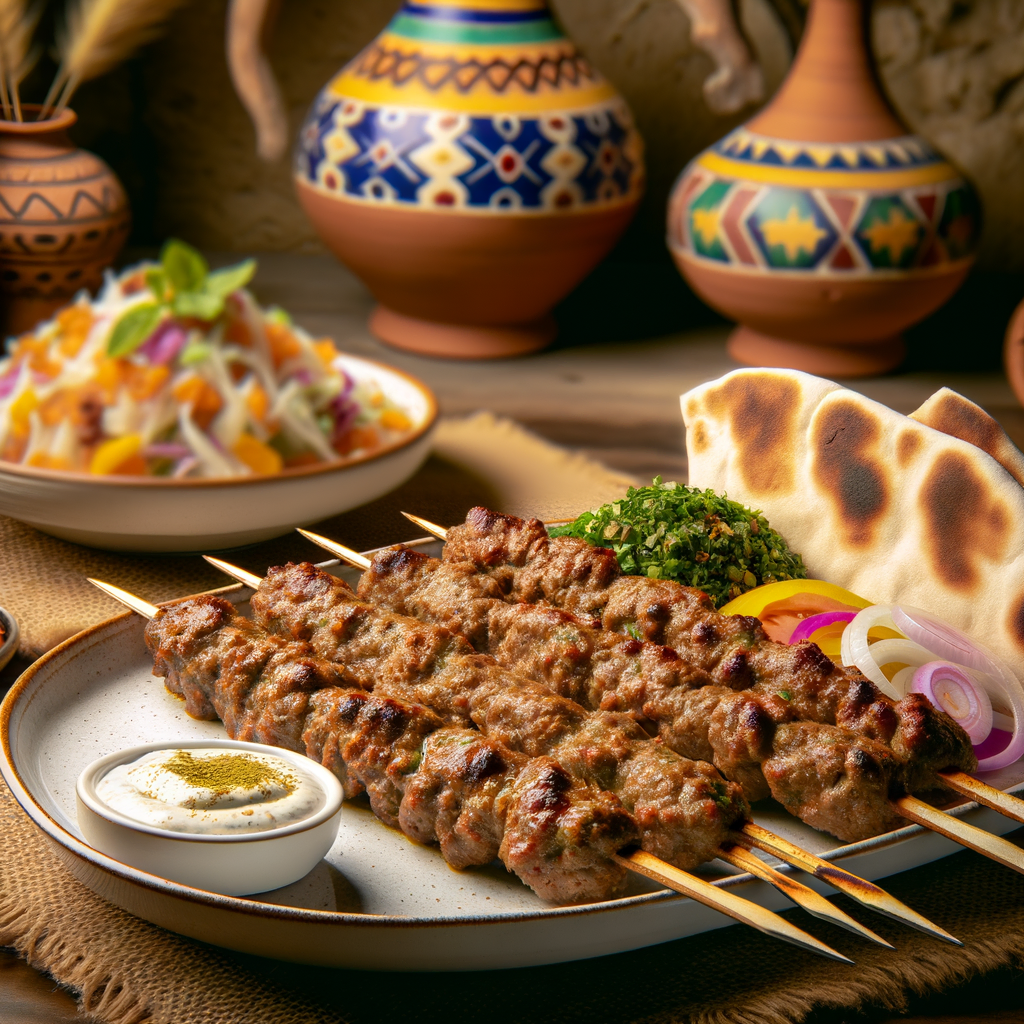
Kebab
Juicy skewers of minced lamb or beef mixed with onion and spices, served with freshly baked bread, salad, and tahini sauce.
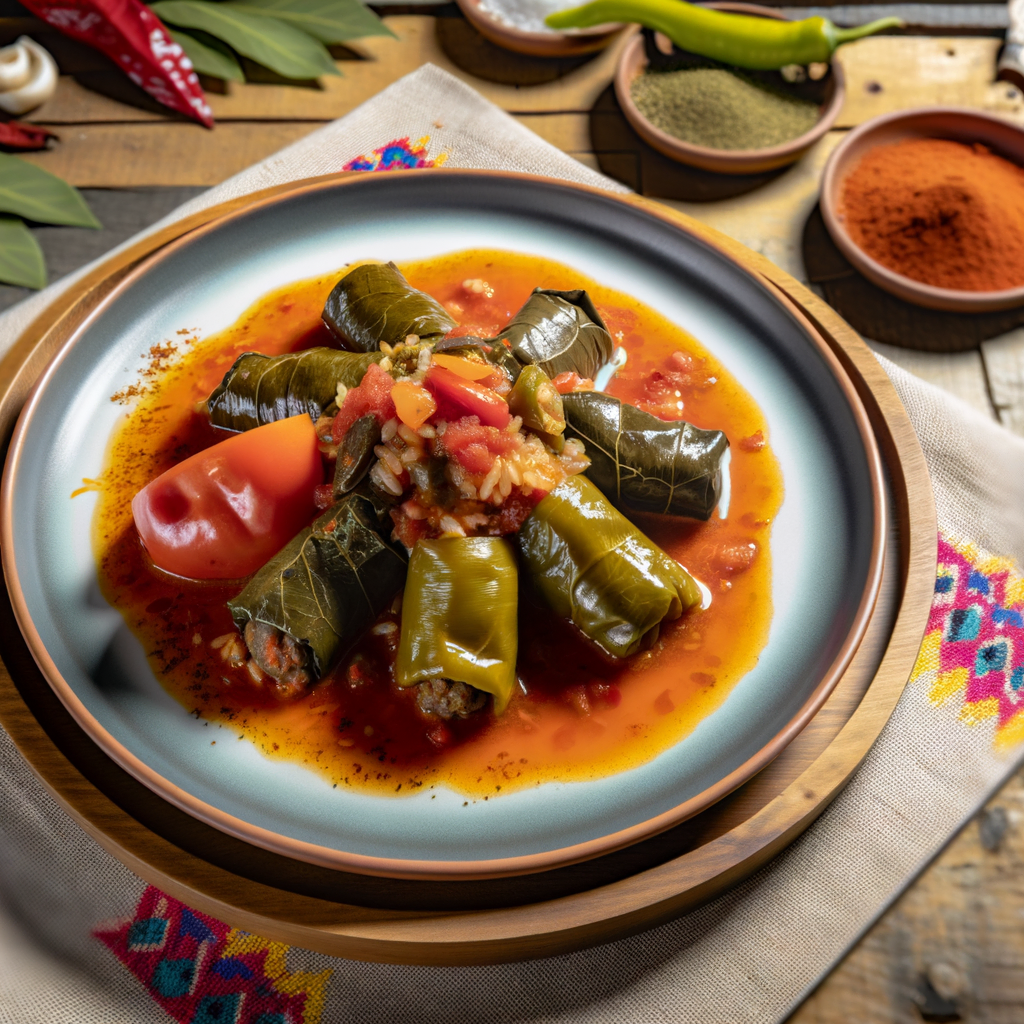
Dolma
Vegetables such as vine leaves, eggplants, and peppers stuffed with rice, minced meat, spices, and herbs, simmered in tomato sauce.
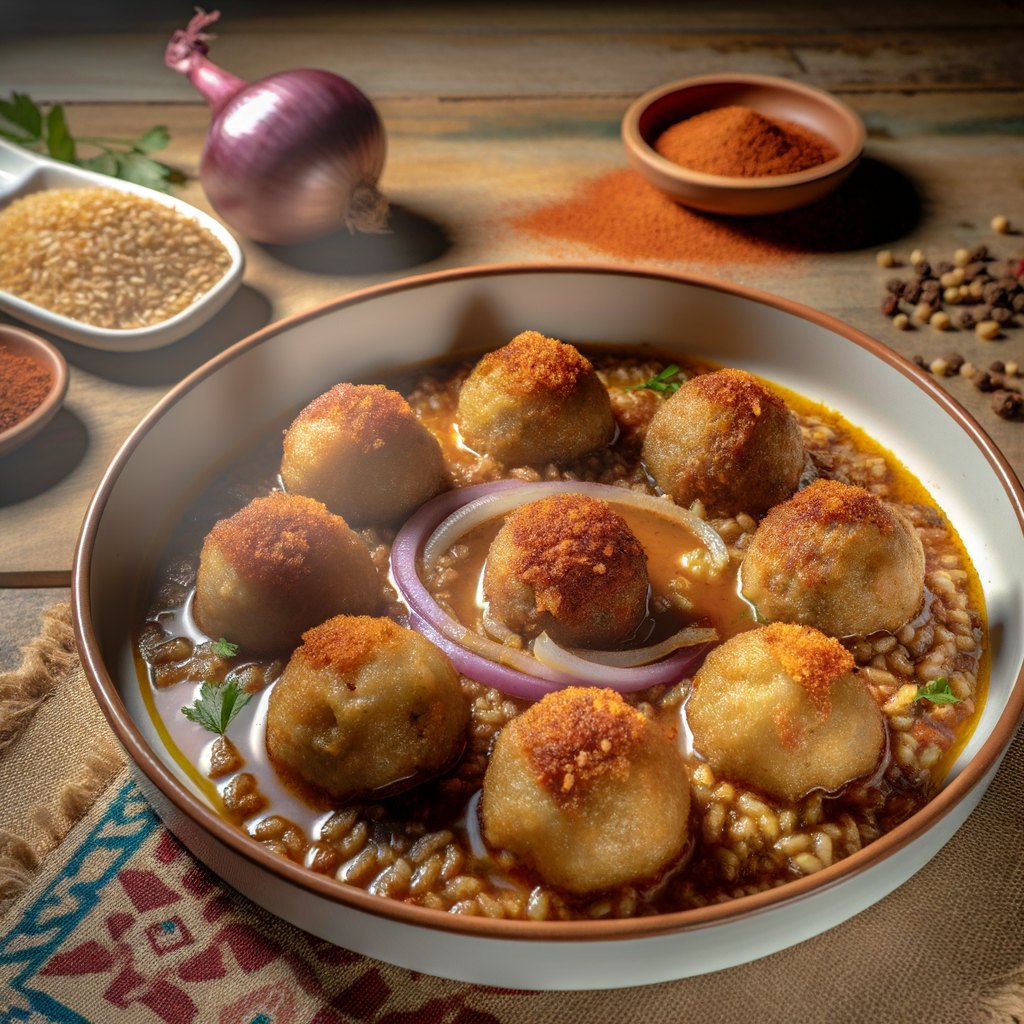
Kubba
Meatball-like balls of bulgur or rice filled with spiced meat and onions, often fried or cooked in soup.
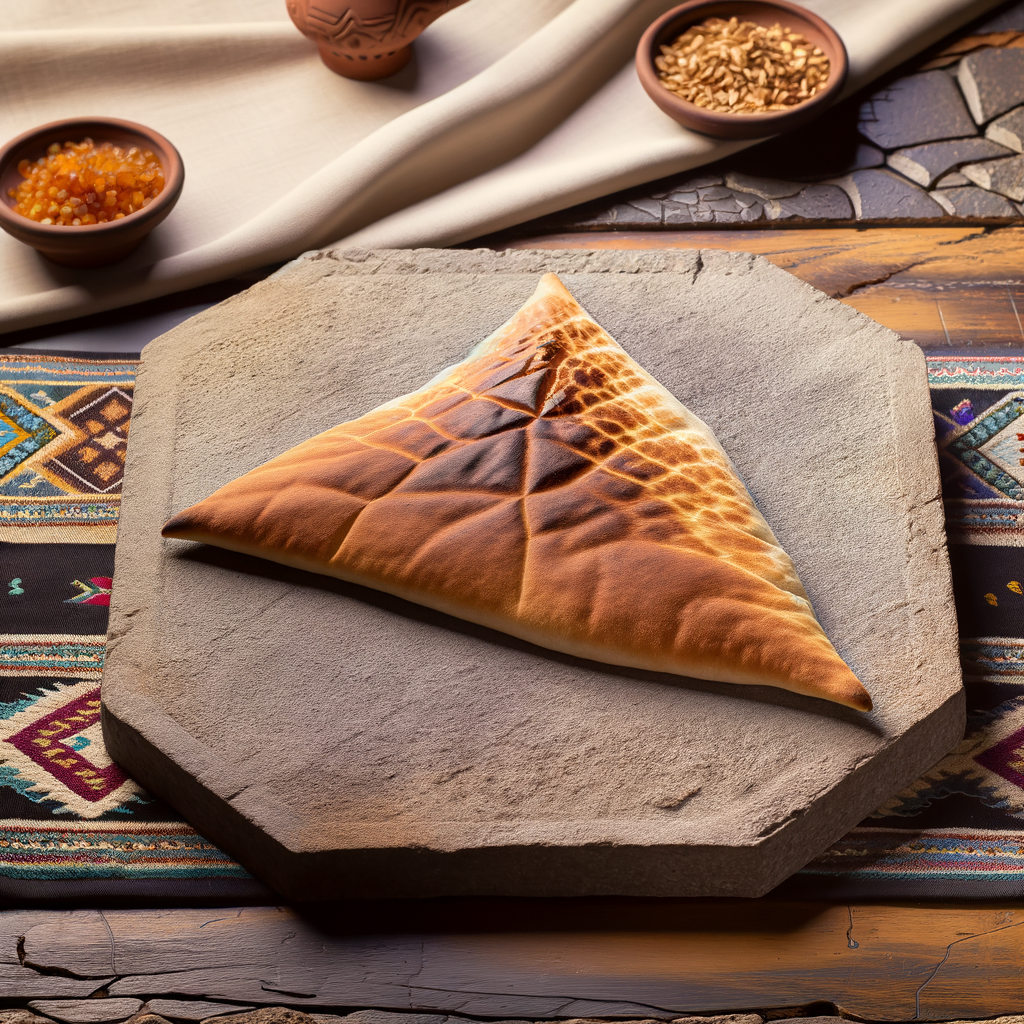
Samoon
Traditional Iraqi bread baked in a stone oven, triangular or diamond-shaped, with a crispy crust and soft center – perfect for scooping up sauces and meat dishes.
Restaurant information
Tipping
Tipping is not always expected in Iraq, but at restaurants and cafes, it is common to round up or give around 10% of the bill if the service has been good.
Travel information
Currency
Irakisk dinar (IQD)
Language
Arabic
Best time to visit
March to May and September to November
Major cities
Bagdad and other major cities
More countries in Asia
Discover more destinations in this region