
Iceland
Iceland, the land of fire and ice, captivates with its volcanic landscapes, glacial wonders, and geothermal marvels, offering a truly unique Nordic adventure.
Overview
Known as the Land of Fire and Ice, Iceland is a magical destination where volcanic landscapes meet majestic glaciers and geothermal wonders. Experience the soothing waters of the Blue Lagoon, the roaring Gullfoss waterfall, the dramatic Jökulsárlón glacier lagoon, and the UNESCO World Heritage site Þingvellir National Park. Reykjavik offers a lively culture and culinary scene, while nature beckons with northern lights in winter and midnight sun in summer. For adventurous travelers seeking raw nature, unique experiences, and authentic Nordic hospitality, Iceland is an unforgettable paradise waiting to be explored.
Official language
Islandsk
Government
Parliamentary republic
Best time to visit
June-August
Nature
Iceland's landscapes are nothing short of extraordinary, showcasing the raw power of the planet. From active volcanoes and bubbling geothermal springs to mighty glaciers and sprawling lava fields, the country is a natural wonderland. Vatnajökull National Park, the largest in Europe, boasts ice caps, deep glacier crevasses, and thundering rivers. Þingvellir National Park reveals the rift between two tectonic plates, while black sand beaches like Reynisfjara contrast beautifully with turquoise icebergs in Jökulsárlón. Summer invites hikers to explore lush valleys beneath the midnight sun, while winter transforms the land into a snowy playground, perfect for witnessing the mesmerizing northern lights. With constantly changing scenery due to volcanic activity and hot springs, Iceland is a paradise for nature lovers, offering new wonders at every turn.
Travel to Iceland
Traveling to Iceland is an adventure combining exploration, relaxation, and cultural immersion. Direct flights from numerous European cities make Reykjavik an easily accessible starting point for your journey. The best time to visit is during the summer months from June to August when mild temperatures and long days provide perfect conditions for hiking, road trips, and whale watching. Winter entices visitors with the chance to see the northern lights, tour ice caves, and enjoy hot springs surrounded by snow. The Golden Circle route offers a quick glimpse of the country's most iconic sights, while longer excursions unveil remote fjords and dramatic coastlines. With a well-developed infrastructure, renting a car or joining guided tours is simple, and accommodation ranges from cozy guesthouses to luxurious hotels. No matter the season, Iceland promises unforgettable experiences for nature enthusiasts, culture seekers, and adventure lovers alike.
Culture
Icelandic culture is deeply intertwined with the country's history, nature, and Nordic roots. Reykjavik serves as the vibrant heart of modern Iceland, featuring art galleries, music festivals, and a flourishing culinary scene that blends tradition with innovation. The ancient Icelandic sagas, some of the world's oldest literary works, recount tales of Vikings, gods, and heroes, continuing to influence the arts and storytelling traditions. The music scene ranges from folk tunes to global stars like Björk and Sigur Rós. Iceland's cuisine offers local specialties such as skyr, tender lamb, fresh seafood, and the dark, sweet rúgbrauð. The community enjoys a strong sense of togetherness, equality, and a close bond with nature, celebrated through festivals like Þorrablót, which honors ancient customs, while modern events such as the Airwaves Festival showcase Iceland's creative spirit. This unique blend of grounded tradition and forward-thinking innovation reflects the soul of the nation.
History
Iceland's history is a rich tapestry woven from the tales of Vikings, natural forces, and a strong national identity. Settled in the 9th century by Norse explorers, the country saw the establishment of the world's oldest parliament, Althing, in Þingvellir in 930 AD. For centuries, Icelanders depended on fishing, agriculture, and trade, often facing harsh conditions. The land was under Norwegian and later Danish rule until achieving full independence in 1944. The saga narratives speak to both the conflicts and the mythology of the Viking Age, deeply rooted in the national consciousness. Natural disasters like volcanic eruptions and earthquakes have shaped both the landscape and the resilience of its people. The story of Iceland is one of survival, freedom, and pride, echoing through its modern identity.
Top attractions
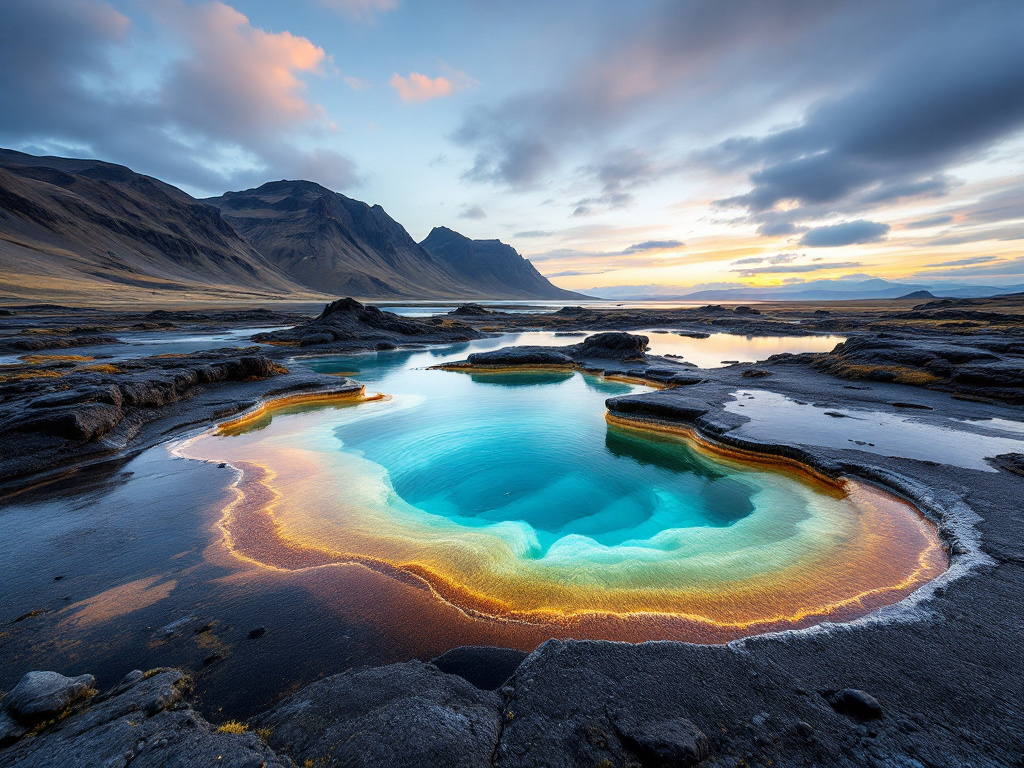
The Blue Lagoon
Iceland's most famous geothermal spa with warm, mineral-rich water surrounded by lava fields.
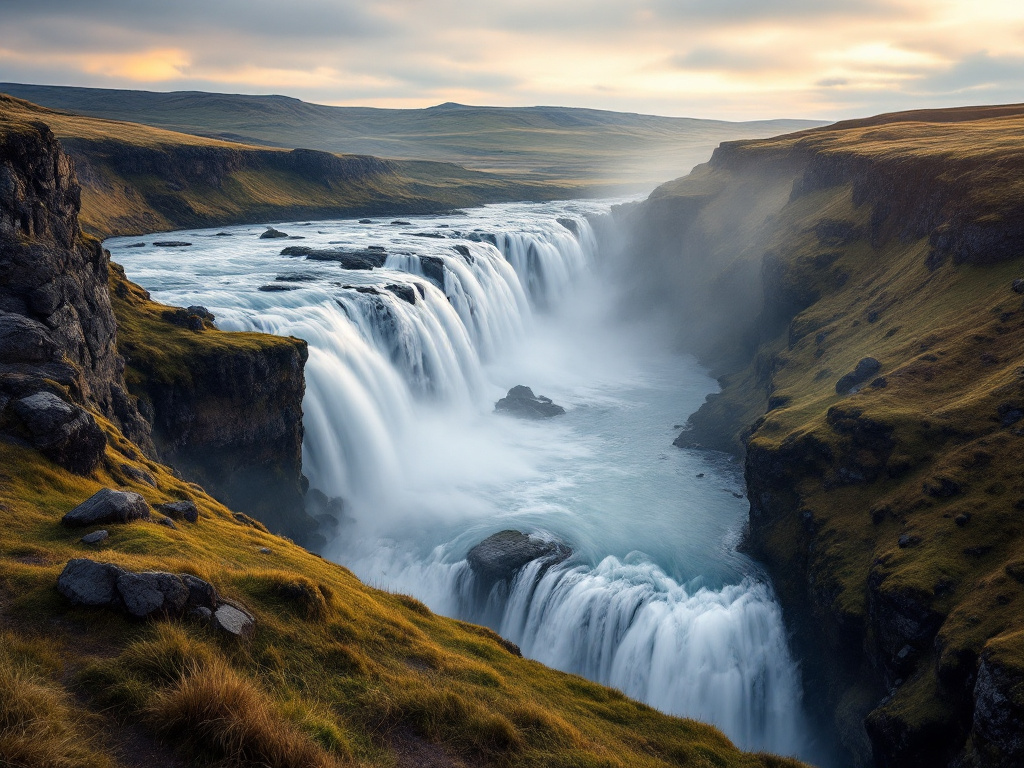
Gullfoss
One of Iceland's most impressive waterfalls and a highlight on the Golden Circle.
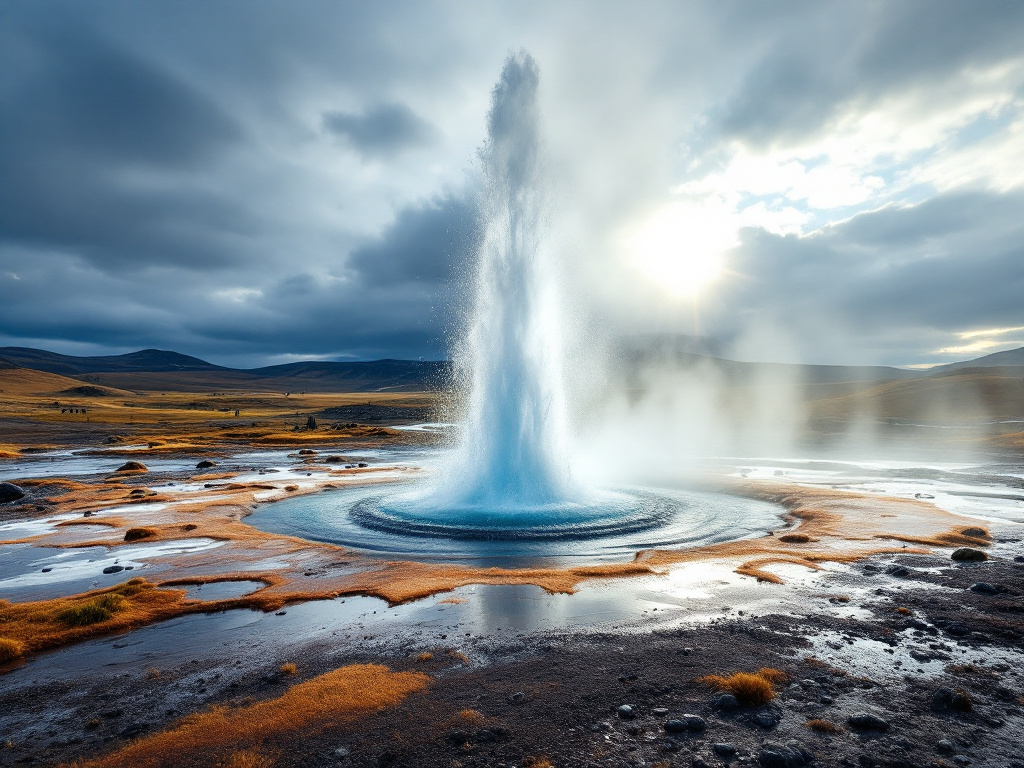
Geysir
World-famous geothermal area with active geysers, where Strokkur is the main attraction.
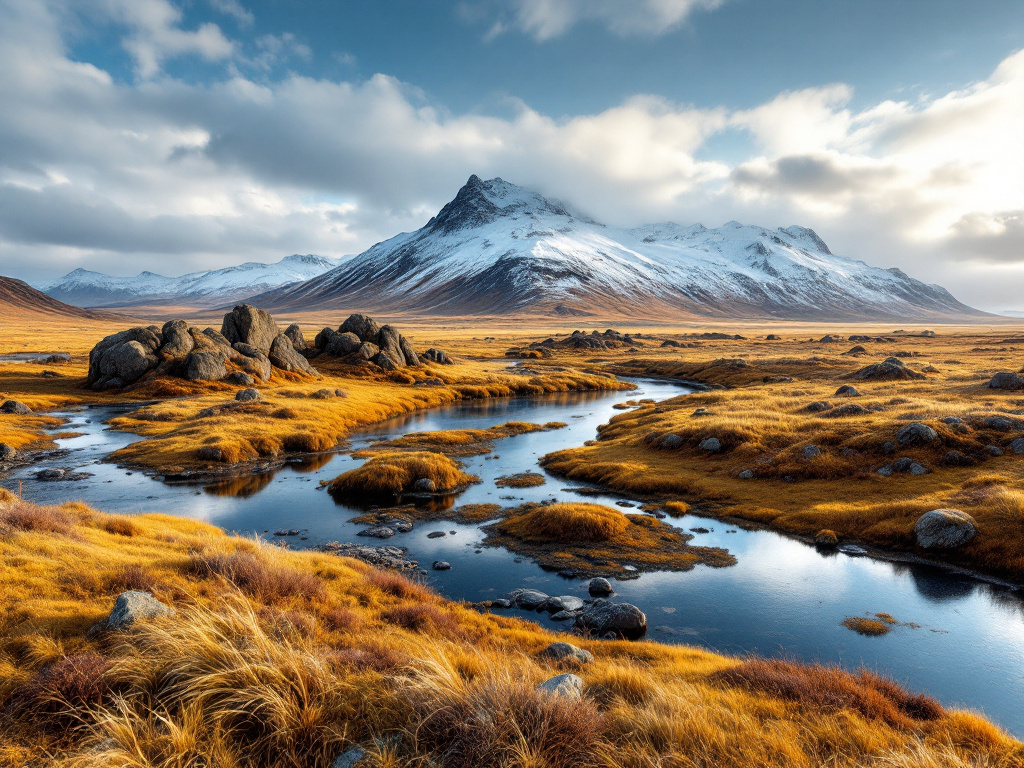
Þingvellir National Park
Historically and geologically significant national park and UNESCO World Heritage site.
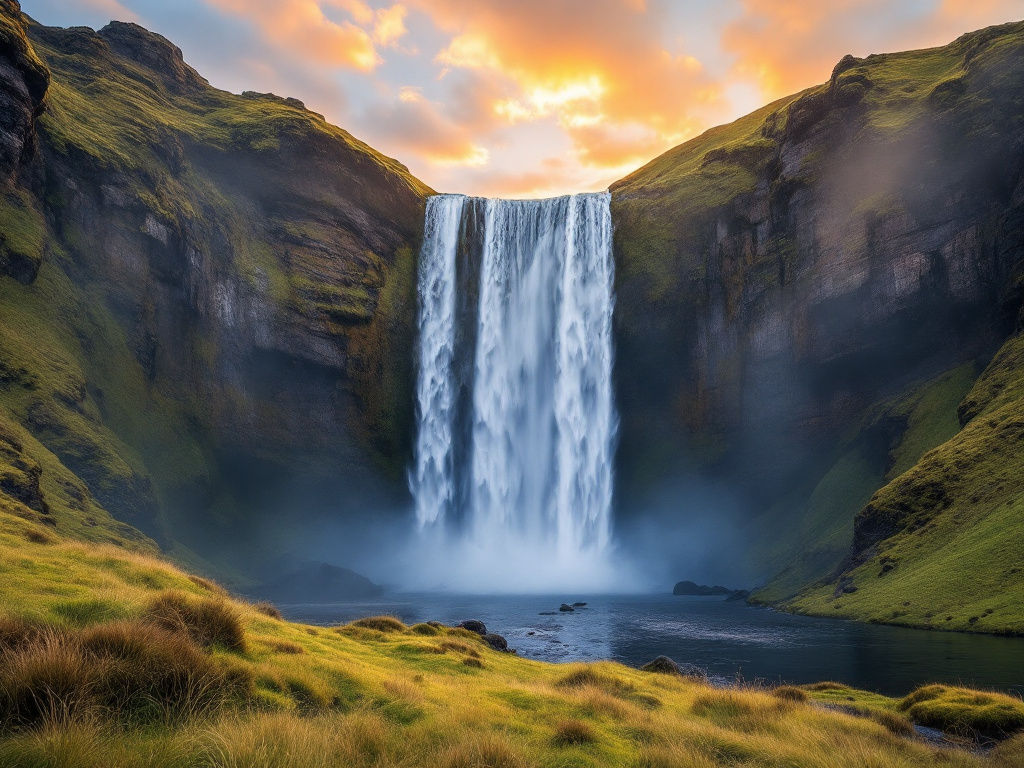
Seljalandsfoss
Beautiful waterfall known for the path that leads behind the rushing water.
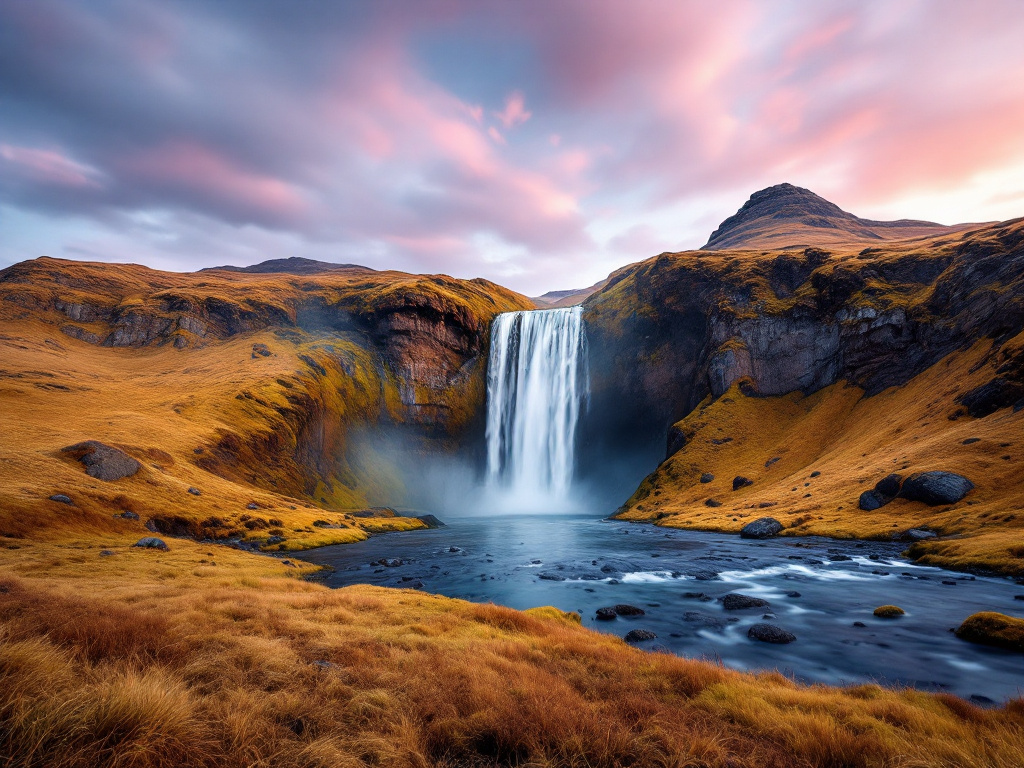
Skógafoss
A wide and powerful waterfall, often accompanied by colorful rainbows.
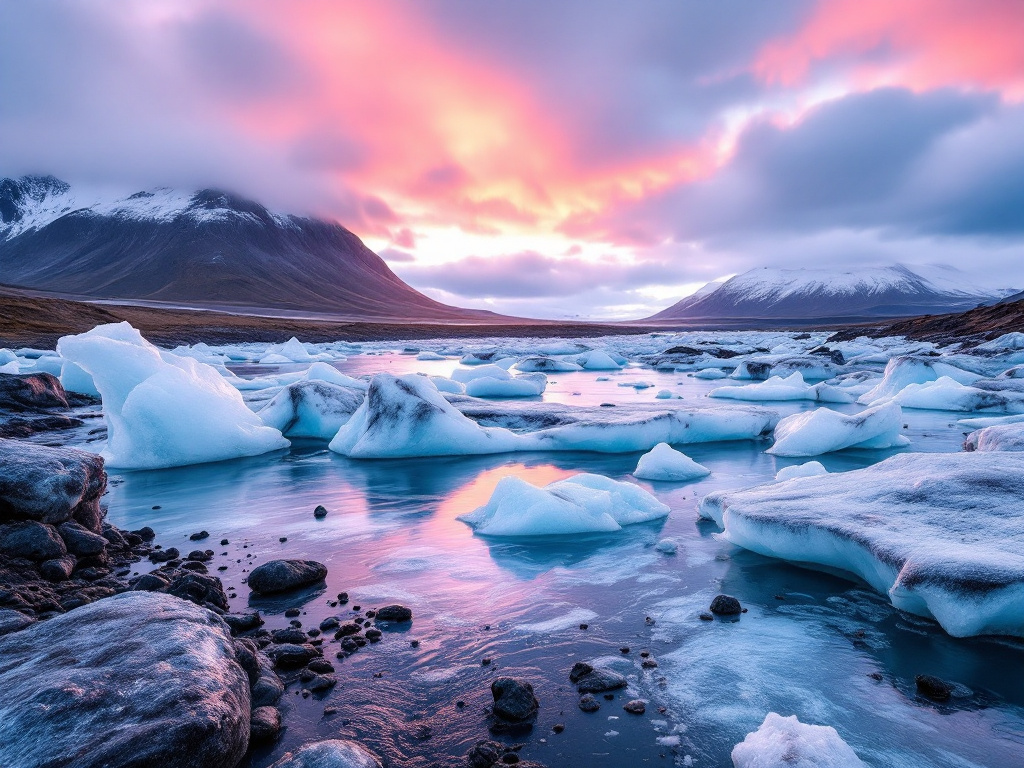
Jökulsárlón Glacier Lagoon
Spectacular glacier lagoon with floating icebergs drifting toward the sea.
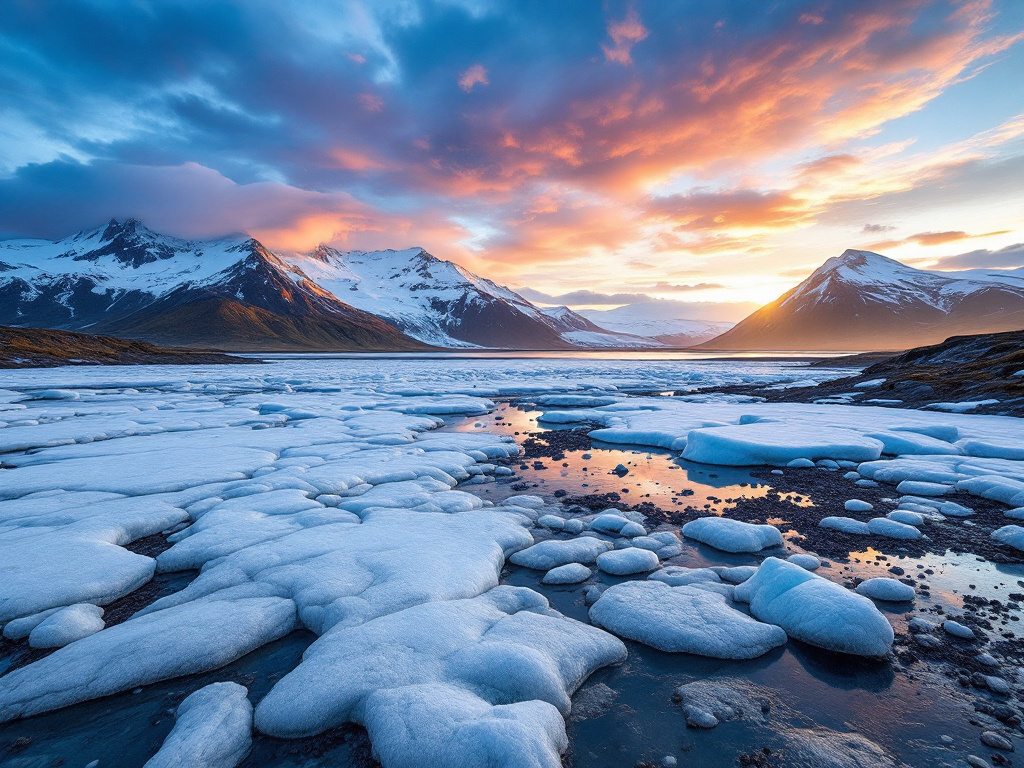
Vatnajökull National Park
A massive national park with glaciers, volcanoes, and dramatic landscapes.
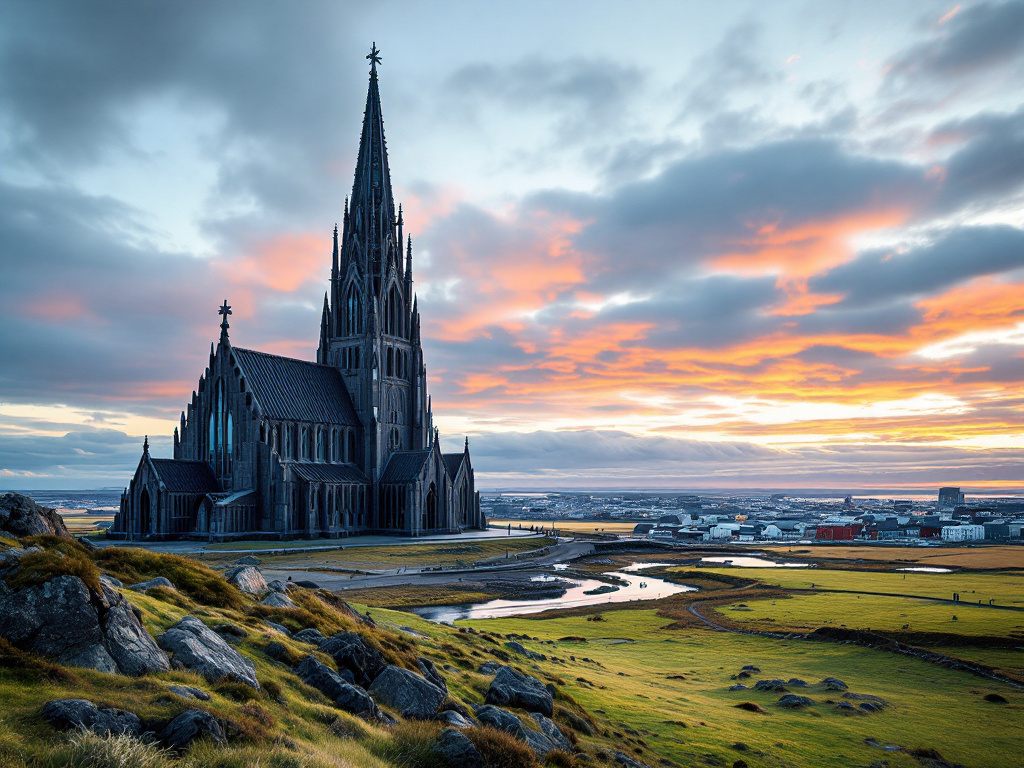
Hallgrímskirkja
Reykjavík's landmark with distinctive architecture inspired by basalt formations.
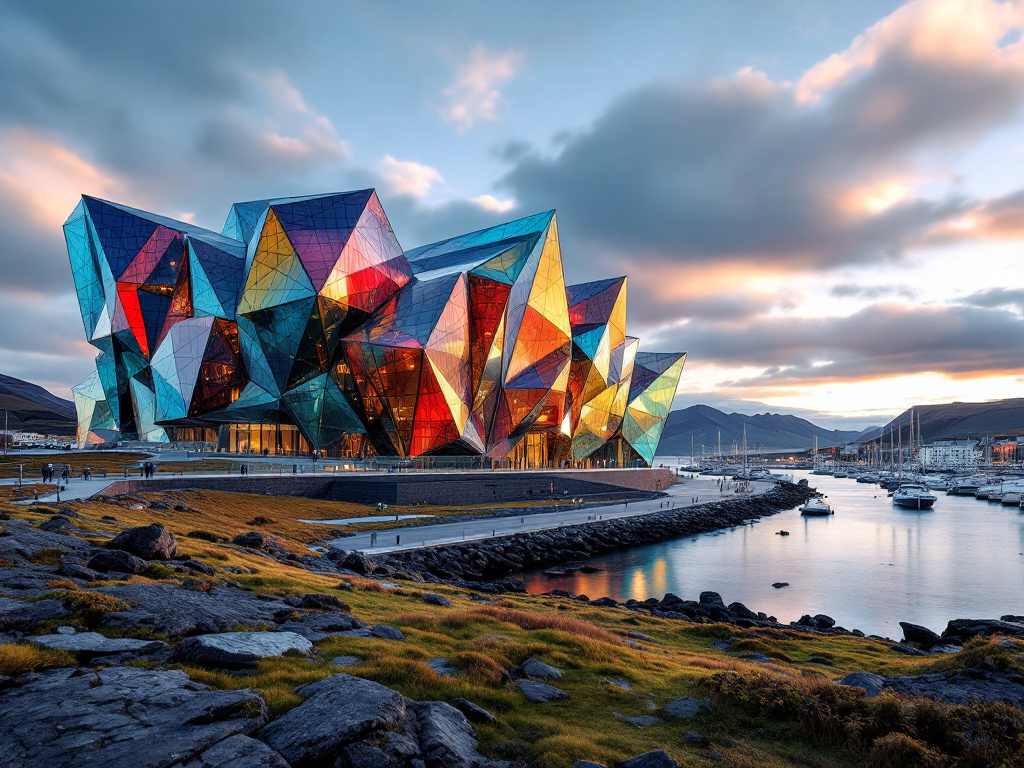
Harpa Concert Hall
Modern concert hall by the harbor in Reykjavík, known for its spectacular glass architecture.
Famous cuisine
Culinary overview
Icelandic food culture is deeply rooted in the country's harsh nature and history. The ingredients are often local and fresh, with fish and seafood from the cold Atlantic Ocean, free-range lamb, high-quality dairy products, and traditional preservation methods such as drying, smoking, and fermenting. Modern Icelandic chefs combine these traditions with innovative techniques, creating a unique fusion of old and new. In Reykjavik, you can find everything from cozy cafes to Michelin-recognized restaurants, while small villages offer authentic taste experiences close to nature.
Must-try dishes
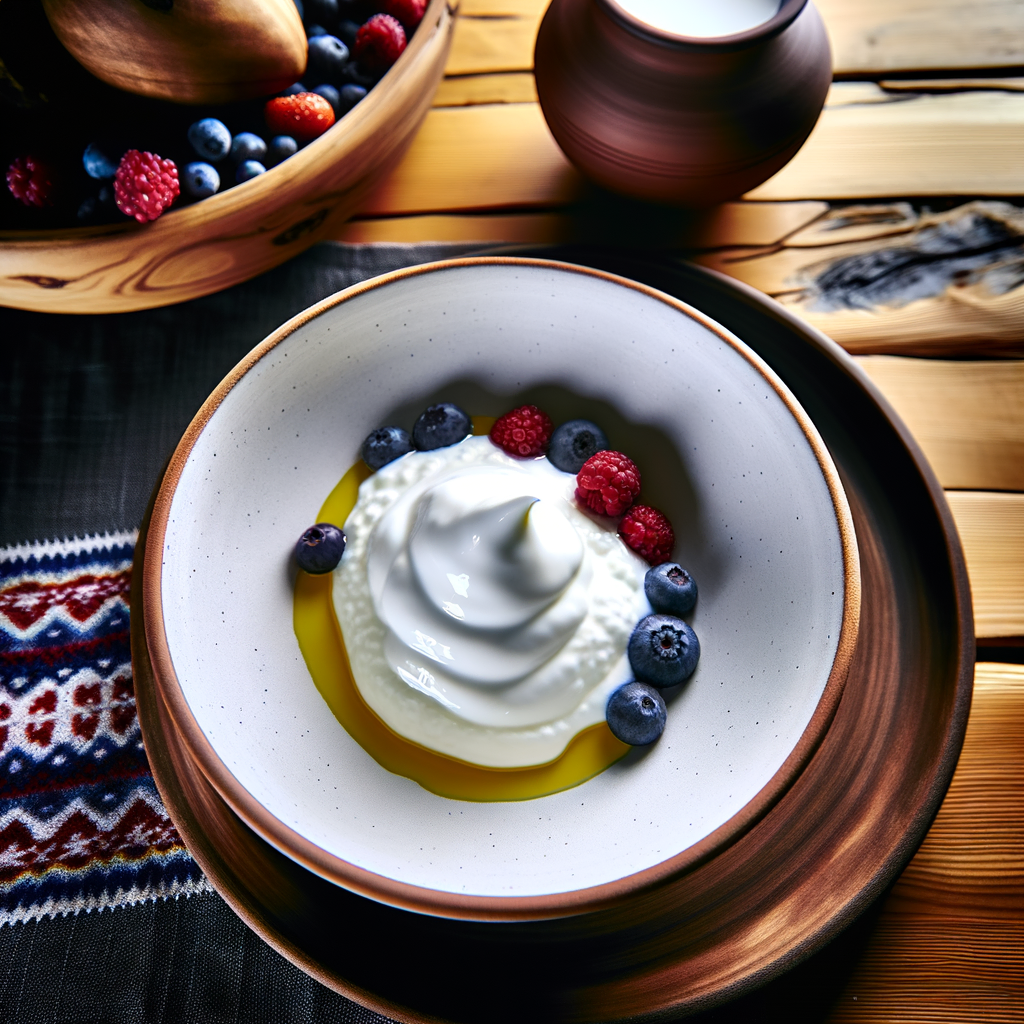
Skyr
A thick, creamy dairy product that resembles yogurt but has a milder taste. Often served with berries or honey and is a healthy classic in Icelandic cuisine.
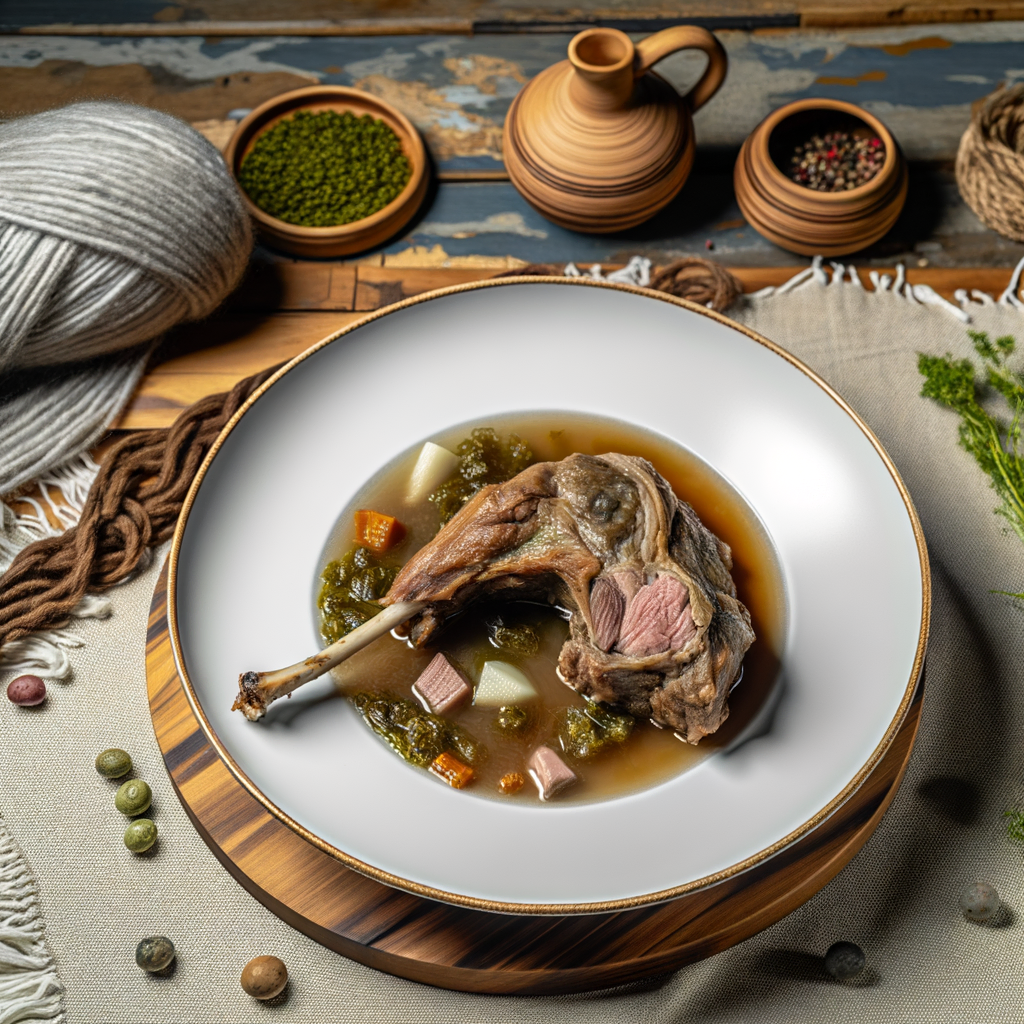
Lambekød
Icelandic lamb grazes freely in the highlands and has a unique, mild flavor. Often served as roasted lamb leg or in traditional soups like 'kjötsúpa'.
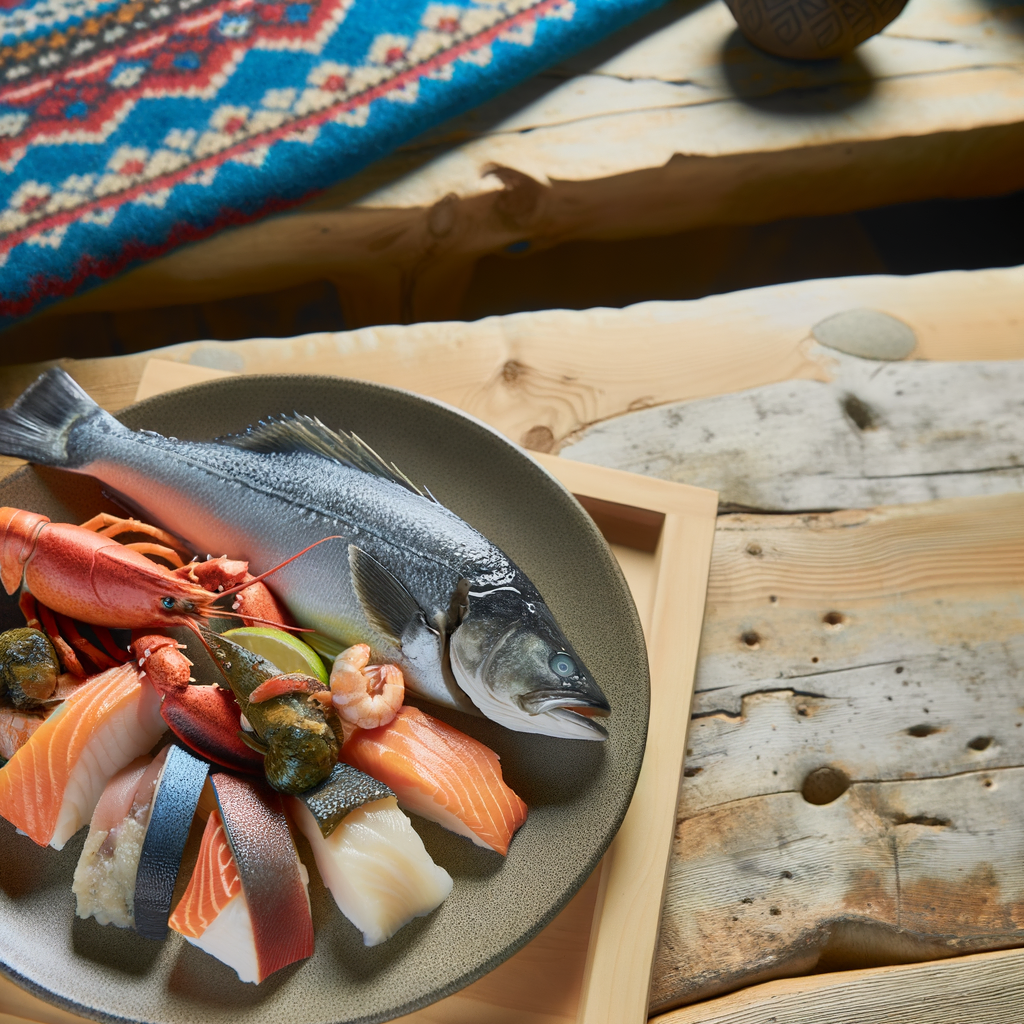
Fisk og skaldyr
Freshly caught cod, salmon, red fish, and lobster are central to Icelandic cuisine. The dishes are prepared simply to highlight the quality of the ingredients.
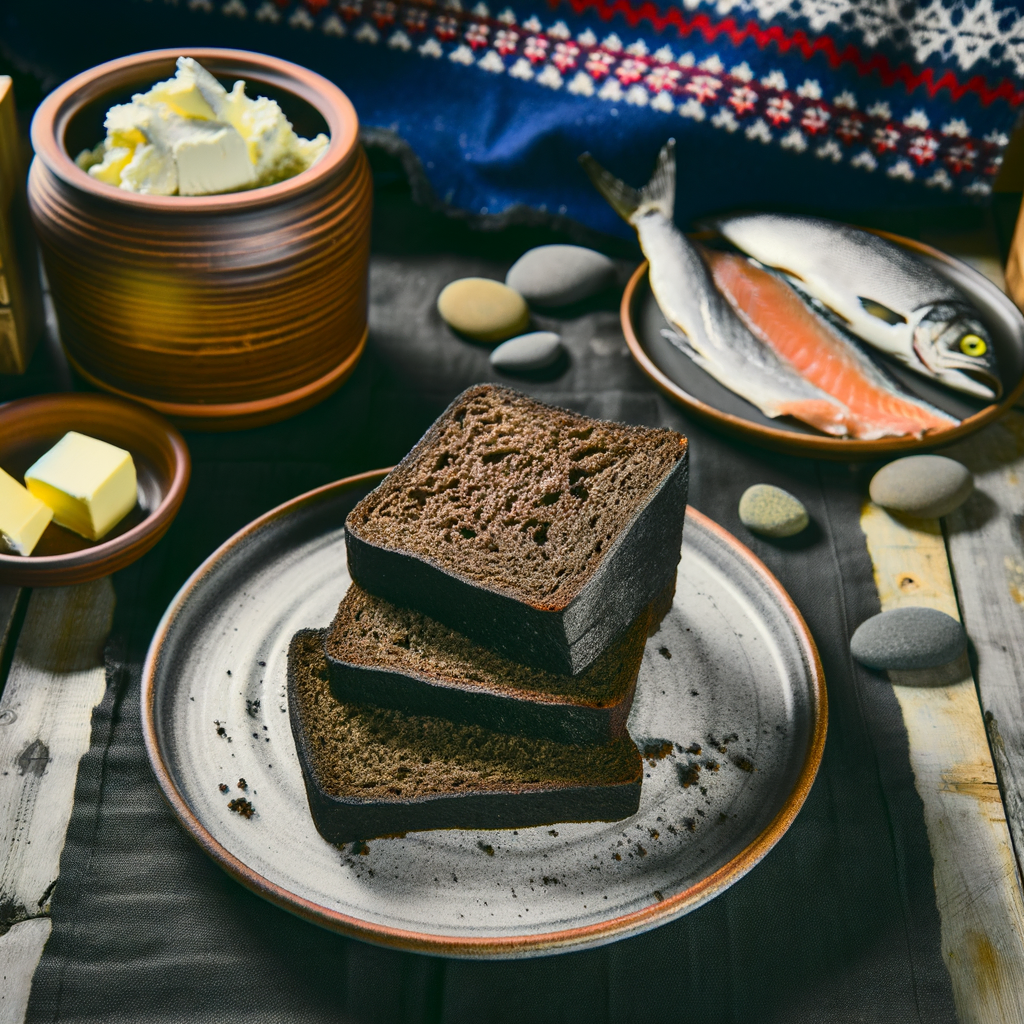
Rúgbrauð
A dark, dense rye bread, traditionally baked in the earth's warmth near hot springs. It has a slightly sweet taste and is often served with butter and smoked fish.
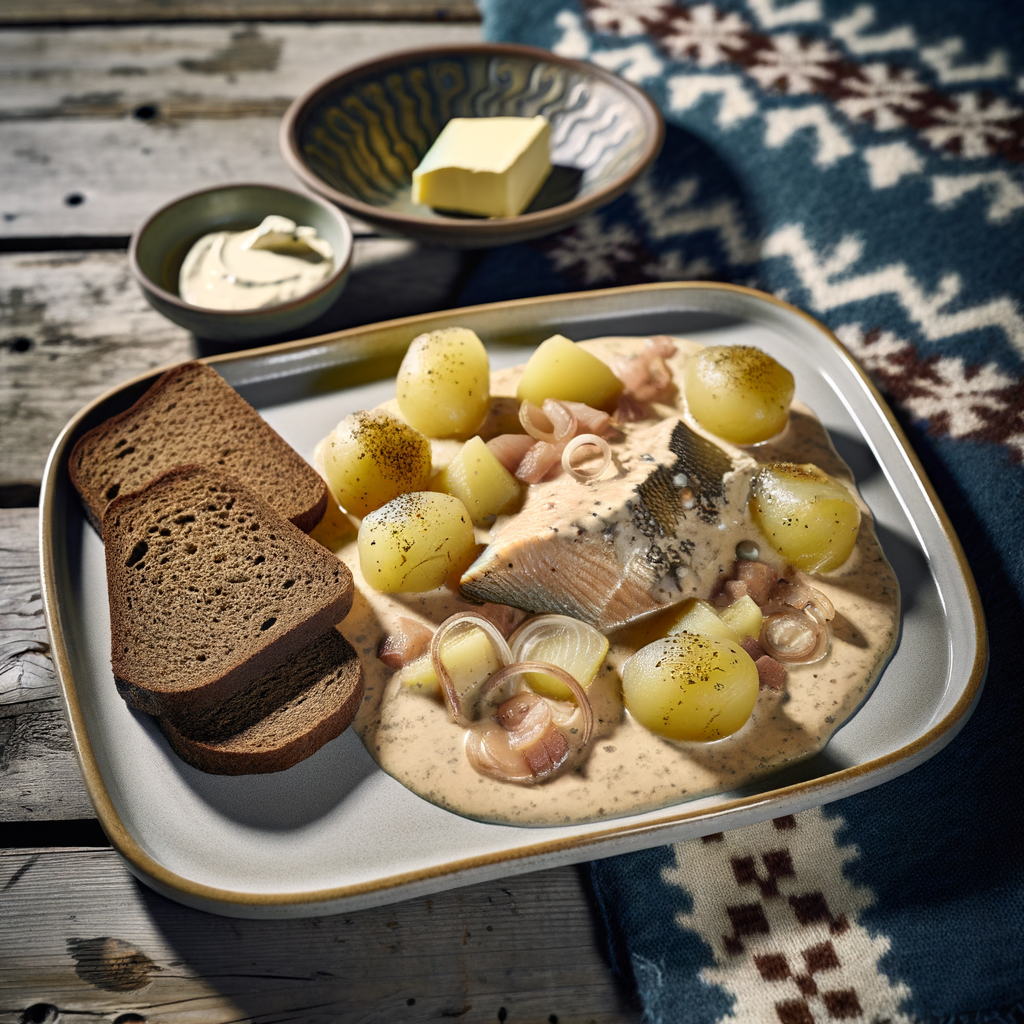
Plokkfiskur
A comforting dish made from boiled fish, potatoes, onions, and a creamy sauce. Often served with rye bread and butter.
Restaurant information
Tipping
Tipping is not a fixed part of Icelandic dining habits, as service is usually included in the price. However, it is appreciated to round up or leave a little extra if the service has been particularly good.
Travel information
Currency
Icelandic króna (ISK)
Language
Islandsk
Best time to visit
June-August
Major cities
Reykjavik and other major cities
More countries in Europe
Discover more destinations in this region