
Kyrgyzstan
Kyrgyzstan, the heart of Central Asia, captivates with its pristine mountain landscapes, nomadic traditions, and warm hospitality – a paradise for adventurers.
Overview
Kyrgyzstan, the heart of Central Asia, is an awe-inspiring destination where snow-capped peaks, crystal-clear mountain lakes, and centuries-old nomadic traditions converge. Here, you can experience Issyk-Kul – one of the world's largest mountain lakes – hike in the wild Ala-Archa National Park, or ride to the serene Son-Kul Lake. The country offers authentic encounters with shepherds in yurts, vibrant markets like Osh Bazaar, and historical gems such as the Tash Rabat Caravanserai. With visa-free access for many nationalities and a hospitality that warms the soul, Kyrgyzstan is a must-visit for both adventurers and cultural travelers.
Official language
Kirgisisk
Government
Presidential democracy
Best time to visit
June-September
Nature
Kyrgyzstan's nature is nothing short of breathtaking. Over 90% of the country is covered by mountains, dominated by the Tien Shan range, where snow-capped peaks rise above 7,000 meters. Issyk-Kul Lake, surrounded by majestic mountains, is one of the world's largest and deepest mountain lakes, renowned for its clear, mineral-rich waters that never freeze. The summer pastures, known as jailoos, create lush green carpets in the highlands, where nomads continue to live in harmony with nature. Ala-Archa National Park offers dramatic gorges, rushing rivers, and rare wildlife, while Son-Kul Lake beckons with tranquil expanses and rich birdlife. In the Saryarka region, you can experience endless steppes and a unique ecosystem that attracts migratory birds from around the globe. Whether you seek hiking, horseback riding, mountaineering, or the serenity of untouched landscapes, Kyrgyzstan offers an endless adventure in nature.
Travel to Kyrgyzstan
Traveling to Kyrgyzstan is both easy and rewarding. Many nationalities enjoy visa-free access, making planning straightforward. The best time to visit is from June to September, when the weather is ideal for hiking, horseback riding, and exploring the mountains. The country boasts a well-developed infrastructure of homestays and guesthouses, offering opportunities for authentic interactions with locals. From the capital city of Bishkek, you can easily access natural treasures like Ala-Archa National Park and Issyk-Kul Lake. Adventurers may embark on multi-day horseback rides to Son-Kul Lake or explore the historical routes of the Silk Road. Transportation between towns and villages typically occurs via minibuses (marshrutkas), providing a local experience. With its combination of stunning nature, rich culture, and warm hospitality, Kyrgyzstan is the perfect choice for travelers seeking both adventure and authenticity.
Culture
Kyrgyzstan's culture is deeply rooted in nomadic traditions, where life follows the rhythm of the seasons. In the lush jailoos, you can meet shepherd families who welcome visitors into their yurts, serving kymyz – fermented mare's milk – alongside dishes like beshbarmak, lagman, and samsa. The country's markets, such as the vibrant Osh Bazaar, are filled with colorful textiles, handcrafted felt carpets (shyrdaks), and spices that testify to the Silk Road's trade routes. Music and dance play a central role, often accompanied by traditional instruments like the komuz. Kyrgyzstan is also famous for its horseback games, particularly kok-boru, where riders compete in strength and agility. The legendary Kyrgyz hospitality means that visitors are often spontaneously invited to meals and celebrations. The combination of ancient customs, vibrant craftsmanship, and a warm, welcoming population makes the culture an unforgettable part of any journey.
History
Kyrgyzstan's history has been shaped by millennia as a crossroads on the Silk Road, where caravans brought goods, ideas, and cultures between the East and West. Nomadic tribes have dominated the region for centuries, and their lifestyle continues to influence the country today. The Tash Rabat Caravanserai, a well-preserved stone fortress from the 15th century, stands as a testament to its past as a trade center. The area has been under various empires, including the Mongol Empire and later the Russian Empire, before becoming part of the Soviet Union. In 1991, Kyrgyzstan declared its independence and has since worked to preserve its cultural heritage while modernizing. UNESCO sites like the Chang'an-Tianshan corridor tell the story of the country's role in global trade and cultural exchange.
Top attractions
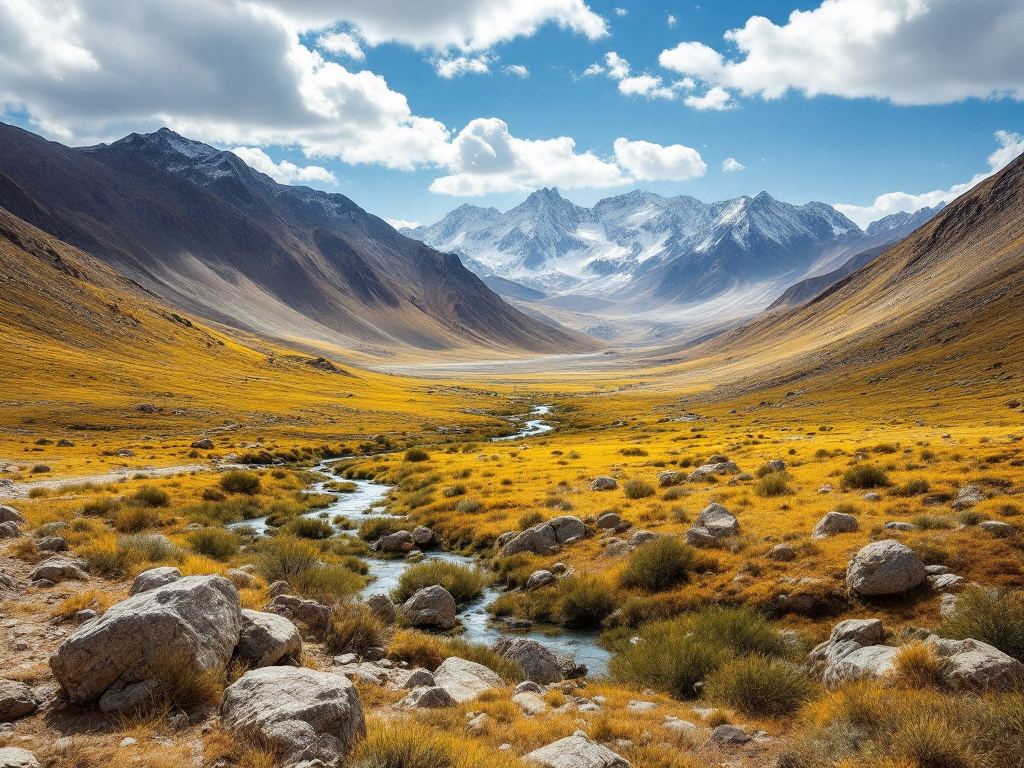
Ala Archa National Park
A popular national park near Bishkek with dramatic mountain landscapes, glaciers, and clear rivers.
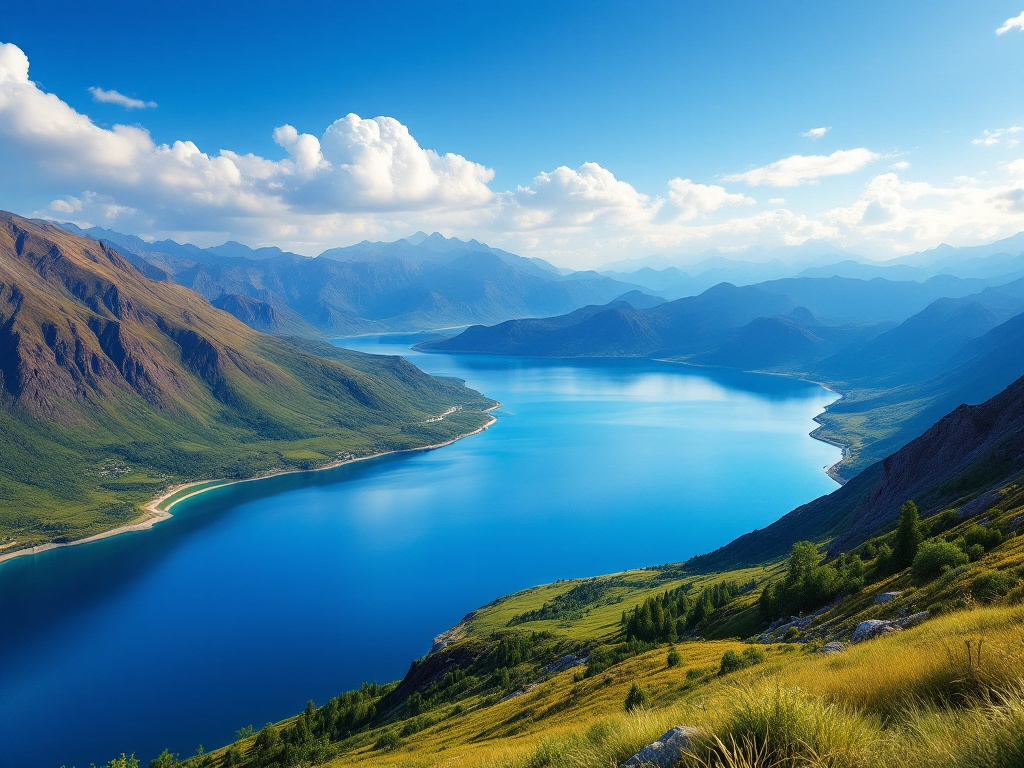
Issyk-Kul Lake
A huge alpine lake surrounded by mountains, known for its clear water and popular summer resorts.
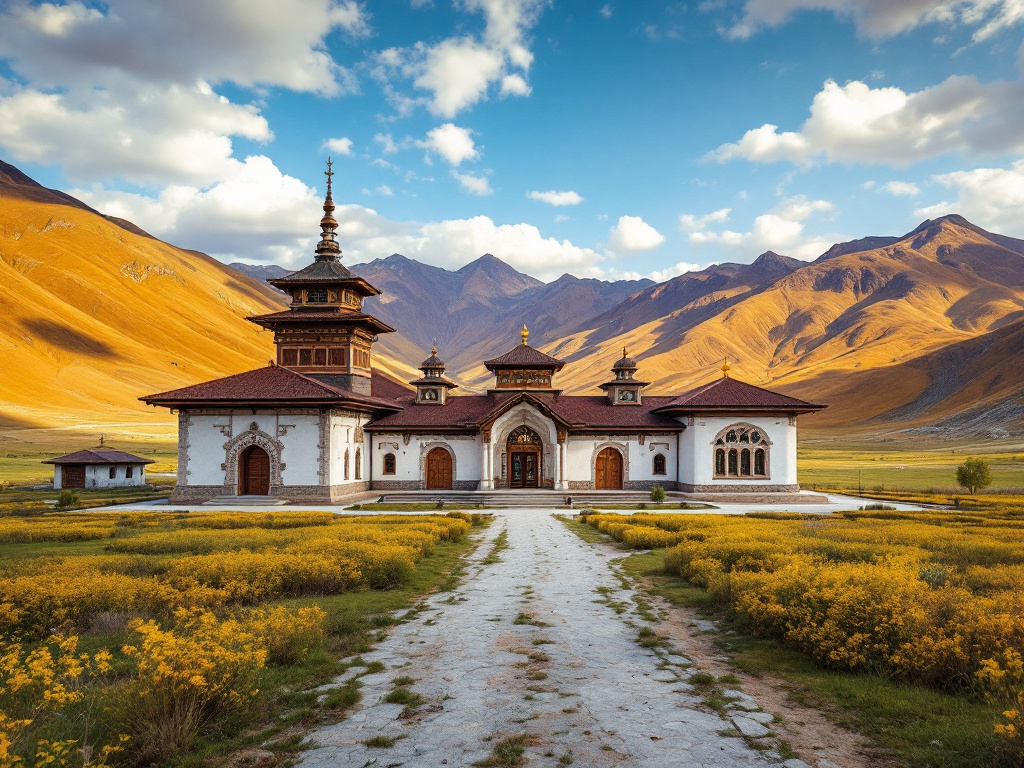
Rukh Ordo Cultural Center
A unique cultural center dedicated to the world's religions, philosophy, and Kyrgyz heritage.
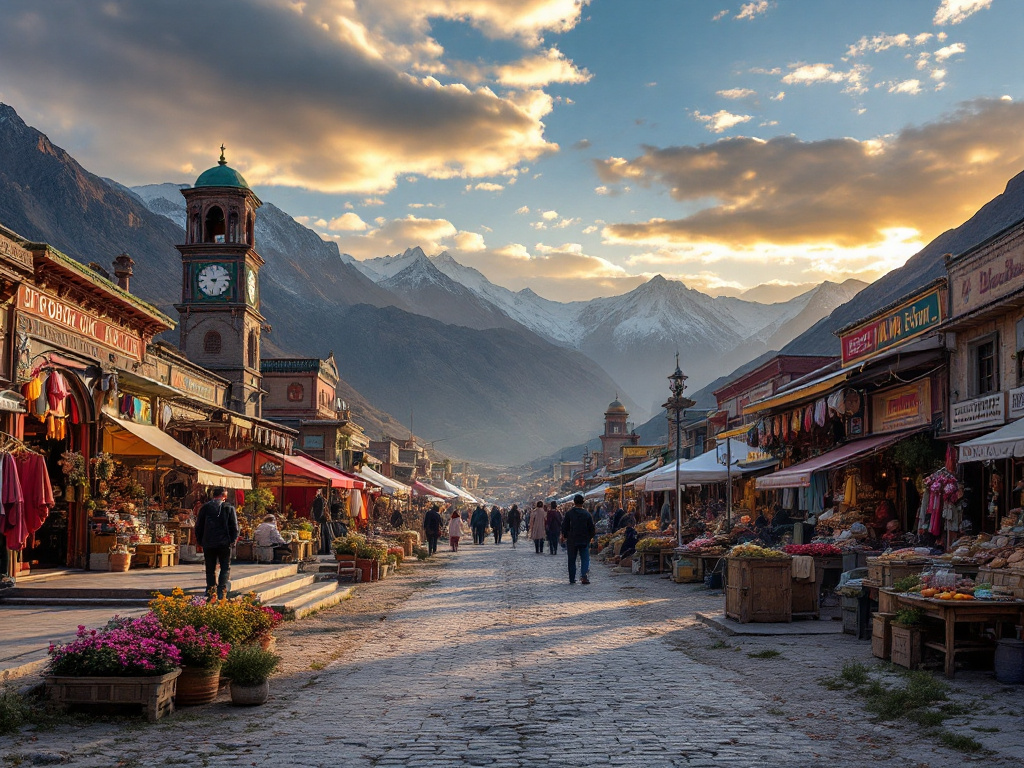
Osh Bazaar
One of the largest and most authentic markets in Central Asia with a strong local atmosphere.
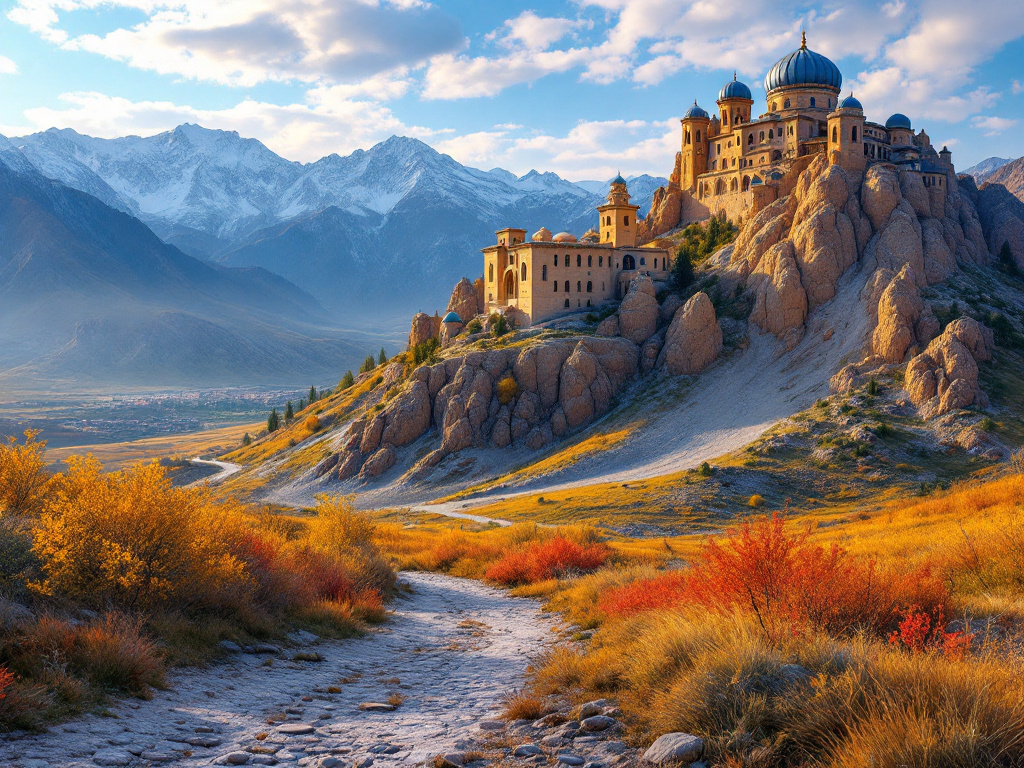
Suleiman Too Mountain
A sacred mountain with great religious and historical significance, located in the heart of Osh.
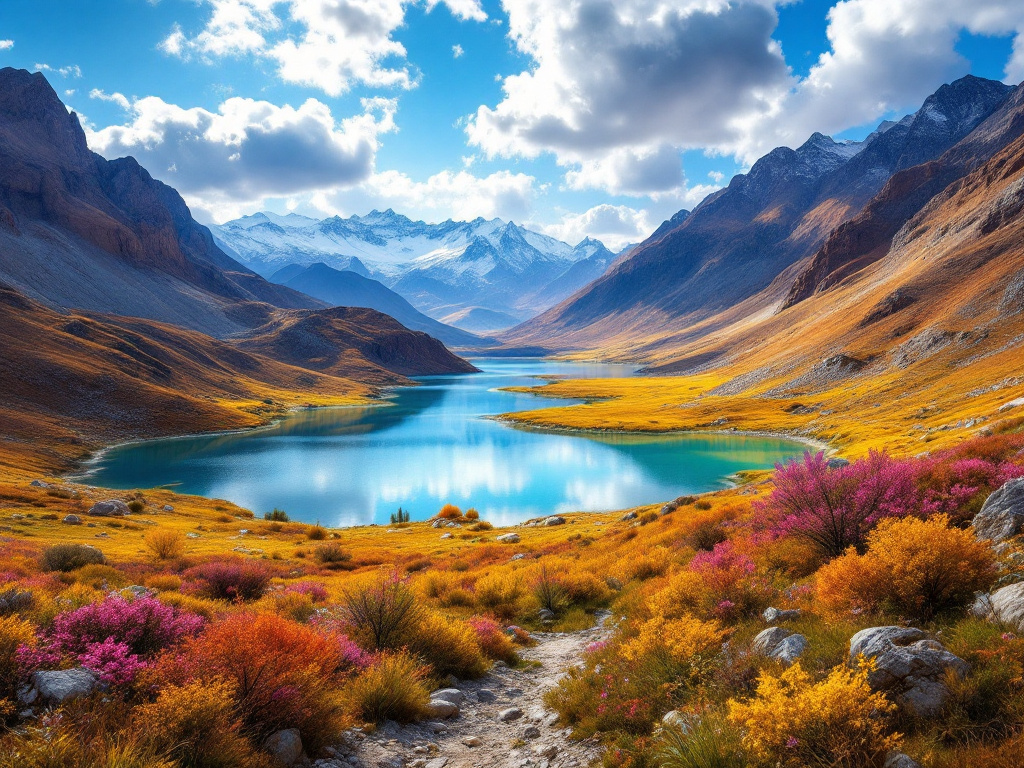
Son Kul Lake
A remote mountain lake surrounded by steppes and used by nomads in the summer.
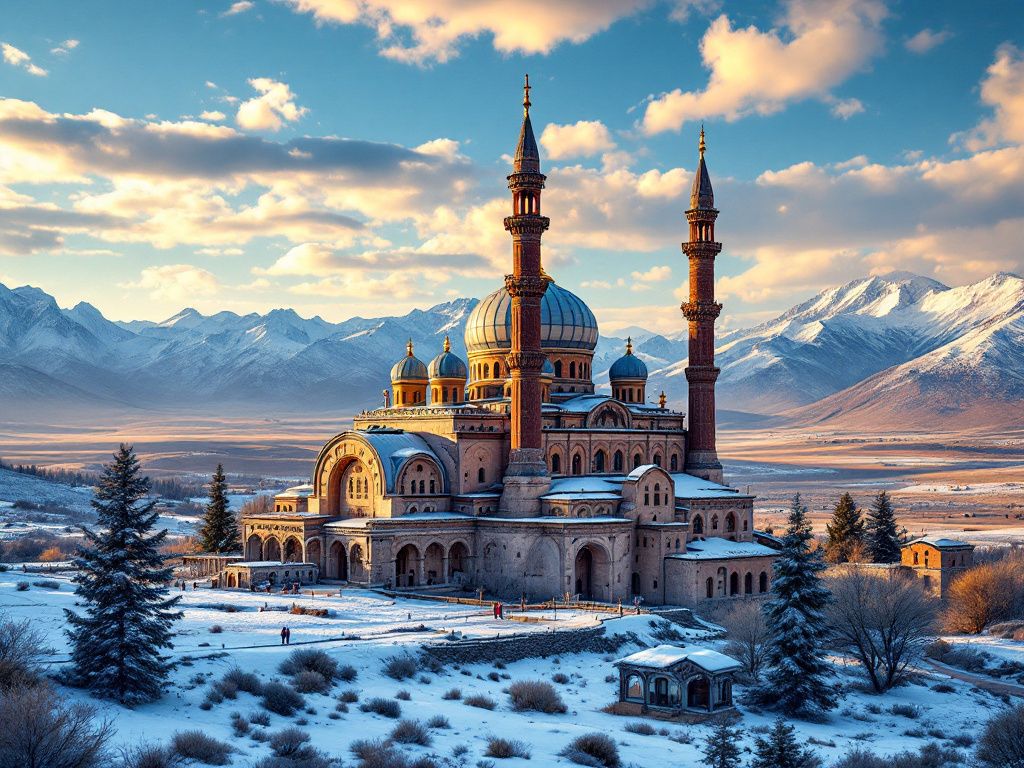
Burana Tower
A historic minaret tower and archaeological site from the ancient Balasagun kingdom.
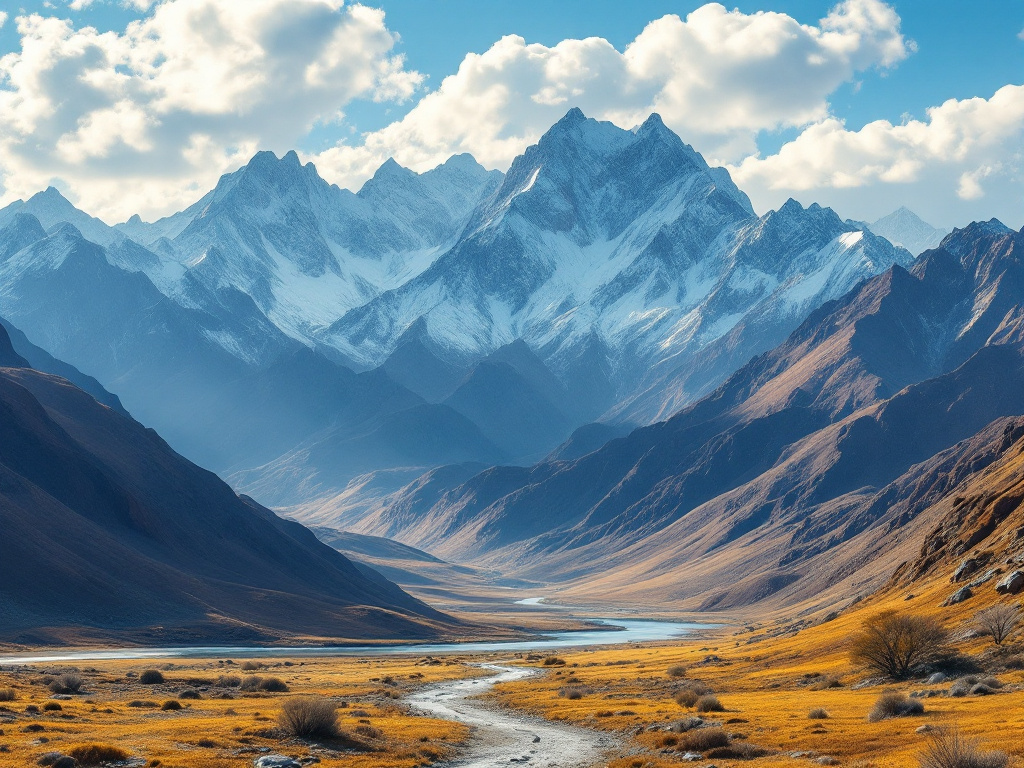
Tien Shan Mountains
A massive mountain range that dominates Kyrgyzstan's landscape and offers great adventure opportunities.
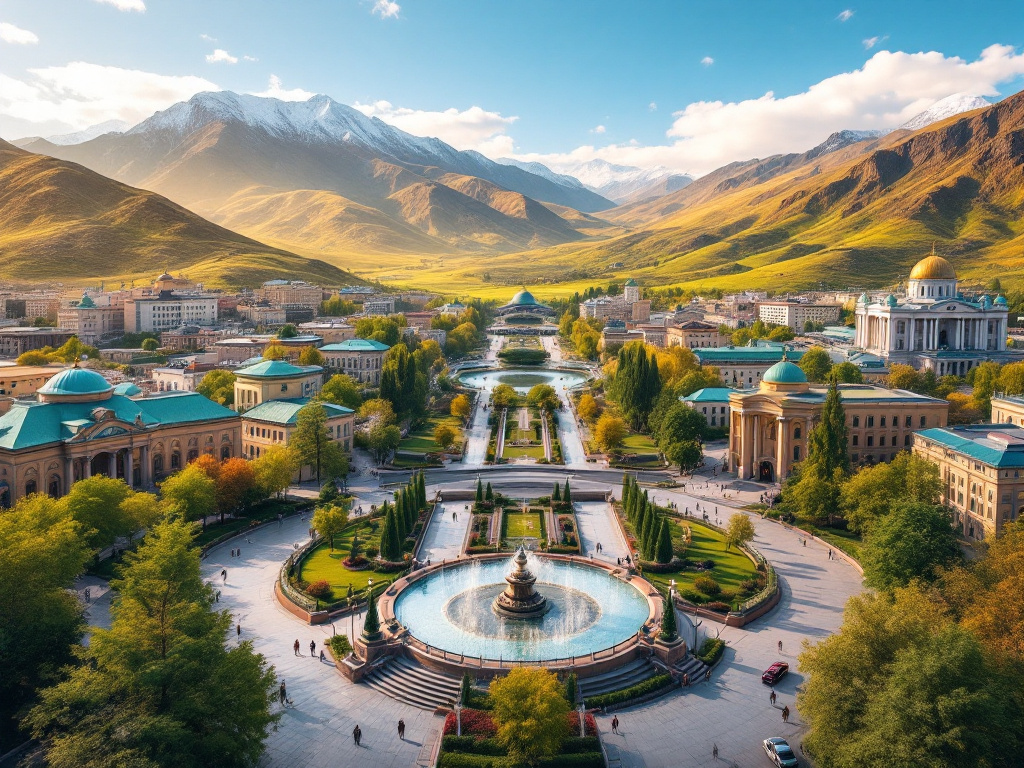
Bishkek City Center
The central area of the capital with parks, monuments, and a relaxed city life.
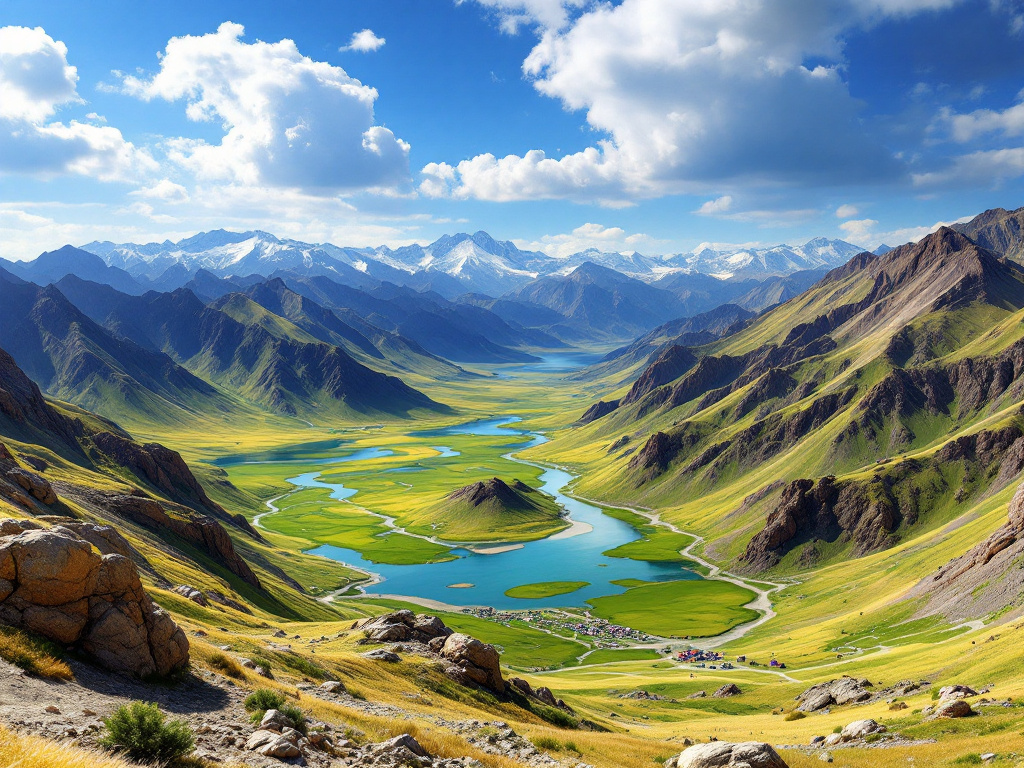
Skazka Canyon
A picturesque canyon known for its colorful sandstone formations, also called Fairy Tale Canyon.
Famous cuisine
Culinary overview
Kyrgyz cuisine is a flavorful mix of nomadic traditions and influences from neighboring countries, especially Uzbekistan, Kazakhstan, Russia, and China. Meals are often based on meat – particularly lamb and beef – as well as fresh vegetables, noodles, and bread. Many dishes reflect the country's nomadic heritage, where food needs to be nutritious and easy to prepare outdoors. Hospitality is a central part of the food culture, and guests are often offered tea, bread, and sweets upon arrival. Fermented dairy products like kymyz (fermented mare's milk) play an important role, especially in the summer months in the highlands.
Must-try dishes
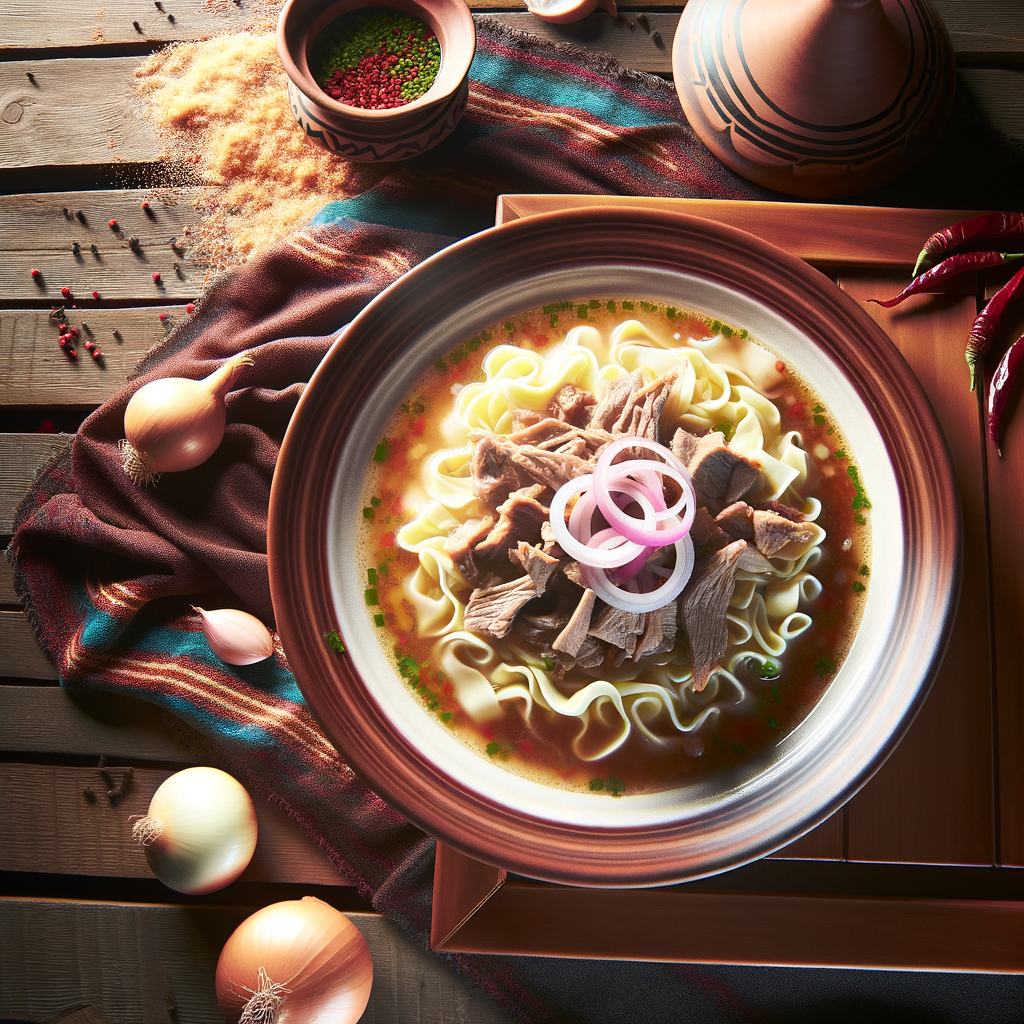
Beshbarmak
The national dish of Kyrgyzstan, consisting of boiled meat (often lamb or beef) served over flat noodles with onions and broth. The name means 'five fingers', as the dish is traditionally eaten with the hands.
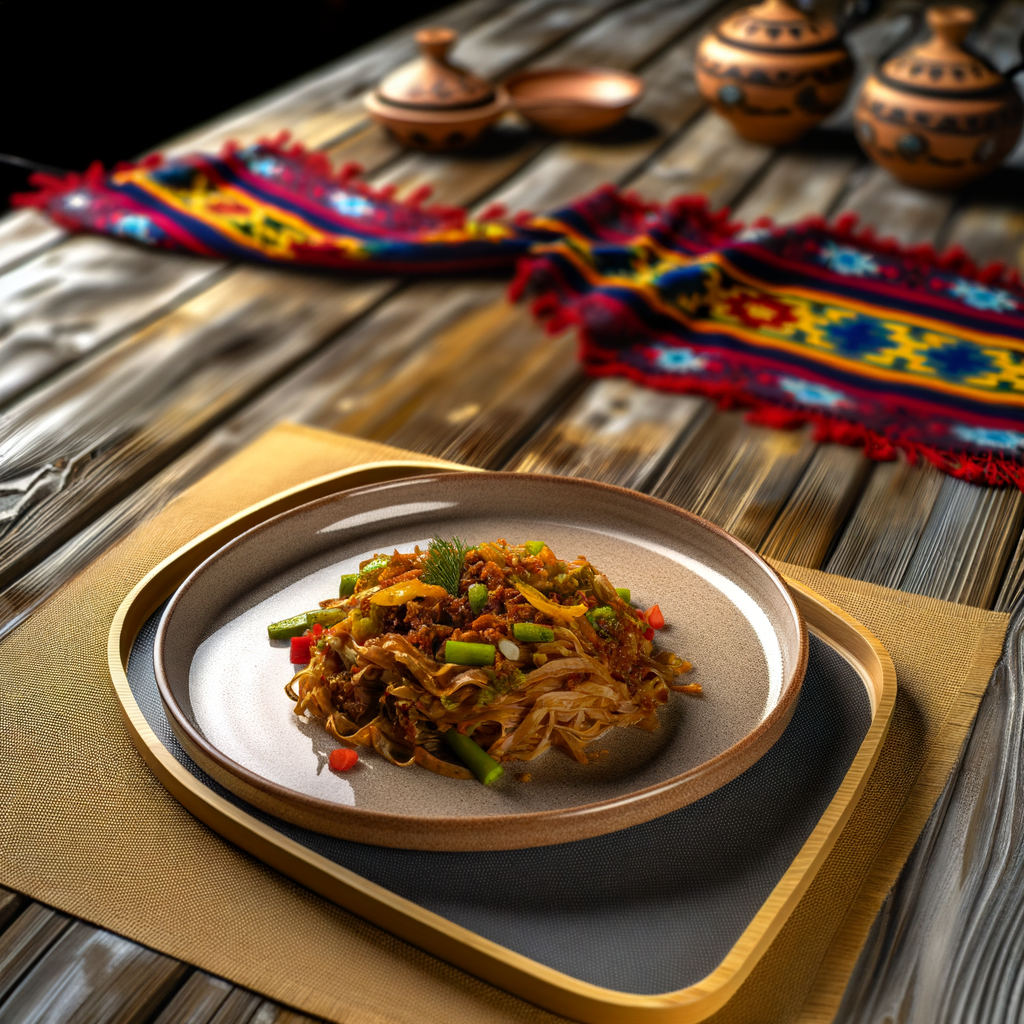
Lagman
A noodle dish with hand-pulled noodles, vegetables, and meat in a spicy sauce. The dish has roots in Uyghur and Dungan cuisine and is popular throughout Central Asia.
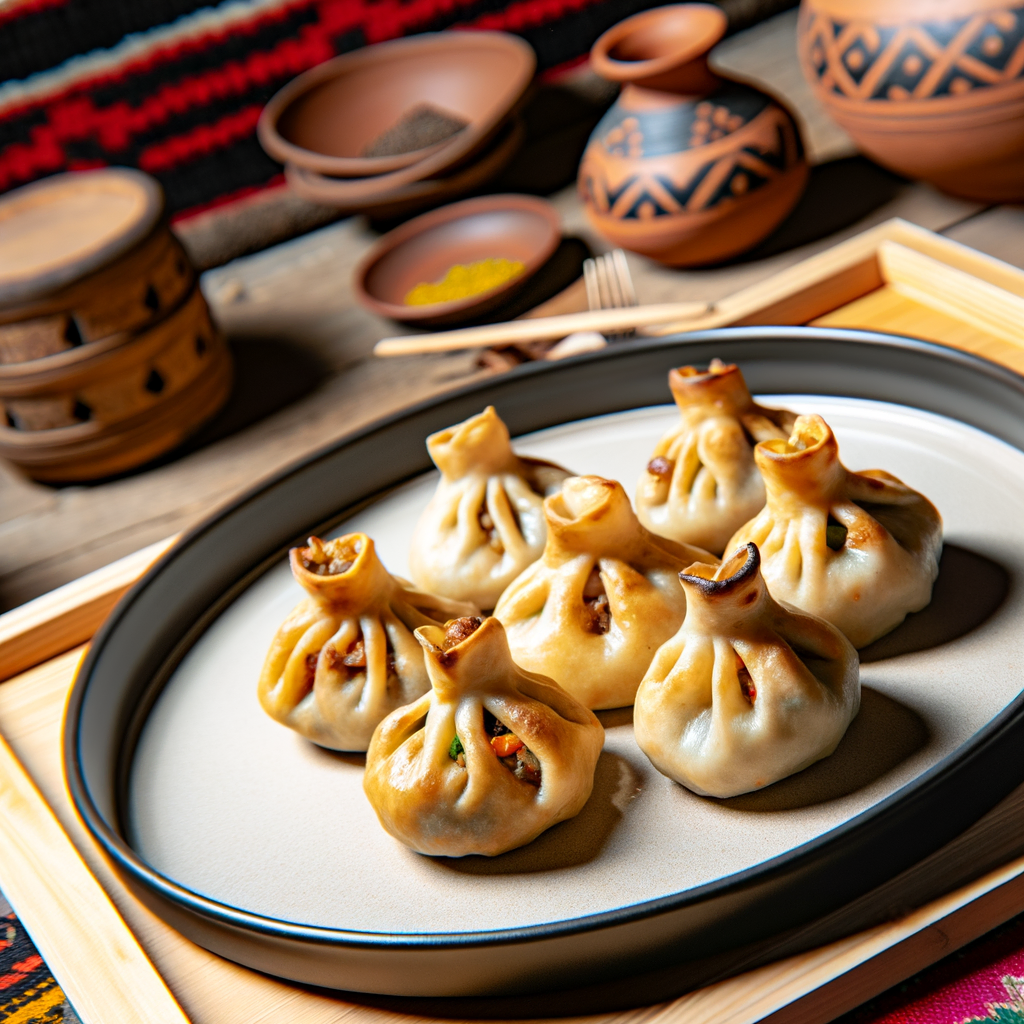
Samsa
Small baked or fried pastry pockets filled with meat, onions, and spices. Often baked in a tandoor oven, giving a crispy crust and juicy filling.
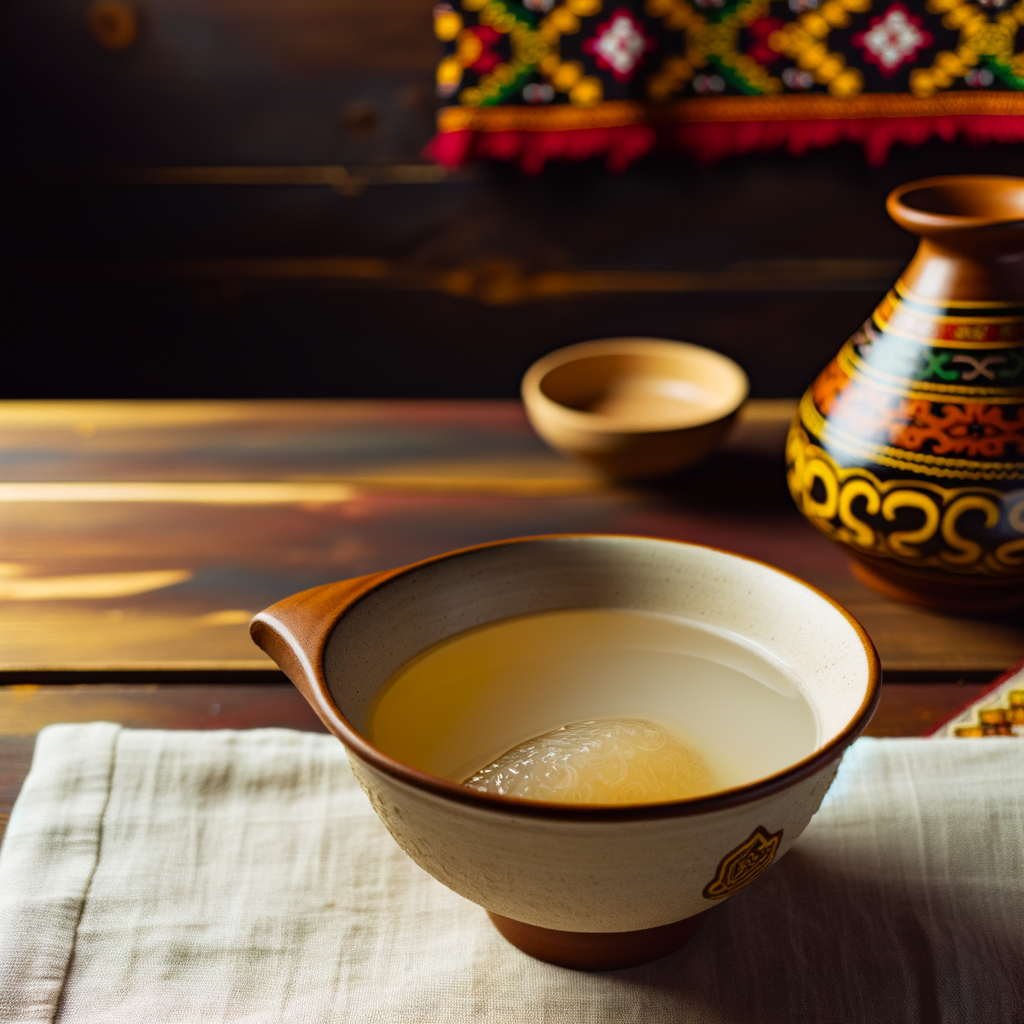
Kymyz
A traditional fermented drink made from mare's milk, slightly sour and refreshing. Kymyz is an important part of nomadic culture and is said to have health benefits.
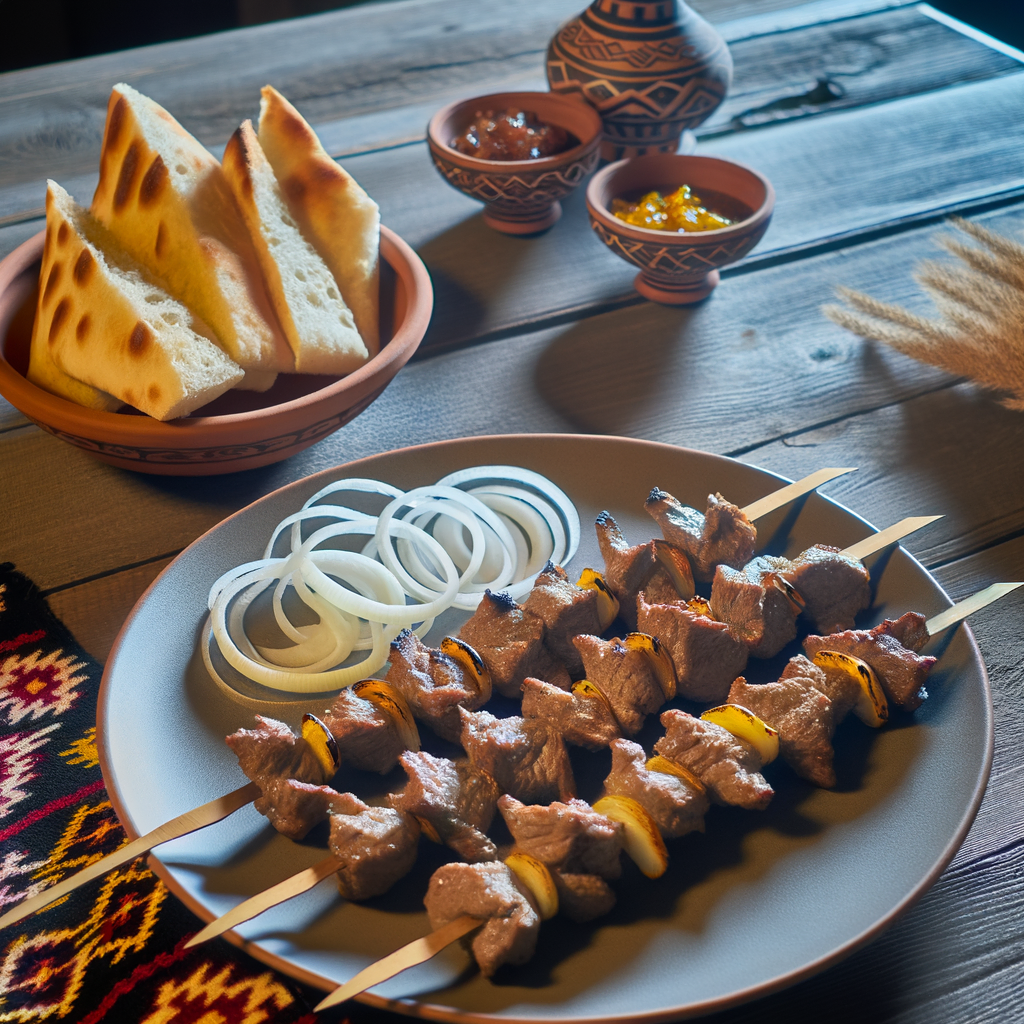
Shashlik
Grilled meat skewers, often lamb or beef, marinated in spices and grilled over an open fire. Typically served with fresh bread and onions.
Restaurant information
Tipping
Tipping is not mandatory in Kyrgyzstan, but it is appreciated to round up or give 5-10% at restaurants, especially in tourist areas. At markets and in small eateries, no tipping is expected.
Travel information
Currency
Som (с)
Language
Kirgisisk
Best time to visit
June-September
Major cities
Bisjkek and other major cities
More countries in Asia
Discover more destinations in this region