
North Korea
North Korea, the world's most isolated nation, offers a rare glimpse into a secretive society shaped by a strong cult of personality, where time seems to stand still and modernity remains distant.
Overview
North Korea is one of the world's most closed and enigmatic travel destinations, where time seems to stand still, and history coexists with monumental architecture and political symbols. In the capital city of Pyongyang, visitors can encounter iconic sights such as the Juche Tower, Kumsusan Palace of the Sun, and the impressive Mansudae Grand Monument. The Demilitarized Zone (DMZ) offers a rare perspective on the tense border with South Korea, while the scenic Myohyang Mountains invite outdoor exploration. With UNESCO-listed Koguryo tombs revealing colorful murals and architectural masterpieces from a bygone era, a journey here promises a unique, guided experience of a society shaped by isolation and a strong sense of national identity.
Official language
Korean
Government
Enpartistat under en Socialist diktatur
Best time to visit
April and October
Nature
North Korea's landscapes are surprisingly diverse, ranging from dramatic mountains to serene river valleys. The Myohyang Mountains stand out as one of the country's most acclaimed natural areas, featuring steep cliffs, lush forests, and clear mountain streams that beckon for hiking and contemplation. Along the coastline, pristine beaches and fishing villages provide a tranquil glimpse into rural life. The Taedong River, flowing through Pyongyang, creates green oases amid the city's monumental architecture. In spring, the scenery transforms with blooming cherry blossoms, while autumn paints the mountains in stunning reds and golds. With relatively low tourism, much of North Korea's nature remains untouched and authentic, offering nature lovers a rare combination of dramatic terrain and quiet, unspoiled regions far from the hustle of mass tourism.
Travel to North Korea
Traveling to North Korea presents a rare opportunity to explore one of the world's most isolated societies. All visits occur through official, state-approved travel agencies, and visitors are always accompanied by guides who ensure a carefully curated itinerary. This provides a unique glimpse into the country's culture, history, and daily life. Highlights include the monumental attractions of Pyongyang, the gripping DMZ, the scenic Myohyang Mountains, and the historic Koguryo tombs. The best times to visit are April and October, when the weather is mild and clear. A trip requires openness and respect for local rules, but the reward is an unparalleled experience—an insight into a world seldom seen by outsiders.
Culture
North Korea's culture is profoundly shaped by its political system and isolation from the outside world. The official ideology, Juche, permeates everything from art and architecture to music and daily life. Monumental sculptures, mosaics, and murals celebrate the nation's leaders and revolutionary history. Yet, traditional Korean elements endure in music, dance, and cuisine, with dishes like Naengmyeon, Kimchi, and Bulgogi reflecting centuries of culinary heritage. Visitors encounter a culture meticulously curated by the state, yet it also is imbued with genuine pride in the nation's history and identity. Festivals, parades, and mass games showcase the collective spirit, while small glimpses into everyday life—children playing, markets with local goods—present a more human side of the nation. North Korea's culture is a blend of tradition and propaganda, making it one of the world's most unique cultural experiences.
History
North Korea's history is marked by both pride and conflict. The nation has roots in the ancient Koguryo kingdom, with grave complexes today recognized as UNESCO World Heritage sites. Following Japan's colonization of Korea (1910-1945), the Korean Peninsula was divided after World War II, leading to the Korean War (1950-1953) and the ongoing split between North and South Korea. Under the leadership of Kim Il-sung, North Korea was established as a socialist one-party state anchored by the Juche ideology. This historical backdrop is closely tied to the country's military strength, self-reliance, and resistance to Western influence, shaping a strong national identity and its closed nature.
Top attractions
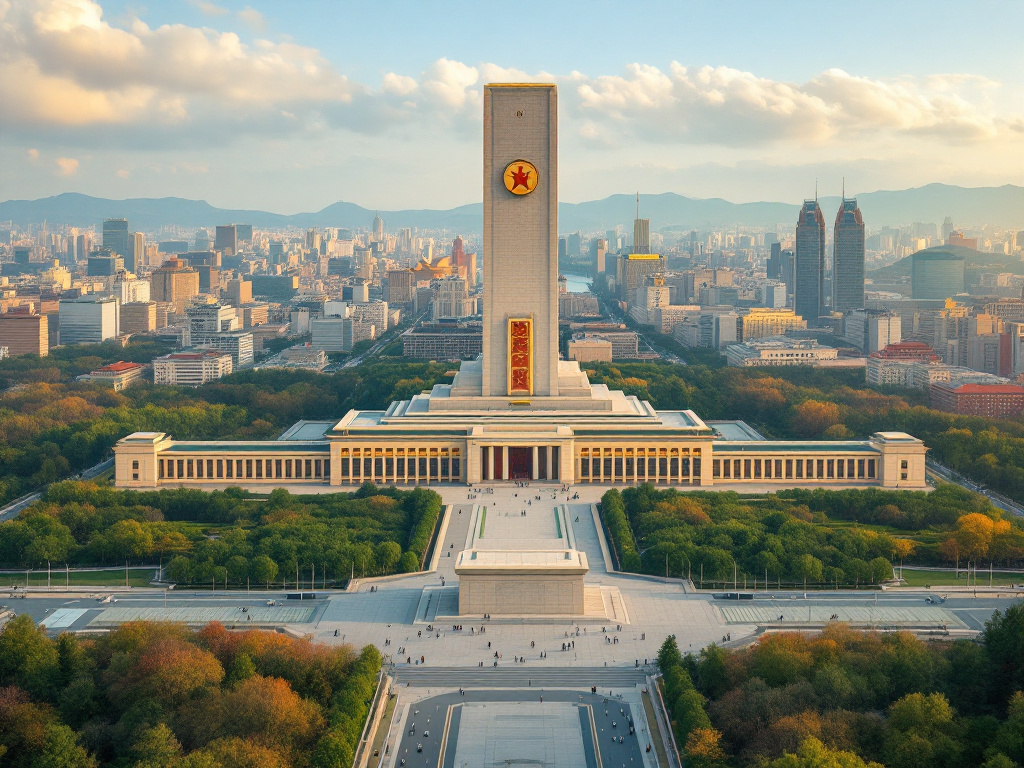
Juche Tower
A tall monument in Pyongyang that offers views of the city and serves as a central ideological symbol.
Kim Il-sung Square
A large public square used for parades and ceremonies, surrounded by monumental buildings.
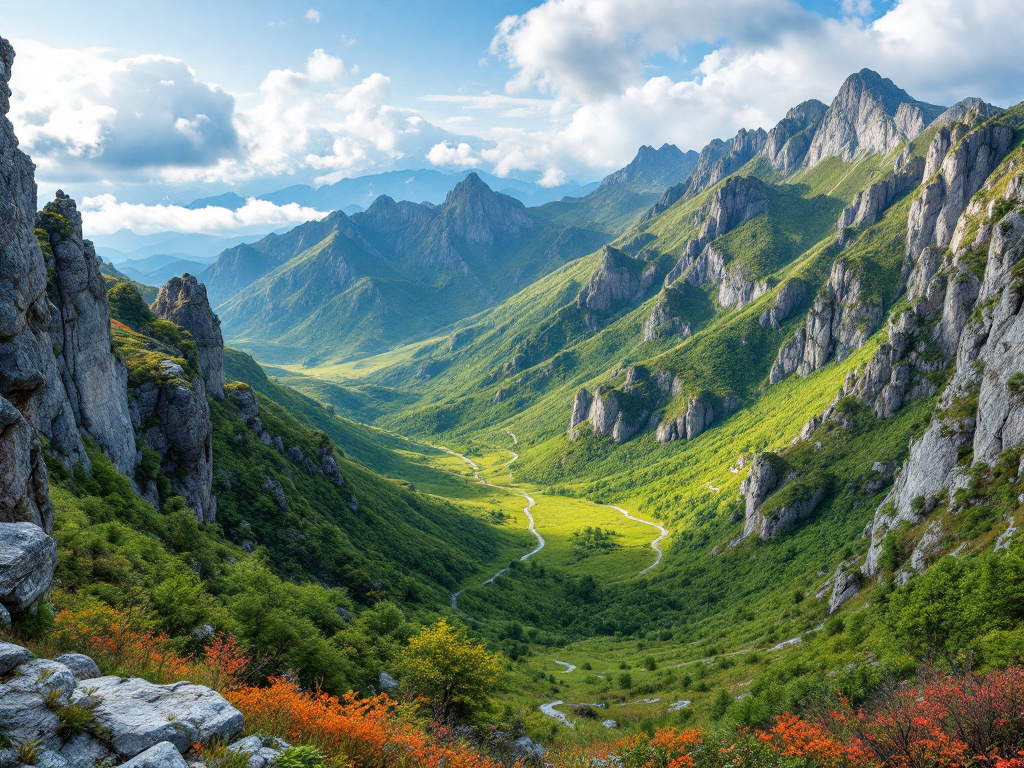
Mount Paektu
North Korea's highest and most sacred mountain with spectacular nature and historical significance.
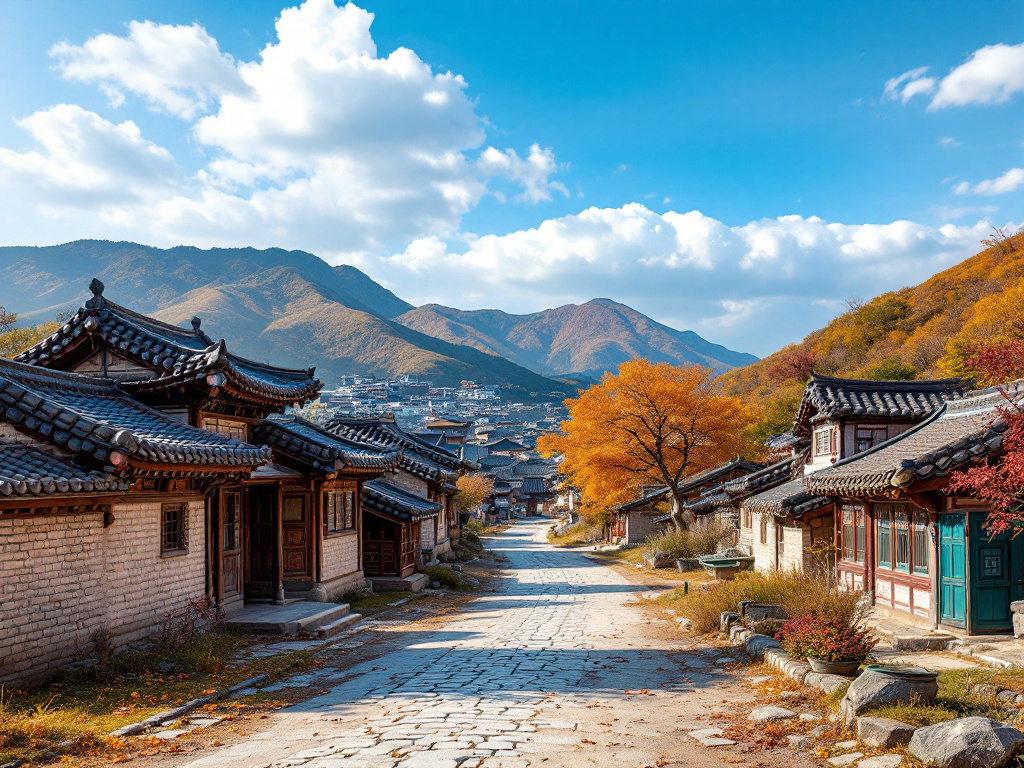
Old City of Kaesong
A historical area with roots in the Koryo dynasty and well-preserved cultural monuments.
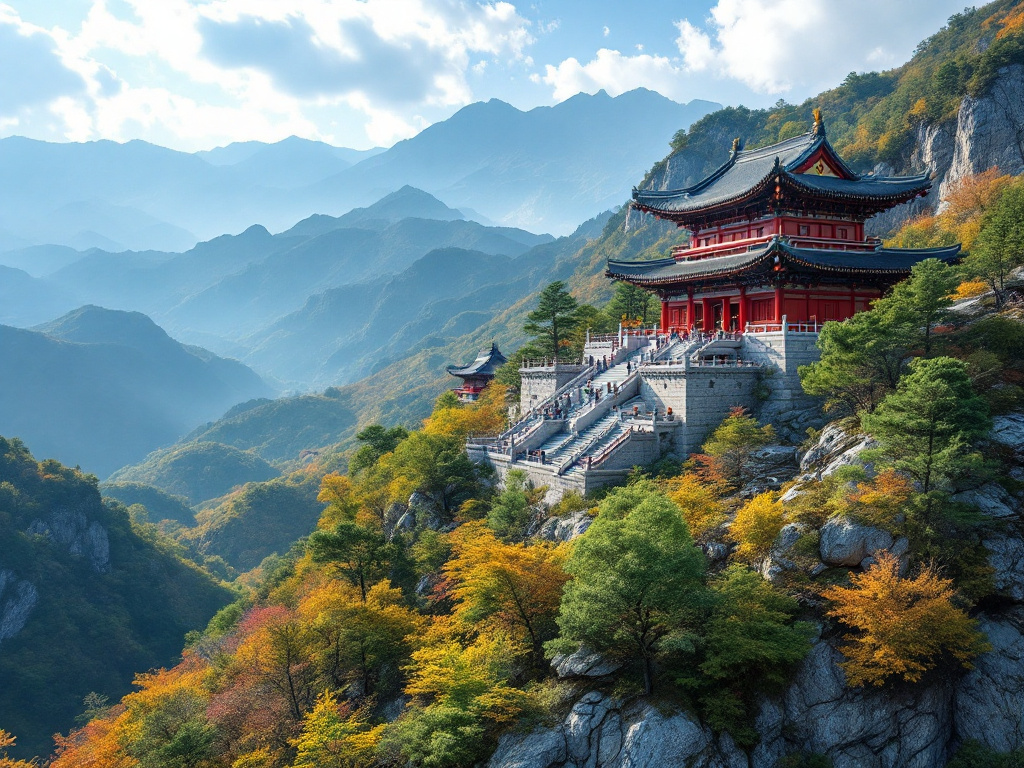
Myohyangsan Mountains
A picturesque mountain area known for temples, forests, and peaceful hiking trails.
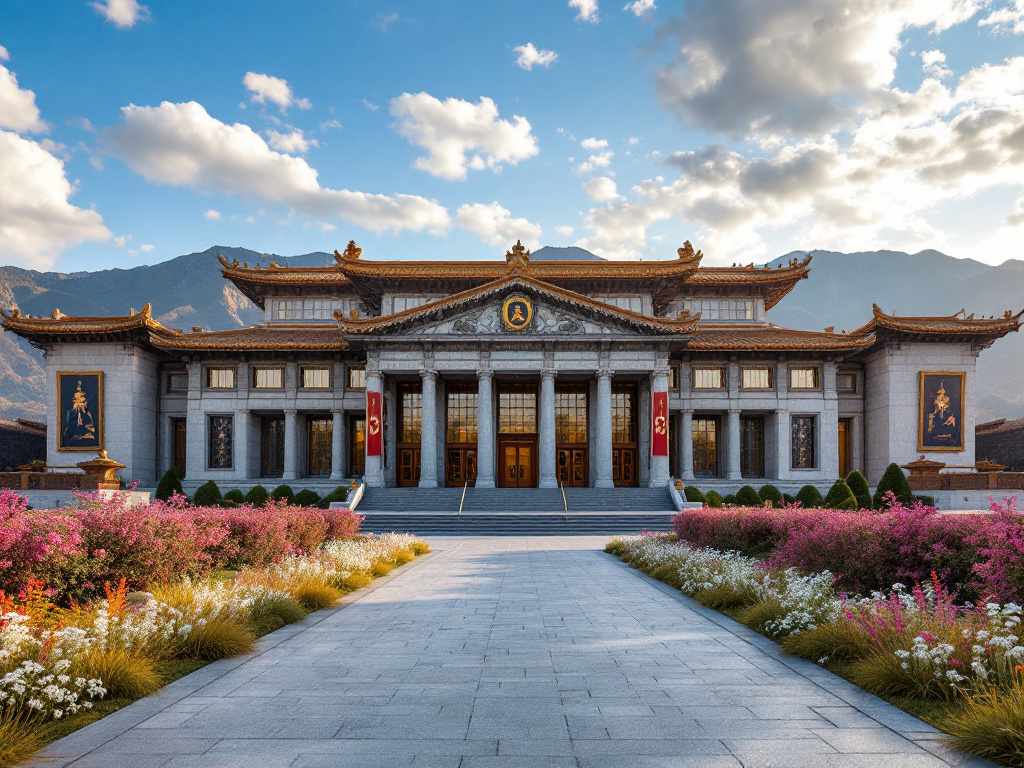
International Friendship Exhibition
A large museum showcasing diplomatic gifts received by the country's leaders.
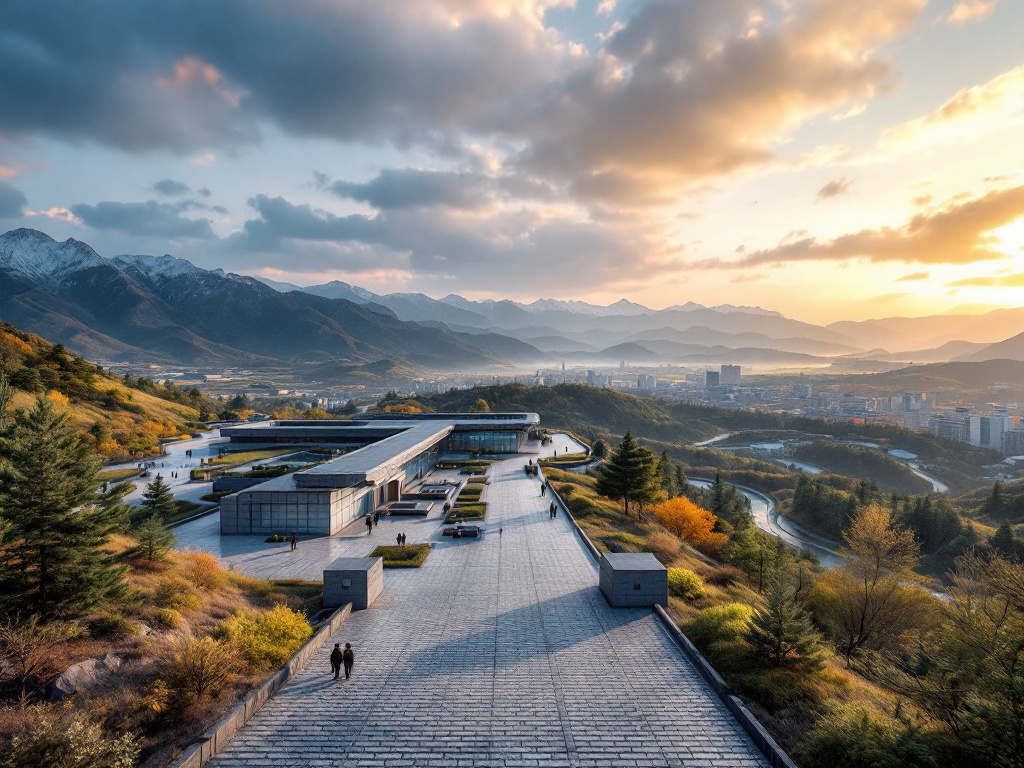
Museum of the Fatherland Liberation War
A comprehensive museum dedicated to the Korean War from a North Korean perspective.
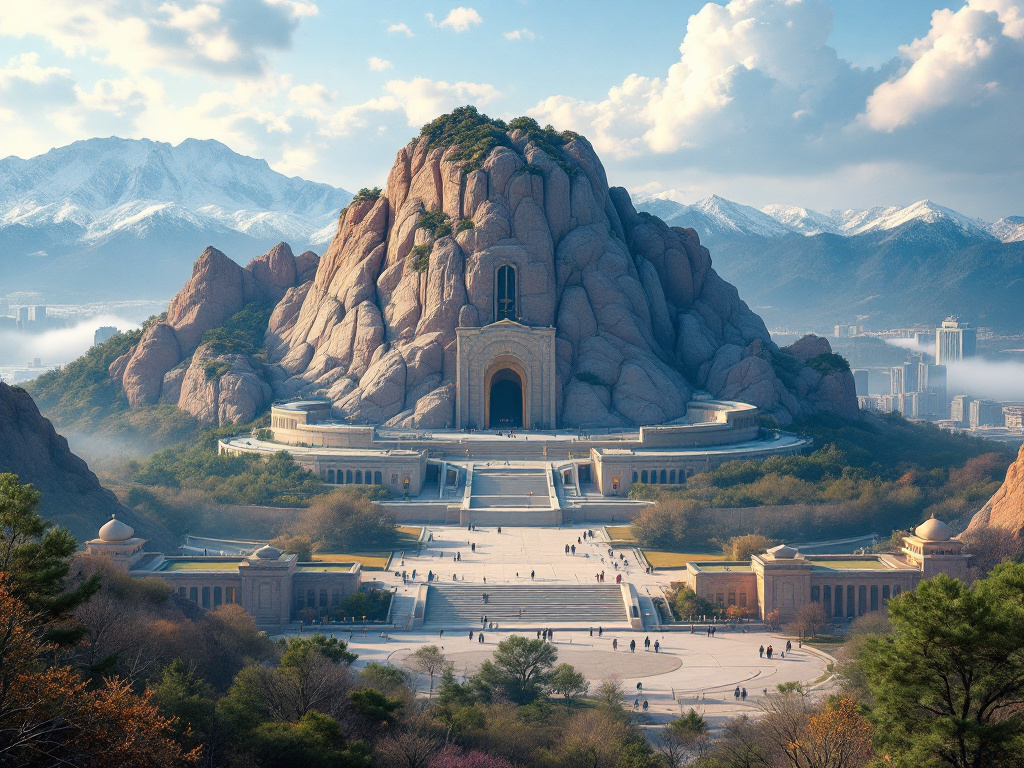
Arch of Triumph in Pyongyang
A large triumphal arch built to commemorate resistance against Japanese occupation.
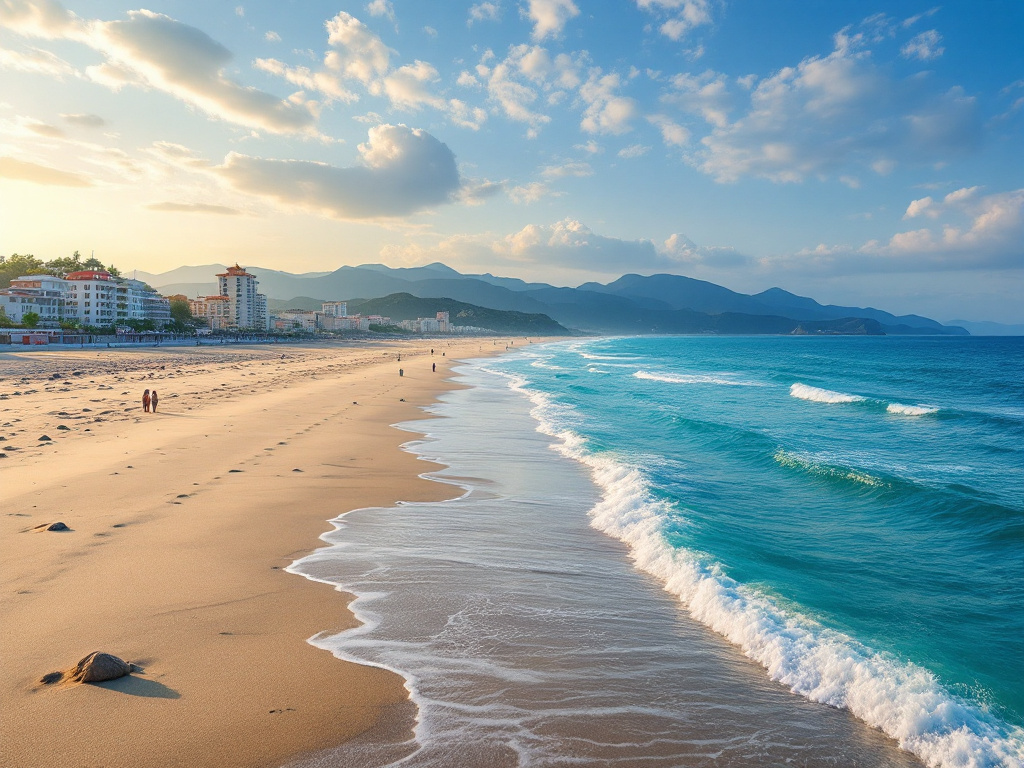
Wonsan Beach
A popular coastal stretch by the East Sea, used as a recreational area.
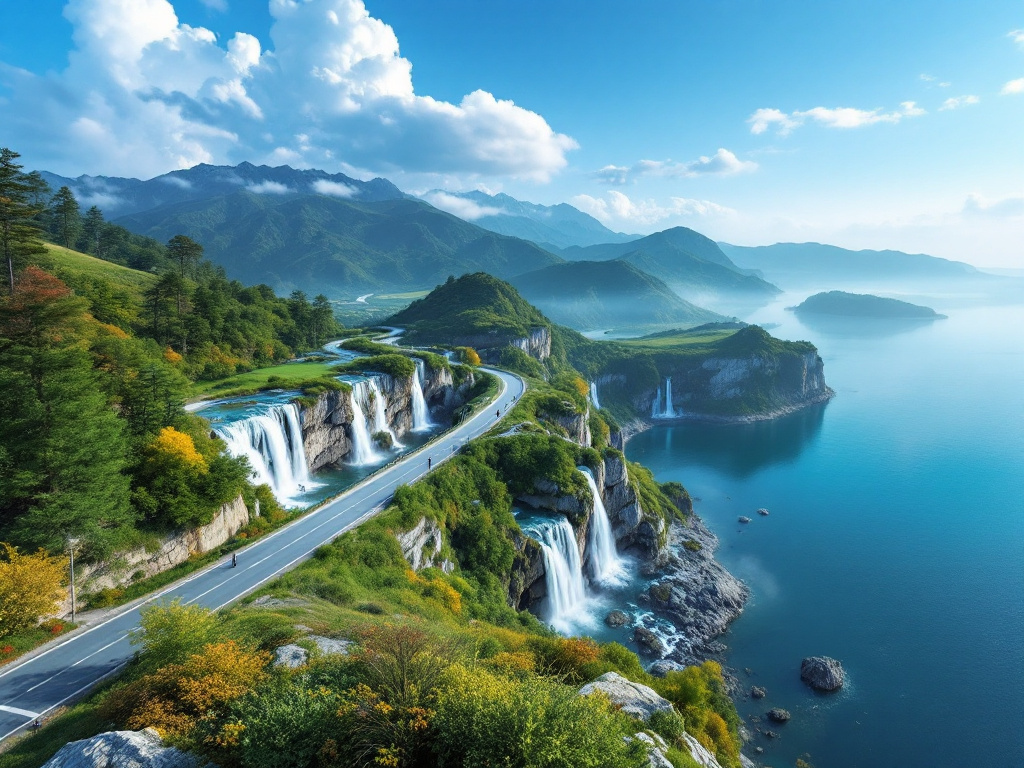
Chonji Lake
A beautiful crater lake on Mount Paektu, known for its clear surface and symbolism.
Famous cuisine
Culinary overview
North Korean cuisine is deeply rooted in Korean culinary traditions but has developed under the country's unique political and economic conditions. The dishes are often simple yet flavorful, focusing on fermented vegetables, noodles, rice, and spicy elements. Meals reflect the seasonal ingredients and are characterized by a balance of sour, sweet, salty, and spicy. Dining often occurs in a communal setting, and many dishes are served as a series of small bowls shared at the table.
Must-try dishes
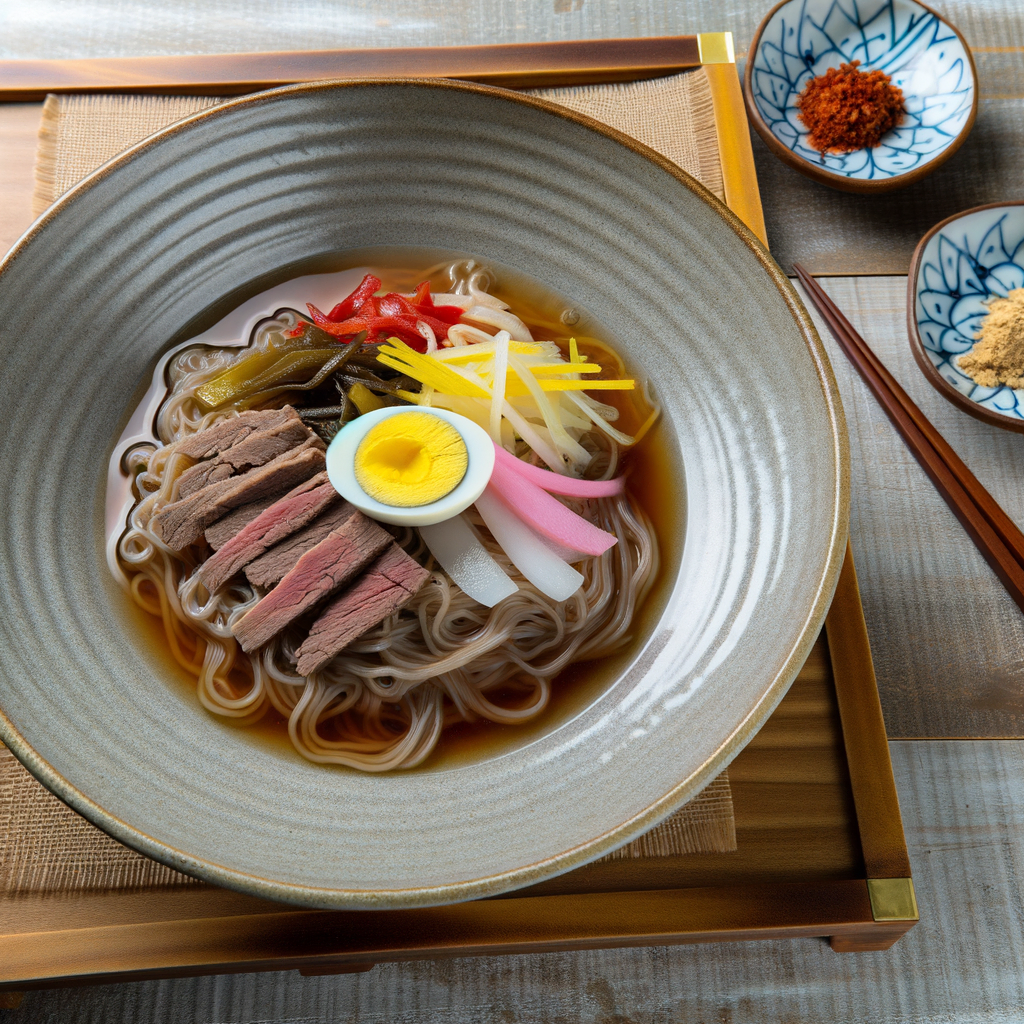
Naengmyeon
A traditional cold noodle soup made with long, thin buckwheat noodles served in a cool, lightly sour broth. Often garnished with slices of beef, pickled vegetables, and a half-cooked egg. A popular dish in the summer.
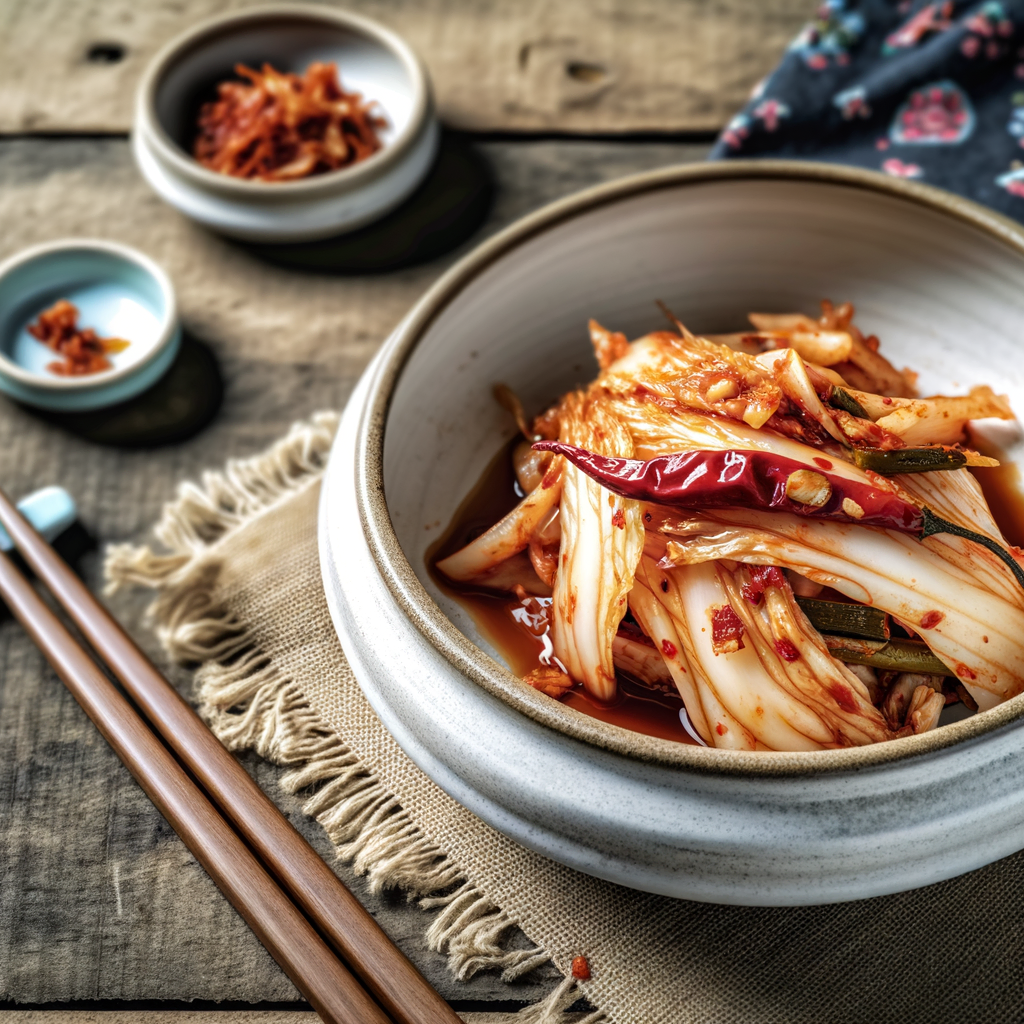
Kimchi
Fermented vegetables, typically napa cabbage or radishes, seasoned with chili, garlic, ginger, and fish sauce. Kimchi is a staple of nearly every meal and is considered both healthy and flavorful.
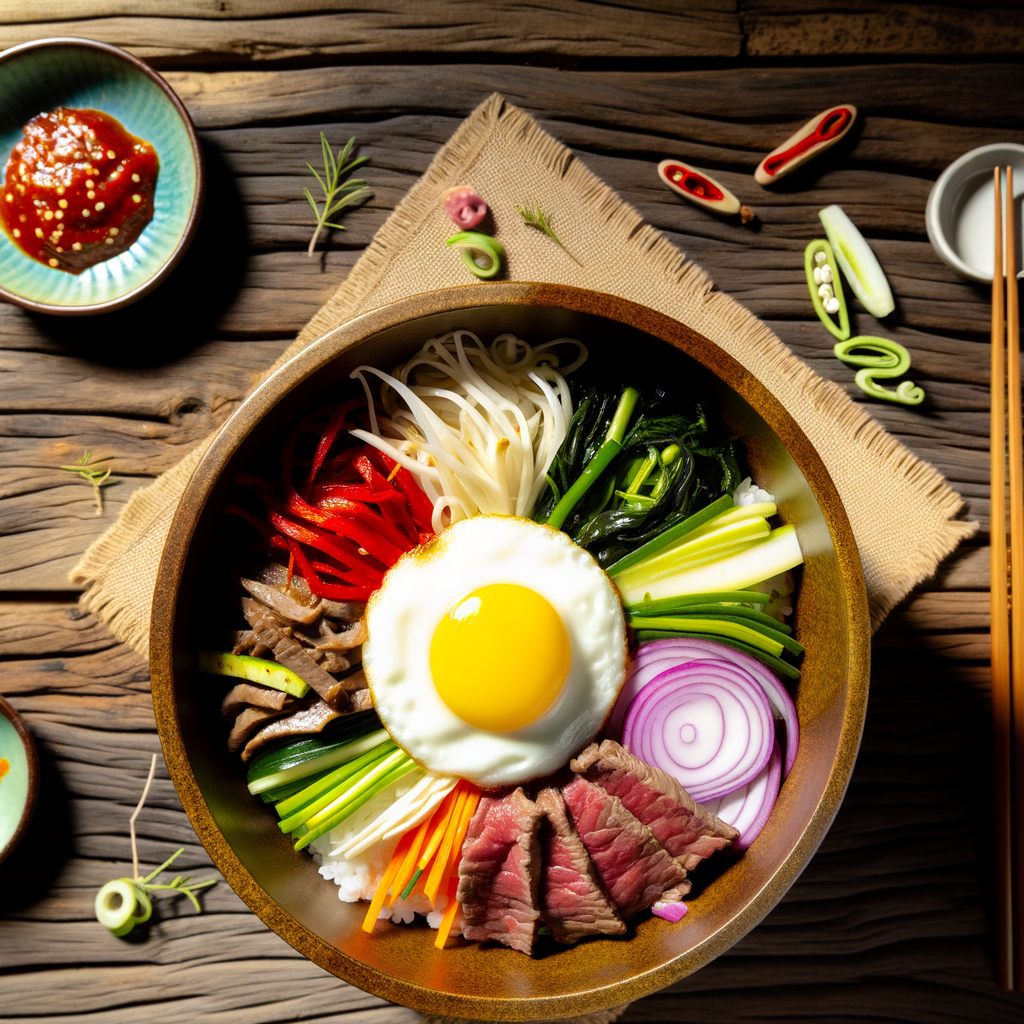
Bibimbap
A colorful bowl of rice topped with various vegetables, meat, a fried egg, and gochujang (Korean chili paste). The ingredients are mixed together just before eating.
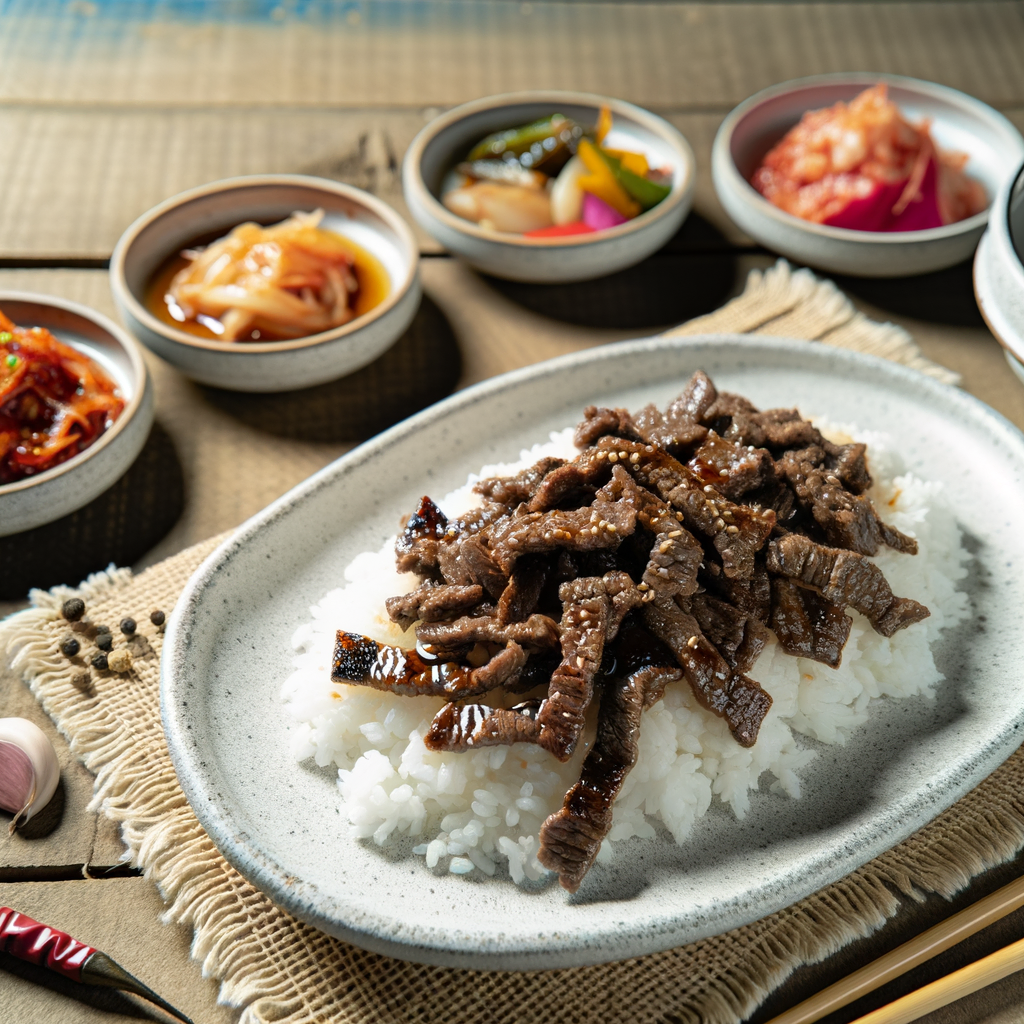
Bulgogi
Marinated beef, typically grilled or stir-fried, with a sweet and spicy flavor from soy sauce, sugar, sesame oil, garlic, and pepper. Often served with rice and vegetables.
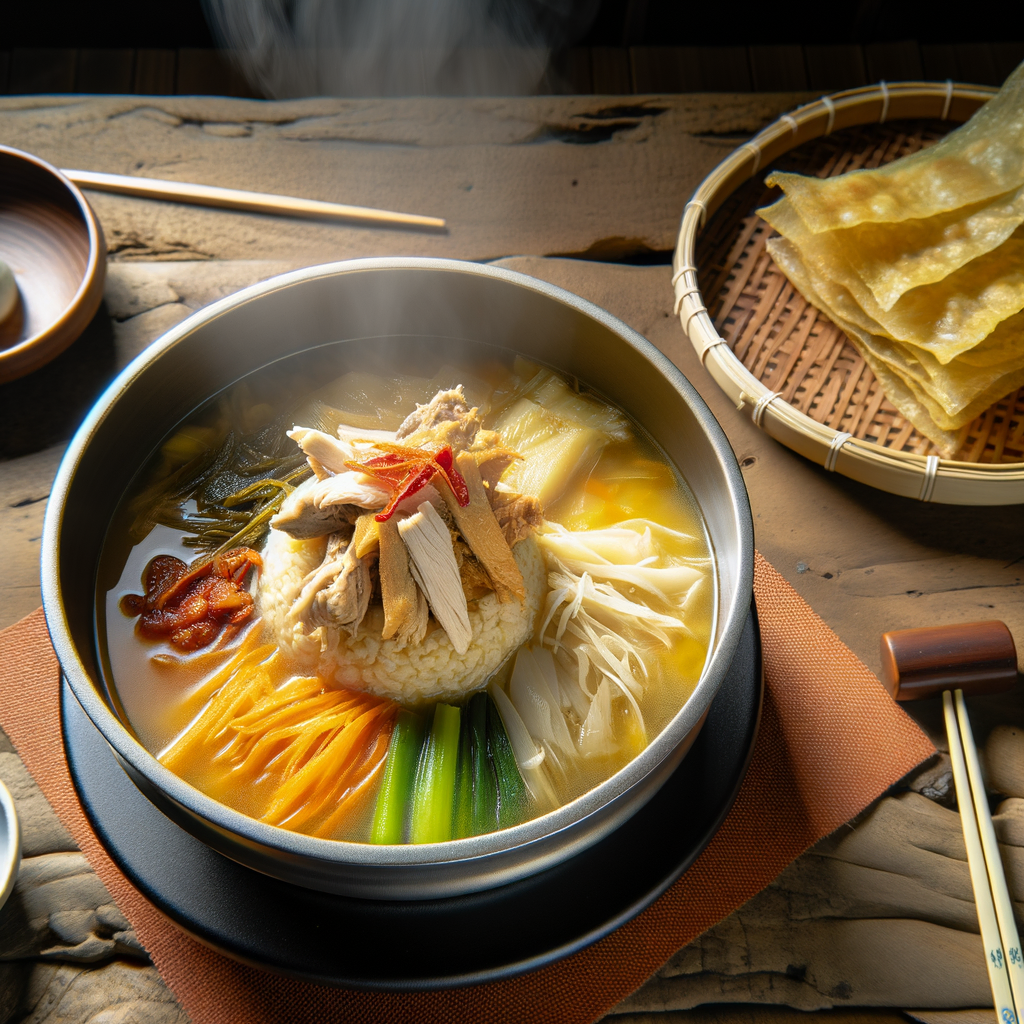
Pyeongyang Onban
A hot rice dish served in broth with chicken, vegetables, and thin pancakes. A classic dish from the Pyongyang region, often eaten on special occasions.
Restaurant information
Tipping
Tipping is not a part of the culture in North Korea, and it is not expected to give extra. Payment is usually made in cash, and prices include service.
Travel information
Currency
Nordkoreansk won (₩)
Language
Korean
Best time to visit
April and October
Major cities
Pyongyang and other major cities
More countries in Asia
Discover more destinations in this region