
South Korea
South Korea, where ancient traditions meet groundbreaking innovation, offers vibrant cities, serene landscapes, and a rich cultural fabric shaped by 5,000 years of history.
Overview
South Korea is a land where 5000 years of history seamlessly merge with modern innovation. Discover the vibrant pulse of Seoul, peaceful temples, UNESCO World Heritage sites, and breathtaking nature. From the iconic N Seoul Tower and the historic Gyeongbokgung Palace to the dramatic landscapes of Seoraksan National Park and the volcanic wonders of Jeju Island, the country offers a unique blend of tradition, technology, and natural beauty. Spring and autumn transform the landscape into a colorful spectacle, drawing visitors to the enchanting sights of cherry blossoms and golden foliage.
Official language
Korean
Government
Democratic republic
Best time to visit
Spring (April-May) and Autumn (September-November)
Nature
South Korea is a stunning blend of soaring mountain ranges, serene coastlines, and lush forests. Seoraksan National Park is a hiker's paradise, offering rugged peaks, deep valleys, and vibrant autumn foliage. On Jeju Island, you can explore volcanic craters, lava tubes, and waterfalls that tumble directly into the sea. The country is dotted with countless islands and coastal areas, featuring crystal-clear waters and tranquil beaches, while the inland areas boast rice and tea fields that create a picturesque landscape. Come spring, the nation is adorned in pink cherry blossoms, and in the fall, the mountains glow with rich reds and golds. National parks like Jirisan and Bukhansan provide both challenging treks and peaceful trails, allowing visitors to enjoy the soothing sounds of nature and breathe in the fresh mountain air. South Korea's natural beauty is not only captivating but easily accessible, making it simple to combine city adventures with outdoor escapades on the same journey.
Travel to South Korea
Traveling to South Korea is an experience that combines the energy of urban life with the tranquility of nature and a rich cultural heritage. Seoul presents everything from futuristic skyscrapers to historic palaces, while cities like Busan entice with beaches and bustling fish markets. Jeju Island is perfect for those seeking scenic adventures, and national parks promise unforgettable hikes. The country is renowned for its hospitality, efficient transport network, and high safety levels, making exploration easy. The best times to visit are spring (April to May) and autumn (September to November), when the climate is mild and the landscape is transformed by blooming flowers or autumn colors. Food enthusiasts will find a culinary paradise, and culture seekers can immerse themselves in everything from K-pop to ancient temples. South Korea is a destination that surprises and delights at every turn.
Culture
The culture of South Korea is a fascinating fusion of ancient traditions and contemporary trends. The country is steeped in history and heritage, evident in well-preserved palaces like Gyeongbokgung and Changdeokgung, and Buddhist masterpieces such as Bulguksa Temple and Seokguram Grotto. Traditional hanok houses in neighborhoods like Bukchon Hanok Village offer a glimpse into the lifestyle of yesteryear, while K-pop, Korean cinema, and fashion set global trends. The Korean cuisine is a central part of this rich culture, featuring fermented delights like kimchi, colorful dishes like bibimbap, and savory bulgogi that reflect both flavor and artistry. Festivals such as Chuseok (harvest festival) and Seollal (Lunar New Year) are celebrated with family, traditional games, and special foods. At the same time, South Korea is a technological powerhouse, where futuristic architecture and digital solutions are woven into daily life. This contrast between the old and the new creates a vibrant culture that is both rooted and forward-looking.
History
The history of South Korea spans over 5000 years, characterized by proud kingdoms, cultural golden ages, and periods of challenge. The Silla Dynasty (57 BC–935 AD) bequeathed an inheritance of temples, burial mounds, and art, particularly in Gyeongju, known as the 'museum without walls.' The Joseon Dynasty (1392–1897) shaped the nation's Confucian values, architecture, and craftsmanship, which continue to resonate in palaces and urban planning today. In the 20th century, the country underwent Japanese colonization, the Korean War, and a remarkable economic transformation that turned it into a modern industrial nation. This rich history is alive in both monuments and the traditions of everyday life, offering endless stories to uncover.
Top attractions
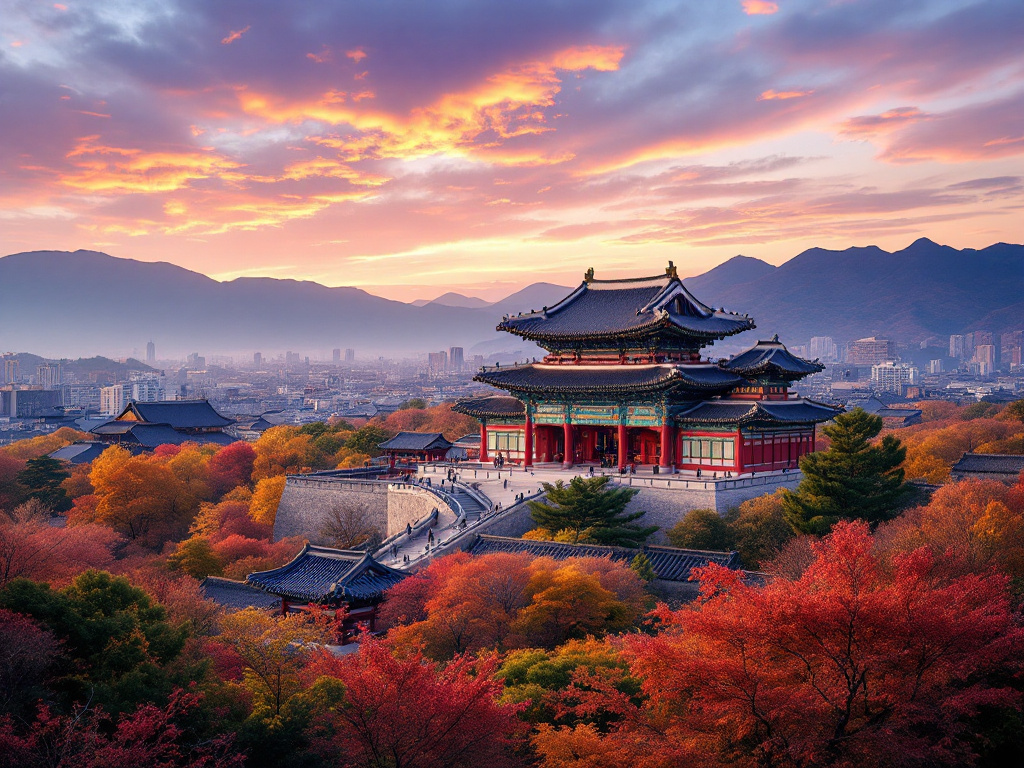
Gyeongbokgung Palace
The largest and most famous royal palace in Seoul from the Joseon Dynasty, with impressive halls and gardens.
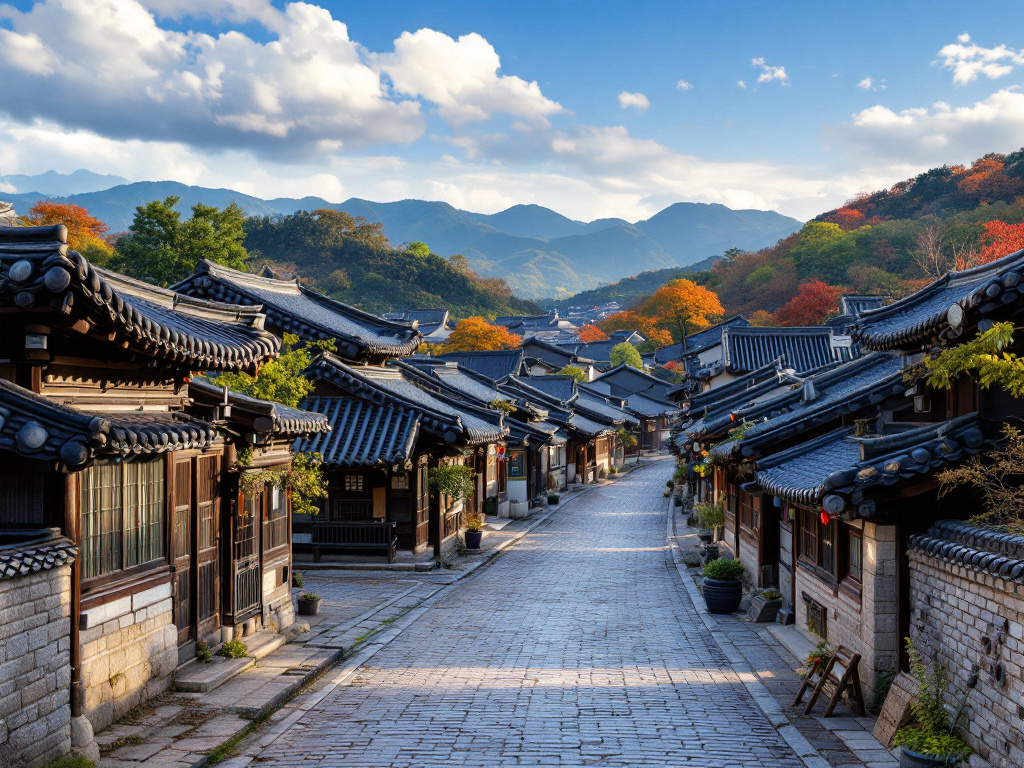
Bukchon Hanok Village
A well-preserved historical district with traditional Korean houses in the heart of Seoul.
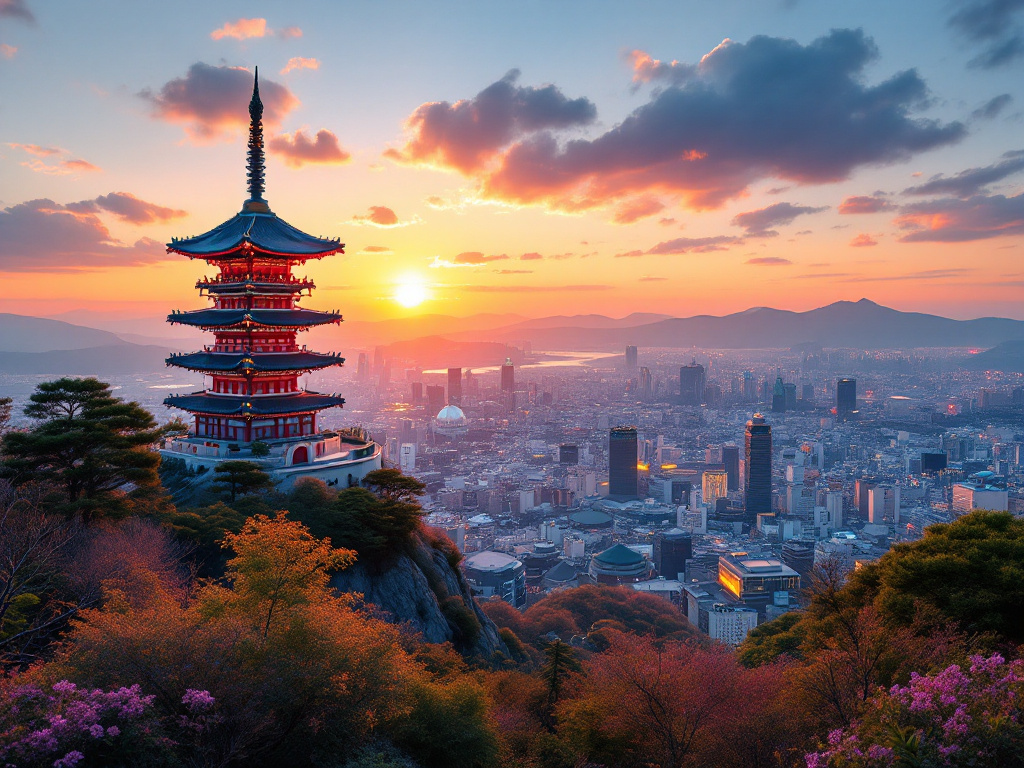
Namsan Seoul Tower
An iconic tower on Namsan Mountain with spectacular views over all of Seoul.
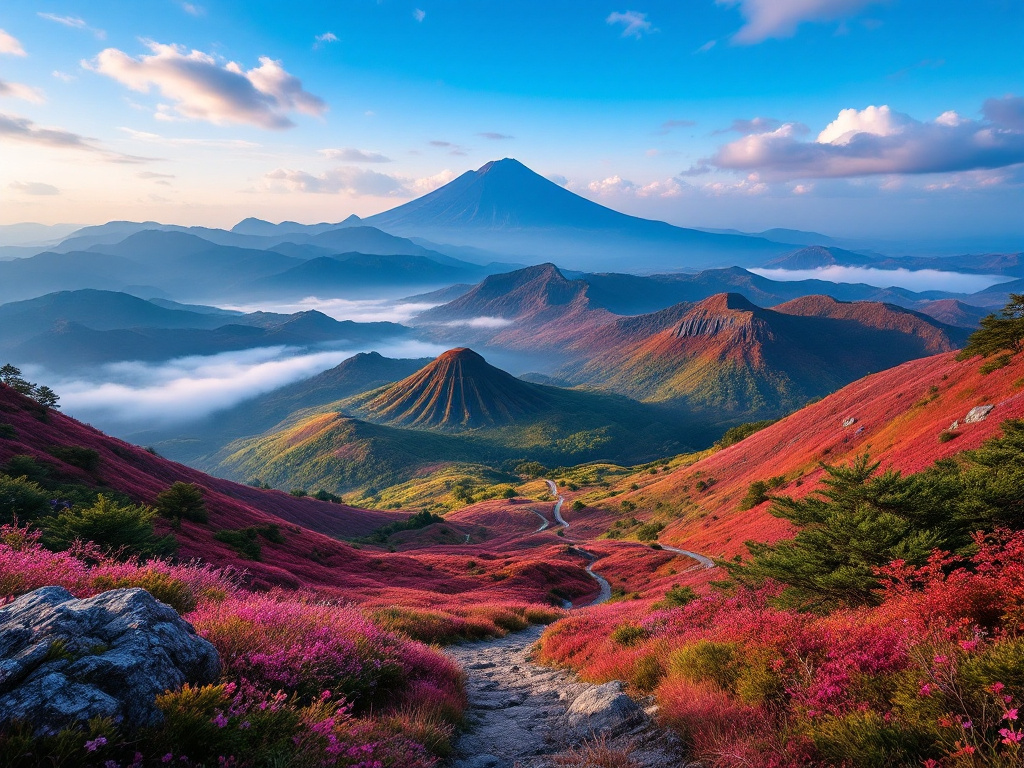
Hallasan National Park
An impressive national park on Jeju Island with hiking trails up Hallasan Volcano.
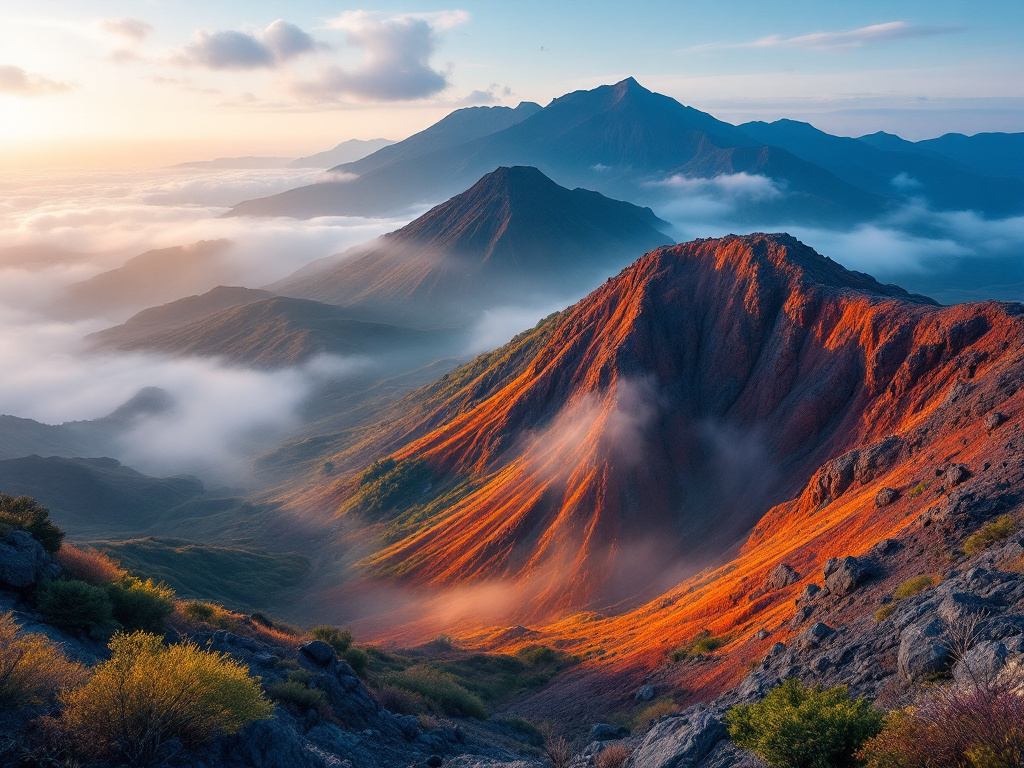
Seongsan Ilchulbong
A dramatic volcanic formation on Jeju, famous for its spectacular sunrise.
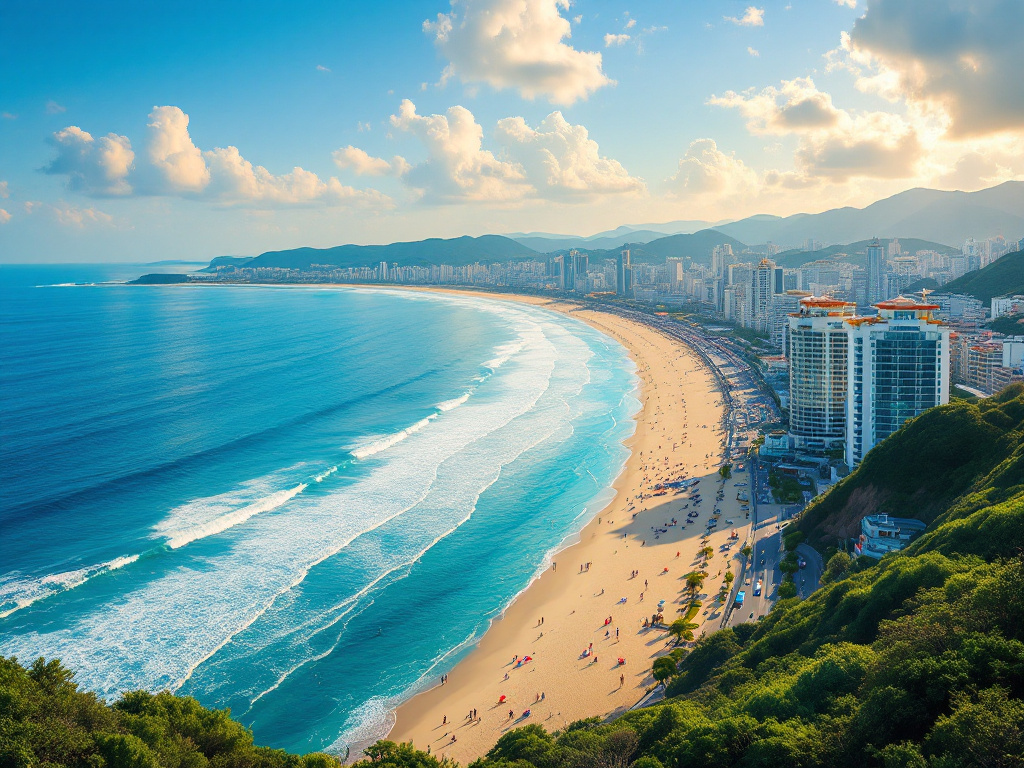
Haeundae Beach
Busan's most famous beach with city life, hotels, and a lively atmosphere.
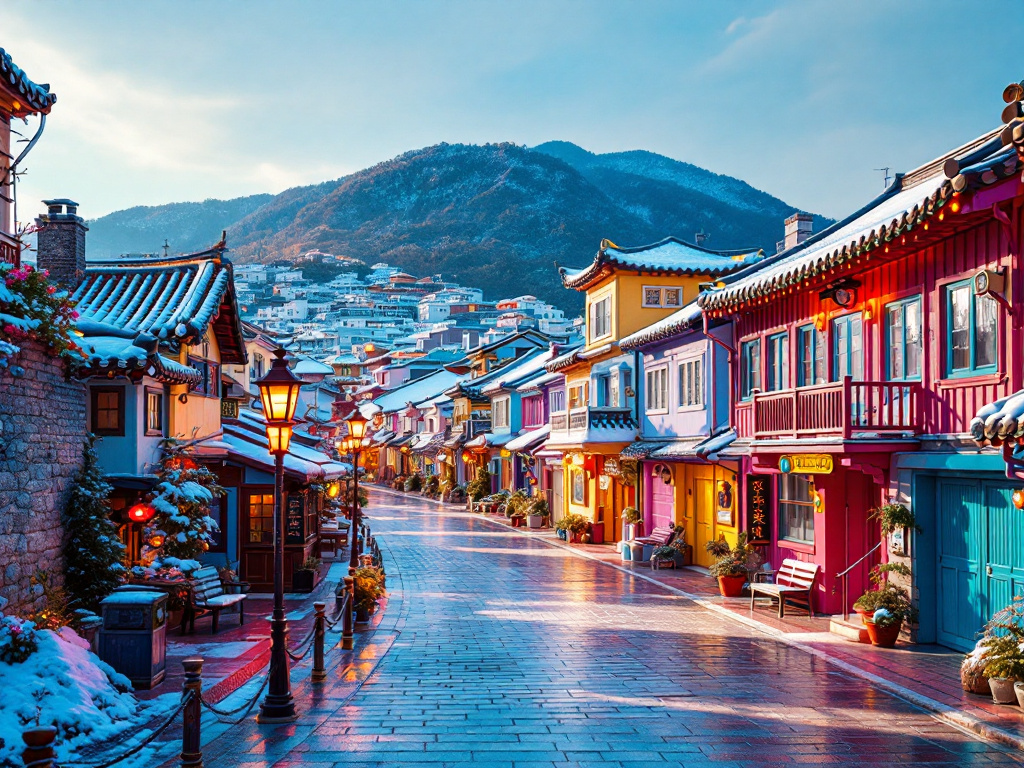
Gamcheon Culture Village
An artistic neighborhood in Busan known for its pastel-colored houses and winding streets.
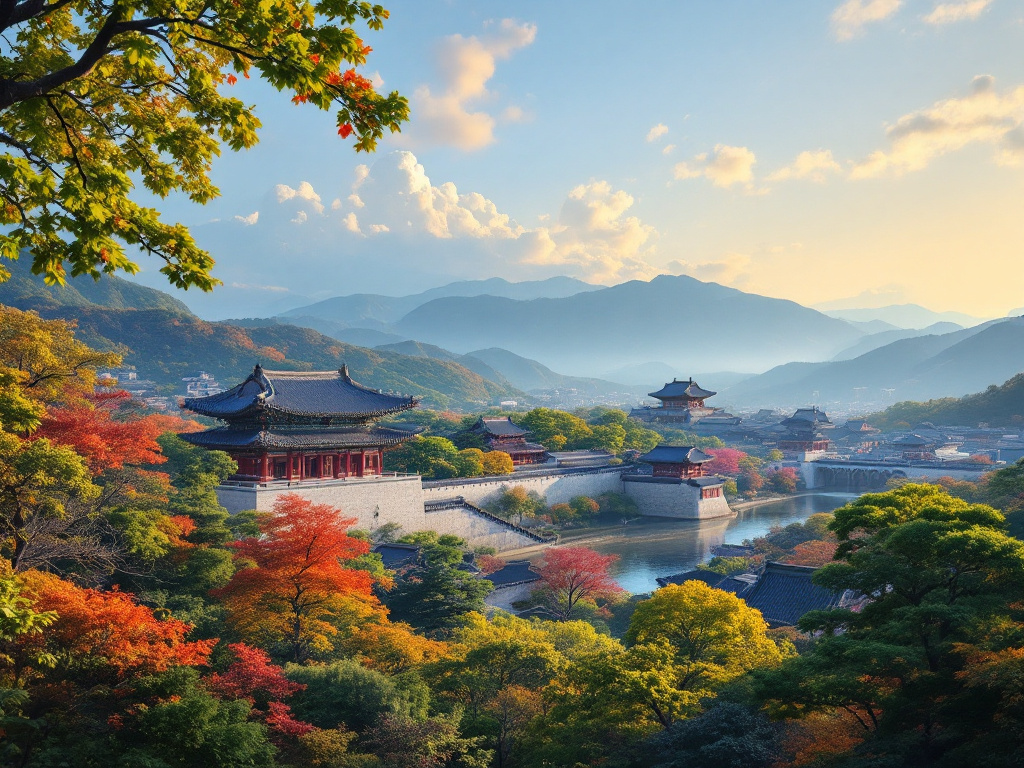
Changdeokgung Palace
An elegant palace complex in harmony with nature, known for its secret garden.
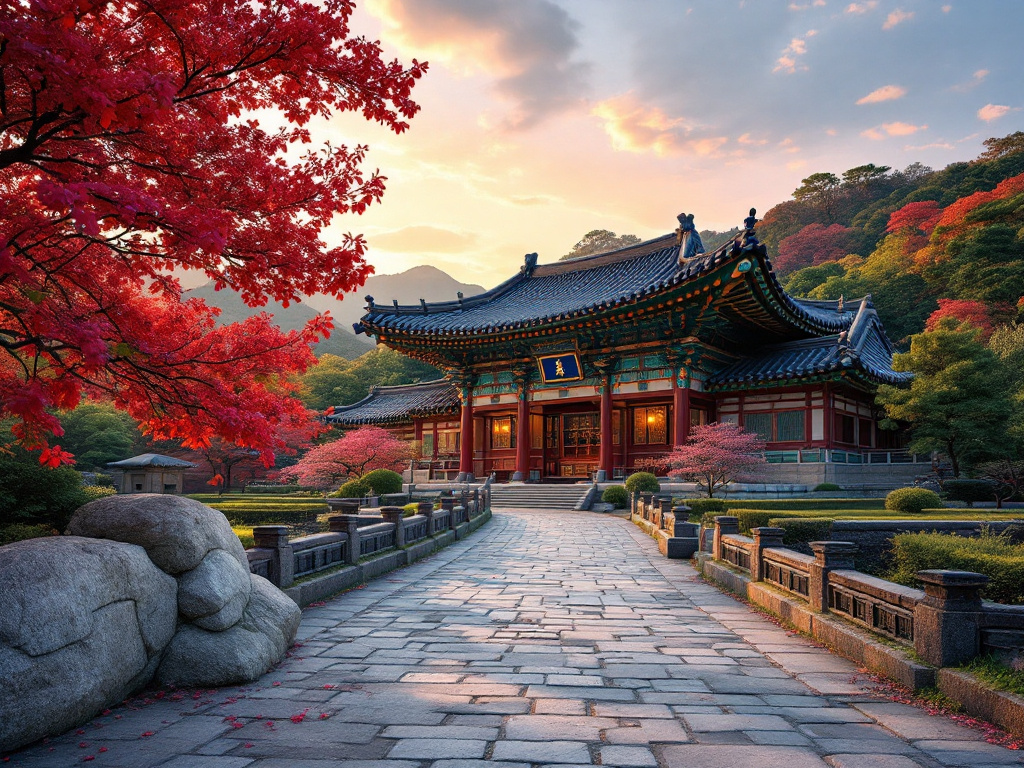
Jongmyo Shrine
An important Confucian shrine dedicated to the kings of the Joseon Dynasty.
Famous cuisine
Culinary overview
South Korea's culinary scene is a harmonious blend of tradition and innovation. From colorful street kitchens in the bustling streets of Seoul to sophisticated restaurants reinterpreting classic dishes, food is a central part of Korean culture. Meals are often social events where multiple small dishes (banchan) are shared at the table. Fermentation plays a significant role, especially in iconic dishes like kimchi, and the flavor profile ranges from spicy and sour to sweet and umami-rich. Street food markets like Gwangjang and Myeongdong are perfect places to experience authentic taste experiences.
Must-try dishes
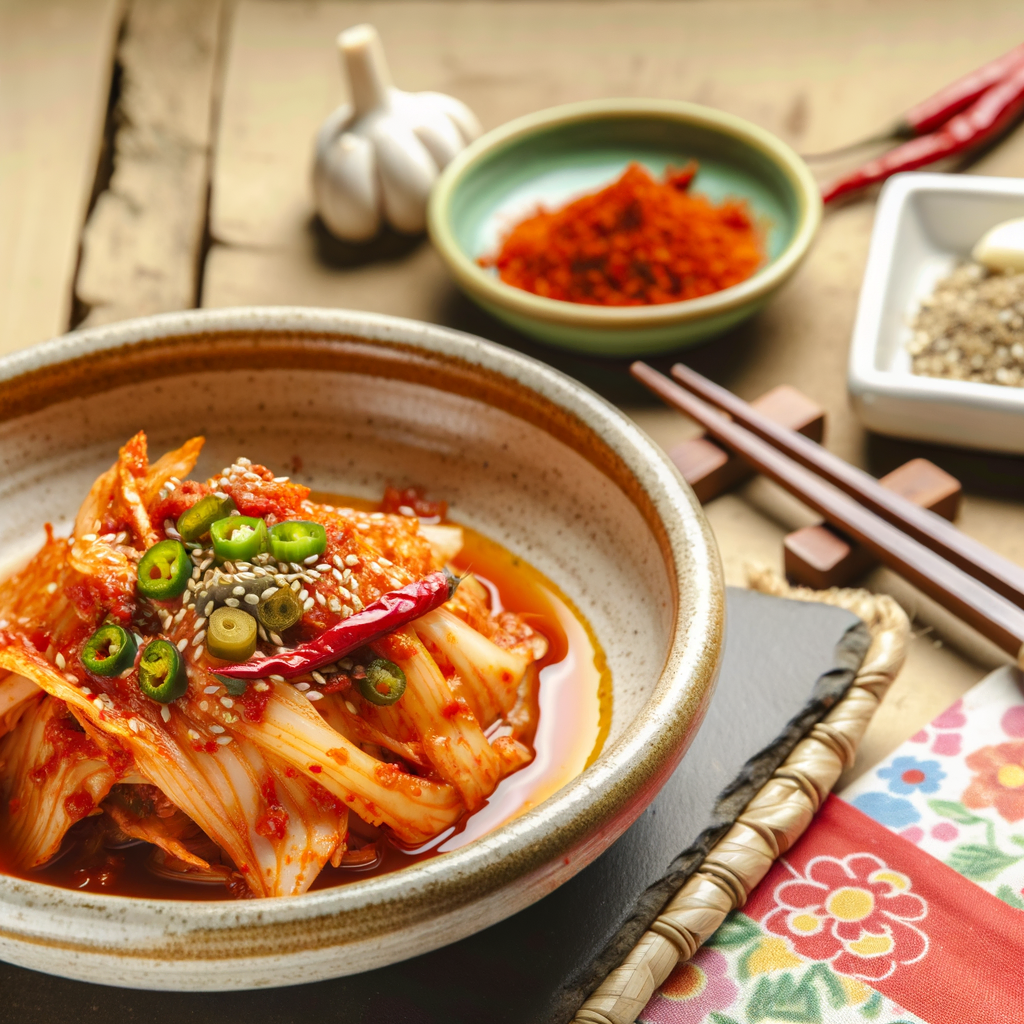
Kimchi
A fermented dish made from cabbage or radish, spiced with chili, garlic, ginger, and fish sauce. Kimchi is an indispensable part of nearly all Korean meals and symbolizes the country's love for fermented flavors.
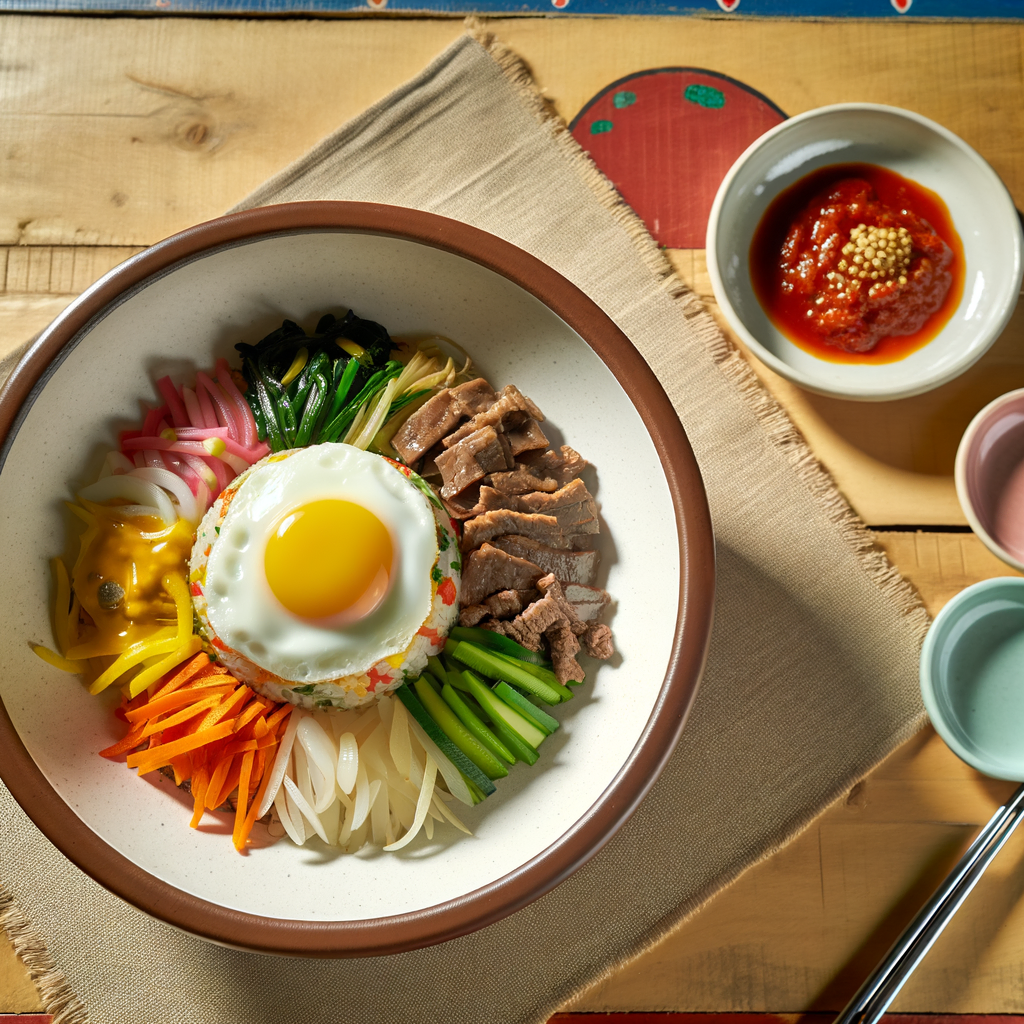
Bibimbap
A colorful rice dish topped with various vegetables, meat (often beef), a fried egg, and gochujang (Korean chili paste). The ingredients are mixed together just before eating to unify the flavors.
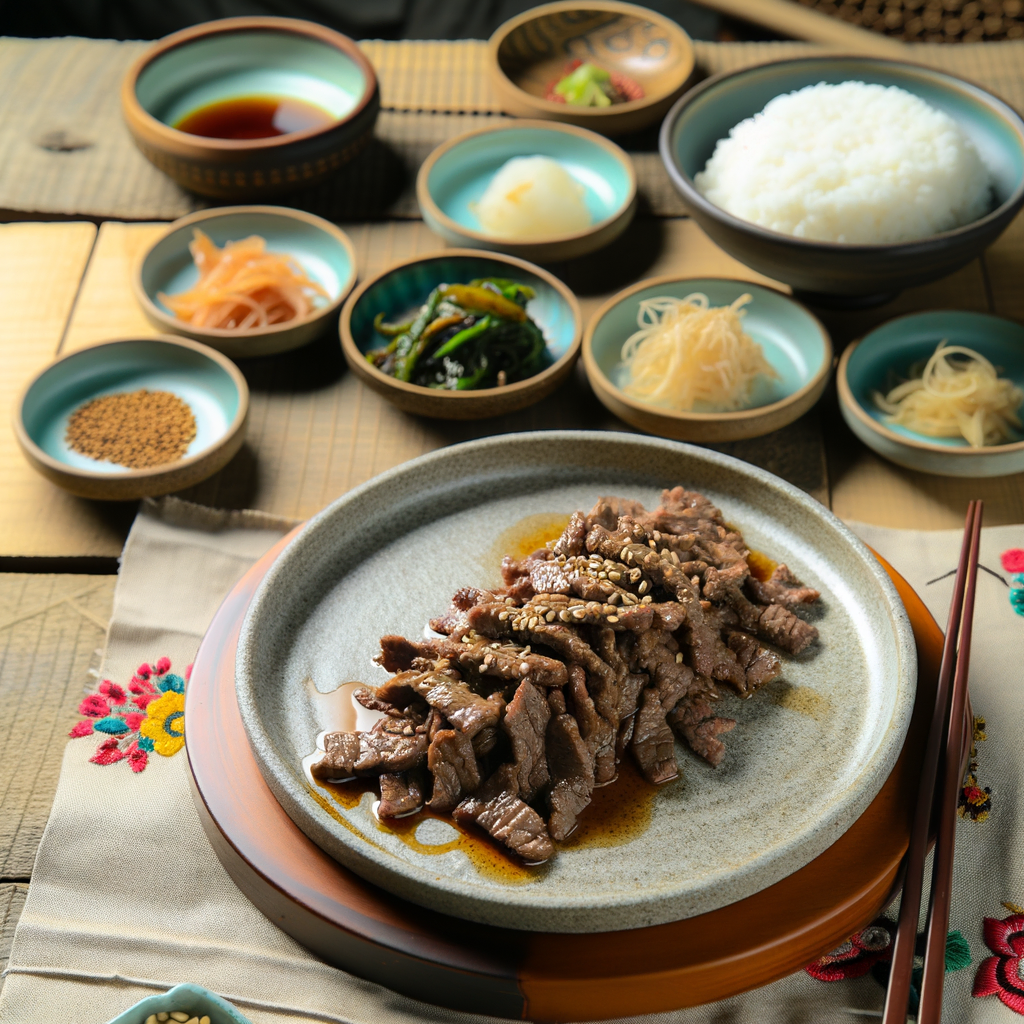
Bulgogi
Marinated beef, typically grilled or fried, with a sweet and umami-rich flavor from soy sauce, sugar, sesame oil, garlic, and pear. Often served with rice and banchan.
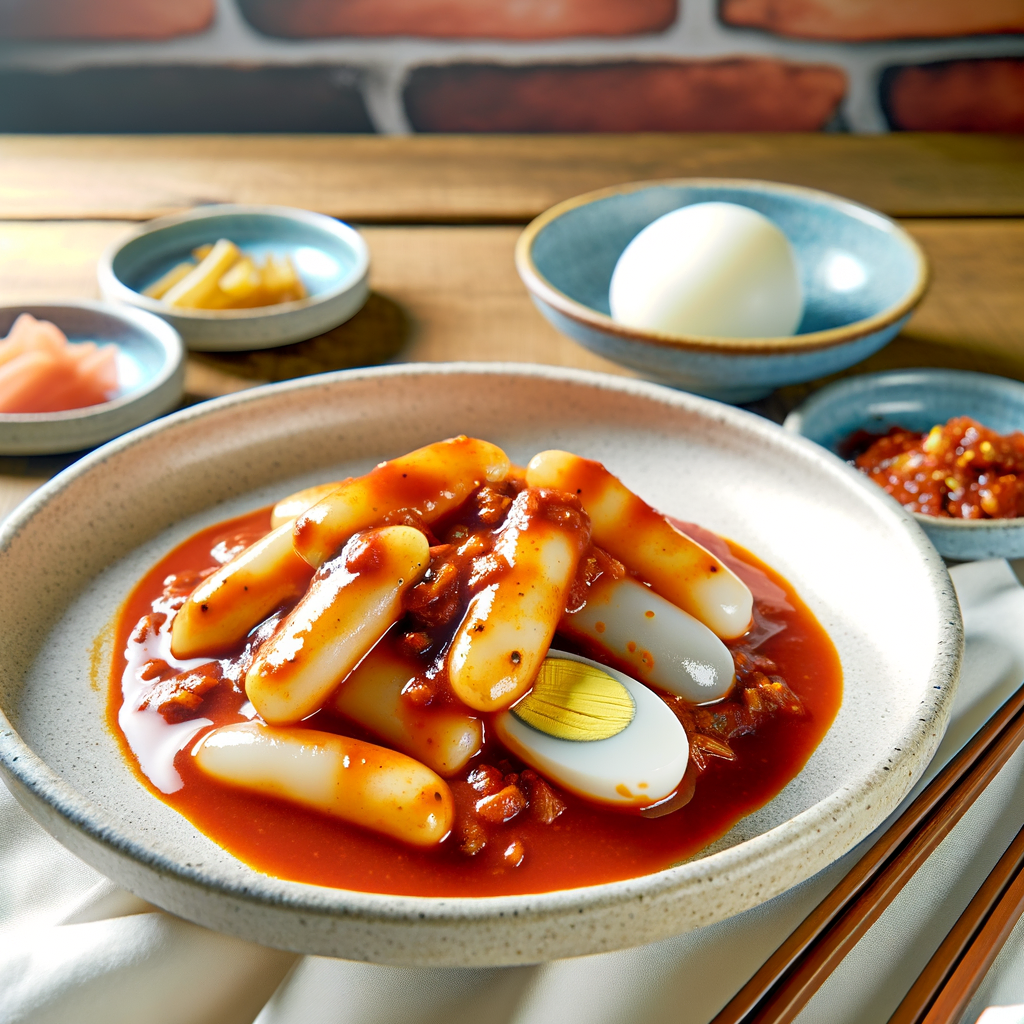
Tteokbokki
Soft rice cakes in a spicy and sweet sauce made from gochujang. A popular street food snack, especially among youth, often served with fish cakes and boiled eggs.
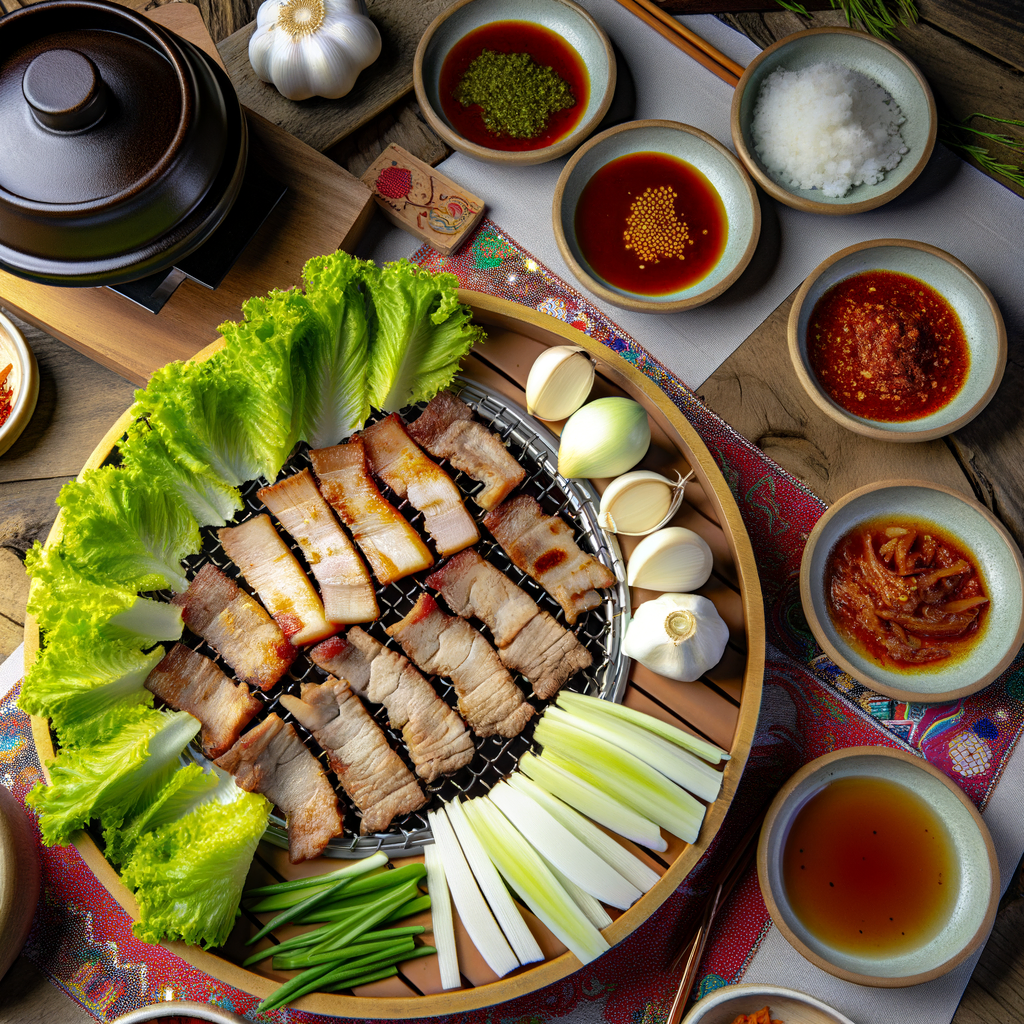
Samgyeopsal
Thick slices of pork that are grilled at the table and eaten wrapped in lettuce leaves with garlic, ssamjang (a spicy paste), and various accompaniments.
Restaurant information
Tipping
Tipping is not a customary part of the culture in South Korea, and service charges are often included in the bill. However, rounding up or giving a small amount at finer restaurants or to guides is appreciated.
Travel information
Currency
Won (₩)
Language
Korean
Best time to visit
Spring (April-May) and Autumn (September-November)
Major cities
Seoul and other major cities
More countries in Asia
Discover more destinations in this region