
Kazakhstan
Where futuristic cities meet wild nature, Kazakhstan offers bold architecture, breathtaking landscapes, and warm hospitality in the heart of Central Asia.
Overview
Kazakhstan is a realm where futuristic skylines meet endless steppes and majestic mountains. As the world's ninth-largest country, it offers a unique blend of modern urban life in Nur-Sultan and Almaty, historical Silk Road routes, and breathtaking natural wonders like Charyn Canyon and Big Almaty Lake. Here, you can experience UNESCO World Heritage sites, savor authentic dishes such as beshbarmak and kumis, and feel the legendary Kazakh hospitality. From May to September, the climate is perfect for exploring both the stunning architecture of the cities and the wild beauty of the landscape.
Official language
Kazakh
Government
Presidential republic
Best time to visit
May to September
Nature
Kazakhstan's landscapes are a treasure trove of contrasts, from the endless golden steppes where wild horses run free, to the snow-capped peaks of the Tian Shan mountains that beckon hikers and adventurers. Charyn Canyon, often referred to as Central Asia's answer to the Grand Canyon, features dramatic rock formations and vibrant scenery. Altyn-Emel National Park impresses with its singing sand dunes, rare wildlife, and unique geological formations. The stunning Big Almaty Lake, surrounded by mountains, changes hue with the seasons and is a favorite spot for photographers. The Saryarka wetlands, a UNESCO World Heritage site, are a paradise for birdwatchers, home to rare species like the Dalmatian pelican. In the Western Tian Shan, one can find sacred mountains, ancient cultural sites, and rich biodiversity. Whether seeking tranquility in nature, adrenaline-fueled hikes, or wildlife observation, Kazakhstan offers unforgettable outdoor experiences, especially from May to September when the weather is most inviting.
Travel to Kazakhstan
Traveling to Kazakhstan is a journey into contrasts, from hyper-modern cities to untouched wilderness. Flights to Nur-Sultan and Almaty make arrival convenient, and from there, you can explore everything from UNESCO World Heritage sites to spectacular national parks. The best travel time is from May to September, when the weather is ideal for city walks and mountain hikes. Travelers can trek in the Tian Shan, witness the dramatic landscapes of Charyn Canyon, or enjoy the serene environment of Big Almaty Lake. Culinary adventures await with traditional dishes and local markets. Kazakhstan is renowned for its hospitality—stay in a guesthouse in a village for an authentic experience. The vast distances in the country make domestic flights and trains practical modes of transportation, and the adventurous can follow the ancient Silk Road routes through historic towns and scenic areas.
Culture
Kazakh culture is deeply rooted in nomadic traditions, where hospitality and community are central values. In villages, guests are warmly welcomed with tea, bread, and friendly smiles, while traditional yurts remain in use during festive occasions. Music and dance are vital aspects of cultural life, with instruments like the dombra accompanying folk songs about heroes and love. The Kazakh cuisine is a unique adventure in itself, featuring beshbarmak, the national dish served at large gatherings, and kumis, a traditional fermented mare's milk with deep symbolism. Cities like Nur-Sultan showcase futuristic architecture such as the iconic Bayterek Tower, while Almaty offers green boulevards, art galleries, and a vibrant nightlife. Markets brim with handcrafted carpets, felt works, and jewelry that reflect the country's rich artisanal heritage. Kazakhstan is a place where ancient nomadic culture coexists with a modern, cosmopolitan lifestyle.
History
Kazakhstan's history is closely linked to the Silk Road, where caravans transported goods, ideas, and cultures through the region. For millennia, the land has been home to nomadic tribes, and their heritage is still evident in the country's traditions and ways of life. In the medieval period, cities like Turkestan flourished, with the Mausoleum of Khoja Ahmed Yasawi built during this time, now a UNESCO World Heritage site. The Bronze Age petroglyphs at Tamgaly provide unique insights into prehistoric societies. In the 20th century, Kazakhstan became part of the Soviet Union, which influenced its architecture, industry, and language. Since gaining independence in 1991, Kazakhstan has transformed into a modern republic with a strong national identity.
Top attractions
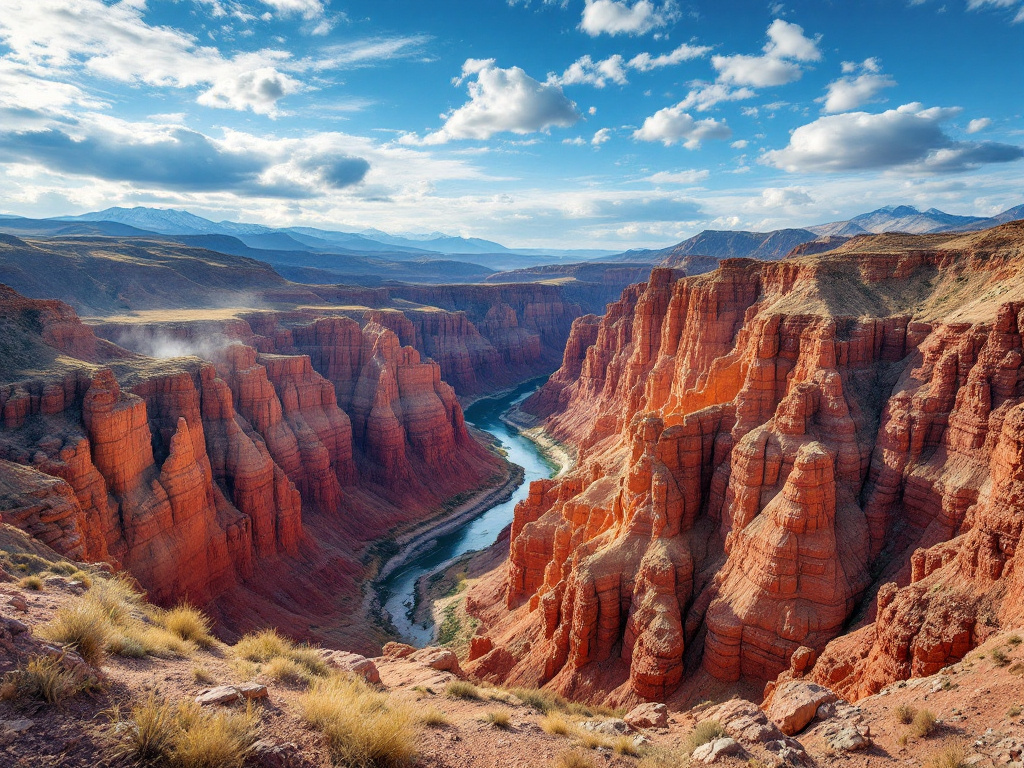
Charyn Canyon
A spectacular canyon known for its dramatic red cliffs and formations, often called the Grand Canyon of Central Asia.
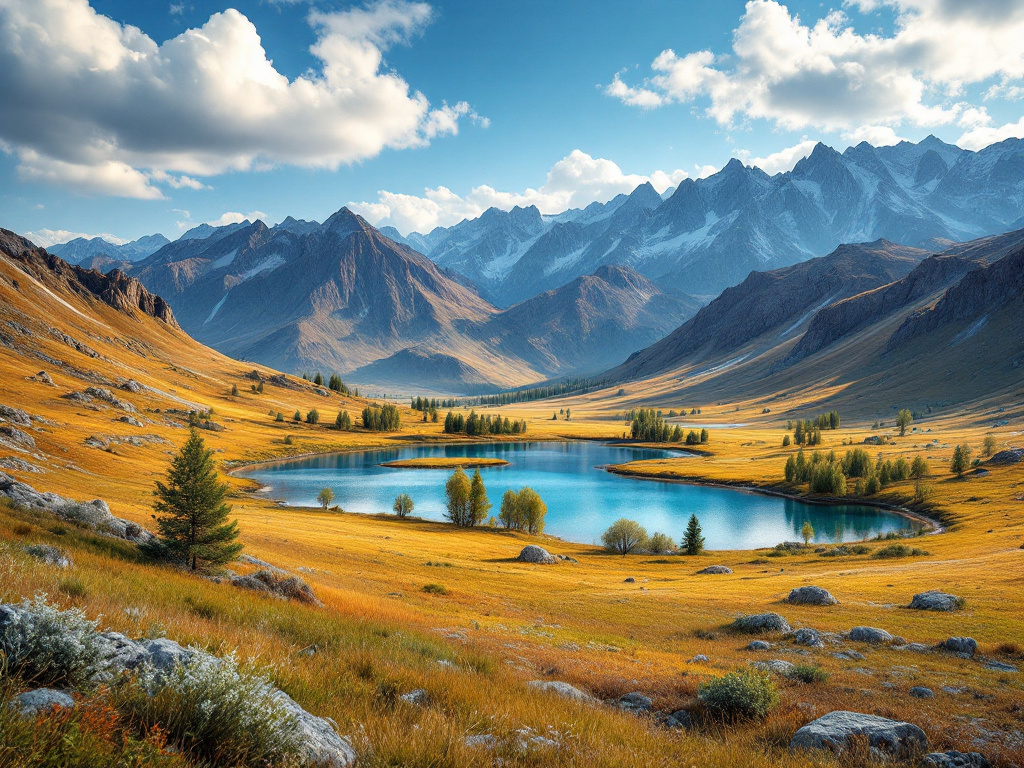
Medeu Ice Rink
A famous outdoor ice rink in the mountains above Almaty, known for records and beautiful nature.
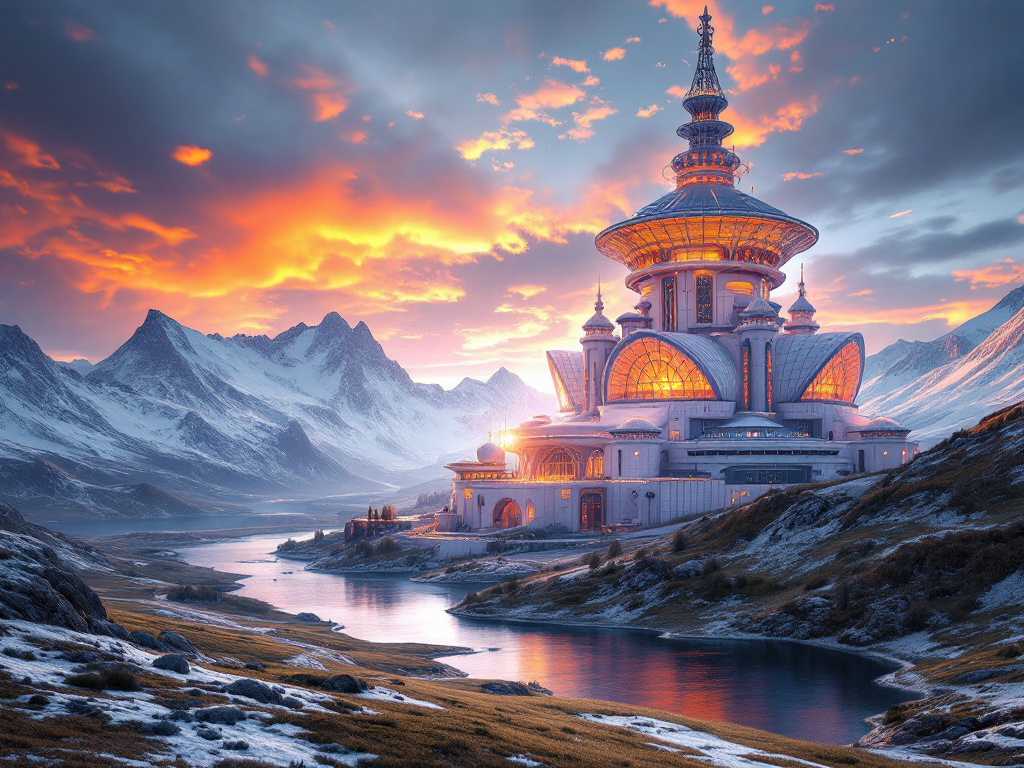
Baiterek Tower
A futuristic viewing tower and one of Astana's most recognizable landmarks.
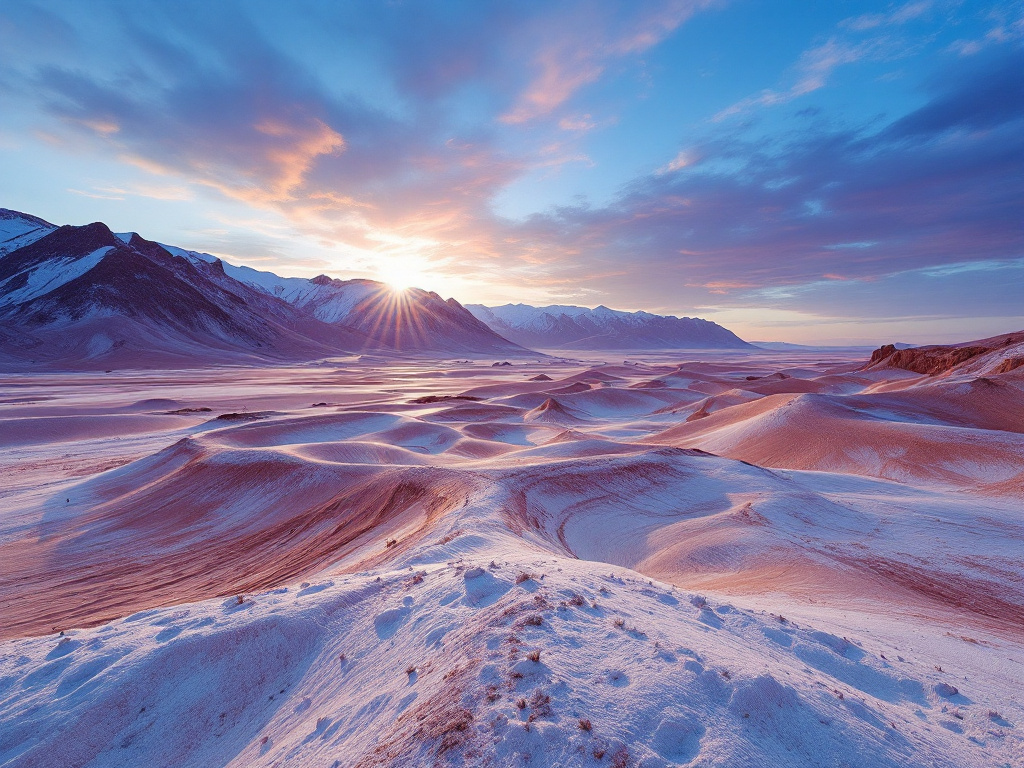
Altyn-Emel National Park
A vast national park known for its singing sand dunes and unique wildlife.
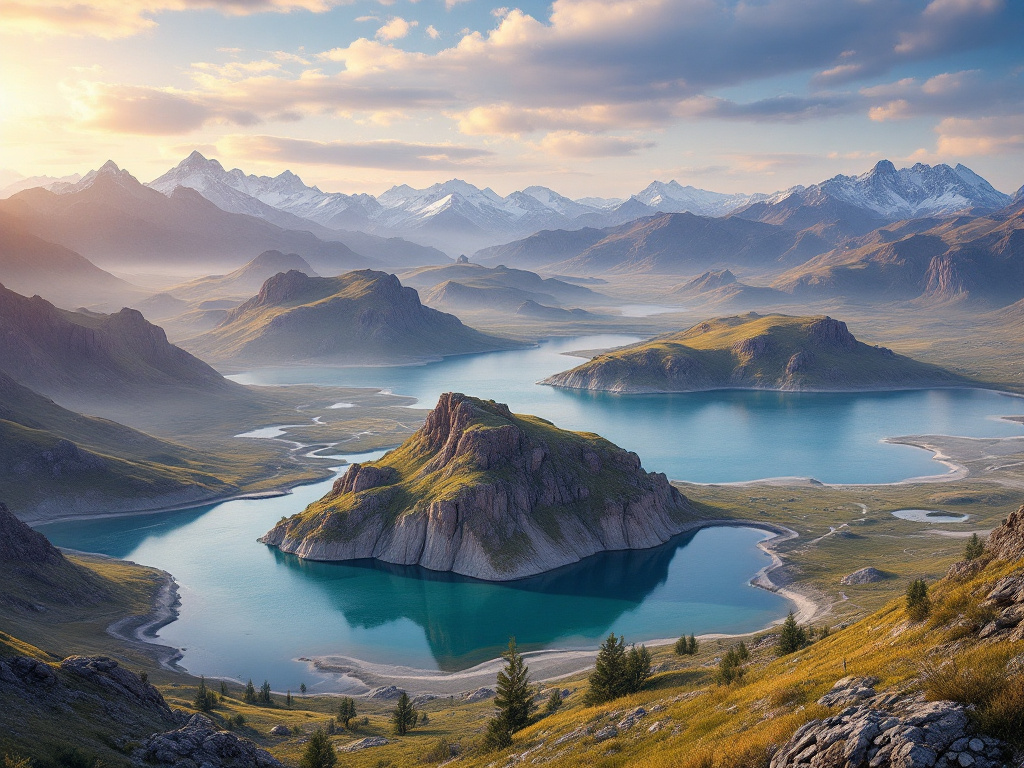
Kaindy Lake
A surreal mountain lake known for its submerged fir trees.
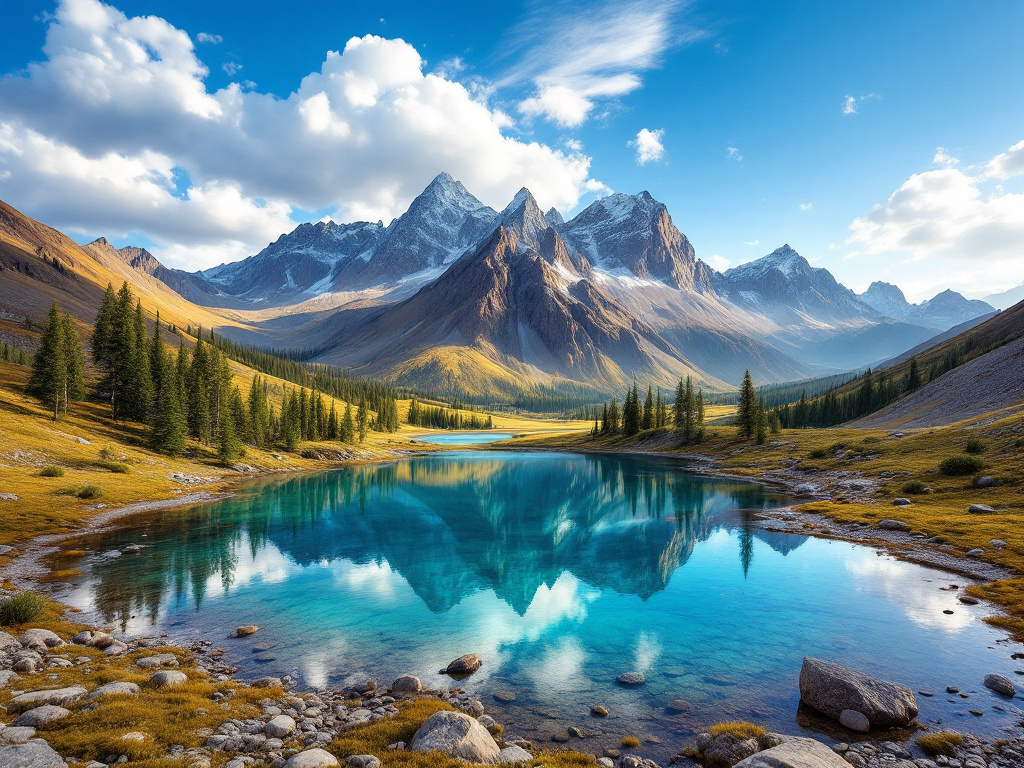
Kolsai Lakes
A popular natural area with three beautiful alpine lakes surrounded by forest.
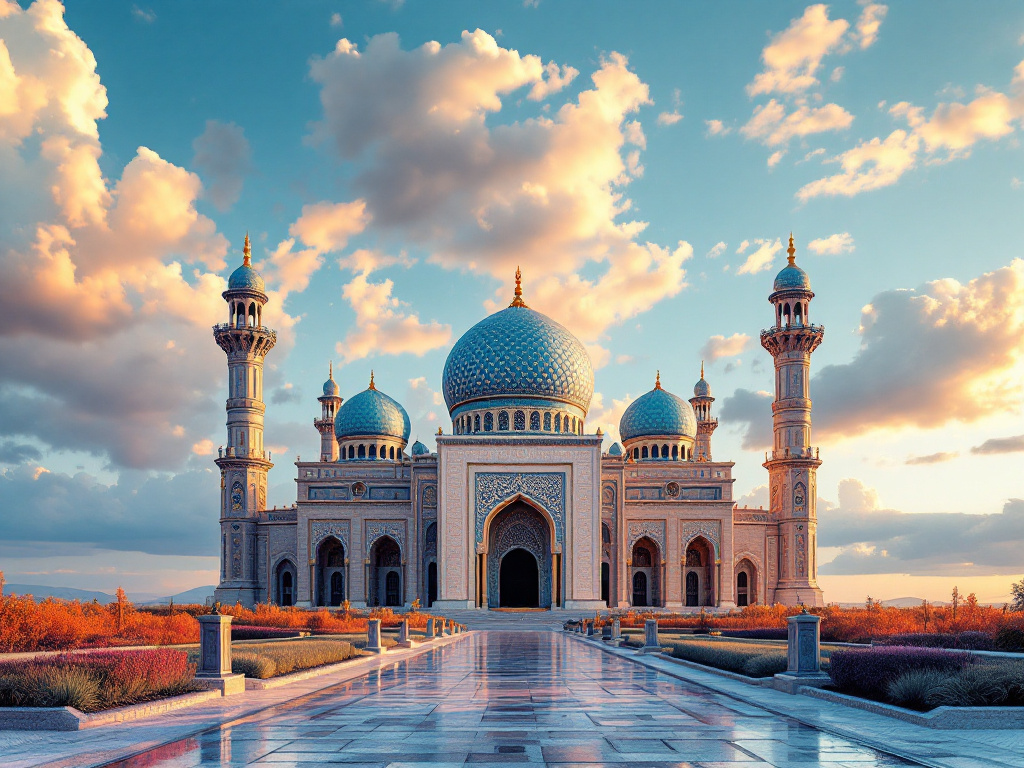
Khoja Ahmed Yasawi Mausoleum
An important religious and historical monument from the 14th century.
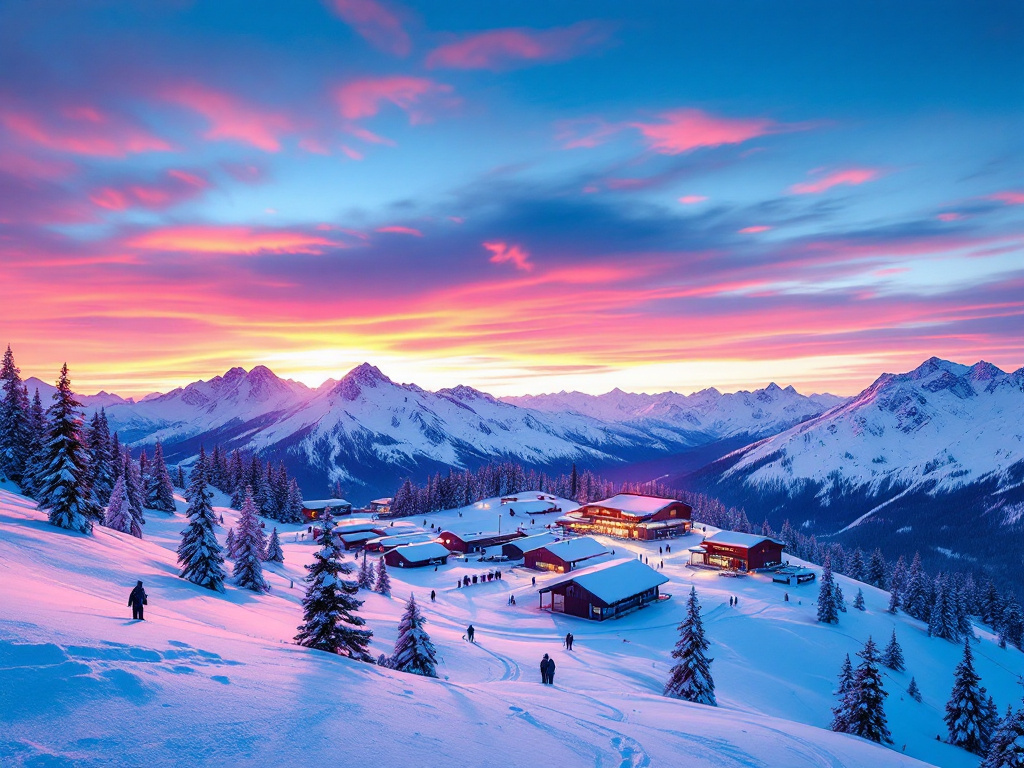
Shymbulak Ski Resort
Kazakhstan's leading ski resort located high above Almaty.
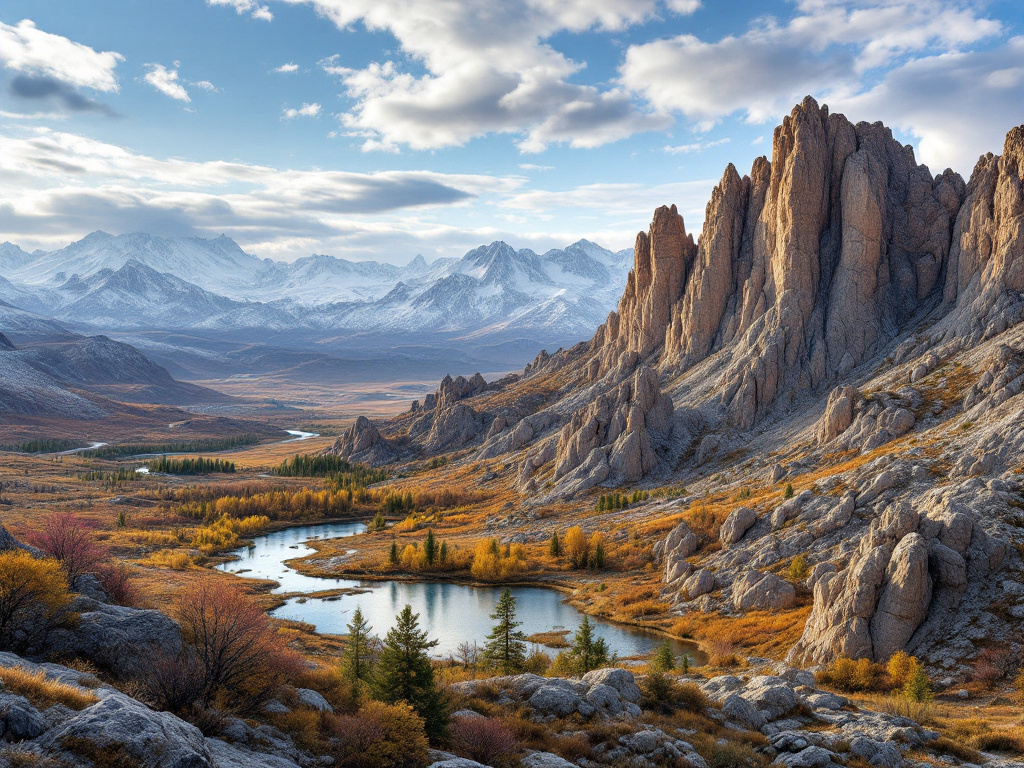
Borovoe National Park
A popular recreational nature area with lakes, forests, and rock formations.
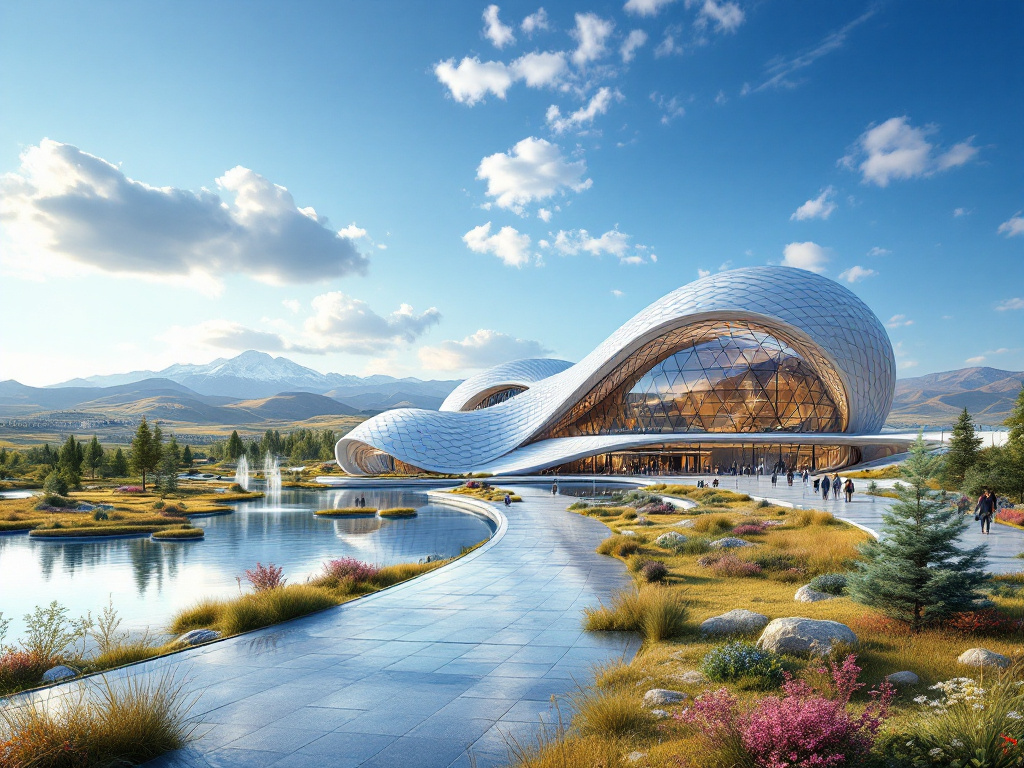
Nur Alem Future Museum
A modern museum dedicated to energy, technology, and future innovation.
Famous cuisine
Culinary overview
Kazakh culinary culture is deeply rooted in nomadic traditions and is characterized by meat dishes, dairy products, and freshly baked bread. Meals are often social events, where hospitality plays a central role. The dishes reflect the country’s history as a crossroads on the Silk Road, with influences from Russian, Turkish, Uzbek, and Chinese cuisines. Meat—especially lamb, beef, and horse—is a staple, and fermented dairy products like kumis (fermented mare's milk) are a delicacy. Markets abound with fresh vegetables, dried fruits, and spices, and tea is almost always served as a conclusion to a meal.
Must-try dishes
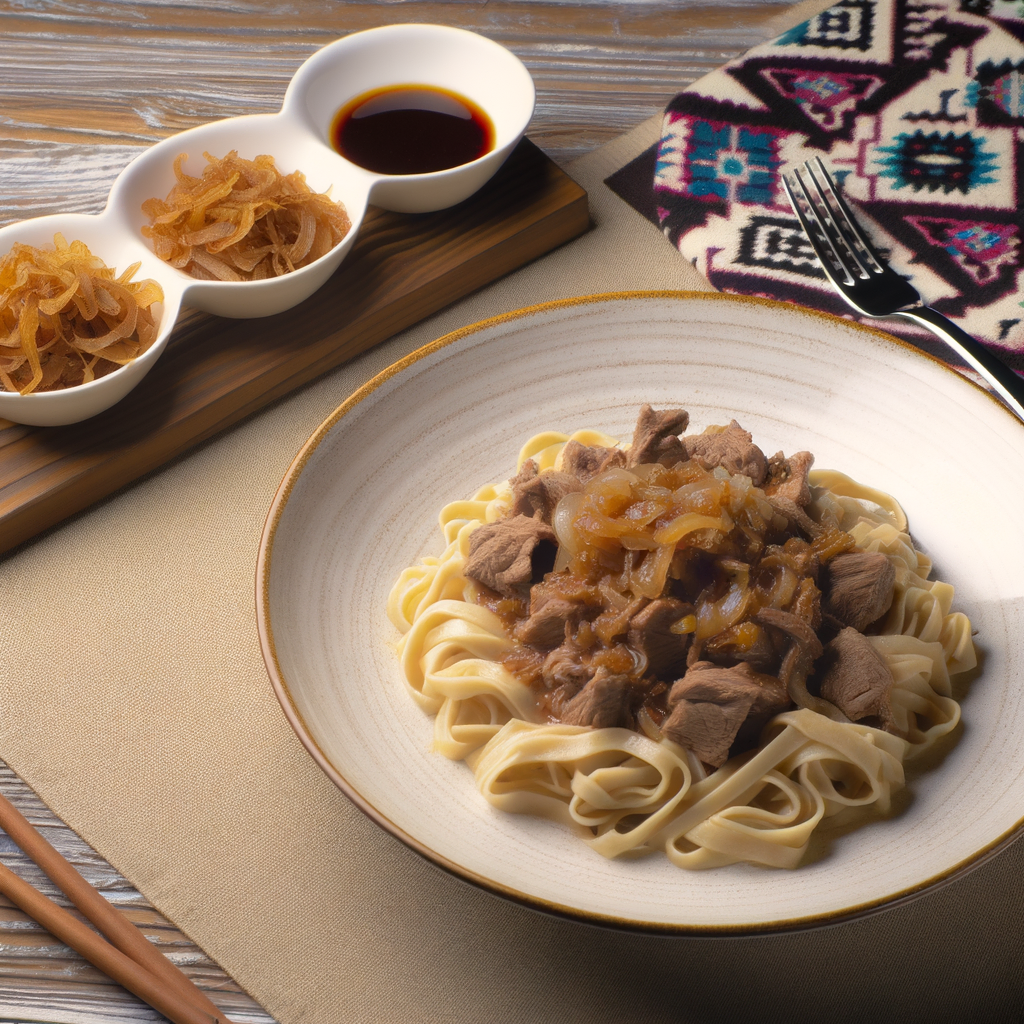
Beshbarmak
Kazakhstan's national dish, consisting of boiled meat (often lamb or horse) served over wide noodles and topped with an onion sauce. The name means 'five fingers', as the dish is traditionally eaten with the hands.
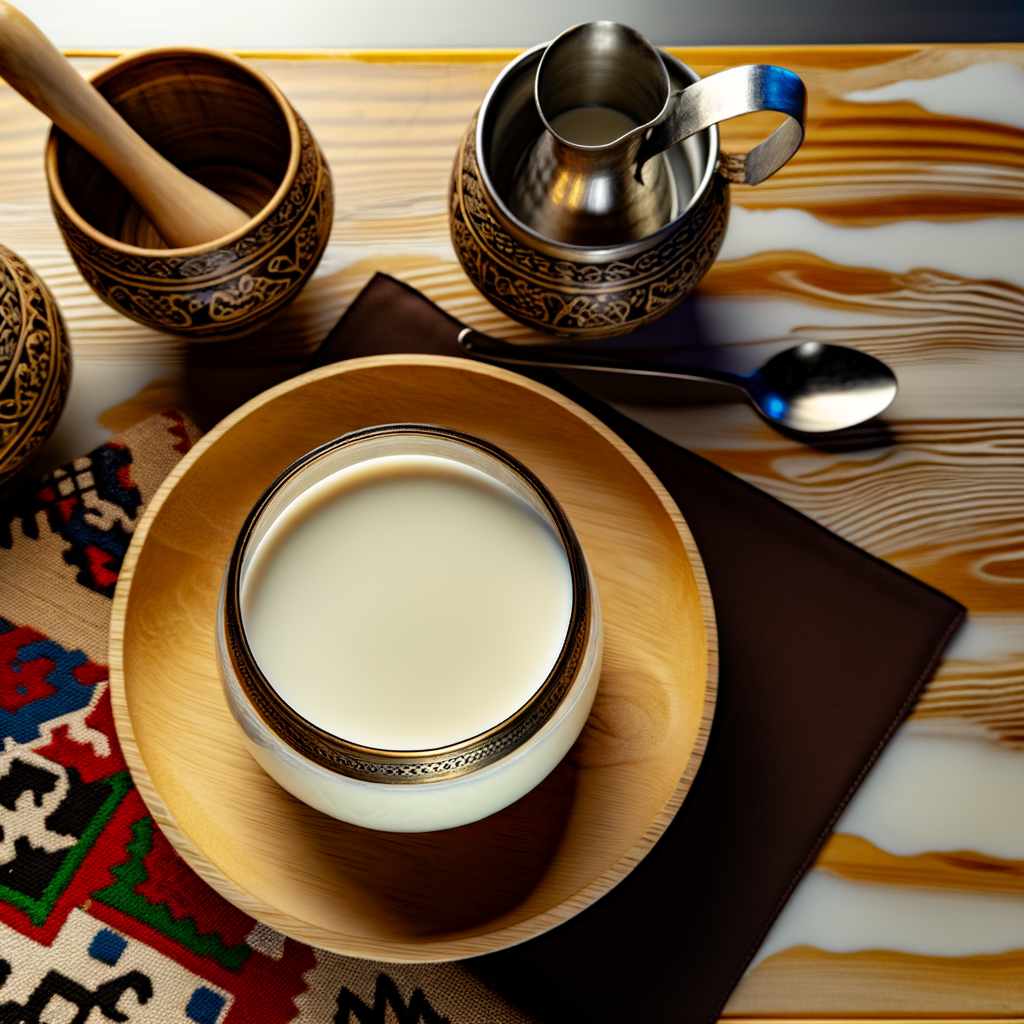
Kumis
A traditional drink made from fermented mare's milk, known for its slightly sour taste and invigorating effect. Kumis has been an important part of nomadic culture for centuries.
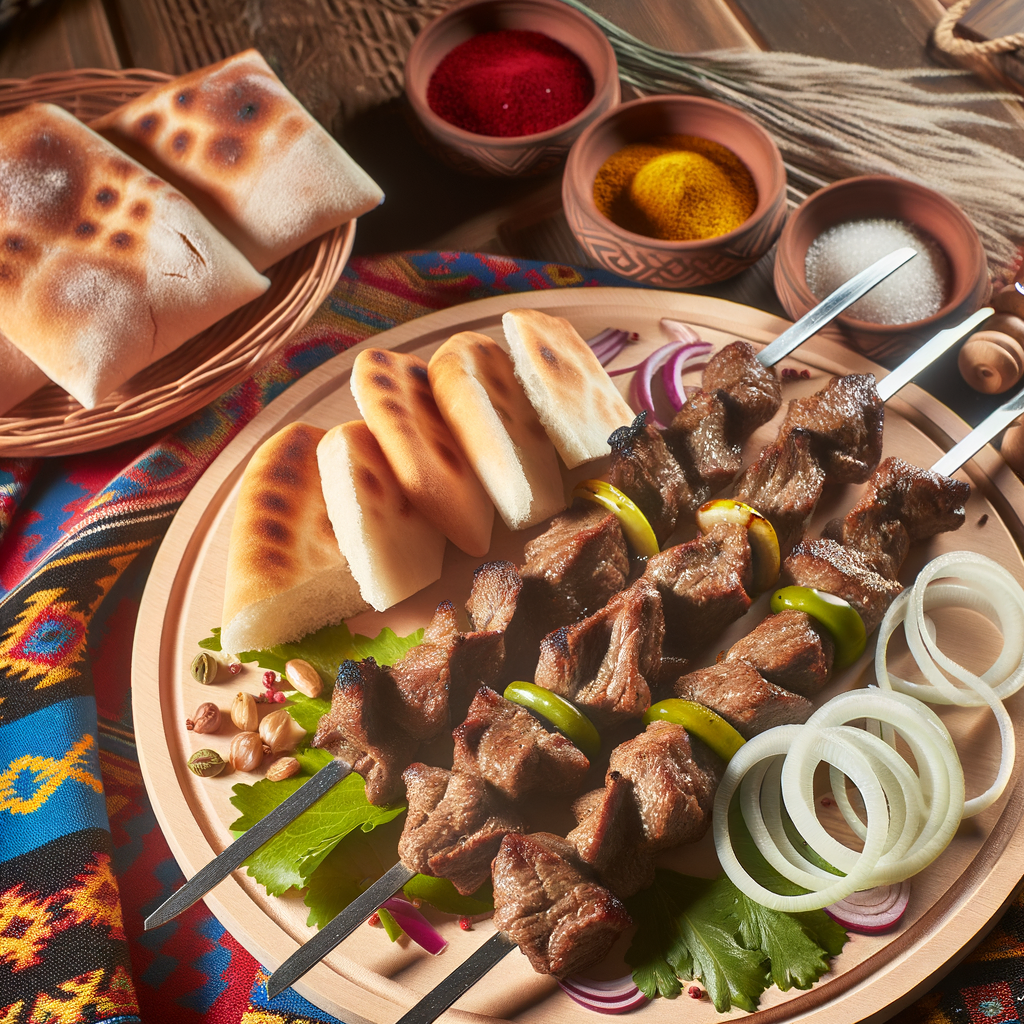
Shashlik
Marinated meat skewers, typically of lamb or beef, grilled over an open fire and served with fresh bread, onions, and spices. A popular dish for both everyday and festive occasions.
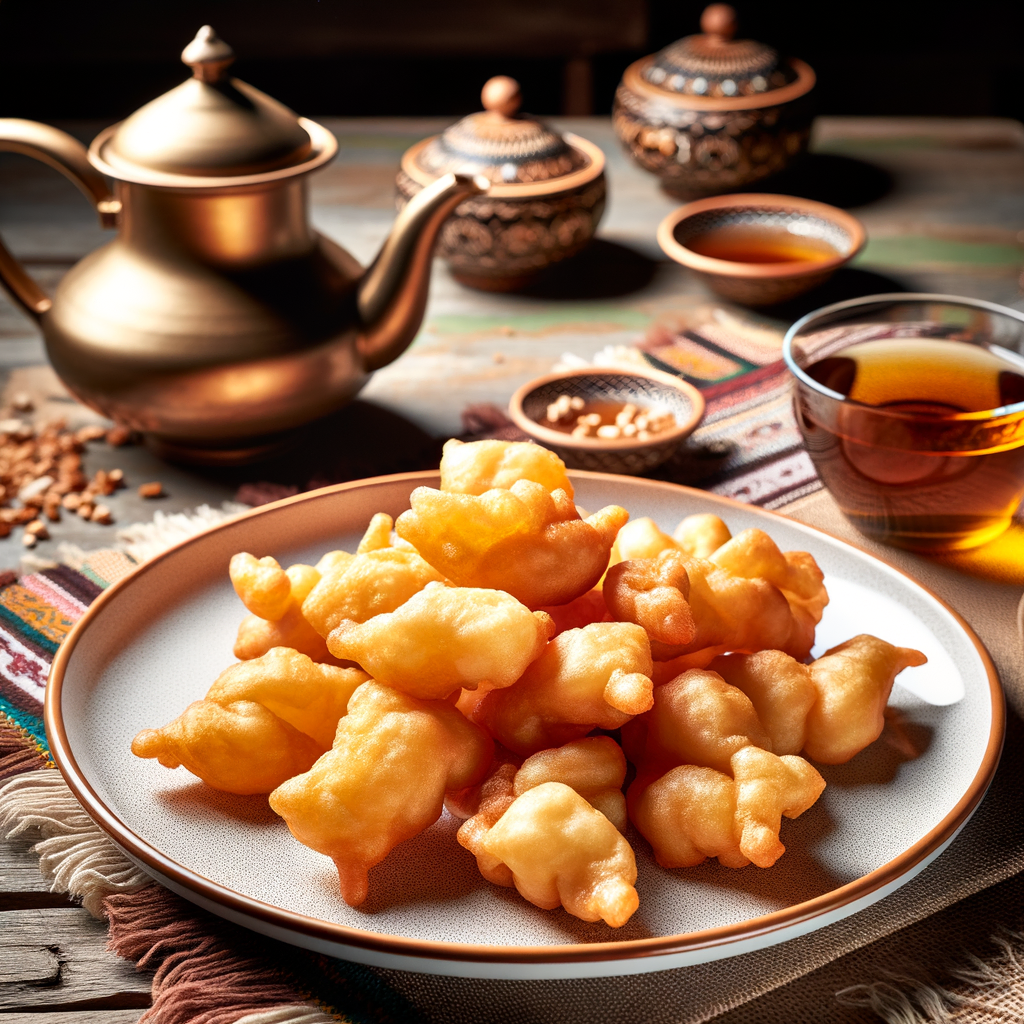
Baursak
Small, airy pieces of deep-fried dough, often served as a snack or dessert, sometimes dusted with sugar or served with honey.
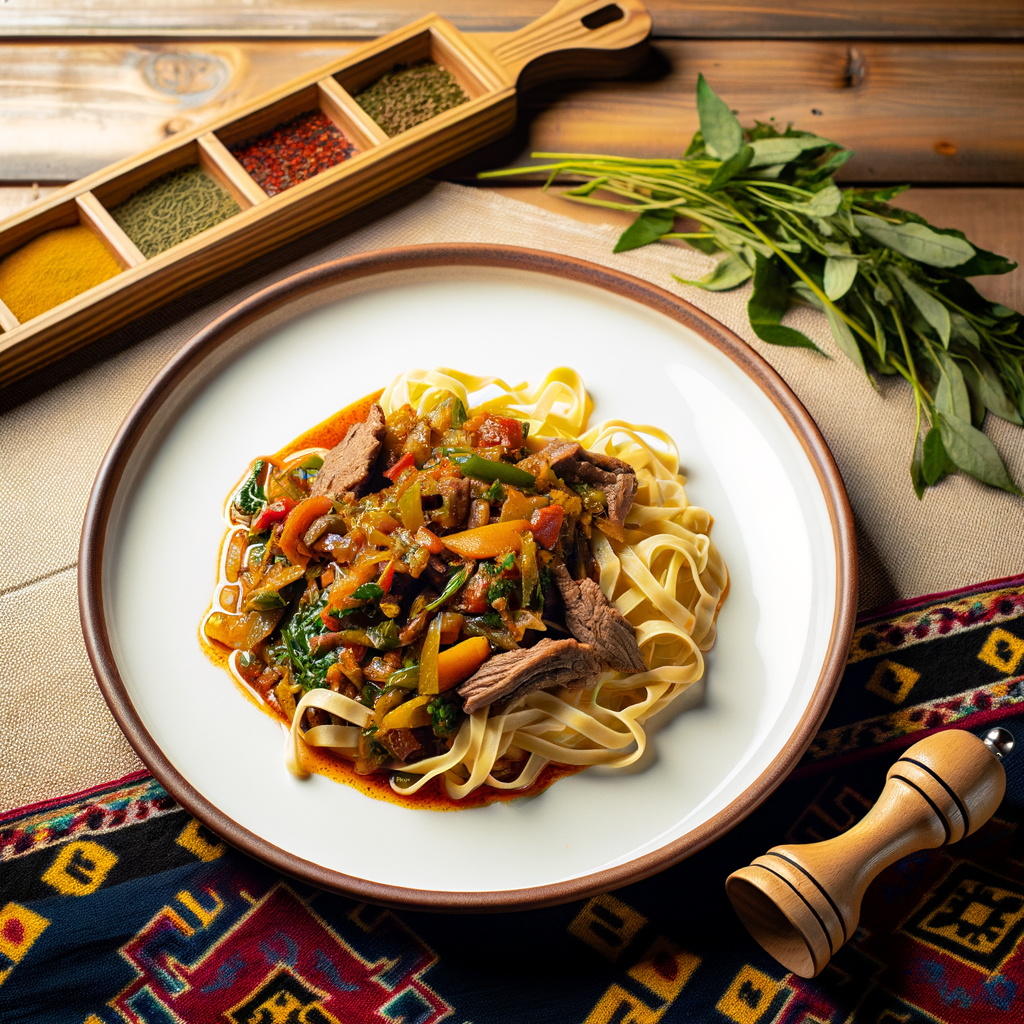
Lagman
A noodle dish with roots in Uyghur cuisine, consisting of hand-pulled noodles served with a hearty meat and vegetable sauce seasoned with herbs and spices.
Restaurant information
Tipping
Tipping is not mandatory in Kazakhstan, but it is appreciated. In restaurants, it is common to round up or give 5-10% of the bill if the service has been good.
Travel information
Currency
Tenge (₸)
Language
Kazakh
Best time to visit
May to September
Major cities
Nur-Sultan and other major cities
More countries in Asia
Discover more destinations in this region