
Laos
Laos, the heart of Southeast Asia, enchants with its lush landscapes, ancient traditions, and serene charm—perfect for adventurers looking for peace and cultural depth.
Overview
Laos, nestled in the heart of Southeast Asia, is a hidden paradise for travelers seeking authentic experiences away from mass tourism. Here, lush jungles, dramatic limestone mountains, and the majestic Mekong River intertwine with a rich spiritual heritage. Experience the UNESCO-listed city of Luang Prabang with its golden temples and French colonial charm, explore the turquoise pools of Kuang Si Waterfall, or watch the sunset over Vientiane's iconic Pha That Luang. Laos is a land where time moves slowly, and hospitality and tranquility are an intrinsic part of everyday life.
Official language
Lao
Government
Enpartistat
Best time to visit
November to February
Nature
Laos is a natural jewel in Southeast Asia, characterized by lush forests, rushing rivers, and dramatic mountain landscapes. The Mekong River, the lifeblood of the country, winds its way through valleys and villages, offering unforgettable boat rides, especially at sunrise or sunset. In the north, the impressive limestone formations of Vang Vieng create a paradise for hikers, canoeists, and rock climbers. The Kuang Si Waterfall near Luang Prabang is one of the country's most photographed spots, featuring turquoise blue pools surrounded by dense jungle. In the south, the green plains around Champasak are home to the majestic Vat Phou temple, set against a backdrop of mountains. Laos boasts rich biodiversity, with rare bird species, wild orchids, and untouched forests inviting trekking and ecotourism. From the misty mountain peaks in the north to the tranquil islands in the Mekong Delta in the south, Laos offers a pristine and authentic nature that is perfect for nature lovers.
Travel to Laos
Traveling to Laos is like stepping into a world where time flows gently and experiences unfold at their own pace. The best time to visit is from November to February, when the climate is cool and dry, ideal for both city strolls and outdoor excursions. Flights to Vientiane and Luang Prabang make it easy to begin your journey, and domestic travel can be done by bus, boat, or short flights. Travelers can combine cultural highlights like Luang Prabang and Vat Phou with adventures in nature at Vang Vieng or the 4,000 Islands in the Mekong. Laos is perfect for those looking to escape the crowds of mass tourism, immerse themselves in authentic interactions with locals, savor traditional dishes, and experience a landscape that still feels untouched. Here, you will find a rare combination of serenity, beauty, and hospitality.
Culture
Laos' culture is deeply rooted in Buddhism, which shapes both daily life and the country’s architecture. In Luang Prabang, travelers can witness the daily almsgiving ceremony at dawn, where monks in saffron robes receive food from locals – a tradition unchanged for centuries. The country's temples, such as Pha That Luang in Vientiane and Vat Xieng Thong in Luang Prabang, are adorned with golden details and intricate wood carvings. The French colonial period has influenced the towns' architecture and cafés, creating a unique blend of Eastern spirituality and Western elegance. Laotian cuisine is an essential part of the culture, with dishes like laap (spicy meat or fish salad), tam mak hoong (papaya salad), and khao niew (sticky rice), often shared in communal settings. Crafts like weaving, silverwork, and bamboo weaving continue to thrive, and village visits offer insight into a lifestyle where community and nature harmoniously coexist.
History
Laos' history is marked by both grandeur and mystique. Once the center of the mighty Lan Xang Kingdom, 'Land of a Million Elephants,' founded in the 14th century, this era brought Buddhism to the country and laid the foundation for many of the temples that still stand today. Laos later experienced influences from both Siamese and French colonial powers, leaving traces in its architecture, language, and culture. During the colonial period, Vientiane and Luang Prabang were developed as administrative and cultural hubs. In recent times, Laos has undergone political changes and is now a one-party state. Archaeological mysteries like the Plain of Jars testify to an even older past, with origins still debated among scholars.
Top attractions
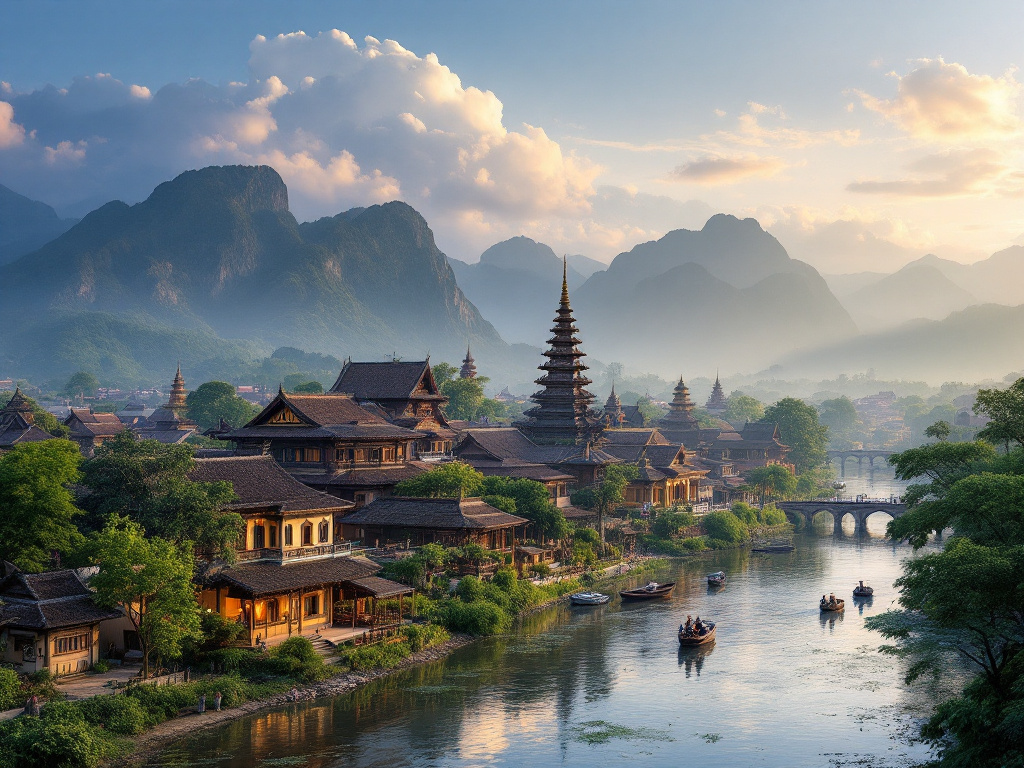
The Old Town of Luang Prabang
The Old Town of Luang Prabang is known for its temples, colonial buildings, and tranquil atmosphere along the Mekong River.

Kuang Si Waterfall
A spectacular waterfall with multiple levels and natural pools, popular for swimming and relaxation.

Vang Vieng Karst Landscape
A dramatic karst landscape with mountains and rivers, known for outdoor activities and beautiful views.
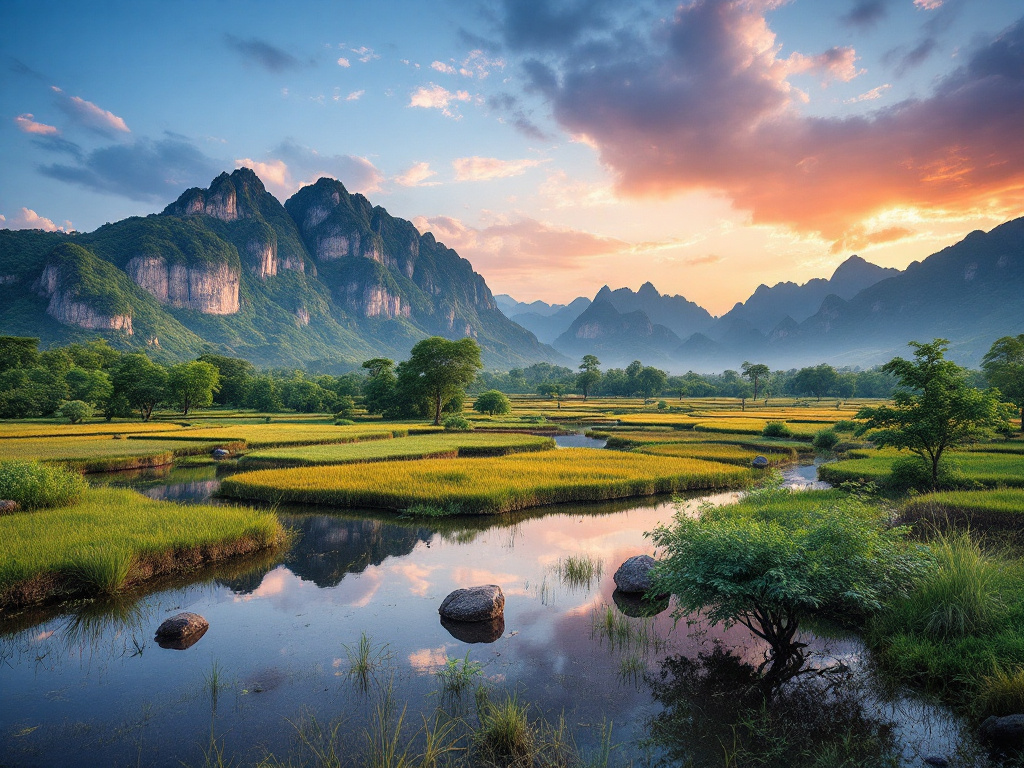
The Plain of Jars
A UNESCO site with thousands of large stone jars scattered across hills, whose origin is still debated.

Pha That Luang
Laos' most important religious monument and a national symbol with an impressive golden stupa.

Mekong River Cruise
A relaxing boat trip on the Mekong River with views of village life and lush banks.
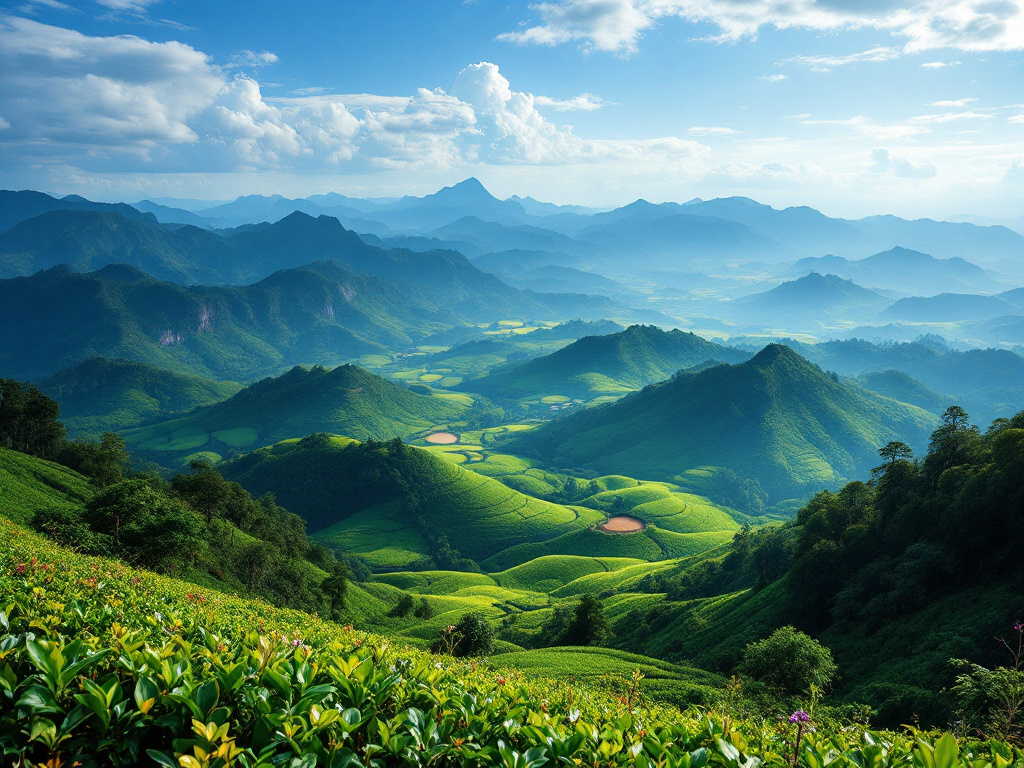
Bolaven Plateau
A lush highland area known for coffee plantations and impressive waterfalls.
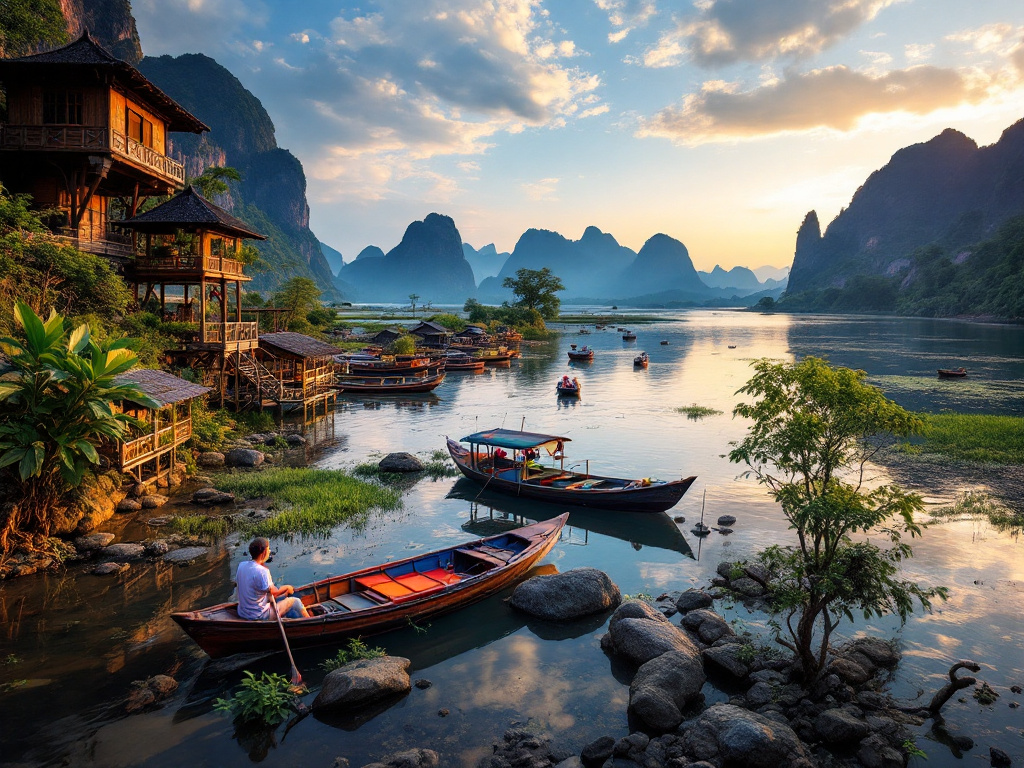
Si Phan Don
An archipelago in the Mekong River with a tranquil atmosphere, small villages, and nature experiences.
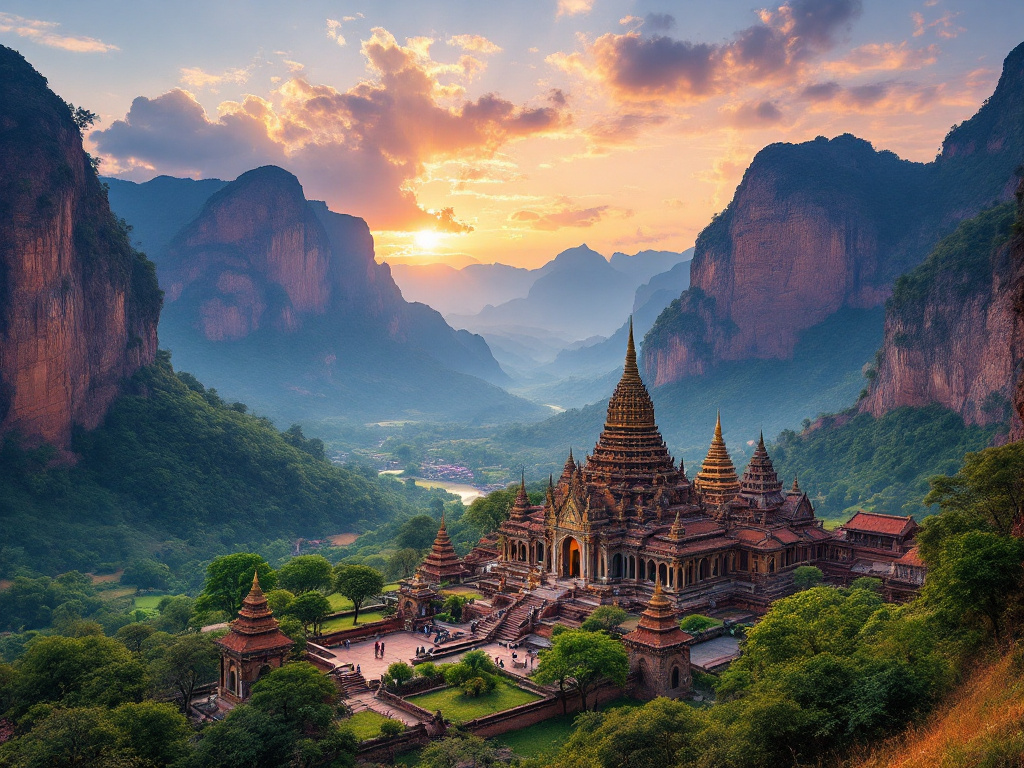
Wat Phu
An ancient Khmer temple complex on a hillside with historical and spiritual significance.
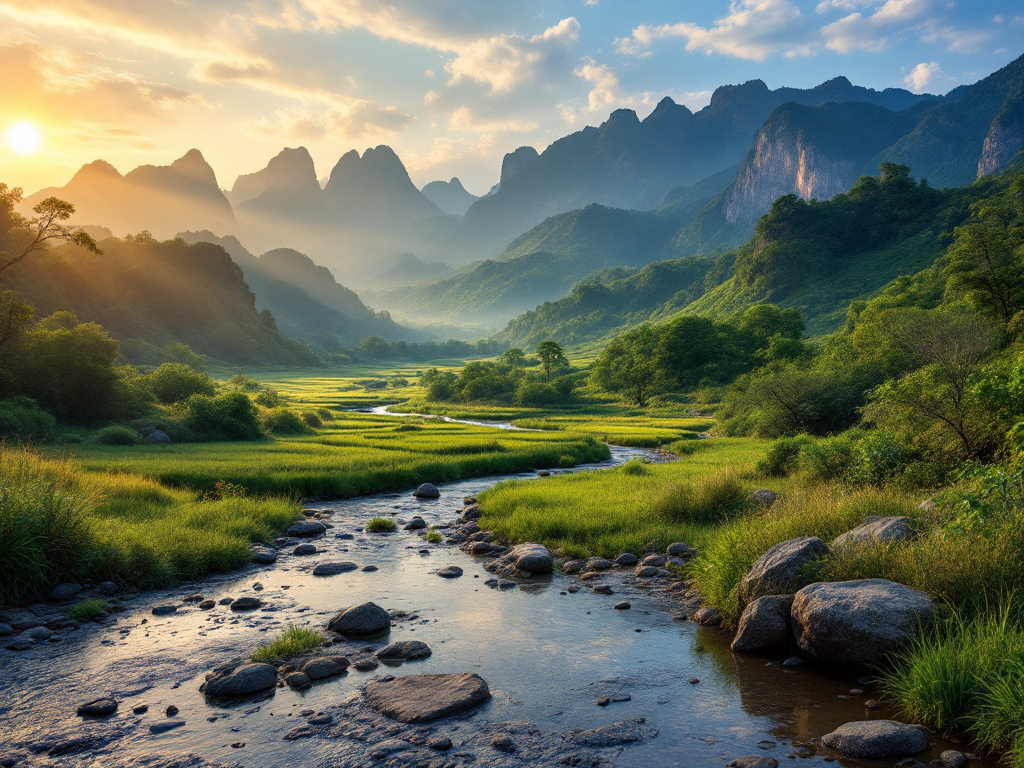
Nam Et-Phou Louey National Park
A large national park focused on wildlife protection and authentic ecotourism experiences.
Famous cuisine
Culinary overview
Laotian cuisine is a harmonious blend of fresh herbs, spices, and local ingredients, often balanced between salty, sour, sweet, and spicy. Meals are typically shared among everyone at the table, and sticky rice (khao niew) is a staple. Street food is widespread and offers the opportunity to taste authentic dishes at low prices, while restaurants in the cities offer everything from traditional Laotian specialties to French-inspired dishes – a remnant from the colonial era.
Must-try dishes
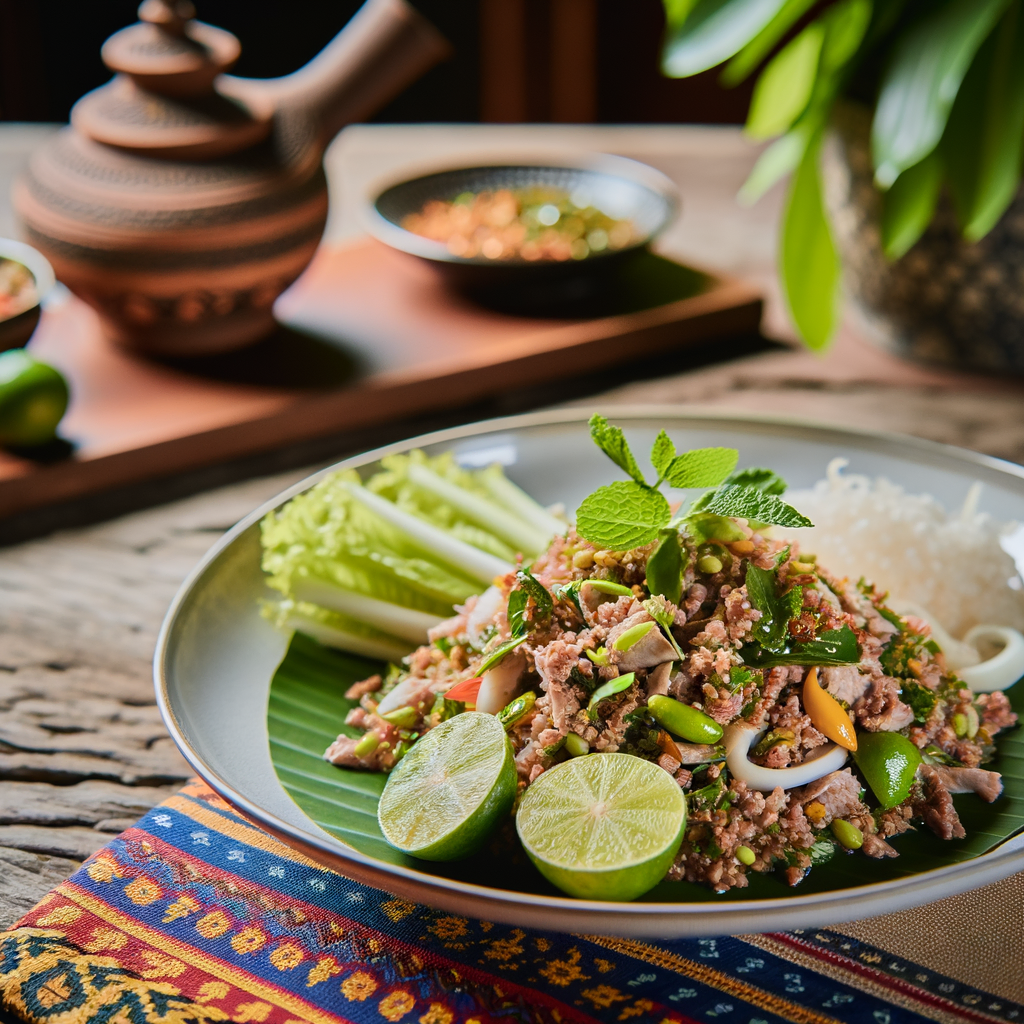
Laap
A national dish in Laos – minced meat or fish mixed with lime, fish sauce, roasted rice, and fresh herbs. Often served with sticky rice.
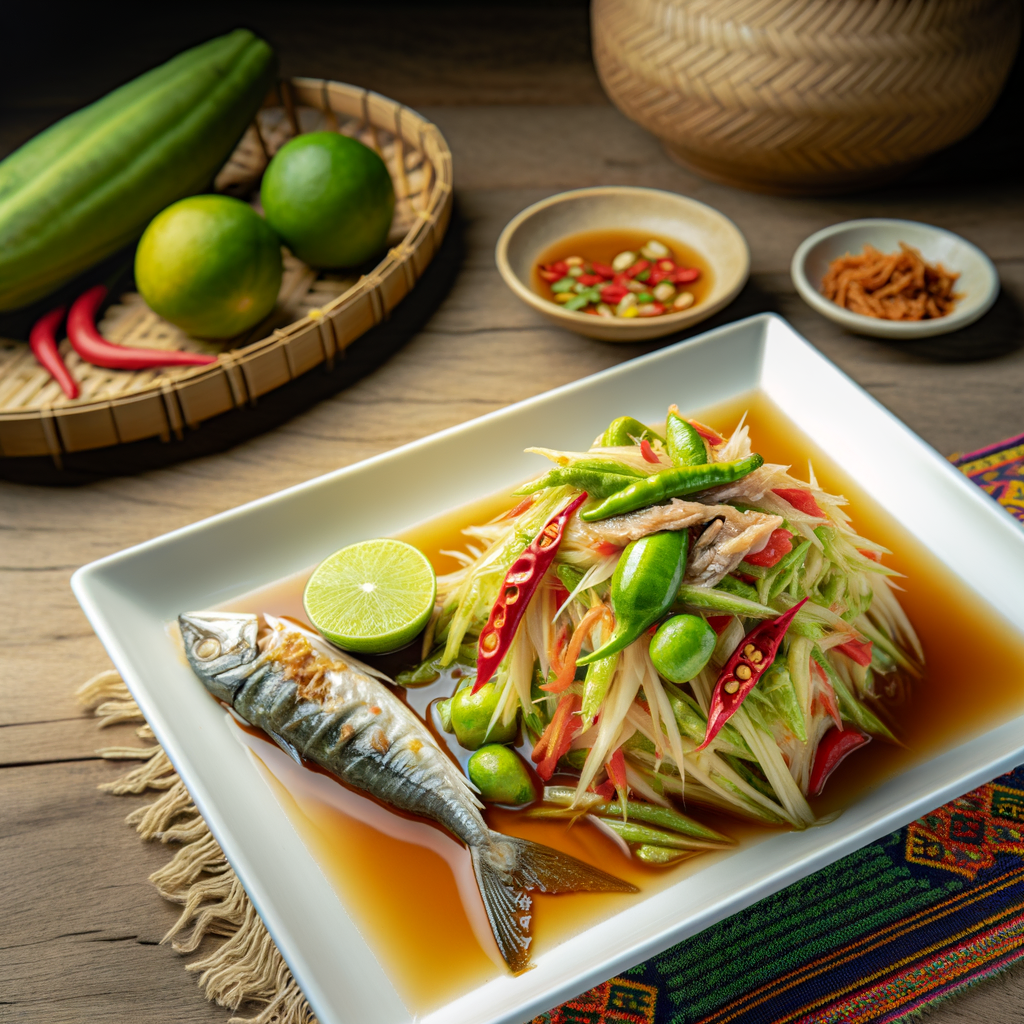
Tam Mak Hoong
Laotian green papaya salad with chili, lime, fish sauce, and fermented fish, which gives a deep umami flavor.
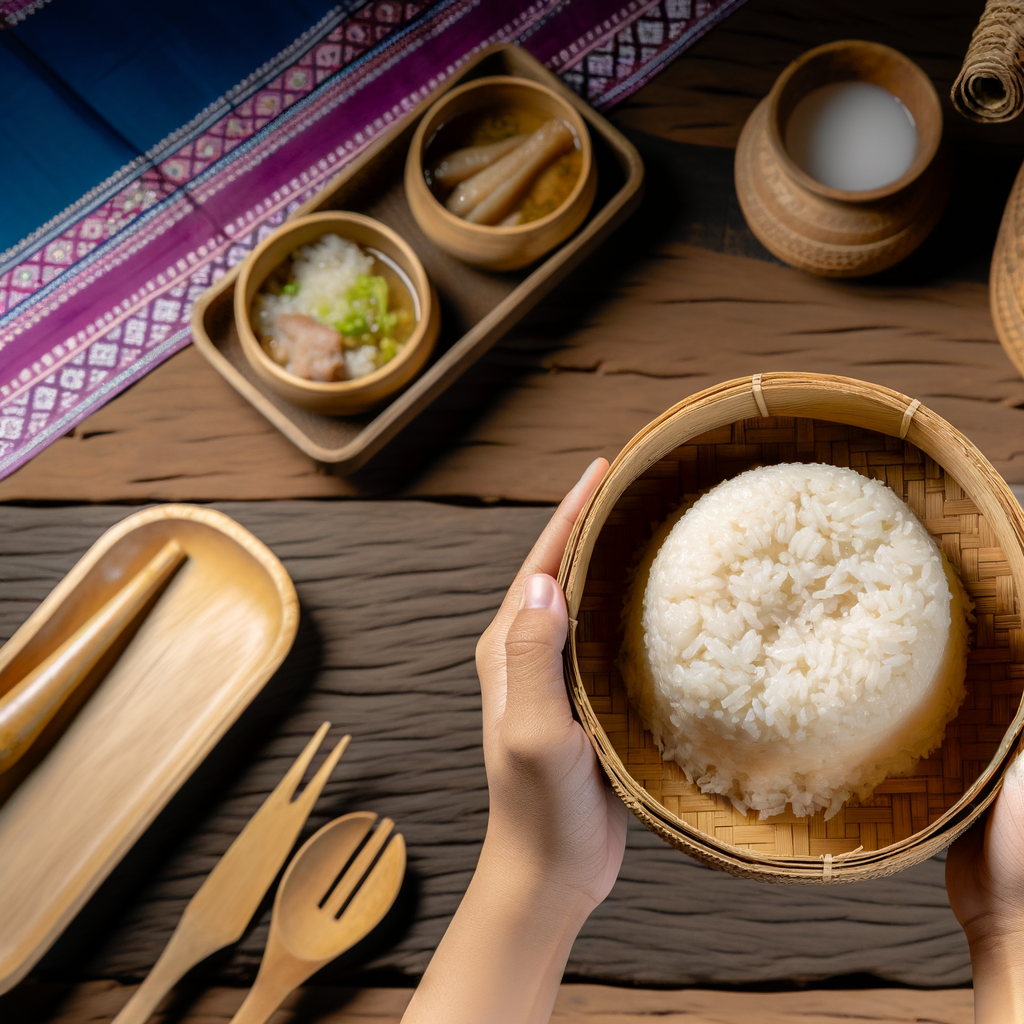
Khao Niew
Sticky rice steamed in bamboo baskets – eaten with hands and accompanies almost all meals.
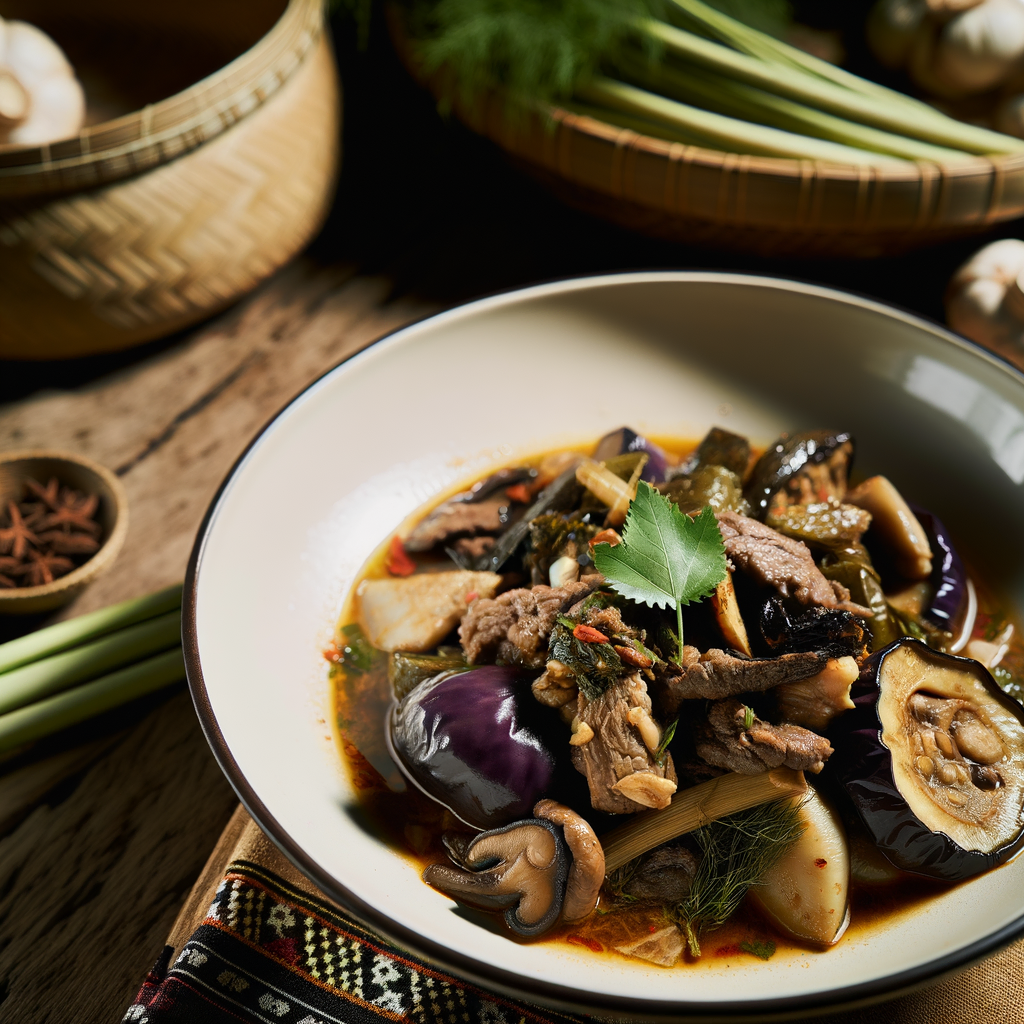
Or Lam
Spicy stew from Luang Prabang with eggplant, mushrooms, meat (often buffalo), and aromatic herbs like lemongrass and dill.
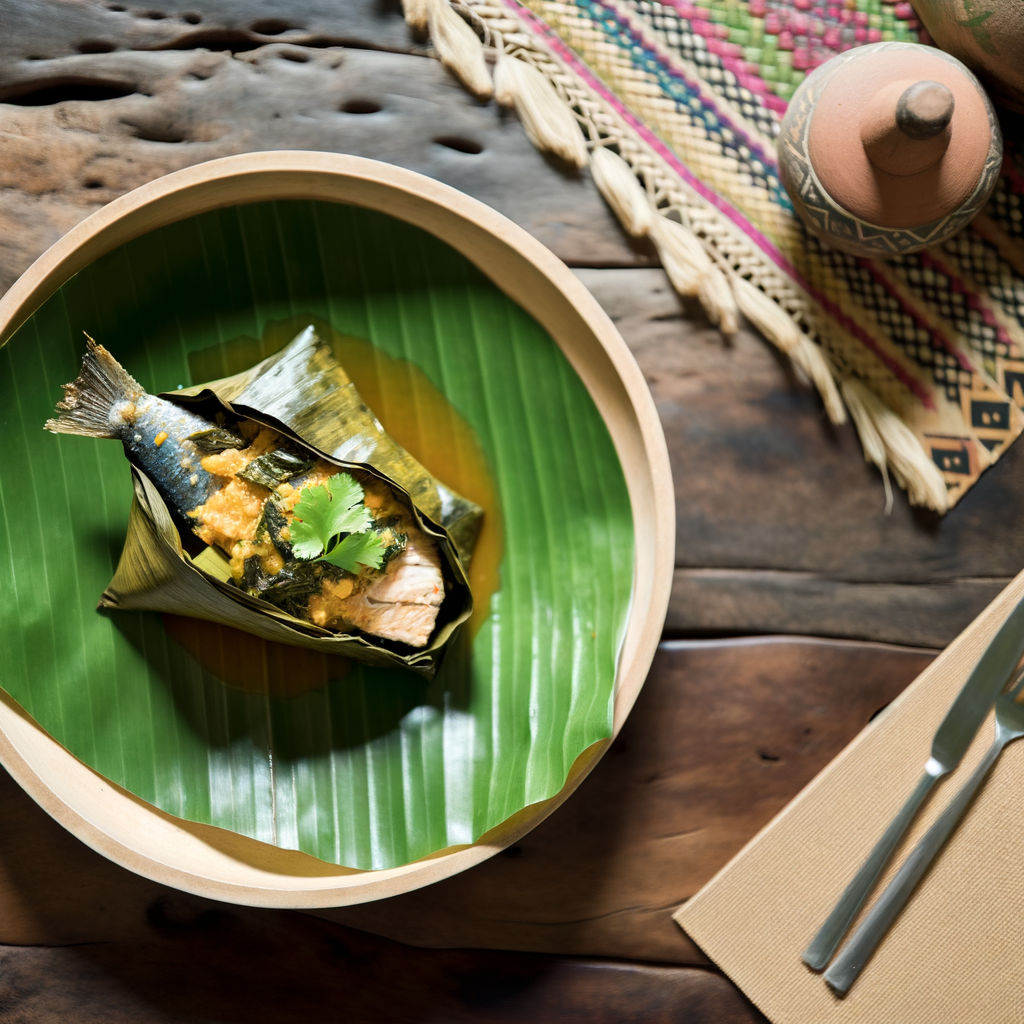
Mok Pa
Fish seasoned with herbs and steamed in banana leaves, giving a delicate and aromatic flavor.
Restaurant information
Tipping
Tipping is not a fixed part of the culture in Laos, but it is appreciated to round up or leave small change (₭5,000-₭10,000) at restaurants, especially in tourist areas.
Travel information
Currency
Lao kip (₭)
Language
Lao
Best time to visit
November to February
Major cities
Vientiane and other major cities
More countries in Asia
Discover more destinations in this region