
Sri Lanka
Overview
Sri Lanka, often referred to as the Pearl of the Indian Ocean, is a tropical paradise where golden beaches meet lush tea plantations, ancient royal cities, and remarkable wildlife. Explore UNESCO World Heritage sites such as the Sigiriya Rock Fortress adorned with frescoes and royal gardens, the sacred city of Anuradhapura with its majestic stupas, and Kandy housing the revered Temple of the Tooth. Experience the iconic train ride through the verdant hills of the Central Highlands, wander the colonial charm of Galle Fort, or encounter elephants in Yala National Park. With friendly locals, a vibrant culinary scene, and ideal travel times year-round, Sri Lanka promises an unforgettable adventure for both thrill-seekers and culture enthusiasts.
Official language
Singalesisk, Tamil
Government
Democratic Socialist republic
Best time to visit
December to March (west and south coast) and May to September (east and north coast)
Nature
Sri Lanka's landscapes are a vibrant mosaic, ranging from palm-fringed beaches to mist-covered mountains. The island's coastline boasts pristine white sand beaches and turquoise waters, ideal for relaxation, snorkeling, and surfing. In the central highlands, visitors can wander through lush tea plantations, green valleys, and dramatic mountain peaks, best experienced on the famous train journey from Kandy to Ella. National parks like Yala and Udawalawe are home to elephants, leopards, and an abundance of birdlife, while Horton Plains offers unforgettable hikes to the breathtaking viewpoint known as World's End. The UNESCO-listed rainforests of Sinharaja harbor rare plants and animals, and rivers and waterfalls weave through the landscape. Sri Lanka's natural beauty is not only stunning but also easily accessible, allowing travelers to experience beaches, jungles, and mountains all in one trip.
Travel to Sri Lanka
Traveling to Sri Lanka is an adventure into a tropical wonderland where relaxation, culture, and nature blend seamlessly. The country is easily accessible with international flights arriving in Colombo, while its well-developed infrastructure allows you to explore both the coast and the highlands. The ideal travel season varies by region; December to March is perfect for the west and south coasts, while May to September is best for the east and north coasts. Train journeys, especially the Kandy to Ella route, are an experience in themselves, and private drivers or tuk-tuks provide flexibility for exploration. Accommodation options range from luxury resorts to cozy guesthouses, and Sri Lanka is renowned for its warm hospitality, making it easy to feel welcome. Whether you're trekking to Adam's Peak, exploring Galle Fort, going on safari in Yala, or enjoying a beach day in Mirissa, the country offers diverse experiences for every traveler.
Culture
Sri Lanka's culture is a fascinating blend of Sinhalese and Tamil traditions, shaped by thousands of years of history and influences from India, Arabia, Portugal, Holland, and Britain. Religion, particularly Buddhism, plays a central role, evident in the many temples, stupas, and sacred sites. Kandy serves as a cultural hub, featuring the famous Temple of the Tooth, which houses a relic of Buddha, alongside annual festivals like the Esala Perahera that fill the streets with dancers, drummers, and adorned elephants. Traditional crafts such as batik, wood carving, and gem polishing are deeply rooted in the heritage, while music and dance styles range from classical Kandyan dances to Tamil rhythms. Sri Lankan cuisine is an integral part of the culture, offering flavorful dishes like Rice and Curry, Hoppers, Kottu Roti, and Pol Sambol that reflect the island's spicy culinary traditions. Warm hospitality is a cornerstone of daily life, with visitors often greeted with friendly smiles and genuine interest in sharing the country’s rich heritage.
History
Sri Lanka's history spans over 2,500 years, marked by powerful kingdoms, religious evolution, and colonial influences. The ancient cities of Anuradhapura and Polonnaruwa are testaments to advanced civilizations with remarkable stupas, palaces, and irrigation systems. The iconic Sigiriya Rock Fortress, built by King Kasyapa in the 5th century, stands as one of the country’s most famous monuments. Buddhism was introduced in the 3rd century BC and has since played a vital role in community life. In more recent history, Sri Lanka was colonized by the Portuguese, Dutch, and British, leaving distinct marks on its architecture and culture. The nation gained independence in 1948 and has since transitioned into a democratic republic, maintaining a rich tapestry of its historical narrative.
Top attractions
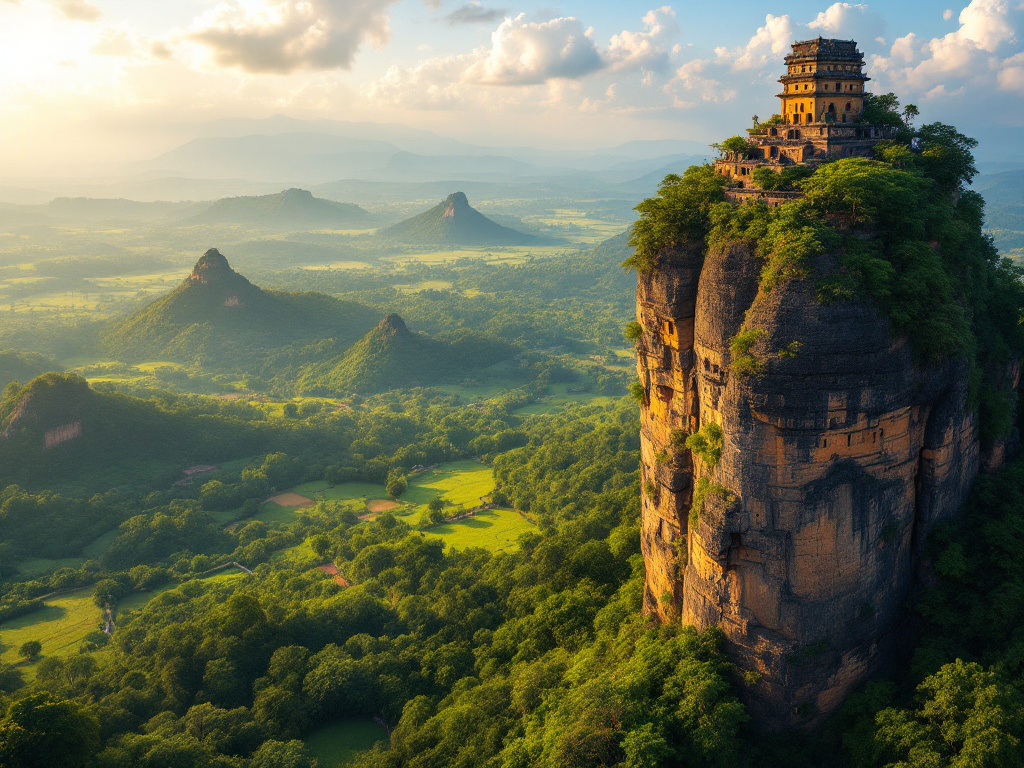
Sigiriya Rock Fortress
A spectacular rock fortress from the 5th century, known as Lion Rock, with archaeological ruins and stunning views of central Sri Lanka.
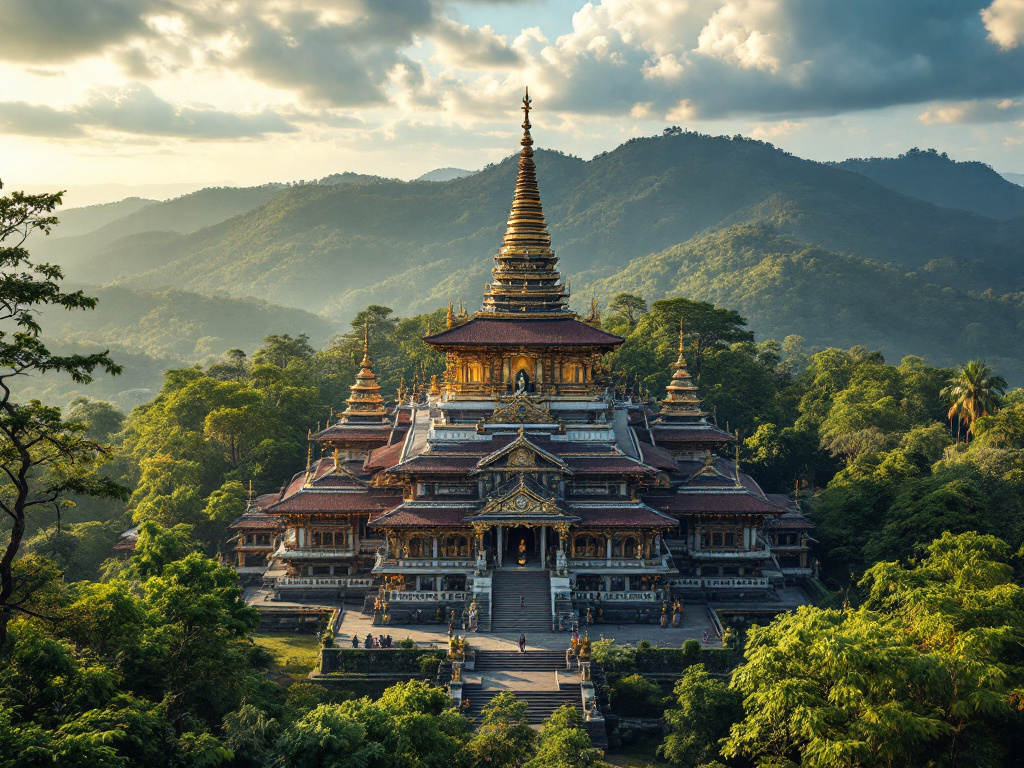
Temple of the Tooth Relic in Kandy
One of Buddhism's most important temples, housing a sacred tooth relic of Buddha and the center for religious ceremonies in Kandy.
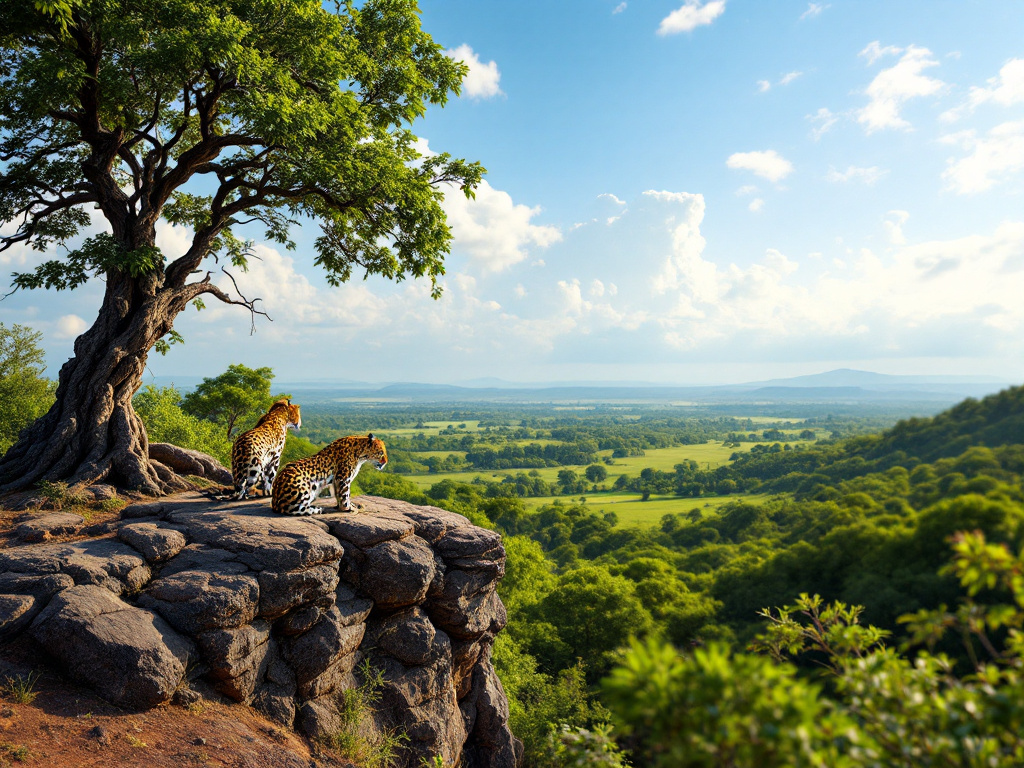
Yala National Park
Sri Lanka's most famous national park, known for one of the world's highest densities of leopards and rich wildlife.
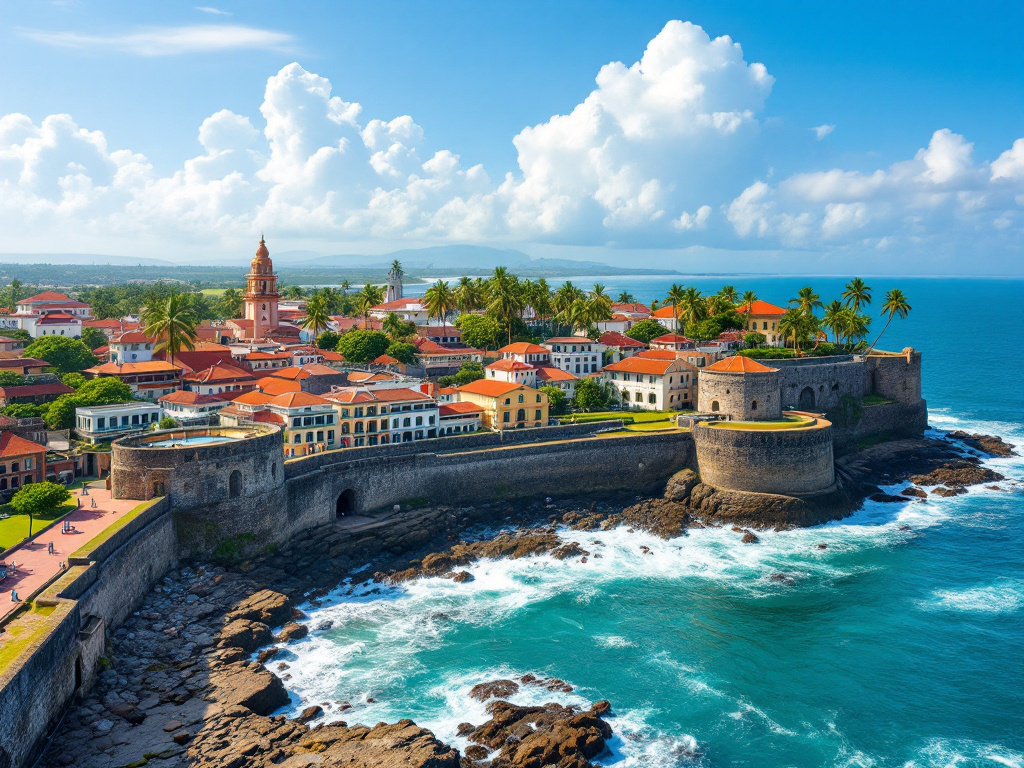
Galle Fort
A well-preserved colonial fort founded by the Portuguese and later expanded by the Dutch, featuring walls, museums, and charming streets.
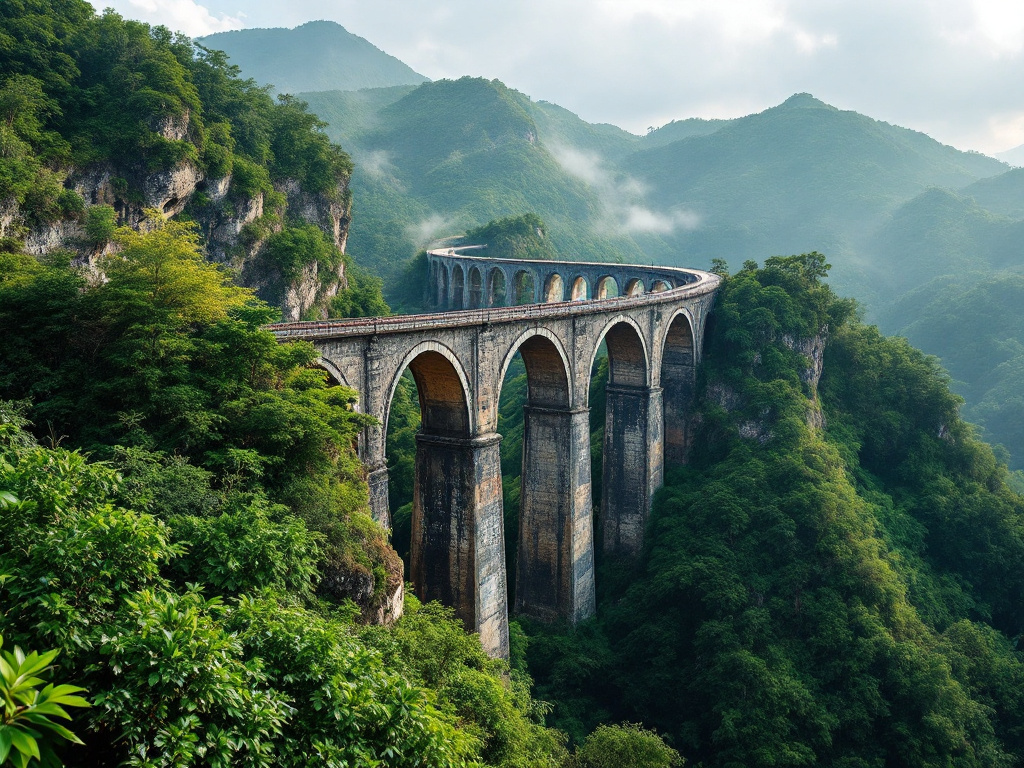
Nine Arches Bridge
An iconic railway bridge surrounded by lush nature, famous for photogenic train passages in the hill town of Ella.

Adam’s Peak (Sri Pada)
A sacred mountain for multiple religions, famous for its night ascent and spectacular sunrise from the top.
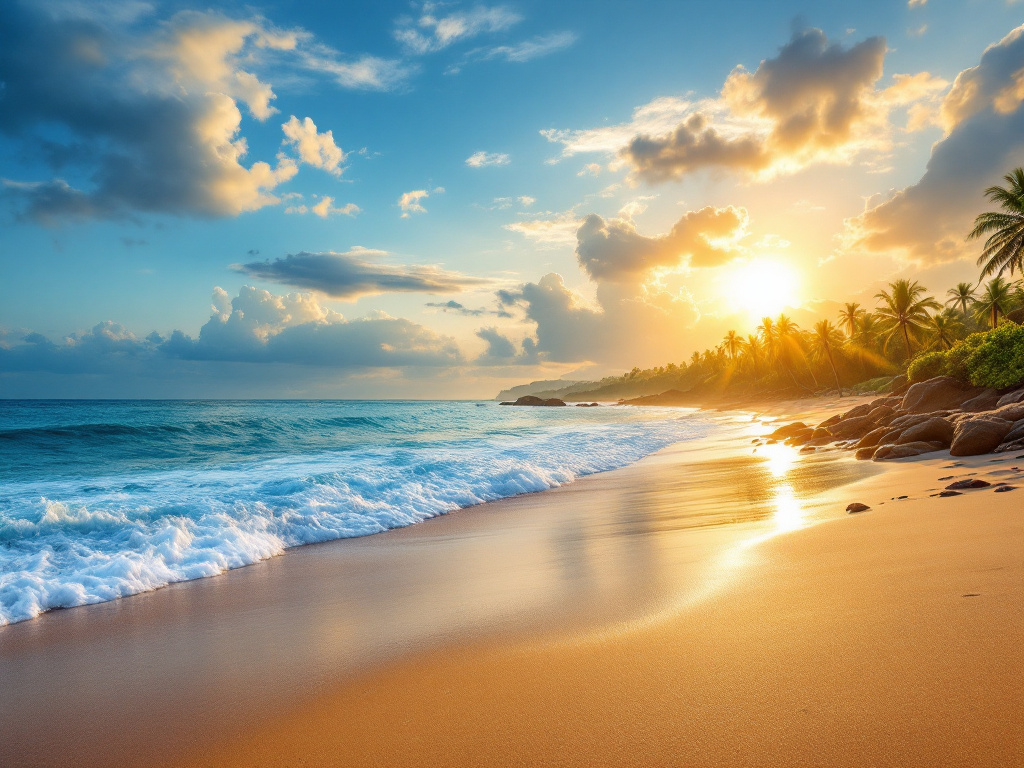
Mirissa Beach
A popular tropical beach known for its laid-back atmosphere, whale watching, and beautiful sunsets.
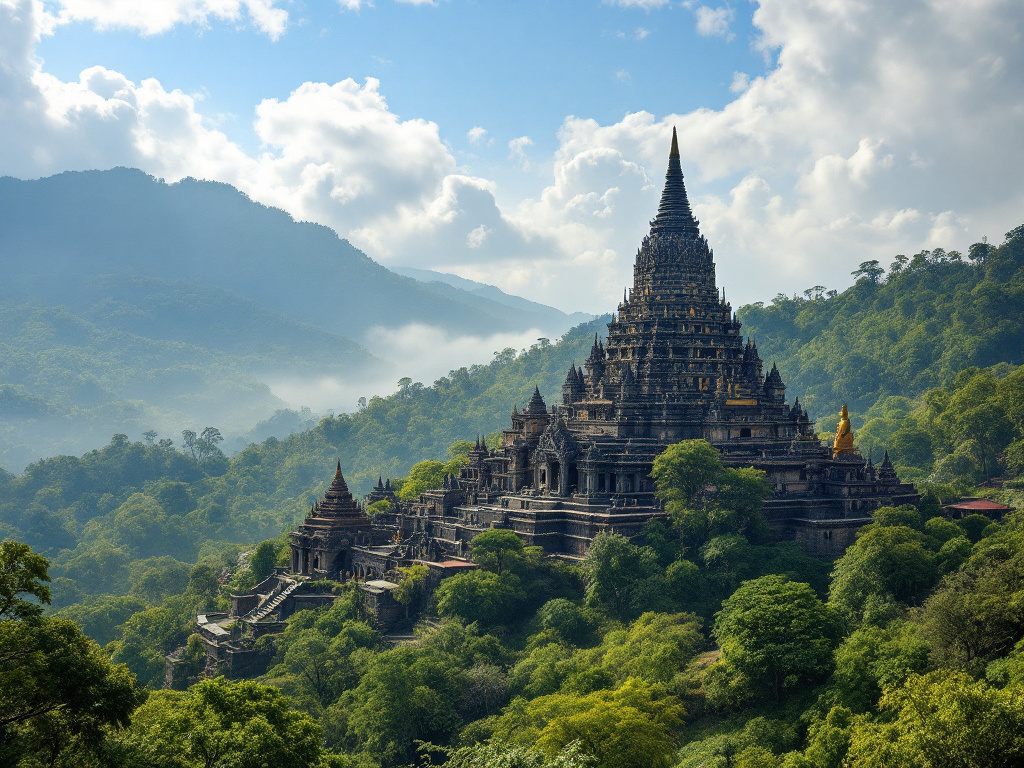
Dambulla Cave Temple
An extensive complex of Buddhist cave temples with colorful murals and hundreds of Buddha statues.
Horton Plains National Park
A high-altitude national park with open plains, dramatic cliffs, and popular hiking trails in a cooler climate.
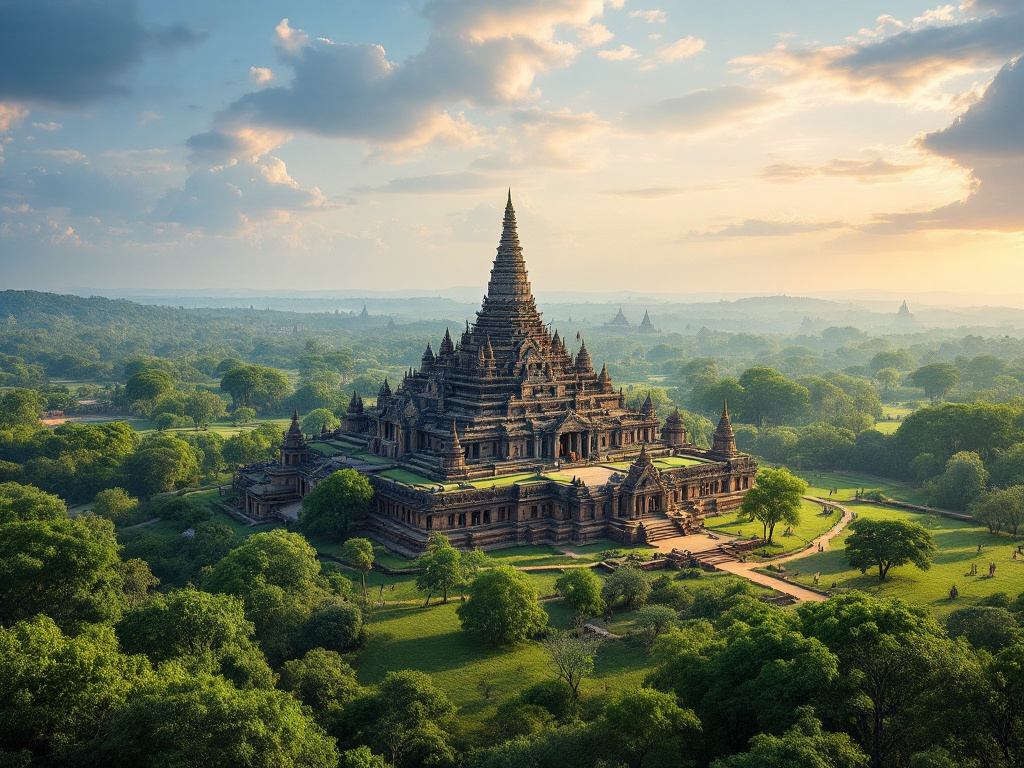
Anuradhapura Sacred City
One of the world's oldest continuously inhabited cities, filled with sacred Buddhist sites, massive stupas, and historical ruins.
Famous cuisine
Culinary overview
Sri Lankan cuisine is a colorful mix of spices, coconut, fresh vegetables, and fish. The food reflects the country's history as a trading hub with influences from India, Malaysia, Holland, and Portugal. A typical meal consists of rice served with several small curries, often accompanied by sambols and chutneys. Street vendors and markets offer quick snacks like Kottu Roti and Hoppers, while coastal areas are known for freshly caught fish and seafood. Tea is a central part of the culture, especially Ceylon tea from the highlands.
Must-try dishes
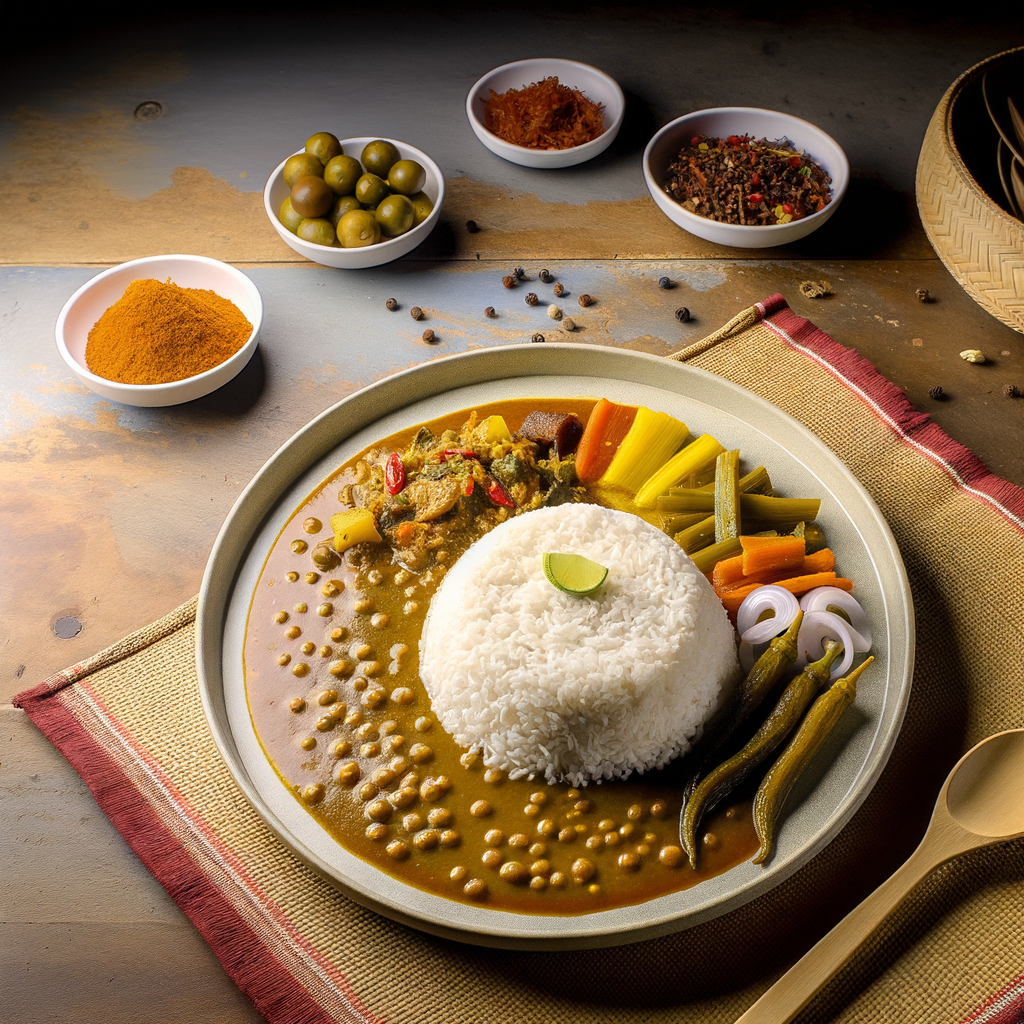
Rice and Curry
The national dish of Sri Lanka – steamed rice served with a variety of curries that may include lentils, vegetables, fish, or meat. Often accompanied by pickles and sambol.
.webp)
Hoppers (Appa)
Bowl-shaped pancakes made from fermented rice batter and coconut milk. Served either plain, with an egg in the middle, or as sweet varieties with coconut and palm sugar.
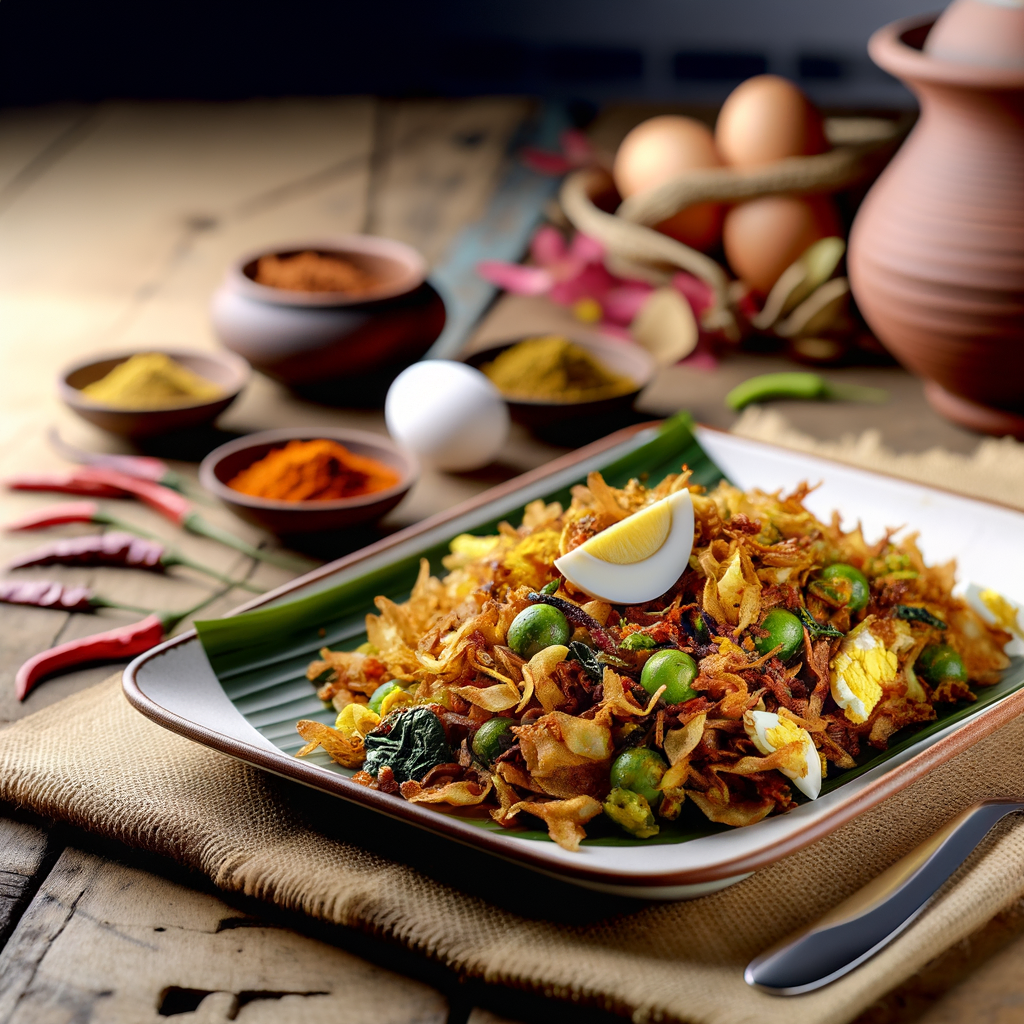
Kottu Roti
A popular street dish made from chopped roti bread, fried with vegetables, eggs, and optional meat, seasoned with curry and chili.
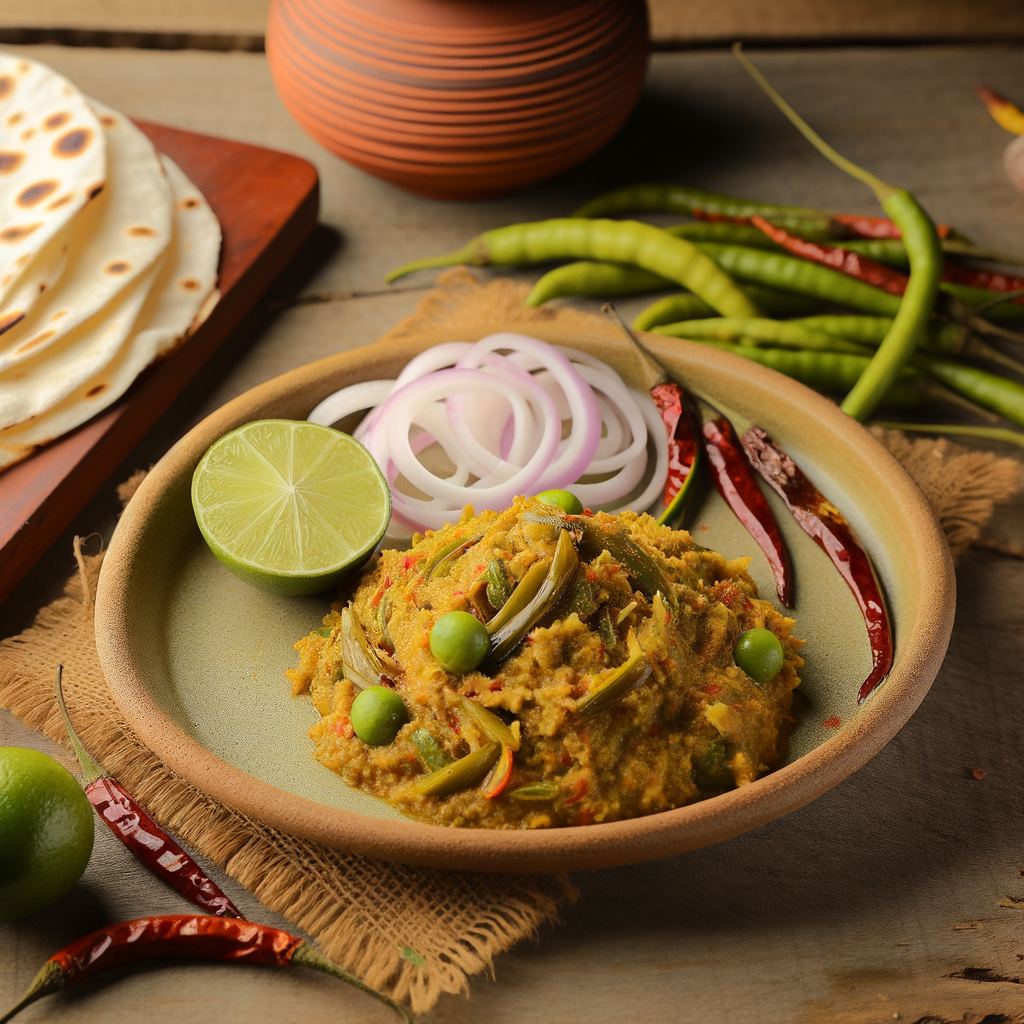
Pol Sambol
A spicy coconut mixture made with grated fresh coconut, chili, onions, and lime. Often served as a side with rice and bread.
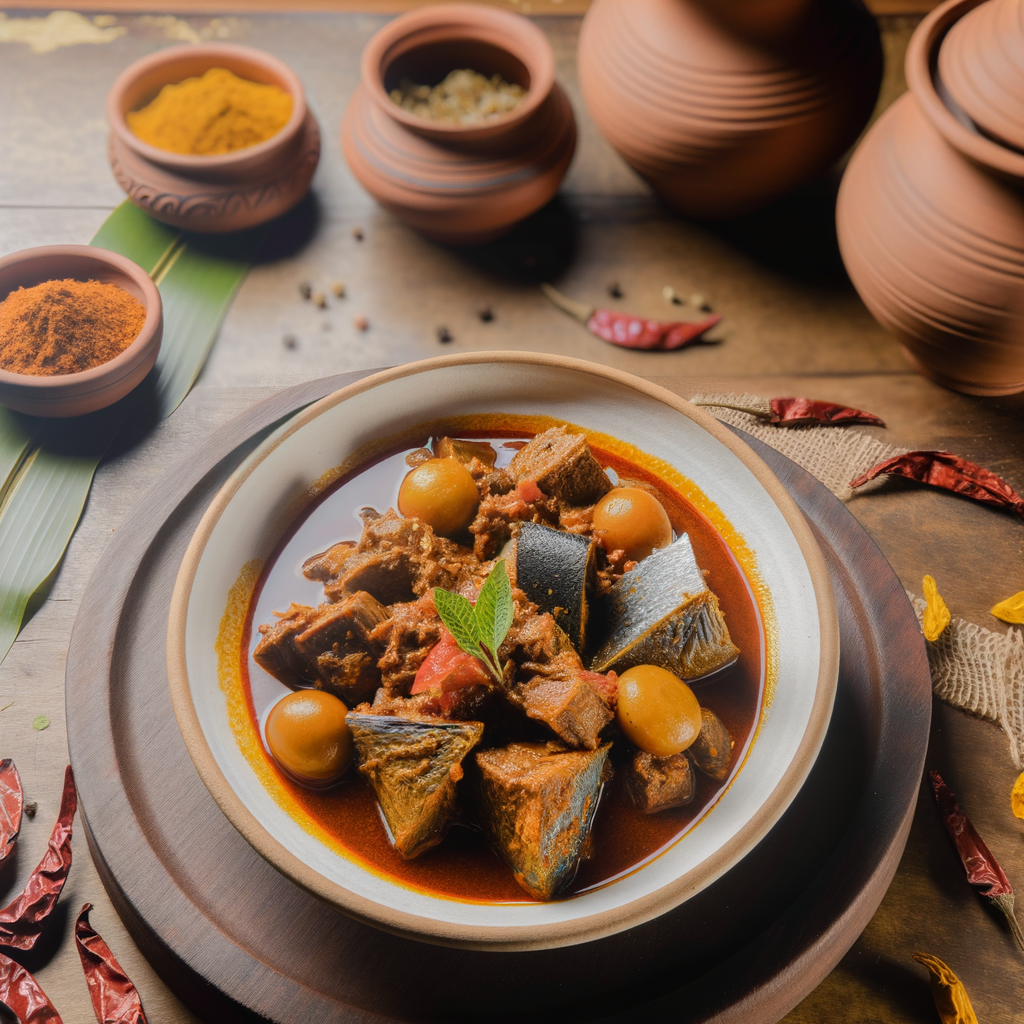
Fish Ambul Thiyal
A traditional sour fish curry from the coastal areas, made with tuna, goraka (a sour fruit), and spices, giving it a unique flavor.
Restaurant information
Tipping
Tipping is not mandatory in Sri Lanka, but it is appreciated. In restaurants, you can give 5-10% of the bill if a service charge is not already included. In smaller eateries, it is common to simply round up.
Travel information
Currency
Sri Lankansk Rupee (Rs)
Language
Singalesisk, Tamil
Best time to visit
December to March (west and south coast) and May to September (east and north coast)
Major cities
Colombo (officiell) / Sri Jayawardenepura Kotte (administrativ) and other major cities
More countries in Asia
Discover more destinations in this region