
Liberia
Liberia, where lush rainforests meet a vibrant culture, offers beaches perfect for surfing, rich traditions, and a fusion of West African roots and American spirit – an inspiring nation filled with hope and energy.
Overview
Liberia, nestled in the heart of West Africa, is an authentic travel destination where lush rainforests, golden beaches, and a unique blend of West African traditions and American spirit collide. The bustling capital of Monrovia is filled with vibrant markets, historical sites like Providence Island, and cultural experiences at the Kendeja Cultural Center. From world-class surfing in Robertsport to wild adventures in Sapo National Park, the country offers unforgettable experiences. With warm hospitality, genuine smiles, and a rich cultural heritage, Liberia is a place that touches both the heart and soul of its visitors.
Official language
English
Government
Presidential democracy
Best time to visit
November to March (dry season)
Nature
Liberia is a hidden gem for nature enthusiasts, boasting Sapo National Park, one of West Africa's most pristine natural areas. Here, dense rainforests are home to rare species such as the pygmy hippopotamus and vibrant birds, showcasing some of the richest biodiversity on the continent. The coastline stretches over 500 kilometers of golden sandy beaches, with Robertsport emerging as a surfer's paradise, renowned for its perfect waves and laid-back atmosphere. Kayaking through the rivers and mangroves offers a chance to observe wildlife up close, while the hilly inland areas reveal lush valleys and green hills. The rainy season transforms the landscape into a verdant wonderland, while the dry season from November to March is perfect for trekking, beach activities, and nature excursions. In Liberia, you'll find an untouched wilderness that invites exploration and tranquility away from the hustle and bustle of mass tourism.
Travel to Liberia
Traveling to Liberia is an adventure for those seeking authenticity, exploration, and meaningful human connections. The ideal time to visit is during the dry season from November to March, when the weather is perfect for beach outings and rainforest explorations. Monrovia boasts lively markets, historical sites, and a vibrant nightlife, while Robertsport attracts surfers from around the globe. Nature lovers can embark on treks in Sapo National Park or navigate the scenic mangrove coastlines. With the absence of mass tourism, the experiences feel genuine and unspoiled. Liberia is easily accessible via Roberts International Airport, and English-speaking guides make navigation simple. This is a destination for travelers eager to discover an unfiltered West Africa—raw, beautiful, and brimming with life.
Culture
Liberia's culture is a captivating fusion of West African roots and American influences, shaped by the country's unique history. Music and dance are integral to daily life, ranging from traditional drum rhythms to contemporary afrobeat sounds. The Kendeja Cultural Center in Monrovia serves as a cultural beacon, where artists and dancers keep ancient traditions alive. Savoring Liberian cuisine is a journey in itself, with dishes like Palava Sauce, Jollof Rice, Fufu, and the spicy Pepper Soup reflecting the nation’s ethnic diversity. Vibrant markets overflow with colorful textiles, handcrafted jewelry, and fresh produce, while the spirit of hospitality is deeply ingrained, with visitors often welcomed with open arms and warm smiles. Languages such as English, Krio, Bassa, and Kpelle highlight the country's rich linguistic tapestry, and festivals are celebrated with music, dance, and community spirit, making Liberia a place where culture is not just observed but truly experienced.
History
Liberia's history is one of a kind in Africa. Established in 1822 by freed African American slaves with support from the American Colonization Society, Liberia declared its independence in 1847, becoming the first African nation to adopt a republican constitution. This background has forged a unique cultural blend of American and African traditions. Providence Island in Monrovia marks the arrival of the first settlers and stands as a significant historical landmark. Despite experiencing turbulent times, including civil wars in the late 20th century, the nation has actively pursued peace, stability, and reconstruction. The story of Liberia is vital to its identity and can be explored through its museums, monuments, and local narratives, making the past an essential part of the Liberian experience.
Top attractions
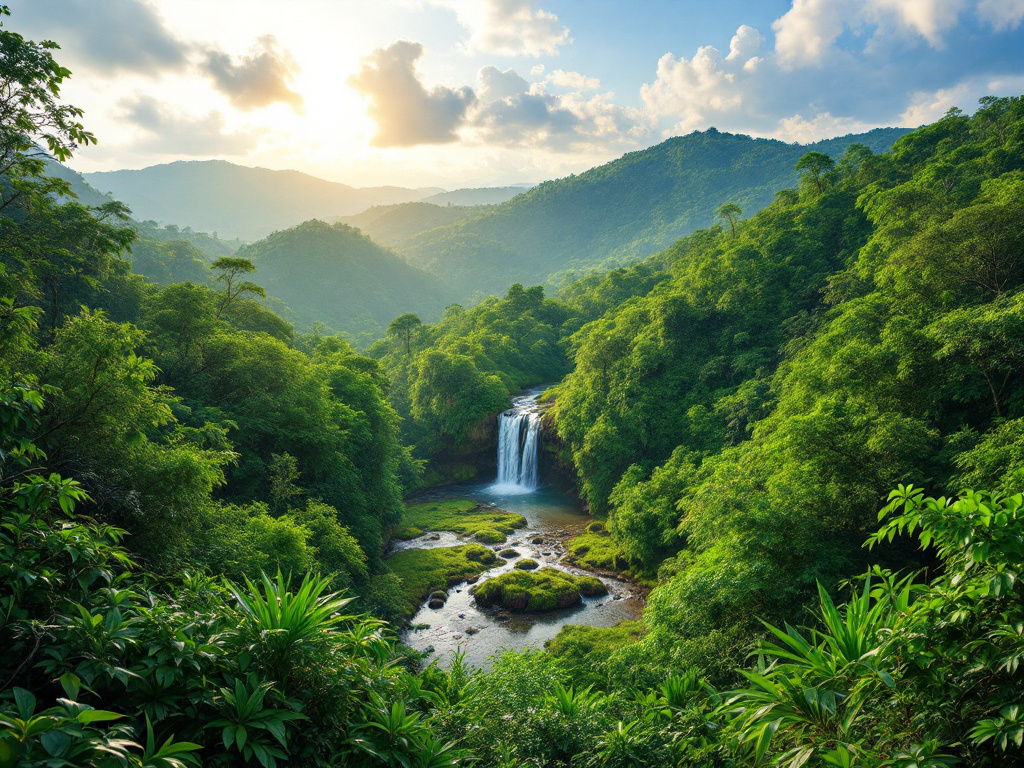
Sapo National Park
Liberia's largest national park with dense tropical rainforest and rich wildlife, ideal for adventurous nature travelers.
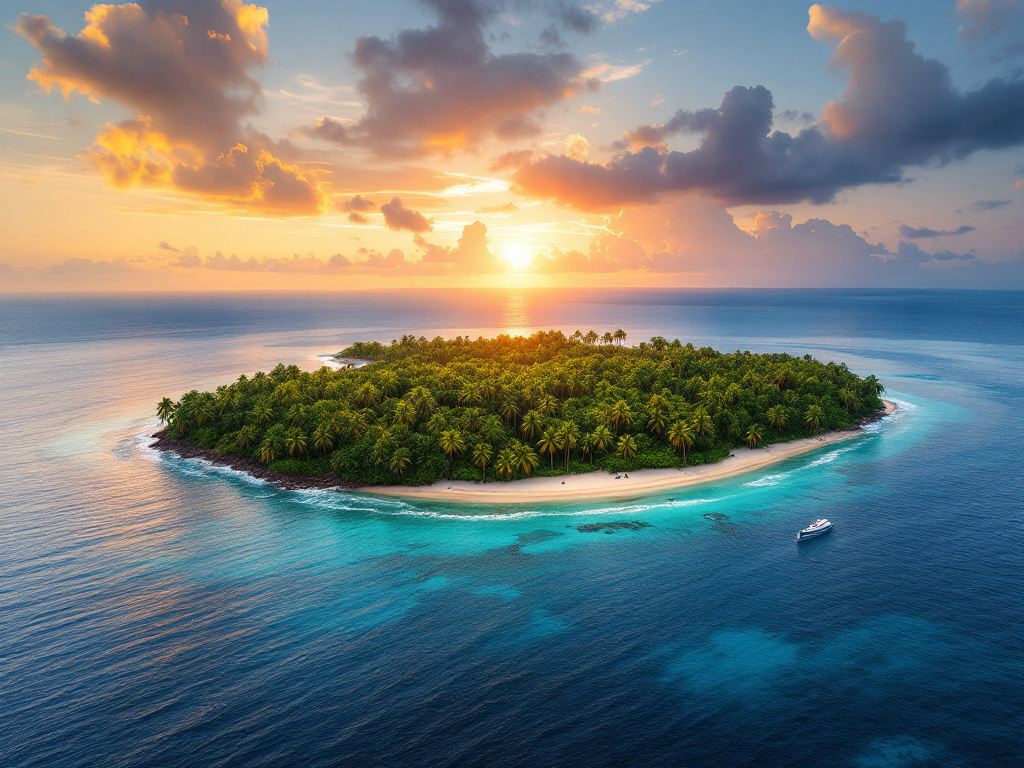
Providence Island
Historical island in the Monrovia River where freed slaves settled, playing a central role in Liberia's history.
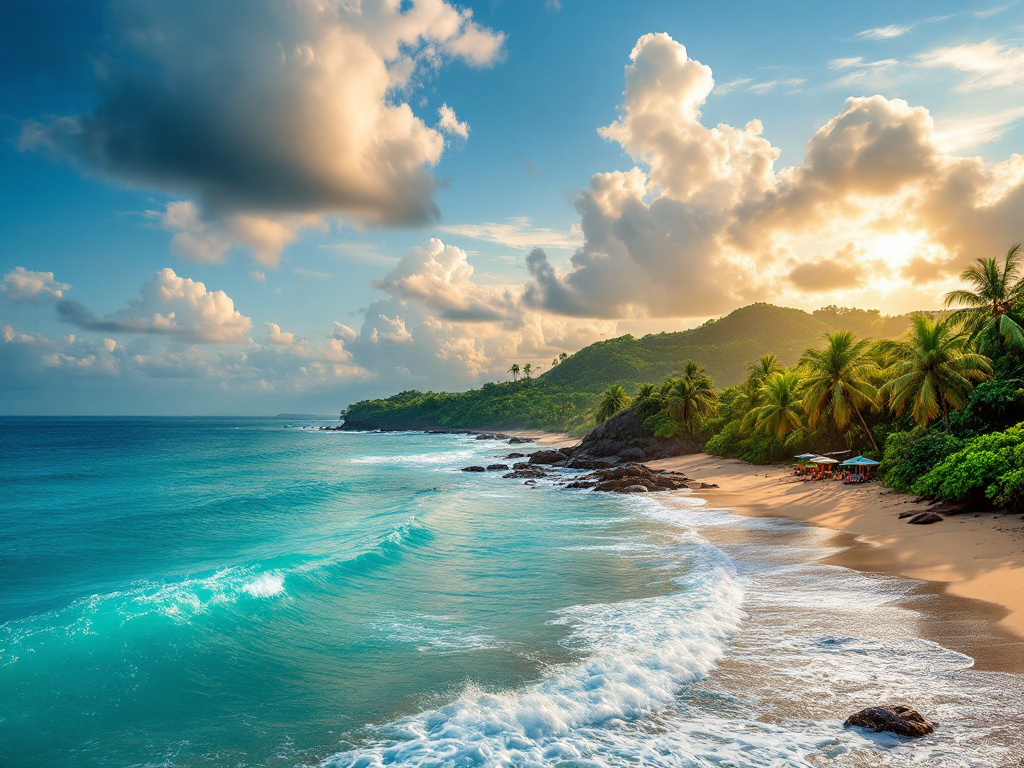
Robertsport Beach
Popular beach destination known for its waves, perfect for surfing, and a relaxed coastal atmosphere.
Kpatawee Waterfall
Beautiful waterfall area in Bong County with cool pools and lush nature, popular among both locals and visitors.
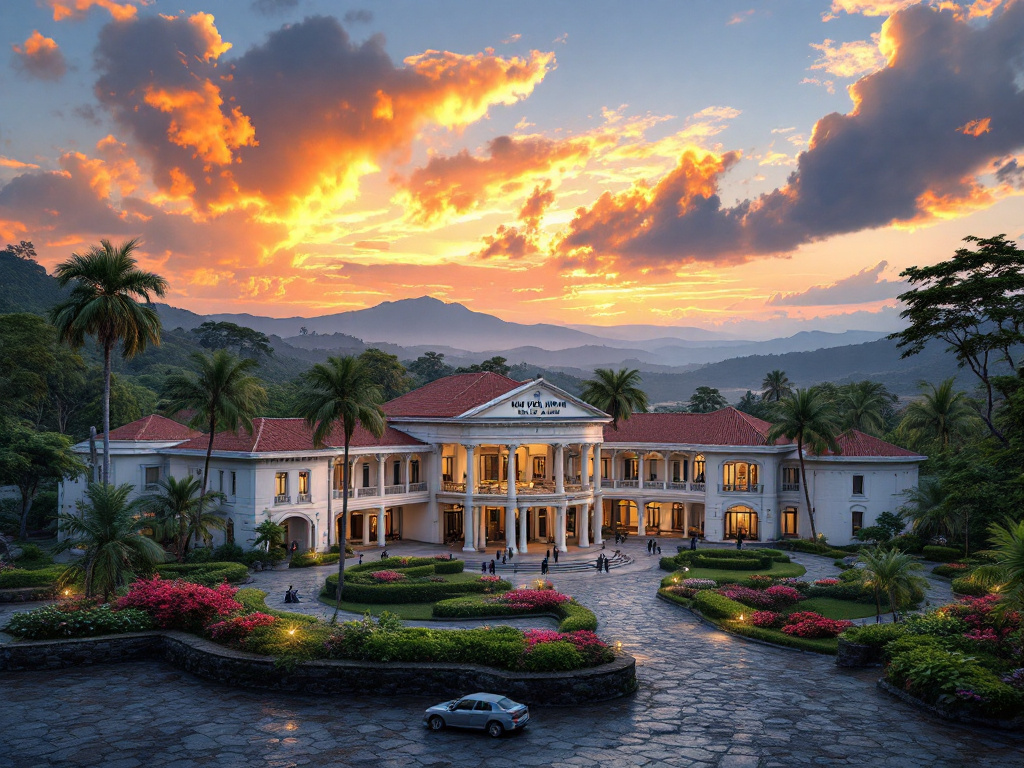
Liberia National Museum
National museum in Monrovia focusing on Liberia's history, culture, and ethnic diversity.
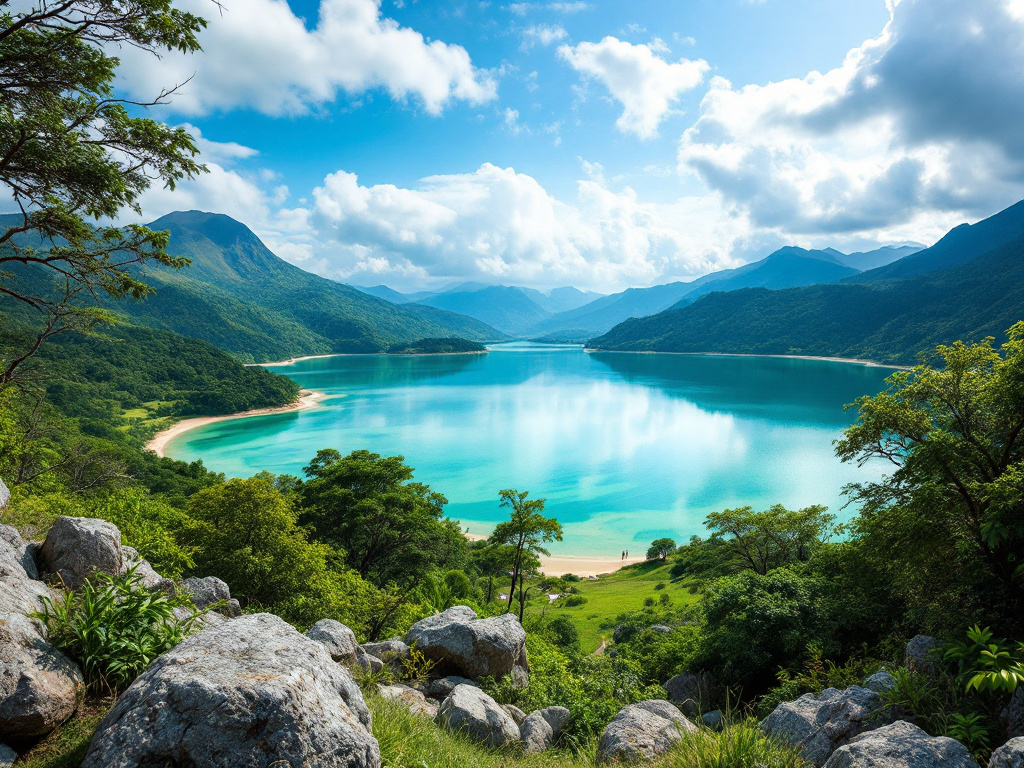
Lake Piso
Large natural lagoon lake near the coast, known for its rich birdlife and peaceful surroundings.
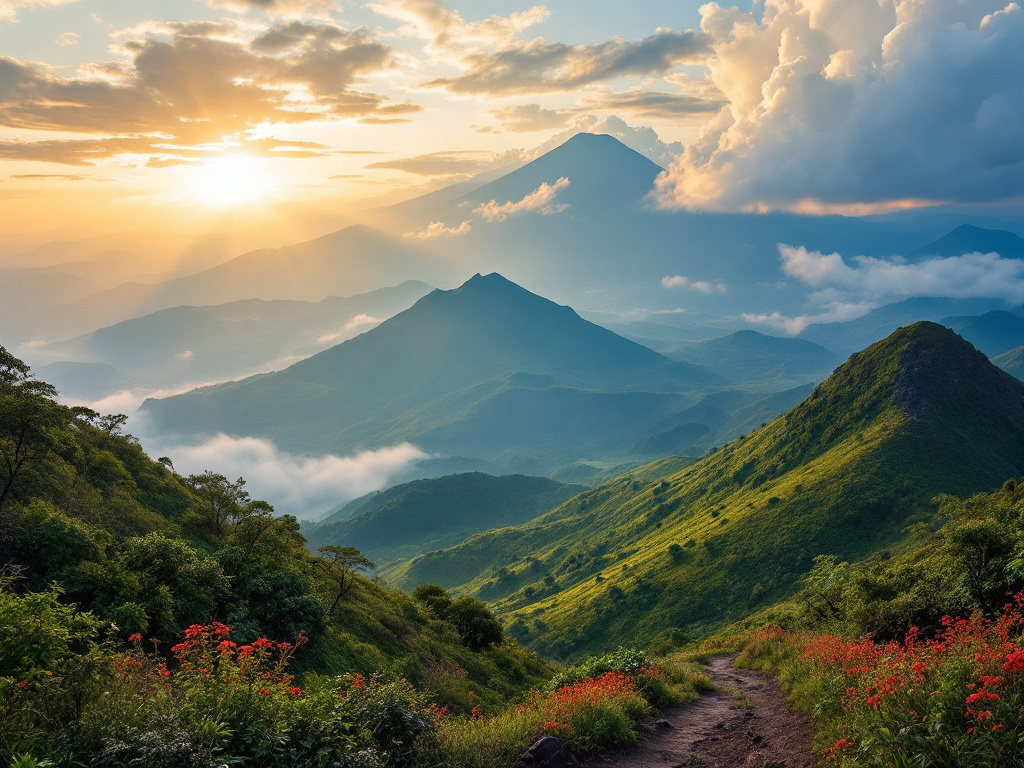
Mount Nimba
High-altitude mountain area with unique biodiversity and challenging hiking trails for experienced travelers.
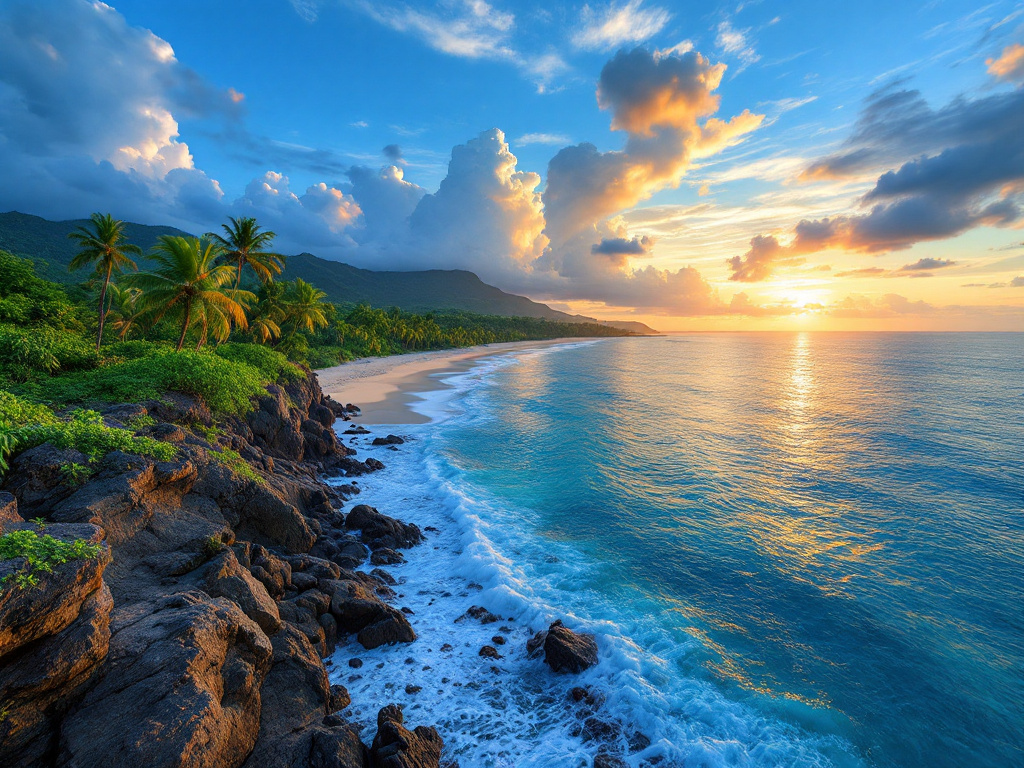
Ce Ce Beach
Popular urban beach with a relaxed atmosphere, suitable for relaxation and a quick beach outing.
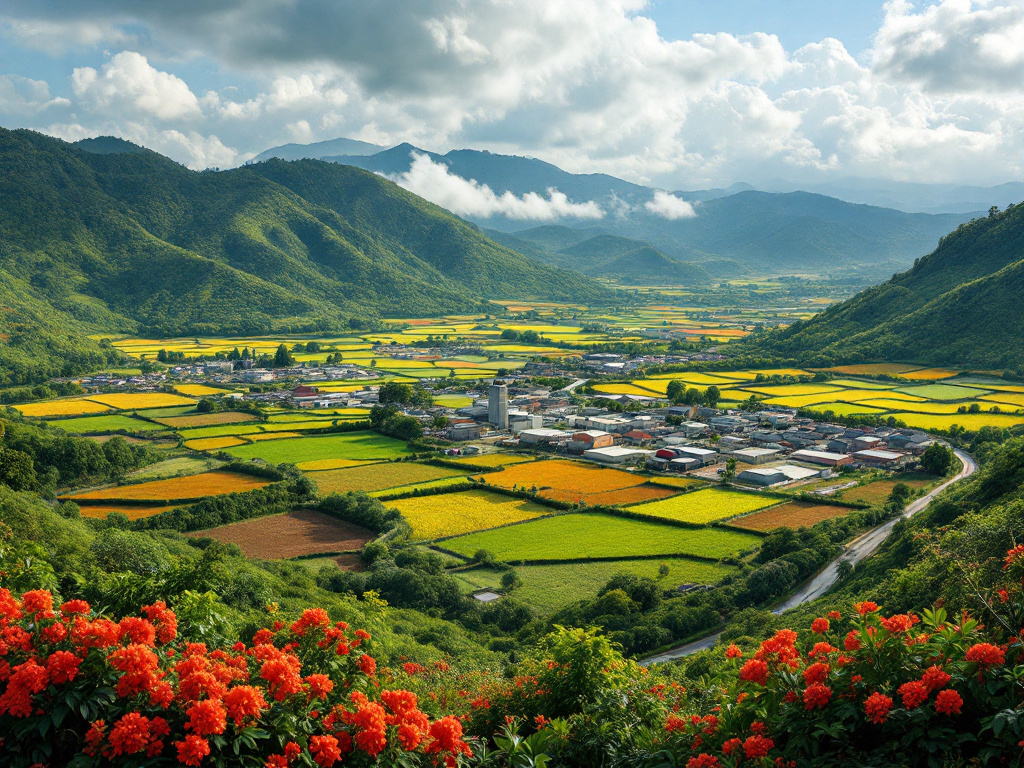
Firestone Rubber Plantation
Historically and economically significant rubber plantation that provides insight into Liberia's industrial development.
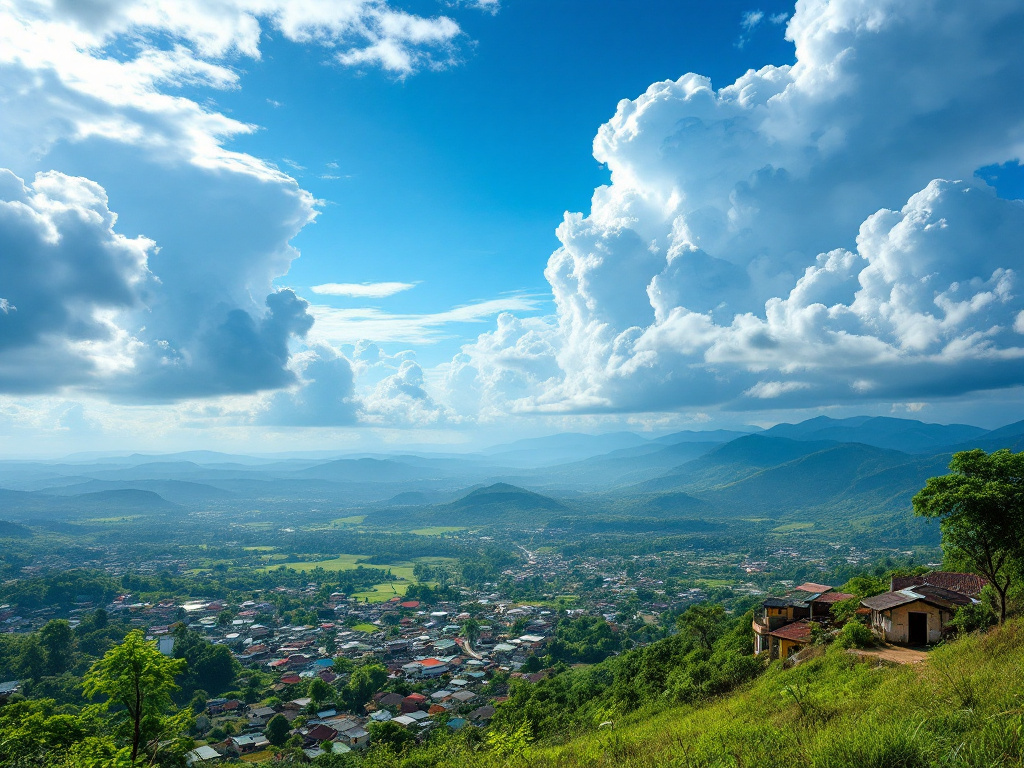
Greenville
Small coastal town in southeastern Liberia with access to beaches, local culture, and a gateway to the rainforest.
Famous cuisine
Culinary overview
Liberian cuisine is a colorful blend of West African traditions and American influences, characterized by fresh ingredients, spicy flavors, and a strong use of local ingredients such as cassava, rice, palm oil, and freshly caught fish. Meals are often community-oriented, with large platters shared, and the flavors range from mild and aromatic to intensely spicy. Street markets and small food stalls offer authentic experiences, while restaurants in Monrovia serve both traditional dishes and modern interpretations. Liberia's food culture is closely connected to the country's history and diverse ethnic groups, making each meal a cultural journey.
Must-try dishes
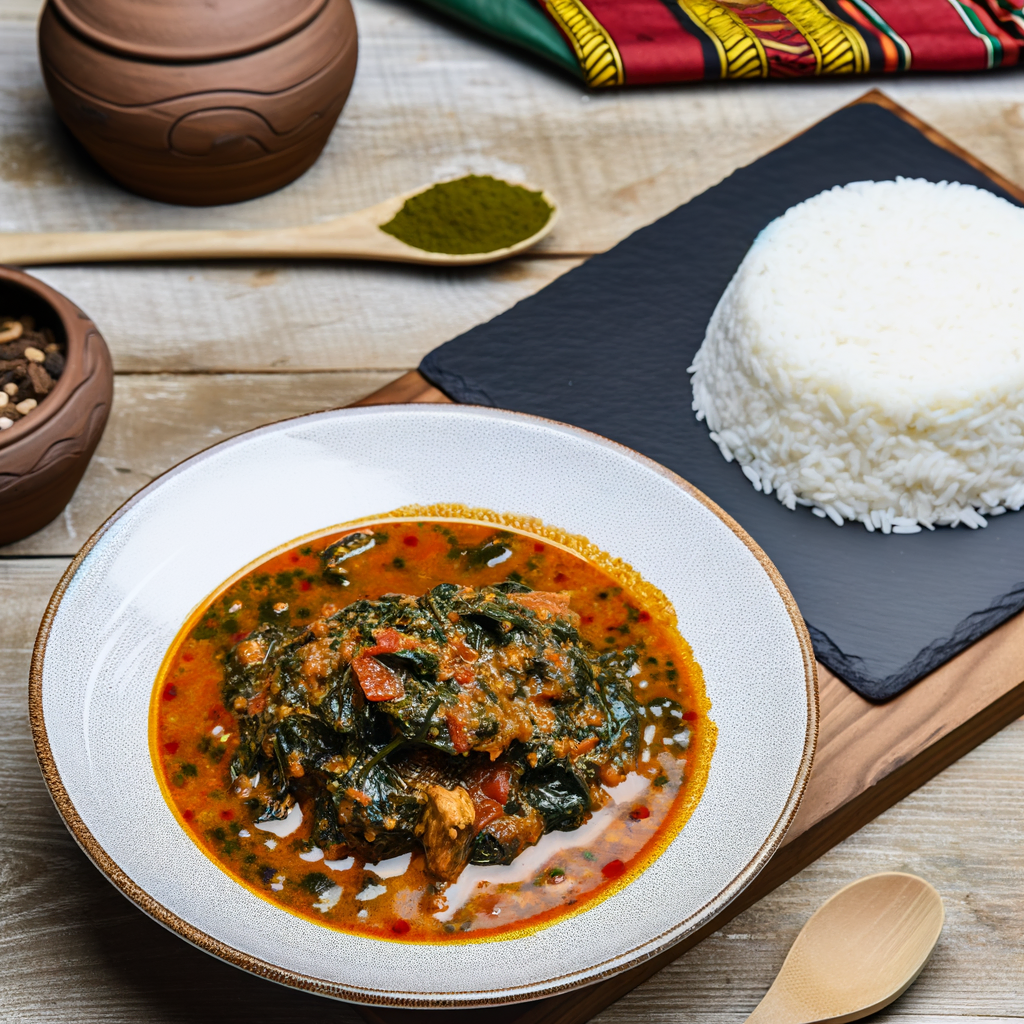
Palava Sauce
A thick, spicy sauce made with green leaves (often spinach or kontomire), palm oil, fish or meat, and spices. Typically served with rice, it is one of Liberia's most beloved dishes.
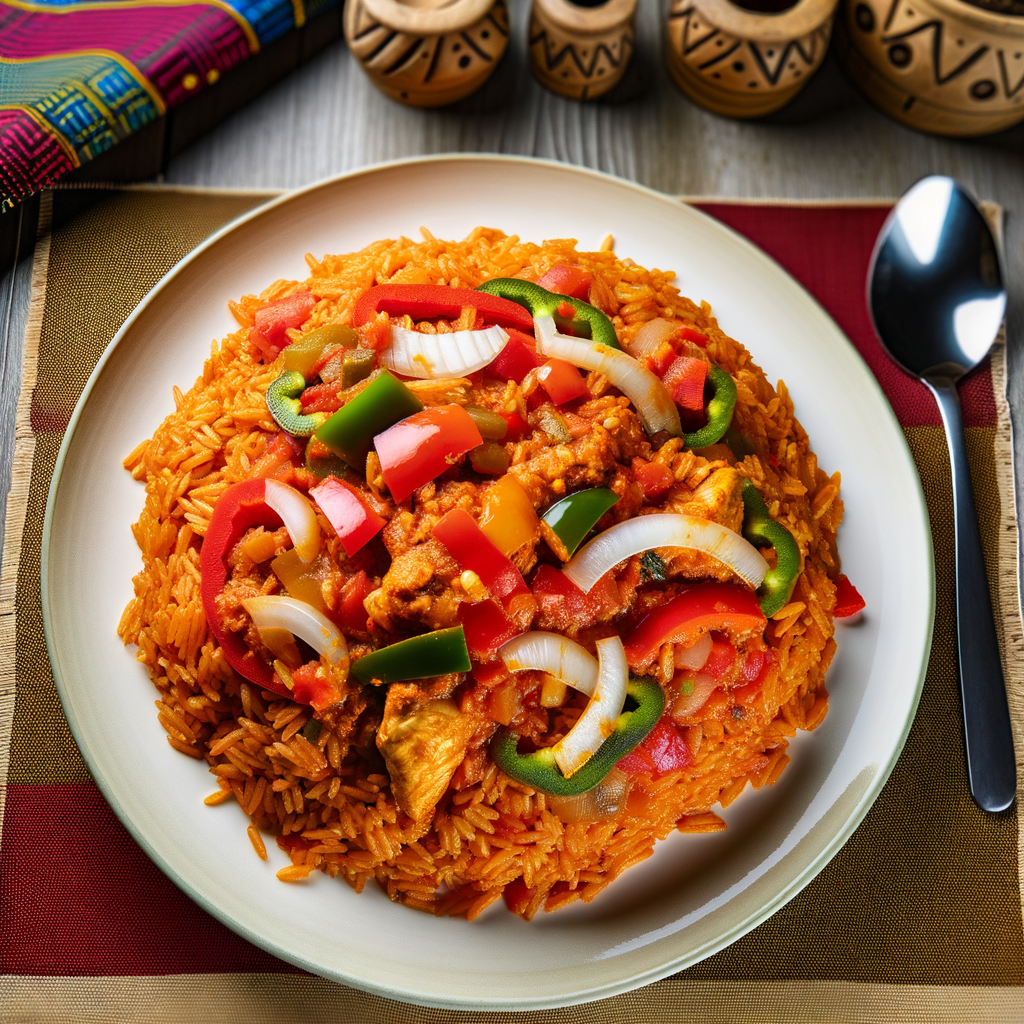
Jollof Rice
A classic West African rice dish prepared with tomato, onion, bell pepper, and spices, often served with chicken, fish, or beef. Known for its rich flavor and festive color.
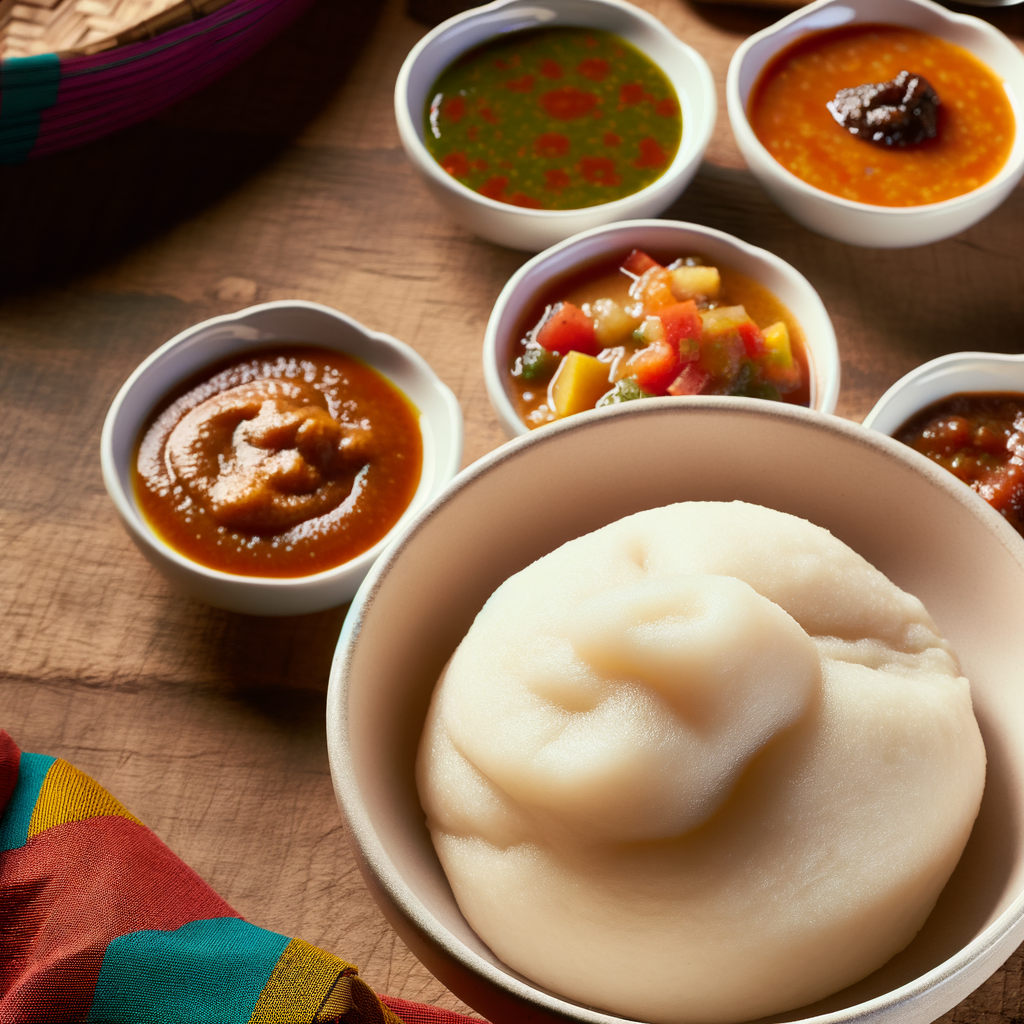
Fufu
A soft, elastic dough made from cassava or yams, served as a side with soups and sauces. Traditionally eaten with the hands by dipping into the sauce.
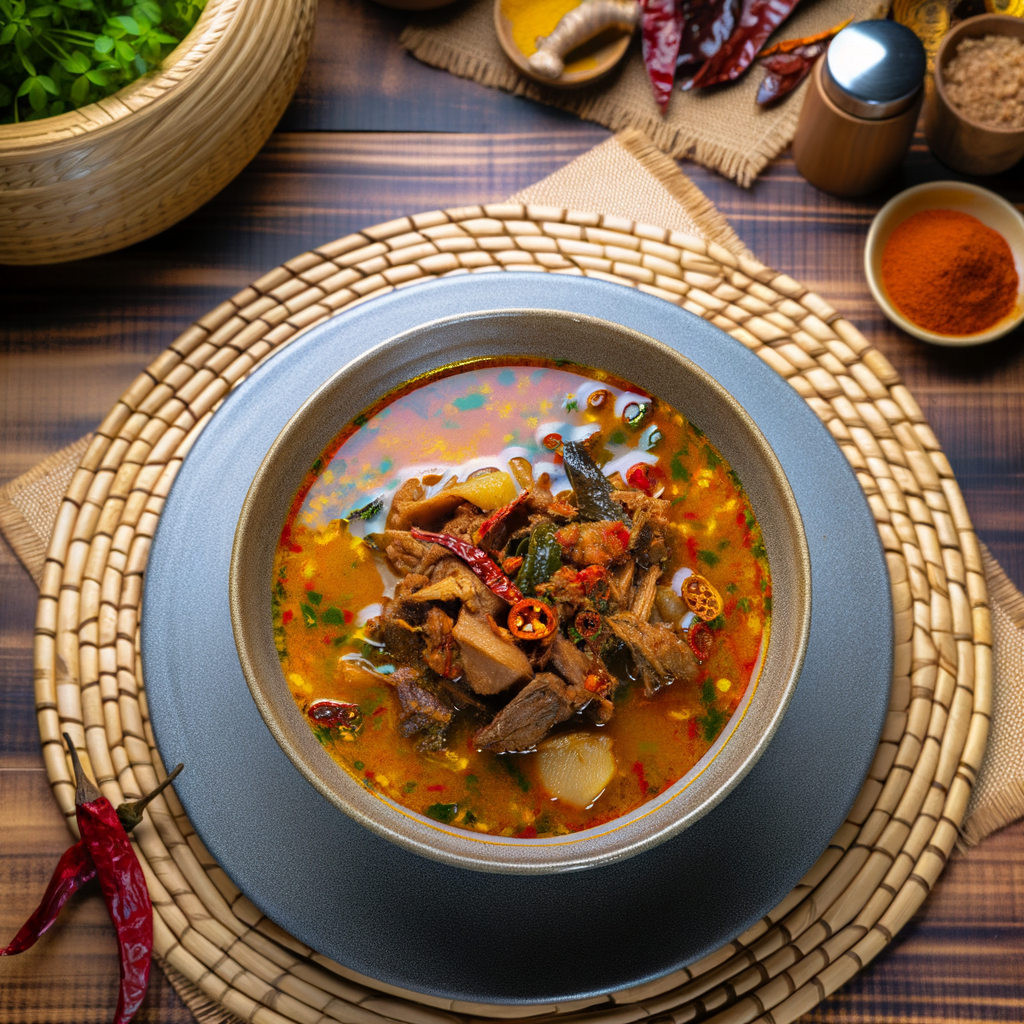
Pepper Soup
A highly spicy soup with meat or fish, enhanced with chili, ginger, and aromatic herbs. Known for its warmth and often consumed as a strengthening meal.
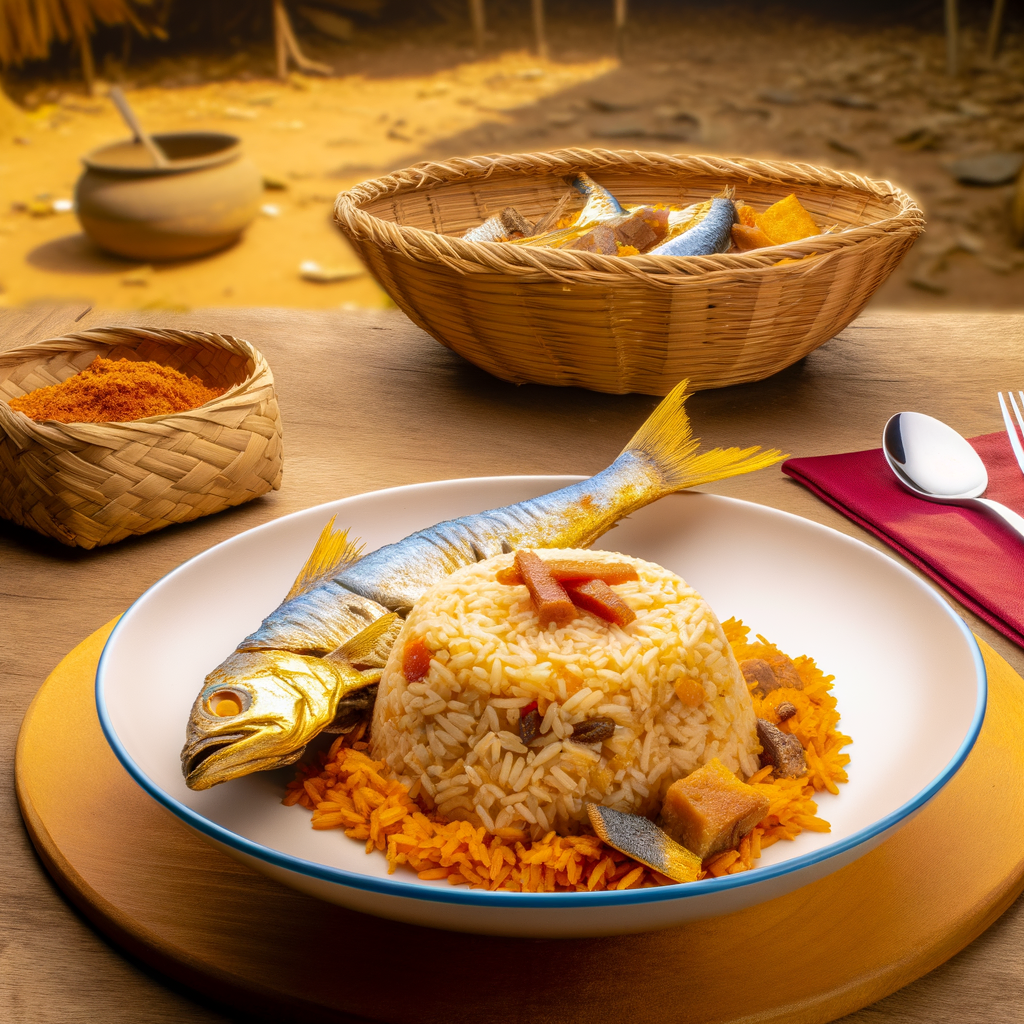
Dry Rice with Fish
Rice prepared without sauce but seasoned with dried spices and served with fried or smoked fish. A simple yet flavorful everyday dish.
Restaurant information
Tipping
Tipping is not a fixed part of the culture in Liberia, but it is appreciated. In restaurants, one can give 5-10% of the bill if the service has been good. In markets and street food stalls, tips are not expected.
Travel information
Currency
Liberiansk dollar (LRD)
Language
English
Best time to visit
November to March (dry season)
Major cities
Monrovia and other major cities
More countries in Africa
Discover more destinations in this region