
Lesotho
Lesotho, 'Kingdom in the Sky', offers breathtaking mountain landscapes, rich Basotho culture, and warm hospitality – an underrated gem in southern Africa.
Overview
Lesotho, known as the 'Kingdom in the Sky', is a spectacular mountainous destination in southern Africa entirely surrounded by South Africa. Here, you will encounter dramatic landscapes adorned with snow-capped peaks in winter, lush valleys in summer, and iconic sights like Maletsunyane Falls and the UNESCO-listed Maloti-Drakensberg Park. With its rich Basotho culture, friendly locals, authentic culinary experiences, and adventurous routes like the Sani Pass, Lesotho is the perfect getaway for nature lovers, culture enthusiasts, and adventurous travelers seeking something truly unique.
Official language
Sesotho
Government
Parliamentary monarchy
Best time to visit
May to September (dry season)
Nature
Lesotho is a breathtaking mountainous kingdom often referred to as the 'Kingdom in the Sky' due to its stunning landscapes, which sit above 1,000 meters in elevation. Visitors can marvel at snow-capped peaks during the winter months, lush green valleys and vibrant wildflowers in the summer, and spectacular waterfalls throughout the year, including the renowned Maletsunyane Falls, one of Africa's tallest freestanding waterfalls. The UNESCO-listed Maloti-Drakensberg Park boasts an incredible array of biodiversity, rare plant species, and intriguing wildlife, making it a must-visit for nature lovers. Sehlabathebe National Park offers unspoiled beauty with crystal-clear mountain lakes and dramatic rock formations, while the impressive Katse Dam showcases both engineering ingenuity and natural splendor. The cool, refreshing climate of Lesotho provides an ideal backdrop for hiking, horseback riding, and mountain biking, ensuring that outdoor enthusiasts are constantly captivated.
Travel to Lesotho
Traveling to Lesotho is an unforgettable adventure waiting to unfold. The country is easily accessible from both Durban and Johannesburg via thrilling routes such as the Sani Pass, offering stunning views and an exhilarating journey. With affordable travel options and a welcoming local populace, it’s an ideal choice for those seeking authentic experiences away from mass tourism. The best time to visit is from May to September, when the weather is dry and clear—perfect for hiking, horseback riding, and exploring the breathtaking landscapes. Adventurous souls can trek through Maloti-Drakensberg Park, visit the stunning Maletsunyane Falls, or discover the untouched beauty of Sehlabathebe National Park. Culture enthusiasts will enjoy engaging with Basotho traditions in local villages, savoring local dishes, and finding handmade souvenirs. Lesotho beautifully combines nature, culture, and history, making it a unique destination in the heart of Africa.
Culture
The heart of Lesotho lies in its rich Basotho culture, which influences everything from architecture to daily traditions. The warm hospitality of the Basotho people creates a welcoming atmosphere, while iconic symbols such as the mokorotlo hat and colorful woolen capes reflect the nation’s identity and heritage. Music and dance are integral aspects of cultural expression, with lively performances often accompanied by drums and traditional instruments. Handicrafts like weaving, pottery, and basketry showcase a blend of aesthetics and functionality. Culinary experiences feature delicious local dishes such as papa (maize porridge), morogo (wild greens), and nyama (grilled meat), often enjoyed alongside freshly baked Basotho bread. Markets in Maseru and rural villages thrive with local produce, crafts, and vibrant social interactions. Religion, predominantly Christianity, plays a significant role in community life, with many vibrant ceremonies celebrating cultural traditions and historical ties to the land.
History
Lesotho's history is deeply intertwined with the struggles of the Basotho people for independence and cultural preservation. In the early 1800s, King Moshoeshoe I unified scattered clans in the area, establishing the nation on Thaba Bosiu, a natural fortress that symbolizes resistance against invaders. Despite facing numerous attacks from the Zulus and Boers, Lesotho became a British protectorate in 1868 to ensure its survival. It eventually gained independence in 1966 and has been recognized as a parliamentary monarchy ever since. Today, Thaba Bosiu stands as a historical monument, allowing visitors to explore the origins of the nation and the resilience of the Basotho. The story of Lesotho is one of triumph over adversity, embodying a strong sense of national identity.
Top attractions
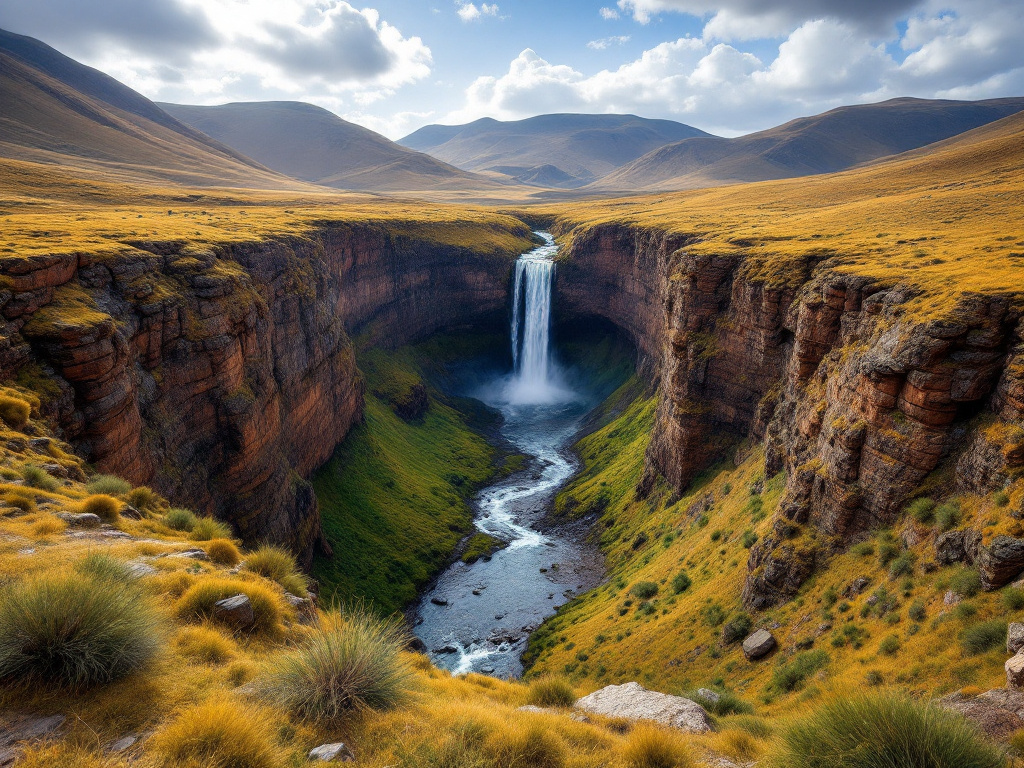
Maletsunyane Falls
A dramatic waterfall with nearly 200 meters of free fall, located in the remote mountains near Semonkong.
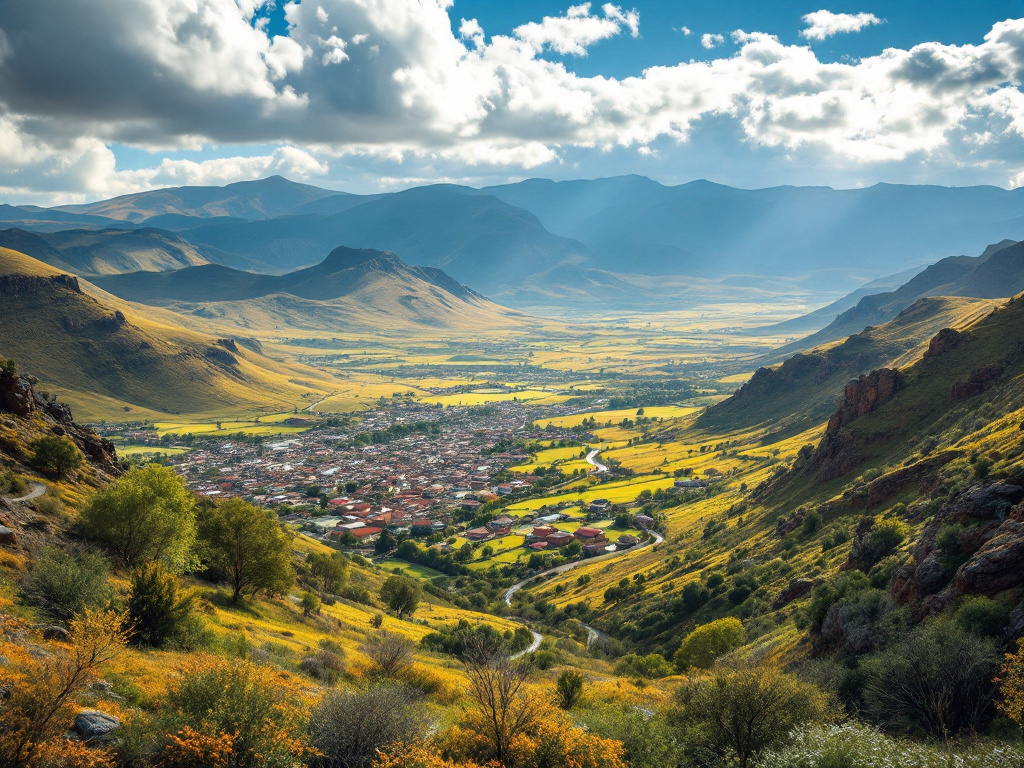
Thaba Bosiu
A flat-topped hill of enormous historical significance, where the Basotho nation was founded.
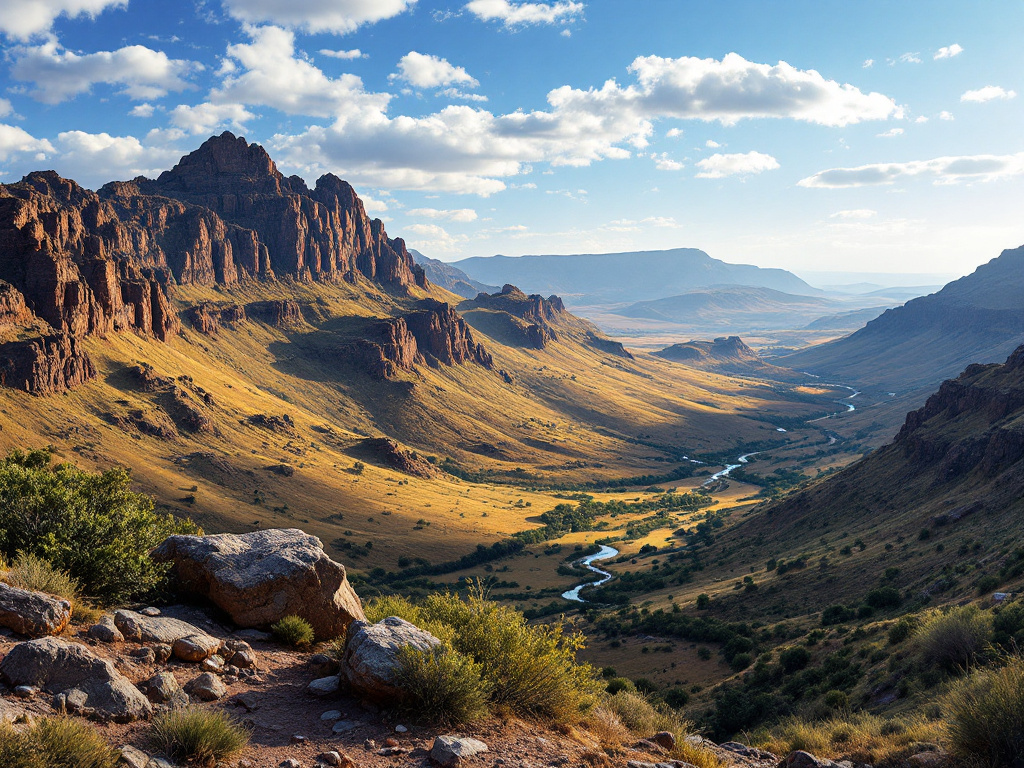
Sehlabathebe National Park
A remote national park known for its dramatic rock arches and pristine highland nature.
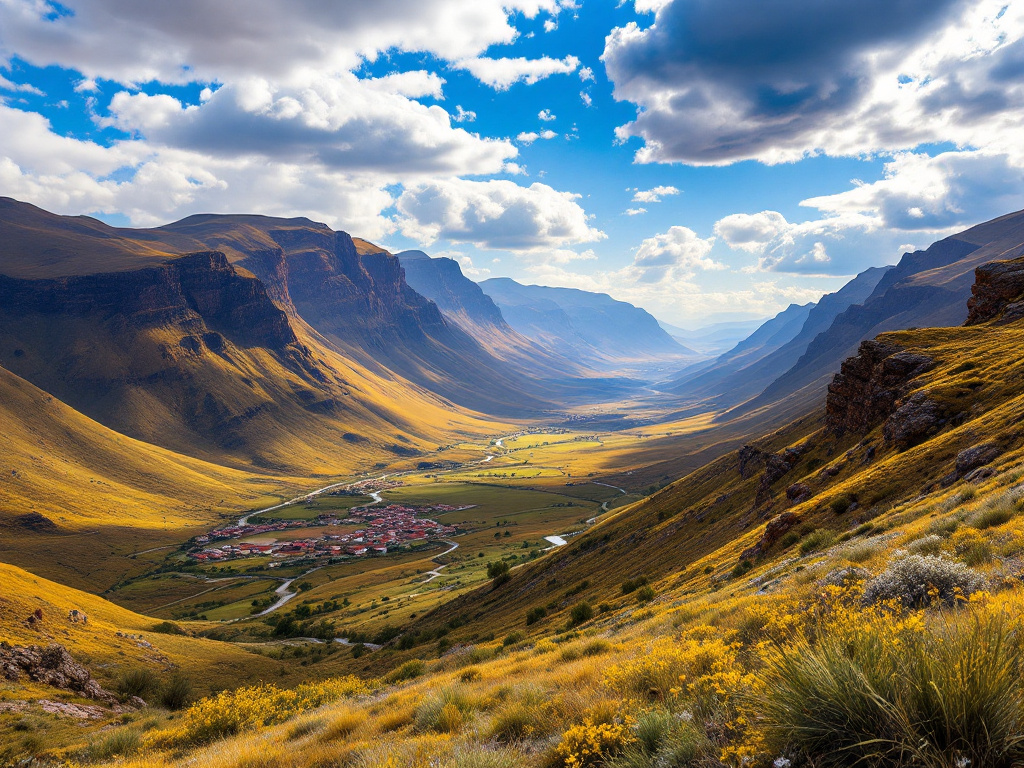
Katse Dam
An impressive hydropower project surrounded by dramatic mountains and deep valleys.
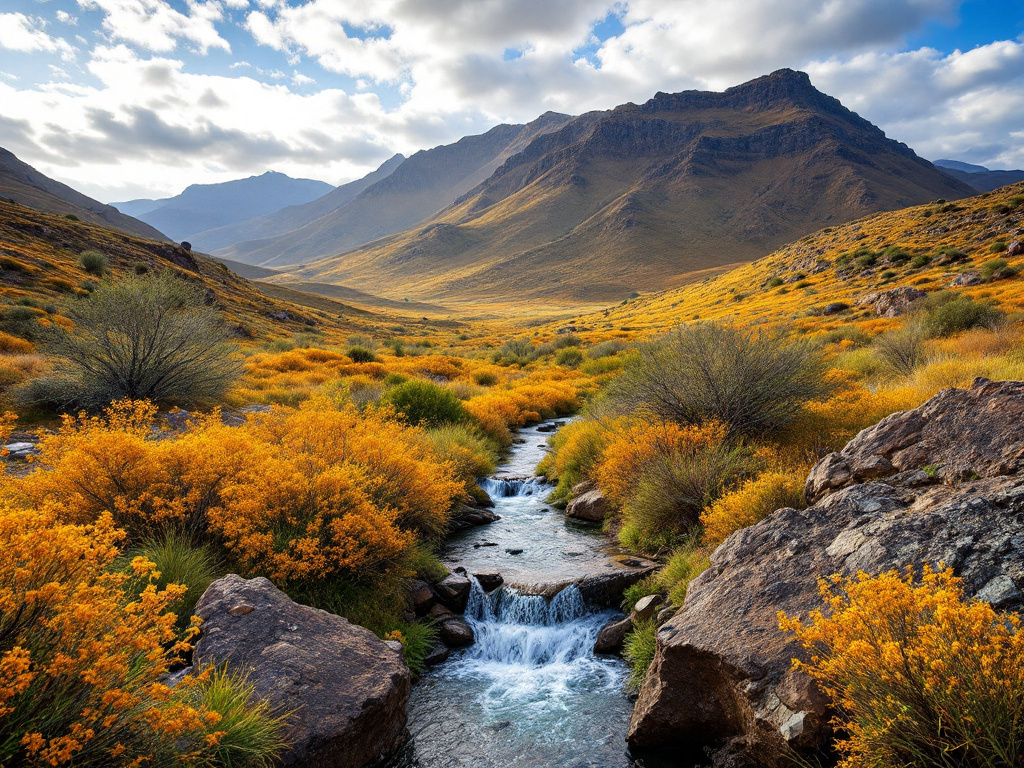
Bokong Nature Reserve
A lesser-known reserve with beautiful waterfalls and flora at high altitudes.
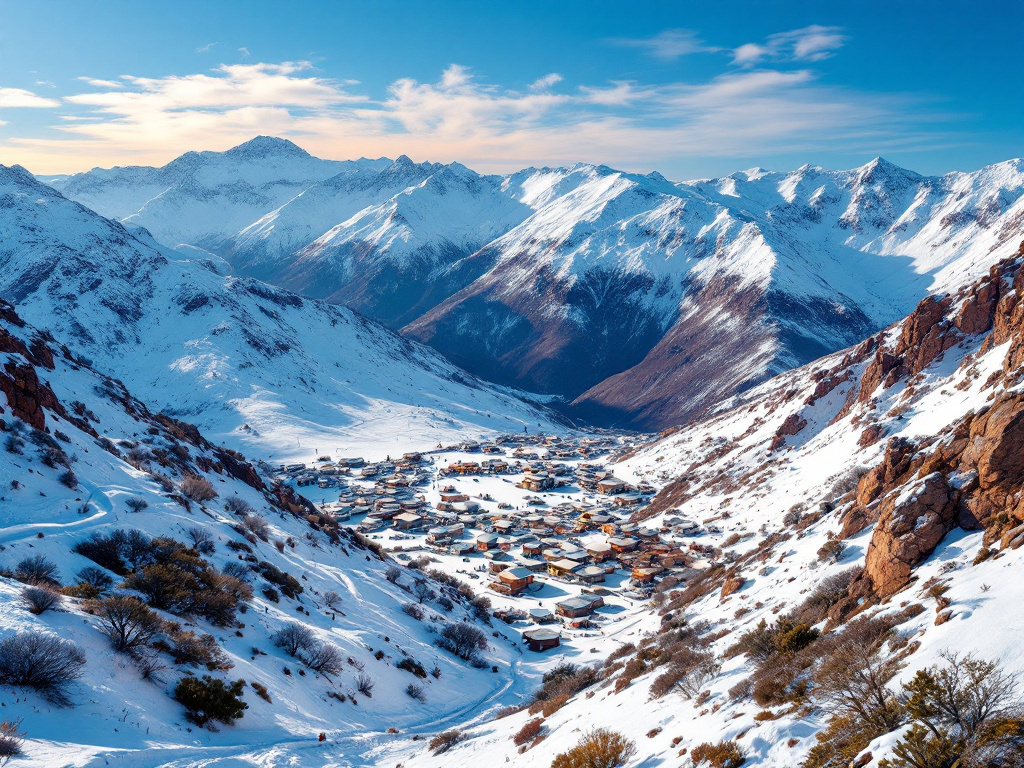
Afriski Mountain Resort
A unique ski resort where you can ski in the heart of Southern Africa.
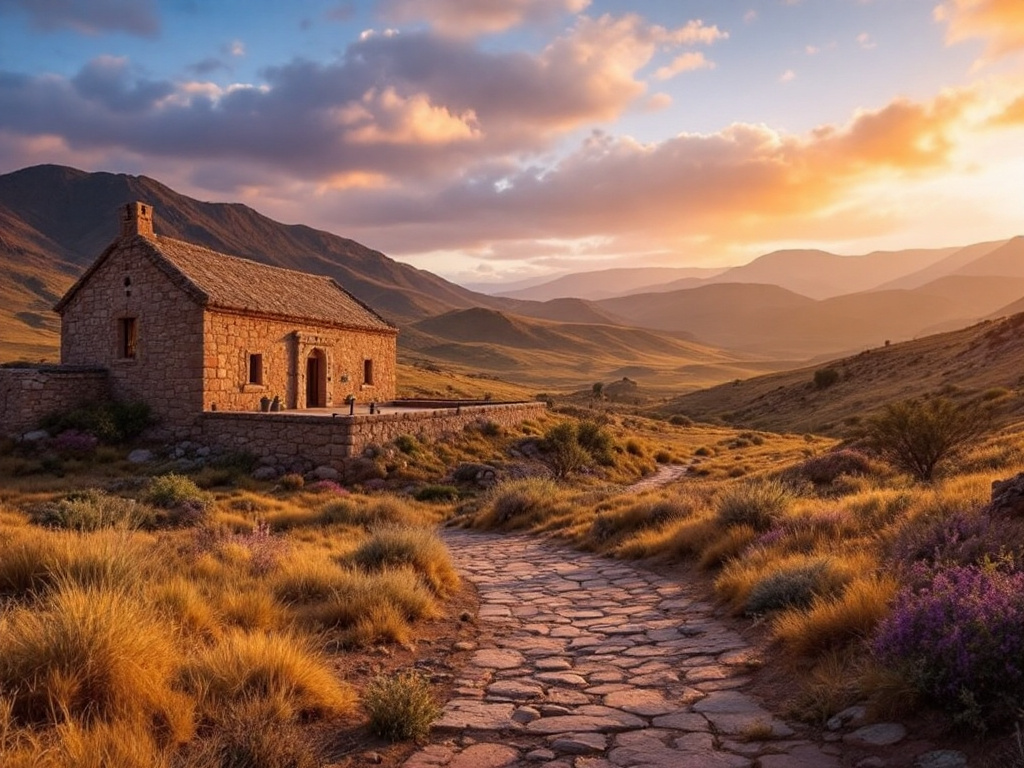
Morija Museum
An important museum that tells the story of the Basotho people and Lesotho's development.
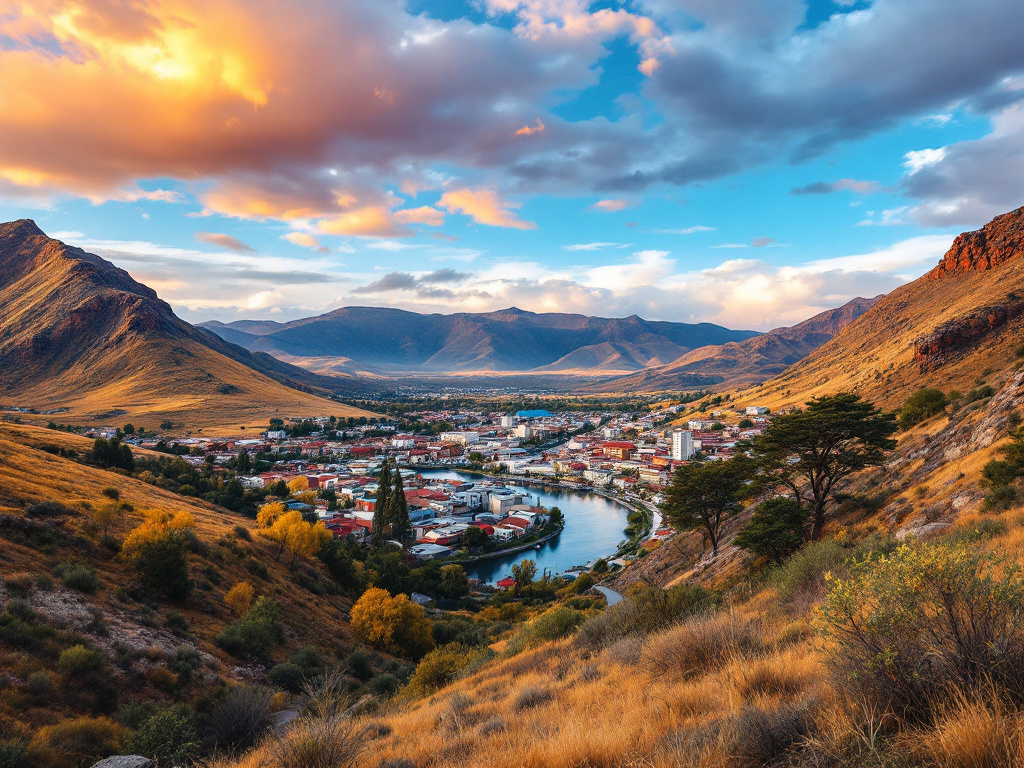
Maseru City Center
Lesotho's capital with markets, shops, and insights into daily life.
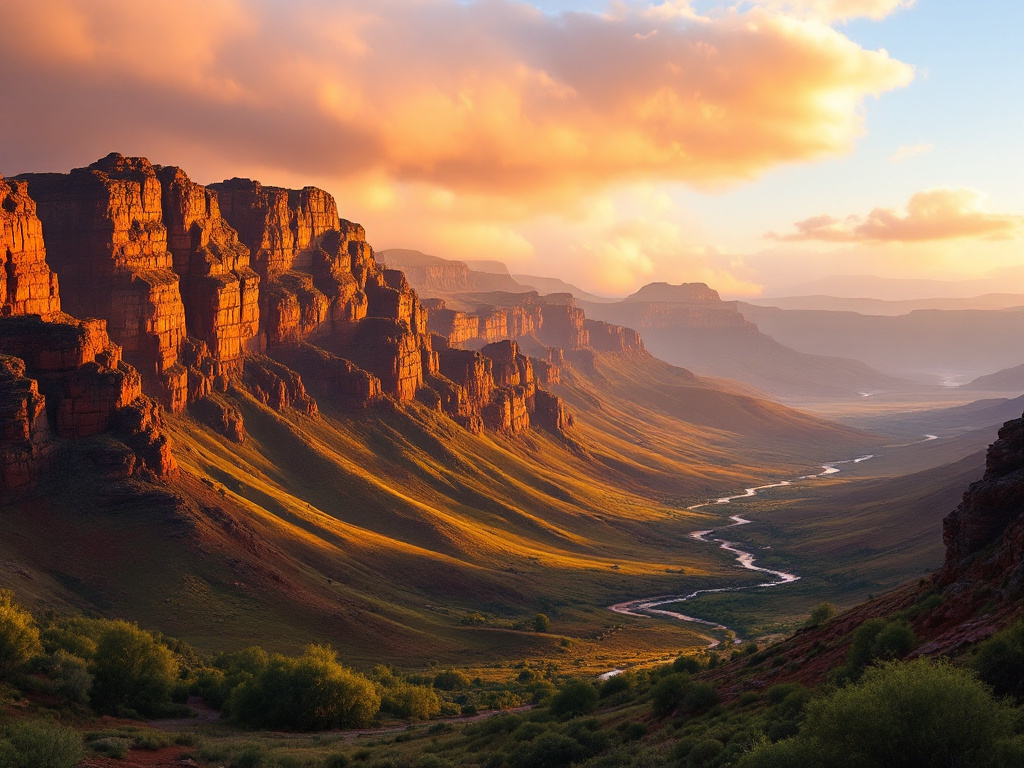
Mohale Dam
A large dam and lake that contributes to Lesotho's water supply system.
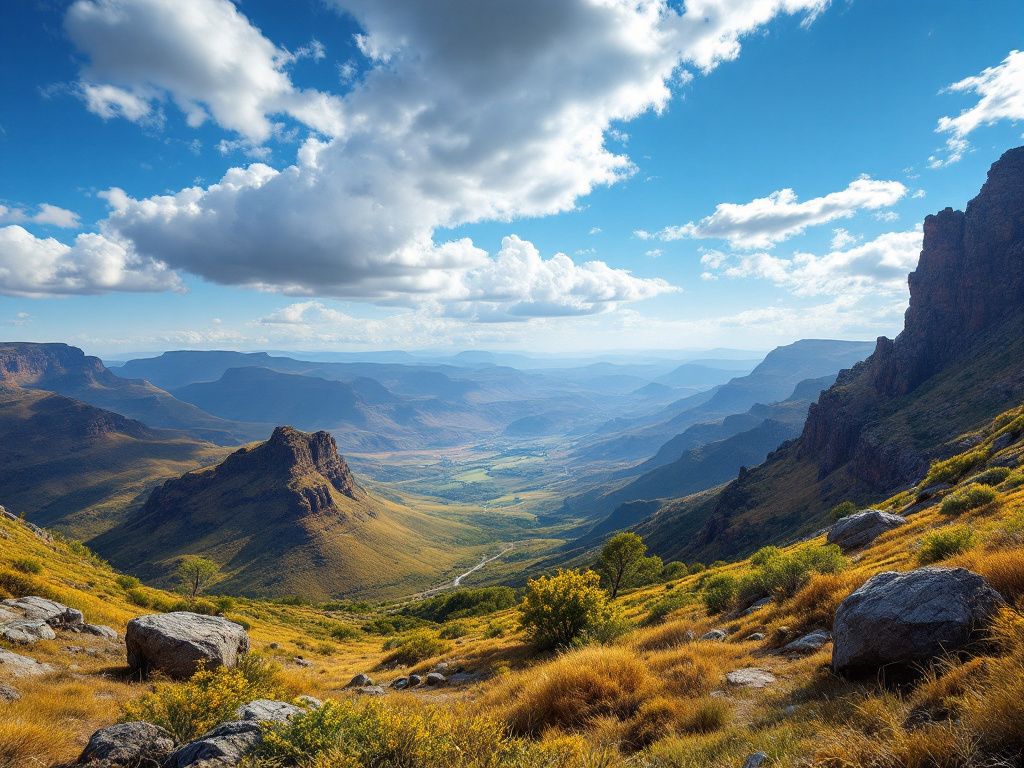
Ts’ehlanyane National Park
A lush national park with forested valleys and popular hiking trails.
Famous cuisine
Culinary overview
Lesotho's food culture is deeply rooted in the traditions of the Basotho people and reflects the country's mountainous geography and agriculture. Meals are often based on maize, millet, and local vegetables, supplemented with meat when available. Many dishes are prepared over an open fire, giving a distinctive smoky flavor. Hospitality is central to the culture, and it is common to share food with guests. Markets are teeming with fresh produce, and small street kitchens serve simple yet flavorful meals at affordable prices.
Must-try dishes
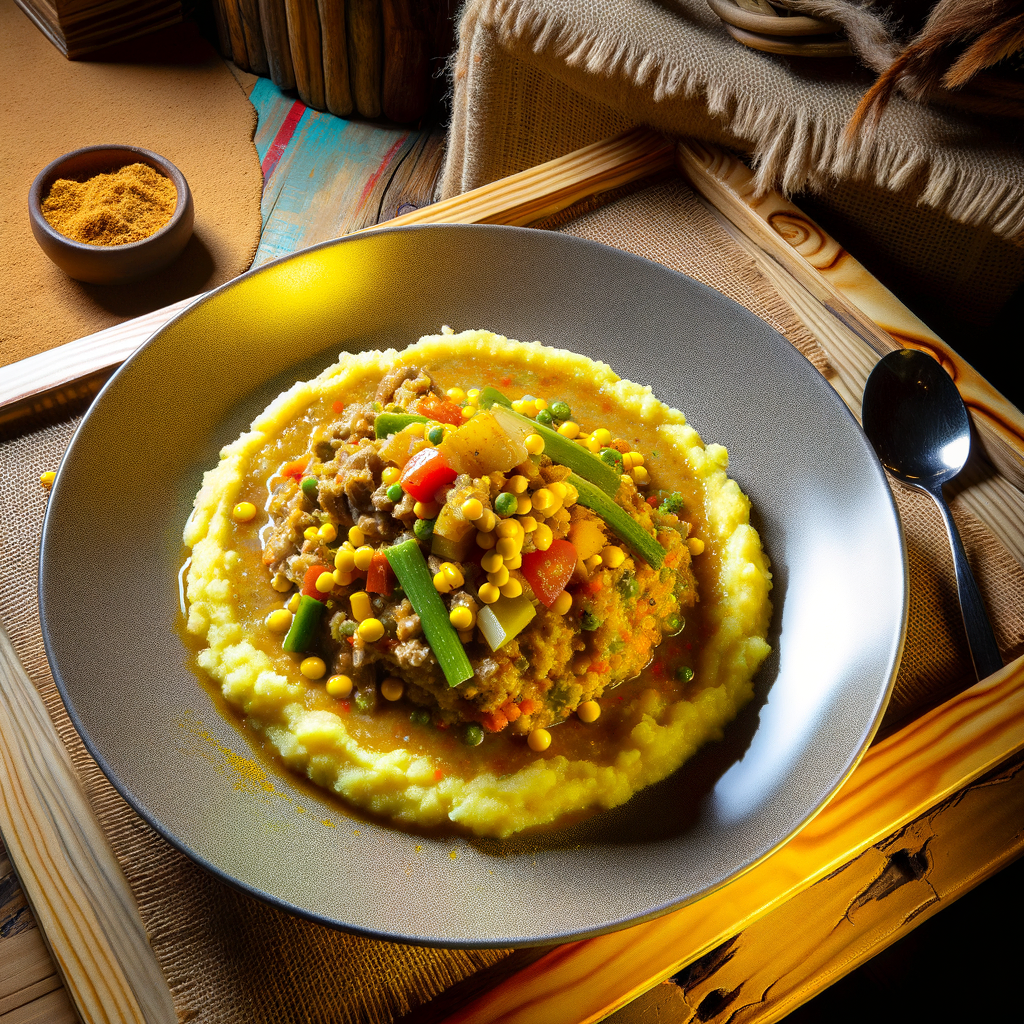
Papa
A firm maize porridge that serves as the base for many meals in Lesotho. It is often served with vegetables, meat, or sauces and traditionally eaten by hand.
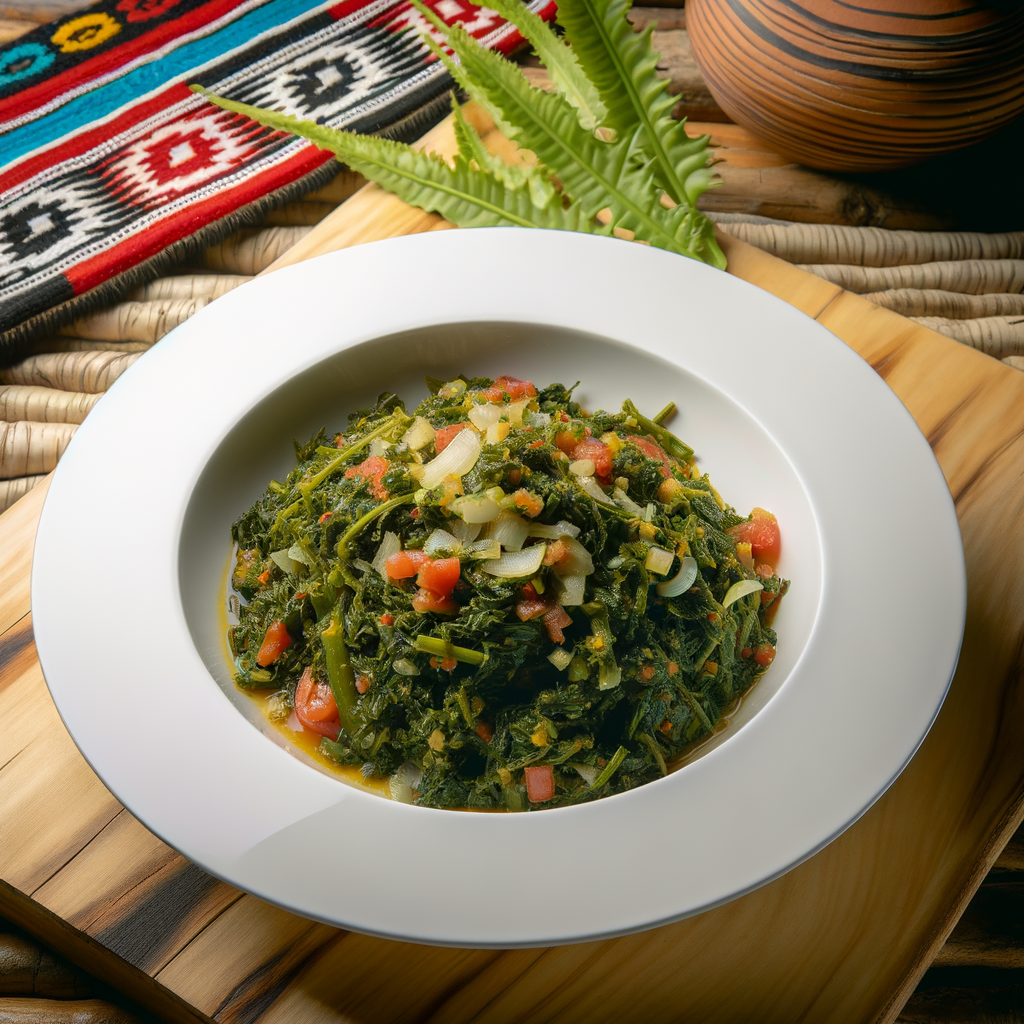
Morogo
Wild leafy greens, often spinach-like, sautéed with onions, tomatoes, and spices. A healthy and nutritious dish that is an important part of the Basotho diet.
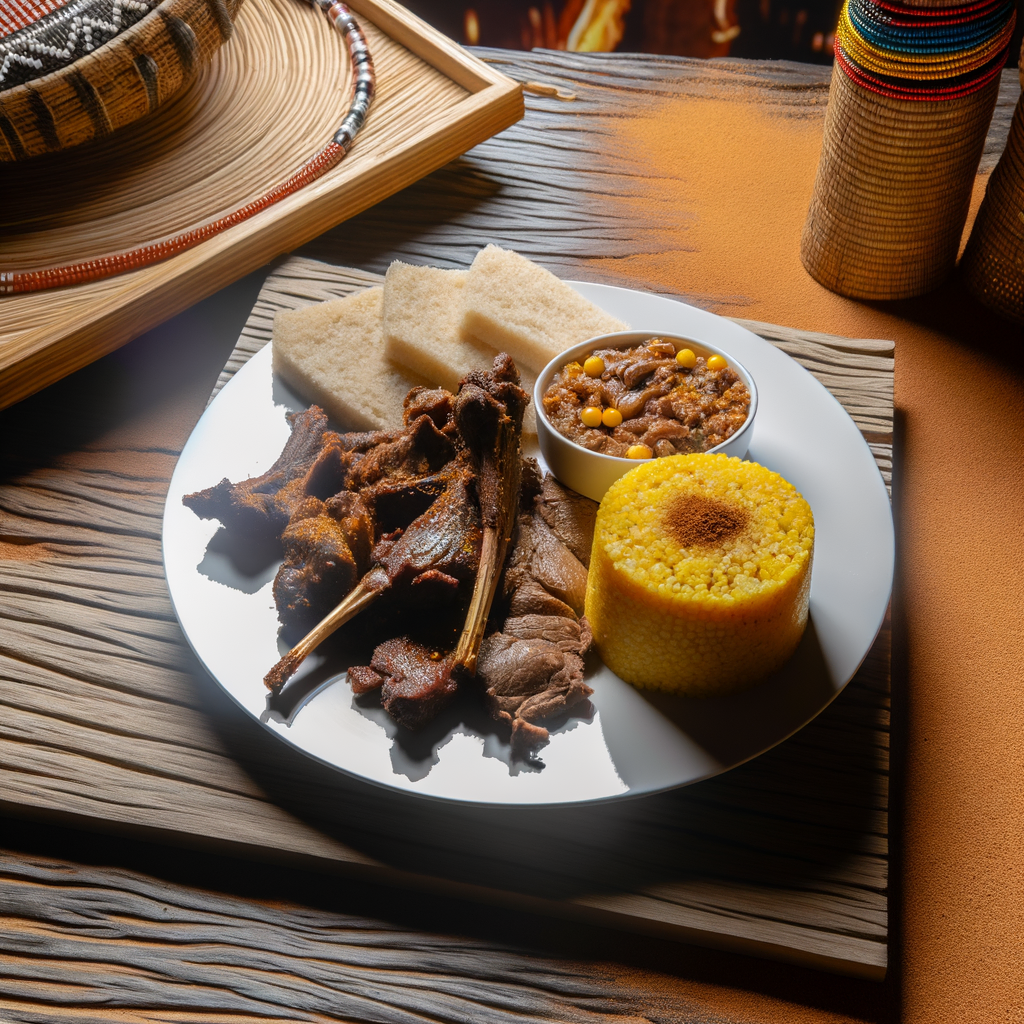
Nyama
Grilled or fried meat, typically beef, lamb, or goat, often marinated in spices. Served with papa or bread and popular at festive occasions.
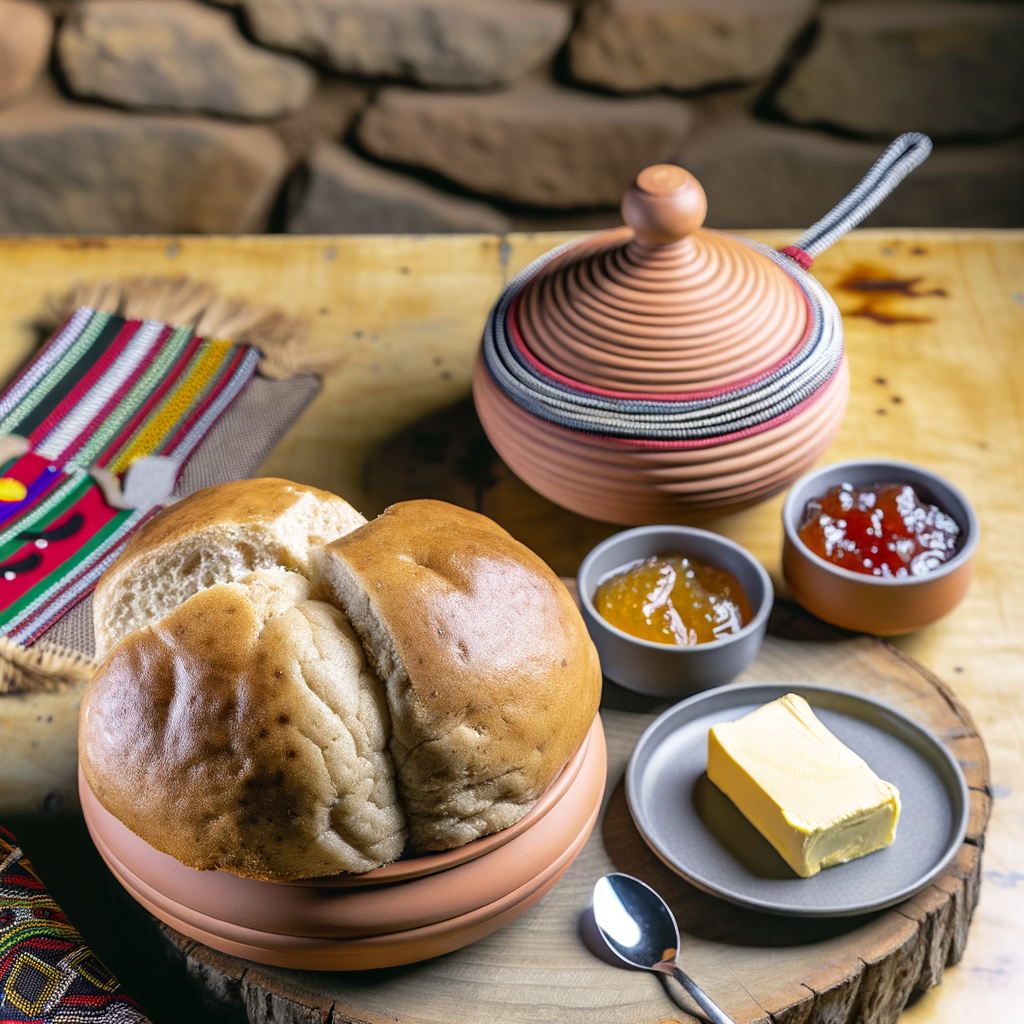
Basotho Bread
A soft, slightly sweet bread, steamed in a pot instead of baked in an oven. It has a unique texture and is often served with butter or jam.
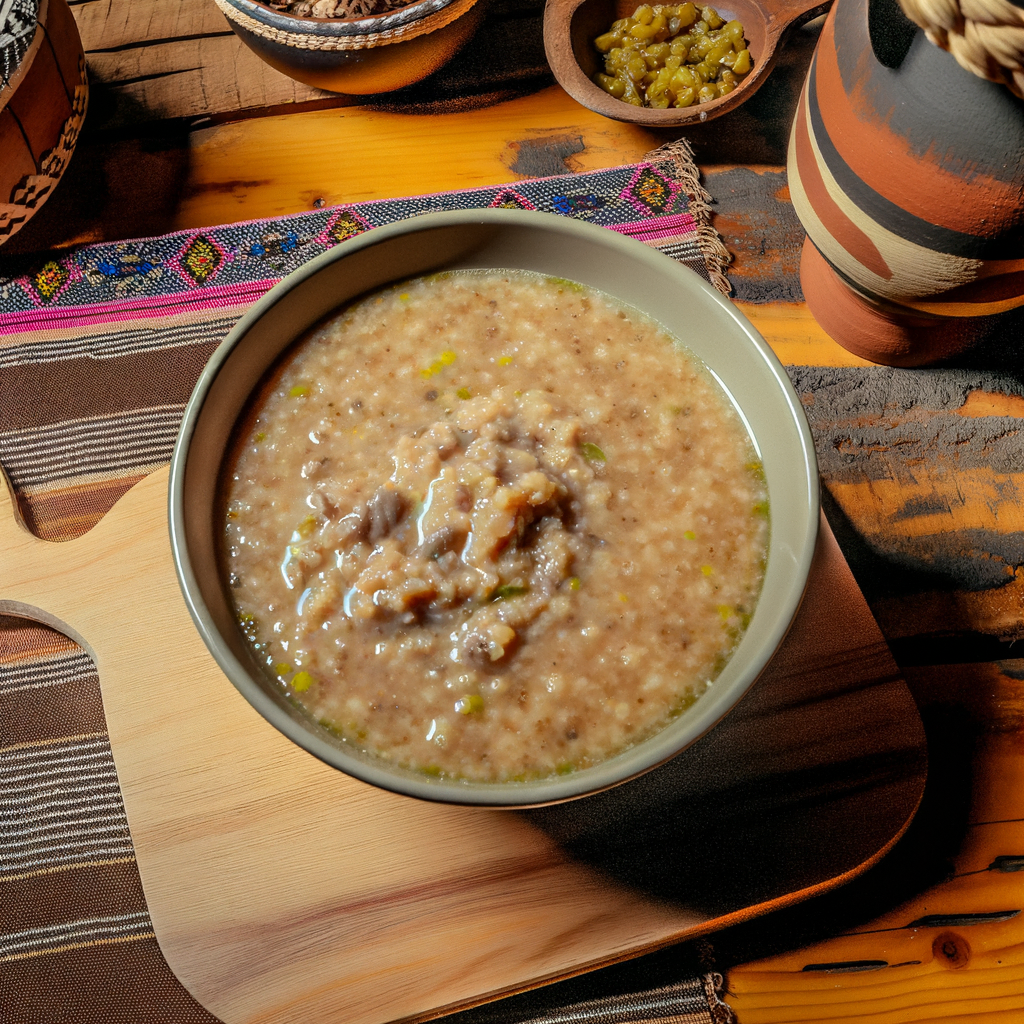
Motoho
A fermented sorghum porridge served cold as a refreshing drink or thick porridge. It has a slightly sour taste and is popular at ceremonies.
Restaurant information
Tipping
Tipping is not mandatory in Lesotho, but appreciated. At restaurants, 10% of the bill is appropriate if service is not already included.
Travel information
Currency
Lesothisk loti (LSL), South African rand (ZAR)
Language
Sesotho
Best time to visit
May to September (dry season)
Major cities
Maseru and other major cities
More countries in Africa
Discover more destinations in this region