
Latvia
Latvia, a Baltic gem, offers untouched nature, white sandy beaches, and a rich cultural tapestry centered in the vibrant capital, Riga.
Overview
Latvia, the heart of the Baltics, beautifully unites untouched nature with a rich cultural heritage. Discover endless forests, shimmering lakes, and a coastline adorned with white sandy beaches amidst fragrant pine trees. The vibrant capital of Riga captivates with its UNESCO-protected Old Town, stunning Art Nouveau architecture, and lively café culture. From the dramatic landscapes of Gauja National Park and medieval castles to the serene spa beaches of Jurmala and the opulence of Rundale Palace, Latvia offers a unique blend of history, nature, and contemporary living. Experience the magic of this Baltic pearl, where every corner invites exploration and connection.
Official language
Latvian
Government
Parliamentary republic
Best time to visit
May-September
Nature
Latvia is a hidden gem for nature lovers, with over 50% of the country covered in lush forests that create a vibrant landscape punctuated by towering pines, birch trees, and firs. The country boasts a stunning coastline stretching over 500 kilometers, featuring long, white sandy beaches, particularly around Jurmala, where the sea meets fragrant pine woods. Inland, you’ll encounter sparkling lakes, serene rivers, and a wealth of wildlife, including moose, beavers, and rare bird species. Gauja National Park, affectionately known as 'Latvia's Switzerland', invites adventurers with its deep valleys, sandstone cliffs, and medieval castles like Turaida. Spring and summer reveal a kaleidoscope of blooming flora, while autumn enchants with golden hues. The natural beauty of Latvia is easily accessible, with many protected areas providing the perfect backdrop for hiking, cycling, kayaking, and birdwatching. Breathe in the fresh air and immerse yourself in landscapes that feel untouched by time, where nature reigns supreme.
Travel to Latvia
Traveling to Latvia is an adventure that combines convenience with excitement. The country is easily accessible via direct flights to Riga from many European cities, and the well-developed infrastructure makes it simple to explore both urban and natural attractions. The prime visiting period spans from May to September, when the climate is mild, days are long, and nature is at its most vibrant. During this season, visitors can enjoy beach life in Jurmala, hiking adventures in Gauja National Park, or rich cultural experiences in Riga. Latvia's renowned hospitality and affordable prices make it an appealing destination for both short city breaks and longer explorations. While public transport is reliable and extensive, renting a car allows you the liberty to uncover hidden treasures such as quaint coastal towns, historic castles, and charming countryside villages. With its peaceful landscapes, historical destinations, and modern amenities, Latvia is a perfect travel choice for those seeking authenticity and diversity.
Culture
Latvian culture is a harmonious blend of ancient Baltic traditions and European influences, all woven into a strong national identity. The capital city, Riga, serves as the cultural heartbeat of the country, boasting an impressive array of museums, art galleries, theaters, and music venues. The city’s Art Nouveau architecture is globally acclaimed, and the historic Old Town buzzes with life, offering delightful cafes, bustling markets, and vibrant festivals. Folk music and dance play a central role in cultural celebrations, especially during the grand Song and Dance Festival, which draws thousands of participants. Latvian cuisine reflects the nation’s natural bounty with dishes like rye bread, gray pea soup, smoked fish, and sweet treats such as sklandrausis. Craft traditions like weaving, ceramics, and amber jewelry are still alive and celebrated. Festivals steeped in folklore, such as the midsummer celebration of Jāņi, showcase the country’s deep-rooted customs and fiery spirit, where bonfires, floral crowns, and song bring communities together in celebration.
History
The history of Latvia is shaped by its strategic location on the Baltic Sea, making it a crossroads for trade and a target for conquest. From its medieval Hanseatic League origins to periods of German, Swedish, and Russian rule, Latvia has cultivated a diverse cultural heritage. Riga, founded in 1201, quickly emerged as a thriving trade center. The 20th century saw Latvia transition through independence, followed by Soviet and Nazi occupations, before regaining freedom in 1991. This complex narrative is reflected in the country’s architecture, museums, and numerous memorials that pay homage to its struggles for autonomy and pride in its national identity.
Top attractions
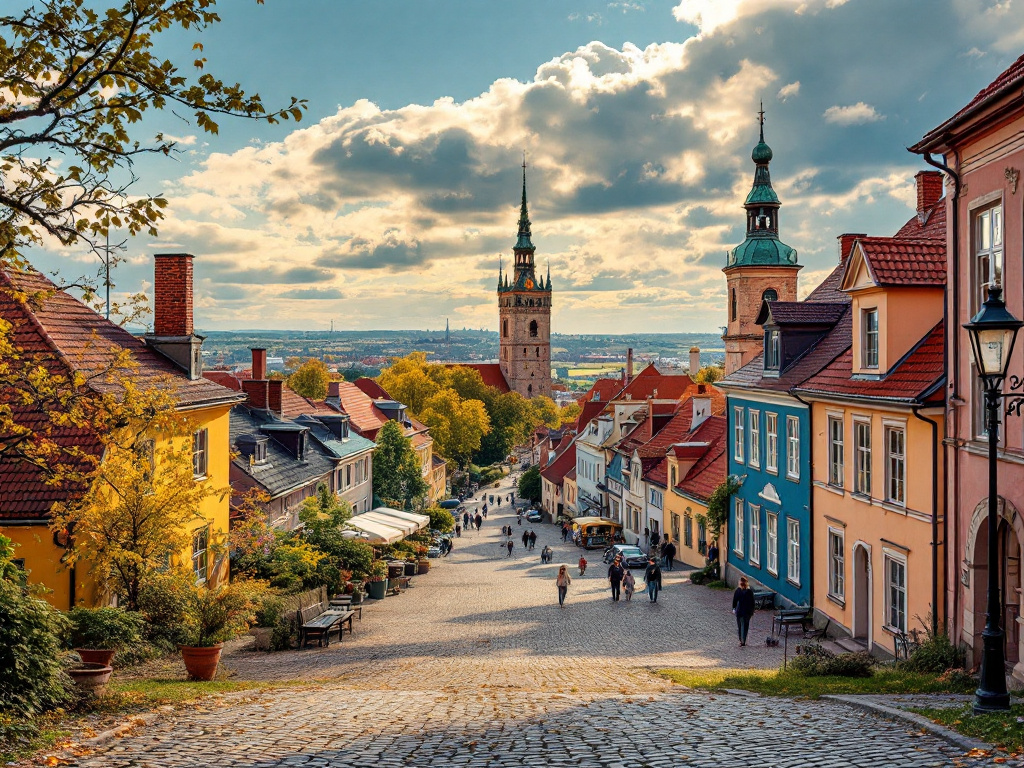
Riga Old Town
Riga Old Town is the heart of Latvia's capital with medieval architecture, lively squares, and a rich cultural history.
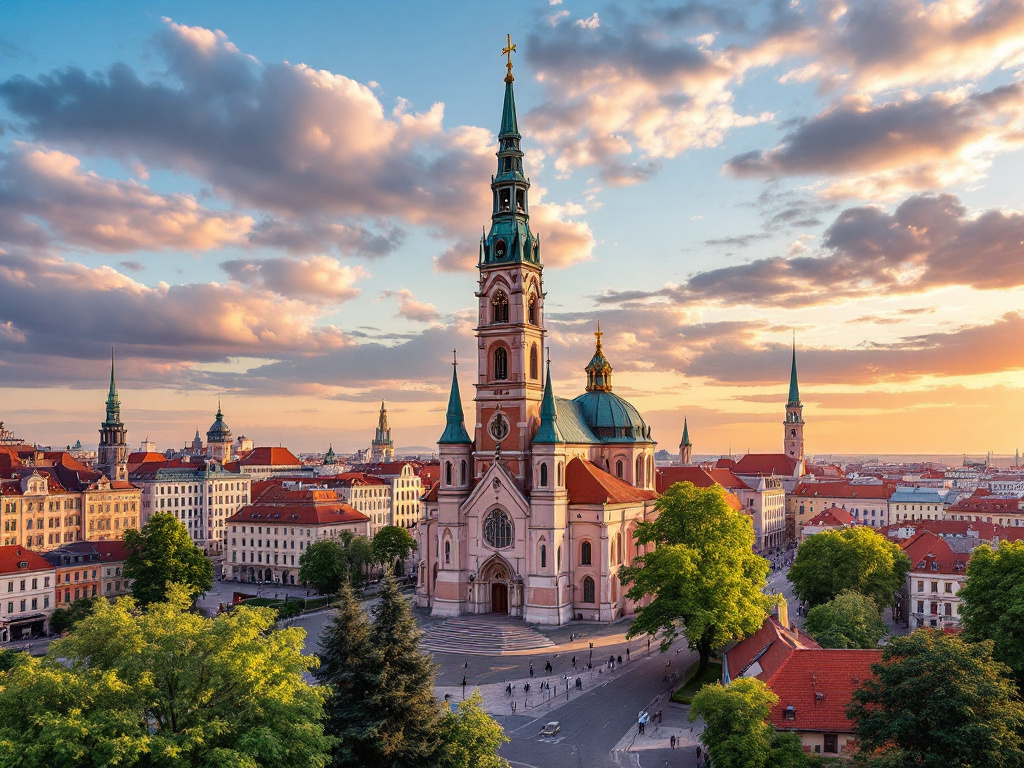
Riga Cathedral
Riga Cathedral is one of Latvia's most prominent religious buildings, known for its impressive organ and long history.
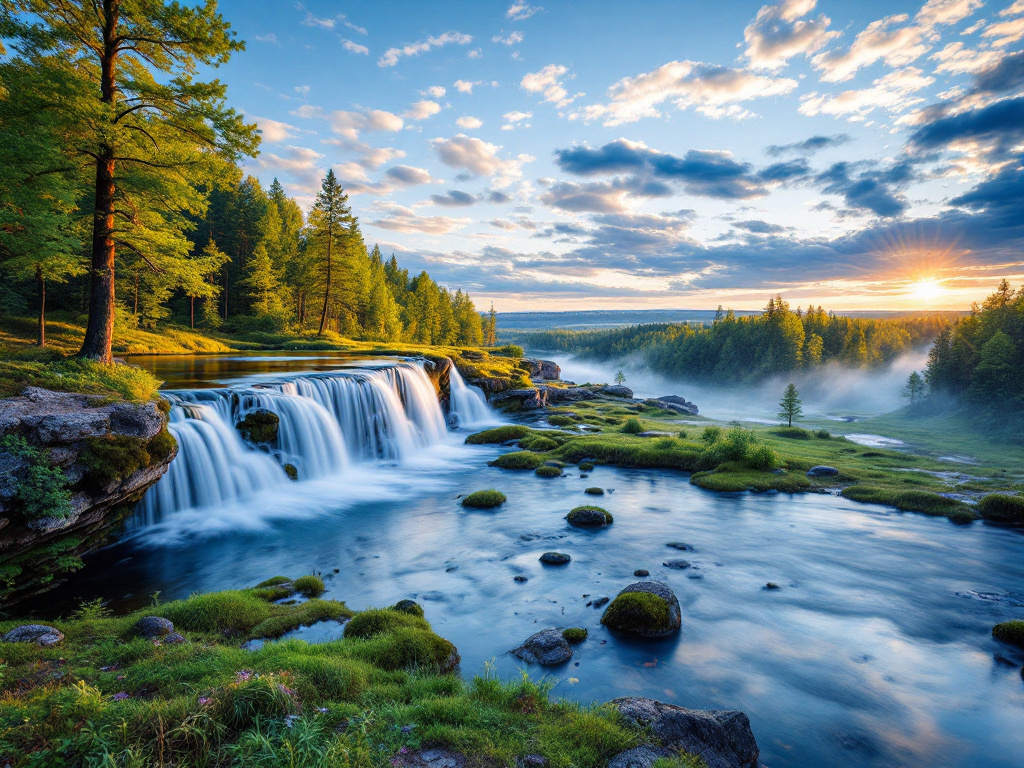
Gauja National Park
Gauja National Park is Latvia's largest national park and offers diverse nature, historical castles, and many outdoor activities.
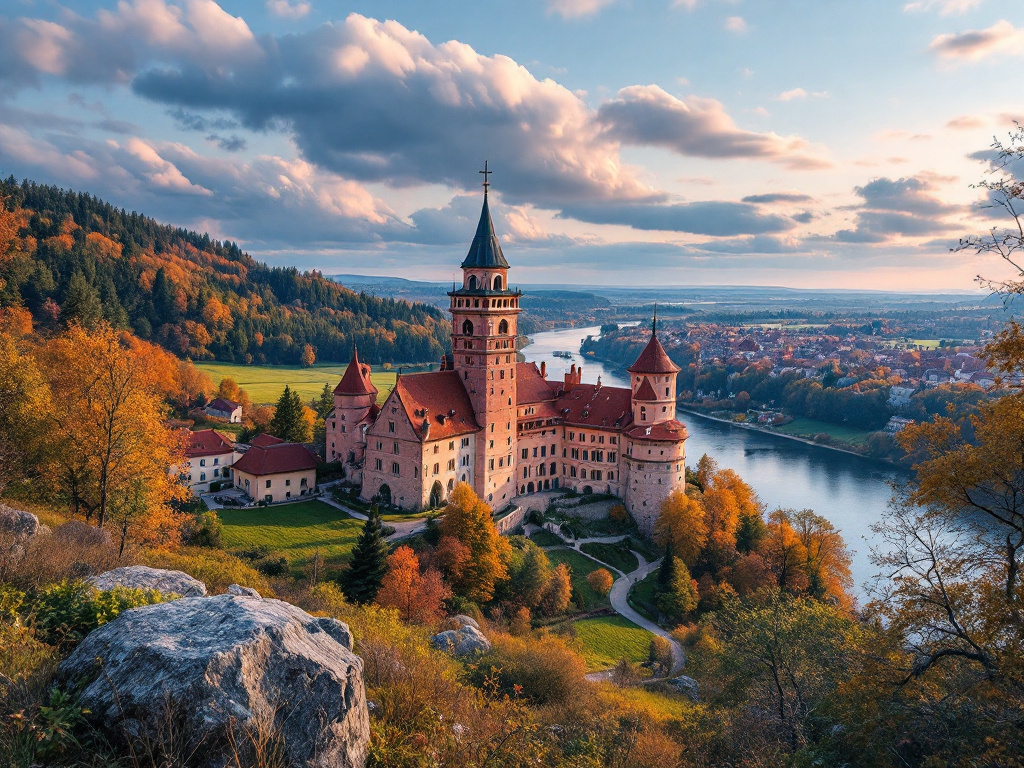
Turaida Castle
Turaida Castle is a well-preserved medieval castle with a museum and one of the best views over the Gauja valley.
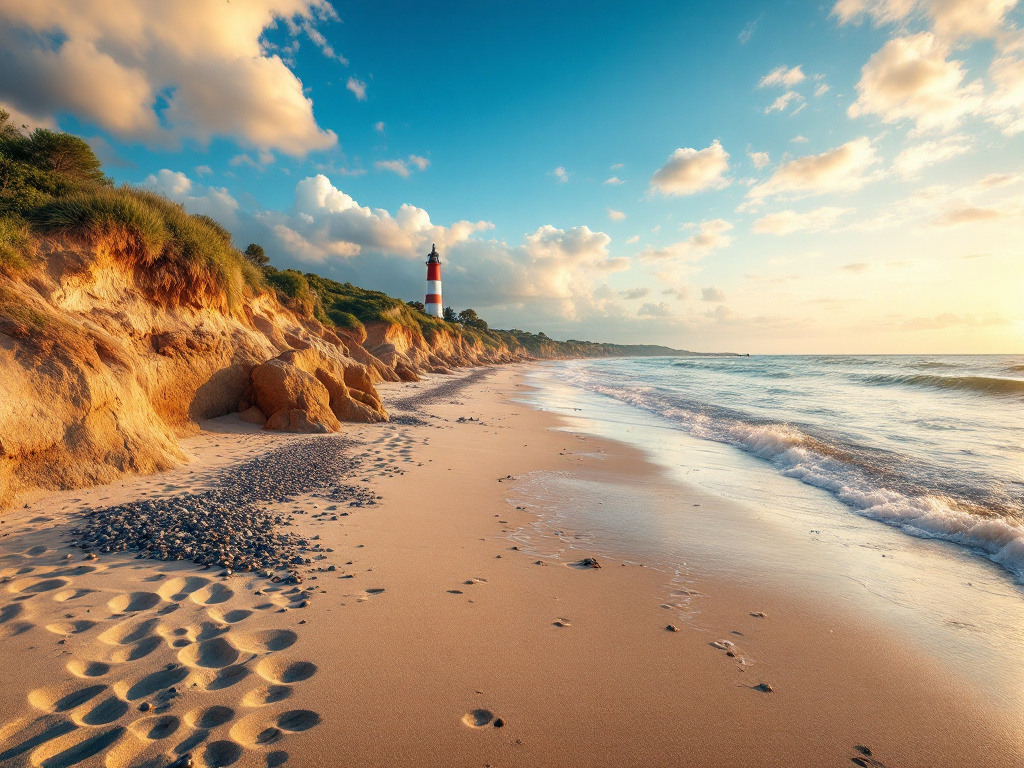
Jūrmala Beach
Jūrmala Beach is Latvia's most famous bathing area with a long sandy beach and a relaxed atmosphere close to Riga.
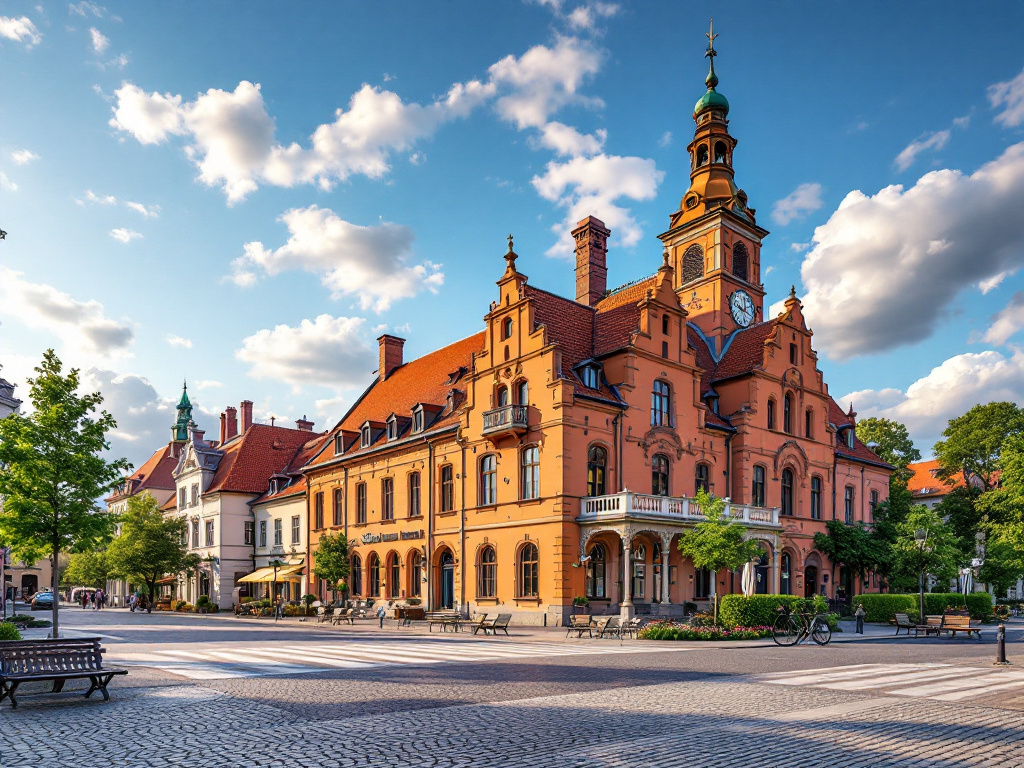
House of the Blackheads
The House of the Blackheads is an iconic building in Riga, originally built for a trade brotherhood and now a museum.
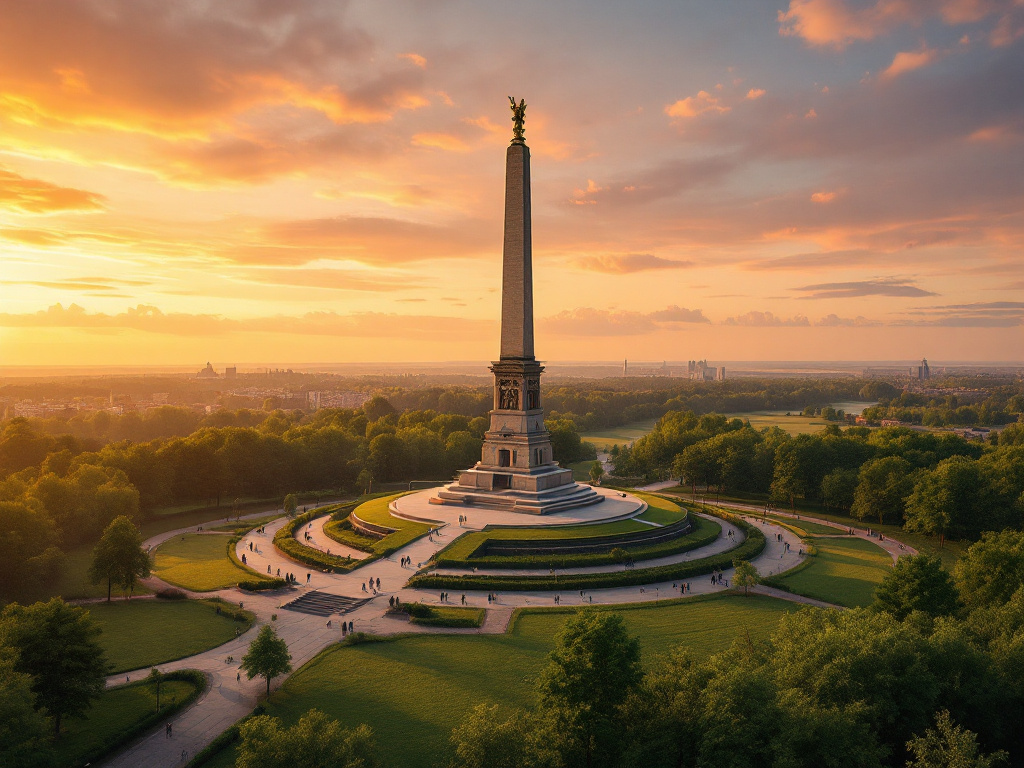
Freedom Monument
The Freedom Monument is Latvia's most important national symbol and marks the country's independence.
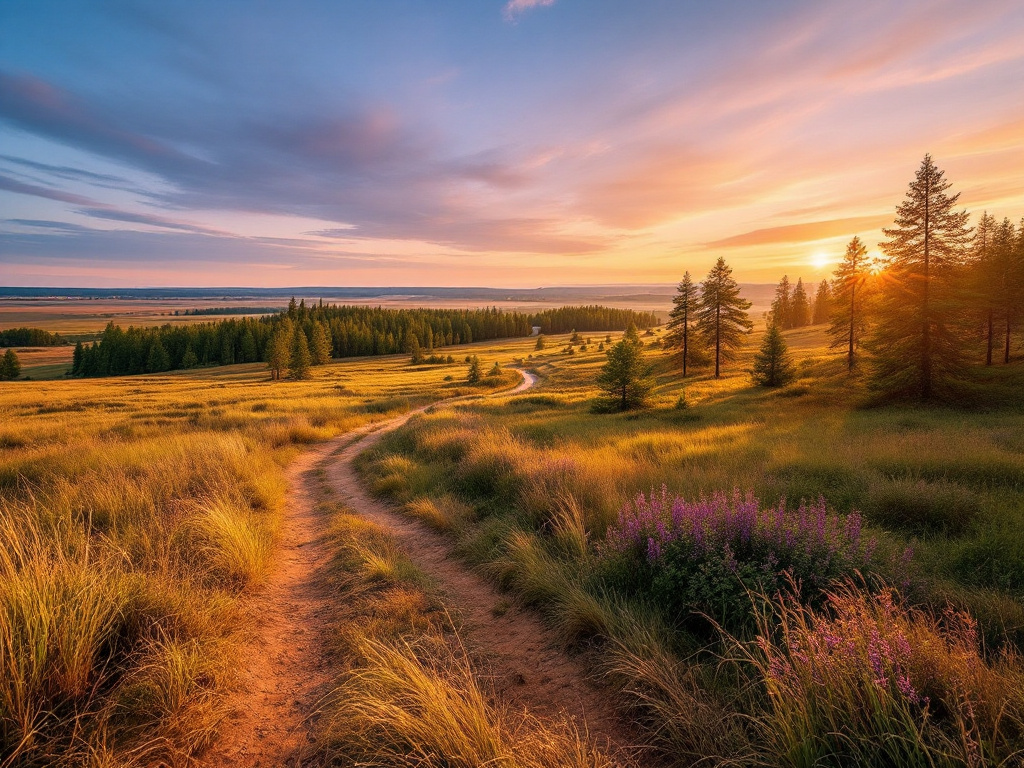
Ķemeri National Park
Ķemeri National Park is known for its unique marsh landscapes and serene natural atmosphere.
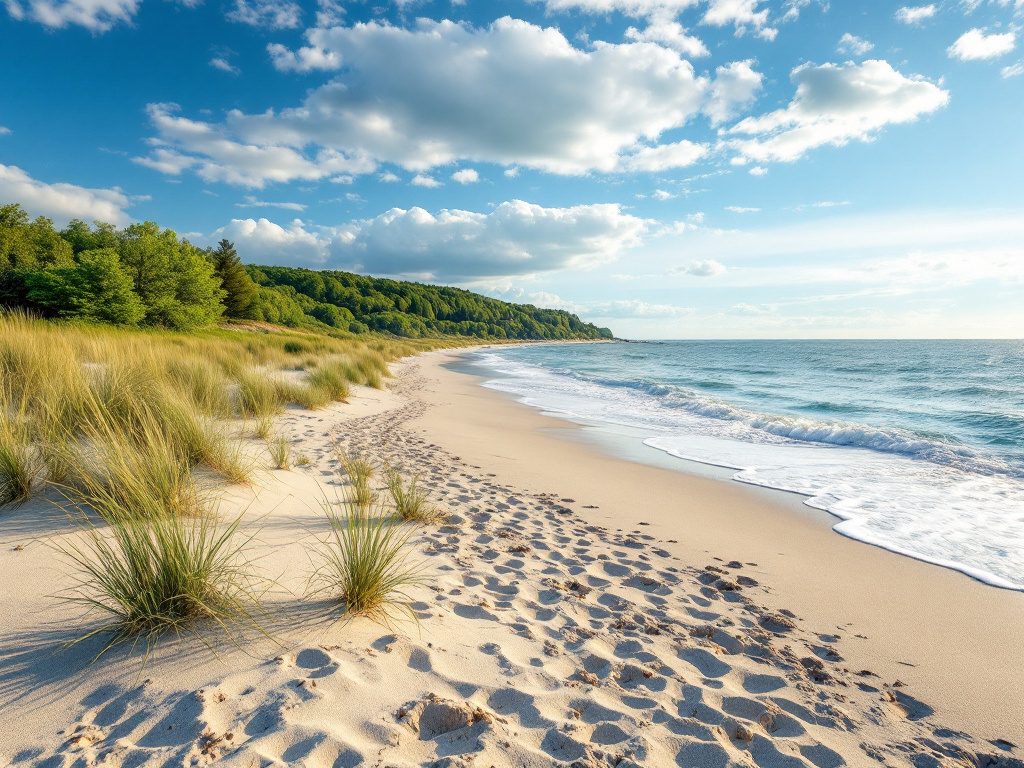
Liepāja Beach
Liepāja Beach is known for its wild nature, wide sand, and stronger winds than other Latvian beaches.
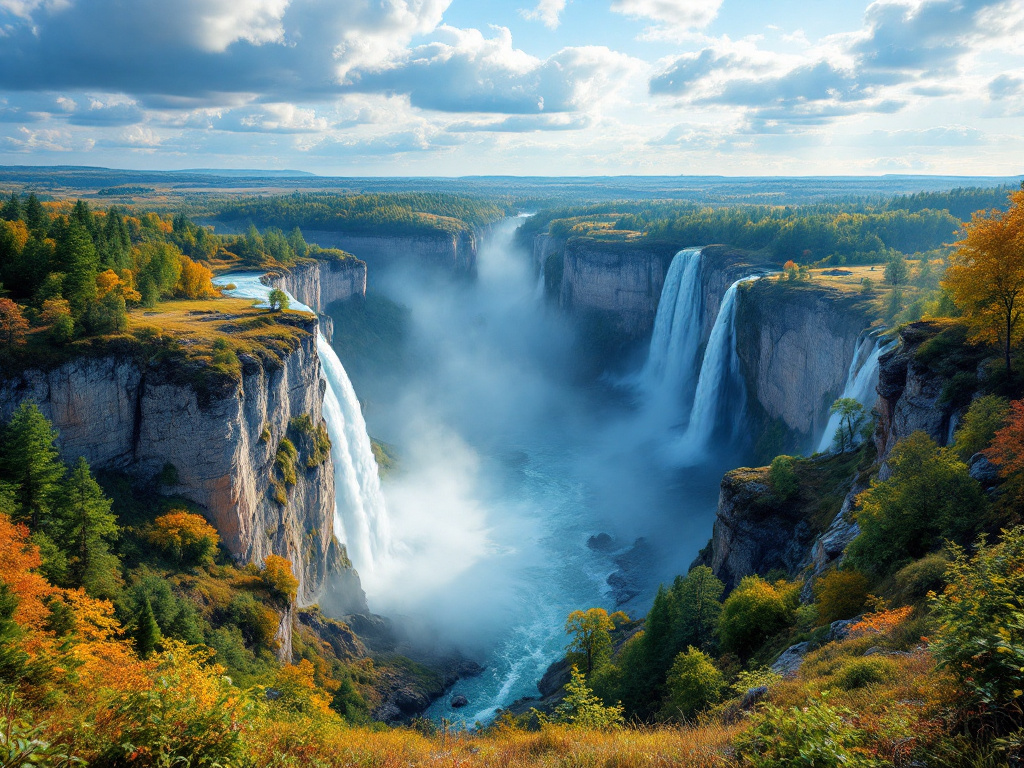
Ventarapids in Kuldīga
The Ventarapids is known as Europe's widest waterfall and is located in the charming town of Kuldīga.
Famous cuisine
Culinary overview
Latvian cuisine is deeply rooted in the country's agricultural traditions and seasonal changes. The food is often simple yet flavorful, focusing on local ingredients such as rye, potatoes, cabbage, mushrooms, and fish from the Baltic Sea. Traditional dishes reflect both Nordic and Eastern European culinary heritage, and many recipes have been passed down through generations. In winter, dishes are often hearty and nourishing, while summer offers lighter meals with fresh vegetables and berries. Visitors will find that meals are often accompanied by rye bread, and fermented products such as sauerkraut and kefir are common. Latvia also has a growing modern food scene, especially in Riga, where innovative chefs combine tradition with creativity.
Must-try dishes
.webp)
Rugbrød (Rupjmaize)
A dark, dense, and slightly sweet bread made from rye flour. It is a cornerstone of Latvian cuisine and is often served with every meal, either on its own, with butter, or as a base for open sandwiches.
.webp)
Grå ærtesuppe (Pelēkie zirņi ar speķi)
A traditional winter soup made from gray peas, often combined with bacon or smoked pork. It is hearty and rich in flavor, particularly popular during the Christmas season.
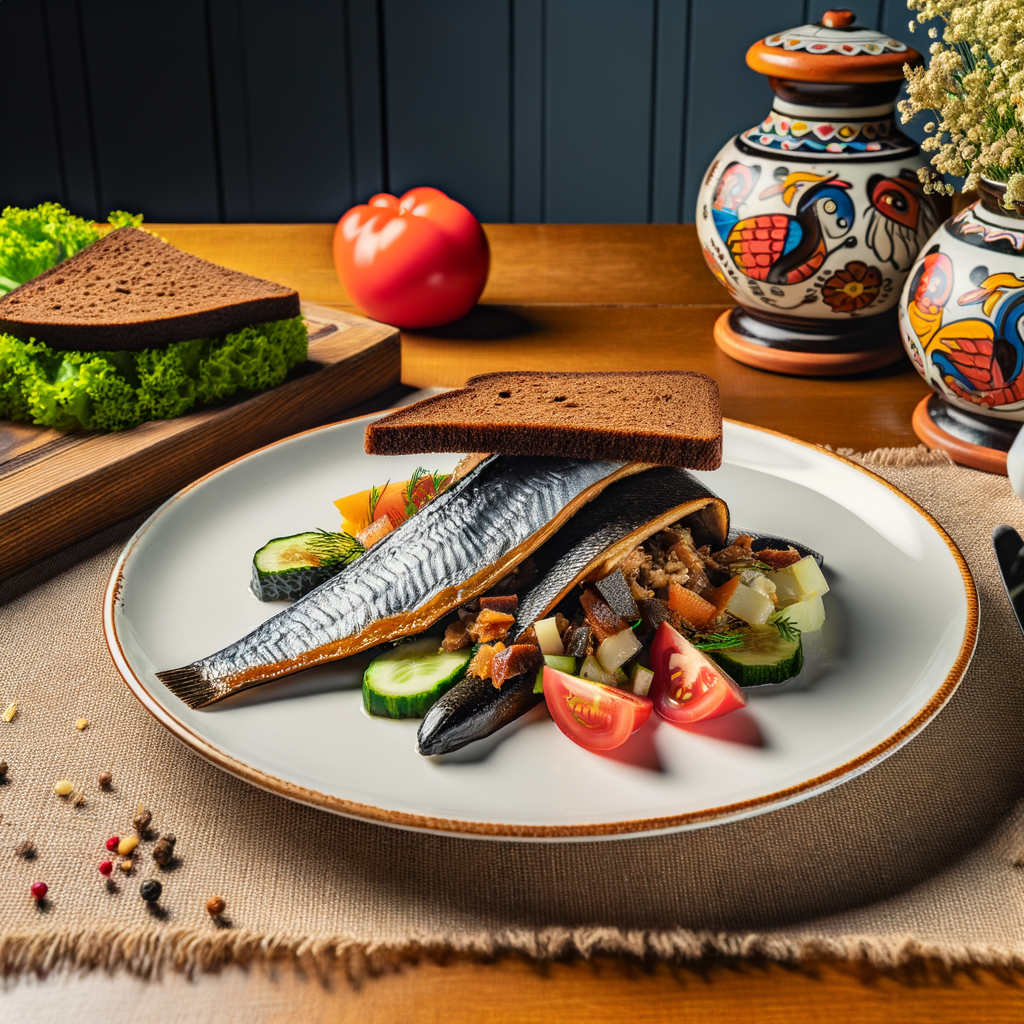
Røget fisk
Fish such as herring, salmon, or eel that is smoked over birch or alder wood, giving it a deep and aromatic flavor. Often served with rye bread and fresh vegetables.
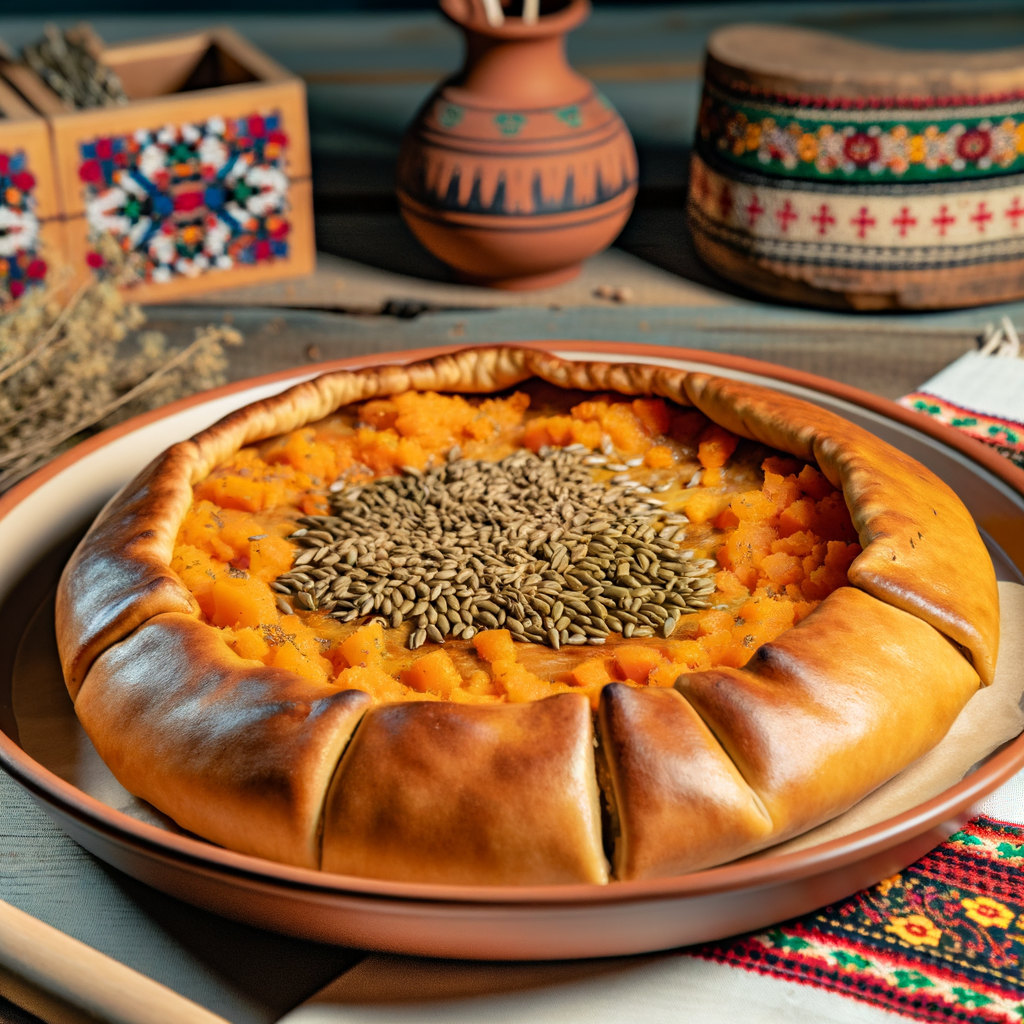
Sklandrausis
A sweet pie made from rye dough filled with potato and carrot puree, spiced with caraway and sugar. This dish is a protected national specialty originating from the Kurzeme region.
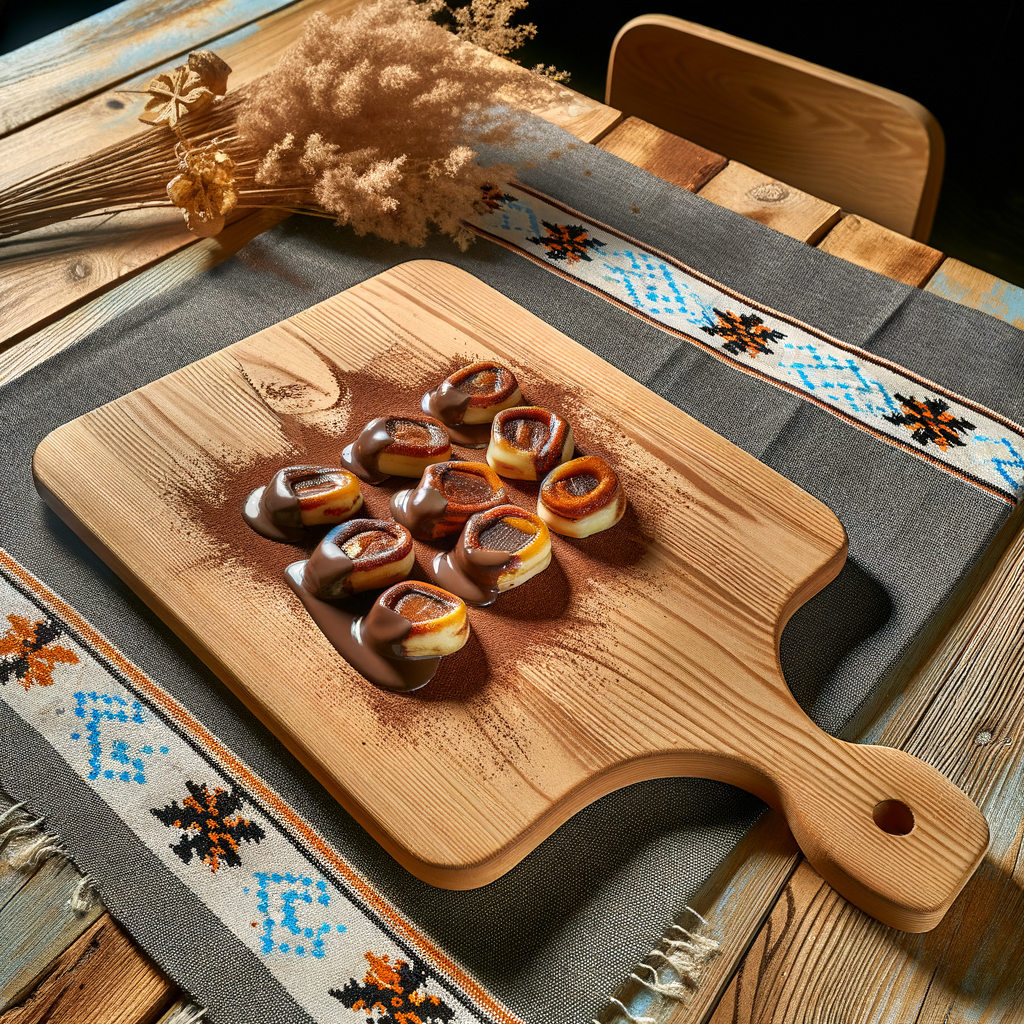
Kārums biezpiens
A popular dessert snack consisting of sweetened fresh cheese coated with chocolate. Loved by both children and adults.
Restaurant information
Tipping
Tipping is not mandatory in Latvia, but it is common to round up or give 5-10% for good service.
Travel information
Currency
Euro (€)
Language
Latvian
Best time to visit
May-September
Major cities
Riga and other major cities
More countries in Europe
Discover more destinations in this region