Luxembourg
Luxembourg, a gem in Western Europe, unites fairytale castles, lush landscapes, and world-class wine with a rich history and modern prosperity.
Overview
Luxembourg, a hidden gem in the heart of Western Europe, combines fairy-tale castles, lush vineyards, and a rich cultural heritage with modern elegance. The capital, Luxembourg City, impresses with its UNESCO-protected old town and dramatic fortifications, while idyllic areas like Mullerthal – 'Little Switzerland' – entice nature lovers. From the award-winning wines of the Moselle Valley to the charming streets of Grund, the country offers a unique mix of French, German, and Luxembourgish cultures. Ideal for weekend getaways or longer escapades, especially from May to September, Luxembourg invites you to discover its enchanting allure.
Official language
Luxembourgsk
Government
Constitutional monarchy
Best time to visit
May-September
Nature
Luxembourg's nature is surprisingly diverse for such a small country. In the Mullerthal region, known as 'Little Switzerland', you'll discover dramatic sandstone cliffs, deep gorges, and winding hiking trails that lead through forests and alongside babbling brooks. The Moselle Valley is a paradise for wine lovers, where gentle hills adorned with vineyards reflect in the calm waters of the river. To the north, the Ardennes offer dense forests, lush valleys, and charming villages that beckon for cycling and hiking adventures. The country’s well-maintained parks and riverscapes create a harmonious balance between nature and culture, and its compact size makes it easy to experience multiple scenic vistas in a single day. Whether you're aiming to explore rock formations, enjoy sweeping views, or relax by a vineyard, Luxembourg's natural beauty presents an unexpected wealth of experiences.
Travel to Luxembourg
Traveling to Luxembourg is both easy and rewarding. The country’s compact size and excellent infrastructure allow you to explore castles, vineyards, historic districts, and scenic landscapes in a short period. Luxembourg City serves as a natural starting point, with direct connections to major European cities via train, road, and air. The best time to visit is from May to September when the weather is mild, and festivals, outdoor concerts, and vibrant markets breathe life into the streets. Travelers can combine urban experiences with hiking in Mullerthal, wine tasting in the Moselle Valley, and historical excursions to places like Vianden Castle. With its blend of culture, nature, and gastronomy, Luxembourg is an ideal choice for both weekend trips and extended travels.
Culture
Luxembourg's culture is a fascinating blend of Luxembourgish, French, and German influences, vividly reflected in its languages, architecture, and gastronomy. In Luxembourg City, you can wander through charming neighborhoods like the Grund, where cafes and restaurants line the river in historic buildings. The national cuisine delights with specialties such as Judd mat Gaardebounen, Bouneschlupp, and the sweet Quetschentaart, often paired with local wines from the Moselle Valley. Art and music play a central role in everyday life, with festivals, concerts, and museums showcasing a spectrum from classical to contemporary. Luxembourgish people cherish their traditions while remaining open to international influences, creating a dynamic and welcoming atmosphere. Year-round markets, folk festivals, and cultural events invite visitors to immerse themselves in the country's authentic soul.
History
Luxembourg's history is marked by its strategic location at the heart of Europe. Over the centuries, the country has been shaped by the influences of French, German, and Dutch powers, evident in its architecture and cultural landscape. Luxembourg City was once known as the 'Gibraltar of the North' due to its impressive fortifications, which are now a UNESCO World Heritage site. The medieval Vianden Castle stands as a testament to the nation’s feudal past and noble traditions. After gaining independence in the 19th century, Luxembourg evolved into a prosperous constitutional monarchy and became an important financial center in Europe, reflecting its resilience and adaptability through tumultuous times.
Top attractions
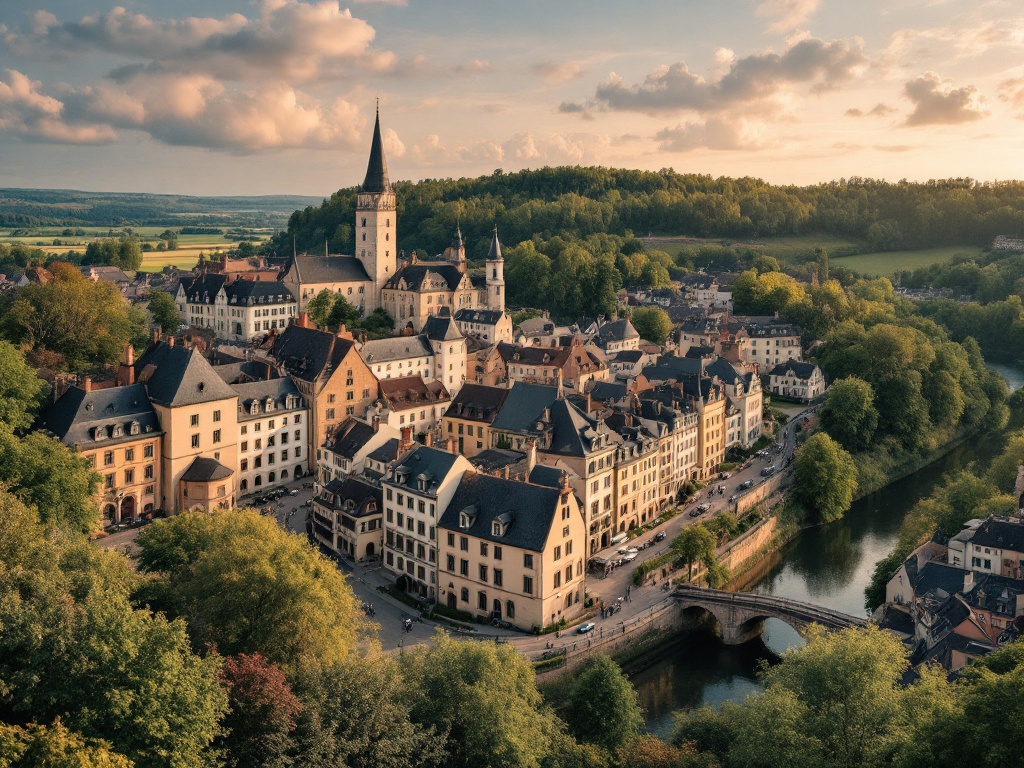
Luxembourg's Old Town
Luxembourg's Old Town offers a unique blend of medieval architecture, fortifications, and modern culture, beautifully located above deep valleys.
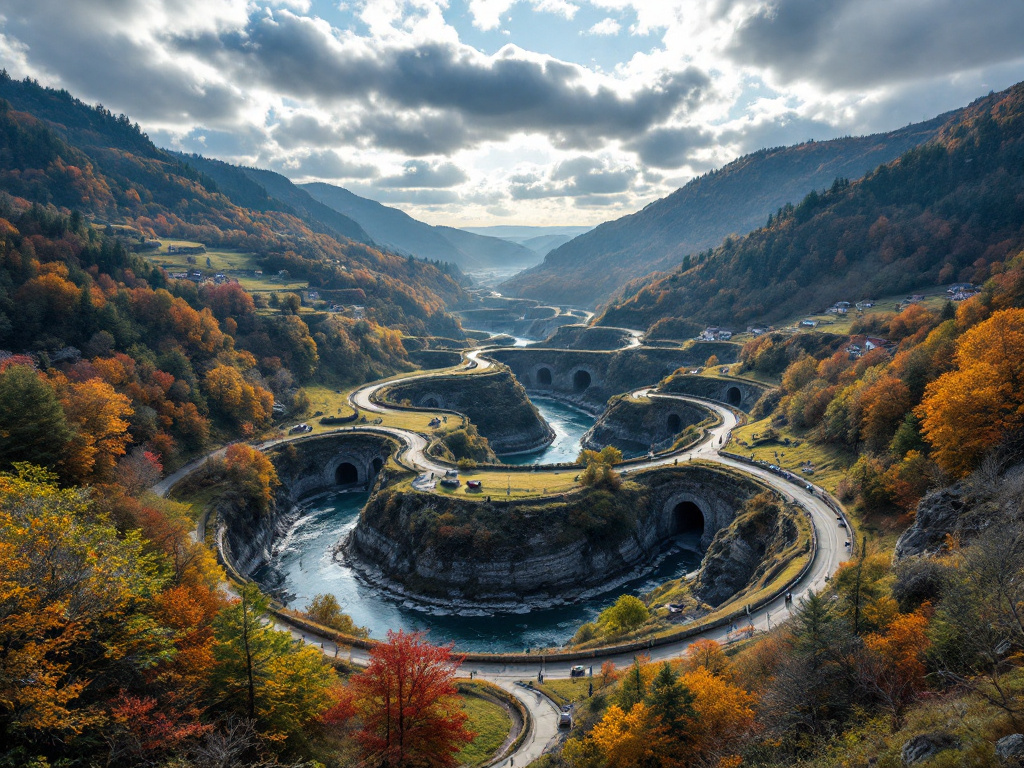
Bock Casemates
An impressive network of underground tunnels that testify to Luxembourg's military significance over the centuries.
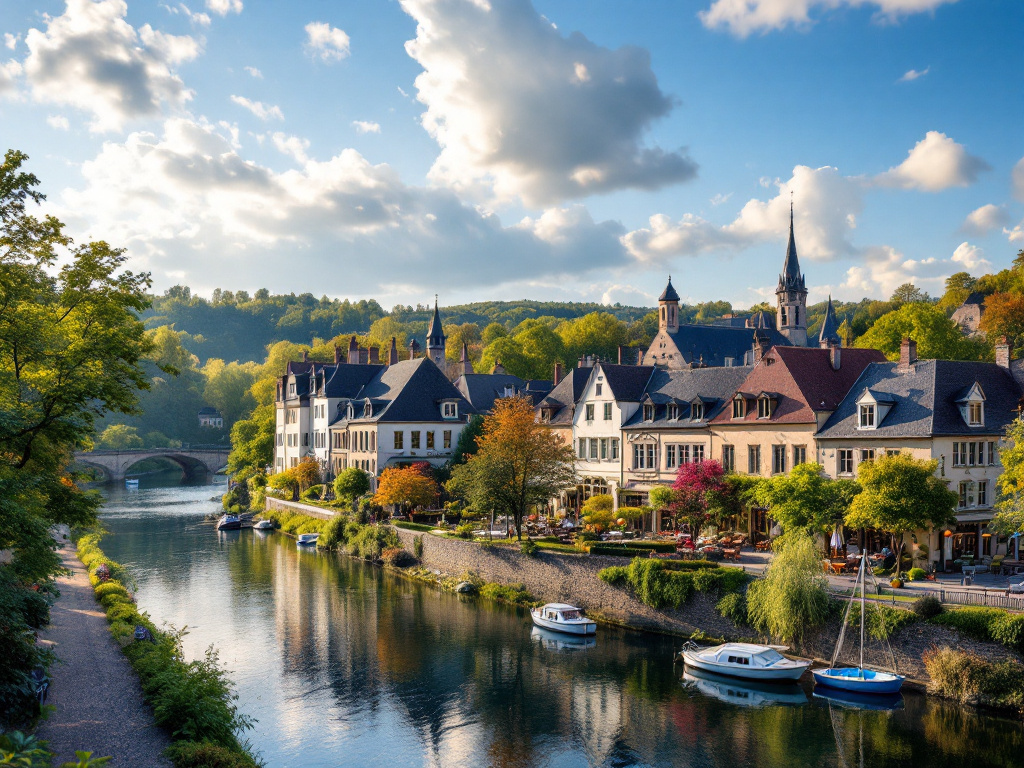
Grund District
An idyllic neighborhood along the river with cafes, small streets, and historical charm.
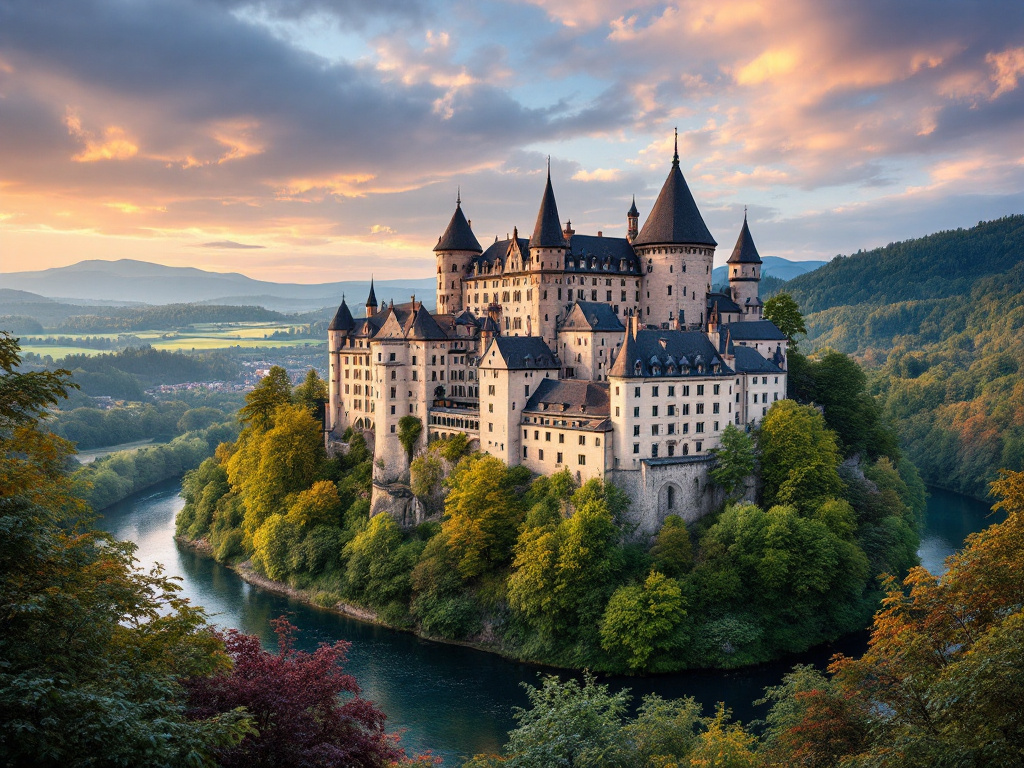
Vianden Castle
One of Europe's most beautiful medieval castles, dramatically situated above the town of Vianden.
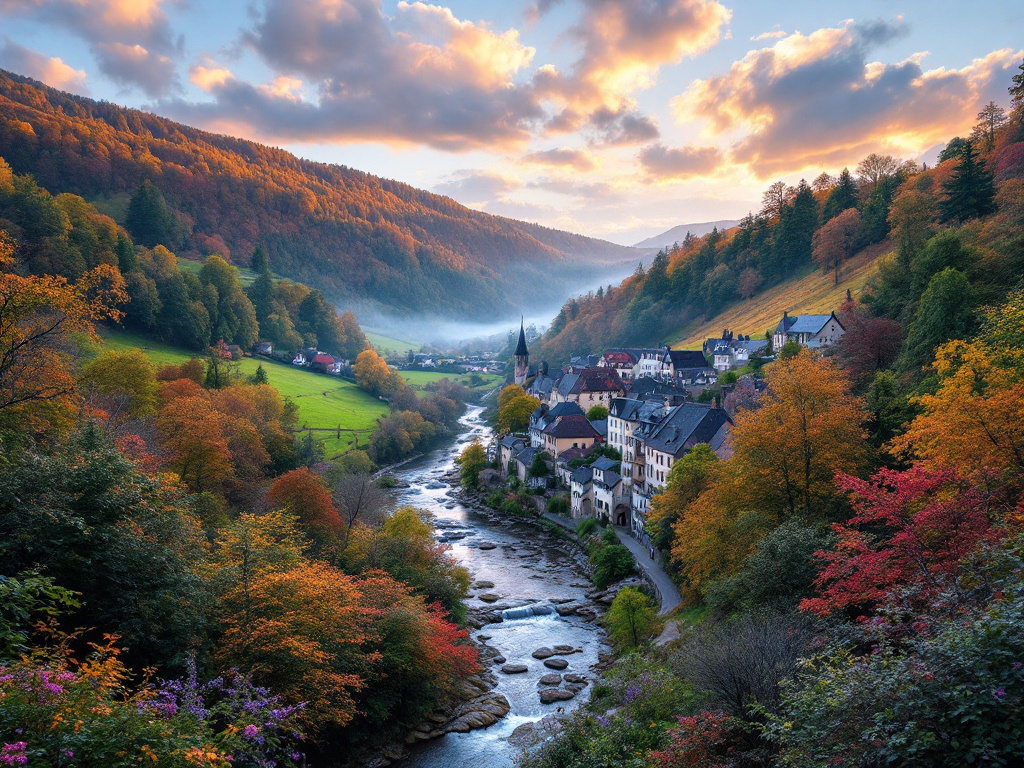
Müllerthal Trail
Known as Luxembourg's Little Switzerland, the area offers spectacular hiking trails through rocks and forests.
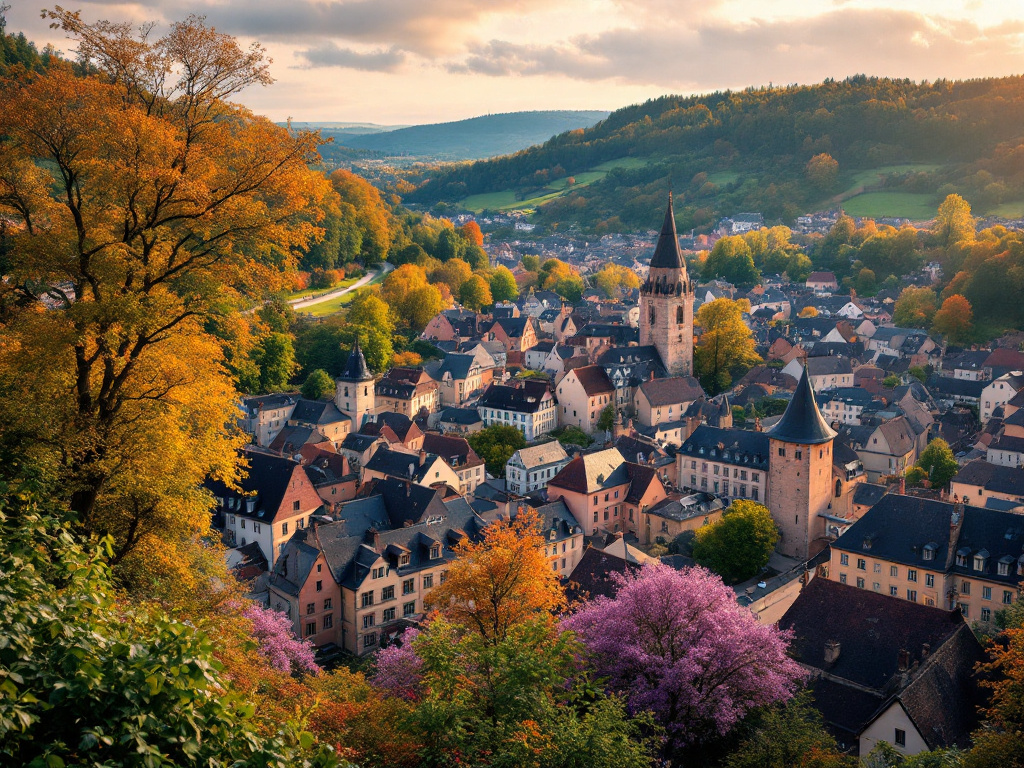
Echternach
Luxembourg's oldest city, known for its monastery and rich cultural heritage.
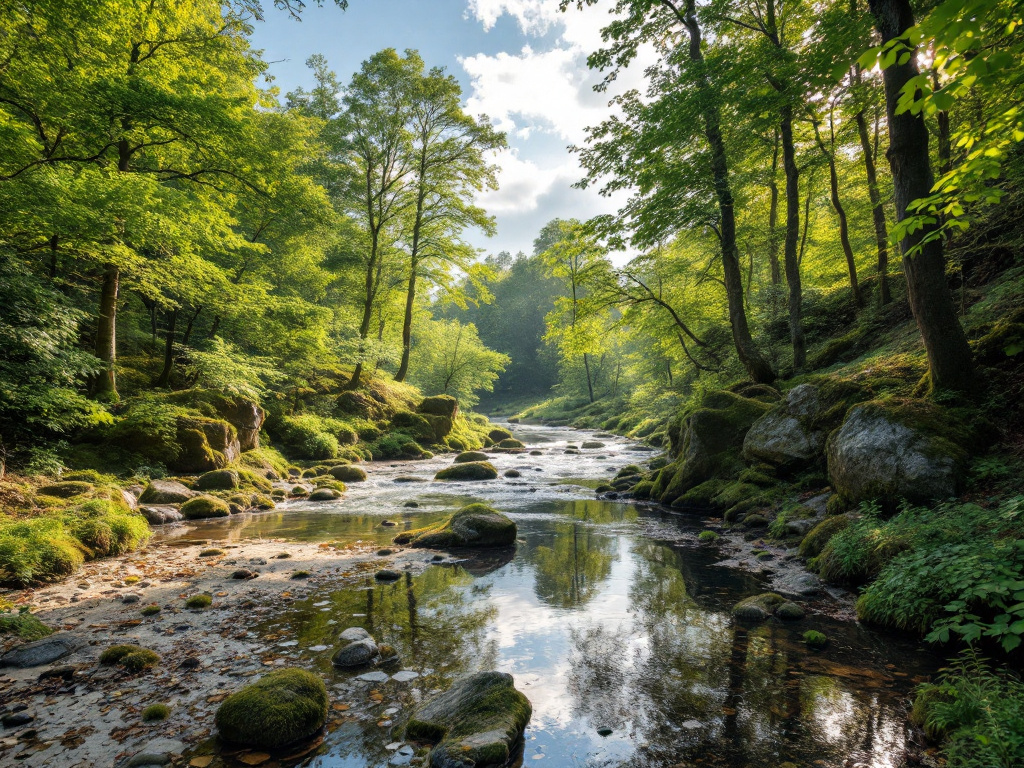
Our Nature Park
A large nature protected area with rivers, forests, and small villages in northern Luxembourg.
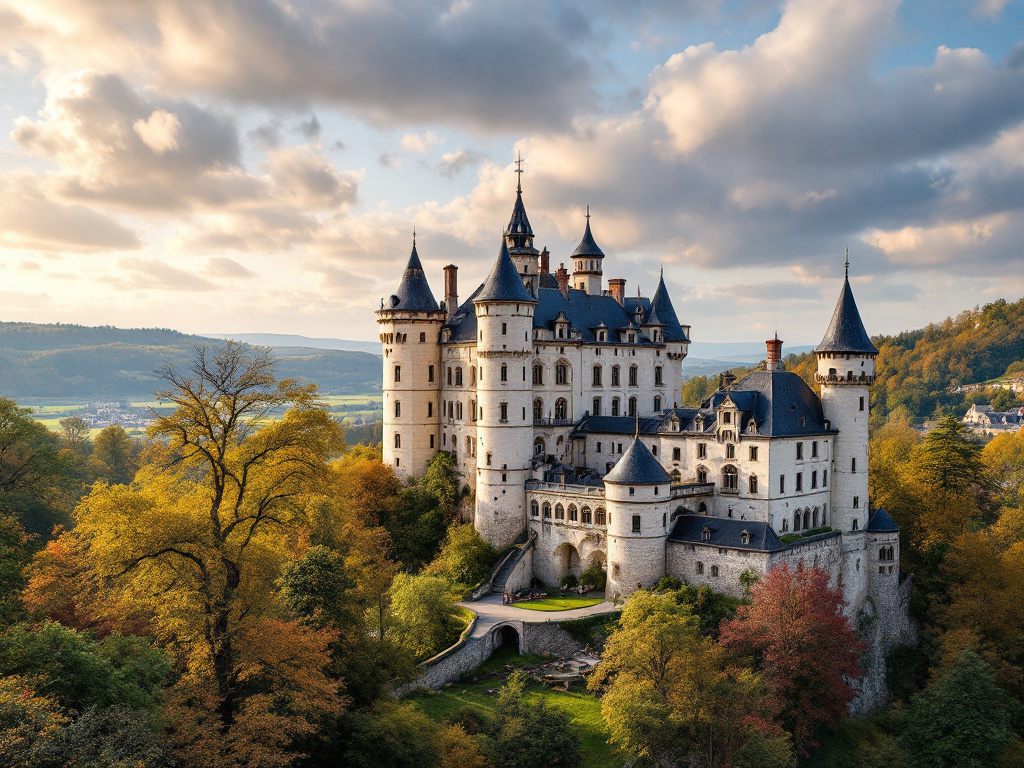
Clervaux Castle
A beautiful castle with internationally recognized photography exhibitions and local history.
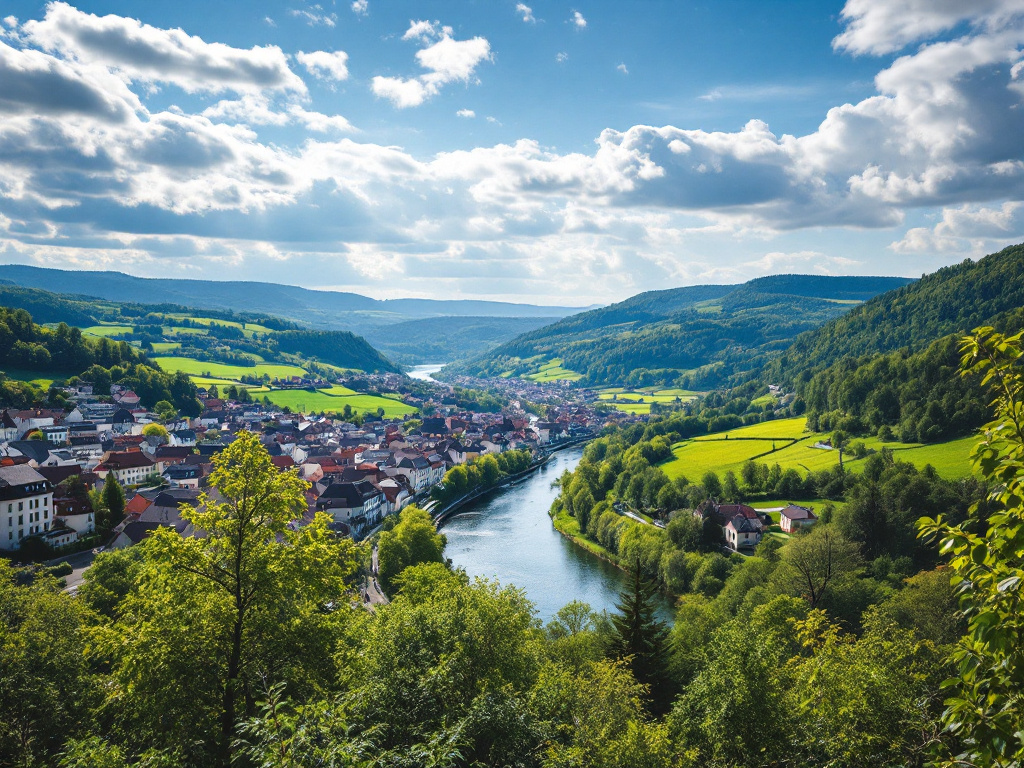
Moselle Valley
A picturesque valley along the Moselle River, famous for wine production and serene landscapes.
Famous cuisine
Culinary overview
Luxembourg's cuisine is a harmonious blend of Luxembourgish, French, and German culinary traditions. The country's gastronomy reflects both its rural roots and cosmopolitan influences. From hearty homemade soups to delicate pastries and world-class wines, food is a central part of Luxembourgish lifestyle. Local markets are full of fresh produce, and the wine regions along the Mosel produce elegant white wines, especially Riesling and Crémant. Dining options range from cozy village inns to Michelin-starred restaurants in the capital.
Must-try dishes
Judd mat Gaardebounen
The country's national dish consisting of smoked pork served with broad beans in a creamy sauce. The dish is hearty, flavorful, and often accompanied by boiled potatoes.
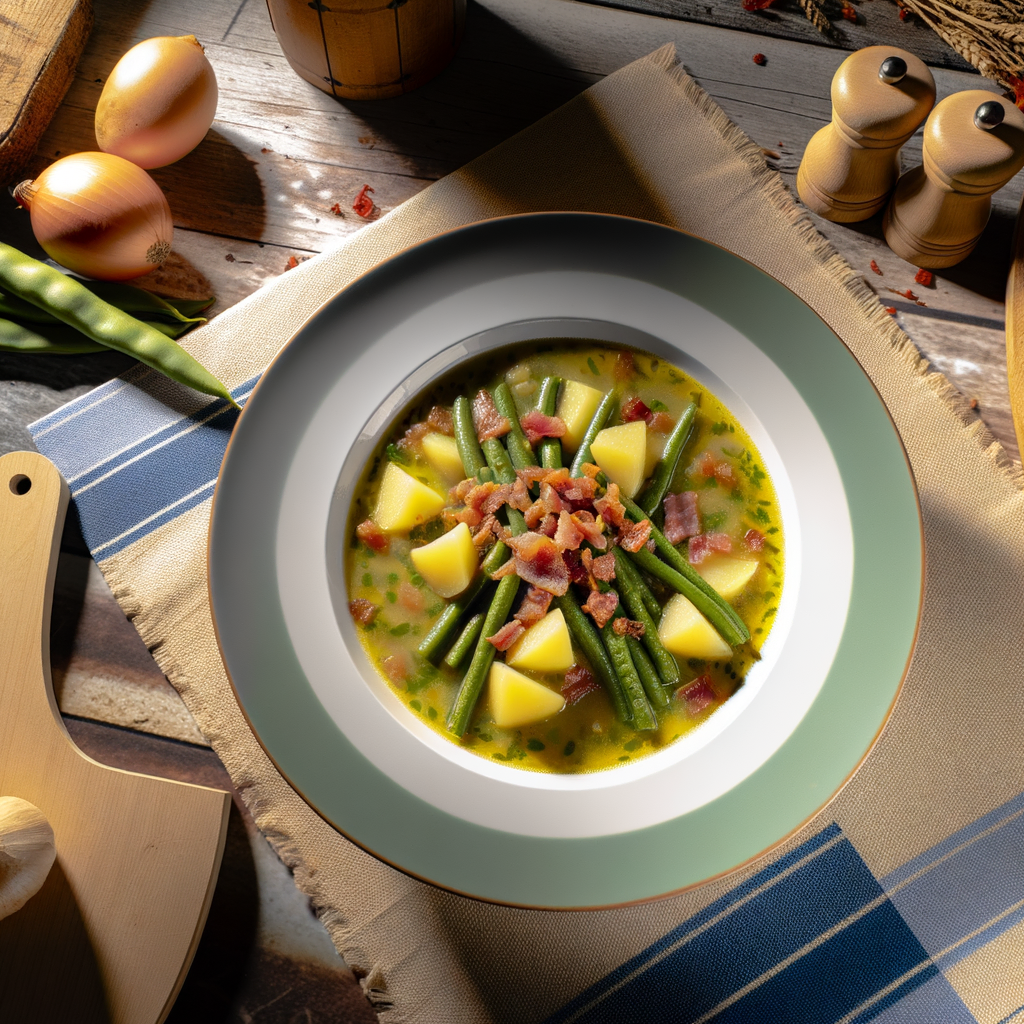
Bouneschlupp
A traditional green bean soup with potatoes, onions, and often bacon. It is served as a warm and nourishing meal, especially popular in the cold months.
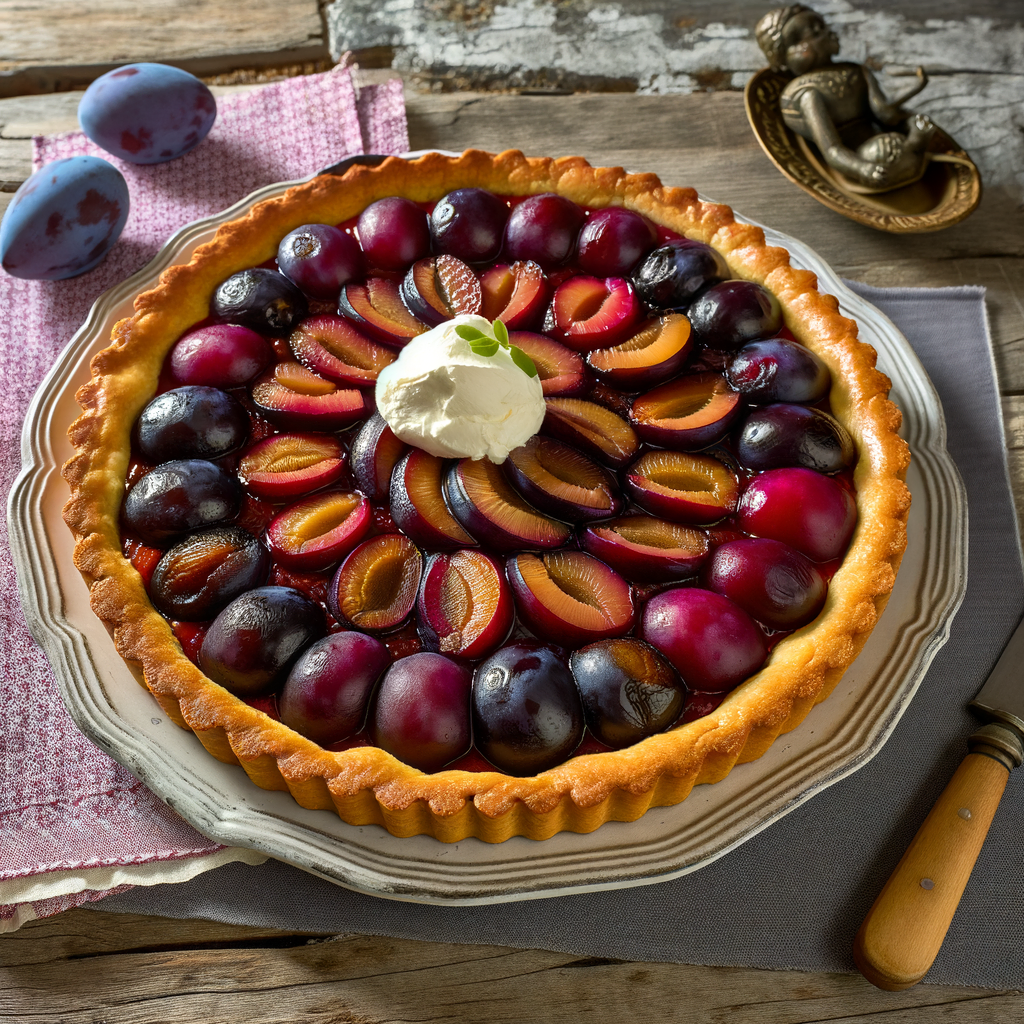
Quetschentaart
A classic Luxembourgish plum tart made with fresh or canned plums on a crispy shortcrust base. Often served with whipped cream or as it is.
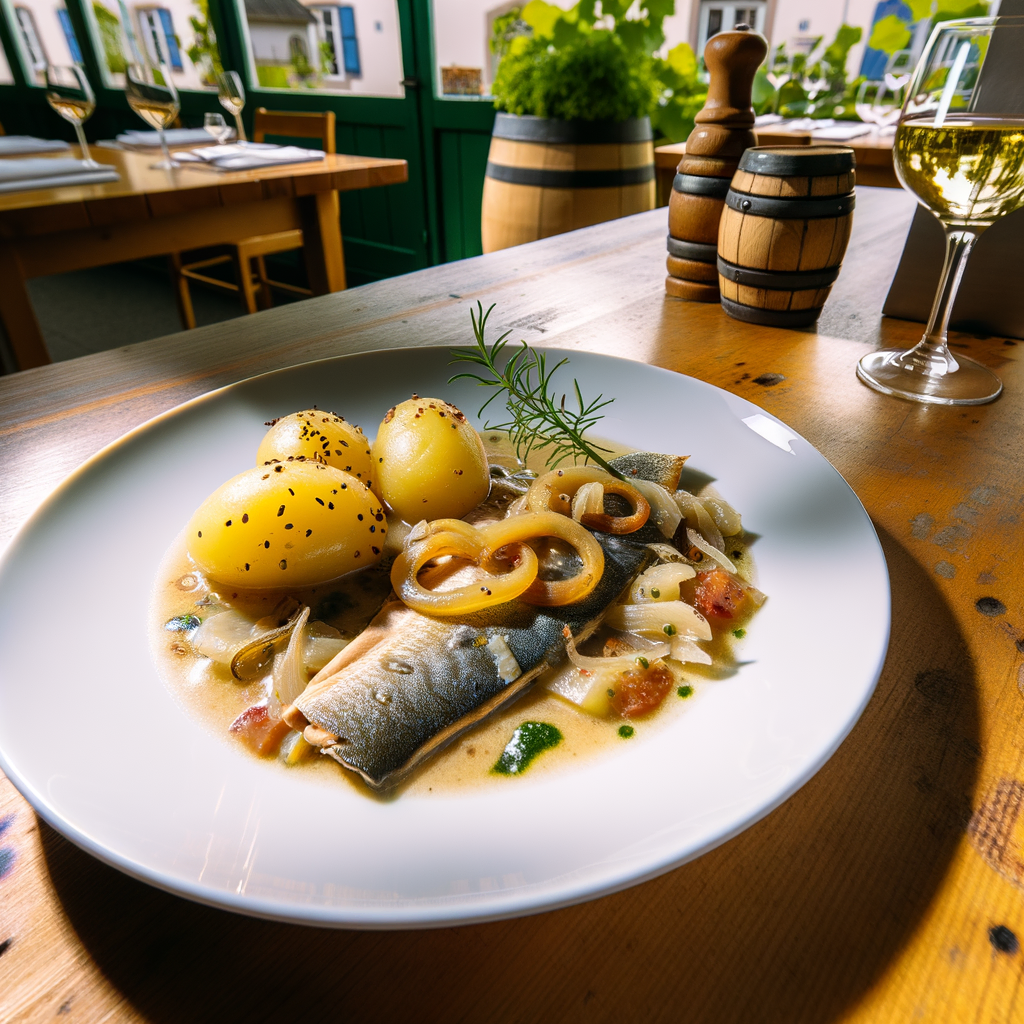
F’rell am Rèisleck
Trout cooked in a white wine sauce with shallots and herbs, often served with potatoes. A specialty from the Mosel region.
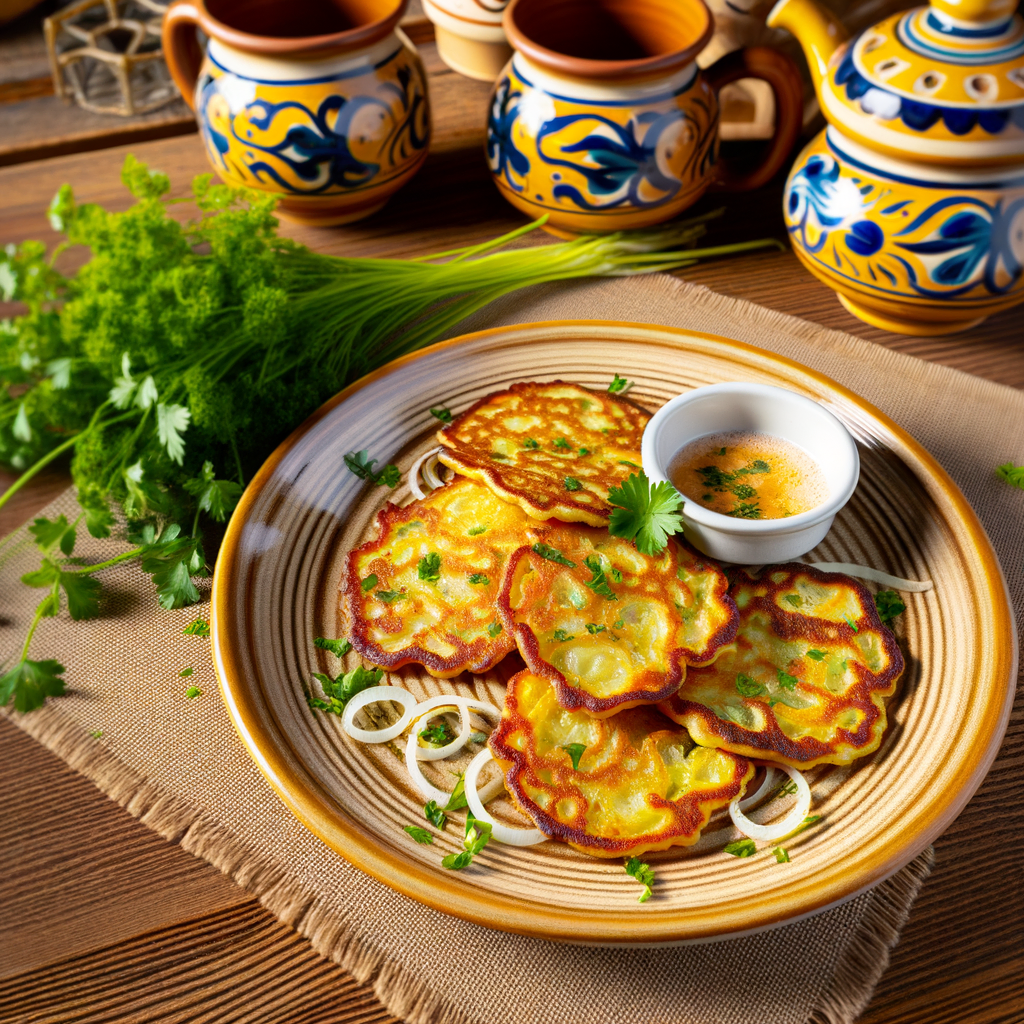
Gromperekichelcher
Crispy potato pancakes seasoned with onions and parsley, often sold at markets and festivals as street food.
Restaurant information
Tipping
In Luxembourg, service is usually included in the bill, but it is common to round up or give 5-10% in tips if the service has been good.
Travel information
Currency
Euro (€)
Language
Luxembourgsk
Best time to visit
May-September
Major cities
Luxembourg By and other major cities
More countries in Europe
Discover more destinations in this region