
Libya
Libya, where ancient Roman and Greek ruins meet the breathtaking Sahara Desert, offers a journey through history and magnificent landscapes – from palm-fringed lakes to prehistoric rock art and volcanic wonders.
Overview
Libya is a unique destination where the Mediterranean coast hides some of the world's most well-preserved Roman and Greek ruins, and the Sahara opens to the south with endless dunes and hidden oases. Here, you can walk through UNESCO sites like Leptis Magna, Cyrene, and Sabratha, uncover prehistoric rock art in Tadrart Acacus, and experience the enchanting oasis town of Ghadames. From dramatic desert landscapes to authentic Libyan culinary traditions, Libya offers a journey through time and raw natural beauty.
Official language
Arabic
Government
Enhedsstat med overgangsregering
Best time to visit
March to May and September to November
Nature
Libya's nature is a captivating blend of Mediterranean coastline and the vast stretches of the Sahara Desert. In the north, sun-kissed beaches and fertile plains beckon, while the south reveals some of the world's most breathtaking desert landscapes. The Ubari Sand Sea is an ocean of golden dunes, where hidden palm-fringed lakes shimmer like mirages on the horizon. Wawa al-Namus, an isolated volcanic crater deep in the desert, presents a surreal natural phenomenon with its colorful lakes. The Tadrart Acacus mountains hold prehistoric rock art that narrates tales of a lush Sahara thousands of years ago. The oasis town of Ghadames, dubbed the 'pearl of the desert', is surrounded by palm groves and designed to withstand harsh climatic conditions. Libya's diverse natural wonders create a paradise for adventurers, photographers, and those seeking unforgettable vistas.
Travel to Libya
Traveling to Libya is an adventure for those seeking authentic experiences far from mass tourism. The country boasts a rare combination of magnificent ancient ruins, dramatic desert landscapes, and vibrant culture. The spring and fall months, from March to May and September to November, provide the most pleasant climate for exploring both the coast and the Sahara. Travelers can wander among the ruins of Leptis Magna, watch the sunset over the Ubari Sand Sea, or navigate the labyrinthine streets of Ghadames. Although infrastructure may pose challenges, visitors are rewarded with unforgettable encounters with locals, authentic cuisine, and breathtaking landscapes. Libya is for those who long to experience history and nature in its raw and unspoiled form.
Culture
Libya's culture is deeply rooted in both Arab and Berber traditions, shaped by millennia of trade, migration, and encounters between civilizations. In cities like Tripoli and Benghazi, a blend of Mediterranean ambiance and desert tranquility prevails, while oasis towns like Ghadames showcase unique architectural designs reflective of life in a challenging climate. Libyan cuisine is a vital aspect of cultural experience, featuring dishes such as couscous, bazin, shakshuka, and asida, often served at large family gatherings. Hospitality is a core value, with guests frequently invited to share tea and meals. Traditional attire, music, and dance thrive in both urban and rural settings, and the markets brim with spices, crafts, and textiles. Libya's culture is a living tapestry where the heritage of the past interweaves with contemporary life in an authentic and warm atmosphere.
History
Libya's history is rich and complex, marked by its strategic location between Africa, the Middle East, and Europe. In ancient times, the land was home to great Greek and Roman cities such as Cyrene, Leptis Magna, and Sabratha, which flourished as trading hubs along the Mediterranean. These cities remain some of the world's best-preserved ancient ruins, testament to a period of significant prosperity. Later, the region became part of the Arab Caliphate, introducing Islam and Arab culture. In more recent times, Libya has experienced colonization, independence, and political upheaval, yet its historical legacy continues to stand strong, showcasing its importance over the millennia.
Top attractions
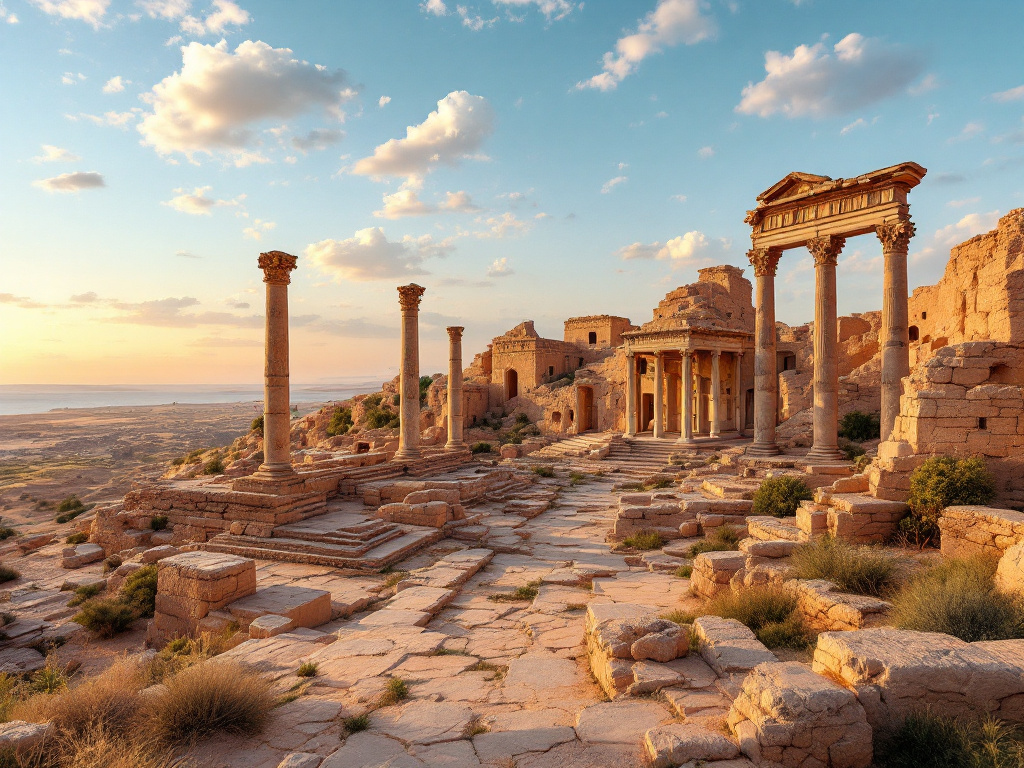
Leptis Magna
A magnificent Roman ruin city by the Mediterranean, known for its impressive architecture and historical significance.
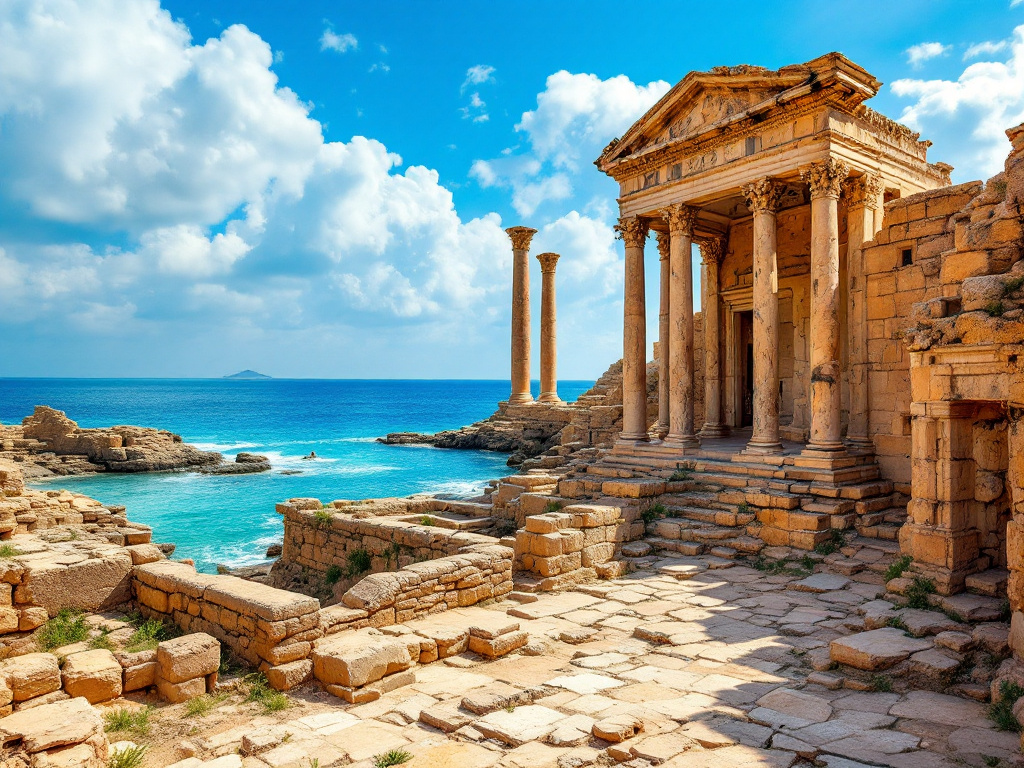
Sabratha Ruins
An impressive archaeological area featuring a dramatic Roman theater facing the sea.
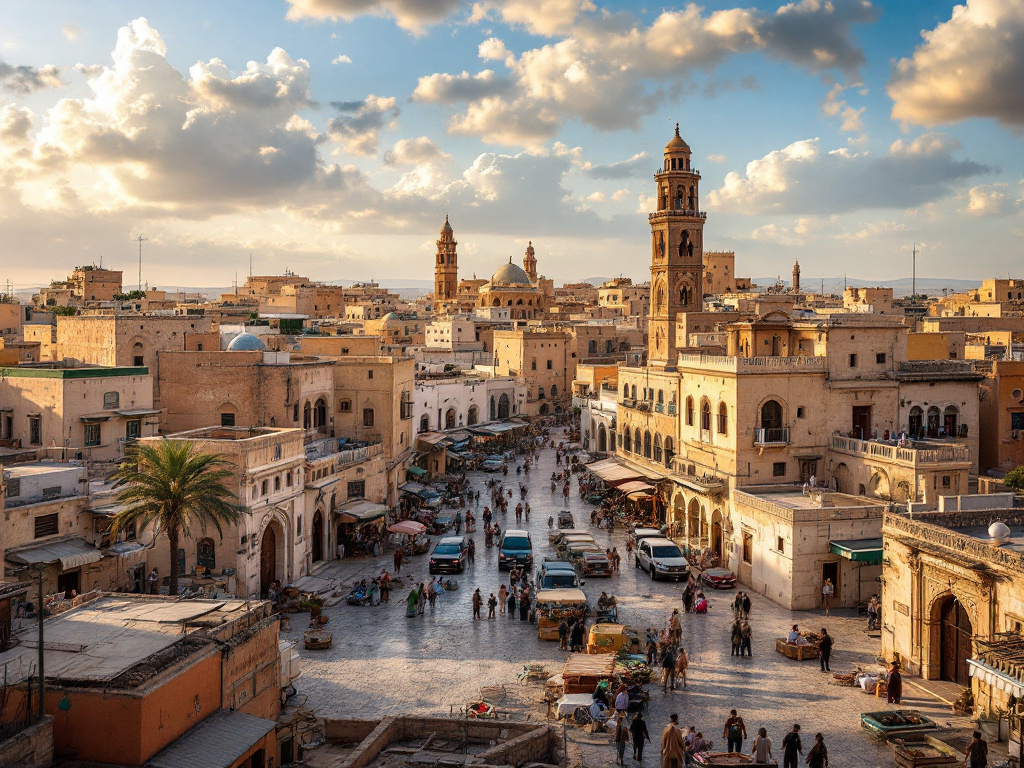
Tripoli Medina
The historic city center of Tripoli filled with markets, mosques, and local atmosphere.
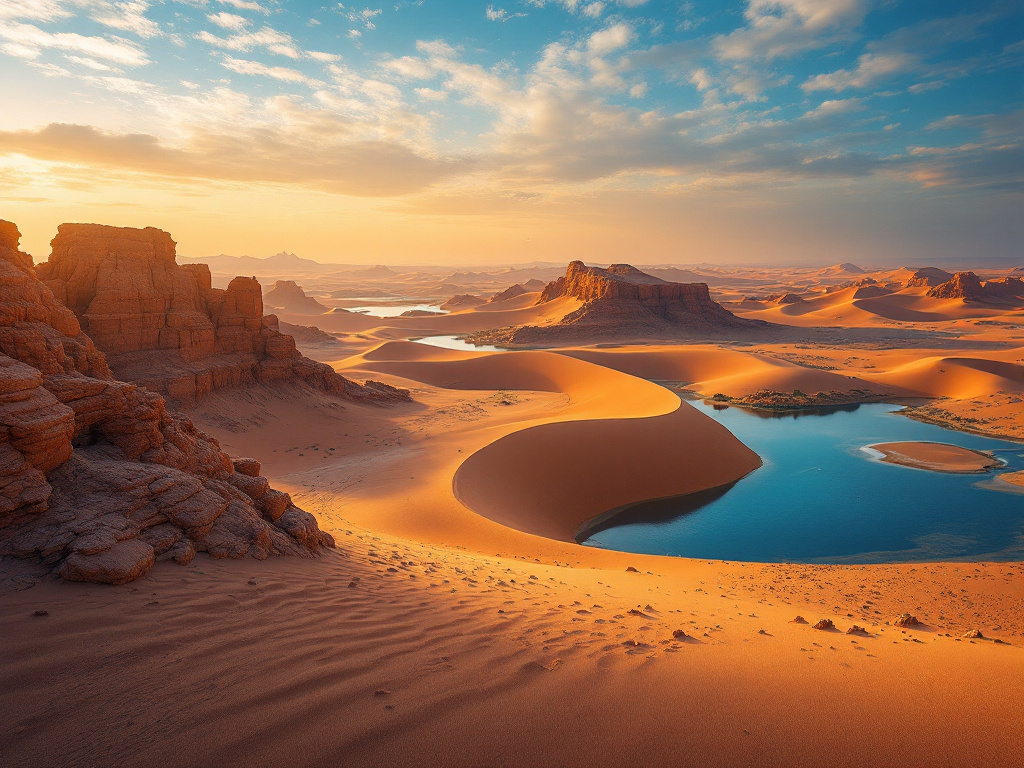
Ubari Sand Seas
A dramatic desert landscape with high sand dunes and hidden oases in southwestern Libya.
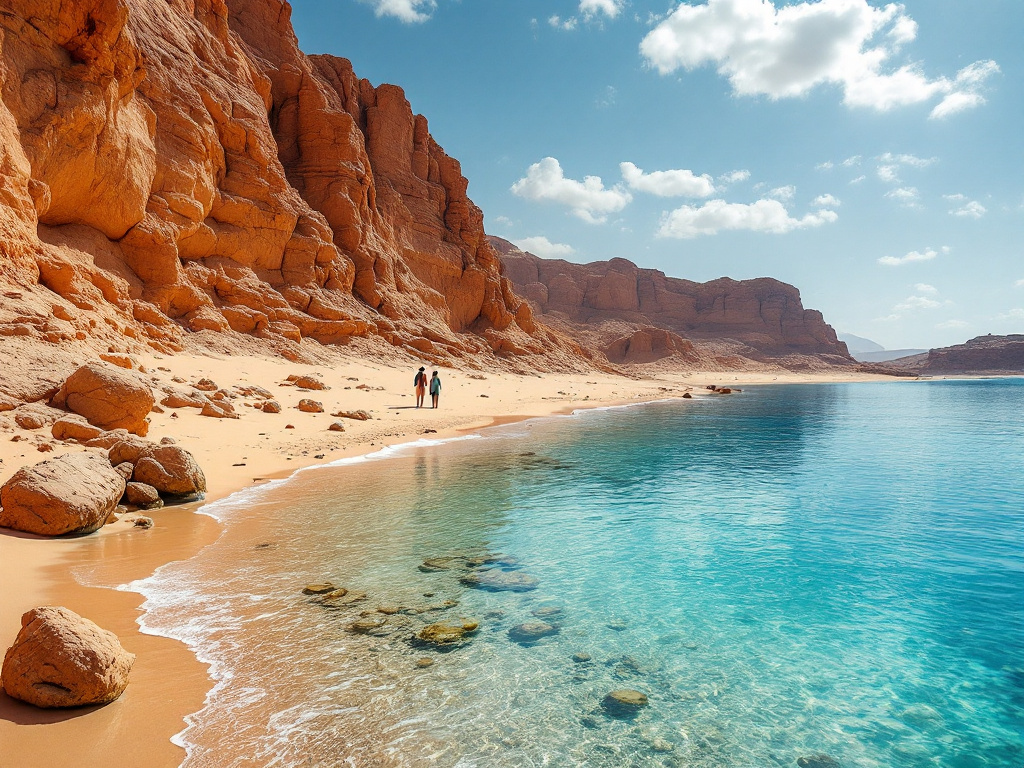
Gaberoun Oasis
A beautiful desert oasis known for its clear, salty water and serene atmosphere.

Akakus Mountains
A spectacular mountain region in the Sahara known for its ancient rock art and dramatic forms.
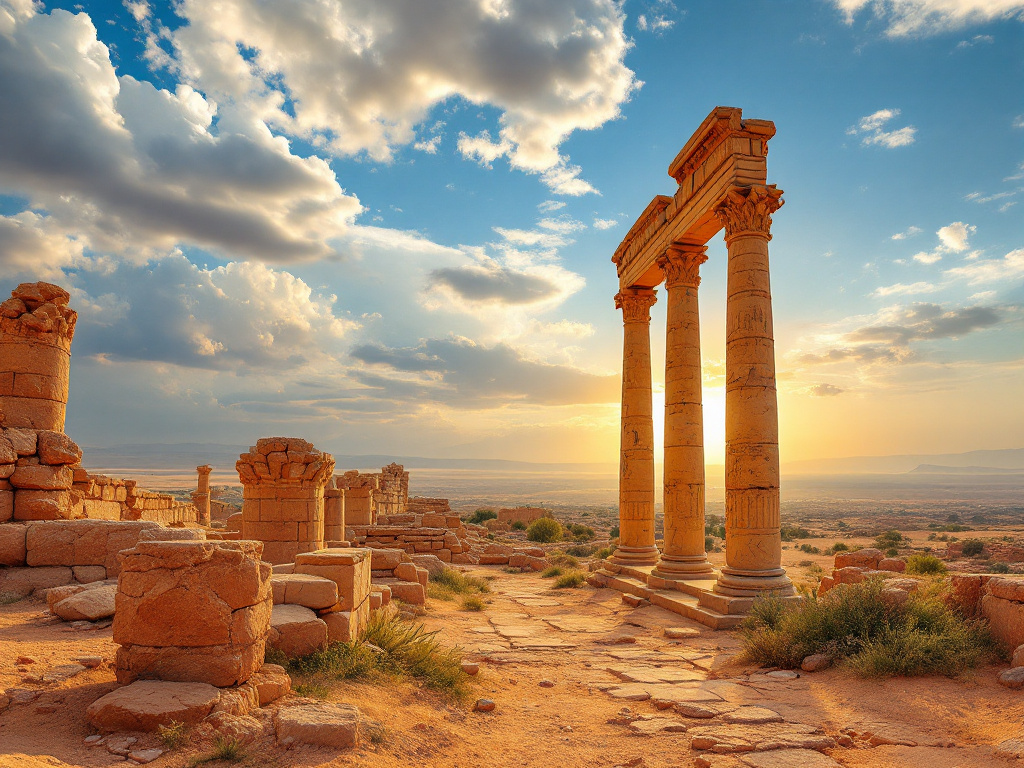
Cyrene Ruins
One of the most important Greek colonies in North Africa featuring extensive ruins.
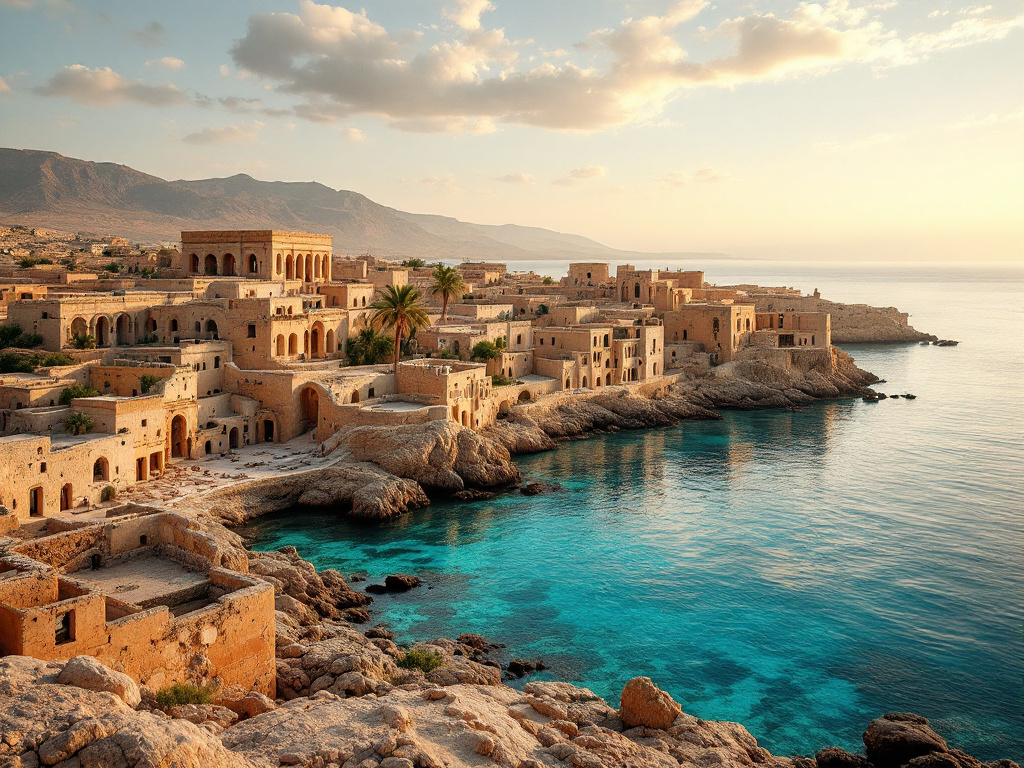
Apollonia Port
An ancient harbor city with ruins both on land and underwater along the Mediterranean coast.
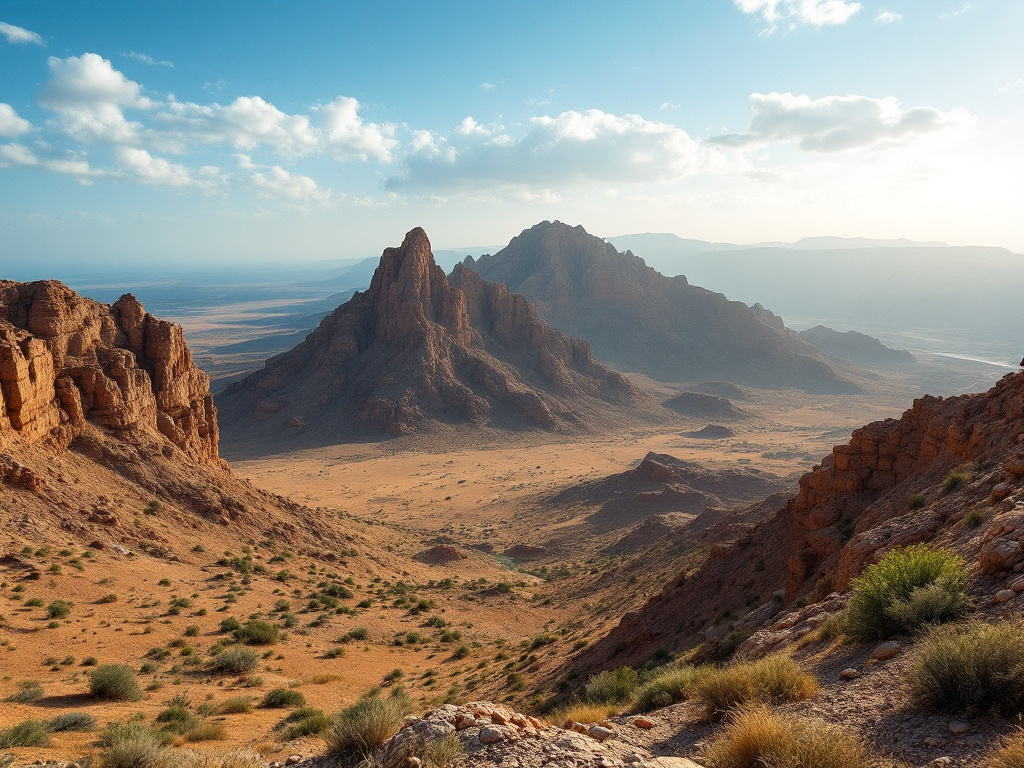
Jebel Akhdar
A lush highland area known as the Green Mountain, unique in the Libyan landscape.
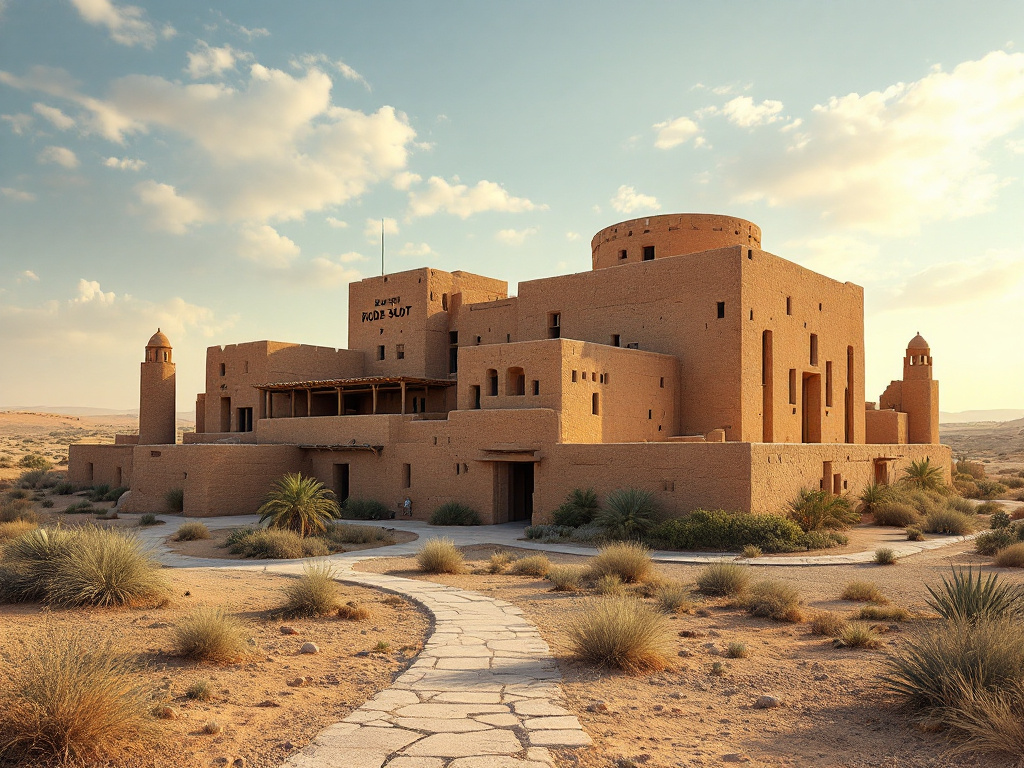
The Red Castle Museum
National museum located in Tripoli's iconic Red Castle with exhibits from all of Libya's history.
Famous cuisine
Culinary overview
Libyan cuisine is an exciting blend of North African, Arabic, and Mediterranean influences. Dishes are often based on grains such as couscous and barley, combined with lamb, beef, fish, or vegetables. Spices like cumin, coriander, and saffron are widely used, and olive oil plays a central role. Meals are often enjoyed communally, and hospitality is an important part of the food culture. Mint tea is a staple tradition after meals, and sweet pastries are often served on special occasions.
Must-try dishes
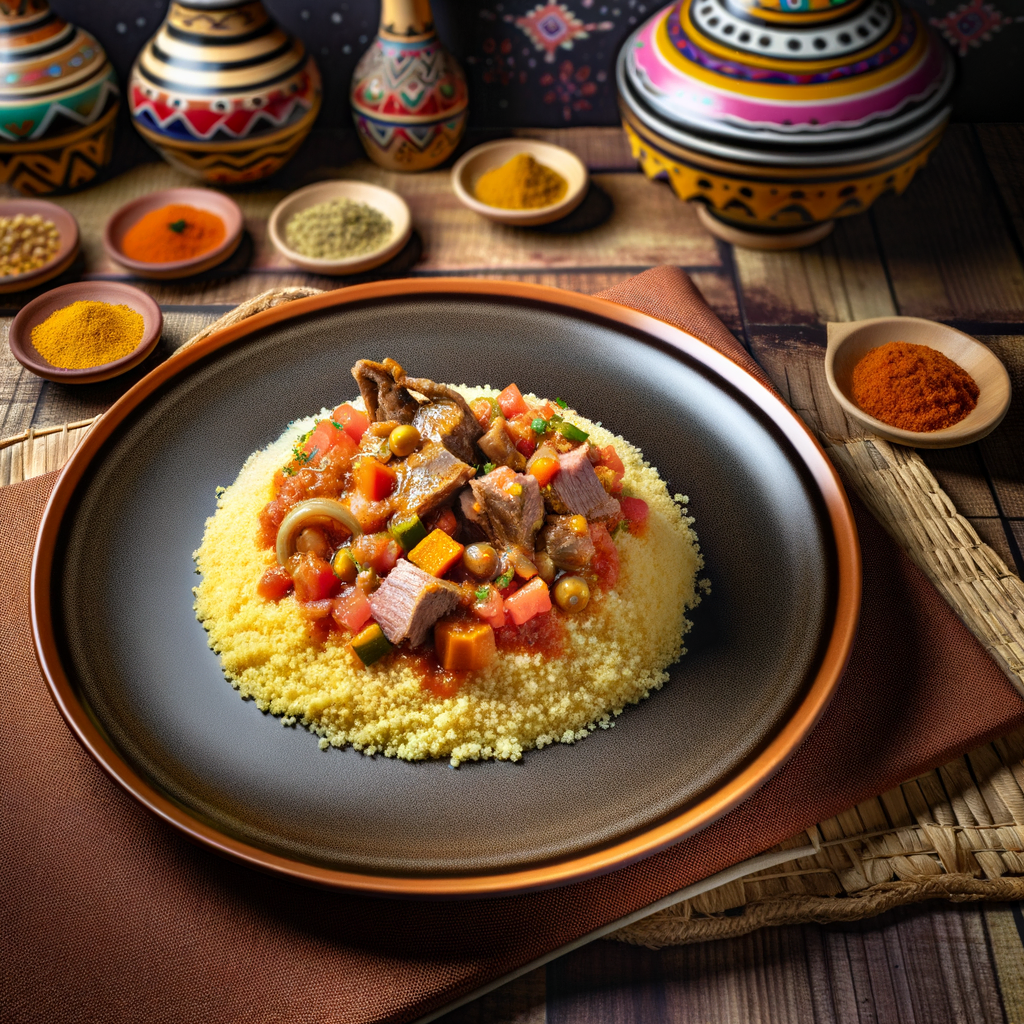
Couscous
Libyan couscous is typically served with lamb or chicken, vegetables, and a spiced tomato-based sauce. It is a festive dish often eaten at family events.
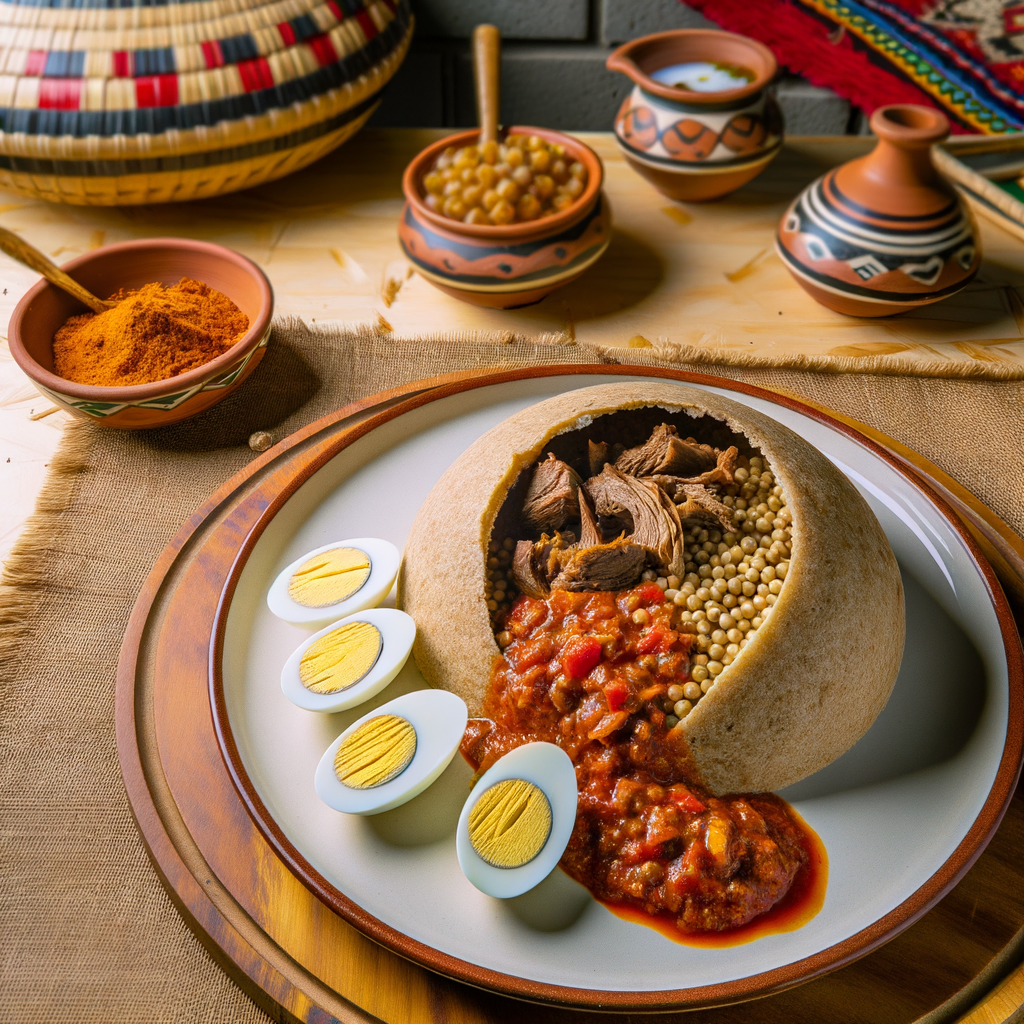
Bazin
A traditional Libyan dish made from barley flour, shaped into a dome, and served with a spiced sauce of tomato, lamb, and hard-boiled eggs. Traditionally eaten with hands.
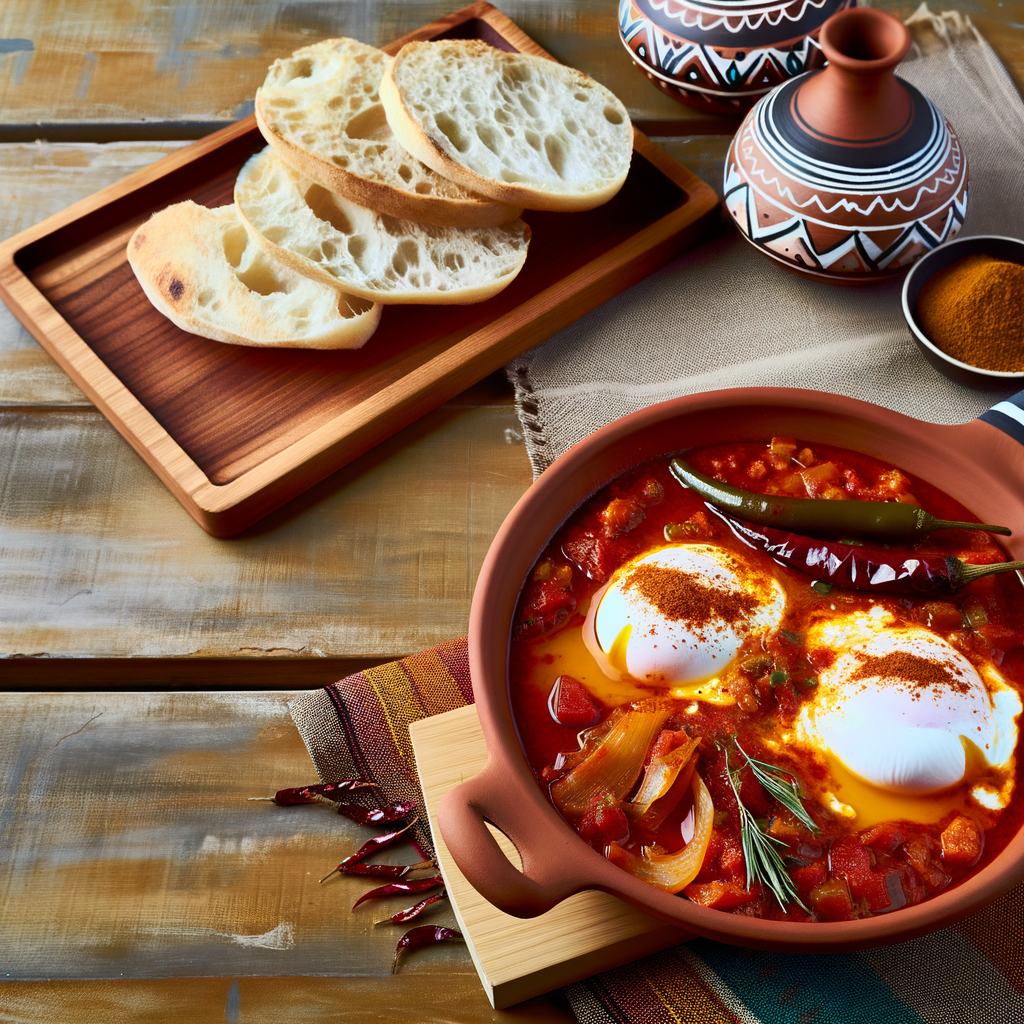
Shakshuka
Eggs poached in a sauce of tomato, chili, and onion, often spiced with cumin. Served with freshly baked bread and popular for breakfast or lunch.
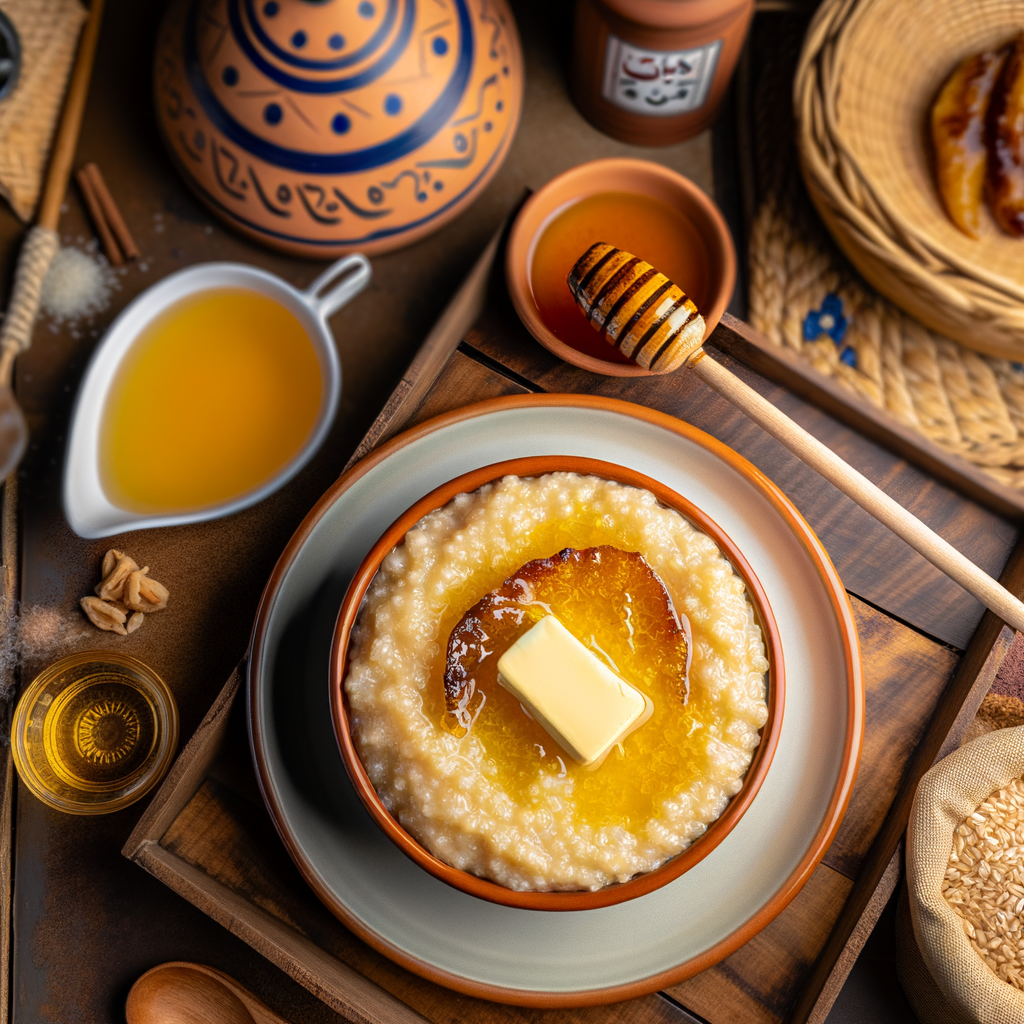
Asida
A sweet porridge made from wheat flour, served with honey or date syrup and butter. Often eaten during religious holidays and special occasions.
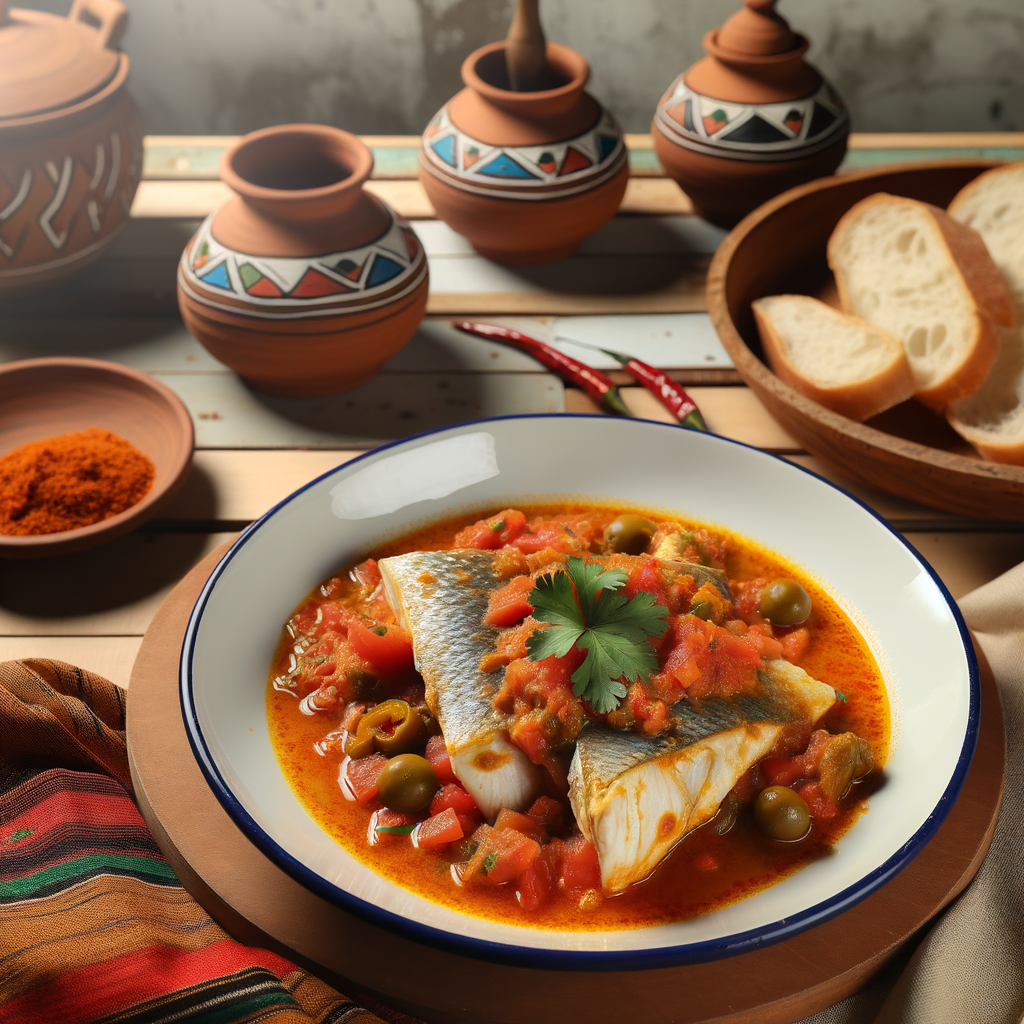
Haraimi
A spiced fish dish from the coastal regions, made with white fish, tomato, garlic, chili, and coriander. Served with bread to soak up the aromatic sauce.
Restaurant information
Tipping
Tipping is not always expected in Libya, but at restaurants and cafés, it is appreciated to round up or give around 5-10% of the bill if the service has been good.
Travel information
Currency
Libysk dinar (LYD)
Language
Arabic
Best time to visit
March to May and September to November
Major cities
Tripoli and other major cities
More countries in Africa
Discover more destinations in this region