
North Macedonia
North Macedonia: Where Balkan charm meets Mediterranean warmth, steeped in Greek, Roman, and Ottoman heritage, with majestic lakes, historic landmarks, and rich cultural traditions.
Overview
North Macedonia is a hidden gem in the heart of the Balkans, where Mediterranean warmth meets a fascinating blend of Greek, Roman, and Ottoman heritage. From the iconic Stone Bridge and Kale Fortress in Skopje to the UNESCO-protected shores of Lake Ohrid with its historic churches and monasteries, the country offers unforgettable experiences. Discover dramatic mountain landscapes, idyllic vineyards, and a hospitality that warms like the sun. Perfect for both culture and nature travelers, North Macedonia is an authentic destination where history, tradition, and flavorful cuisine come together.
Official language
Makedonsk
Government
Parliamentary republic
Best time to visit
May-June and September-October
Nature
North Macedonia is a treasure trove for nature enthusiasts, boasting dramatic mountain ranges, deep valleys, and crystal-clear lakes that invite both relaxation and adventure. Mavrovo National Park stands out with its majestic peaks, dense forests, and rich wildlife, providing perfect conditions for hikers and skiers year-round. Lake Ohrid, one of Europe’s oldest and deepest bodies of water, captivates with its turquoise waters and tranquil beaches, surrounded by lush hills and historic villages. Vineyards stretch across sun-kissed slopes, while rivers meander through verdant valleys, creating a diverse landscape that transforms with the seasons. Spring and autumn enhance the vibrancy of nature, while summer offers warm days by the lakeside or riverbanks. Whether you seek quiet moments in nature or adrenaline-pumping activities, North Macedonia promises an authentic and unspoiled natural experience.
Travel to North Macedonia
Traveling to North Macedonia feels like stepping into a living postcard where culture, nature, and history intertwine. The country is easily accessible via Skopje International Airport, with short travel times from many European cities. The best times to visit are in spring (May-June) and autumn (September-October), when the climate is mild and the landscape is in full bloom. Travelers can combine city experiences in Skopje with relaxation by Lake Ohrid or hiking in Mavrovo National Park. Costs are generally low compared to other European destinations, allowing for great experiences on a budget. The local hospitality ensures that you feel welcomed, and the authentic atmosphere provides a sense of discovering something unique. Whether you are drawn to cultural heritage, culinary adventures, or natural pursuits, North Macedonia is a destination that surprises and delights.
Culture
The culture of North Macedonia is a vibrant mosaic of traditions shaped by centuries of Greek, Roman, Byzantine, and Ottoman influences. In Skopje, modern architecture meets historical landmarks like the Stone Bridge and Kale Fortress, while colorful bazaars buzz with life, aromatic spices, and craftsmanship. Music and dance are integral to daily life, with folk music often accompanied by traditional instruments like the gaida and kaval during celebrations. Culinary delights await, featuring authentic dishes such as ajvar, tavče gravče, burek, and fresh shopska salad, usually paired with local wine or rakija. Deeply rooted religious customs are evident in the many churches and monasteries, especially around Ohrid, reflecting a rich spiritual heritage. Hospitality is a cornerstone of the culture, and visitors are often invited to share meals and stories, making North Macedonia a place where you will quickly feel at home.
History
The history of North Macedonia is intricately woven into the complex past of the Balkan region. The area has been home to ancient kingdoms such as Paeonia and Macedonia, later becoming part of the Roman and Byzantine empires. The Ottoman Empire's influence lasted for centuries, leaving a lasting mark on the architecture, language, and traditions still experienced in the cities' bazaars and mosques. After World War I, the region became part of Yugoslavia until the country declared independence in 1991. Historical sites such as Kale Fortress in Skopje and the medieval churches by Lake Ohrid narrate a rich and varied past where diverse cultures have left their imprint.
Top attractions
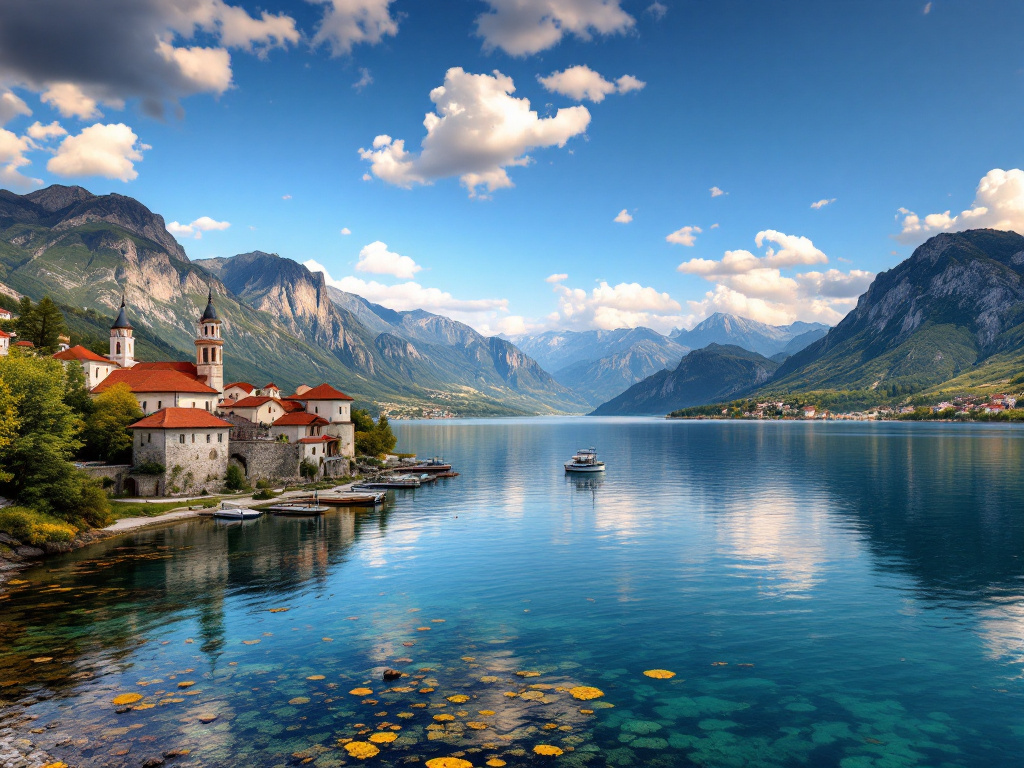
Lake Ohrid
A spectacular and historic lake with clear water, surrounded by mountains and ancient churches, making the area one of the country's most visited places.
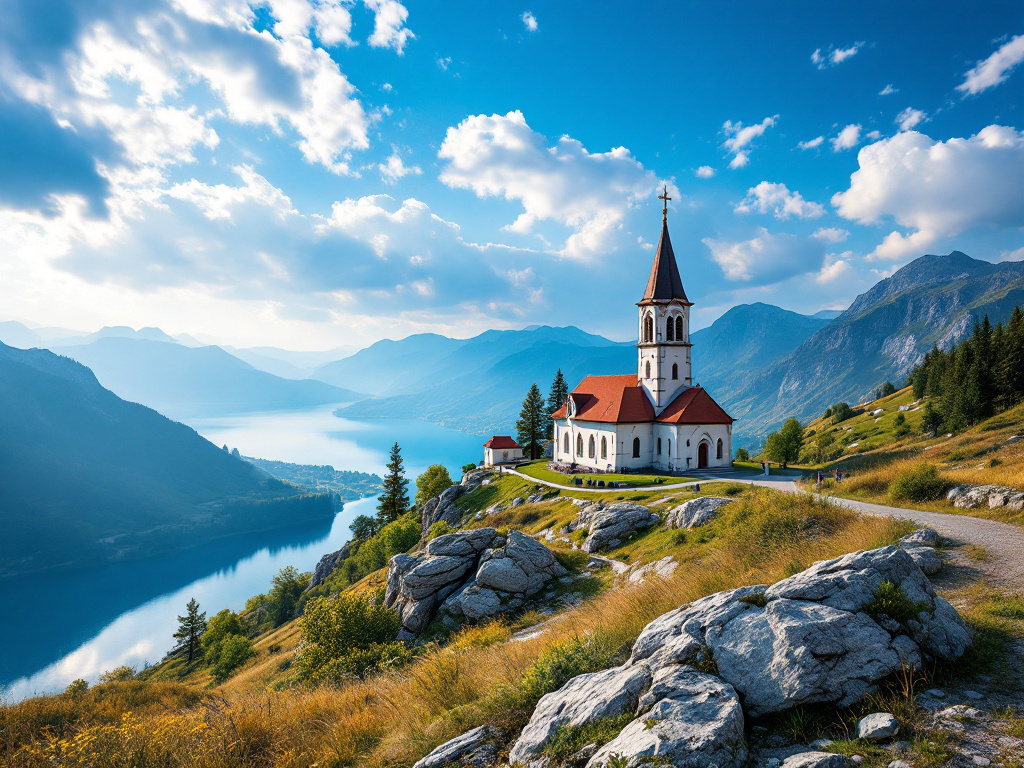
Saint John at Kaneo
An iconic church dramatically located on a cliff over Lake Ohrid, known for its views and peaceful atmosphere.
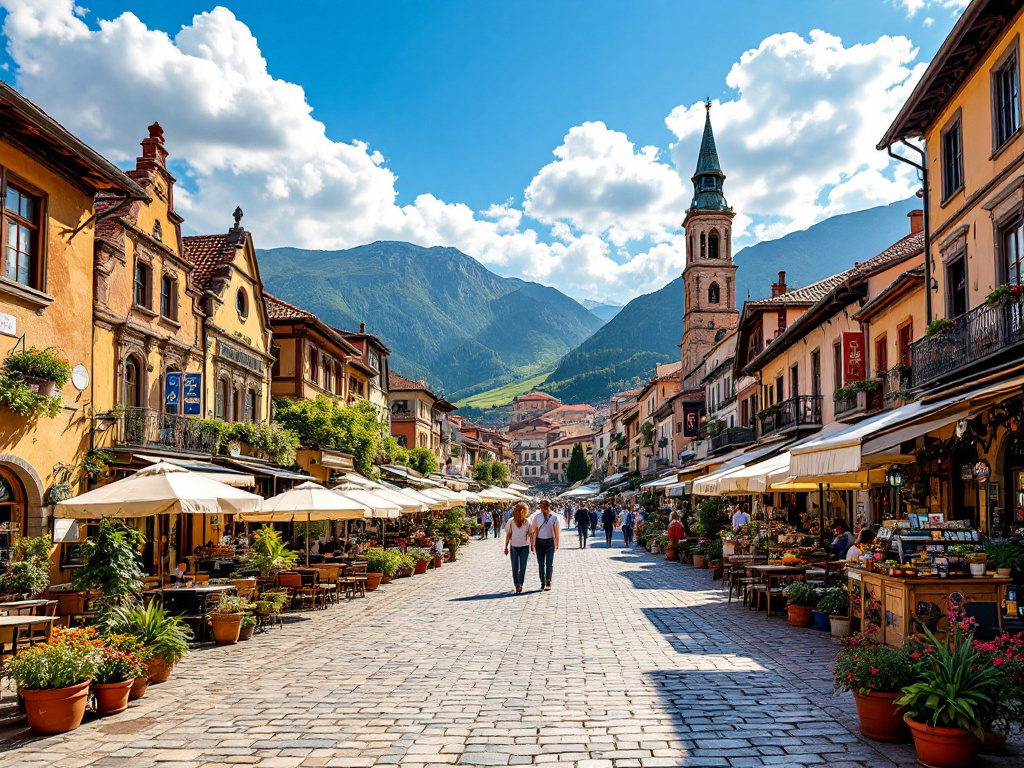
Skopje Old Bazaar
A historical market area filled with shops, cafes, and crafts that reflect Skopje's diverse cultural heritage.
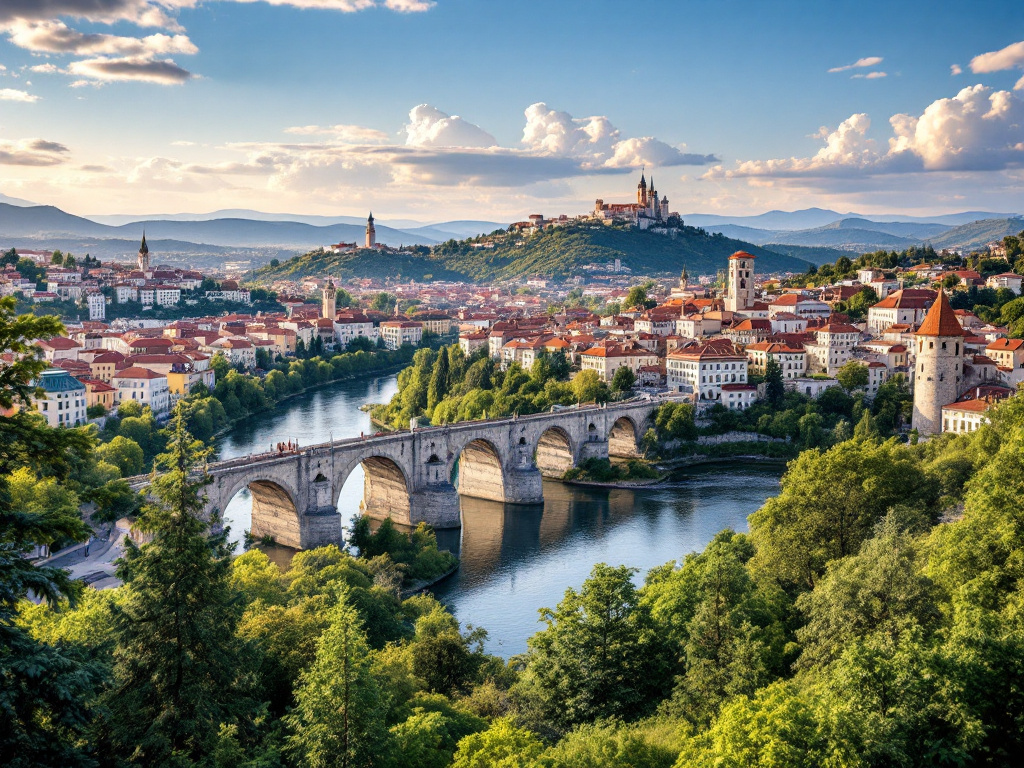
The Stone Bridge in Skopje
A historic stone bridge over the Vardar River, connecting the old and modern parts of the city.
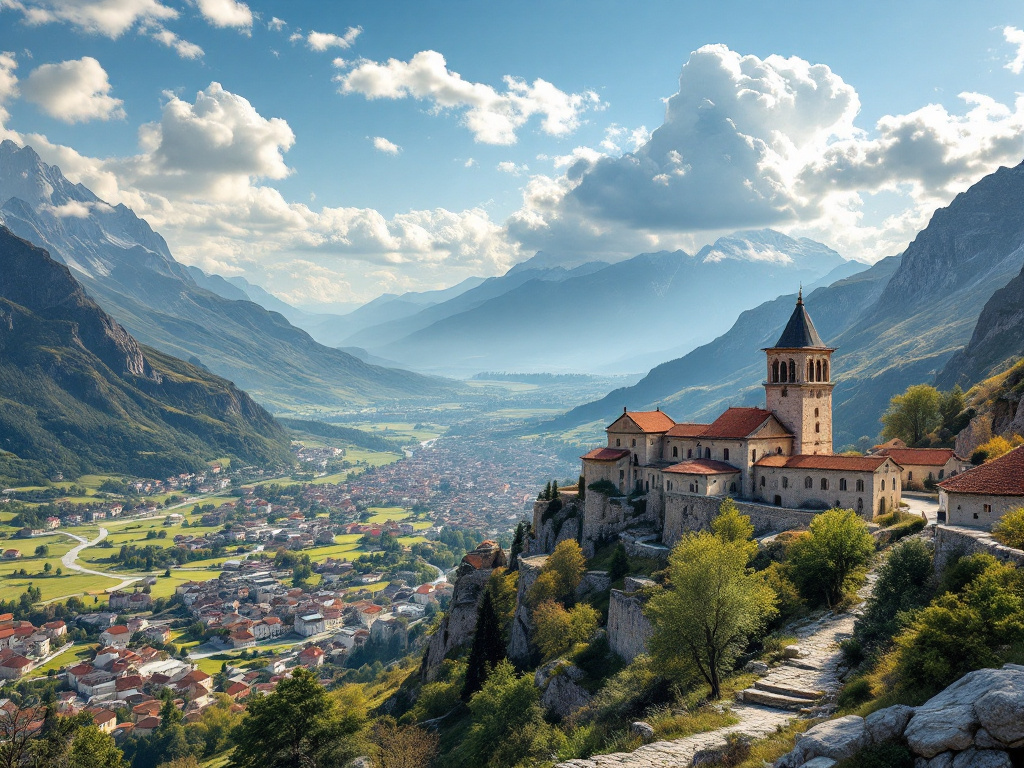
Kale Fortress
An ancient fortress on a hill with a wide view over the capital and its historic neighborhoods.
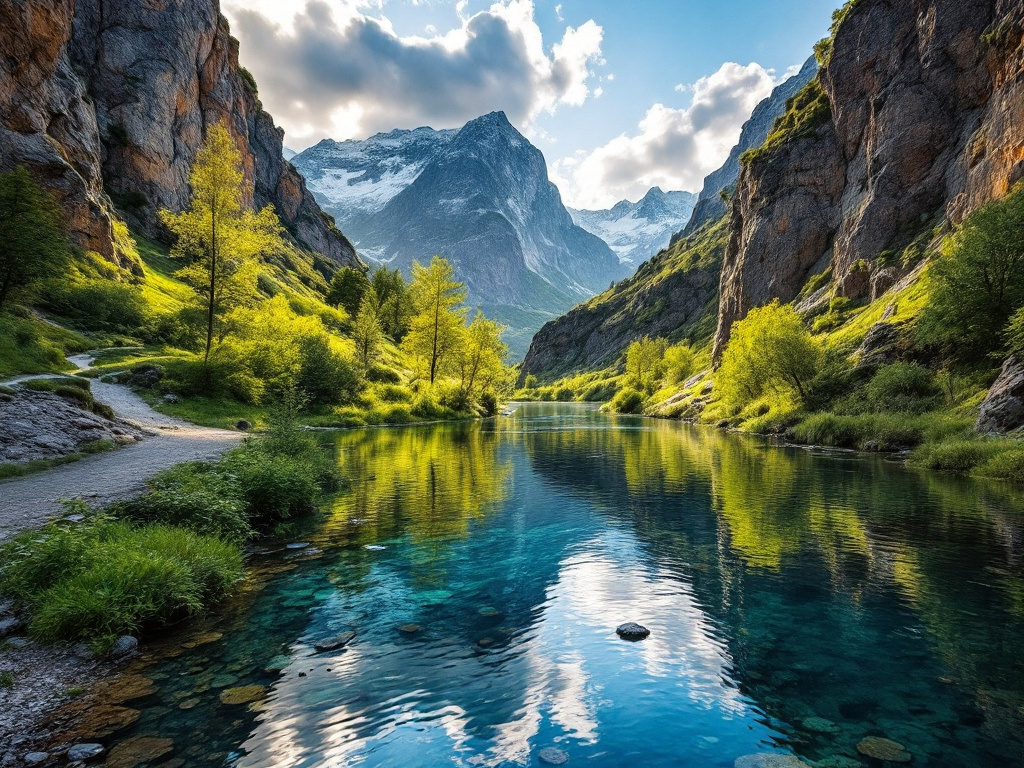
Matka Canyon
A scenic canyon with a lake, caves, and trails, ideal for outdoor activities close to the capital.
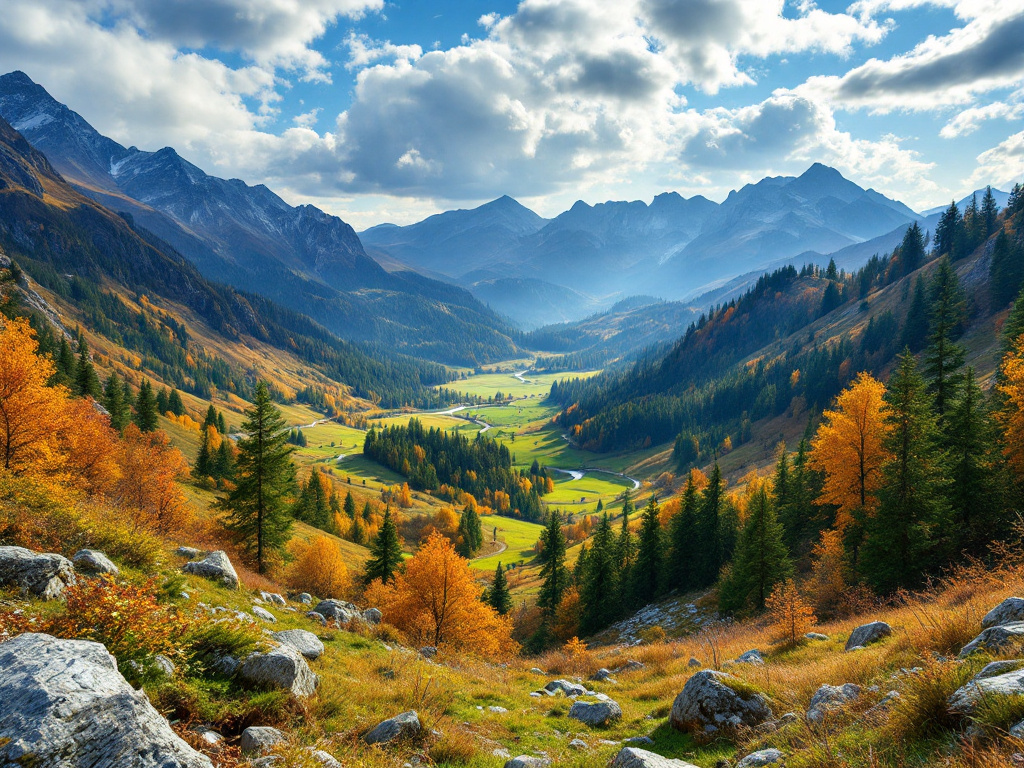
Pelister National Park
A large national park with mountains, forests, and hiking trails, known for its rich biodiversity.
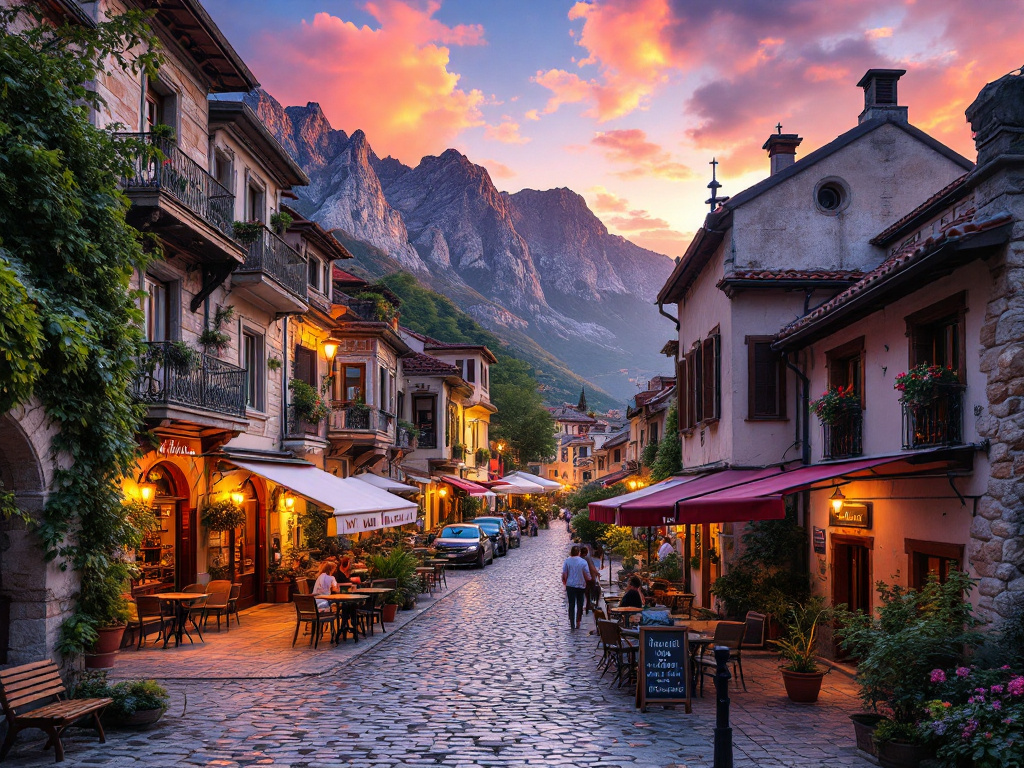
Širok Sokak
Bitola's most famous promenade with cafes, shops, and beautiful 19th-century architecture.
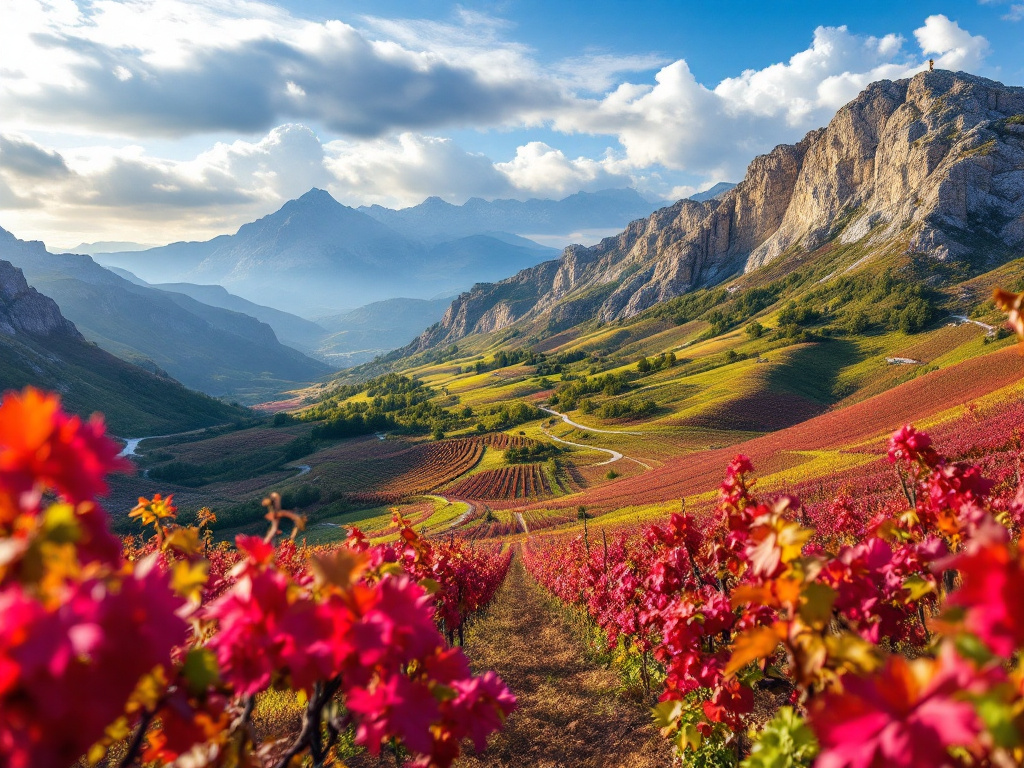
Tikveš Wine Route
A wine route through one of the country's most important wine regions with the opportunity to taste local wines.
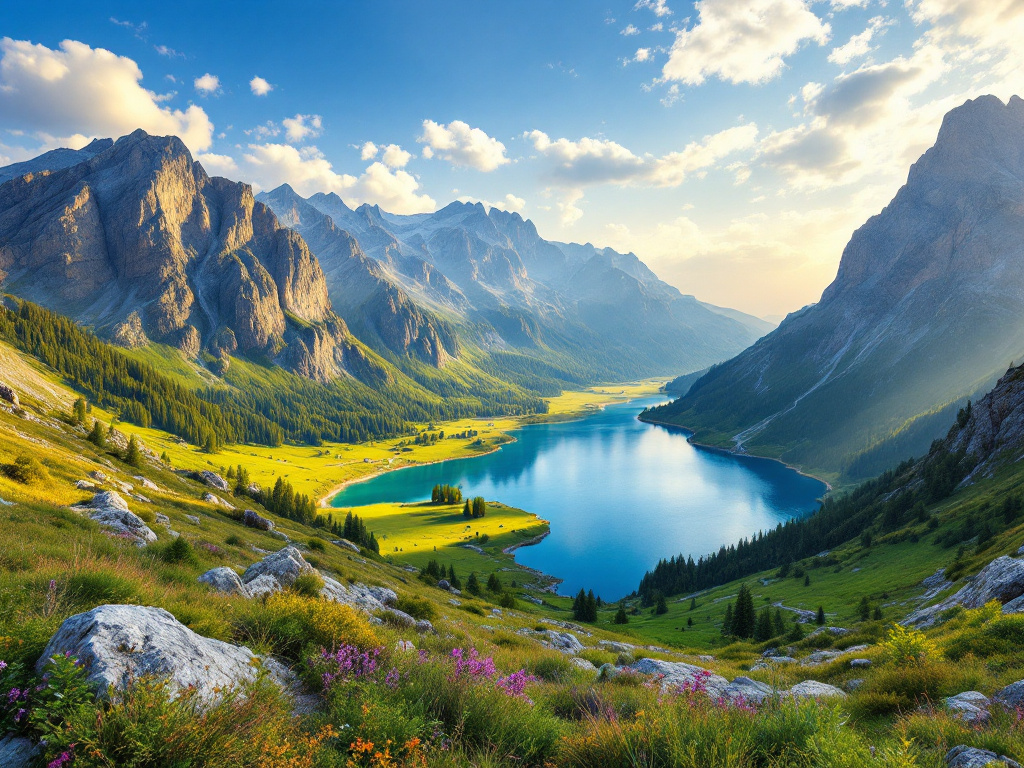
Galičica National Park
A spectacular national park located between two lakes with mountainous landscapes and stunning views.
Famous cuisine
Culinary overview
North Macedonia's cuisine is a flavorful blend of Mediterranean freshness and Balkan robust flavors, influenced by Greek, Turkish, and Slavic traditions. The country is known for its fresh vegetables, aromatic spices, and slow-cooked dishes, often accompanied by homemade bread and local wines. Meals are a social event where family and friends gather around the table, and hospitality is a central part of the food culture. From the lively markets in Skopje to the small village inns by Lake Ohrid, travelers can experience authentic tastes that reflect the country's history and diversity.
Must-try dishes
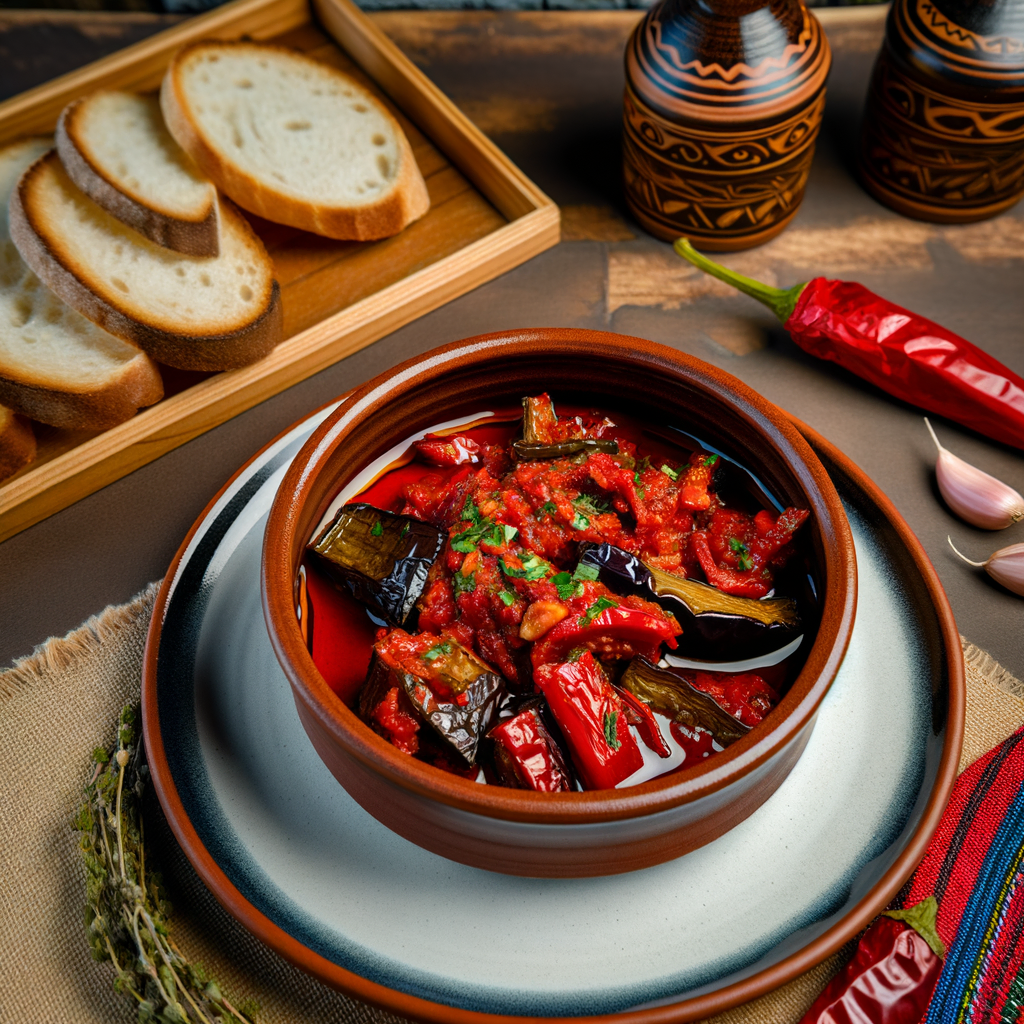
Ajvar
A creamy pepper puree made from red peppers, eggplant, garlic, and oil. Often served as a side dish for meat or as a spread on bread.
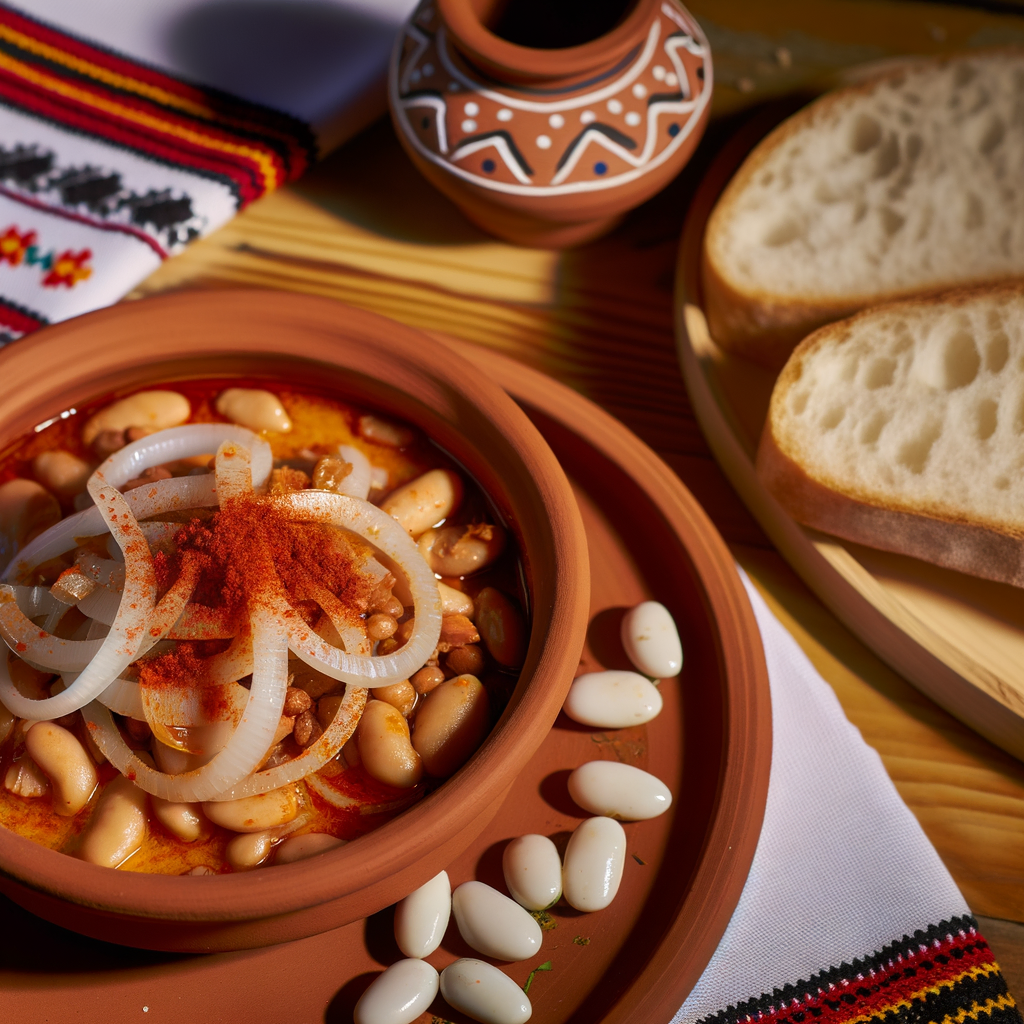
Tavče Gravče
The national dish of North Macedonia – white beans cooked in a clay pot with onions, paprika, and spices, often served with fresh bread.
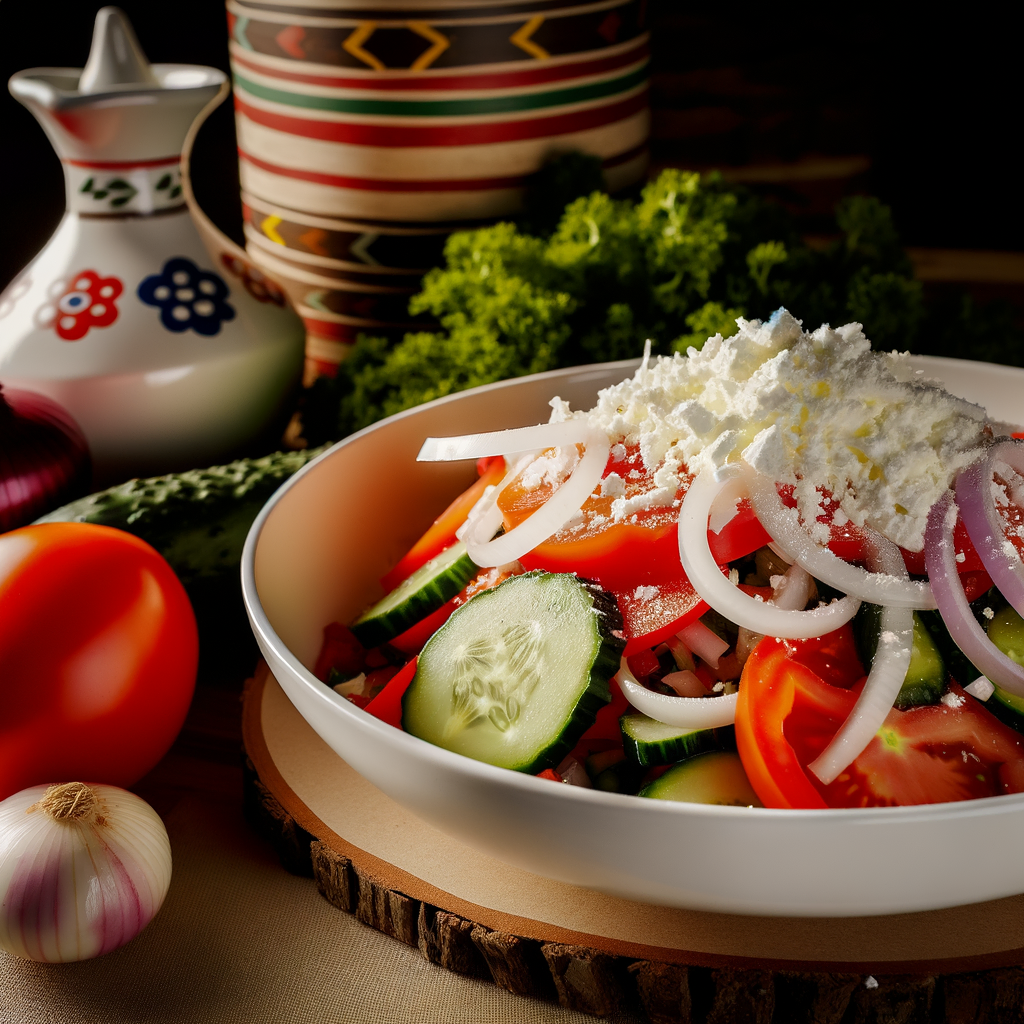
Shopska Salad
A fresh salad with tomatoes, cucumbers, onions, peppers, and plenty of grated white cheese on top. Perfect as an appetizer or side dish.
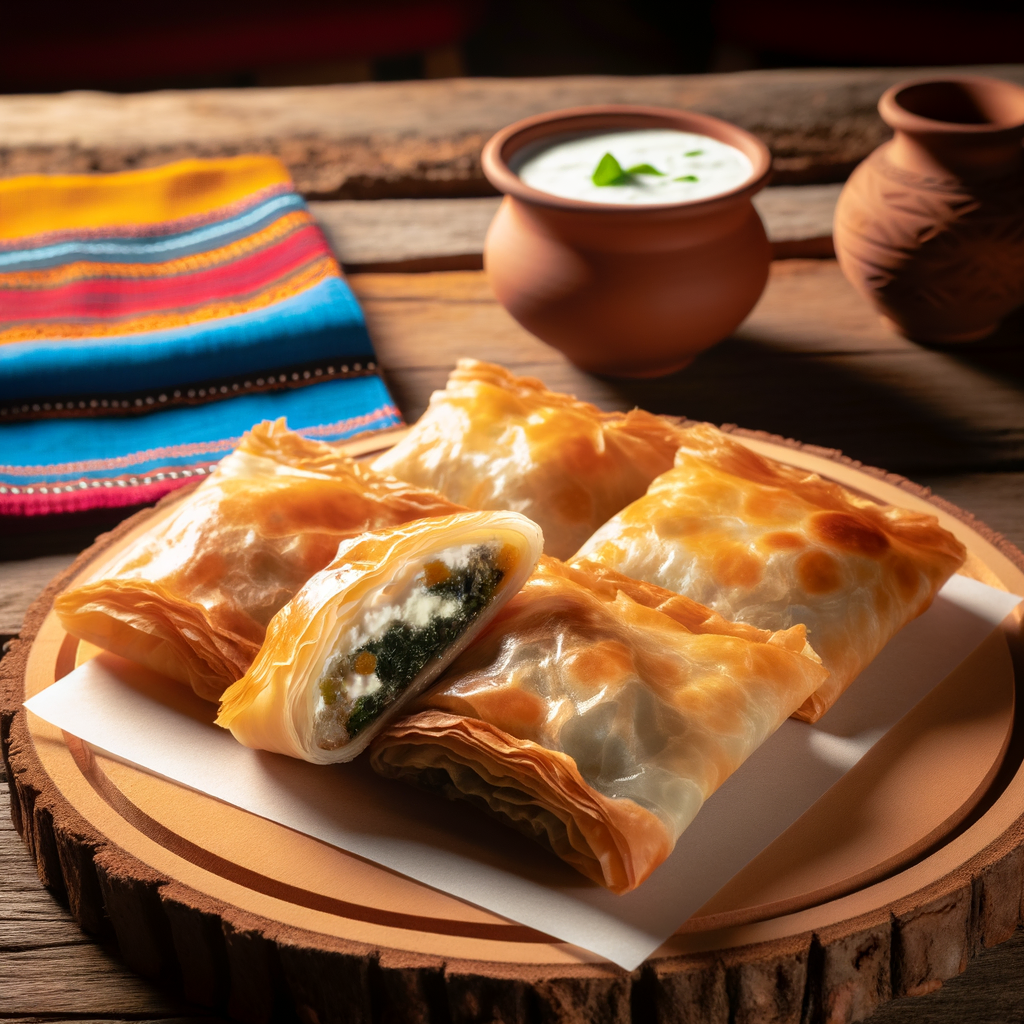
Burek
Crispy pastry filled with meat, cheese, or spinach. Popular as a breakfast or snack, often accompanied by yogurt.
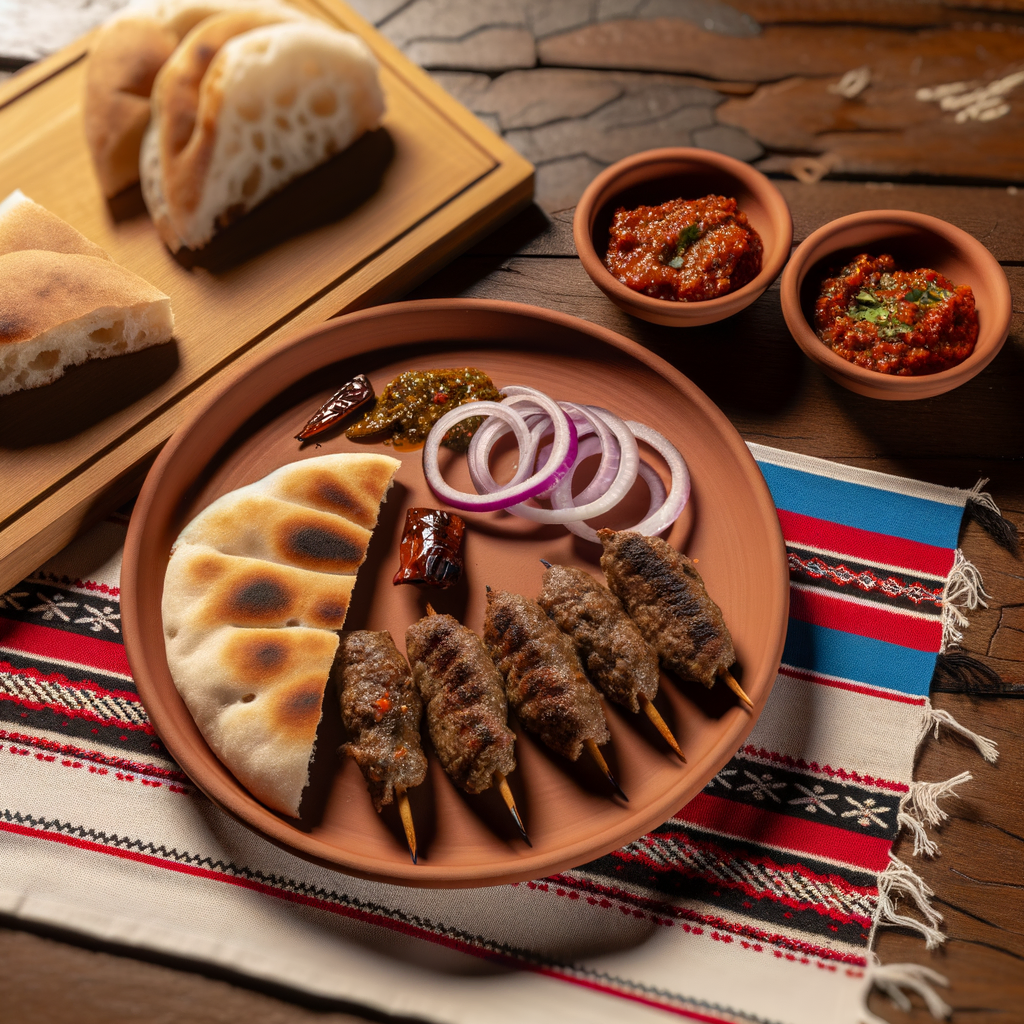
Kebapi
Small, spicy meat rolls made from minced beef or lamb, grilled and served with bread, onions, and ajvar.
Restaurant information
Tipping
Tipping is not mandatory, but it is common to round up or give about 10% at restaurants if the service has been good.
Travel information
Currency
Denar (ден)
Language
Makedonsk
Best time to visit
May-June and September-October
Major cities
Skopje and other major cities
More countries in Europe
Discover more destinations in this region