
Overview
Mali, situated in the heart of West Africa, offers a captivating blend of history, culture, and architectural marvels. From the vibrant markets and musical beats of Bamako to the legendary cities of Timbuktu and Djenné, the country invites travelers on a unique adventure through time and tradition. Witness the iconic Djenné Mosque, the largest mud building in the world, and explore the nourishing flow of the Niger River. Dramatic landscapes of Dogon Country and the rich heritage of the Songhai Empire in Gao promise unforgettable experiences for the adventurous traveler.
Official language
French
Government
republic
Best time to visit
November to February
Nature
Mali's landscapes offer a stunning array of contrasts, from the fertile banks of the Niger River to the arid expanse of the Sahara Desert. The Niger, the lifeblood of the nation, weaves a journey through the countryside, inviting boat trips, fishing experiences, and the chance to engage with villages that thrive along its shores. In the Dogon Country, dramatic cliff formations rise majestically from the plains, where small villages cling to rocky slopes. To the north, endless sand dunes and oases paint a mesmerizing picture under starry skies free from light pollution. The rainy season transforms parts of the country into lush greenery, while the dry season emphasizes golden hues across the landscape. Mali's natural beauty is not just a sight to behold, but is intricately linked to the livelihoods of its people—from agriculture along the river to nomadic lifestyles in the desert. For nature lovers, Mali provides an unspoiled and authentic encounter with Africa's wild heart.
Travel to Mali
Traveling to Mali is an immersion into the heart of Africa, where history, culture, and nature converge. The optimal time to visit is from November to February when the climate is pleasantly mild. Explore Bamako's lively markets, vibrant music scene, and museums, or venture to Djenné to witness the awe-inspiring mosque. A journey to Timbuktu unveils insights into ancient trade routes and Islamic scholarship. Cruise along the Niger River, marvel at Dogon Country's breathtaking scenery, and participate in local ceremonies. Culinary enthusiasts will relish traditional dishes like jollof rice and grilled meats. Though navigating the infrastructure can be challenging, travelers are rewarded with authentic encounters, breathtaking vistas, and a profound understanding of West Africa's soul.
Culture
Mali's culture is a vibrant tapestry woven from rich traditions, music, and skilled craftsmanship. Music is at the heart of life here, with griot storytellers preserving history through song and modern beats pulsating through the streets of Bamako, where the roots of blues find their origin in local melodies. Bazaars overflow with colorful textiles, jewelry, and handcrafted arts, often made using techniques passed down through generations. The Dogon people are renowned for their unique cosmology, mask traditions, and ceremonies that celebrate life's milestones. Predominantly shaped by Islam, cities like Timbuktu and Djenné are home to historic mosques and educational centers that have stood as pillars of knowledge for centuries. Culinary culture offers its own journey, with spicy jollof rice, tô, and grilled meats traditionally shared among community. Mali's culture is deeply rooted in heritage yet open to innovation, making every encounter with the country an enriching adventure.
History
Mali's history is marked by powerful empires and trade routes that connected Africa to the Arab world and Europe. During the medieval period, the Mali Empire emerged as one of the world's wealthiest societies, famed for its gold, salt, and centers of learning, with Timbuktu becoming a beacon of Islamic scholarship housing countless manuscripts. The Songhai Empire later flourished, with Gao as its capital, where the monumental Askia Tomb stands testament to its glorious past. The colonial era introduced French influence until Mali gained independence in 1960. Today, the country's history resonates in its architecture, traditions, and the countless historical sites that recount a proud narrative of resilience and cultural richness.
Top attractions
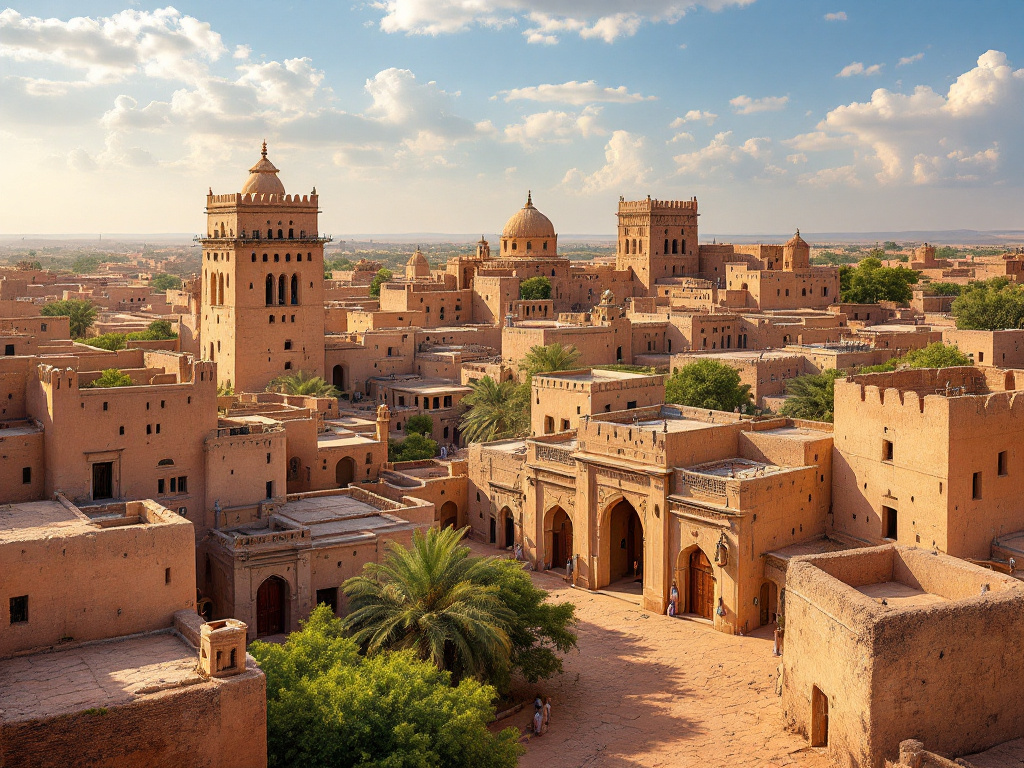
Timbuktus gamle by
Timbuktus gamle by er et historisk centrum for lærdom og handel med ikoniske moskeer og rige kulturelle traditioner.
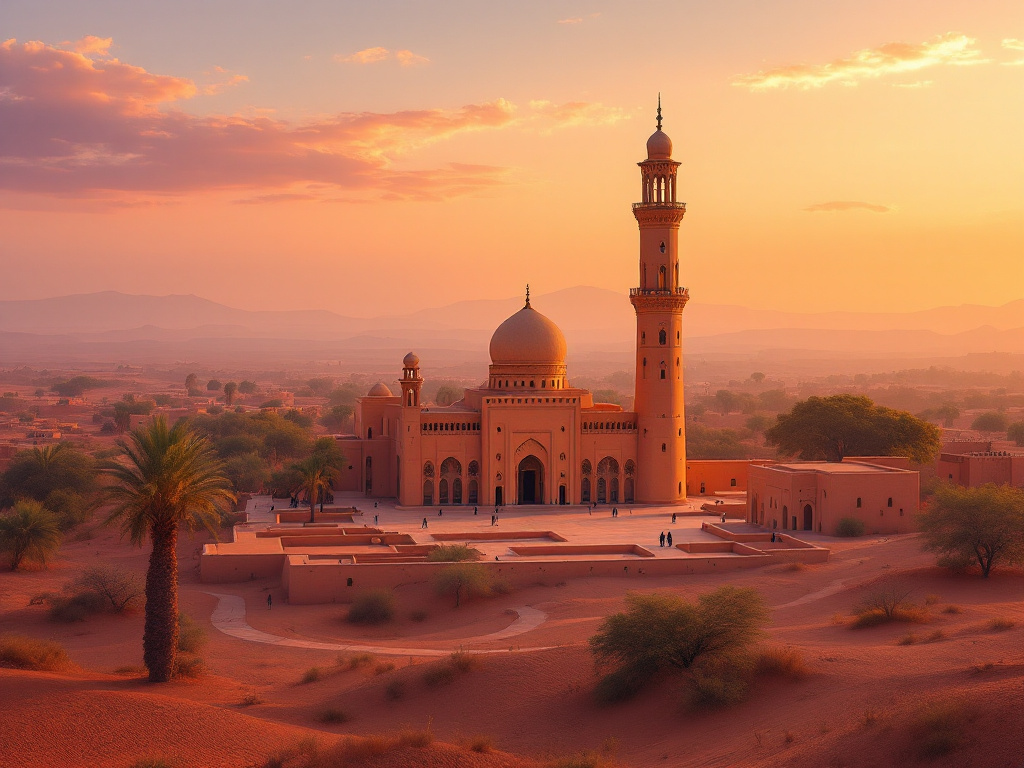
Djingareyber-moskeen
En af Timbuktus mest berømte moskeer, bygget i 1300-tallet og et symbol på byens islamiske arv.
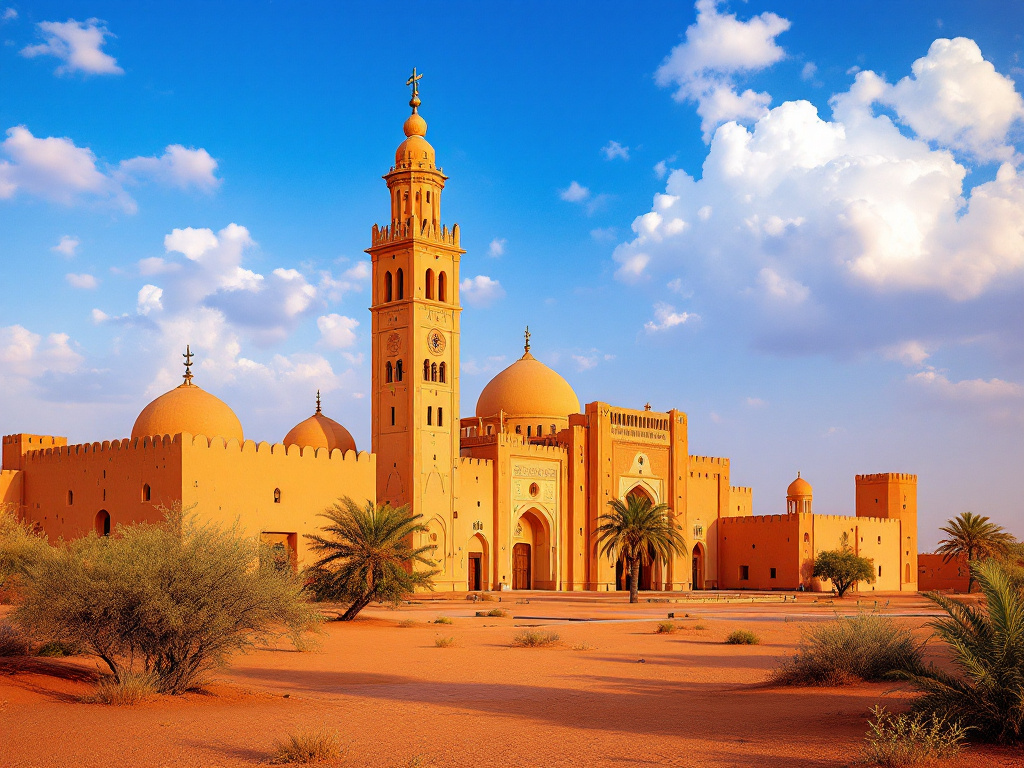
Sankore-moskeen og universitetet
Et historisk center for islamisk uddannelse, der tiltrak studerende fra hele Afrika.
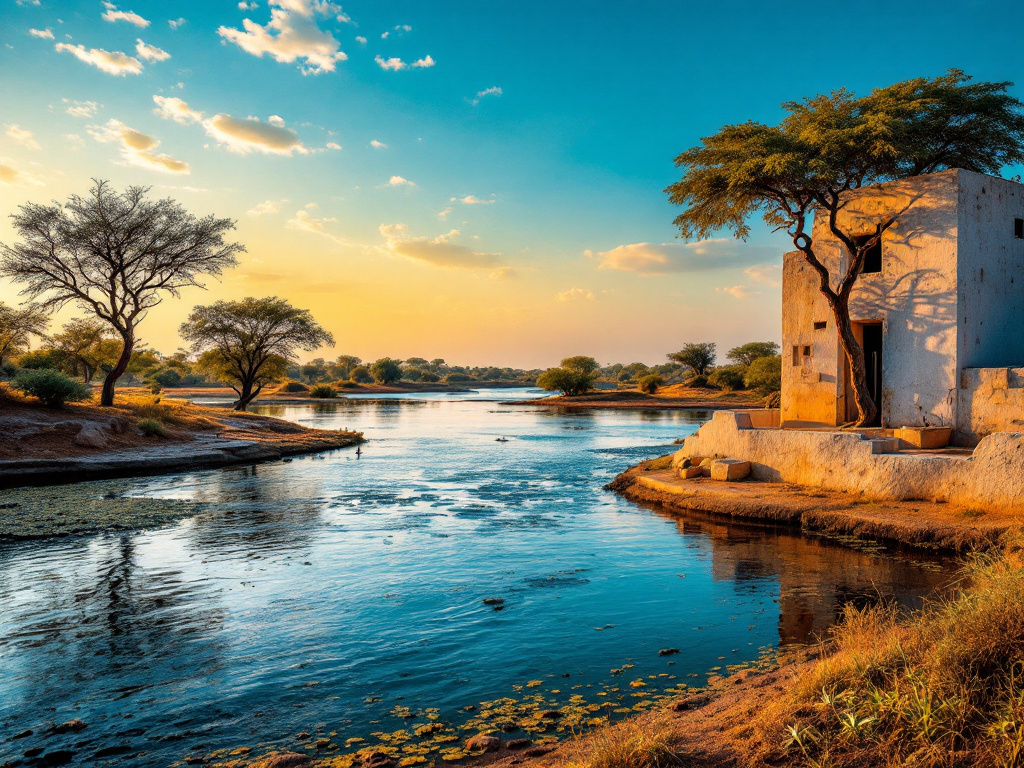
Bani-floden
En vigtig flod i Mali, der giver indblik i dagliglivet langs vandet.
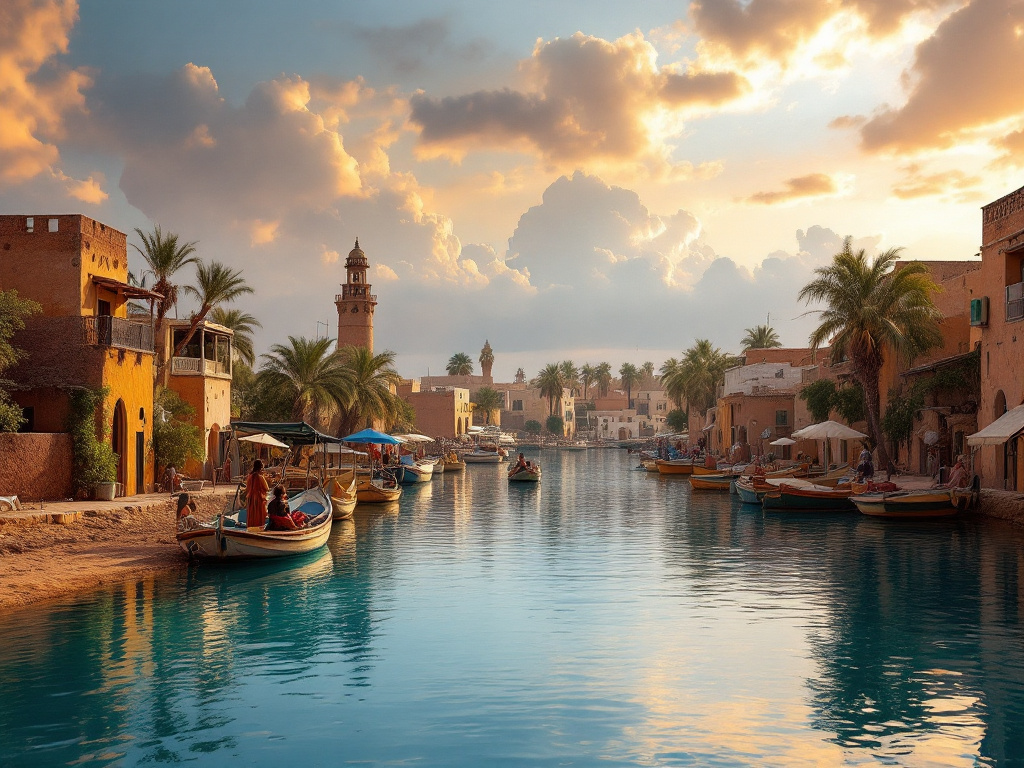
Mopti havn
Et livligt knudepunkt hvor flodhandel og lokalt liv mødes.

Hombori-bjerget
Malis højeste bjergområde med imponerende klippeformationer og udsigter.
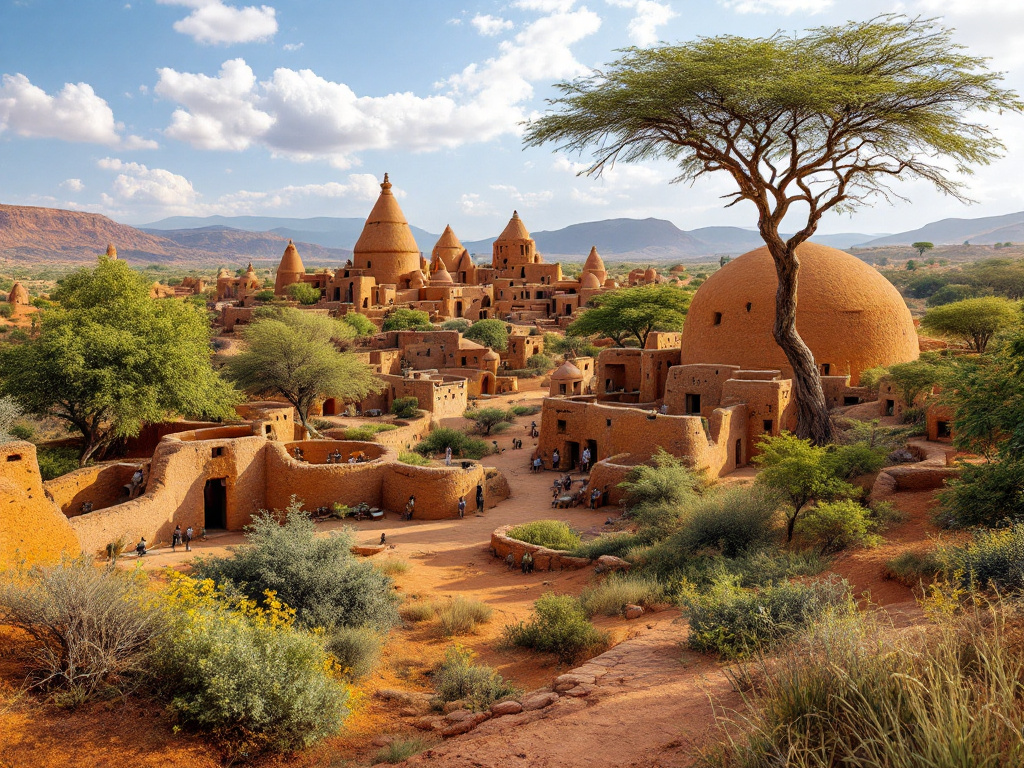
Dogon-landet
Et fascinerende kulturområde kendt for Dogon-folkets arkitektur og traditioner.
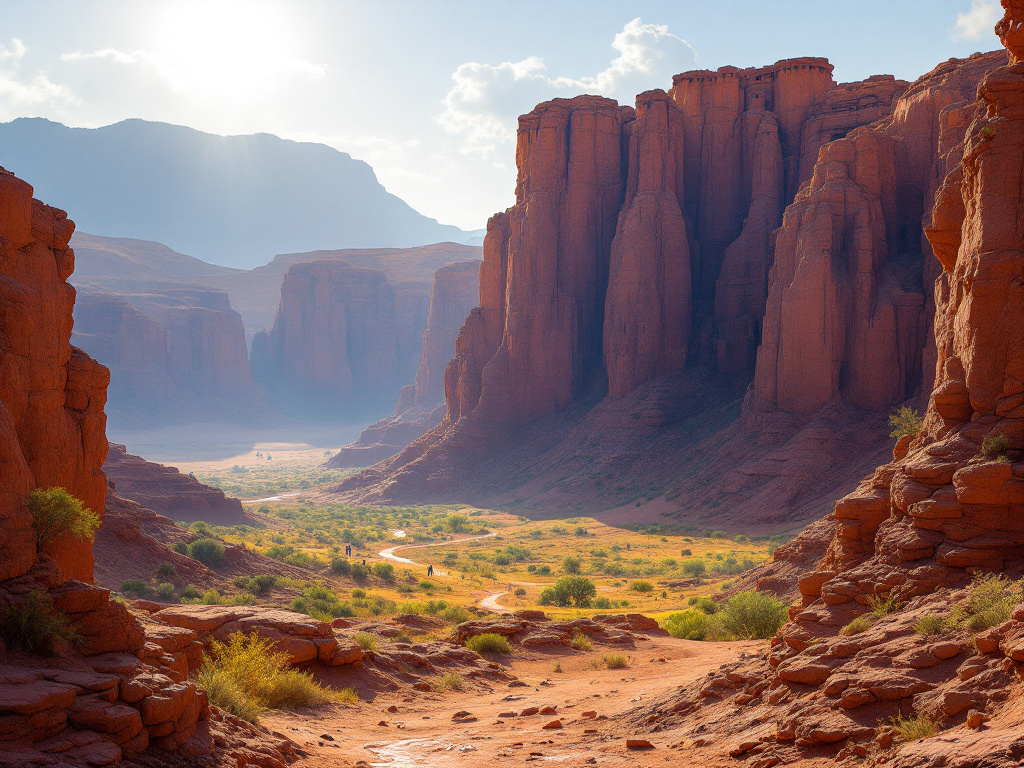
Bandiagara-skrænten
En spektakulær klippeskrænt med både natur- og kulturhistorisk betydning.
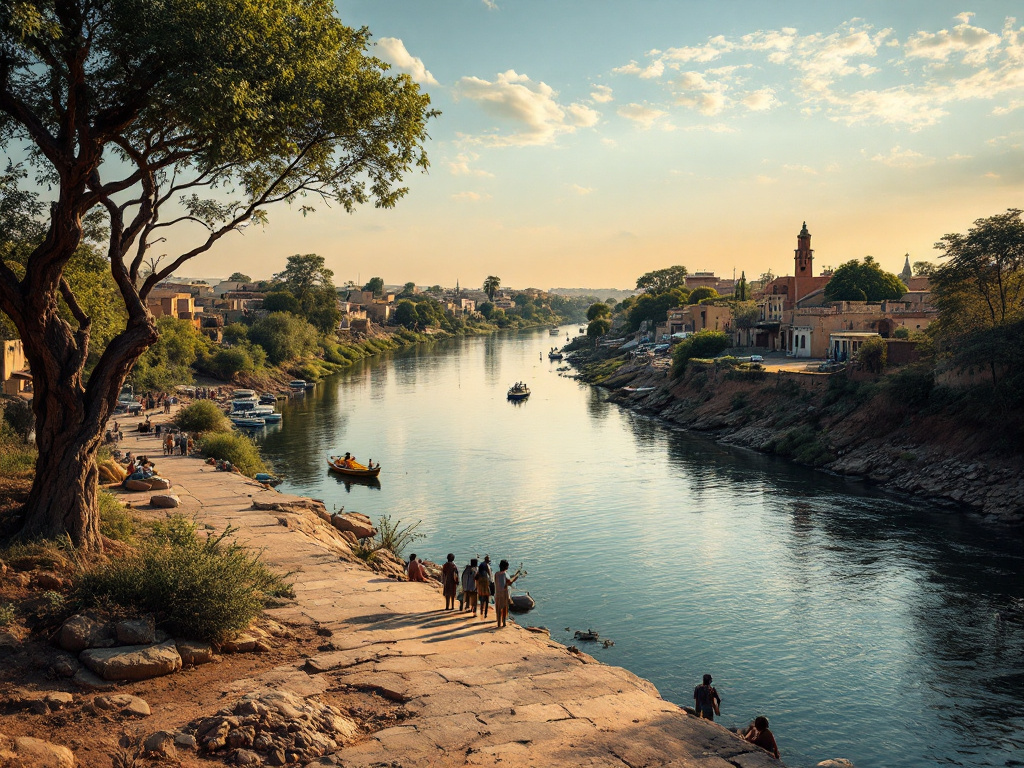
Niger-floden i Bamako
En central del af Bamako, hvor floden skaber liv og rekreation.
Famous cuisine
Culinary overview
Mali's culinary scene is a rich blend of traditional West African flavors, influenced by Arab and French culinary traditions. Meals are often based on grains like millet and rice, accompanied by spicy sauces, vegetables, and meat. Street stalls and markets offer authentic taste experiences, while restaurants in larger cities like Bamako serve both local and international dishes. The food culture is social, and meals are often shared communally, reflecting the strong sense of community in the country.
Must-try dishes
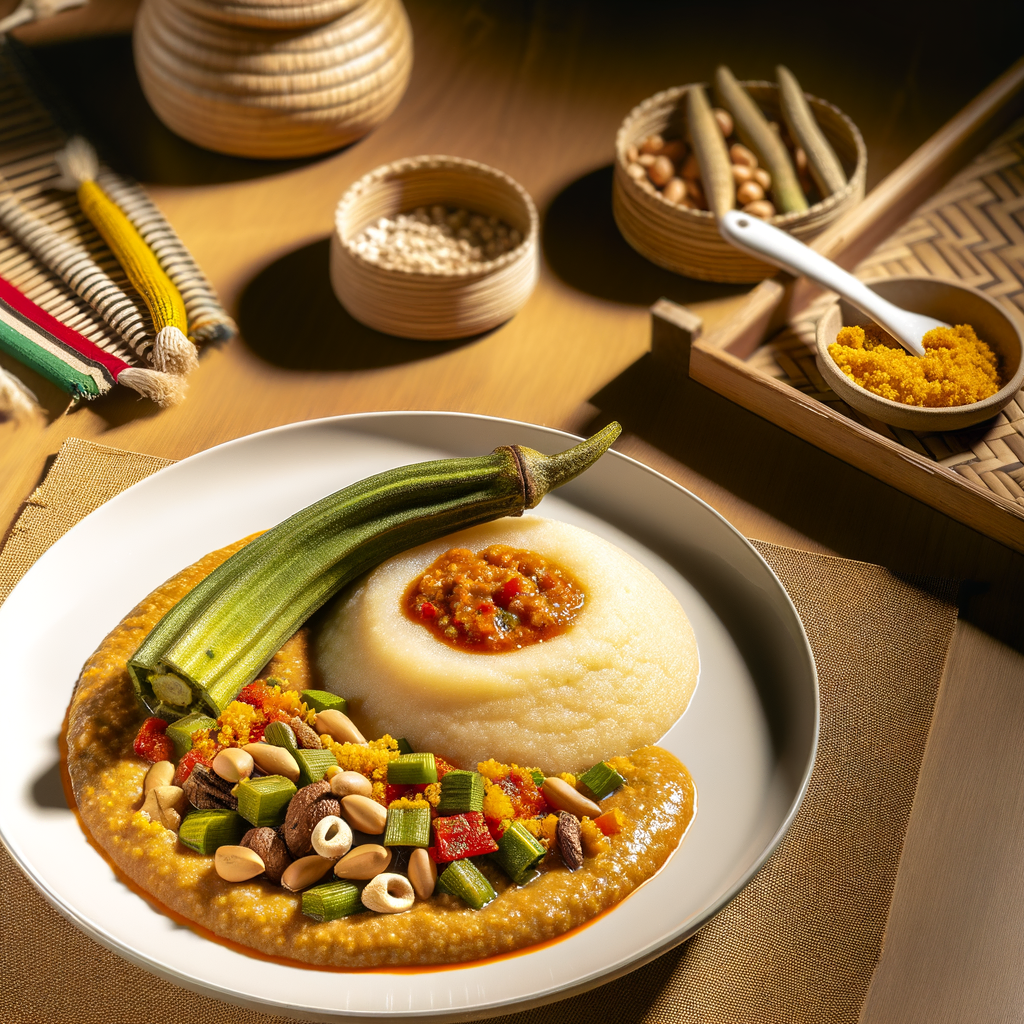
Tô
A thick porridge made from millet or corn flour, served with a spicy sauce of vegetables, peanuts, or okra. Tô is a staple in Mali and is often eaten with hands.
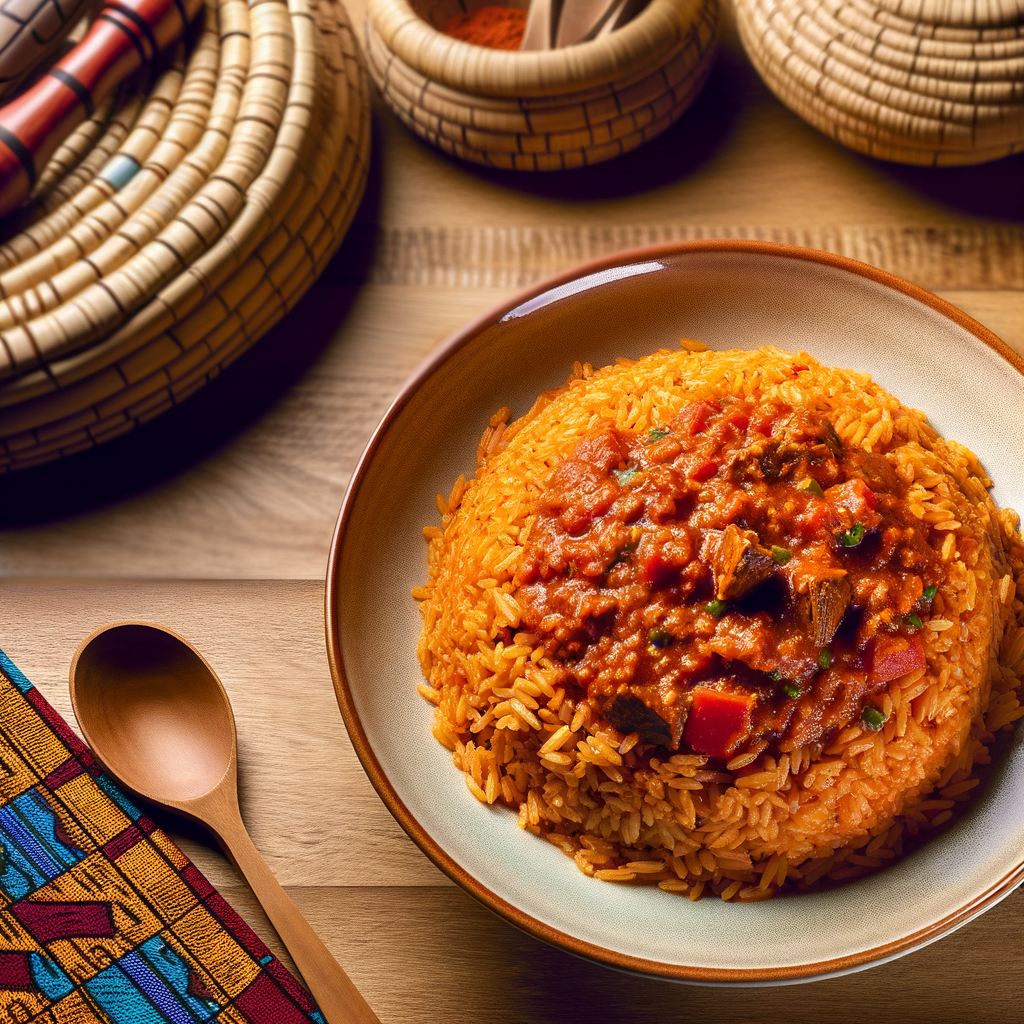
Jollof Rice
A popular West African dish with rice cooked in tomato sauce, spices, and often accompanied by meat or fish. The Malian version is known for its deep flavor and use of local spices.
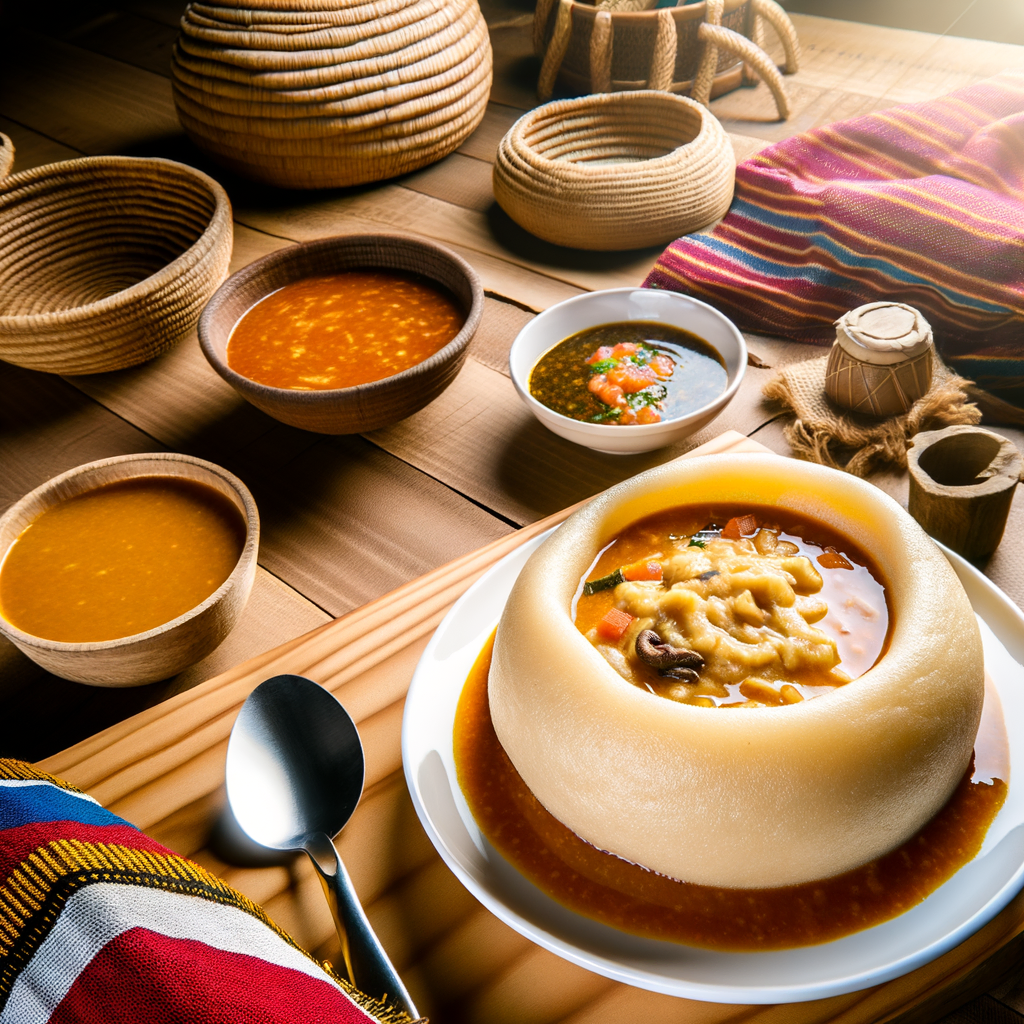
Fufu
An elastic dough-like dish made from cassava or yams, served with various soups and sauces. Fufu is a social food, shared among family and friends.
.webp)
Grilled Meat (Brochettes)
Small pieces of marinated meat, often beef or goat, grilled over an open fire and served with onions and spicy sauce. Popular as street food.
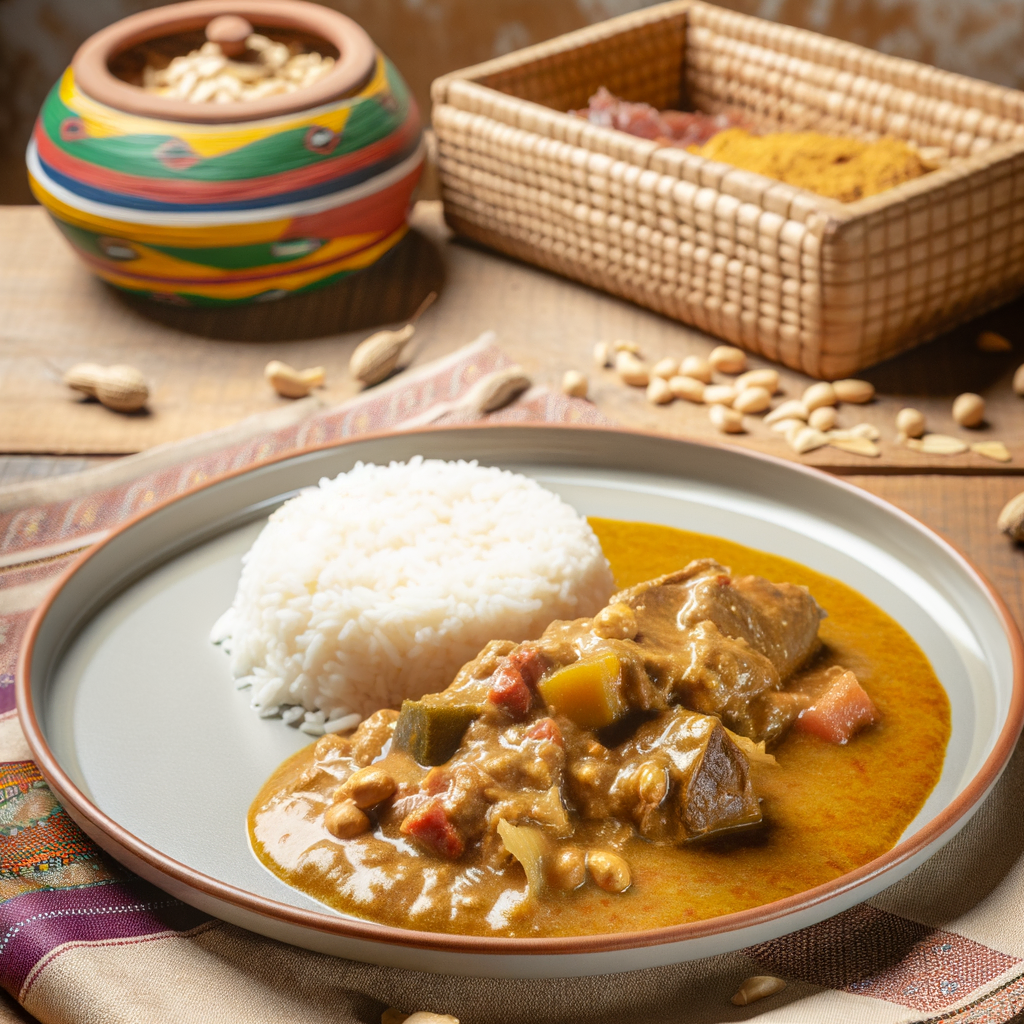
Maafe
A hearty peanut sauce with meat (often chicken or beef) and vegetables, served with rice. The dish has a creamy texture and a rich, nutty flavor.
Restaurant information
Tipping
Tipping is not mandatory in Mali, but it is appreciated to round up or give around 5-10% at restaurants, especially if the service has been good.
Travel information
Currency
Vestafrikansk CFA-franc (XOF)
Language
French
Best time to visit
November to February
Major cities
Bamako and other major cities
More countries in Africa
Discover more destinations in this region