
Mongolia
Mongolia, the land of endless horizons, invites adventurers to explore its rugged landscapes, rich nomadic traditions, and pristine beauty in the heart of Central Asia.
Overview
Discover Mongolia, a land of endless horizons and rugged beauty, nestled in the heart of Central Asia. Here, the golden sands of the Gobi Desert meet the crystal-clear waters of Lake Khövsgöl, while the historical ruins of the UNESCO-listed Orkhon Valley tell tales of the mighty Mongol Empire. From wild horses and camels to the dramatic rock formations of Terelj National Park, Mongolia offers a journey into the depths of nature and culture. Ideal for adventurous travelers seeking authentic experiences and unparalleled freedom, Mongolia invites you to reconnect with the essence of the land.
Official language
Mongolsk
Government
Parliamentary republic
Best time to visit
May-September
Nature
Mongolia's landscapes are a breathtaking tapestry of unspoiled beauty and wild adventures, perfect for outdoor enthusiasts. From the sweeping sand dunes of the Gobi Desert, where majestic Bactrian camels roam and rare species like the Przewalski horse thrive, to the serene waters of Lake Khövsgöl, known as the 'Blue Pearl of Mongolia,' surrounded by lush forests and soaring mountains. The vast steppes stretch endlessly, punctuated by traditional ger tents and grazing herds of horses, goats, and sheep. In the west, the Altai Mountains rise dramatically with snow-capped peaks and deep valleys, while the Uvs Nuur basin boasts a unique ecosystem rich in birdlife. Terelj National Park captivates with its stunning rock formations and colorful wildflowers during the summer months. The best time to visit is from May to September, when the climate is mild and nature is at its most vibrant, offering endless opportunities for exploration and adventure.
Travel to Mongolia
Traveling to Mongolia is a once-in-a-lifetime experience for those seeking authentic adventures and unforgettable landscapes. The best time to visit is from May to September when the climate is mild, and nature is in full bloom. Most journeys begin in the capital, Ulaanbaatar, where modern urban life intersects with traditional markets and rich cultural heritage. From here, you can embark on tours to the Gobi Desert to witness stunning sand dunes, dinosaur fossils, and wild camels, or head north to Lake Khövsgöl for hiking, horseback riding, and kayaking. The Orkhon Valley offers historical insights into nomadic life, while Terelj National Park is perfect for trekking and climbing. Accommodations in traditional ger tents provide a unique opportunity to live like the nomads. Mongolia is ideal for travelers looking to combine culture, history, and nature into one extraordinary journey, far from the conventional tourist trails.
Culture
Mongolia's culture is a vibrant mix of age-old nomadic traditions and contemporary lifestyle, deeply rooted in the land. The iconic ger tents, or yurts, serve as homes to families who travel with the seasons in search of fresh pastures for their livestock. Hospitality is a cornerstone of Mongolian life, where guests are often warmly welcomed with traditional tea, dairy products, and the fermented mare's milk drink called airag. Music and dance are integral, featuring the distinctive two-stringed morin khuur and throat singing, both celebrated cultural expressions. Festivals such as the Naadam Festival showcase the 'Three Manly Sports' of wrestling, archery, and horse racing, bringing communities together in colorful displays of pride and tradition. Mongolian cuisine is hearty and comforting, with dishes like buuz (steamed dumplings), khuushuur (fried meat pastries), and bansh (small dumplings) that reflect the resilience of life in a challenging climate.
History
Mongolia's history is marked by the formidable Mongol Empire, founded by Genghis Khan in the 13th century. From the capital of Karakorum, he and his successors ruled the largest contiguous empire in history, stretching from the Pacific to Eastern Europe. The Orkhon Valley, a UNESCO World Heritage site, was the heart of this civilization, housing the ruins of Karakorum and the Erdene Zuu Monastery, Mongolia's oldest Buddhist monastery. After the fall of the empire, the nation experienced shifting powers, including periods of Chinese dominance, until it declared independence in 1911. Following a stint as a socialist state, Mongolia transitioned to democracy in 1990, blending its proud historical legacy with a modern national identity that honors its roots.
Top attractions
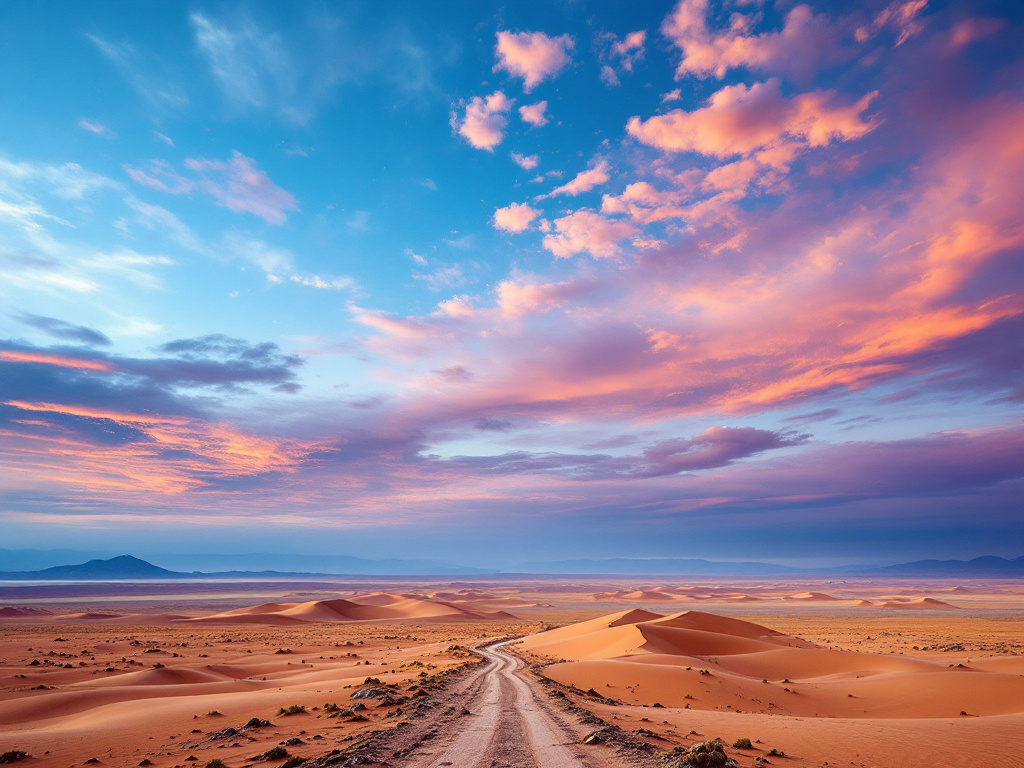
Gobi Desert
A vast and varied desert landscape known for sand dunes, fossils, nomadic life, and dramatic colors.
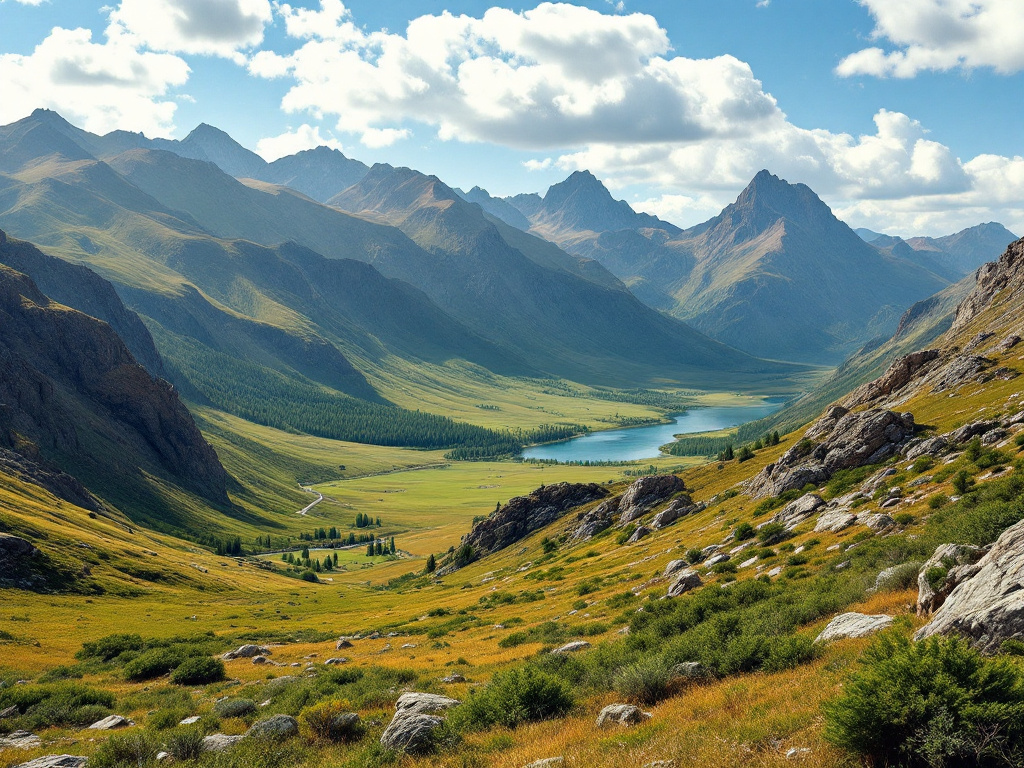
Gorkhi-Terelj National Park
A green and mountainous national park near the capital, ideal for short nature experiences.
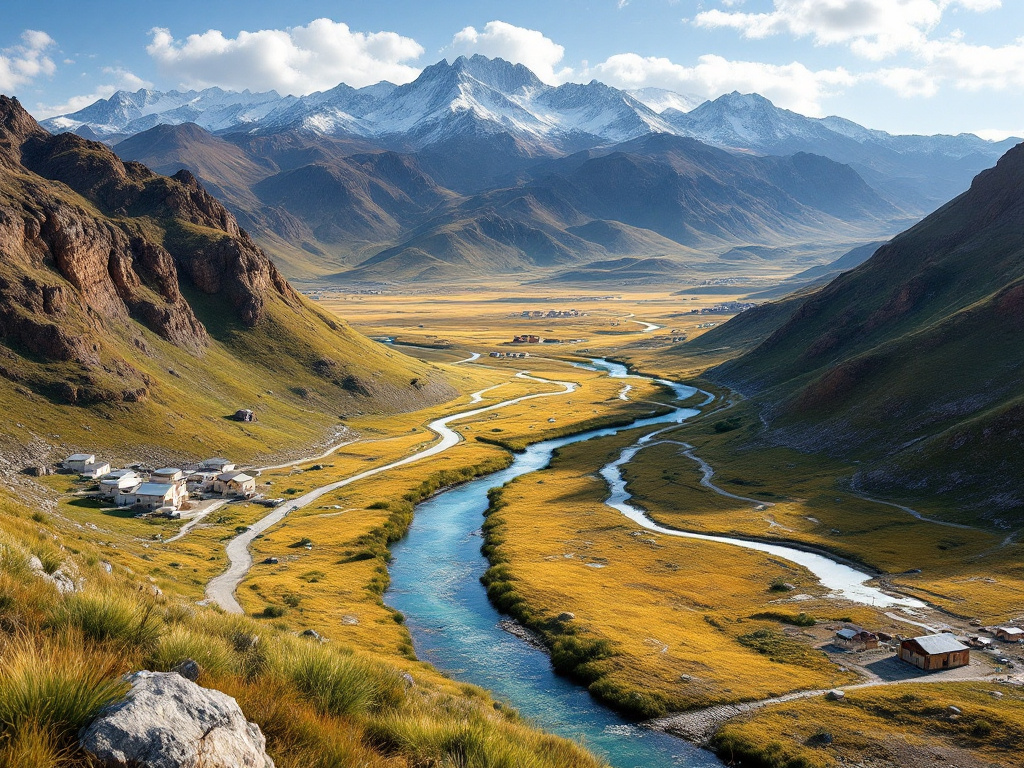
Orkhon Valley
A historical valley that was the center of Mongolian empires and nomadic culture.
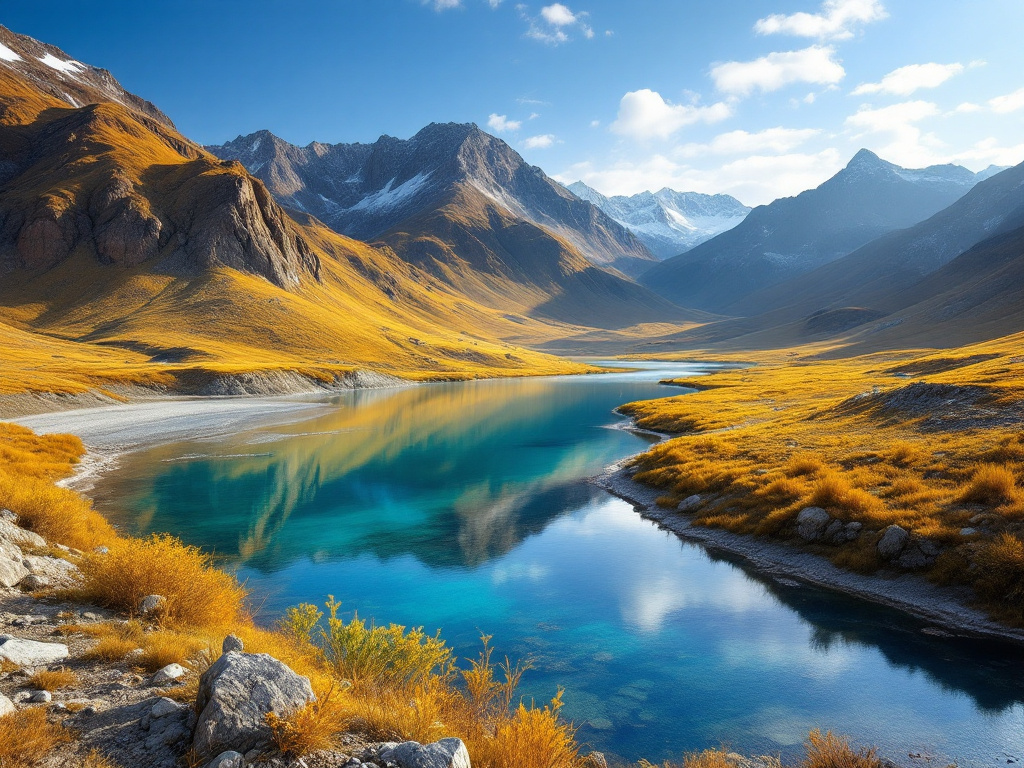
Khövsgöl Lake
One of Asia's cleanest lakes surrounded by mountains and unspoiled nature.
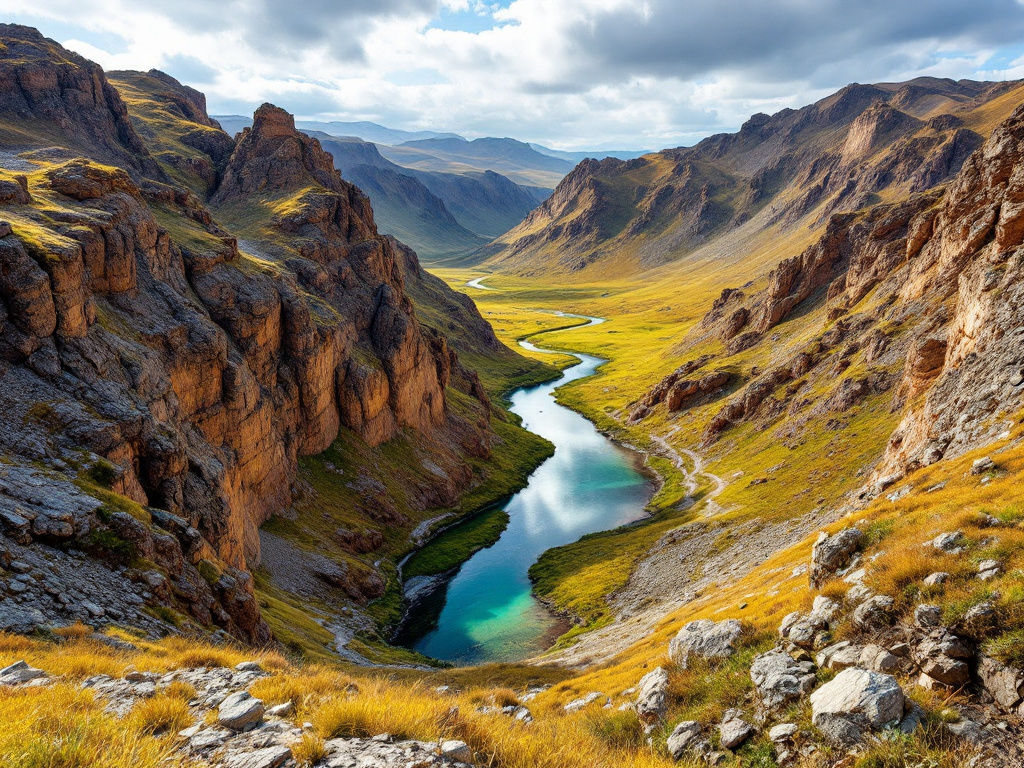
Hustai National Park
A protected area known for reintroduced wild horses and open steppes.
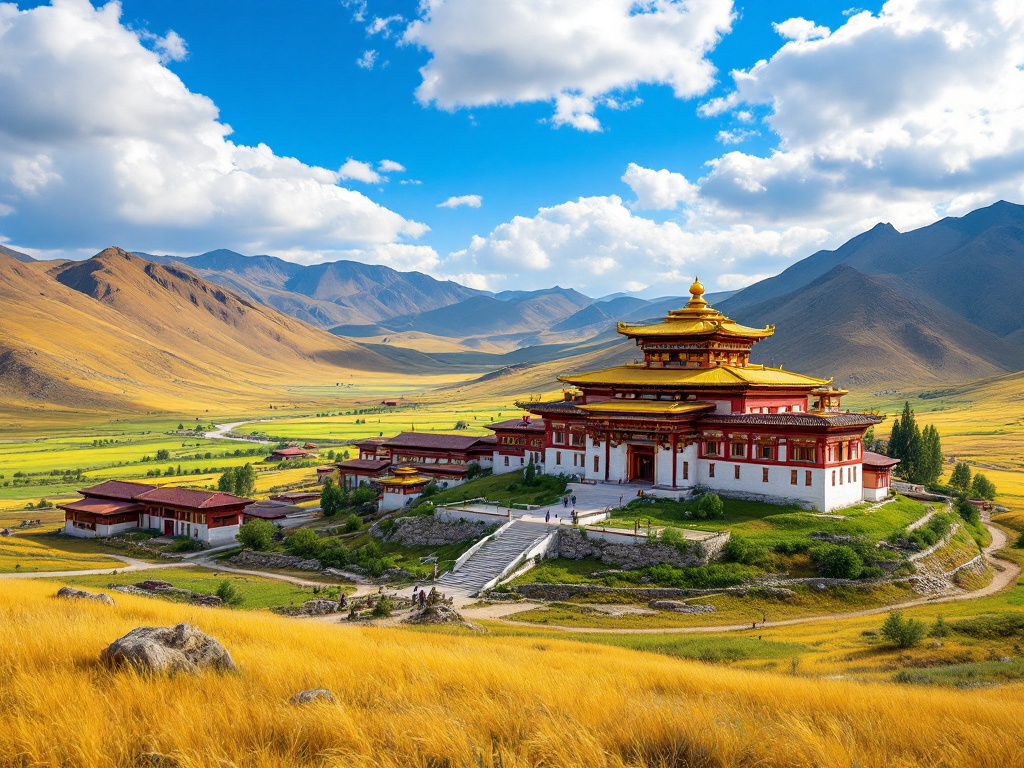
Gandantegchinlen Monastery
Mongolia's most important Buddhist monastery in the heart of the capital.
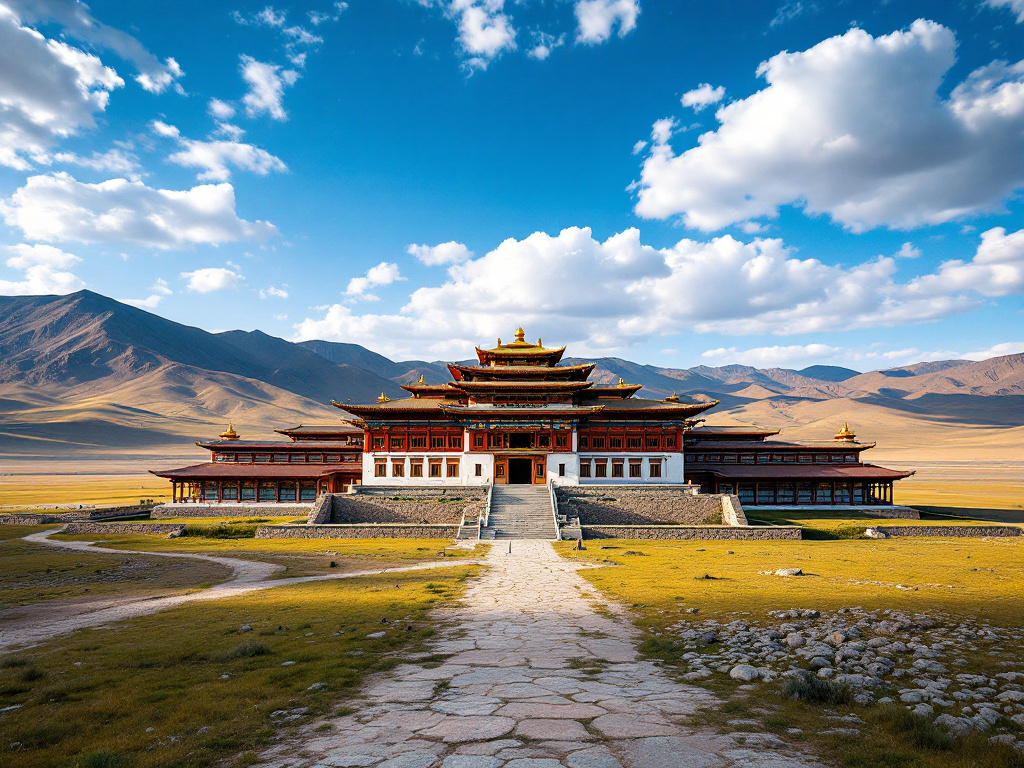
Erdene Zuu Monastery
Historical Buddhist monastery built on the ruins of the old capital Karakorum.
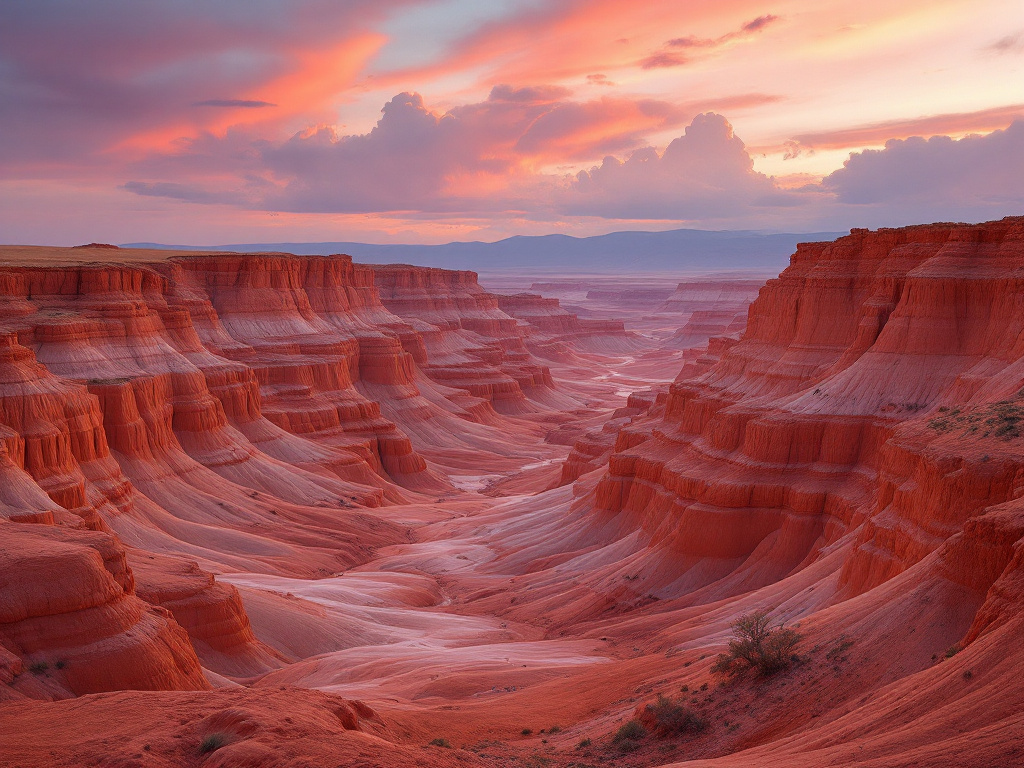
Flaming Cliffs
Spectacular red cliffs known for groundbreaking fossil discoveries.
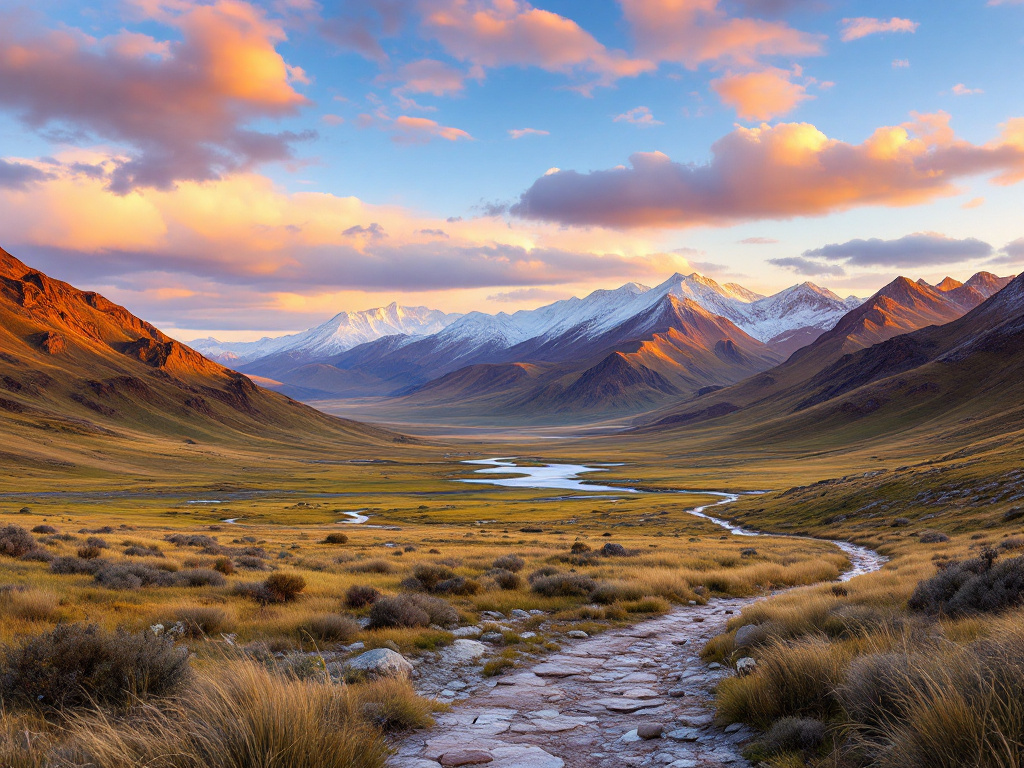
Altai Tavan Bogd National Park
Wild and majestic national park with snow-capped peaks and ancient traditions.
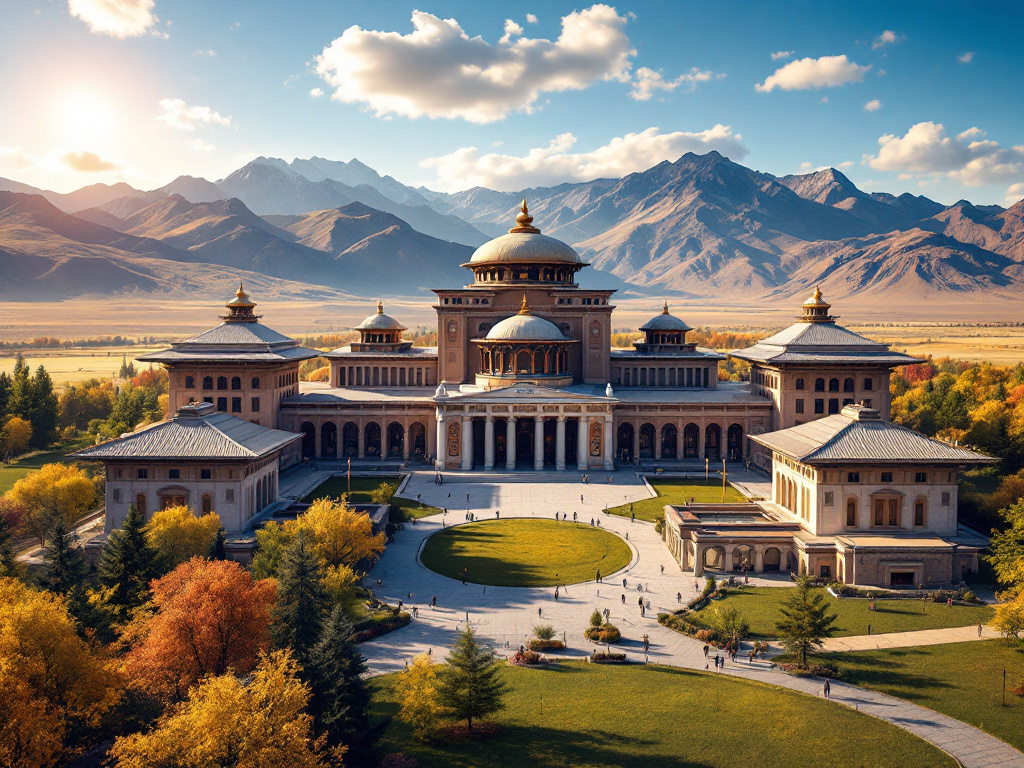
National Museum of Mongolia
The main museum to understand Mongolia's history and culture.
Famous cuisine
Culinary overview
Mongolian cuisine is deeply rooted in the country's nomadic traditions and harsh climate. Dishes are often based on meat, particularly lamb, beef, and goat, as well as dairy products that provide energy for life on the steppe. The flavors are simple yet nourishing, reflecting a culture where food needs to be filling and practical. In cities like Ulaanbaatar, you can also find modern restaurants that combine traditional recipes with international trends. Meals are often accompanied by tea with milk or the fermented milk drink airag.
Must-try dishes
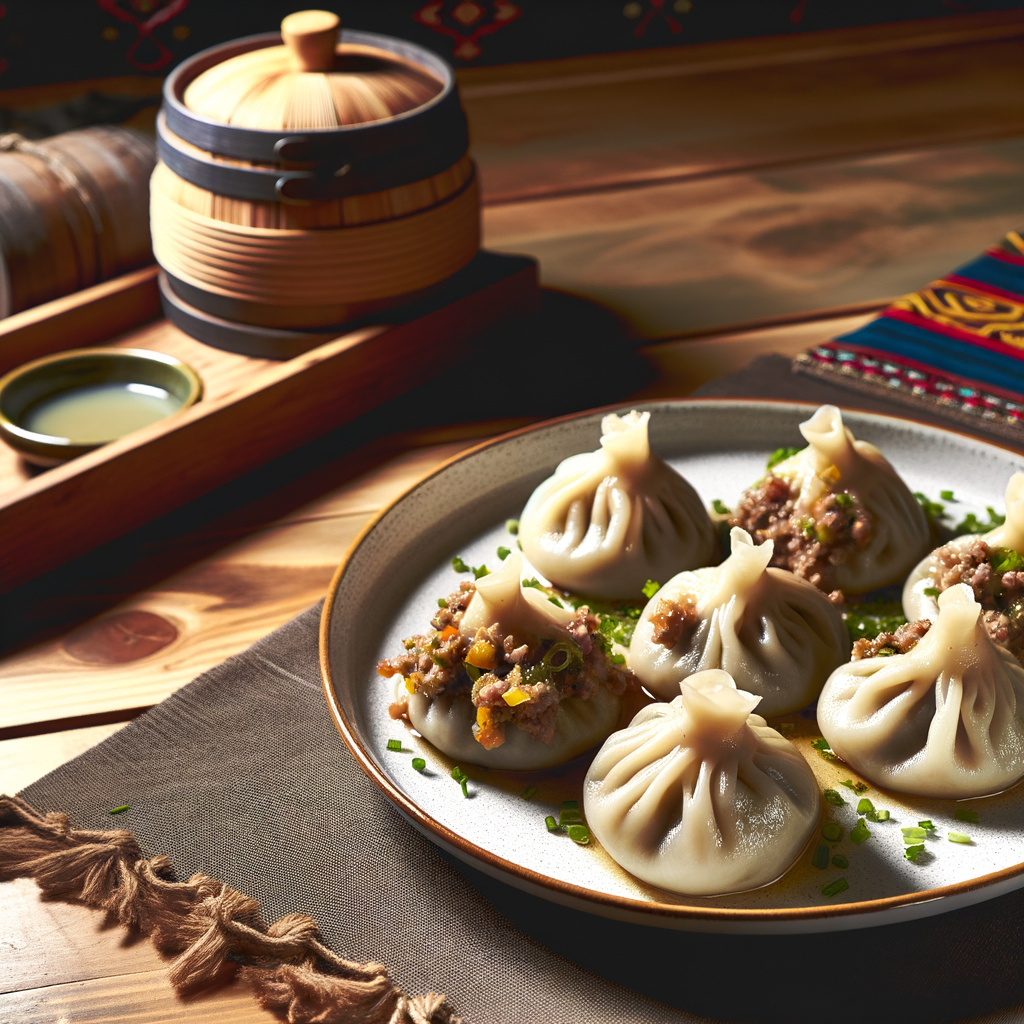
Buuz
Steamed dumplings filled with minced lamb or beef, seasoned with onion and garlic. Usually served during Tsagaan Sar (Mongolian New Year) and is one of the most iconic dishes in the country.
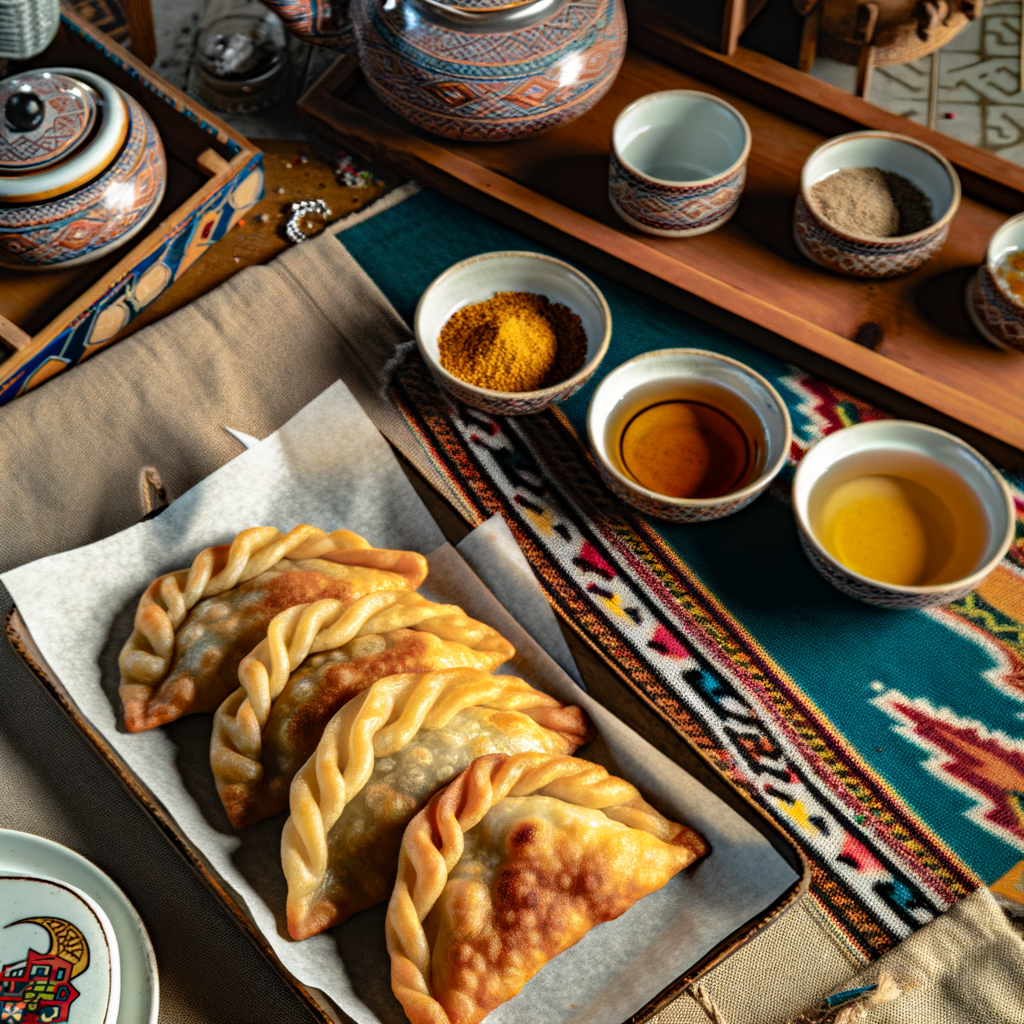
Khuushuur
Flat, deep-fried dough pockets filled with meat, typically lamb, and spices. Popular as street food during the Naadam festival.
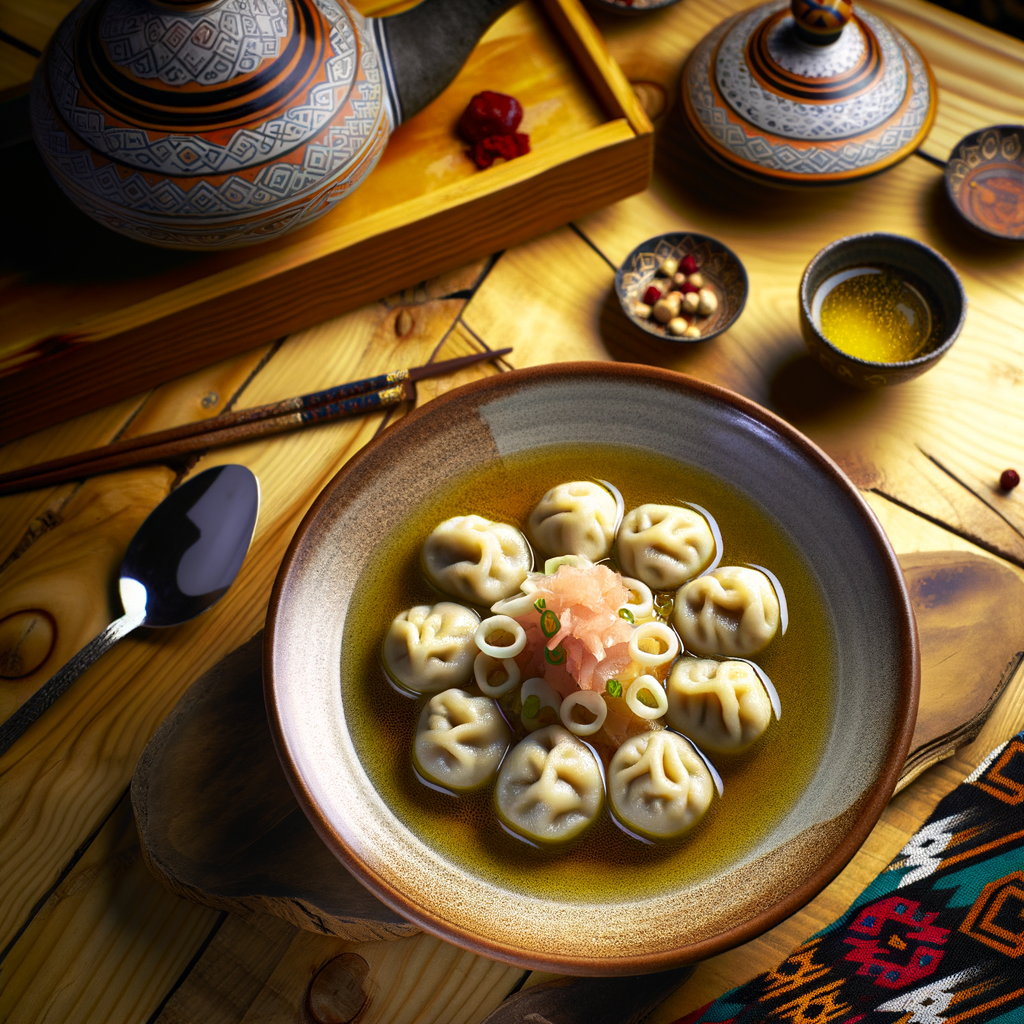
Bansh
Small dumplings, similar to buuz, but cooked in broth or served in soups. A warming dish, especially in winter.
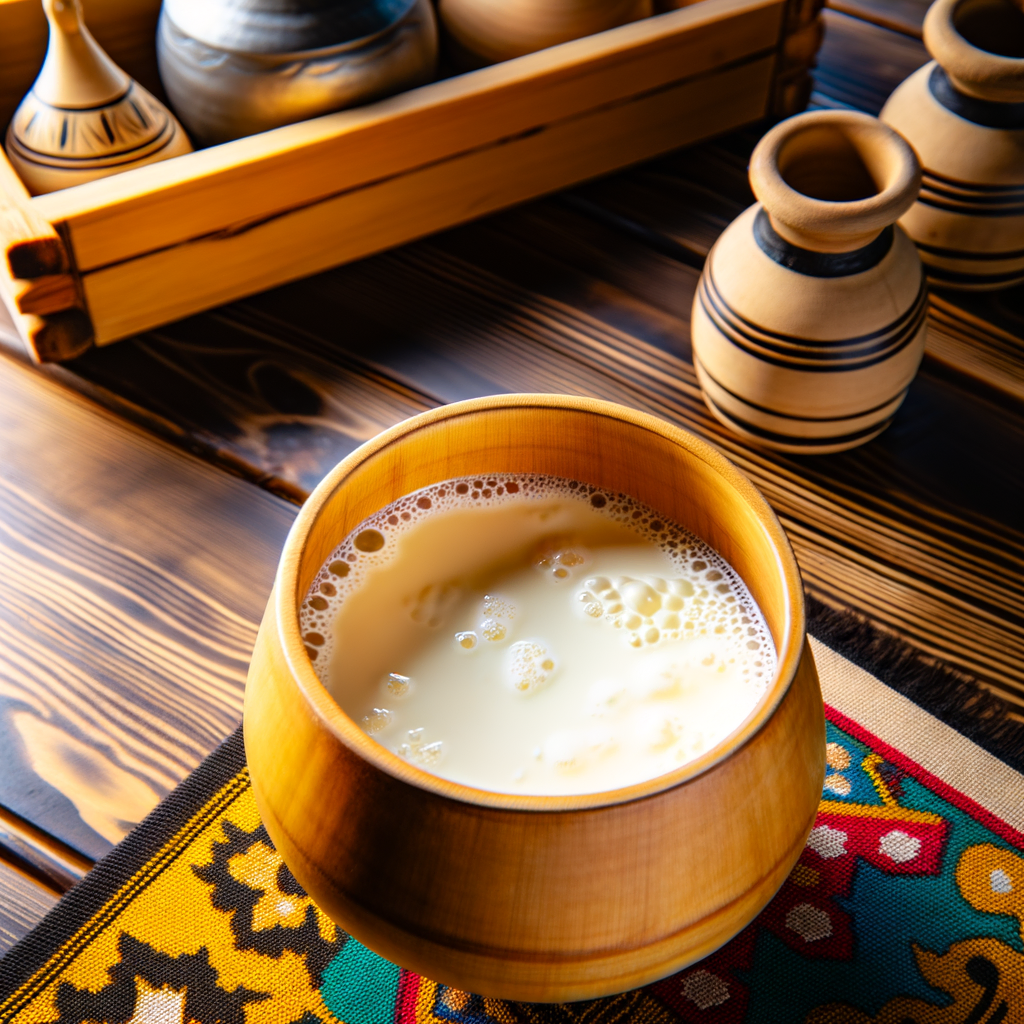
Airag
Traditional fermented mare's milk with a slight alcoholic content. An important part of Mongolian hospitality, often served to visitors in nomadic gers.
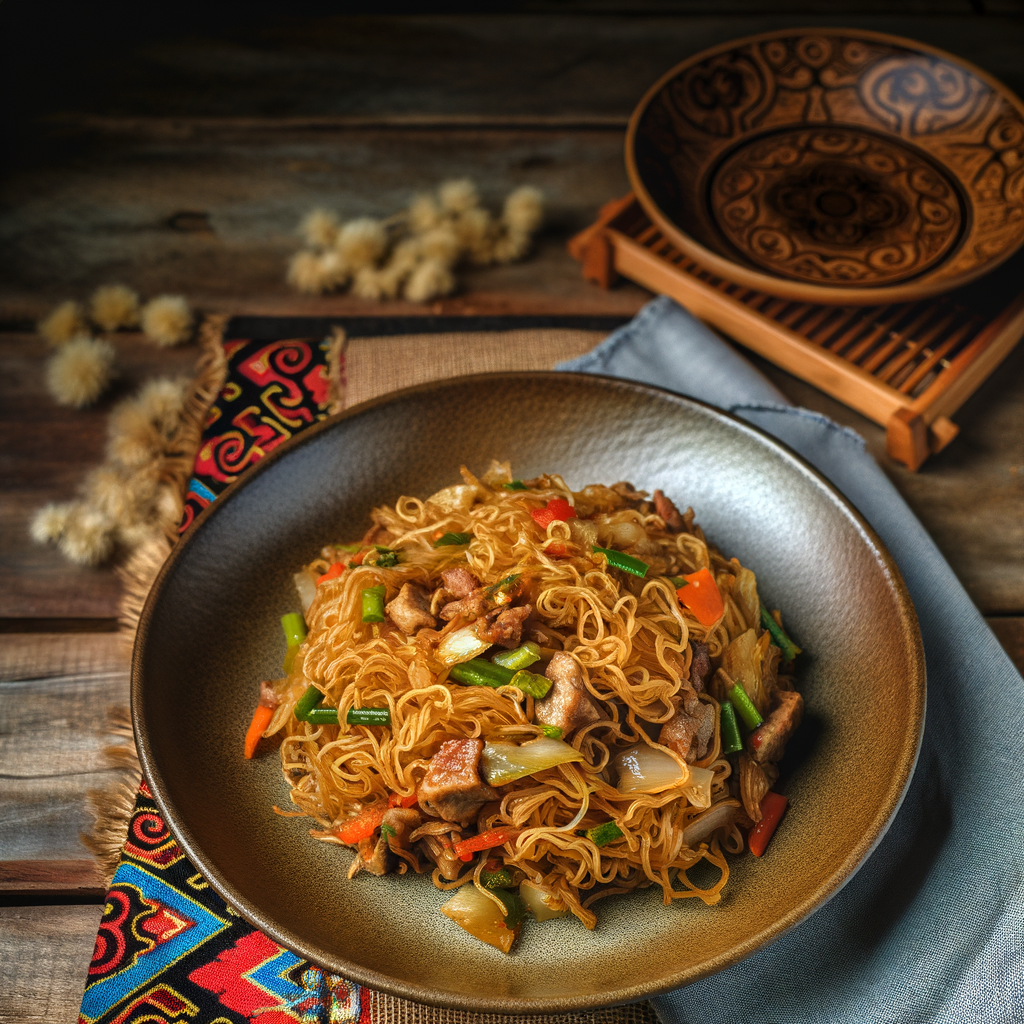
Tsuivan
Fried noodles with meat and vegetables, a everyday favorite among Mongolians, known for its filling and flavorful character.
Restaurant information
Tipping
Tipping is not a fixed part of the culture in Mongolia, but in tourist areas and larger cities, it is appreciated to give 5-10% of the bill if the service has been good.
Travel information
Currency
Mongolsk tögrög (₮)
Language
Mongolsk
Best time to visit
May-September
Major cities
Ulaanbaatar and other major cities
More countries in Asia
Discover more destinations in this region