Mauritania
Mauritania: Where endless sun-bleached deserts meet ancient cultures, and where Arab-Berber heritage blends with Black African traditions in a land defined by remarkable resilience and timeless beauty.
Overview
Mauritania is a hidden gem in West Africa where the golden dunes of the Sahara embrace a rich cultural heritage. Here, UNESCO-listed caravan towns like Chinguetti and Ouadane stand as testimonies to a glorious past, while the stunning landscapes of the Adrar plateau and the enigmatic Eye of the Sahara invite exploration. Banc d’Arguin National Park enchants with its thriving birdlife and unspoiled coastline, while traditional dishes like thieboudienne and refreshing mint tea offer a taste of the local hospitality. With an ideal climate from November to March, Mauritania promises a unique journey through nature, history, and cultural richness, far from the crowds of mainstream tourism.
Official language
Arabic
Government
Islamic republic
Best time to visit
November to March
Nature
Mauritania boasts a breathtaking landscape characterized by the vast Sahara Desert, where endless sand dunes meet rugged stone formations and lush oases. The Adrar plateau presents dramatic cliffs and hidden valleys, creating a sanctuary for wanderers and explorers. The Richat Structure, famously known as the Eye of the Sahara, is an astounding geological marvel visible from space, drawing the curiosity of geologists and travelers alike. Along the western border, the serene waters of the Atlantic Ocean cradle the Banc d’Arguin National Park, a UNESCO World Heritage site renowned for its diverse bird population, including flamingos and pelicans, alongside vibrant marine life. The ideal time to visit Mauritania is between November and March when the climate is mild, making it perfect for outdoor adventures, whether camel trekking through the dunes or strolling along the untouched coastline.
Travel to Mauritania
Traveling to Mauritania is an invitation to immerse yourself in an untouched corner of Africa, perfect for adventurous spirits eager to discover its cultural and natural wonders. The best time to visit is from November to March when the weather is more temperate, allowing for exhilarating explorations of the desert and UNESCO towns. Travelers can savor camel rides through the Sahara, hike along the magnificent Adrar plateau, or navigate the coast in traditional boats at Banc d’Arguin. While planning your trip, ensure you are aware of visa requirements and local costs, which are generally budget-friendly. Mauritania offers a rare combination of tranquility, authenticity, and adventure, making it a remarkable destination for those in search of the true essence of Africa.
Culture
The culture of Mauritania is a vibrant tapestry woven from Arabic-Berber traditions and Sub-Saharan African roots. This unique blend is reflected in the architecture, music, and culinary delights found throughout the country. Historic caravan towns like Chinguetti and Ouadane shine with beautifully adorned homes, ancient mosques, and libraries filled with handwritten manuscripts that showcase the nation's scholarly legacy. Traditional music is alive with the enchanting sounds of string instruments that accompany tales of nomadic life. Food is a central part of Mauritanian hospitality; national dishes like thieboudienne—a flavorful mix of rice and fish—and mechoui, succulent grilled lamb, come alive during communal gatherings. Daily life is deeply influenced by Islam, which is interwoven into the social fabric, emphasizing community, tradition, and respect for heritage.
History
Mauritania's history is intricately linked to the Sahara and its storied trade routes that connected North Africa with Sub-Saharan Africa. Flourishing caravan towns like Chinguetti and Ouadane emerged as pivotal centers for trade, religion, and learning during the medieval period, housing vast collections of Islamic manuscripts and attracting scholars from all over the region. Various ethnic groups, including Berbers, Arabs, and Sub-Saharan peoples, have called this land home, creating a rich cultural mosaic. The 19th and 20th centuries saw Mauritania under French colonial rule until it gained independence in 1960. Since then, the nation has embraced its nomadic heritage while evolving into a modern state, proudly maintaining its historical roots.
Top attractions
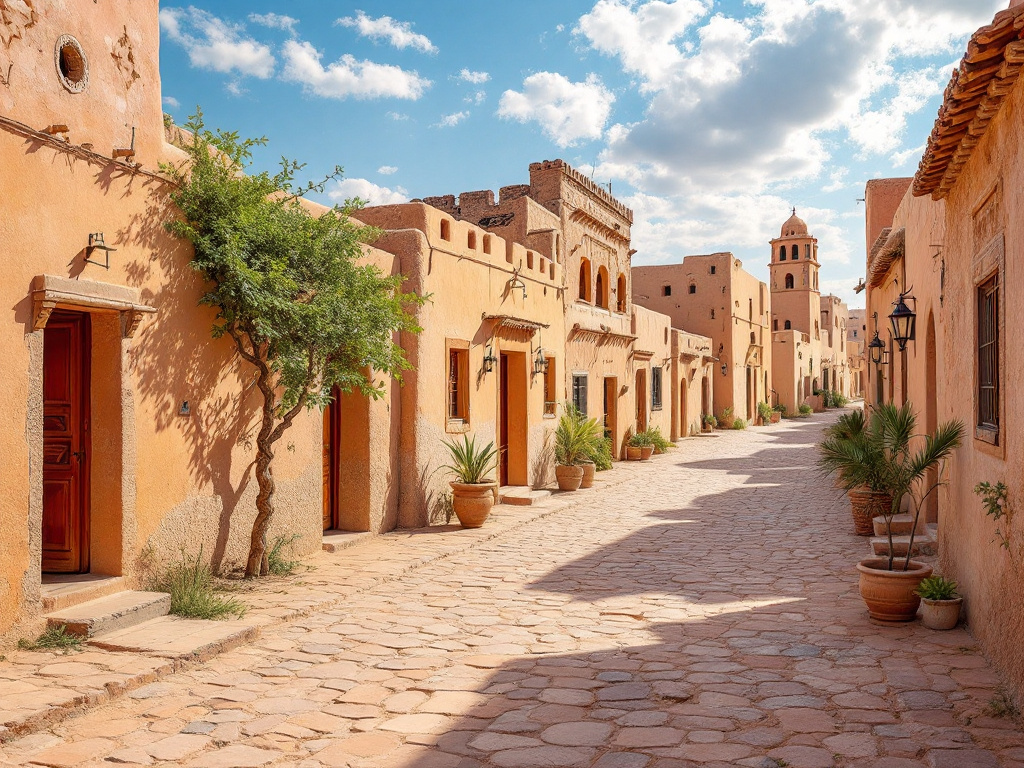
Chinguetti's Old Town
One of the Sahara's most famous caravan towns with historical mosques and unique manuscripts that testify to the region's intellectual past.
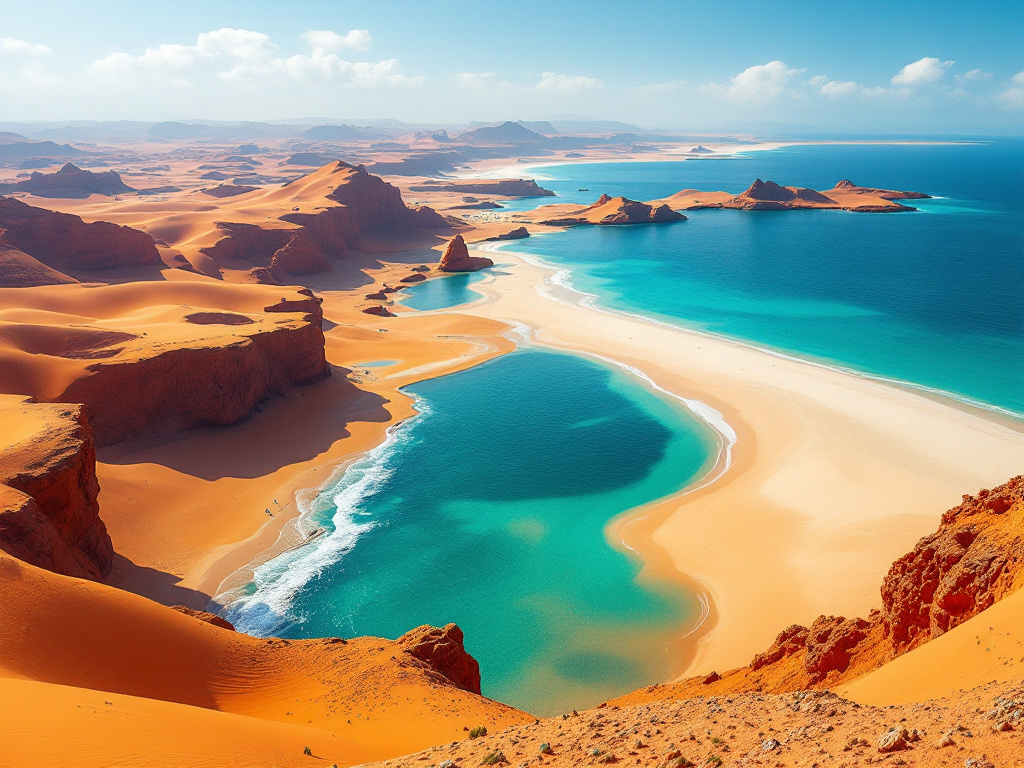
Banc d’Arguin National Park
One of West Africa's most important wetlands and a unique meeting point between the Sahara and the Atlantic Ocean with rich wildlife.
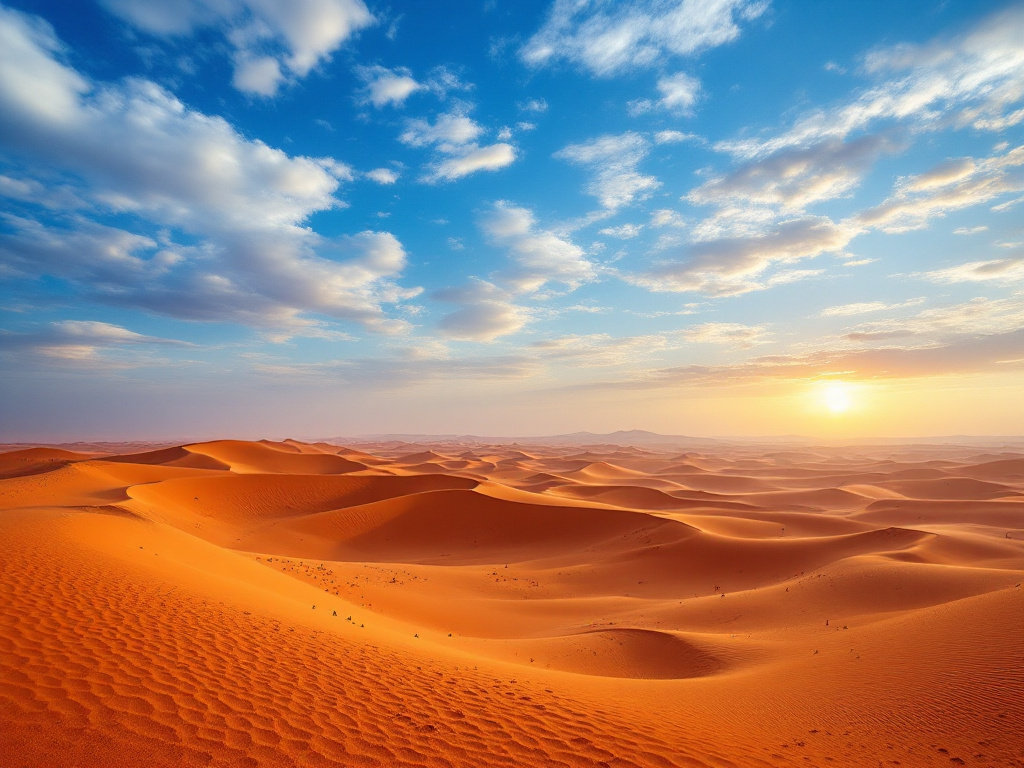
Eye of the Sahara (Richat Structure)
A mysterious circular formation in the Sahara, known worldwide for its unique appearance and geological significance.
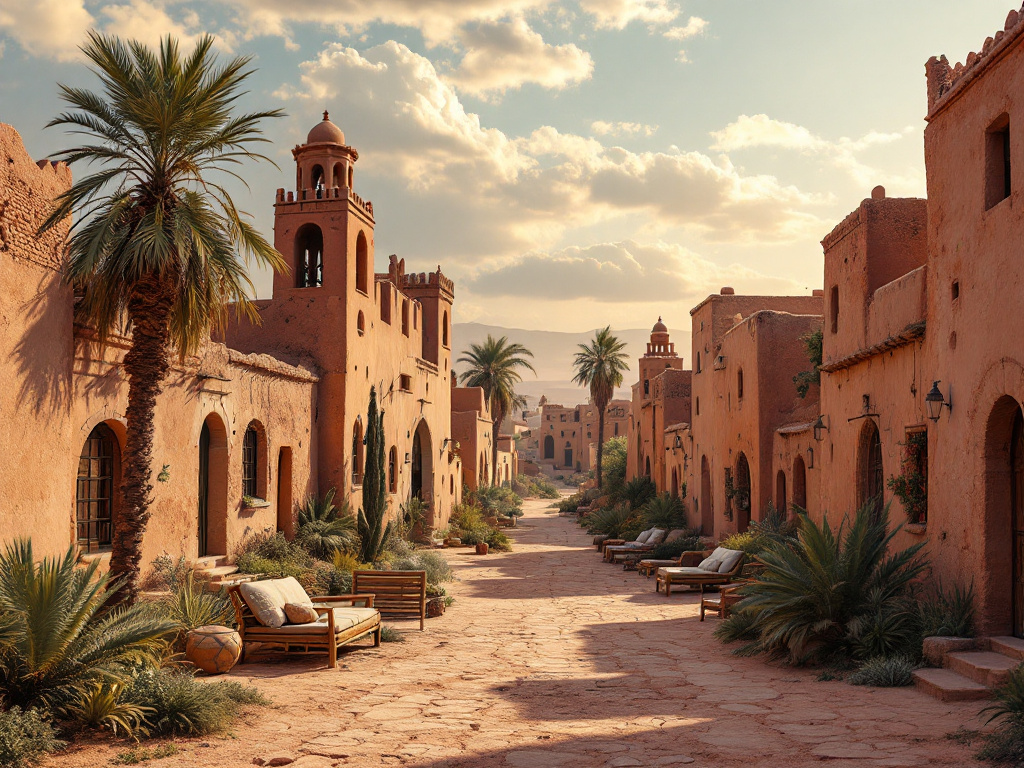
Ouadane's Old Town
A historical desert town and former trade center with ruin landscape and strong atmosphere.
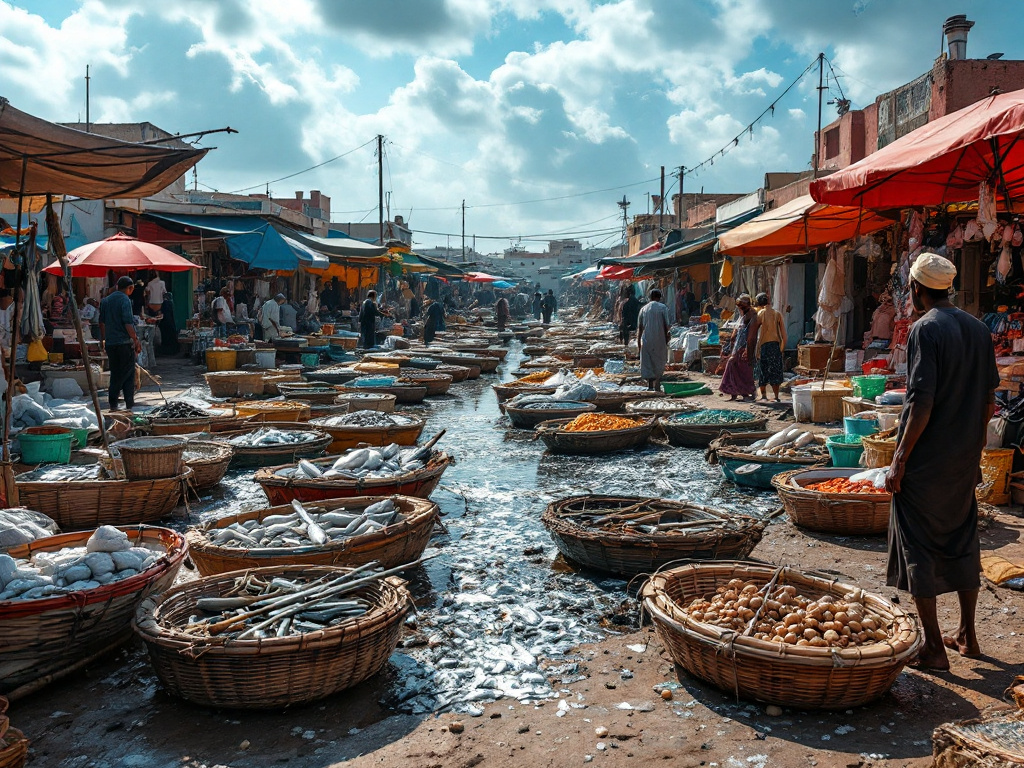
Nouakchott Fish Market
A lively coastal market where traditional fishermen bring in the day's catch.
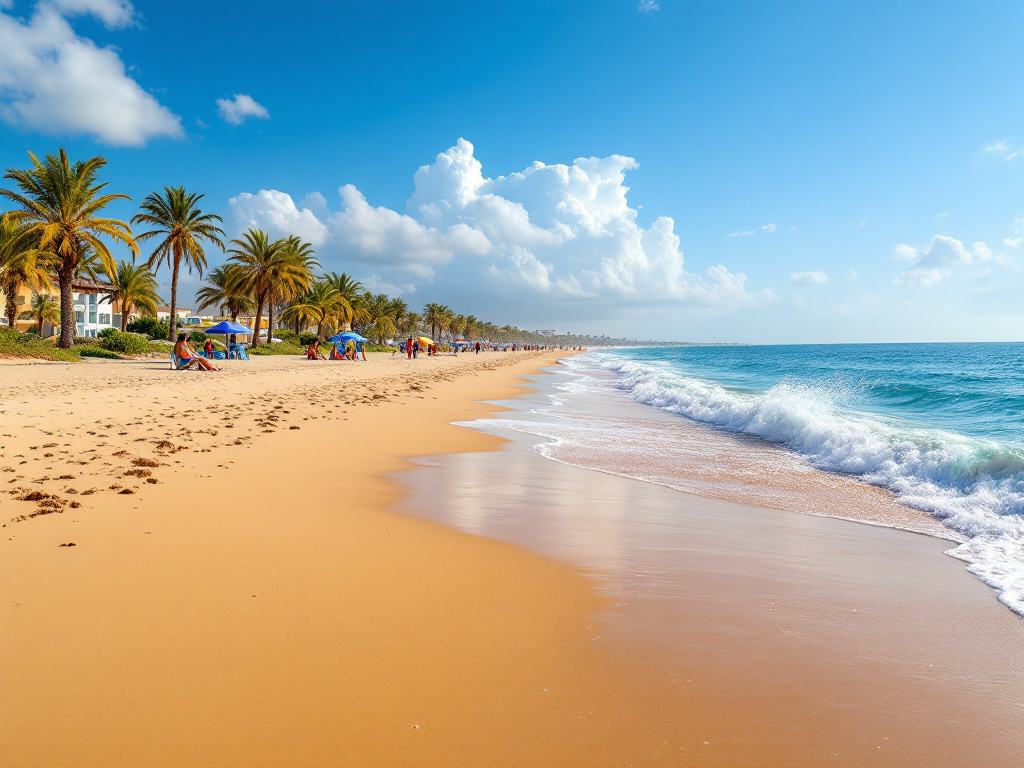
Nouakchott Beach
A long sandy beach near the capital, popular among locals for evening strolls and fishing.
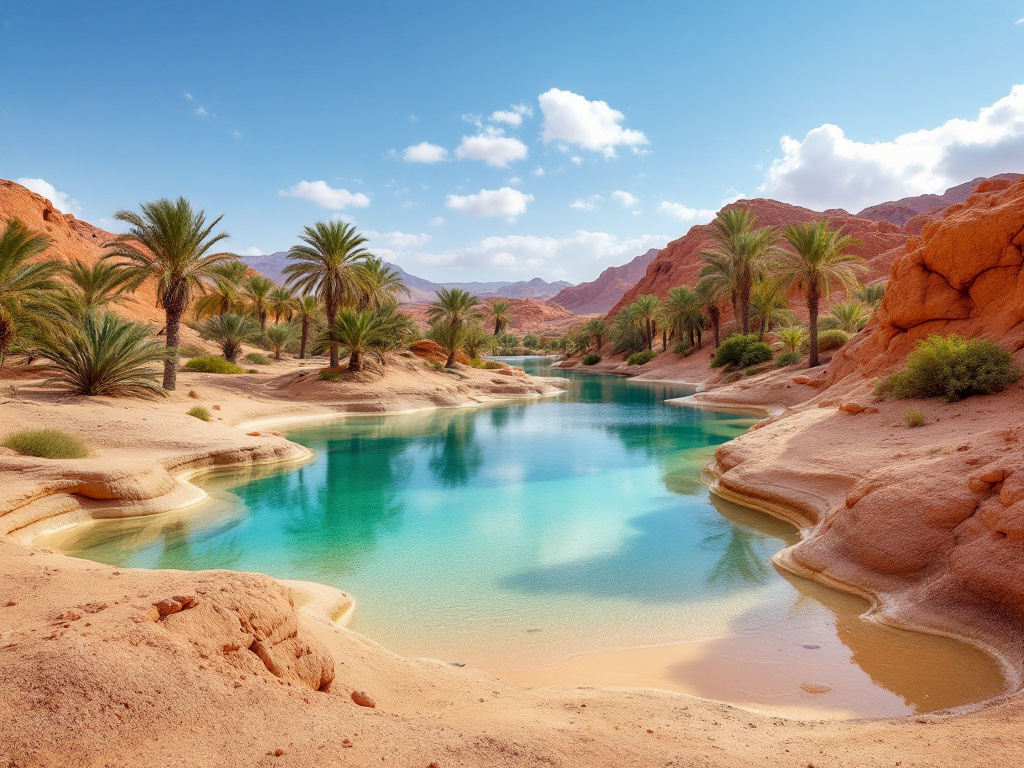
Terjit Oasis
A lush oasis hidden in the Adrar mountains with natural water pools and shady palms.
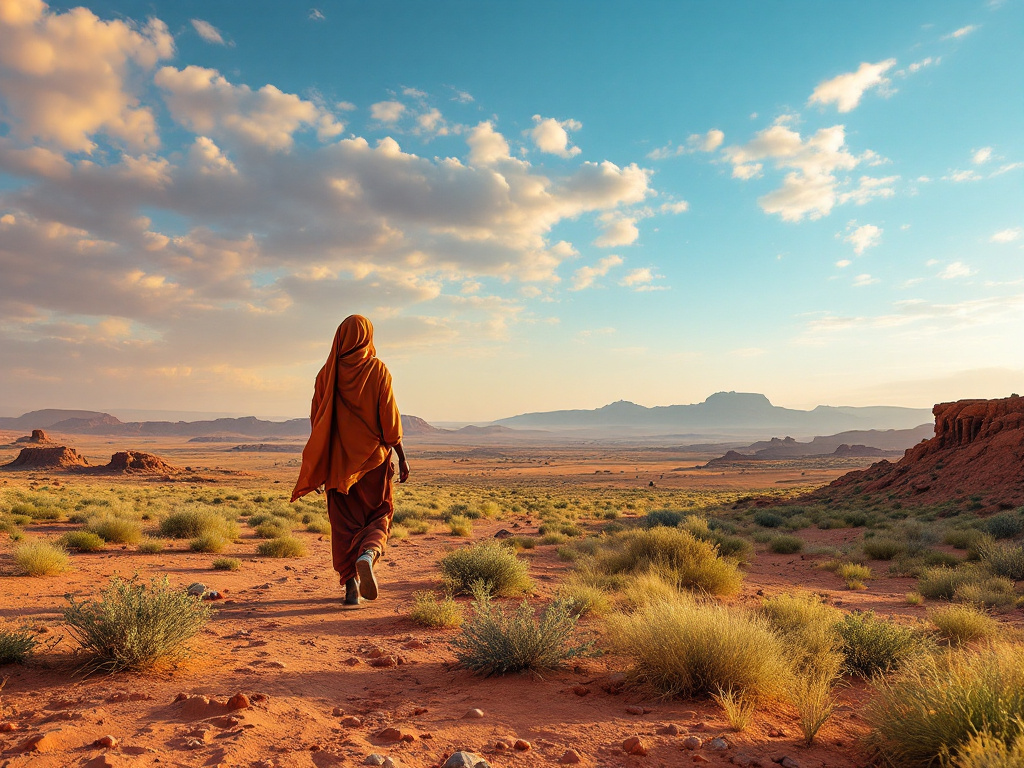
Atar
A bustling desert town and important base for exploring the inner regions of Mauritania.
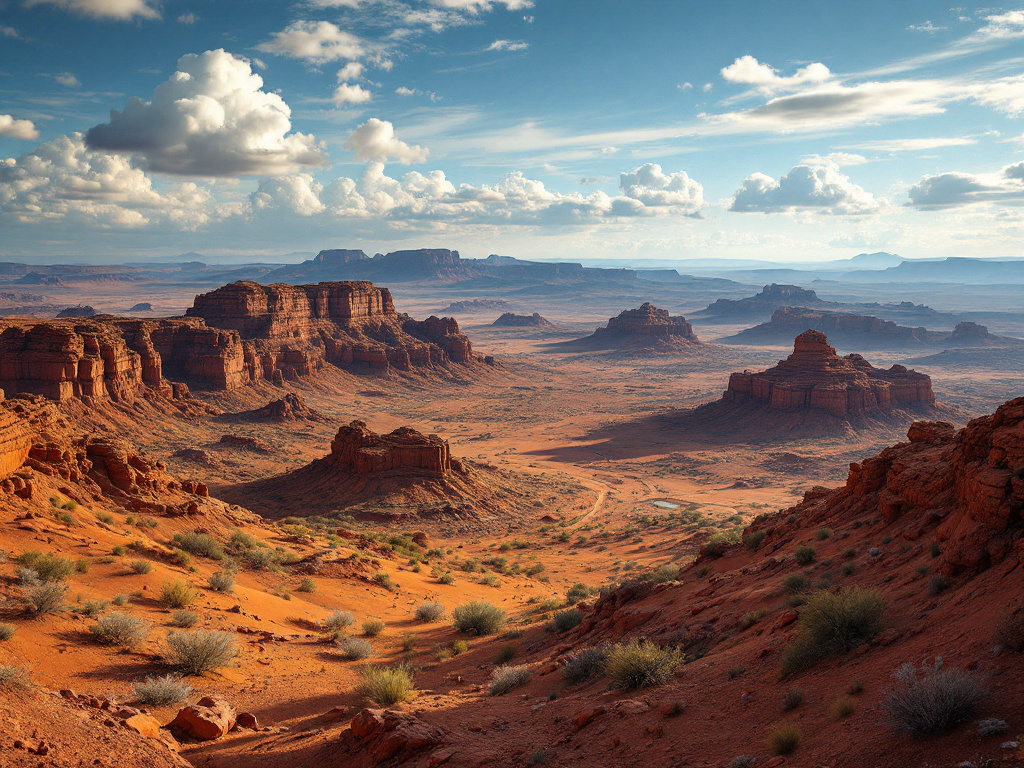
Tidjikja Plateau
A high-altitude desert plateau with dramatic views and serene landscape.
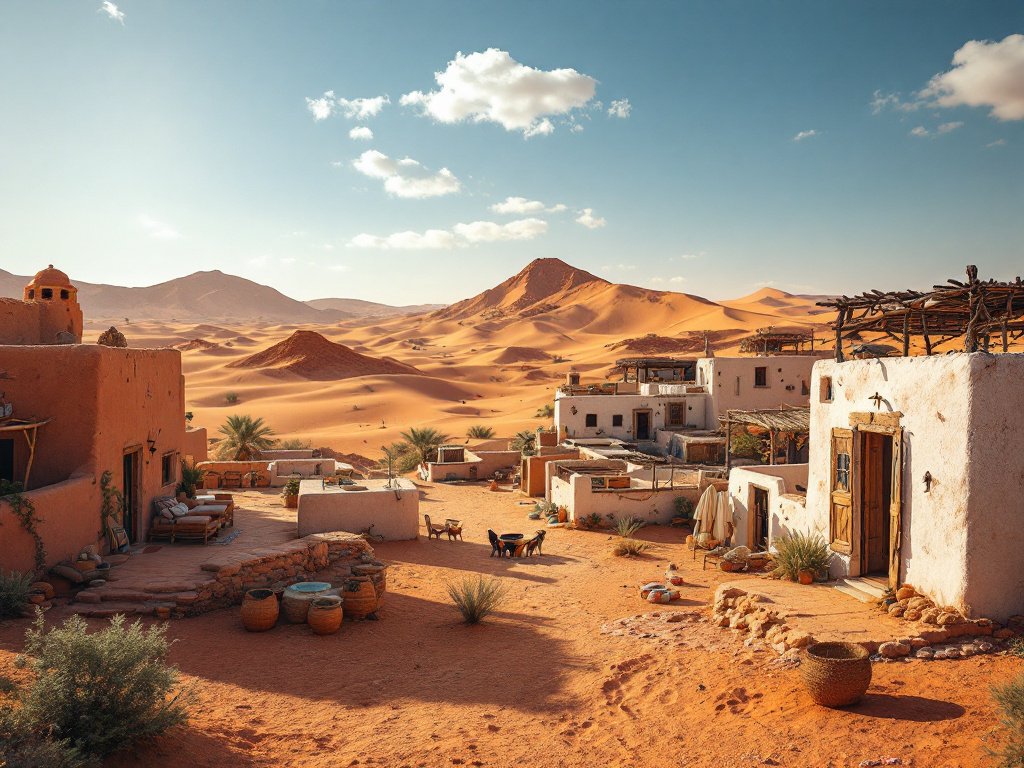
Tidjikja
A classic Mauritanian oasis town known for its history and tranquil daily life.
Famous cuisine
Culinary overview
Mauritania's cuisine is a melting pot of Arab-Berber and West African flavors, influenced by the resources of the desert and the fresh catch from the coast. Meals are often communal and served on large platters, where people eat with their right hand or a spoon. Fish, lamb, rice, and couscous are central ingredients, and spices like cumin, coriander, and saffron add depth to the dishes. Mint tea is an unavoidable part of hospitality, served in three glasses that symbolize life, love, and death.
Must-try dishes
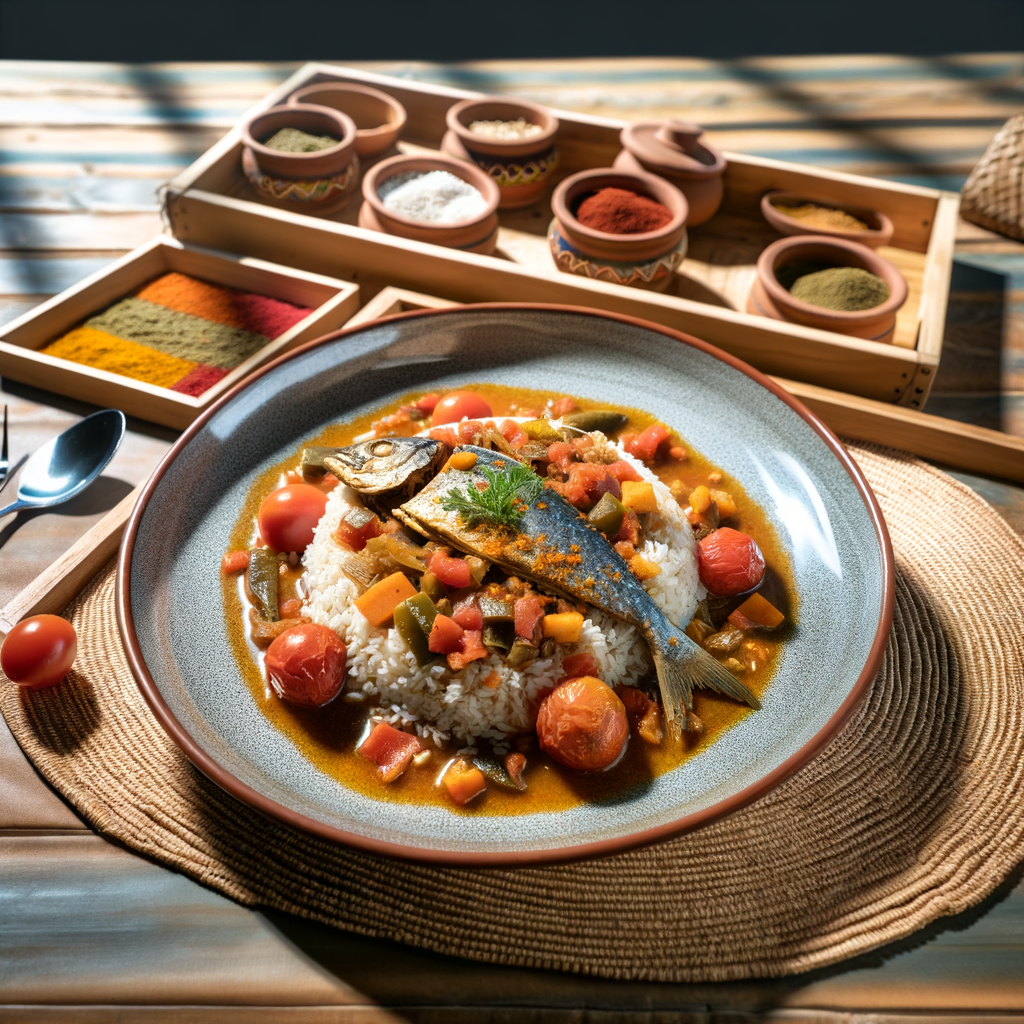
Thieboudienne
Mauritania's national dish made of rice, fish (often seabass or tuna), tomatoes, vegetables, and spices. The dish simmers for a long time, allowing the flavors to meld into a rich and aromatic experience.
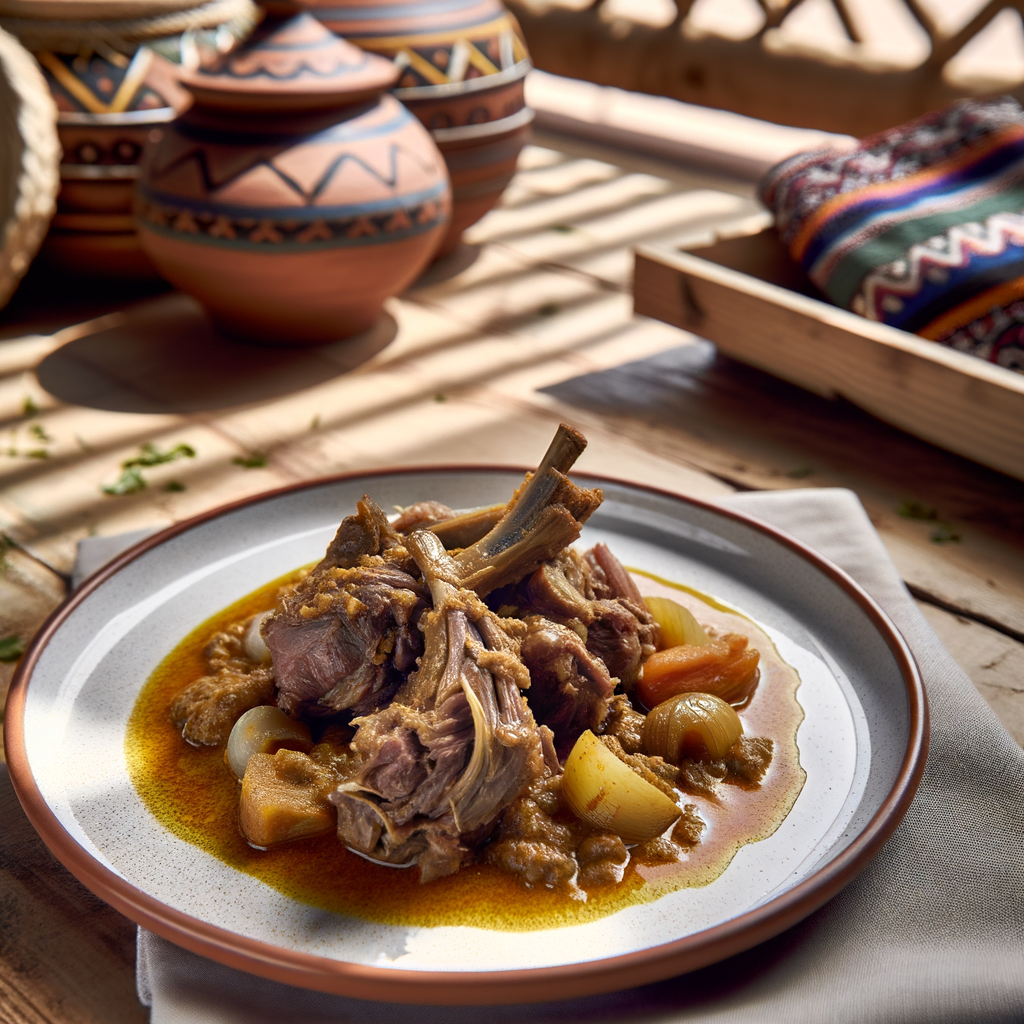
Mechoui
Slow-roasted lamb, often cooked in an earth oven or over an open fire. The meat becomes tender and juicy, seasoned with simple yet intense spices.
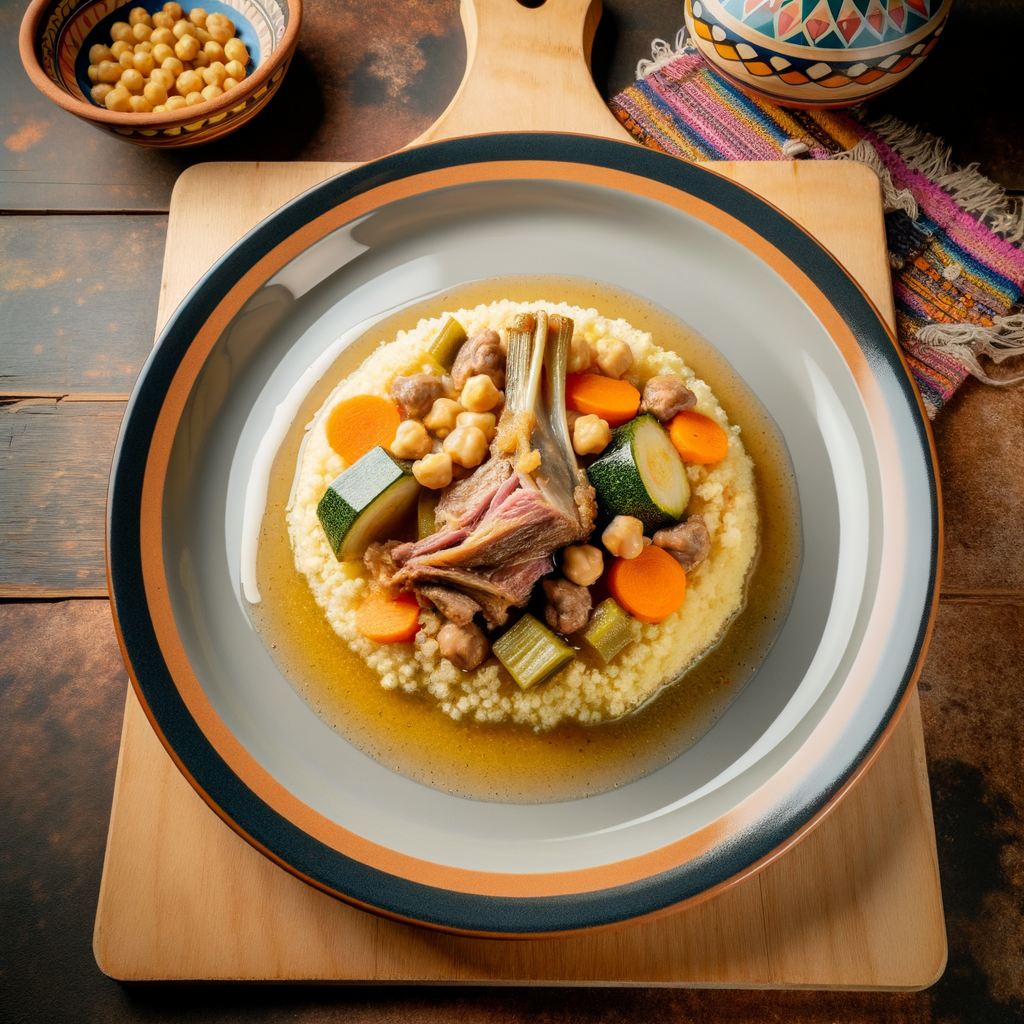
Couscous with lamb and vegetables
Steamed semolina served with lamb, carrots, chickpeas, and squash in an aromatic broth. A classic dish for festive occasions.
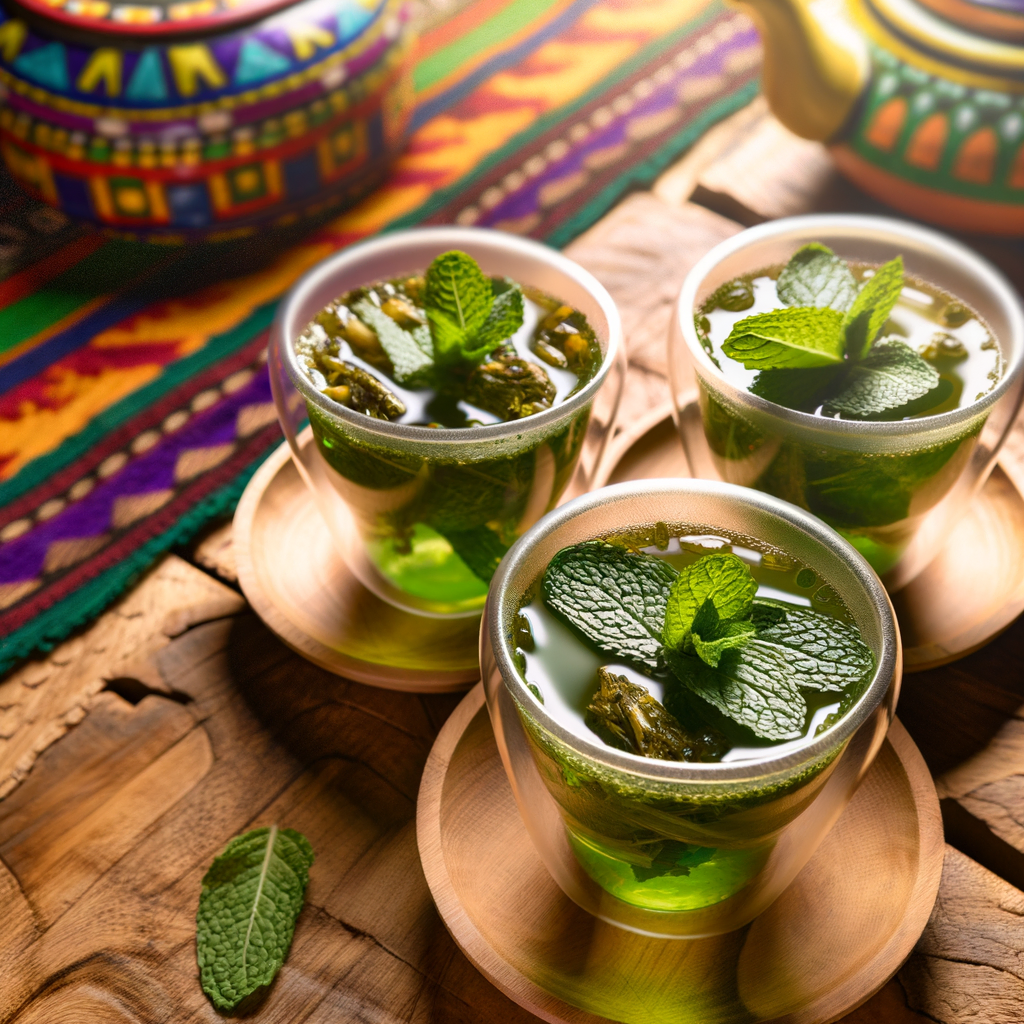
Mint tea
Strong green tea with plenty of fresh mint and sugar, served in three rounds. A central part of Mauritanian hospitality and social interaction.
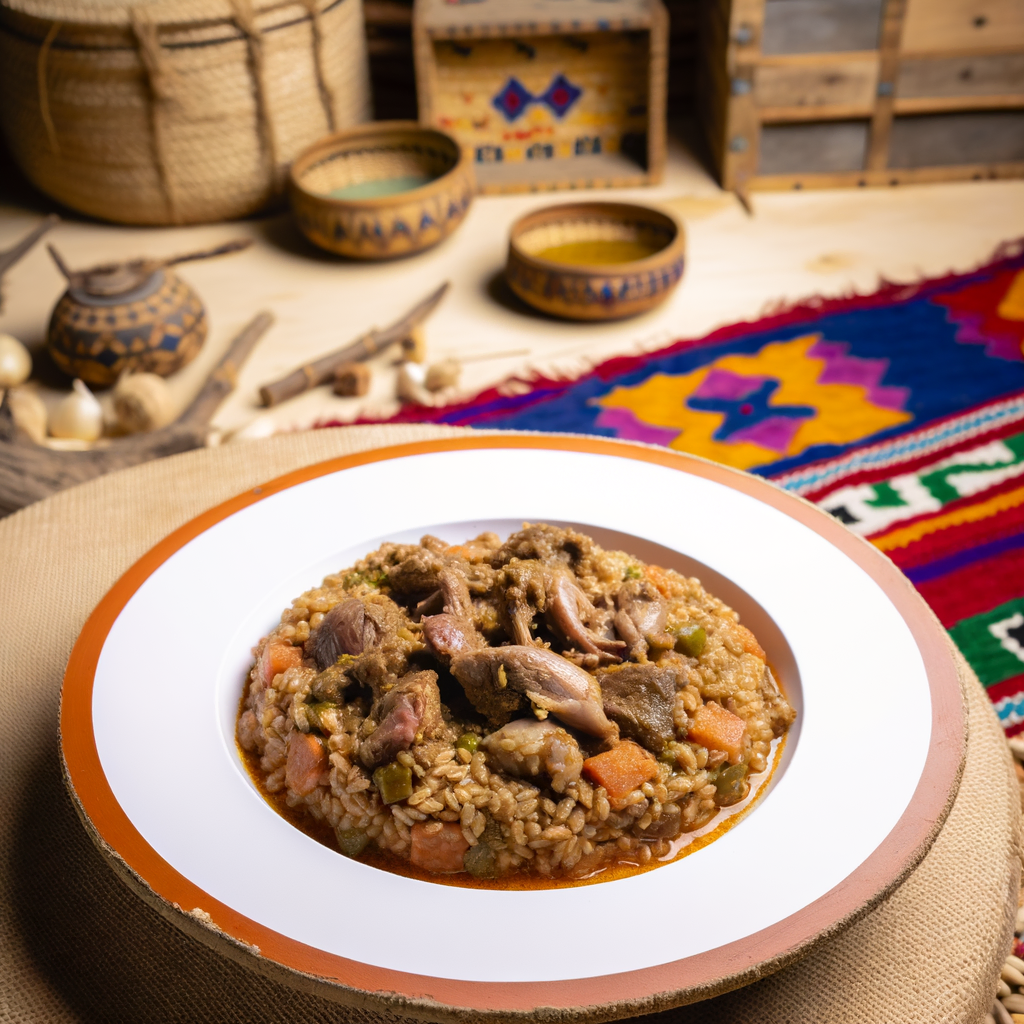
Cherchem
A traditional dish made of boiled wheat kernels mixed with meat (often lamb) and spices, eaten on special occasions.
Restaurant information
Tipping
Tipping is not mandatory in Mauritania, but appreciated for good service. In restaurants, you can round up the bill or give around 5-10%.
Travel information
Currency
Ouguiya (UM)
Language
Arabic
Best time to visit
November to March
Major cities
Nouakchott and other major cities
More countries in Africa
Discover more destinations in this region