
Malta
Malta, a Mediterranean treasure, blends ancient history with natural beauty – offering prehistoric temples, crystal-clear bays, and a vibrant culture in a compact paradise.
Overview
Malta is a Mediterranean paradise where thousands of years of history meet crystal-clear waters and sunny shores. The UNESCO-listed capital of Valletta impresses with baroque palaces and cathedrals, while prehistoric temples like Ħaġar Qim and Mnajdra testify to one of the world's oldest civilizations. The island's dramatic coastline, turquoise lagoons, and charming medieval towns like Mdina create an ideal destination for culture and nature enthusiasts alike. With a mild climate year-round, Malta invites exploration, relaxation, and adventure, ensuring an unforgettable experience.
Official language
Maltesisk
Government
republic
Best time to visit
April-June and September-October
Nature
Malta boasts a surprisingly diverse natural landscape, despite its compact size. The island's coastline features dramatic cliffs, hidden coves, and golden sandy beaches that invite relaxation and water sports alike. The famous Blue Lagoon on the nearby island of Comino is a postcard-perfect sight with its turquoise-blue, crystal-clear waters, ideal for snorkeling and swimming. Beneath the surface lies a true paradise for divers, with colorful corals, caves, and historical shipwrecks waiting to be explored. Inland, the landscape offers gentle hills, terraced fields, and wildflowers, particularly in spring when colors explode. Sunsets over Dingli Cliffs are a must-see for nature lovers, while the small islands of Gozo and Comino offer tranquil surroundings with a more untouched atmosphere. The mild Mediterranean climate allows for outdoor enjoyment year-round, but spring and autumn are especially perfect for hiking, cycling, and exploring the many scenic trails.
Travel to Malta
Traveling to Malta is both easy and convenient, with direct flights from many European cities to Malta International Airport, just a short distance from Valletta. The island’s compact size makes it effortless to explore cultural cities, beaches, and natural wonders in a short time. The public bus system is well-developed, but many choose to rent a car or scooter for greater flexibility. Malta is an EU member and uses the euro, simplifying travel for European visitors. The mild climate means it can be visited year-round, but spring (April to June) and autumn (September to October) are ideal to avoid the summer heat and crowds. Accommodation ranges from luxury hotels in Valletta to charming boutique hotels and holiday apartments in Gozo. With its combination of history, culture, nature, and hospitality, Malta is a perfect choice for both weekend getaways and longer vacations.
Culture
The Maltese culture is a captivating blend of European and North African influences, shaped by centuries of trade, conquests, and migration. This unique fusion is reflected in the language, which combines Semitic roots with Italian and English loanwords, and in the architecture, where baroque churches sit alongside Arabic-inspired courtyards. Cuisine is central to the culture—try the crispy pastizzi filled with ricotta or peas, traditional rabbit stew (fenek), or lampuki pie, a fish pie enjoyed during the autumn months. Music and dance also play a significant role, with local festivals, known as 'festas', where villages celebrate their patron saints with processions, fireworks, and live music. Handicrafts such as lacework, glass blowing, and silver jewelry make popular souvenirs, while the island's numerous museums and galleries testify to its rich artistic heritage. The relaxed yet proud lifestyle of the Maltese people makes them hospitable hosts eager to share their traditions with visitors.
History
Malta features one of the most fascinating historical timelines in the world, spanning over 7,000 years. The island is home to some of the oldest freestanding structures on Earth, including the megalithic temples of Ħaġar Qim and Mnajdra, predating the Pyramids of Egypt. In antiquity, Malta served as a strategic hub for the Phoenicians, Romans, and Arabs, later becoming known as a fortress for the Knights of St. John, who constructed the fortified capital of Valletta in the 16th century. During World War II, Malta played a crucial role as a British base in the Mediterranean and was awarded the George Cross for the bravery of its people. This rich history is visible everywhere—from the narrow streets of the medieval city of Mdina to the underground burial chambers of the Ħal Saflieni Hypogeum, each site narrating stories of the island's illustrious past.
Top attractions
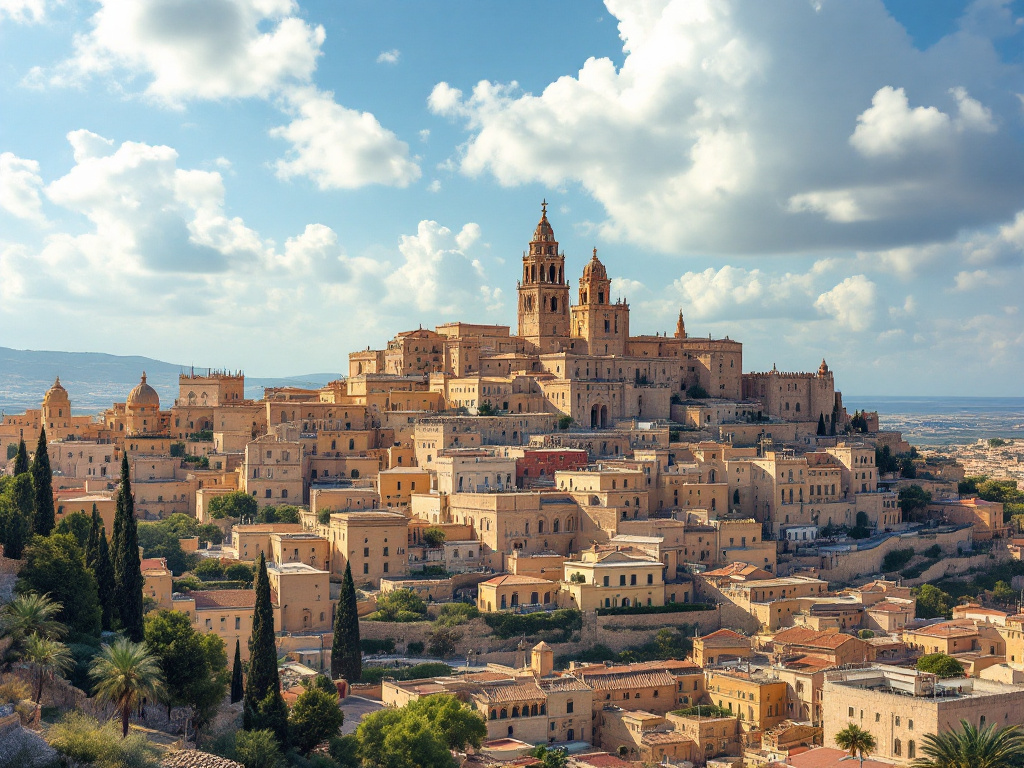
Mdina – The Silent City
Mdina is Malta's former capital, featuring atmospheric medieval streets and panoramic views.
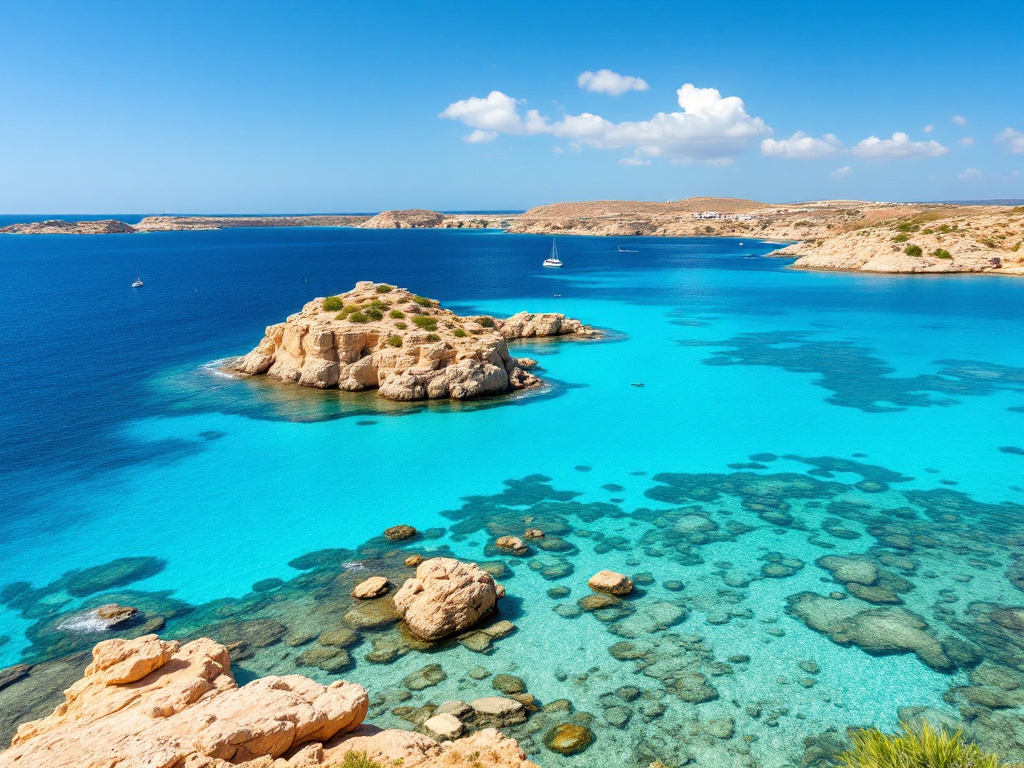
Blue Lagoon on Comino
A famous lagoon known for its turquoise water between Malta and Gozo.
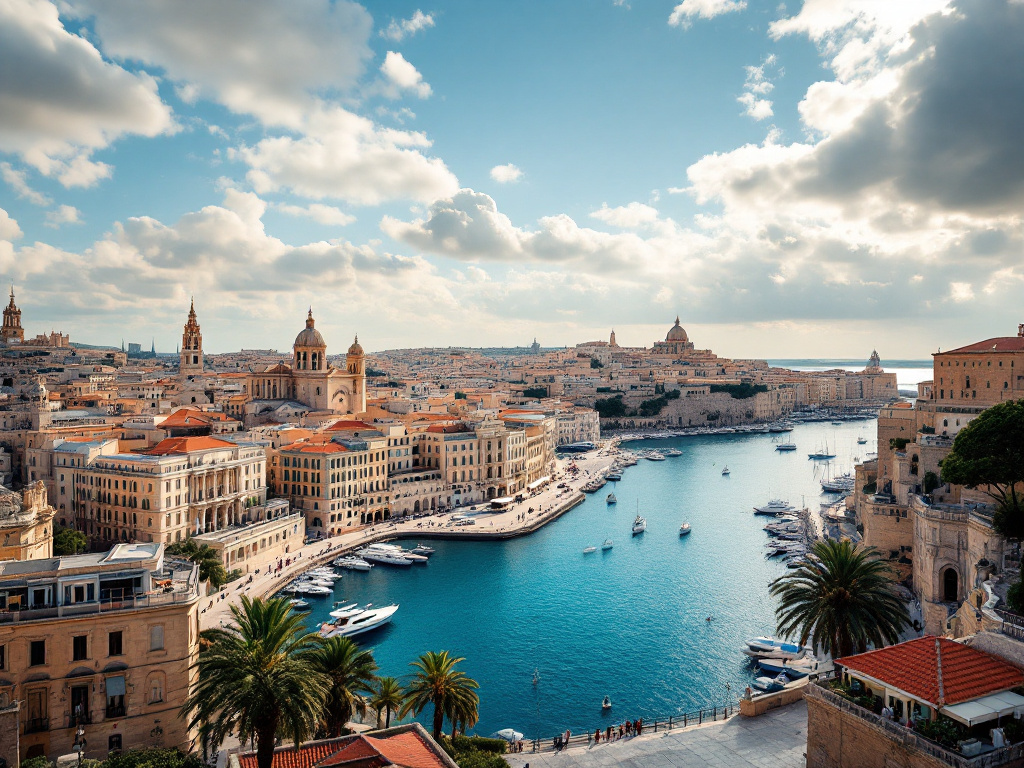
Valletta
Malta's capital filled with history, museums, and baroque architecture.
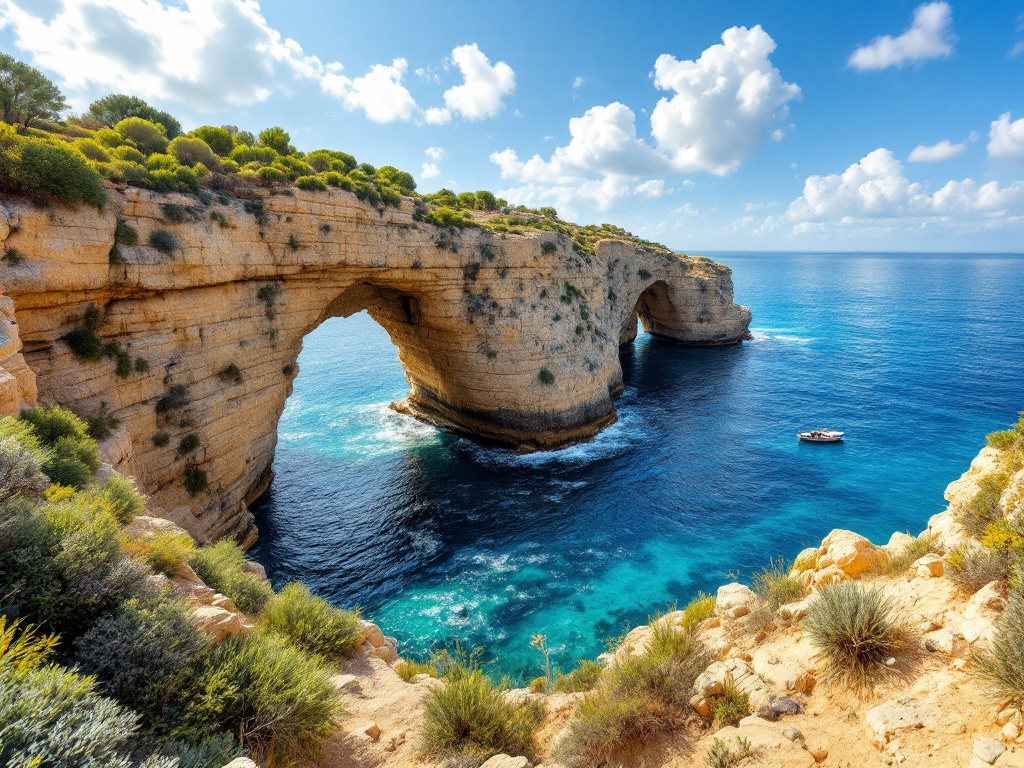
Dwejra and Azure Window Area
A scenic area in Gozo famous for its dramatic coastline.
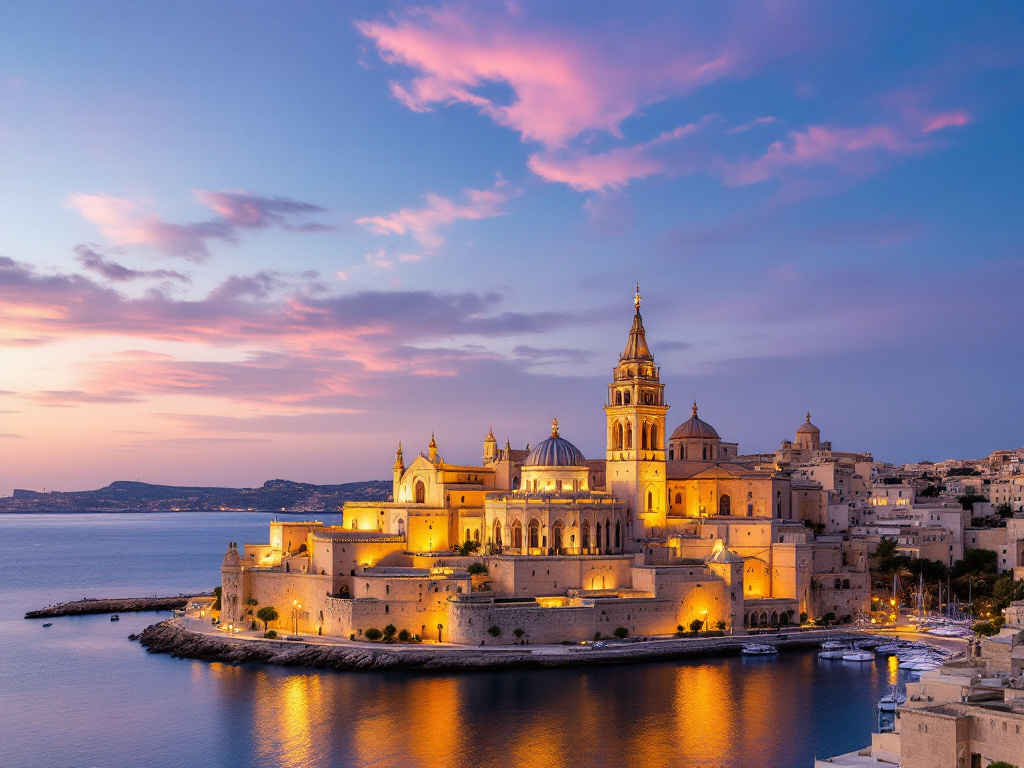
St. John's Cathedral
One of Europe's most impressive baroque cathedrals.
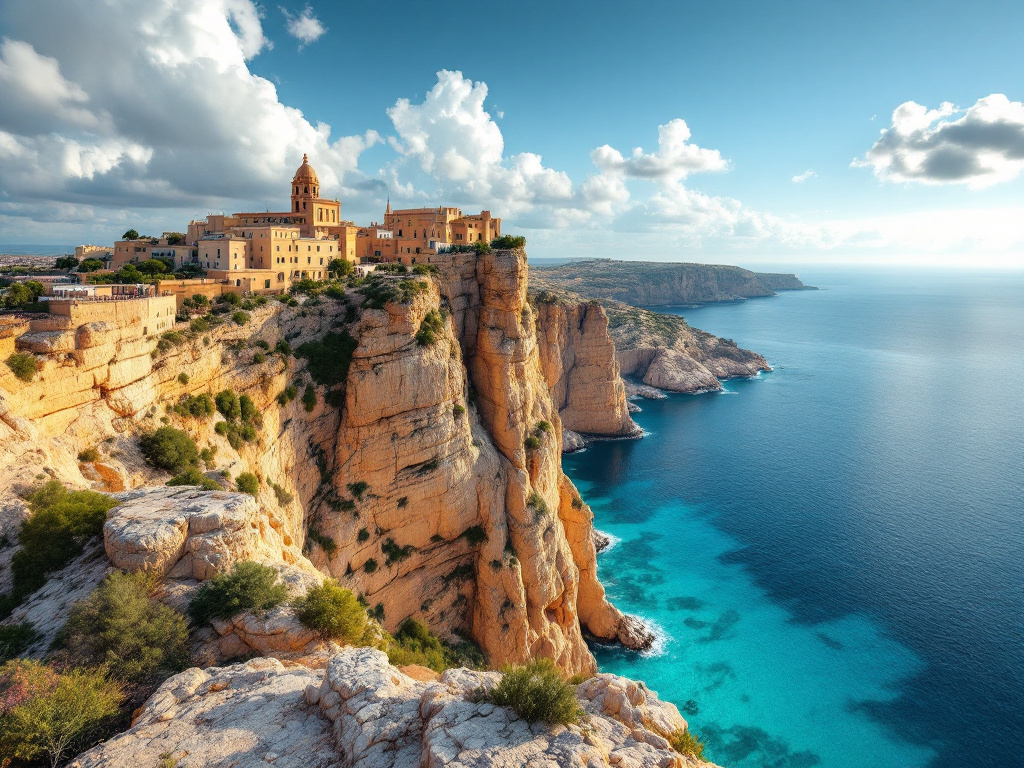
Dingli Cliffs
Malta's highest point with stunning sea views.
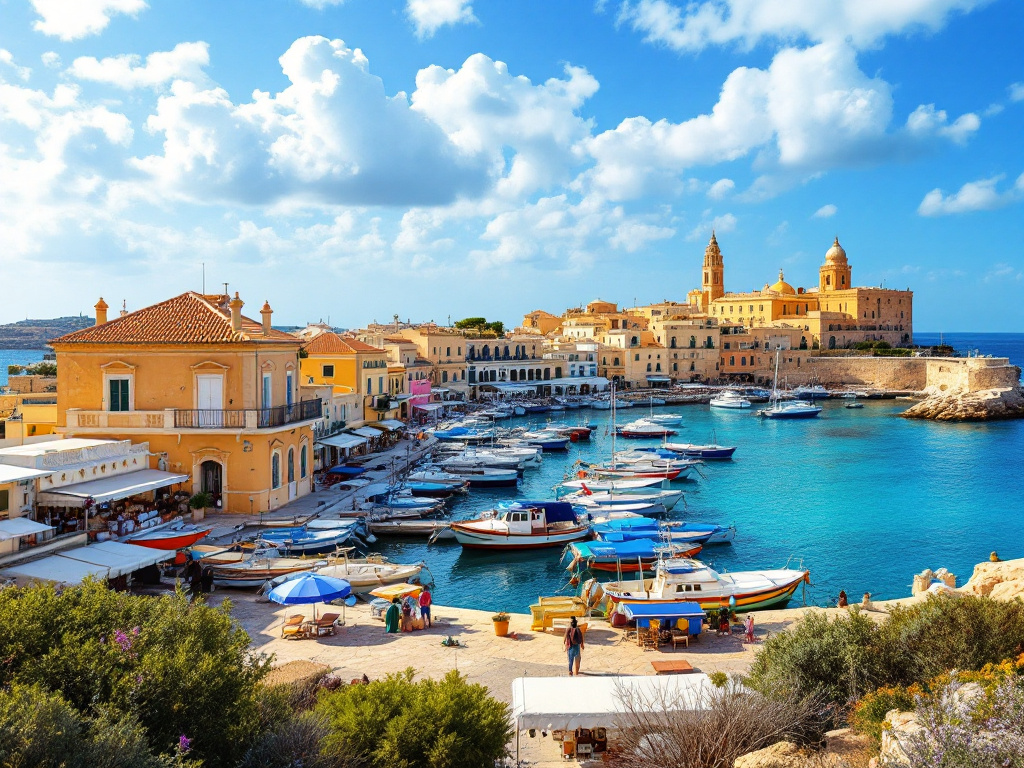
Marsaxlokk Fishing Village
Traditional fishing village known for its harbor and fresh fish.
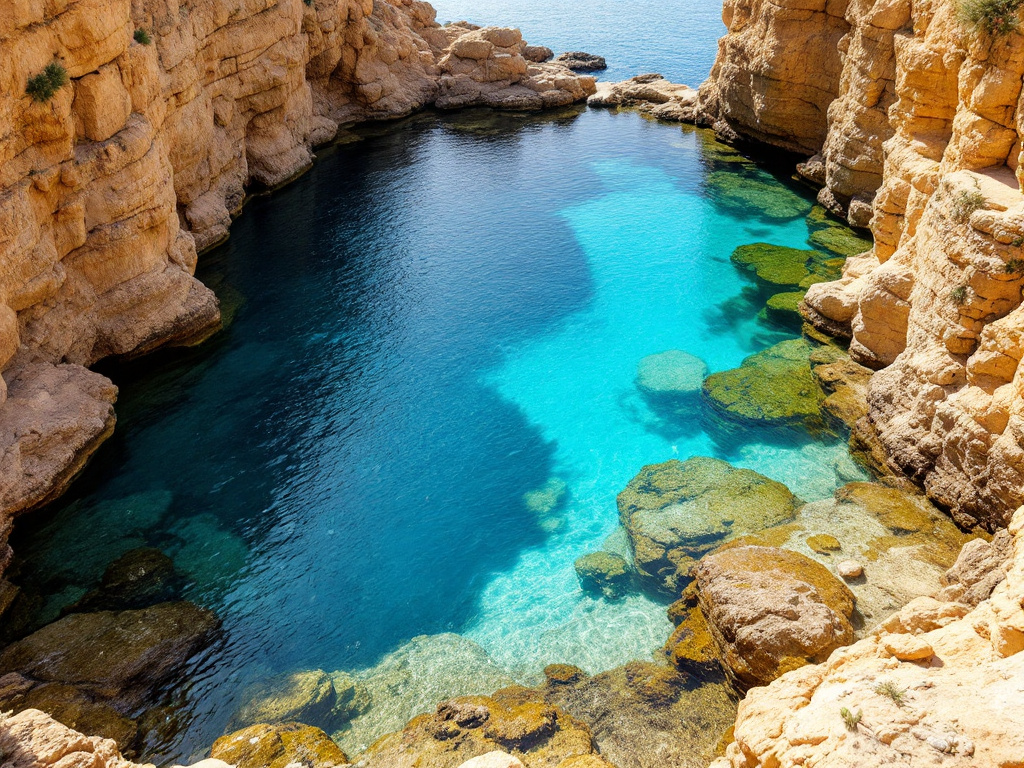
St. Peter's Pool
Popular bathing area with clear water and cliffs.
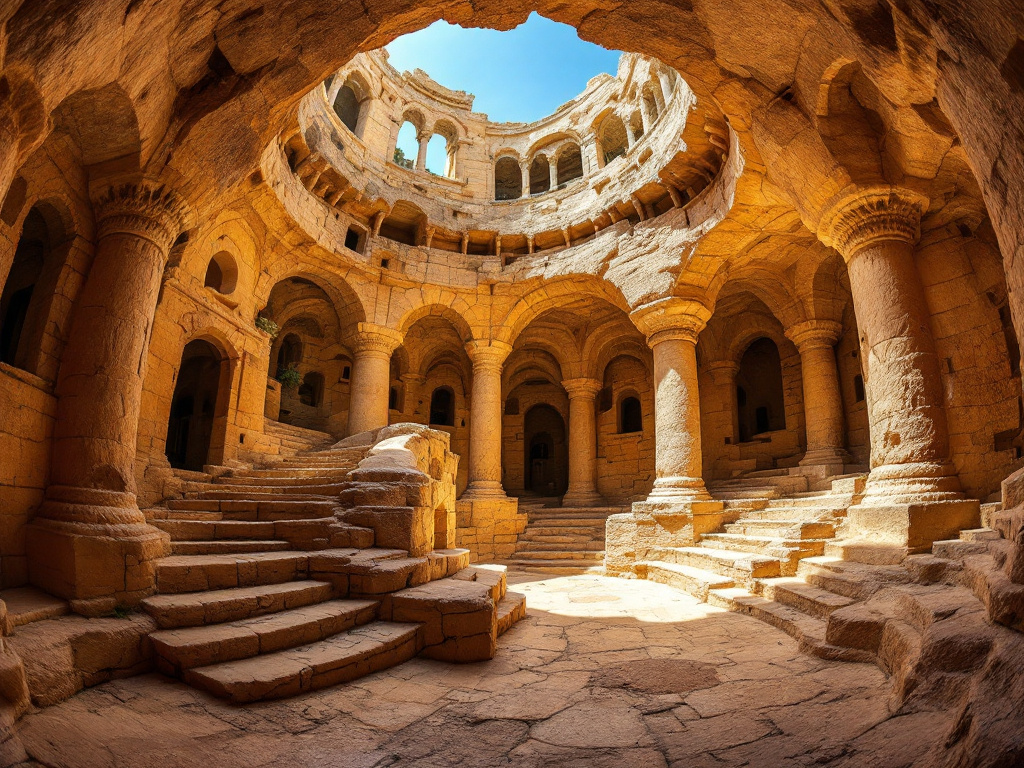
Ħal Saflieni Hypogeum
Unique underground temple and UNESCO World Heritage site.
Famous cuisine
Culinary overview
Maltese cuisine is a fascinating blend of Mediterranean flavors with influences from Italy, North Africa, and Great Britain. Local ingredients such as freshly caught fish, rabbit, tomatoes, olives, and capers play a central role. Traditional dishes are often served in rustic taverns, while modern restaurants combine classic recipes with innovative techniques. Street food like pastizzi is an unavoidable part of the experience, and fishing villages like Marsaxlokk offer the day's catch straight from the sea. Maltese food culture is about sharing meals, enjoying long lunches, and celebrating seasonal ingredients.
Must-try dishes
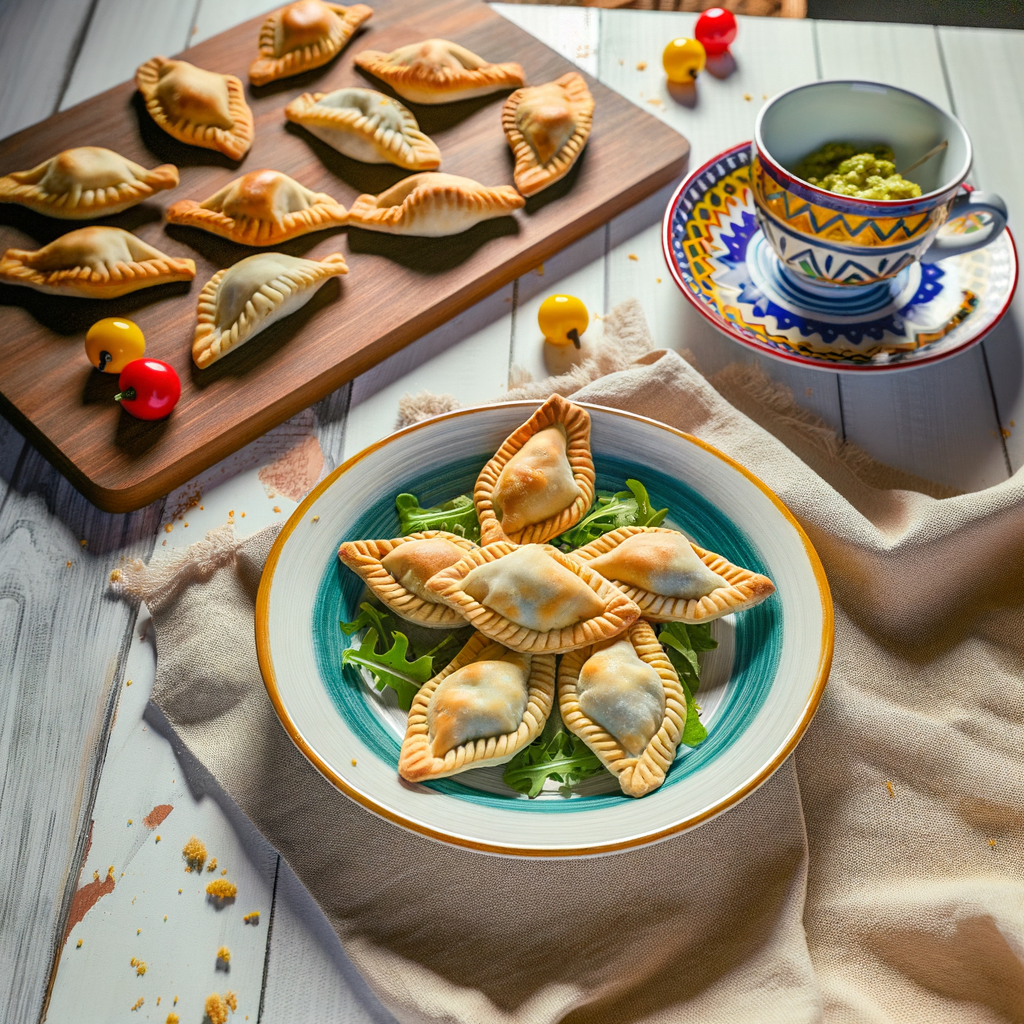
Pastizzi
Small, crispy pastry pockets filled with ricotta or pea puree. A popular snack often enjoyed with a cup of tea or coffee.
.webp)
Fenkata (Rabbit Stew)
Maltese national dish consisting of rabbit stew cooked in wine, garlic, and herbs. Often served with pasta as a starter and then as a main course with potatoes.
Lampuki Pie
A pie filled with lampuki (dorado fish), spinach, cauliflower, nuts, and spices. A seasonal dish typically available from late summer to early autumn.
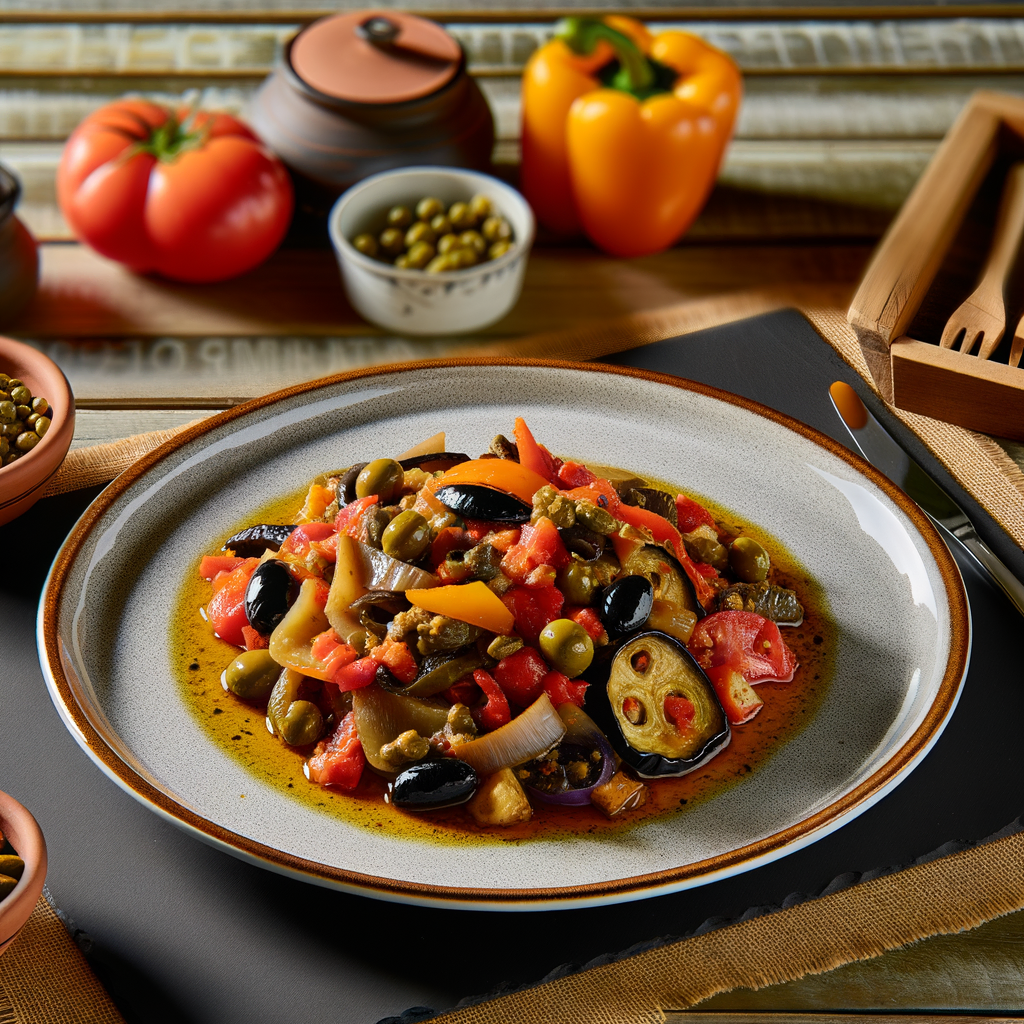
Kapunata
Maltese version of ratatouille with eggplant, bell peppers, tomatoes, olives, and capers. Served both warm and cold, often as a side dish to fish.
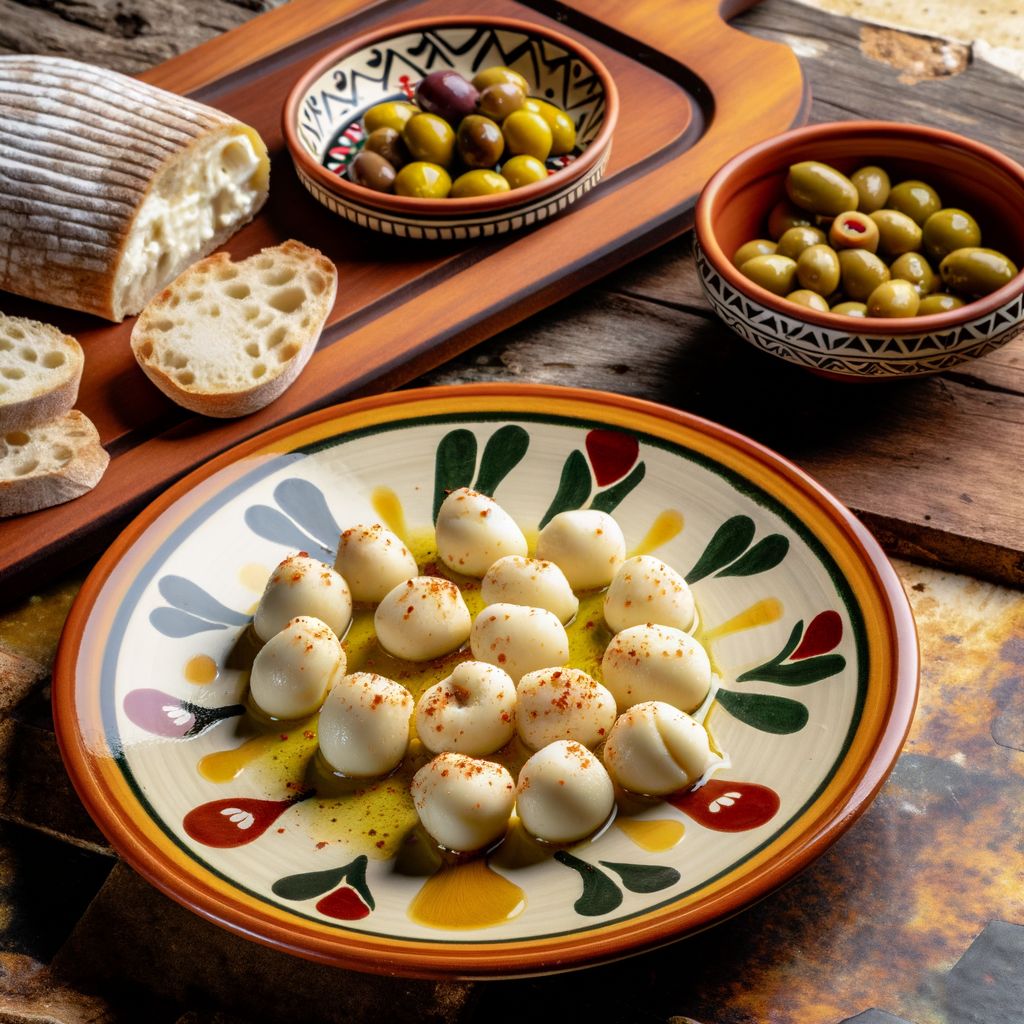
Ġbejniet
Small, round cheeses made from sheep or goat milk, served fresh, dried, or marinated in pepper. A classic Maltese delicacy.
Restaurant information
Tipping
Tipping is not mandatory in Malta, as service is often included in the bill. However, it is common to round up or give an extra 5-10% for good service.
Travel information
Currency
Euro (€)
Language
Maltesisk
Best time to visit
April-June and September-October
Major cities
Valletta and other major cities
More countries in Europe
Discover more destinations in this region