
Overview
Discover Mozambique, a stunning coastal paradise where crystal-clear waters and white sandy beaches meet a rich cultural heritage and authentic experiences. From the idyllic Bazaruto and Quirimbas Archipelagos to the wildlife wonders of Gorongosa National Park and the charming Inhambane beaches, the country offers unforgettable adventures. Experience the historical richness of Ilha de Moçambique with its colonial architecture and monuments, while the vibrant city of Maputo tempts you with lively markets, exciting nightlife, and mouthwatering dishes like peri-peri chicken and fresh-grilled fish.
Official language
Portuguese
Government
republic
Best time to visit
May to November
Nature
Mozambique is a hidden gem on Africa's east coast, boasting over 2,400 kilometers of stunning coastline adorned with pristine white sandy beaches and vibrant coral reefs. The Bazaruto and Quirimbas Archipelagos are notable highlights, attracting snorkelers and divers with their crystal-clear waters and rich marine life. Inland, Gorongosa National Park reveals a remarkable biodiversity, home to elephants, lions, hippos, and numerous bird species across diverse landscapes that range from savanna to wetlands and lush mountains, offering unforgettable safari experiences. A journey to the tranquil beaches of Inhambane, surrounded by swaying palm trees and serene lagoons, promotes relaxation and water activities like kayaking. The best time to visit is from May to November when the weather is dry and sunny, perfect for beach lounging, diving, and wildlife safaris.
Travel to Mozambique
Traveling to Mozambique is a journey brimming with contrasts and authenticity. The ideal time to visit is during the dry season from May to November, when the weather is conducive to beach holidays, diving, and safaris. International flights typically arrive in Maputo, with connections available to Nampula and Pemba for those looking to explore the northern parts of the country. Domestic travel can be undertaken via flights, buses, or by car, although distances can be considerable and road conditions vary. Most travelers will require a visa, which is often obtainable upon arrival. Mozambique remains relatively untouched by mass tourism, allowing for genuine interactions with locals and exploration of places where time seems to stand still. Whether you choose luxurious resorts in the Bazaruto Islands or simple guesthouses in quaint fishing villages, there’s something to suit every taste and budget. Combine beach relaxation with cultural excursions and wilderness adventures, making Mozambique a versatile and unforgettable destination.
Culture
The culture of Mozambique is an intriguing blend of African traditions and Portuguese colonial influences, vividly reflected in its architecture, music, cuisine, and everyday life. Visitors can wander the narrow streets of Ilha de Moçambique, a UNESCO World Heritage site, where historical buildings, ancient churches, and forts like Fort São Sebastião whisper tales of the past. Music and dance are integral to daily life, with lively rhythms of marrabenta accompanying local celebrations. Handicrafts, such as intricate wood carvings and colorful textiles, make for cherished souvenirs, rich with stories from generations. The culinary scene is equally diverse, featuring spicy peri-peri chicken, the coconut-based dish matapa, and freshly grilled fish. Markets in bustling cities like Maputo overflow with vibrant colors, enticing aromas, and the friendly chatter of locals, enhancing the warmth of this hospitable nation.
History
The history of Mozambique is marked by trade, colonization, and a struggle for independence. For centuries, it served as a vital hub for Arab, Indian, and later Portuguese trade routes, especially for gold, ivory, and spices. The Portuguese established their foothold in the 16th century, turning Ilha de Moçambique into a central administrative and trading center. The colonial period left a significant architectural legacy, as well as social tensions that lingered long after independence was achieved in 1975. Following a protracted liberation struggle, the country descended into a devastating civil war that lasted until 1992. Since then, Mozambique has been on a path of reconstruction and development, with history visible in both its buildings and the narratives shared by its people.
Top attractions
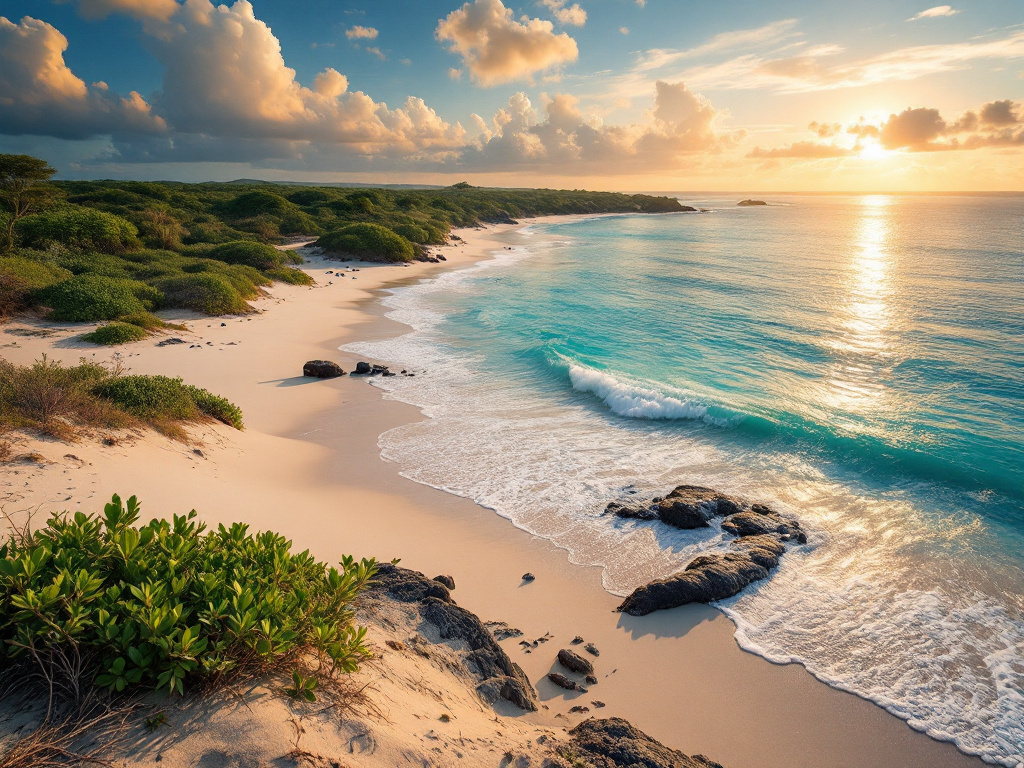
Bazaruto Archipelago
A spectacular archipelago known for its white sand beaches, turquoise waters, and some of the best diving spots in the Indian Ocean.
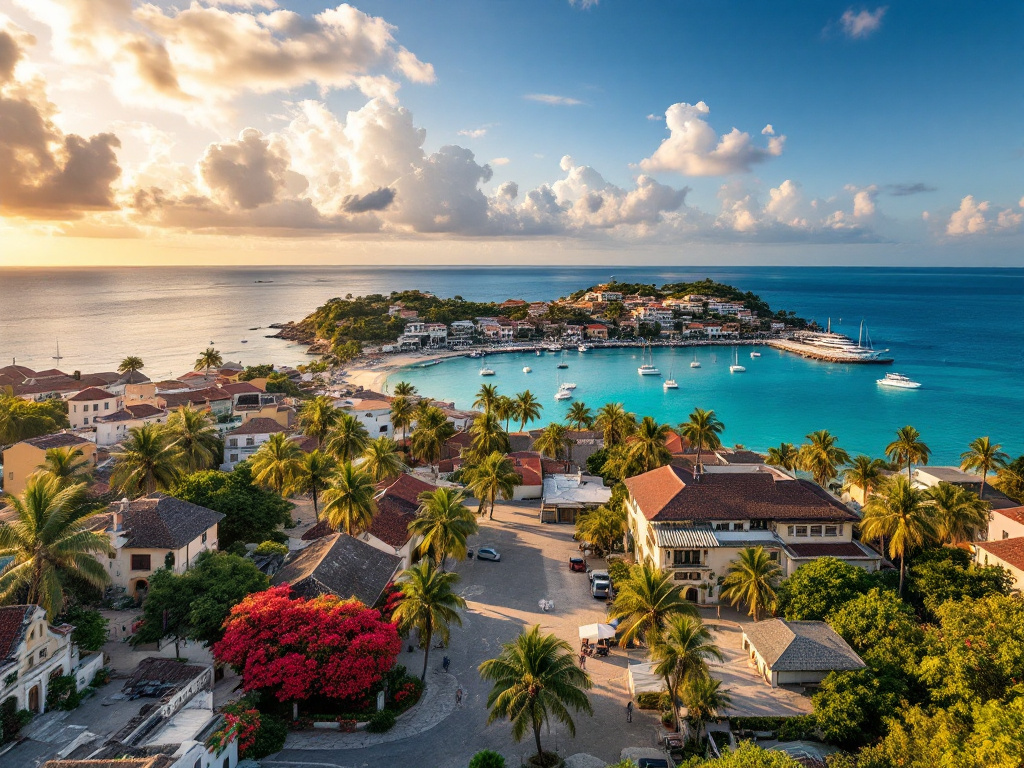
Island of Mozambique
A historic island town with strong Portuguese and African roots, known for its architecture and maritime history.
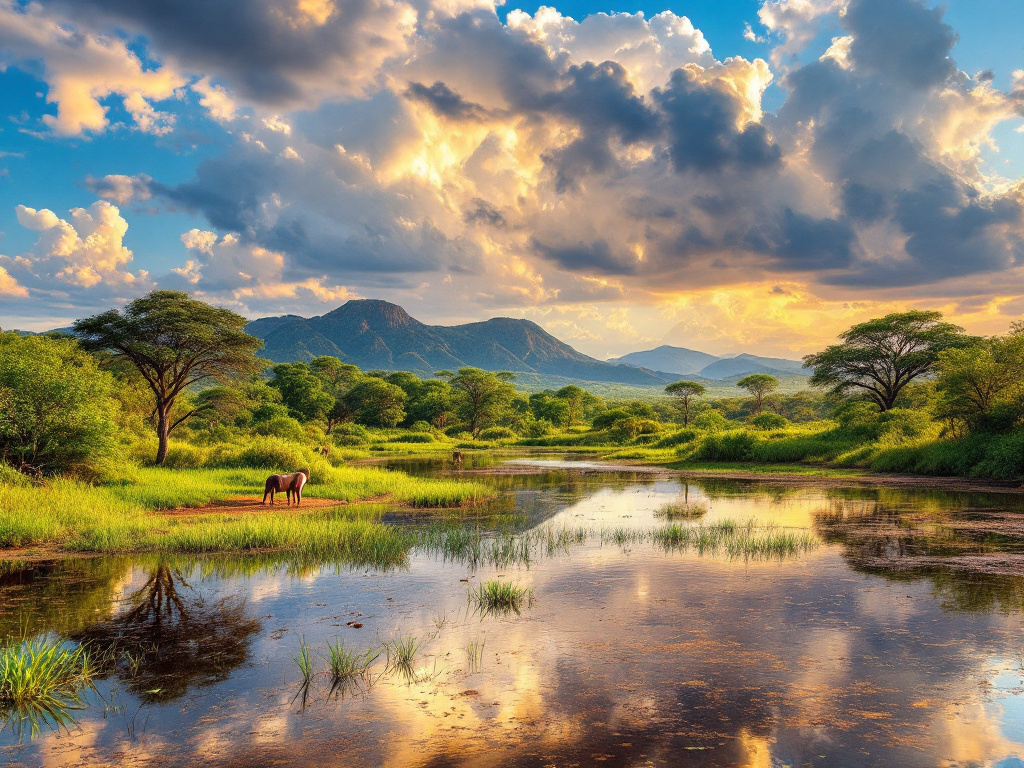
Gorongosa National Park
One of Africa's most biodiverse national parks, known for its successful wildlife restoration.
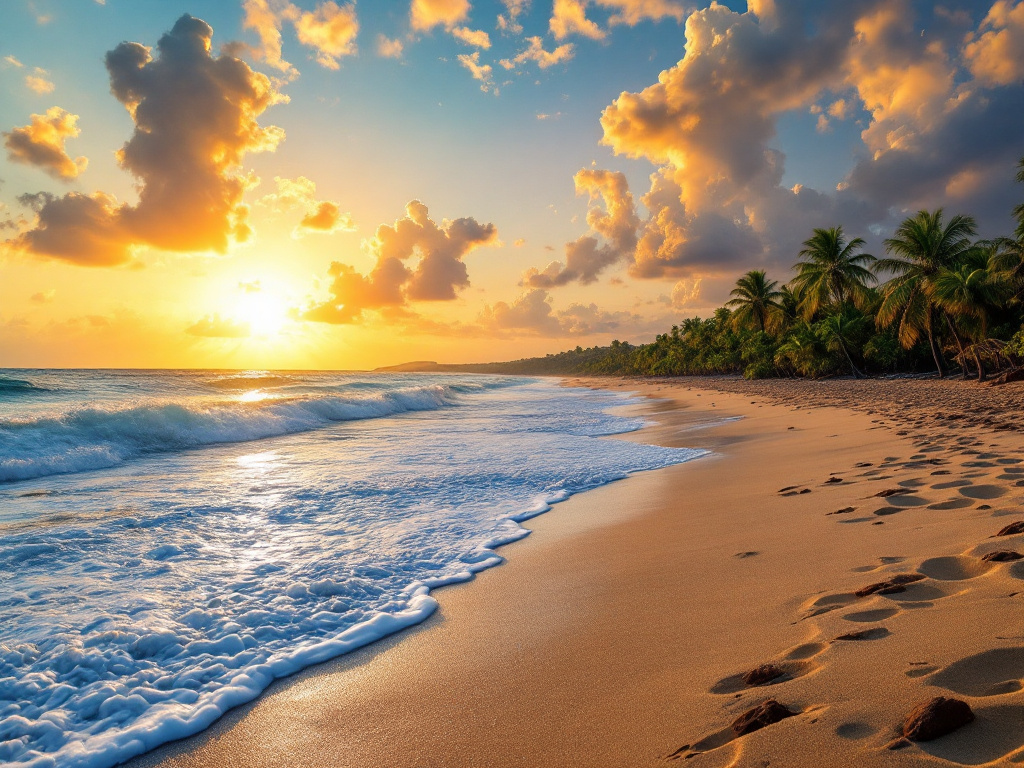
Tofo Beach
A popular beach destination known for its marine life, casual atmosphere, and good diving spots.
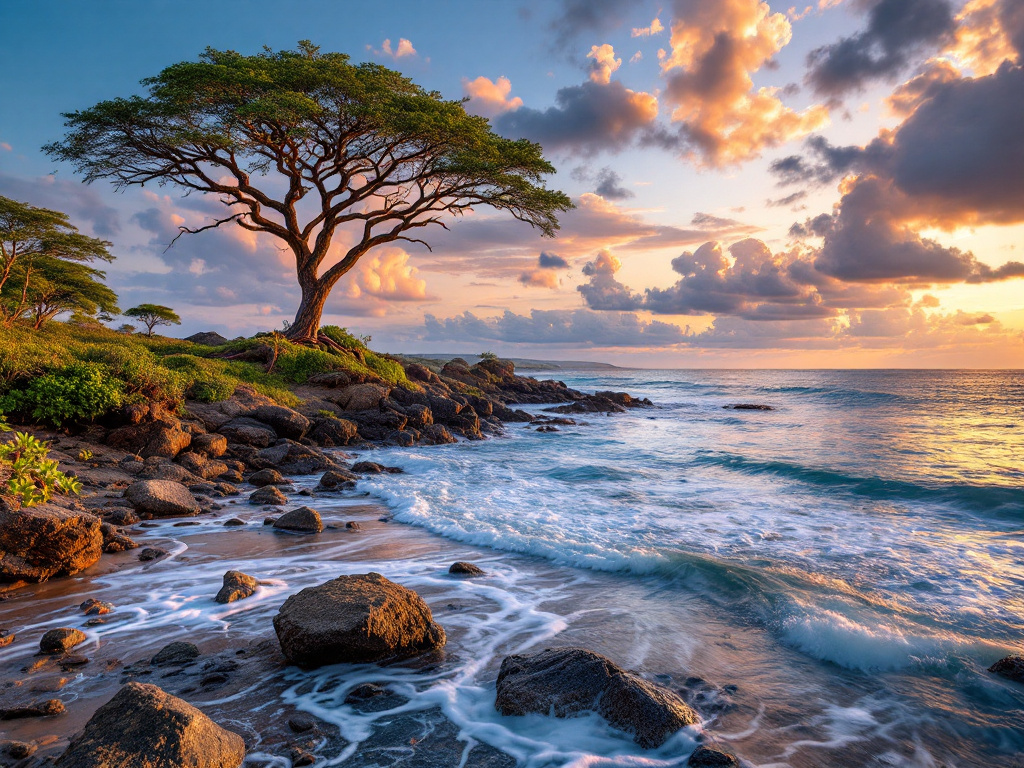
Maputo National Park
A diverse national park near Maputo with both coast, lakes, and wildlife.
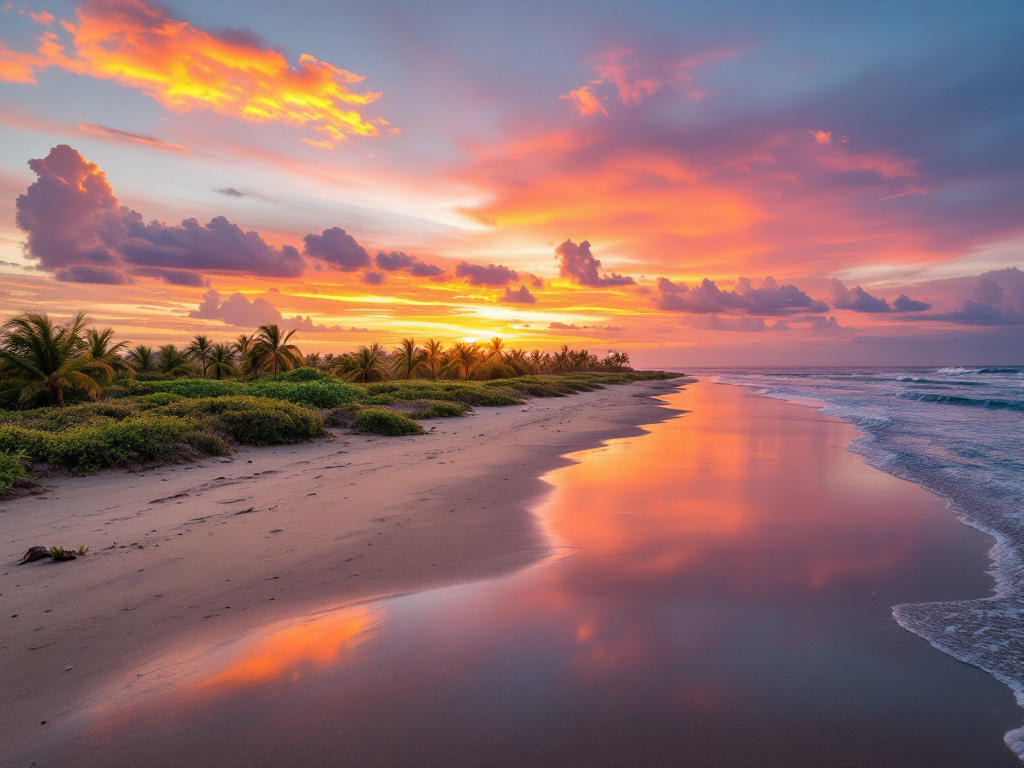
Quirimbas Archipelago
A beautiful and relatively unknown archipelago focusing on nature, culture, and exclusive beach experiences.
Mount Binga
The highest mountain in Mozambique and a popular destination for experienced hikers and adventurers.
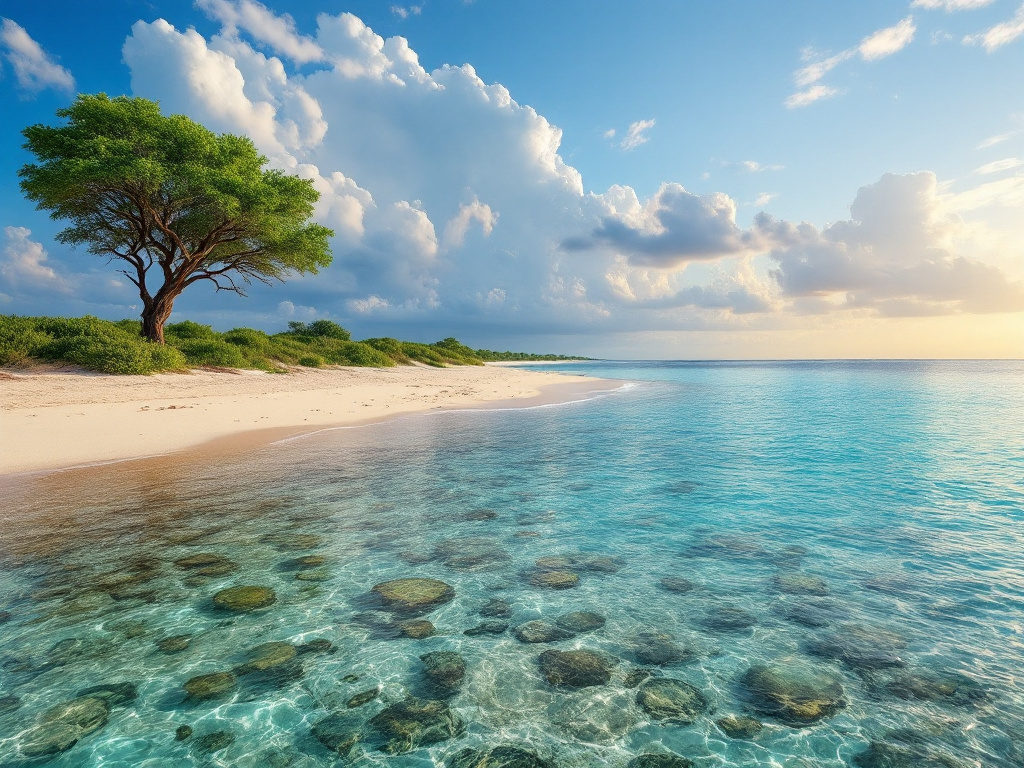
Lake Niassa
A large and beautiful lake known for its clear water and relaxed atmosphere.
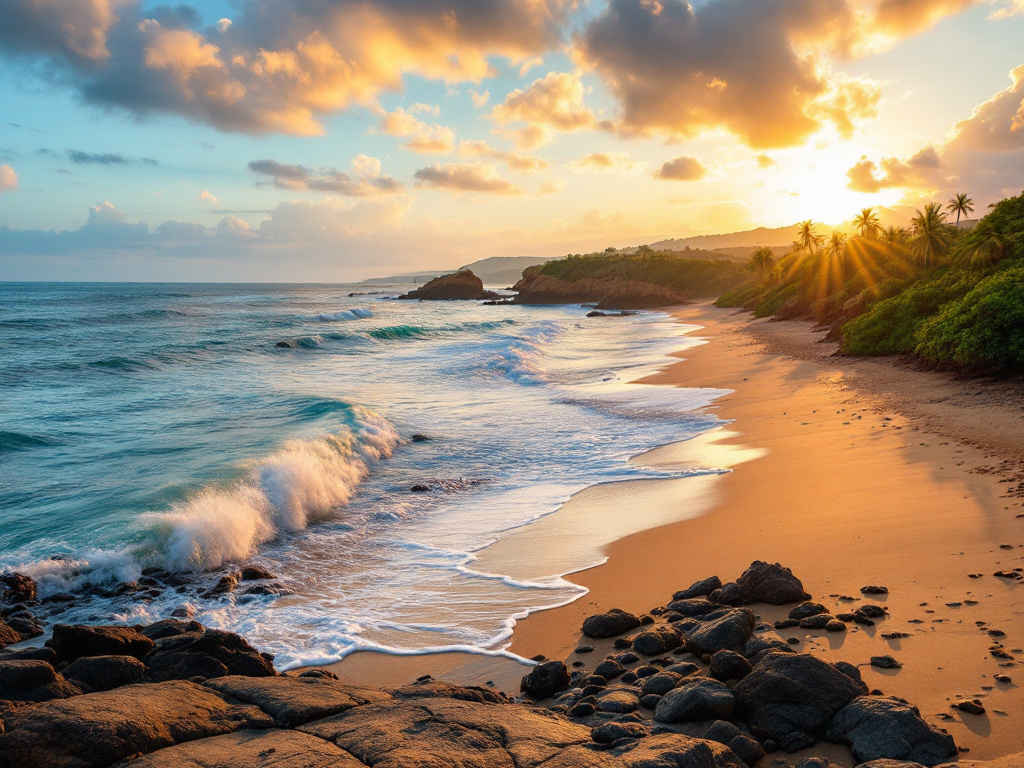
Ponta do Ouro
A charming coastal town known for dolphins, diving, and a relaxed atmosphere.
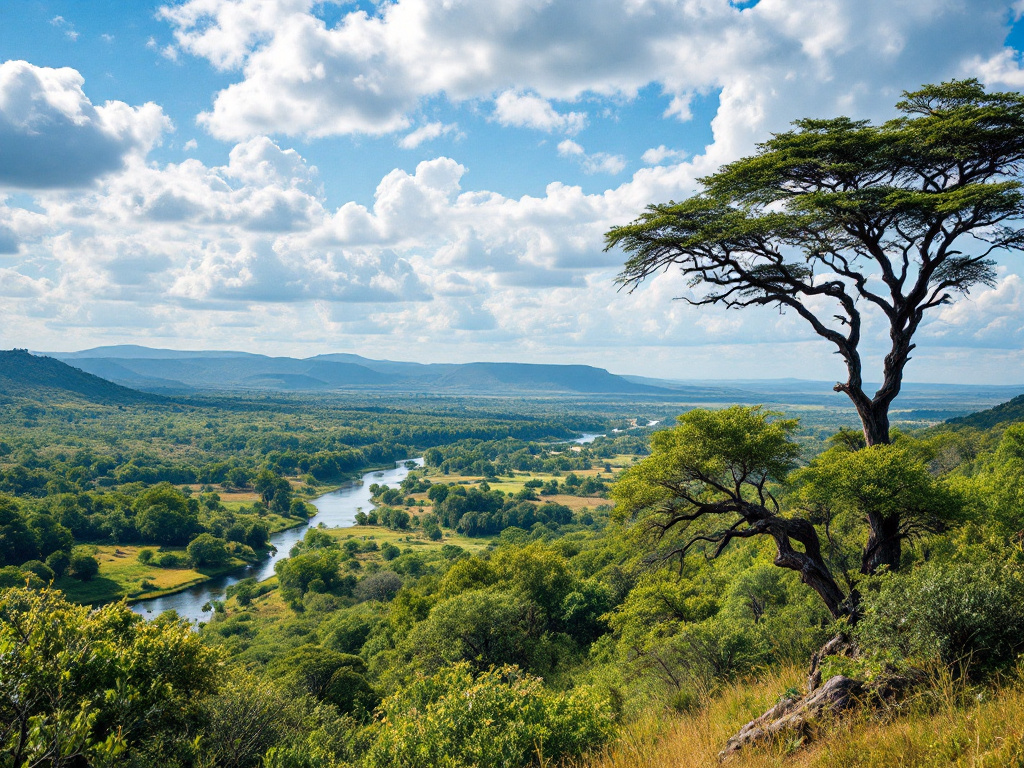
Limpopo National Park
A large and relatively wild national park that offers authentic safari experiences.
Famous cuisine
Culinary overview
Mozambique's food culture is an exciting fusion of African, Portuguese, Indian, and Arab influences. The country's long coastline means that fresh fish and seafood play a central role, often spiced with chili, coconut milk, and aromatic spices. Street stalls serve everything from grilled corn to small fried snacks, while restaurants offer everything from rustic local dishes to refined gourmet food. Meals are often shared communally, and food is an important part of social gatherings.
Must-try dishes
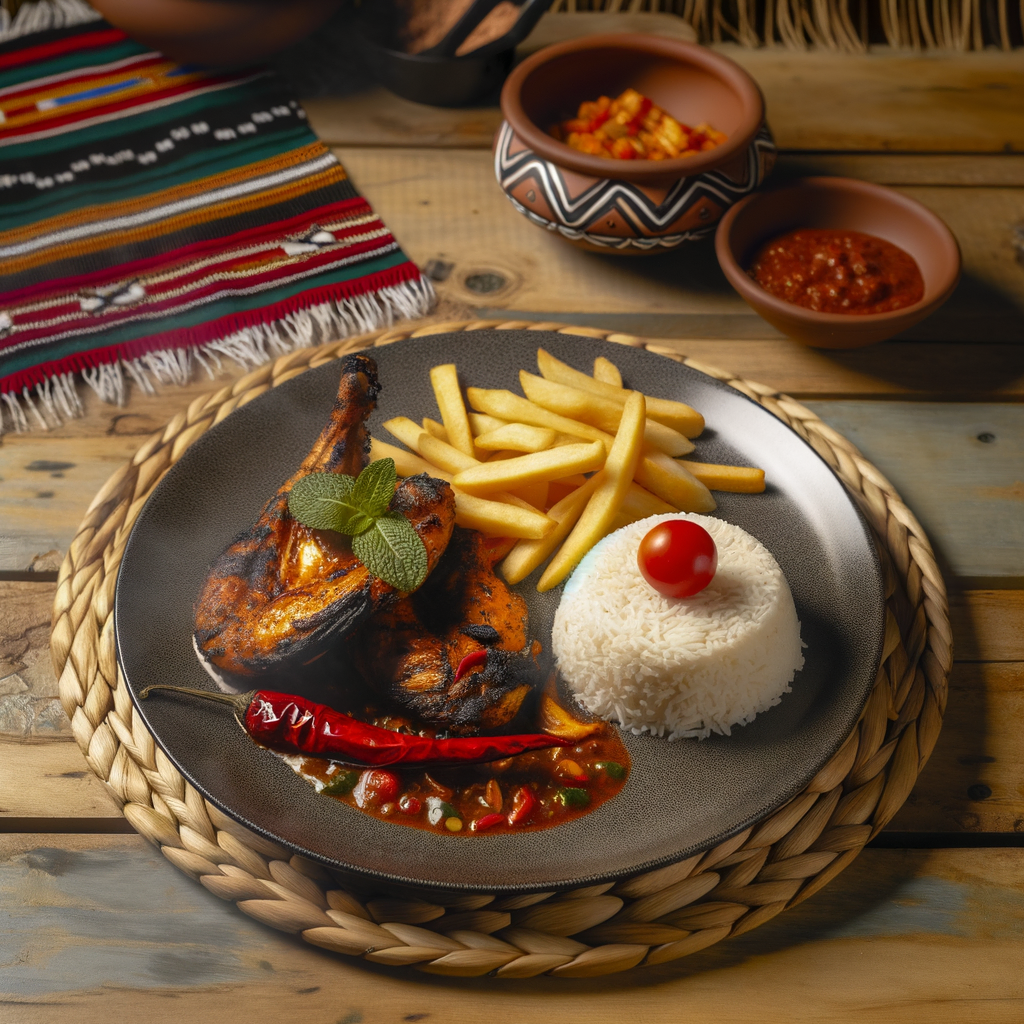
Peri-peri chicken
Grilled chicken marinated in a spicy chili and garlic sauce, often served with rice or fries. A classic with Portuguese origins that has become a national favorite.
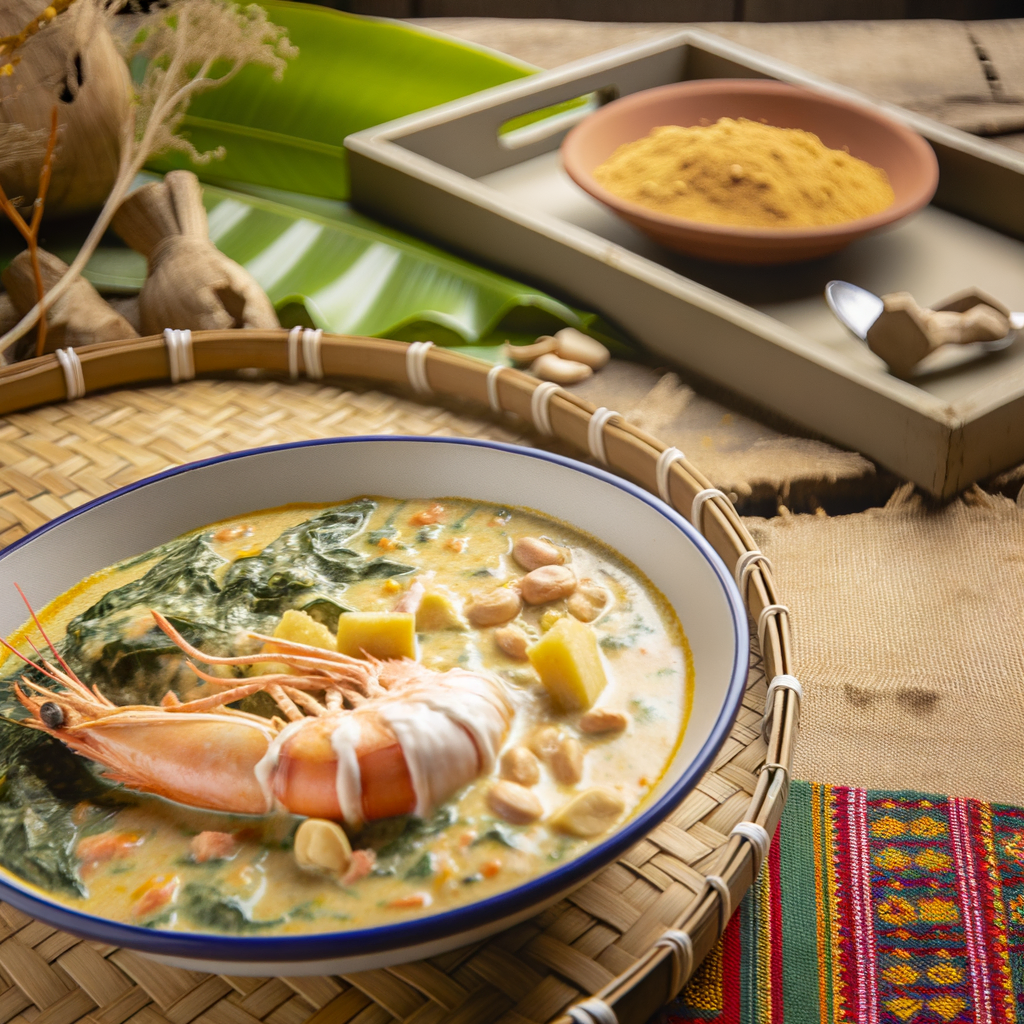
Matapa
A creamy stew made from cassava leaves, peanuts, and coconut milk, often served with shrimp or crab. The dish is deeply rooted in the local food tradition.
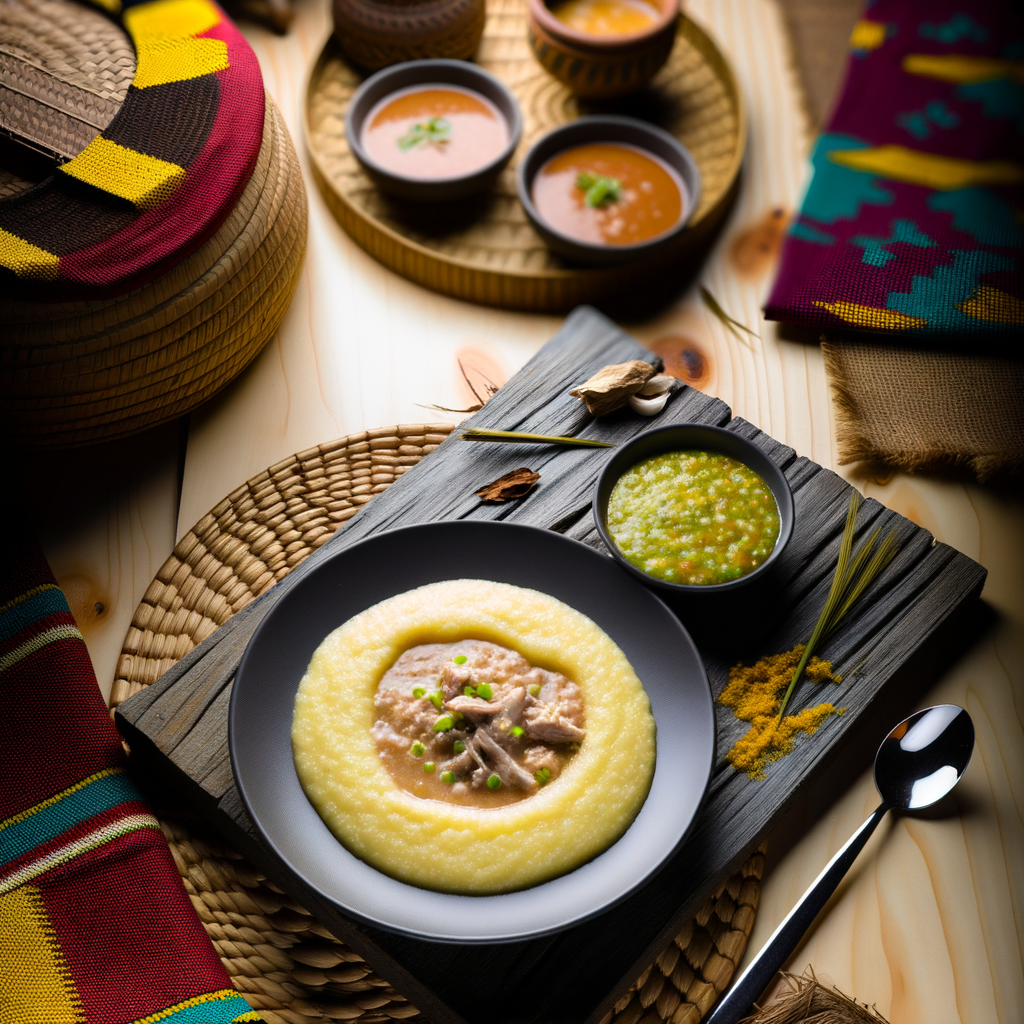
Xima
A thick corn porridge that serves as a staple food and accompaniment to many dishes. Often eaten with meat or fish sauces.
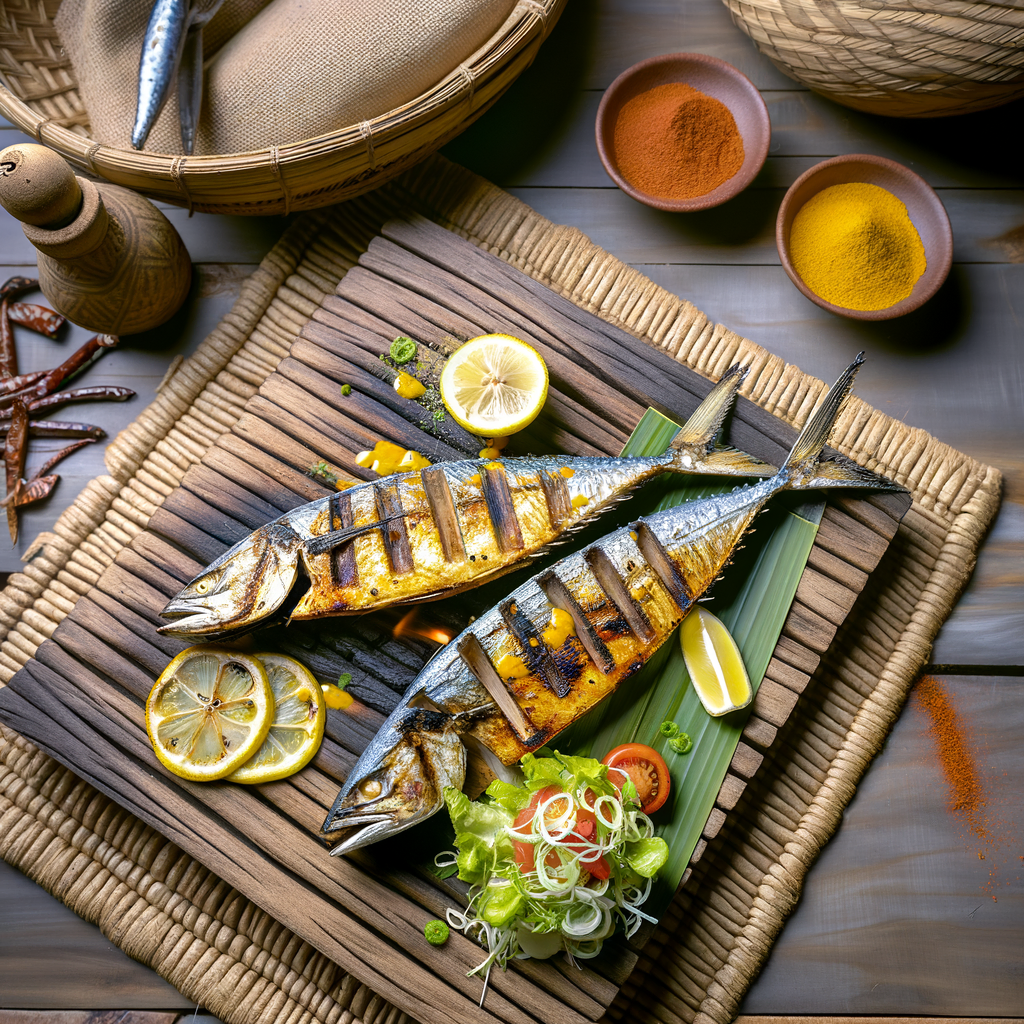
Grilled fish
Freshly caught fish, often barracuda or kingfish, grilled over charcoal and served with lemon, salad, and peri-peri sauce.
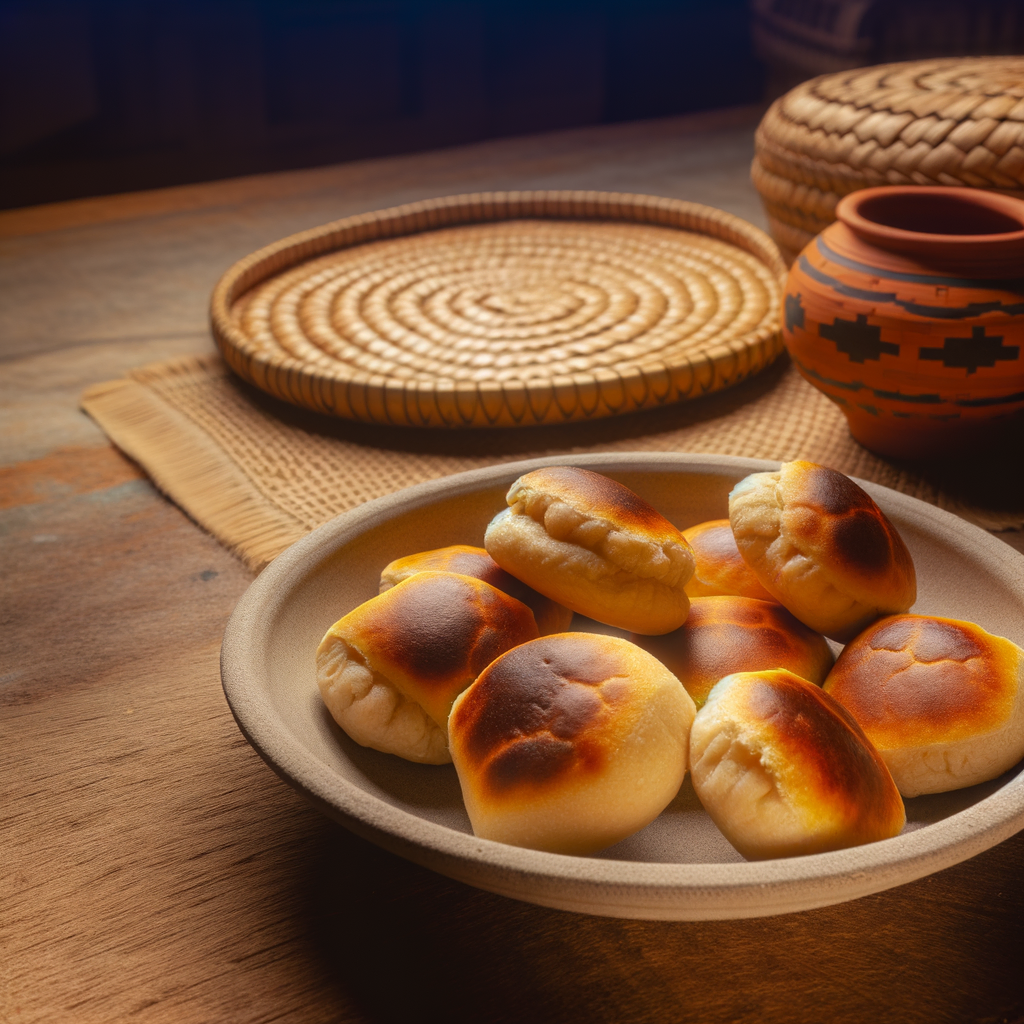
Pãozinho
Small Portuguese breads, crispy on the outside and soft on the inside, served for breakfast or as a side to soups and stews.
Restaurant information
Tipping
Tipping is not always expected in Mozambique, but it is appreciated. In restaurants, 5-10% of the bill is appropriate if service is not already included.
Travel information
Currency
Mozambican metical (MT)
Language
Portuguese
Best time to visit
May to November
Major cities
Maputo and other major cities
More countries in Africa
Discover more destinations in this region