Namibia
Namibia, where ancient deserts meet rich wildlife, offers breathtaking landscapes like Sossusvlei and Skeleton Coast – an African gem of adventure and serenity.
Overview
Namibia is one of Africa's most captivating destinations, where endless deserts, dramatic coastlines, and rich wildlife combine to create an unforgettable experience. Explore the iconic red dunes of Sossusvlei, the raw mystique of the Skeleton Coast, and the wildlife-rich Etosha National Park teeming with elephants, lions, and rhinos. The country offers everything from thrilling activities in Swakopmund to breathtaking views over Fish River Canyon. With its mix of authentic culture, culinary delights, and warm hospitality, Namibia is a paradise for both adventurers and nature enthusiasts.
Official language
English
Government
Presidential repræsentativt democracy
Best time to visit
May to September (dry season)
Nature
Namibia boasts an unparalleled and diverse landscape, ranging from the dramatic red sand dunes of Sossusvlei rising majestically against the deep blue sky to the rugged, desolate Skeleton Coast where the Atlantic waves crash against the desert sands. As one of the world’s oldest deserts, the Namib Desert is home to a unique ecosystem featuring rare species that have adapted to extreme conditions. Etosha National Park is a wildlife haven, showcasing large herds of elephants, rhinos, and giraffes alongside majestic predators. Fish River Canyon impresses with its vastness, marking one of the world's largest canyons. The dry season, from May to September, offers optimal conditions for safaris, hiking, and photography, with clear light accentuating the stark contrasts of the landscape. Namibia is a true paradise for nature lovers, photographers, and adventurers seeking untouched and dramatic environments.
Travel to Namibia
Traveling to Namibia is an adventure filled with contrasts and excitement. Ideal for those looking to combine safari, desert experiences, and coastal adventures, the best time to visit is from May to September, when the dry season ensures clear weather, cooler temperatures, and perfect conditions for wildlife observation. International flights typically arrive in Windhoek, the capital, from where visitors can rent a car or join guided tours. Known for its good roads and safe travel conditions, Namibia is perfect for road trips through stunning landscapes. Accommodation options range from luxury lodges to campgrounds nestled in nature. Activities abound: enjoy a safari in Etosha, hike in Fish River Canyon, sandboard in Swakopmund, or capture sunrise over Sossusvlei. Namibia offers a journey where tranquility, magnificent nature, and authentic encounters with the local people create memories to last a lifetime.
Culture
Namibia's culture is a captivating blend of indigenous traditions and colonial heritage. Home to numerous ethnic groups, including the Ovambo, Herero, Nama, and San people, each contributes its own languages, attire, and rituals. In cities like Swakopmund, remnants of German colonialism can be seen in the architecture, cuisine, and festivals, while rural villages preserve ancient crafts and lifestyles. Music and dance are integral to social gatherings, and traditional dishes such as biltong, kapana, and potjiekos provide a taste of local flavors. English is the official language, but Afrikaans and various indigenous languages are widely spoken. Renowned for their hospitality, Namibians often invite visitors to engage in local ceremonies and markets, allowing travelers to experience both modern urban life and authentic traditional communities.
History
Namibia's history is marked by ancient cultures and recent colonial influences. The San people have inhabited the area for thousands of years, leaving rock engravings that reflect a deep connection to the land. By the late 19th century, Namibia became a German colony, evident in the architecture and culture, especially in towns like Swakopmund. Following World War I, the country was administered by South Africa, leading to apartheid-like conditions. It wasn't until 1990 that Namibia gained independence, establishing a democratic government. The nation’s history is also characterized by a struggle for resistance and a strong national identity, which today is reflected in the pride over the country’s peace and stability.
Top attractions
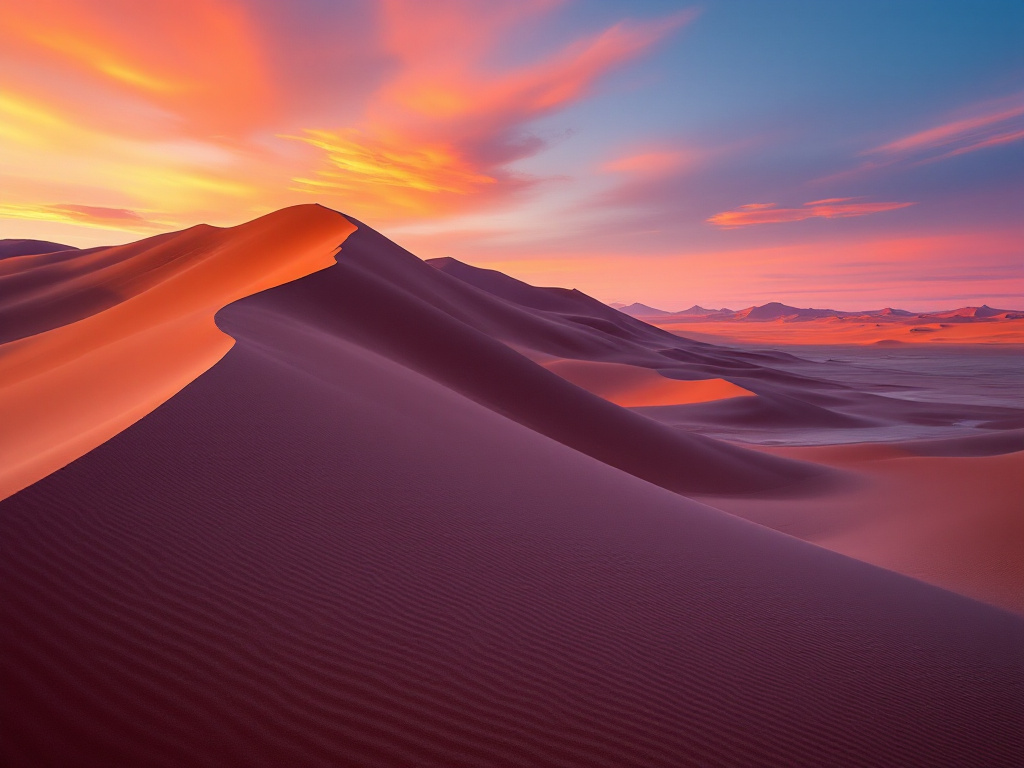
Sossusvlei
An iconic desert area known for its massive red sand dunes and surreal landscapes that attract photographers from around the world.
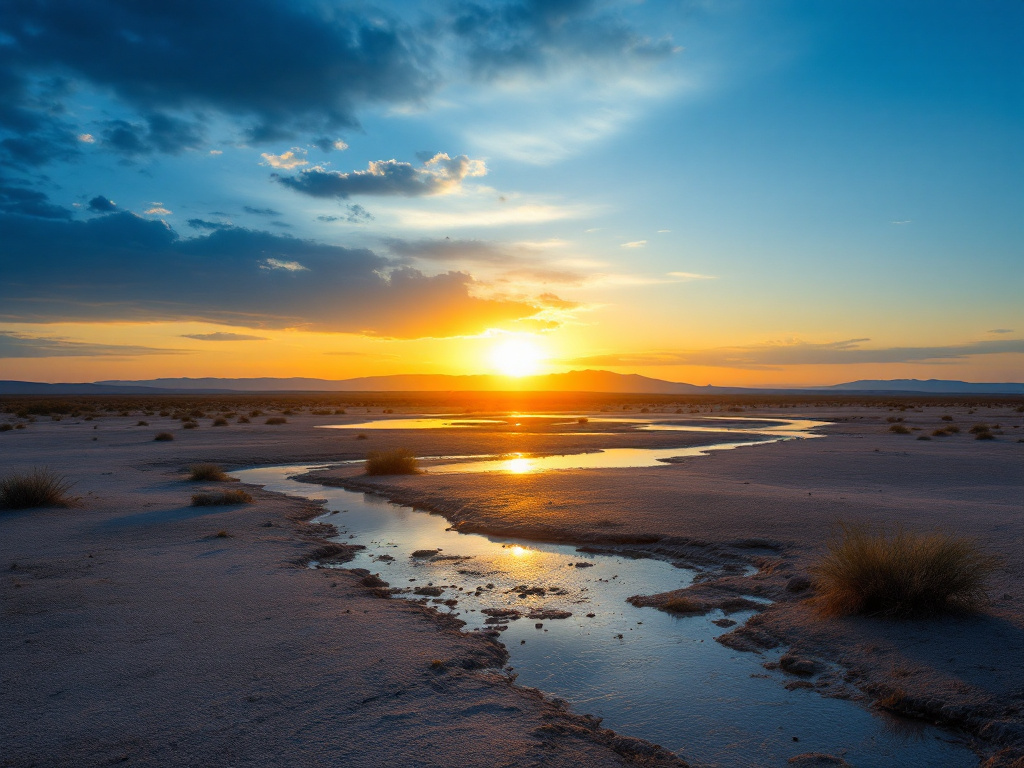
Etosha National Park
Namibia's most famous national park with rich wildlife and open landscapes surrounding the huge Etosha salt pan.
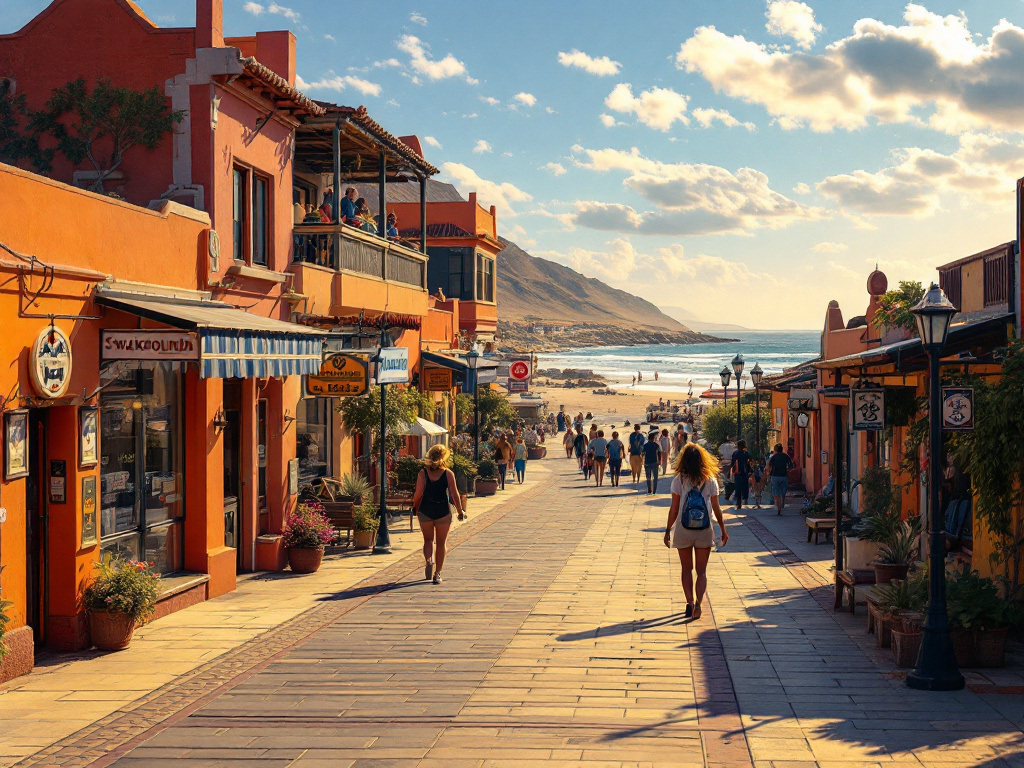
Swakopmund
A charming coastal town known for its mix of German heritage, beach life, and adventure activities between sea and desert.
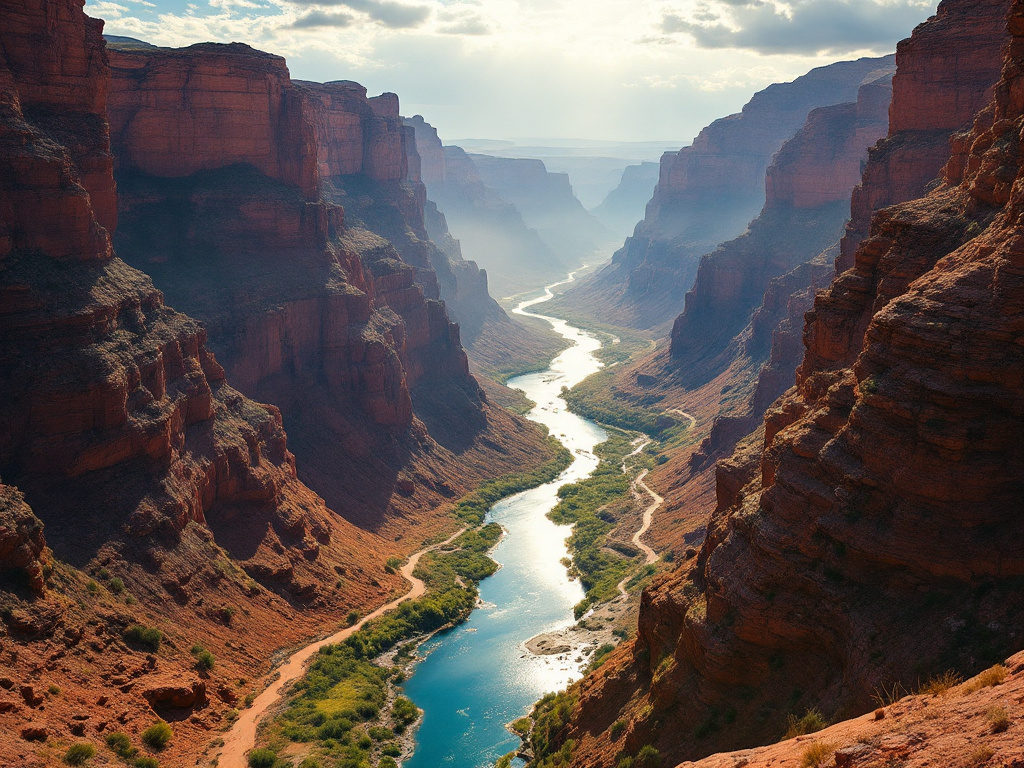
Fish River Canyon
A massive canyon with rugged, dramatic landscapes and one of the most challenging hikes in southern Africa.
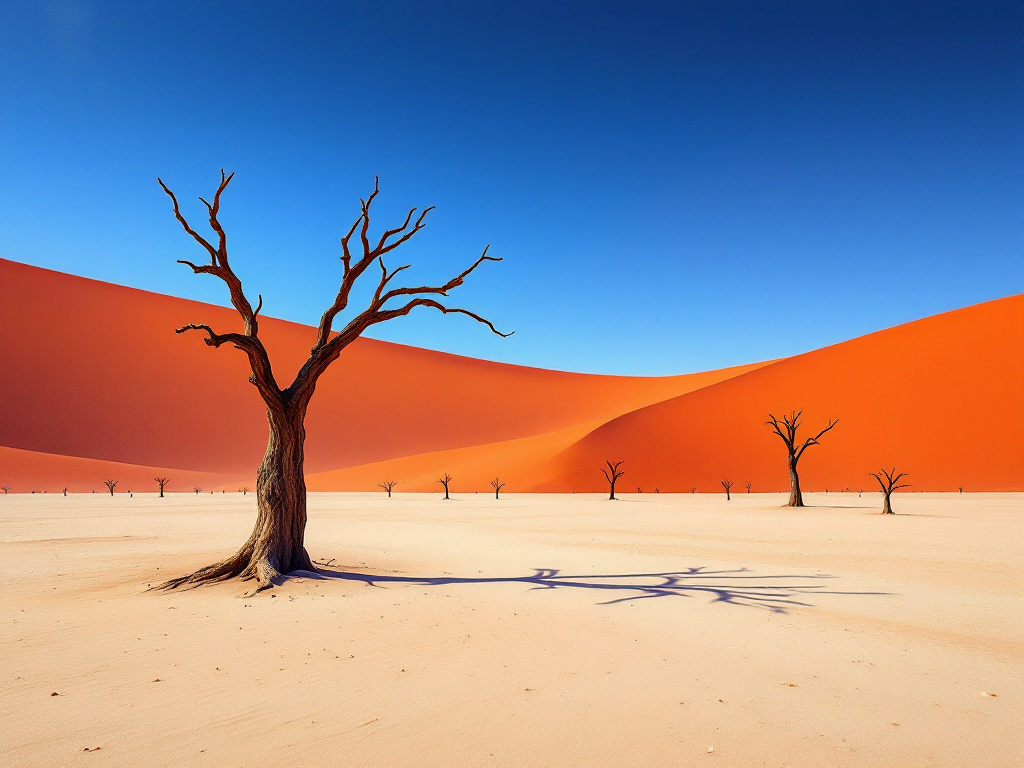
Deadvlei
An iconic and almost unreal landscape with dried acacia trees that stand in sharp contrast to the bright earth and red dunes.
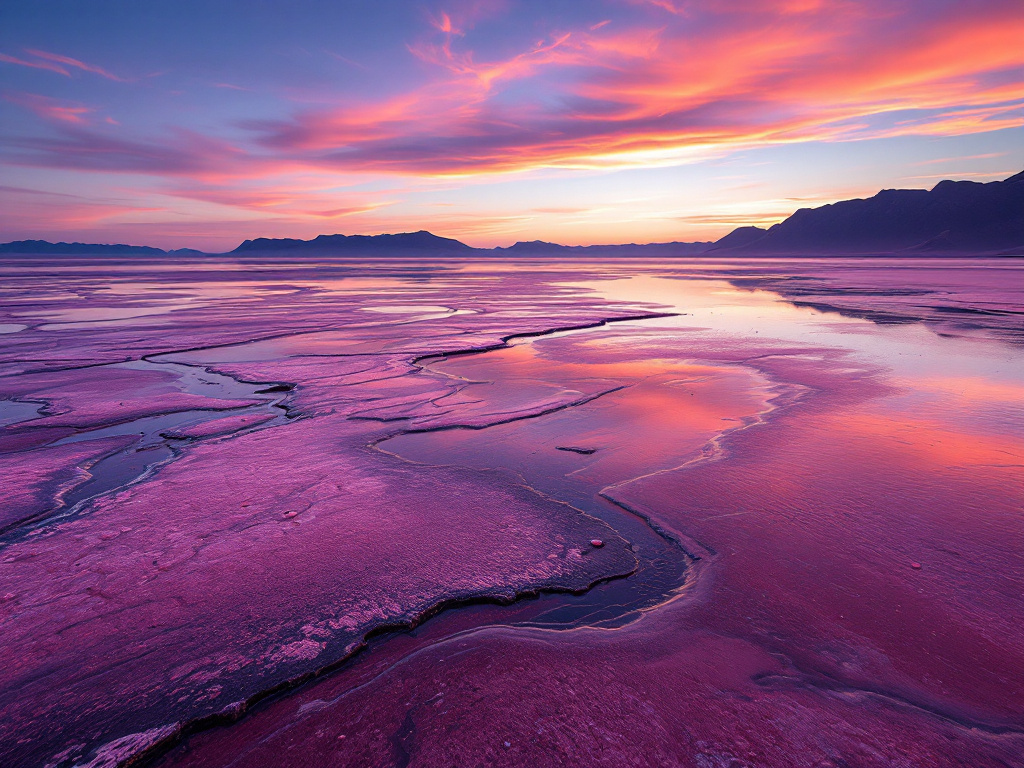
Walvis Bay Lagoon
An important wetland lagoon known for its rich birdlife, especially large flocks of flamingos near the town.
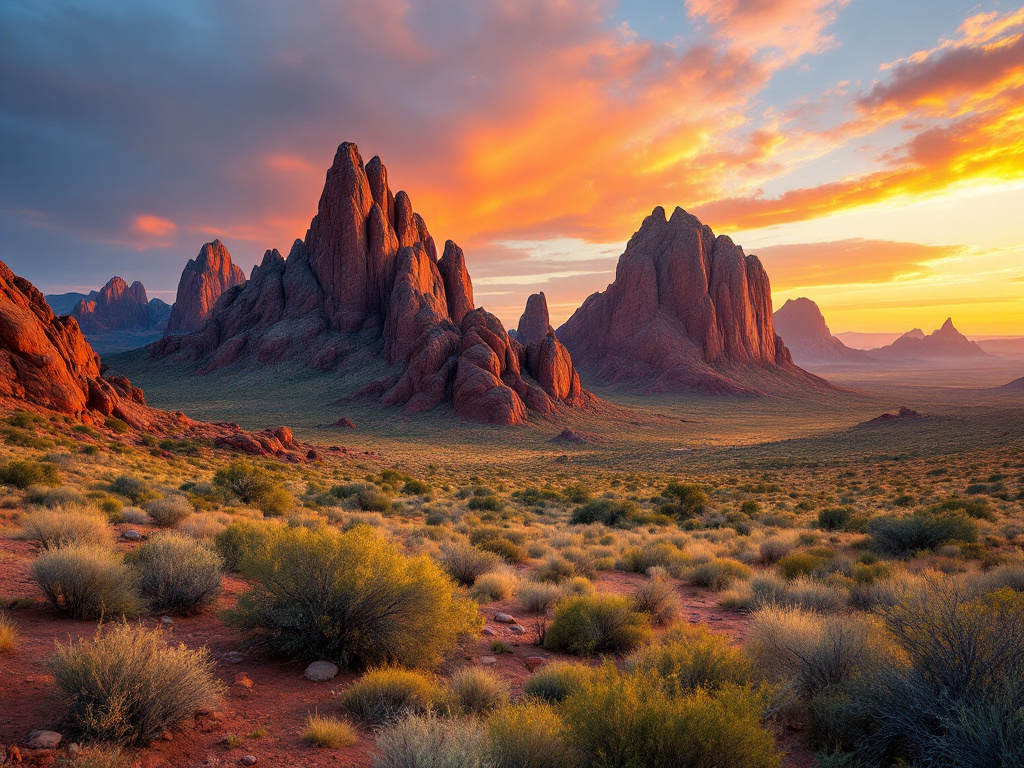
Spitzkoppe
A dramatic granite mountain group, often called Namibia's Matterhorn, popular for its shapes and unforgettable sunsets.
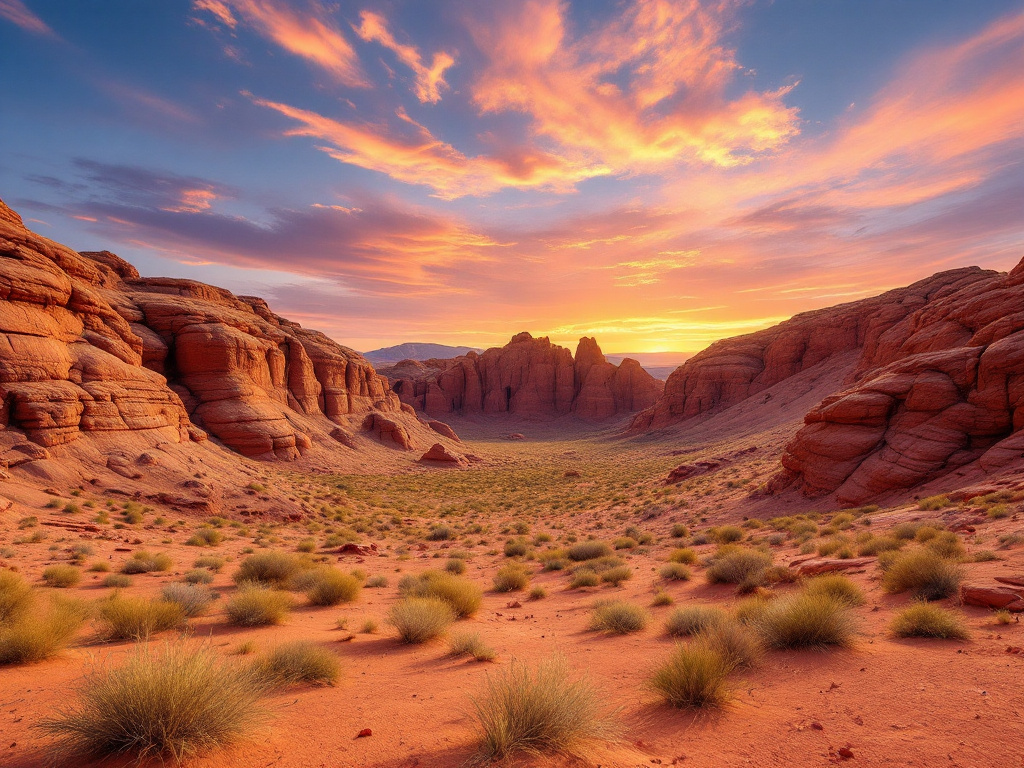
Twyfelfontein
An important cultural historical area with one of Africa's largest collections of prehistoric petroglyphs.
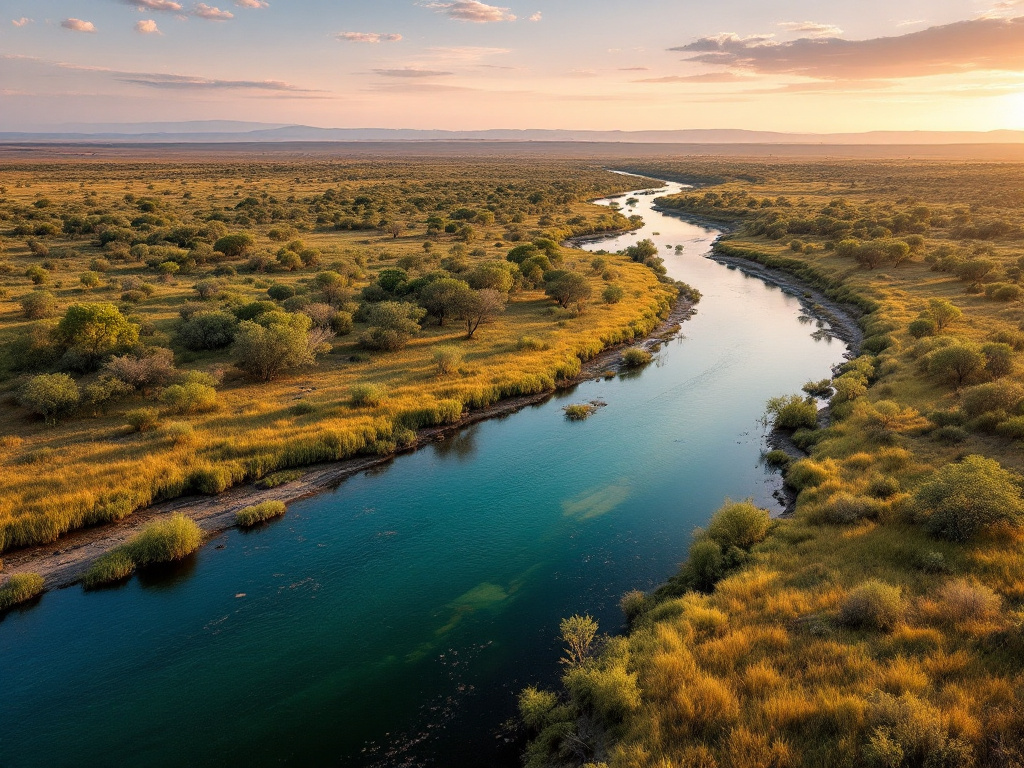
Caprivi Strip
A lush and green region in northeastern Namibia known for rivers, wildlife, and a completely different nature than the desert.
Famous cuisine
Culinary overview
Namibia's food culture is an exciting blend of African traditions, German colonial influences, and modern fusion. The country's great variation in landscape and climate is reflected in the ingredients – from game like oryx and kudu to freshly caught fish from the Atlantic coast. Street vendors serve quick, flavorful dishes like kapana, while the country's lodges and restaurants offer everything from rustic potjiekos to refined gourmet experiences. Meals are often social events where people share food and stories around the fire.
Must-try dishes
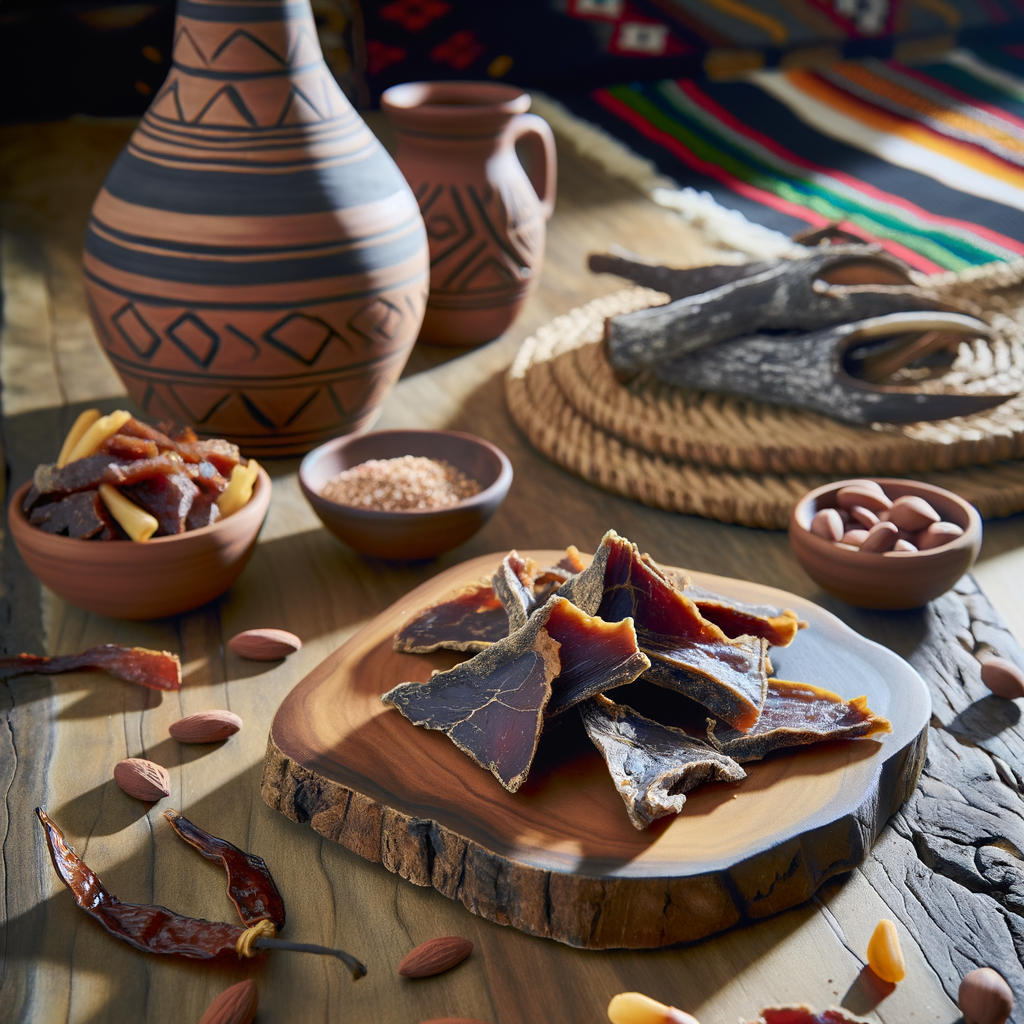
Biltong
Dried and seasoned meat, often made from beef, game, or ostrich. A popular snack in Namibia, perfect as travel provisions or with a cold beer.
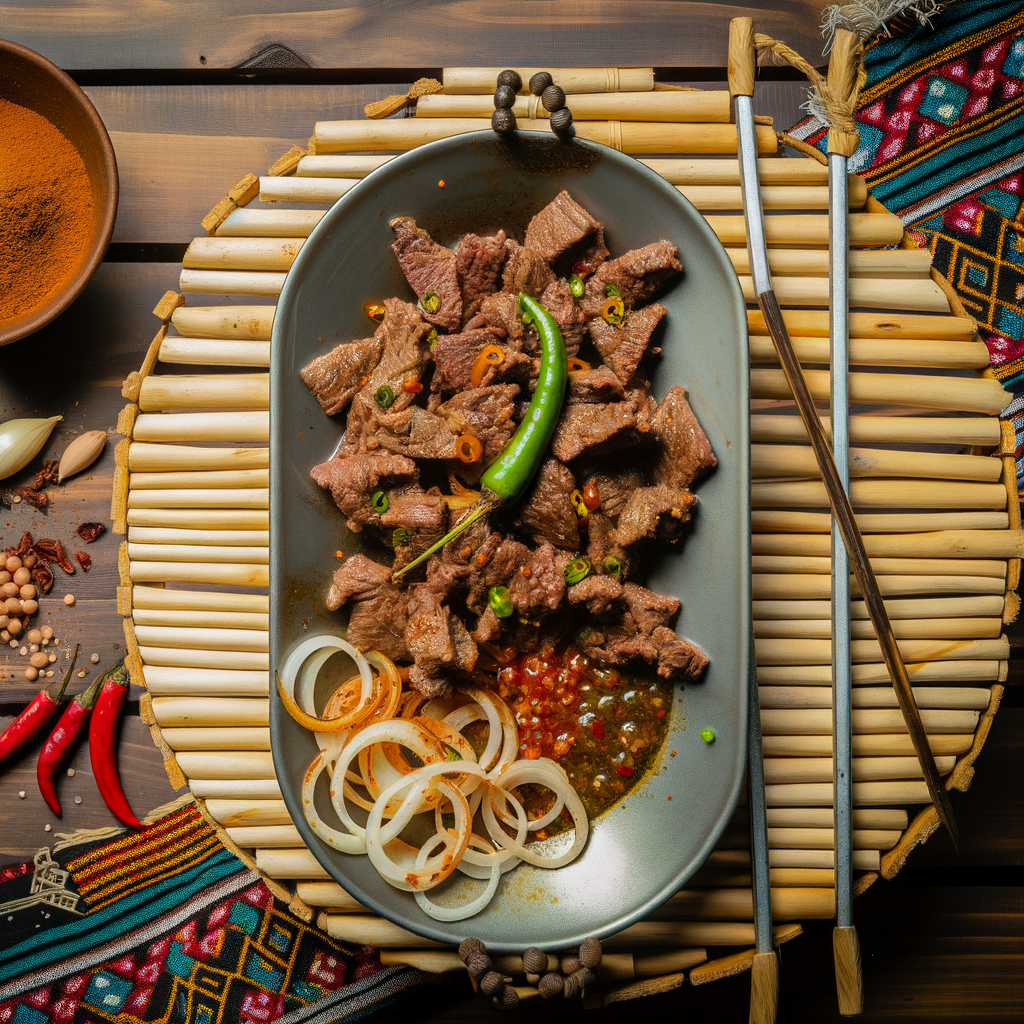
Kapana
Grilled beef cut into small pieces, served straight from the street grill with spices and chili. An authentic street food experience, especially popular in Windhoek.
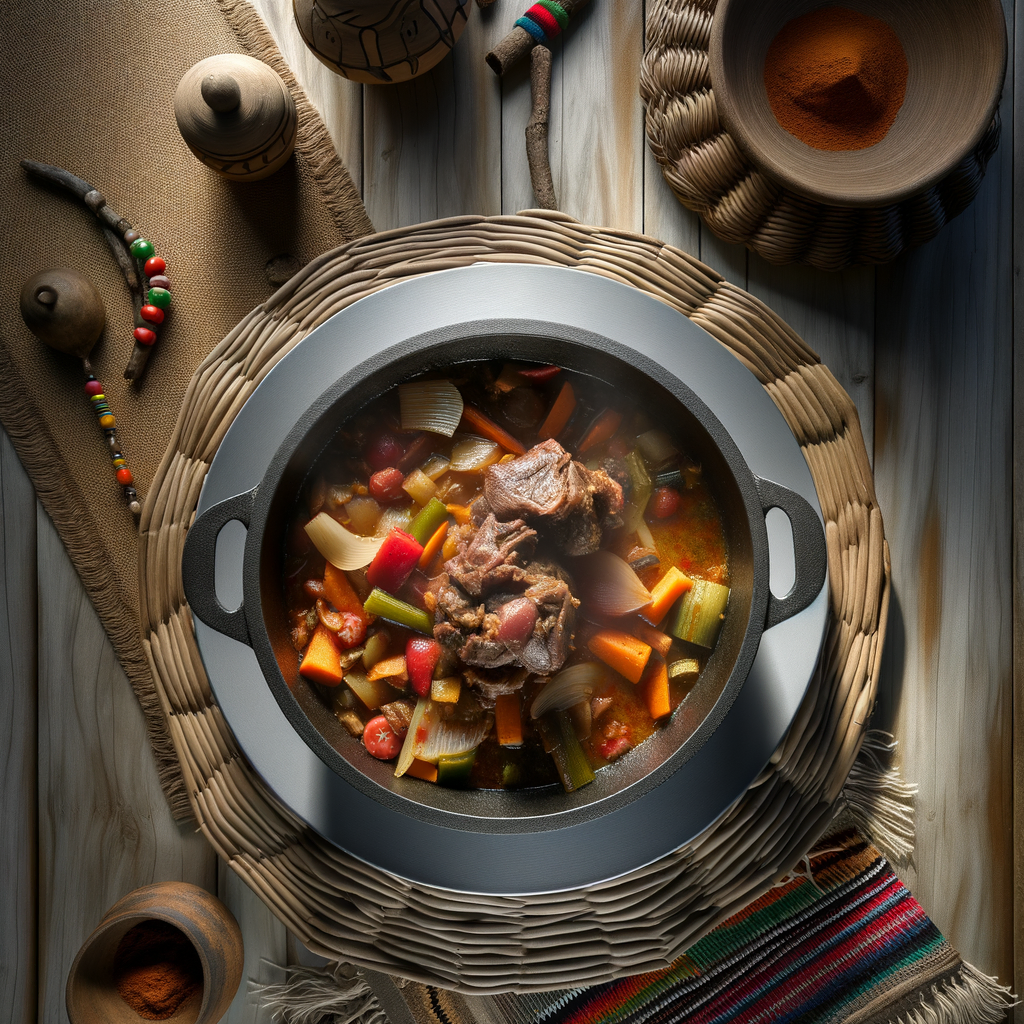
Potjiekos
A traditional stew cooked over an open fire in a cast iron pot. Often contains meat, vegetables, and spices that simmer for several hours.
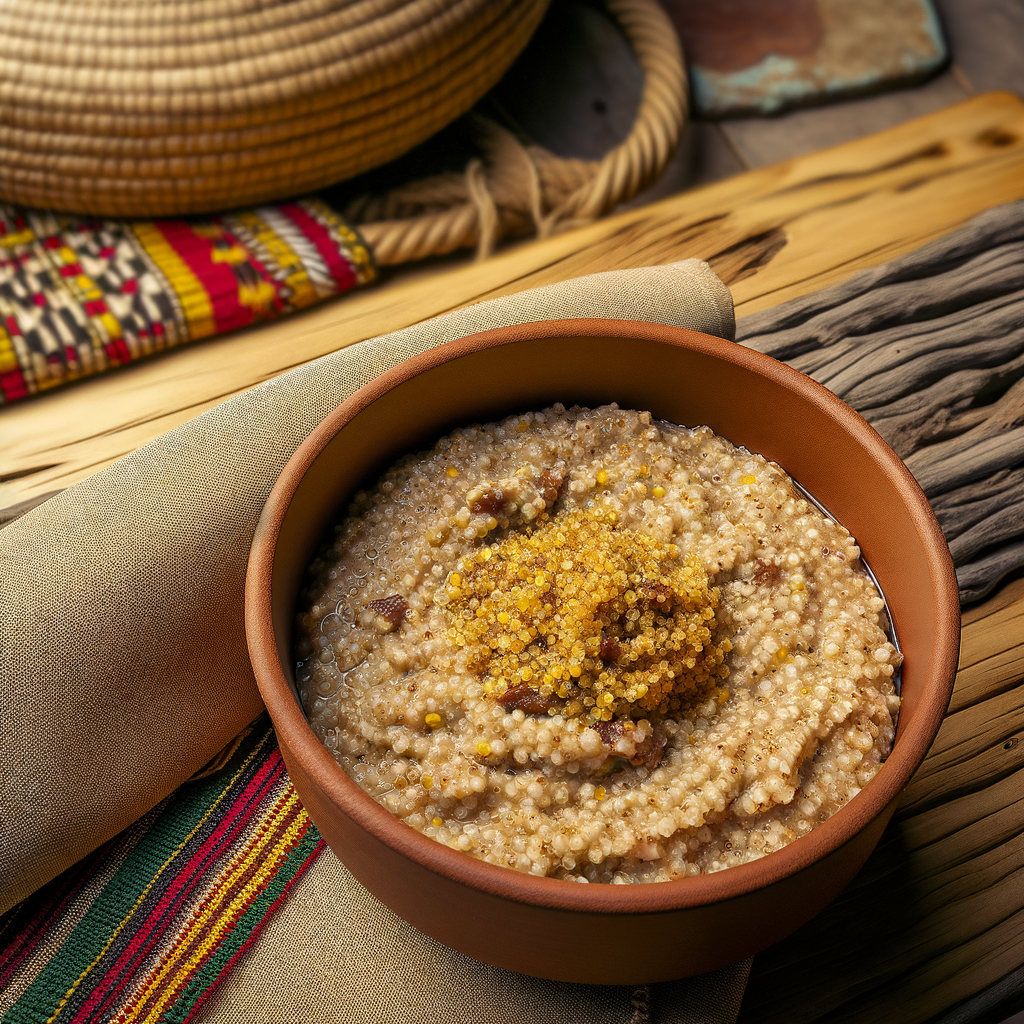
Mahangu porridge
A thick porridge made from pearl millet, which is a staple food in northern Namibia. Often served with meat dishes or vegetable sauces.
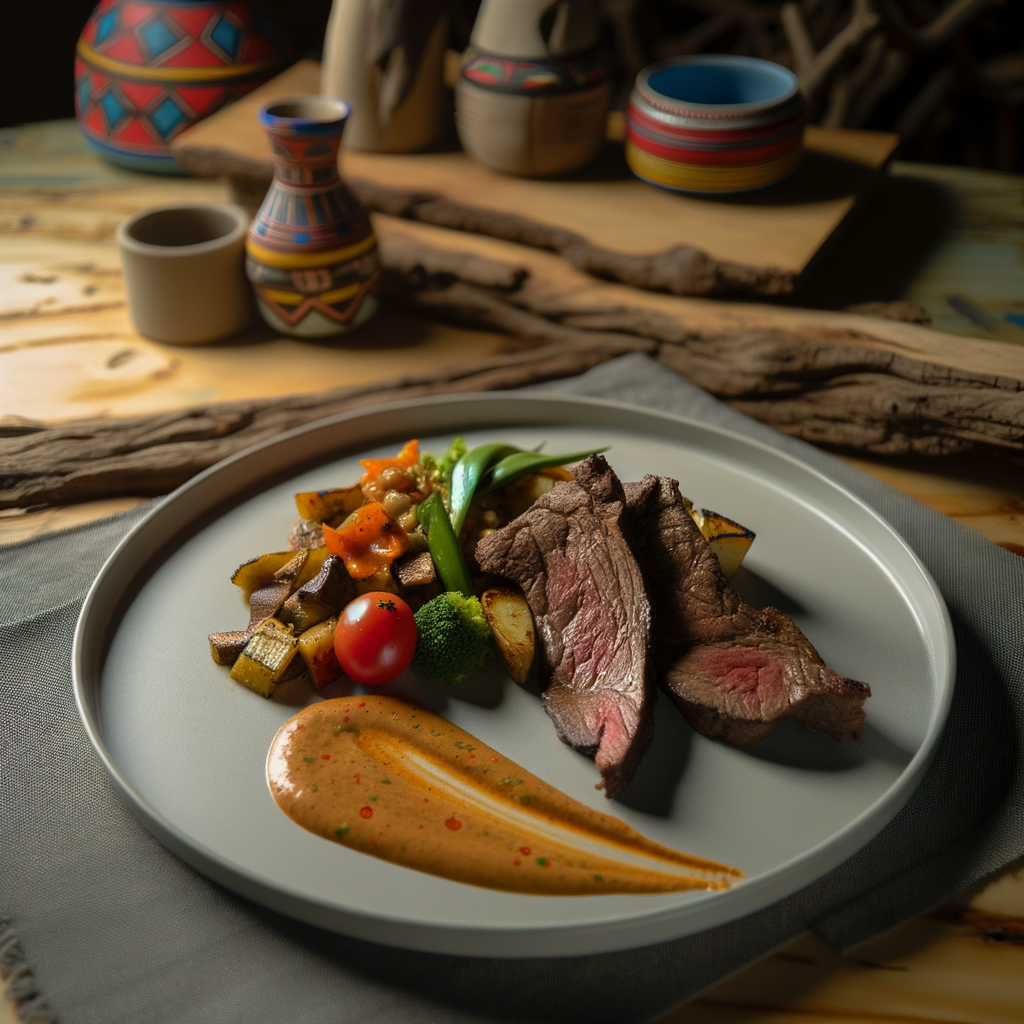
Oryx steak
Tender and flavorful meat from the oryx antelope, often served grilled with local vegetables and a creamy pepper sauce.
Restaurant information
Tipping
In Namibia, tips are not always included in the bill. It is common to give 10% of the amount at restaurants if the service has been good. At cafés and bars, rounding up is acceptable.
Travel information
Currency
Namibisk dollar (NAD)
Language
English
Best time to visit
May to September (dry season)
Major cities
Windhoek and other major cities
More countries in Africa
Discover more destinations in this region