
Niger
Niger, a West African gem, boasts ancient caravan cities and breathtaking desert landscapes at the edge of the Sahara, rich in culture and history.
Overview
Niger, located in the heart of West Africa, is an authentic and untouched destination for adventurous souls. Here, the endless horizons of the Sahara meet historic caravan towns like Agadez and Zinder, lush river valleys along the Niger River, and unique nature reserves such as Aïr and Ténéré. The capital city, Niamey, buzzes with life, bustling markets, music, and colorful festivals. From the majestic Air Mountains to the rare wildlife in W National Park, Niger offers a journey away from mass tourism and into Africa's raw beauty.
Official language
French
Government
Presidential democracy
Best time to visit
November to February
Nature
Niger exhibits a captivating blend of stark desert landscapes, dramatic mountain ranges, and lush river valleys. In the north, the Air Mountains rise as a mesmerizing contrast amidst the Sahara, showcasing breathtaking rock formations, oases, and diverse wildlife. The Tenere Desert, often referred to as the 'desert of deserts,' boasts endless sand dunes that evoke a sense of infinity, drawing adventurers from around the globe. To the south, the Niger River carves its way through the land, creating thriving green areas where birds and wildlife flourish. W National Park, a UNESCO World Heritage site, is home to elephants, lions, hippos, and rare antelope species such as the addax and dorcas gazelle. The Aïr and Ténéré Natural Reserve combines breathtaking mountains and desert, featuring a unique ecosystem rich with archaeological remains and rare plant species. This diversity makes Niger a paradise for nature lovers, photographers, and those in search of magnificent, untouched landscapes. The best time to visit is from November to February when temperatures are more moderate, ideal for desert and national park explorations.
Travel to Niger
Traveling to Niger is a journey into authentic Africa, far removed from the usual tourist trails. The best time to visit the country is from November to February when temperatures are more pleasant for exploring the desert and national parks. Adventurers can embark on camel treks through the Tenere Desert, hike in the Air Mountains, or go on safari in W National Park. Niamey offers vibrant markets, riverside strolls, and a glimpse into modern Niger. Visitors can partake in traditional festivals, meet Tuareg nomads, and savor local cuisine. Travel requires careful planning, as infrastructure outside major cities can be challenging, but the rewards are stunning natural experiences and encounters with a welcoming people. Niger is for those seeking raw beauty, cultural heritage, and unforgettable adventures.
Culture
Niger's culture is deeply rooted in the traditions of its many ethnic groups, including Hausa, Zarma, Tuareg, and Fulani. The country is famous for its vibrant festivals, music, and dance, where drums, string instruments, and traditional songs create a lively atmosphere. Caravan towns like Agadez and Zinder serve as cultural melting pots, featuring architecture made from sun-baked clay, bustling markets, and crafts such as silver work and leather goods that reflect centuries of trade routes through the Sahara. The blue attire and remarkable hospitality of the Tuareg nomads are iconic symbols of Niger’s identity. West African cuisine delights with dishes like jollof rice, fufu, grilled meats, and millet porridge, often accompanied by spicy sauces. While French is the official language, local languages like Hausa and Zarma are widely spoken in daily life. The culture of Niger is a vibrant mix of tradition and modernity, where ancient customs still play a crucial role in everyday life.
History
Niger's history is intricately linked to the great trans-Saharan trade routes that connected North Africa with West Africa for centuries. Cities like Agadez and Zinder served as vital trade hubs for salt, gold, spices, and slaves. The nomadic lifestyle of the Tuareg people and their control over caravan routes significantly impacted the region's development. In the 19th century, the area gradually fell under French colonial rule until Niger gained independence in 1960. The history of the country encompasses periods of political instability as well as strong cultural continuity that still influences contemporary society today.
Top attractions
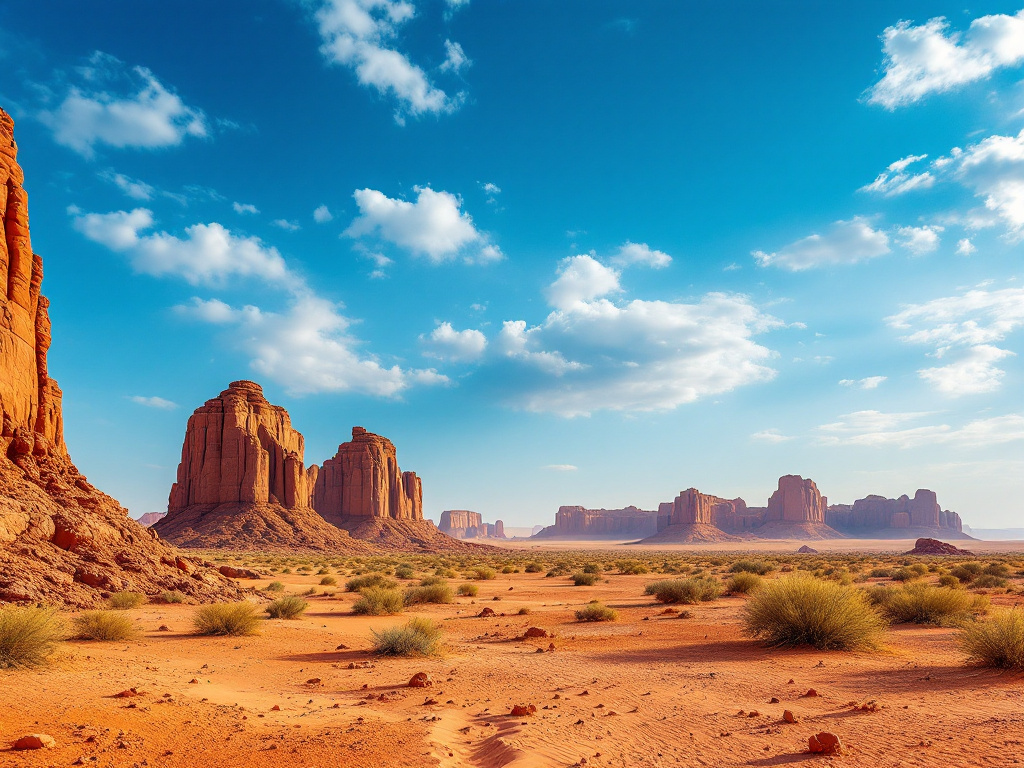
Aïr Mountains
A spectacular mountain area in the Sahara, known for its raw beauty, ancient rock cultures, and encounters with the Tuareg people.
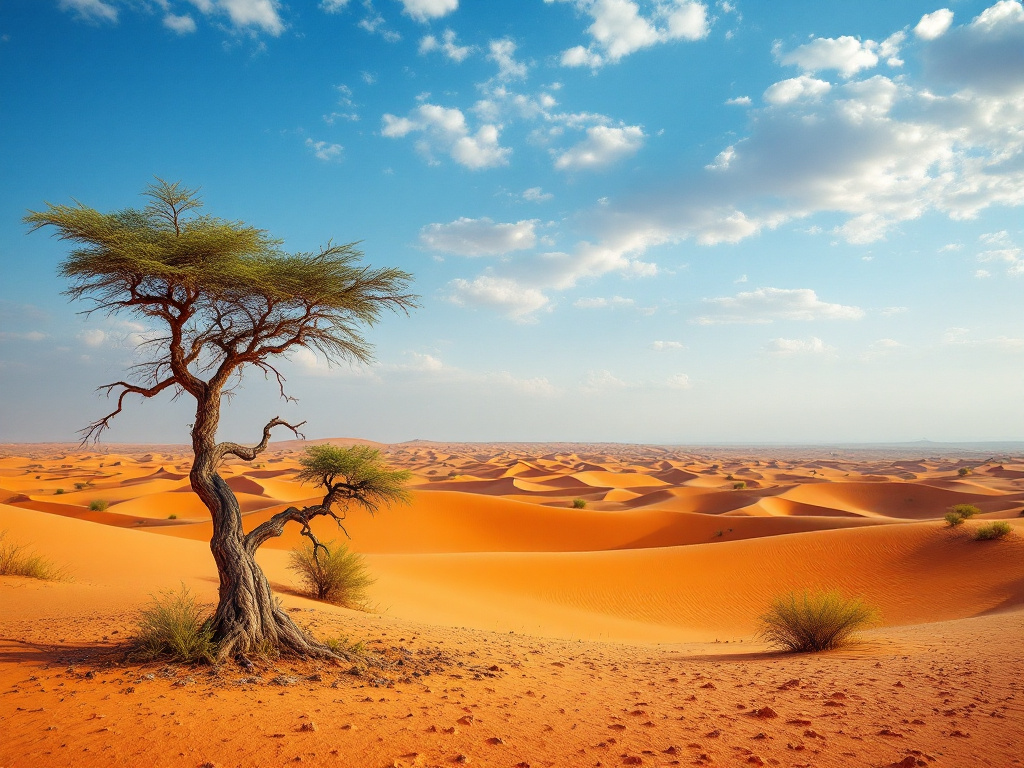
Ténéré Desert
One of the most legendary deserts in the Sahara, known for its enormous dunes and the feeling of total seclusion.
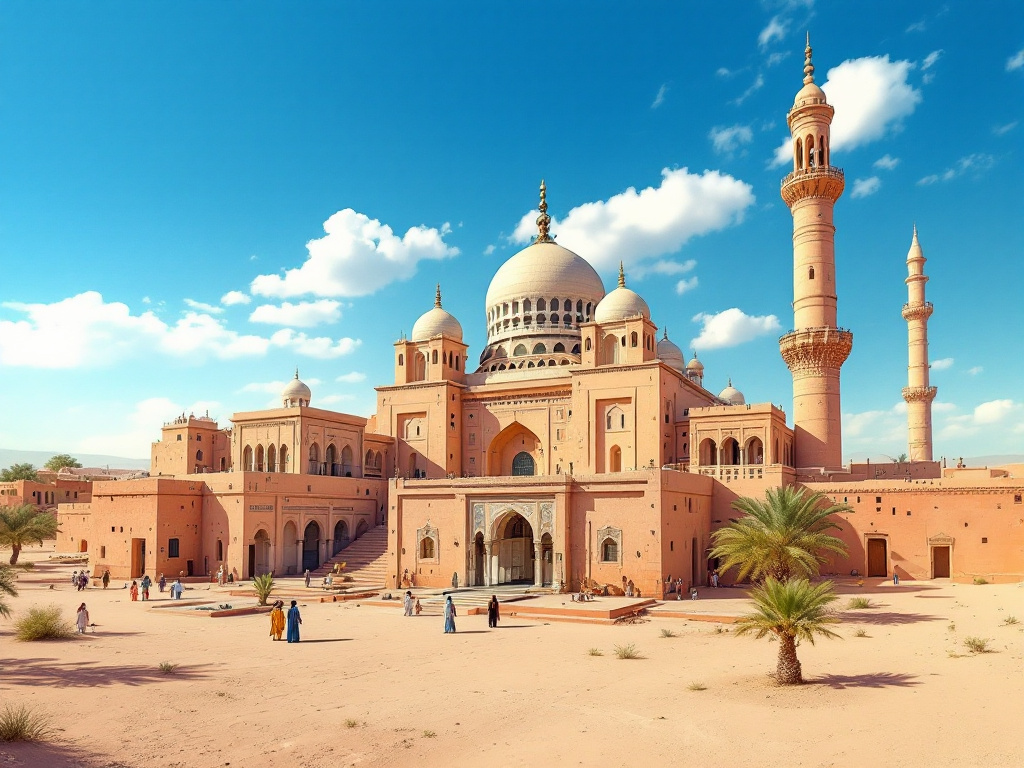
The Great Mosque of Agadez
An iconic landmark in Niger and a masterpiece of earthen architecture, central to Agadez's history.
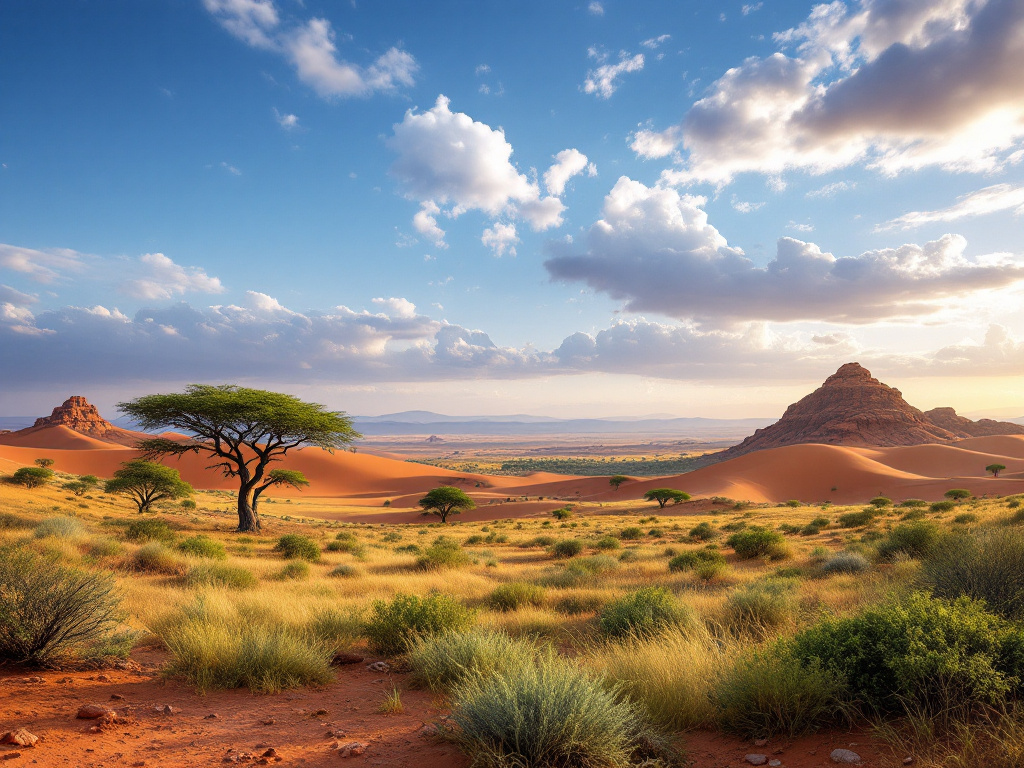
W National Park
A large cross-border national park known for its rich biodiversity and classic savannah landscapes.
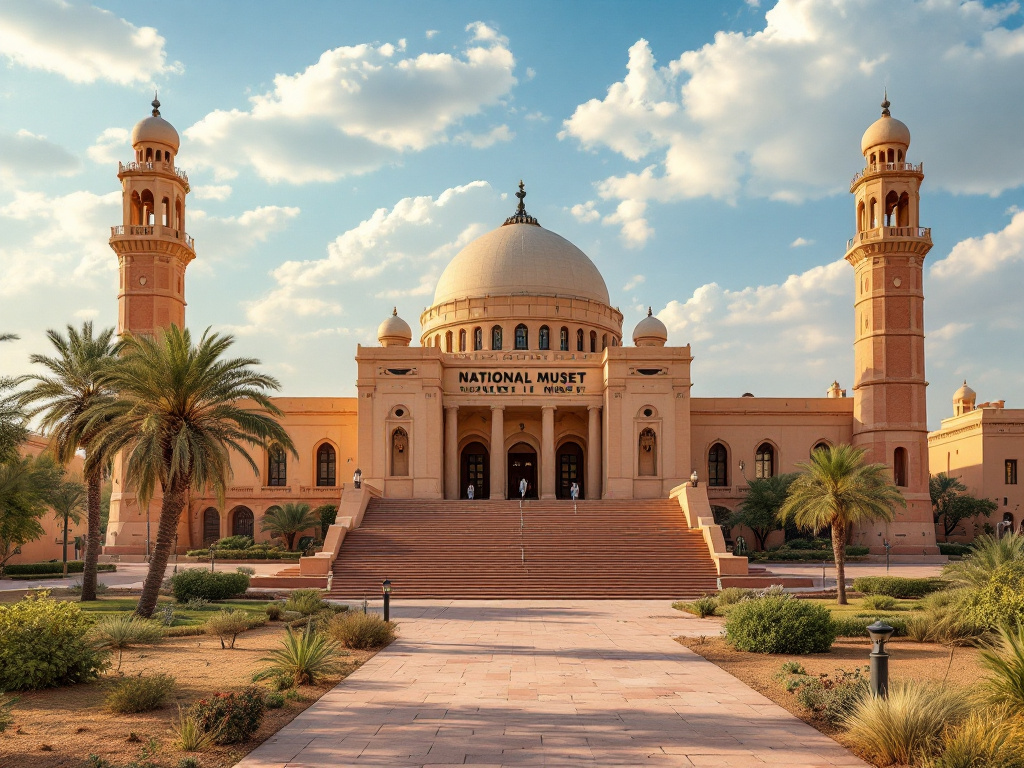
National Museum of Niamey
A comprehensive museum complex that provides insight into Niger's diverse cultures and history.
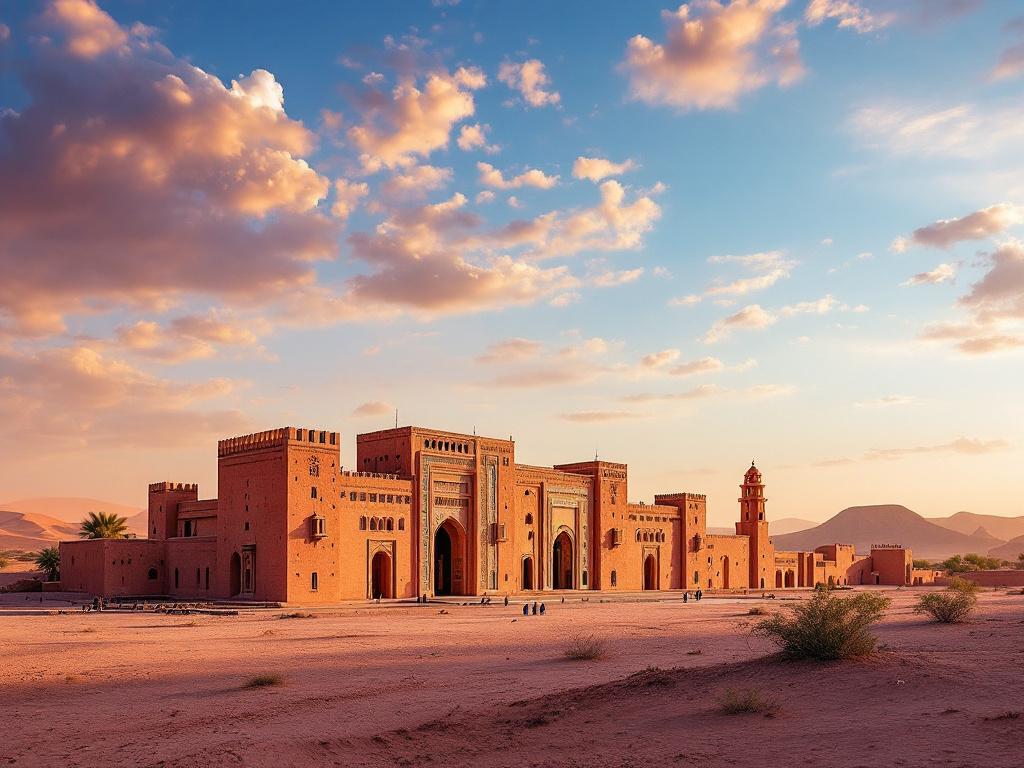
Sultan's Palace in Zinder
A historic palace that still symbolizes Zinder's traditional power structure.
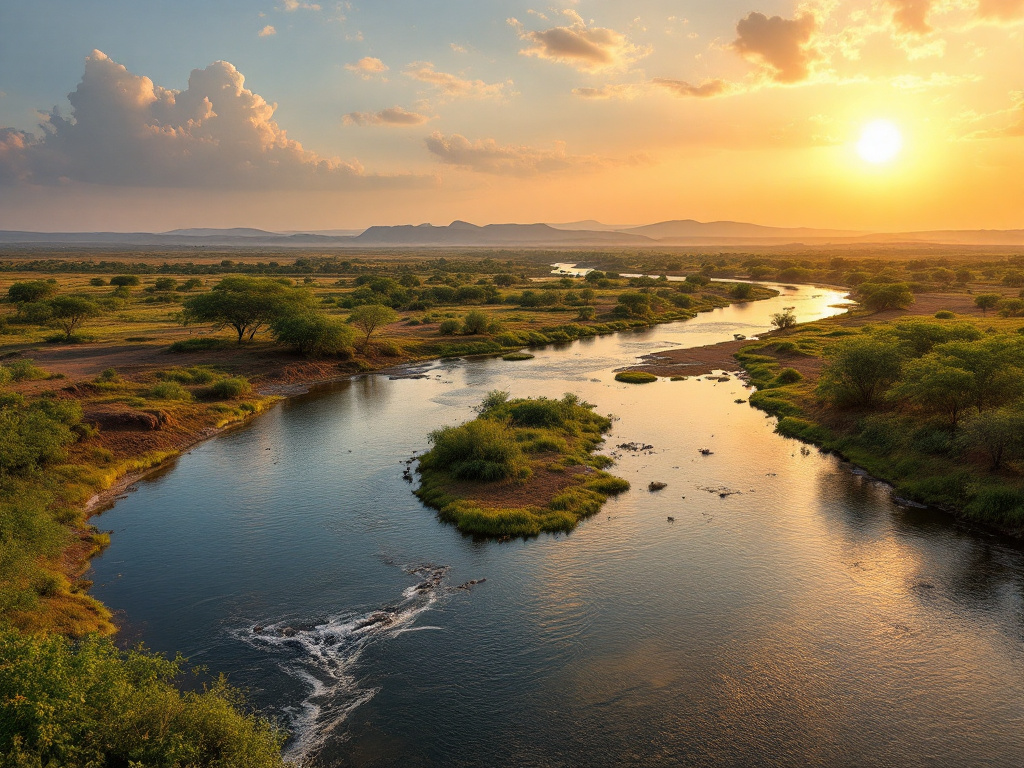
Komadougou Yobé River
A vital river in eastern Niger that creates green areas in an otherwise dry landscape.
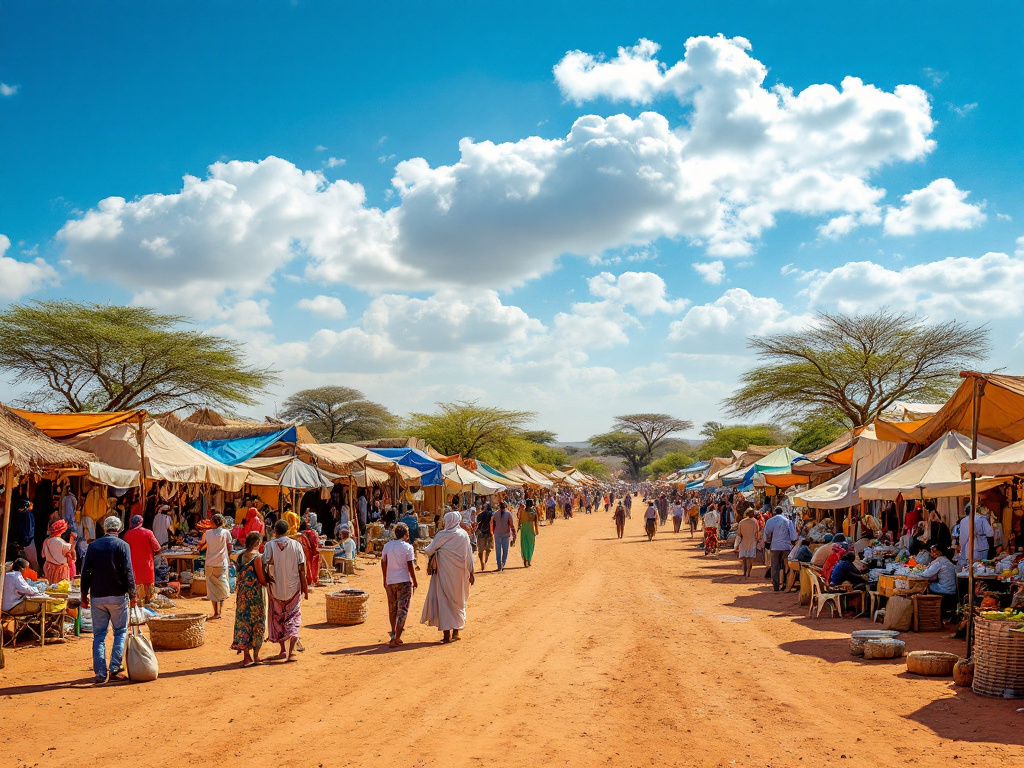
Tillabéri Market
A lively market where you can experience everyday life and regional specialties.
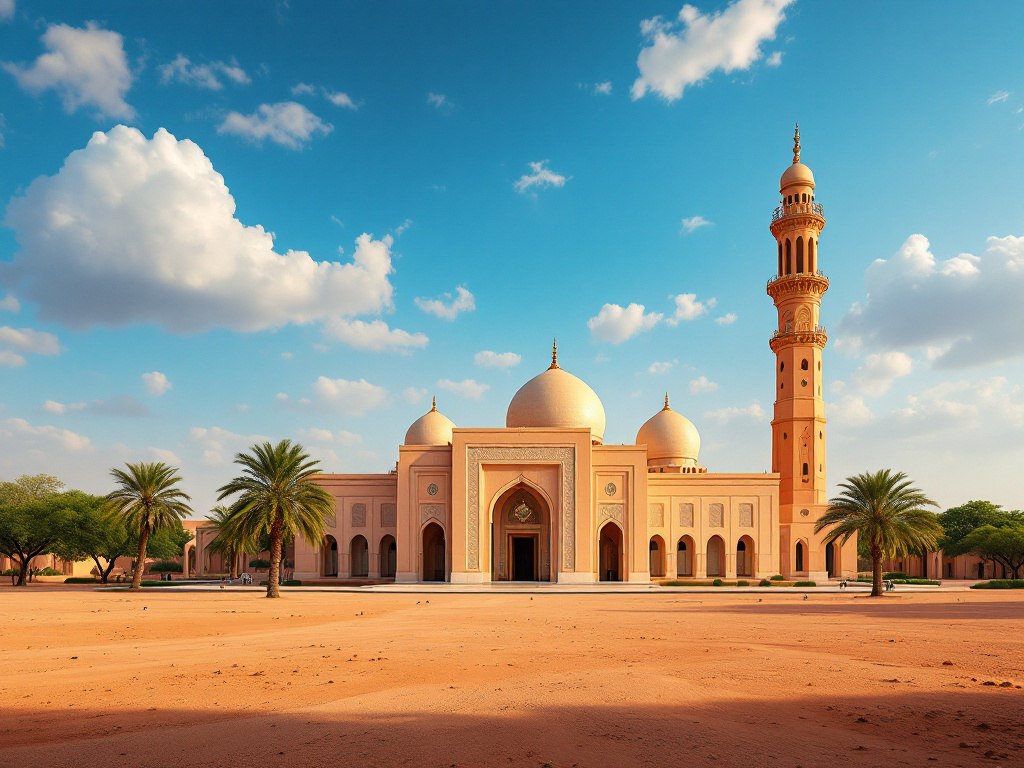
The Great Mosque of Maradi
An important religious building in Maradi that plays a central role in the city's daily life.
Famous cuisine
Culinary overview
Niger's cuisine is a flavorful blend of West African traditions, influenced by local ingredients such as millet, durra, beans, and peanuts. The dishes are often spicy but not overly hot, and served with fresh vegetables, grilled meat, or fish. Meals are social events where people share food from communal platters. Street stalls and markets are perfect places to try authentic flavors, while restaurants in the cities offer both traditional and modern interpretations of classic dishes.
Must-try dishes
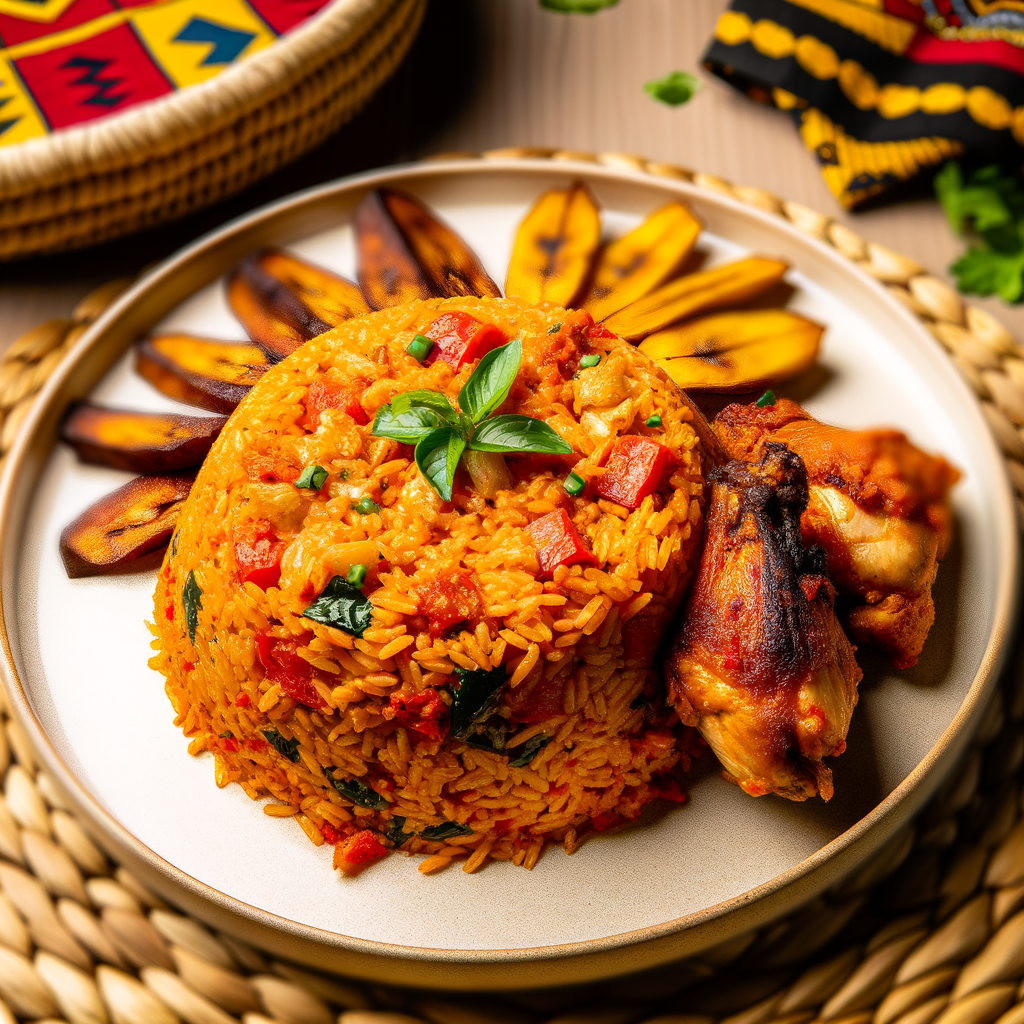
Jollof rice
A popular West African dish made of rice cooked in a spicy tomato and pepper sauce, often served with chicken, fish, or beef.
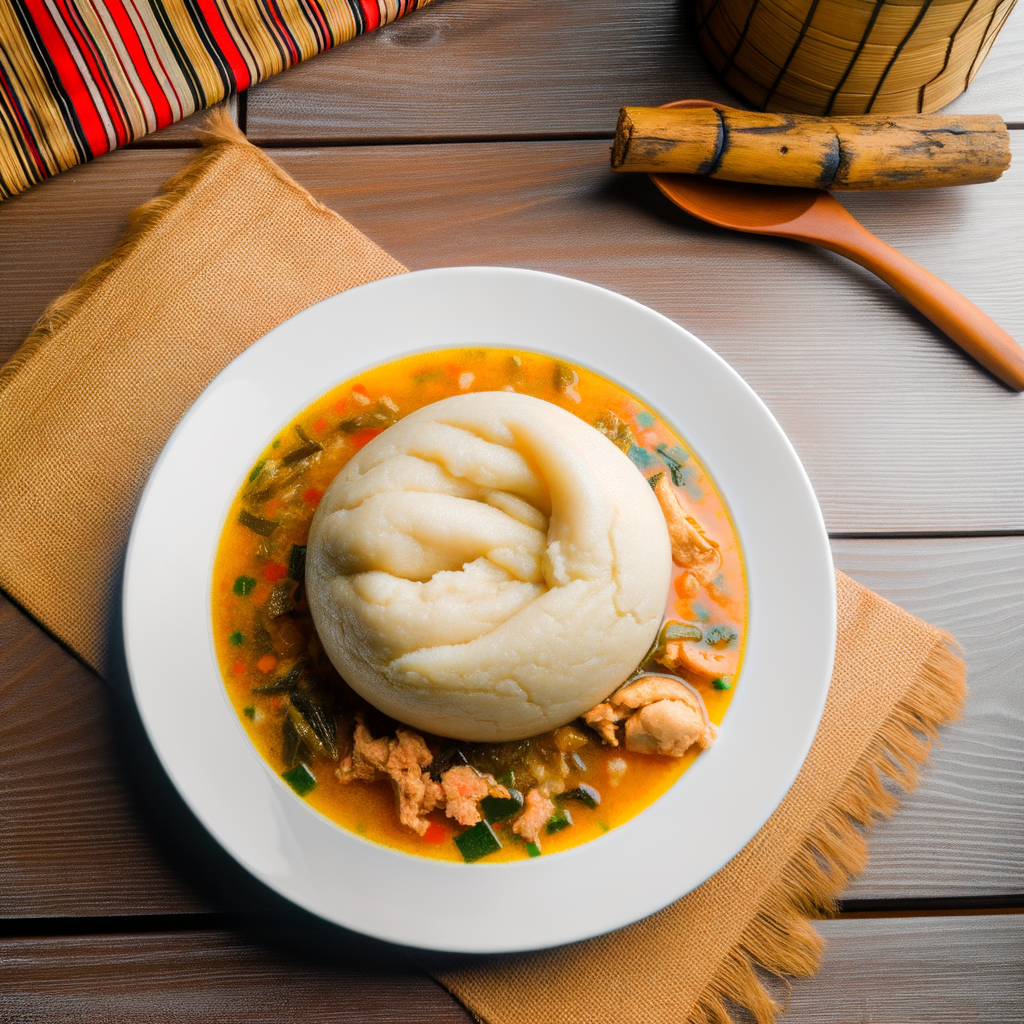
Fufu
A soft, stretchy dough made from cassava or yams, served as a side for soups and stews, where one uses their fingers to gather the food.
.webp)
Grilled meat (Suya)
Spicy skewers of beef or goat meat, marinated in peanut and chili powder, served with onions and tomatoes.
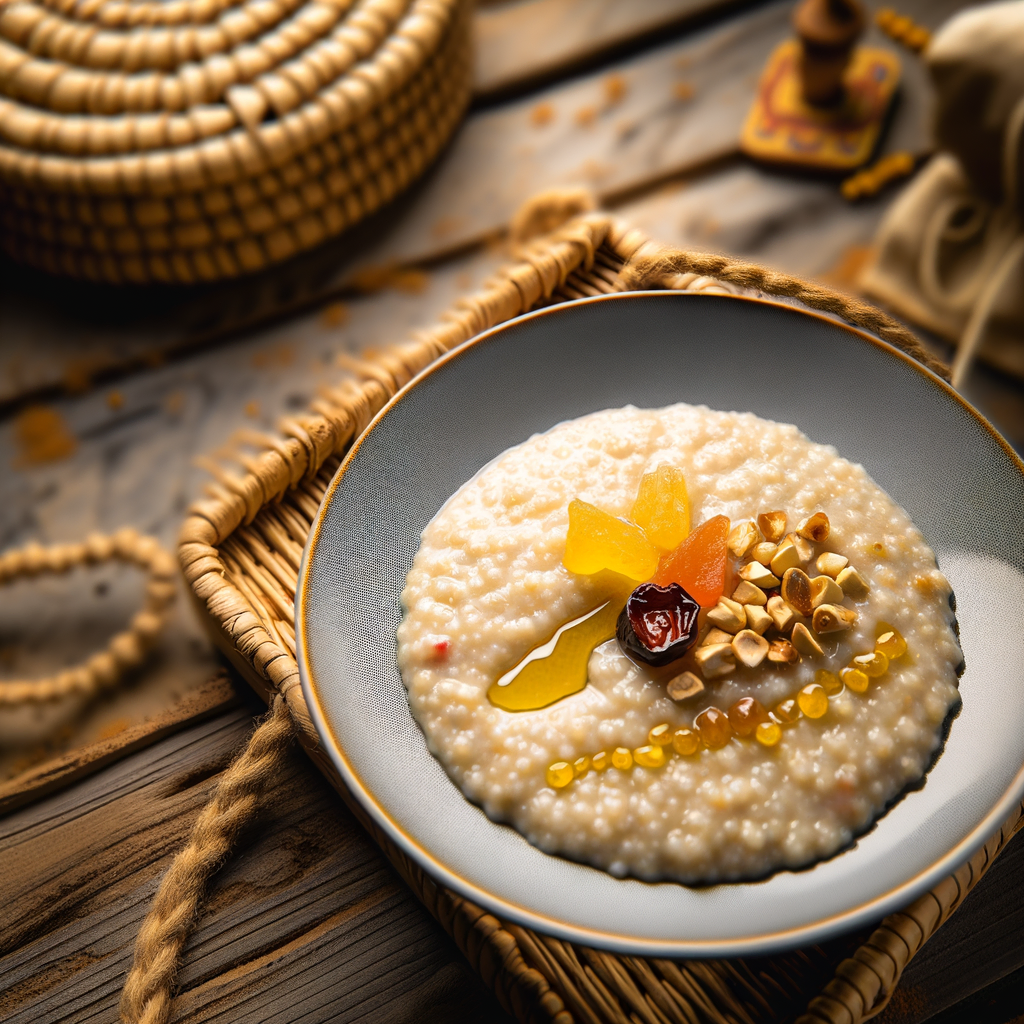
Millet porridge
A nutritious porridge made from millet, often sweetened with honey or sugar, and eaten for breakfast or as a snack.
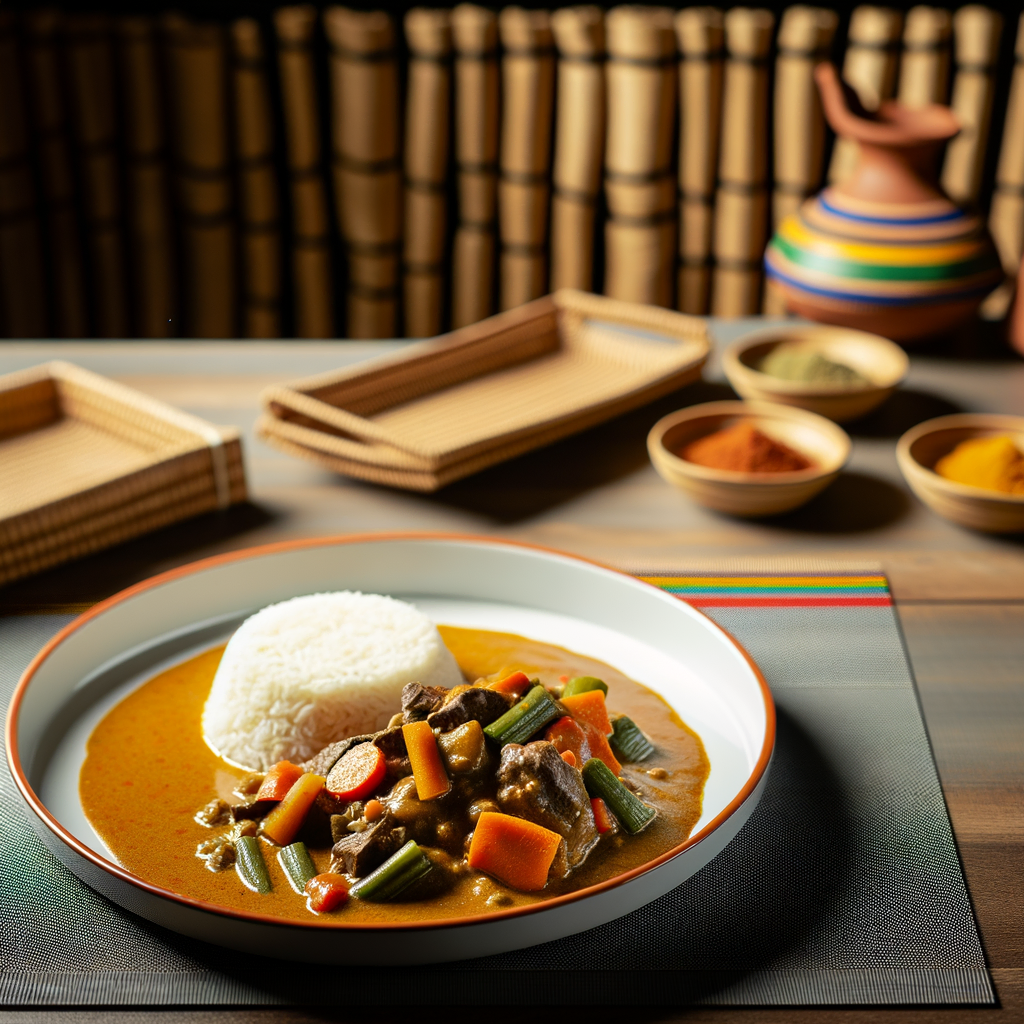
Djerma soup
A traditional soup from the Zarma people, made with beef, vegetables, and peanut sauce, served with rice or millet.
Restaurant information
Tipping
Tipping is not mandatory in Niger, but appreciated. At restaurants, you can round up or give 5-10% of the bill if the service has been good.
Travel information
Currency
Vestafrikansk CFA-franc (XOF)
Language
French
Best time to visit
November to February
Major cities
Niamey and other major cities
More countries in Africa
Discover more destinations in this region