
Norway
Norway, the land of fjords, northern lights, and stunning landscapes, offers a harmonious blend of natural beauty and Scandinavian charm.
Overview
Norway is one of the world's most remarkable travel destinations, where dramatic fjords, majestic mountains, and unspoiled landscapes meet a rich cultural heritage. From Oslo's modern architecture and the artistic treasures of Vigelandsparken to iconic natural wonders like Geirangerfjord, Trolltunga, and the picturesque Lofoten Islands, the country promises unforgettable experiences year-round. Summer invites travelers to relish the midnight sun, hiking, and sailing, while winter offers world-class skiing and the chance to witness the magic of the northern lights at North Cape. Norway perfectly balances adventure, tranquility, and Scandinavian hospitality, beckoning visitors to explore its stunning beauty.
Official language
Norwegian
Government
Constitutional monarchy
Best time to visit
May-August for summer activities and December-February for winter sports
Nature
Norway is a breathtaking natural wonderland, showcasing dramatic fjords, majestic mountains, and pristine landscapes. From the iconic Geirangerfjord, listed as a UNESCO World Heritage site, with its cascading waterfalls and stunning vistas, to the breathtaking rock formation of Trolltunga that beckons adventurers, the country's diverse scenery is nothing short of enchanting. The Lofoten Islands captivate with white sandy beaches and towering peaks soaring directly from the sea. Experience the midnight sun in summer and the mesmerizing northern lights in winter, especially near North Cape. Norway's landscapes are easily accessible, with well-marked hiking trails, mountain lodges, and plentiful opportunities for kayaking, fishing, and cycling. Each season transforms the land, from blooming valleys in spring to snow-covered expanses in winter, making Norway a destination to cherish year after year.
Travel to Norway
Traveling to Norway is an adventure in itself. The country is easily accessible with flights to major cities such as Oslo, Bergen, and Tromsø, alongside ferry connections from Denmark and Germany. Scenic train journeys like the Bergen Line and Flåm Line offer some of the most beautiful vistas in the world. The summer months from May to August are ideal for hiking, sailing, and experiencing the midnight sun, while winter from December to February is perfect for skiing, dog sledding, and northern lights hunting. Known for its high standard of living, safety, and hospitality, Norway is a secure travel destination. Accommodation options range from luxury hotels to cozy mountain lodges, and its efficient transport network allows for easy exploration of both urban and natural delights. No matter the season, unforgettable adventures await.
Culture
Norwegian culture is deeply intertwined with nature and the rhythm of the seasons. The concept of 'friluftsliv', which embodies the joy of being outdoors, is a central part of daily life. The cuisine reflects the abundance of land and sea, featuring traditional dishes like lutefisk, brunost, rømmegrøt, and kjøttkaker. Norway boasts a rich art and music scene, from the iconic paintings of Edvard Munch to contemporary design and architecture found in Oslo. The Sami heritage, with its languages, crafts, and reindeer herding traditions, is an essential aspect of the country's identity, particularly in the north. Celebrations like May 17th are marked with colorful parades, traditional costumes, and community singing. Norwegians value equality, simplicity, and closeness to nature, creating a warm and welcoming atmosphere for visitors.
History
Norway's history stretches from the Viking Age, where seafaring Norse explorers traded across Europe, to its current status as a modern welfare state. The country was in a union with Denmark for over 400 years and later with Sweden, finally gaining independence in 1905. The indigenous Sami people have a millennia-long presence in the northern regions, and their vibrant culture persists today. The industrial revolution in the 19th century and the discovery of oil in the North Sea in the 20th century have significantly shaped Norway's economy and prosperity. Visitors can delve into this rich history through the country's architecture, museums, and age-old traditions across its towns and cities.
Top attractions
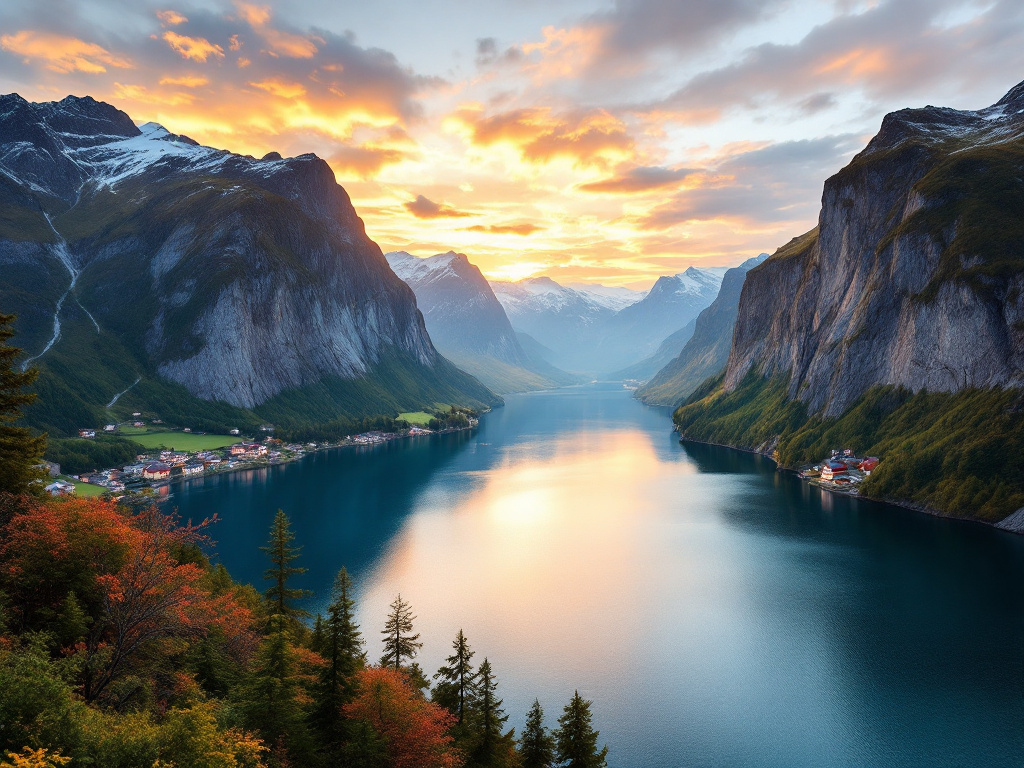
Geirangerfjord
One of Norway's most famous fjords known for dramatic mountains and waterfalls.
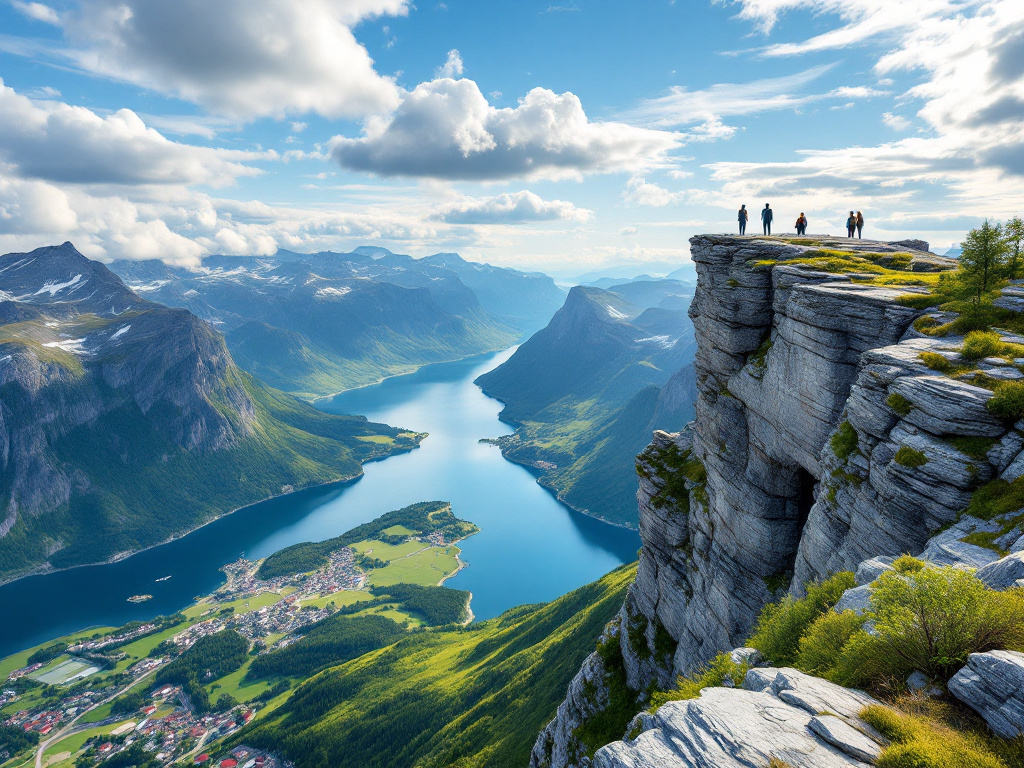
Preikestolen
A famous cliff plateau with spectacular views over Lysefjord.
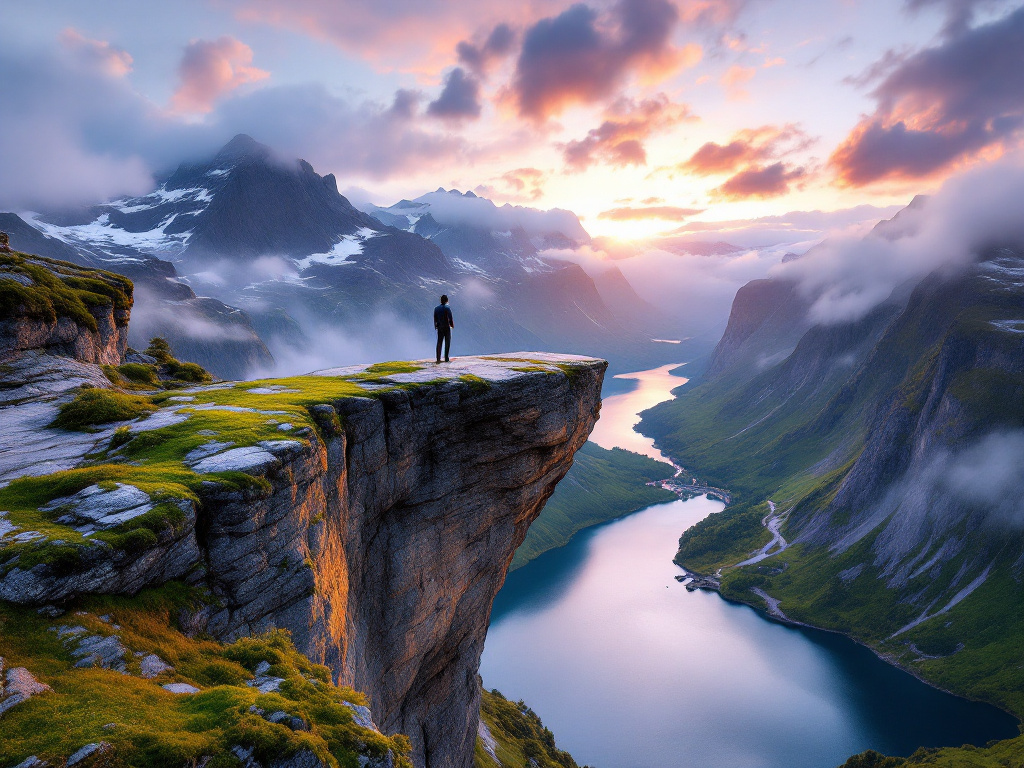
Trolltunga
A dramatic cliff that extends horizontally over a valley.
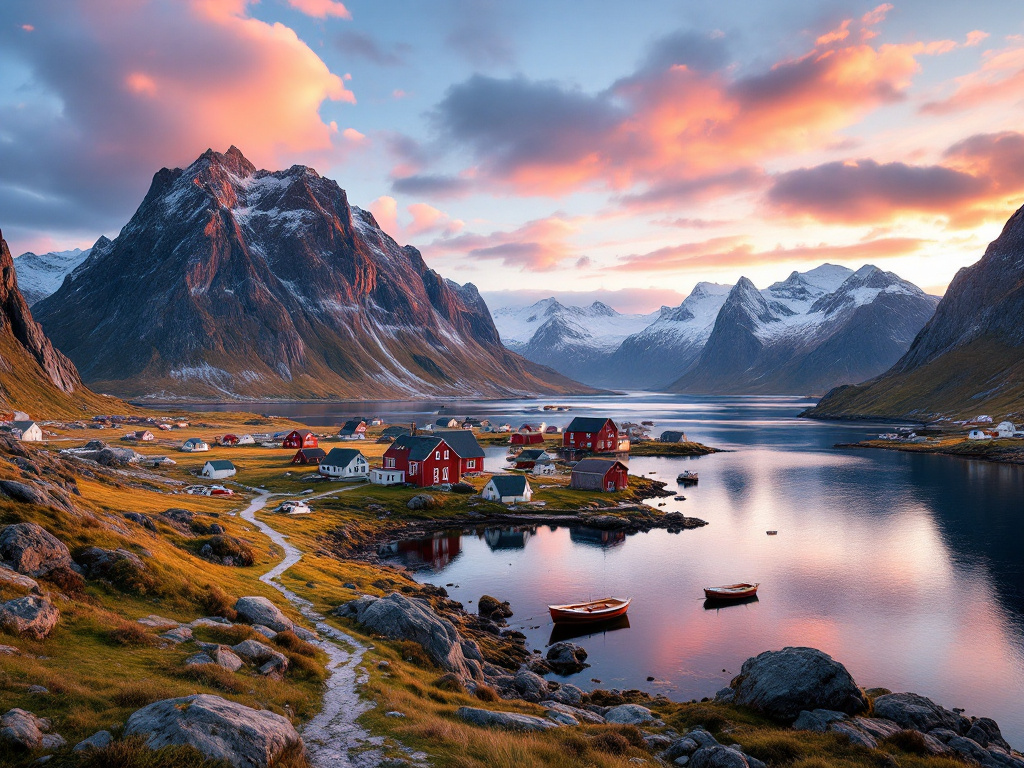
Lofoten
An archipelago known for rugged nature, fishing villages, and northern lights.
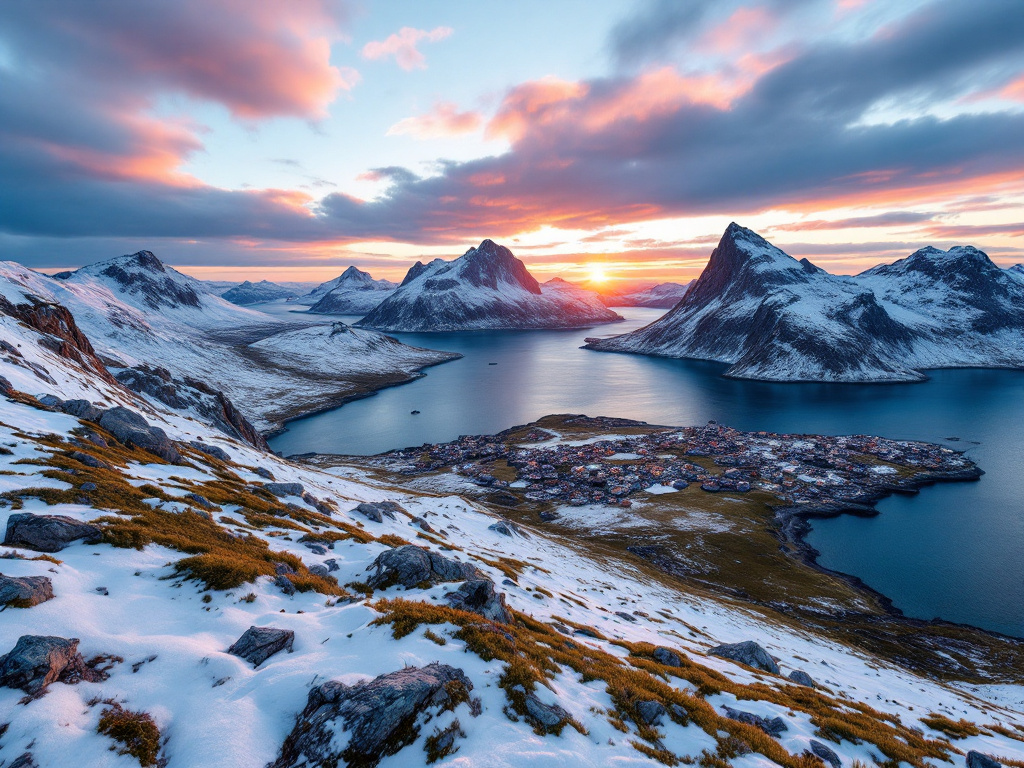
North Cape
An iconic viewpoint often called Europe's northernmost point.
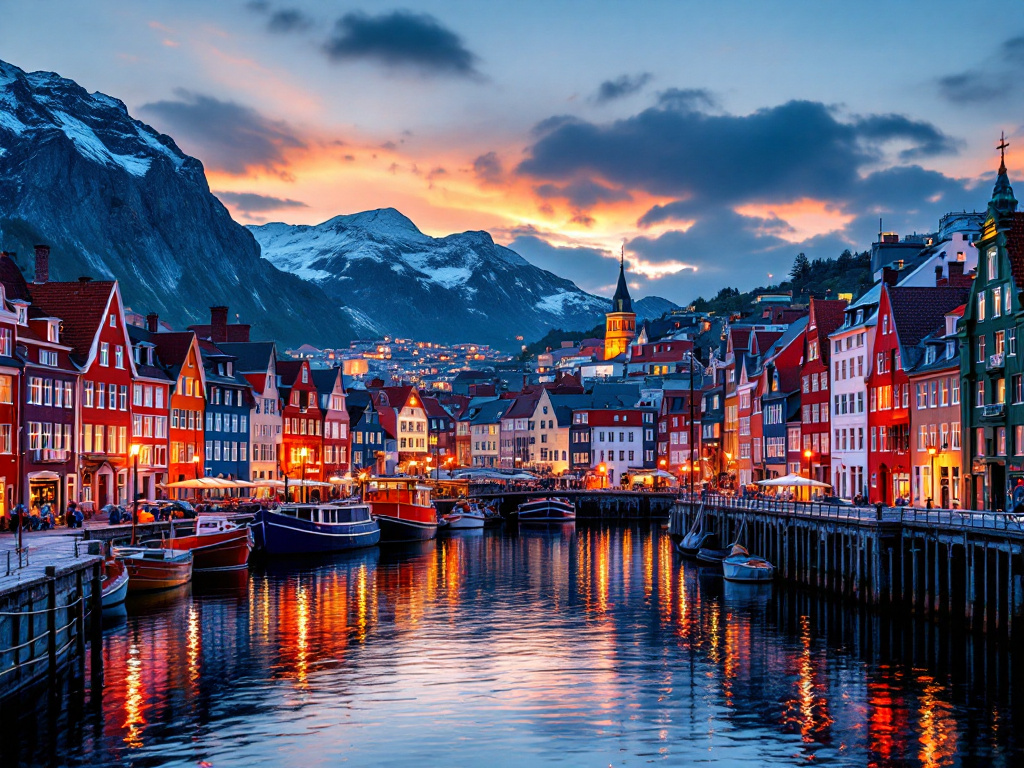
Bryggen in Bergen
A UNESCO protected harbor area with historic wooden houses.
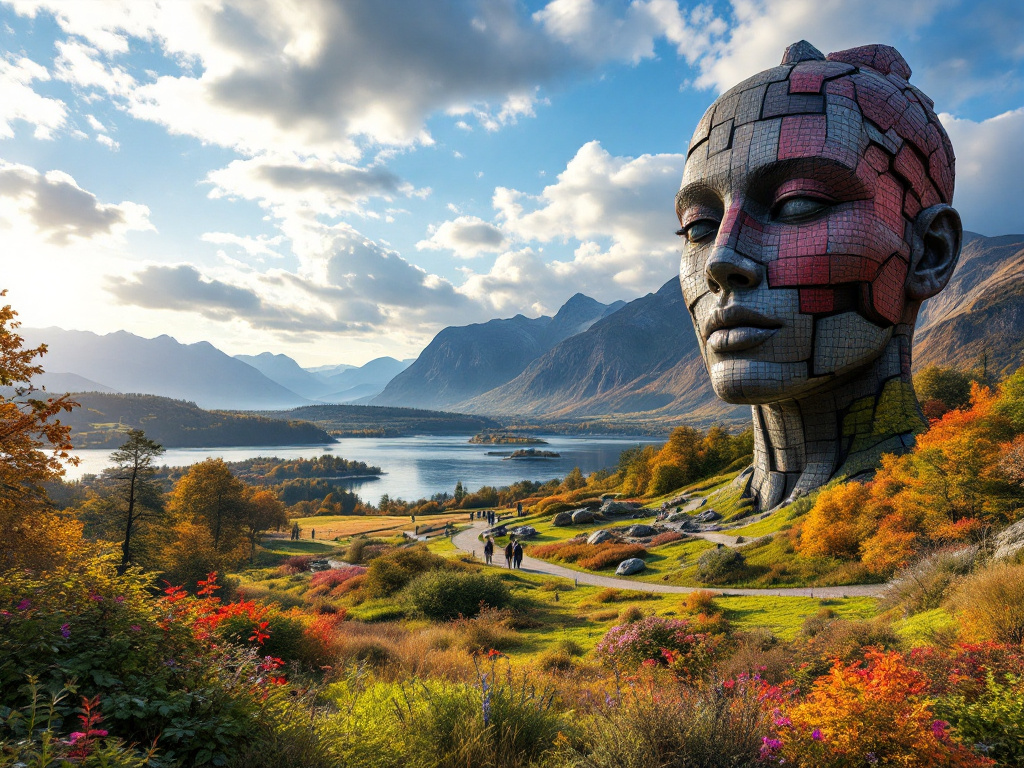
Vigeland Park
The world's largest sculpture park created by a single artist.
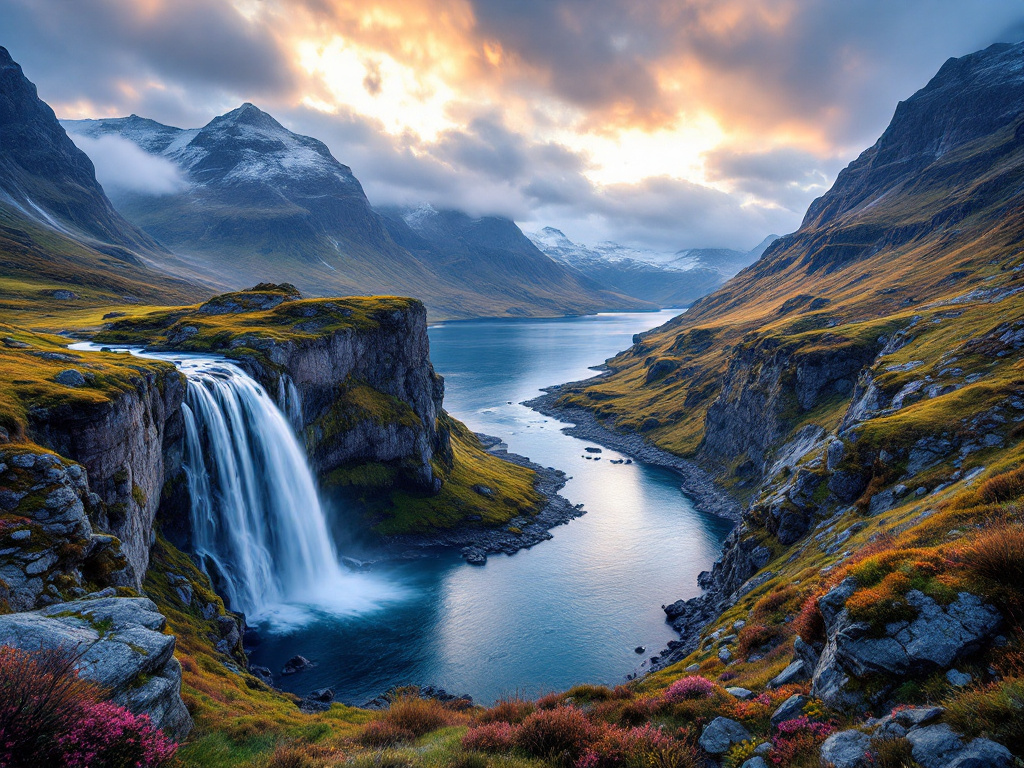
Flåmsbana
One of the world's most spectacular train journeys through mountain landscapes.
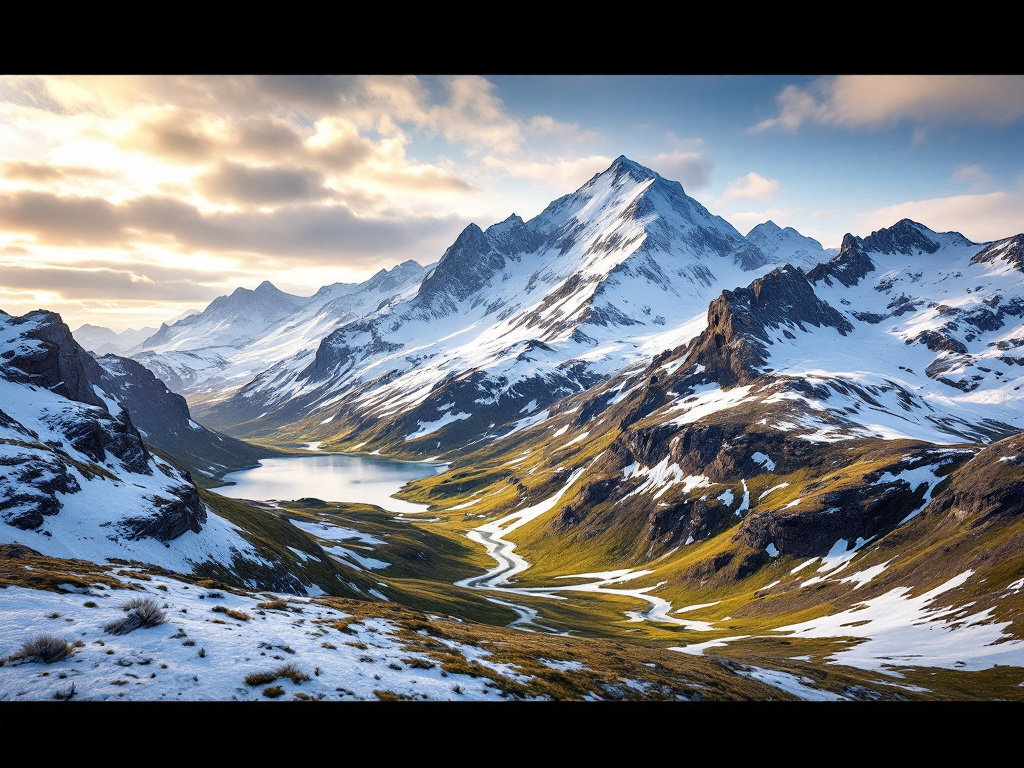
Jotunheimen National Park
A magnificent mountain area with hiking routes and alpine peaks.
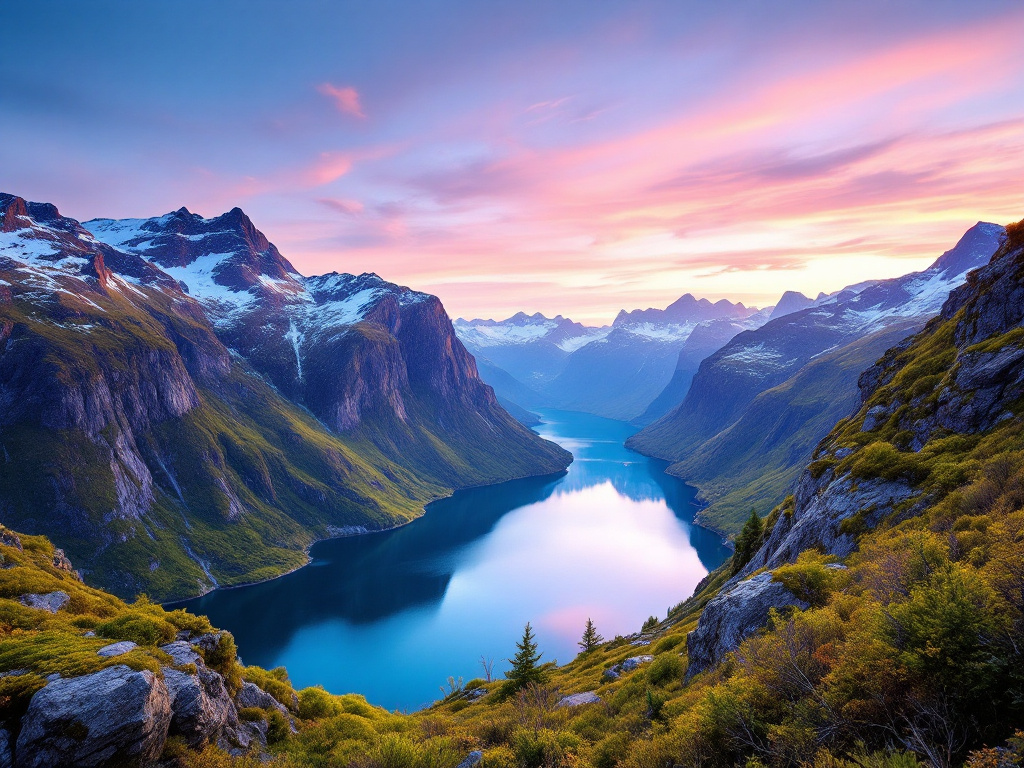
Nærøyfjord
A narrow and dramatic fjord that is part of UNESCO World Heritage.
Famous cuisine
Culinary overview
Norwegian cuisine is deeply rooted in the country's nature and seasons. Fresh ingredients from the sea such as cod, salmon, and shrimp play a central role, while game, lamb, and root vegetables characterize many traditional dishes. Norway is known for its simplicity in preparation, allowing the quality of the ingredients to shine. Many dishes have roots in old preservation methods such as drying, salting, and fermenting. Modern Norwegian restaurants combine these traditions with innovative techniques, often inspired by the new Nordic cuisine. From cozy fish stalls along the coast to Michelin-starred restaurants in Oslo, there is something for every taste.
Must-try dishes
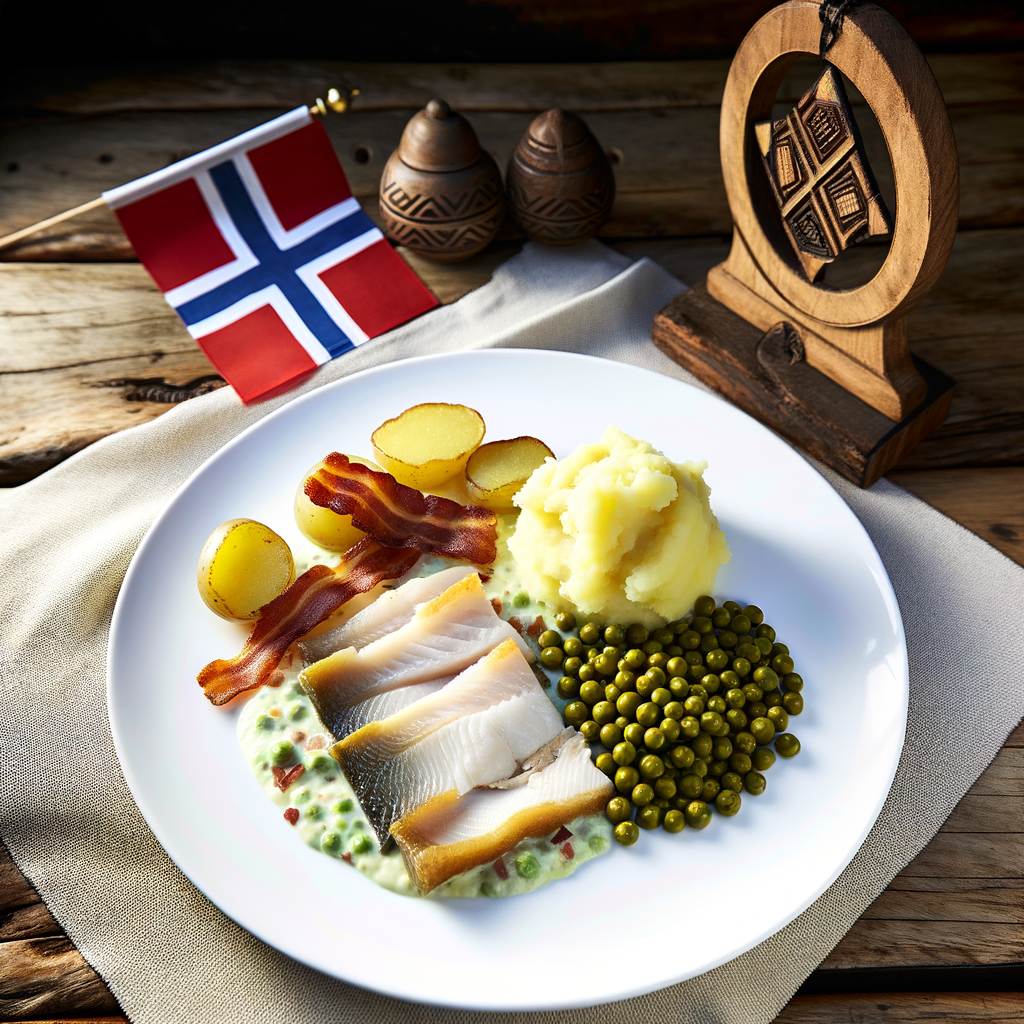
Lutefisk
A traditional dish made from dried cod that has been soaked in lye and then boiled or baked. Often served with pea puree, bacon fat, and potatoes. A classic during Christmas.
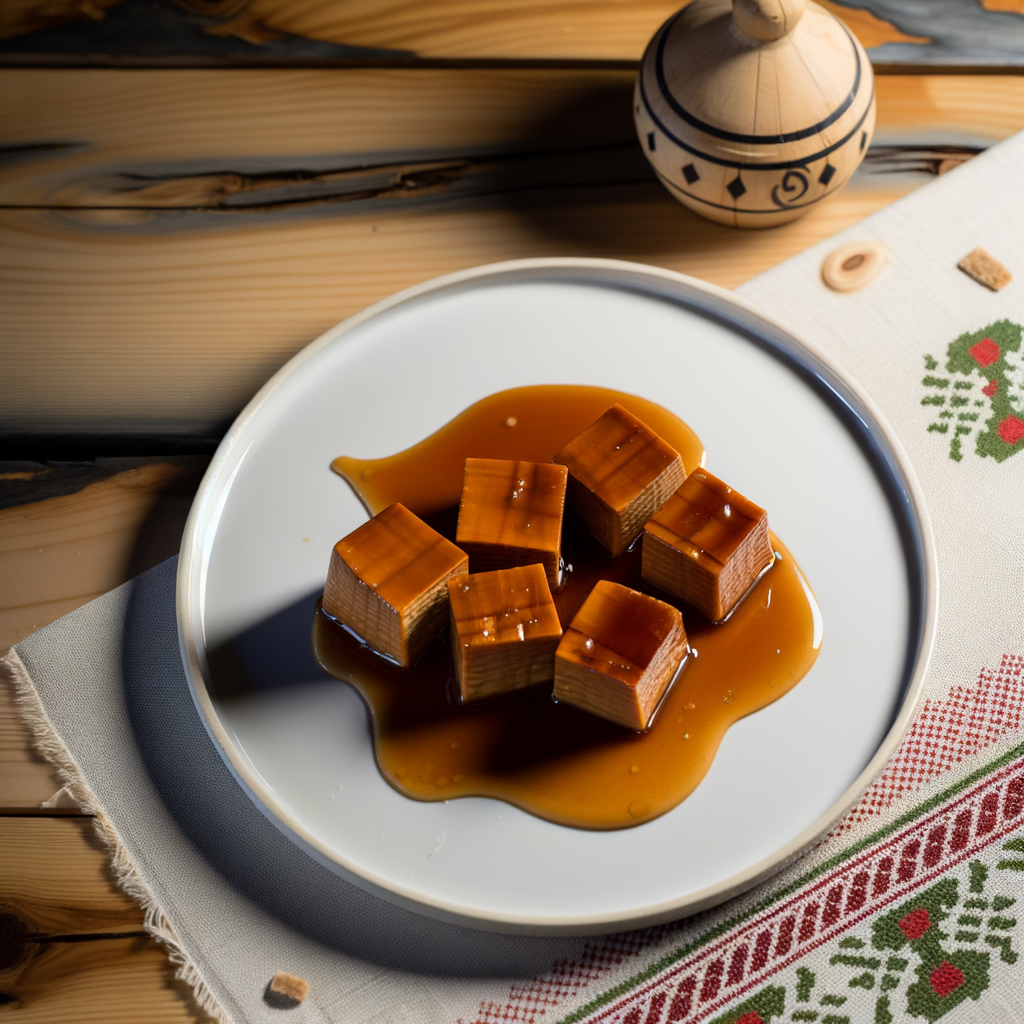
Brunost
A sweet, caramelized cheese made from goat's milk, known for its characteristic brown color and unique flavor. Often eaten on bread or waffles.
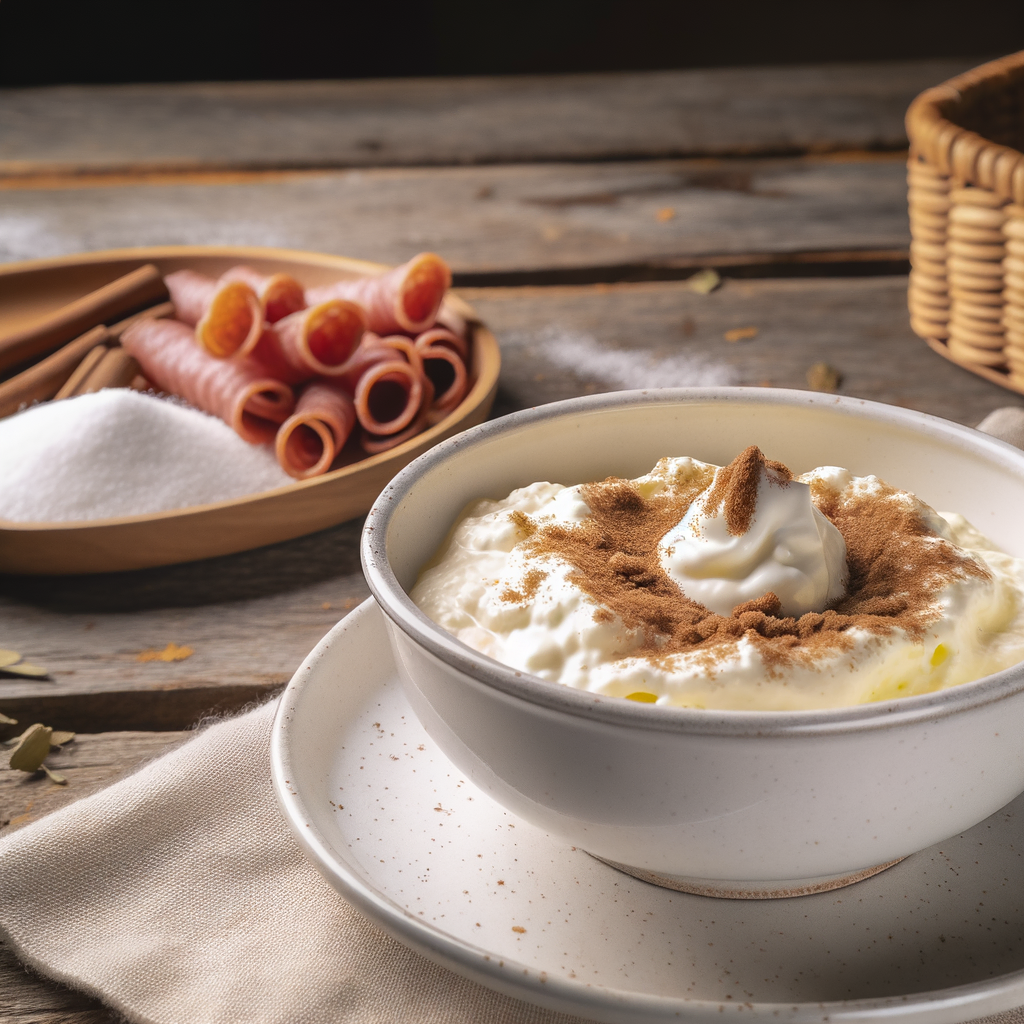
Rømmegrøt
A creamy porridge made from sour cream, milk, flour, and butter, served with sugar, cinnamon, and cured meat. Traditionally eaten during holidays.
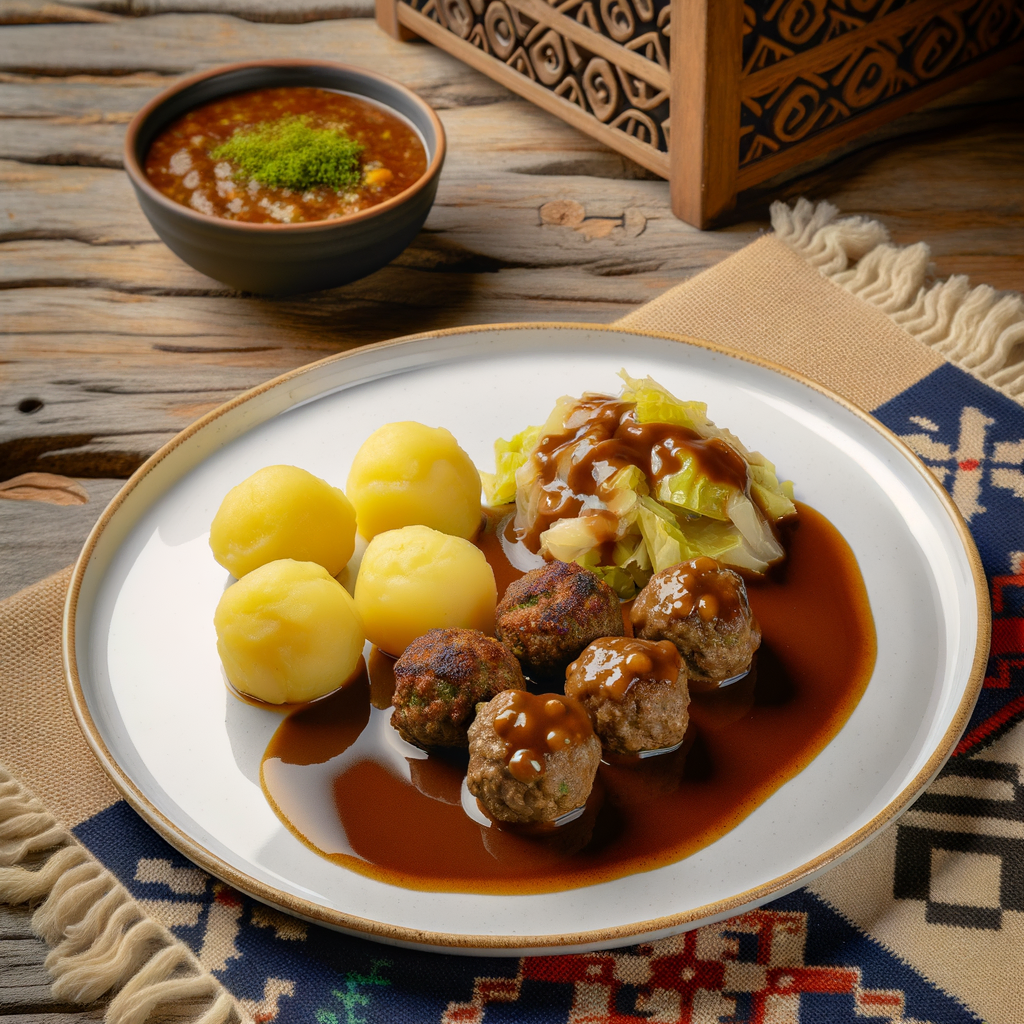
Kjøttkaker
Norwegian meatballs made from minced beef, seasoned with nutmeg and ginger, served with brown sauce, potatoes, and cabbage stew.
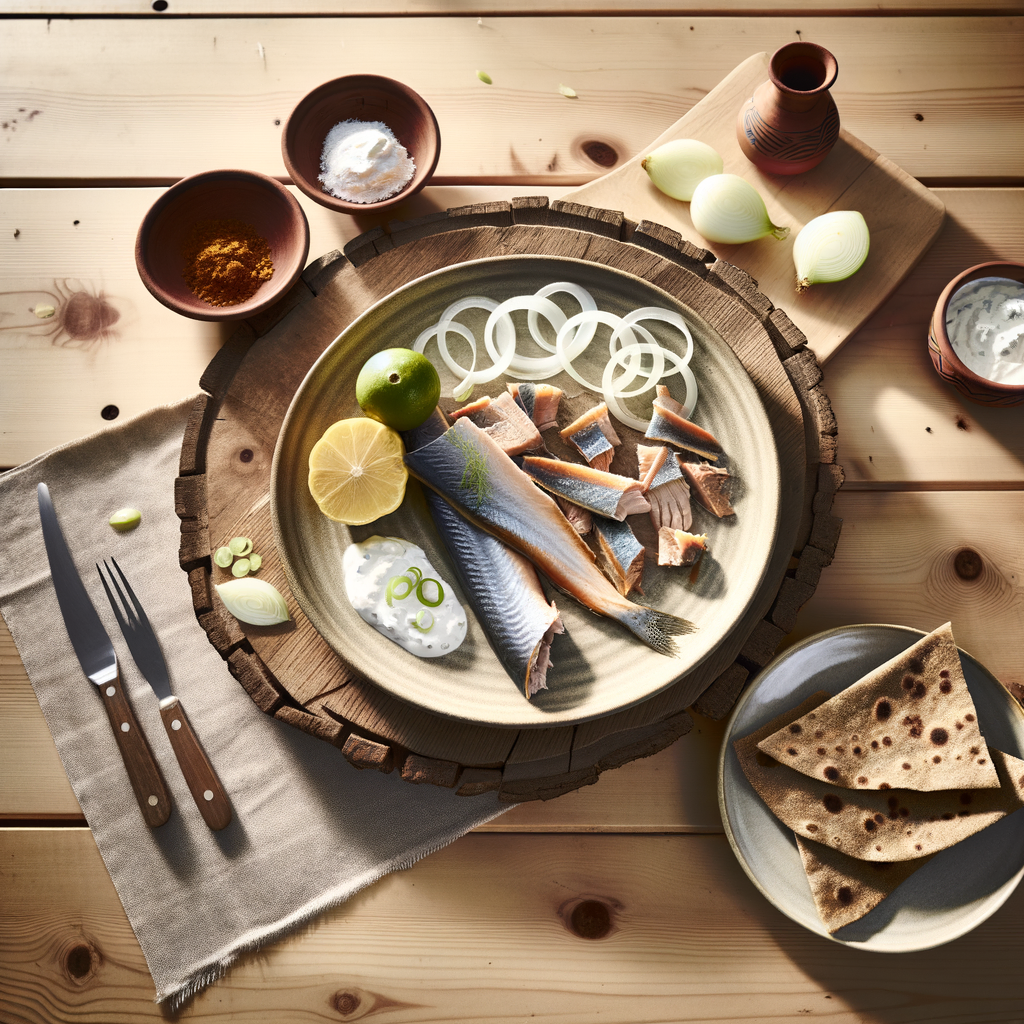
Rakfisk
Fermented trout that is eaten raw after several months of storage. Typically served with flatbread, onions, and sour cream. A specialty for the adventurous.
Restaurant information
Tipping
Tipping is not obligatory in Norway, as service is generally included in the price. However, it is common to round up or leave 5-10% for good service.
Travel information
Currency
Norske kroner (NOK)
Language
Norwegian
Best time to visit
May-August for summer activities and December-February for winter sports
Major cities
Oslo and other major cities
More countries in Europe
Discover more destinations in this region